Plant ID
 Call Kai
 Learn
Learn Practice Test
 Spaced Repetition
 Match
Match Flashcards
 Knowt Play
1/67

There's no tags or description
Looks like no tags are added yet.
Name | Mastery | Learn | Test | Matching | Spaced | Call with Kai |
|---|
No analytics yet
Send a link to your students to track their progress
68 Terms
Cupressaceae
Cypress family
Scale-like leaves
Generally resinous and aromatic
Bark fibrous and furrowed
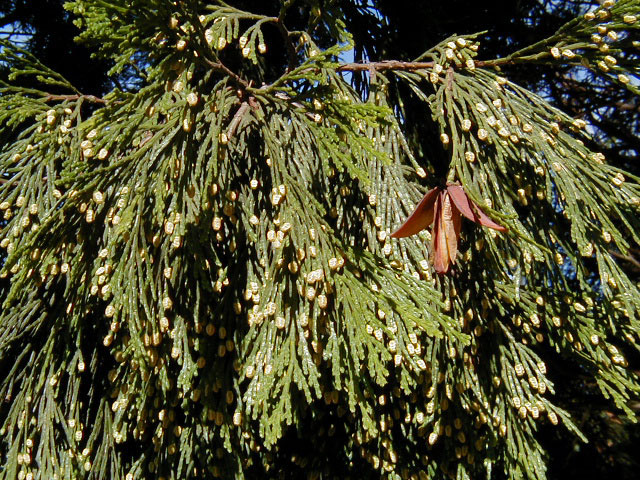
Calocedrus decurrens (Incense Cedar)
Family: Cupressaceae
Duck-bill cones
Foliage is held in flattened vertical sprays
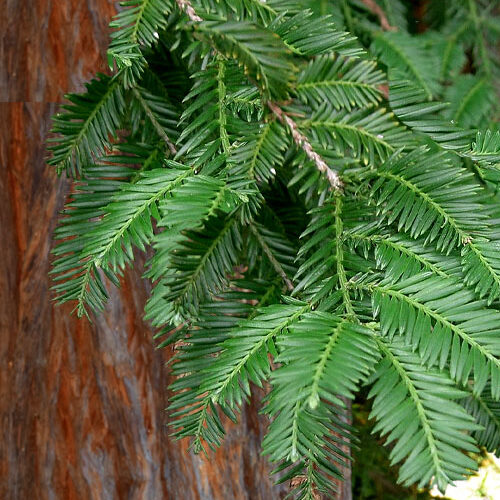
Sequoia sempervirens (Coast Redwood)
Family: Cupressaceae
Bark red-brown, fuzzy
Flat, v-shaped, 2-ranked needles.
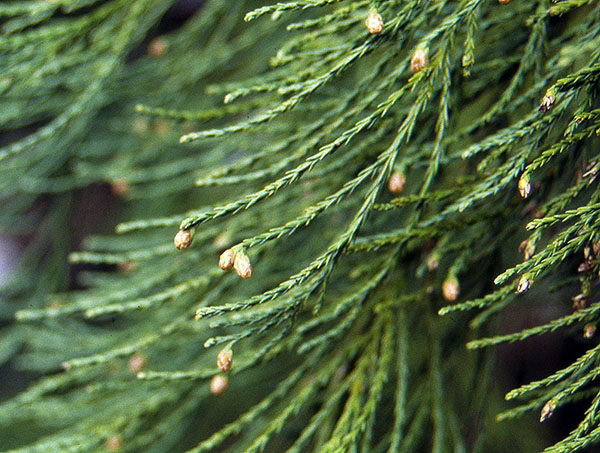
Sequoiadendron giganteum (Giant Sequoia)
Family: Cupressaceae
Scale-like with sharp points
Largest tree in the world, and one of the oldest!
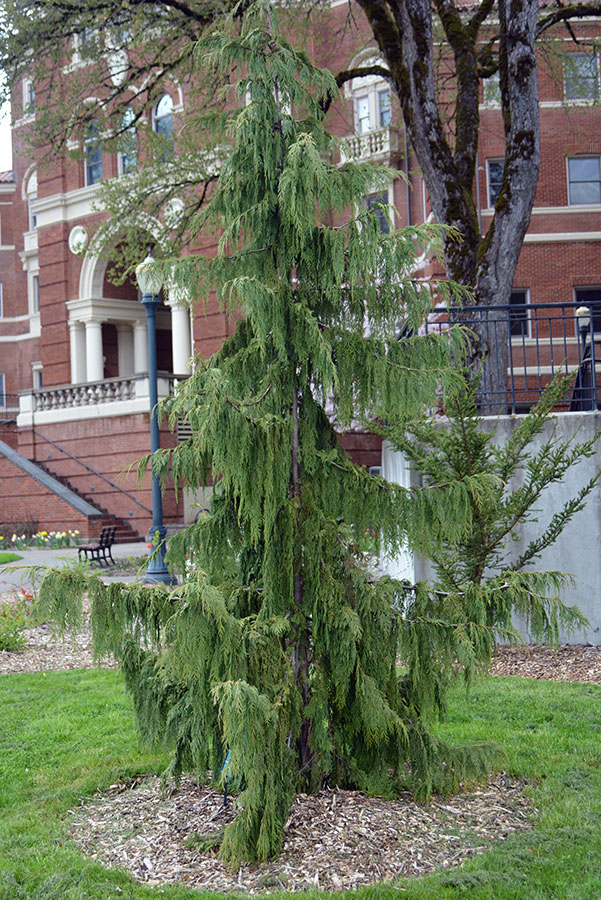
Callitropsis nootkatensis (Alaska Yellow Cedar)
Family: Cupressaceae
Cones are small, woody, and bell-like with points
Small, scale-like leaves forming flattened, “weeping” sprays.
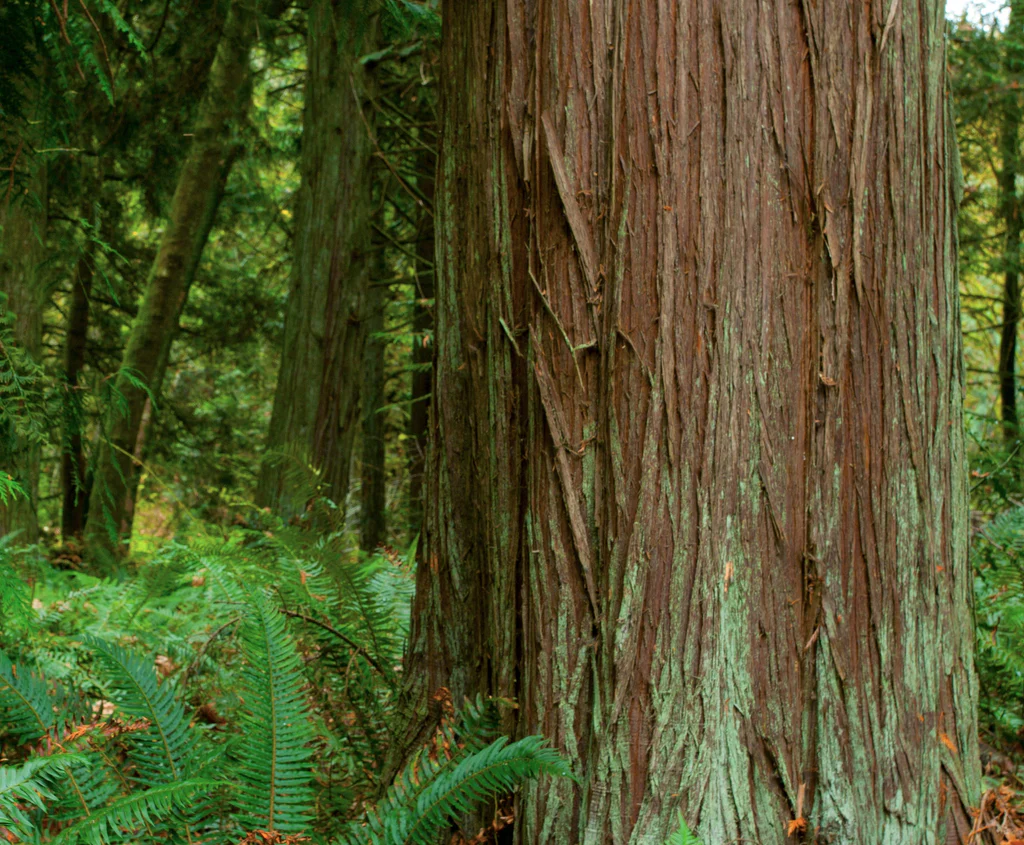
Thuja plicata (Western Red cedar)
Family: Cupressaceae
Bark red, vertical, thin strips
Flowery, rose-shaped cones
Rot resistant, fungus-, bacteria-, and virus- resistant.
Having a hard time with climate change-induced heat waves. May only be suitable for wet low-lying areas in the future
Pinaceae
Pine family
Spirally arranged, linear, needle-like leaves. Needles in clusters.
Pollen cones and ovary cones on same tree. Edible and rich in oils.
Resin usually expectorant.
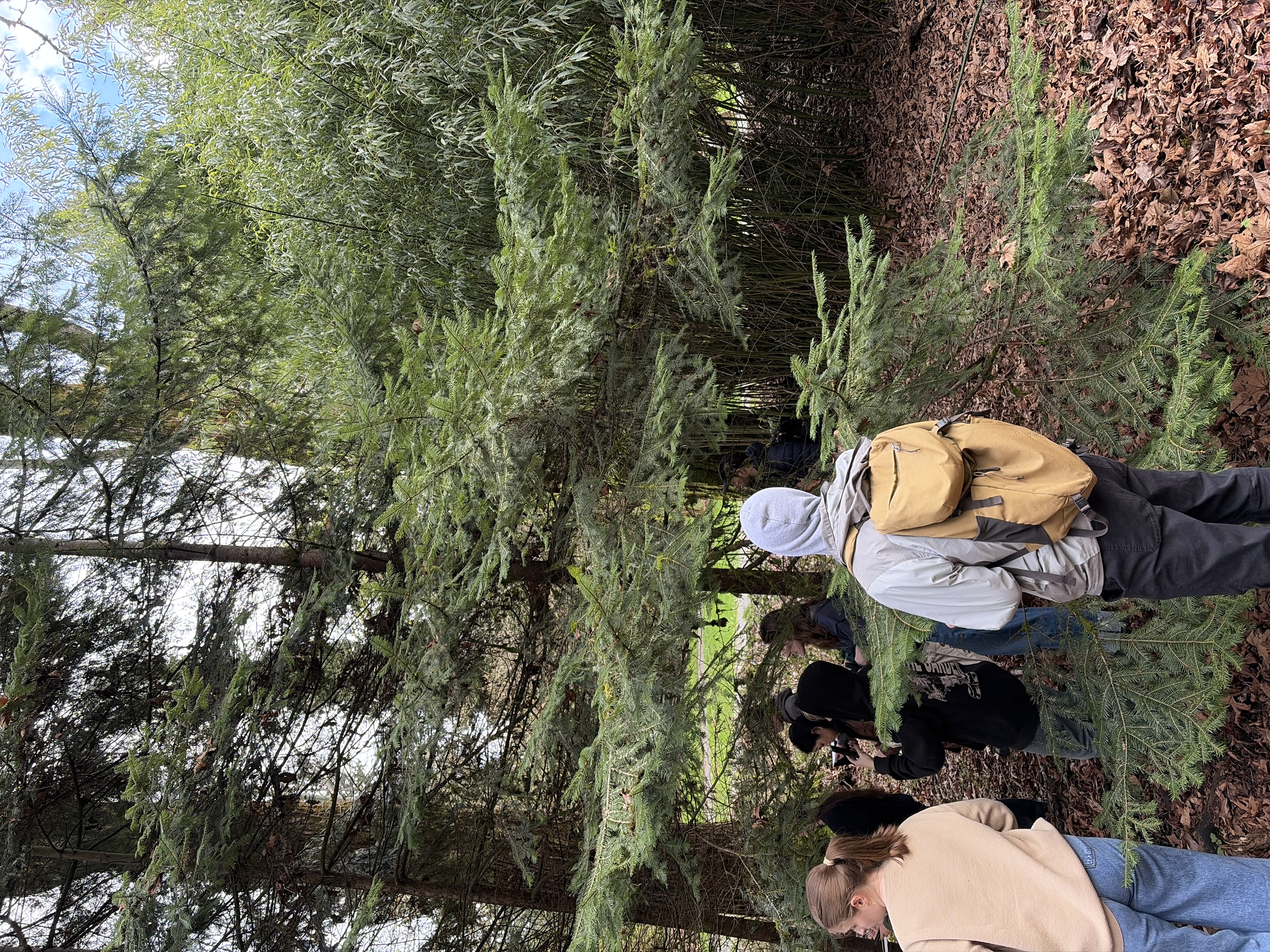
Abies grandis (Grand Fir)
Family: Pinaceae
FLAT arrangement! Dark green needles with 2 stomatal bands underneath. Alternating needle length.
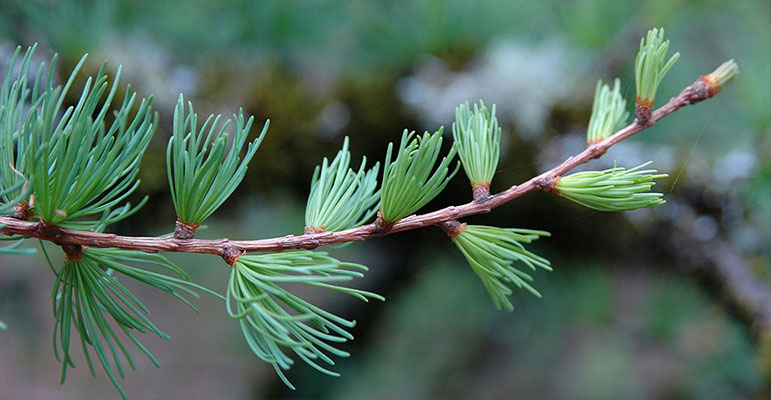
Larix occidentalis (Western larch)
Family: Pinaceae
Larches are the only deciduous conifer! Brilliant yellow in Autumn.
15-30 needles per bundle clustered at the tip of spur twigs.
Bark smells like butterscotch!
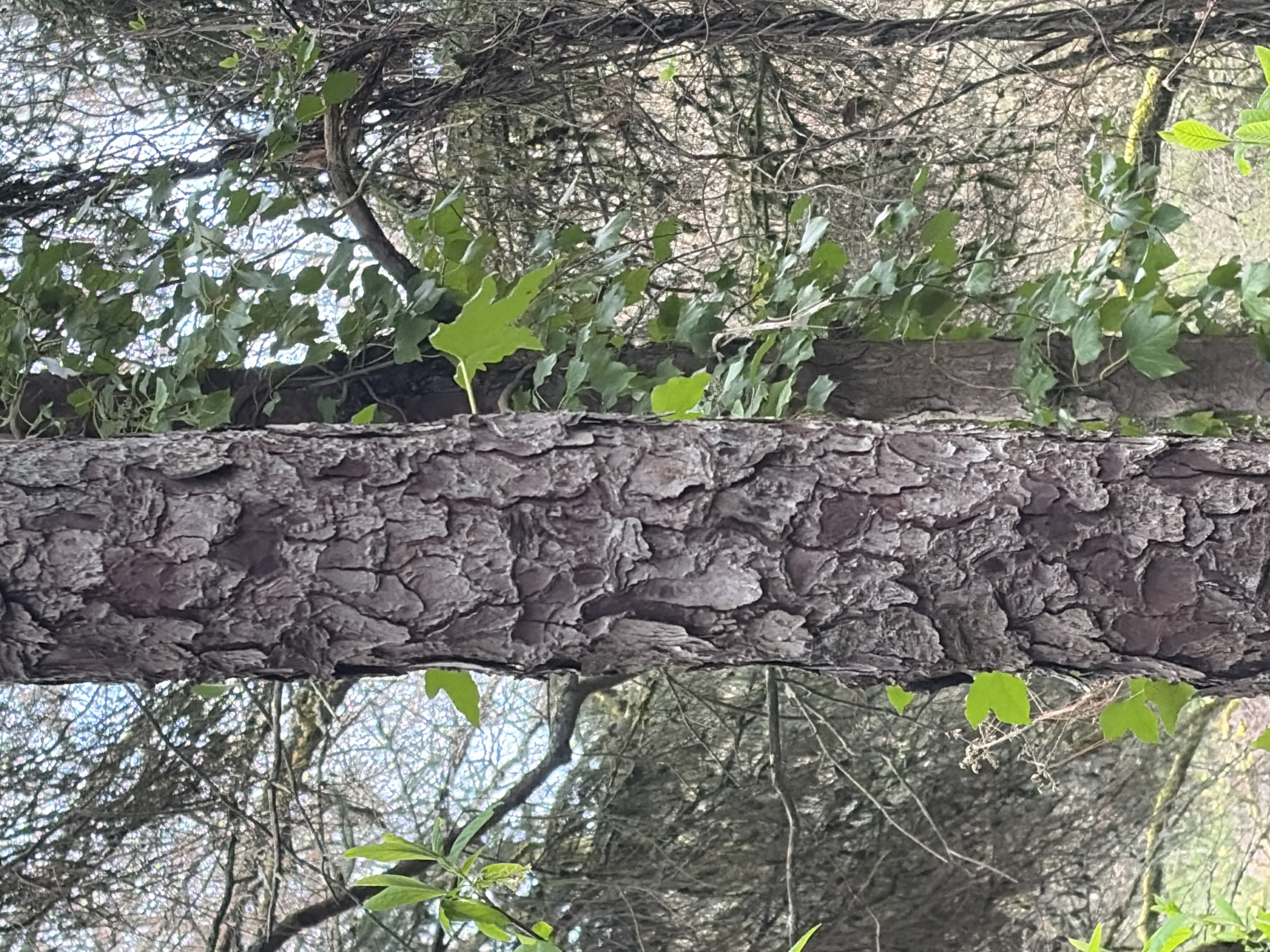
Picea sitchensis (Sitka spruce)
Family: Pinaceae
Sharp needles. Painful to touch
Bark is grey, thin, breaks into scales.
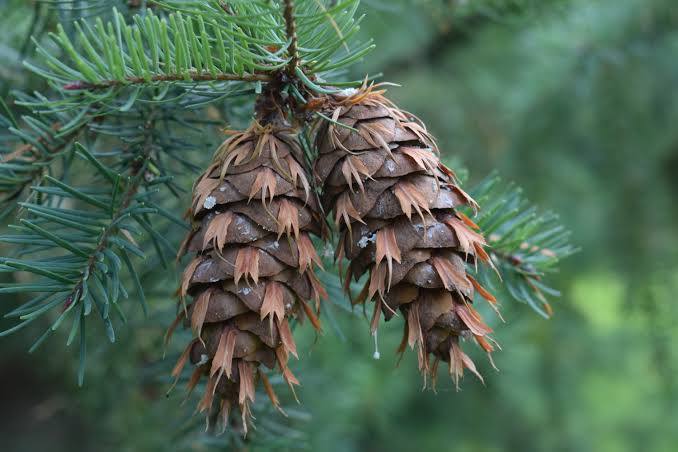
Pseudotsuga menziesii (Douglas fir)
Family: Pinaceae
Needles all the way around the branch (bottlebrush). All the same length.
Mouse tail-shaped bracts
New bright green growth is in vitamin C. Infuse in water = nature’s gatorade!
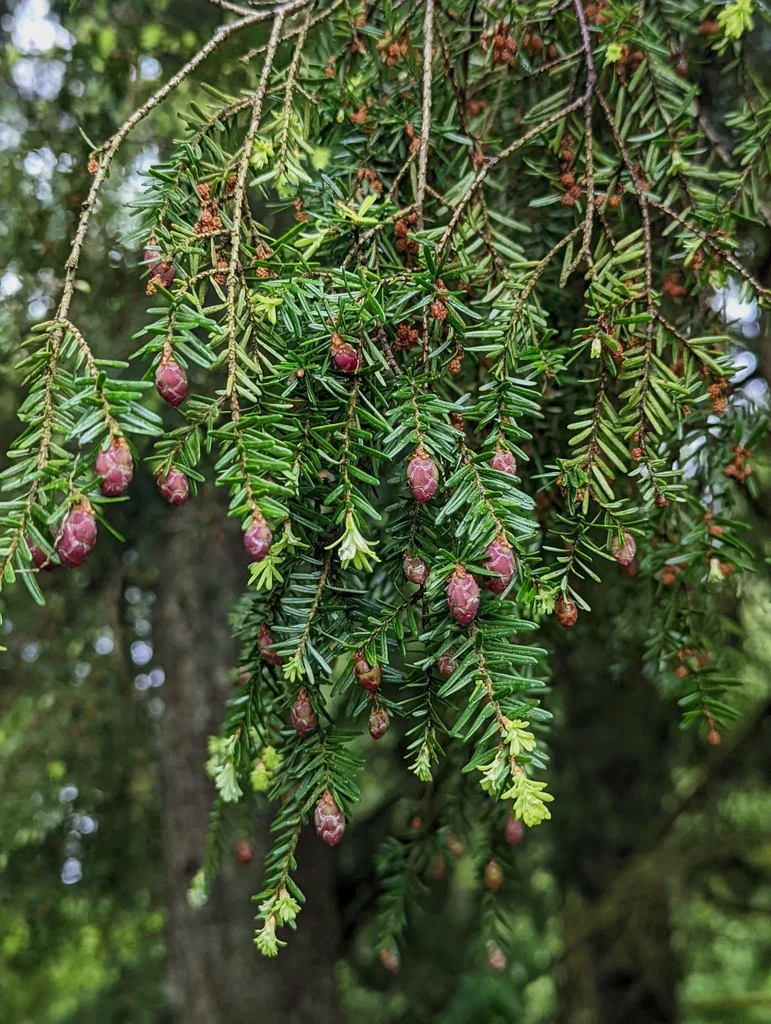
Tsuga heterophylla (Western hemlock)
Family: Pinaceae
Needles flat and alternating in length. Yellowish-green on top, 2 stomatal bands below.
Top of the tree is droopy.
One of th most shade tolerant trees. Has one of the densest canopies, so not very many things grow underneath it.
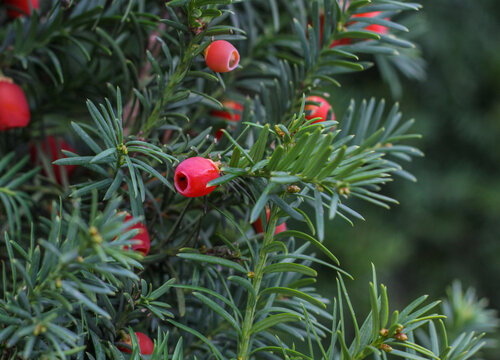
Taxus brevifolia (Pacific yew)
Family: Taxaceae
Needles dark green above, lime-green below.
New growth twigs are green
Seed is enclosed in a red aril
Entire plant contains poisonous alkaloids!
Grows very slowly and is usually in understory under other trees.
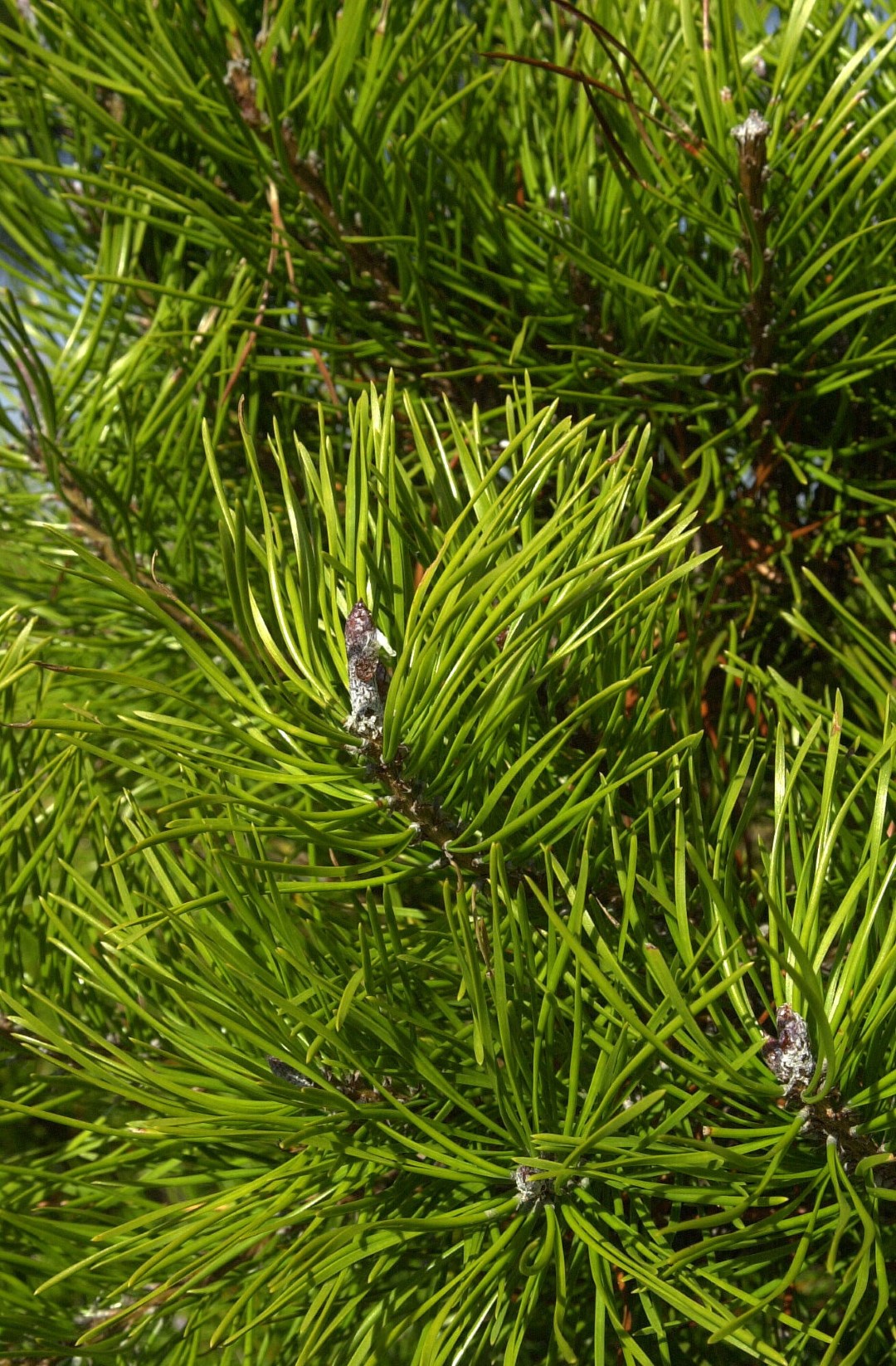
Pinus contorta (Shore pine/lodgepole pine)
Fascicles in TWO, short.
Subspecies contorta has twisted trunk and short needles, found along pacific coast. Subspecies latifolia thrive towards the Cascades + east of Cascades.
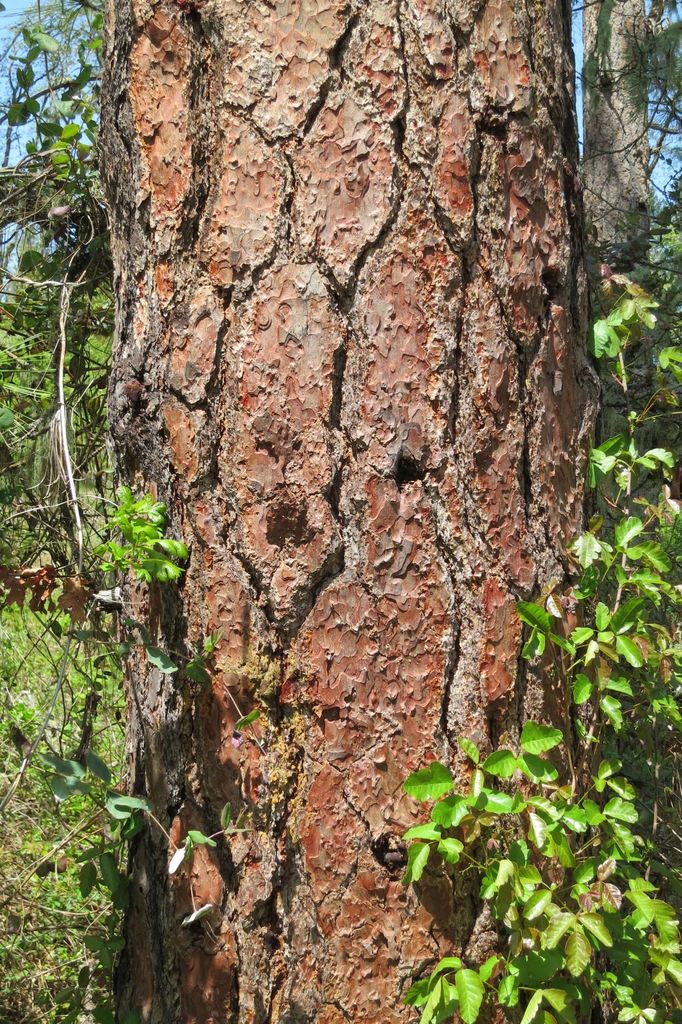
Pinus ponderosa (Ponderosa pine)
Family: Pinaceae
3 needles per fascicle
Cones are prickly
Bark is flat red to yellow plates, like jigsaw puzzles
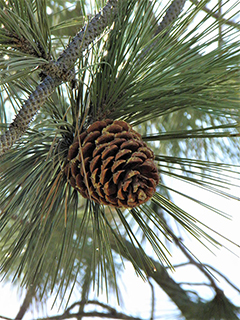
Pinus jeffreyi (Jeffrey pine)
Family: Pinaceae
Fascicles in THREE.
Cones known as “Gentle Jeffrey”, the barbs point inward, making them soft to hold, unlike prickly Ponderosa cones.
Betulaceae
Birch family
Deciduous trees and shrubs
Simple, alternate, doubly serrate leaves.
Wind-pollinated flowers arranged in unisex catkins.
Papery or smooth bark with horizontal lenticels.
Fruit are small nuts or samaras
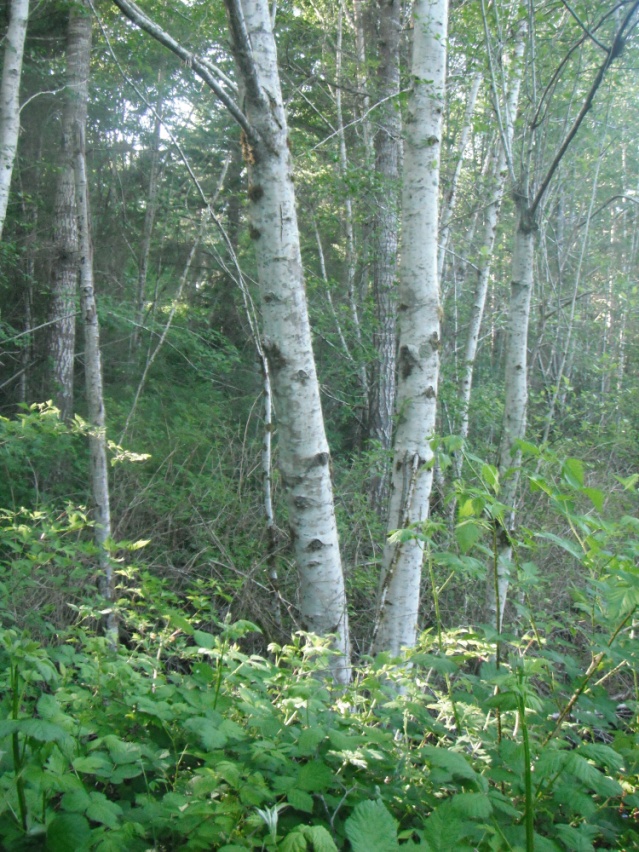
Alnus rubra (Red alder)
Betulaceae
Thin, smooth, mottled, light grey-white bark
Alternate, broadly elliptic. Wavy margins with coarse, blunt teeth.
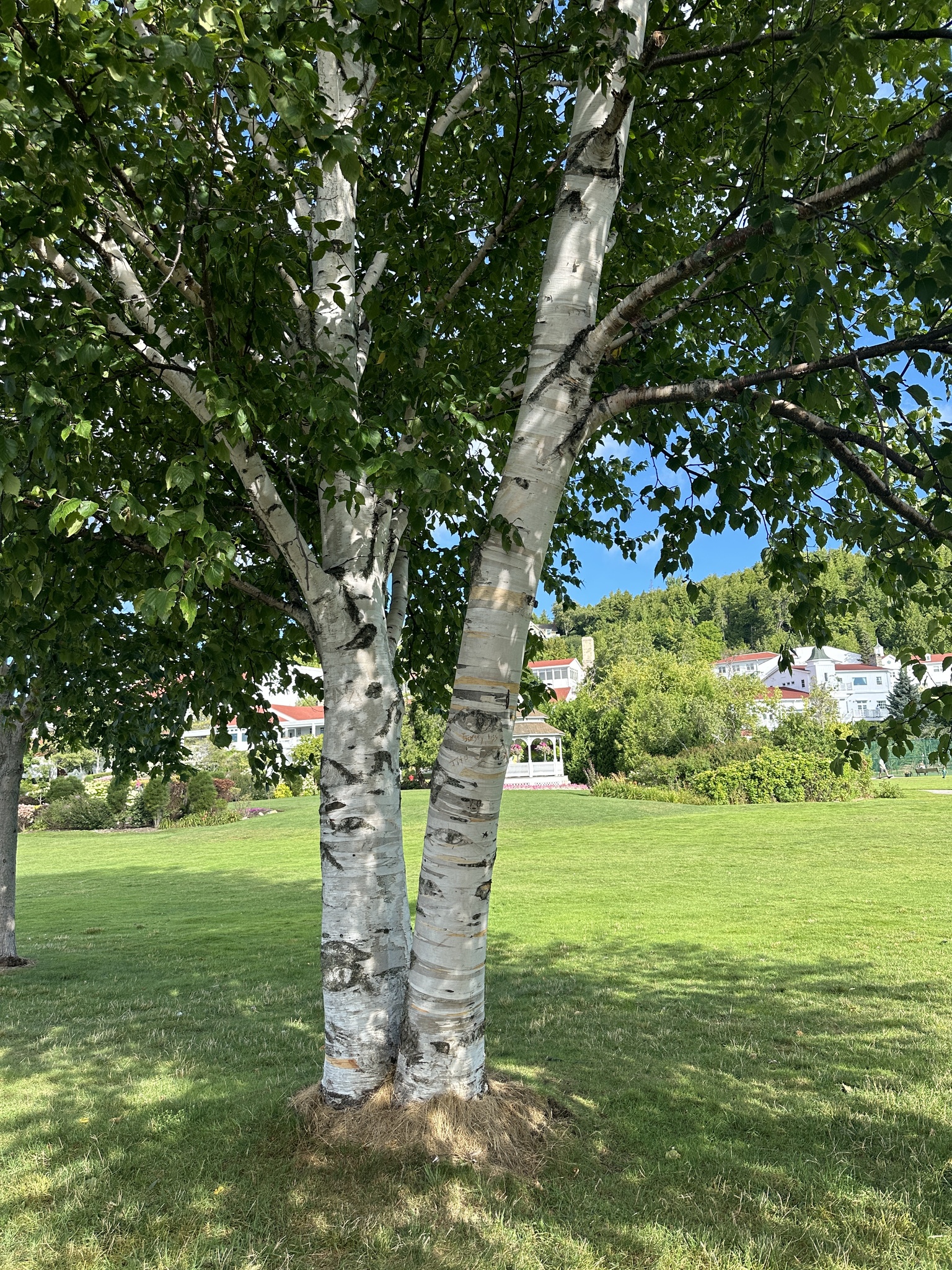
Betula papyrifera (Paper birch)
Betulaceae
Chalk white to cream color bark. Peels off in thin paper horizontal sheets
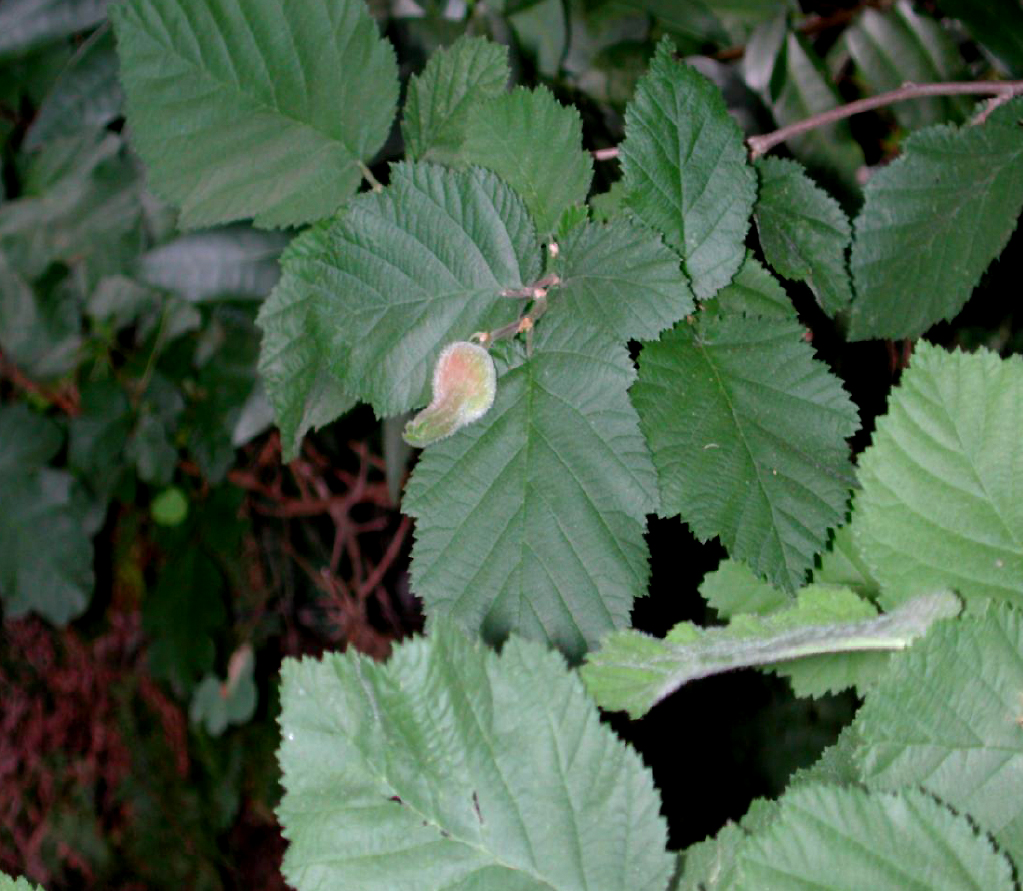
Corylus cornuta (Beaked hazelnut)
Betulaceae
Fuzzy along the leaf veins
Hard-shelled nut formed in a husk shaped like a beak.
Cornaceae
Dogwood family
Simple, opposite leaves with distinct arching veins
Small flowers often surrounded by white bracts
Drupe fruit
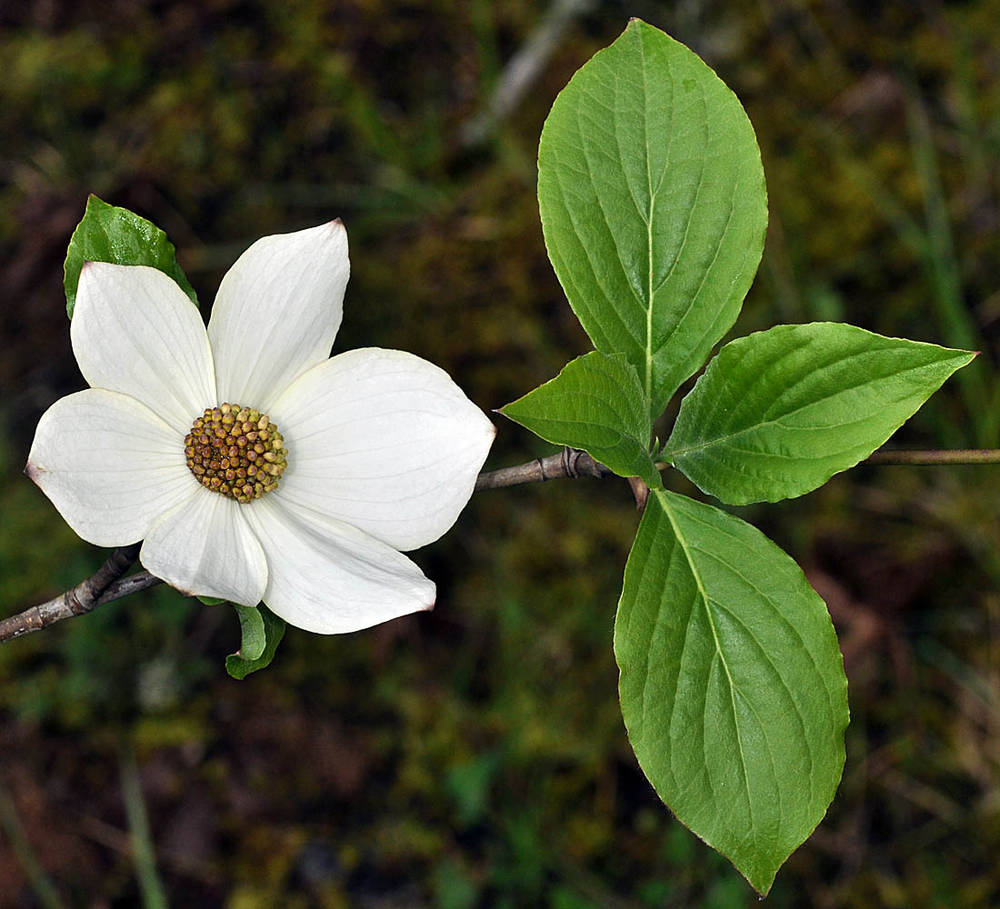
Cornus nuttallii (Pacific Dogwood)
Cornaceae
Opposite leaves. Leaf veins curve parallel to the leaf edge. Elastic threads when you pull leaf apart!
Small flowers surrounded by white bracts that look like one large flower.
Clusters of bright red berries.
Ericaceae
Heath family
Simple, often evergreen, leathery leaves
Fused-petal, urn-shaped or bell-shaped flowers
Fruits typically capsules, berries, or drupes.
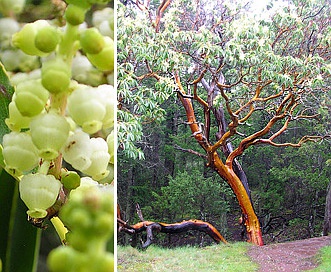
Arbutus menziesii (Pacific Madrone)
Ericaceae
Smooth, peeling bark. Lighter green or coppery colored bark underneath.
Dark, shiny green above, whitish-green below. Without teeth.
White, urn-shaped in large drooping clusters.
Fagaceae
Beech family
Alternate, simple, often lobed leaves.
Unisexual flowers usually in catkins
Fruit is a single seed nut in a scaly or spiny cup-like husk.
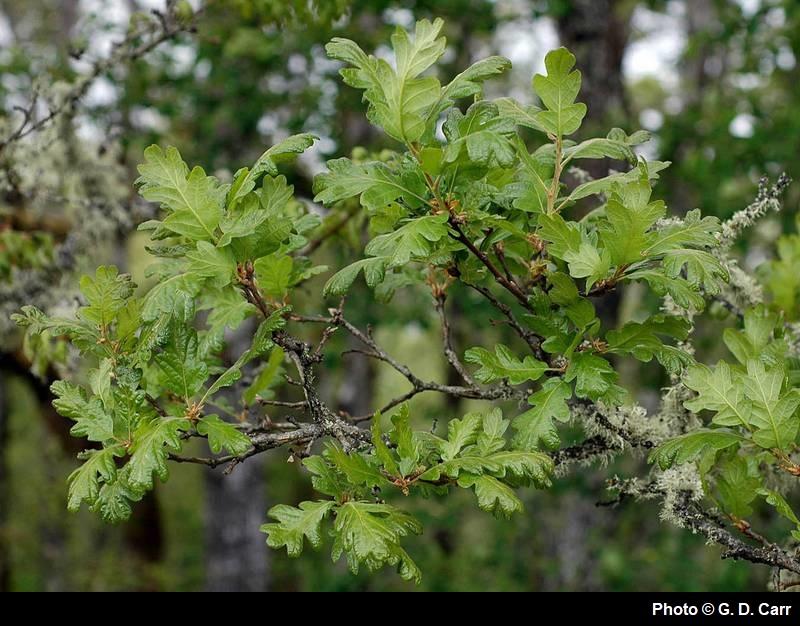
Quercus garryana (Garry Oak)
Fagaceae
Often gnarled, twisted limbs.
Light grey bark with thick furrows and ridges
Deeply round-lobed deciduous leaves.
Oleaceae
Olive family
Woody trees/shrubs/climbing vines
Opposite leaves, often leathery leaves.
4 petals-sepals
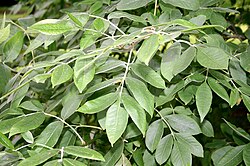
Fraxinus latifolia (Oregon Ash)
Oleaceae
Opposite, pinnately compound with usually 5-7 leaflets
Paddle-shaped samara
Salicaceae
Willow family
Simple, alternate leaves
Flowers in catkins. Produces capsules with silky-haired, wind-dispersed seeds.
often found in riparian areas.
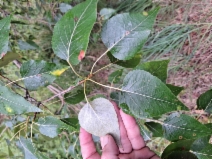
Populus trichocarpa (Black Cottonwood)
Alternate, shiny dark green above and silvery below. Truncate at base.
Seeds covered in white, fluffy hairs
Sapindaceae
Soapberry family
Woody trees and shrubs.
Often alternate, compound leaves.
Small, nectar-rich flowers in paniculate clusters
Fruits capsules or drupes
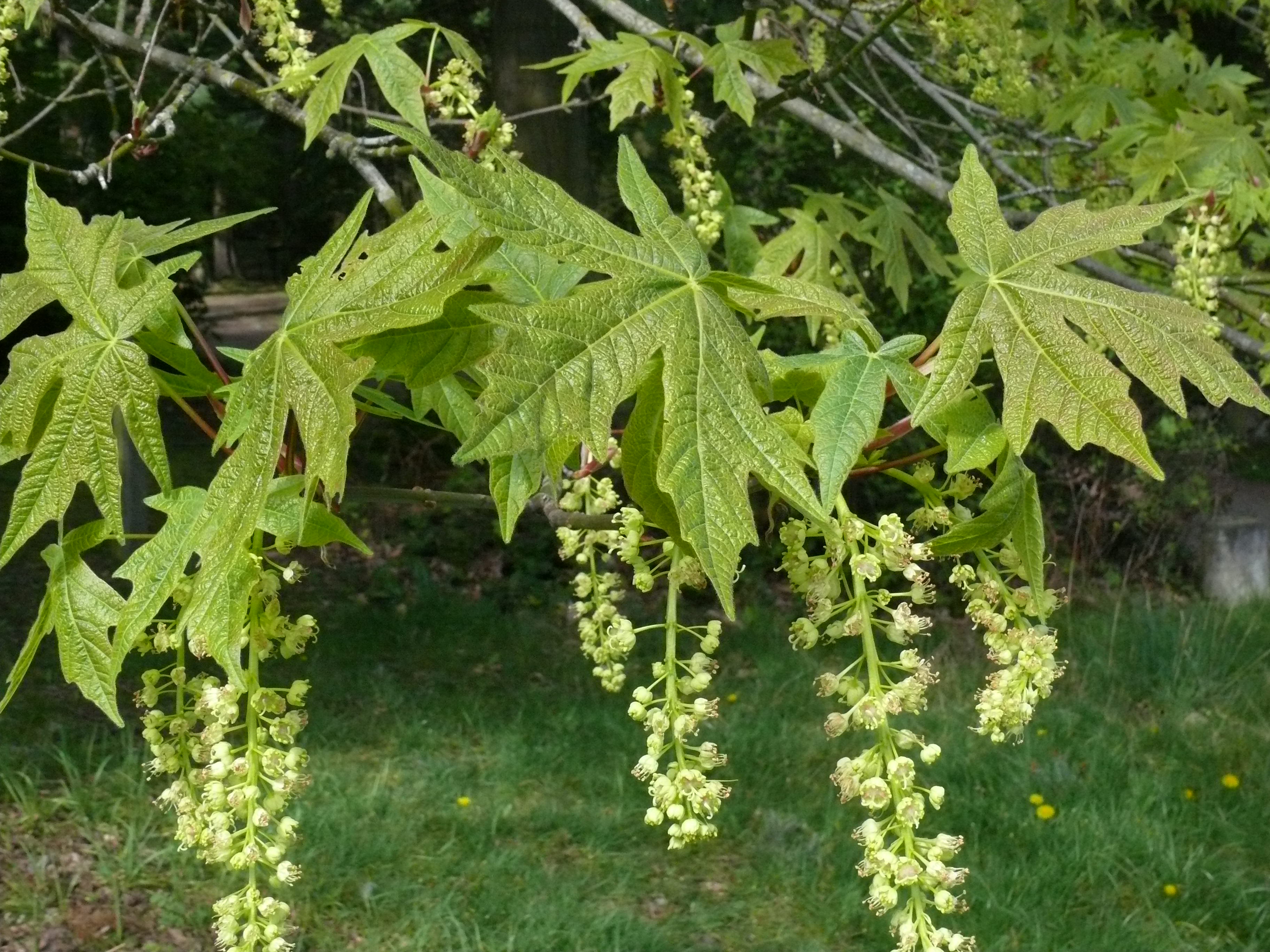
Acer macrophyllum (Big Leaf maple)
Sapindaceae
5-lobed LARGE leaves. Leaf stalk exudes milky juice (latex) when cut.
Greenish-yellow hanging panicle flower
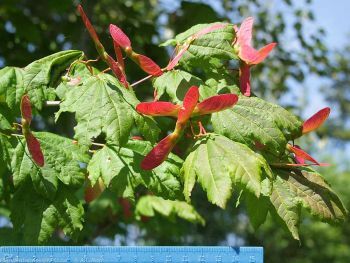
Acer circinatum (Vine maple)
Sapindaceae
Opposite, round, 7-9 lobed leaves
Widely spreading samaras
Berberidaceae
Barberry family
Often featuring yellow inner bark, spiny stems, and yellow flowers.
Frequently with parts in multiples of 3.
Best identified by their unique anthers that open by uplifting flaps.
Fruits fleshy berries or capsules
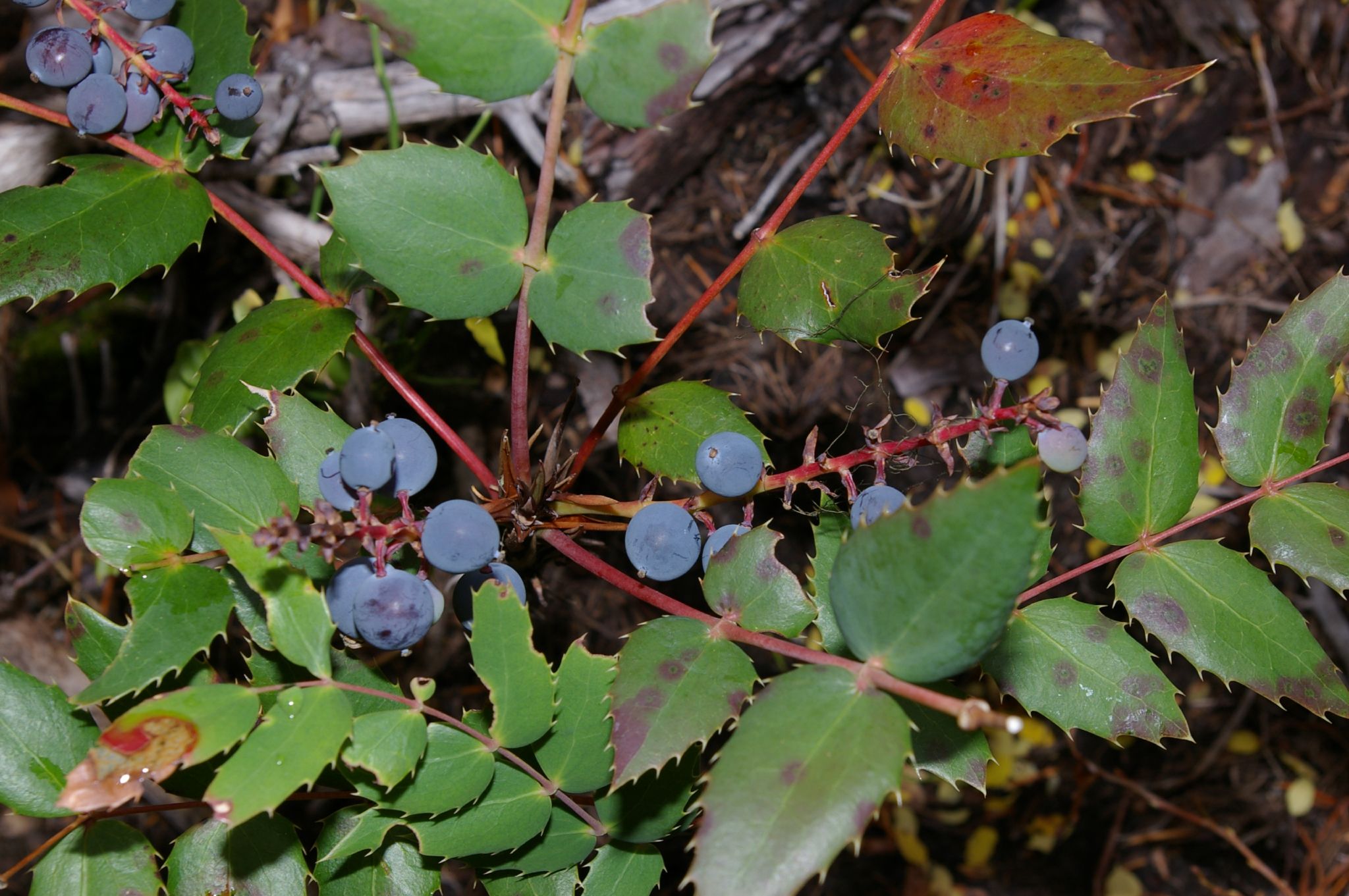
Mahonia nervosa (Low/dull Oregon Grape)
Berberidaceae
Evergreen with yellow inner bark
9-19 leathery leaflets, DULL. Prominent spiny teeth with 3 central veins
Bright yellow flower parts in 6
Blue berries
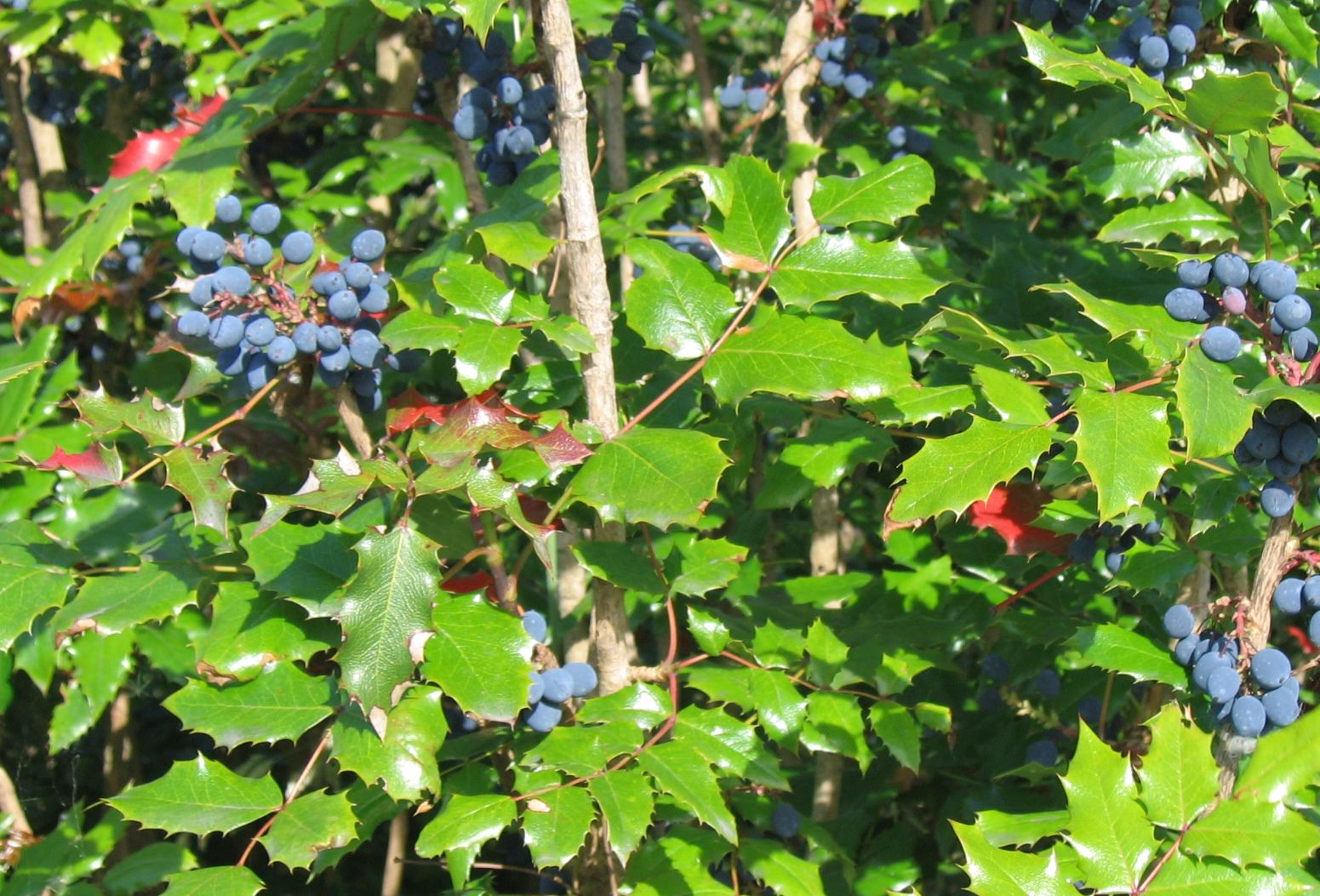
Mahonia aquifolium (Tall Oregon Grape)
Berberidaceae
5-9 leaflets, glossy above but less so underneath.
Each leaflet with 1 central vein.
Bright yellow flowers
Dark purple-to-black berries
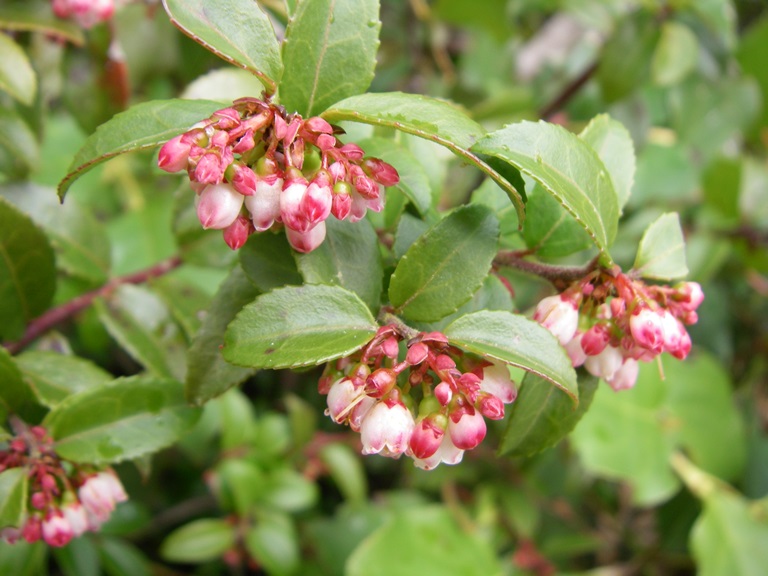
Vaccinium ovatum (Evergreen Huckleberry)
Ericaceae
Alternate, evergreen, leathery, sharp-toothed. Dark, shiny green on top, paler below.
Purplish-black berries. Edible, sweet.
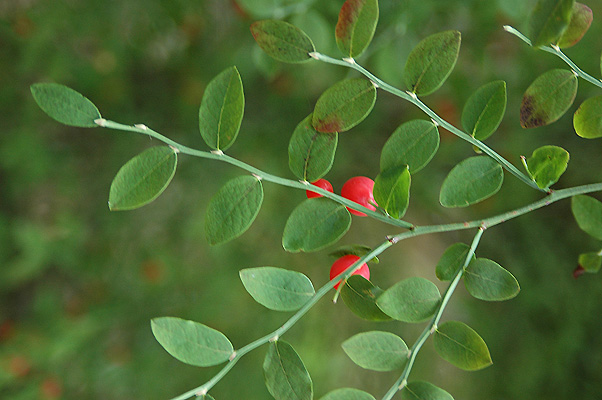
Vaccinium parvifolium (Red huckleberry)
Ericaceae
Bright green, sharp angled (ribbed) twigs.
Leaves NOT toothed
Bright red berries; edible but sour.
Rosaceae
Rose family
5 petals, 5 sepals.
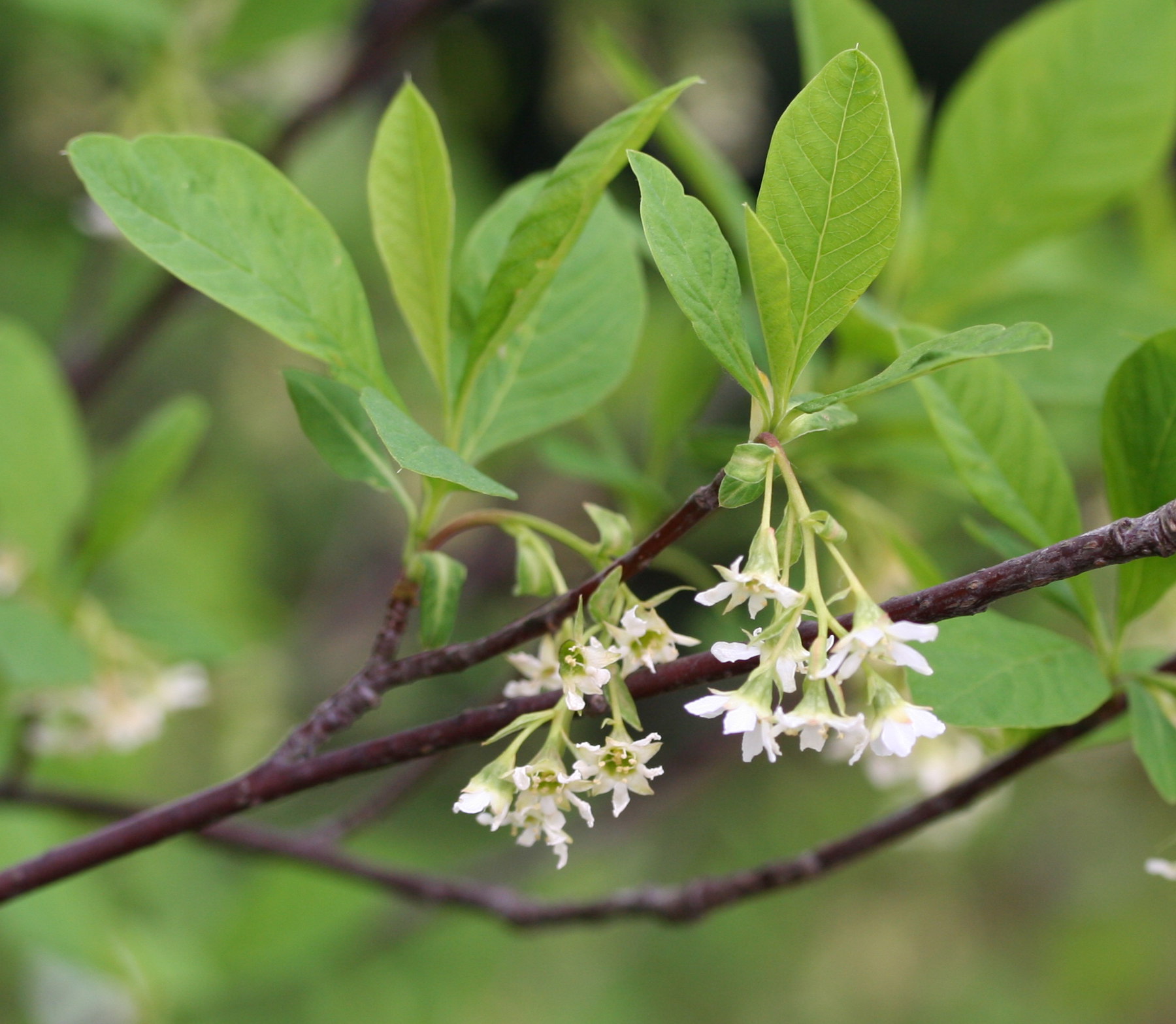
Oemlaria cerasiformis (Osoberry)
Rosaceae
Deciduous, fast-growing, upright shrub
Alternate, pale-green, lance-shaped. NOT TOOTHED. Protruding midvein
Strong cucumber-like smell when crushed.
Flowers greenish-white very early in the year
Fruit peach-colored like small plums.
Athyriaceae
Lady fern family
Grows from rhizomes
Monolite spores (one line on them).
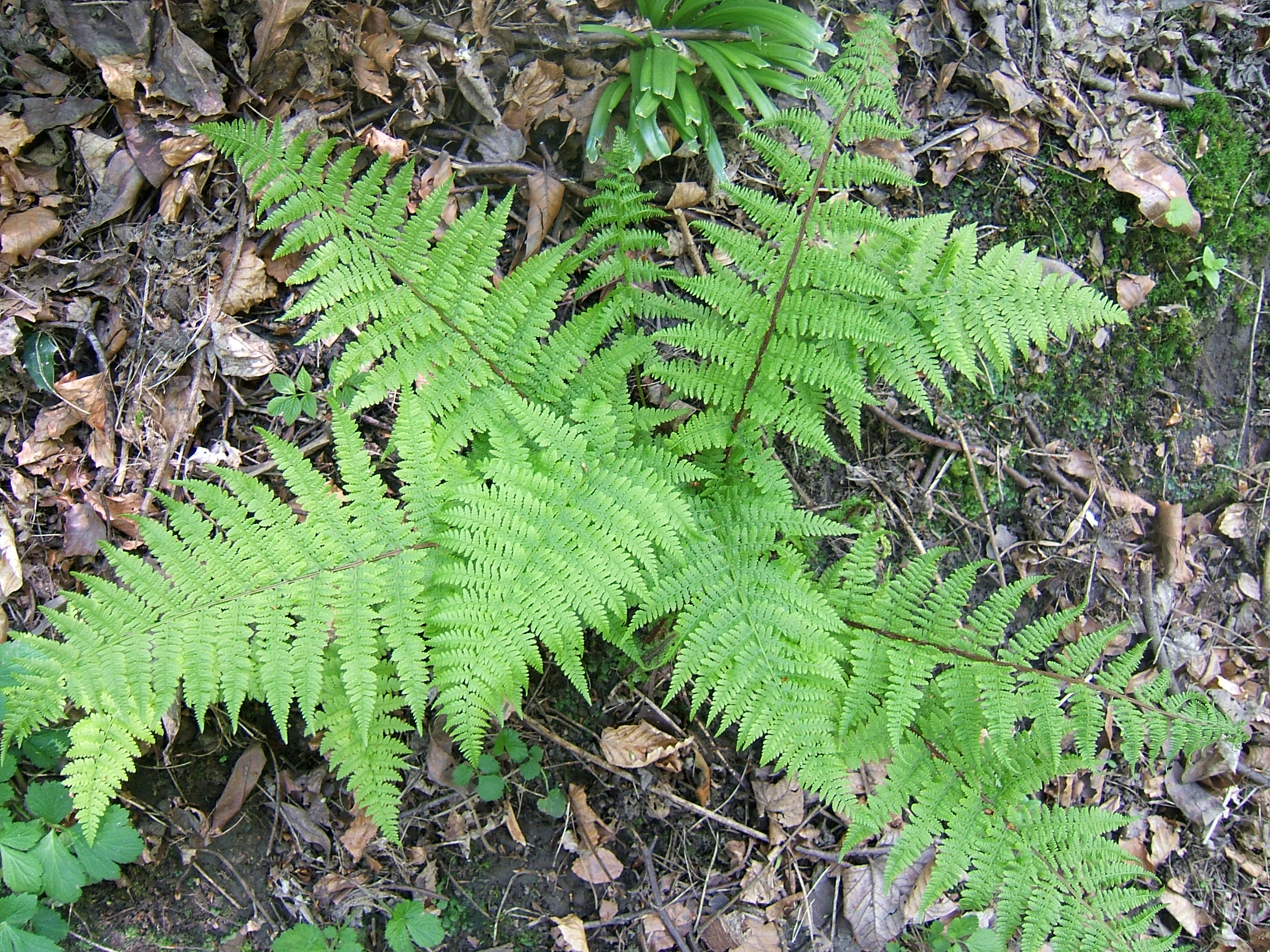
Athyrium filix-femina (Lady fern)
Athyriaceae
Leaves large, feathery 2-3 pinnate fronds. Lance-shaped, tapering at both ends. A diamond shaped profile.
Sori elongated and curved, soon shrivelling.
Dryopteridaceae
Wood fern Family
Round sori arranged in rows along the veins.
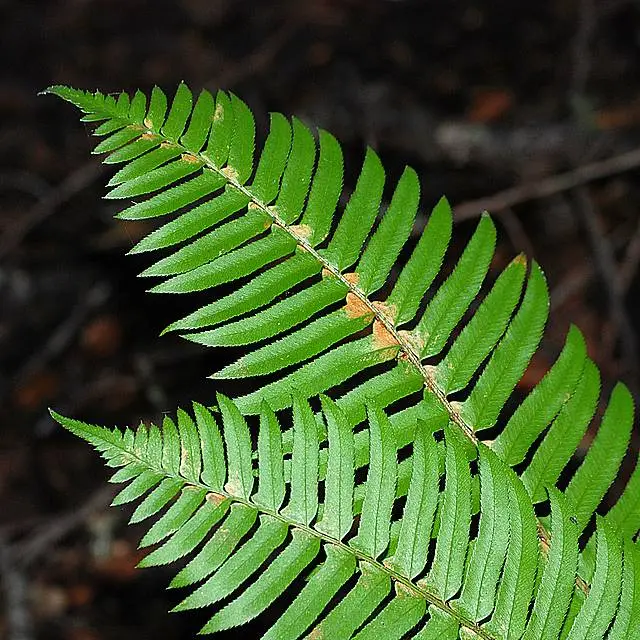
Polystichum munitum (Sword fern)
Dryopteridaceae
Dark green, stipe (stem) is dry-scale
Leaflets alteranate, sharp-toothed. Small lobe (thumb) at the base.
Polypodiaceae
Polypody family
Naked sori on the underside of fronds
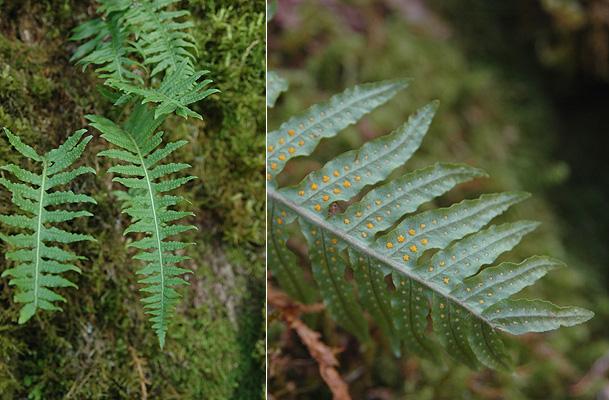
Polypodium glycyrrhiza (Licorice fern)
Polypodiaceae
Growing often on deciduous tree trunks and logs, commonly on Big leaf maple.
Small, evergreen.
Reddish-brown, scaly, licorice-flavored rhizome.
Sori oval to round, 1 row on either side of the main vein. Without an insidium
Asparagaceae
Asparagus family
Monocot flowering plants.
Parallel-veined strap-like leaves, flowers with 3-parted symmetry
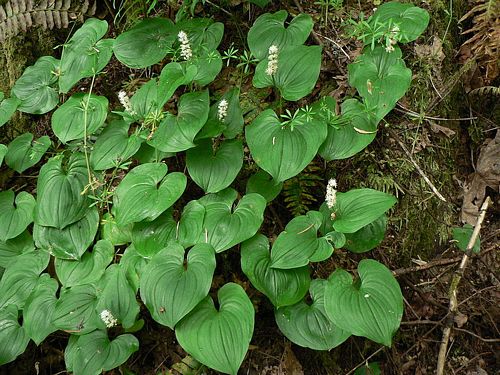
Maianthemum dilatatum (False Lily-of-the-Valley)
Asparagaceae
1-3 (usually 2) broadly heart-shaped leaves with long stalks
Flowers white, flower parts in 4s (unlike 3s for most species in the lily faily). Terminal cylindric cluster
Oxalidaceae
Wood Sorrel family
Small plants with 3-part leaves, flower parts in 5
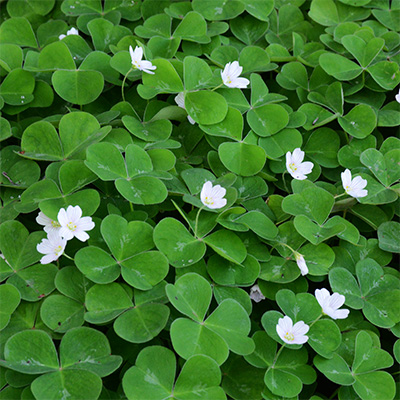
Oxalis oregana (Redwood sorrel)
Oxalidaceae
Clover-like, 3 heart-shaped and folded leaflets. Leaves taste like grapes!
White to pale-pinkish flowers
Football-shaped capsule fruit
Melanthiaceae
Bunchflower family
Bunches of lily-like flowers (3 sepals, 3 petals)
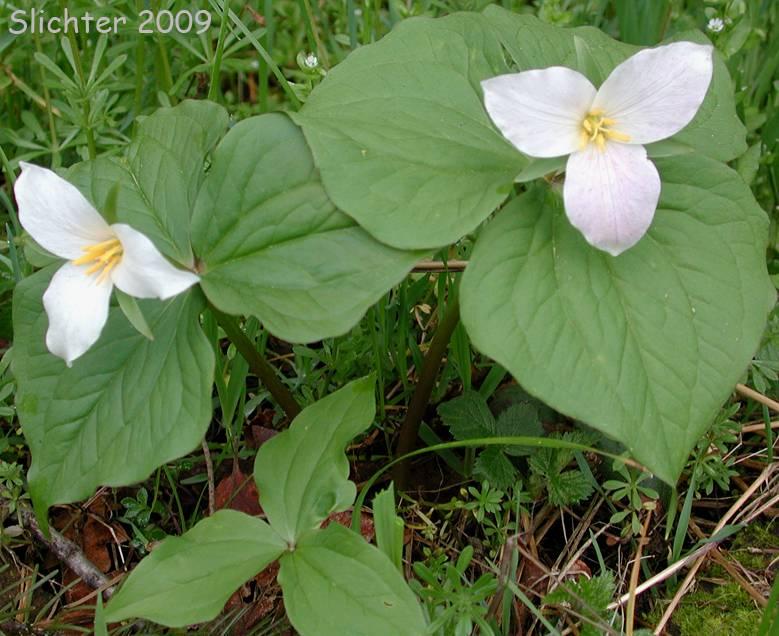
Trillium ovatum (Western Trillium)
Melanthiaceae
Whorls of usually 3 (up to 5) triangular-oval leaves.Parallel leaves
Flowers white turning pink to purple with age.
Saxifragaceae
Saxifrage/Rockfoil family
Herbacious perennial plants characterized by basal leaf rosettes.
Commonly found in rocky habitats
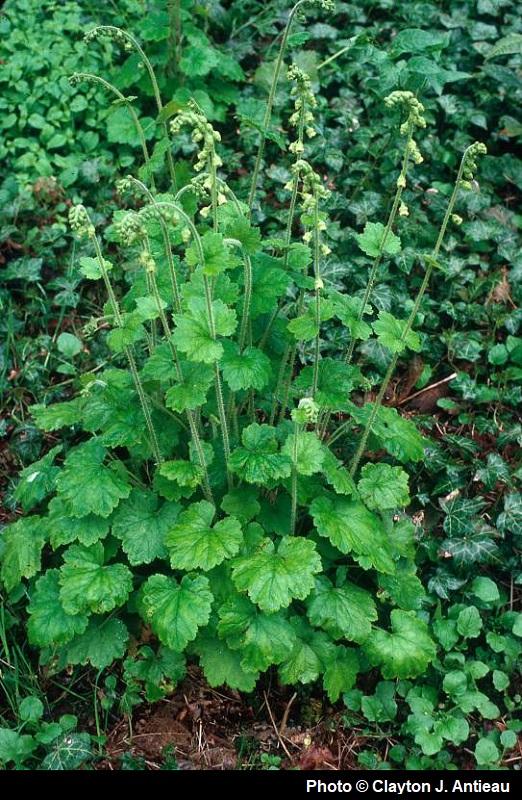
Tellima grandiflora (Fringecup)
Saxifragaceae
Basal leaved with long, very hairy stalks. Heart-shaped.
Flowers greenish-white to sometimes reddish
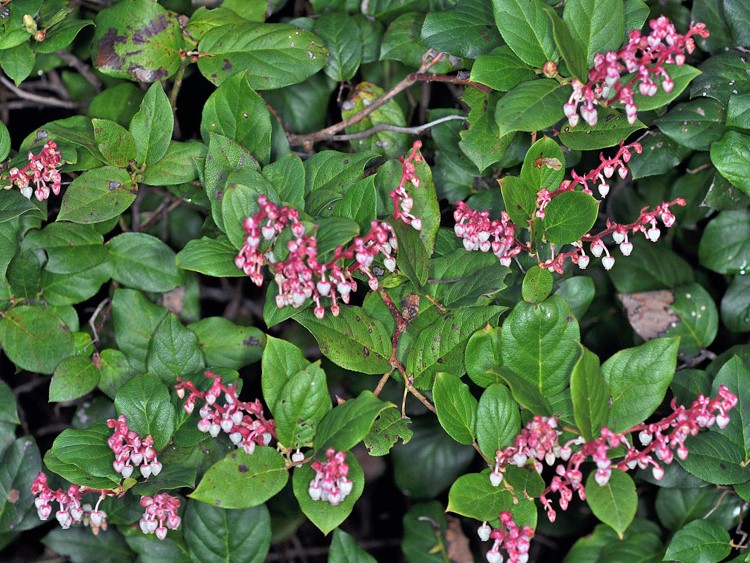
Gaultheria shallon (Salal)
Ericaceae
Form dense thickets.
Alternate, evergreen, leathery, thick, egg-shaped. Sharply and fine-toothed
Bark frequently fuzzy (epecially near ends)
Berry reddish-blue to dark-purple. Can be eaten raw!
Caprifoliaceae
Honeysuckle family
Opposite, simple leaves, often with hollow stems.
tubular, 5-lobed flowers.
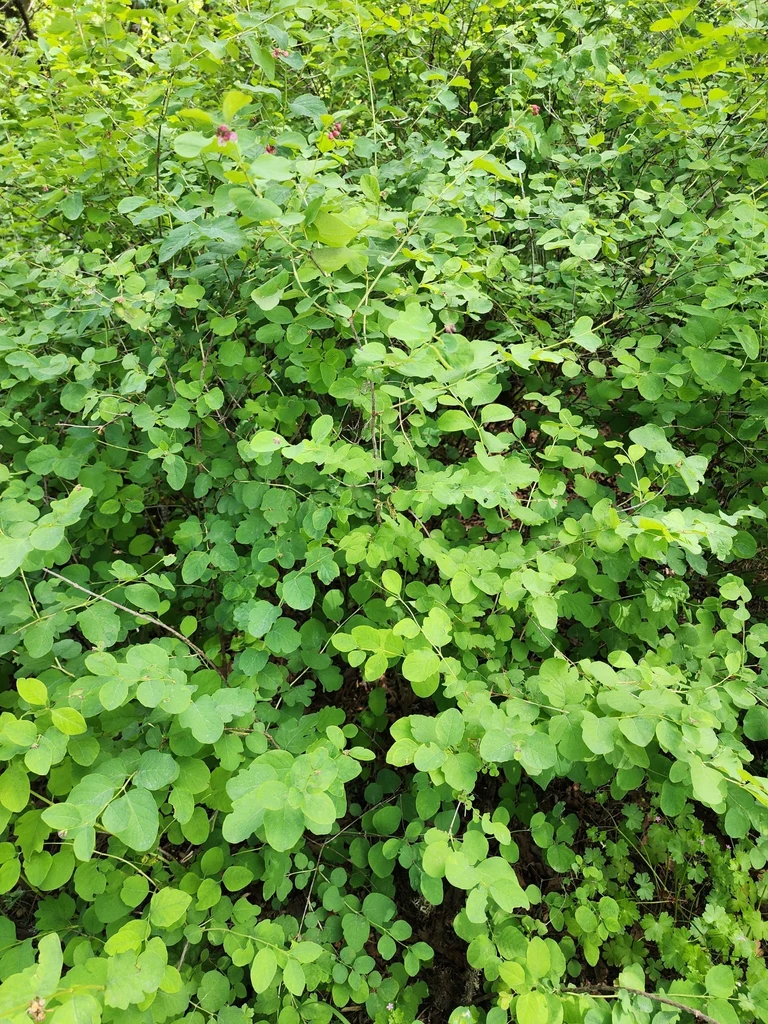
Symphoricarpos albus (Snowberry)
Caprifoliaceae
Variable leaves
Flowers pink-white, bell shaped
Very white, berry-like drupes
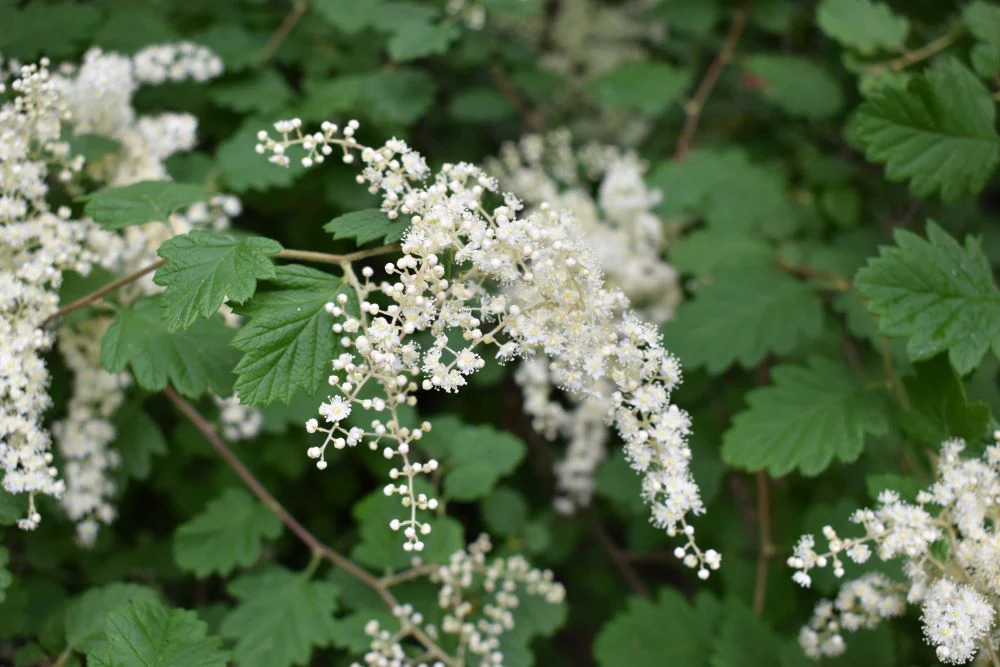
Holodiscus discolor (Ocean spray)
Rosaceae
Stems usually droop downwards.
Alternate, lobed or coarsely toothed.
Flowers white in a dense terminal pyramindal, lilac-like clusters
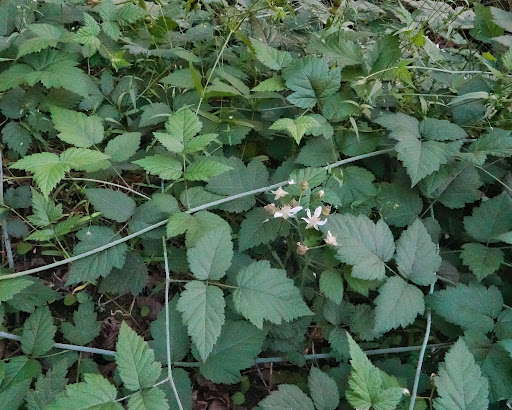
Rubus ursinus (Trailing blackberry)
Rosaceae
Low to the ground
Thin, round, spiked leaves, small. Compound leaves with 3 leaflets.
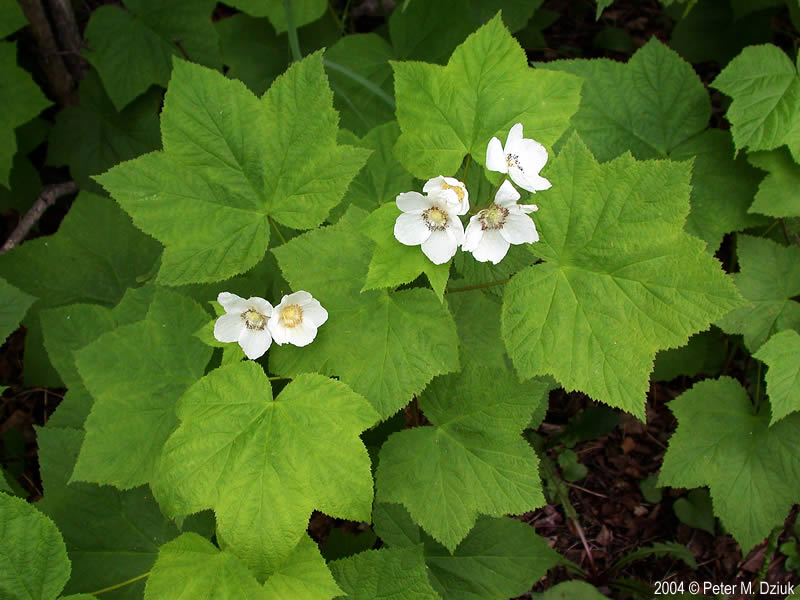
Rubus parviflorus (Thimbleberry)
Rosaceae
Maple-leaf shaped, 5-7lobed. Nature’s toilet paper- VERY soft on both sides!
Smooth bark, unarmed.
Berry soft and mushy, delicious! Cannot be commercially sold bc they will just turn into mush?
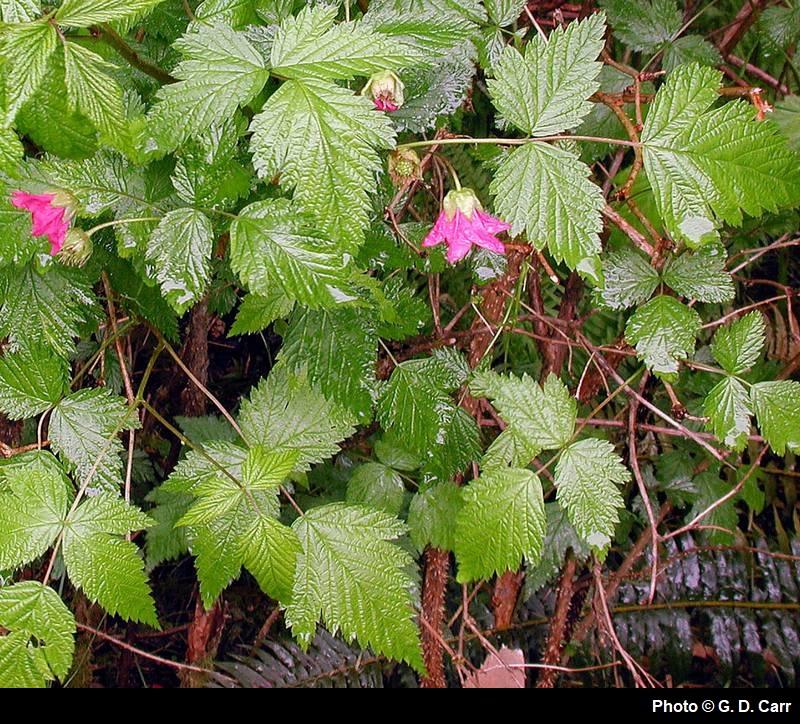
Rubus spectabilis (Salmonberry)
Rosaceae
Compound leaves in 3. The bottom 2 leaves make a butterfly shape!
Underside of leaf has hair.
Ripening of berries is in sync with the arrival of Swainson’s thrush!
Grossulariaceae
Currant family
Deciduous shrubs. Simple, alternate, palmately lobed leaves
Small, 5-merous, pendulous flowers.
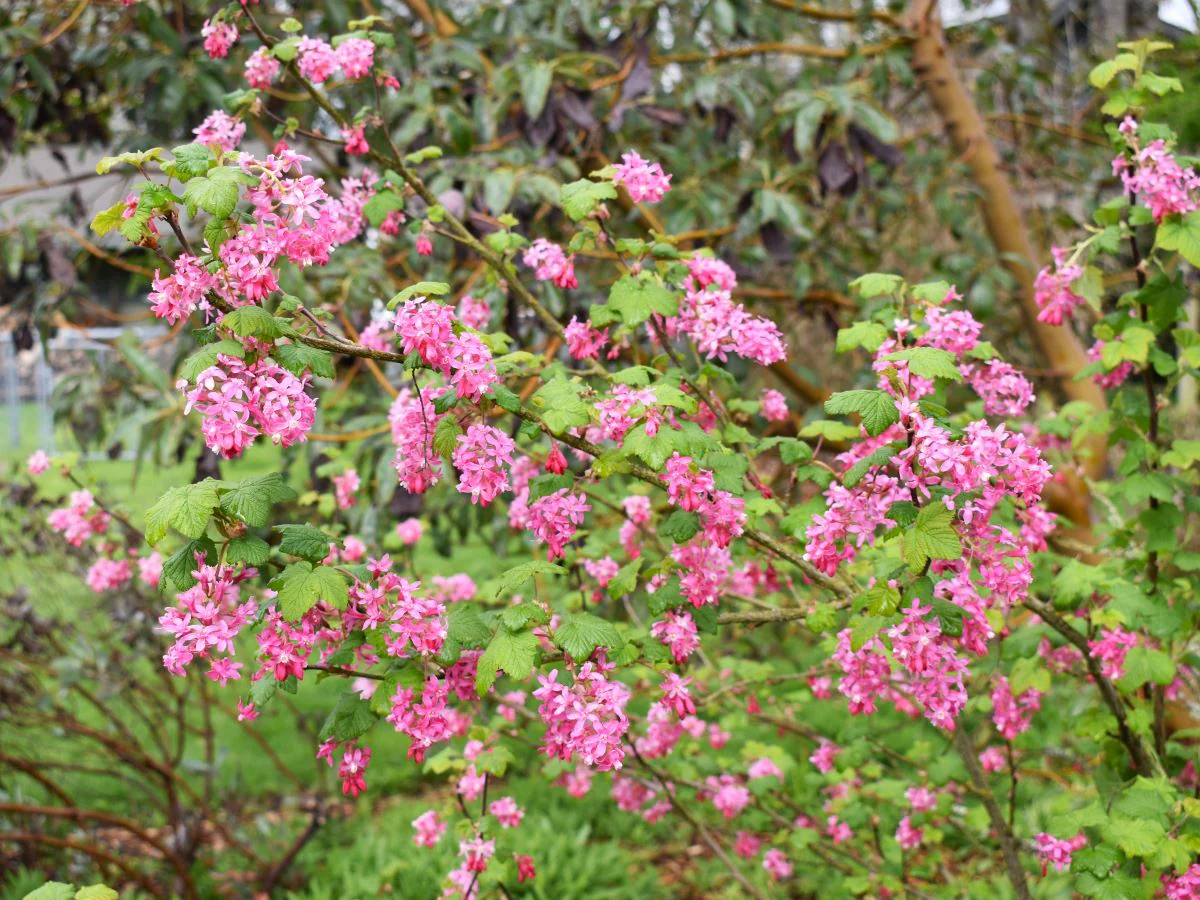
Ribes sanguineum (Red flowering currant)
Grossulariaceae
No spikes, no thorns.
Slightly lobed leaf.
Flowers are red which attracts hummingbirds!
Blue-black berries edible but don’t have much flavor.
Adoxaceae
Muskroot / Moschatel family
Opposite, toothed leaves and small, 5-petaled flowers in flat-topped cymose inflorescences.
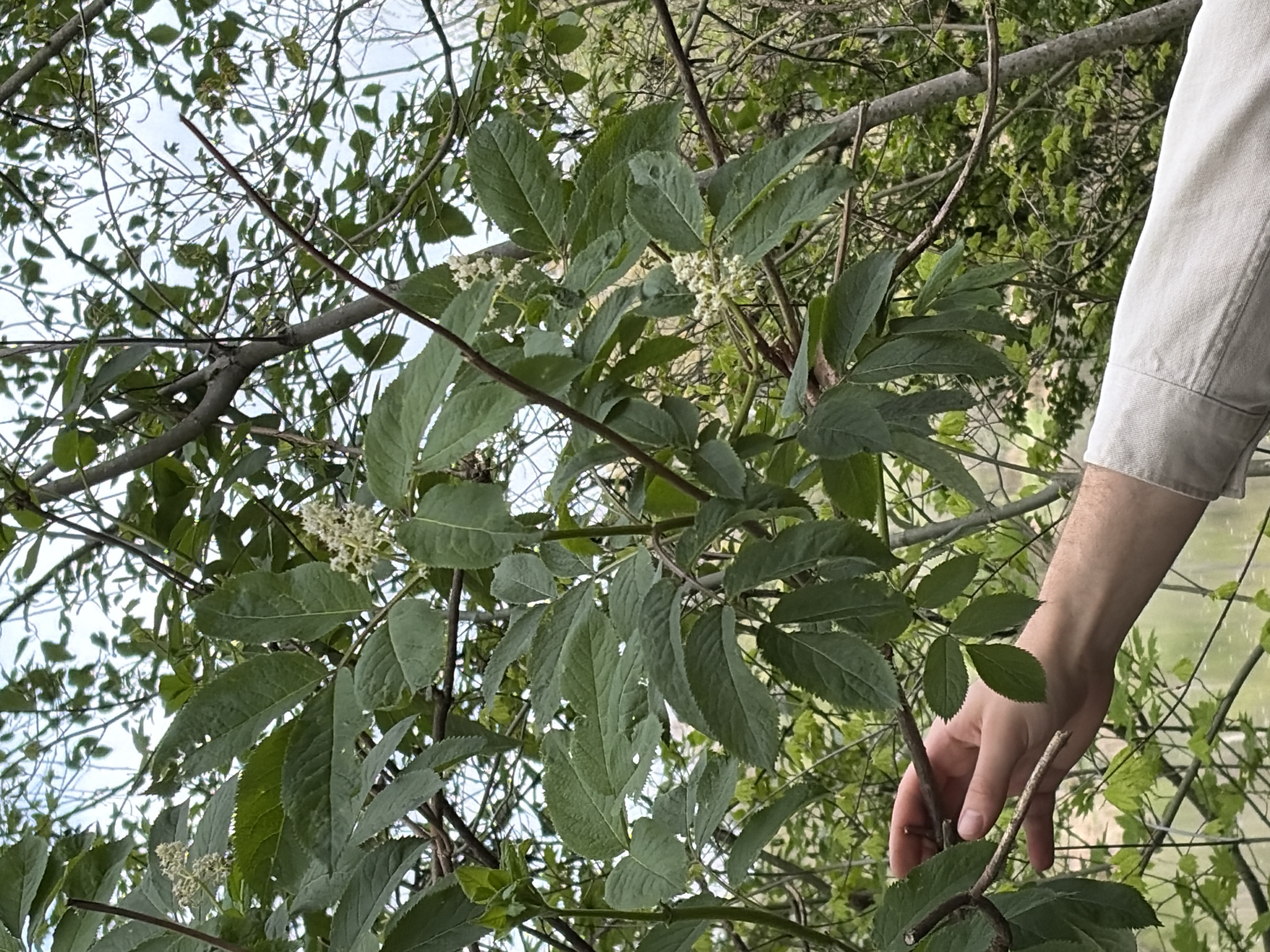
Sambucus racemosa (Red elderberry)
Adoxaceae
Twigs are extremely pithy, weak. Bark is warty.
Opposite, large compound divided into 5-7 leaflets.
Berries bright red, CANNOT eat raw!
Plant is kind of stinky
Hydrangaceae
Hydrangea family
Opposite, simple leaved with peeling rough bark.
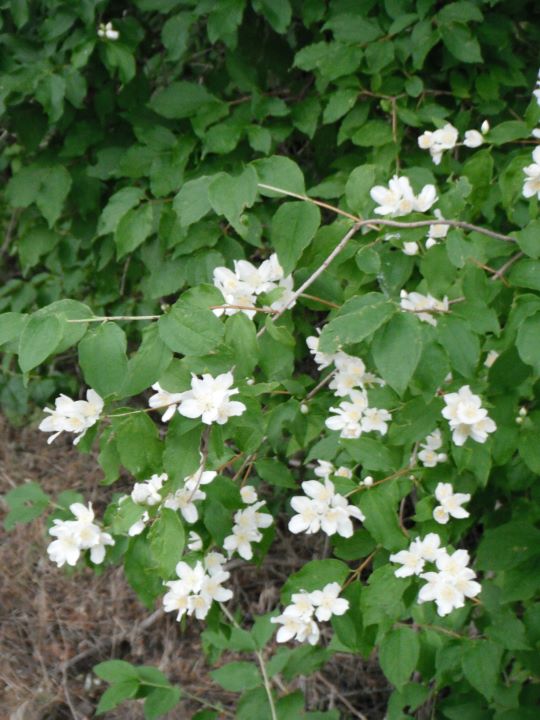
Philadelphus lewisii (Lewis’ Mock-Orange)
Hydrangeaceae
Opposite leaves with 3 distinct veins
White, fragrant with 4 petals
Seed pods come out at the tips of branches.
Fruit woody, 4-chambered capsules

Aruncus dioicus (Goatsbeard)
Rosaceae
Herbaceaous perennial - could get quite tall up to 6ft!
Leaflets 3 times compound (leaflets that have leaflets that have leaflets). The leaflets sharply toothed.
White, tiny, densely packed flowers. Branchlets that hang like a goat’s beard.