Freshwater Microbiology
 Call Kai
 Learn
Learn Practice Test
 Spaced Repetition
 Match
Match Flashcards
 Knowt Play
1/44

There's no tags or description
Looks like no tags are added yet.
Name | Mastery | Learn | Test | Matching | Spaced | Call with Kai |
|---|
No analytics yet
Send a link to your students to track their progress
45 Terms
No. of drinking water microorganisms per litre
Ranging from 106 to 109 microbial cells per litre
When is water considered microbiologically safe to drink?
Faecal contamination limited with regulations and monitoring
What opportunistic pathogen is harboured in some drinking water distribution systems?
Mycobacterium avium
Legionella pneumophila
Pseudomonas aeruginosa
Prevalence of waterborne illness
Not highly prevalent in Europe but An estimated 1 million lost working days per year
What type of antibiotic-related things are in water?
Antibiotic-resistant bacteria (ARB) and antibiotic-resistance genes (ARGs) can be present and transferred between organisms
Why are strict regulations implemented for drinking water?
To regulate the occurrence of potential pathogens in drinking water
Only permit the occurrence of harmless microorganisms
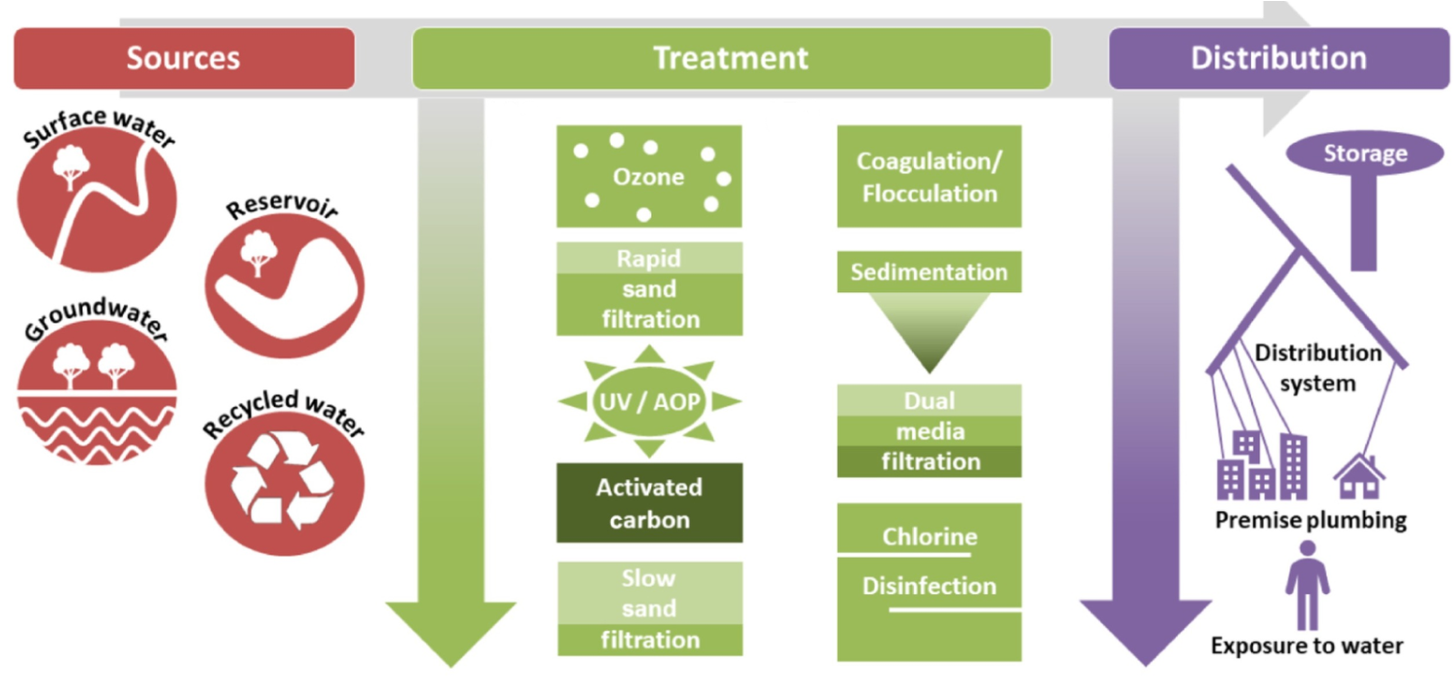
What are the sources and factors affecting microbial populations in drinking water?
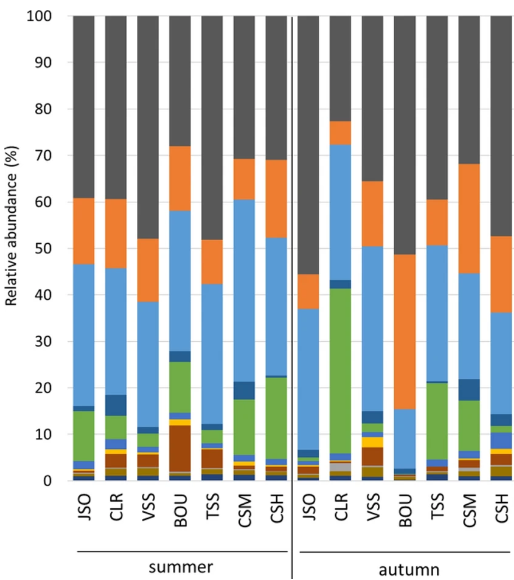
Bacterial phyla commonly prevalent in rivers?
•Cyanobacteria
•Proteobacteria
•Actinobacteriota
•Bacteriodota
What situations cause differences in microbial community structure?
Under strong seasonal effects - esp Rivers close to urban areas
relative proportions of the occurring microorganisms change
Natural seasonal factors that influence microbial communities in surface water
Temperature
Rainfall
Sunlight duration/intensity
Evaporation
Snowmelt
Etc.
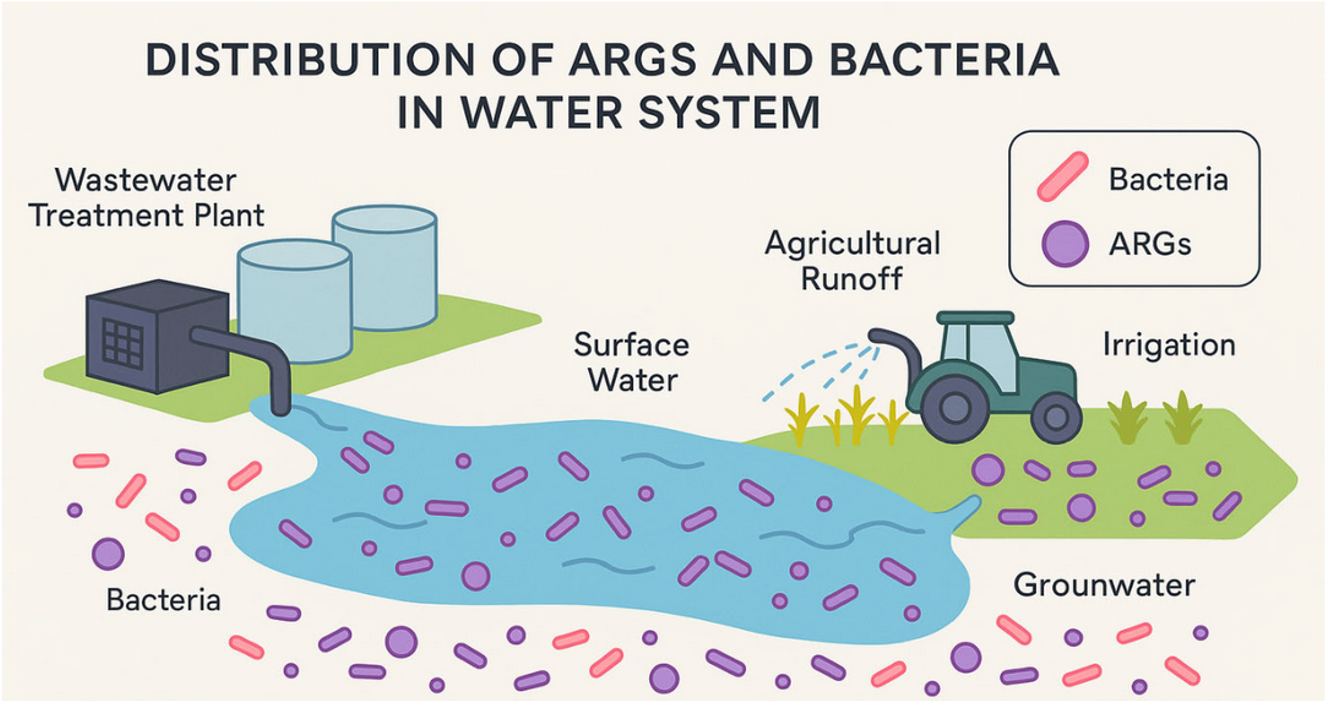
What anthropogenic influence on microbial communities in freshwater systems
Agricultural runoff
Irrigation
Wastewater treatment plant
What are groundwater complex microbial communities subject to?
Compositional and structural dynamics
different factors involved in shaping groundwater comm. compared to surface water
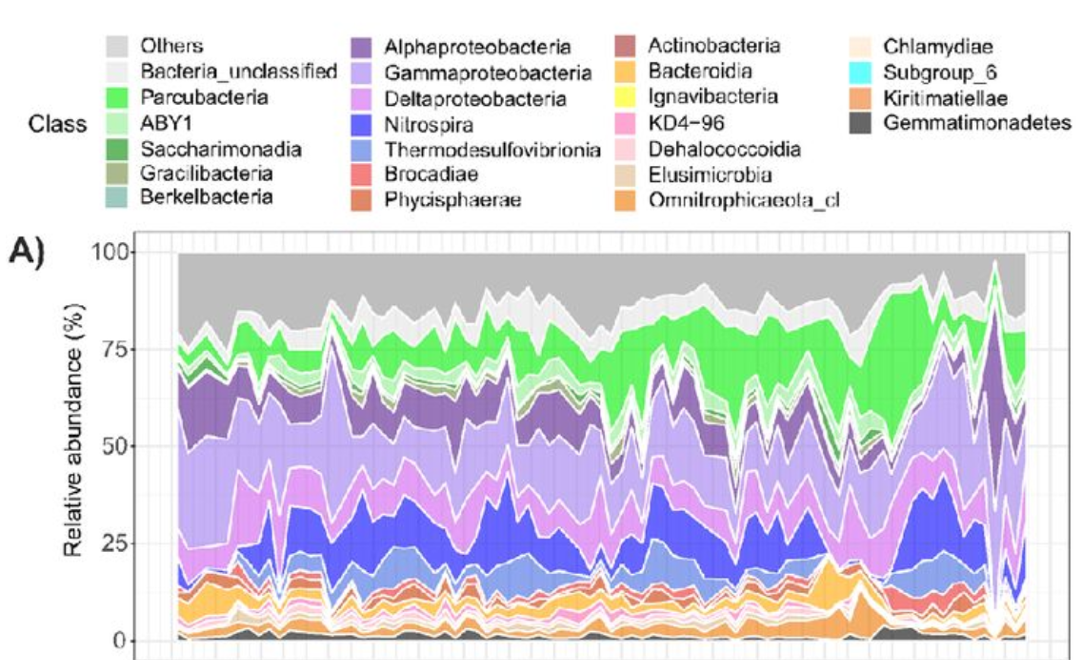
Microbial community composition shaped by what processes: Surface water v.s. Groundwater
Surface - shaped by stochastic processes
Ground - shaped by deterministic processes
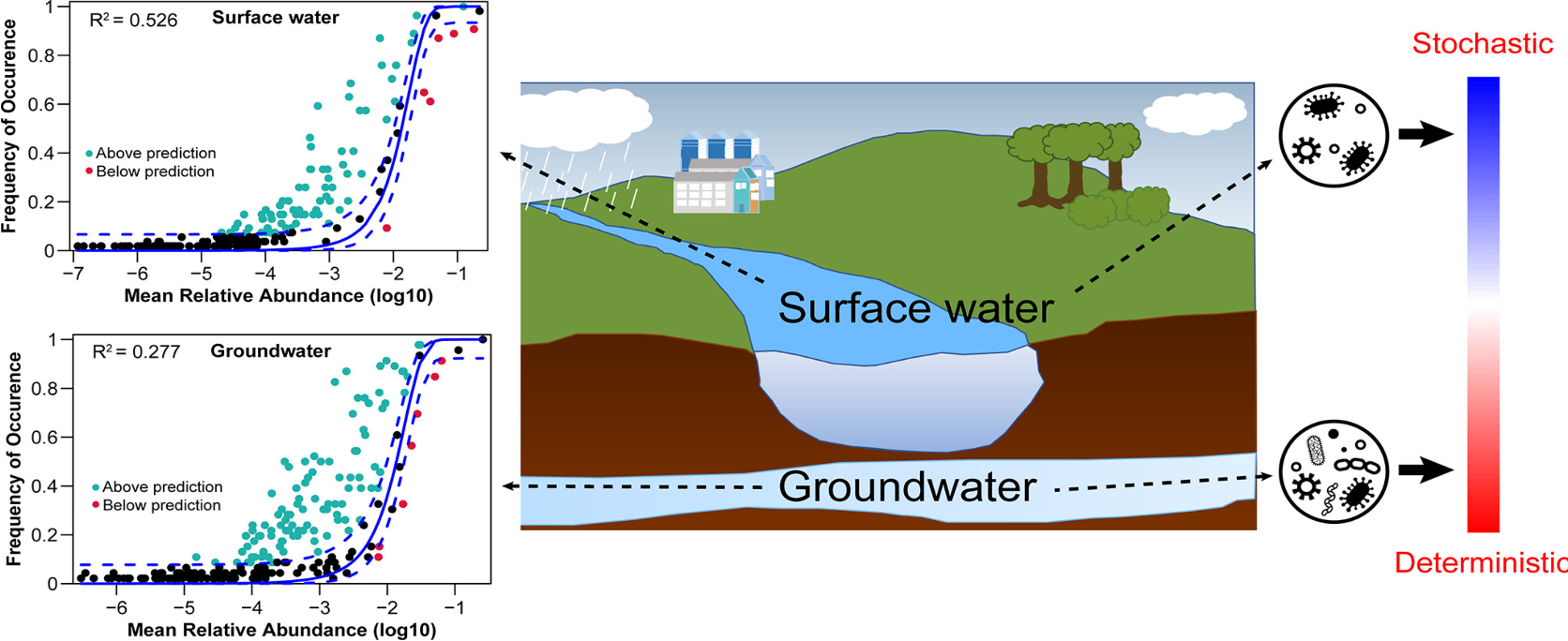
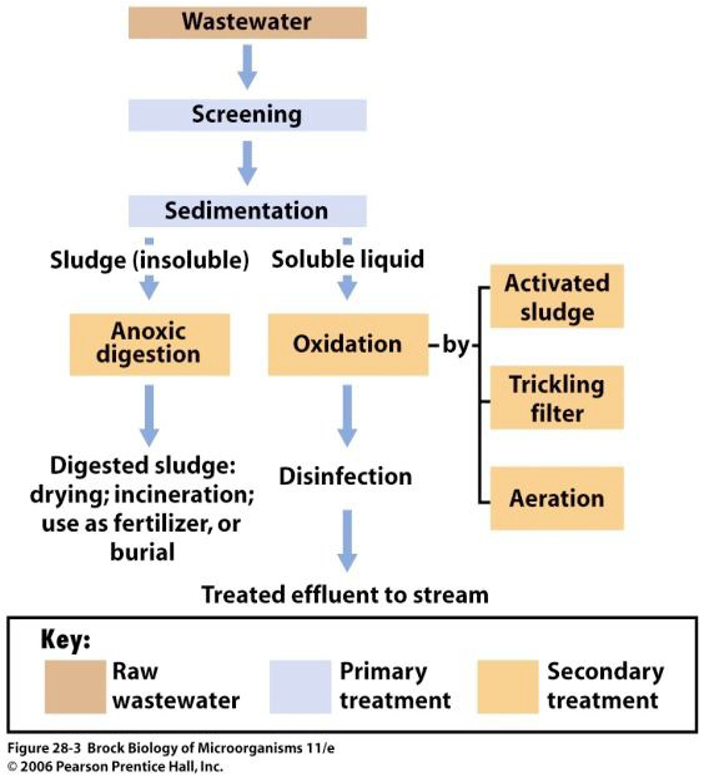
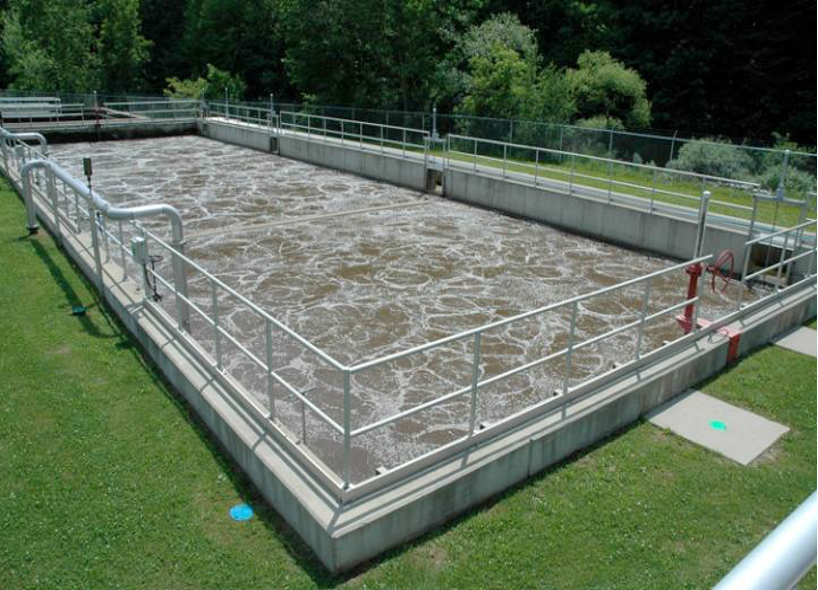
Overview of a typical wastewater treatment plant
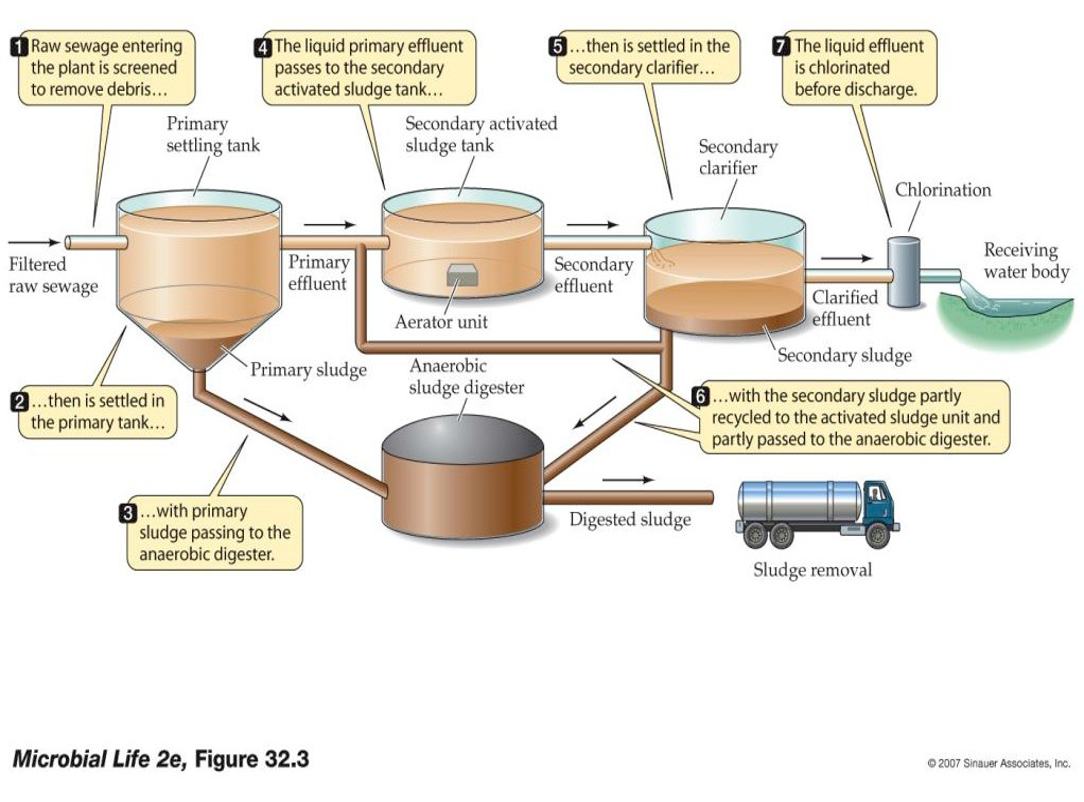
Primary treatment steps of sewage treatment
Non-biological treatment
Removes solids
Wastewater has still high nutrient load (e.g., C, N, S, and P)
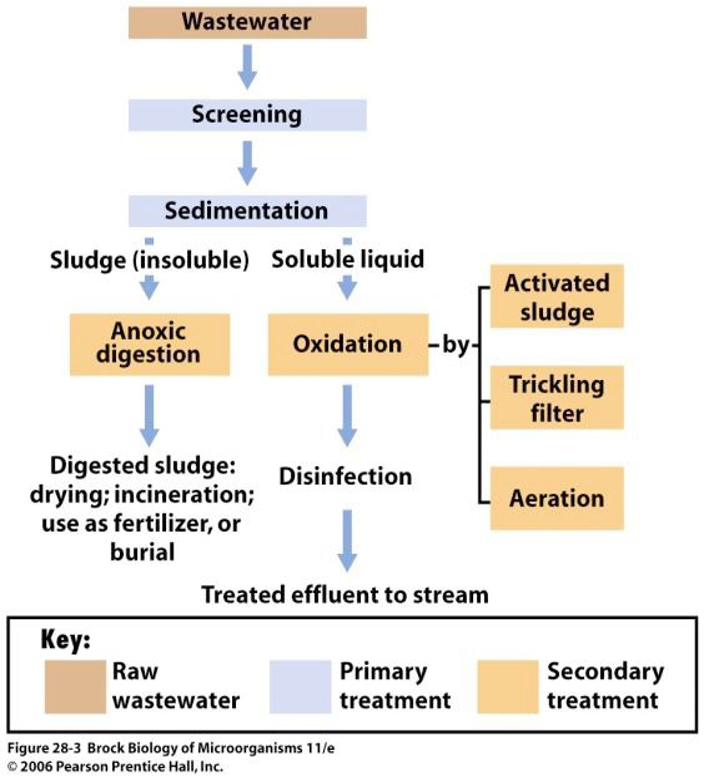
Secondary treatment steps of sewage treatment
Uses biological treatment
Decreases dissolved organic carbon (DOC)
Aerobic and anaerobic secondary treatment
3 types of important microbes in sewage treatment plants
Methanogens (Gen. methane from acetate/ use H2 + CO2) [mostly archaea]
Nitrifying bacteria (Nitrogenous waste → nitrate) [aerobes]
Denitrifying bacteria (nitrate → N2) [anaerobes]
![<p><strong><mark data-color="blue" style="background-color: blue; color: inherit;">Methanogens </mark></strong>(Gen. <strong><u>methane</u></strong> from <span style="color: purple;"><strong>acetate</strong></span><strong>/ use </strong><span style="color: blue;"><strong>H2 </strong></span><span style="color: rgb(0, 0, 0);"><strong>+ CO2</strong>)</span> <strong><em>[mostly archaea]</em></strong></p><p><strong><mark data-color="red" style="background-color: red; color: inherit;">Nitrifying bacteria </mark>(Nitrogenous waste → </strong><span style="color: red;"><strong>nitrate</strong></span><strong>) <em>[aerobes]</em></strong></p><p><strong><mark data-color="purple" style="background-color: purple; color: inherit;">Denitrifying bacteria </mark>(</strong><span style="color: red;"><strong>nitrate</strong></span><strong> → </strong><span style="color: blue;"><strong>N2</strong></span><strong>) <em>[anaerobes]</em></strong></p>](https://assets.knowt.com/user-attachments/be41c442-8a84-4c45-a193-175fd5f56fa1.png)
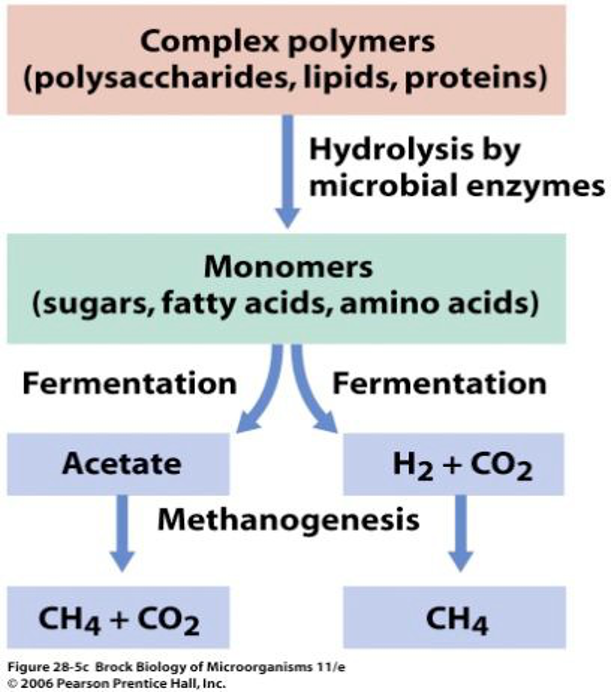
Anoxic secondary treatment used for? and done in?
Used for breaking down solid waste
Done in an anoxic sludge digester
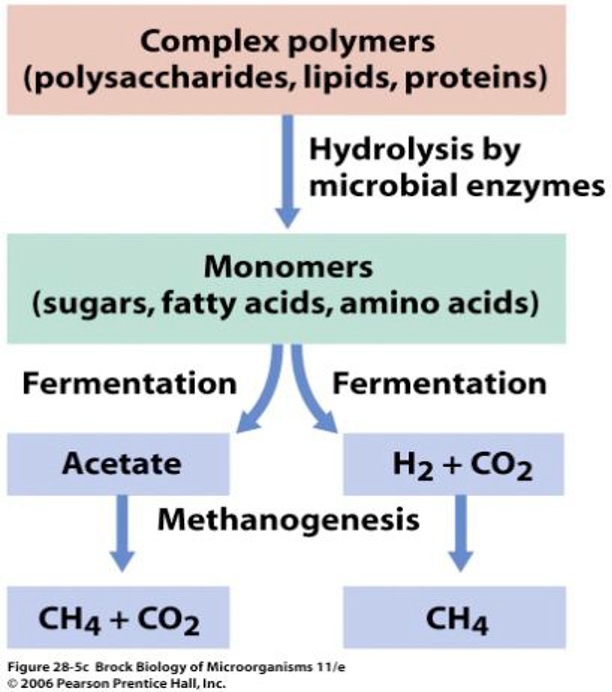
Anoxic secondary treatment: Solid waste involved of? and broken down by?
Complex polymers, e.g., cellulose and fiber
Break down by: Microbes that secrete lipases, proteases, amylases, etc.
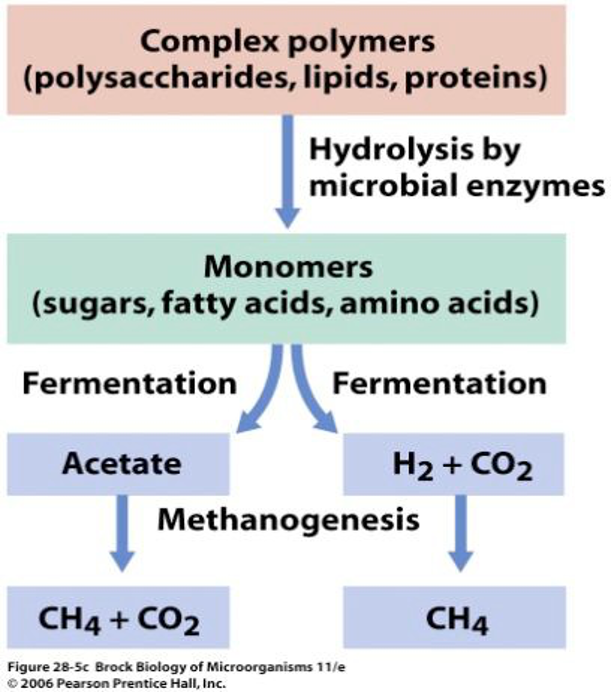
Anoxic secondary treatment: What’s the major metabolic form in the treatment?
Fermentation
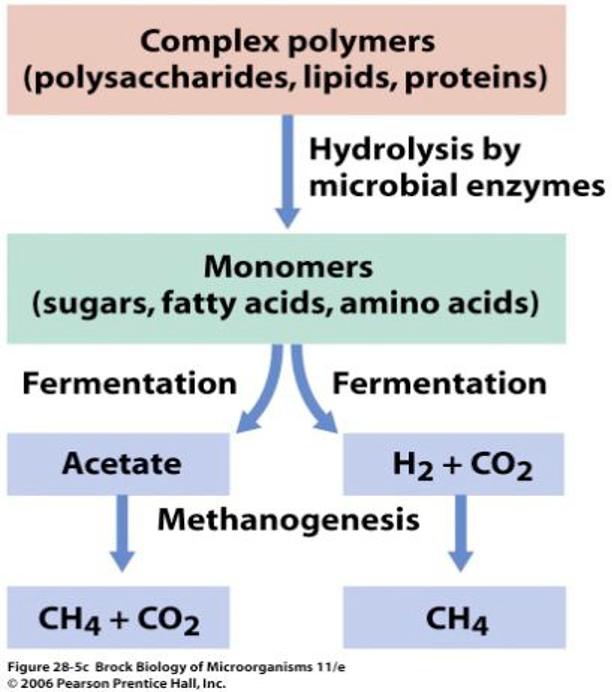
Anoxic secondary treatment: What’s the final product? and produced by? + Usage
Methane is produced by methanogenic archaea (methanogenesis)
→ be collected and used to generate electricity
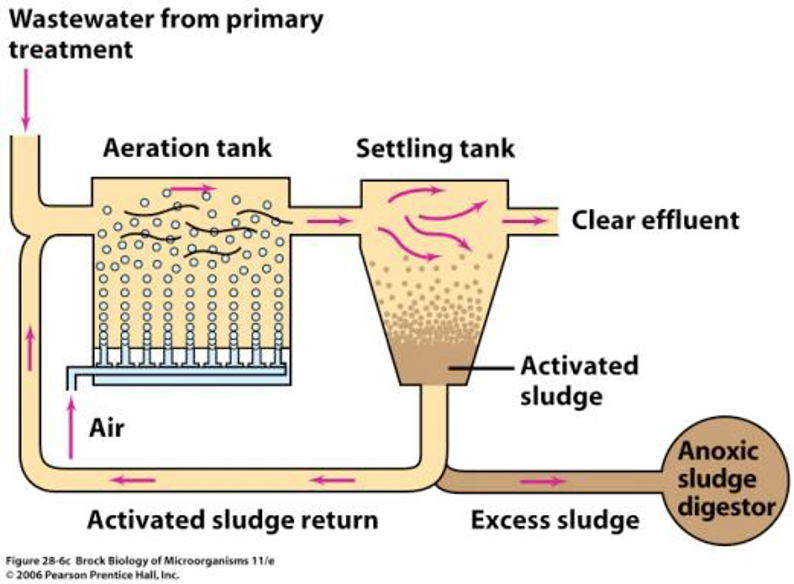
Aerobic secondary waste treatments: Steps to produce activated sludge
Air bubbled through wastewater
Bacteria form large flocs during this process
After the flocs form, they are allowed to settle out
Aerobic secondary waste treatments: Key species for forming large flocs
Zoogloea ramigera
→ forms a biofilm + is the base of the floc
Aerobic secondary waste treatments: What causes sludge bulking problems?
Filamentous bacteria → thickens sludge
Aerobic secondary waste treatments: Where does much of the organic material go?
Binds to the floc
eventually taken up by the microbial biofilm
Aerobic secondary waste treatments: % of biochemical oxygen demand (BOD) is used in this stage?
95%
How is activated sludge floc observed with a microscope?
Microbes labelled with different fluorescent dyes
Visualized with a laser-scanning microscope
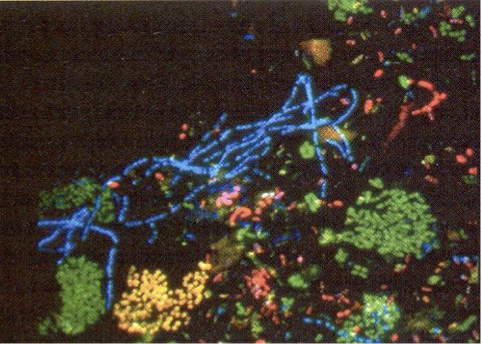
What does Activated sludge floc consist of?
Mixed-species communities often containing:
Pseudomonas,
Achromobacter,
Flavobacterium,
Alcaligenes,
Arthrobacter,
Citromonas, B
acillus, etc.
What is key during sewage treatment?
Removal nitrogen
What do nitrifying bacteria do in sewage treatment?
Ammonia → nitrate
(Ammonia has a high BOD as oxidation requires O2)
Which 2 groups of microbes are involved in sewage treatment nitrification?
Ammonia oxidizing bacteria (AOB)
Nitrite oxidizing bacteria (NOB)
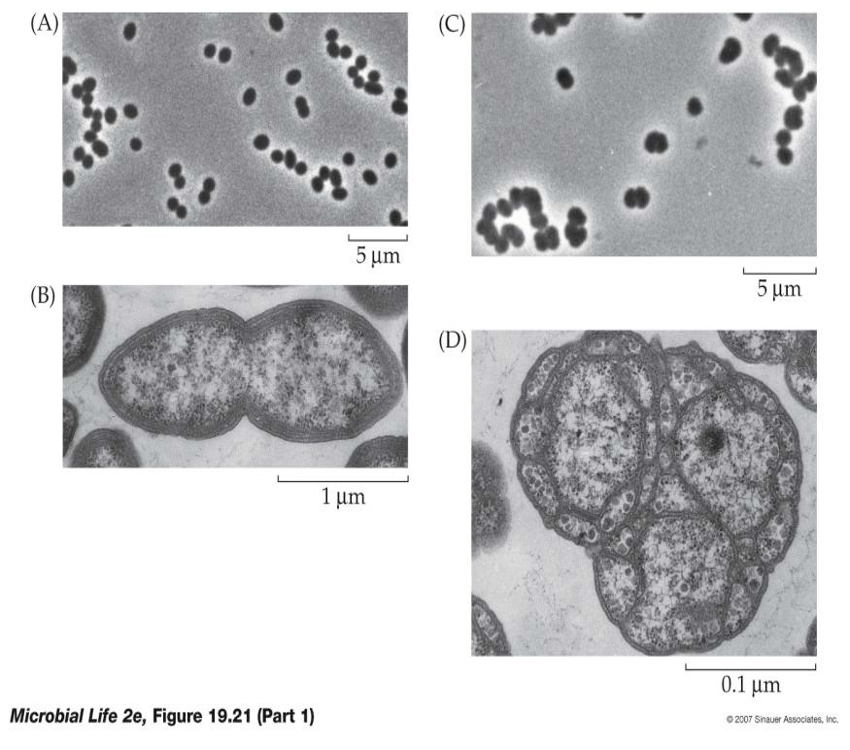
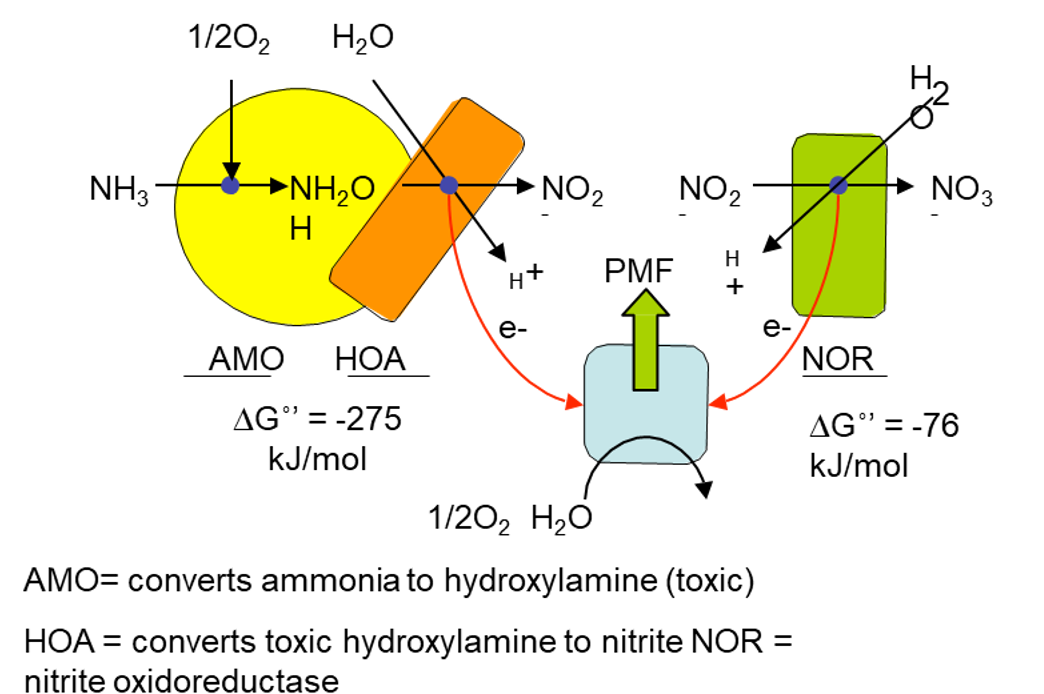
Ammonia-oxidizing bacteria (AOB): What they do and 2 enzymes needed?
Oxidize NH3 (ammonia) to NO2- (nitrite)
Ammonia monooxygenase (AMO)
Hydroxylamine oxidoreductase (HAO)
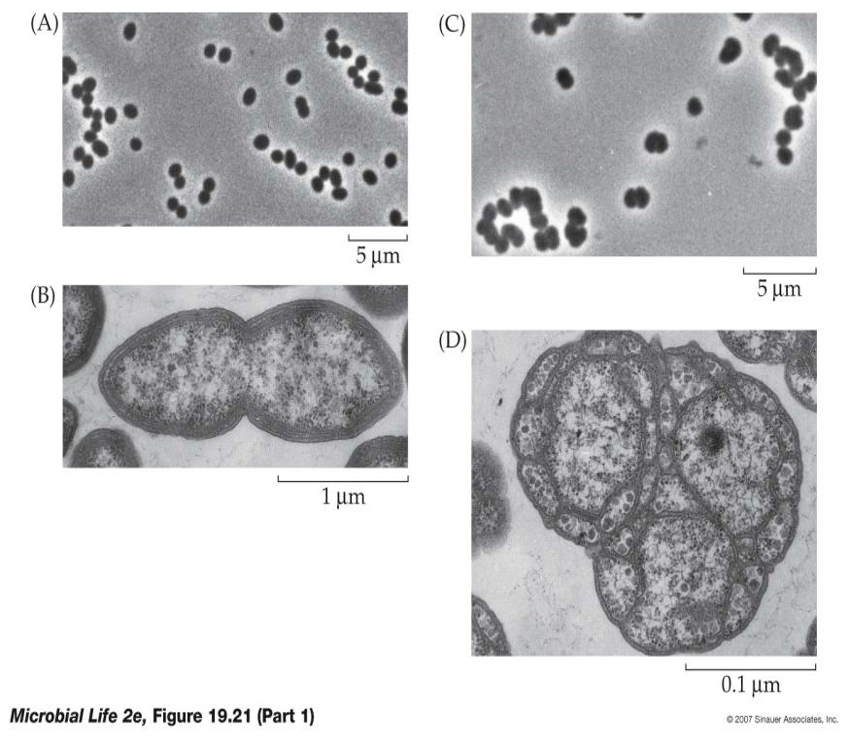
Nitrite-oxidizing bacteria (NOB): What they do and the enzymes needed?
Oxidize NO2- (nitrite) to NO3- (nitrate)
Uses the Nor enzyme complex
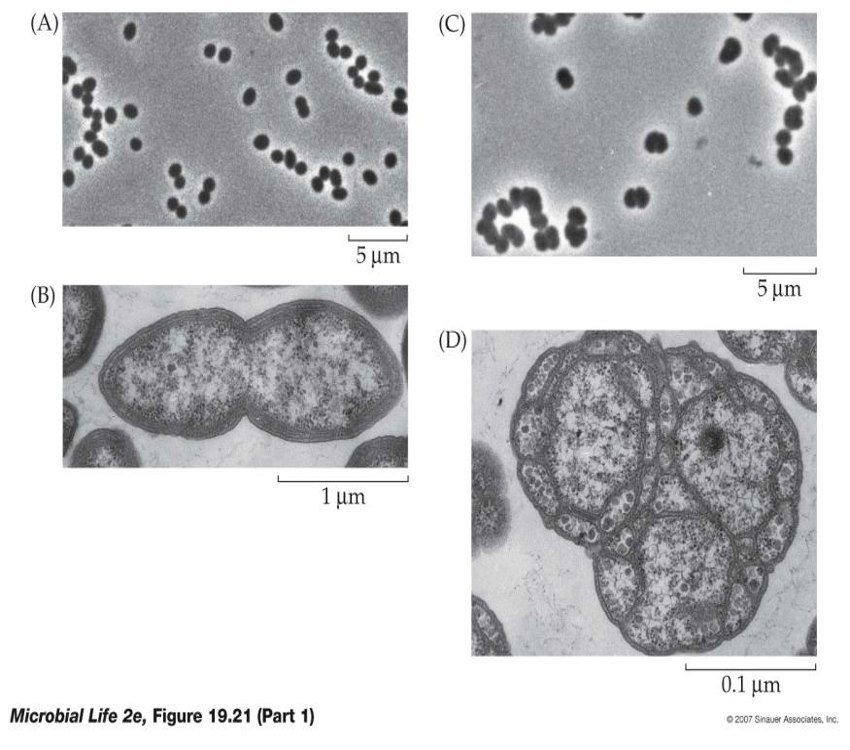
Similarity of Ammonia-oxidizing bacteria (AOB) and Nitrite-oxidizing bacteria (NOB)
Both respire OXYGEN
What does bacterial denitrification do?
Converts NO3- (nitrate) into N2 (nitrogen)
What enzymes involved in nitrification?
AMO = ammonia → hydroxylamine (toxic)
HOA = hydroxylamine (toxic) → nitrite NOR (nitrite oxidoreductase)
How to remove phosphorus in wastewater treatment plants generally?
By mostly chemical precipitation
→ controlled by pH and presence of cations such as Ca, Fe and Al
How to remove phosphorus in wastewater treatment plants additionally with pH levels?
Microorganism-mediated chemical precipitation in aeration tank of activated sludge process by:
low pH => soluble phosphate compounds
increase in pH => phosphate precipitation and incorporation into sludge
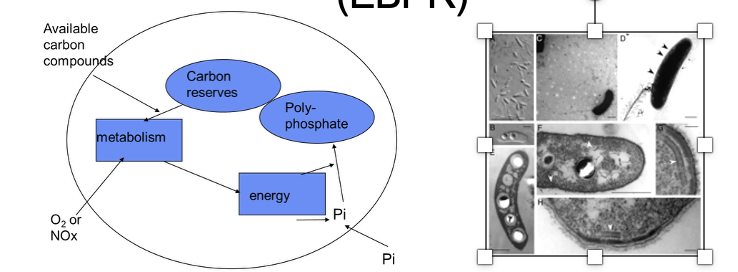
How does enhanced biological phosphorus removal (EBPR) work?
Energy derived from the metabolism of stored (e.g., polyhydroxybutyrate - PHB) / external carbon sources in the presence of O2 or NO3
used for accumulation of polyphosphates (inorganic phosphorus taken up by cells) inside cells
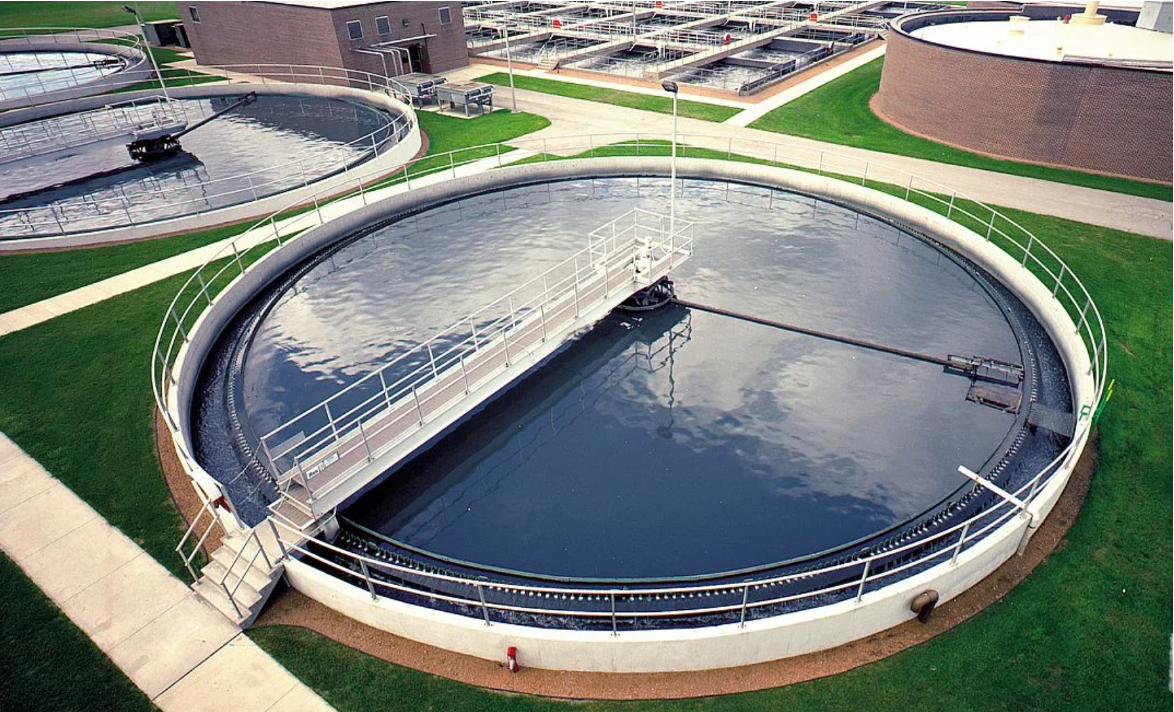
What is at the end of the sewage treatment process?
Secondary clarifiers
What additional treatments before release into water systems (mostly rivers)?
Chlorine disinfection
Dual media filtration etc.
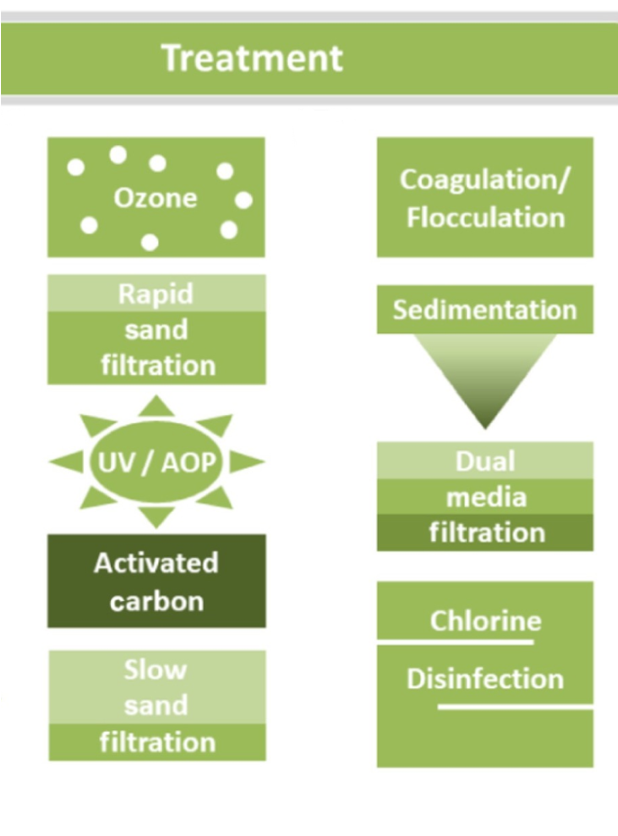
What does additional treatments before releasing treated water aimed at doing?
Removing/reducing potential pathogens
influence what can potentially end up in drinking water, among other factors
What widespread method can be used to reduce microbial load in drinking water?
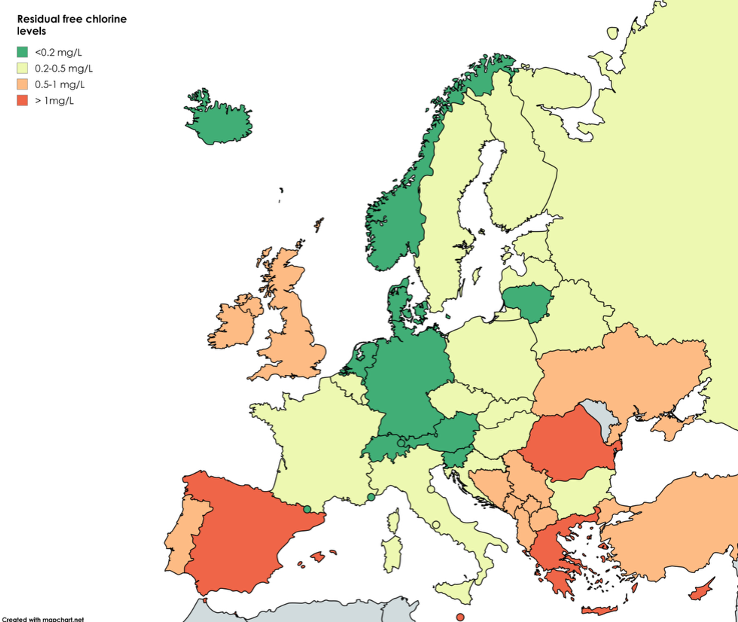
Chlorination of drinking water
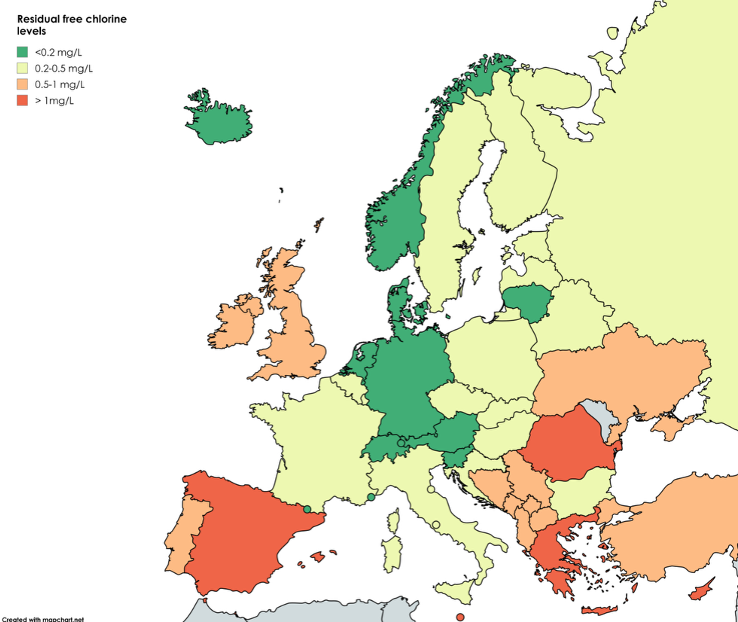
What chlorine-containing compounds to treat water?
Sodium hypochlorite and chloramines, etc.
What Chlorine or chloramine levels is considered safe in drinking water?
Levels up to 4 milligrams per litre (mg/L), or 4 parts per million (ppm)