Exam 3 Parasites
 Call Kai
 Learn
Learn Practice Test
 Spaced Repetition
 Match
Match Flashcards
 Knowt Play
1/100

There's no tags or description
Looks like no tags are added yet.
Name | Mastery | Learn | Test | Matching | Spaced | Call with Kai |
|---|
No analytics yet
Send a link to your students to track their progress
101 Terms
Dermacentor - tick
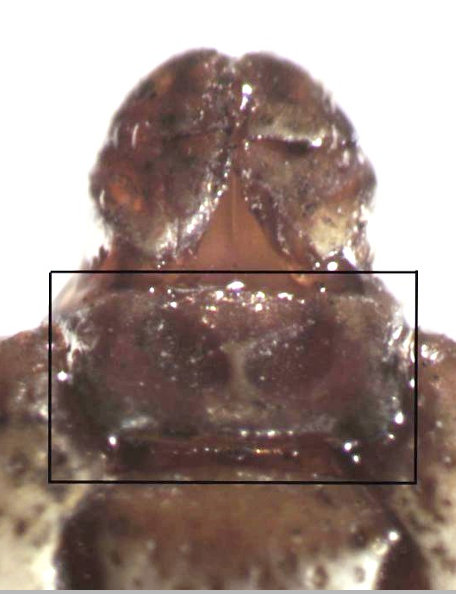
Rhipicephalus - Tick
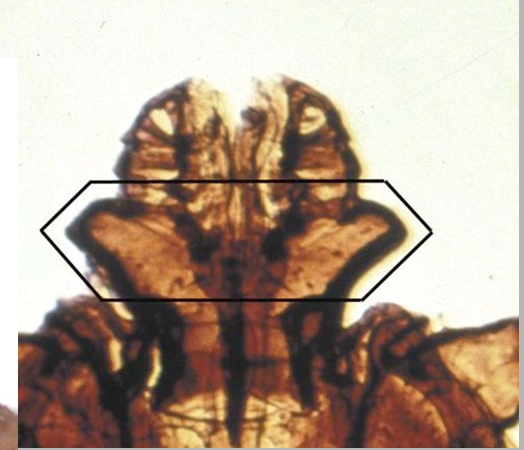
Amblyomma americanum =
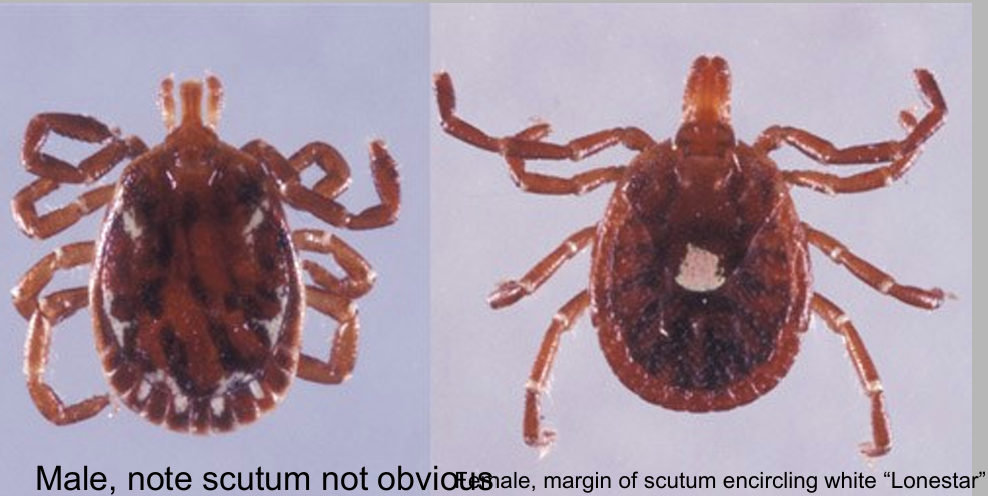
The Lonestar Tick
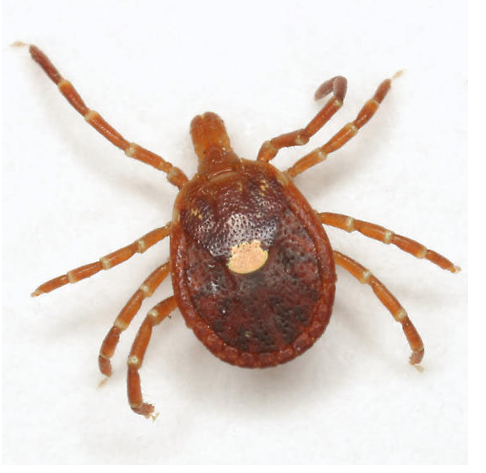
Amblyomma americanum - The Lonestar Tick, Male vs Female
Haemaphysalis - Tick
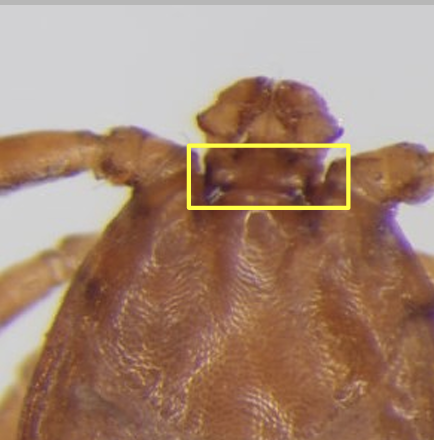
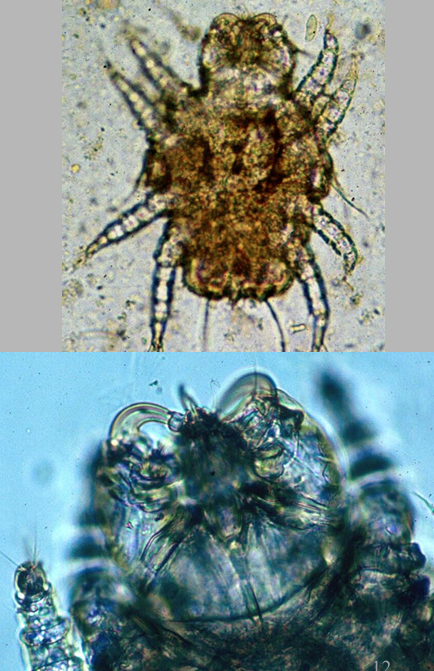
Psoroptes sp. - mite
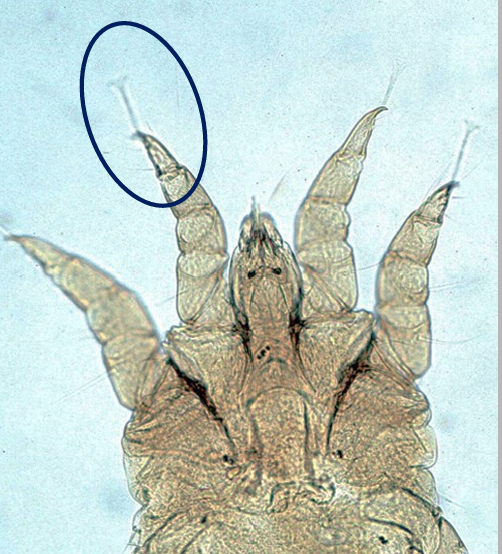
Sarcoptes scabie w/ crusty pruritic mange caused by mites
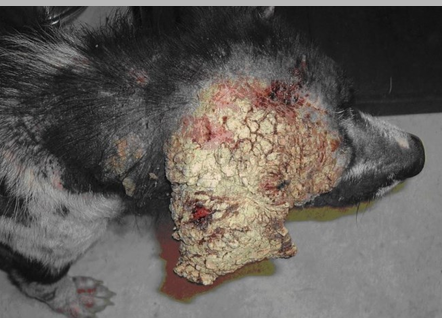
Demodectic Mange
Red mange w/ dry flaky skin
• Erythema - around elbows, boney projections of body
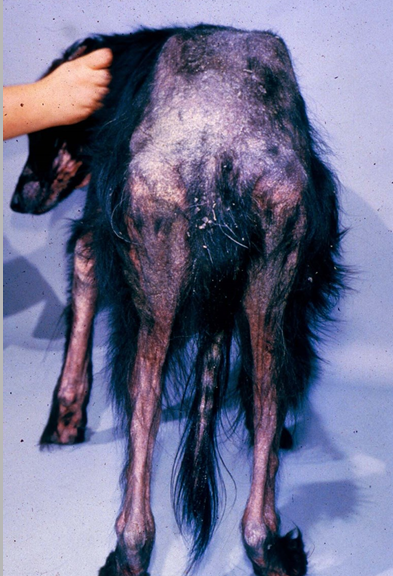
Cheyletiella =
Walking Dandruff mite
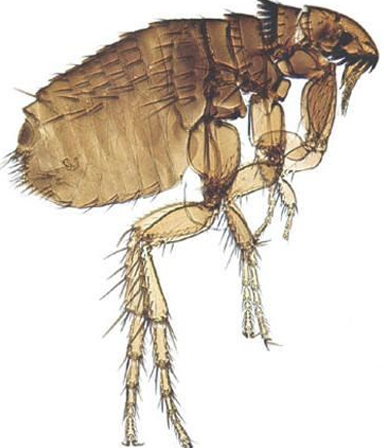
Ctenocephalides felis =
Cat flea
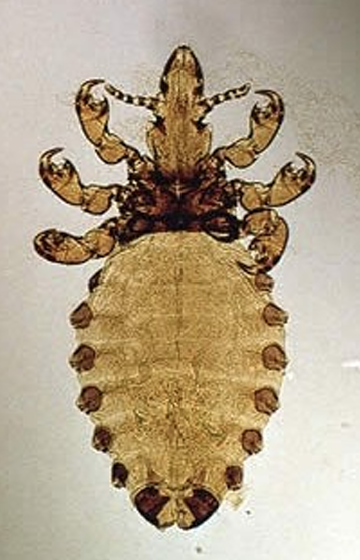
Sucking louse
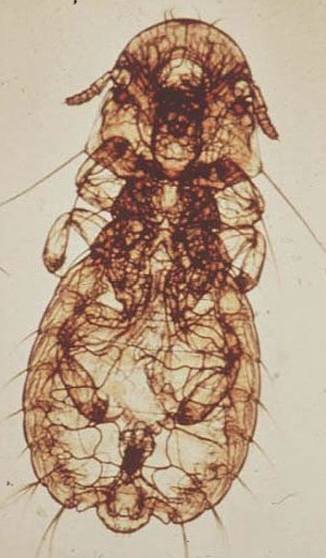
Chewing louse
Musca autumalis =
Face Flies
Hematobia irritans =
Horn flies
Cuterebra =
Squirrel bot fly
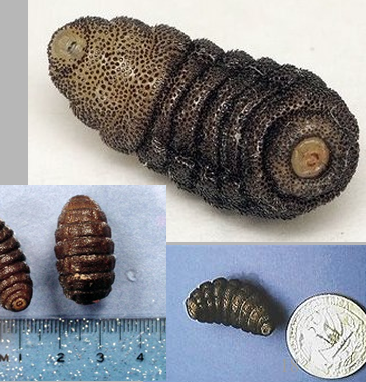
Gastrophilous =
equine bot fly
larvae in stomach
Tabanus =
Horse fly
adults parasitic
Cuterebra/ Hypoderma =
Migrating larvae associated with cats/dogs & cattle (flies)
Cochliomyia hominivorax =
American Screwworm
Taenia sp. - screwworm
Proglottids are “square” Wider than long One pore on either side
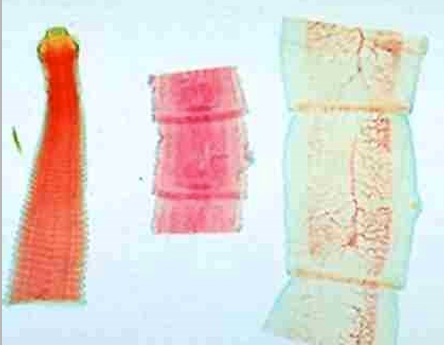
Dipylidium caninum - screwworm
Proglottids are barrel-shaped longer than wide double pore
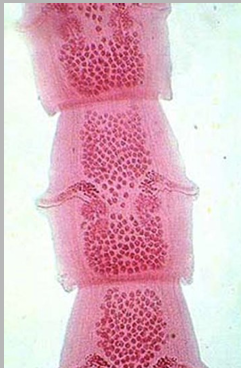
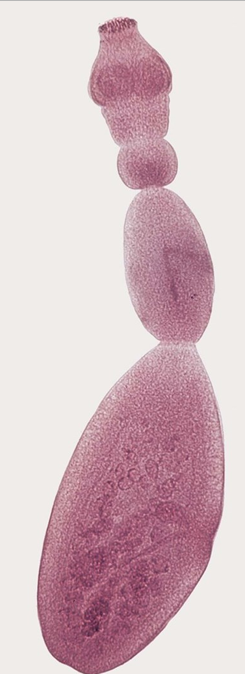
Echinococcus sp. - screwworm
Tiny worms, complete w/ scolex & 2 proglottids
Cat & Dogs that eat the infective metacestode (hydatid cyst)
Dipylidium caninum - screwworm eggs
Eggs are the stage consumed by IH - Flea or louse
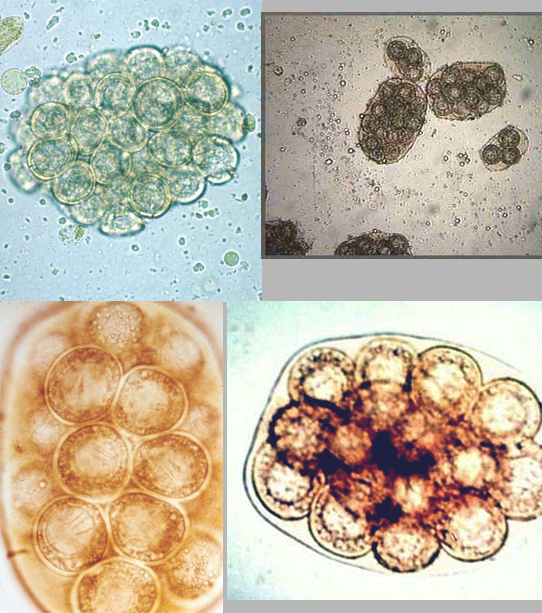
Taenia-type eggs - screwworm
Thick-shell - see tiny hooks on oncosphere
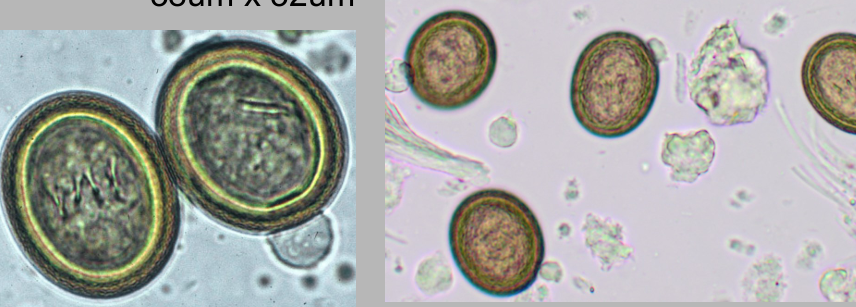
Anoplocephala perfoliata and Monezia sp. (Cattle, Sheep, Goats, Camelids) =
Tapeworms in Domestic Livestock
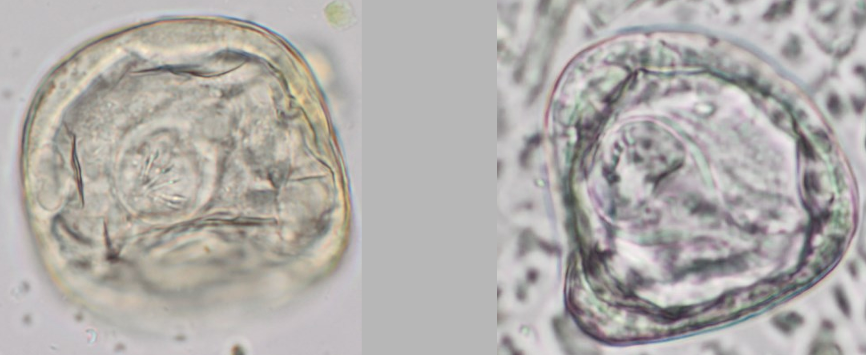
Phylum Arthropoda =
the largest phylum
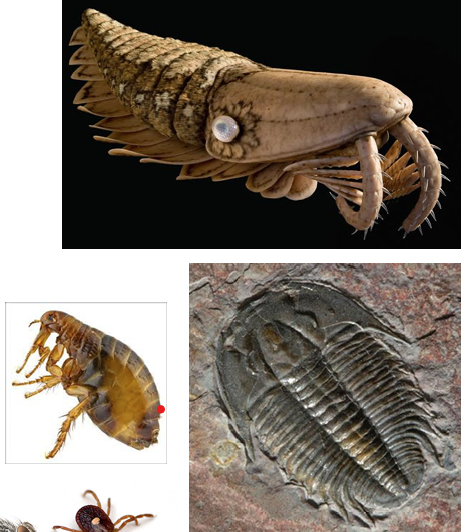
Chelicerata - Arthropoda =
Class Arachnida (ticks, mites, spiders)
Mandibulata - Arthropoda =
Class Insecta (bugs, flies, fleas, lice)
Ixodid =
Hard ticks
1 host tick vs 2 host tick
1 host uses 1 host for entire lifecycle
3 host uses 3 host to complete lifecycle (most common in North America)
What tick species is associated with Lyme disease
Ixodes scapularis (Black Legged Tick)
Which tick species is associated with Southern Tick Associated Rash Illness (STARI) & Ehrlichiosis?
Amblyomma americanum (The Lonestar Tick)
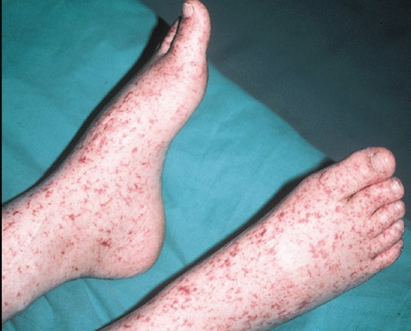
Which tick species is associated with Rocky Mountain Spotted Fever?
Dermacentor varriabilis (American Dog Tick)
ALSO commonly the cause of Tick Paralysis
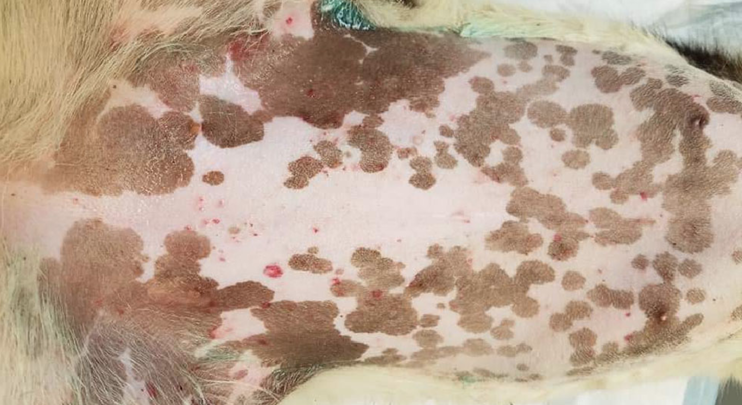
Dermacentor variabilis =
Host seeking (questing) Tick - American Dog Tick
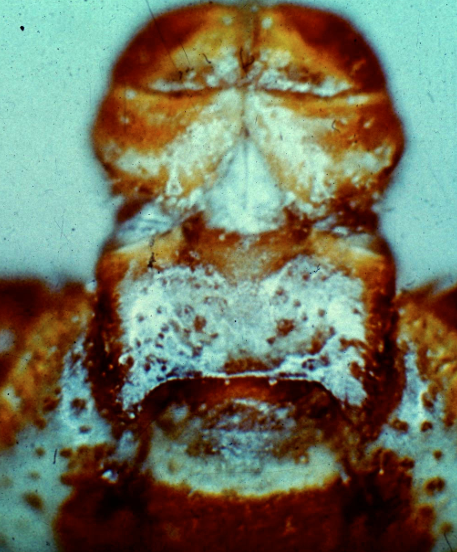
Rhipicephalus sanguineus =
Brown Dog Tick
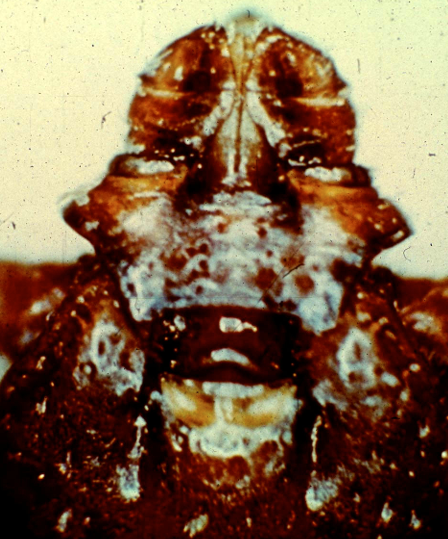
Haemaphysalis longicornus =
The Longhorn Tick
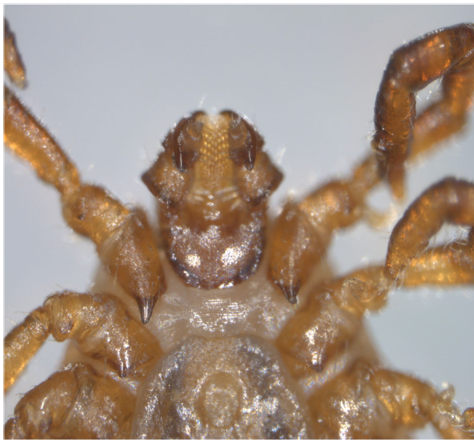
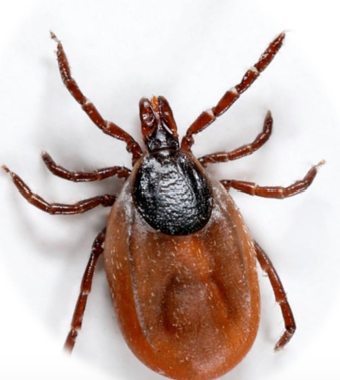
Ixodes scapularis =
Blacklegged Deer Tick
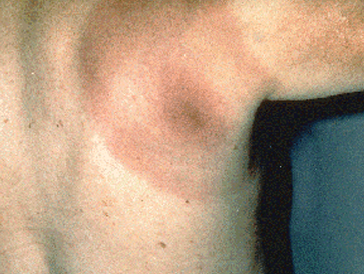
Southern Tick Associated Rash (Lyme-like disease) Clinical Signs
Rhipicephalus annulatus & R. microplus =
Texas Cattle Tick
Argas =
Poultry tick (soft tick)
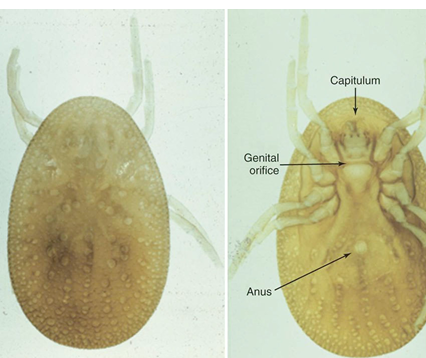
Ornithodoros =
Avian, rodent, deer & cattle soft ticks
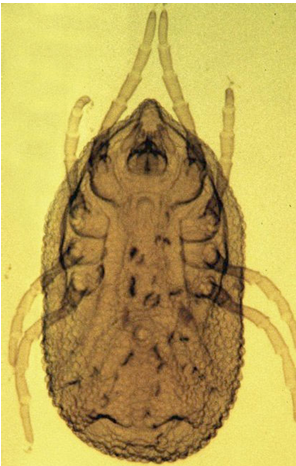
Mesostigmatid Mites
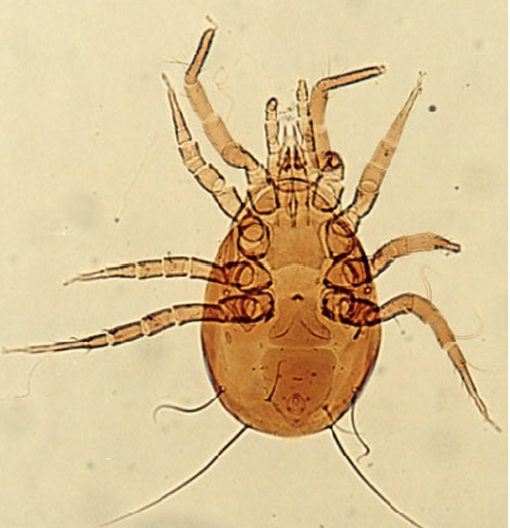
Dermanyssus gallinane =
Red roost mite of poultry “vampire feeding model”
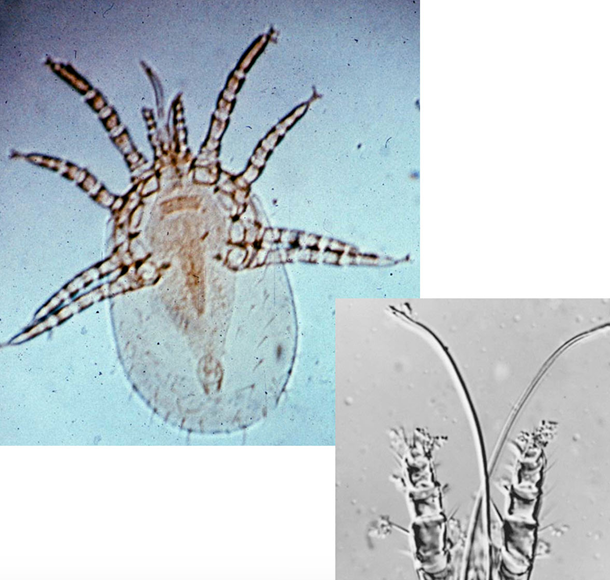
Ornithonyssus sylviarum =
Poultry - Northern Fowl Mite
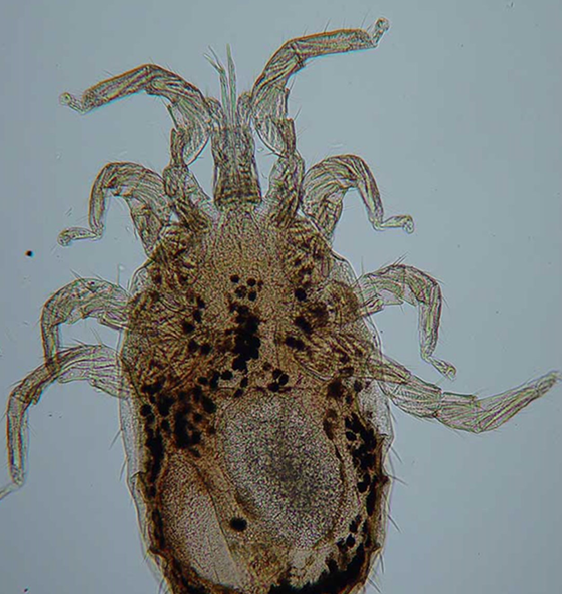
Astigmatid Mites =
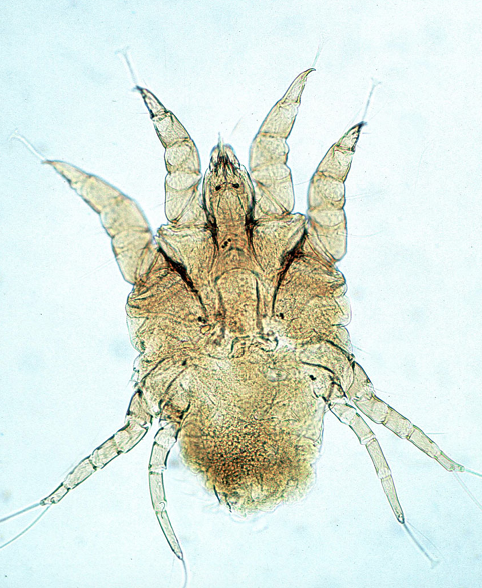
Psoroptes ovis =
Surface dwelling mite
Reportable to State Vet & 16 USDA
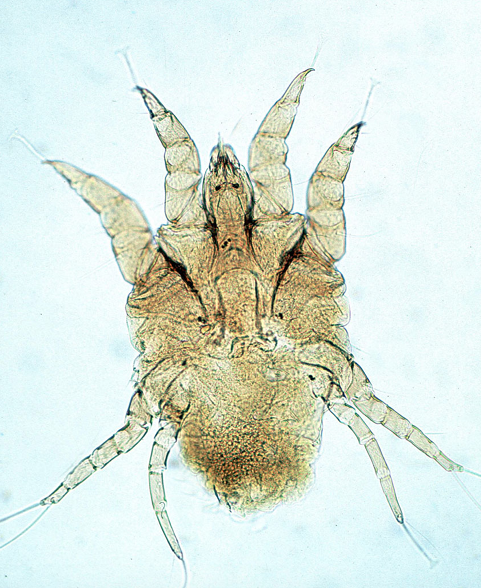
Chorioptes bovis =
Surface dwelling mite
Legs, tail, & pubic regions
Not a Reportable Disease!
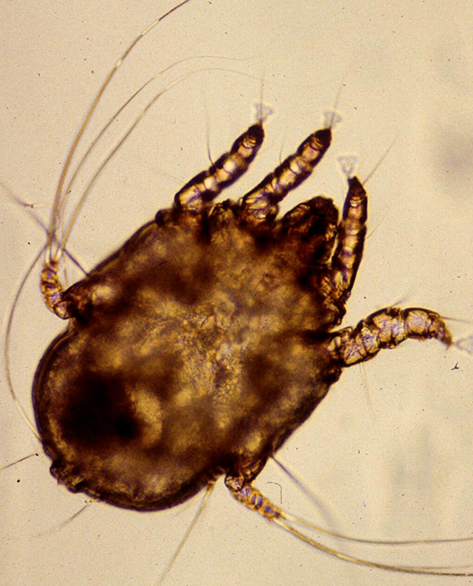
Otodectes cynotis =
Surface dwelling mite
occurs in the outer ear canal on host
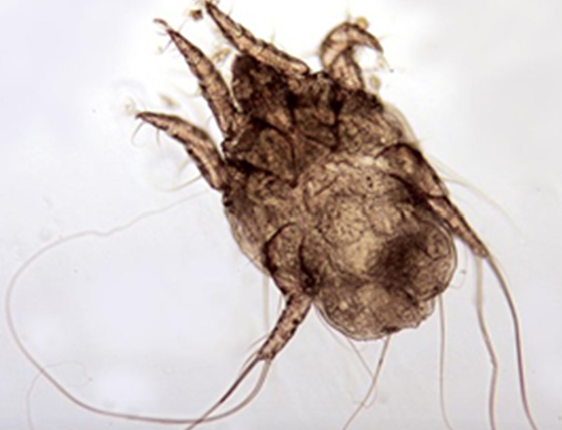
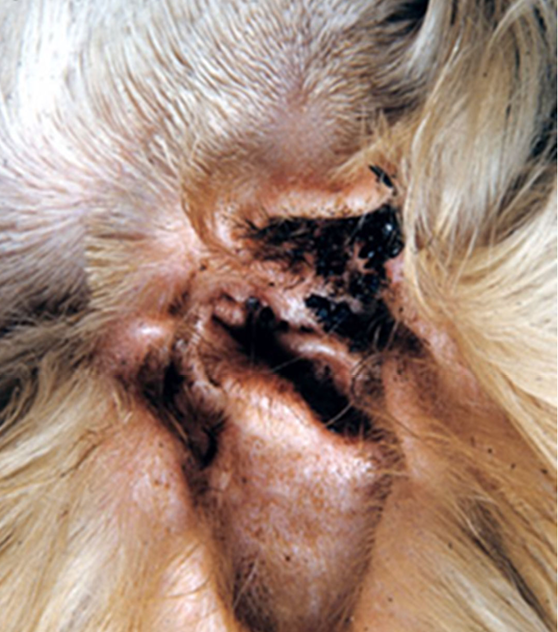
This image shows what?
Infection caused by Otodectes cynotis mitein the outer ear canal of animals.
Sarcoptes spp. =
Skin burrowing mites
Pinna of ear, inguinal & hair-less portions of body
Livestock Infestations Reportable to State Vet & USDA!
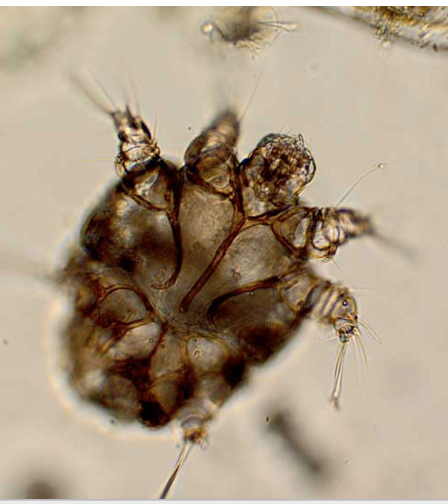
Sarcoptes scabiei var canis =
Canine mange mite
Burrowing
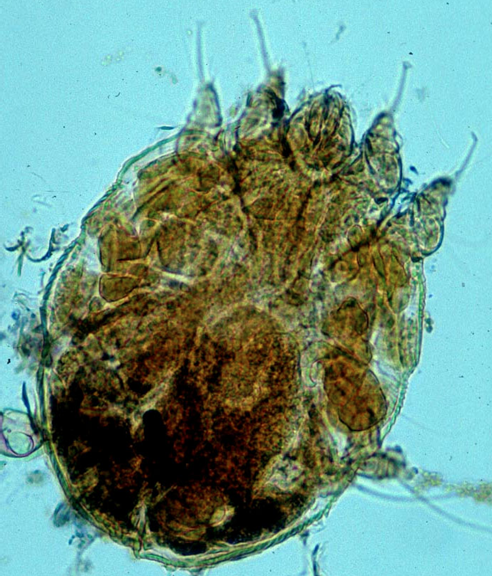
Notoedres =
Feline mange mite
Prostigmatid Mites =
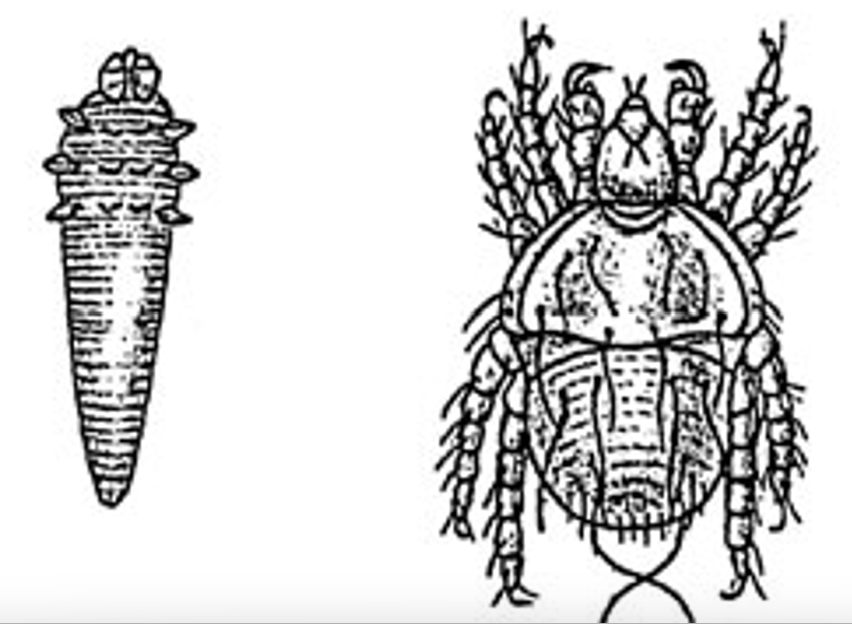
Demodex canis =
A skin-dwelling mite that causes demodicosis in dogs.
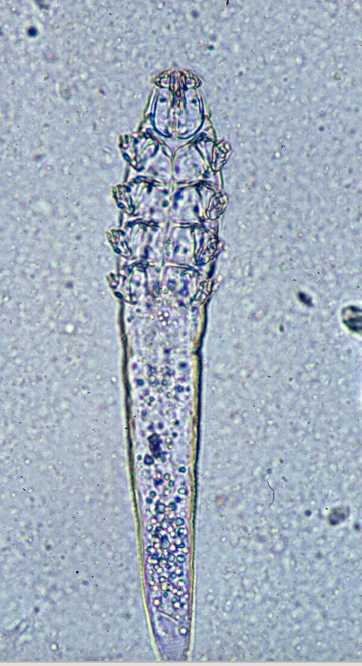
Cheyletiella =
Walking Dandruff mite
Dogs, cats, rabbits
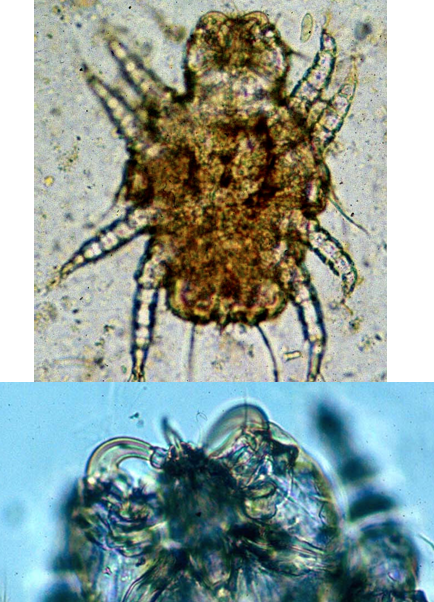
Chigger Mites =
Salivary component used to dissolve/ liquefy host tissue for food
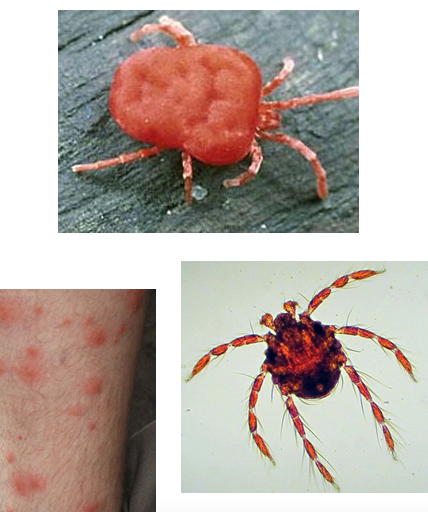
Ctenocephalides felis =
Cat Flea
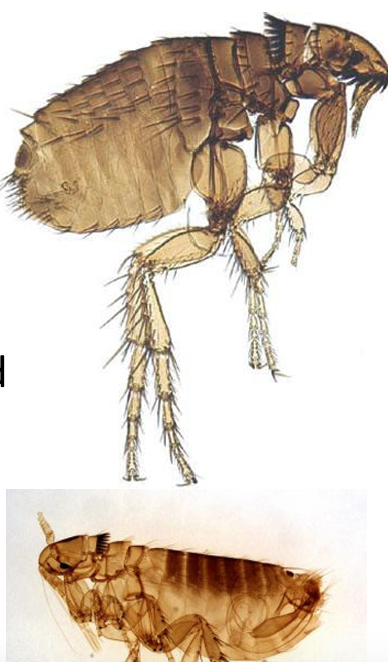
Ctenocephalides canis =
Dog Flea
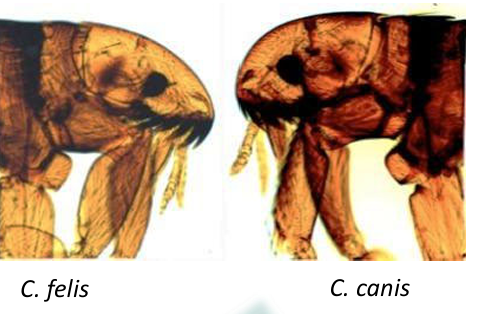
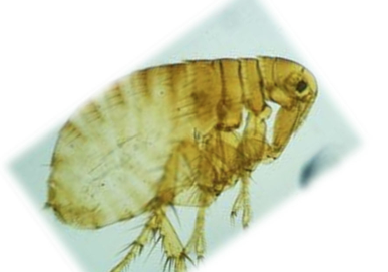
Pulex simulans =
“False human flea”
Wild canids (coyotes), Rodents, Opossums
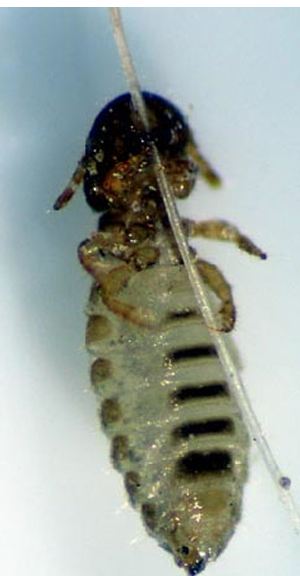
Chewing and Sucking Lice =
Poorly adapted for life off host
Highly host specific
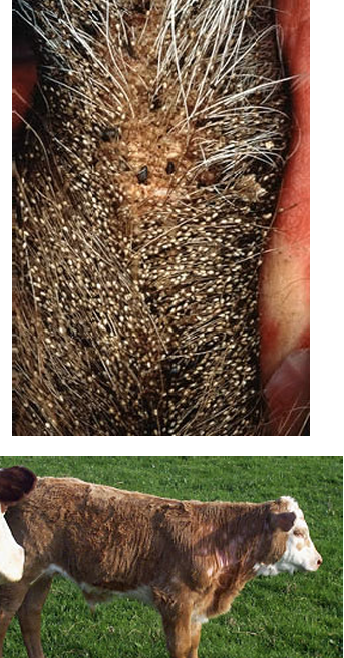
Pediculosis =
General term for louse infestation
Musca domestica =
Common house fly
Musca autumalis =
Face fly
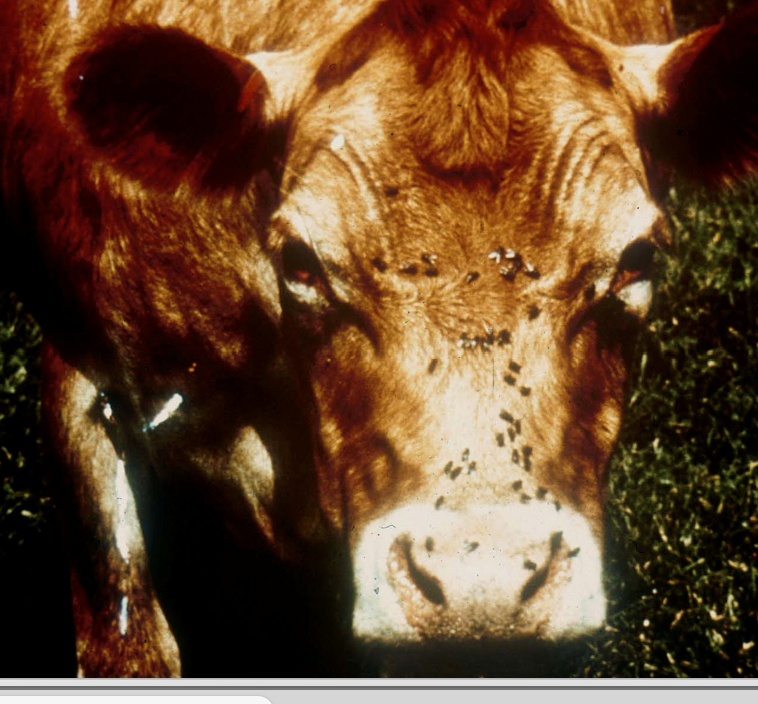
Hematobia irritans =
Horn Fly
Stomoxys calcitrans =
Stable Fly
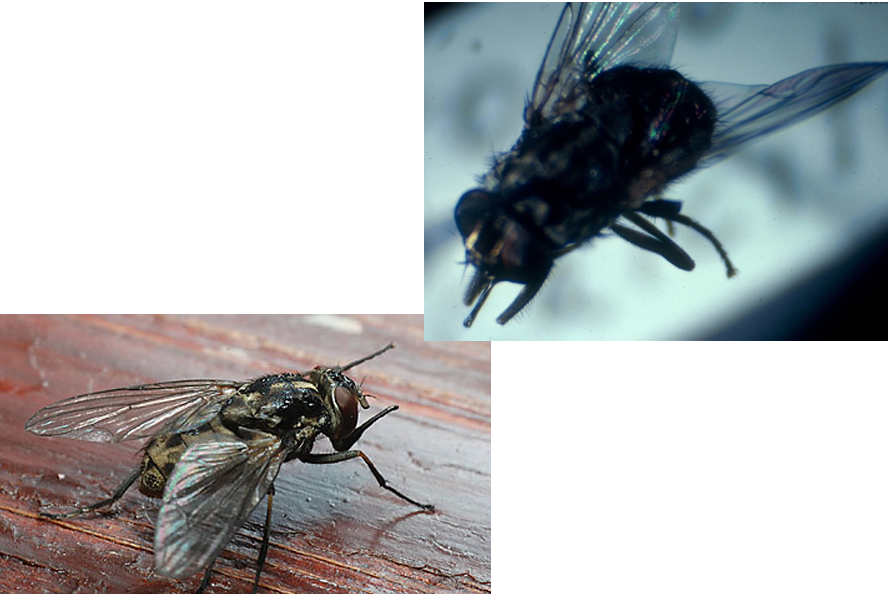
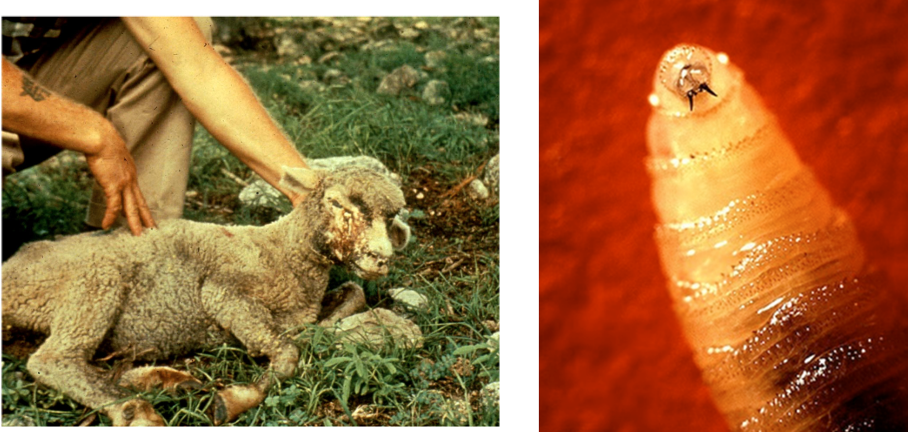
Myiasis =
Tissue Invasion by larval flies
Cochliomyia hominivorax =
Screwworm
Gastrophilous sp. =
Equine bot fly
Larvae are parasitic in stomach
Common bots in livestock
Hide bots (cattle)
Nasal bots (sheep)
Cuterebra =
Squirrel Bot Fly
Cats are accidental hosts
Cyclophyllidian Tapeworms =
most of the veterinary important tapeworms
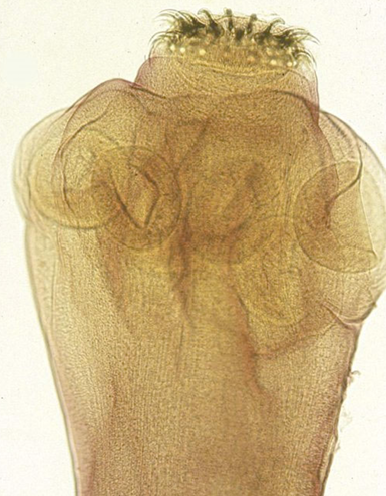
Taenia pisiformis =
Dog Tapeworm
Macrocyclic lactones not effective b/c tapeworms do not have Glutamate gated Chloride Channels or GABA receptors
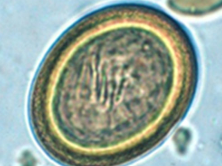
Taenia taeniaformis =
Feline Tapeworm
Dipylidium caninum =
Flea Tapeworm
Echinococcus multilocularis =
Alveolar Hydatid Tapeworm
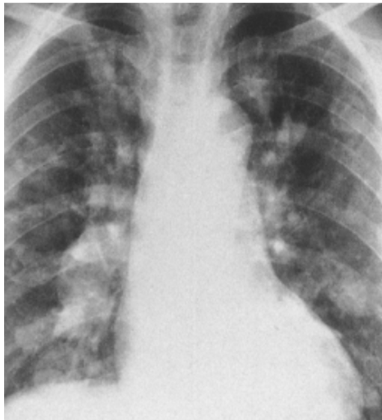
Pulmonary Hydatid Disease
Rupture into pleural cavity associated w/ pneumothorax, pleural effusion, and empyema caused by Echinococcus granulosus.
Anoplocephalidea =
Tapeworms in Domestic Livestock
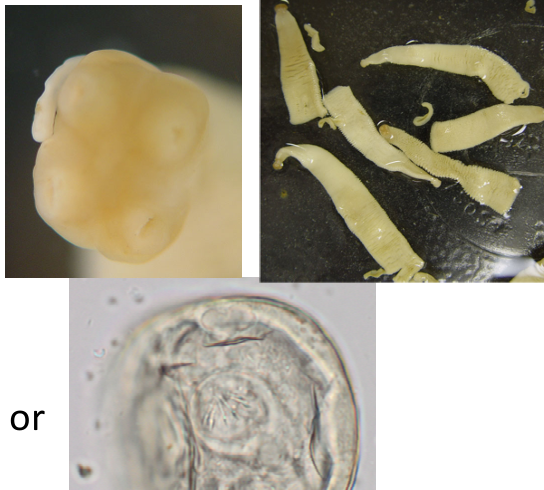
Anoplocephala perfoliata =
Tapeworm in horses
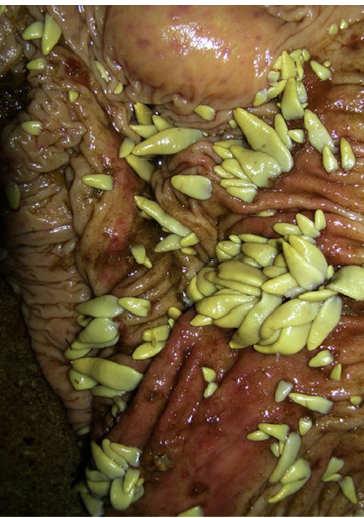
Monezia sp. =
Ribbon-like tapeworms in small intestine
2 species in cattle, sheep, goats, ruminants
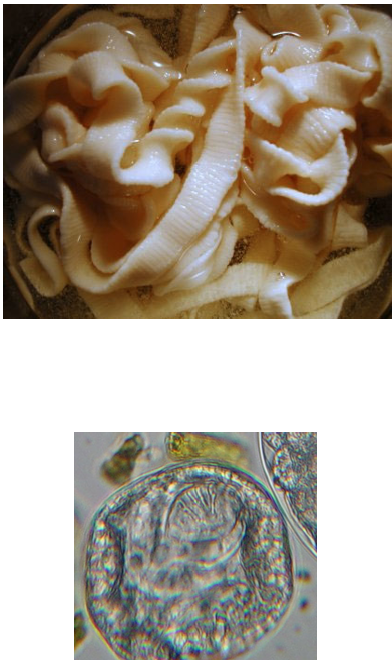
Human Taeniasis =
Beef and Pork Tapeworm
T. solium Neurocysticercosis =
Acquired from accidental ingestion of pork tapeworm eggs via the fecal/oral route
Pseudophyllidean cestodes =
Segmented tapeworms
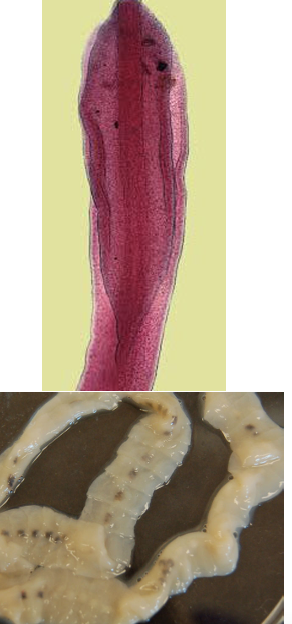
Diphyllobothrium latum =
Broad Fish Tapeworm
Aquatic, 2 host life cycle tapeworm
Dog/Cat, Bear, other fish-eating mammals
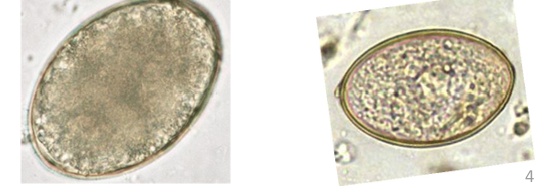
Spirometra mansonoides =
Pseudophyllidian tapeworm w/ aquatic lifecycle and 2 intermediate hosts
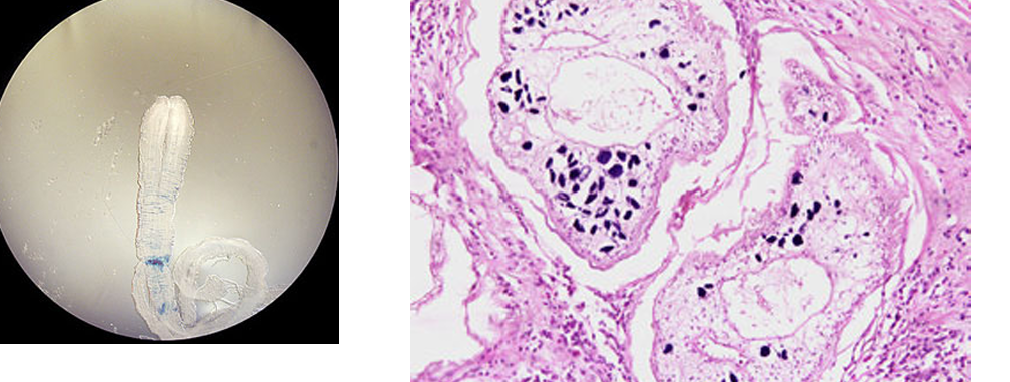
Trematodes =
liver & lung flukes
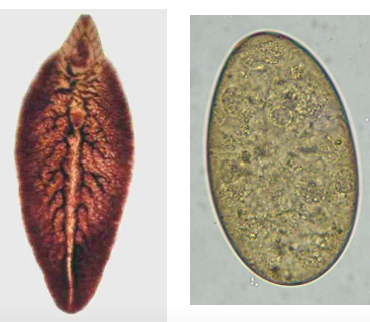
Paragonimus kellicoti =
Lung Fluke
Dogs, cat, and people
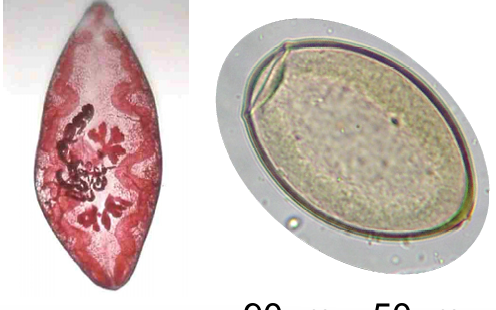
Hetrobilharzia americana =
Canine Blood Fluke
Causative agent of zoonotic “Swimmer’s Itch”
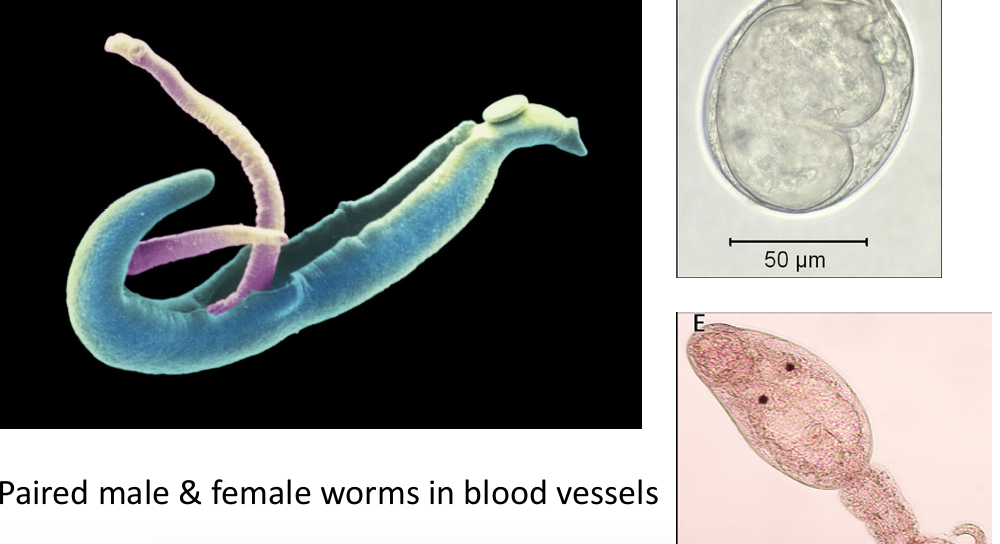
Nanophyetus salmicola =
Salmon Poisoning Fluke
Dogs, cats, fish eating mammals (bear, raccoon, mink, etc. )
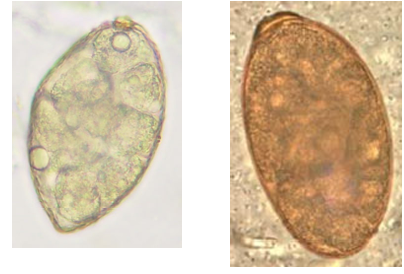
Platynosomum fastosum =
Liver poisoning fluke
Felines (domestic, feral, and wild) infecting the liver and bile ducts.
Intermediate host - snails
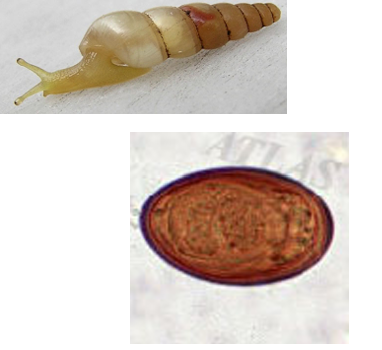
Eurytrema procyonis =
“Raccoon” Pancreatic Fluke
Intermediate host - snails
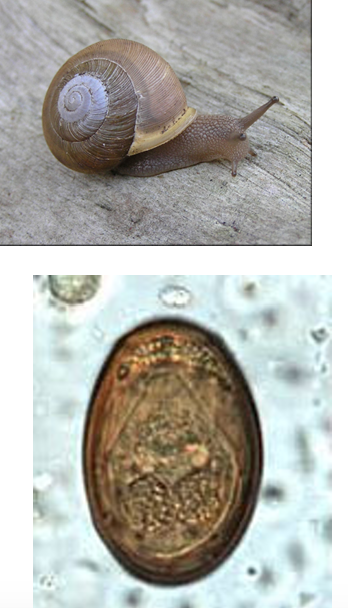
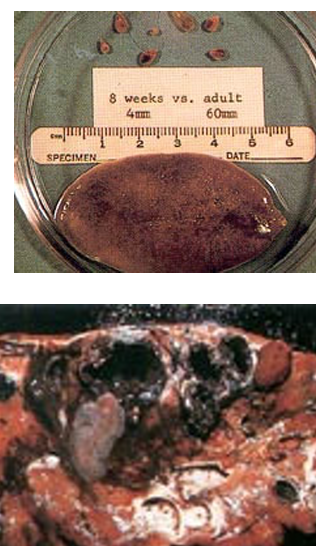
Fasciola hepatica =
Liver fluke
Cattle, sheep & goats
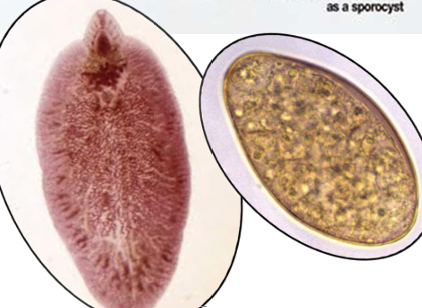
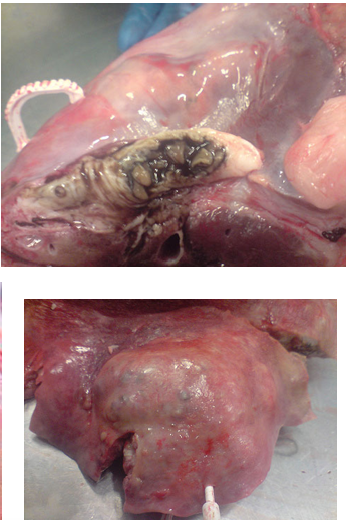
Fasciola hepatica Liver Fluke Pathology
Fibrosis of liver tissue
Hypertrophy of bile ducts
Fascioloides magna =
Deer Liver Fluke
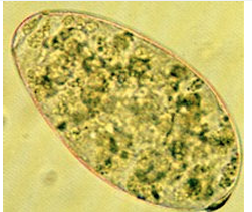
Paramphistomum sp. =
Rumen Fluke
Cattle, sheep & goats
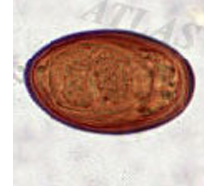
Dicrocoelium dendriticum =
Lancet Liver Fluke
Cattle, sheep, goats, pig, wild ungulates, rodents, rabbits, rarely humans
Acanthocephala =
Thorny‐headed worms
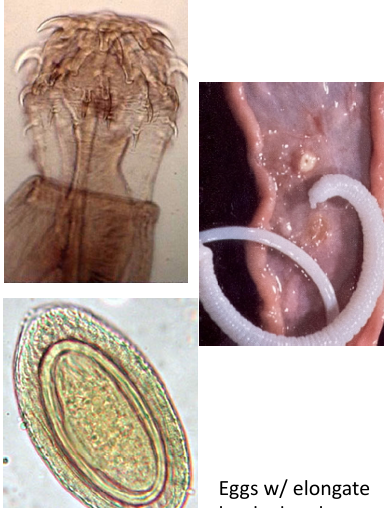
Macroacanthorhynchus hirudinaceus =
Swine Thorny-headed worm
Oncicola canis =
Coyotes, fox, bobcat, lynx, dog, cat thorny-headed worms
Remember Swine do not have adult tapeworms in their
small intestine
Prosthenorchis elegans =
Primate thorny-headed worms