RP 12 - organic
 Call Kai
 Learn
Learn Practice Test
 Spaced Repetition
 Match
Match Flashcards
 Knowt Play
1/29

There's no tags or description
Looks like no tags are added yet.
Name | Mastery | Learn | Test | Matching | Spaced | Call with Kai |
|---|
No analytics yet
Send a link to your students to track their progress
30 Terms
what is RP 12
separation of species by thin layer chromatography (TLC)
analyse medicine samples method
crush with pestle and mortar
transfer to weighing boat
dissolve 0.1g in 0.5cm3 ethanol
repeat
dissolving caffeine and anadin tablets
7cm3 ethanol
TLC method
draw line 1cm above TLC plate and mark 5 equally spaced spots along it
use capillary tube to add tiny drop each solution to a different spot and allow plate to dry
add 10cm3 solvent to development chamber
place TLC plate into development chamber making sure solvent is below line, add lid
when solvent reaches 1cm from top remove and mark solvent front with pencil
allow plate to dry in fume cupboard
place plate under UV lamp and draw around spots in pencil
calculate Rf values
why are gloves worn
prevent contamination from hands to plate
whys a pencil used
does not dissolve in the solvent
whys a tiny drop added
too big will cause the different spots to merge
whys the depth of solvent important
if its too deep it will dissolve the sample spots from the plate
whys a lid used and tightly sealed
prevents evaporation of toxic solvent
so inside of tank is saturated with solvent vapour
why does solvent line rise near to the top of the plate
get more accurate results - but Rf value can still be calculated if it does not reach top
why is it dried in fume cupboard
solvent is toxic
whys a UV lamp used
if spots are colourless and not visible
what ruler is used to measure Rf values
mm ruler - higher resolution so more precise Rf values calculated
what happens if you use less solvent and have a high baseline
large spots
what happens if your samples are too concentrated
spots overlap
ways to see colourless spots
place plate under UV lamp and mark locations using pencil
in a fume cupboard place the plate in a beaker containing iodine crystals and cover with a watch glass. iodine is a locating agent causing spots to become brown and visible
spray with ninhydrin developing agent in a fume cupboard
how can TLC be used to monitor the course of a reaction
by taking samples from a reaction mixture at regular intervals, spotting them on a TLC plate, and running this alongside controls of the organic reagent and product
different chromatography types
TLC
CC
GC
TLC
quick analysis to identify substances or check if reaction is finished
TLC strengths
very fast
uses tiny amounts
cheap, simple equipment
easy to calculate Rf and compare against known standards
TLC weaknesses
purely analytical - cannot use to collect components
spots can overlap if solvent not chosen carefully
some compounds are colourless
CC
physical separation and purification of larger quantities of a mixture
CC strengths
actually separates mixture into fractions you can collect in separate flasks
can handle relatively large quantities
CC weaknesses
slow and tedious compared to TLC
uses more solvent which is wasteful
GC
separating and identifying volatile liquids in extremely complex mixtures (ie drug testing, forensics)
GC strengths
extremely sensitive
highly accurate retention times and can measure abundance
can be directly linked to a mass spectrometer to instantly identify compounds
GC weaknesses
only works for volatile substances
expensive, highly specialised machinery
cannot easily isolate physical, pure samples of components
what else can the solvent be other than toxic
flammable
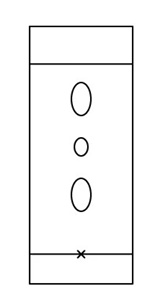
analyse the purity
not pure - contains 3 components
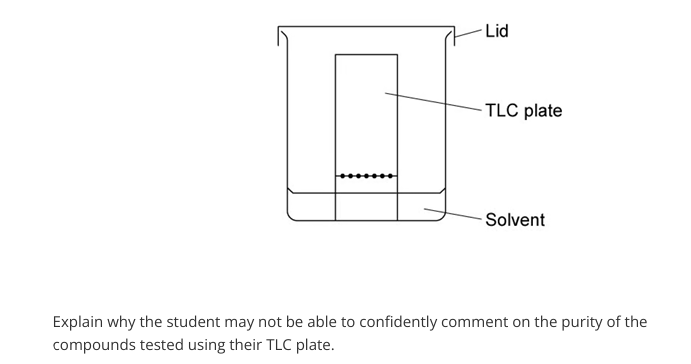
spots too close
they can cross over and contaminate neighbouring spots