Ethers and Epoxides; Thiols and Sulfides

0.0(0)
Studied by 0 people
call kaiCall Kai
learnLearn
examPractice Test
spaced repetitionSpaced Repetition
heart puzzleMatch
flashcardsFlashcards
GameKnowt Play
Card Sorting

1/21

encourage image

There's no tags or description

Looks like no tags are added yet.

Last updated 5:06 AM on 4/29/26
Name
Mastery
Learn
Test
Matching
Spaced
Call with Kai

No analytics yet

Send a link to your students to track their progress

22 Terms

1
New cards
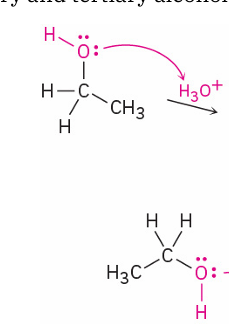
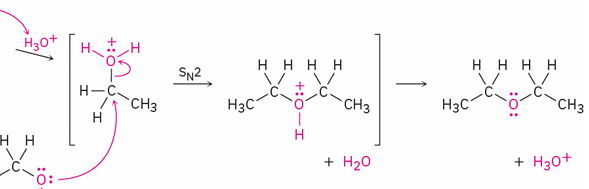
<p>ethanol → ether ( sulfuric acid catalyzed dehudration)</p><ul><li><p>mechanism</p></li></ul><ul><li><p>reagent</p></li></ul><p></p>

ethanol → ether ( sulfuric acid catalyzed dehudration)

  • mechanism

  • reagent

  • SN2

  • acid

<ul><li><p>SN2</p></li><li><p>acid </p></li></ul><p></p>
2
New cards
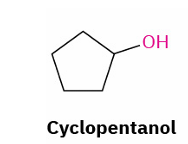
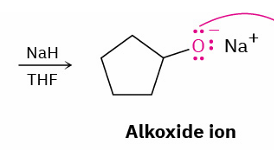
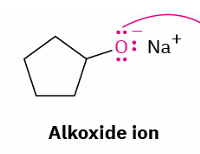
<p>alcohol → alkoxide </p><ul><li><p>reagent </p></li><li><p>mechanism</p></li></ul><p></p>

alcohol → alkoxide

  • reagent

  • mechanism

  • strong base (NaH) and THF

<ul><li><p>strong base (NaH) and THF</p></li></ul><p></p>
3
New cards
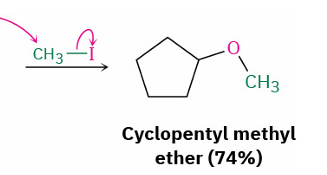
<p>alkoxide → ether </p><ul><li><p>reagent</p></li><li><p>mechanism</p></li></ul><p></p>

alkoxide → ether

  • reagent

  • mechanism

  • primary alkyl halide eg. CH3-I

  • SN2

<ul><li><p>primary alkyl halide eg. CH<sub>3</sub>-I</p></li><li><p>SN2</p></li></ul><p></p>
4
New cards

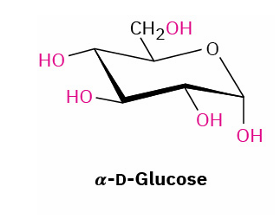
what competive E2 elimination means for making unsymmetrical ethers

more hindered alkoxide rather than more hindered alkyl halide and
5
New cards
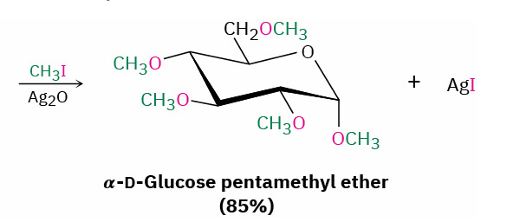
<p>direct williamson ether synthesis</p><ul><li><p>reagent </p></li></ul><p></p>

direct williamson ether synthesis

  • reagent

  • Ag2O (silver oxide) - milder base

  • no alkoxide intermediate

<ul><li><p>Ag<sub>2</sub>O (silver oxide) - milder base </p></li><li><p>no alkoxide intermediate </p></li></ul><p></p>
6
New cards
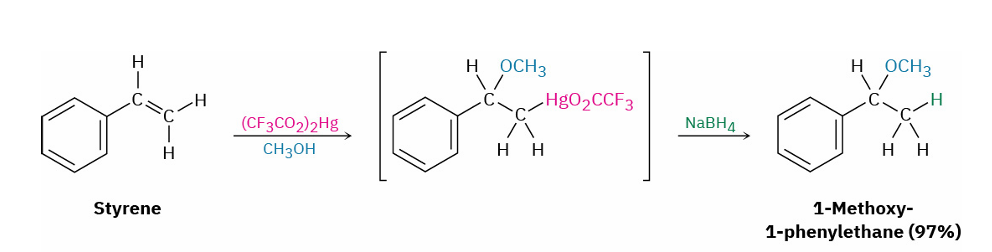
<p>alkene → ether ( alkoxymercuration)</p><ul><li><p>reagents</p></li><li><p>stereochem</p></li></ul><p></p>

alkene → ether ( alkoxymercuration)

  • reagents

  • stereochem

  1. mercuric trifluoroacetate (CF3CO2)2Hg and alkyl alcohol (e.g. CH3OH)

  2. NaBH4

<ol><li><p> mercuric trifluoroacetate (CF<sub>3</sub>CO<sub>2</sub>)<sub>2</sub>Hg and alkyl alcohol (e.g. CH<sub>3</sub>OH)</p></li><li><p>NaBH<sub>4</sub></p></li></ol><p></p>
7
New cards
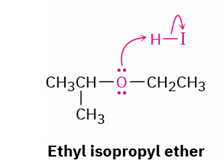
<p>acid cleavage of primary or secondary groups substituted ethers</p><ul><li><p>reagent</p></li><li><p>product</p></li><li><p>mechanism</p></li></ul><p></p>

acid cleavage of primary or secondary groups substituted ethers

  • reagent

  • product

  • mechanism

  • HBr / HI and water

  • HCl does not cleave ethers

  • alcohol and alkyl halide

  • SN2 (reacts with protonated ether at less hindered site)

  • less hindered becomes halide

  • More hindered becomes alcohol

<ul><li><p>HBr / HI and water</p></li><li><p>HCl does not cleave ethers</p></li><li><p>alcohol and alkyl halide</p></li><li><p>SN2 (reacts with protonated ether at less hindered site)  </p></li><li><p>less hindered becomes halide </p></li><li><p>More hindered becomes alcohol</p></li></ul><p></p>
8
New cards
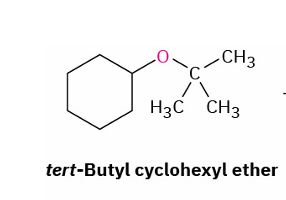
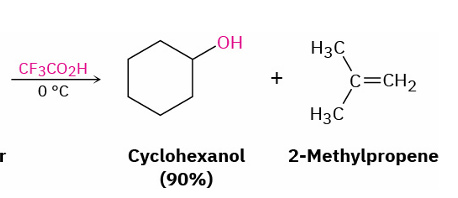
<p>acid cleavage of tertiary/ benzylic/ allylic group substituted ethers</p><ul><li><p>reagents</p></li><li><p>mechanism</p></li></ul><p></p>

acid cleavage of tertiary/ benzylic/ allylic group substituted ethers

  • reagents

  • mechanism

  • trifluoracetic acid (CF3CO2H) / HBr/ HI

  • SN1 or E1 mechanism

  • (OH on less substituent part)

<ul><li><p>trifluoracetic acid (CF<sub>3</sub>CO<sub>2</sub>H) / HBr/ HI</p></li><li><p>SN1 or E1 mechanism </p></li><li><p>(OH on less substituent part)</p></li></ul><p></p>
9
New cards
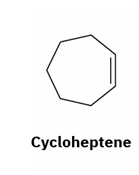
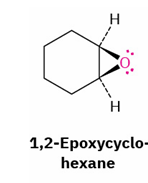
<p>alkene to epoxide </p><ul><li><p>reagents</p></li></ul><p></p>

alkene to epoxide

  • reagents

  • peroxyacid (RCO3H) mostly m-chloroperoxybenzoic acid
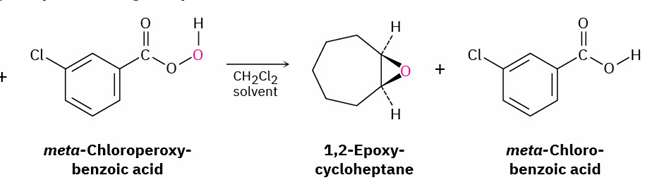
<ul><li><p>peroxyacid (RCO<sub>3</sub>H) mostly m-chloroperoxybenzoic acid</p></li></ul><p></p>
10
New cards
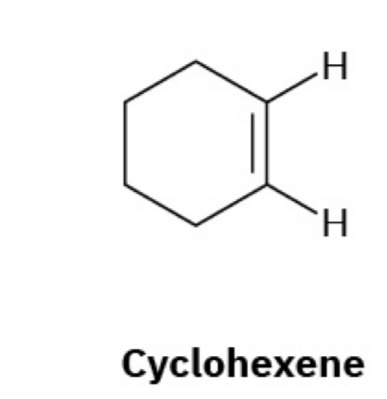
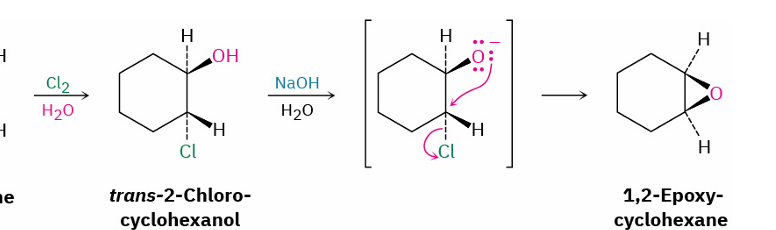
<p>alkene → epoxides</p><p>reagents?</p>

alkene → epoxides

reagents?

  1. Cl2, H2O

  2. NaOH, H2O

<ol><li><p>Cl<sub>2,</sub> H<sub>2</sub>O</p></li><li><p>NaOH, H<sub>2</sub>O</p></li></ol><p></p>
11
New cards
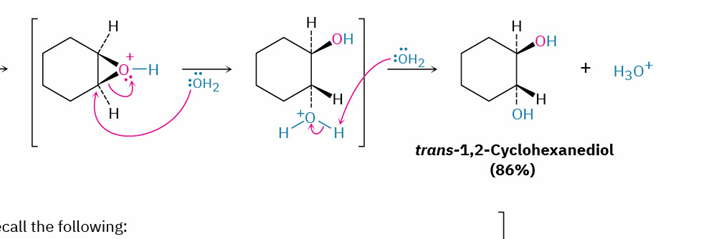
<p>epoxide to trans 1,2 diol/ trans halohydrin by <strong>acid</strong></p><p>mechanism?</p><p>reagent</p><p>stereochem</p>

epoxide to trans 1,2 diol/ trans halohydrin by acid

mechanism?

reagent

stereochem

  • SN2 backside attack

  • H3O+ or HX

  • primary or secondary subs → X on less substituted

  • tertiary subs → X on more substituted
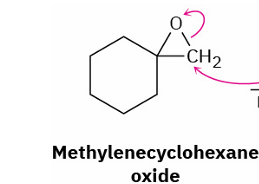
<ul><li><p>SN2 backside attack </p></li><li><p>H<sub>3</sub>O+ or HX</p></li><li><p>primary or secondary subs → X on less substituted </p></li><li><p>tertiary subs → X on more substituted </p></li></ul><p></p>
12
New cards
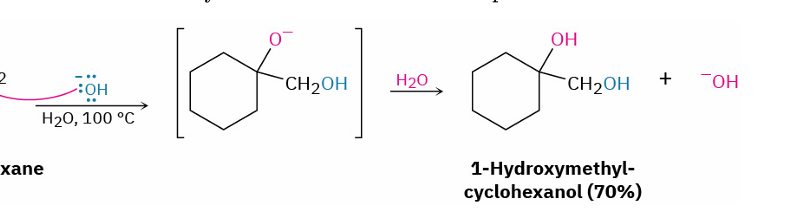
<p>base catalyzed epoxide opening </p><p>reagents </p>

base catalyzed epoxide opening

reagents

  • base e.g. NaOH and H2O

  • also be done by RMgX , (RNH2 or R2NH)

  • adds 2 OH unless with nucleophile

  • nucleophile attacks less hindered site

  • OH on more substituted C

<ul><li><p><strong>base</strong> e.g. NaOH and H<sub>2</sub>O</p></li><li><p>also be done by RMgX , (RNH<sub>2</sub> or R<sub>2</sub>NH)</p></li><li><p>adds 2 OH unless with nucleophile</p></li></ul><ul><li><p>nucleophile attacks less hindered site</p></li><li><p>OH on more substituted C</p></li></ul><p></p>
13
New cards

crown ethers nomenclature

x - crown - y

x- number of atoms in ring

y- number of O atoms

14
New cards

sulfur iupac

same principles as alcohol

  • but -ol is replaced with -thiol

15
New cards

SH - group ( as a subs on benzene)

mercapto group
16
New cards
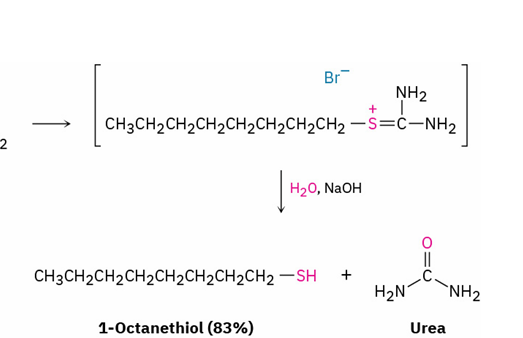
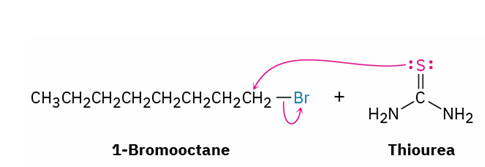
<p>alkyl halide → thiol</p><ul><li><p>reagents</p></li><li><p>mechanism</p></li></ul><p></p>

alkyl halide → thiol

  • reagents

  • mechanism

  1. sulfur nucleophile like (NH2)2C=S

  2. aqueous base ( NaOH , H2O)

<ol><li><p>sulfur nucleophile like (NH<sub>2</sub>)<sub>2</sub>C=S</p></li><li><p>aqueous base ( NaOH , H<sub>2</sub>O)</p></li></ol><p></p>
17
New cards
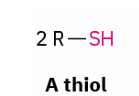
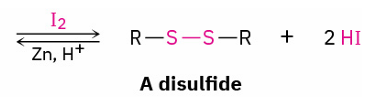
<p>thiols → disulfide and reverse rxn</p>

thiols → disulfide and reverse rxn

  • Br2 or I2

  • Zinc + acid

<ul><li><p>Br<sub>2</sub> or I<sub>2</sub></p></li><li><p>Zinc + acid </p></li></ul><p></p>
18
New cards

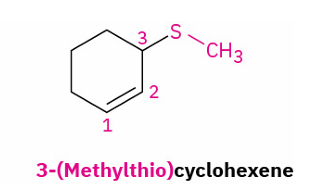
sulfide iupac

same as ether

  • sulfide replaces ether

  • alkylthio replaces methoxy

<p>same as ether </p><ul><li><p>sulfide replaces ether </p></li><li><p><strong>alky</strong>lthio replaces <strong>meth</strong>oxy</p></li></ul><p></p>
19
New cards
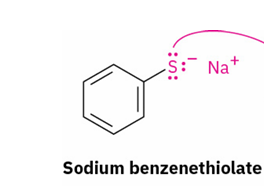
<p>thiol → sulfide ( Williamson ether synthesis)</p><ul><li><p>reagent</p></li></ul><p></p>

thiol → sulfide ( Williamson ether synthesis)

  • reagent

  • primary alkyl halide

20
New cards
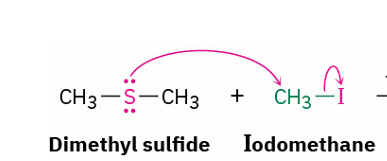
<p>dialkyl sulfides react with primary alkyl halude to give..</p><p>by which mechanism</p>

dialkyl sulfides react with primary alkyl halude to give..

by which mechanism

sulfonium ion

SN2
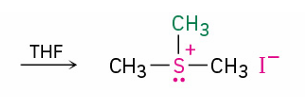
<p>sulfonium ion </p><p>SN2</p>
21
New cards
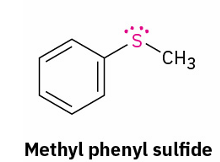
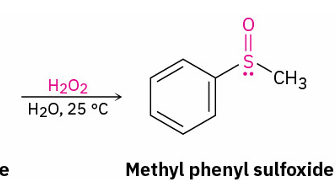
<p>sulfide to sulfoxide</p><ul><li><p>reagent</p></li><li><p></p></li></ul><p></p>

sulfide to sulfoxide

  • reagent

hydrogen peroxide (H2O2)

<p>hydrogen peroxide (H<sub>2</sub>O<sub>2</sub>)</p>
22
New cards
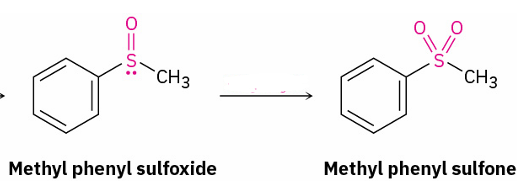
<p>sulfoxide to sulfone </p>

sulfoxide to sulfone

peroxyacid eg. CH3CO3H
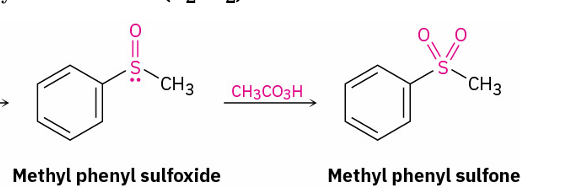
<p>peroxyacid eg.  CH3CO<sub>3</sub>H</p>