Exploring Medical Language: Chapter 16- Endocrine system
 Call Kai
 Learn
Learn Practice Test
 Spaced Repetition
 Match
Match Flashcards
 Knowt Play
1/128

There's no tags or description
Looks like no tags are added yet.
Name | Mastery | Learn | Test | Matching | Spaced | Call with Kai |
|---|
No analytics yet
Send a link to your students to track their progress
129 Terms
Endocrine system
Consists of glands that control many of the body's activities by producing hormones.
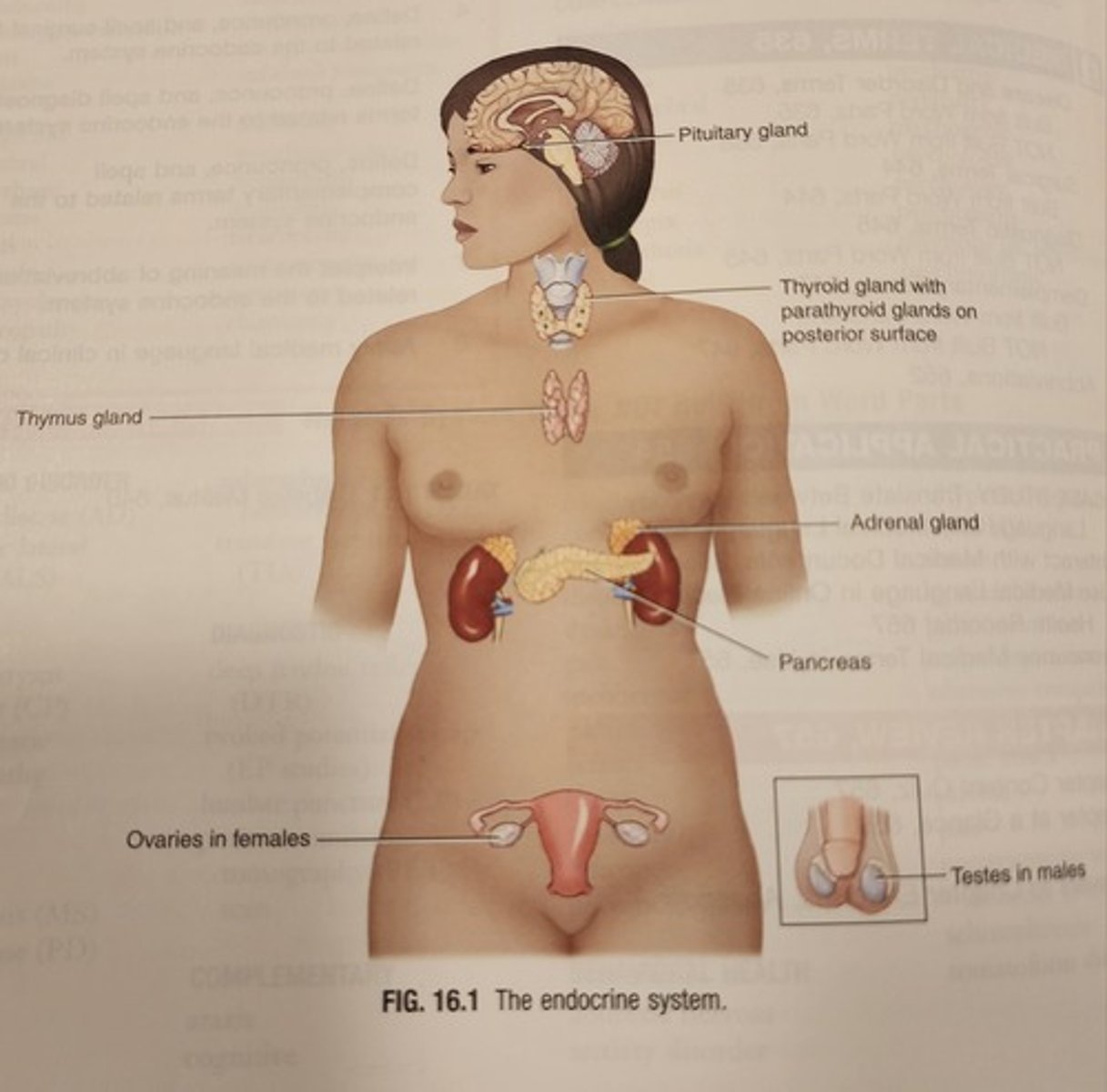
pituitary gland (hypophysis cerebri)
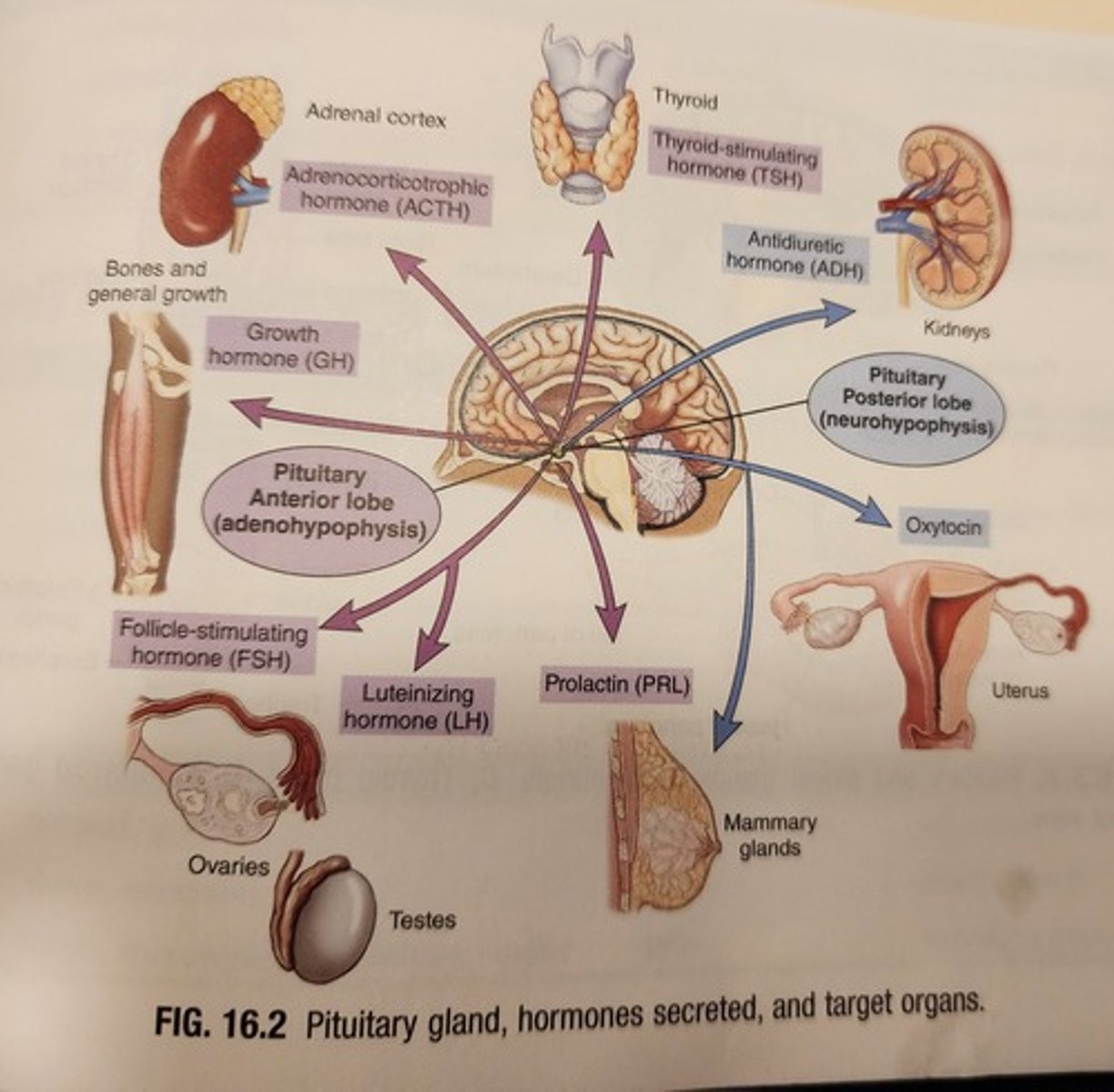
approximately the size of a pea and located at the base of the brain. The pituitary gland is divided into two lobes. It is often referred to as the master gland because it produces hormones that stimulate the function of the other endocrine glands.
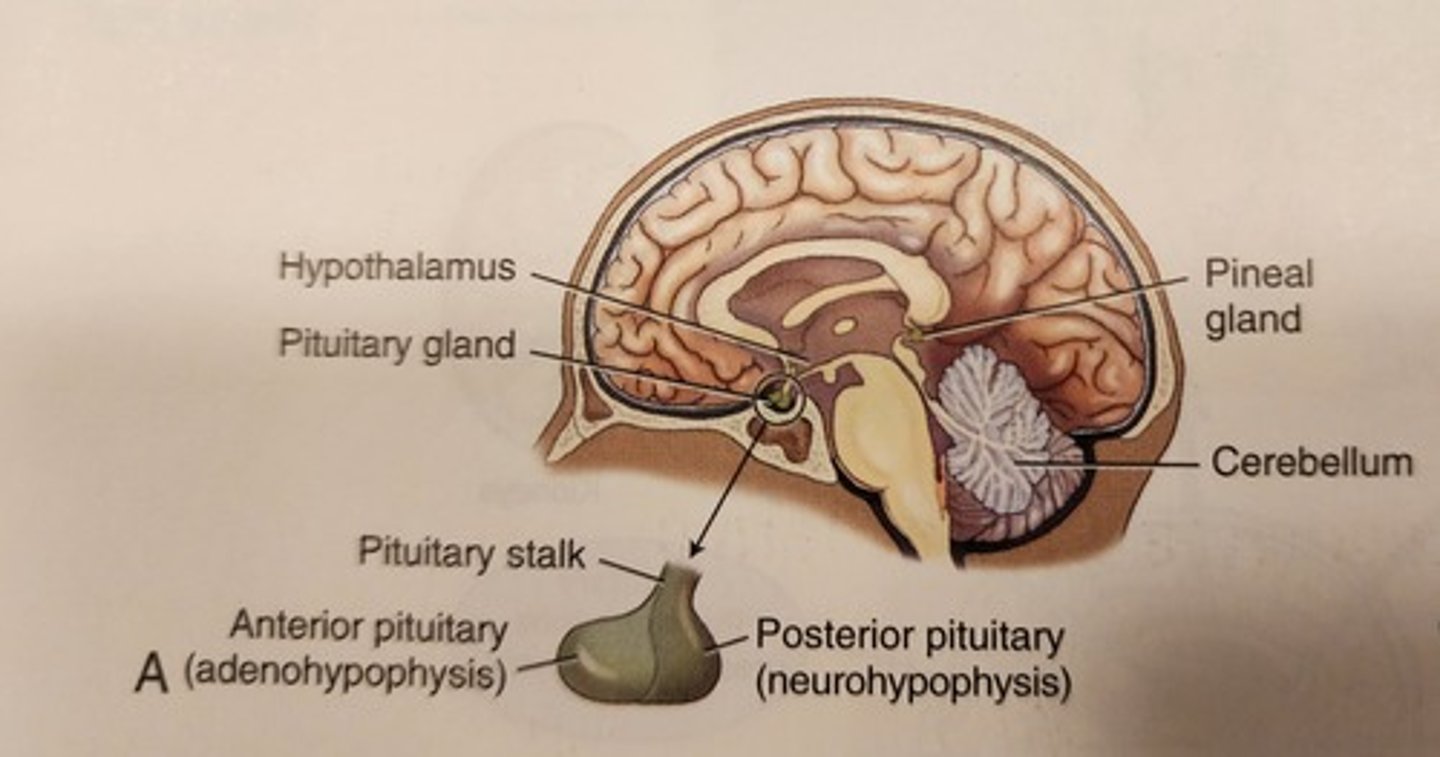
anterior lobe (adenohypophysis)
produces and secretes hormones
Growth Hormone (GH)
regulates the growth of the body
Adrenocorticotropic hormone (ACTH)
stimulates the adrenal cortex
Thyroid Stimulating Hormone (TSH)
stimulates thyroid gland
gonadotropic hormones (FSH and LH)
stimulates the gonads. Follicle-stimulating hormone (FSH) and luteinizing hormone (LH) are the gonadotropic hormones released from the adenohypophysis.
Prolactin (PRL)
promotes development of glandular tissue during pregnancy and produces milk after birth of an infant
posterior lobe
stores and releases antidiuretic hormone and oxytocin (also called neurohypophysis)
antidiuretic hormone (ADH)
stimulates the kidney to reabsorb water and constricts blood vessels to help maintain blood pressure (also called vasopressin)
oxytocin
stimulates uterine contractions during labor and postpartum, and milk let down by the breasts postpartum.
hypothalamus
located superior to the pituitary gland in the brain. The hypothalamus secretes "releasing" hormones that function to stimulate or inhibit the release of pituitary gland hormones.
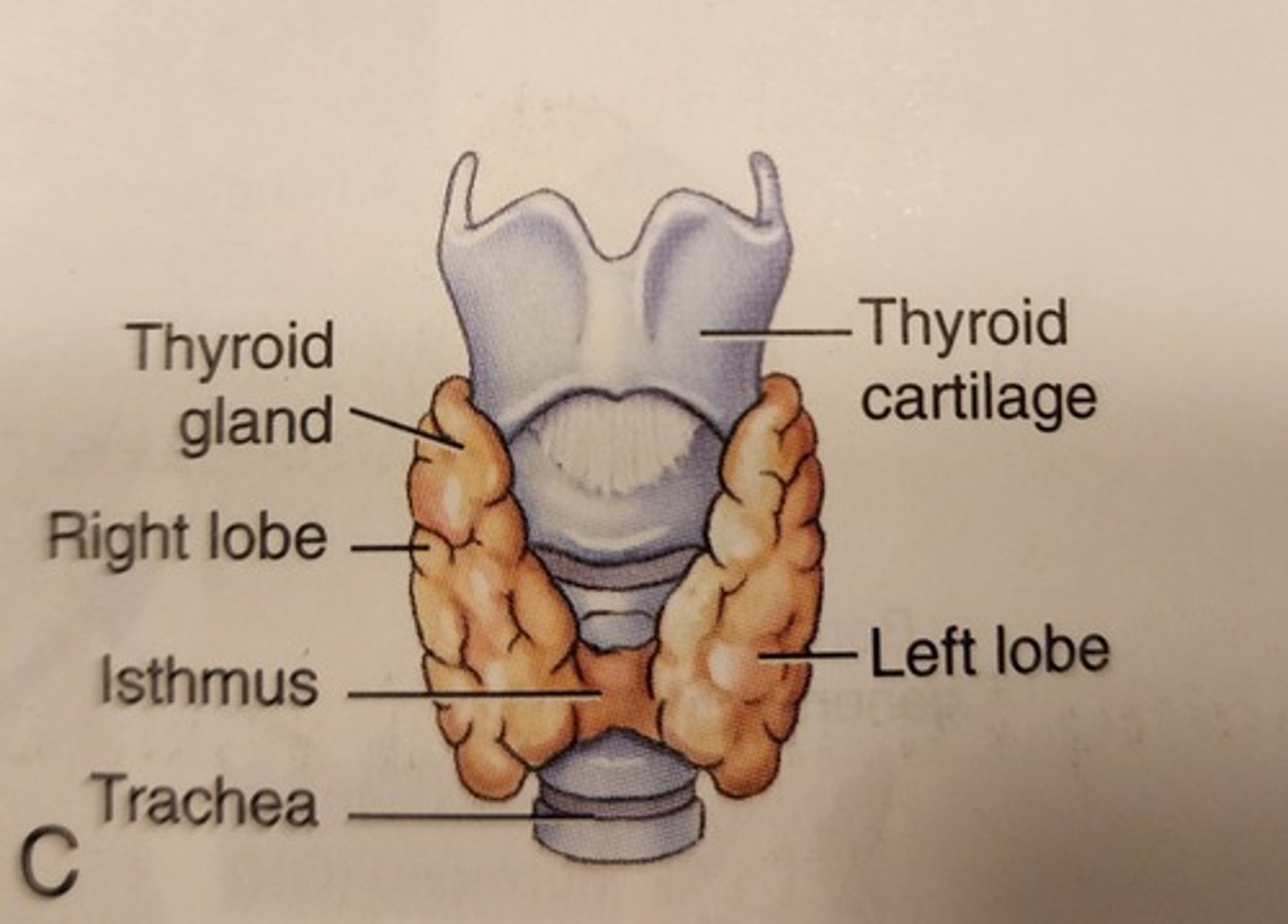
thyroid gland
largest endocrine gland. it is located anteriorly in the neck below the larynx and comprises bilateral lobes connected by an isthmus. the thyroid gland secretes the hormones triiodothyronine (T3) & thyroxine (T4), which requires iodine for their production. Thyroxine is necessary for body cell metabolism.
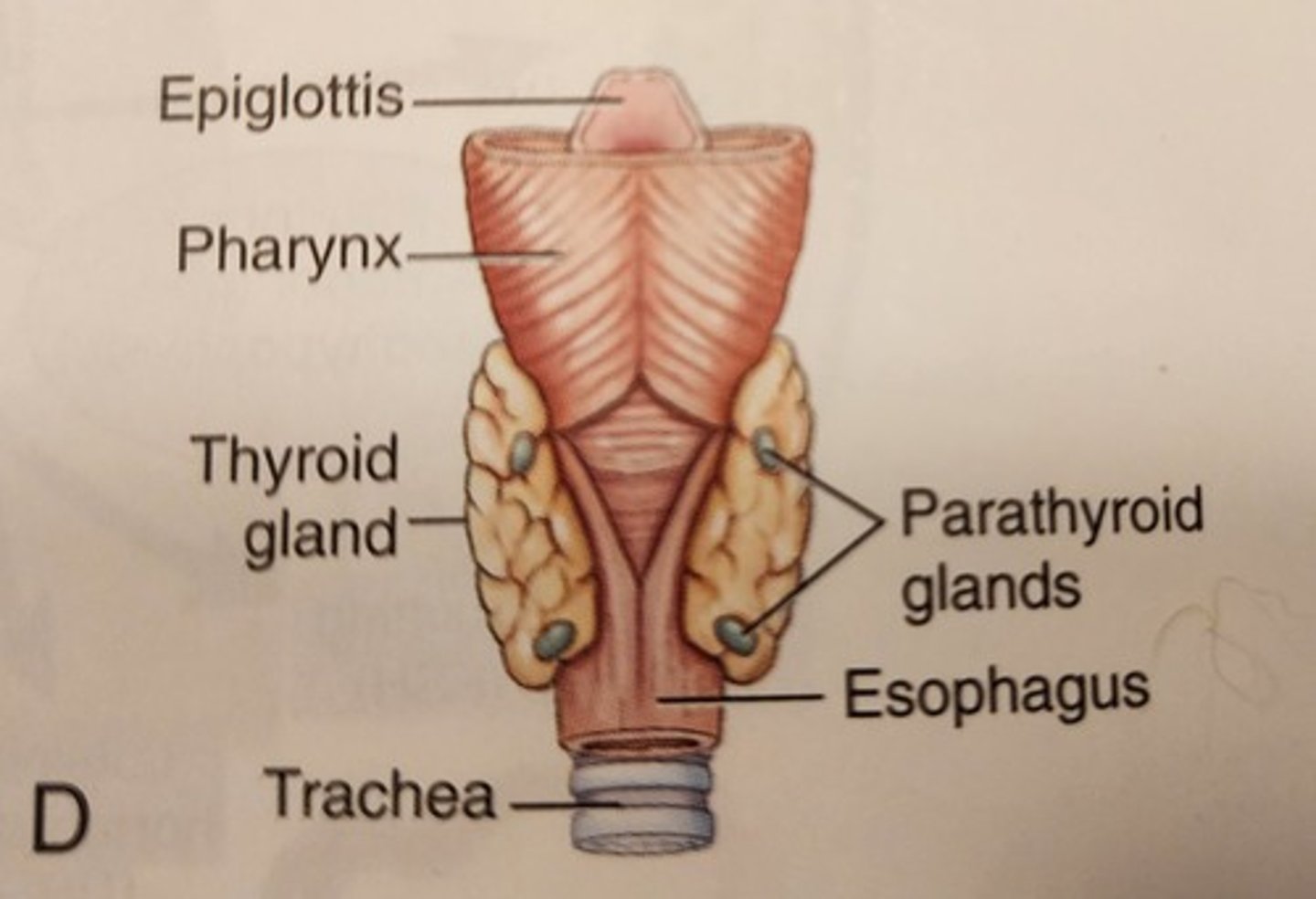
parathyroid glands
four small bodies embedded in the posterior aspect of the lobes of the thyroid gland. Parathyroid hormone (PTH), the hormone produced by the glands, helps maintain the levels of calcium in the blood by its effects on bone and kidneys.
islets of Langerhans
clusters of endocrine tissue found throughout the pancreas, made up of different cell types that secrete various hormones, including insulin and glucagon. Non-endocrine cells found throughout the pancreas produce enzymes that facilitate digestion
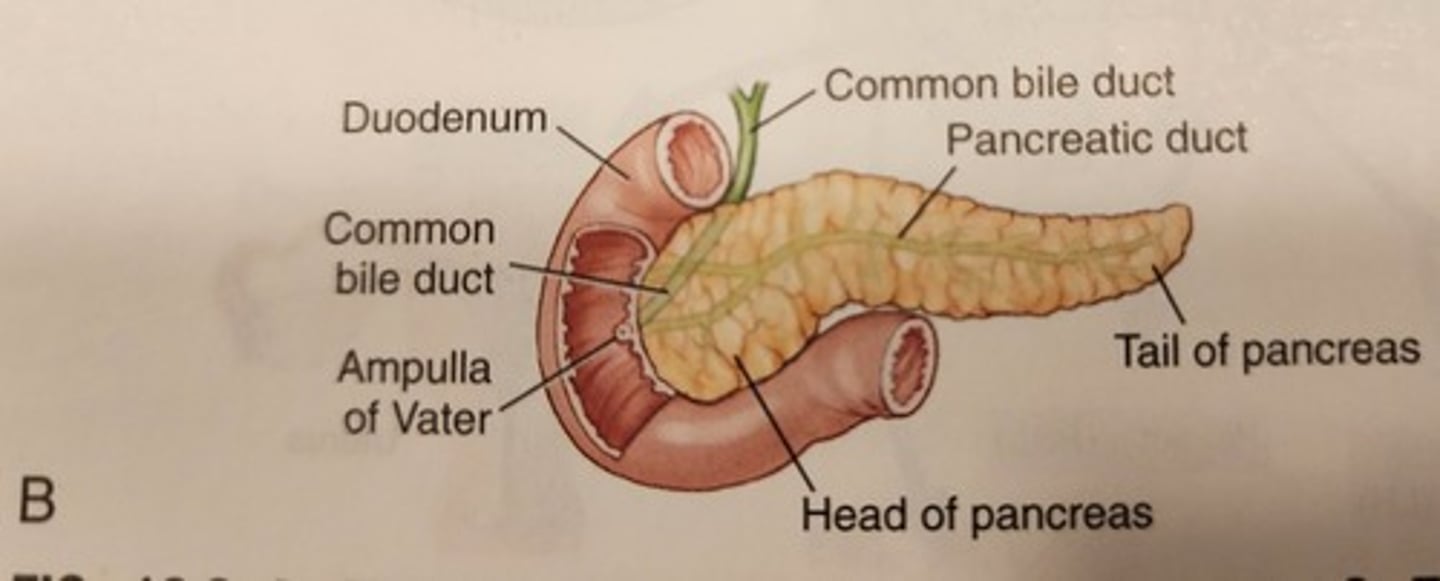
adrenal glands
paired glands, one above each kidney. the outer portion is called the adrenal cortex, and the inner portion is called the adrenal medulla. the following hormones are secreted by the adrenal glands.
cortisol
secreted from the adrenal cortex, aids the body during stress by increasing glucose levels and suppressing immune system function. (hydrocortisone)
Aldosterone
secreted by the adrenal cortex. Electrolytes (mineral salts) that are necessary for normal body function are regulated by this hormone.
epinephrine and norepinephrine
secreted by the adrenal medulla. these hormones help the body to deal with stress by increasing the blood pressure, heartbeat, and respirations. (adrenaline & noradrenaline)
adren/o, adrenal/o
adrenal glands
cortic/o
cortex (the outer layer of a body organ)
endocrin/o
endocrine
parathyroid/o
parathyroid glands
pituitar/o
pituitary gland
thyroid/o
thyroid gland
acr/o
extremities, height
calc/i
Calcium
dips/o
thirst
glyc/o
sugar
kal/i
Potassium
natr/o
Sodium
eu-
good, normal
hyper-
above, excessive
hypo-
below, incomplete, deficient, under
pan-
all, total
poly-
many, much
syn-
together, joined
-al
pertaining to
-drome
run, running
-ectomy
excision, surgical removal
-emia
in the blood
-ia
diseased or abnormal state, condition of
-ism
state of
-itis
inflammation
-logist
one who studies and treats (specialist, physician)
-logy
study of
-megaly
enlargement
-oma
tumor, swelling
-pathy
disease
-plasia
condition of formation, development, growth
acromegaly
enlargement of the extremities (and face due to increased soft tissue, bone, and cartilage; caused by excessive production of the growth hormone by the pituitary gland after puberty)
adrenalitis
inflammation of the adrenal glands
adrenomegaly
enlargement (of one or both) of the adrenal glands
endocrinopathy
any disease of the endocrine system
hypercalcemia
excessive calcium in the blood
hyperglycemia
excessive sugar in the blood
hyperkalemia
excessive potassium in the blood
hyperparathyroidism
state of excessive parathyroid gland activity (resulting in hypercalcemia and leading to osteoporosis, as well as symptoms of muscle weakness, abdominal pain, nausea, vomiting, and drowsiness)
hyperpituitarism
state of excessive pituitary gland activity (characterized by excessive secretion of pituitary hormones)
Hyperthyroidism
state of excessive thyroid gland activity (characterized by excessive secretion of thyroid hormones). Signs and symptoms include weight loss, irritability, and heat intolerance.
Hypocalcemia
deficient calcium in the blood
hypoglycemia
deficient sugar in the blood
hypokalemia
deficient potassium in the blood
hyponatremia
deficient sodium in the blood
Hypopituitarism
state of deficient pituitary gland activity (characterized by decreased secretion of one or more of the pituitary hormones, which can affect the function of the target endocrine gland; for example, hypothyroidism can result from decreased secretion of thyroid-stimulating hormone by the pituitary gland)
hypothyroidism
state of deficient thyroid gland activity (characterized by decreased secretion of thyroid hormones. Signs and symptoms include fatigue, weight gain, and cold intolerance.)
*results in decreased production of thyroxine*
*myxedema severe hypothyroidism in adults, congenital hypothyroidism is severe hypothyroidism in infants*
panhypopituitarism
state of total deficient pituitary gland activity (characterized by decreased secretion of all the pituitary hormones; this is a more serious condition than hypopituitarism in that it affects the function of all the other endocrine glands)
parathyroidoma
tumor of a parathyroid gland
thyroiditis
inflammation of the thyroid gland
Addison Disease
chronic syndrome resulting from a deficiency in the hormonal secretion of the adrenal cortex (signs and symptoms: weakness, weight loss, hypotension, darkening of skin, and loss of appetite)
congenital hypothyroidism
condition caused by absence or atrophy of the thyroid gland, resulting in hypothyroidism. The disease is characterized by puffy features, mental deficiency, large tongue, and short stature.
Cushing syndrome
group of signs and symptoms attributed to the excessive production of cortisol by the adrenal cortices. This syndrome may be the result of a pituitary tumor that produces ACTH or a primary adrenal cortex hypersecretion. Signs include abnormally pigmented skin, "moon face", pads of fat on chest and abdomen, "buffalo hump" (fat on upper back), wasting away of muscle, and hypertension.
diabetes insipidus (DI)
result of decreased secretion of antidiuretic hormone by the posterior lobe of the pituitary gland. Symptoms include excessive thirst (polydipsia), large amounts of urine (polyuria), and water being excreted from the body.
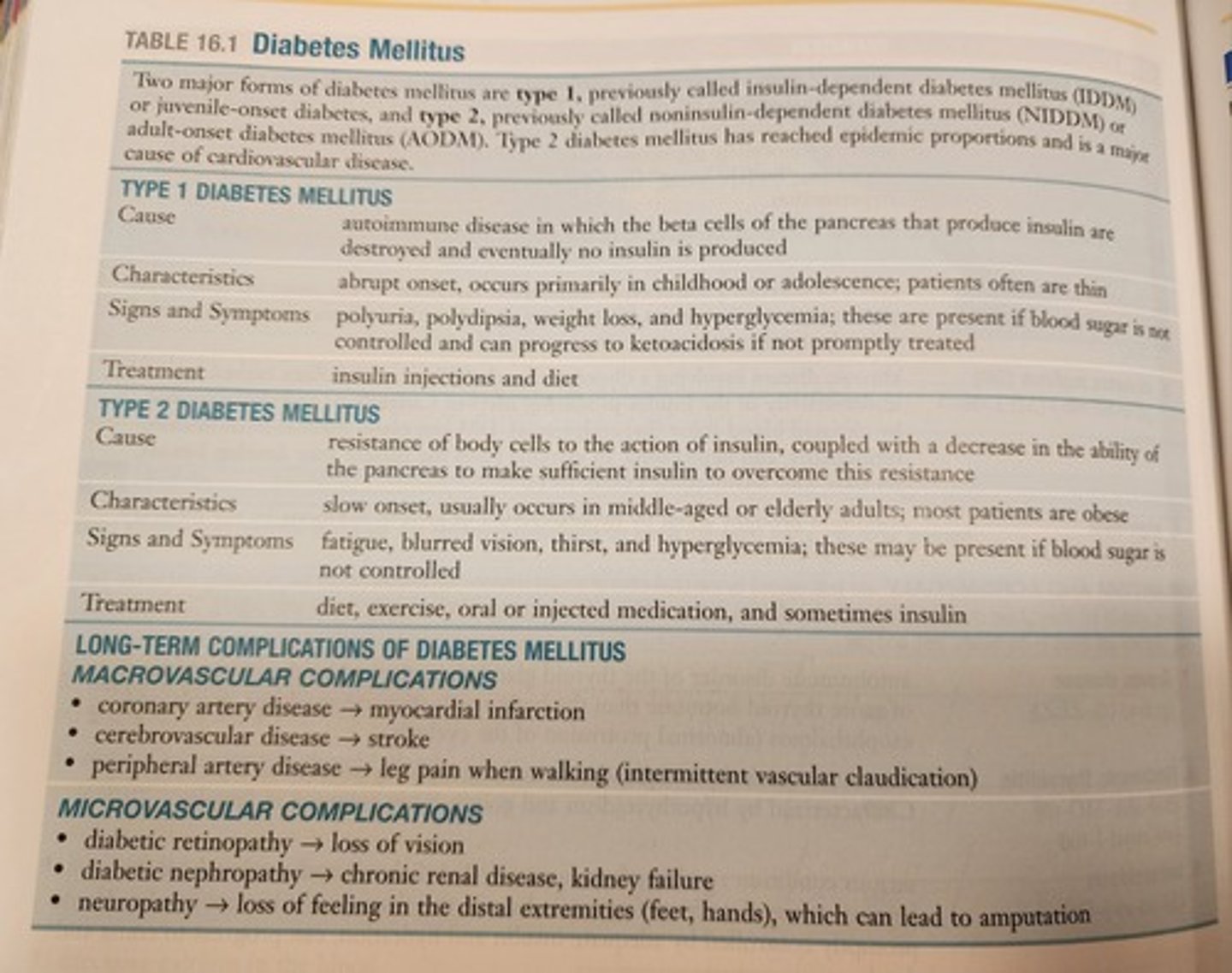
diabetes mellitus (DM)
chronic disease involving a disorder of carbohydrate metabolism caused by under-activity of the islets of Langerhans and characterized by elevated blood sugar (hyperglycemia). DM can cause chronic renal disease, retinopathy, and neuropathy. In extreme cases the patient may develop ketosis, acidosis, and finally coma.
gigantism
condition brought about by hypersecretion of growth hormone by the pituitary gland before puberty
Graves disease
autoimmune disorder of the thyroid gland characterized by the production of more thyroid hormone than the body needs (hyperthyroidism), goiter, and exophthalmos (abnormal protrusion of the eyeballs)
Hashimoto thyroiditis, Hashimoto disease
disease in which thyroid gland cells are destroyed by autoimmune processes. Characterized by hypothyroidism and goiter, more common in women.
ketoacidosis
serious condition resulting from uncontrolled diabetes mellitus in which acid ketones accumulate from fat metabolism in the absence of adequate insulin. if not promptly controlled by adequate insulin and hydration, can progress to coma and death.
Metabolic Syndrome (Syndrome X/Insulin resistance syndrome)
group of signs and symptoms including insulin resistance, obesity characterized by excessive fat around the waist and abdomen, hypertension, hyperglycemia, elevated triglycerides, and low levels of the "good" cholesterol HDL. Risks include development of type two diabetes mellitus, coronary heart disease, or stroke.
myexedema
condition resulting from an extreme deficiency of the thyroid hormone thyroxine; a severe form of hypothyroidism in an adult. Signs include puffiness of the face and hands, coarse and thickened skin, enlarged tongue, slow speech, and anemia.
neuroblastoma
malignant tumor that often starts in the adrenal medulla, composed of immature nerve cells. (primarily affects children)
phenochromocytoma
tumor of the adrenal medulla, which is usually non-malignant and characterized by hypertension, headaches, palpitations, diaphoresis, chest pain, and abdominal pain
thyrotoxicosis
condition caused by excessive thyroid hormones
Types of Diabetes Mellitus
type 1 and type 2
adrenalectomy
surgical removal (excision) of one or both adrenal glands
parathyroidectomy
excision of (one or more) parathyroid glands
thyroidectomy
excision of the thyroid gland
radioactive iodine uptake (RAIU)
nuclear medicine scan that measures thyroid function, particularly when distinguishing different causes of hyperthyroidism. Radioactive iodine is given to the patient orally, after which the amount of its uptake into the thyroid gland is measured.
sestamibi parathyroid scan
Nuclear medicine scan used to localize hyperactive parathyroid glands that take up an abnormal amount of radioactive substances. Usually used to identify the glands that are then surgically removed
thyroid sonography
ultrasound test of the thyroid gland used to indicate whether a thyroid nodule is likely benign or possibly malignant; also used to monitor and evaluate structure (also used to guide a fine needle aspiration [FNA] biopsy)
fasting blood sugar (FBS)
blood test to determine the amount of glucose (sugar) in the blood after fasting for 8-10 hours. Elevation may indicate diabetes mellitus.
fine needle aspiration (FNA)
biopsy technique that uses a narrow hollow needle to obtain a tiny amounts of tissue for pathologic examination.
glycosylated hemoglobin (HbA1C)
blood test used to diagnose diabetes and monitor its treatment by measuring the amount of glucose bound to hemoglobin in the blood. HbA1c provides an indication of blood sugar level over the past three months, covering the 120-day lifespan of the red blood cells (glycated hemoglobin, hemoglobin A1c, & A1c test)
Thyroid Stimulating Hormone level (TSH)
blood test that measures the amount of thyroid-stimulating hormone in the blood; used to diagnose hypothyroidism and to monitor patients on thyroid replacement therapy
thyroxine level (T4)
blood test that gives the direct measurement of the amount of thyroxine in the patient's blood. A greater-than-normal amount indicates hyperthyroidism; a less-than-normal amount indicates hypothyroidism
adrenocorticohyperplasia
excessive development of the adrenal cortex
euglycemia
normal (level of) sugar in the blood (within normal range)
euthyroid
Normal thyroid gland activity
glycemia
sugar in the blood
polydipsia
abnormal state of much thirst