Biological Diversity and Evolution: Key Concepts and Evidence
 Call Kai
 Learn
Learn Practice Test
 Spaced Repetition
 Match
Match Flashcards
 Knowt Play
1/649

There's no tags or description
Looks like no tags are added yet.
Name | Mastery | Learn | Test | Matching | Spaced | Call with Kai |
|---|
No analytics yet
Send a link to your students to track their progress
650 Terms
Who are the key figures associated with the theory of evolution?
Charles Darwin and Alfred Russel Wallace
What is the definition of biological evolution?
Heritable change in one or more characteristics of a population or species from one generation to the next.
What are the two scales of biological evolution?
Microevolution (small scale, changes in a single gene) and macroevolution (large scale, formation of new species).
What are the five major theories of Darwinism according to Ernst Mayr?
Perpetual change, Common Descent, Multiplication of Species, Gradualism, and Natural Selection.
What are the three components of natural selection?
Variation, Heredity, and Differential Reproductive Success.
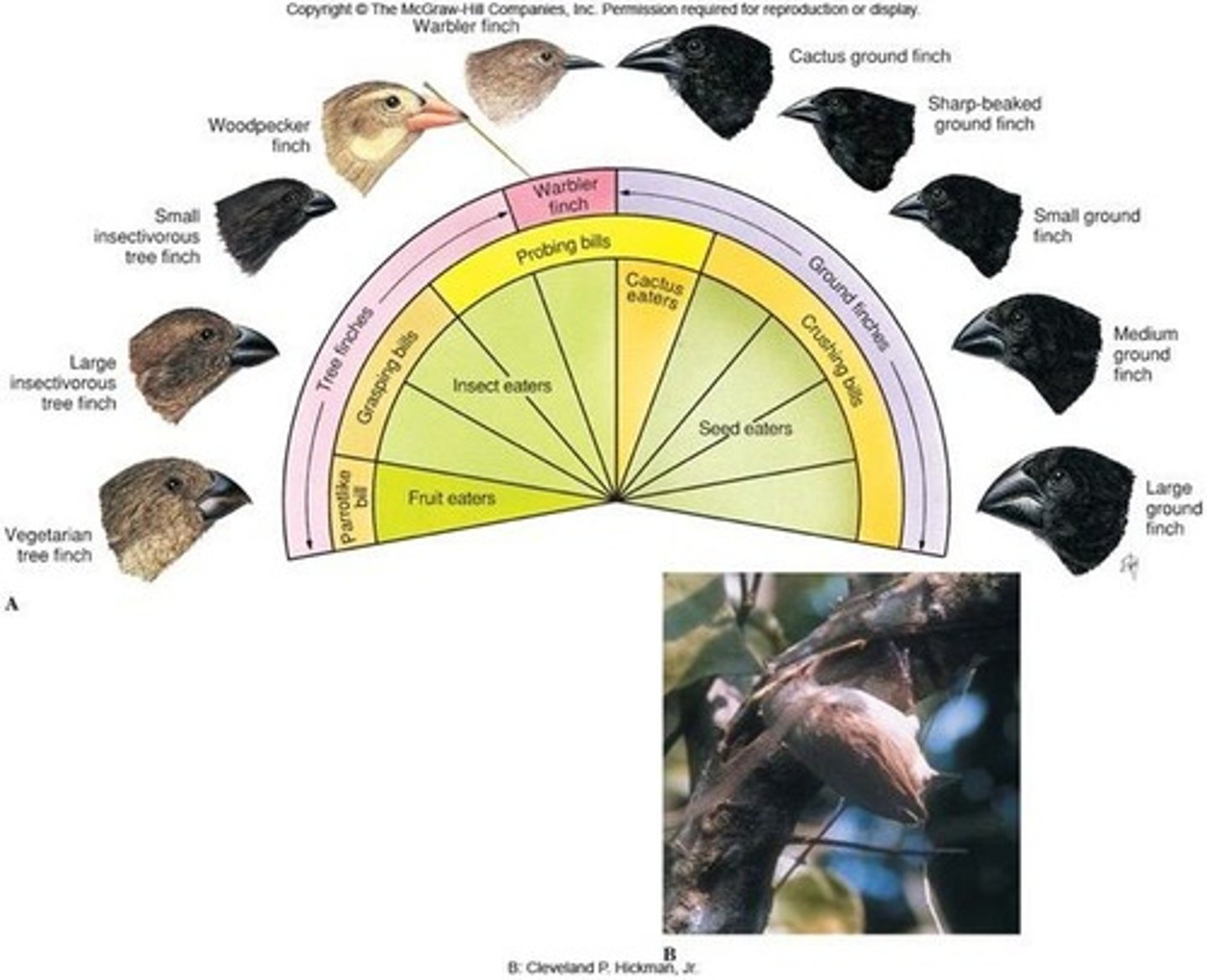
What is adaptive radiation?
The production of several ecologically diverse species from a common ancestral species, typically occurring within a short interval of geological time.
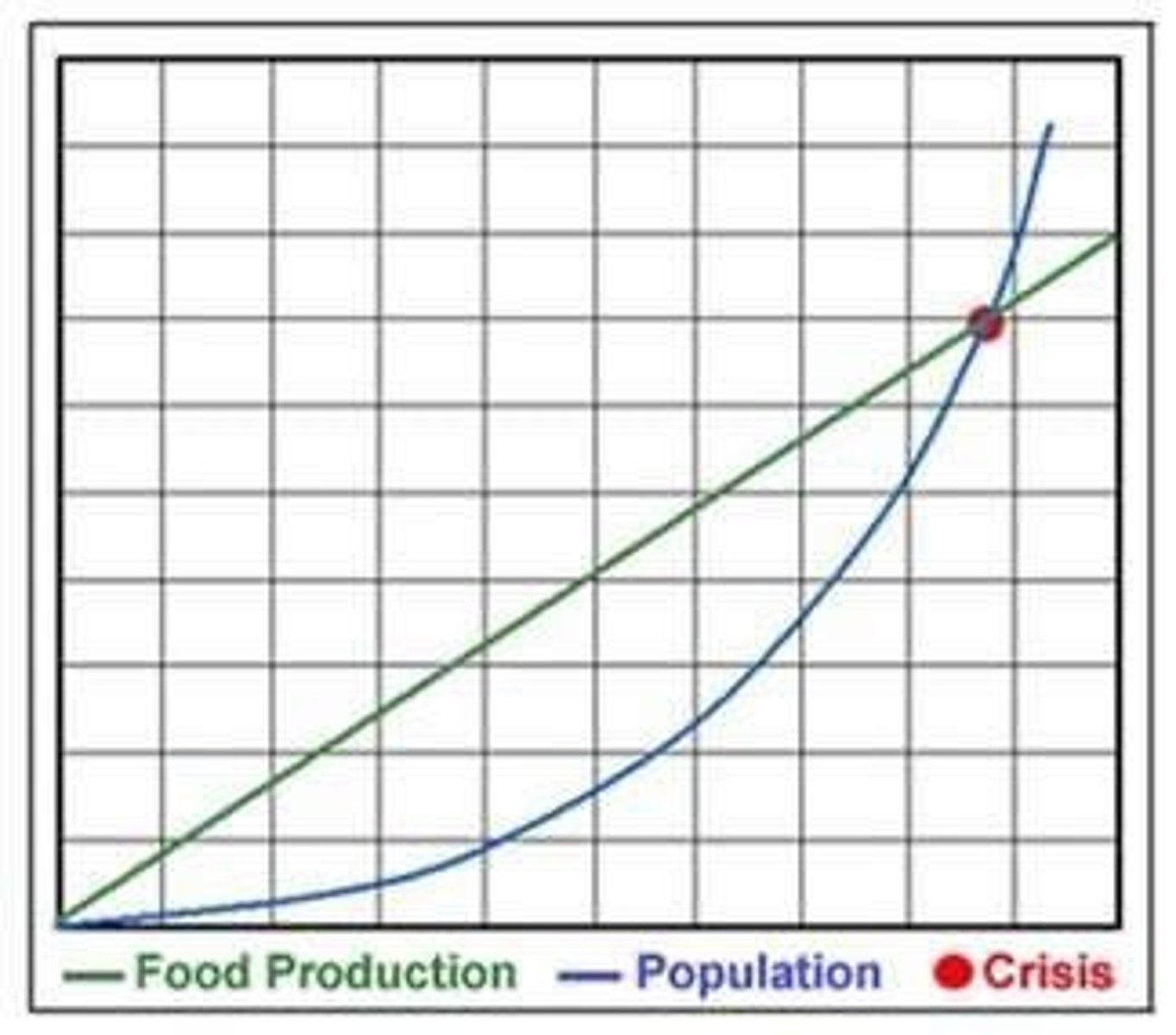
What role did Thomas Malthus play in Darwin's theory?
His ideas on population growth and competition influenced Darwin's understanding of natural selection.
What is the significance of the fossil record in evolution?
It provides evidence of gradual evolutionary change and transitional forms between ancestral and descendant species.
What is biogeography?
The spatial record of evolution showing how isolated continents and islands have many endemic species.
What is homology in the context of evolution?
Fundamental similarity due to descent from a common ancestor, which can be anatomical, developmental, or molecular.
What is the difference between homologous and analogous structures?
Homologous structures arise from a common ancestor, while analogous structures arise independently in different lineages due to similar environmental pressures.
What is the role of genetic variation in natural selection?
Genetic variation is necessary for natural selection to occur, as it provides the traits that may be favored in a given environment.
How can genetic variation arise?
Through random mutations, exon shuffling, sexual reproduction, and horizontal gene transfer.
What is convergent evolution?
When two species from different lineages develop similar characteristics because they occupy similar environments.
What is a vestigial structure?
A structure that has lost most or all of its original function through the course of evolution.
What is artificial selection?
The process by which humans breed plants and animals for particular genetic traits.
What is a transitional form in the fossil record?
An intermediate form between ancestral and descendant species that shows evolutionary change.
What is the significance of developmental homology?
It shows that species that differ as adults often share similarities during embryonic stages, indicating common ancestry.
What is molecular homology?
The similarity in DNA sequences among closely related species, indicating a common ancestor.
What is differential reproductive success?
The concept that individuals with favorable traits are more likely to survive and reproduce, passing those traits to the next generation.
What evidence supports the theory of evolution?
Fossil record, biogeography, observations of natural and artificial selection, and homologies (anatomical, developmental, molecular).
What is microevolution?
Small-scale evolutionary changes within a population, often involving changes in allele frequencies.
What is macroevolution?
Large-scale evolutionary changes that result in the formation of new species or groups of species.
What does the term 'descent with modification' mean?
The passing on of traits from parent organisms to their offspring, with changes occurring over generations.
What is the role of sexual selection in evolution?
It increases genetic variation and can lead to the development of traits that improve mating success.
What is the importance of the Galapagos finches in studying natural selection?
They provide a clear example of how environmental changes can lead to variations in traits, such as beak depth, among populations.
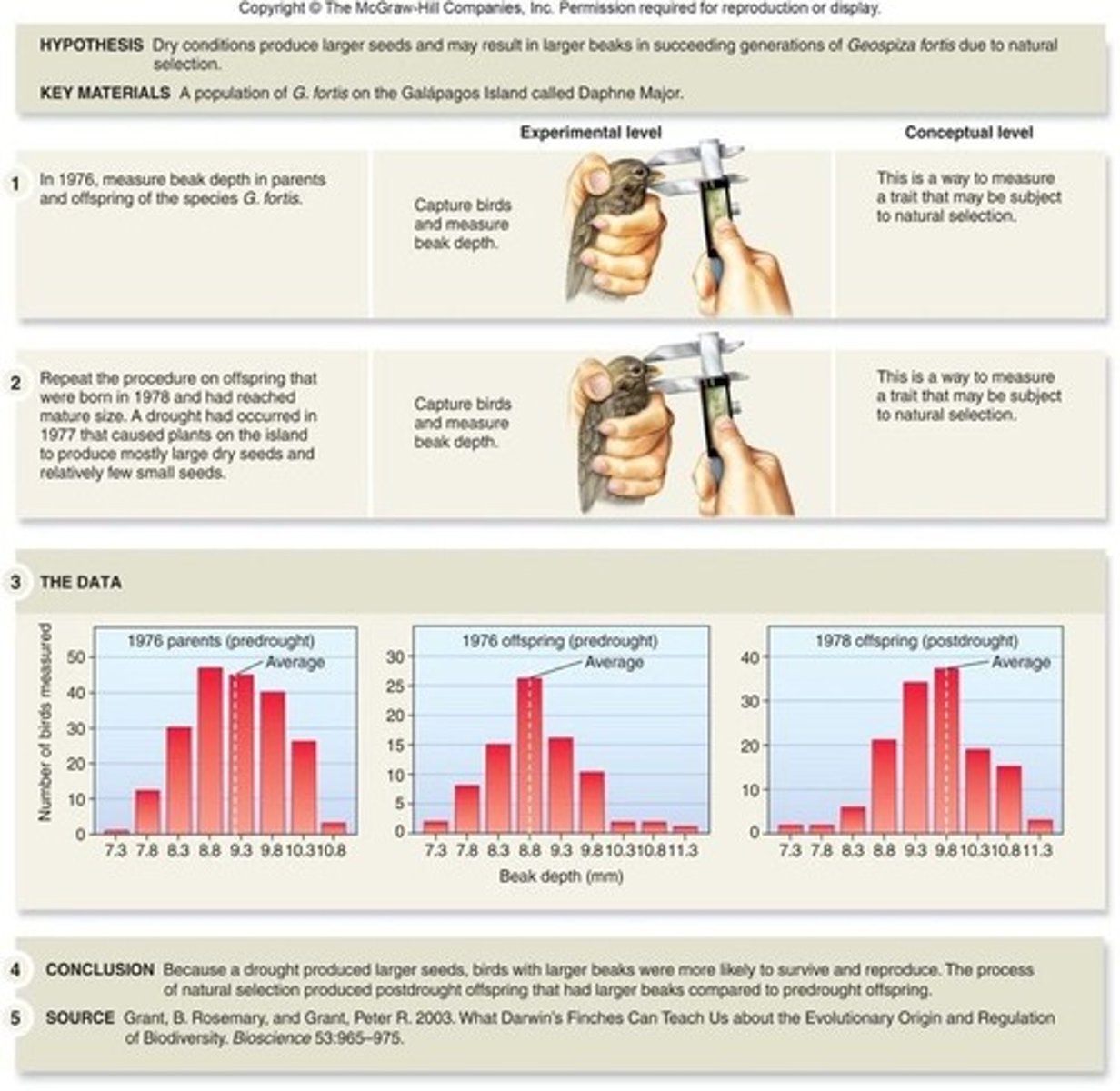
Why is variation in populations important for natural selection?
Variation is necessary for natural selection as it provides the raw material for evolution.
What does the Hardy-Weinberg equilibrium describe?
It describes the genetics of non-evolving populations.
What are the five conditions required for Hardy-Weinberg equilibrium?
1. No new mutations, 2. No natural selection, 3. Large population size, 4. No migration, 5. Random mating.
What is genetic drift?
Genetic drift is a mechanism of evolution that involves random changes in allele frequencies in a population.
What is the definition of a population in biology?
A population is all members of the same species in the same environment.
What is a polymorphism?
Polymorphism is the occurrence of two or more variations of a trait within a population or species.
What is a gene pool?
A gene pool is all of the alleles for every gene in a given population.
How do you calculate genotype frequency?
Genotype frequency is calculated by dividing the number of individuals with a specific genotype by the total number of individuals in the population.
What is the Hardy-Weinberg equation?
The Hardy-Weinberg equation is p² + 2pq + q² = 1, where p and q are the frequencies of the dominant and recessive alleles, respectively.
What does 'p' represent in the Hardy-Weinberg equation?
'p' represents the frequency of the dominant allele.
What does 'q' represent in the Hardy-Weinberg equation?
'q' represents the frequency of the recessive allele.
What is the frequency of the recessive allele if the frequency of the dominant allele is 0.8?
The frequency of the recessive allele is 0.2 (1 - 0.8).
How do you find the frequency of pink flowers in a population with CR = 0.4?
Use the equation 2pq, where p = 0.4 and q = 0.6, resulting in a frequency of 0.48 or 48%.
What is natural selection?
Natural selection is the process where beneficial, heritable traits become more common in successive generations.
What is fitness in an evolutionary context?
Fitness is a measure of reproductive success, indicating an individual's contribution to the gene pool of the next generation.
What are the four patterns of natural selection?
The four patterns are directional, disruptive, stabilizing, and balancing selection.
What is sexual selection?
Sexual selection is a form of natural selection where individuals with certain inherited traits are more likely than others to obtain mates.
What is the difference between intra- and intersexual selection?
Intrasexual selection involves competition among the same sex for mates, while intersexual selection involves one sex choosing mates based on certain traits.
What happens when the Hardy-Weinberg conditions are not met?
When the conditions are not met, allele and genotype frequencies change over time, indicating evolution.
What is a single nucleotide polymorphism (SNP)?
SNP is a single nucleotide difference in a gene, and it is the most common type of polymorphism.
What is the significance of genetic variation in populations?
Genetic variation is crucial for the adaptability and survival of populations over time.
What is the role of mutations in evolution?
Mutations introduce new genetic variations that can be acted upon by natural selection.
What is a bottleneck effect in genetic drift?
The bottleneck effect occurs when a population's size is significantly reduced, leading to a loss of genetic diversity.
What is the founder effect in genetic drift?
The founder effect occurs when a small group from a population establishes a new population, potentially leading to reduced genetic variation.
What is directional selection?
A type of natural selection where individuals at one extreme of a trait have greater reproductive success in a particular environment.
What initiates directional selection?
A new allele with higher fitness introduced or prolonged environmental change.
What is stabilizing selection?
A type of selection that favors the survival of individuals with intermediate phenotypes, selecting against extreme values.
What is disruptive selection?
A type of selection that favors the survival of two or more different genotypes, often occurring in heterogeneous environments.
What is balancing selection?
A process that maintains genetic diversity by keeping two or more alleles in balance over generations.
What is heterozygote advantage in balancing selection?
When heterozygotes have a fitness advantage, such as the HS allele providing malaria resistance.
What is frequency-dependent selection?
A type of balancing selection where the fitness of a phenotype depends on its frequency; rare phenotypes have higher fitness.
What is intrasexual selection?
Selection that occurs between members of the same sex, often involving competition for mating opportunities.
What is intersexual selection?
Selection that occurs between members of opposite sexes, often involving female choice.
How does genetic drift affect small populations?
It has a greater effect in small populations, leading to faster changes in allele frequencies.
What is the bottleneck effect?
A significant reduction in population size due to an environmental event, leading to a loss of genetic variation.
What is the founder effect?
When a small group separates from a larger population, leading to less genetic variation and potentially different allele frequencies.
What happens if a population does not meet the conditions for Hardy-Weinberg equilibrium?
The population may evolve due to factors like natural selection, genetic drift, migration, or non-random mating.
What is antibiotic resistance in the context of natural selection?
A process where bacteria evolve resistance to antibiotics over time, often through directional selection.
What is the significance of body size in directional selection?
Body size can be a trait under selection, with small or large sizes having varying reproductive success in different environments.
What is the impact of adding a new, stronger antibiotic on bacterial populations?
It can lead to further directional selection, favoring bacteria with higher resistance.
What is the relationship between clutch size in birds and stabilizing selection?
Stabilizing selection favors intermediate clutch sizes, as too few eggs result in small contributions and too many lead to offspring mortality.
What does the term 'natural selection patterns' refer to?
The various ways in which natural selection can influence the evolution of traits within populations.
How does balancing selection maintain genetic diversity?
By keeping multiple alleles in balance, allowing for a variety of traits to persist in a population.
What is the effect of environmental changes on directional selection?
Prolonged environmental changes can shift the traits favored by selection, leading to changes in allele frequencies.
How does genetic drift lead to fixation of alleles?
Through random chance events, certain alleles may become fixed in a population while others are lost.
What is the consequence of a bottleneck event on a population's genetic variation?
It typically lowers genetic variation due to the drastic reduction in population size.
What is an example of a trait affected by disruptive selection?
Traits that allow for survival in distinct niches, where two different phenotypes may be favored.
What happens to populations that do not meet the conditions for Hardy-Weinberg equilibrium?
They evolve due to factors such as natural selection, genetic drift, migration, and non-random mating.
How does migration affect populations?
It increases gene flow between populations, enhancing genetic diversity within a population and reducing differences in allele frequencies between populations.
What are the main evolutionary processes that can change populations over time?
New mutations, natural selection, genetic drift, migration, and non-random mating.
What is the impact of genetic drift on small populations?
Genetic drift has a greater effect in small populations, leading to more significant changes in allele frequencies.
What is the significance of non-random mating in evolution?
Non-random mating can lead to changes in allele frequencies and affect the genetic structure of populations.
What role do new mutations play in evolution?
New mutations introduce genetic variation, which is essential for evolution and adaptation.
What is the relationship between natural selection and fitness?
Natural selection favors individuals with higher fitness, which is the ability to survive and reproduce in a given environment.
What is the effect of environmental events on genetic variation?
Environmental events that cause population bottlenecks can lead to a loss of genetic variation in the surviving population.
How does sexual selection differ from natural selection?
Sexual selection specifically targets traits that improve mating success, while natural selection focuses on overall survival and reproduction.
What is the consequence of a population being subjected to genetic drift?
It can lead to random changes in allele frequencies, potentially resulting in the loss of genetic diversity.
What is the impact of rare phenotypes in frequency-dependent selection?
Rare phenotypes often have a fitness advantage, which can lead to their increased prevalence in the population.
What does it mean for a population to be in Hardy-Weinberg equilibrium?
It means that the population's allele and genotype frequencies remain constant from generation to generation in the absence of evolutionary influences.
What factors can disrupt Hardy-Weinberg equilibrium?
Natural selection, genetic drift, migration, and non-random mating can all disrupt Hardy-Weinberg equilibrium.