*internally screams*--"I'm fine"
 Call Kai
 Learn
Learn Practice Test
 Spaced Repetition
 Match
Match Flashcards
 Knowt Play
1/178

There's no tags or description
Looks like no tags are added yet.
Name | Mastery | Learn | Test | Matching | Spaced | Call with Kai |
|---|
No analytics yet
Send a link to your students to track their progress
179 Terms
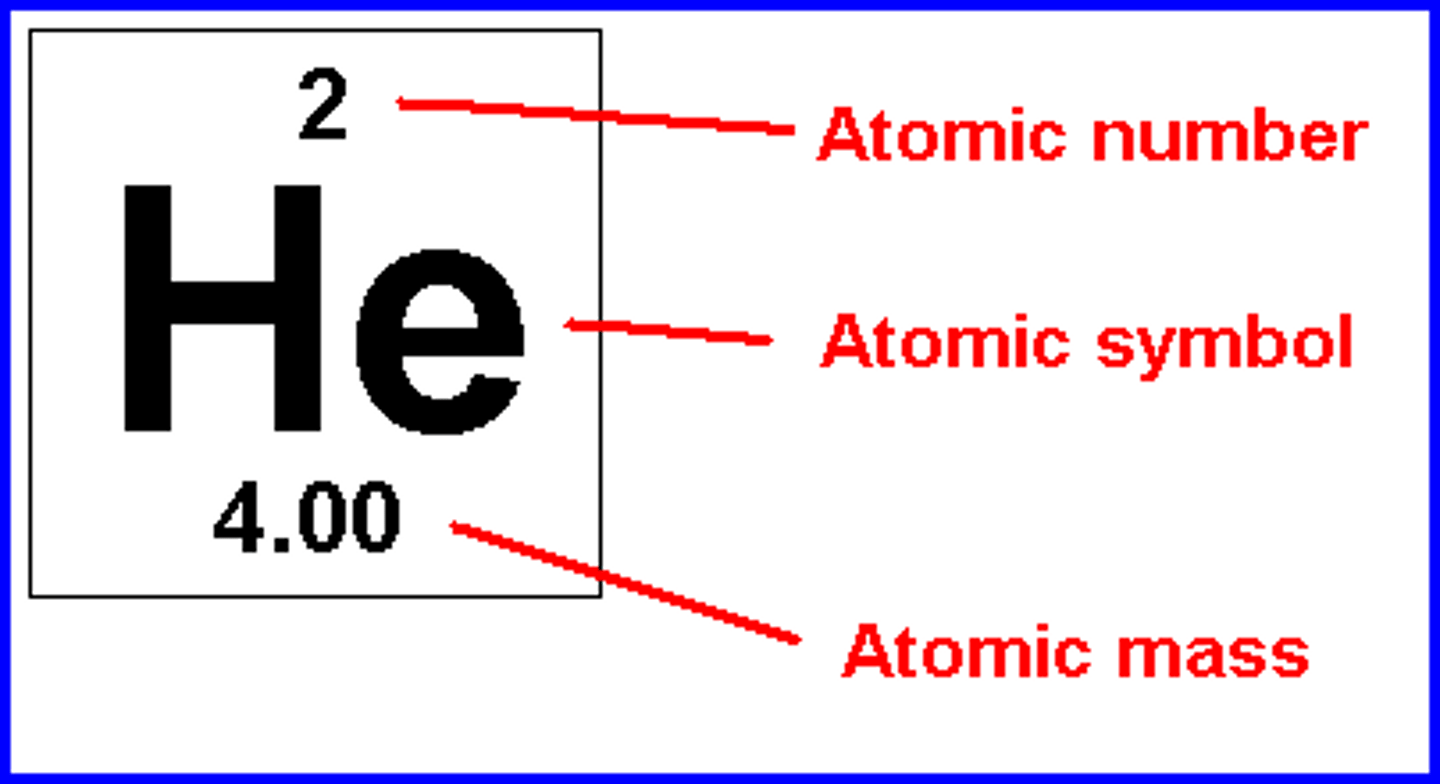
atomic number
number of protons
atom's nucleus
contains protons and neutrons
electron
negatively charged
-orbit around atom's nucleus in the ~electron cloud~
energy levels
the number of electrons in each cloud determines the atom's reactivity
electrons in orbitals
-1st level holds 2 electrons
-2nd hold 6
-3rd holds 8
ionic bond
transfer of electrons
-attraction between a cation and anion
covalent bond
sharing of electrons
-strong electron bond
hydrogen bond
weak chemical bond
slightly positive hydrogen atom attracted to the slightly negative atom in another molecule
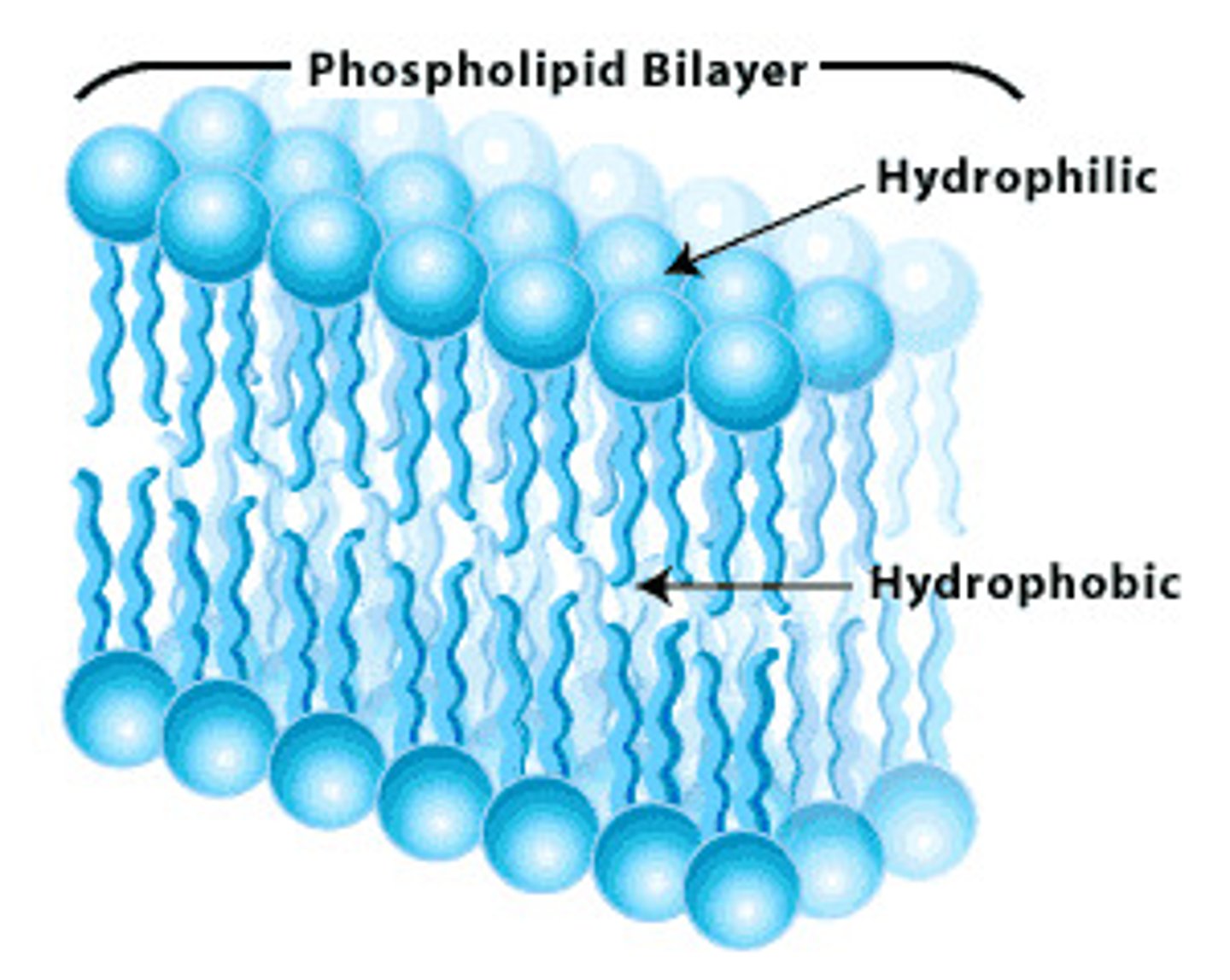
phospholipid
makeup bilayer of membranes, having a polar, hydrophilic head and a nonpolar, hydrophobic tail.
hydrolysis
the chemical breakdown of a compound due to adding water
isotope
Atoms of the same element that have different numbers of neutrons
ion
An atom or group of atoms that has a positive or negative charge.
carbohydrate
C:H:O---> 1:2:1
-sugars
-water soluble
-highest energy concentration
-commonly stored in glycogen form
lipid
C:H---> 1:2
-little or no oxygen
-commonly stored in triglycerides (stores fats in body)
fats, wax, oils, and fatty acids
protein
chains of amino acids
-contain nitrogen, carbon, oxygen, and hydrogen
keratin and collagen---enzymes and insulin
enzyme
protein catalysts for chemical reactions in living things
cation
positively charged ions
-its the "donor" in ionic bonds
denaturation
enzyme loses shape due to heat or pH
anion
negatively charged ions
-it's the "acceptor" in ionic bonds
buffer
A solution that minimizes changes in pH when extraneous acids or bases are added to the solution.
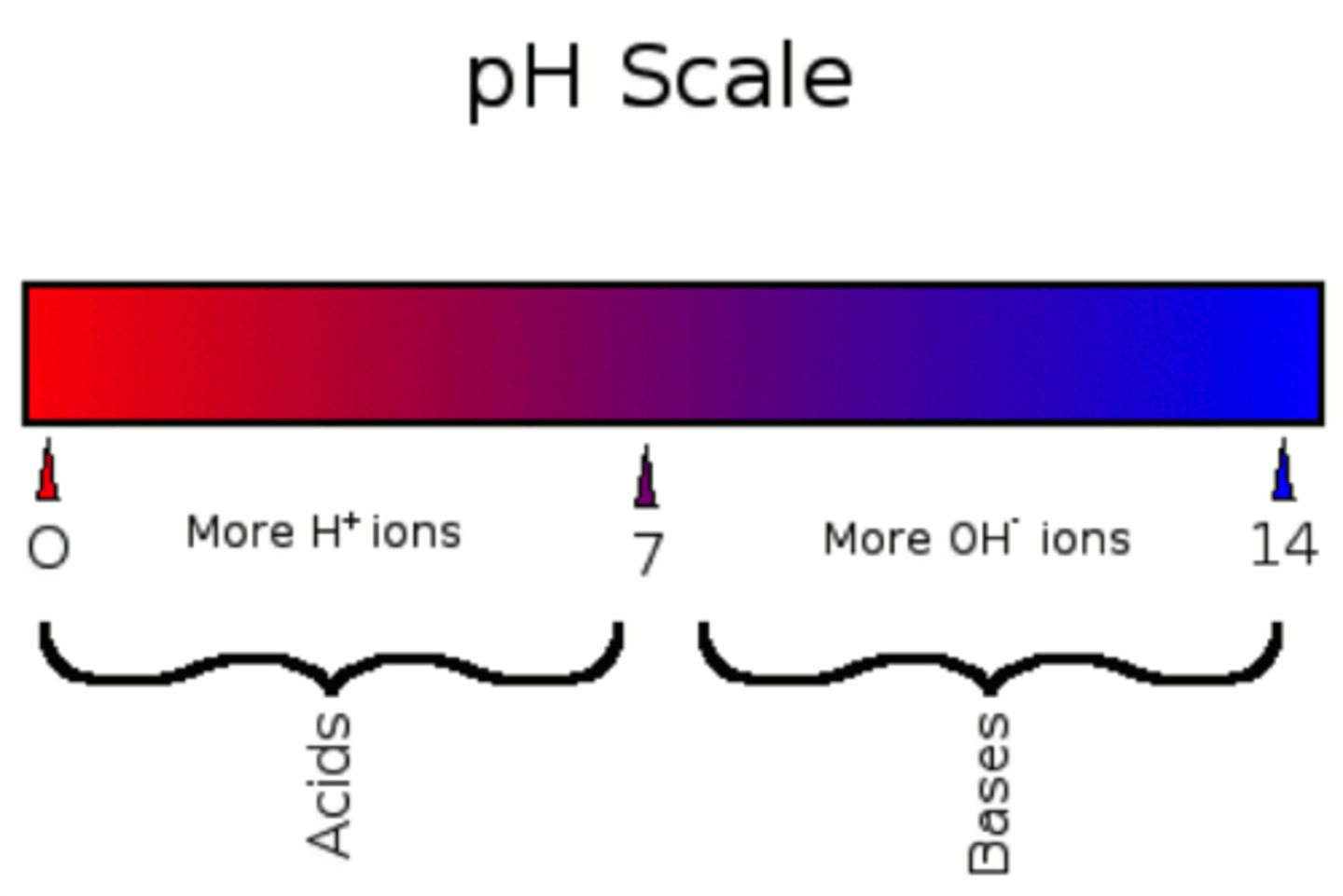
pH scale
measures the concentration of H+ ions in a solution
- a pH of 0 to 7 is acidic
-pH of 7 is neutral
-pH of 7 to 14 is basic
water properties
polar and inorganic
-soluble
-lubricates stuff (makes stuff wet)
-very reactive
-high heat capacity
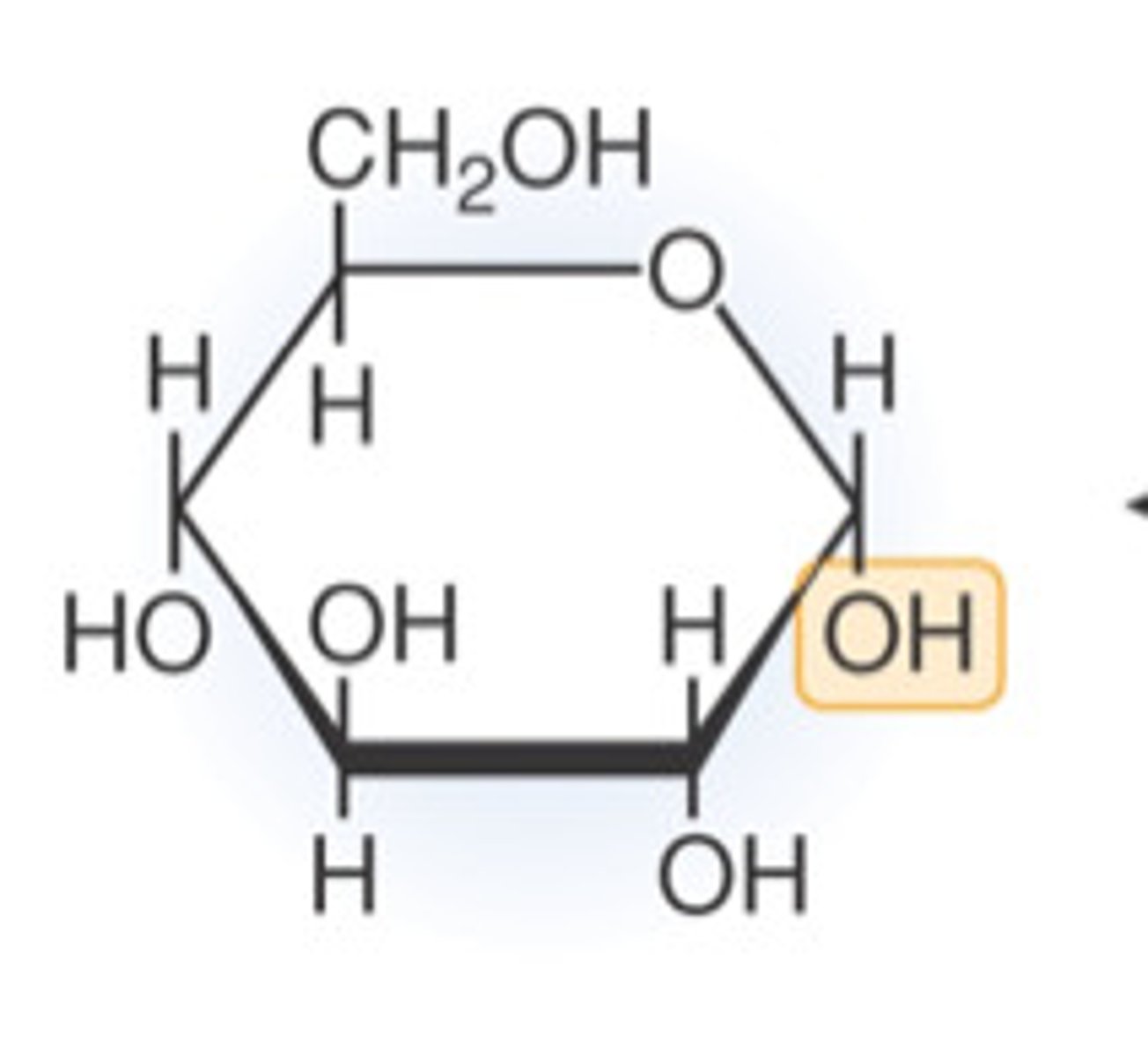
glucose
--type of monosaccharide (simple sugar)
-an important source of energy.
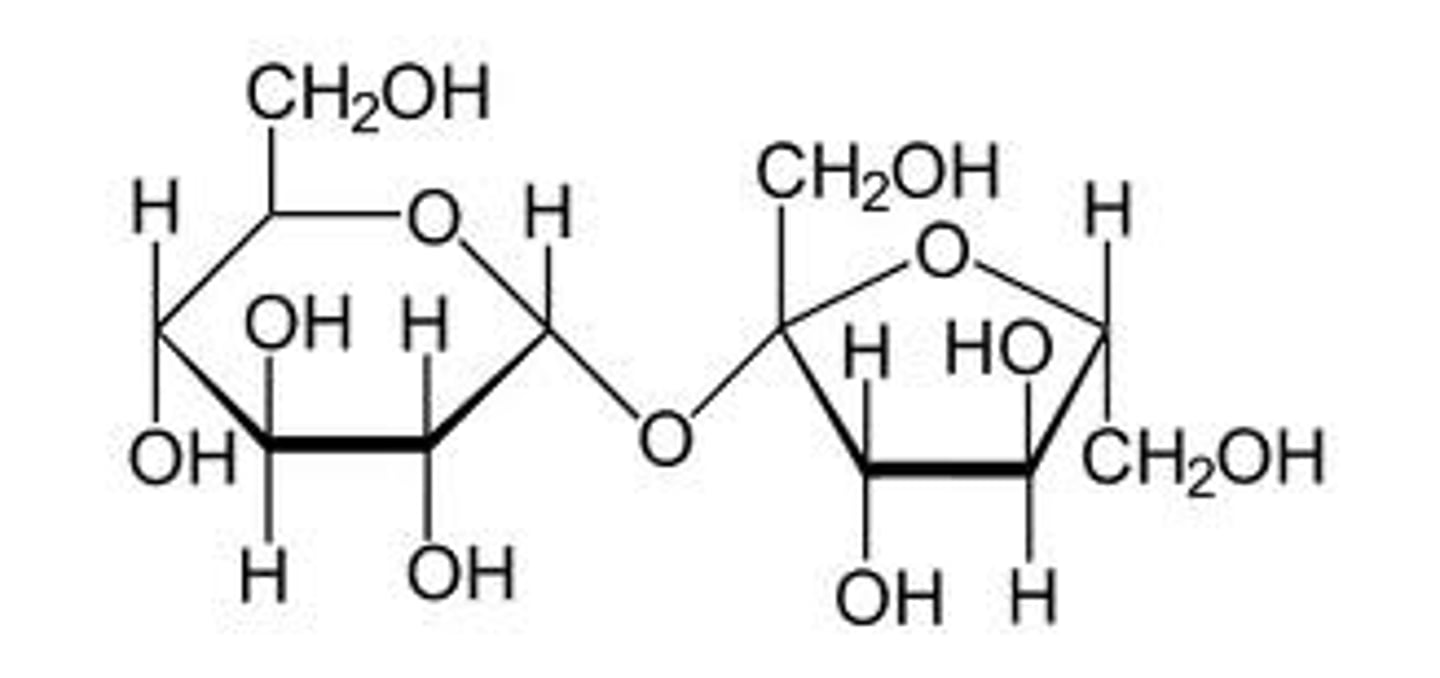
sucrose
disaccharide
glucose + fructose (table sugar)
nucleic acid
macromolecule containing H, O, N, C, AND P
a complex organic substance present in living cells, especially DNA or RNA, whose molecules consist of many nucleotides linked in a long chain.
nucleotides
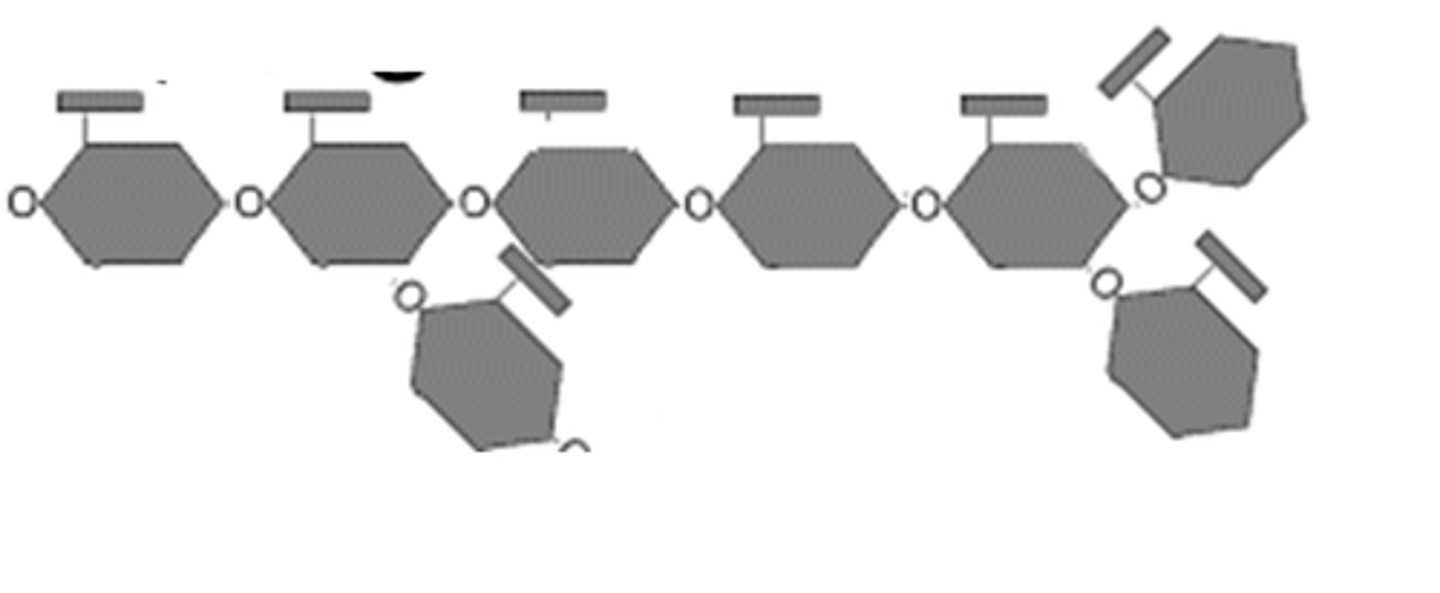
glycogen
polysaccharide
-storage form of glucose in animals, including humans
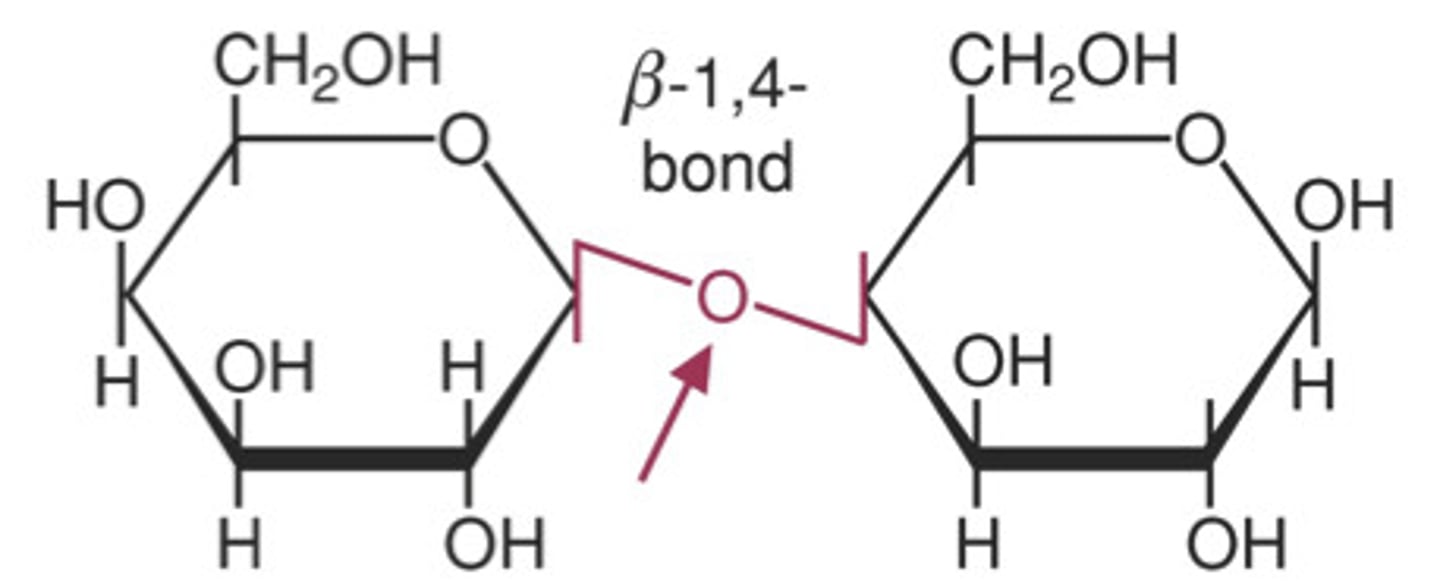
lactose
dissarcharide
glucose + galactose (milk sugar)
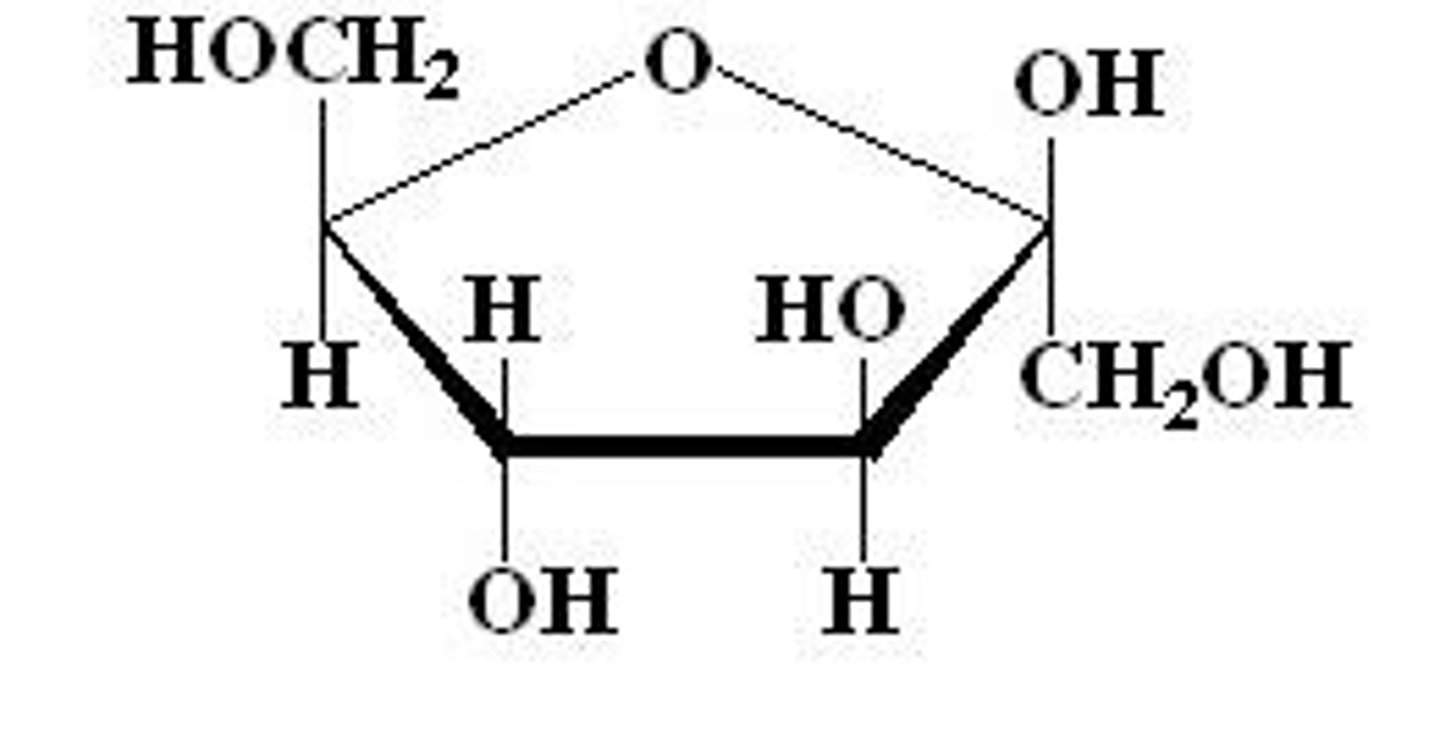
fructose
monosaccharide
-sometimes known as "fruit sugar"
lipid function
-energy storage
-structure
-endocrine (hormones)
ribosome function
site of protein synthesis
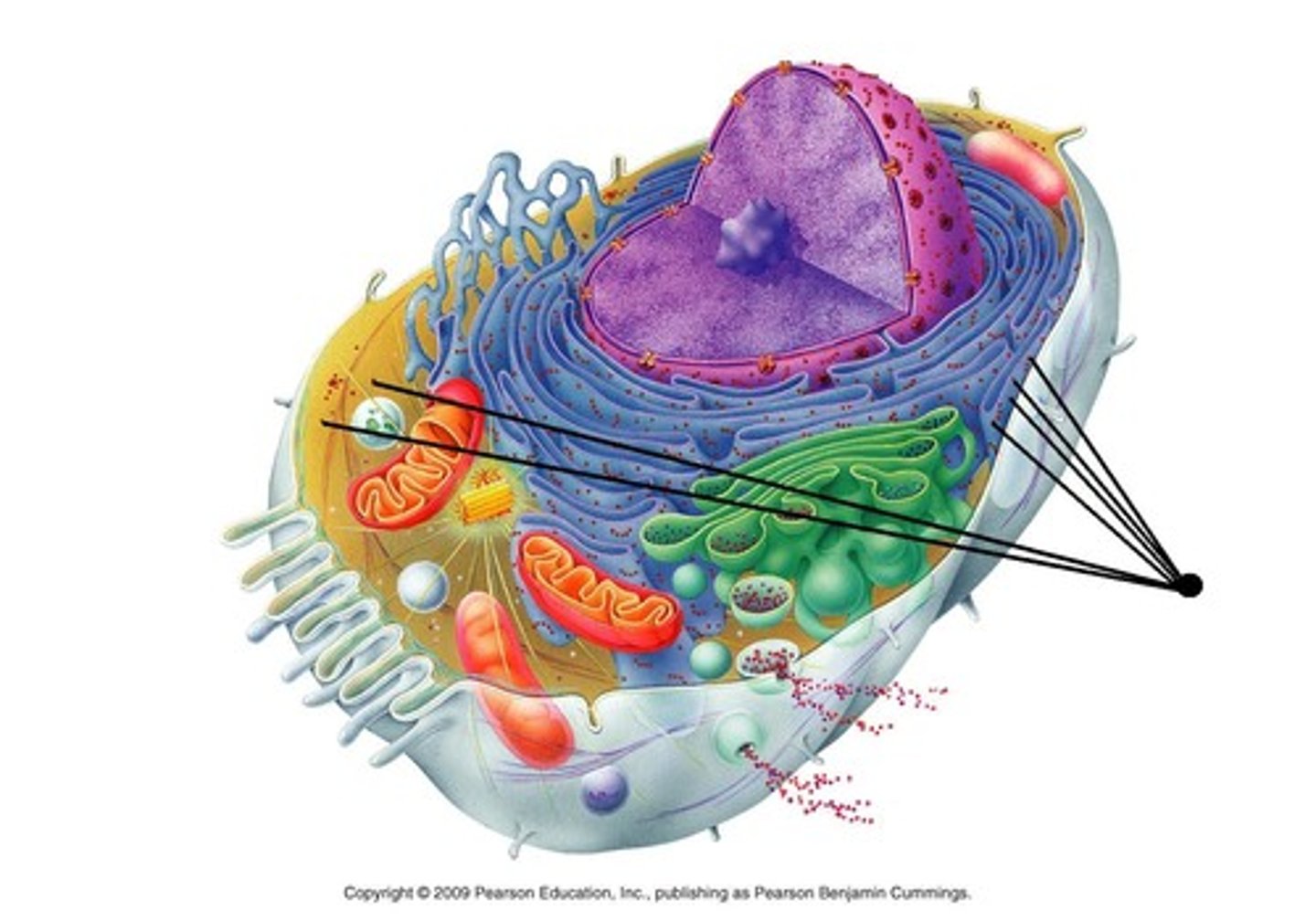
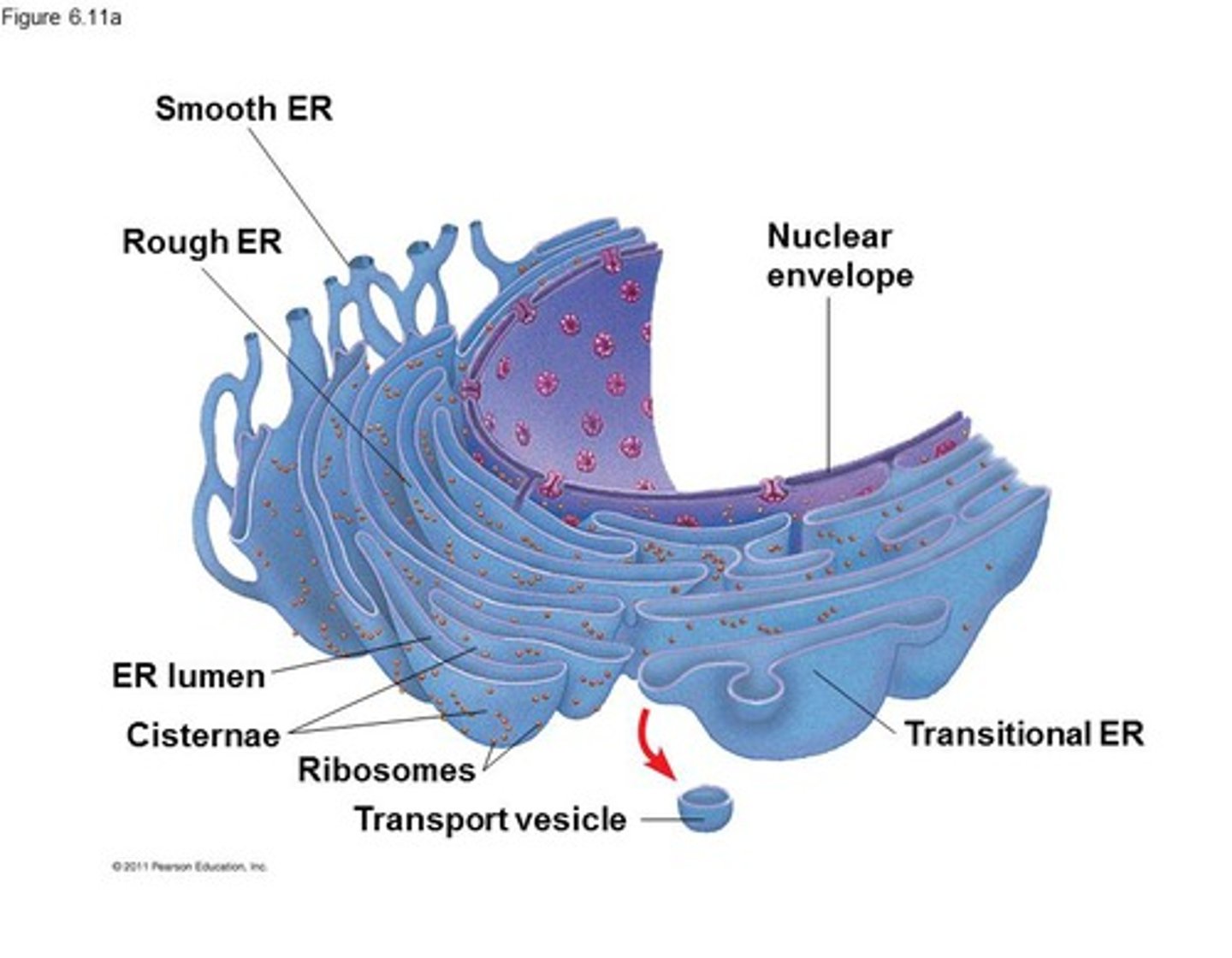
rough er function
modification and packaging of newly synthesized proteins
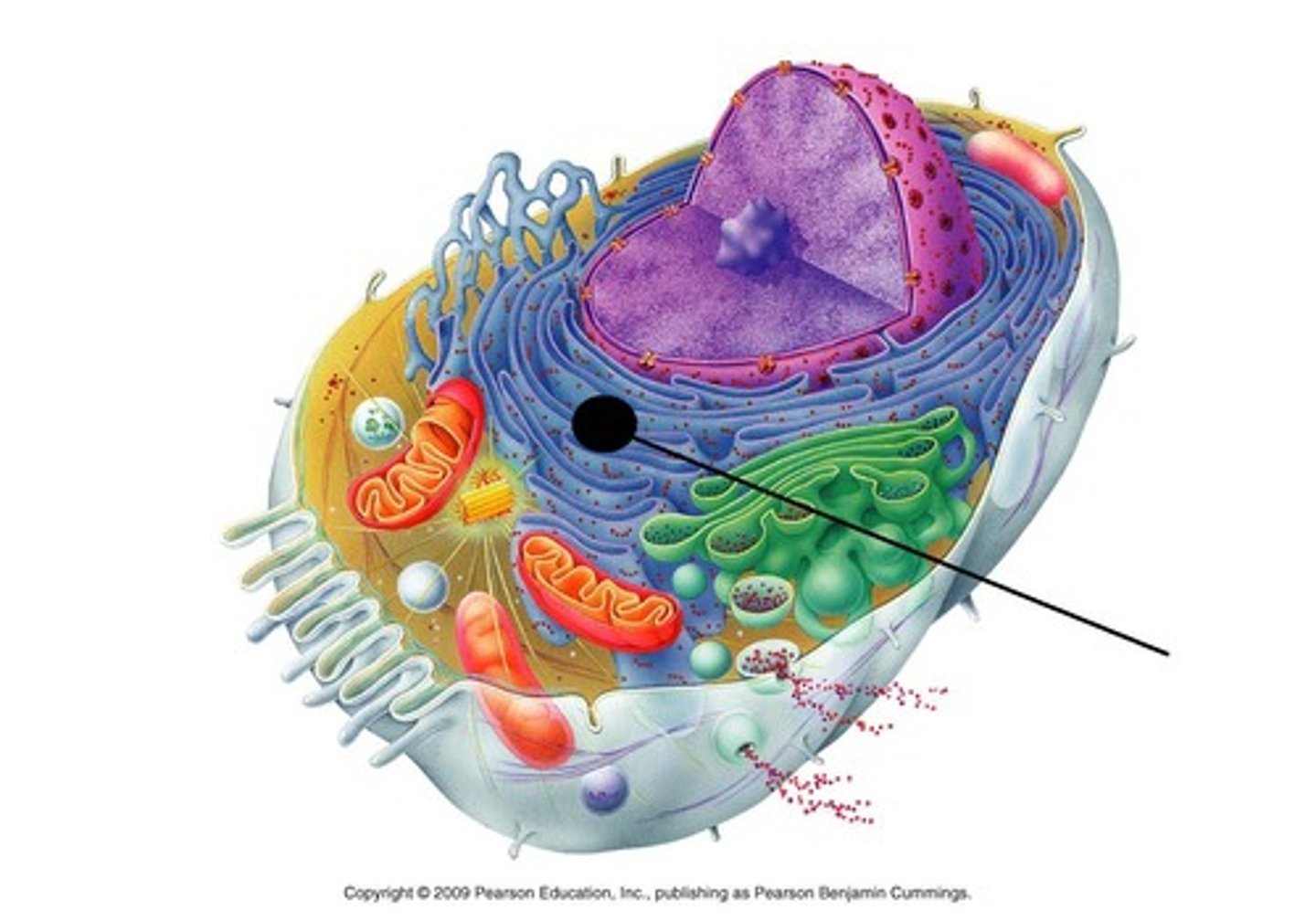
smooth er function
synthesis of lipids and glycogen
simple diffusion
solutes are lipid-soluble materials/small enough to pass through membrane unnassisted
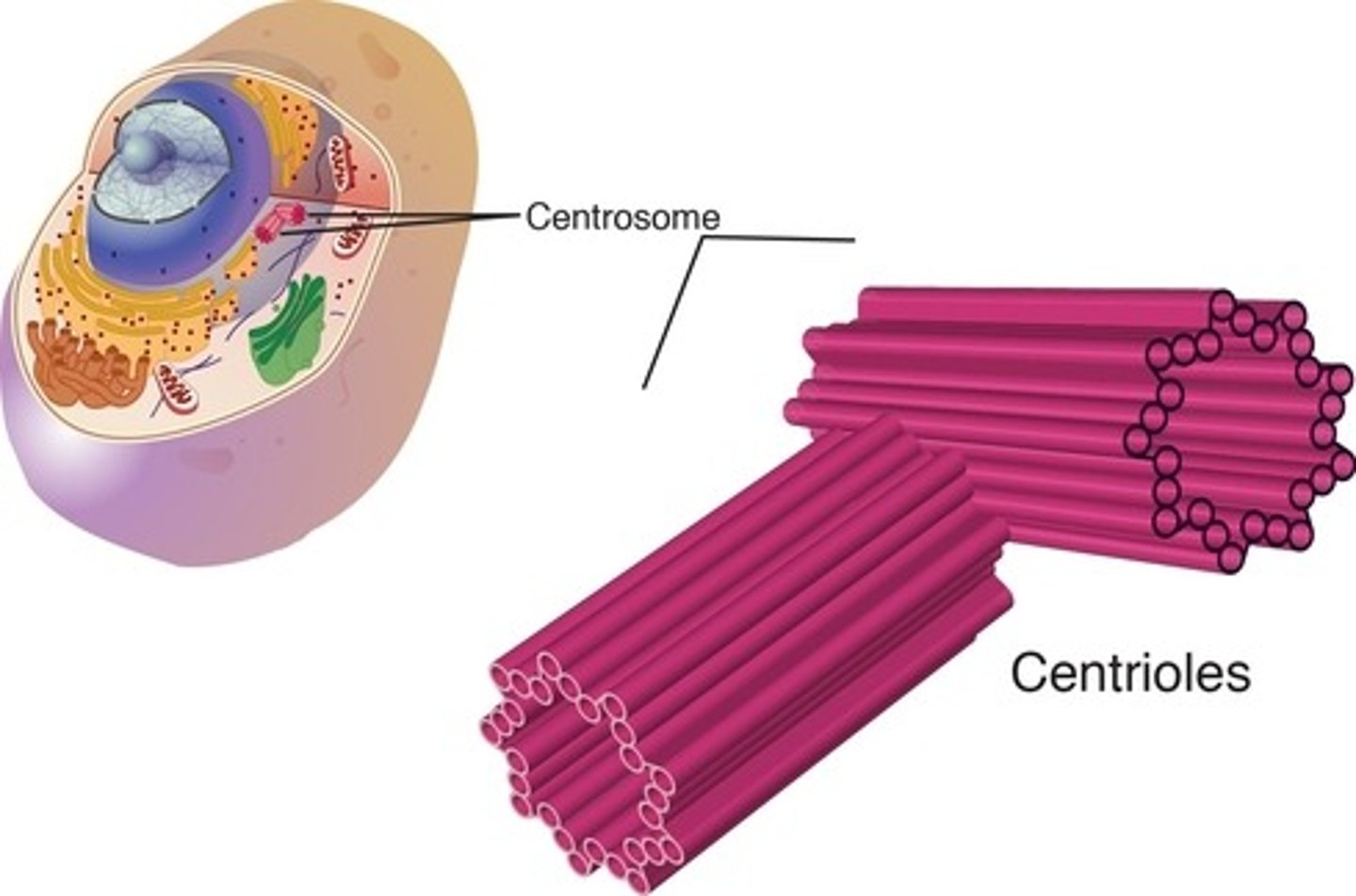
centriole function
separates chromosomes during cell division
forms mitotic spindles
cytosol
fluid portion of cytoplasm
made of lipid
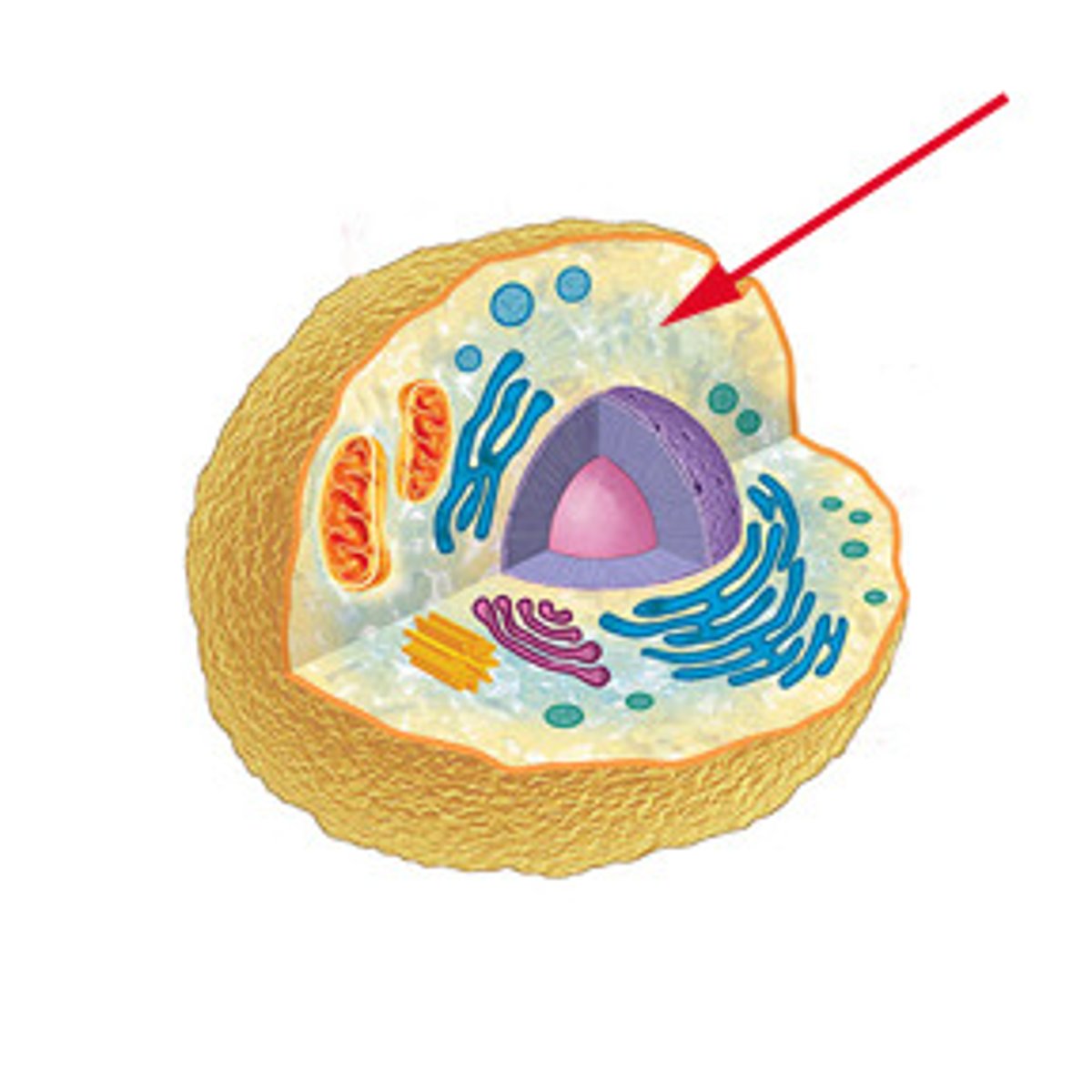
peroxisomes function
organelle that break down fatty acids and hydrogen peroxide
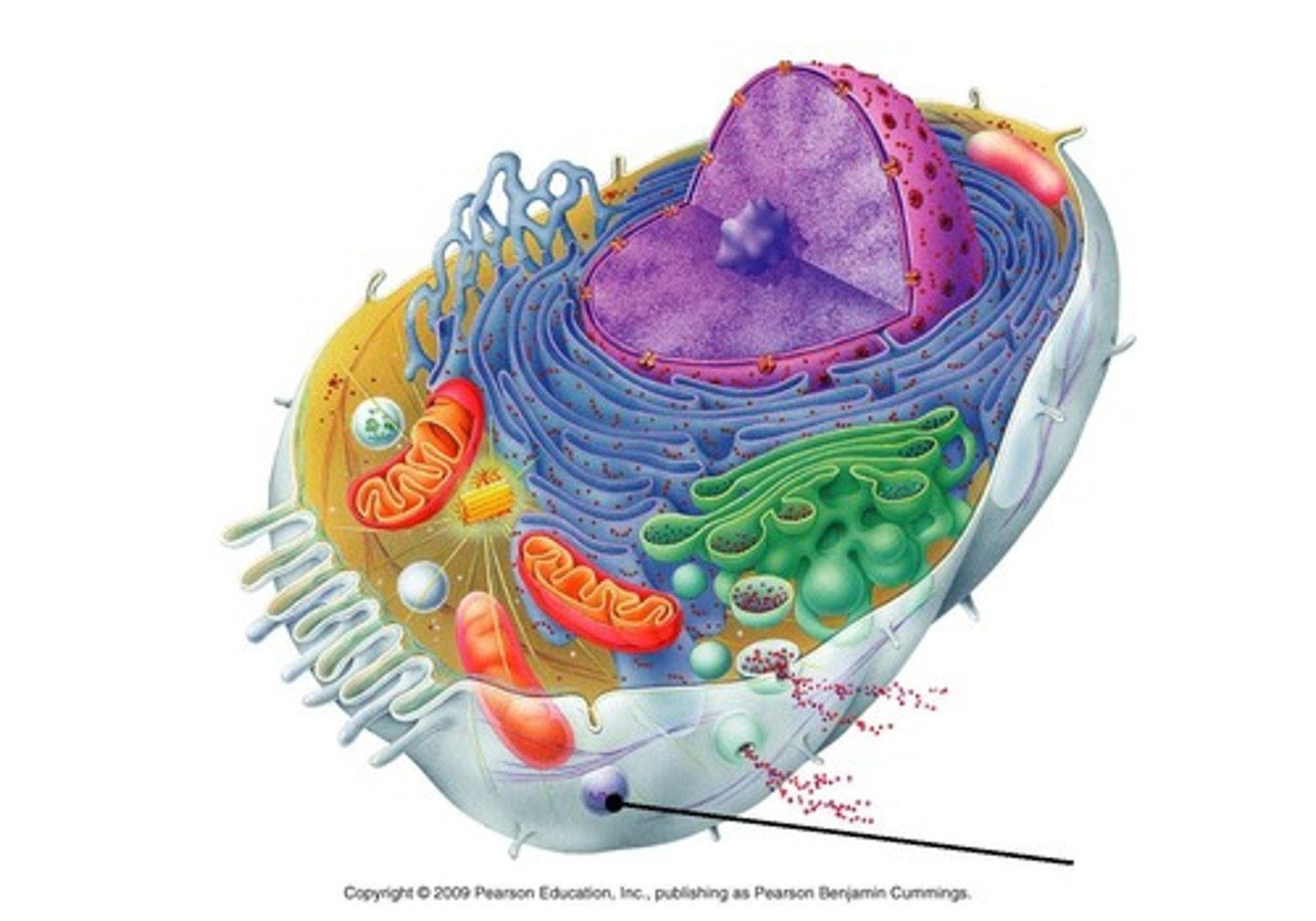
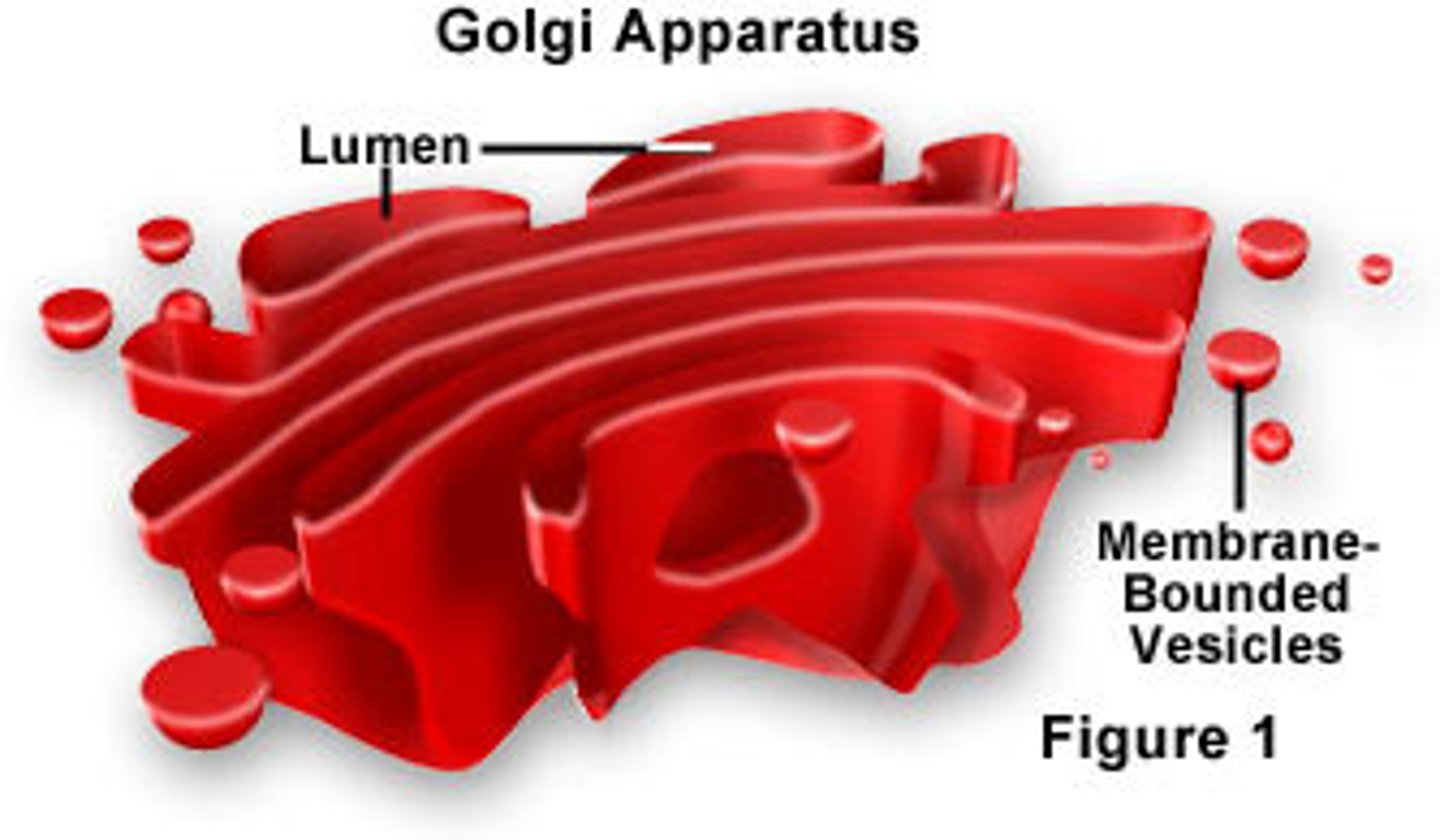
golgi function
stack of membranes in the cell that modifies, sorts, and packages proteins from the endoplasmic reticulum
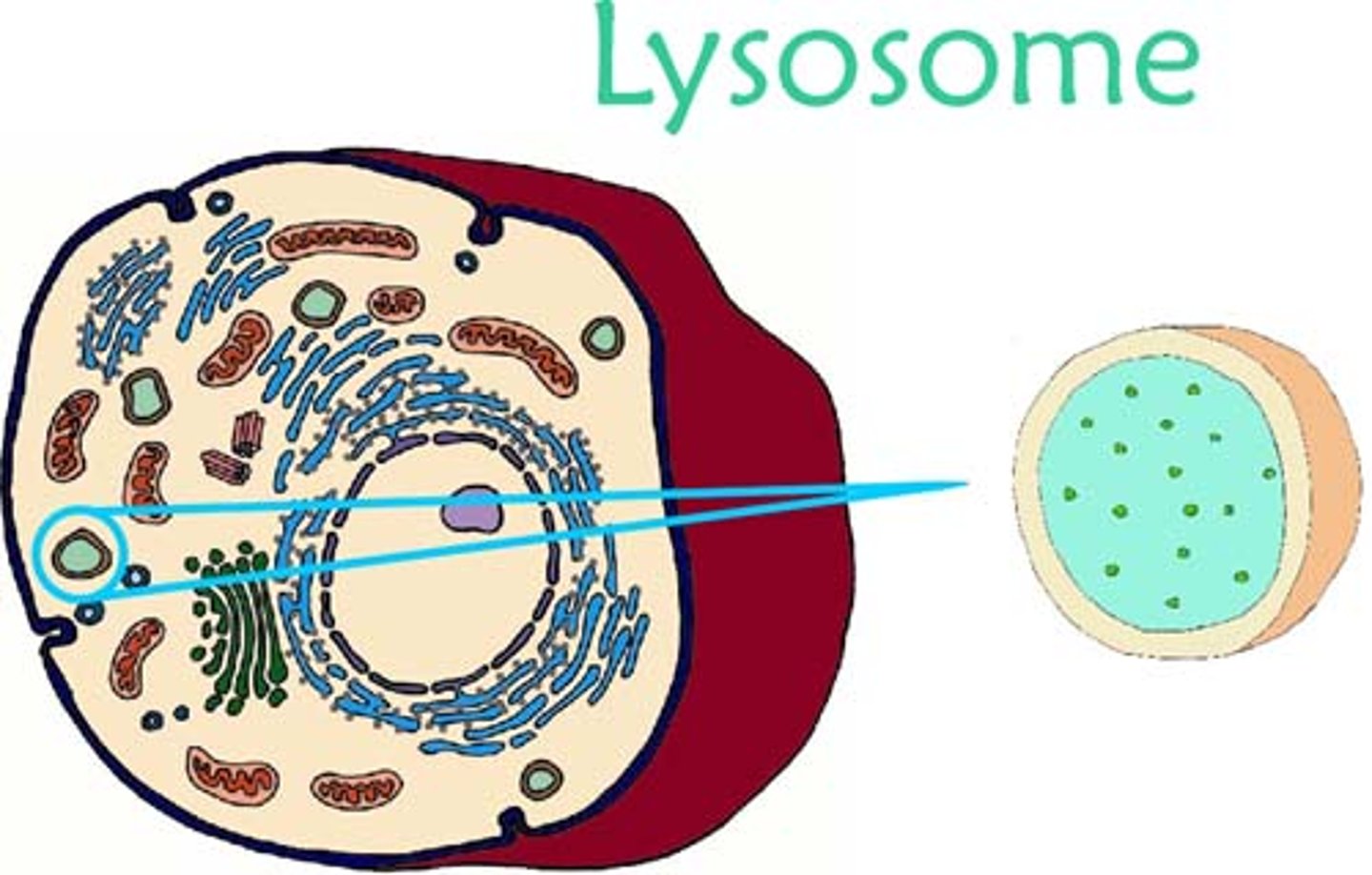
lysosome function
contains digestive enzymes that can break down many things in cells.
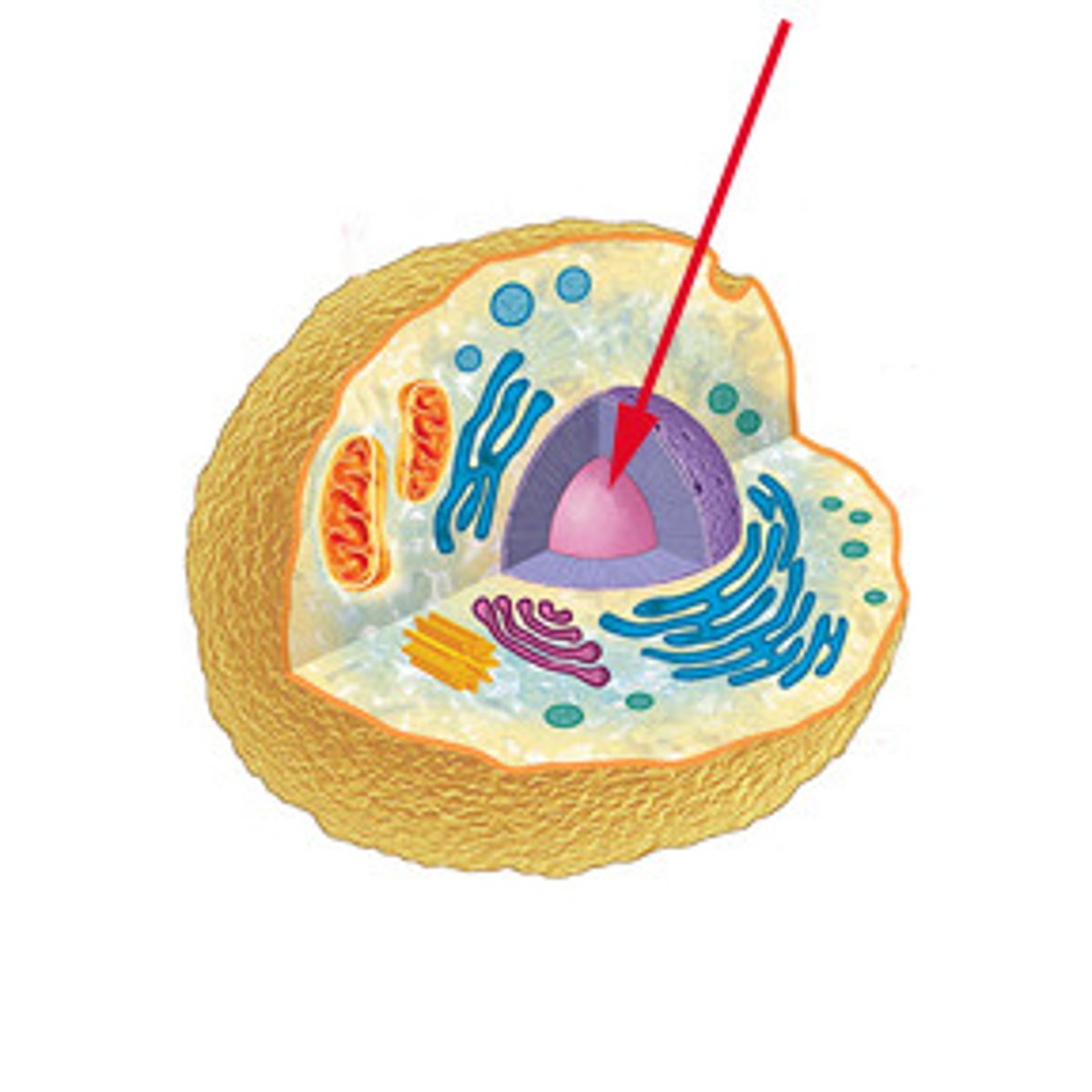
nucleus
-control center of the cell
-contains DNA and RNA and responsible for growth and reproduction
osmosis
Diffusion of water through a selectively permeable membrane
diffusion
Movement of molecules from an area of higher concentration to an area of lower concentration.
facilitated diffusion
process by which molecules are moved into cells along concentration gradient with the help of proteins
active transport
Energy-requiring (ATP) process that moves material across a cell membrane against a concentration gradient
pinocytosis
cell-drinking
-type of endocytosis in which the cell ingests extracellular fluid and its dissolved solutes.
ATP
high-energy molecule that contains, within its bonds, energy that cells can use
adenosine triphosphate
ADP
a lower-energy molecule that can be converted into ATP by the addition of a phosphate group
adenosine diphosphate
endocytosis
process by which a cell takes material into the cell by infolding of the cell membrane
exocytosis
Process by which a cell releases large amounts of material
phagocytosis
cell eating
-type of endocytosis in which a cell engulfs large particles or whole cells
interphase
before prophase
DNA is replicated--- cell performs normal fucntions and prepares for cell division
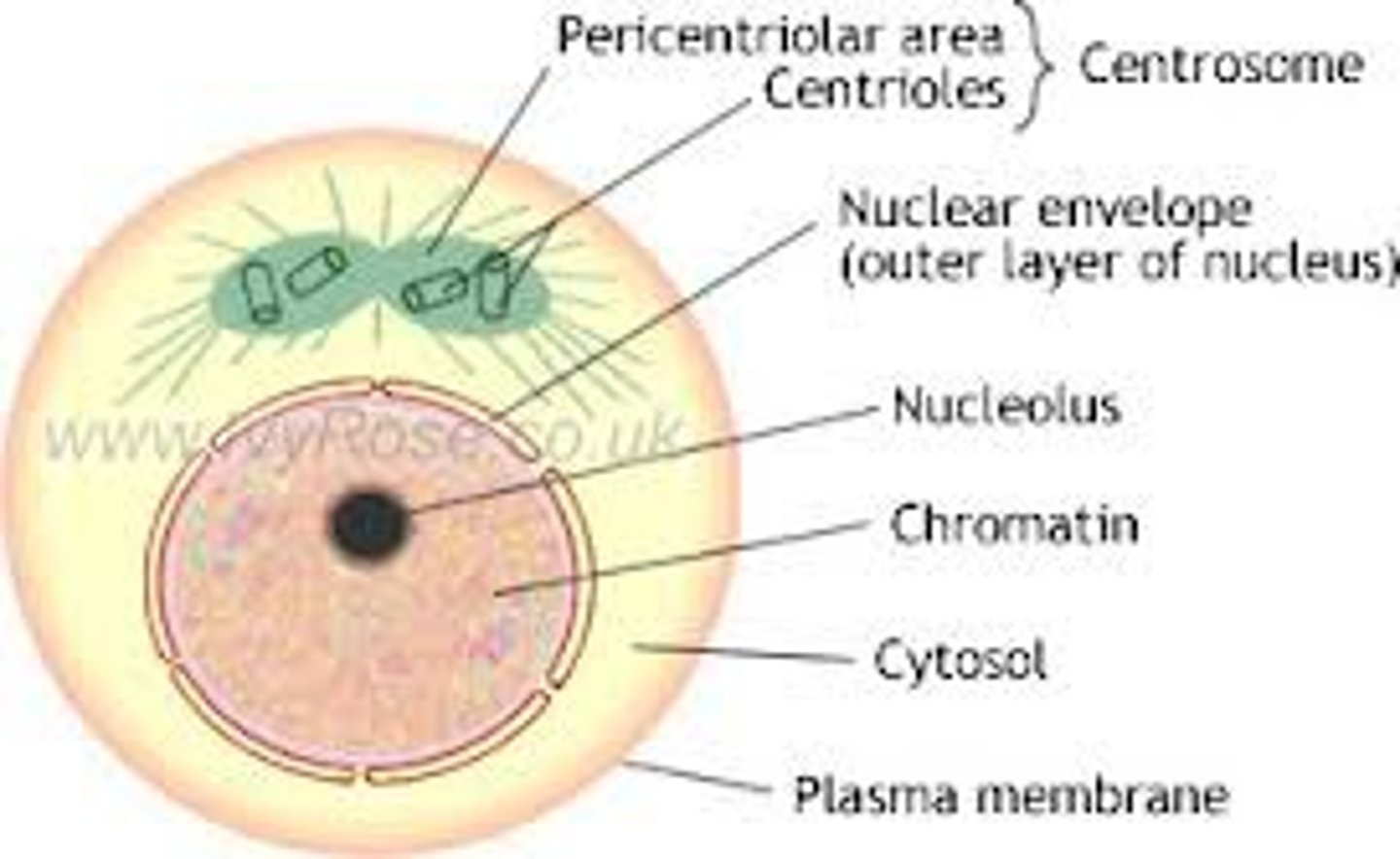
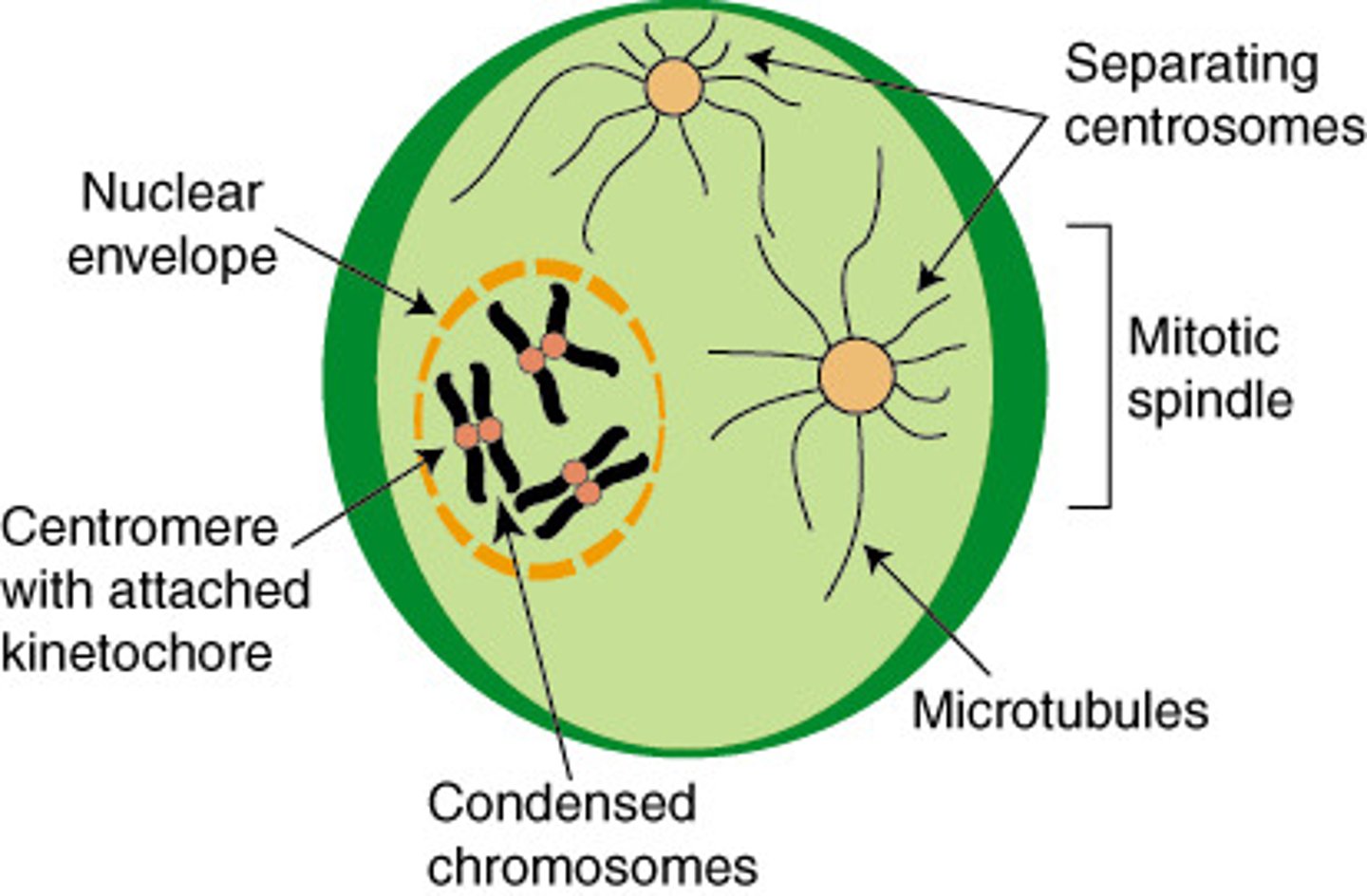
prophase
first and longest phase of mitosis
-chromosomes become visible
-the centrioles separate from each other and begin to move toward opposite sides of the cell
-nuclear envelope and nucleoli have been broken down and disappeared
-chromosomes have attached randomly to the spindle fibers by their centromeres
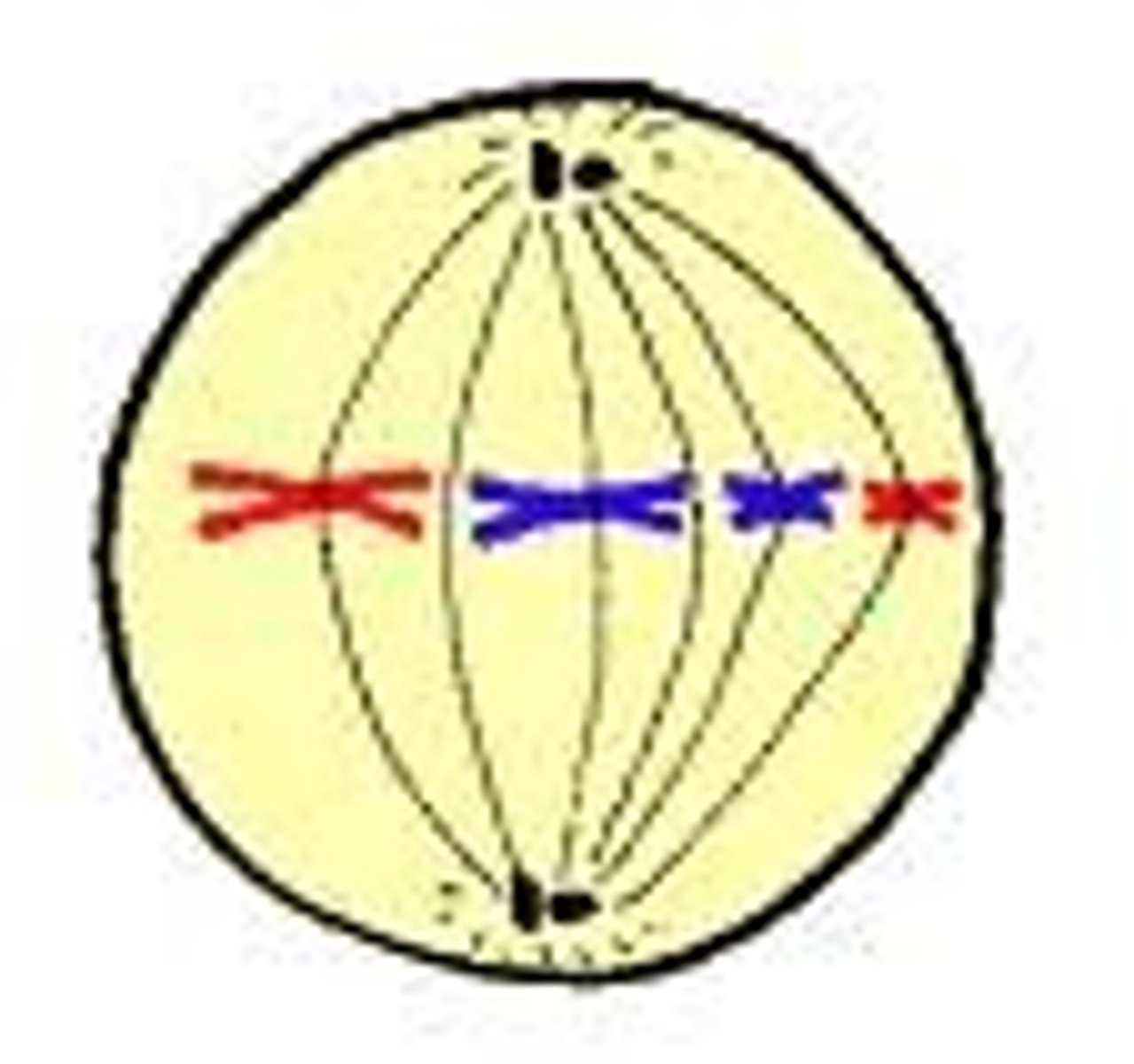
metaphase
2nd stage
Chromosomes line up in the middle of the cell
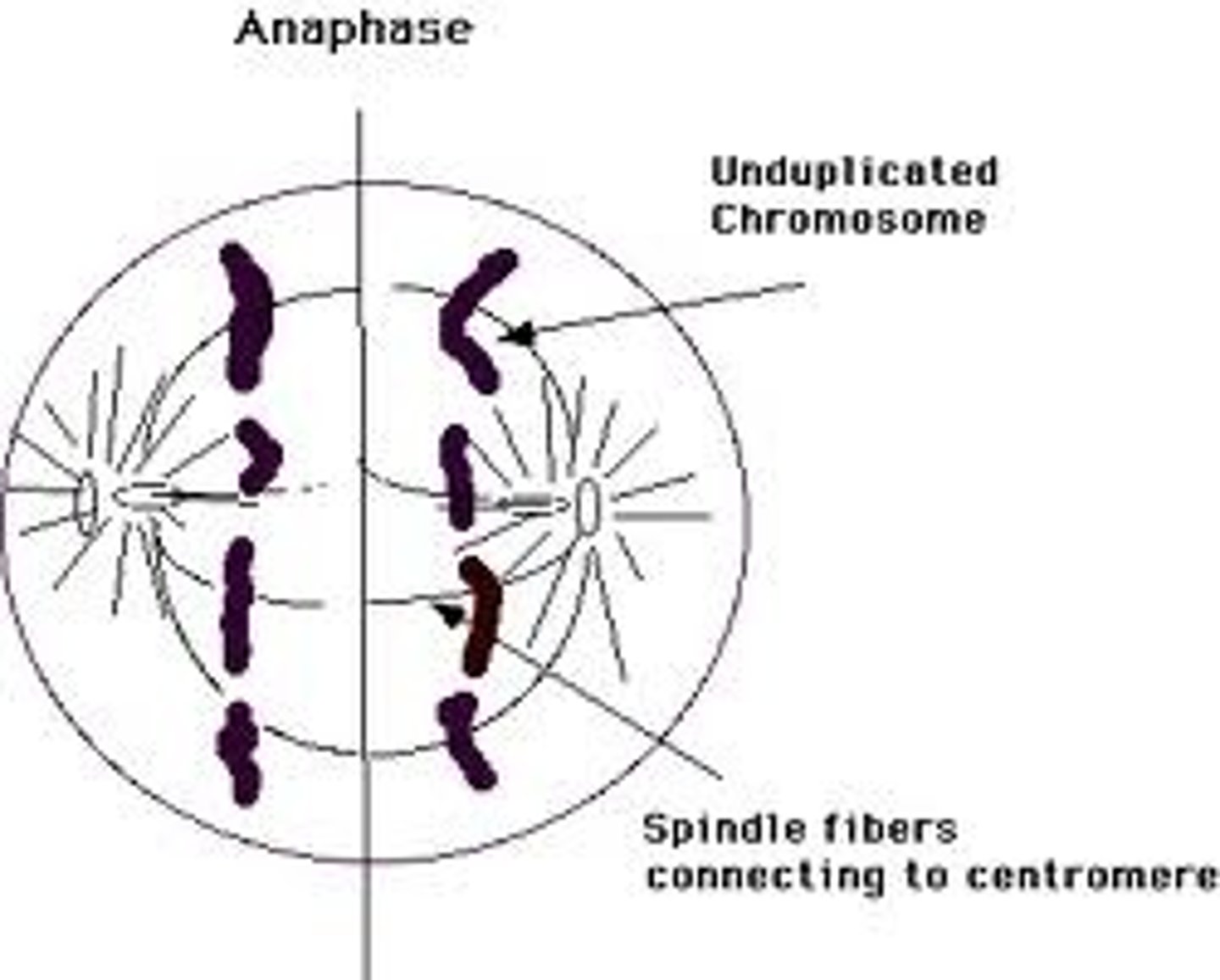
anaphase
the third phase of mitosis
centromeres split
- chromosomes move slowly apart, drawn towards opposite ends of the cell; pulled apart by their half-centromeres, with their "arms" dangling behind them
phase is over when the chromosome movement end
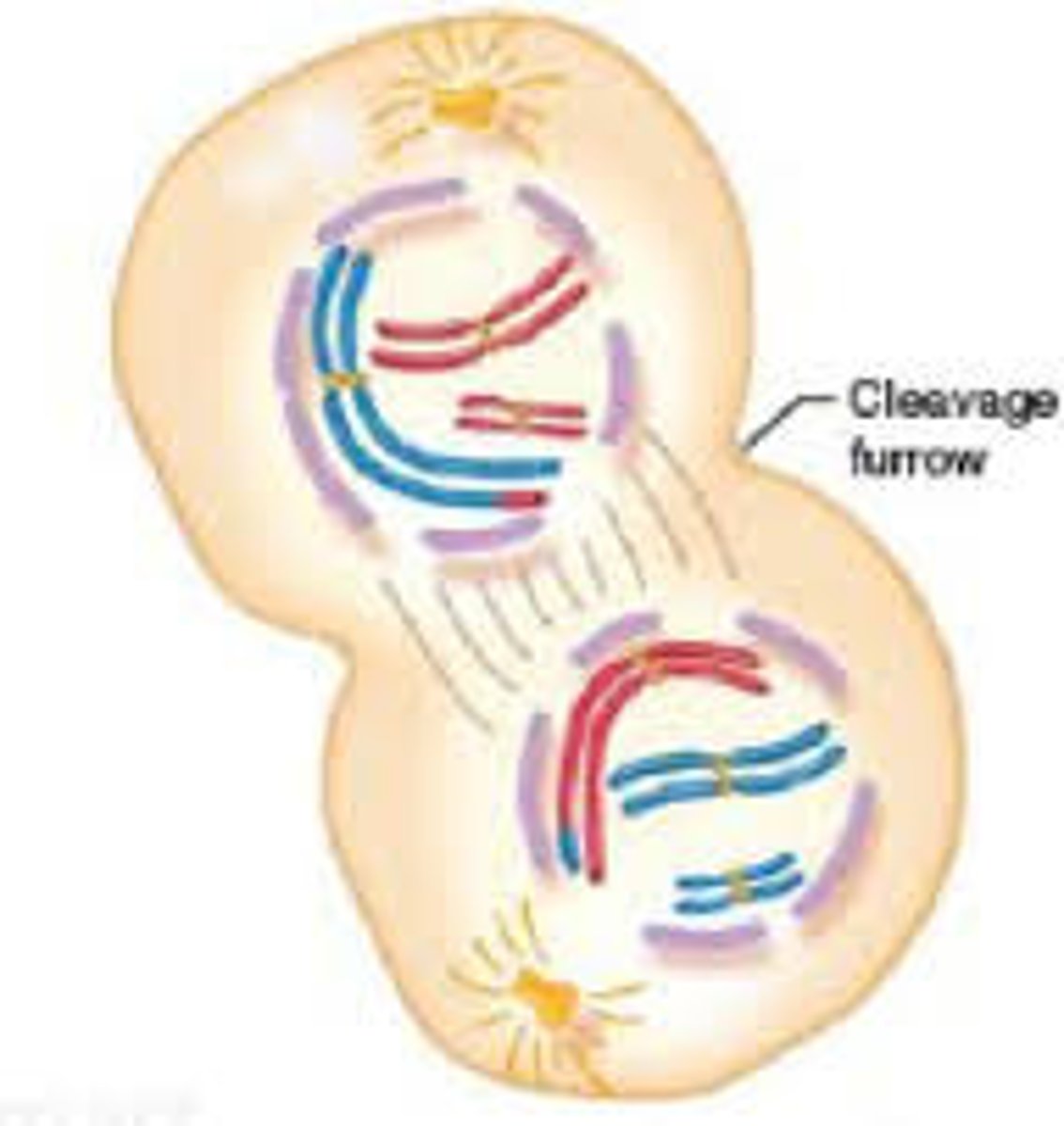
telophase
the final phase of cell division
chromosomes at opposite ends of the cell uncoil to become chromatin again
-spindle breaks down and disappears
-nuclear envelope forms around each chromatin mas
nucleoli appear in each of the daughter nuclei
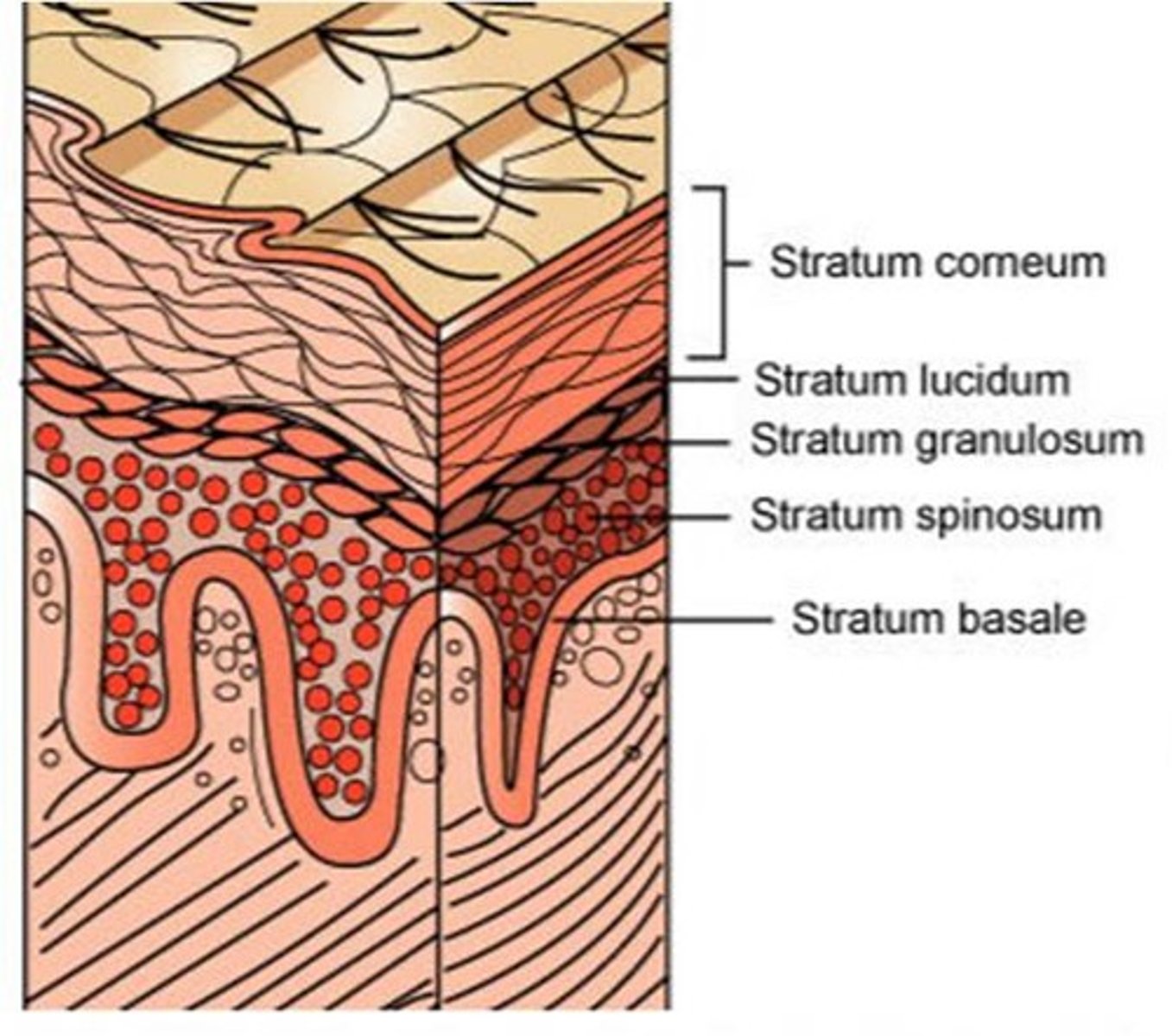
stratrum corneum
epidermal layer that is the outermost layer of the skin
15-30 layers of keratinized cells
water resistant
keratinization
The formation of a layer of dead, protective cells filled with keratin; occurs on all exposed skin surfaces except eye; 15-30 days for a cell to move from stratum basale to stratum corneum
stratum granulosum
3rd layer
stops mitotic dividing and starts producing protein fibers
cells dehydrate and die
create tightly interlocked layer of keratin surrounded by keratohyalin
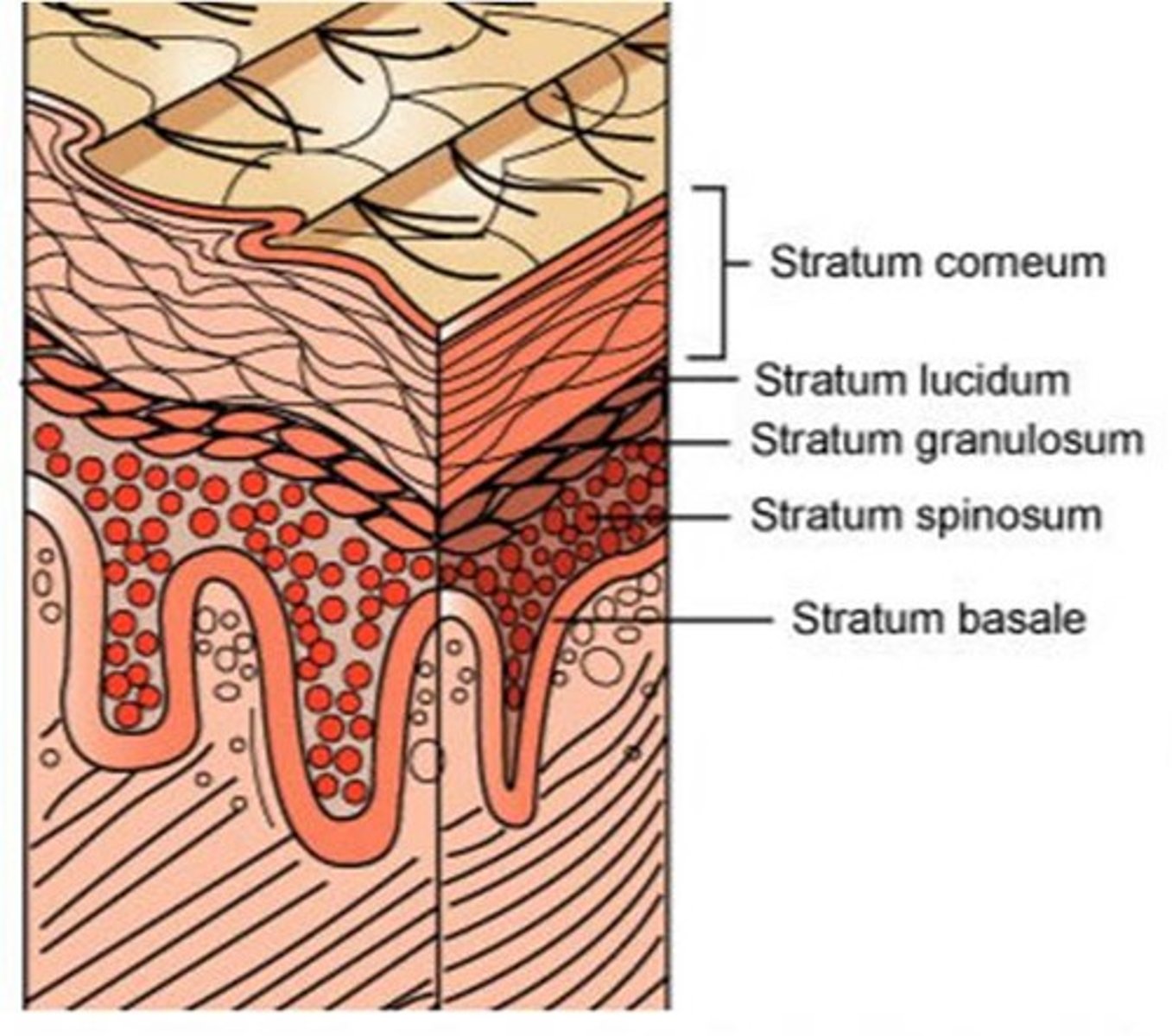
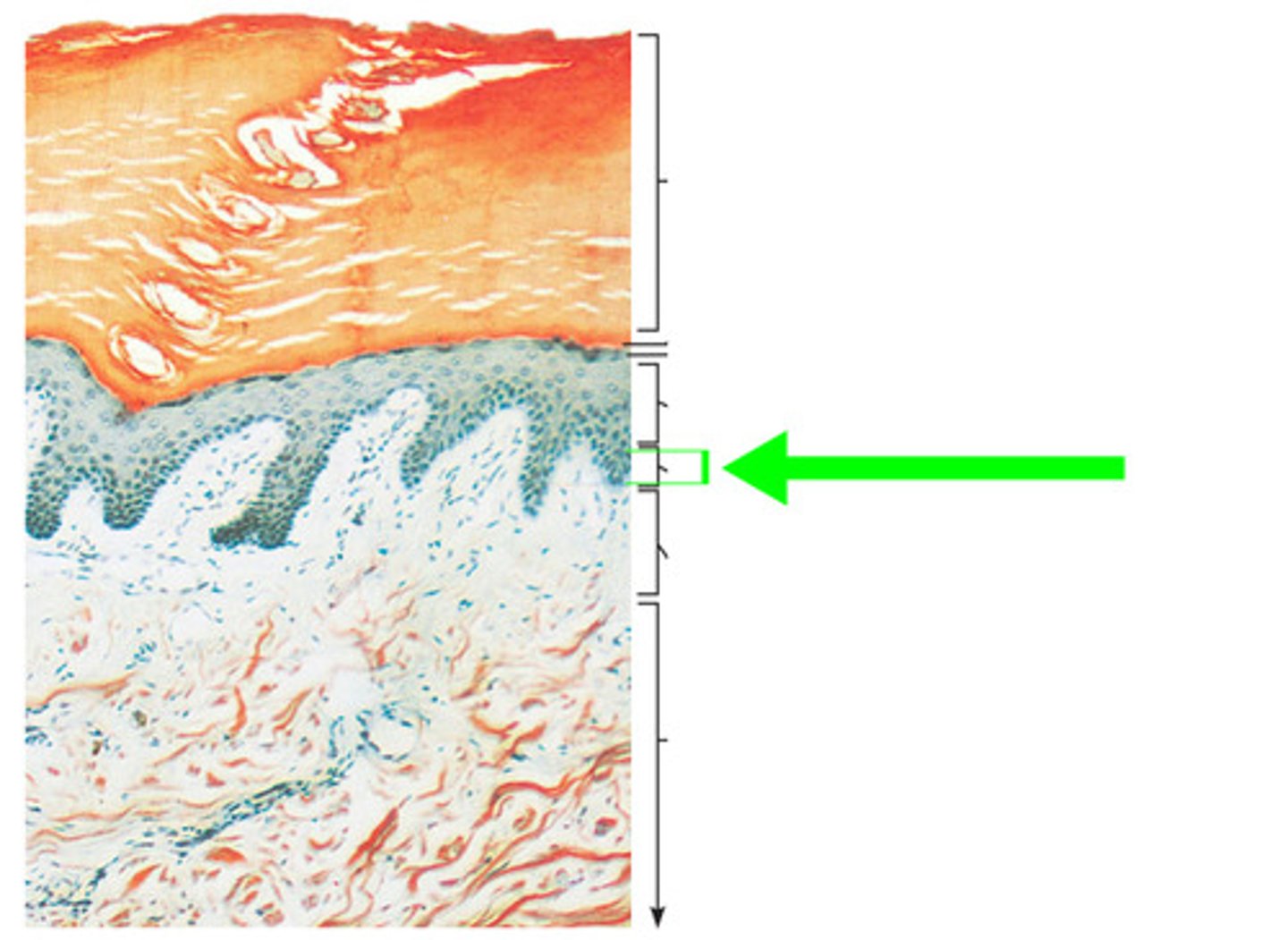
stratum basale
germinativum
the deepest live layer of the epidermis that produces new epidermal skin cells and is responsible for growth
where mitotic division begins
carotene
orange-yellow pigment; found in orange veggies (carrots); accumulates in epidermal cells and fatty tissues of dermis; can be converted to vitamin A
oxygen debt
exercise/activity= need more oxygen--> heavy breathing
epidermis
outer layer of skin
-lacks blood vessels
-prevent water loss
-filled with keratin
-dead, hard cells
dermis
between epidermis and subcutaneous layer---anchors stuff like hair follicles and sweat glands
papillary layer- capillaries, lymphatics, and sensory neurons; has dermal papillae projecting between epidermal ridges
reticular layer--dense connective tissue with blood vessels and stuff
subcutaneous layer
innermost layer of the skin, containing fat tissue
stratum lucidem
found only in thick skin and covers stratum granulosum
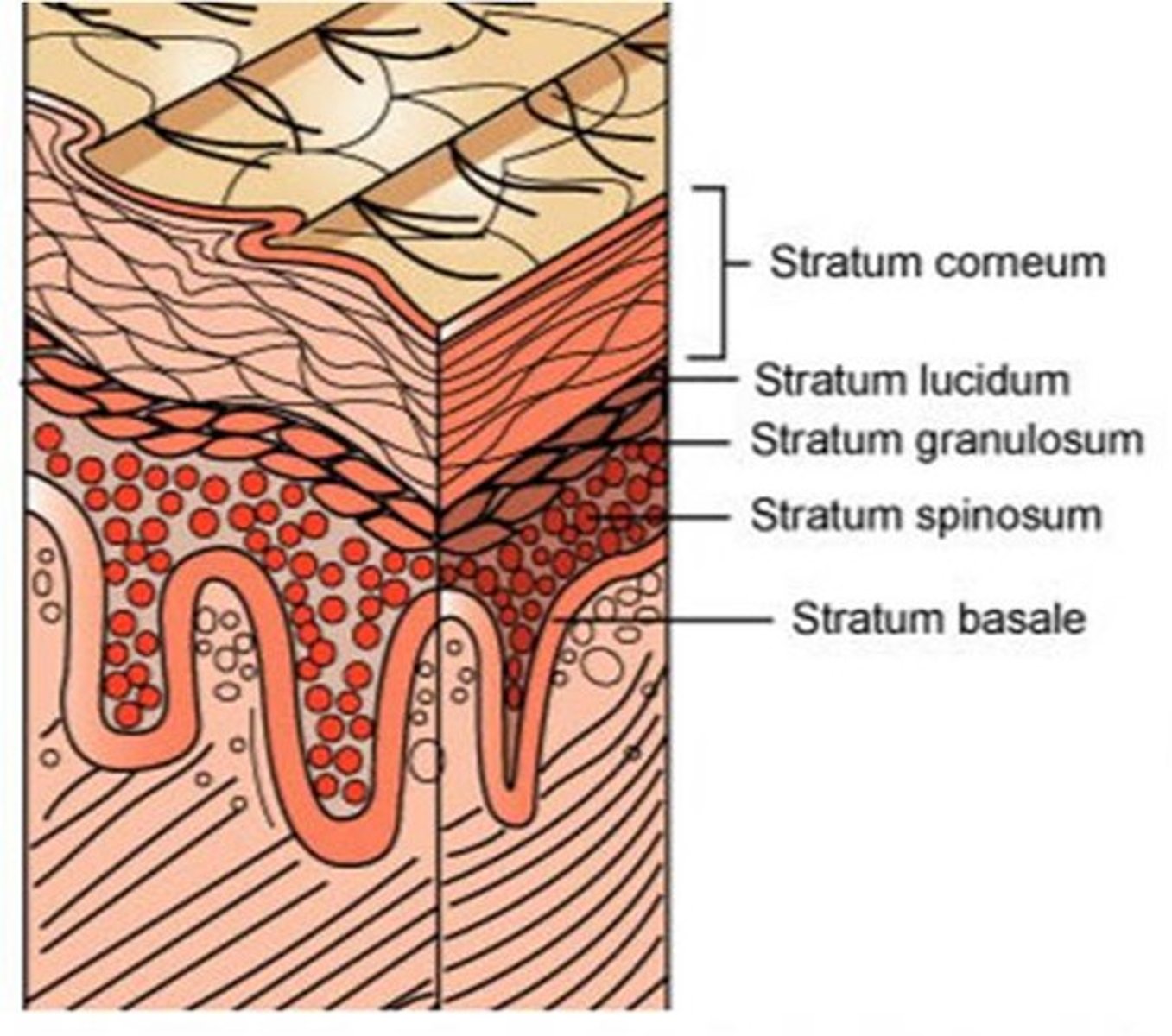
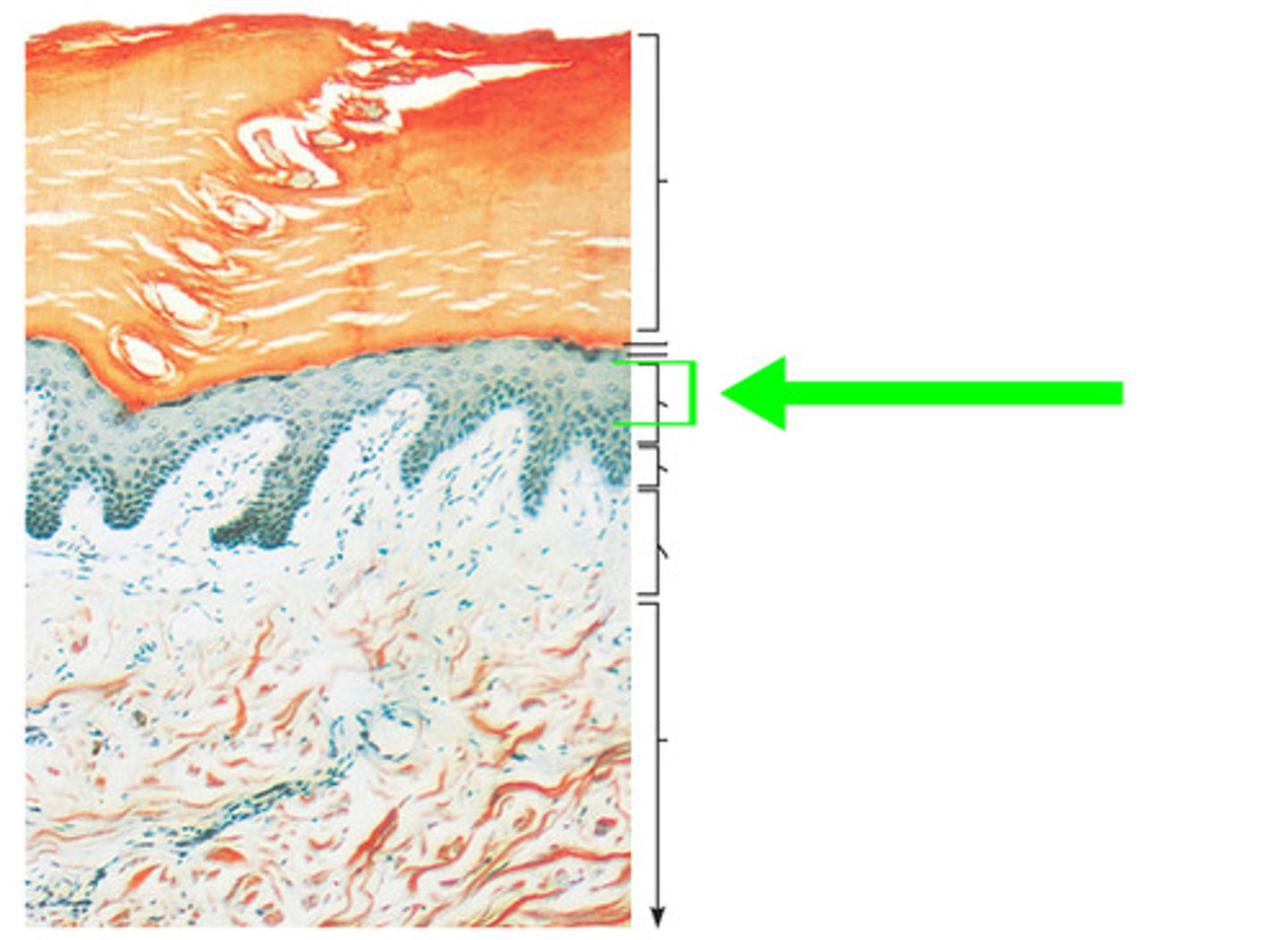
stratum spinosum
produced by stratum basal division; cells shrink til cytoskeleton stick out
miotic division continues--->continue to divide which increases thickness of epidermis
ceruminous gland
modified sweat glands, located in external ear canal, secretes cerumen (earwax)
cyanosis
a bluish discoloration of the skin resulting from poor circulation or inadequate oxygenation of the blood.
thick skin
covers palms and soles
5 layers of keratinocytes
vitamin d
produced by epidermal cells in presence of UV radiation
-not enough--> can cause rickets
thin skin
Covers most of the body
four layers of keratinocytes
arrector pili
a smooth muscle attached to hair follicles that causes "goose bumps" to appear on the skin when contracted
keratinocyte
lots of keratin and most abundant cell in epidermis
keratin
hard protein material found in the epidermis, hair, and nails
-water resistant
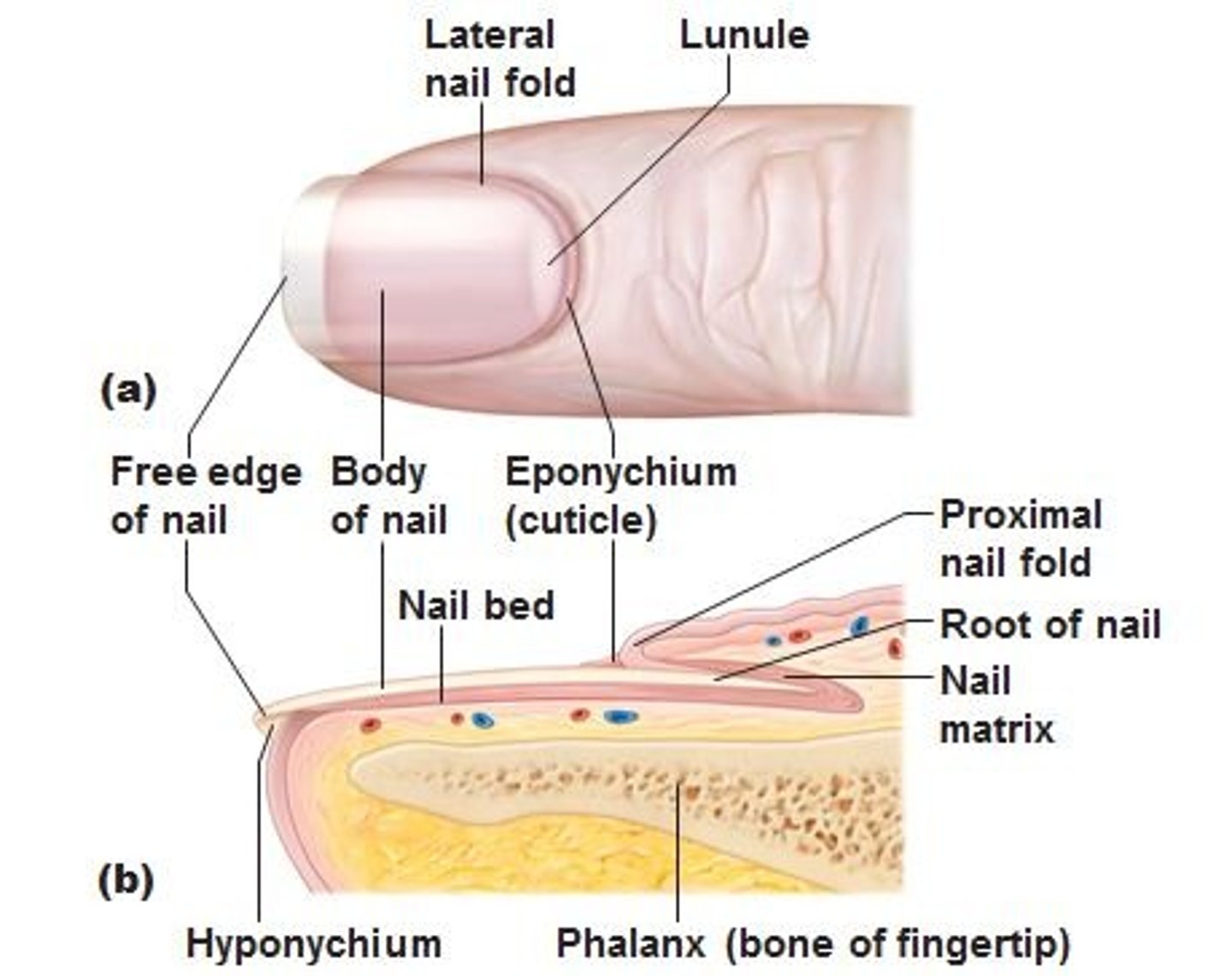
nail structure
nail body = main visible part
nail root (eponychium)= where nail production occurs
lunula= pale crescent near nail bed
melanin
yellow-brown/black pigment; produced by melanocytes of stratum basale; stored in melanosomes (transport vesicles); transferred to keratinocytes
sebaceous glands
oil glands of the skin connected to hair follicles
lubricate hair and control bacteria
controlled by nervous system
first degree burn
A mild burn characterized by heat, pain, and reddening of the burned surface but not exhibiting blistering or charring of tissues.
second degree burn
A burn marked by pain, blistering, and superficial destruction of dermis with edema and hyperemia of the tissues beneath the burn.
third degree burn
a burn involving all layers of the skin; characterized by the destruction of the epidermis and dermis, with damage or destruction of subcutaneous tissue
appocrine glands
body odor
most numerous
controlled by nervous system
-found in armpits, around nipples and groin
merocrine glands (eccrine)
associated with temperature regulation
cools skin; excretes water and electrolytes; flushes microorganisms and harmful chemicals from skin
ossification
formation of bone
pecipitation of calcium phosphate within the cartilage matrix; makes bones hard and stone-like
spongy vs compact bone
spongy is inside bone better at shock absorption,
compact is the external portion and is smooth, dense, strong, rigid
diaphysis
shaft of long bone, composed of compact bone
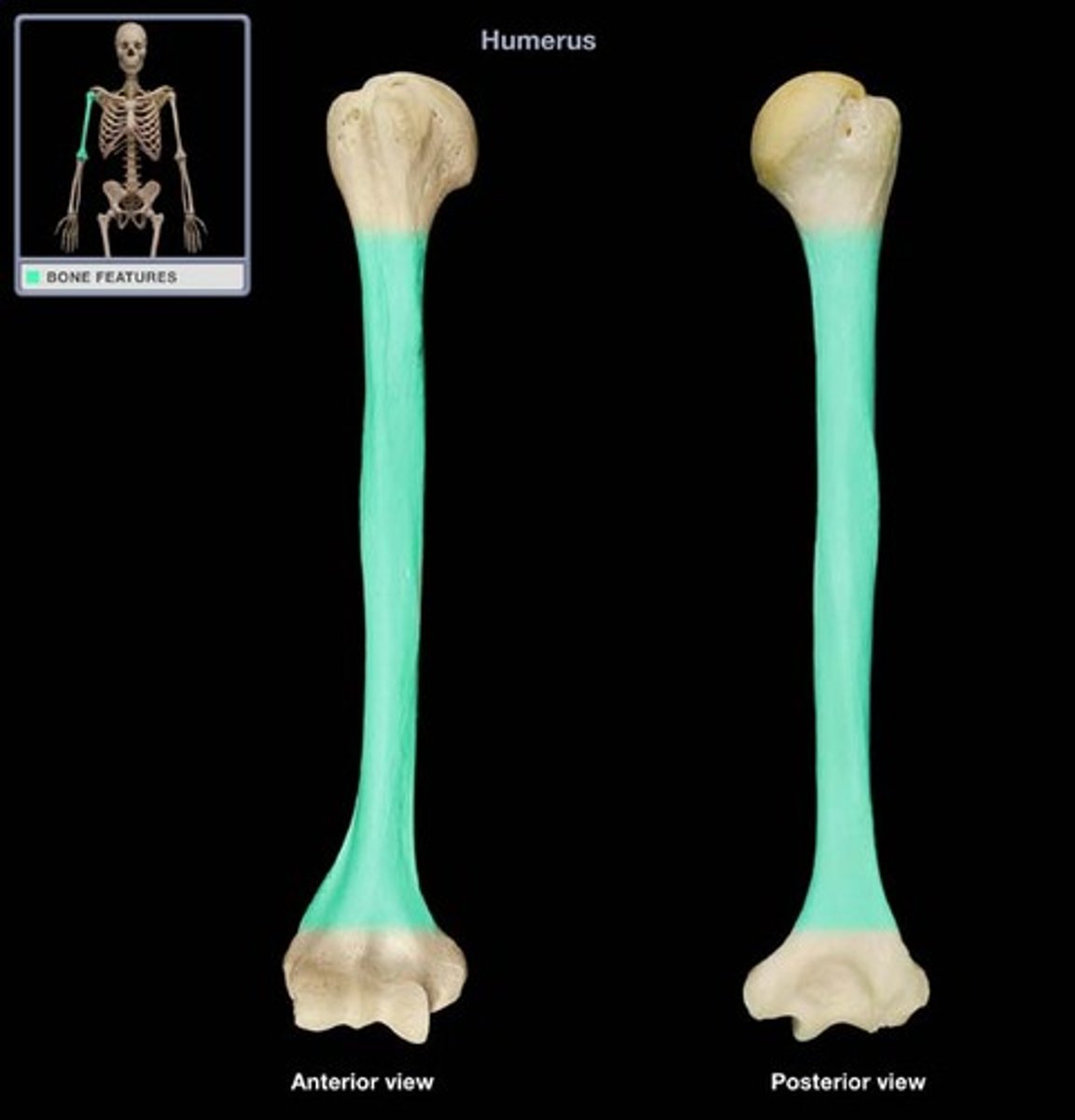
epiphysis
End of a long bone
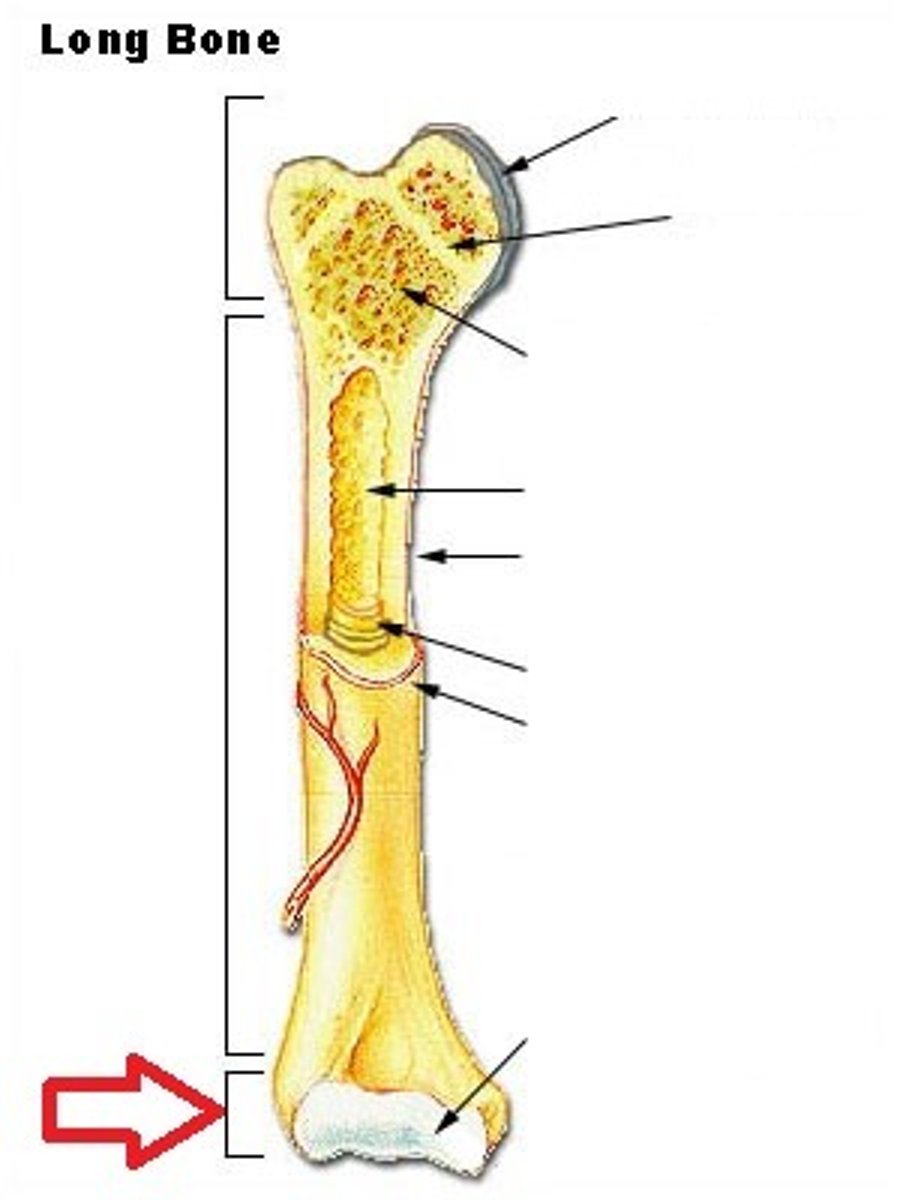
epiphyseal plate
growth plate, made of cartilage, gradually ossifies
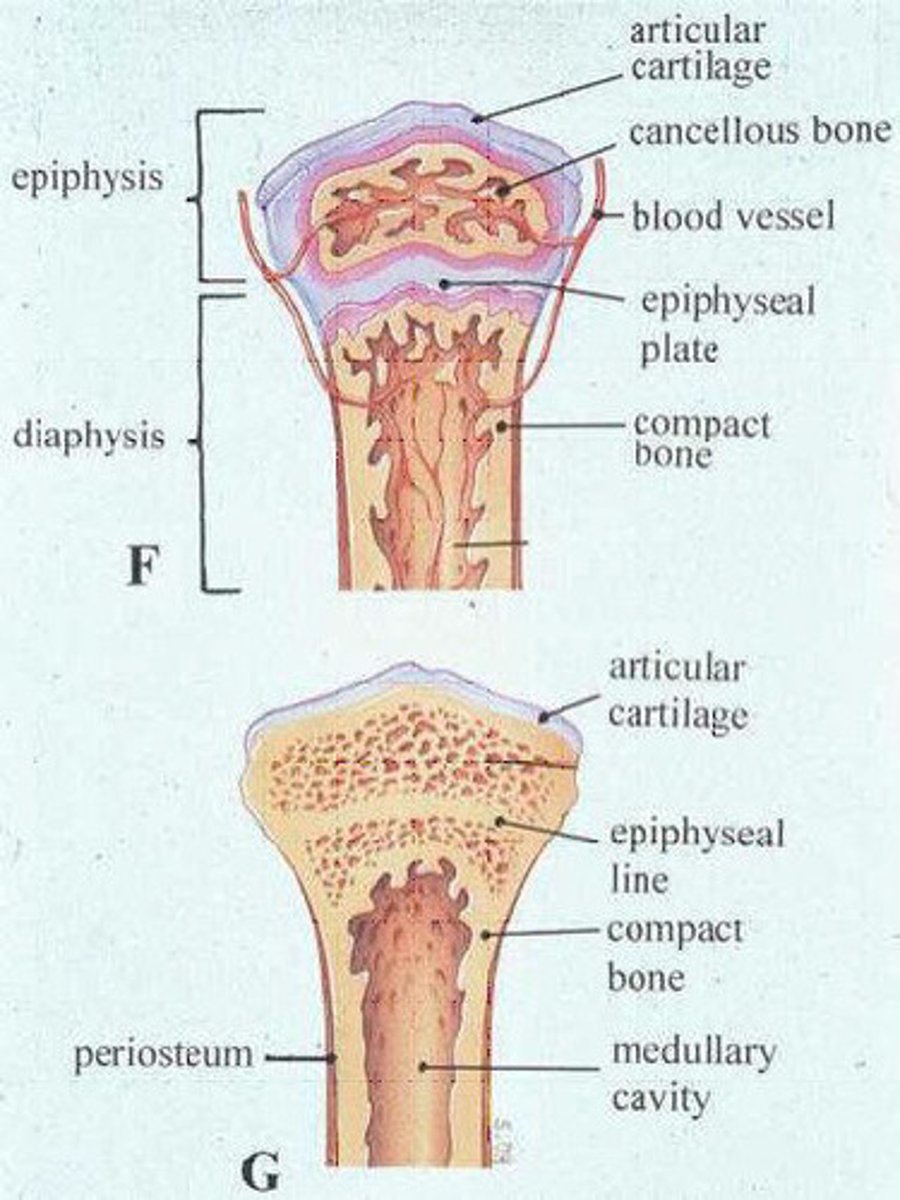
long bone
longer than they are wide
humerus, ulna, radius, femur, tibia, fibula
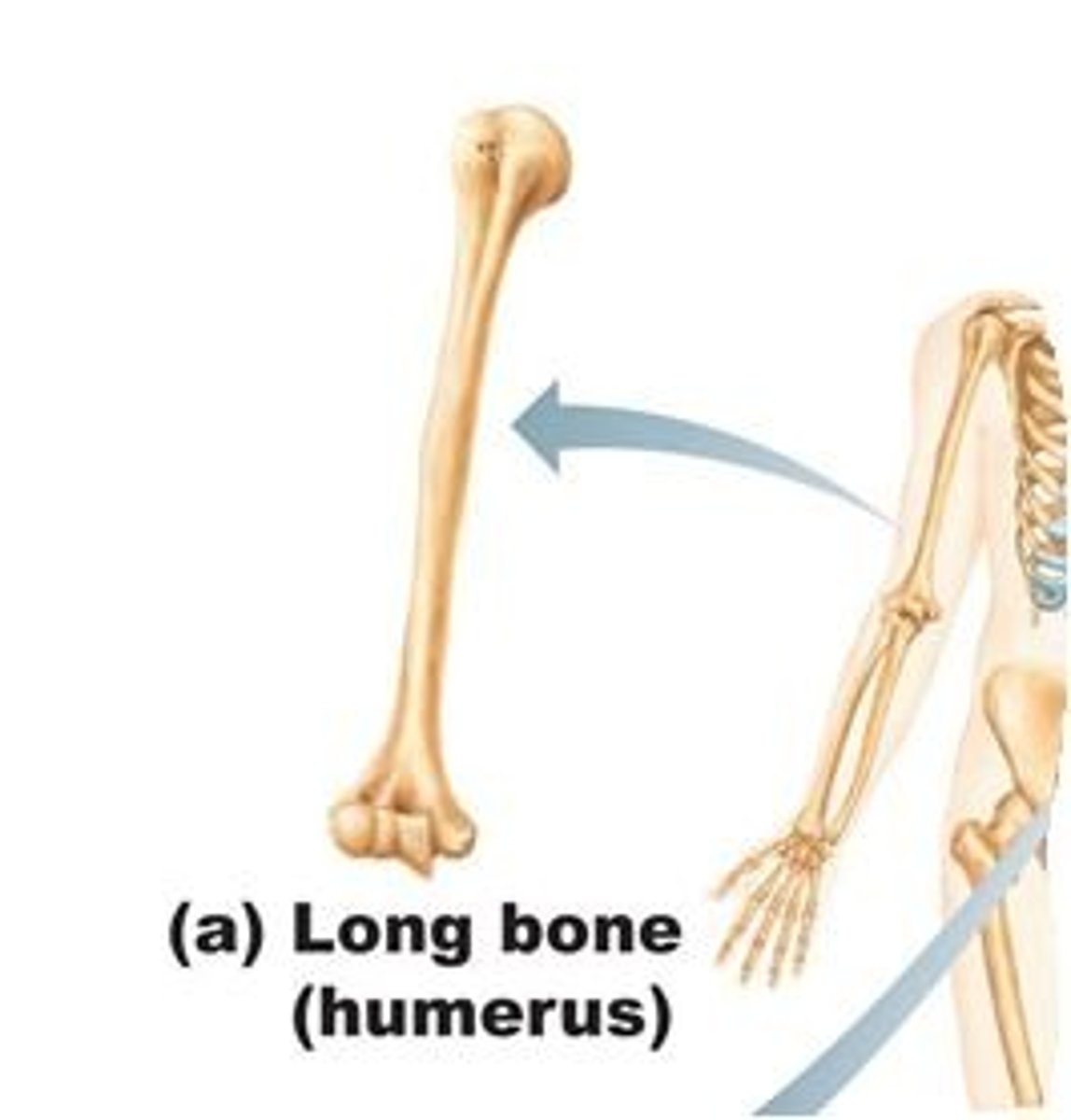
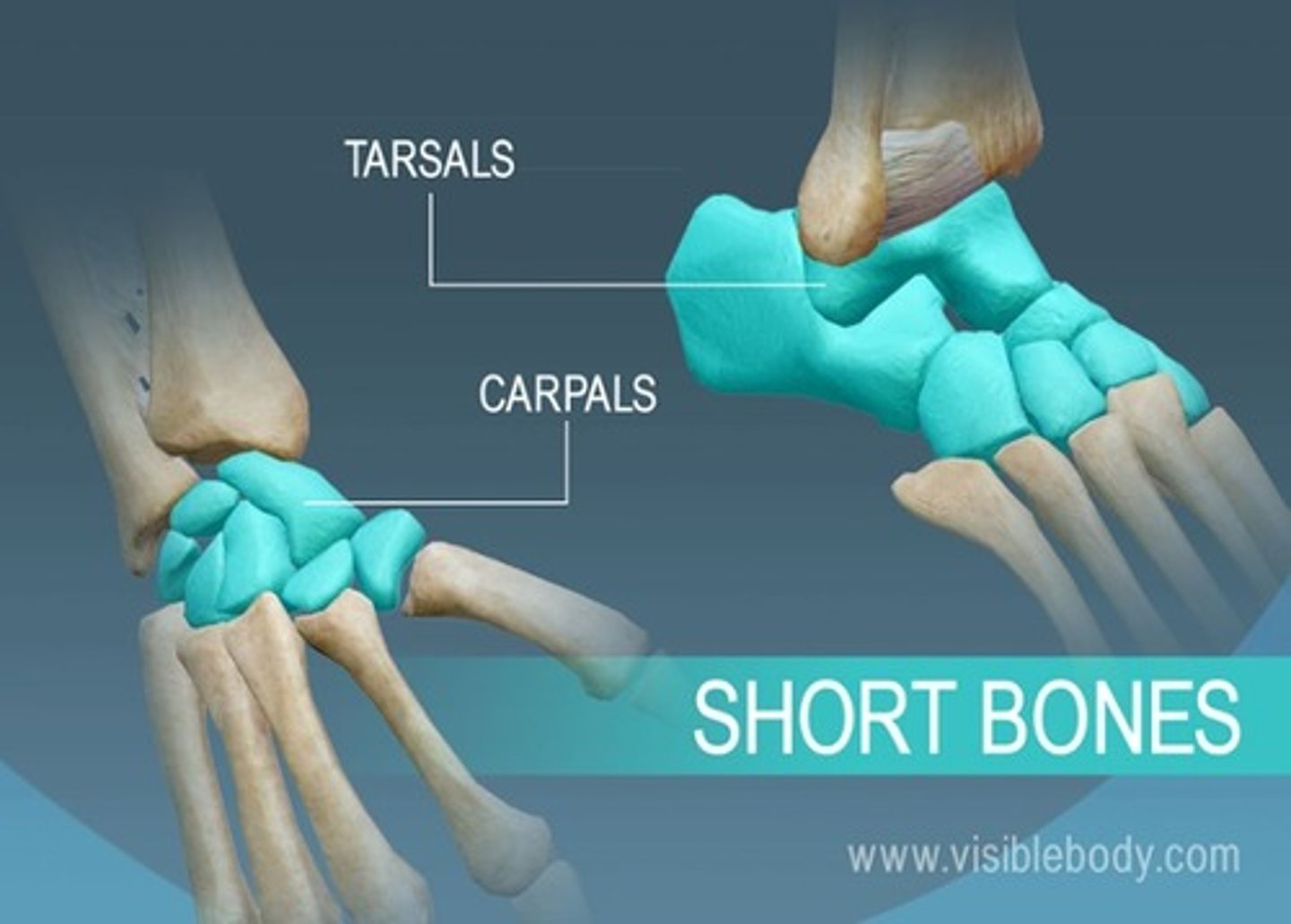
short bone
carpals and tarsals
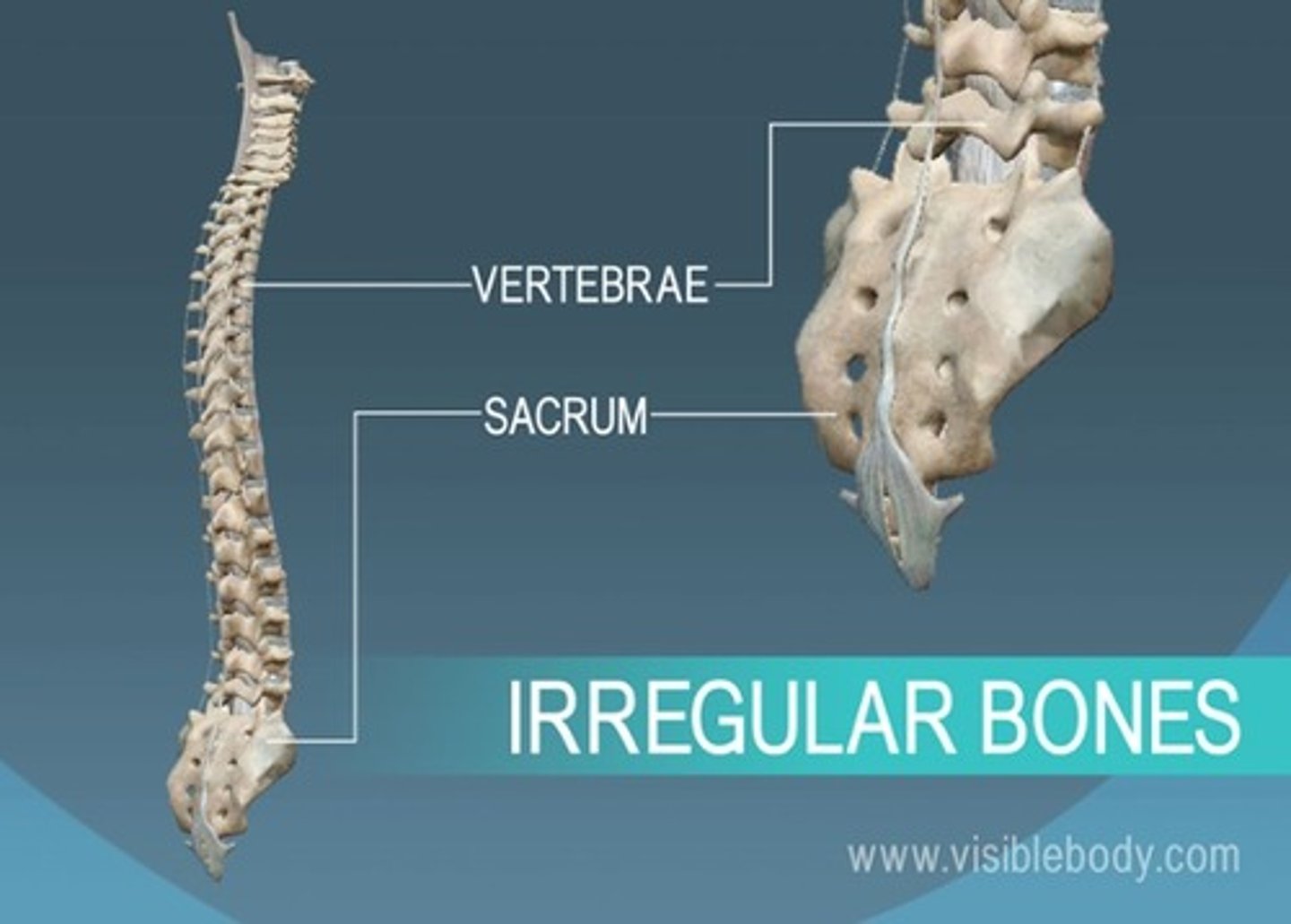
irregular bones
vertebrae and hip bones
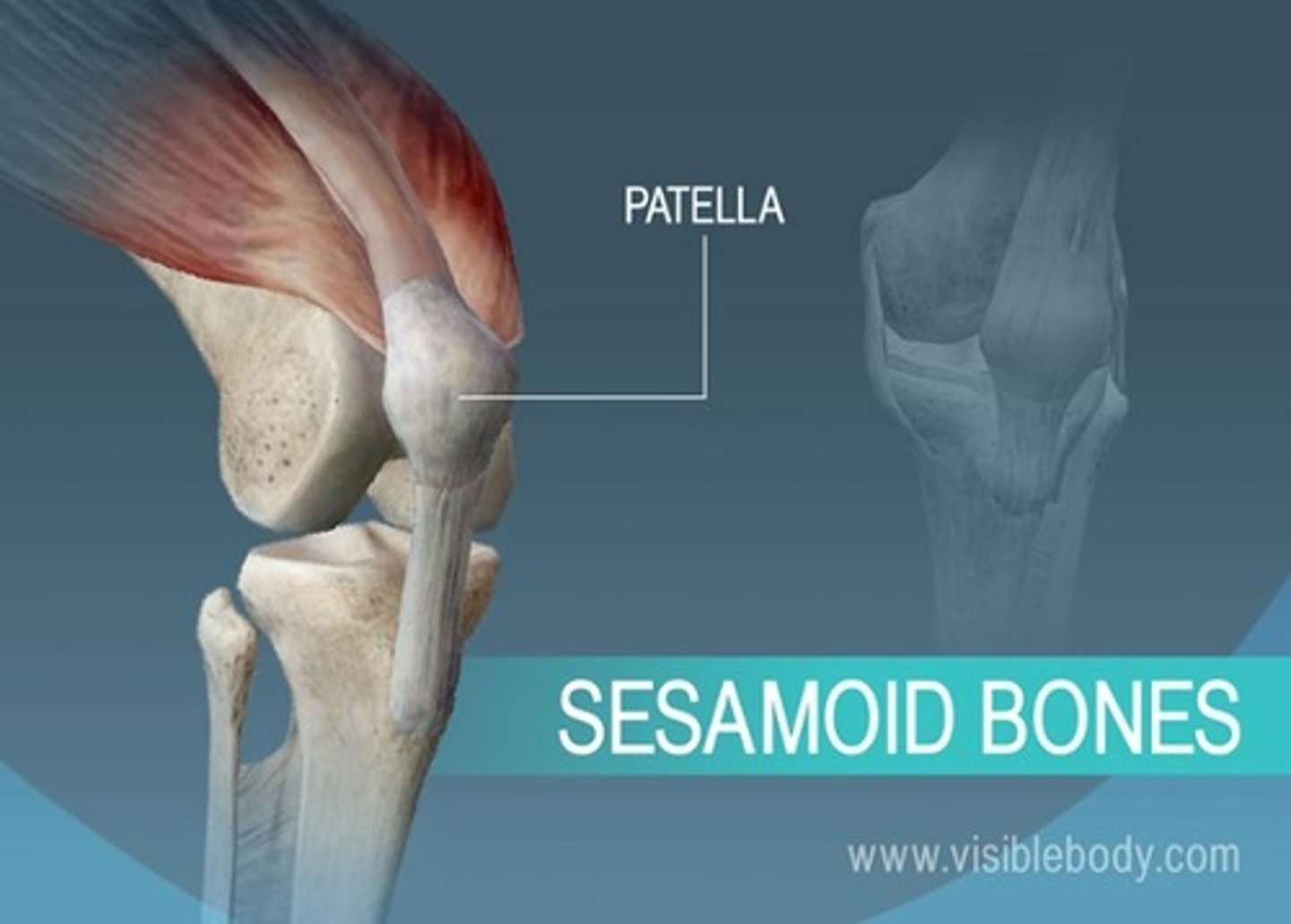
sesamoid bone
small, round bone embedded in a tendon; protects the tendon from compressive forces
patella
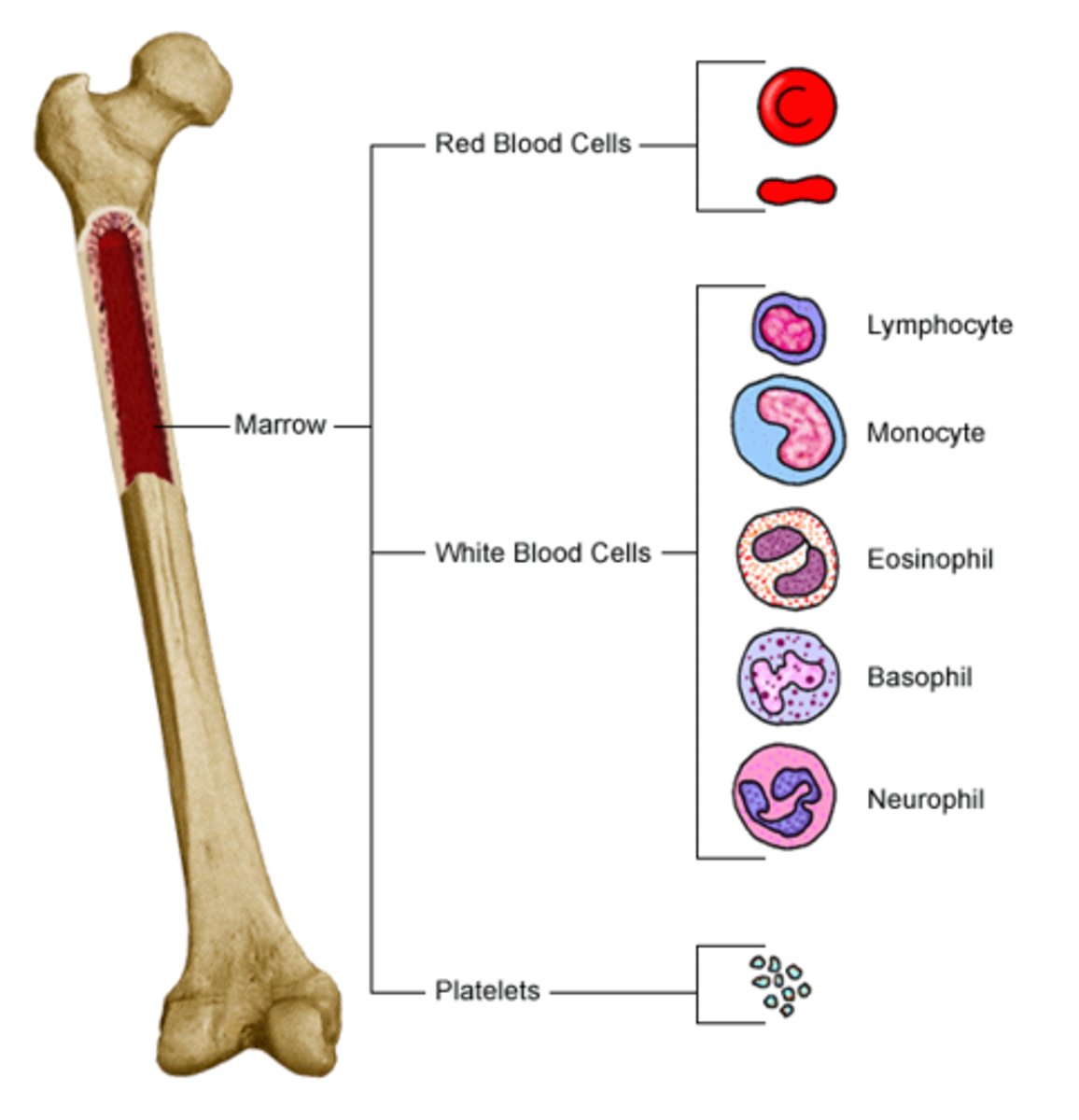
red bone marrow
found in cancellous bone; site of hematopoiesis (blood cell production)
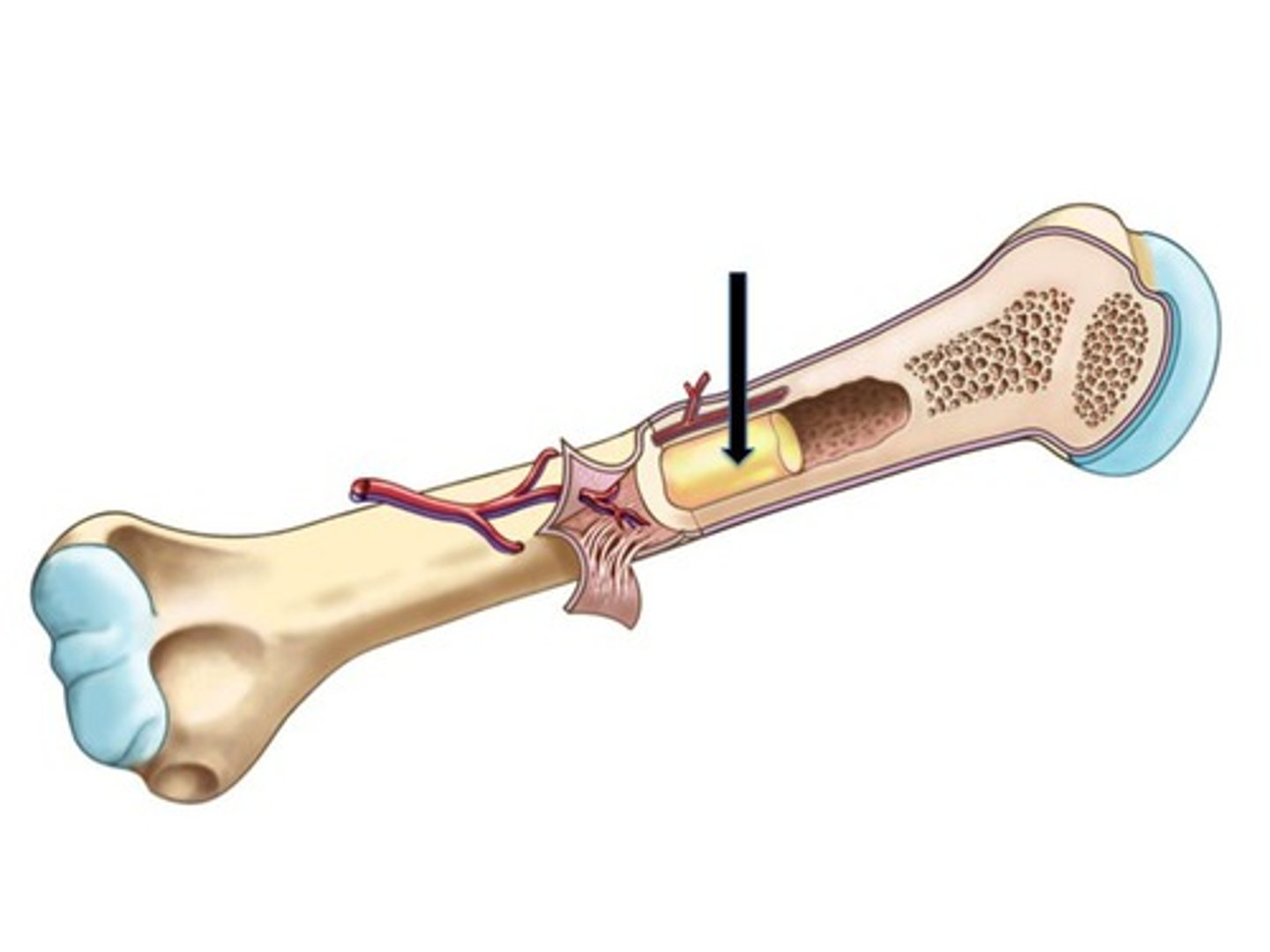
yellow bone marrow
fatty tissue found in the medullary cavity of most adult long bones
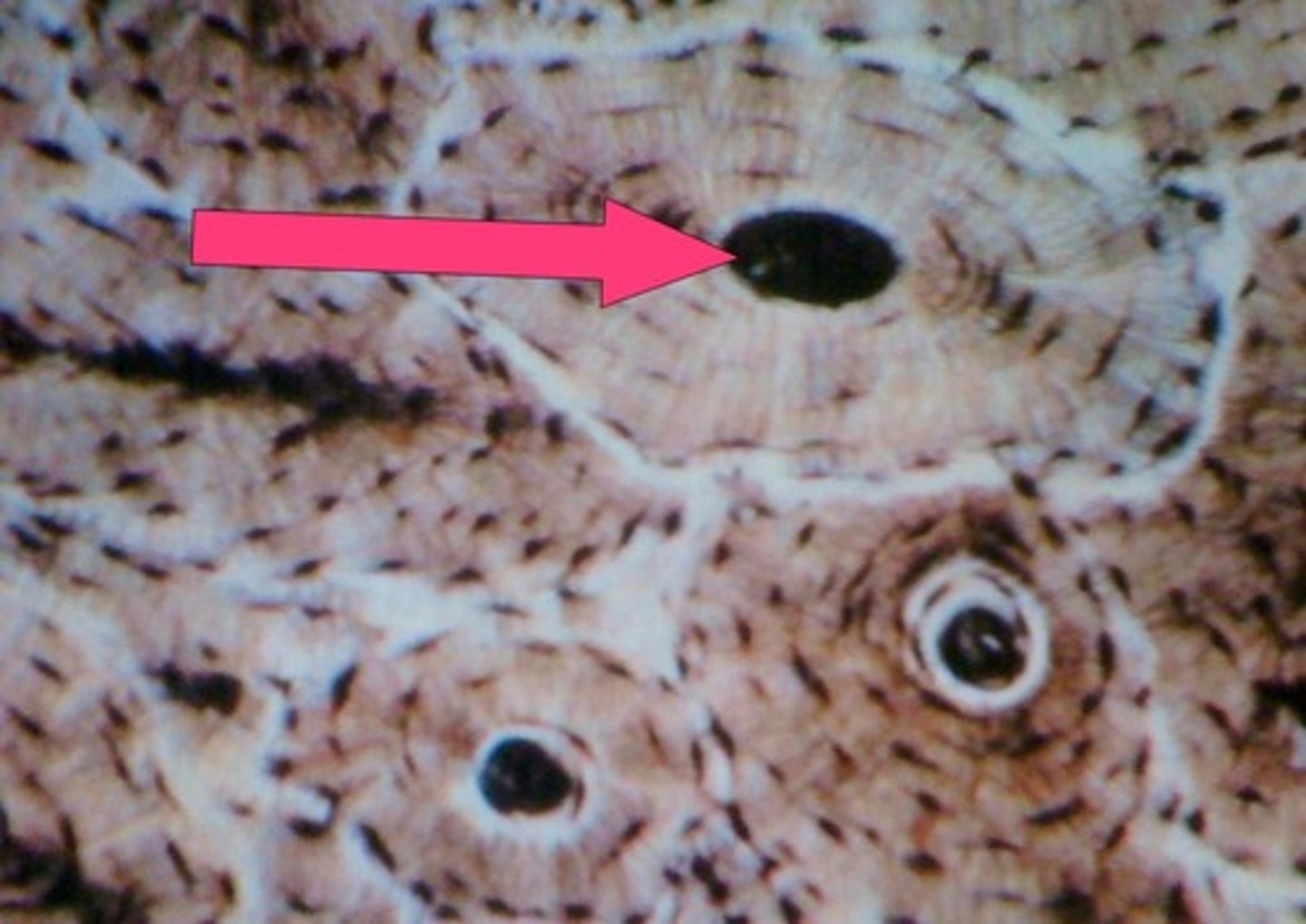
Haversian canal
canals in the center of the haversian system that contain blood vessels, lymph vessels, and nerves.
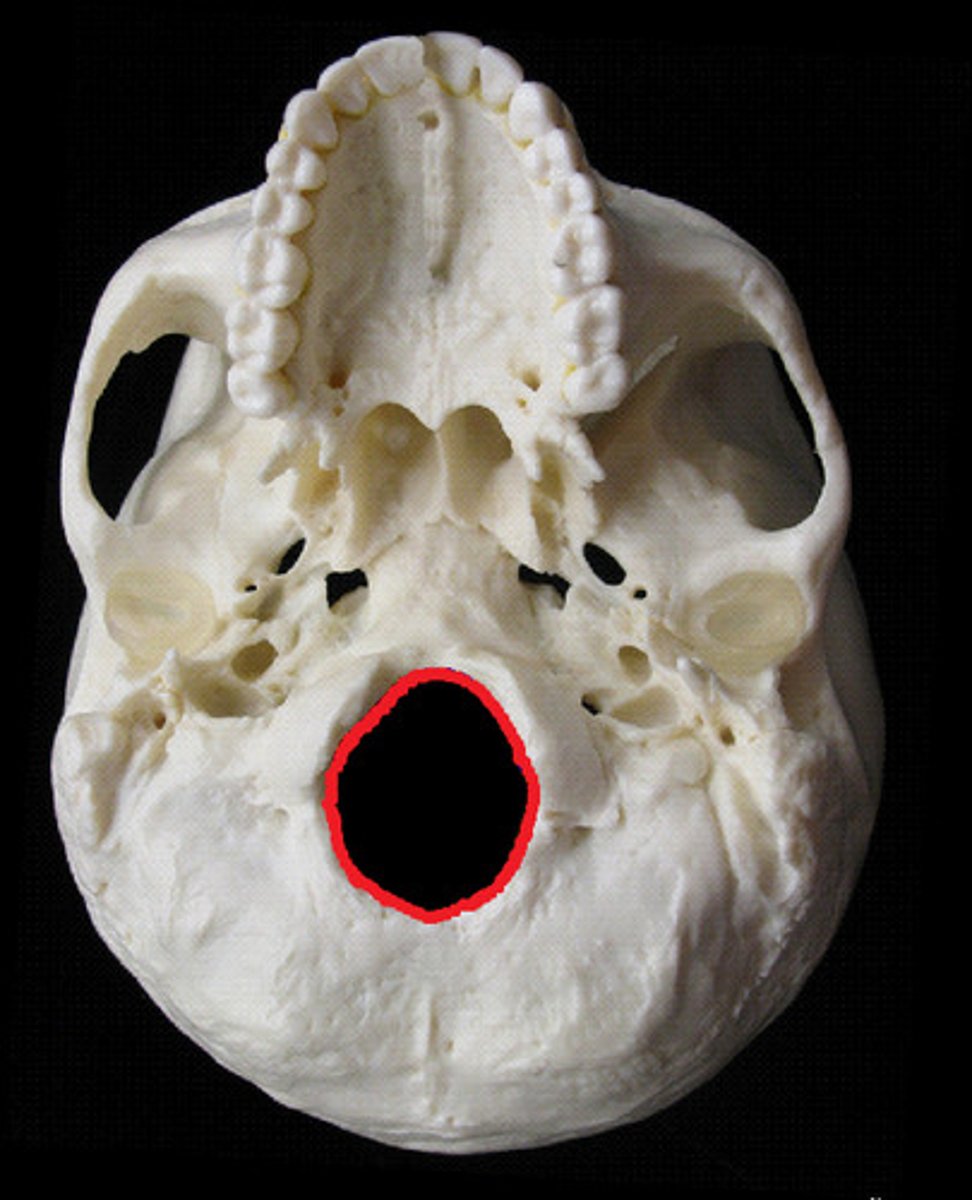
foramen
Round or oval opening through a bone (hole)
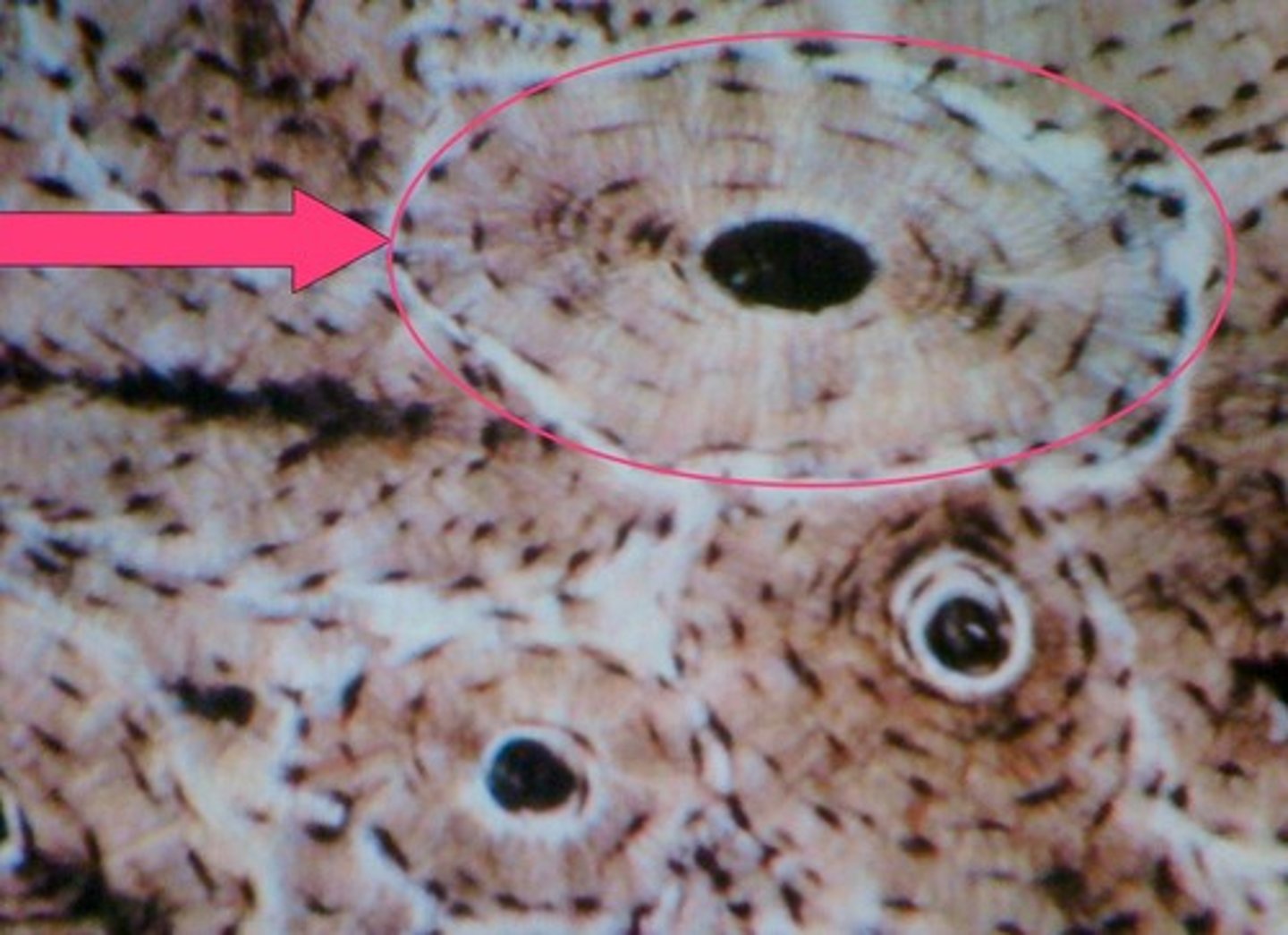
osteon
(Haversian System)
the functional and structural unit of compact bone
isotonic contraction
the change in length causes motion---- muscle tension exceeds load (resistance) and lifts muscle
isometric contraction
develops tension but DOES NOT change length--- no movement
concentric contraction
isotonic
muscle SHORTENS because tension is GREATER than resistance
eccentric contraction
isotonic
muscle LENGTHENS because tension is LESS than resistance
muscle fatigue
muscle inability to do stuff
-depletes metabolic reserves
-low pH (lactic acid)
-pain and exhaustion