Biology
 Call Kai
 Learn
 Practice Test
 Spaced Repetition
 Match
 Flashcards
 Knowt Play
1/27

28 Terms
5 characteristics of living organisms
a.Reproduce
b.Grow
c.Need energy
d.Produce Waste
e.Respond and adapt to the environment
3 major principles of cell theory
All cells are produced from other cells
All organisms are composed of one or more cells
The cells the smallest functional unit of life
Redi
Did the maggot experiment which helped him disapprove of spontaneous generation
Hooke
looked at tree bark under a microscope and the empty boxes reminded him of monks cell leading him to name cells
van Leeuwenhoek
Used single lens microscope to examine many samples.
He was the first to observe single celled organisms
Shleiden/Schwann
Shleiden: studied plants and found out that all plants are made up of cells+nuclei
Schwann: studied animals cells/tissuea and found nuclei in the cells
Pasteur
His hypothesis proved that spontaneous generation does not exist
In his other experiments he observes microbes helping his idea of biogenesis
Virchow
observed cells dividing under a microscope

Nucleus
Contains DNA
Controls all of the cells activities
Sends messages
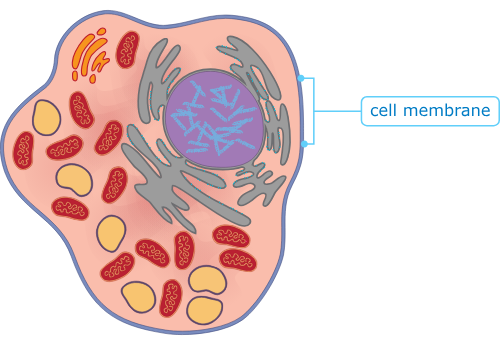
Cell Membrane
Boundary
Controls what goes in and out
Communicates with other cells and detects chemicals in the environments
Boarder

Ribosomes
Free-floating around the cell or bound to the ER
Produces protein after receiving instructions from the nucleus

Rough Endoplasmic Reticulum (ER)
Lots of ribosomes
Produces proteins

Smooth Endoplasmic Reticulum (ER)
No ribosomes
Produces lipids(fats)
Packages lipids and proteins into vesicles for transport
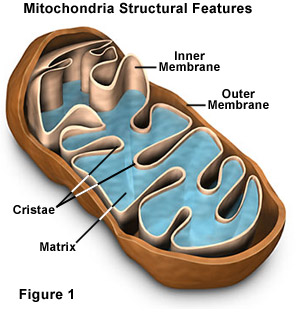
Mitochondria
Performs cellular respiration
Converts energy from food to molecules into usable energy for the cell (ATP)

Golgi Apparatus
Receives material from all over the cell
Sorts and repackages material for transport
produces lysosmes

Lysosomes
Break down materials such as food particles, harmful bacteria, and worn-out particles
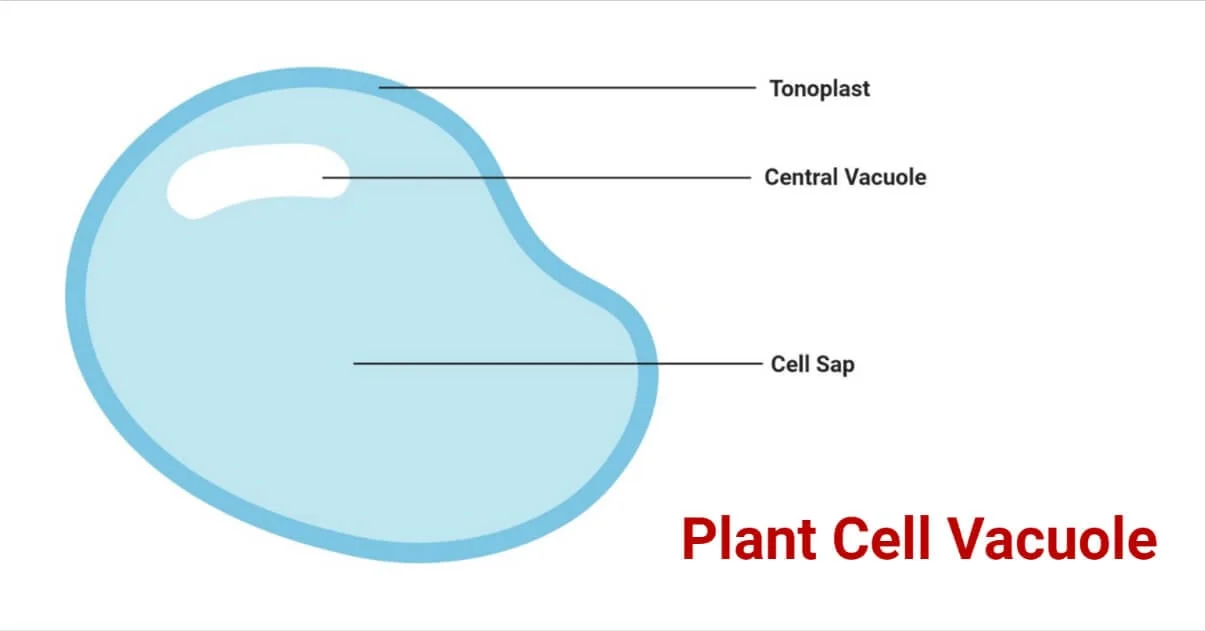
Vacuoles
Stores materials the cell doesn’t need right away(food, waste, water, etc)
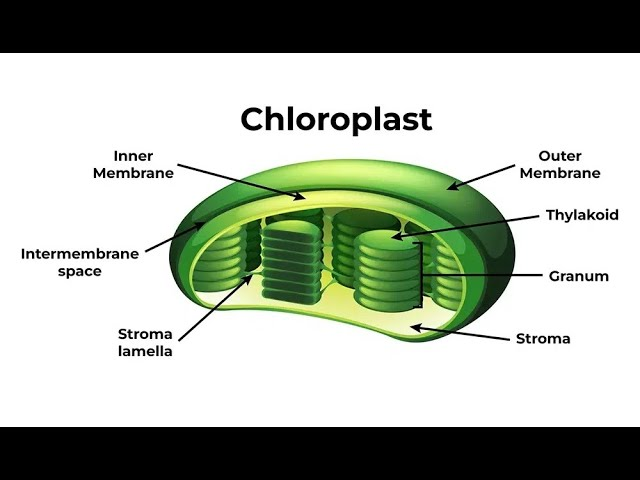
Chloroplasts
Contain chlorophyll pigment that makes them green
Produce sugar/food using photosynthesis
Only in plant cells

Cell Wall
Rigid and supportive
Supports the shape of the cell
Surrounds the cell membrane
Made of cellulose
Only in plant cells
Light vs compound microscopes
Light: similar to magnifying glass
Compound:uses two or more lenses
can magnify up to 2000x
Electron Microscopes
Use electrons to show specimens
uses a focused beam of electrons instead of light to reveal ultra-tiny details
Transmission Electron Microscopes (TEM)
fires a beam of electrons straight through an ultra-thin slice of a sample
2D images magnified up to 1 million times
Scanning Electron Microscopes (SEM)
Specimens are fixed and covered and covered with gold which reflects electrons.
the electrons bouncing off are picked forming a 3d image
3D images magnified up to 3 million times
Confocal Laser Scanning Microscope (CLSM)
Uses laser beams as its source of light
takes slices of specimen
computer puts slices together to form 3D image
Can magnify up to 1.2 million times
Scanning Tunneling Microscope
STM can be used to “see” an atom and DNA
Uses a flow of electrons to “see” the surface of the specimen
Gene Sequencing
Maps the order of a gene’s bases
Human Genome Project also have mapped yeast, mice,
fruit flies etc. to compare genes
and learn about them
Culturing Cells
Isolated cells are placed in test tubes, petri dishes, or special flasks
allowed to reproduce producing cell lines
Stem Cells
cells that divide to produce all other types of specialized cells
May have the potential to treat/cure certain diseases, grow tissues or organs