Lecture 5: biodegradation
 Call Kai
 Learn
Learn Practice Test
 Spaced Repetition
 Match
Match Flashcards
 Knowt Play
1/54

There's no tags or description
Looks like no tags are added yet.
Name | Mastery | Learn | Test | Matching | Spaced | Call with Kai | Chat |
|---|
No analytics yet
Send a link to your students to track their progress
55 Terms
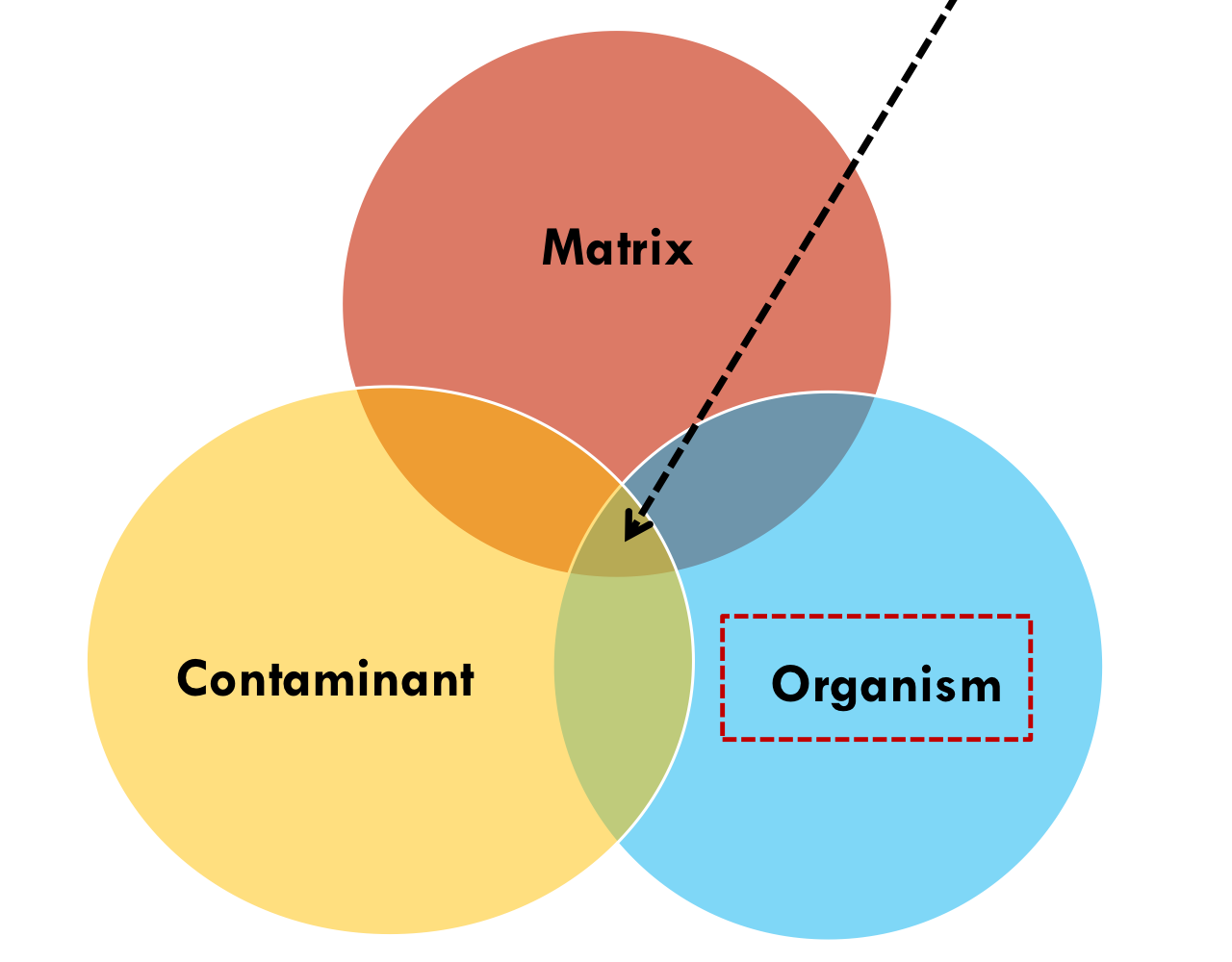
Sweet spot for bioremediation
overlab between matrix, contaminant, and organism
C + G rich microbes
arthrobacter, rhodococcus
Petroleum biodegrading psychrophiles
Rhodococcus
biotransformation
microbe transforms organic/inorganic compound into different compound
cometabolism
gratuitous metabolic transformation of substance by microbe growing on another substrate, does not use the substrate for energy or biomass
M vaccae
metabolises propane and accidentally cyclohexane (toxic) into cyclohexanol (less toxic)
pseudomonas
Consumes cometabolized cyclohexanol and makes energy
cyclohexane
nonpolar solvent in chemical industry, produces adipic acid and caprolactam both used for nylon production, is toxic
recalcitrant hydrocarbons
very complex, long Chan alkanes, complex polyaromatics, highly branched compounds, inaccessible to microbes and low solubility
tars, asphalts, oil mousse
recalcitrant hydrocarbons
subterminal alkane biodegradation
cleaves subterminal carbon in compound as first mineralization step
terminal alkane biodegradation
cleaves terminal carbon in compound as first mineralization step
Alkane mineralization step 1
oxidation of alkane to primary alcohol by mono or di oxygenase
alkane mineralization step 2
formation of fatty acid (requires o2)
alkane mineralization step 3
ß-oxidation of fatty acids to acetyl-CoA
alkane mineralization step 4
oxidation of acetyl-CoA in TCA cycle and glyoxylate shunt
complex aromatic compound biodegradation
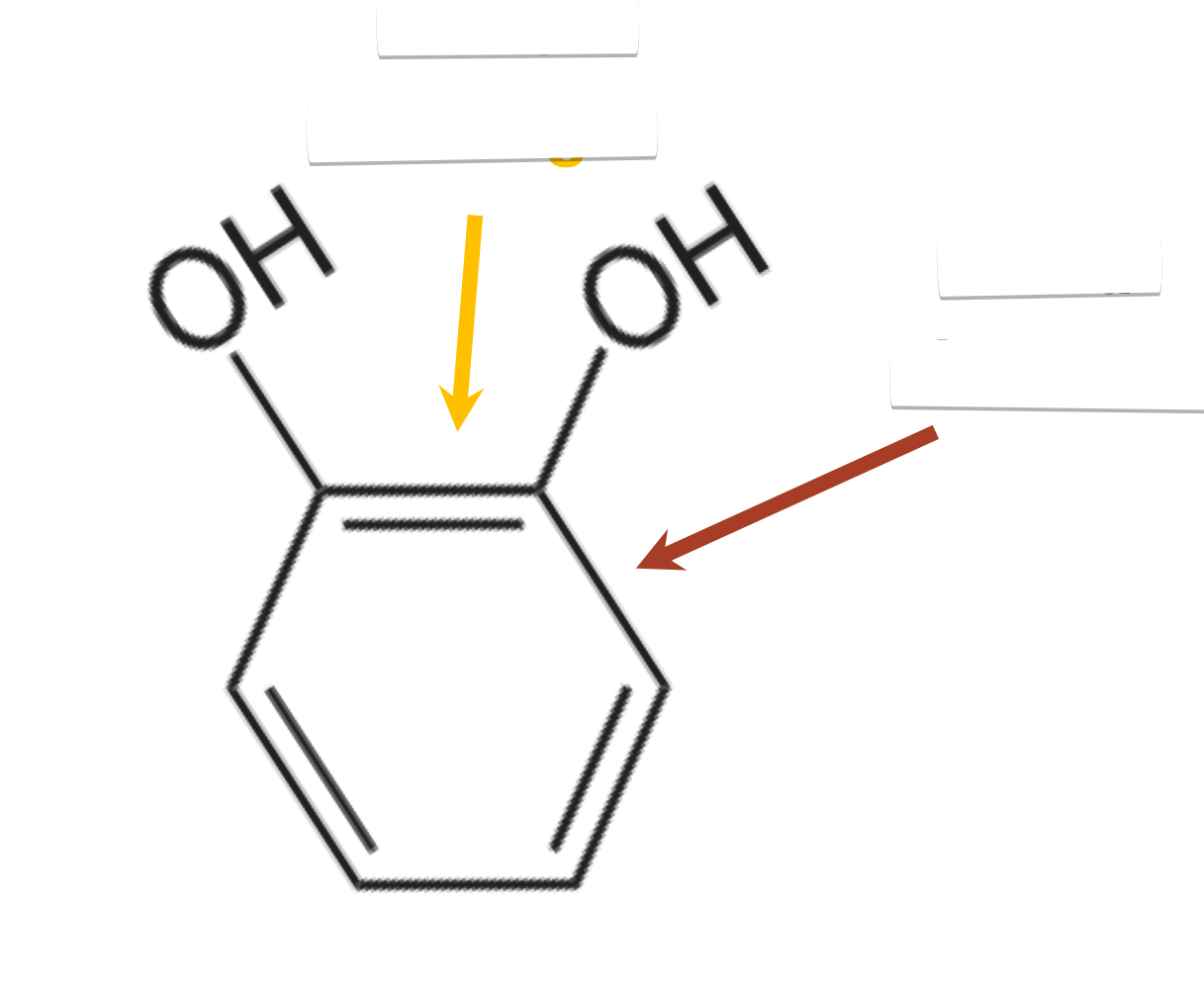
oxidezed to catechol in aerobic conditions by mono or dioxygenases then the ring is cleaved
Catechol ortho cleavage
cleaved between the two OH groups, leads to more direct pathway for use in TCA Cycle and cell
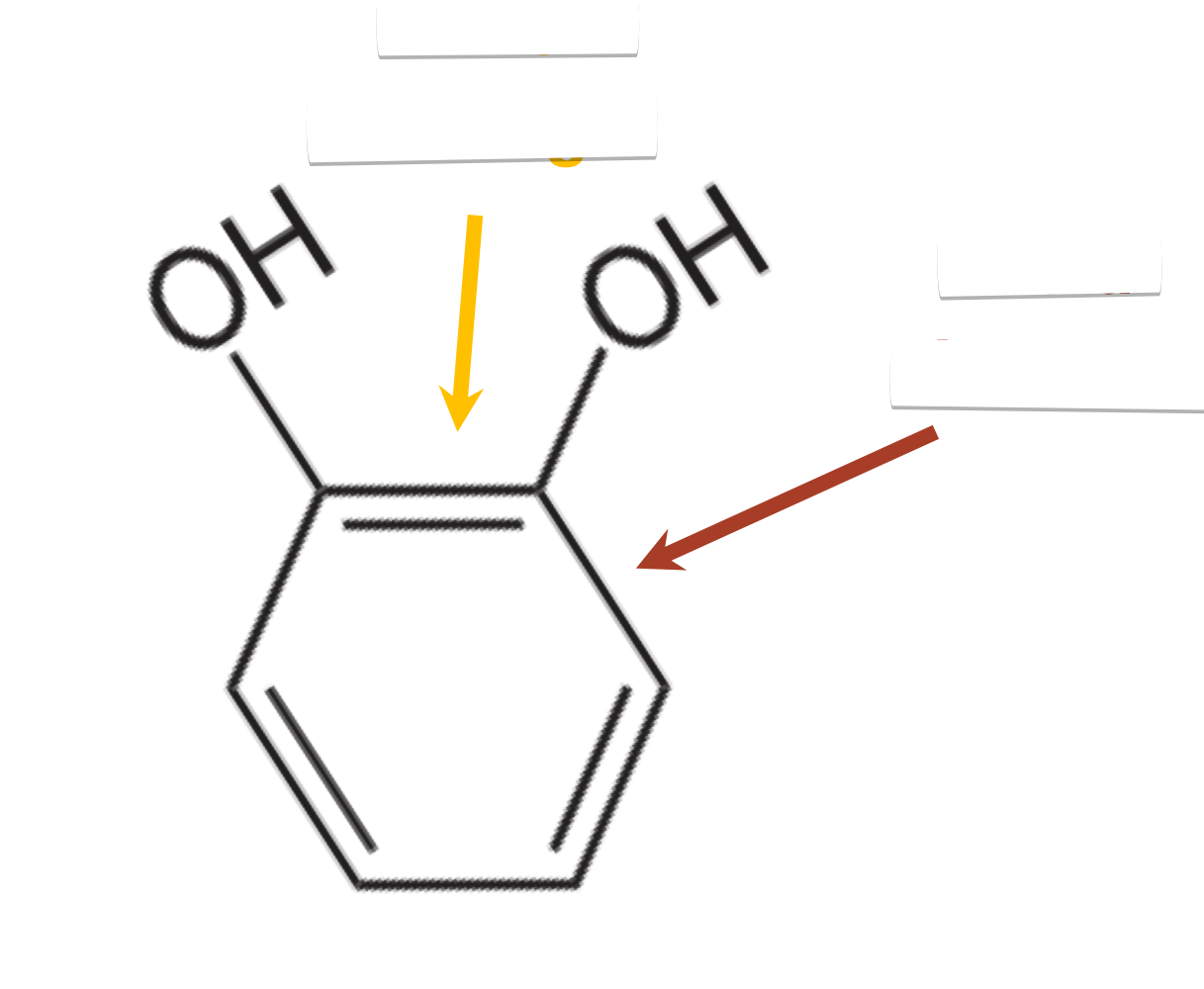
Catechol meta cleavage
cleaved beside OH group, leads to more complex degradation needed, not direct pathway to TCA cycle
Monooxygenase
one oxygen atom transferred to substrate and other reduced to water

dioxygenase
both oxygen atoms transferred to substrate

PAHs degradation by fungi
cytochrome p450/methane oxygenase make Arlene oxide then phenol and trans dihydrodiol
PAHs degradation by bacteria
dioxygenase and dehydrogenase make catechol then perform meta or ortho cleavage, making cis muronic acid or hydroxymuconic semialdehyde
PAH degradation by white rot fungi
make PAH quinone then cleave ring
fates of contaminants
water, groundwater, soil and sediment, air
bioaccumulation
increase in concentration of compound within an organism compared to environment
biomagnification
increase in tissue of an organism of a pollutant up trophic levels
xenobiotic
compounds alien to existing life, often toxic, carcinogenic, and recalcitrant
recalcitrance
compounds attacked poorly or not at all by microbial enzymes because of molecular complexity
oligomerization examples
cellulose, polystyrene, plastics
halogen substitution
H replaced by chlorine, fluorine, bromine
other substitution
H replaced by nitro-sulfa groups
branched molecules
alkylated molecules
large molecules
to large to fit into enzyme pockets and are less soluble in water and less bio available
aeration of soil
stimulates denitrification of soil because O2 terminal electron receptor, often rate limiting compound for petroleum degradation
aeration strategies
tilling, adding bulking agent, venting aquifers
Anaerobic conditions for bioremediation
BTEX, PAH, halogenated organic compounds, allows reductive de chlorination
reductive dechlorination
substitution of Cl with H in anaerobic environment, because the halogenated hydrocarbon is serving as terminal electron acceptor
pH bioremediation strategies
add lime to acidic soil to raise pH
psychrophiles
0-20 optimum is under 20
psychrotroph
0-35 optimum is greater than 20
mesophiles
10-50, 40 degree optimum
thermophiles
50-110 optimum is less than 65
Q10 value
temperature coefficient, a 10 degree change can increase or decrease enzyme activity two fold
soil moisture content
% water, amount of water in the soil is dry weight/wet weight
water activity (Aw)
Water available for biological use
water holding capacity
amount of water soil can hold before saturation
soil moisture bioremediation strategies
Optimal aerobic is 60-80%, for hydrocarbon degradation 30-90%
anoxic soil
waterlogged, can decrease with gypsum or bulking agents like alfalfa
non contaminated environment limiting nutrient
carbon
contaminated environment limiting nutrient
N and P
20:1
carbon to nitrogen ratio for bacteria
50:1
carbon to phosphorus ration for bacteria
nutrient supply bioremediation strategies
add NO3 or NH4
oleophilic fertilizers
used in aqueous systems, hydrophobic with N and P and remain associate with oil contaminant