Module 2: Social Determinants and Inequities in Healthcare
 Call Kai
 Learn
Learn Practice Test
 Spaced Repetition
 Match
Match Flashcards
 Knowt Play
1/66

There's no tags or description
Looks like no tags are added yet.
Name | Mastery | Learn | Test | Matching | Spaced | Call with Kai |
|---|
No analytics yet
Send a link to your students to track their progress
67 Terms
ALL ARE TRUE
All of the following are true except?
A. Oral health does not happen in isolation/vaccuum
B. Oral health exists in a continuum
C. Oral health is influenced by the values and attributes of individuals and communities
D. Oral health is a complex mix of biological, cultural, social, economic, and psychological factors
E. Oral health is influenced by experiences, perception, expectations, and ability to adapt to circumstances
Social determinants of health
Define the following:
The conditions in which people are born, grow, work, live, and age and the wider set of forces and systems shaping the conditions of daily life
- Education access and quality
- Health care and quality
- Neighborhood and built environment
- Social and community context
- Economic stability
According to the healthy people of 2030 study, what five categories are included in the social determinants of health?
1. Social determinants
2. Familial determinants
3. Individual determinants
What are the three factors affecting access to care?
Social determinants
Which type of determinant affecting access to care is represented by each of the following?
- Social structure
- Employment situation
- Political system
- Health care system
- Educational system
- Public policies
- Economic system
- Public health infrastructure
- Social inequalities
- Physical environment
- Social norms
Familial determinants
Which type of determinant affecting access to care is represented by each of the following?
- Culture
- Behaviors
- Family structure
- Family health status
- Family norms
- Socioeconomic Status (SES)
Individual determinants
Which type of determinant affecting access to care is represented by each of the following?
- Diabetes
- Smoking
- Sex
- Stress
- Oral hygiene
- Use of dental services
- Socioeconomic Status (SES)
Social and economic factors (55%)
What is the largest factor that impacts health outcomes?
20%
Healthcare services, including medical and dental care, contribute about _____% to overall health outcomes
True
T/F: The strongest predictor of health is a person's position on the "class pyramid" (socioeconomic status)
True
T/F: People with a lower socioeconomic status face worse health outcomes
No
Does medicare cover dental?
>10 miles
A food desert is defined as ______ miles from a food store
D) Early arrivals (typically late arrivals)
Without reliable and affordable access to transportation, older adults face all of the following, EXCEPT:
A) Missed appointments
B) Have limited access to healthy food options
C) Experience social isolation
D) Early arrivals
E) Delayed dental care
High health literacy
If patients can do all of the following, what would you expect their health literacy to be like?
- Engage with their dentists as partners and ask questions about their treatment plans
- Make informed choices
- Effectively manage their oral health conditions
- Improve their satisfaction with their dental services
True
T/F: Stress leads to grinding, mouth ulcers, gum disease
True
T/F: Oral problems lead to social isolation and loneliness
Strong
There is a (strong/weak) association between tooth loss and cognitive impairment and dementia
Isolation
All of the following are factors that increase the risk of ___________:
- Being 80+
- Major life events
- Living alone
- Health issues
- Disabilities, and sensory impairments
- Pain
- Poor oral health
- Social changes
- Financial constraints
Chronic stress
(Work can provide a sense of purpose)
All of the following are causes of what?
Changes in Health and Physical Ability:
- Deteriorating health
- Cognitive decline and mental health issues -depression
- Decreased vision, hearing, mobility
- Increased difficulty with ADLs + IADLs
Social Isolation:
- Losing a spouse, friends, pets
Loss of independence:
- Inability to drive safely
- Lack of transportation
Loss of purpose:
- Losing the feeling of being needed
- Losing a position in your community
- Involuntary or forced retirement
Chronic stress
All of the following are causes of what?
- Financial concerns/housing and food insecurities
- Discrimination
- Elder abuse
- Lack of insurance
Chronic stress
All of the following are consequences of _____?
- Elevated cortisol levels
- High blood pressure
- Lowered metabolism
- Increased inflammation
- Cause dental problems
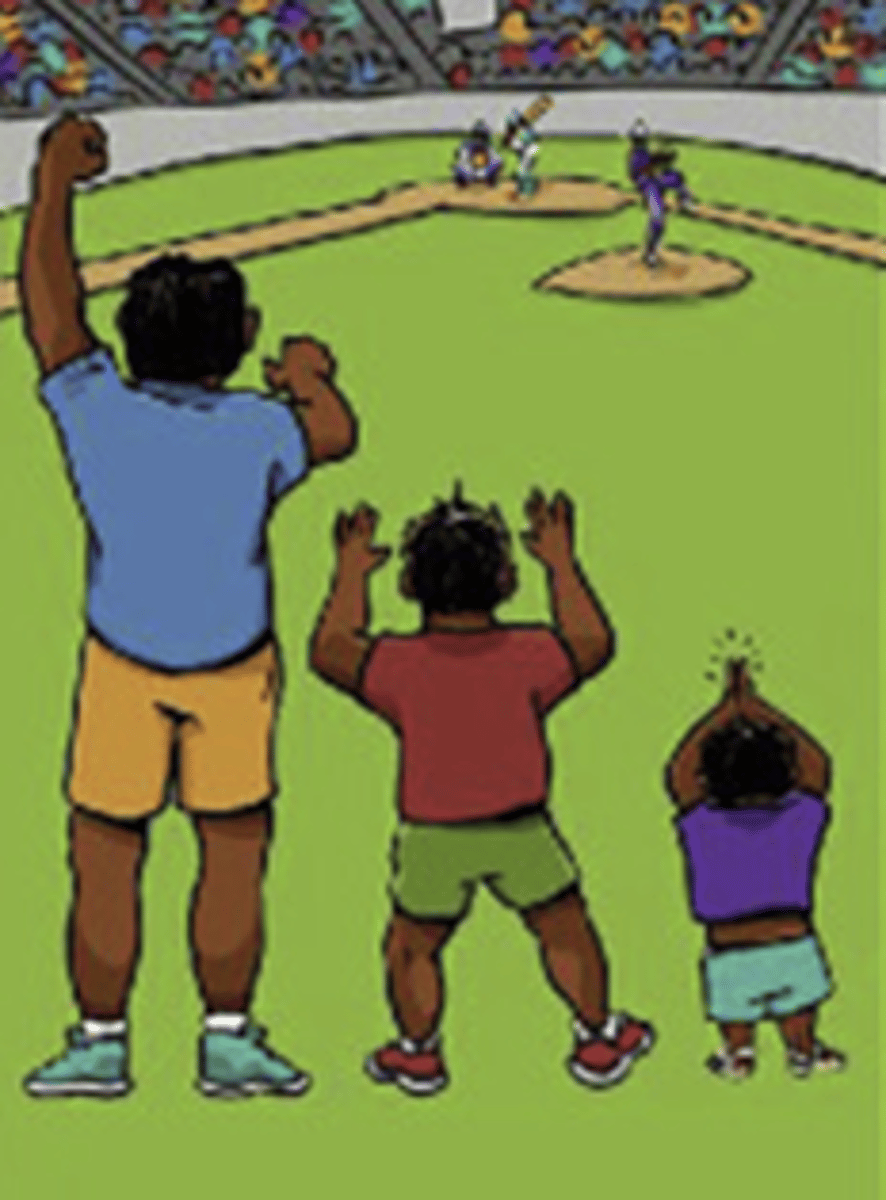
Equality
What does this image show: equality, equity, or social justice?
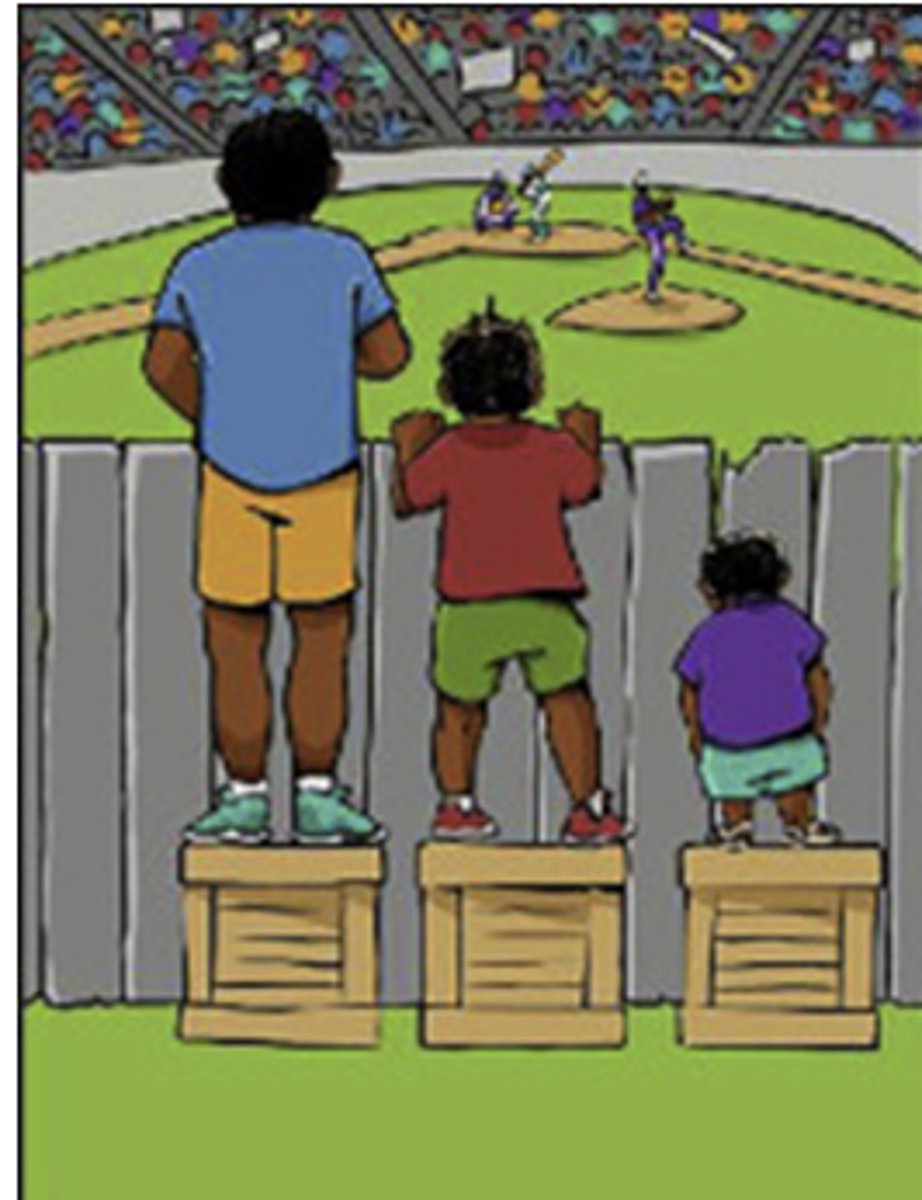
Equity
What does this image show: equality, equity, or social justice?
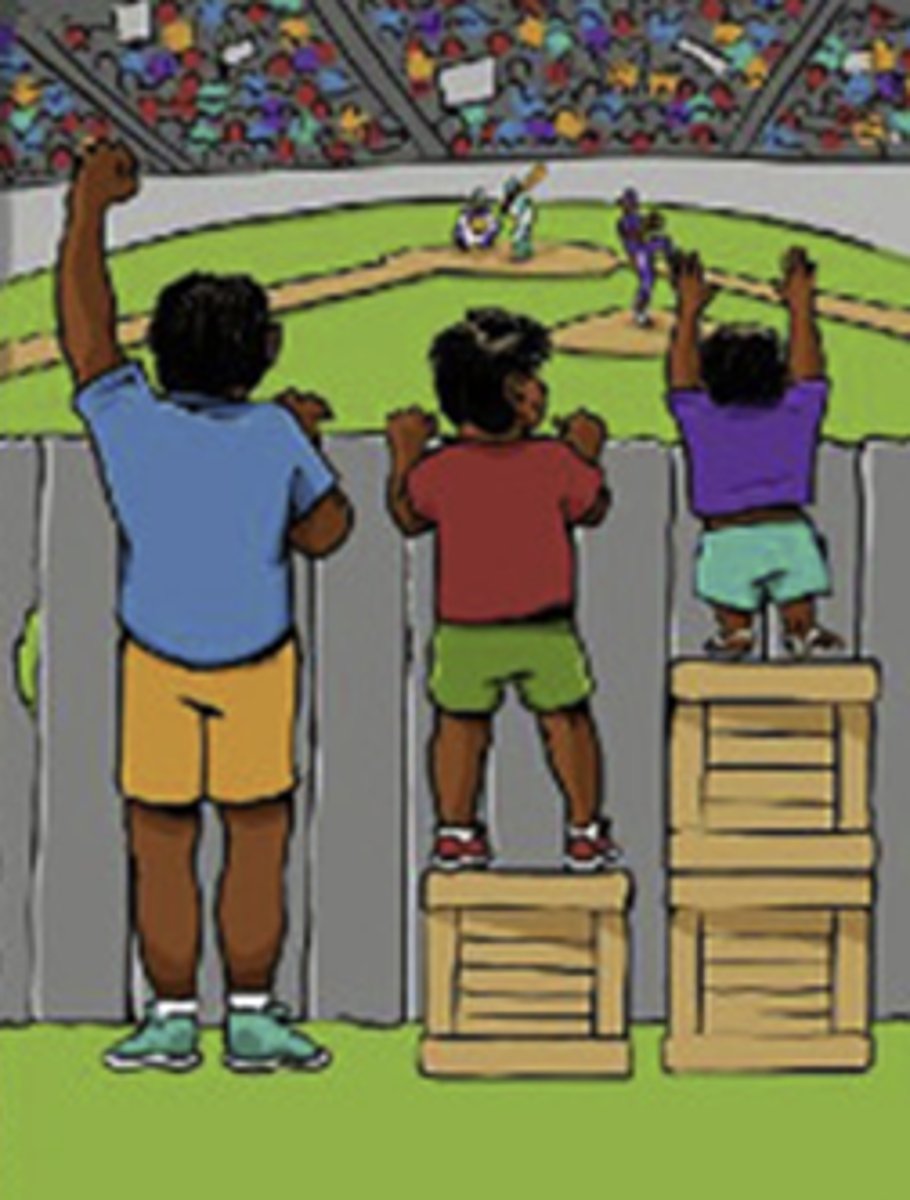
Social justice
What does this image show: equality, equity, or social justice?
Equality
Define the following:
Everyone receives the same resources or opportunities, regardless of their needs.
Equity
Define the following:
Resources are distributed based on individual needs so everyone has a fair opportunity to achieve the same outcome.
Social justice
Define the following:
The underlying barriers are removed so equitable access exists without extra accommodations.
- Disparity (a difference in disease prevalence or burden)
- Unjust/maldistribution of resources
What two things make up inequity?
Social determinants of health
Health inequities are driven by what?
Oral health disparities
What type of health disparities are the biggest type of health disparity in the US?
Increase
As the US population ages and becomes more diverse, oral health disparities in older adults will _________
True
T/F: In the United States insurance is tied to employment and Medicare does not cover dental care, older adults are more likely to be uninsured and underinsured and less likely to receive timely care.
A. Hispanic (17.9%)
Which demographic is considered to have the highest percentage of poverty in ages 65+?
A. Hispanic
B. Asian
C. White
D. American Indian/Alaska Native
E. Black
Patient
Is this considered a patient barrier to oral health or a dentist barrier to oral health?
- Cost and lack of insurance (including direct and indirect cost of dental treatment)
Patient
Is this considered a patient barrier to oral health or a dentist barrier to oral health?
- Lack of transportation
Patient
Is this considered a patient barrier to oral health or a dentist barrier to oral health?
- Provider distribution
Patient
Is this considered a patient barrier to oral health or a dentist barrier to oral health?
- Access
Patient
Is this considered a patient barrier to oral health or a dentist barrier to oral health?
- Fear and anxiety
Patient
Is this considered a patient barrier to oral health or a dentist barrier to oral health?
- Oral health literacy and health beliefs
Patient
Is this considered a patient barrier to oral health or a dentist barrier to oral health?
- Cultural practices
Dentist
Is this considered a patient barrier to oral health or a dentist barrier to oral health?
- Reimbursement
Dentist
Is this considered a patient barrier to oral health or a dentist barrier to oral health?
- Time
Dentist
Is this considered a patient barrier to oral health or a dentist barrier to oral health?
- Poor office design
Dentist
Is this considered a patient barrier to oral health or a dentist barrier to oral health?
- Inadequate training
Dentist
Is this considered a patient barrier to oral health or a dentist barrier to oral health?
- Lack of cultural competence
Cost
(Dental care has the highest cost barriers compared to other healthcare services)
What is the number 1 barrier to dental care?
65%
What percent of medicare beneficiaries do not have dental coverage?
Medicare
Which program is being described: medicare or medicaid?
- Administered federally
- Same program nationwide
Medicare
Which program is being described: medicare or medicaid?
- Insurance
Medicare
Which program is being described: medicare or medicaid?
- Eligibility: 65 and over or disabled regardless of income
Medicare
Which program is being described: medicare or medicaid?
- Covers hospital part A, hospital part B and prescription drugs part D
Medicare
Which program is being described: medicare or medicaid?
- Does not cover dental
Medicaid
Which program is being described: medicare or medicaid?
- Administered federally and by state
- Varies from state to state
Medicaid
Which program is being described: medicare or medicaid?
- Eligibility: low income regardless of age
Medicaid
Which program is being described: medicare or medicaid?
- Covers basic healthcare, long term care, home health services
Medicaid
Which program is being described: medicare or medicaid?
- Uniform dental benefits for children but adult benefits vary by state
False; Medicare is considered insurance, medicaid is considered assistance
T/F: Medicare and medicaid are both considered insurance
Low income
(Low/high) income adults aged 65 or older are more often seen with untreated tooth decay
A. Mexican-American
Which demographic is more commonly seen with untreated tooth decay in adults aged 65 and older?
A. Mexican-American
B. Non-hispanic black
C. Non-hispanic white
3 in 5
_____ in 5 older adults have periodontal disease
- Men
- Non-hispanic blacks
- Mexican-Americans
- Low income
where do you see a higher prevalence in adults aged 65 and older with any periodontal disease? (4) (think income, demographic, gender, etc)
True
T/F: More older adults are keeping enough natural teeth for normal function than they were 20 years earlier
True (The non-poor improved at a faster rate compared to the poor)
T/F: When examining functional natural dentition (≥21 teeth), non-poor older adults experienced substantially greater improvements over time than poor older adults, resulting in a widening socioeconomic disparity in tooth retention.
Disparity has doubled in the past 2 decades
How has functional dentition in >21 teeth among adults aged 65 and older in the US changed between the poor and non-poor between 1988-1994 to 2009-2014?
- Expand Medicaid and Medicare Part B Coverage
- Prioritize Prevention
- Nontraditional Settings
- Diverse Workforce Development
What are four potential paths to break barriers for older adults and expand oral health care access?
1. Efficient patient triage
2. Improves accessibility
3. Cost-effective alternative
What are the three benefits of teledentistry?