data analysis midterm
 Call Kai
 Learn
Learn Practice Test
 Spaced Repetition
 Match
Match Flashcards
 Knowt Play
1/29

There's no tags or description
Looks like no tags are added yet.
Name | Mastery | Learn | Test | Matching | Spaced | Call with Kai |
|---|
No analytics yet
Send a link to your students to track their progress
30 Terms
how to identify research questions
specific events → general patterns (greater applicability)
hypothesis
theory-based statement about what we would expect to observe if our theory is correct
how to develop theories
examine previous research on the topic
what other causes of DV did previous research miss
can their theory be applied elsewhere
hypothesis testing
measurement of variables
data collection
data analysos
judge whether the results favor hypothesis or null hypothesis
types of causality
deterministic: if x occurs, then y will occur
probabilistic (focus of social sciences): increases in x are associated w increases/decreases in the probability of y occurring
steps to establish causal relationship
develop credible causal mechanism linking x to y (how does x cause y? what is it specifically abt increases in x that will likely lead to increases/decreases in y?)
consider possibility that y causes x
think of any other causes of y
evaluate if x and y covary even after controlling for other causes (z) (if not, the rltshp btwn x and y is spurious)
planning data analysis
research design (experiment or observational) → setup (cross-sectional or time series) → measurement (reliability and validity)
research design
strategies to test the suggested causal relationship btwn IV and DV
types of research design
experimental: control/treatment group; can control for confounding variables
observational: no control over IV; can still lead to informed evaluations of causality when accounting for reverse causality and confounding variables
types of observational studies
cross-sectional: focus on variation btwn individuals or spatial units in the DV
time-series: comparison over time w/i a single unit
operationalization
process of translating an abstract concept into an observable measure
qualities of a good measure
reliability (consistency): applying the measurement to the same case will produce identical results (consistent responses from the same respondents regardless of when or how the question is asked)
validity: the measure accurately represents the concept
types of variables by measurement metric
categorical: variables that take a set of fixed and known values
nominal: categorical variables with NO ranking distinctions (ex. religious identification, regime type)
ordinal: variables w/ values that can be ordered (ex. likert scale: strongly disagree - disagree ...)
continuous: variables that can take on any value w/i a certain range
equal-unit difference; one-unit increase in the value always means the same thing (ex. age in years)
frequency table
table showing the values the variable takes and the number of time each value appears in the variable
descriptive statistics
numerical summary of main traits of the distribution of the data
measure of central tendency
typical values for a variable at the center of its distribution
mean
median
mean (aka expected value)
of a non-binary variable: average
of a binary variable: proportion of the value 1
zero-sum property: sum of the difference btwn each observation and mean is equal to 0
measure of spread
summarizes amt of variation of distribution relative to its center
variance: [sum of (y1-mean)²]/2
sd: sqrt of variance
![<p>summarizes amt of variation of distribution relative to its center</p><ul><li><p>variance: [sum of (y1-mean)²]/2</p></li><li><p>sd: sqrt of variance</p></li></ul><p></p>](https://assets.knowt.com/user-attachments/c80a9a98-7336-4db3-8957-f00de09d5794.png)
visualizing data
categorical variable: bar graph
continuous variable: box and whiskers
iqr = q3-q1
outliers
why probability plays an important role in inferential statistics
tells us how we generalize from sample to population and helps us decide whether the relationships in the sample occured by chance
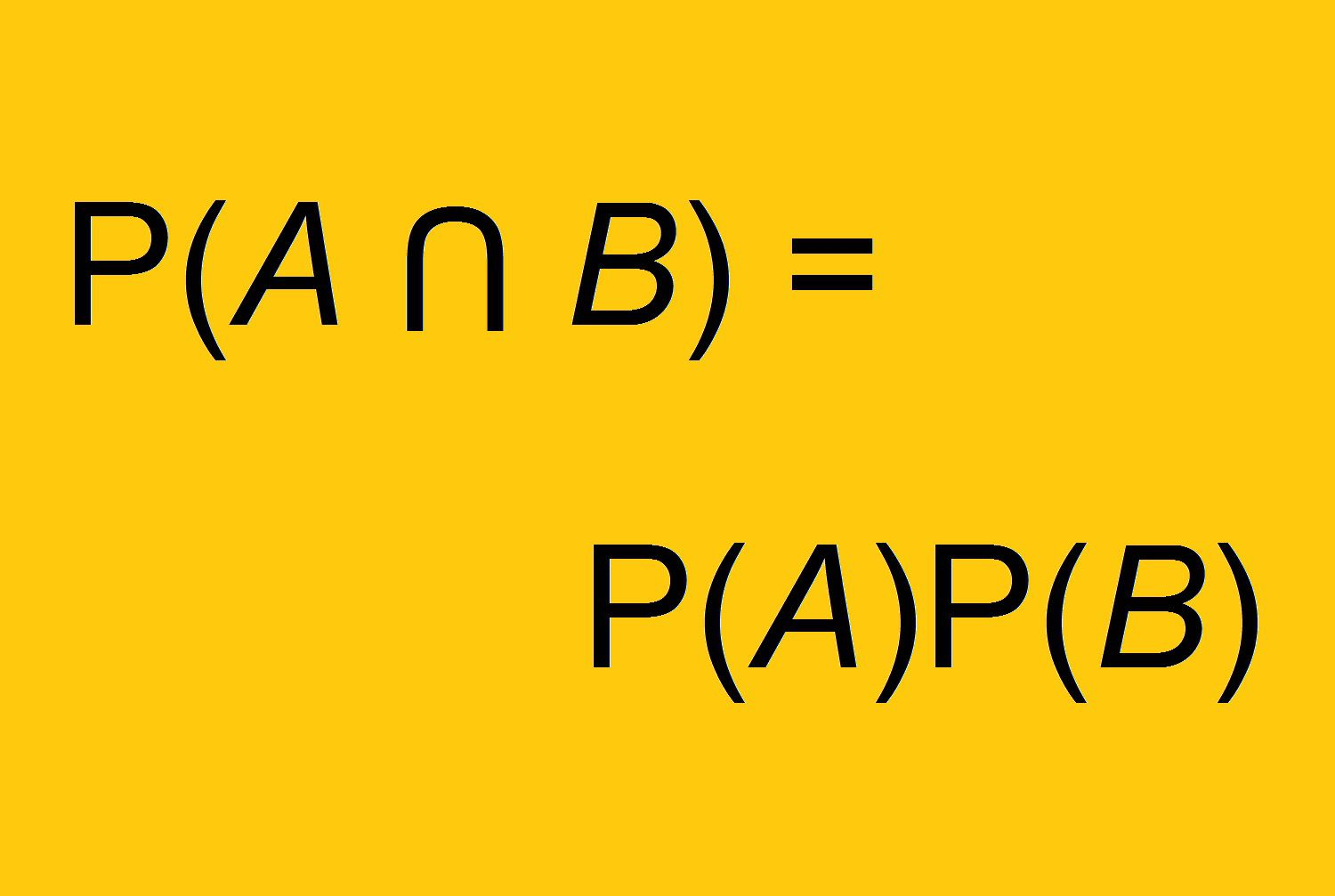
multiplication law for independent events
probability distribution
list of outcomes and their associated probabilities
discrete propability function
probability that x can take a SPECIFIC value, a, is p(a): P[X=a] = p(a)
p(x) is non-negative for all real x
sum of pj = 1 where j is all possible values that x can have
0 <= p(x) <= 1
continuois propability distribution
when a variable is continous, its probability distribution will be a smooth continuous curve
probabilities are measures over an interval of values, not single point (ex. p(-1<x<1) instead of p(x=1))
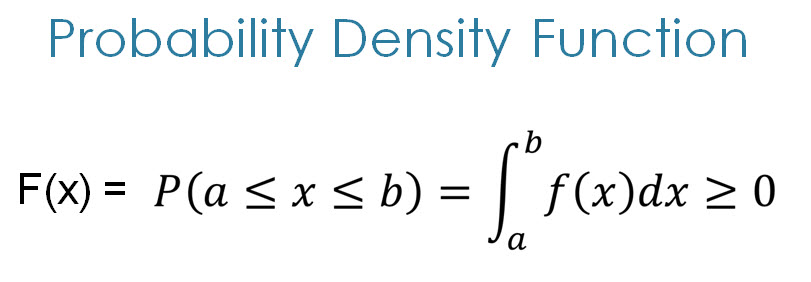
continuous probability function
f(x) is non-negative for all real x
normal distribution
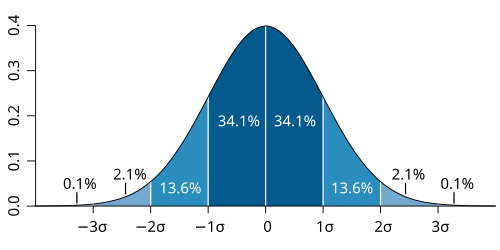
N(u, o²)
mean = median = mode
68% of data = mean +- 1SD
95% of data = mean +- 2SD
99.7% of data = mean +- 3SD
z-score
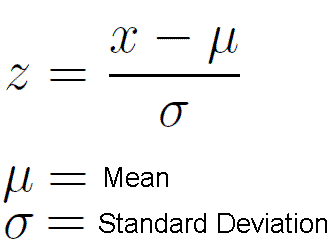
how likely it is to get an observed value given that the data follows a normal distribution
useful bc it converts any normal dist. into the standard normal N(0,1), making values across different distributions directly comparable
sampling distribution
probability distribution of a statistic drawn from repeated sampling
sampling distribution of sample mean
mean of distribution = population mean
SD of distribution (standard error) is population SD/sqrt of n (sample size)
normal dist
variance of distribution = (popuilation SF)² / n
but we don’t know the population SD, so we estimate it using s (sample SD)
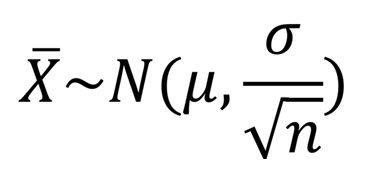
central limit theorem
for random sampling w n >= 30, the sampling distribution of the sample mean is approximately normal, regardless of the population data’s distribution shape
useful bc we can still use characteristics of normal distribution for the mean’s distribution to build confidence intervals and perform significance tests even when population distribution is skewed.