Lecture 3: Immunodeficiencies & Monoclonal Antibody Technology
 Call Kai
 Learn
Learn Practice Test
 Spaced Repetition
 Match
Match Flashcards
 Knowt Play
1/11

Earn XP
Description and Tags
Week 2 - Dr. Thomas - 641
Name | Mastery | Learn | Test | Matching | Spaced | Call with Kai |
|---|
No analytics yet
Send a link to your students to track their progress
12 Terms
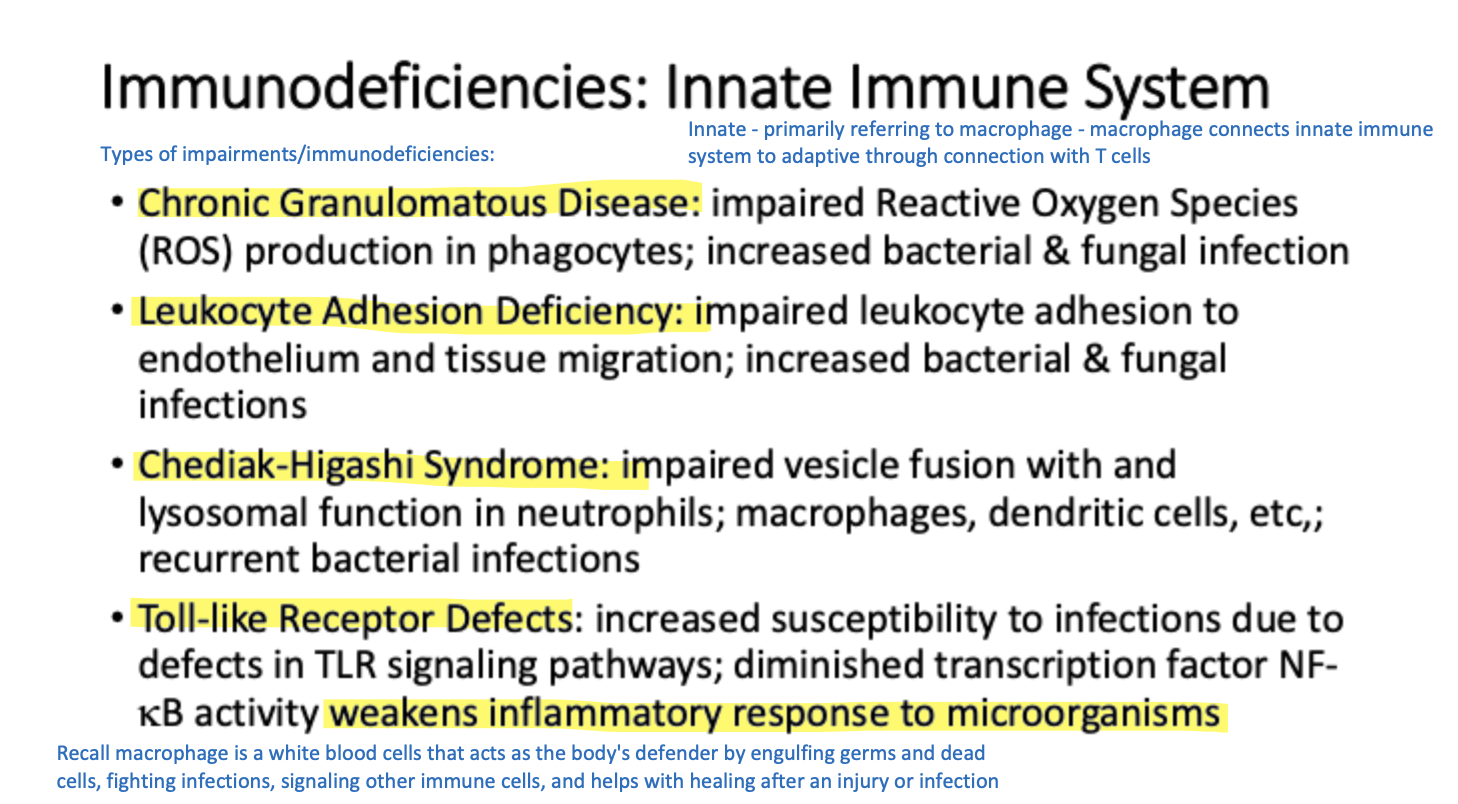
Immunodeficiencies: Innate Immune System
Immunodeficiencies: Adaptive Immune
System
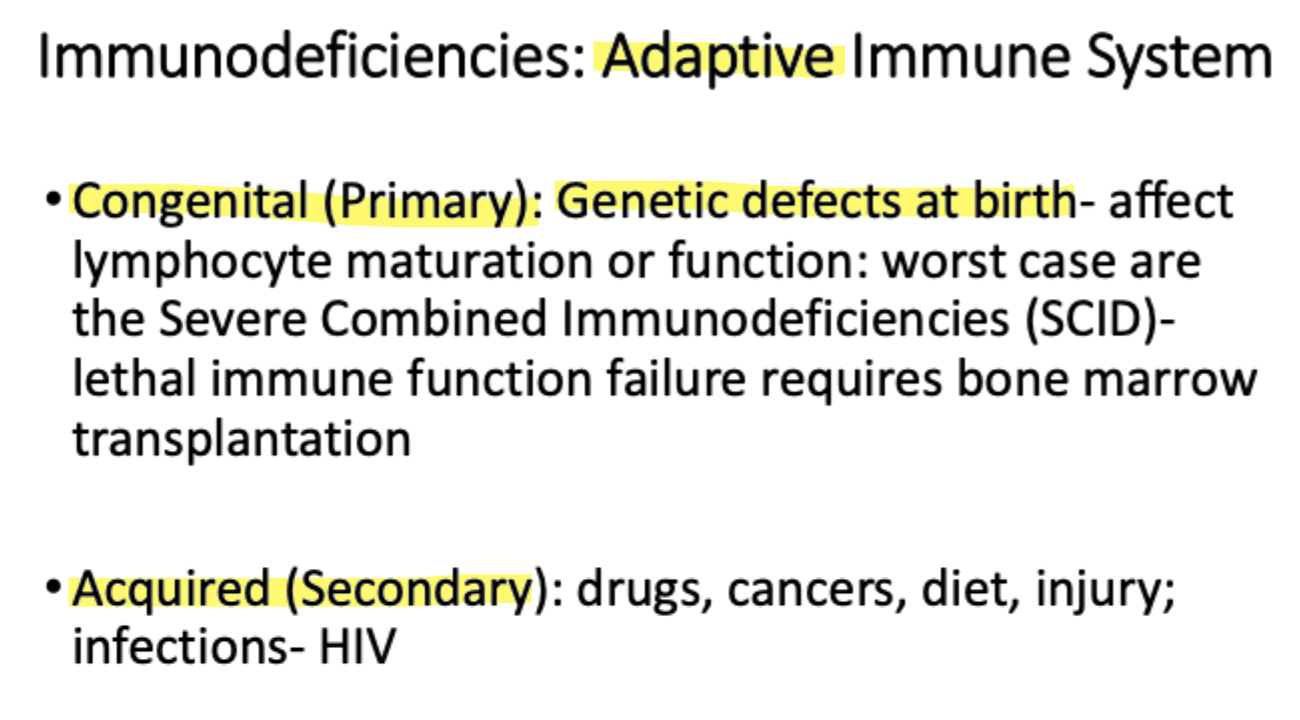
Congenital Immunodeficiencies: Lymphocyte
Maturation
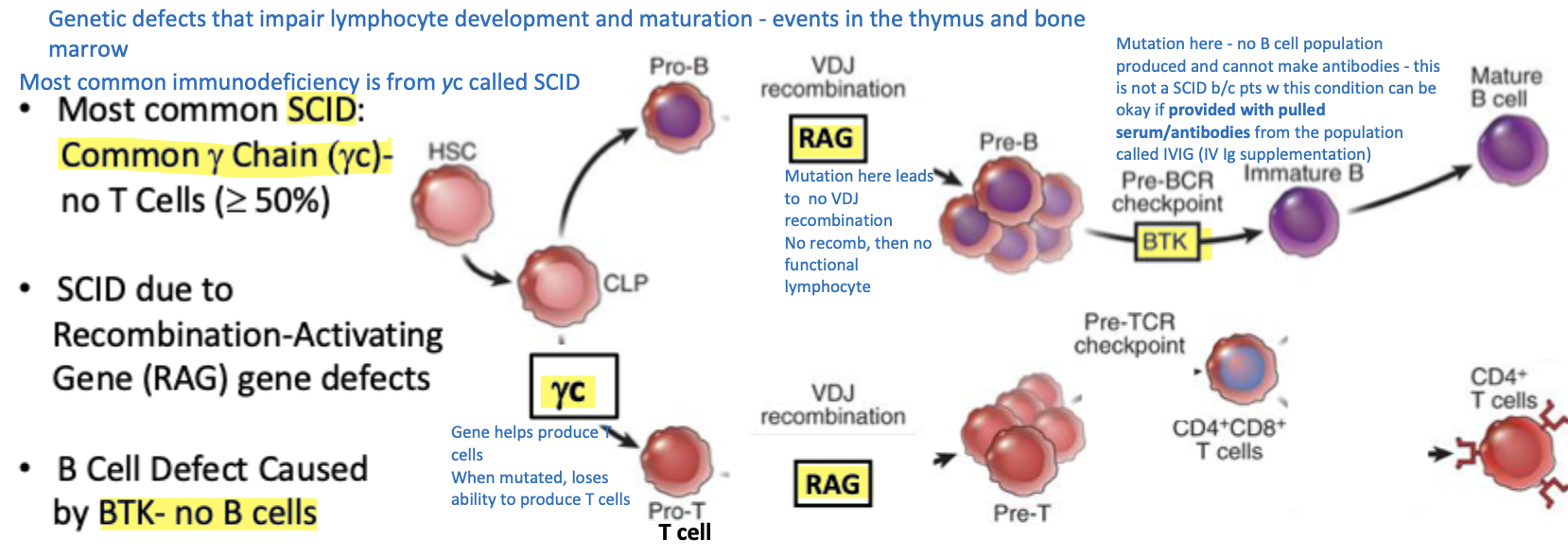
Congenital Immunodeficiencies: Defects in Lymphocyte Maturation
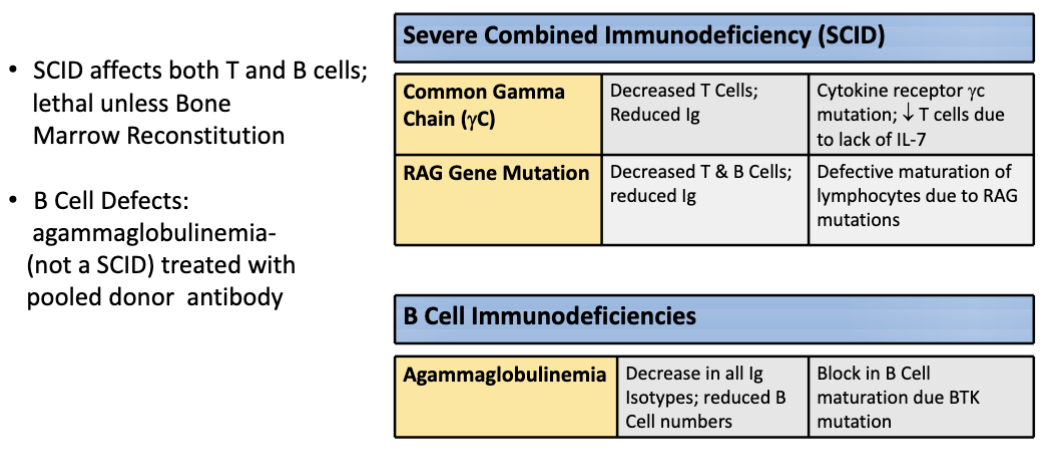
SCID require bone marrow transplantation
Common gamma chain - lack of IL-7
Congenital Immunodeficiency Due to Defects in Lymphocyte Function
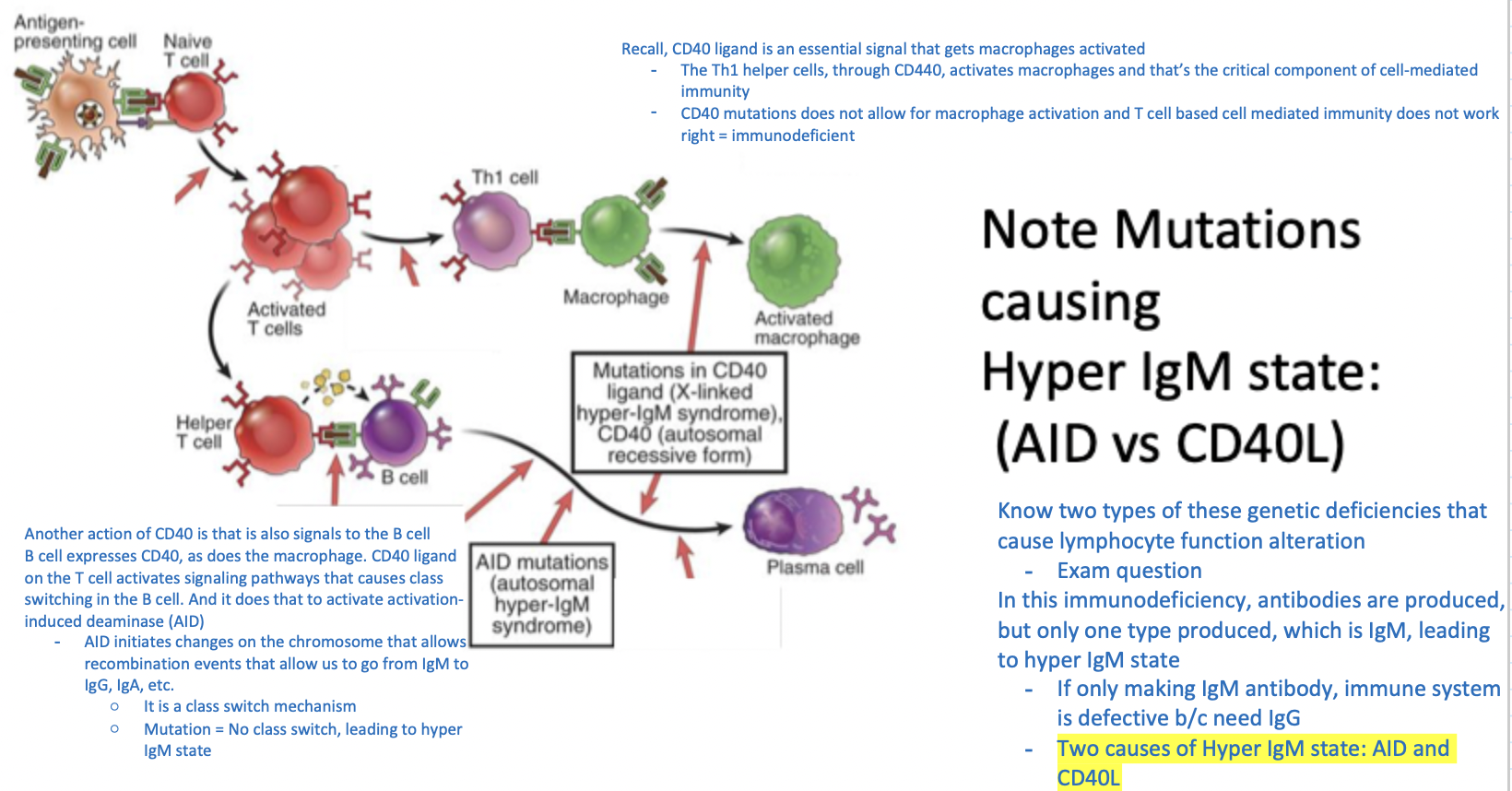
AID - activation induced deaminase
Th1 cell + CD40L - activates macrophages and signals to the B cell, which activates AID
understand what AIDs function is
activation-induced deaminase is induced in B cells and helps mediate class switching recombination and somatic hypermutation after CD40 binds CD40L
understand CD40L mutation, this is more severe
No class switching, B cells stay stuck in making IgM
Poor macrophage activation = opportunistic infections
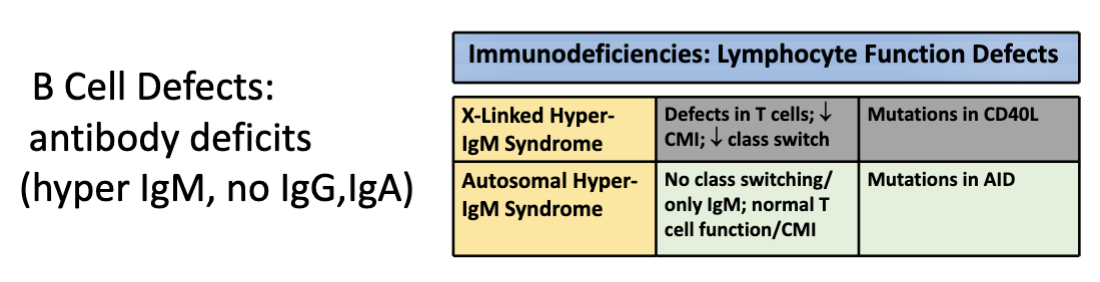
CD40 is rare and is X-linked, so primarily in males
Acquired (Secondary) Immunodeficiencies
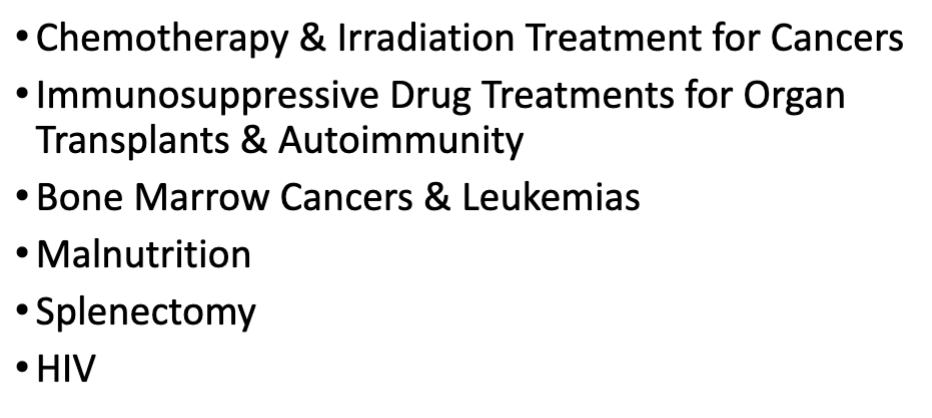
HIV infection causes immunodeficiency by attacking host immune cells
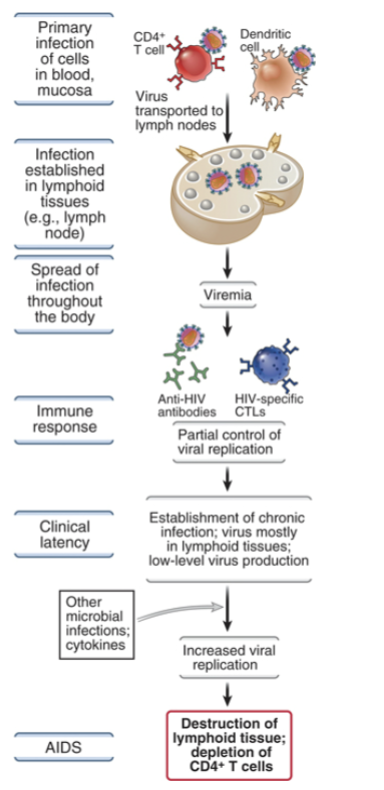
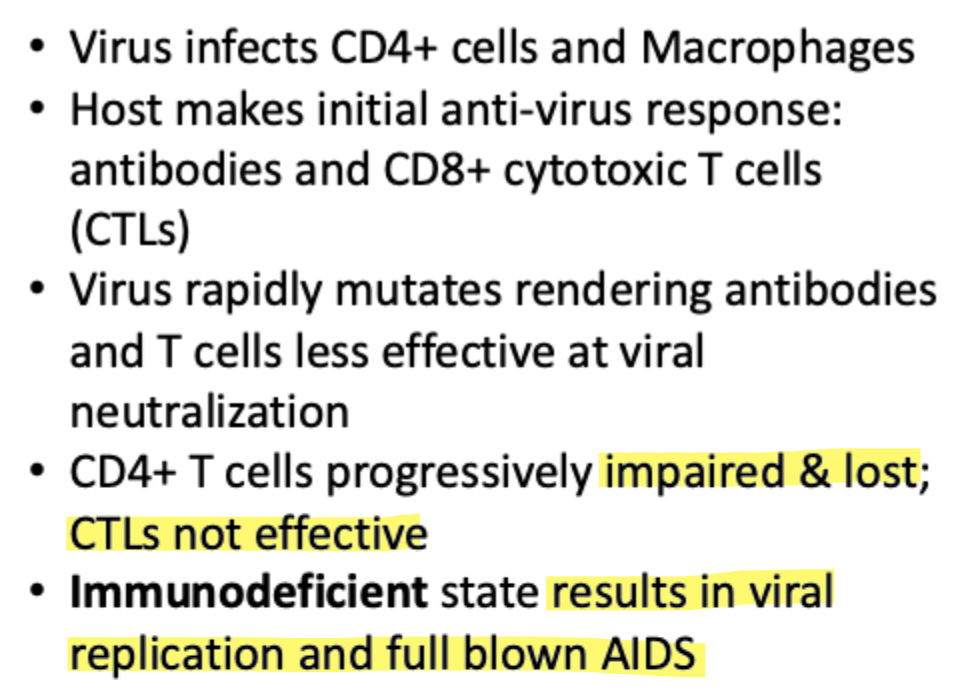
when host is first exposed, virus dragged to lymph notes, experience a viremia
virus, being a retro-virus, starts to rotate and mutates, making it harder to eradicate - sits in lymph nodes and avoids immune detection
retro-virus is an RNA virus that replicates by converting its RNA into DNA inside the host cell. The defining feature is the enzyme reverse transcriptase which performs RNA → DNA
"holy grail" to treating HIV is to figure out how to get the cytotoxic T cell to kill the virus, and the to kill the virus-infected cells - only way to eradicate the virus
Ppl infected w HIV have to have CD4 counts to ensure those numbers are no dropping even more; CD4 drop is hallmark feature of HIV = kills CD4+ T cells
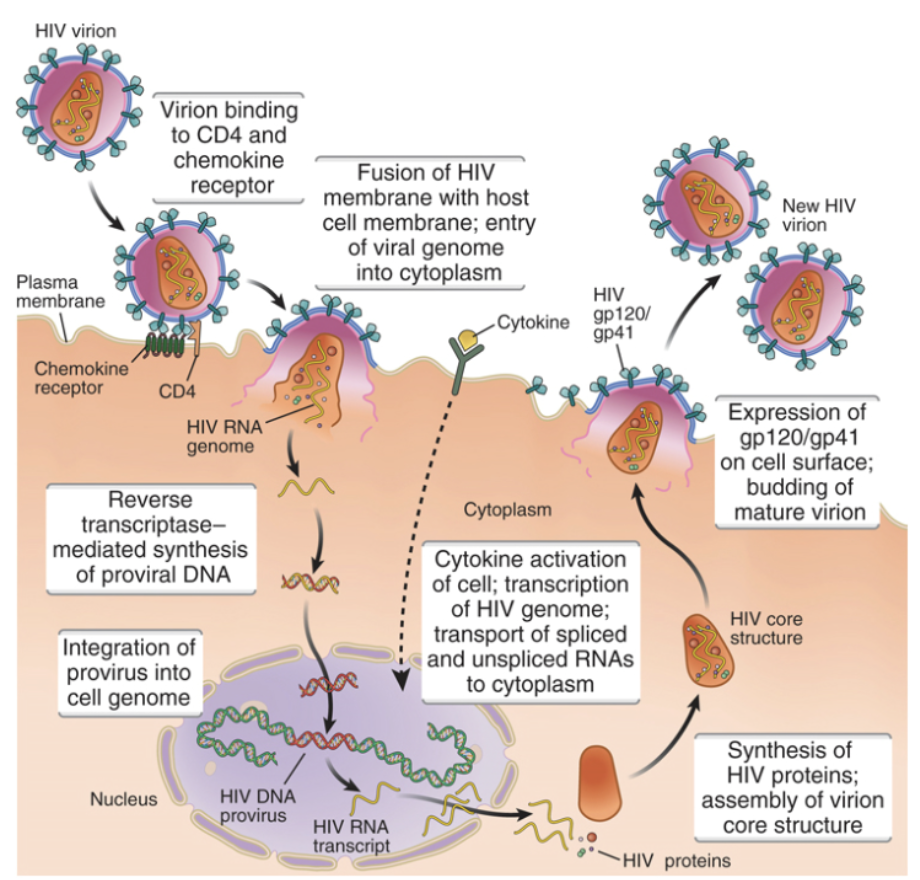
Anti-Viral Treatment Targets Strategic Points of Viral Life Cycle
Note where these agents target in the viral life cycle - these attempt to control the replication of the virus … by turning on CTLs when CD4+ helper cells are lost
reverse transcriptase inhibitors
integrase inhibitors
protease inhibitors
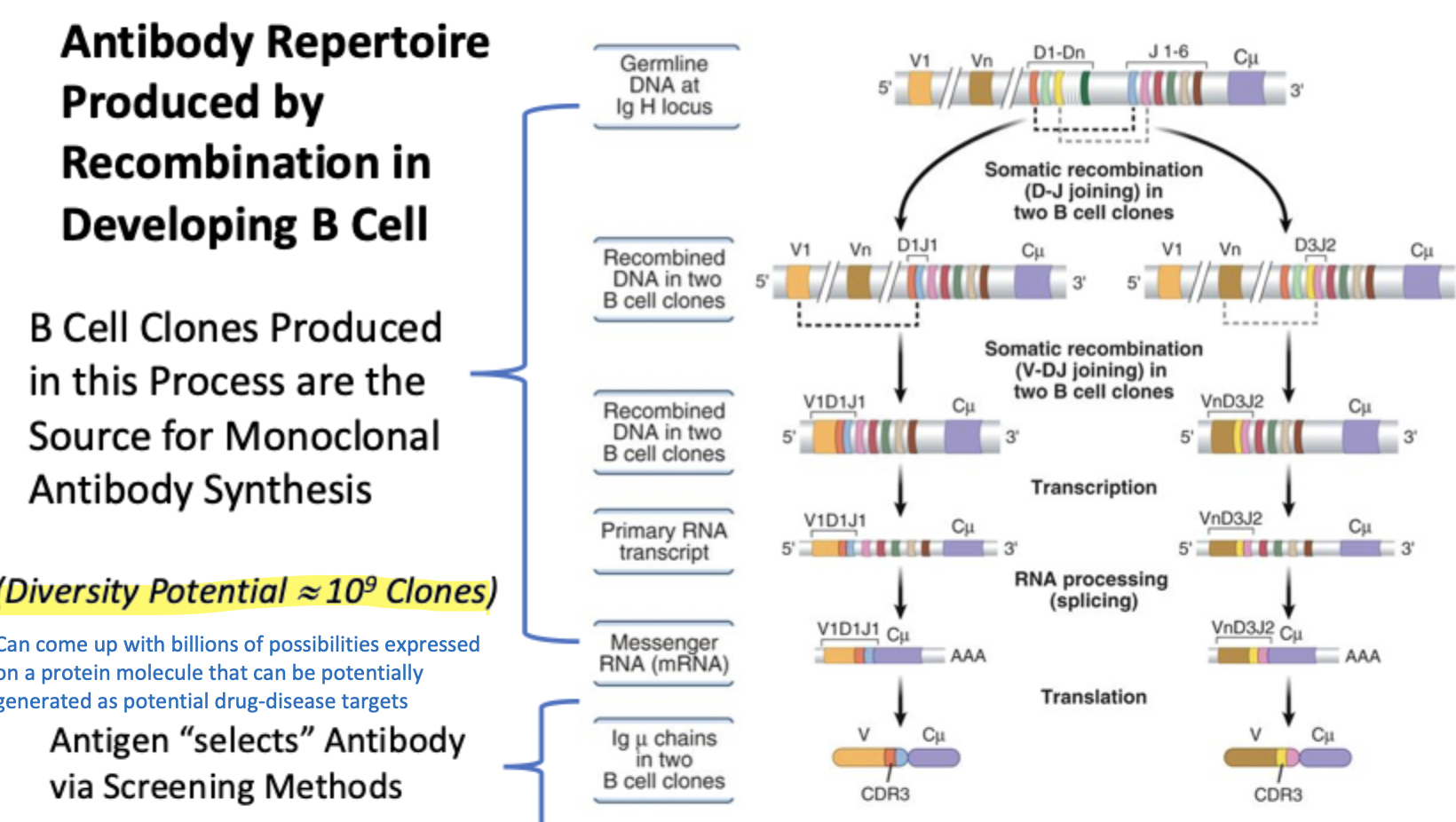
Antibody repertoire produced by recombination in developing B cell
The immune system generates enormous antibody diversity before exposure to infection so it can potentially recognize almost any antigen it encounters.
Monoclonal antibody production via hybridoma
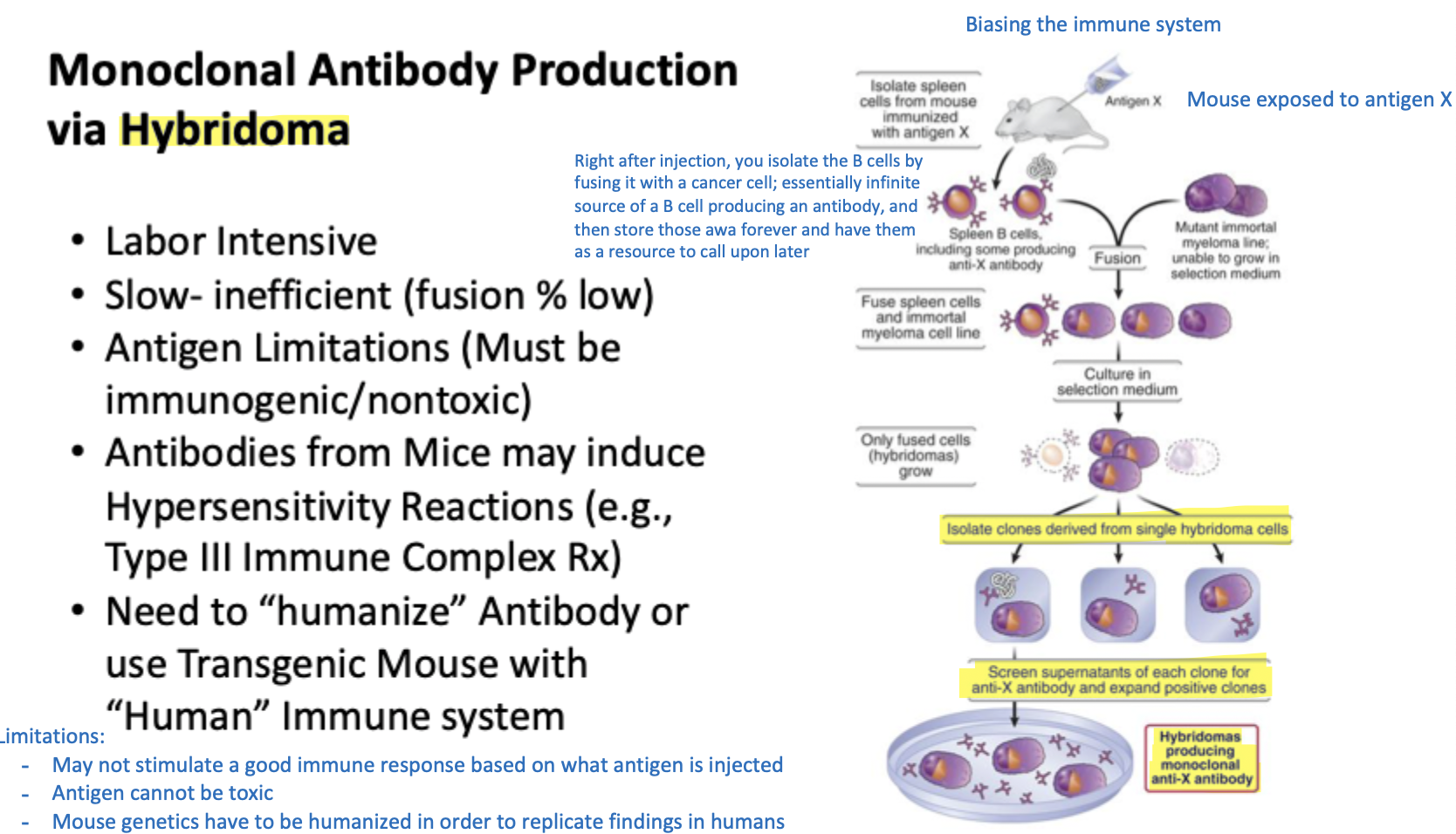
take a mouse and bias its immune system with a chemical structure injection, isolate B cell from the mouse, immortalize the B cell by fusing it with a cancer cell - have an infinite source of B cells and store them away until needed
generate B cell population - recall its function/significance
then screen the mice for the one with the best characteristics that reacts to the antigen, which in this case is a drug molecule
Labor Intensive
Slow- inefficient (fusion % low)
Antigen Limitations (Must be immunogenic/nontoxic)
Antibodies from Mice may induce Hypersensitivity Reactions (e.g., Type III Immune Complex Rx)
Need to “humanize” Antibody or use Transgenic Mouse with “Human” Immune system
Limitations
If you want to generate an antibody to the antigen/target, know the constraints of the antigen:
the antigen has to stimulate an immune response
antigen cannot be toxic, has to surpass minimal constraints
Companion Technologies for Monoclonal Antibody Production
Generation of a “Naïve” Human Antibody Library
Employs Phage Display method for screening Antibody binding
Clone Antibody Genes in Expression System, e.g., CHO cells
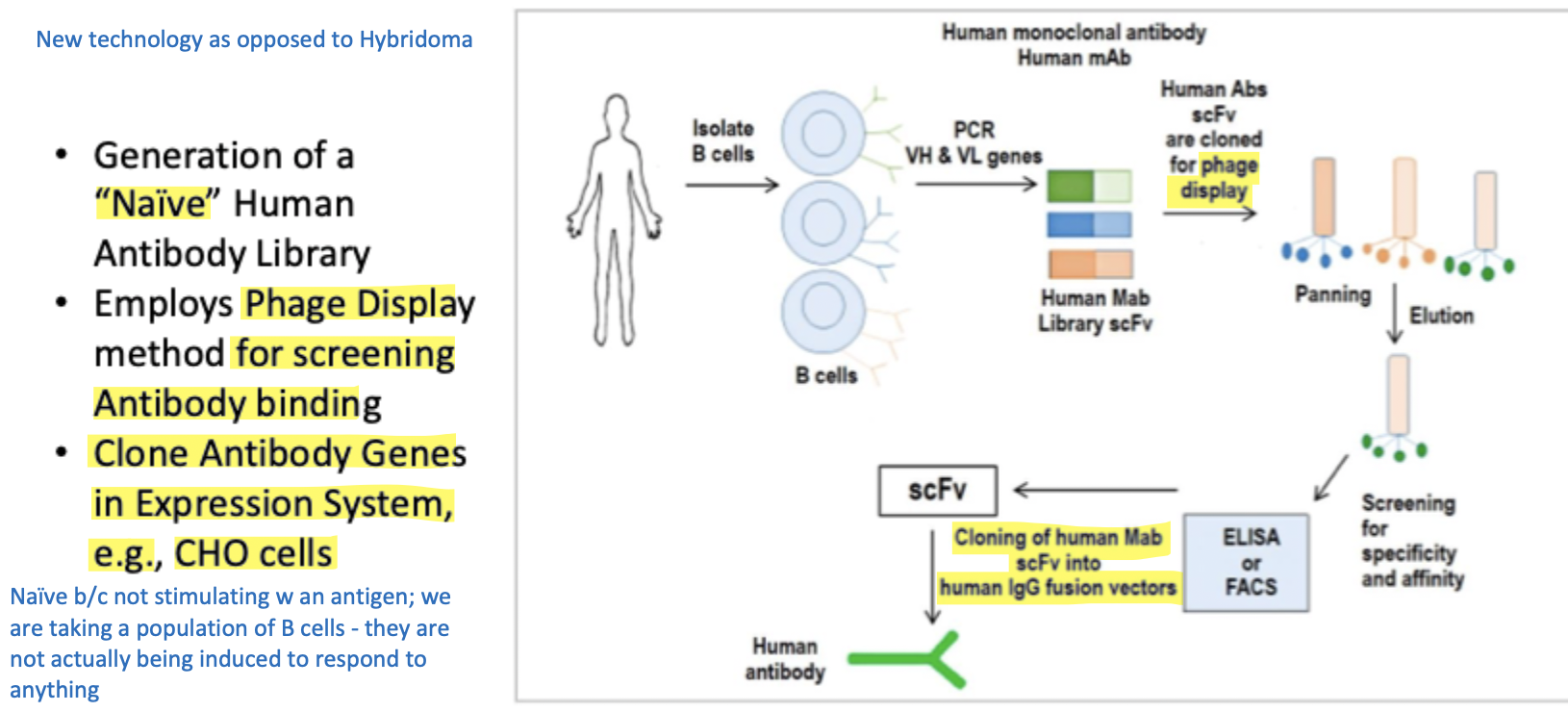
isolate B cells
presents population
understand how this first step leads to critical gene? modifications
Biosimilars
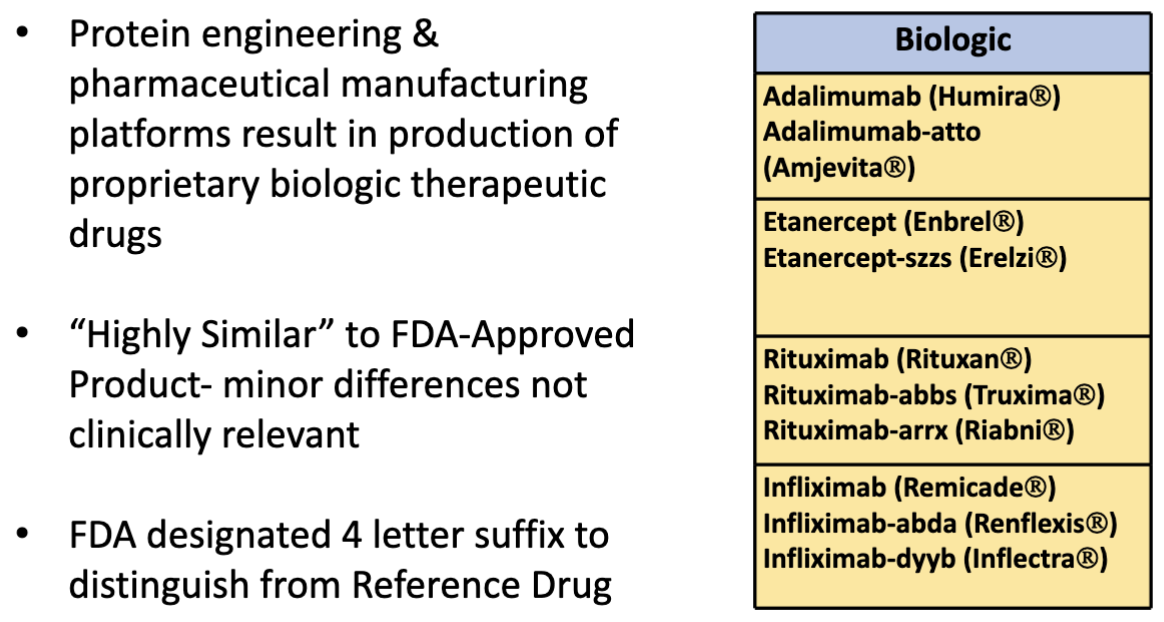
Medicine that is very similar to an existing biologics drug, with no meaningful differences in safety, effectiveness, or quality