Anatomical Motions & Articulations
 Call Kai
 Learn
Learn Practice Test
 Spaced Repetition
 Match
Match Flashcards
 Knowt Play
1/50

There's no tags or description
Looks like no tags are added yet.
Name | Mastery | Learn | Test | Matching | Spaced | Call with Kai |
|---|
No analytics yet
Send a link to your students to track their progress
51 Terms
extension
Straightening of a joint
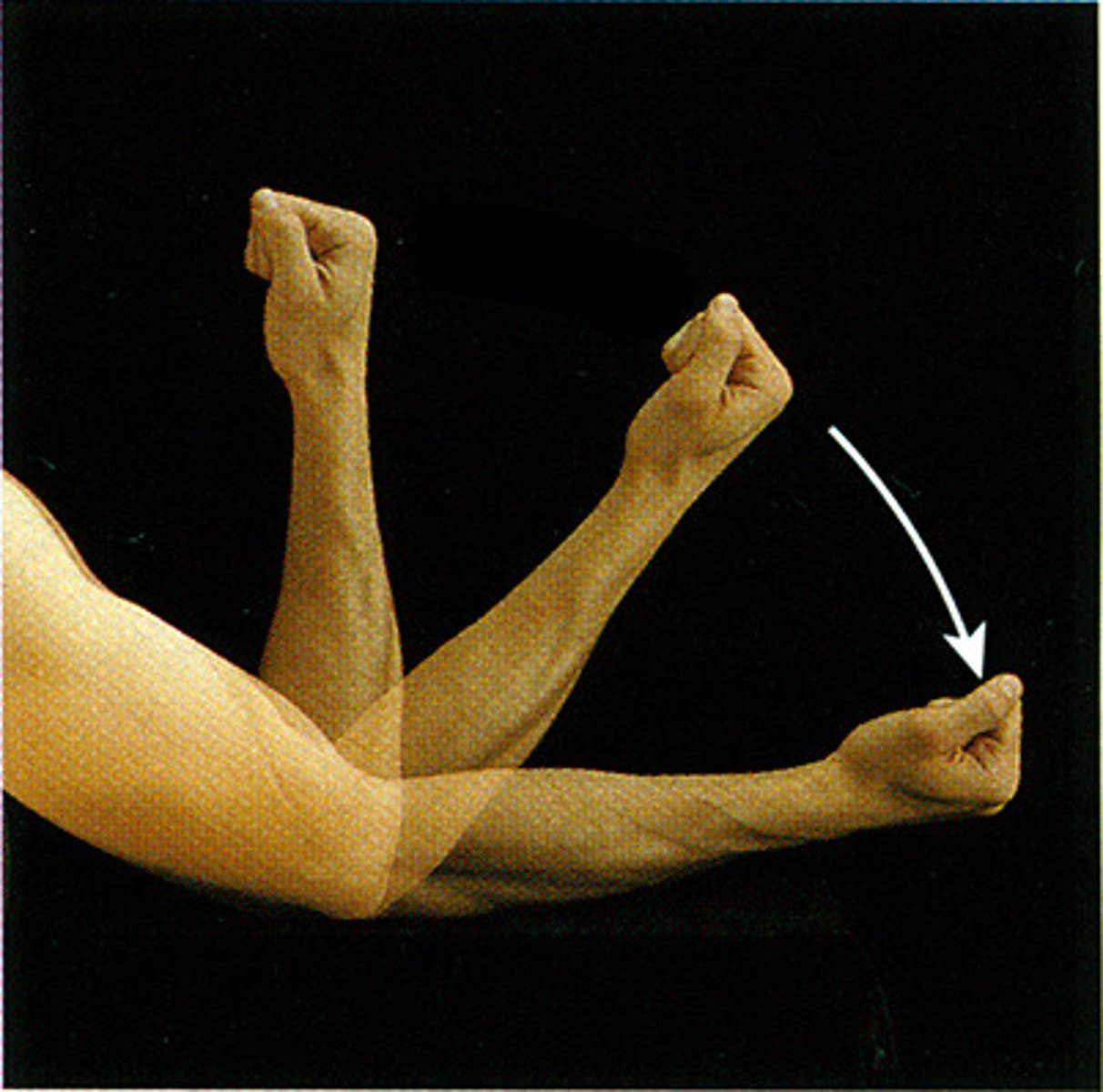
flexion
bending a joint
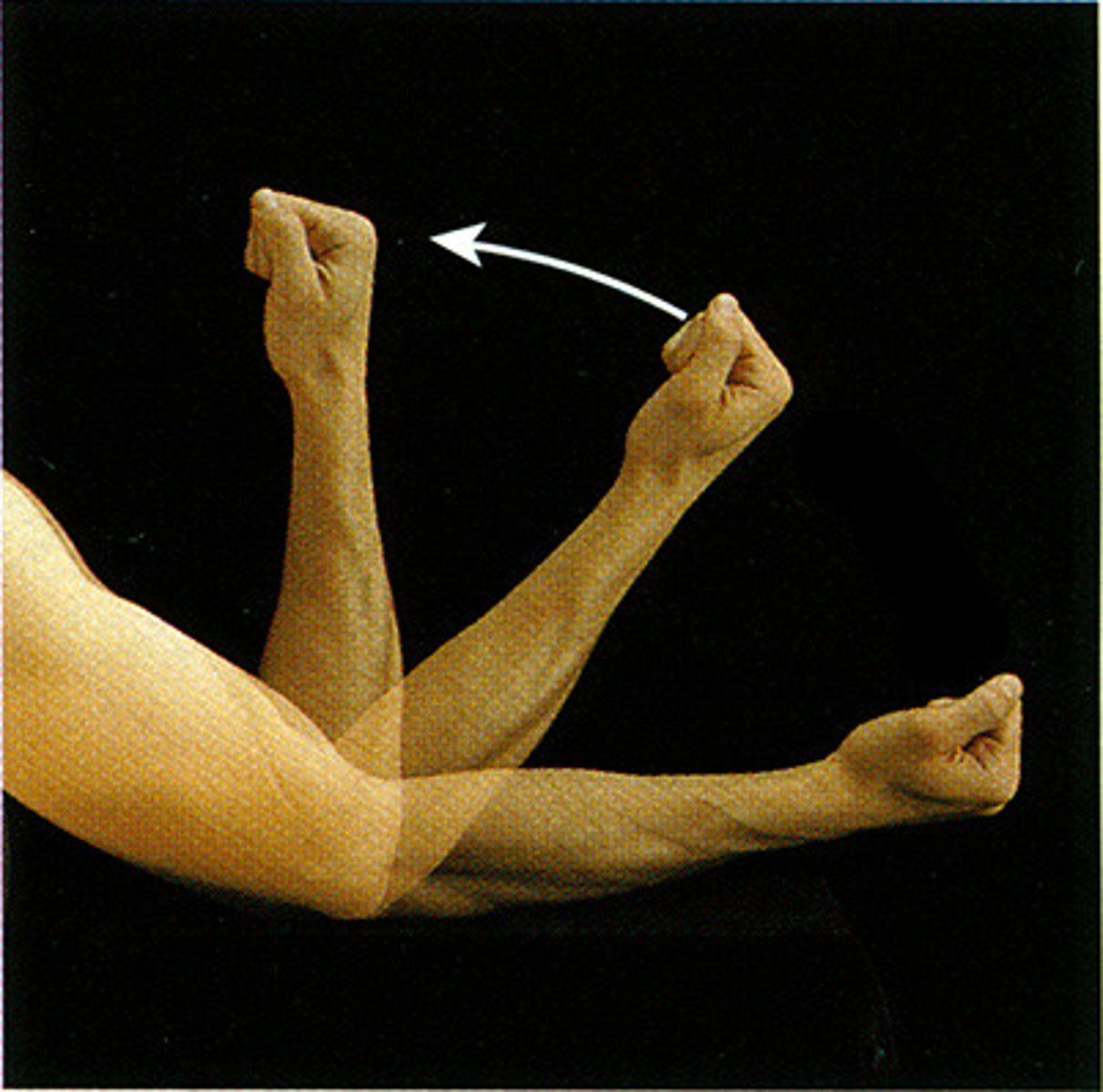
abduction
Movement away from the midline of the body
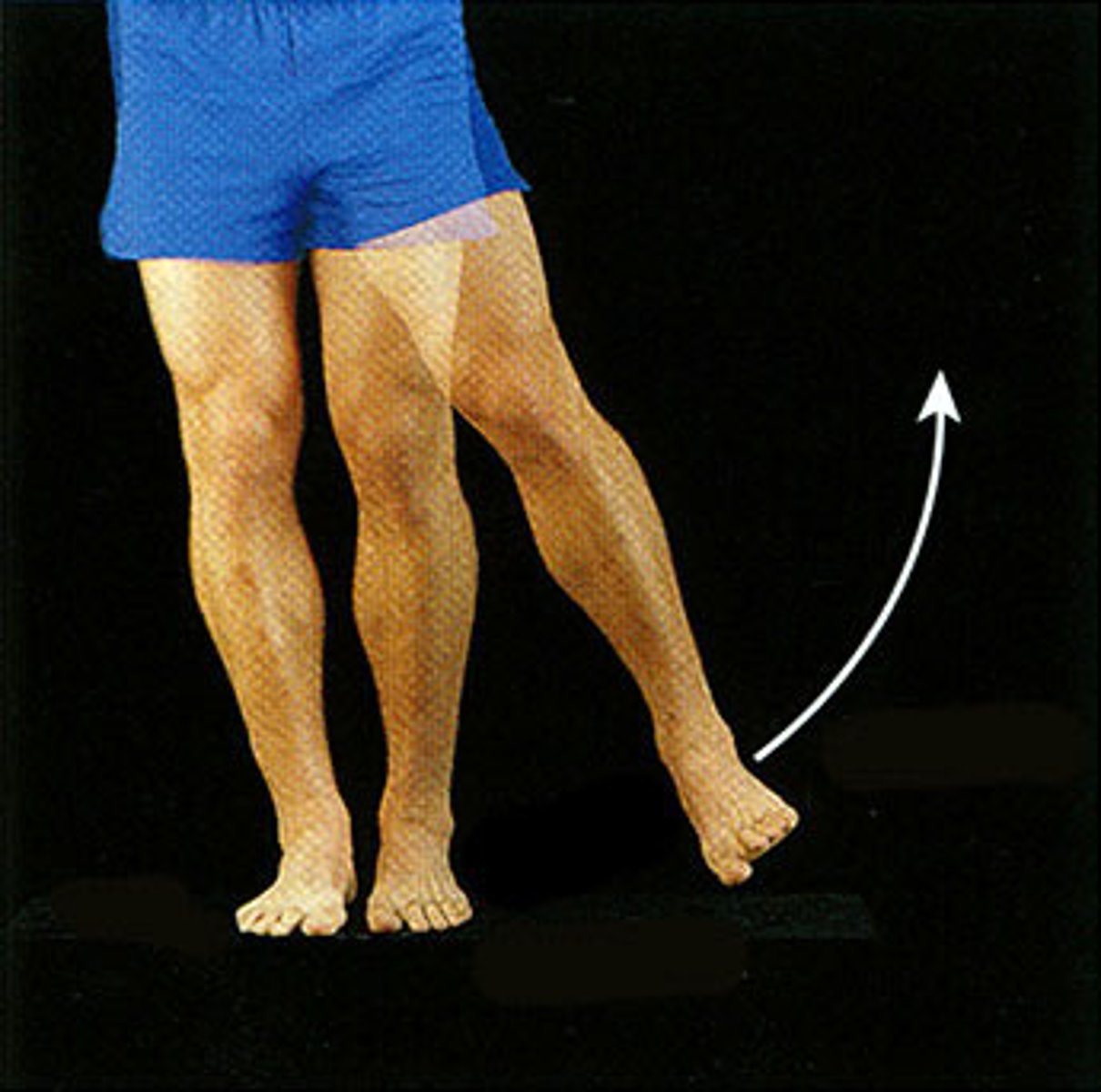
adduction
Movement toward the midline of the body
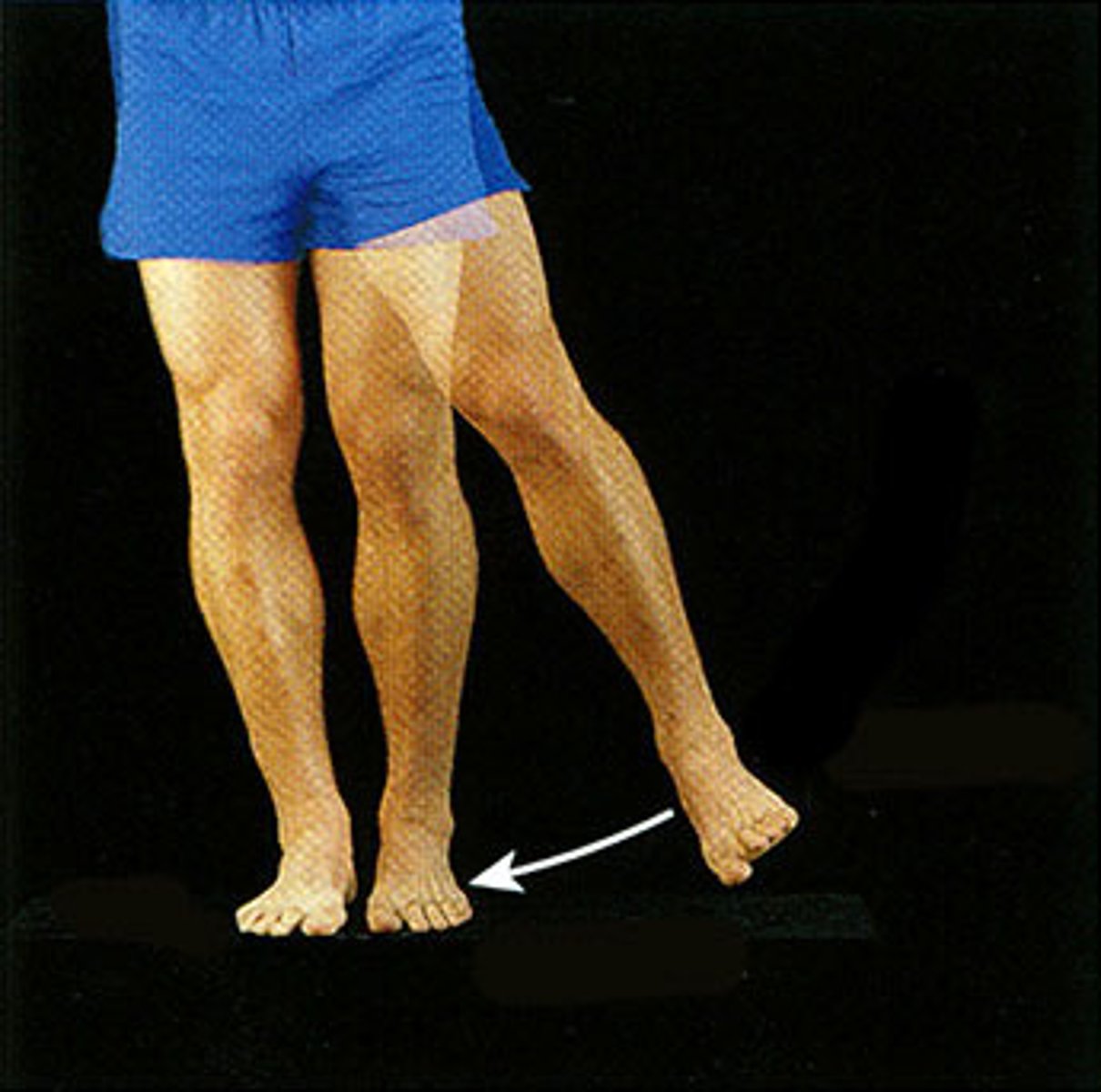
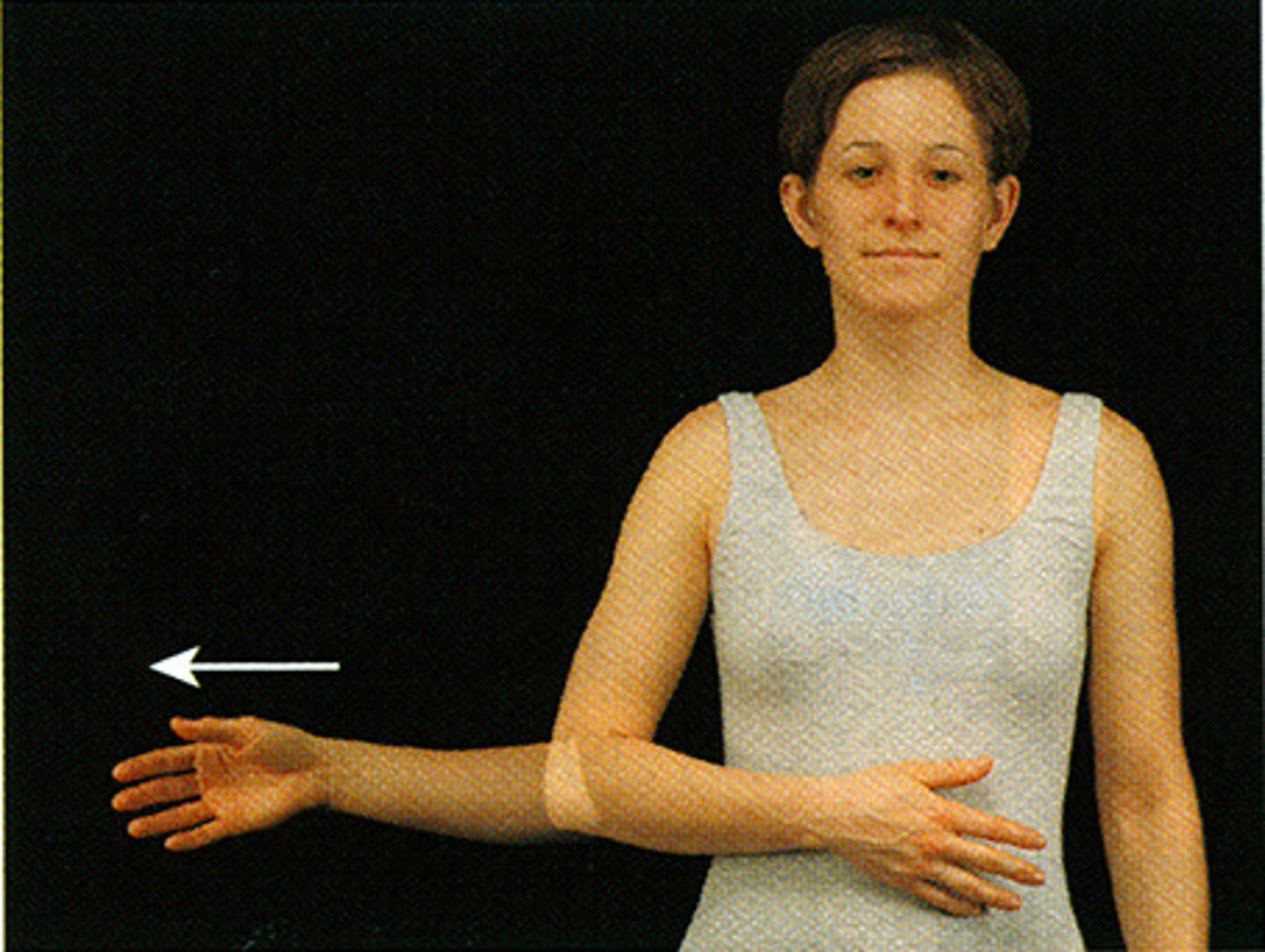
lateral rotation
rotation away from the midline
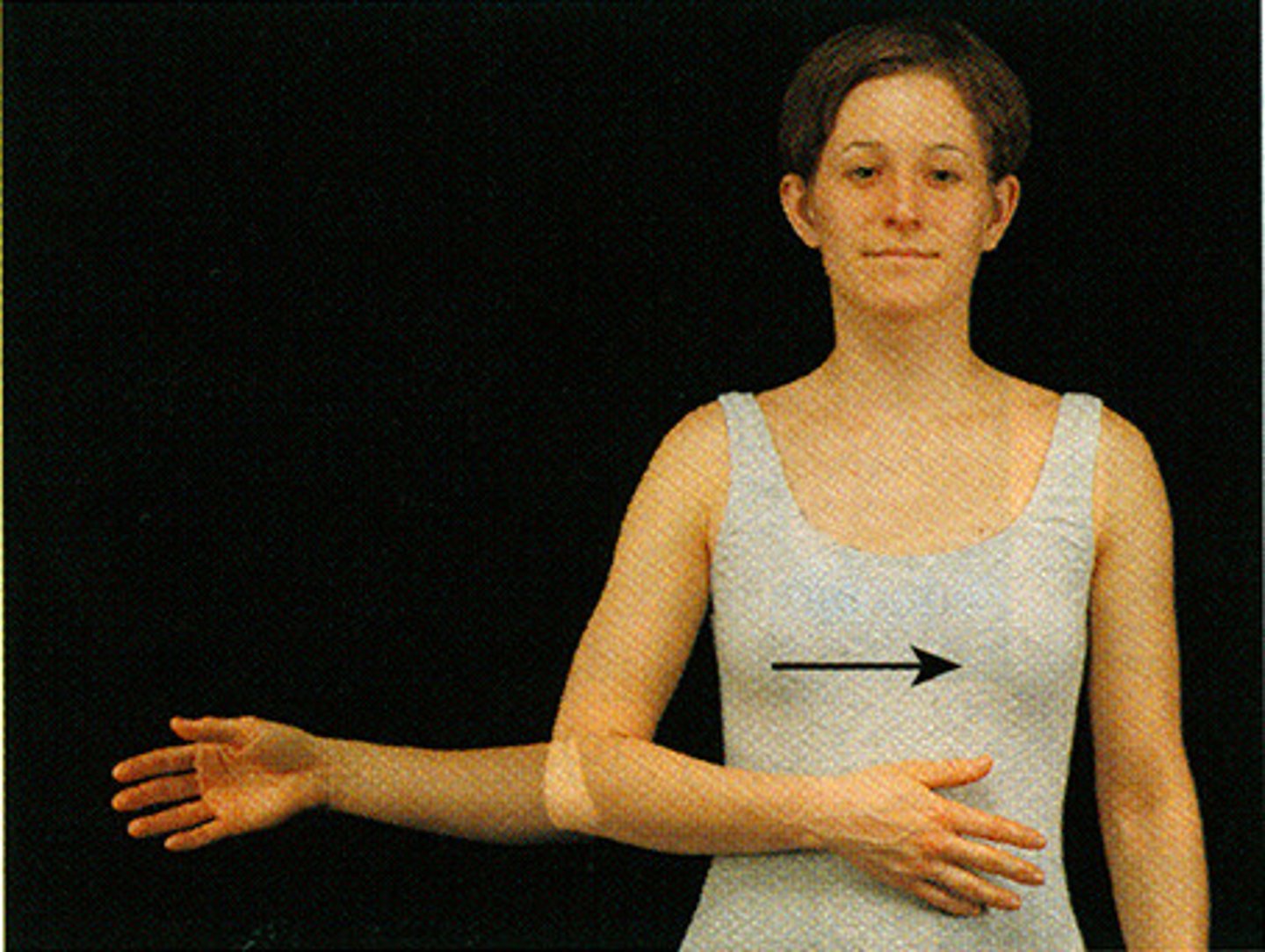
medial rotation
Rotation toward the midline
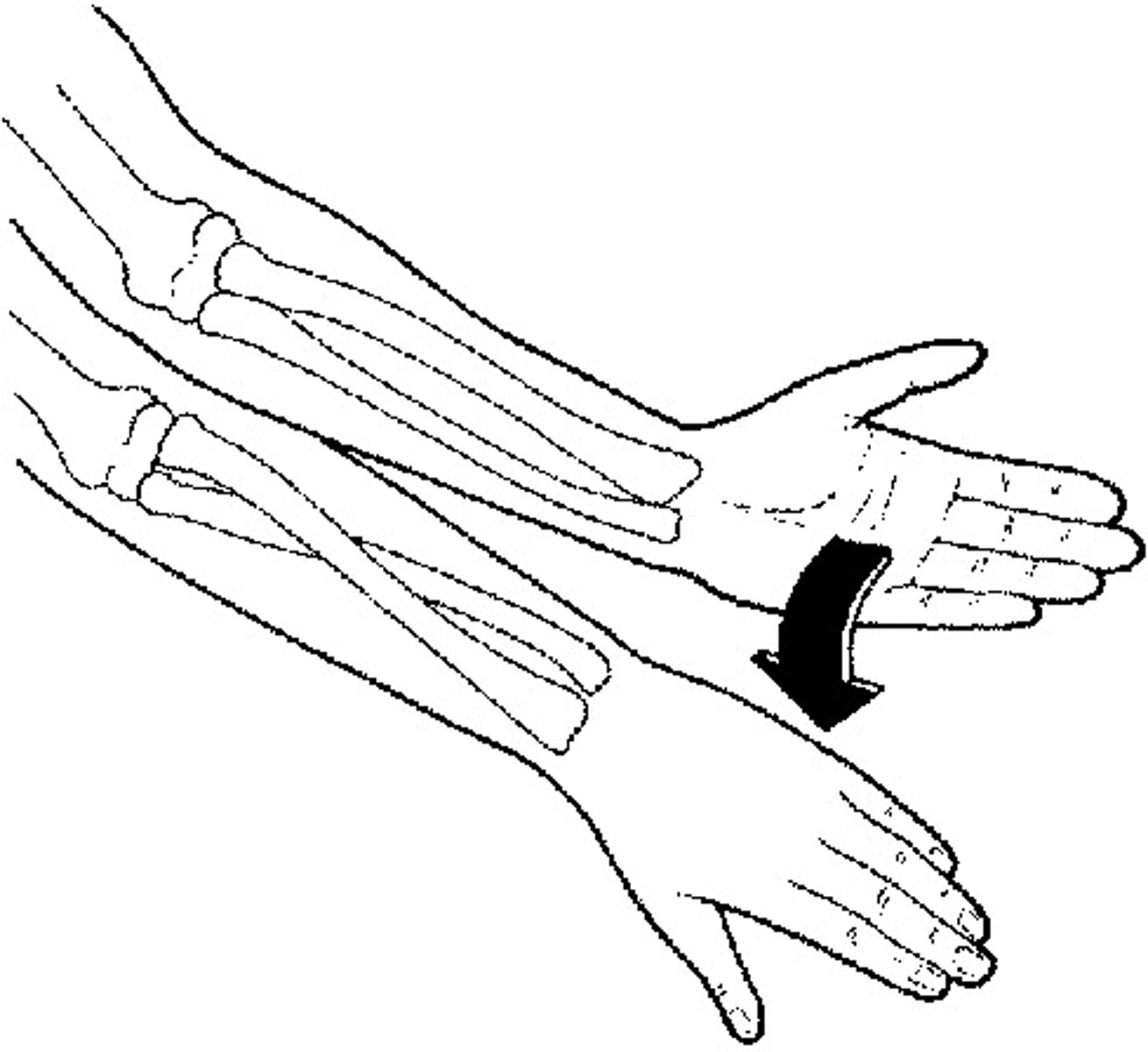
pronation
turning the palm downward
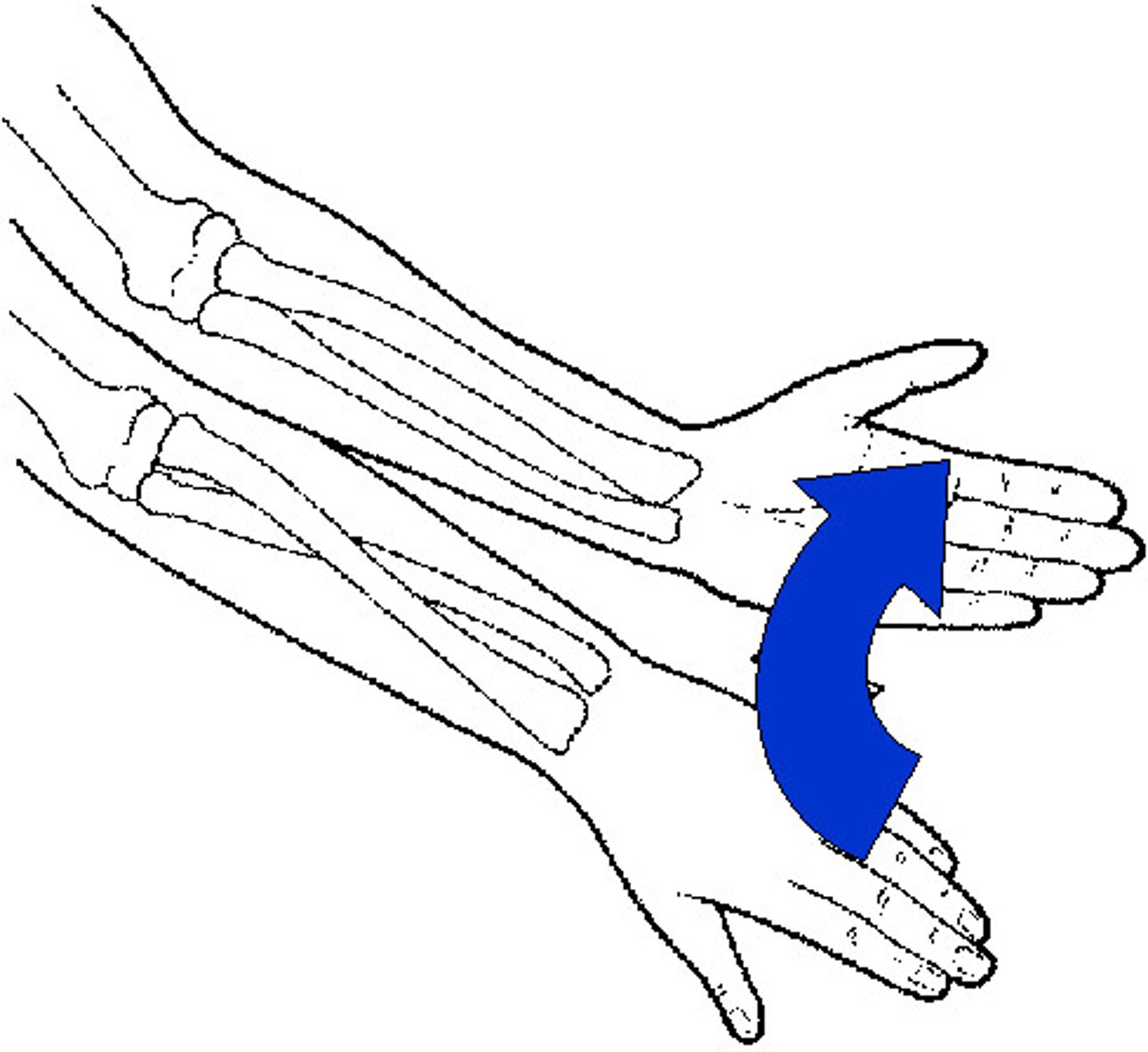
supination
movement that turns the palm up
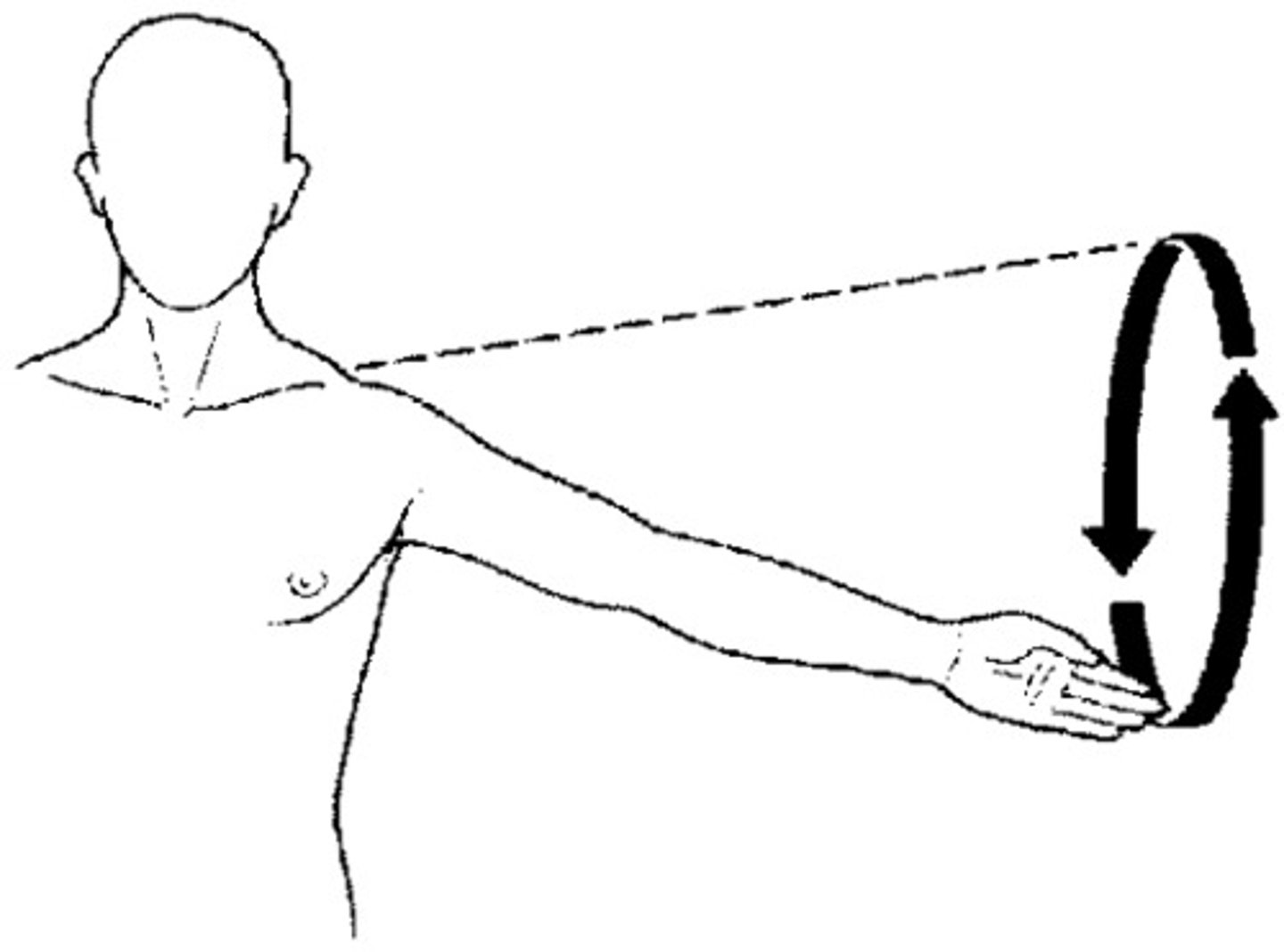
circumduction
circular movement of a limb at the far end
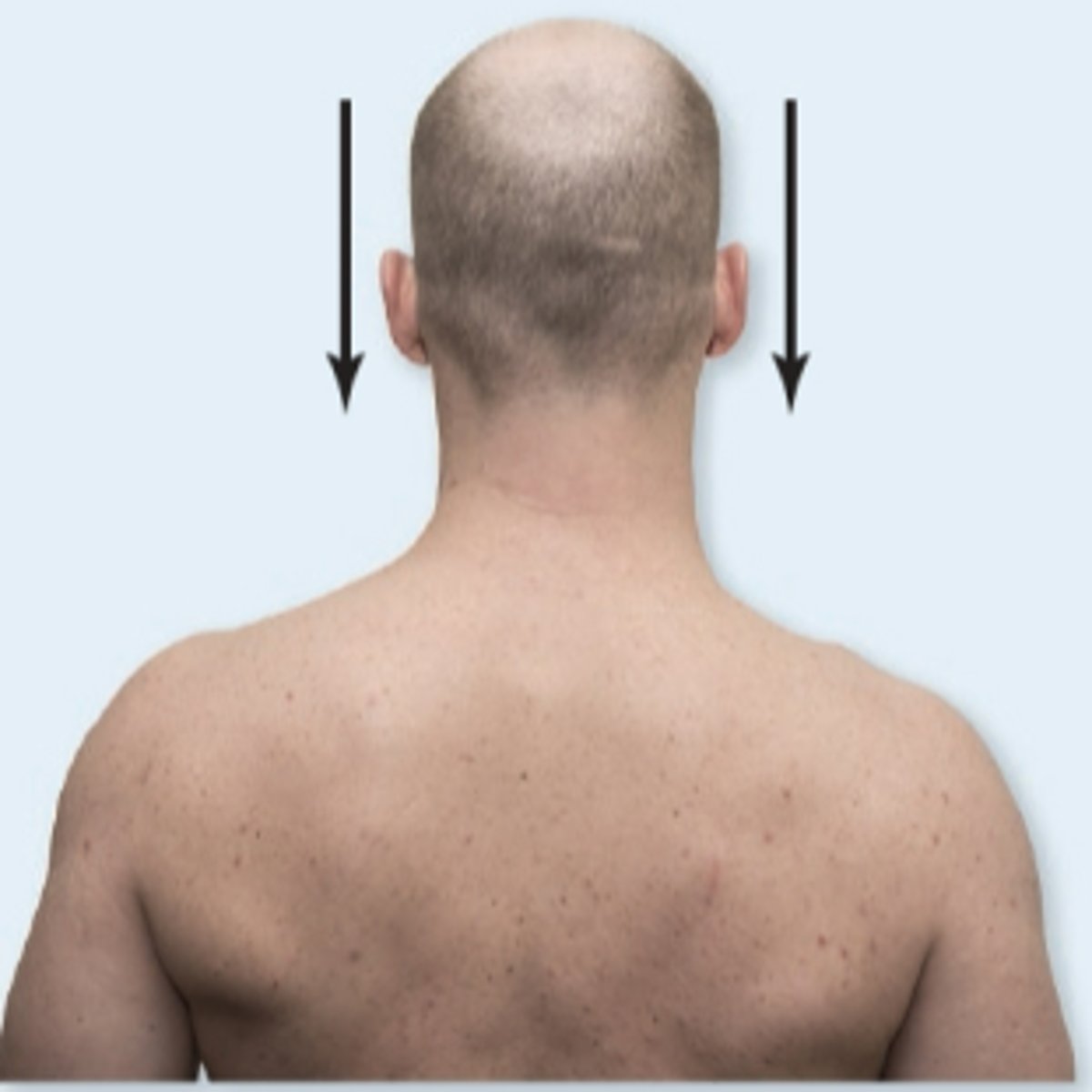
depression
lowering a body part
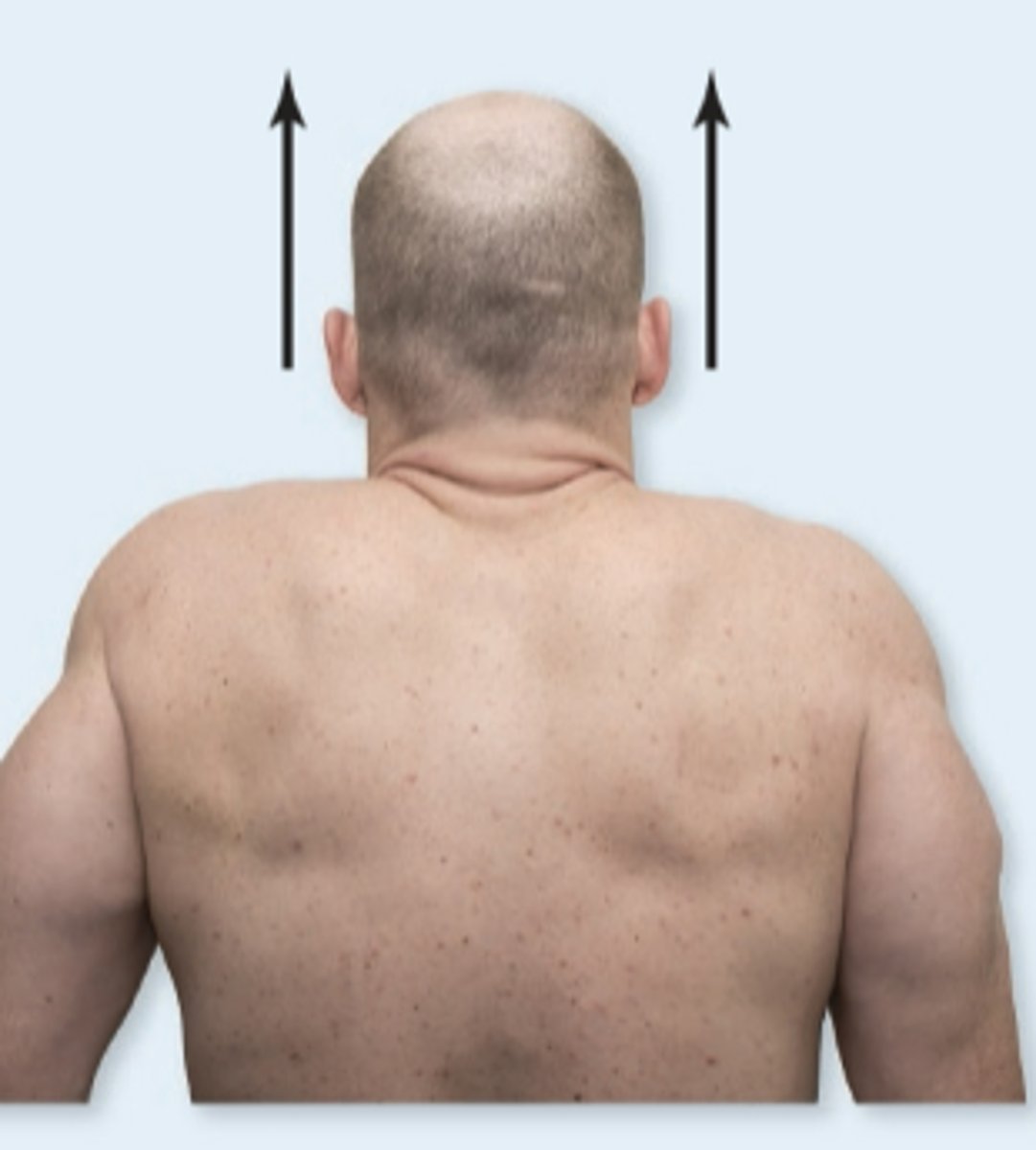
elevation
raising a body part
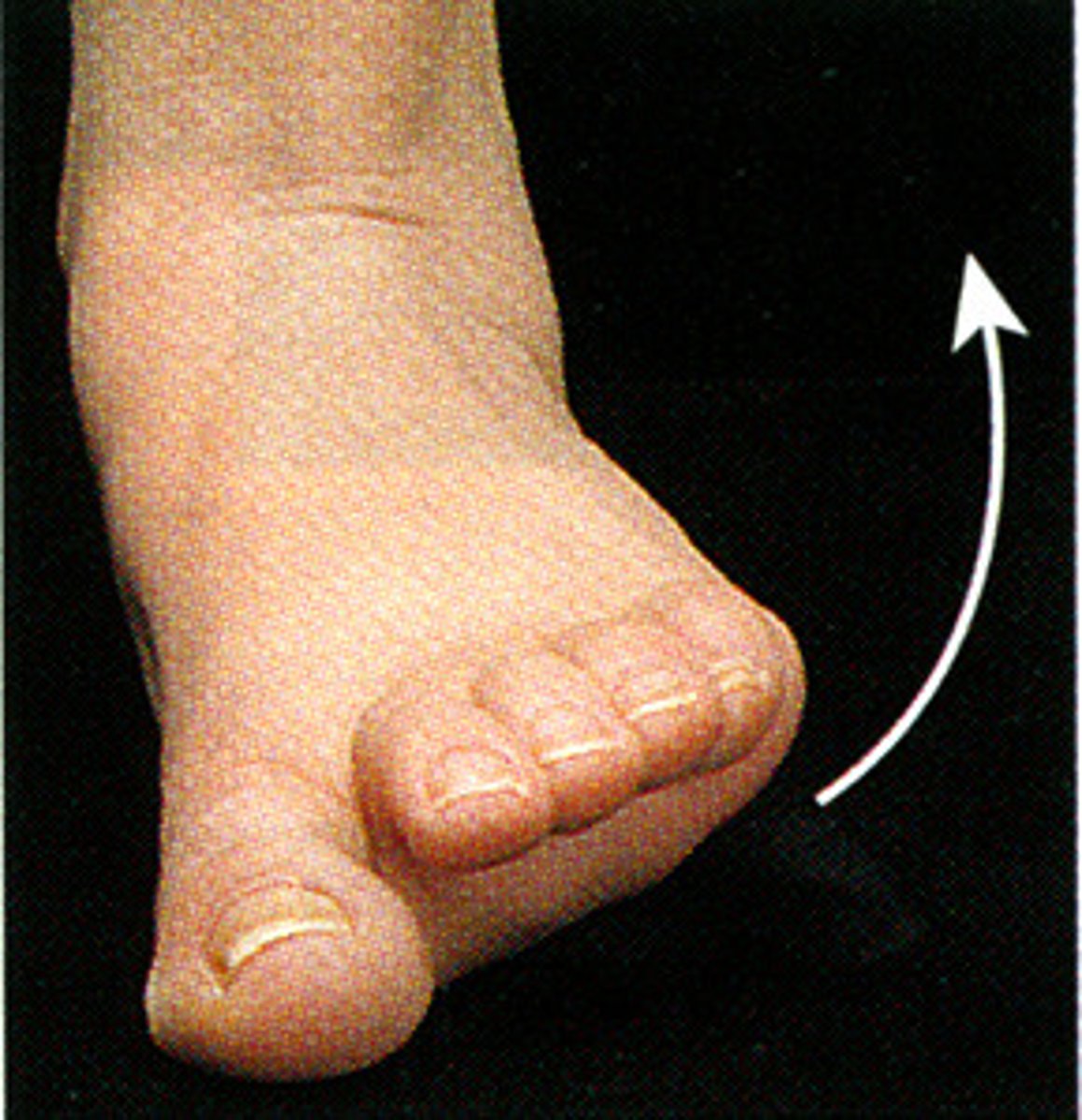
eversion
turning the sole of the foot outward
inversion
Turning the sole of the foot inward
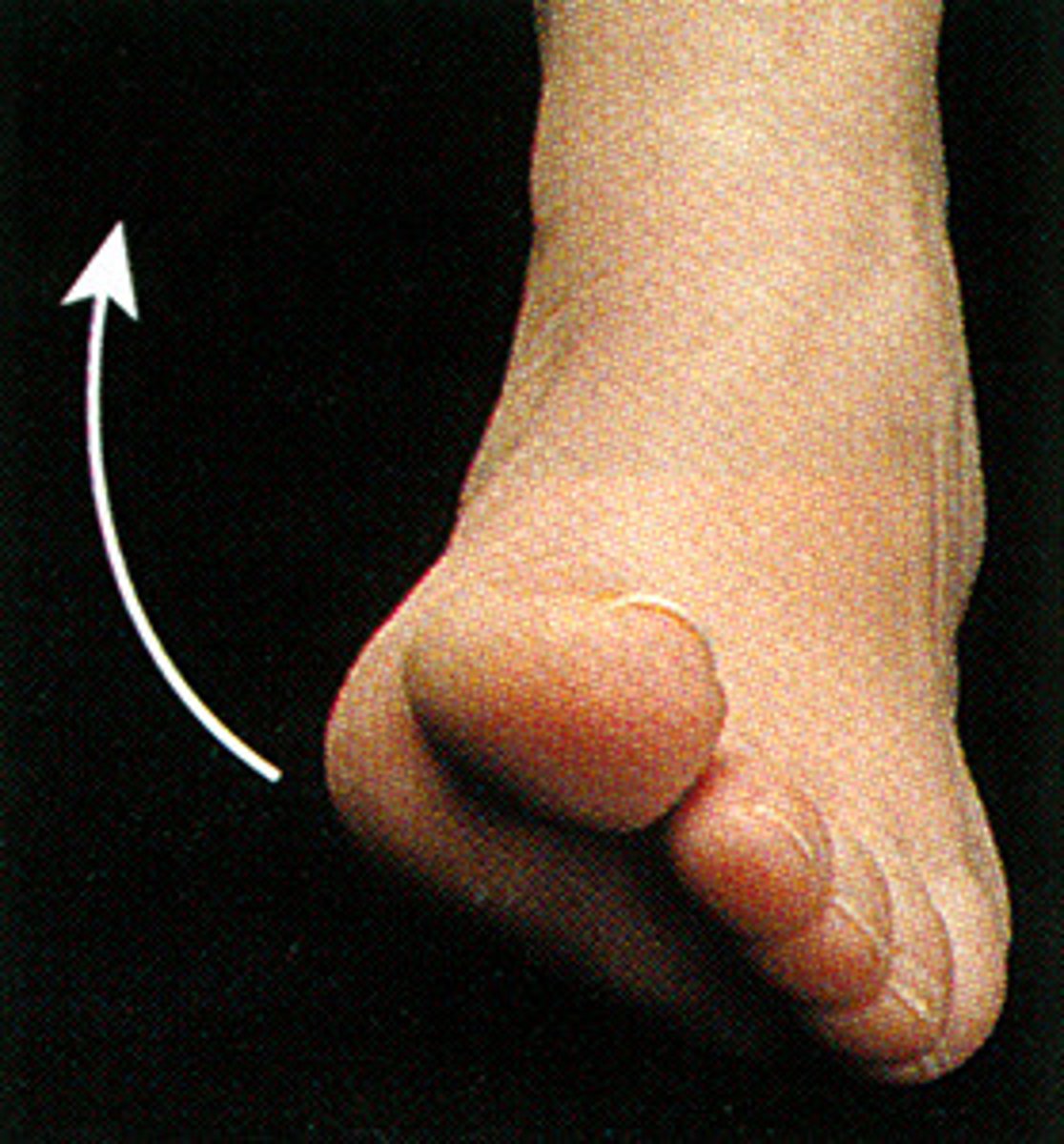
dorsiflection
flexing the foot at the ankle towards the shin
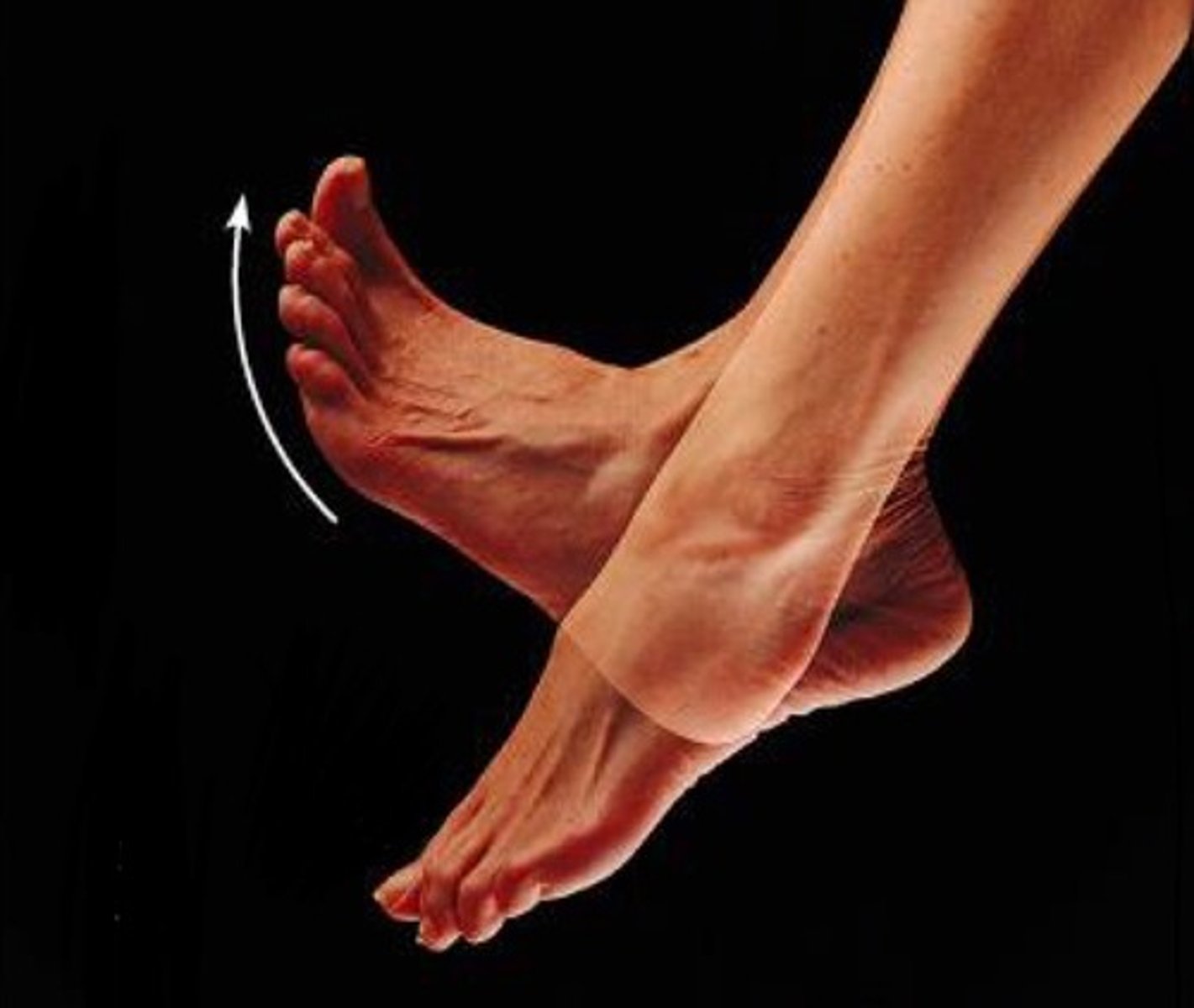
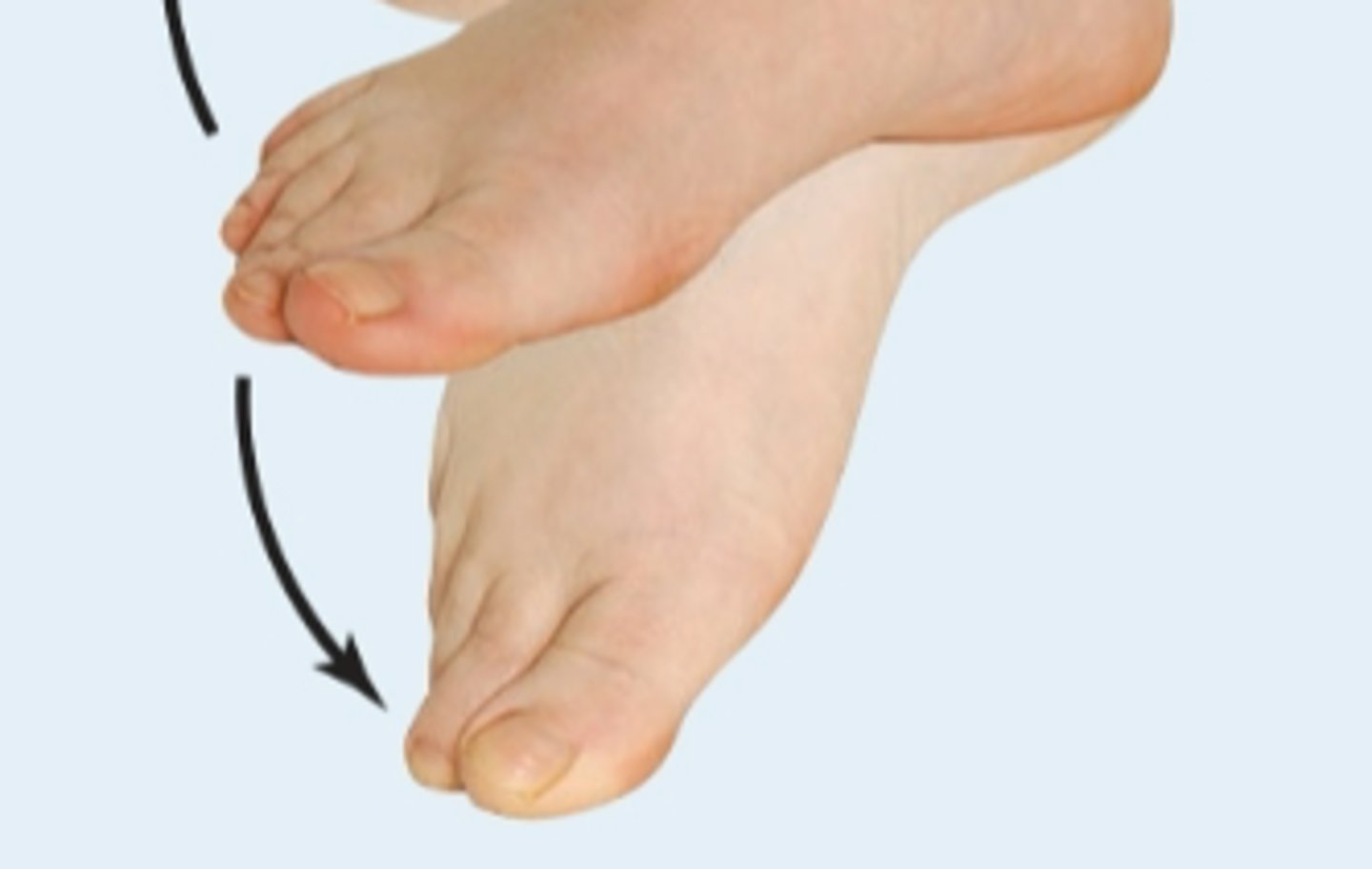
plantar flection
Pointing the toes downwards
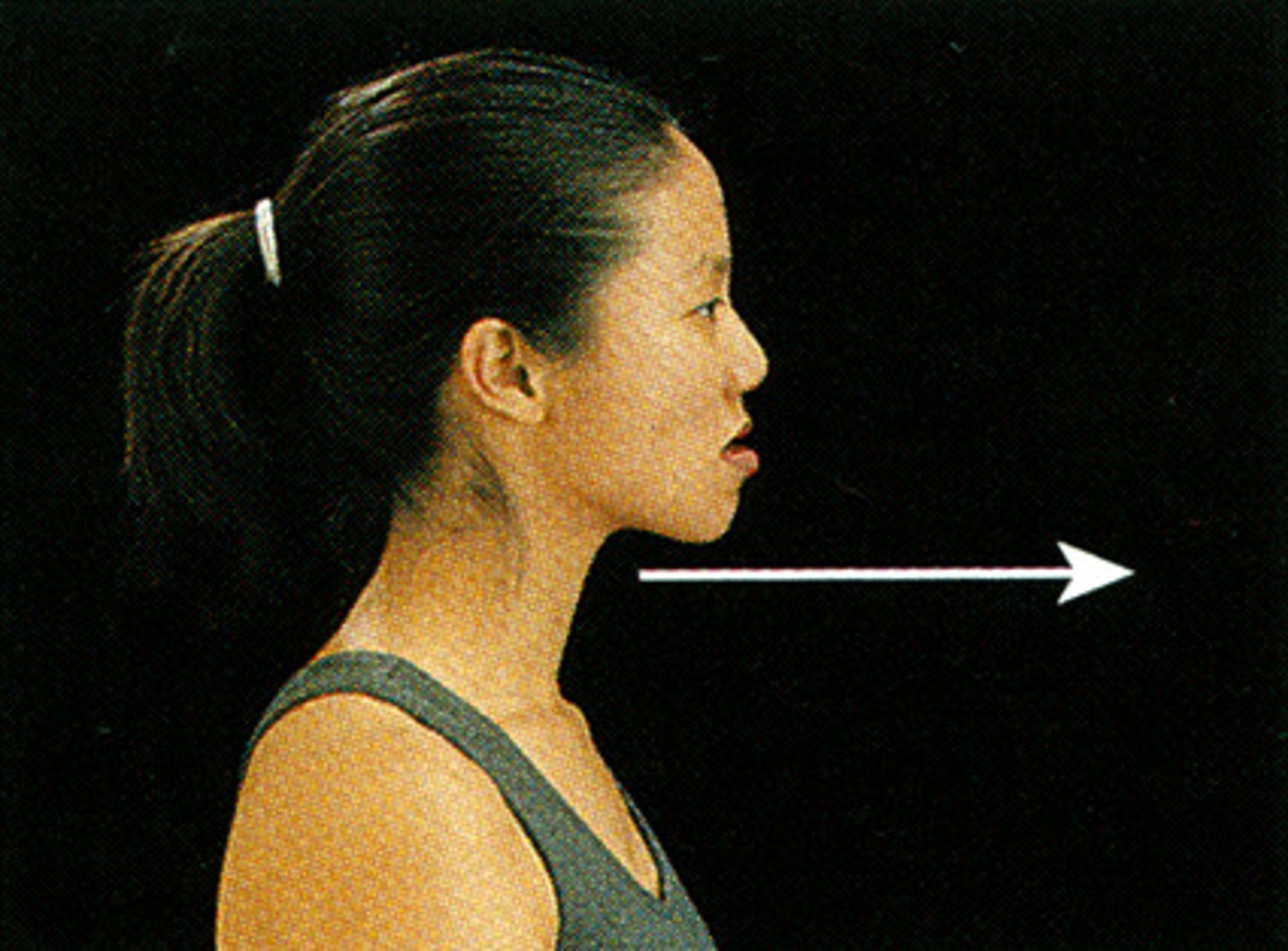
protraction
retraction
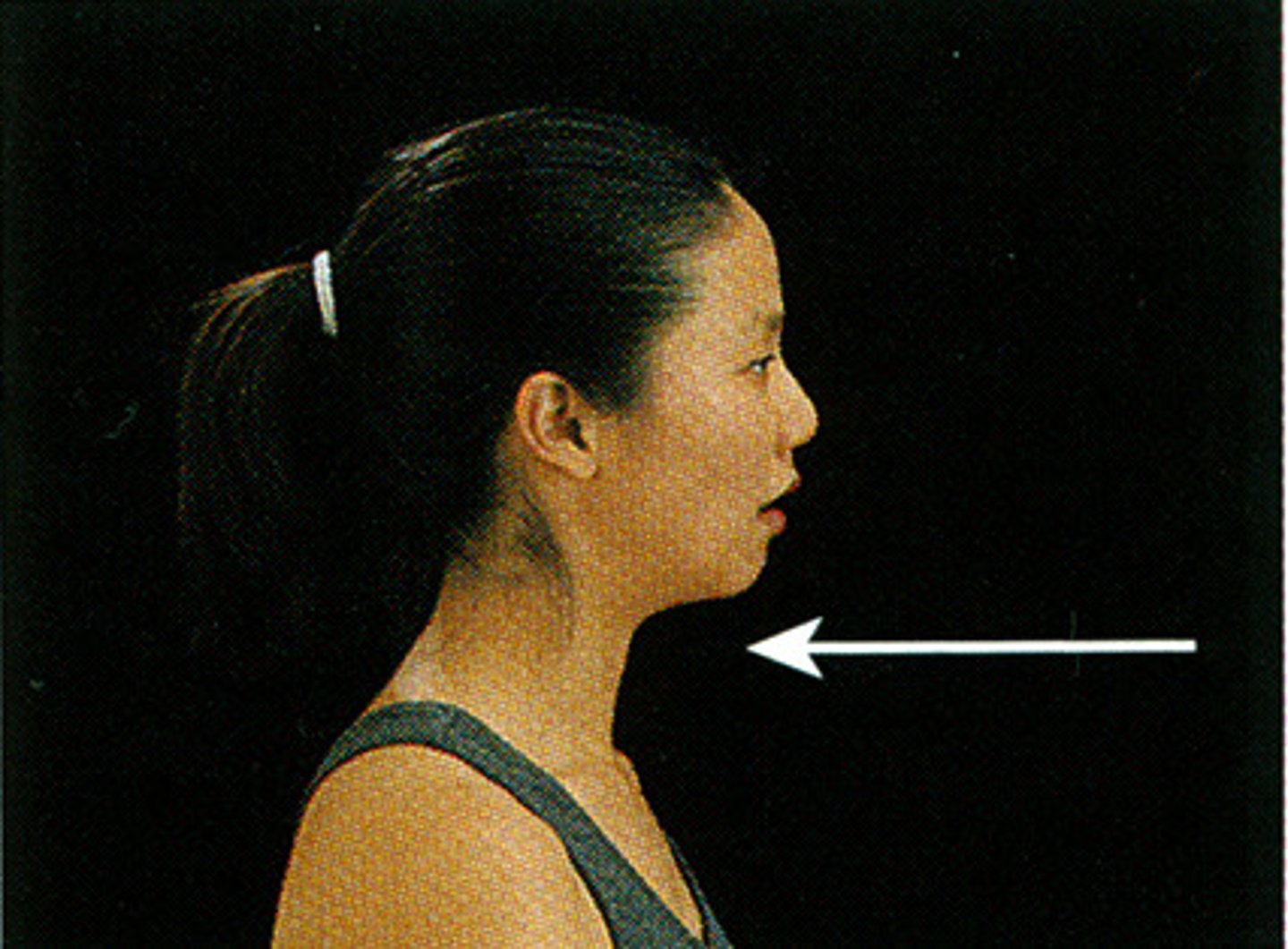
joints (articulations)
places of contact between bones, bones and cartilage, or bones and teeth
fibrous joints
bones held together by dense connective tissue
3 most common types of fibrous joints
1. Gomphoses
2. Sutures
3. Syndesmoses
gomphoses
peg in socket, teeth, function as synarthroses
sutures
found between some skull bones, function as synarthroses, become ossified synopses in adults
syndesmoses
bound by interosseous membrane, function as amphiarthroses
-> found between radius and ulna, and tibia and fibula
cartilaginous joint
bones joined by cartilage
-> either hyaline cartilage or fibrocartilage between bones
synchondroses
joined by hyaline cartilage
symphyses
pads of fibrocartilage between articulating bones
-> resists compression and acts as shock absorbers
synovial joint
bones joined by ligaments with fluid-filled joint cavity separating bone surfaces
-> most joints in the body
basic features of synovial joints
articular capsule and joint cavity, bursae, synovial fluid, articular cartilages, ligaments, nerves, and blood vessels
synarthroses
immobile joints
-> can be fibrous cartilaginous joints
amphiarthroses
slightly mobile joints
-> can be fibrous of cartilaginous joints
diarthroses
freely mobile joints
-> all synovial joints
uniaxial joint
bone moves in just one plane or axis
biaxial joint
bone moves in two planes or axes
multiaxial joint
bone moves in multiple planes or axes
plane joint
metacarpals and cuneiforms in foot
hinge joint
elbow and knee
pivot joint
pivot joint
neck rotation and forearm rotation
condylar joint
wrist, toes, and fingers circumspection, etc
saddle joint
carpometacarpal joint of thumb
ball-and-socket joint
shoulder and hip
gliding
wrist
stereoclavicular joint
formed by manubrium and sternal end of clavicle
acromioclavicular joint
formed from acromion and lateral end of clavicle
glenohumeral (shoulder) joint
formed by head of humorous and glenoid cavity of scapula
elbow is a
hinge joint composed of two articulations
-> humeroulnar joint & humeroradial joint
humeroulnar joint
trochlear notch of ulna articulating with trochlea of humerous
humeroradial joint
Capitulos of humerous articulating with head of radius
knee joint
largest and most complex diarthrosis
-> primarily a hinge joint composted of two articulations
tibiofemoral joint
between condyles of femur and condyles of tibia
patellofemoral joint
between patella and patellar surface of femur
skull joint
temporomandibular joint (TMJ): head of mandible articulates with temporal bone
-> ONLY mobile joint between bones in the skull