DC / General
 Call Kai
 Learn
Learn Practice Test
 Spaced Repetition
 Match
Match Flashcards
 Knowt Play
1/9

There's no tags or description
Looks like no tags are added yet.
Name | Mastery | Learn | Test | Matching | Spaced | Call with Kai |
|---|
No analytics yet
Send a link to your students to track their progress
10 Terms
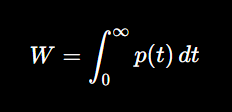
How to find W (Energy absorbed between two terminal network)
Area under “power” graph
Voltage(if static) * area under current graph for given interval only
What is the current convention for KCL
Incoming current = Negative
Outgoing current = Positive
We dont like guests
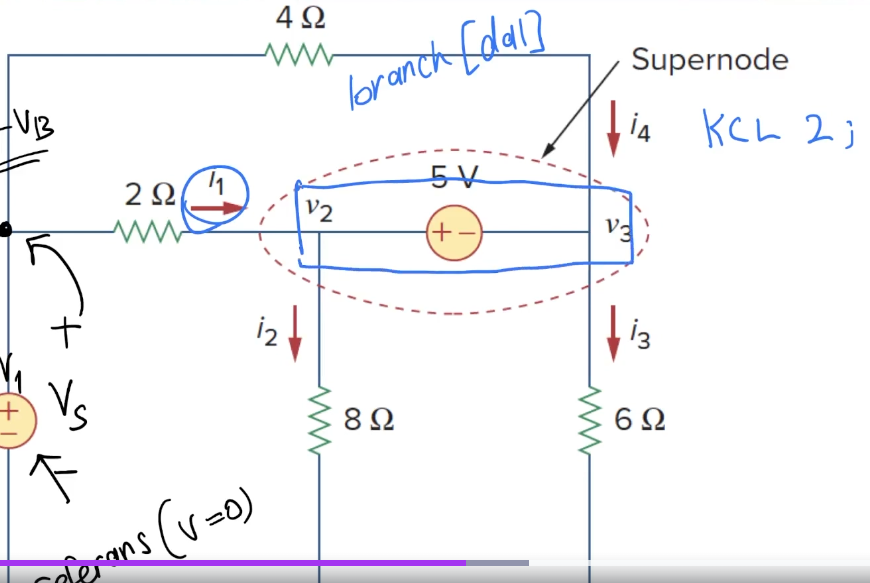
Supernode ne durumlarda olur? Çözülürken nelere dikkat edilmelidir?
İki non-reference terminal arasında YALNIZCA voltage source varsa burada supernode yapmak gereklidir. Eğer voltage source + resistor varsa classical nodal analysis yeterlidir.
Supernode’larda supernode’a giren ve çıkan akımlar değerlendirilir. Supernode’dan çıkıp aynı supernode’a geri giren akımlar dikkate alınmaz.
Supernode’larda KCL ve KVL birlikte yapılmalıdır.
KCL at SN: -i1 -i4 + i2 + i3 = 0
KVL at SN: v2 = v3 + 5V
When you can use Millman’s Theorem?
When there are only parallel connections in a circuit consists of resistors, ideal current and/or voltage sources.
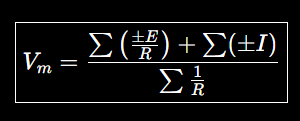
What is the formula of Millman’s Theorem?
V_m = Total current to top node / total conductance
V = IR → I = V/R → I = E/R
IF CURRENT SOURCE IS IN SERIES TO A RESISTOR, DO NOT TAKE RESISTOR INTO ACCOUNT!
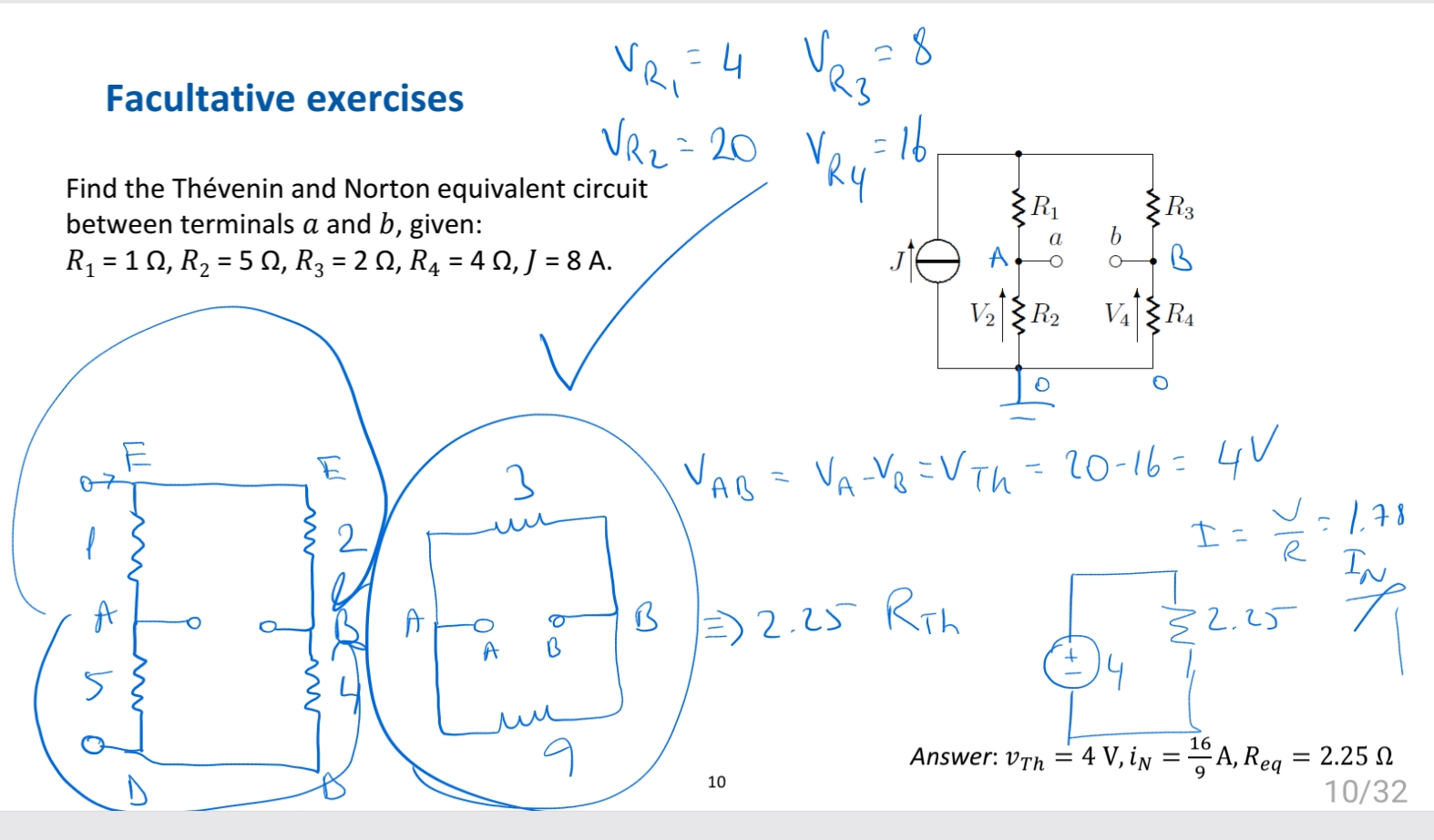
How to find Thevenin Equivalent of a circuit without dependent sources?
Turn off all the independent sources. Then find R_eq → R_th
Turn back on all the independent sources. Do nodal analysis. Find the potential difference between desired terminals. V_ab = V_th
How to find the sign of current from A to B?
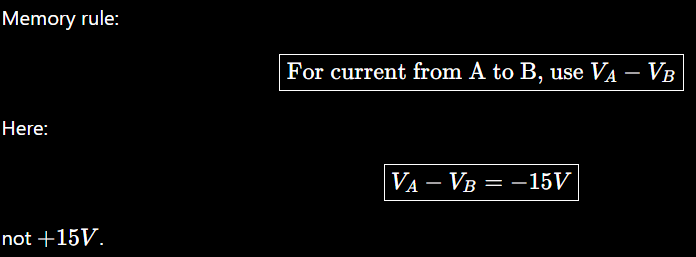
What you should do if they asked to find Thevenin Circuit and then plot a function from it?
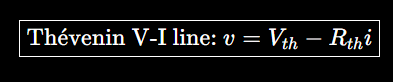
If the question asks for Thevenin equivalent but does not specify the load? What to do?
You remove the branch that they ask the variable for.
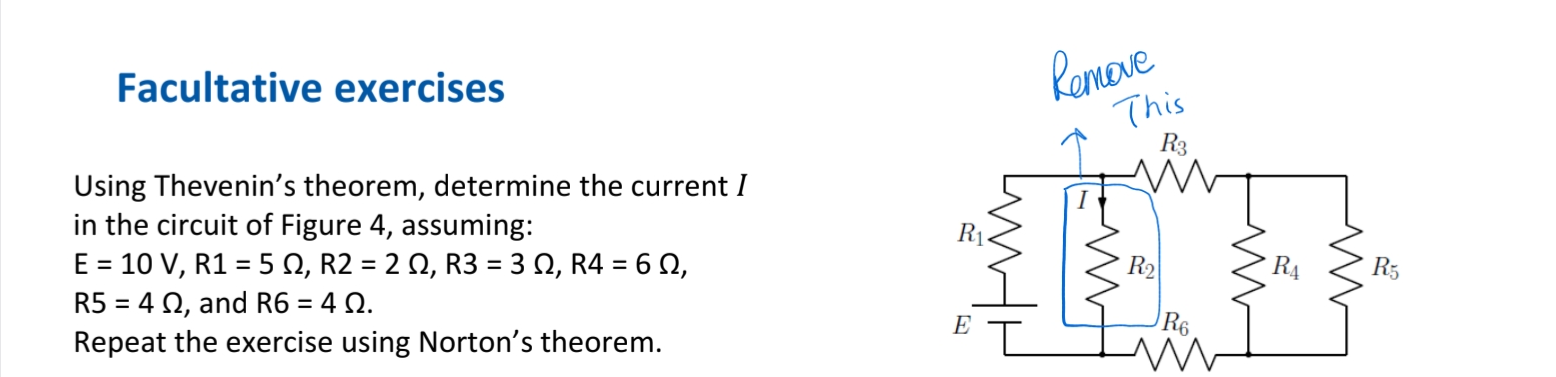
How to find R_th or R_n reliably?
After turning off the source, look the possible paths BETWEEN A-B only.