Comprehensive Dairy Science: Milk Components, Processing, and Products
 Call Kai
 Learn
Learn Practice Test
 Spaced Repetition
 Match
Match Flashcards
 Knowt Play
1/25

There's no tags or description
Looks like no tags are added yet.
Name | Mastery | Learn | Test | Matching | Spaced | Call with Kai |
|---|
No analytics yet
Send a link to your students to track their progress
26 Terms
What is the definition of milk?
Milk means the lacteal secretion, practically free from colostrum, obtained by the complete milking of one or more healthy cows.
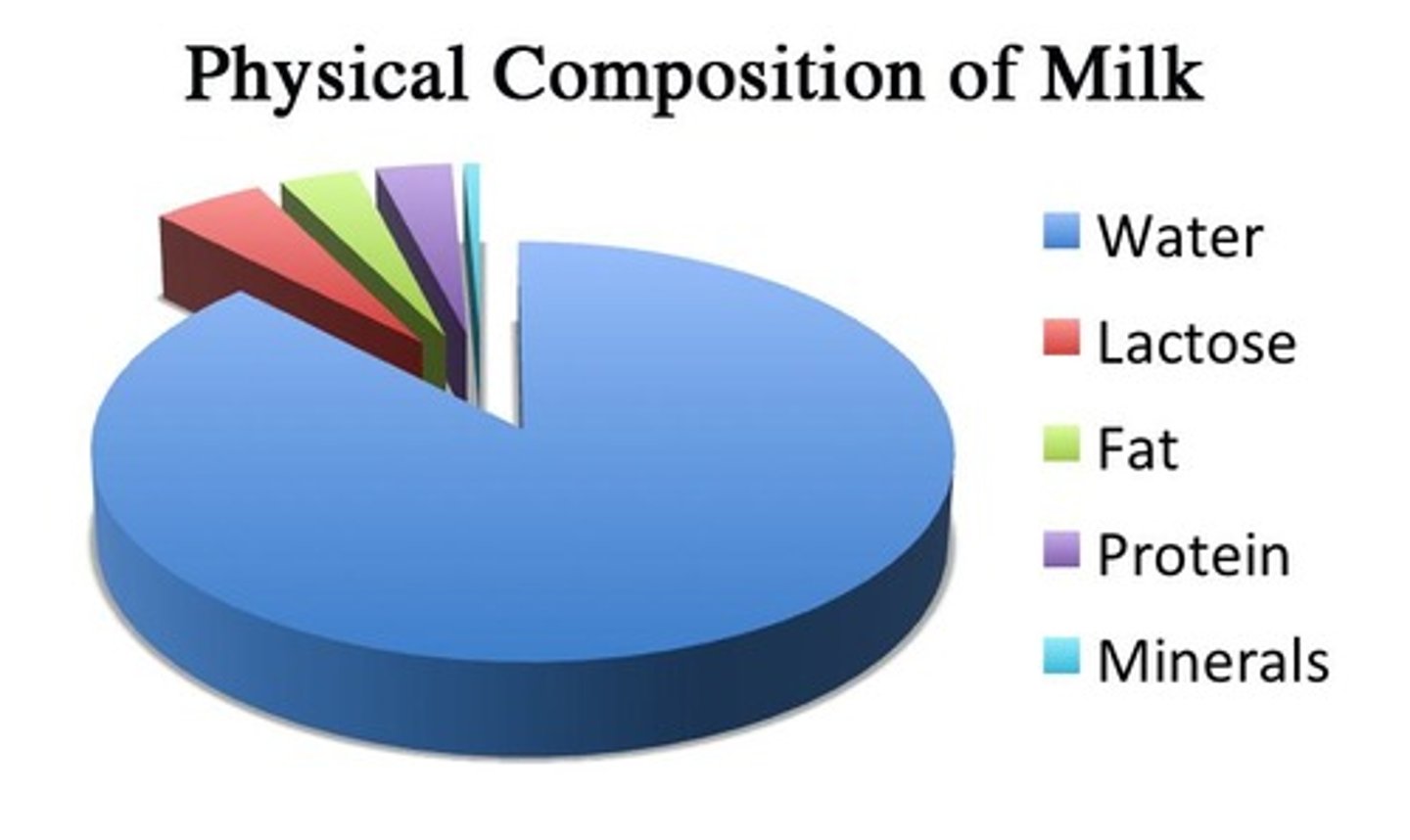
What are the main components of milk?
Water (88%), Carbohydrate (lactose) 4.7%, Protein (casein, whey) 3.3%, Fat (3.25-3.5%), Minerals (0.7%).
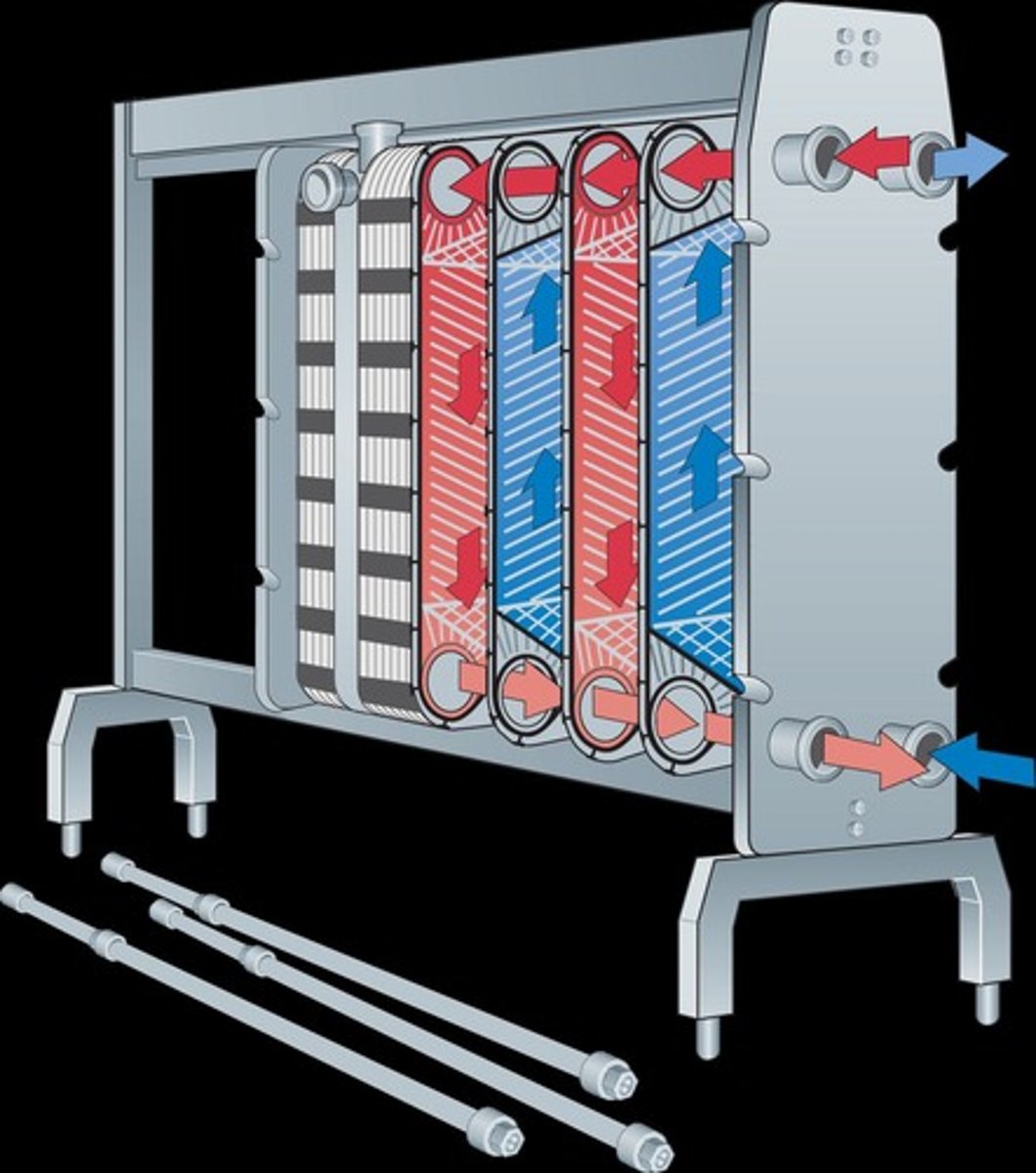
What is pasteurization?
Pasteurization is the process of heating raw milk to destroy pathogenic bacteria and some yeasts and molds.
What are the benefits of pasteurization?
Destroys 95-99% of non-pathogenic bacteria, improves shelf life, and does not meaningfully alter nutritional value.
What is homogenization?
Homogenization is a mechanical process that reduces the size of fat globules in milk to prevent separation.
What is the purpose of homogenization?
To prevent creaming and ensure a stable emulsion of fat in milk.
What are the different types of fluid milk based on fat content?
Whole milk (not less than 3.25% fat), Reduced fat milk (2% fat), Low-fat milk (1% fat), Fat-free milk (less than 0.5% fat).
What is the process of making cheese?
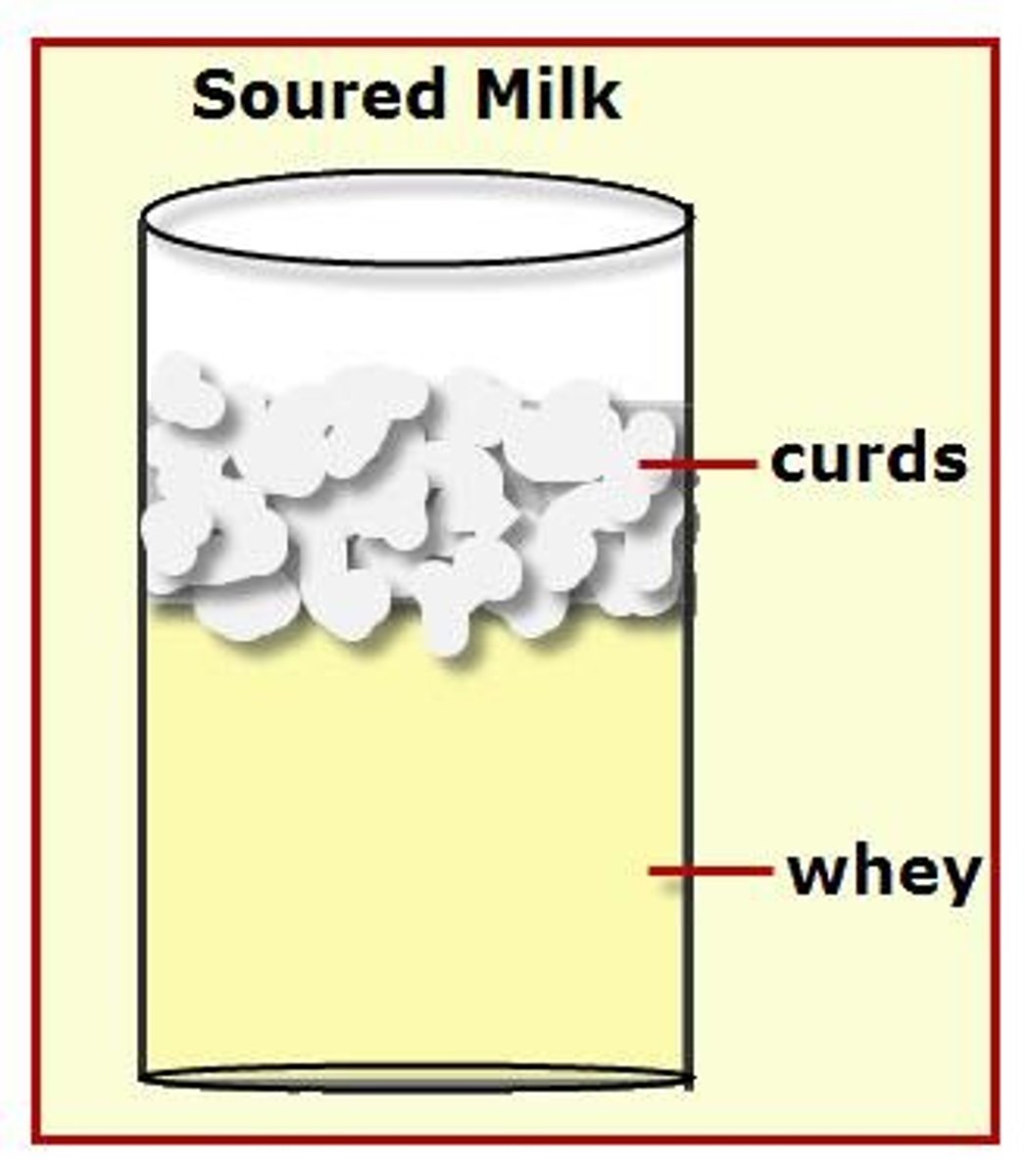
Curds are formed by the coagulation of casein due to enzymes or acid, cut into pieces, whey is drained, and curds are salted and pressed.
What is the difference between acid and enzyme coagulation in cheese making?
Acid coagulation forms a soft gel-like curd for soft cheeses, while enzyme coagulation produces a tough, rubbery curd for hard cheeses.
What is the moisture content classification of cheese?
Soft cheese (40-75% moisture), Semi-hard cheese, Hard cheese (30-40% moisture).
What are cultured/fermented milk products?
Products made by adding bacterial cultures to milk or cream, which change texture and flavor, such as yogurt and sour cream.
What is the role of lactic acid in fermented milk products?
Lactic acid is produced by fermenting lactose, causing casein precipitation and changes in texture and flavor.
What are the characteristics of evaporated milk?
Evaporated milk has 60% of its water removed under vacuum at 50-55°C.
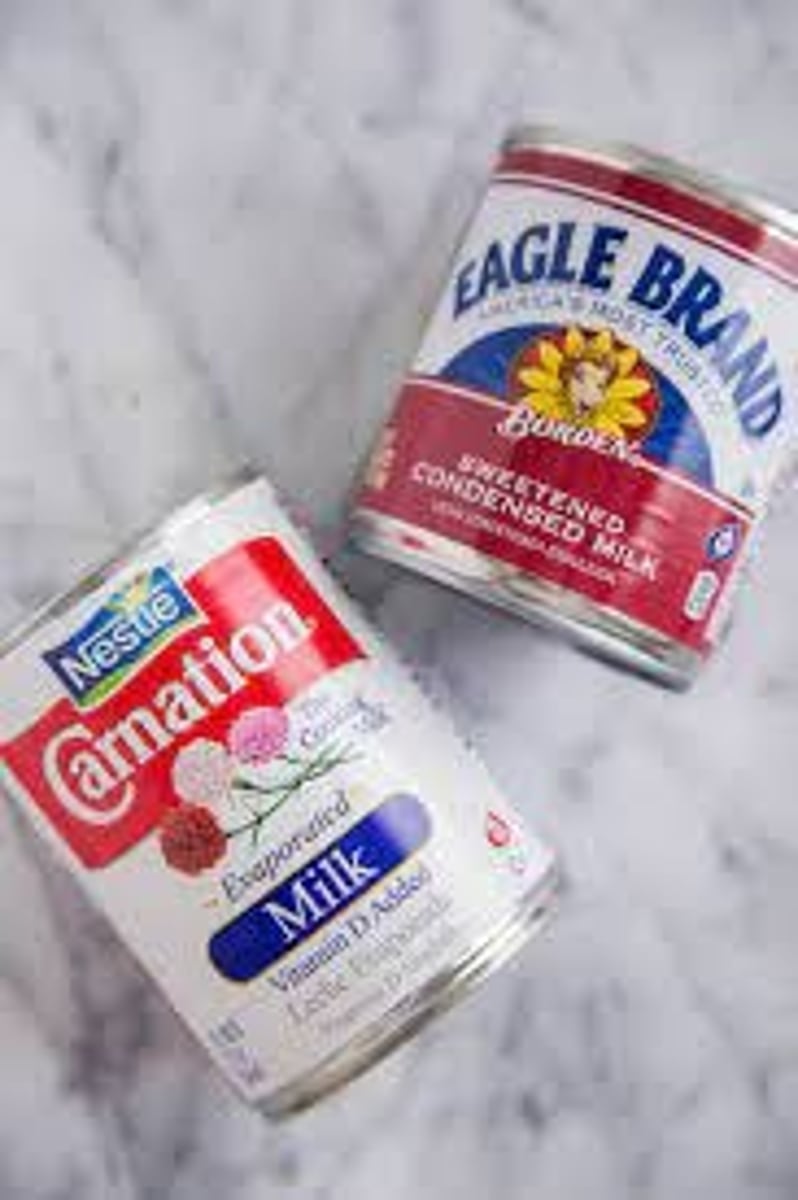
What distinguishes sweetened condensed milk?
Sweetened condensed milk has 60% of its water removed and sugar added to reach a concentration of 40-45% sugar.
What is the difference between processed cheese and processed cheese food?
Processed cheese is made from natural cheese with emulsifying agents, while processed cheese food contains less cheese and more water.
What factors influence the flavor differences in cheddar cheese?
The type and length of ripening, as well as the specific bacteria and enzymes involved in the process.
What is the significance of the fat content in cream?
Cream is defined by its milkfat content, ranging from light cream (18-30% fat) to heavy whipping cream (over 36% fat).
How does temperature affect milk coagulation?
Temperature influences the rate of coagulation and the texture of the resulting curds.
What is the impact of cow feed on milk flavor and color?
Cow feed can influence the flavor and color of milk due to the way it affects fat and protein interactions.
What are the main types of dairy products derived from milk?
Fluid milk, cream, butter, yogurt, cheese, and cultured/fermented products.
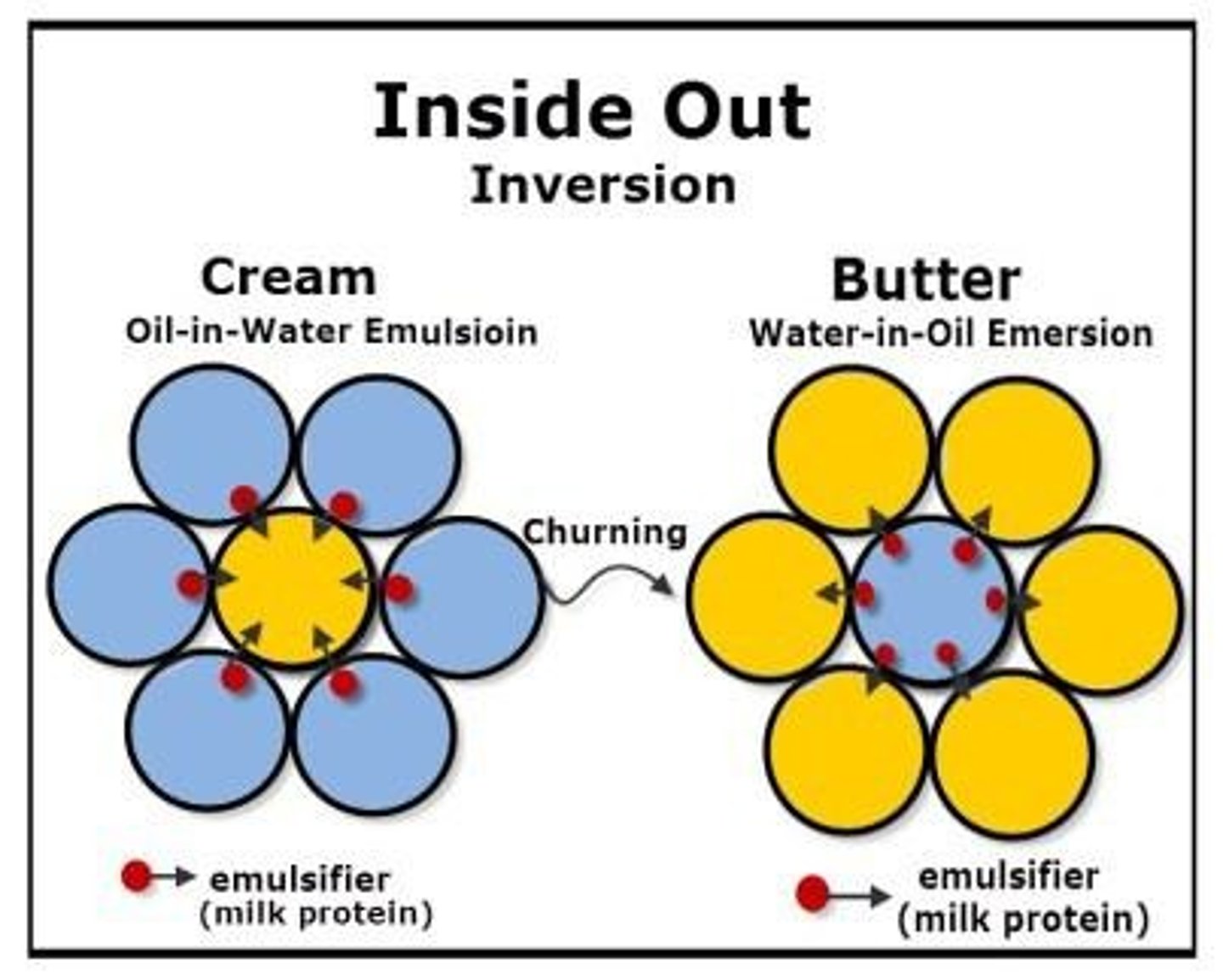
What is the process of making butter?
Butter is made by churning cream, which breaks up fat globules and inverts the emulsion from oil-in-water to water-in-oil.
What is the role of enzymes in cheese ripening?
Enzymes and microorganisms cause chemical changes that develop the characteristic aroma, flavor, and texture of cheese.
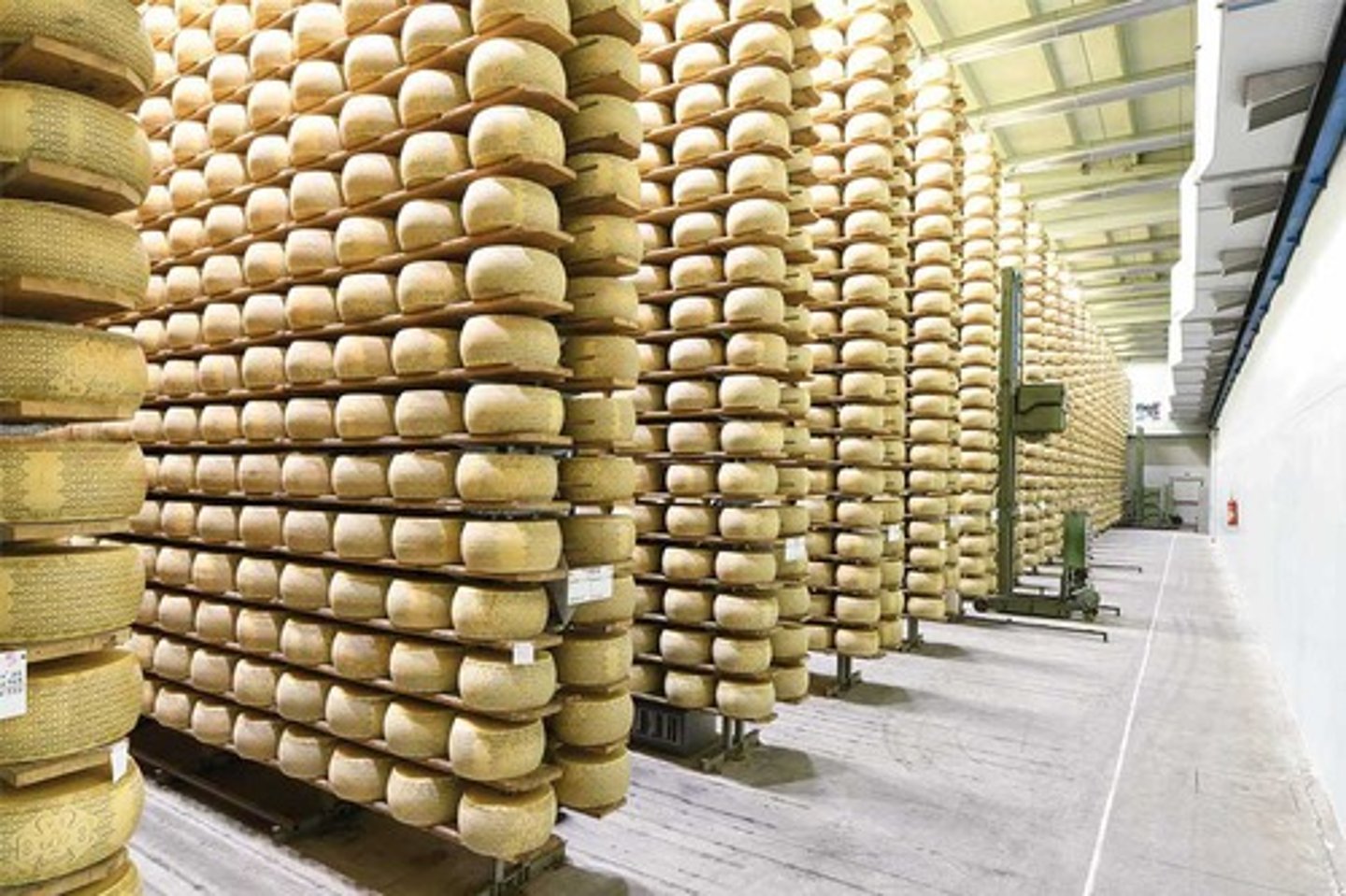
What is the difference between fresh and ripened cheese?
Fresh cheese is unripened, while ripened cheese has undergone aging for 2 months to 1 year, affecting its properties.
What is the effect of light exposure on milk?
Light exposure can cause off flavors in milk due to interactions between protein and riboflavin.
What are the cooking applications of milk?
Milk can undergo changes such as coagulation when heated or combined with acids, leading to thickened products.
What is the significance of the term 'milk' in non-dairy products?
The use of the term 'milk' for non-dairy products raises questions about labeling and consumer perception.