Health Psychology
 Call Kai
 Learn
Learn Practice Test
 Spaced Repetition
 Match
Match Flashcards
 Knowt Play
1/168

There's no tags or description
Looks like no tags are added yet.
Name | Mastery | Learn | Test | Matching | Spaced | Call with Kai |
|---|
No analytics yet
Send a link to your students to track their progress
169 Terms
Global deaths per year
3.3 million
Younger onset of first use …
… has higher likelihood of adult dependency
Dominant view in regards to alcohol
all right in moderation, but harmful in excess
Reasons why alcohol is so prominent
resists marketing regulation, dependent on self-regulation, powerful influence by international drinks companies
Single occasion risks associated with alcohol
Driving, industrial & household accidents, domestic & other violence, STIs from unprotected sex
Risks from regular heavy drinking
Death from liver cirrhosis, irreversible neurological damage, increased risk of cardiovascular disease and some cancers
Social problems associated with alcohol
Difficulties associated with dependence, exacerbation of other problems (depression, family problems), loss of employment or career prospects, child abuse
Risks from drinking during pregnancy
Fetal alcohol syndrome, spontaneous abortion, low birth weight
J-shaped function (alcohol)
Non-drinkers gave up drinking due to health problems, notes correlations and causations, moderate consumption associated with higher SES
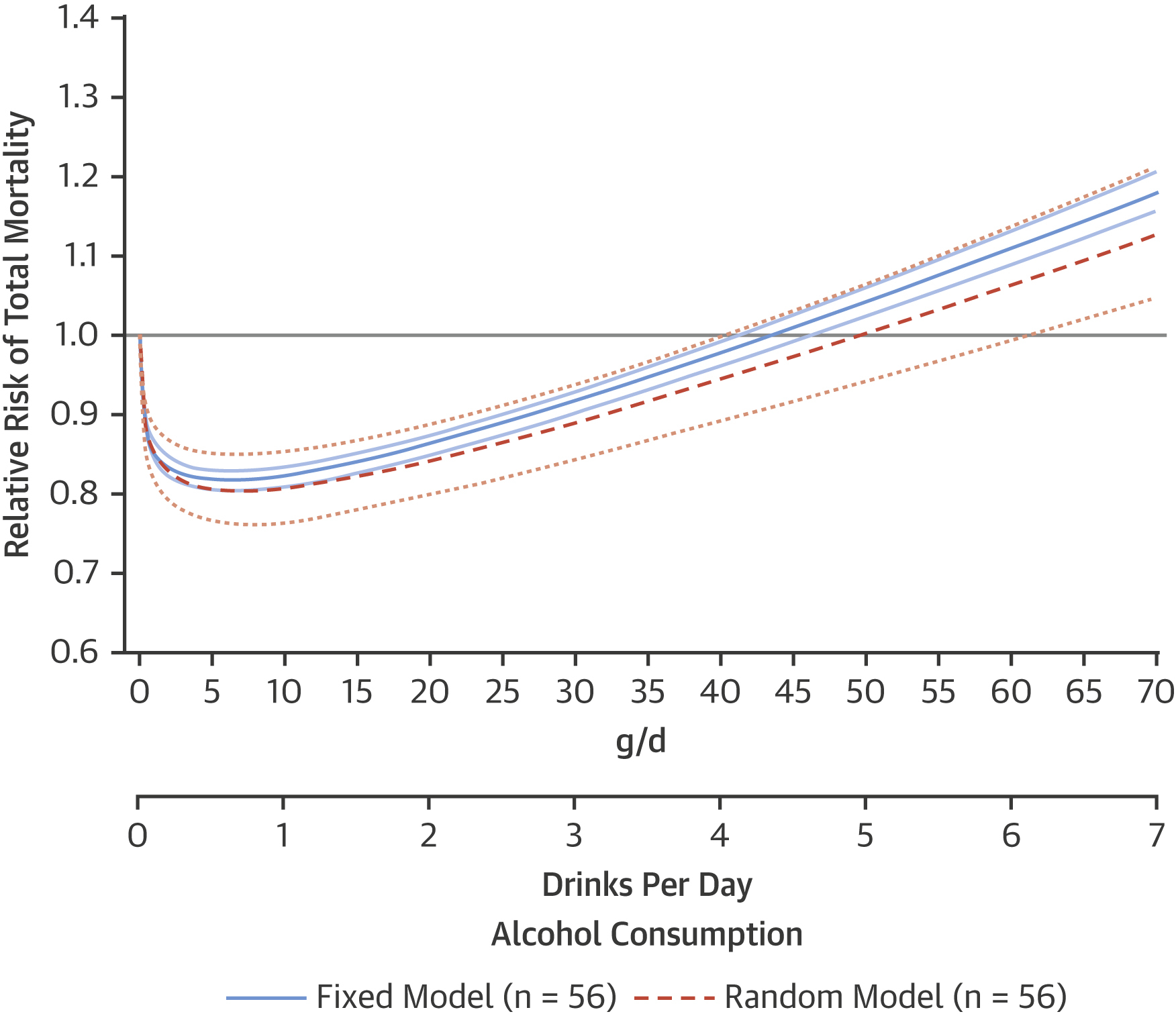
Coronary heart disease (alcohol)
Light/moderate drinkers are at significantly lower risk than heavy drinkers and abstainers; there is a substantially increased risk for heavy/binge drinkers
Strokes (alcohol)
Conflicting evidence for light drinking, but substantial increased risk for heavy drinking
Unclear whether light-moderate drinking causes alcohol benefits …
… but at least is not associated with significant risk increase
Psychological effects of alcohol influenced by culture and expectation
Enjoyment, stress reduction and increased sociability
Why do some people develop drinking problems more than others?
Genetic theories, addiction and disease theories learning theories
Genetic theories
inherited predisposition to alcohol dependence; some people “destined” to become alcoholics after first
biological determinism
observed patterns of drinking in families could be genetic or learnt
disease theories
focus on at risk individual (not genetic), emphasis on loss of control, but only to a small number of people
addiction theories (from 1785 onwards)
replaced previous theories of drinks being morally degenerate, focus on alcohol as addictive substance; once addiction is established, individual loses voluntary control to resist urge to drink
disease theories
focus on at-risk individual (not necessarily genetic), emphasize loss of control; but only addictive to small number of people
operant conditioning
gradient of reinforcement; pleasure from addictive substances less than suffering caused; pleasure immediate, unpleasantness after delay
classical conditioning
compensatory conditioned response model; when drug is initially taken, physiological mechanism returns body to equilibrium; in alcohol (depressant) nervous system activated to sustain normal levels; heavy drinking leads to higher tolerance and larger quantities
Bandura
classical and operant conditioning is important, but we also learn from observation
self-efficacy
personality trait relating to confidence in carrying out one’s plans successfully
reduce alcohol related problems through overall reduction in comsumption
higher taxes, restriction on ads & sponsorships, limit on opening hours of bars, control which shops can sell alcohol and when, minimum unit pricing
opposed by drinks industry
sensible drinking through self-regulation of drinks industry, education; should not penalize majority of sensible drinkers to discourage few problem drinkers
drinks industry is disingenuous
education shown to be ineffective to curb heavy drinking, main profit comes from those drinking above recommended health limits
no country known to maintain population levels of consumption, while reducing problems
75% variance of alcohol dependence within region predicted from overall levels of consumption
counter-advertising (warning labels)
research currently limited to participants’ assessments, not actual reduction of alcohol misuse, minuscule compared to advertising budgets
sponsorship and advertising bans
originally thought to be ineffective, but research being revisited (increased consumption leads to bans, decreases to rescinding ban), 5-8% reduction in overall consumption
drink driving laws (with severe penalties) widely and increasingly adopted
universally agreed to reduces fatalities, even has support of drinks industry
health education
improves knowledge and attitudes, but no effects on amounts actually consumed
alcohol treatment in Canada, USA
typical focus on abstinence; specialist treatment centers with medical orientation
alcohol treatment in UK
return to moderate drinking levels
types of treatment
in-patient treatment, alcoholics anonymous, CBT, motivational interviewing, mindfulness-based relapse prevention, acceptance and commitment therapy, brief intervention
ethics
attempts to answer questions of right and wrong, justice and crime, virtue and vice
applied ethics
the application of ethical theory to real-world problems
bioethics
a branch of applied ethics focused on ethical issue in biology, medicine and healthcare
why was biomedical ethics created?
in response to unethical treatment of human subjects, including cases like the Tuskegee Syphilis Study and Beecher’s 1966 examples
Nuremberg Code (1947)
ethical guidelines for human experimentation created after Nazi war crimes
Beneficence
acting to benefit others'/promote well-being
non-malfeasance
avoiding harm to others
justice in biomedical ethics
fairness in treatment and distribution of resources
autonomy
respecting individual’s rights to make their own decisions
examples of biomedical advances raising ethical concerns
organ transplantation, assisted suicide, IVF, life support technology, PGD, saviour siblings
how do new technologies affect ethics?
they change social relations and force society to rethink beliefs about right and wrong
why involve psychology in biomedical science?
to address ethical, legal and social implications of health research participation
ELSI
ethical, legal and social implications of biomedical research
three key ELSI areas in modern health research
genetic research, biobanks/cohort studies, electronic health records
incidental findings
unexpected findings discovered during research that may have health implications
ethical dilemma of incidental findings
obligation to inform participants versus respecting autonomy
GWAS
Genome-Wide Association Studies
biobank
a collection of human tissue used for research, criminal investigation, identification or other purposes
where do biobanks exist?
hospitals, university, research institutions, private companies
why are biobanks importants?
they may transform understanding of disease development and medical research
current interest in biobanks is driven by
bioinformatics, genomic advances, capital investment, commercialization, international collaborations
how do biobanks help research?
they allow scientists to conduct research without recruiting participants for each projects
potential outcomes of biobank research
genetic diagnostic markers, drug response differences, identification of environmental toxins
why are traditional REB protocols challenged by biobanks?
they were developed before modern biobank trends emerged
main informed consent issue in biobanks
future uses of samples may be unknown when consent is given
problem with re-contacting participants
it may be prohibitively expensive
withdrawal of consent issue
it may be difficult or impractical once samples are used/stored
collective research issue
debate over individual versus community consent
privacy risks in biobanking
denial of healthcare/insurance, possible identification through DNA
why isn’t anonymization foolproff?
DNA can later be linked back to individuals
return of results
informing participants of health-related findings discovered in research
issue with returning results
samples cannot be fully anonymized if researchers need to identify with participants
ownership issue in biobanking
debate over who owns tissue after removal from the body
benefit sharing
whether participants deserve compensation if profits are made from their tissue
Henrietta Lacks
famous case highlighting ethical concerns over tissue ownership/profit
Electronic Health Record (EHR)
ongoing collection of personal health information used for healthcare and research
examples of EHR information
hospital records, prescriptions, physician data, psychological services
ethical concerns with EHRs
privacy infringement, lack of informed consent, safeguarding data, deciding what is included
Public Policy Question
who gets to make decisions that affect society?
why involve the public in policy decisions?
decisions affecting society should include input from diverse publics
public deliberation
a framework for involving citizens in science, technology and health policy discussions
key features of deliberation
discussion by ordinary citizens, argumentations, evidence presentation, consideration of alternatives, consensus-building
goal of deliberation
to work toward common ground/consensus
deliberative forum
citizens learn about a topic, debate it and collectively recommend policy
principles of deliberative forums
respectful engagement, justification/challenge of views, finding common ground
deliberative hopes
better decisions, better-informed citizens, increased political engagement/social capital
deliberative fears
dominant voices overpowering others, polarization, bias, inefficiency
major value trade-offs in biobanking
privacy vs research facilitation; individual control vs community decisions
why does biobanking need deliberation?
complex issue, public unfamiliarity, democratic deficit
three questions in designing public engagement
who participates? how is deliberation structured? what is done with results?
mini public
small but diverse providing meaningful policy input
why recruit diversity?
to include varied experiences, values and discursive styles
biobank deliberation format
4 days over 2 weekends, small/large group discussions, documented conclusions
purpose of first weekend
identify interests and values related to a BC biobank
purpose of second weekend
rank values, rate policy choices, identify controversies
risk
key concept in medicine, health promotion, psychology, engineering and finance; often probabilistic and morally/socially interpreted
screening
examining sections of population at higher statistical risk for disease to identify early signs of that disease
purpose of screening
early detection of disease to improve health outcomes
population-level rational for screening
to manage health risks by focusing on higher-risk groups
problems with screening programs
technical issues, reluctance in adoption, negative side effects, debates about effectiveness
screening effectiveness depends on:
invasiveness, disease prevalence, cultural beliefs, economics, treatment availability, disease progression
pap smear recommendation
every 3 years for sexually active individuals ages 25-69; HPV test every 5 years
mammogram recommendation
every 2-3 years for women ages 50-74
colon cancer screening recommendation
for adults ages 50-74
lifetime breast cancer risk
about 1 in 8 women
why is breast cancer screening emphasized?
high prevalence and better outcomes with early detection