#18 Air and Missile Defense
 Call Kai
 Learn
Learn Practice Test
 Spaced Repetition
 Match
Match Flashcards
 Knowt Play
1/24

There's no tags or description
Looks like no tags are added yet.
Name | Mastery | Learn | Test | Matching | Spaced | Call with Kai |
|---|
No analytics yet
Send a link to your students to track their progress
25 Terms
Why is missile defense considered more difficult than air defense?
Missile defense involves targets with significantly higher speeds and altitudes, and ballistic missiles often exit and re-enter the atmosphere, creating a complex problem set.
Air defense
Aircraft, cruise missiles, UAVs/drones, lower speeds
Missile defense
Ballistic missiles, high-speed, high altitude, predictable trajectory, extremely fast
The idea of a layered defense
Multiple engagement opportunities, no single system is sufficient
What are the four stages of the 'detect to engage' sequence in layered defense?
Detect, Track, Engage, and Kill.
What are the three phases of a ballistic missile's flight path?
Boost phase (launch), Midcourse (space), and Terminal (reentry).
Which ballistic missile flight phase is considered the ideal time for interception, and why is it difficult?
The boost phase is ideal because the missile is most vulnerable, but it is very difficult to achieve due to the short time window and high speed of the launch.
Aegis Combat System
Aegis = radar + weapons + fire control all integrated
What components make up the Aegis Combat System?
It is an integrated system consisting of SPY radar, the Vertical Launch System (VLS), weapons, and fire control.
What is the primary purpose of the SM-3 interceptor?
To engage ballistic missiles in the midcourse phase while they are in space.
What is the function of the Close-In Weapon System (CIWS)?
It serves as the last line of defense for ships, using a radar-guided Gatling gun to engage incoming threats at very short range.
How does SeaRAM differ from a standard CIWS?
SeaRAM is a hybrid system that replaces the Gatling gun with RAM missiles, providing faster reaction times and autonomous operation for ship defense.
What are the three layers of Naval missile defense and their primary interceptors?
Outer layer (SM-3/SM-6), Mid layer (SM-2/ESSM), and Inner layer (CIWS/SeaRAM). Networked sensors (Aegis, CEC)
What is the primary target set for the SM-6 interceptor?
Aircraft, cruise missiles, and some ballistic missiles in the terminal phase.
What is the primary mission of the SM-2 interceptor?
Area air defense against aircraft and cruise missiles at medium-to-high altitudes.
What is the role of the Evolved Sea Sparrow Missile (ESSM) in naval defense?
It acts as a point defense system for the mid-layer, targeting sea-skimming missiles and aircraft.
What is the defining characteristic of the THAAD intercept method?
It uses 'hit-to-kill' technology, which relies on kinetic energy rather than an explosive warhead to destroy the target.
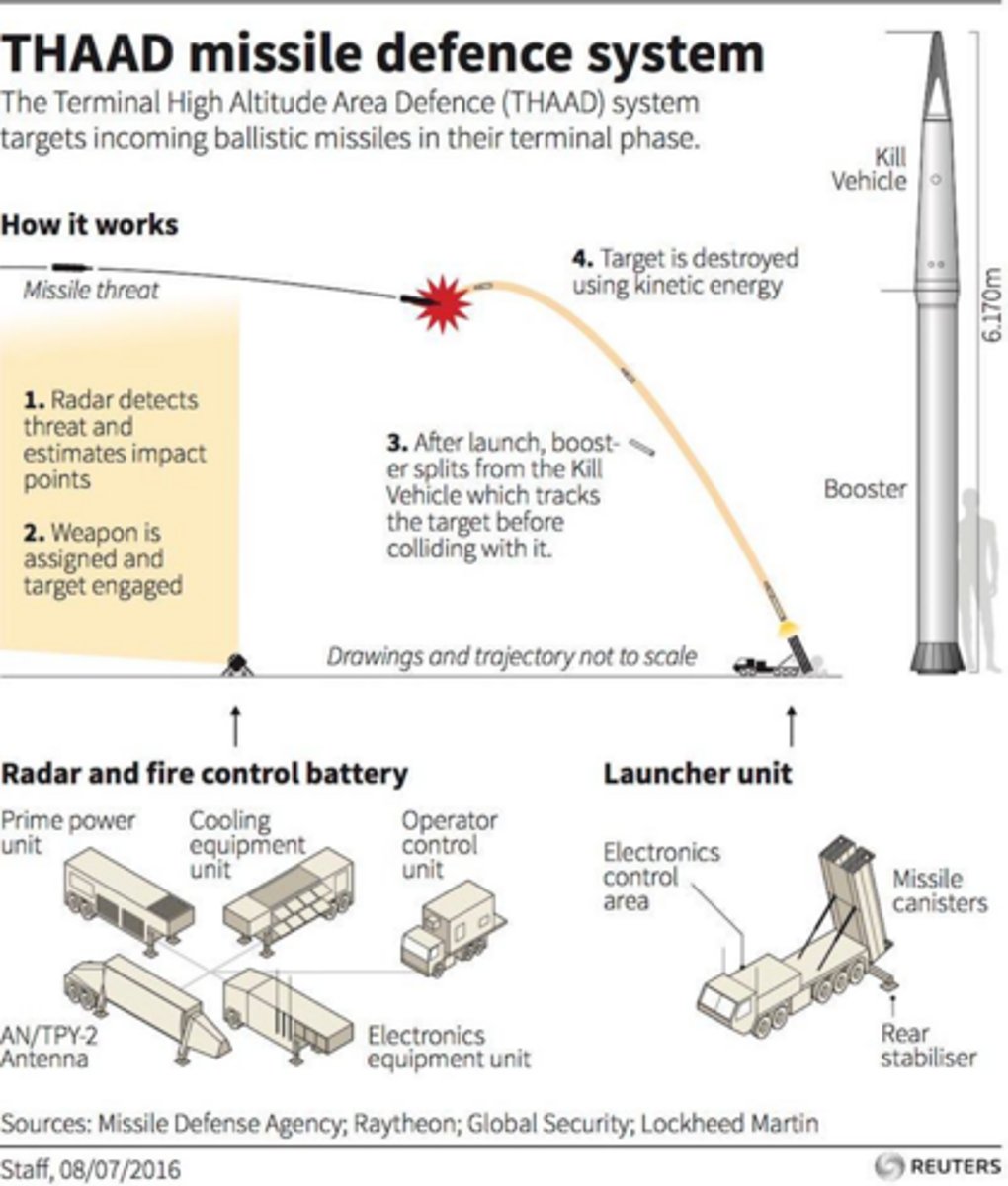
How does the Patriot system compare to THAAD in terms of defense layers?
Patriot provides lower-altitude terminal defense, serving as the layer directly below THAAD.
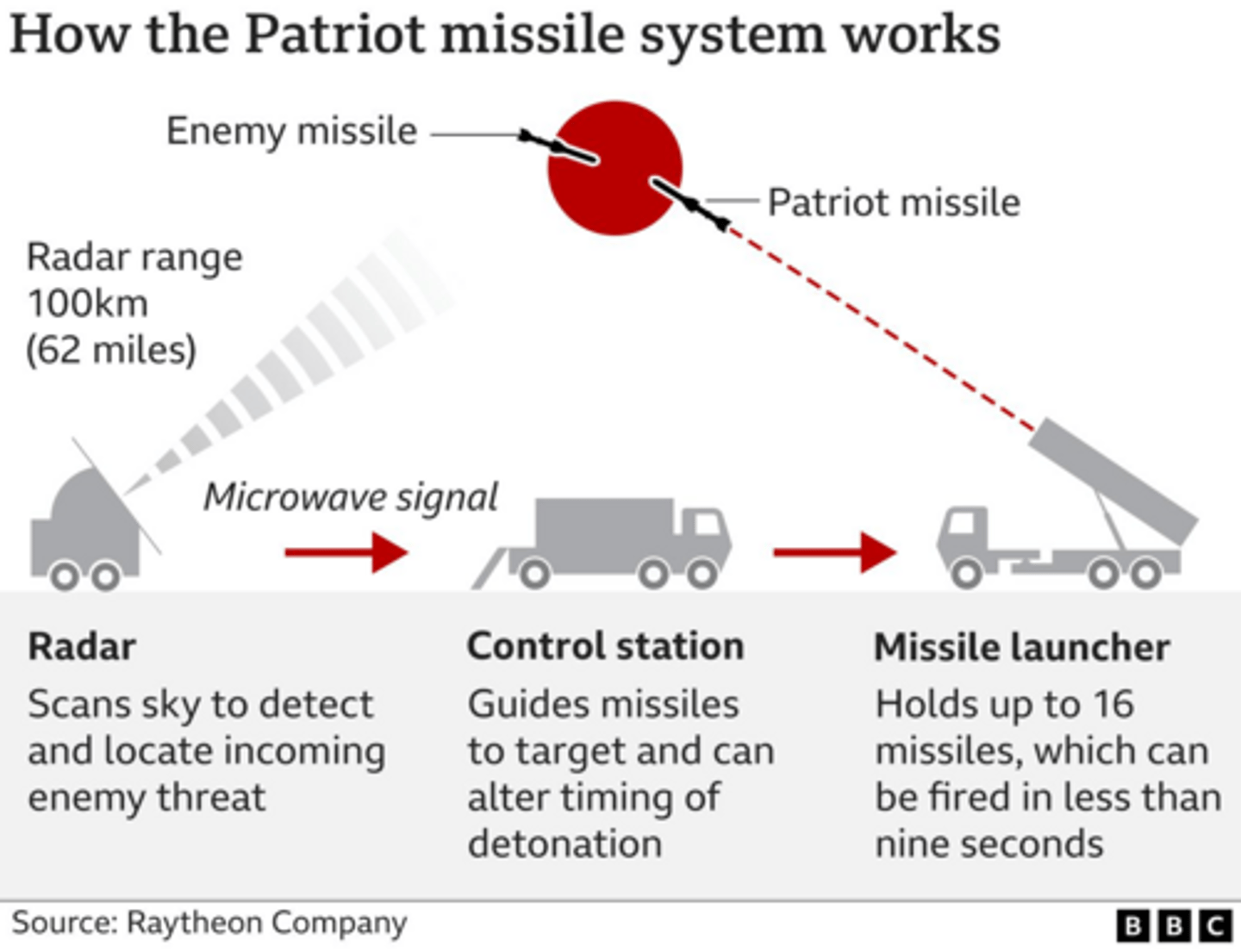
What is a 'saturation attack' in the context of missile defense?
An attack involving multiple incoming threats simultaneously, designed to overwhelm defensive systems and exhaust limited interceptor supplies.
Why is 'layered defense' necessary for naval vessels?
Because no single system is perfect; layered defense increases the probability of success by providing multiple engagement opportunities.
What is the primary function of the SPY radar within the Aegis system?
It provides powerful tracking capabilities to support integrated fire control.
What types of threats does SeaRAM specifically engage?
Anti-ship cruise missiles and drones.
What is the approximate altitude and range capability of the SM-3?
It operates in the exo-atmospheric (space) layer with a range of approximately 500+ km.
What is the core philosophy behind modern missile defense?
It is a probabilistic endeavor intended to buy time and increase the odds of survival against evolving threats.
What is the significance of Carrier Strike Groups in the context of missile defense?
They function as floating, networked layered defense systems capable of global deployment.