Know your traffic signs 2
 Call Kai
 Learn
Learn Practice Test
 Spaced Repetition
 Match
Match Flashcards
 Knowt Play
1/66

Earn XP
Description and Tags
.
Name | Mastery | Learn | Test | Matching | Spaced | Call with Kai |
|---|
No analytics yet
Send a link to your students to track their progress
67 Terms
Normally, all bridges with a clearance of less than _ are signed
16 feet 6 inches (around 5 metres)
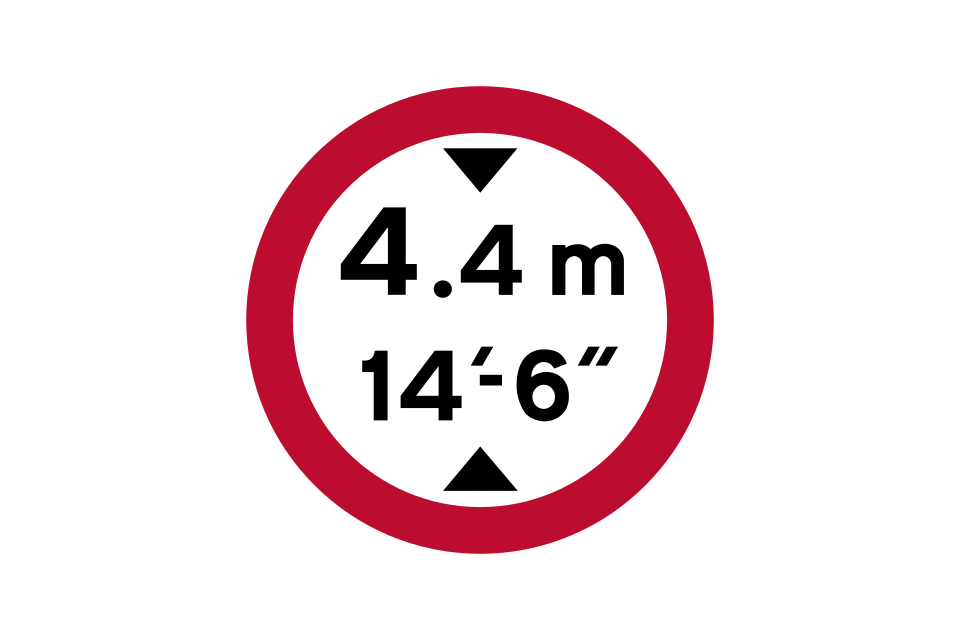
No vehicles which exceed the height restriction may pass the sign

Warning sign for maximum headroom for an oncoming bridge or obstruction
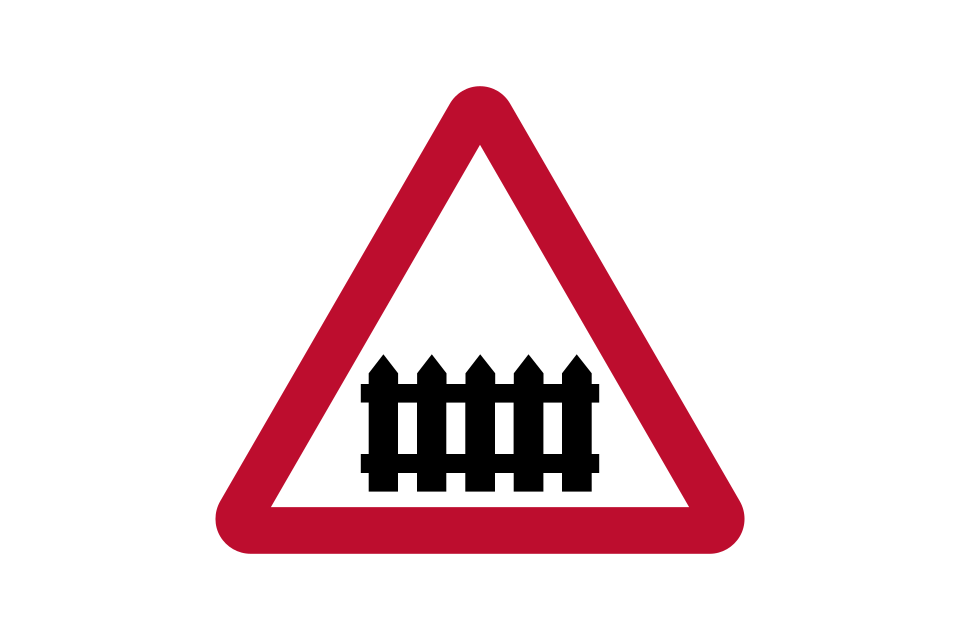
Level crossing with a gate or barrier
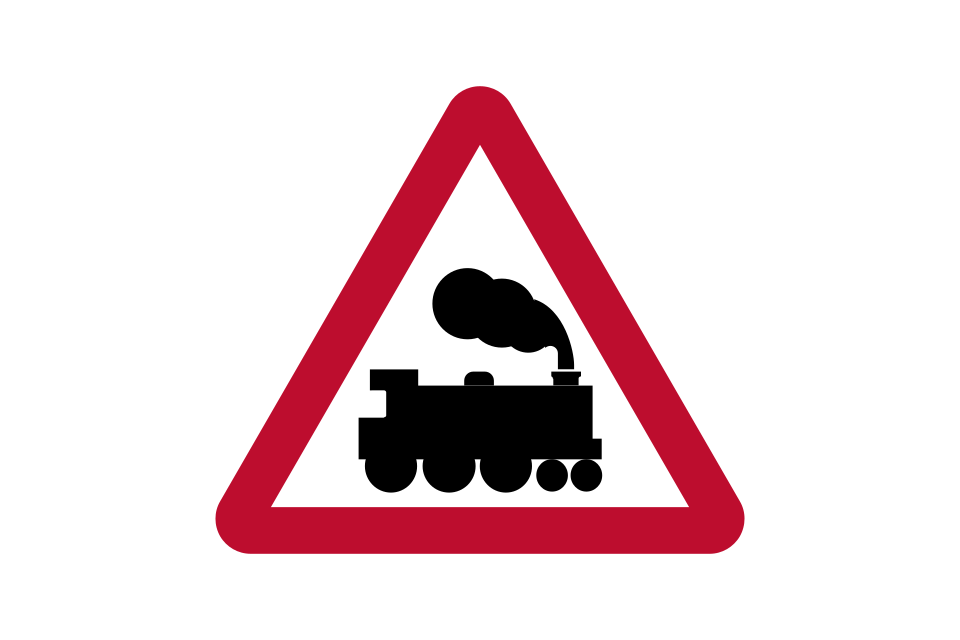
Level crossing without a gate or barrier
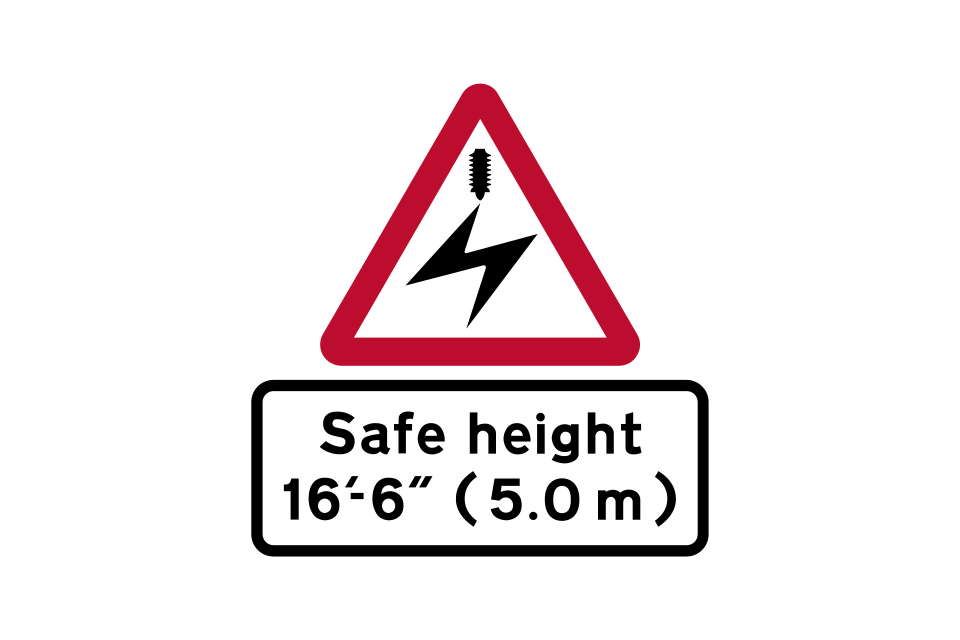
Electrified overhead cable and safe height beneath it
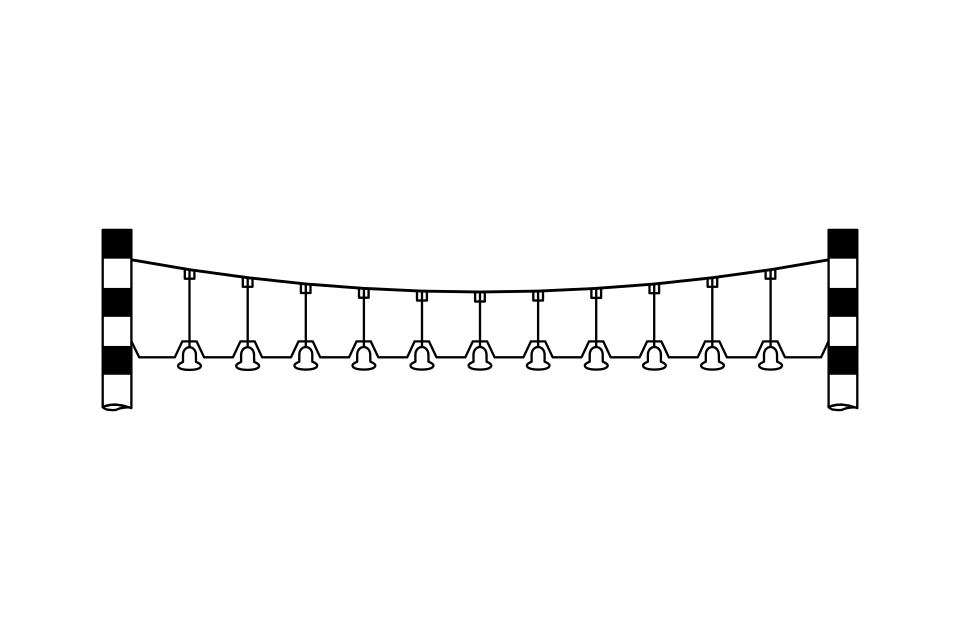
Bells suspended over the road to provide an audible warning that exceed the safe height beneath electrified overhead cables
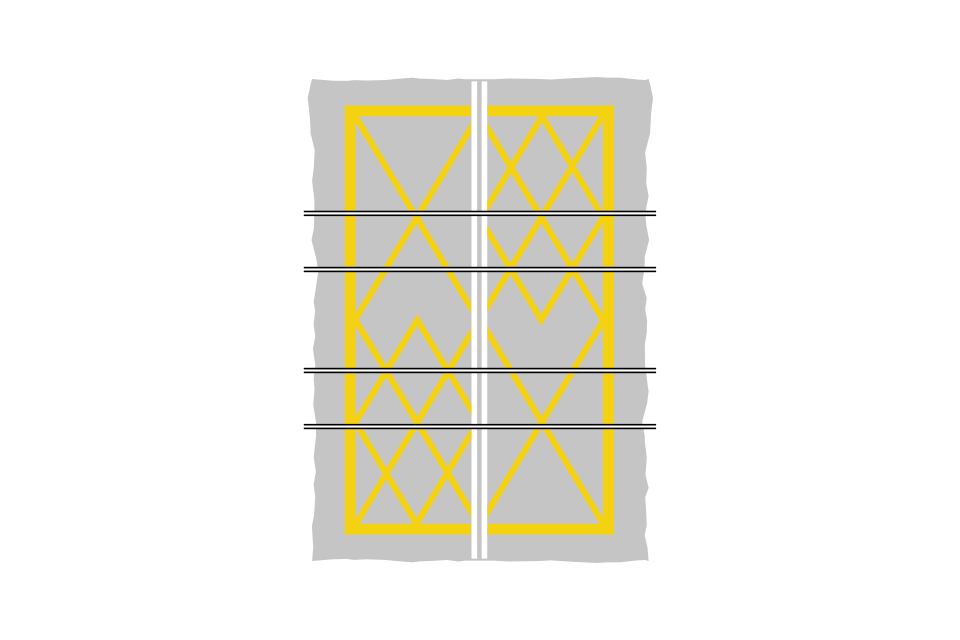
Area of a carriageway that must be kept clear
Do not enter the box if stationary traffic would cause you to stop there
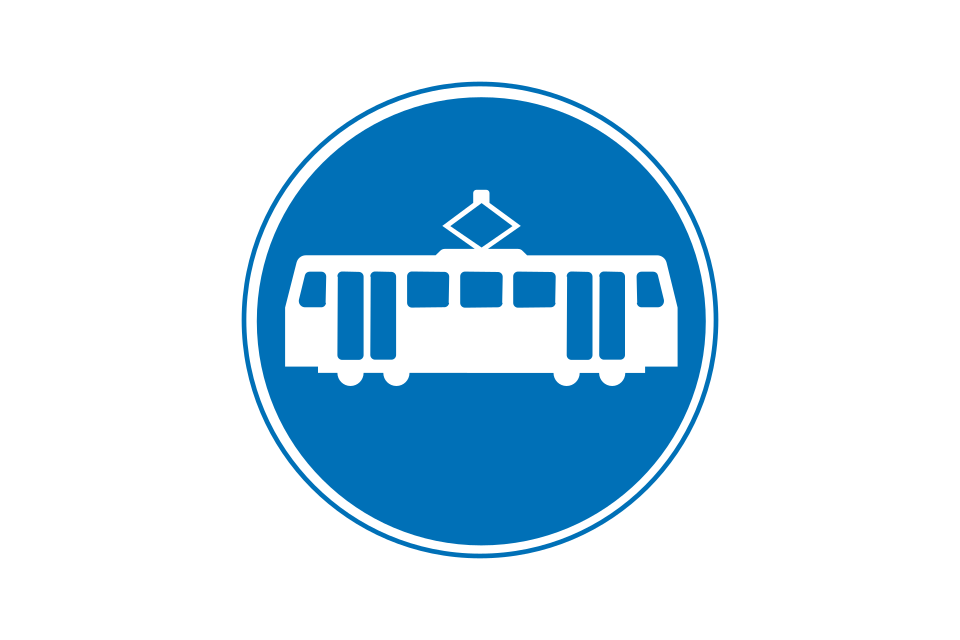
Route for trams only
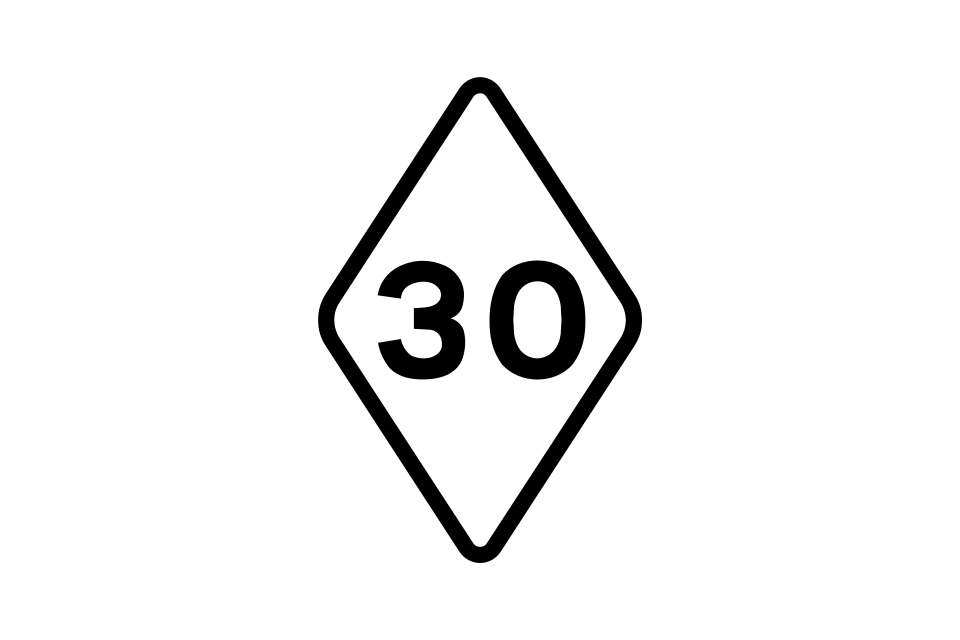
Speed limit for trams only

No buses or vehicles carrying more than 8 passengers (excluding driver)
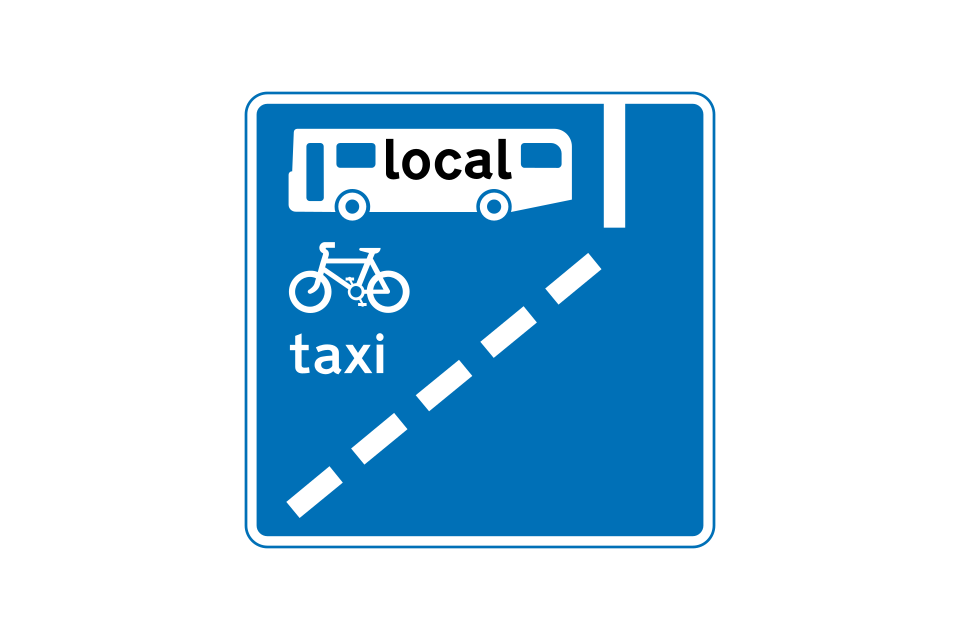
With-flow bus lanes that can also be used by pedal cycles and taxis
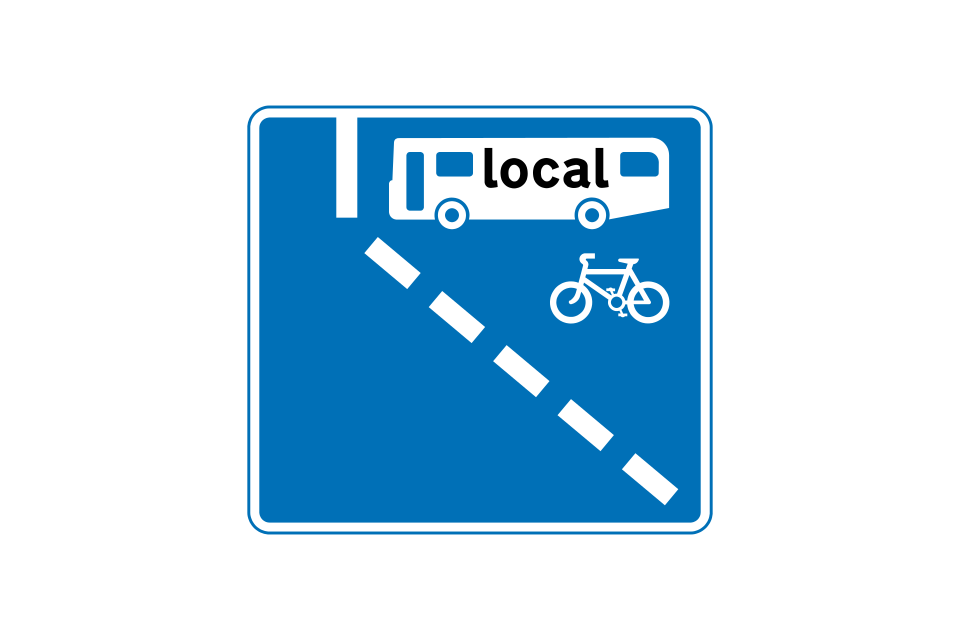
Off-side with-flow bus lane that also be used by pedal cycles
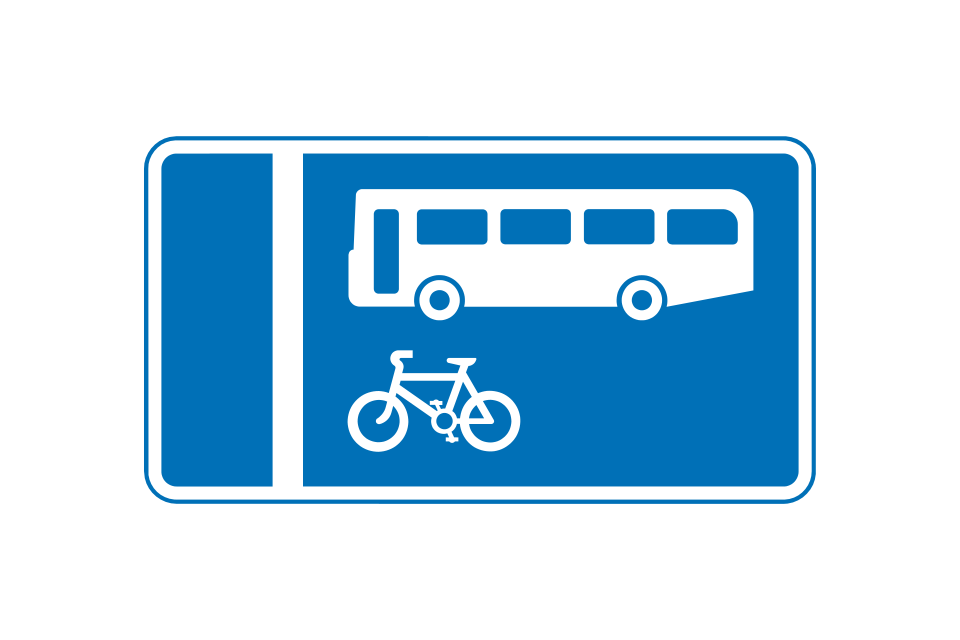
Off-side with-flow bus lane that can also be used with pedal cycles

Traffic may use both lanes at the end of a bus lane
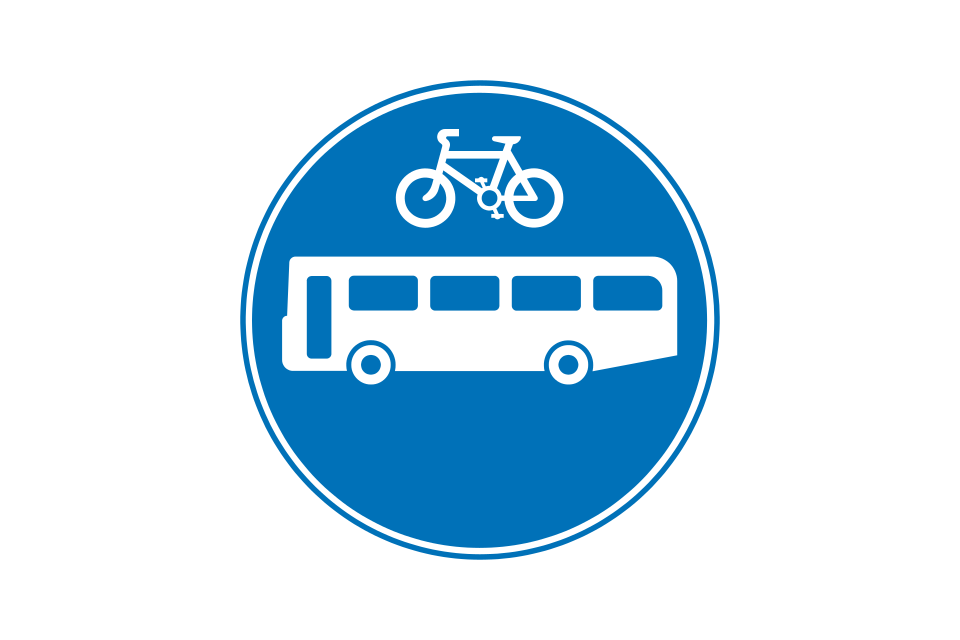
Route for buses and pedal cycles only

When there is a break at a bus lane at a junction, traffic may use the left lane for turning left only
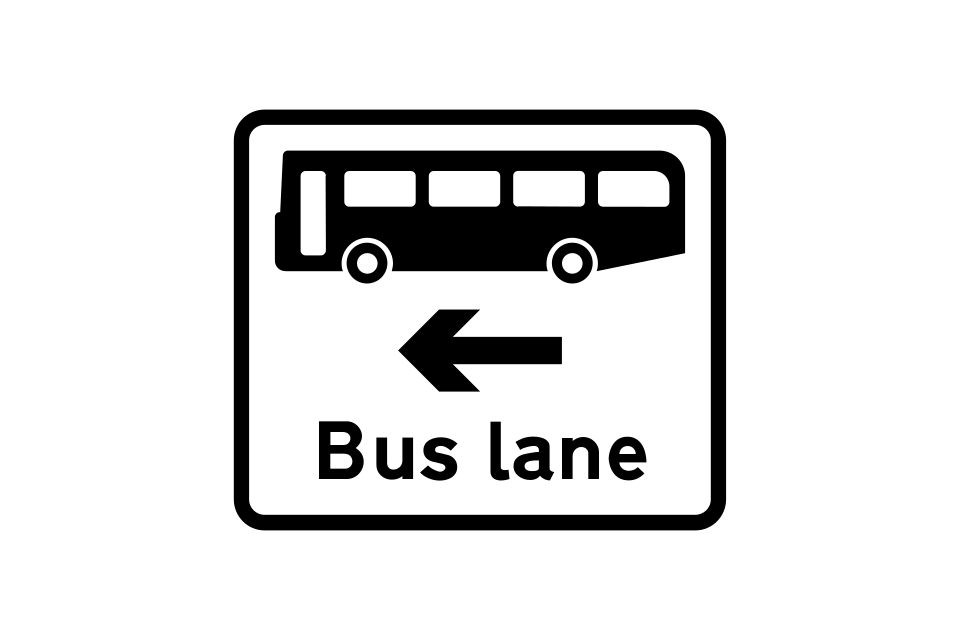
Bus lane at junction ahead
Bus gate
Short length of bus-only street
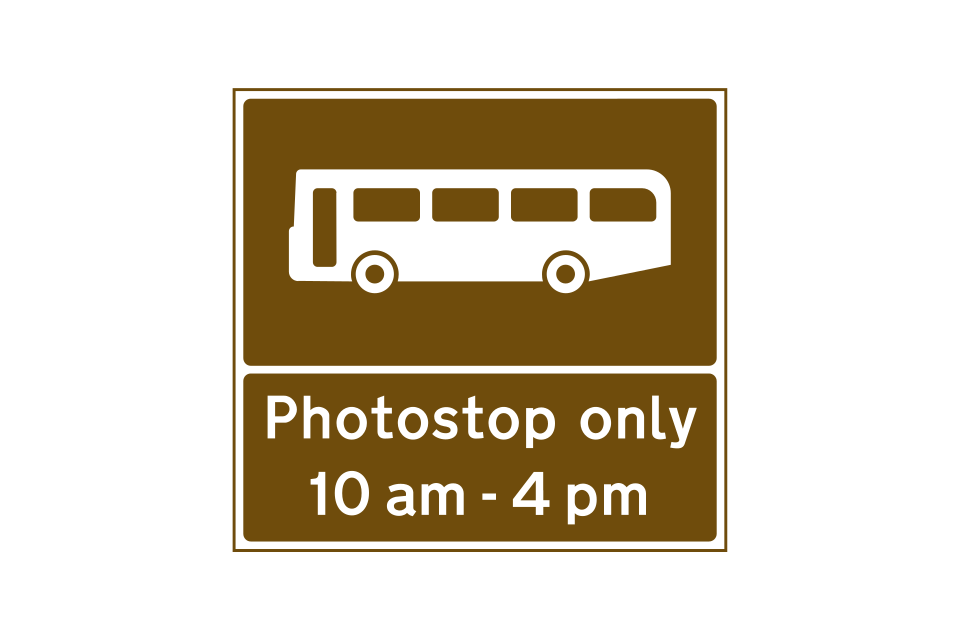
Place for tourist buses to stop, allowing passengers to take photos
The broad continuous yellow line at the edge of the carriageway
Other vehicles are prohibited from stopping

Mandatory with-flow pedal cycle lane ahead

Mandatory with-flow pedal cycle lane. Vehicles must not be driven or parked in this lane during its times of operation.
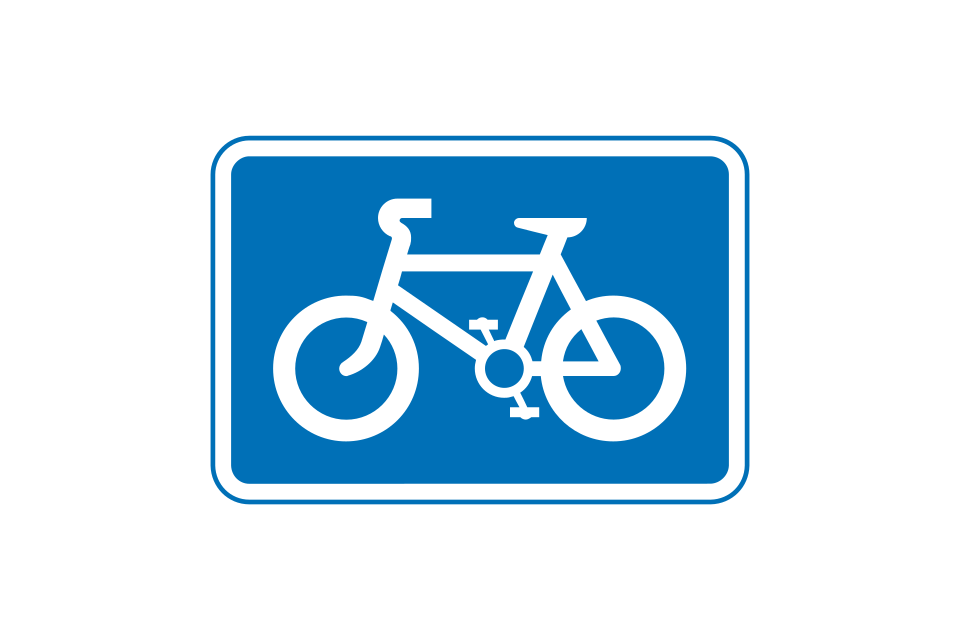
Route recommended for pedal cyclists on the main carriageway of the road (may be marked an advisory pedal cycle lane)
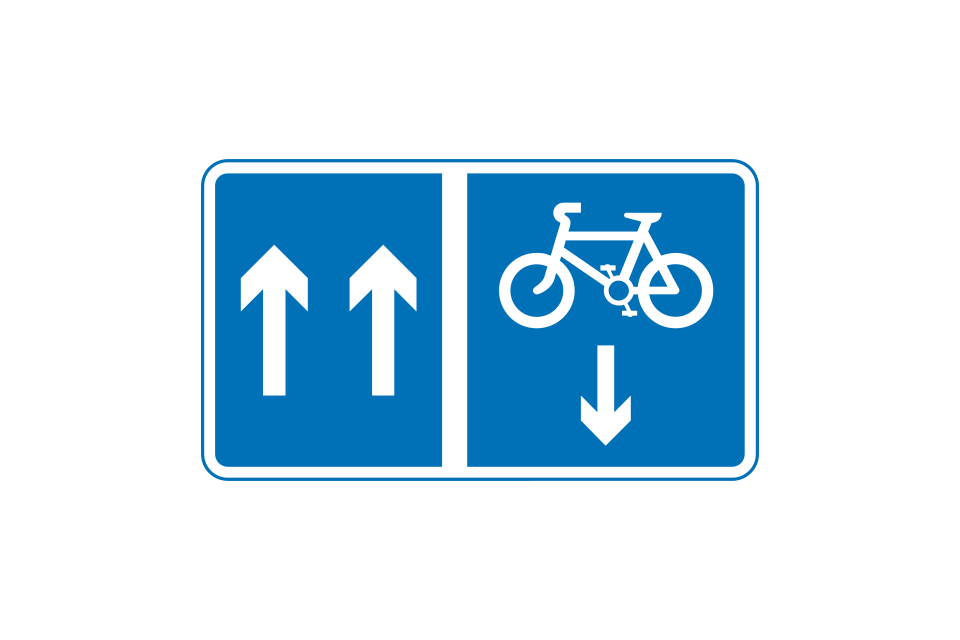
Mandatory contraflow pedal cycle lane
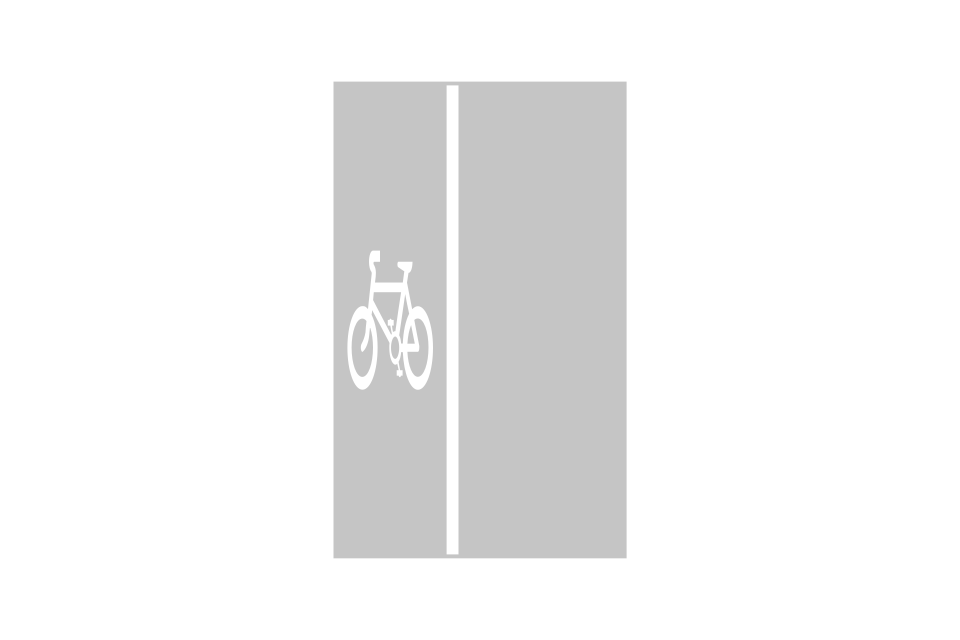
Mandatory cycle lane
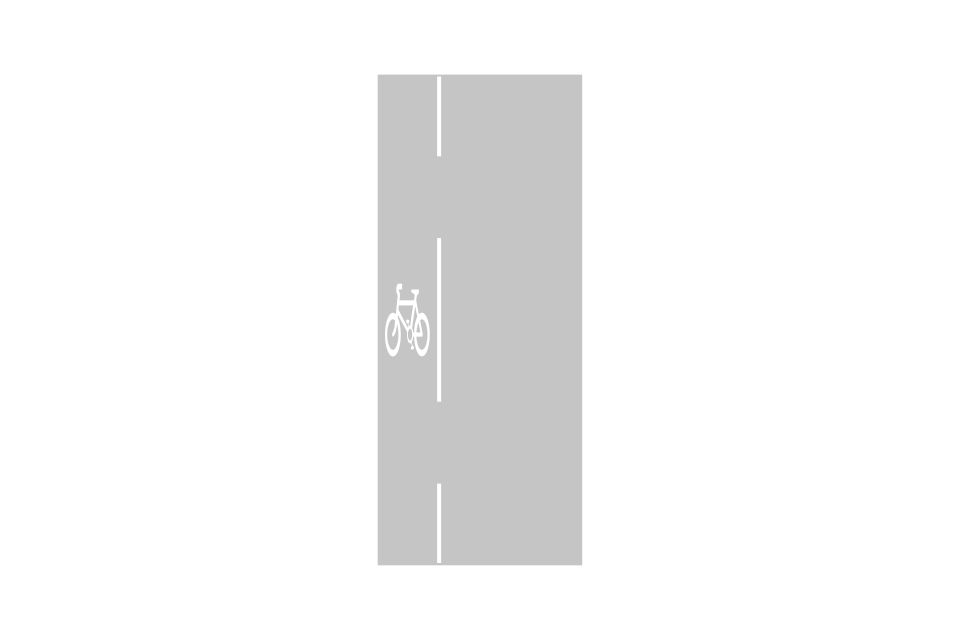
Advisory pedal cycle lane — other vehicles should not use unless this part of the carriageway unless unavoidable
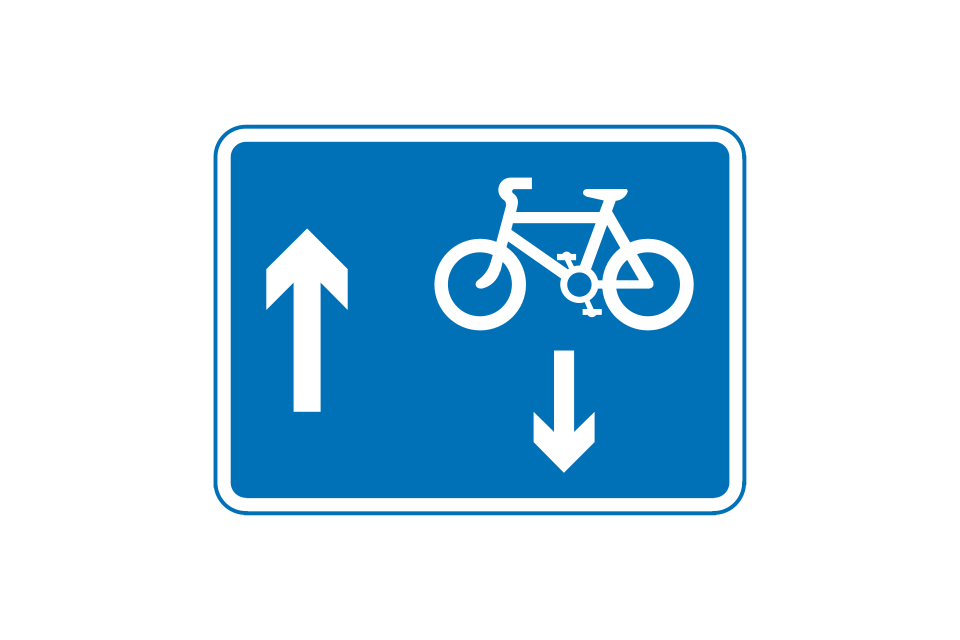
Contraflow pedal cycle lane in a one-way street (other than a mandatory contraflow pedal cycle lane) This may be marked by a broken line or no line at all)

Pedal cycle lane at junction ahead
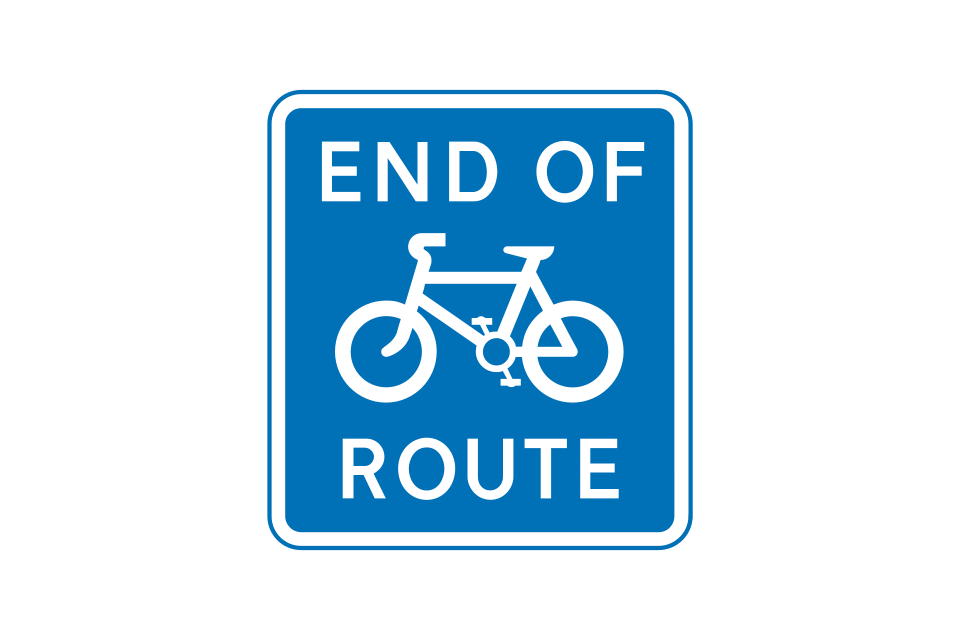
End of cycle lane

Route for pedal cycles and pedestrians only

Separated track and path for pedal cycles and pedestrians

Route for pedal cycles only

Shared route for accompanied/ridden horses, pedestrians and pedal cycles only.

Path marking separating pedal cycles and pedestrians on a shared route.
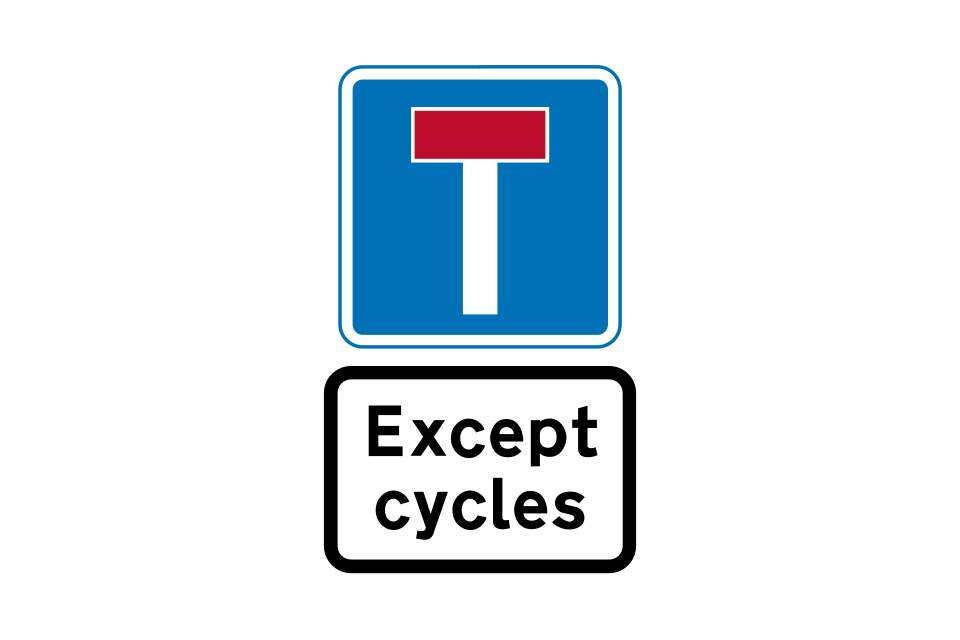
No through road except for cycles

Riding of pedal cycles prohibited
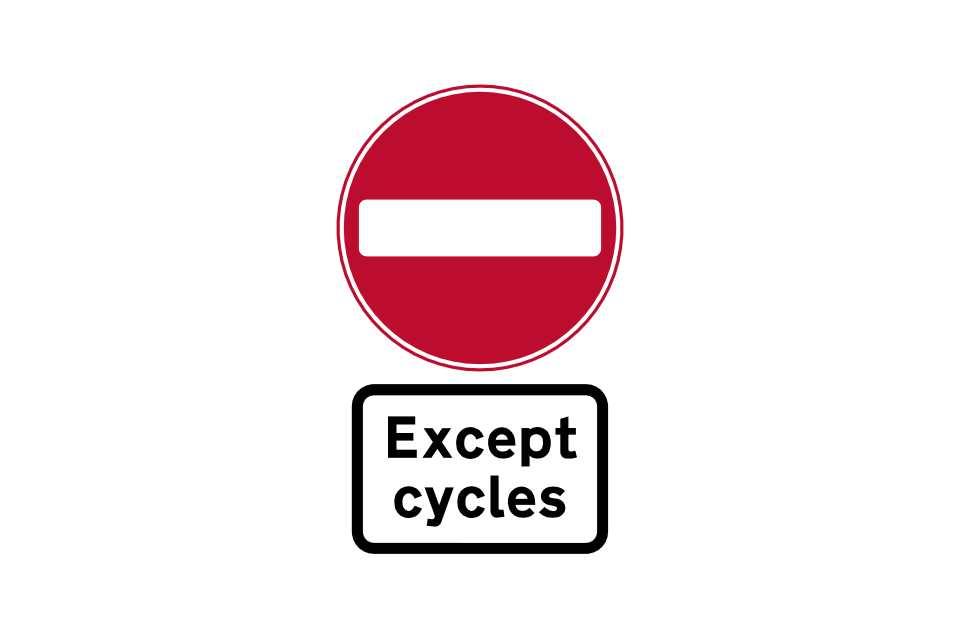
No entry for vehicular traffic except pedal cycles
Waiting
Brief stop, with the driver still inside, usually to drop off/pick up a passenger
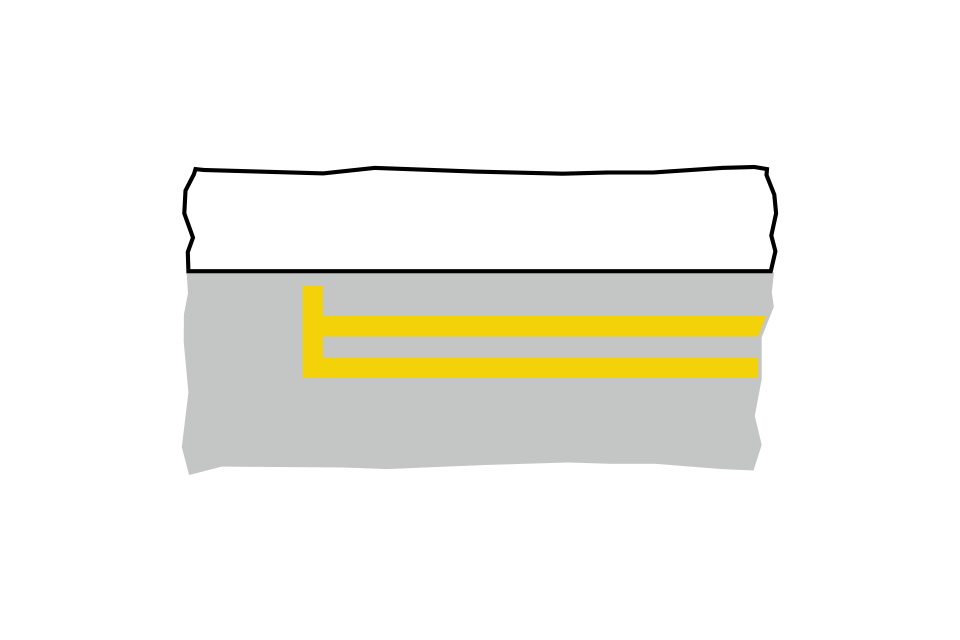
Waiting prohibited 24/7
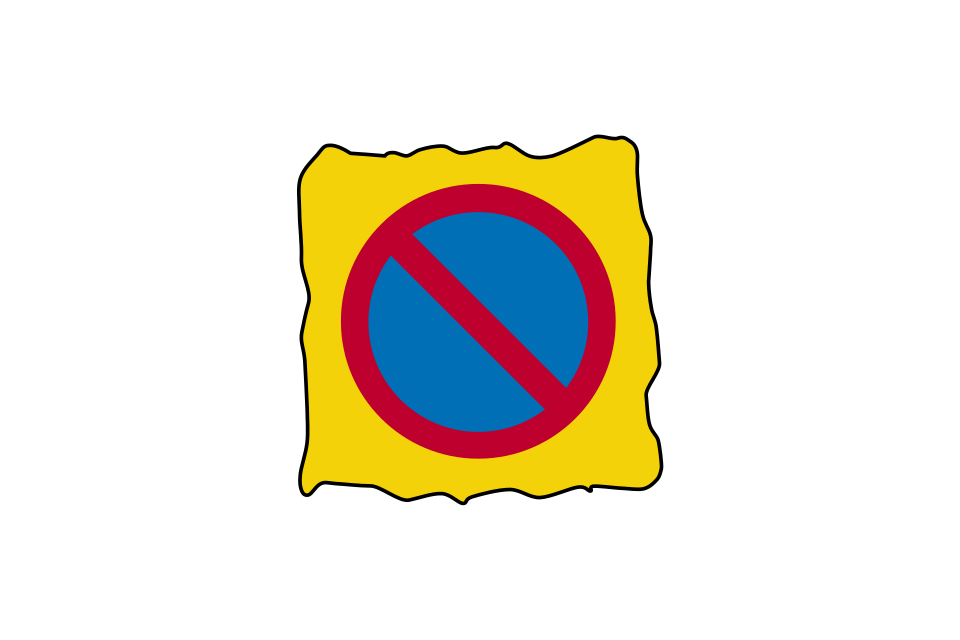
No waiting
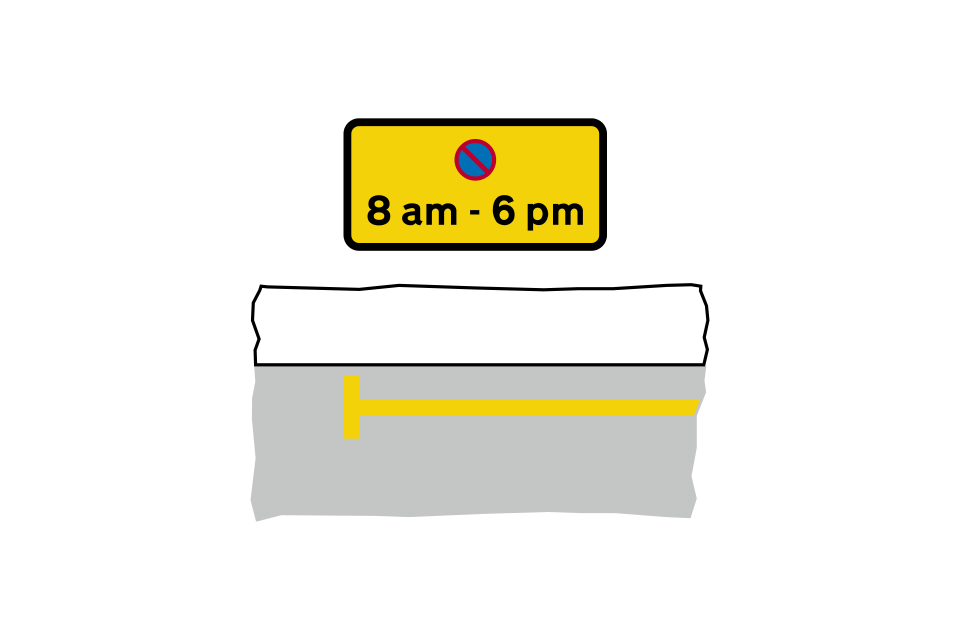
Waiting prohibited between the times displayed on the sign.
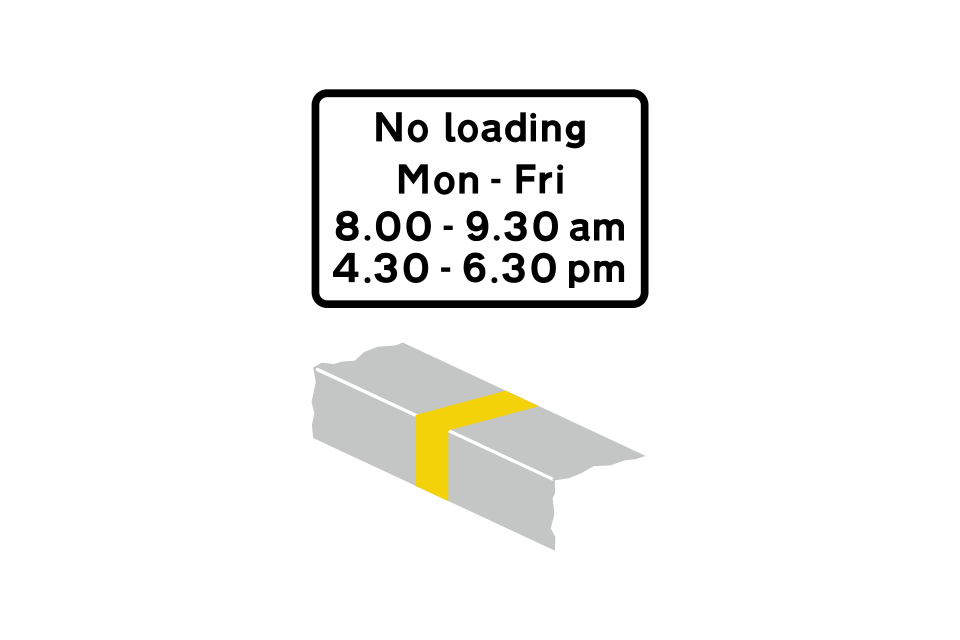
Loading prohibited between times displayed on the sign
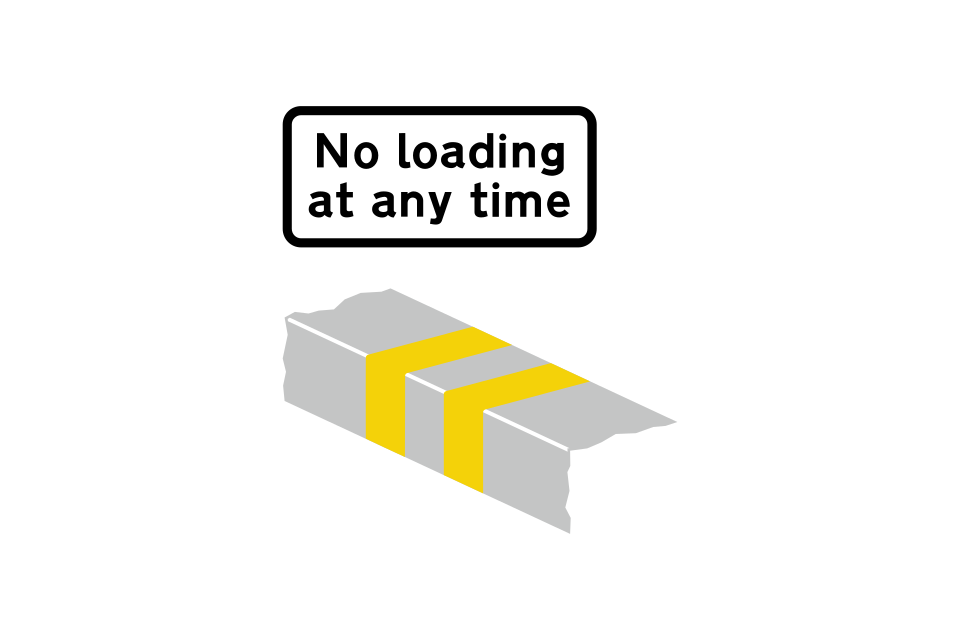
No loading at any time of the year.
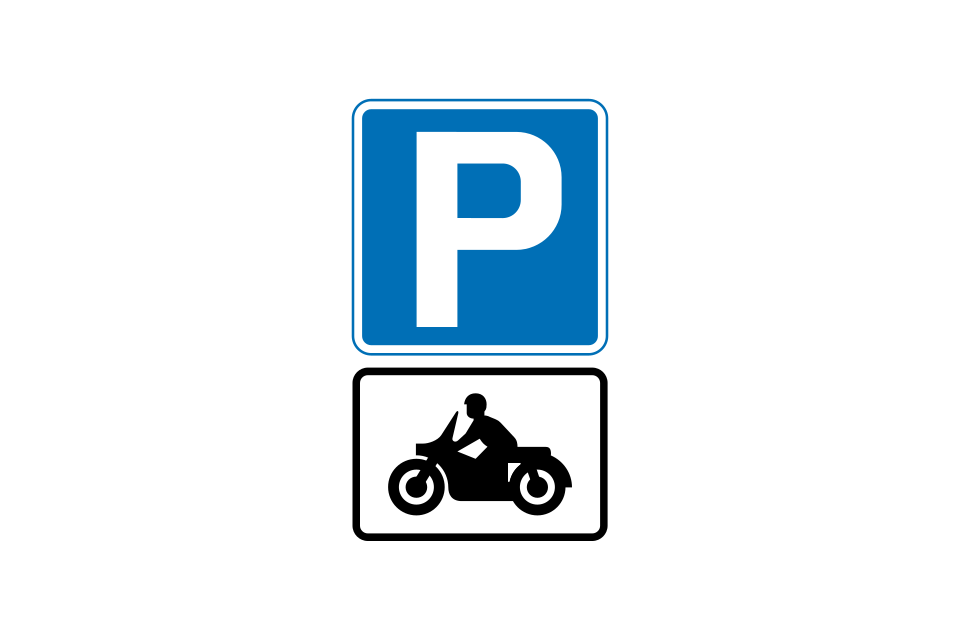
Solo motorcycle parking
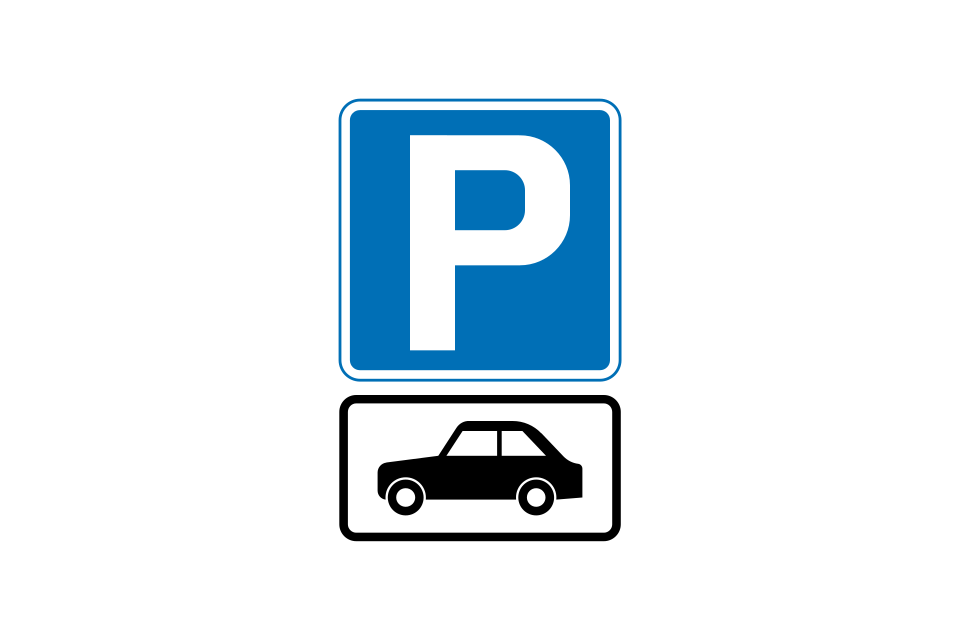
Motor car parking
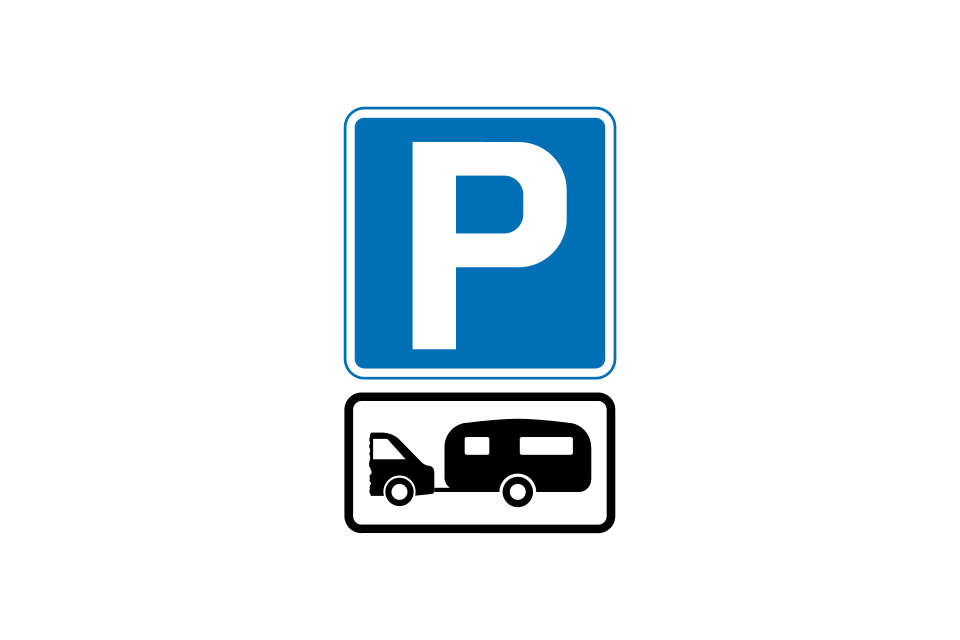
Car and caravan or motor caravan
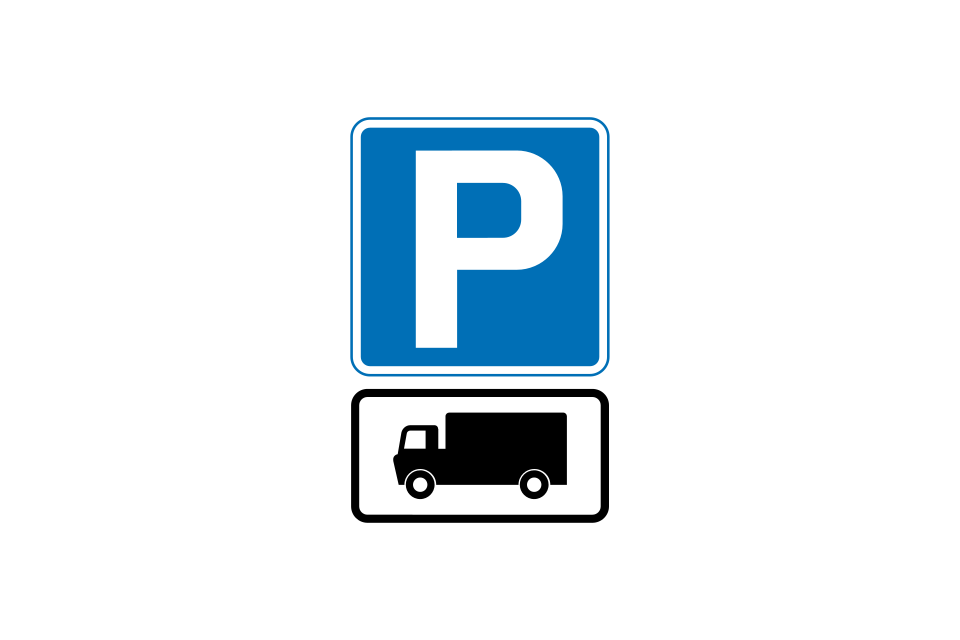
Goods vehicles parking
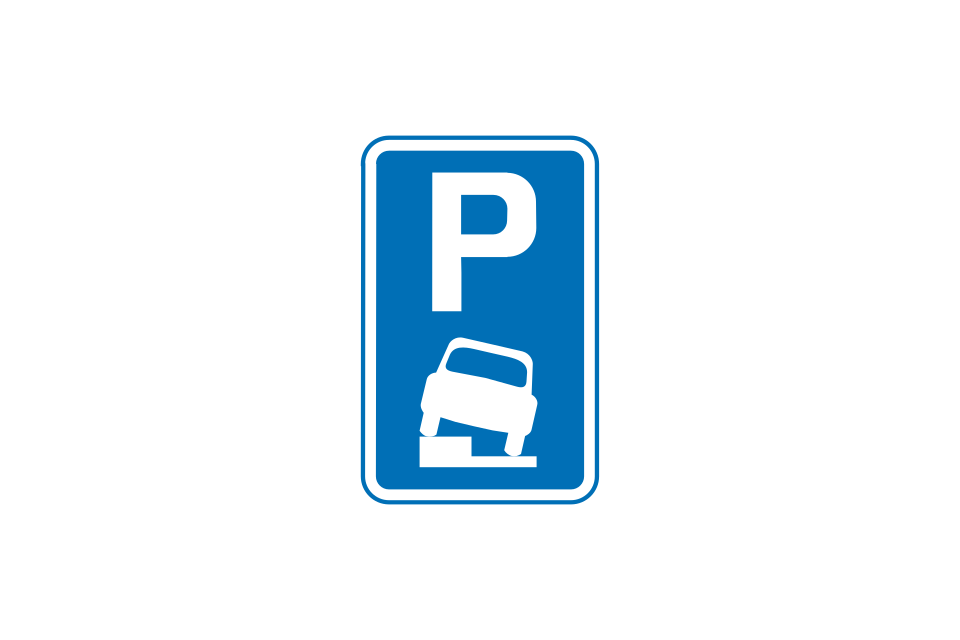
Vehicles may be partially parked on the ledge or footway

Vehicles may be parked wholly on the verge/footway
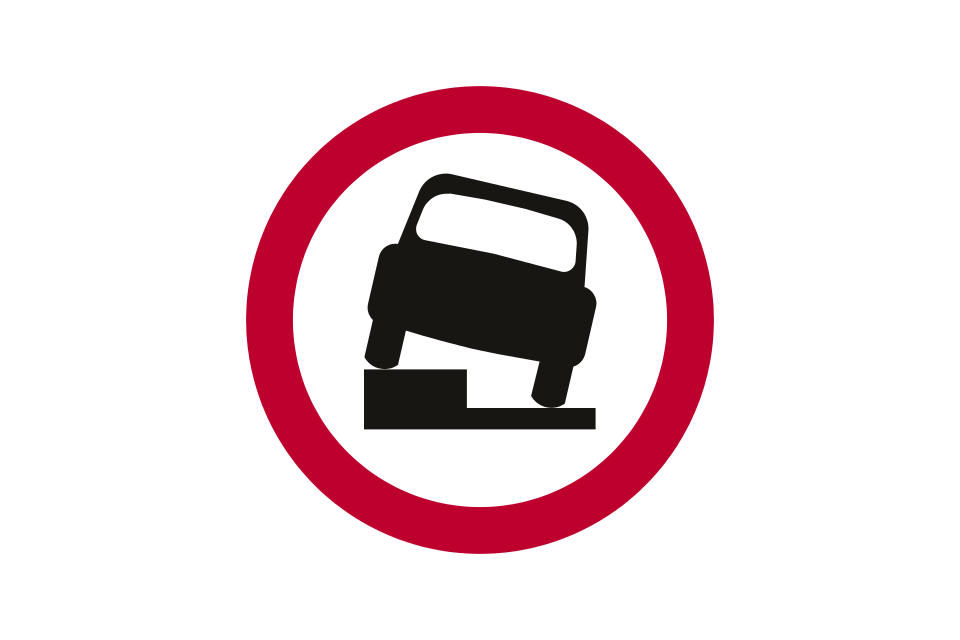
Parking on the verge/footway is prohibited
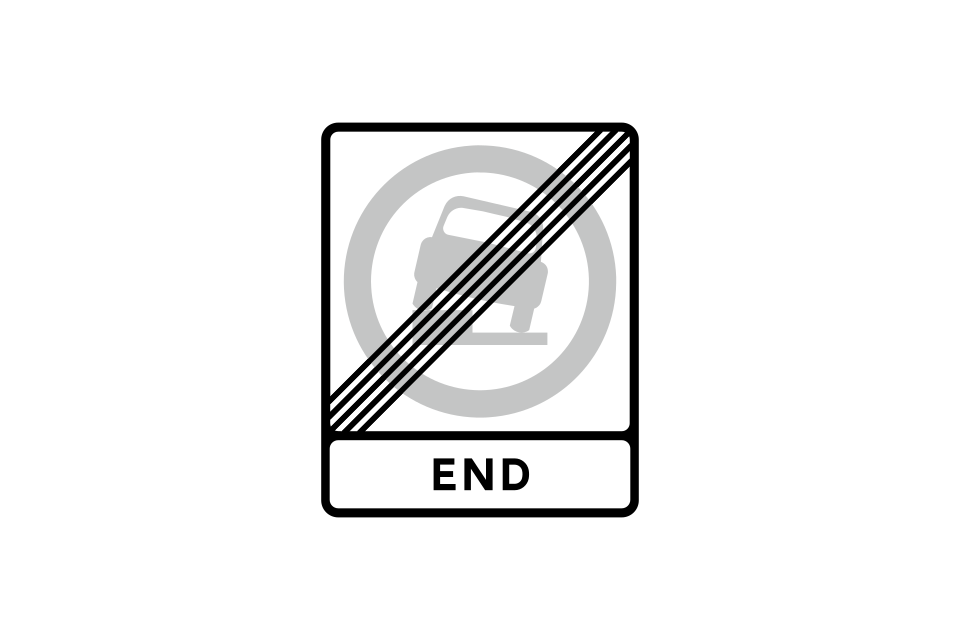
End of an area where parking partially on the verge/footway is prohibited
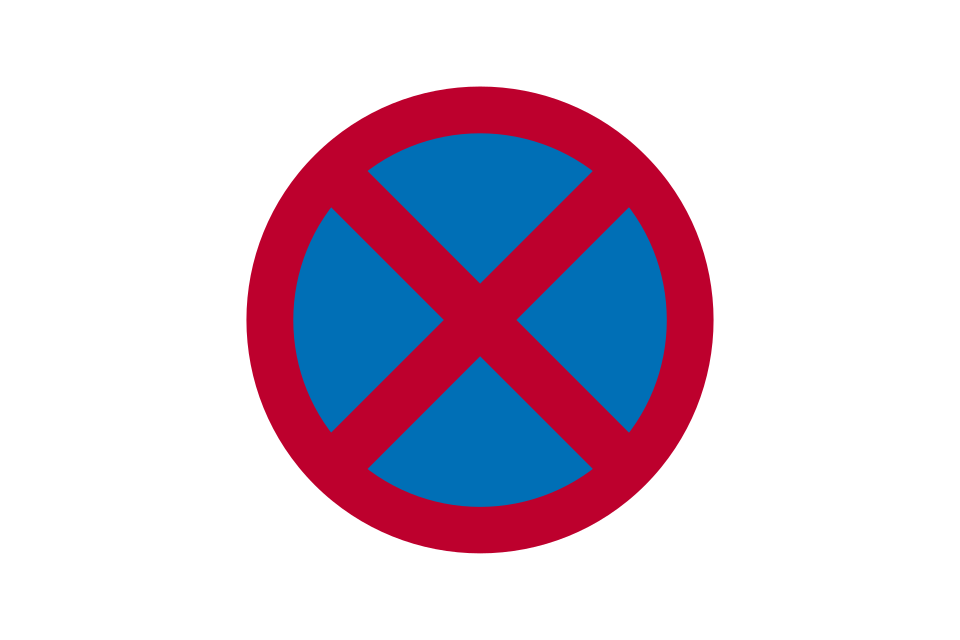
No stopping, not even to briefly pick up or drop off passengers

No stopping at any time

No stopping during the days and times
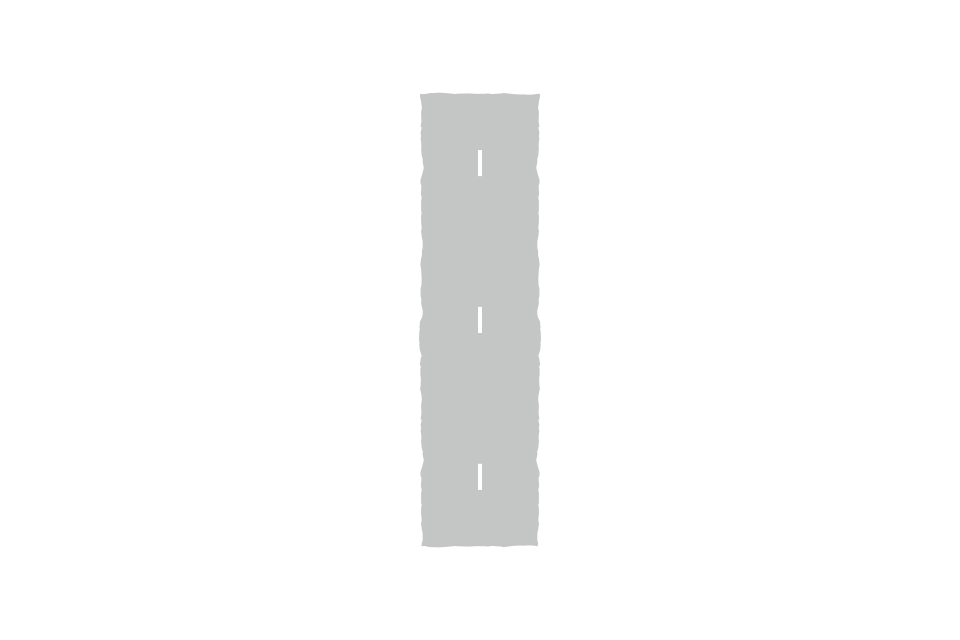
Centre line on a single carriageway road
Lane line separating same-direction traffic

Hazard warning line (also used on approach to a junction)
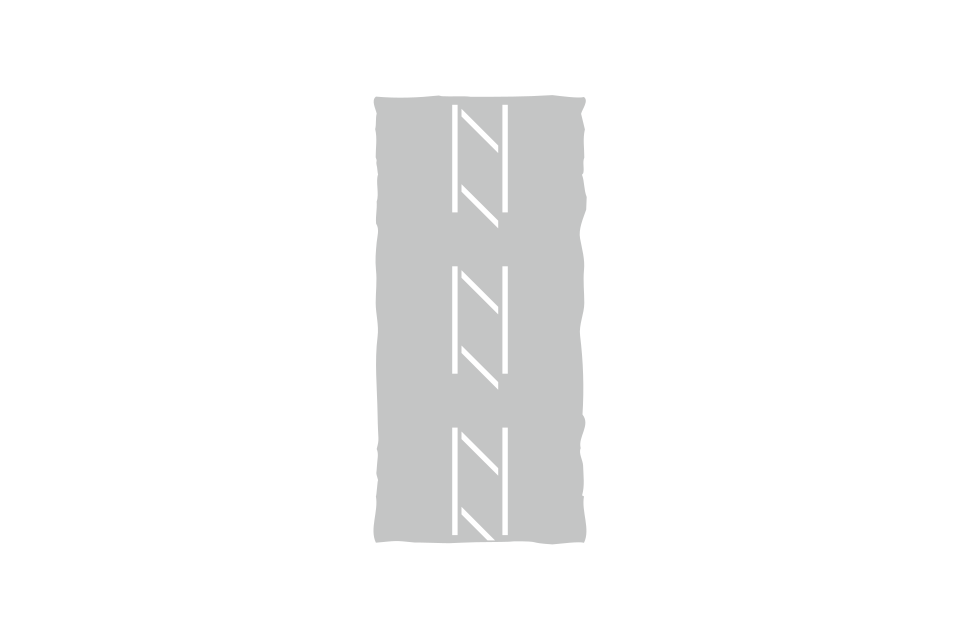
Diagonal white lines (hatched markings) bounded by broken lines
Separate opposing flows of traffic — do not enter unless it is safe to do so
These protect traffic turning right
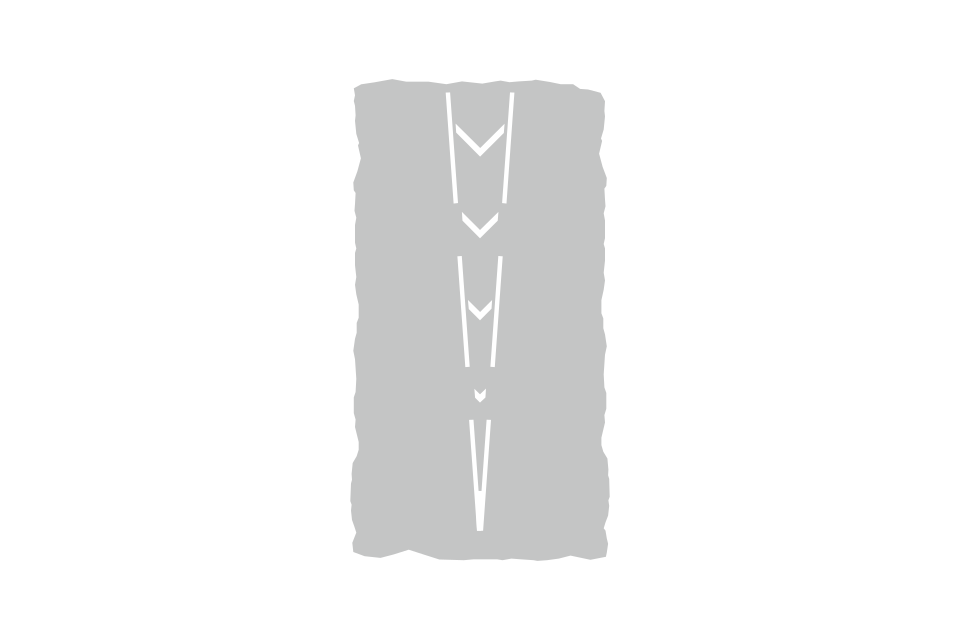
Traffic passes in the same direction either side of the chevron marking
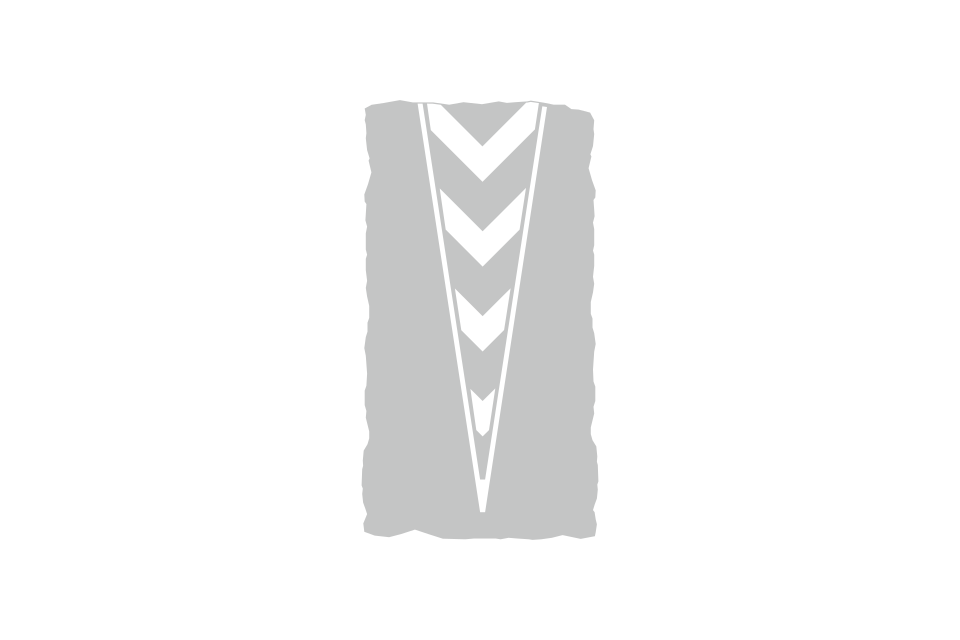
Part of the carriageway where traffic passes in the same direction on either side of the chevron marking
Do not enter the area except in an emergency (continuous white line)
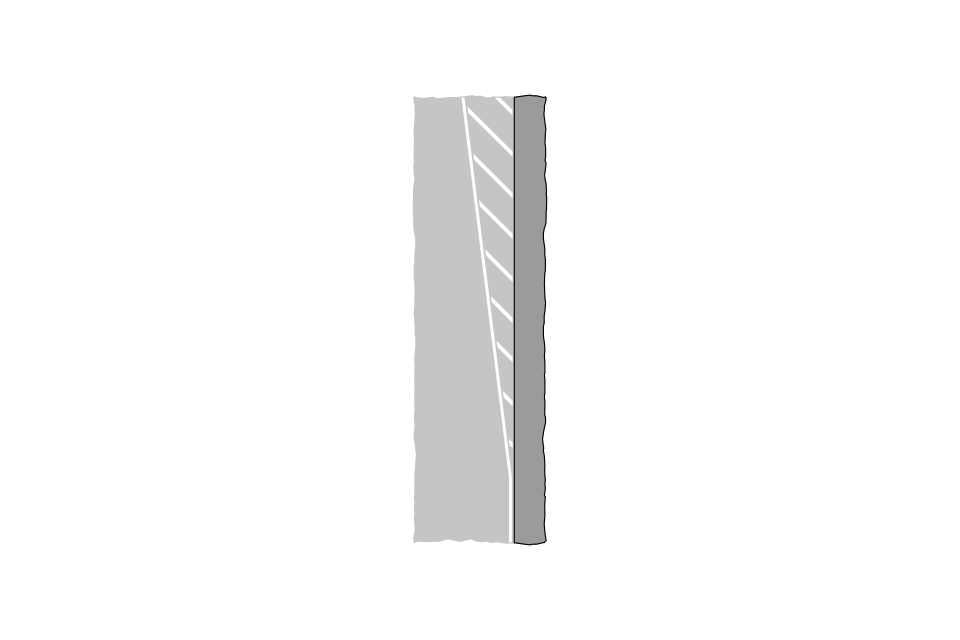
Reduction in the number of lanes, or area unavailable to traffic
Vehicles must not cross the white line except in emergencies

Do not overtake
For roads where visibility is limited, or to separate opposing traffic flows on steep hills with climbing lanes.
Do not cross (except to turn into or out of a side road or property, avoid a stationary vehicle blocking the lane, or overtake a pedal cycle, horse or road works vehicle moving at not more than 10 mph)
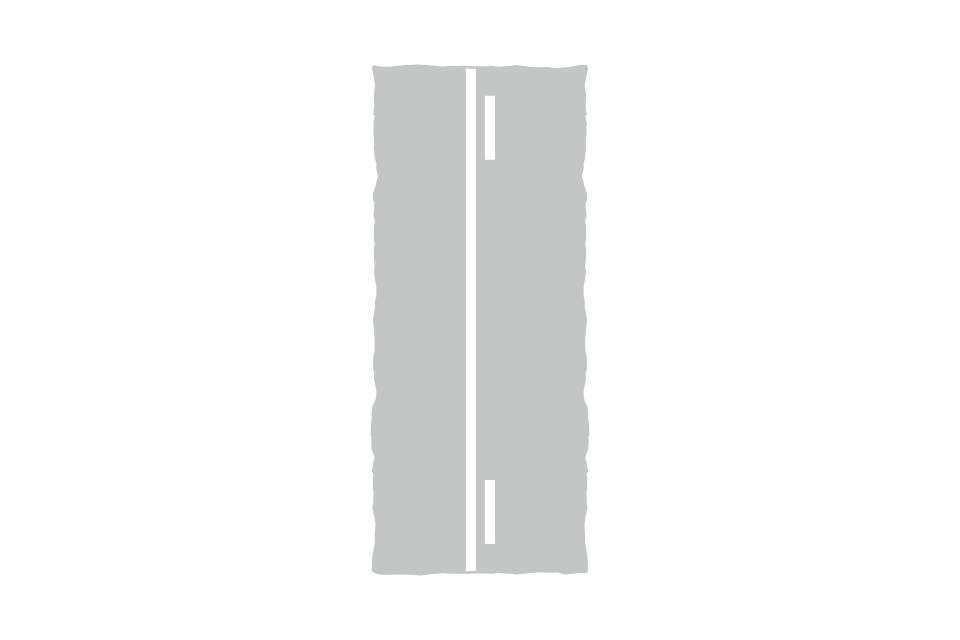
No overtaking if the solid line is on your side
If the broken line is on your side, you can overtake provided it is safe and you can make it back to your side before the line on your side becomes solid
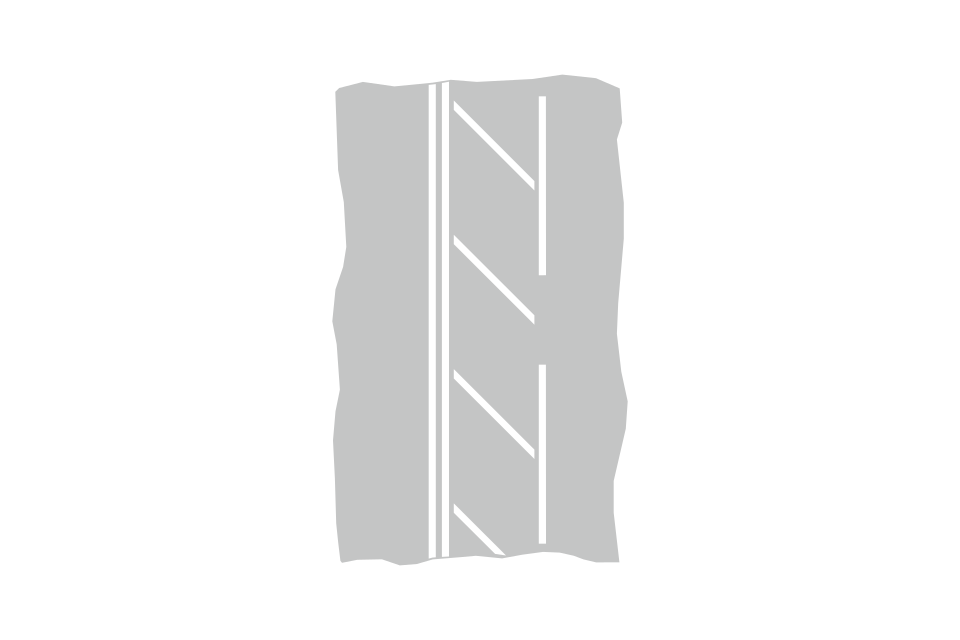
← Do not overtake
→ Only use the hatched lines if safe to do so
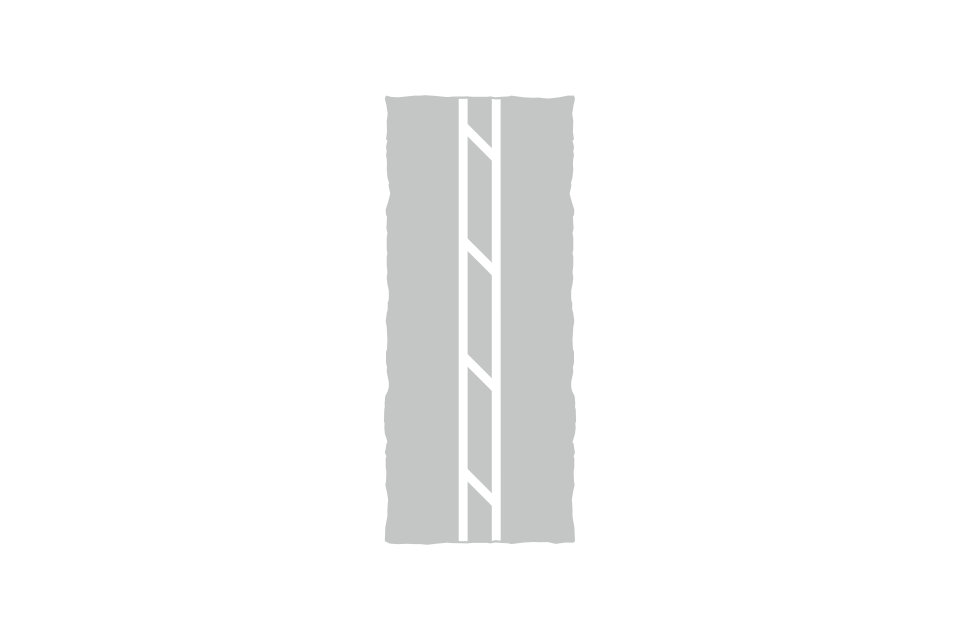
Do not cross the continuous white lines unless in an emergency
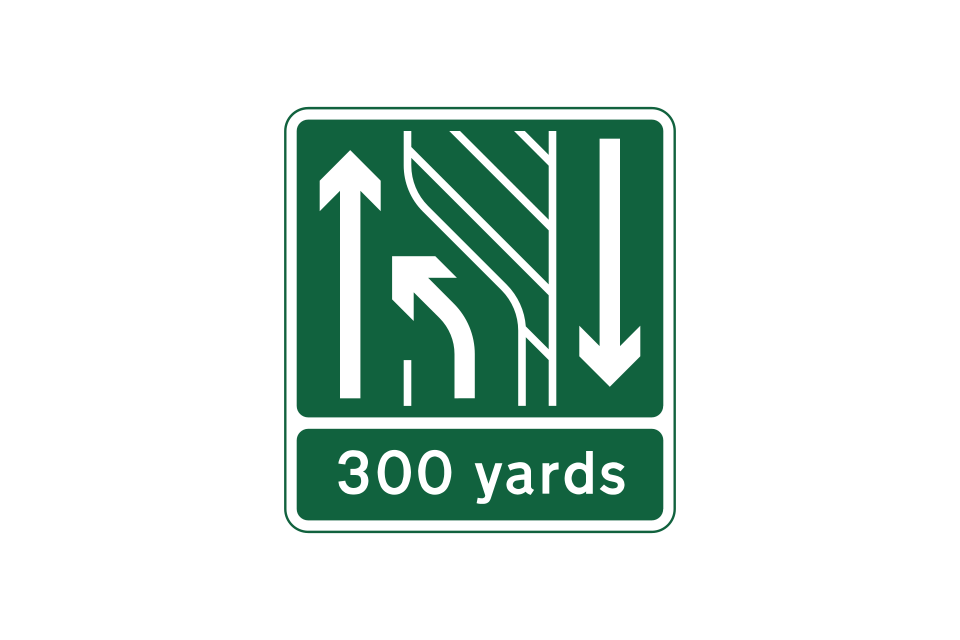
End of overtaking lane head