Loney, Audra, Period 1, French Vocab

0.0(0)
Studied by 7 people
call kaiCall Kai
learnLearn
examPractice Test
spaced repetitionSpaced Repetition
heart puzzleMatch
flashcardsFlashcards
GameKnowt Play
Card Sorting

1/192

encourage image

There's no tags or description

Looks like no tags are added yet.

Last updated 1:45 PM on 4/13/26
Name
Mastery
Learn
Test
Matching
Spaced
Call with Kai

No analytics yet

Send a link to your students to track their progress

193 Terms

1
New cards
<p>There was / There were</p><p>There was a lot of snow during winter break.</p>

There was / There were

There was a lot of snow during winter break.

Il y avait

Il y avait beaucoup de neige pendant les vacances d’hiver.

The word Il y avait reminds me of “eel, uh…”, so there were eels in the water causing him to pause “uh…”.


<p>Il y avait</p><p>Il y avait beaucoup de neige pendant les vacances d’hiver.</p><p>The word Il y avait reminds me of “eel, uh…”, so there were eels in the water causing him to pause “uh…”.</p>
2
New cards
<p>This/It was</p><p>It was a new book on my shelf.</p>

This/It was

It was a new book on my shelf.

C’était

C’était un nouveau livre sur mon étagère.

C’était sort of sounds like “set a”, so I when I set a book down, it was on a shelf.

<p>C’était</p><p>C’était un nouveau livre sur mon étagère.</p><p>C’était sort of sounds like “set a”, so I when I set a book down, it was on a shelf.</p>
3
New cards
<p>He had</p><p>He had tickets to a concert last night.</p>

He had

He had tickets to a concert last night.

Il avait

Il avait des billets pour un concert hier soir.

My mom got my dad tickets to a concert, which he had, or obtained, on Christmas.

<p>Il avait</p><p>Il avait des billets pour un concert hier soir.</p><p>My mom got my dad tickets to a concert, which he had, or obtained, on Christmas.</p>
4
New cards
<p>He was</p><p>He was happy when I gave him my present.</p>

He was

He was happy when I gave him my present.

Il était

Il était heureux quand je lui ai donné mon cadeau.

My brother was smiling when I gave him my present.

<p>Il était</p><p>Il était heureux quand je lui ai donné mon cadeau.</p><p>My brother was smiling when I gave him my present.</p>
5
New cards
<p>He could</p><p>He could listen to me, but he chose not to.</p>

He could

He could listen to me, but he chose not to.

Il pouvait

Il pouvait m’écouter, mais il a choisi de ne pas le faire.

It sort of sounds like “pool” to start, so I think the he could go to the pool but doesn’t.

<p>Il pouvait</p><p>Il pouvait m’écouter, mais il a choisi de ne pas le faire.</p><p>It sort of sounds like “pool” to start, so I think the he <u>could</u> go to the pool but doesn’t.</p>
6
New cards
<p>He wanted</p><p>He wanted some chocolate after dinner.</p>

He wanted

He wanted some chocolate after dinner.

Il voulait

Il voulait du chocolat après le dîner.

While it is a stretch, “voulait” most closely reminds me of “voila”, where you are surprised with something you wanted.


<p>Il voulait</p><p>Il voulait du chocolat après le dîner.</p><p>While it is a stretch, “voulait” most closely reminds me of “voila”, where you are surprised with something you wanted.</p>
7
New cards
<p>He went to</p><p>He went to the store to buy groceries.</p>

He went to

He went to the store to buy groceries.

Il est allé à

Il est allé au magasin pour acheter des provisions.

“Allé à” sort of sound like “all est at”, or all is at, so everyone went somewhere.

<p>Il est allé à</p><p>Il est allé au magasin pour acheter des provisions.</p><p>“Allé à” sort of sound like “all est at”, or all is at, so everyone <u>went</u> somewhere.</p>
8
New cards
<p>He leaves from</p><p>He left from school to go home.</p>

He leaves from

He left from school to go home.

Il est parti de

Il est parti de l’école pour rentrer à la maison.

You might tire of a large “party” and leave it after a while.

<p>Il est parti de</p><p>Il est parti de l’école pour rentrer à la maison.</p><p>You might tire of a large “party” and <u>leave</u> it after a while.</p>
9
New cards
<p>He came from</p><p>He came from Michigan to Illinois.</p>

He came from

He came from Michigan to Illinois.

Il est venu de

Il est venu du Michigan à l’Illinois.

You come from a “venue” after a concert when going home.

<p>Il est venu de</p><p>Il est venu du Michigan à l’Illinois.</p><p>You <u>come</u> from a “venue” after a concert when going home.</p>
10
New cards
<p>He did/made</p><p>He made a big castle with his LEGO.</p>

He did/made

He made a big castle with his LEGO.

Il a fait

Il a fait un grand château avec ses LEGO.

It is “fate” to make a difference in someone else’s life.

<p>Il a fait</p><p>Il a fait un grand château avec ses LEGO.</p><p>It is “fate” to <u>make</u> a difference in someone else’s life.</p>
11
New cards
<p>He said</p><p>He said hello to his neighbors this morning.</p>

He said

He said hello to his neighbors this morning.

Il a dit

Il a dit bonjour à ses voisins ce matin.

A “deed” could be speaking up for yourself, or saying something.
<p>Il a dit</p><p>Il a dit bonjour à ses voisins ce matin.</p><p>A “deed” could be speaking up for yourself, or <u>saying</u> something.</p>
12
New cards
<p>He saw</p><p>He saw the sunrise on the way to school.</p>

He saw

He saw the sunrise on the way to school.

Il a vu

Il a vu le lever du soleil en allant à l’école.

“Vu” reminds me of “boo”, which fans might say if they see the other team score a point.

<p>Il a vu</p><p>Il a vu le lever du soleil en allant à l’école.</p><p>“Vu” reminds me of “boo”, which fans might say if they <u>see</u> the other team score a point.</p>
13
New cards

He put

He set the plates on the table.

Il a mis

Il an mis les assiettes sur la table.

He tried to put the plates down, but he “missed” and they fell.

14
New cards
<p>He took</p><p>He took a photo during his evening walk.</p>

He took

He took a photo during his evening walk.

Il a pris

Il a pris une photo pendant sa promenade du soir.

Bandits “prise” (that means to pry) a safe open, then take the contents.

<p>Il a pris</p><p>Il a pris une photo pendant sa promenade du soir.</p><p>Bandits “prise” (that means to pry) a safe open, then <u>take</u> the contents.</p>
15
New cards
<p>He gave</p><p>He gave the time to his friends when they asked.</p>

He gave

He gave the time to his friends when they asked.

Il a donné

Il a donné l’heure à ses amis quand ils ont demandé.

“Don” gave Mary a gift.
<p>Il a donné</p><p>Il a donné l’heure à ses amis quand ils ont demandé.</p><p>“Don” <u>gave</u> Mary a gift.</p>
16
New cards
<p>He received/got</p><p>She received jewelry for Christmas.</p>

He received/got

She received jewelry for Christmas.

Il a reçu

Elle a reçu des bijoux pour Noël.

“Reçu” to me sounds like “re-sue”, so if you sue someone again you would receive more money possibly.


<p>Il a reçu</p><p>Elle a reçu des bijoux pour Noël.</p><p>“Reçu” to me sounds like “re-sue”, so if you sue someone again you would receive more money possibly.</p>
17
New cards
<p>He brought</p><p>He brought a salad to the party.</p>

He brought

He brought a salad to the party.

Il a apporté

Il a apporté une salade à la fête.

There is the word “port” in the middle of “apporté”, so I imagine he brought his suitcase to the port before boarding a boat.


<p>Il a apporté</p><p>Il a apporté une salade à la fête.</p><p>There is the word “port” in the middle of “apporté”, so I imagine he brought his suitcase to the port before boarding a boat.</p>
18
New cards
<p>He knew that</p><p>He knew it would rain, so he brought an umbrella.</p>

He knew that

He knew it would rain, so he brought an umbrella.

Il savait que

Il savait qu’il allait pleuvoir, alors il a apporté un parapluie.

“Savait” reminds me of “salvage”, and a person who knew that treasure was on a sunken ship ight try and “salvage” it.


<p>Il savait que</p><p>Il savait qu’il allait pleuvoir, alors il a apporté un parapluie.</p><p>“Savait” reminds me of “salvage”, and a person who <u>knew that</u> treasure was on a sunken ship ight try and “salvage” it.</p>
19
New cards
<p>He knew (person/place)</p><p>He had known New York only from pictures before his visit.</p>

He knew (person/place)

He had known New York only from pictures before his visit.

Il a connu (person/place)

Il a connu New York seulement par des photos avant sa visite.

“Connu” reminds me of “cone”, and many people know of ice cream parlors where you can get ice cream cones.


<p>Il a connu (person/place)</p><p>Il a connu New York seulement par des photos avant sa visite.</p><p>“Connu” reminds me of “cone”, and many people know of ice cream parlors where you can get ice cream <u>cones</u>.</p>
20
New cards
<p>I screamed</p><p>I screamed when my brother snuck up on me.</p>

I screamed

I screamed when my brother snuck up on me.

J’ai crié

J’ai crié quand mon frère s’est approché sans bruit.

“Crié” resembles “cry”, and a loud cry is another word for a scream.

<p>J’ai crié</p><p>J’ai crié quand mon frère s’est approché sans bruit.</p><p>“Crié” resembles “cry”, and a loud cry is another word for a scream.</p>
21
New cards
<p>I cried</p><p>I cried because I laughed too much.</p>

I cried

I cried because I laughed too much.

J’ai pleuré

J’ai pleuré parce que j’ai trop ri.

The word “Pleuré” reminds me of “pleuie” for run, and crying makes tears that look like raindrops.


<p>J’ai pleuré</p><p>J’ai pleuré parce que j’ai trop ri.</p><p>The word “Pleuré” reminds me of “pleuie” for run, and crying makes tears that look like raindrops.</p>
22
New cards
<p>I accompanied / went with</p><p>I went with my mom to the grocery store with my siblings, and we got a treat.</p>

I accompanied / went with

I went with my mom to the grocery store with my siblings, and we got a treat.

J’ai accompagné

J’ai accompagné ma mère au supermarché avec mes frères et sœurs, et nous avons eu une friandise

The word both looks and sounds like its English translation.

<p>J’ai accompagné</p><p>J’ai accompagné ma mère au supermarché avec mes frères et sœurs, et nous avons eu une friandise</p><p>The word both looks and sounds like its English translation.</p>
23
New cards
<p>The living room</p><p>My brother played with his toys in the living room.</p>

The living room

My brother played with his toys in the living room.

La salle de séjour

Mon frère a joué avec ses jousts dans la salle de séjour

“Séjour” kind of seems like it could be “se jour” - his day, and the living room is where m brother plays all of his day.

<p>La salle de séjour</p><p>Mon frère a joué avec ses jousts dans la salle de séjour</p><p>“Séjour” kind of seems like it could be “se jour” - his day, and the living room is where m brother plays all of his day.</p>
24
New cards
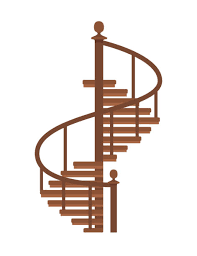
<p>The staircase</p><p>I went up the staircase in my house yesterday.</p>

The staircase

I went up the staircase in my house yesterday.

L’escalier

Je suis monté l’escalier de ma maison hier.

I “scale” the staircase.
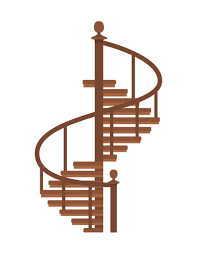
<p>L’escalier</p><p>Je suis monté l’escalier de ma maison hier.</p><p>I “scale” the <u>staircase</u>.</p>
25
New cards
<p>Ugly</p><p>I wore an ugly pair of pants, and I didn’t like it.</p>

Ugly

I wore an ugly pair of pants, and I didn’t like it.

Moche

J’ai porté un pantalon moche, et je ne l’ai pas aimé.

I don’t like mushy food as I find it ugly.
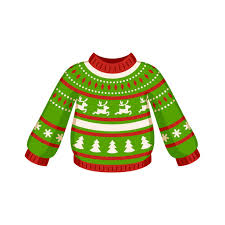
<p>Moche</p><p>J’ai porté un pantalon moche, et je ne l’ai pas aimé.</p><p>I don’t like mushy food as I find it <u>ugly</u>.</p>
26
New cards
<p>of average size</p><p>My hands were average-sized.</p>

of average size

My hands were average-sized.

de taille moyenne

Mes mains étaient de taille moyenne.

The tall person was of average size in his town.

<p>de taille moyenne</p><p>Mes mains étaient de taille moyenne.</p><p>The <u>tall</u> person was <u>of average size</u> in his town.</p>
27
New cards

the bathroom / the toilet room

La salle de bain / le VC

28
New cards

the dining room

la salle à manger

29
New cards

the kitchen

la cuisine

30
New cards

I invited

J’ai invité

31
New cards

I repeated

Ja’i répété

32
New cards

I accompanied / went with

J’ai accompagné

33
New cards

pretty

joli(e)

34
New cards

young

jeune

35
New cards

old

Vieux/vieille

36
New cards

Strong

Fort(e)

37
New cards

Weak

Faible

38
New cards

Shy

Timide

39
New cards

Talkative

Bavard(e)

40
New cards

He feels (he felt)

Il se sent (il s’est senti)

41
New cards

I dared

J’ai osé

42
New cards

I canceled

Annulé

43
New cards

I hurt

J’ai blessé

44
New cards

I turned on / lit

J’ai allumé

45
New cards

I added

J’ai ajouté

46
New cards

A couch

Un canapé

47
New cards

An armchair

Un fauteuil

48
New cards

A closet / cupboard

Un placard

49
New cards

A dresser

Une commode

50
New cards

A shower

Une douche

51
New cards
<p>The drapes / curtains</p><p>I closed the curtains in my bedroom at night.</p>

The drapes / curtains

I closed the curtains in my bedroom at night.

Les rideaux

J’ai fermé les rideaux de ma chambre la nuit.

A cat got tangles up in some long curtains and look ridiculous (sounds like rideaux sort of).

<p>Les rideaux</p><p>J’ai fermé les rideaux de ma chambre la nuit.</p><p>A cat got tangles up in some long <u>curtains</u> and look ridiculous (sounds like rideaux sort of).</p>
52
New cards
<p>I erased</p><p>I erased the math problem when I realized I was doing it wrong.</p>

I erased

I erased the math problem when I realized I was doing it wrong.

J’ai effacé

J’ai effacé le problème de maths quand j’ai réalisé que je le faisais mal.

If you efface a drawing with a pencil someone else might come along and erase it.

<p>J’ai effacé</p><p>J’ai effacé le problème de maths quand j’ai réalisé que je le faisais mal.</p><p>If you <u>efface</u> a drawing with a pencil someone else might come along and <u>erase</u> it.</p>
53
New cards
<p>I taught</p><p>I taught math to my friends.</p>

I taught

I taught math to my friends.

J’ai enseigné

J’ai enseigné les mathématiques à mes amis.

I taught my brother how to sign (enseigné sounds like it) up for a new club.
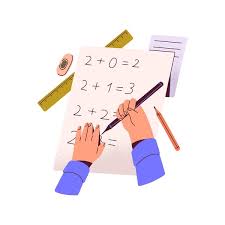
<p>J’ai enseigné</p><p>J’ai enseigné les mathématiques à mes amis.</p><p>I <u>taught</u> my brother how to <u>sign</u> (enseigné sounds like it) up for a new club.</p>
54
New cards
<p>I cleaned</p><p>I cleaned the kitchen floor.</p>

I cleaned

I cleaned the kitchen floor.

J’ai nettoyé

J’ai nettoyé le sol de la cuisine.

The naughty boy was forced to clean as a punishment.

<p>J’ai nettoyé</p><p>J’ai nettoyé le sol de la cuisine.</p><p>The <u>naughty</u> boy was forced to <u>clean</u> as a punishment.</p>
55
New cards
<p>Hard-working</p><p>I have always been hardworking, even when I was tired.</p>

Hard-working

I have always been hardworking, even when I was tired.

Travailleur

J’ai toujours été travailleur, même quand j’étais fatigué.

“Travaille” is the term for work, as in your job, so it makes sense. That “travailleur” would be similar, as so much of the words are similar.

<p>Travailleur</p><p>J’ai toujours été travailleur, même quand j’étais fatigué.</p><p>“Travaille” is the term for work, as in your job, so it makes sense. That “travailleur” would be similar, as so much of the words are similar.</p>
56
New cards
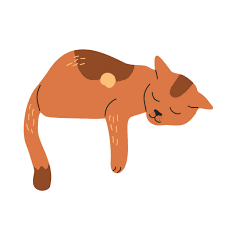
<p>Lazy</p><p>My grandparents’ cat was very lazy.</p>

Lazy

My grandparents’ cat was very lazy.

Paresseux

Le chat de mes grands-parents était très paresseux.

If you want to make enough money to go to Paris (sounds like the start of Paresseux), then you can’t be lazy.
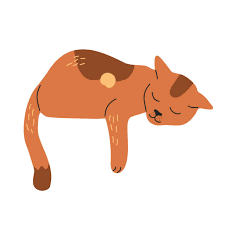
<p>Paresseux</p><p>Le chat de mes grands-parents était très paresseux.</p><p>If you want to make enough money to go to Paris (sounds like the start of Paresseux), then you can’t be <u>lazy.</u></p>
57
New cards
<p>Generous</p><p>My grandmother was very generous because she made many cookies at Christmas.</p>

Generous

My grandmother was very generous because she made many cookies at Christmas.

Généreux

Ma grand-mère a été très généreuse parce qu’elle a fait beaucoup de biscuits à Noël.

The word “Génereux” sounds like generous, and also looks like it slightly.
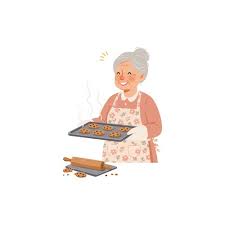
<p>Généreux</p><p>Ma grand-mère a été très généreuse parce qu’elle a fait beaucoup de biscuits à Noël.</p><p>The word “Génereux” sounds like generous, and also looks like it slightly.</p>
58
New cards
<p>Selfish</p><p>I was selfish and did not want to share the cookies I baked.</p>

Selfish

I was selfish and did not want to share the cookies I baked.

Égoïste

J’ai été égoïste et je n’ai pas voulu partager les biscuits que j’avais faits.

“Égoïste” begins with “ego”, and if you ahve a big ego you may do selfish things.

<p>Égoïste</p><p>J’ai été égoïste et je n’ai pas voulu partager les biscuits que j’avais faits.</p><p>“Égoïste” begins with “ego”, and if you ahve a big ego you may do <u>selfish</u> things.</p>
59
New cards

The sheets

Les drapes

60
New cards

A blanket

Une couverture

61
New cards

A pillow

Un oreiller

62
New cards

A rug / the carpet

Un tapis / la moquette

63
New cards

I tasted

J’ai goûté

64
New cards

It cost

Il a coûté

65
New cards

He feels / he felt

Il se sent / il s’est senti

66
New cards
<p>Relaxed</p><p>Yesterday, I spent time outside and I felt relaxed.</p>

Relaxed

Yesterday, I spent time outside and I felt relaxed.

Décontracté(e)

Hier, j’ai passé du temps dehors et je me suis senti décontracté.

You contract your muscles when you get nervous, but when you relax, they de-contract, which sound just like décontracté, the French word for relaxed.


<p>Décontracté(e)</p><p>Hier, j’ai passé du temps dehors et je me suis senti décontracté. </p><p>You contract your muscles when you get nervous, but when you <u>relax</u>, they <u>de-contract</u>, which sound just like <u>décontracté</u>, the French word for relaxed.</p>
67
New cards
<p>Nervous</p><p>My friend was nervous before her presentation.</p>

Nervous

My friend was nervous before her presentation.

Nerveux / nerveuse

Mon amie était nerveuse avant sa présentation.

The word « nerveuse » looks and sounds like its English companion.

<p>Nerveux / nerveuse</p><p>Mon amie était nerveuse avant sa présentation.</p><p>The word «&nbsp;nerveuse&nbsp;» looks and sounds like its English companion.</p>
68
New cards
<p>Funny</p><p>My little cousin was funny and he made everyone laugh.</p>

Funny

My little cousin was funny and he made everyone laugh.

Drôle

Mon petit cousin était drôle et il faisait rire tout le monde.

If you are too funny and make people laugh too much they might drool (sounds like drôle sort of).

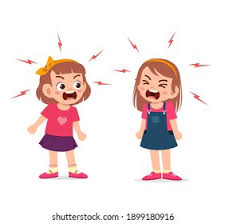
<p>Drôle</p><p>Mon petit cousin était drôle et il faisait rire tout le monde.</p><p>If you are too funny and make people laugh too much they might drool (sounds like drôle sort of).</p>
69
New cards
<p>Annoying</p><p>My sister was annoying yesterday because she annoyed me on purpose.</p>

Annoying

My sister was annoying yesterday because she annoyed me on purpose.

Pénible

Ma sœur a été pénible hier parce qu’elle m’a embêté exprès.

If something annoys you, it feels like a pen (beginning of pénible) in the side.
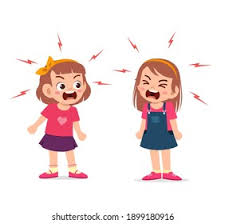
<p>Pénible</p><p>Ma sœur a été pénible hier parce qu’elle m’a embêté exprès.</p><p>If something <u>annoys</u> you, it feels like a pen (beginning of pénible) in the side.</p>
70
New cards
<p>His/her physical appearance</p><p>Yesterday, I looked at my physical appearance in the mirror on the back of my mom’s door.</p>

His/her physical appearance

Yesterday, I looked at my physical appearance in the mirror on the back of my mom’s door.

Son apparence physique

Hier, j’ai regardé mon apparence physique dans le miroir sur la porte de ma mère.

<p>Son apparence physique</p><p>Hier, j’ai regardé mon apparence physique dans le miroir sur la porte de ma mère.</p>
71
New cards
<p>They noticed</p><p>They noticed that I had a new haircut.</p>

They noticed

They noticed that I had a new haircut.

Ils ont remarqué

Ils ont remarqué que j’avais une nouvelle coupe de cheveux.

In order to make a remark (sound like remarqué), you need to notice something.
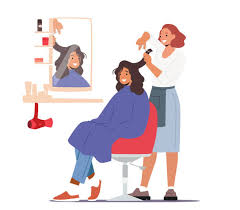
<p>Ils ont remarqué</p><p>Ils ont remarqué que j’avais une nouvelle coupe de cheveux.</p><p>In order to make a remark (sound like remarqué), you need to notice something.</p>
72
New cards
<p>They replaced</p><p>They replaced my chips with applesauce.</p>

They replaced

They replaced my chips with applesauce.

Ils ont remplacé

Ils ont remplacé mes chips par de la compote de pommes.

The words look very similar, with « rémplace » mirroring « replace ».

<p>Ils ont remplacé</p><p>Ils ont remplacé mes chips par de la compote de pommes.</p><p>The words look very similar, with «&nbsp;rémplace&nbsp;» mirroring «&nbsp;replace&nbsp;».</p>
73
New cards
<p>They wished</p><p>They wished for a dog.</p>

They wished

They wished for a dog.

Ils ont souhaité

Ils ont souhaité avoir un chien.

The wishes were very sweet (sounds like souhaité) to my ears.

<p>Ils ont souhaité</p><p>Ils ont souhaité avoir un chien.</p><p>The <u>wishes</u> were very sweet (sounds like souhaité) to my ears.</p>
74
New cards

They visited

Ils ont visité

75
New cards

They admired

Ils ont admiré

76
New cards

Never

Jamais

77
New cards

Sometimes

Parfois

78
New cards

Often

Souvent

79
New cards

Usually

D’habitude

80
New cards

Always

Toujours

81
New cards
<p>In the past</p><p>In the past, I used to take the bus to school.</p>

In the past

In the past, I used to take the bus to school.

Autrefois

Autrefois, je prenais le bus pour aller à l’école.

“Autrefois” can be split up as “Autre”-“fois”, or another time.

<p>Autrefois</p><p>Autrefois, je prenais le bus pour aller à l’école.</p><p>“Autrefois” can be split up as “Autre”-“fois”, or another time.</p>
82
New cards
<p>Currently</p><p>I was currently reading a book by Agatha Christie.</p>

Currently

I was currently reading a book by Agatha Christie.

Acctuellement

J’étais actuellement en train de lire un livre d’Agatha Christie.

If you say something is in actuality, then you mean that it is the truth, or what is currently happening.
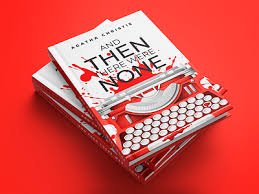

<p>Acctuellement</p><p>J’étais actuellement en train de lire un livre d’Agatha Christie.</p><p>If you say something is in <u>actuality</u>, then you mean that it is the truth, or what is <u>currently</u> happening.</p>
83
New cards
<p>In the future</p><p>In the future, I wanted to write a letter.</p>

In the future

In the future, I wanted to write a letter.

À l’avenir

À l’avenir, j’ai voulu écrire une lettre.

“Avenir” is close to the infinitive “venir”, which means “to come”, and the things in the future are those which have yet to come.


<p>À l’avenir</p><p>À l’avenir, j’ai voulu écrire une lettre.</p><p>“Avenir” is close to the infinitive “venir”, which means “to come”, and the things in the future are those which have yet <u>to come</u>.</p>
84
New cards
<p>All of a sudden</p><p>All of a sudden, it started raining, but I had my umbrella.</p>

All of a sudden

All of a sudden, it started raining, but I had my umbrella.

Tout d’un coup

Tout à coup, il a commencé à pleuvoir, mais j’avais mon parapluie.

If a group were to stage a coup, it would be very sudden and unexpected.

<p>Tout d’un coup</p><p>Tout à coup, il a commencé à pleuvoir, mais j’avais mon parapluie.</p><p>If a group were to stage a <u>coup</u>, it would be very <u>sudden</u> and unexpected.</p>
85
New cards
<p>Two times per week</p><p>I had orchestra twice a week in the evening.</p>

Two times per week

I had orchestra twice a week in the evening.

Deux fois par semaine

J’ai eu orchestre deux fois par semaine le soir.

The phrase translate quite nicely - “deux” = “two”, “fois” = “times”, “par” = “per”, and “semaine” = “week”
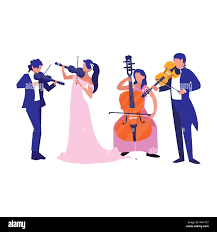

<p>Deux fois par semaine</p><p>J’ai eu orchestre deux fois par semaine le soir.</p><p>The phrase translate quite nicely - “deux” = “two”, “fois” = “times”, “par” = “per”, and “semaine” = “week”</p>
86
New cards
<p>The loaned (money)</p><p>They lent money when I bought lunch.</p>

The loaned (money)

They lent money when I bought lunch.

Ils ont prêté

Ils ont prêté de l’argent quand j’ai acheté le déjeuner.

“Prêté” is similar to “prey”, which means ready, and you have to be ready if you want to loan a lot of money.


<p>Ils ont prêté</p><p>Ils ont prêté de l’argent quand j’ai acheté le déjeuner.</p><p>“Prêté” is similar to “prey”, which means ready, and you have to be ready if you want to <u>loan</u> a lot of <u>money</u>.</p>
87
New cards
<p>They borrowed</p><p>They borrowed my gloves.</p>

They borrowed

They borrowed my gloves.

Ils ont emprunté

Ils ont emprunté mes gants.

You might be a bit of an old prune (looks kind of like “emprunté”) if you didn;t let anyone borrow any of your things.


<p>Ils ont emprunté</p><p>Ils ont emprunté mes gants.</p><p>You might be a bit of an old prune (looks kind of like “emprunté”) if you didn;t let anyone <u>borrow</u> any of your things.</p>
88
New cards
<p>They congratulated</p><p>They congratulated me after my cross-country race.</p>

They congratulated

They congratulated me after my cross-country race.

Ils ont félicité

Ils ont félicité moi après ma course de cross-country.

if you give someone congratulations, then it might be at a party, such as one for Christmas, or in Spanish “Felix Navidad”.

<p>Ils ont félicité</p><p>Ils ont félicité moi après ma course de cross-country.</p><p>if you give someone <u>congra</u>t<u>ulations,</u> then it might be at a party, such as one for Christmas, or in Spanish “Felix Navidad”.</p>
89
New cards

They announced

Ils ont annoncé

90
New cards

They augmented / increased

Ils ont augmenté

91
New cards

He said / he said to him

Il a dot / il lui a dit

92
New cards

He responded / he responded to him

Il a répondu / il lui a répondu

93
New cards

his/her problem was that

Son problème était que

94
New cards
<p>A freezer</p><p>I put my homemade ice cream cake in the freezer.</p>

A freezer

I put my homemade ice cream cake in the freezer.

Un congélateur

J’ai mis mon gâteau de glace fait maison dans le congélateur.

When you put liquids in the freezer, they may start to congeal (like congélateur).

<p>Un congélateur</p><p>J’ai mis mon gâteau de glace fait maison dans le congélateur.</p><p>When you put liquids in <u>the freezer</u>, they may start to congeal (like <u>congélateur)</u>.</p>
95
New cards
<p>An oven</p><p>Yesterday, I baked cookies in an oven.</p>

An oven

Yesterday, I baked cookies in an oven.

Un four

Hier, j’ai fait cuire des cookies dans un four.

There are four racks in an oven.
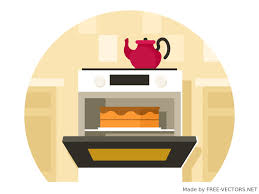
<p>Un four</p><p>Hier, j’ai fait cuire des cookies dans un four.</p><p>There are <u>four</u> racks in an <u>oven</u>.</p>
96
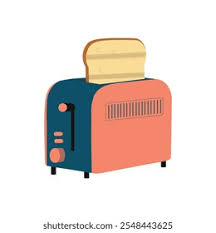
New cards
<p>A toaster</p><p>Yesterday, I used a toaster to make a toasted bagel with cream cheese.</p>

A toaster

Yesterday, I used a toaster to make a toasted bagel with cream cheese.

Un grille-pain

Hier, j’ai utilisé un grille-pain pour faire un bagel grillé avec du fromage à la crème.
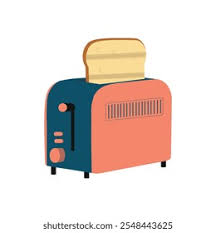
<p>Un grille-pain</p><p>Hier, j’ai utilisé un grille-pain pour faire un bagel grillé avec du fromage à la crème.</p>
97
New cards
<p>a dishwasher</p><p>The circuit breaker tripped when the dishwasher and the heater were running at the same time.</p>

a dishwasher

The circuit breaker tripped when the dishwasher and the heater were running at the same time.

Un lave-vaisselle

Le disjoncteur a sauté quand le lave-vaisselle et le chauffage marchaient en même temps.

A dishwasher lavers dishes up in soap and cleans them.

<p>Un lave-vaisselle</p><p>Le disjoncteur a sauté quand le lave-vaisselle et le chauffage marchaient en même temps.</p><p>A <u>dishwasher</u> <u>lavers</u> dishes up in soap and cleans them.</p>
98
New cards
<p>They mixed</p><p>They mixed fruits to make a fruit salad.</p>

They mixed

They mixed fruits to make a fruit salad.

Ils ont mélangé

Ils ont mélangé des fruits pour faire une salade de fruits.

If you speak many different languages, or “langues” in French, then you might mix them up.

<p>Ils ont mélangé</p><p>Ils ont mélangé des fruits pour faire une salade de fruits.</p><p>If you speak many different languages, or “langues” in French, then you might <u>mix</u> them up.</p><p></p>
99
New cards

A refridgerator

Un frigo

100
New cards

They informed

Ils ont informé