Chapter 12, 13, 14 Central Nervous System
 Call Kai
 Learn
Learn Practice Test
 Spaced Repetition
 Match
Match Flashcards
 Knowt Play
1/62

There's no tags or description
Looks like no tags are added yet.
Name | Mastery | Learn | Test | Matching | Spaced | Call with Kai |
|---|
No analytics yet
Send a link to your students to track their progress
63 Terms
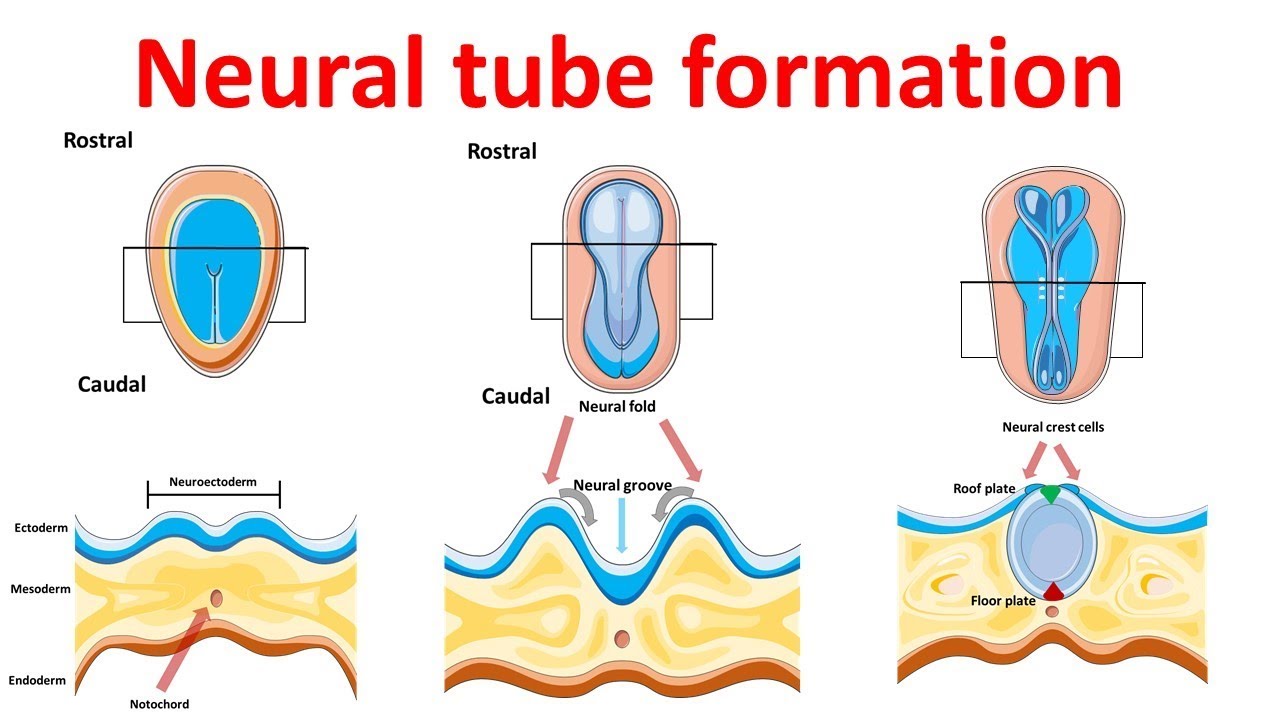
How does the neural tube develop?
Begins as neural plate (ectoderm)
Folds to form neural groove
Edges fuse → neural tube
Becomes brain (rostral end) and spinal cord (caudal end)
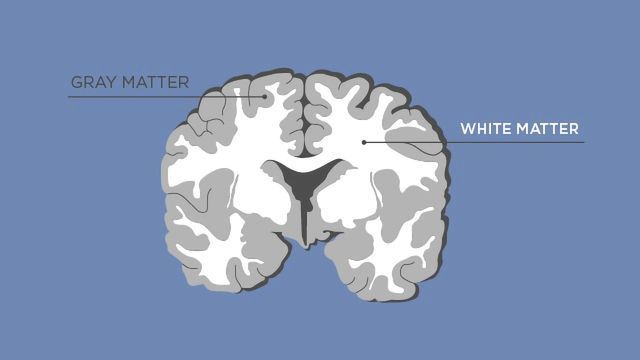
What is gray matter?
Neuron cell bodies, dendrites, unmyelinated axons
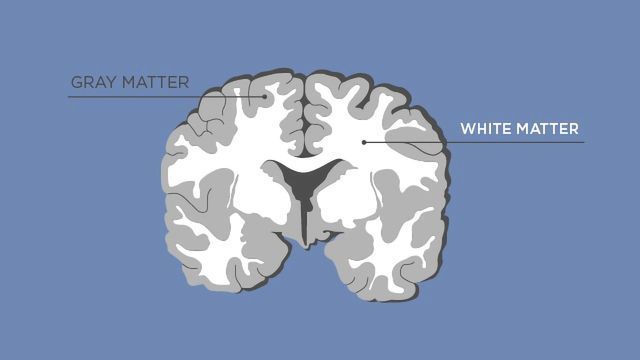
What is white matter?
Myelinated axons (tracts)
Distribution in brain?
Gray = outer cortex
White = deeper
Distribution in spinal cord?
Gray = inner (butterfly shape)
White = outer
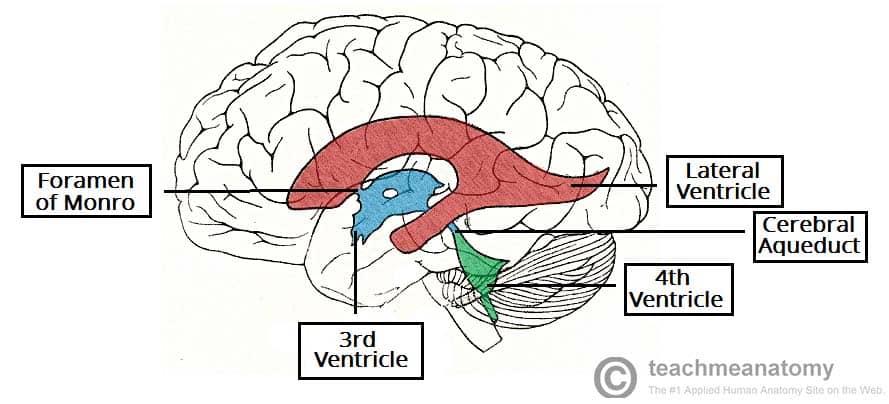
What are the four ventricles?
Two lateral ventricles
Third ventricle
Fourth ventricle
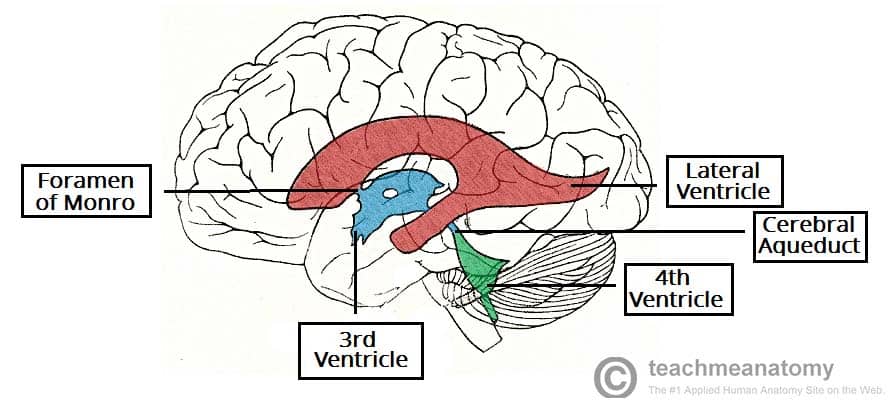
What connects them?
Interventricular foramina
Cerebral aqueduct
Function of ventricles?
Contain and circulate CSF
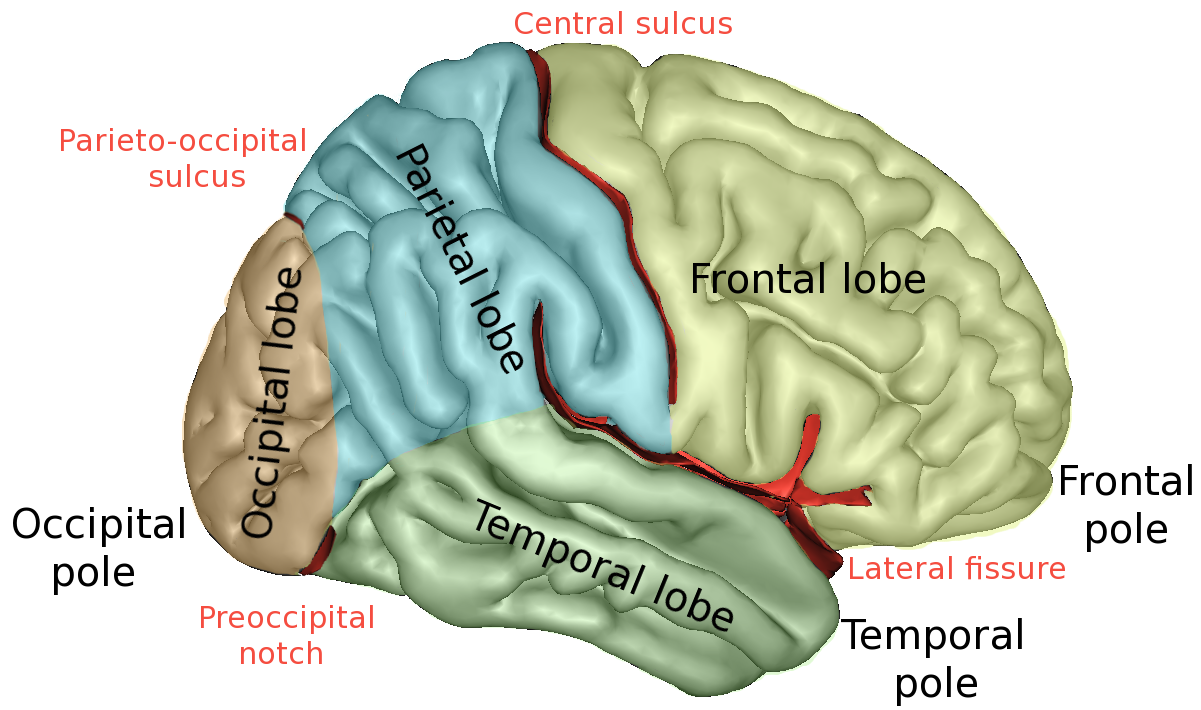
Lobes of cerebrum?
Frontal, Parietal, Temporal, Occipital,
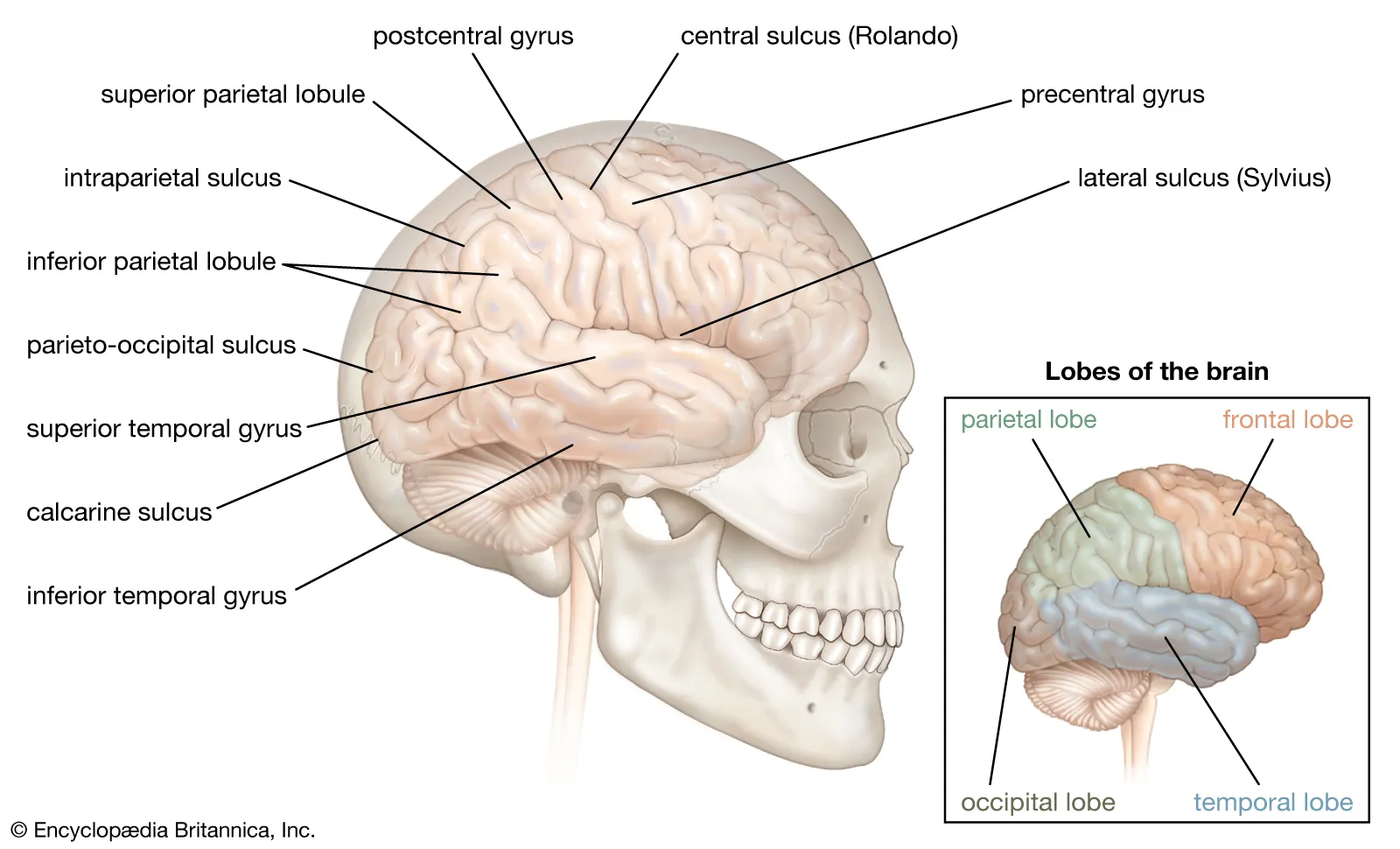
Major fissures?
Longitudinal fissure
Transverse fissure
Lateral sulcus
Central sulcus
What are sulci and gyri?
Sulci = grooves
Gyri = ridges
Cerebral cortex?
Outer gray matter layer; conscious thought
Cerebral medulla?
Internal white matter
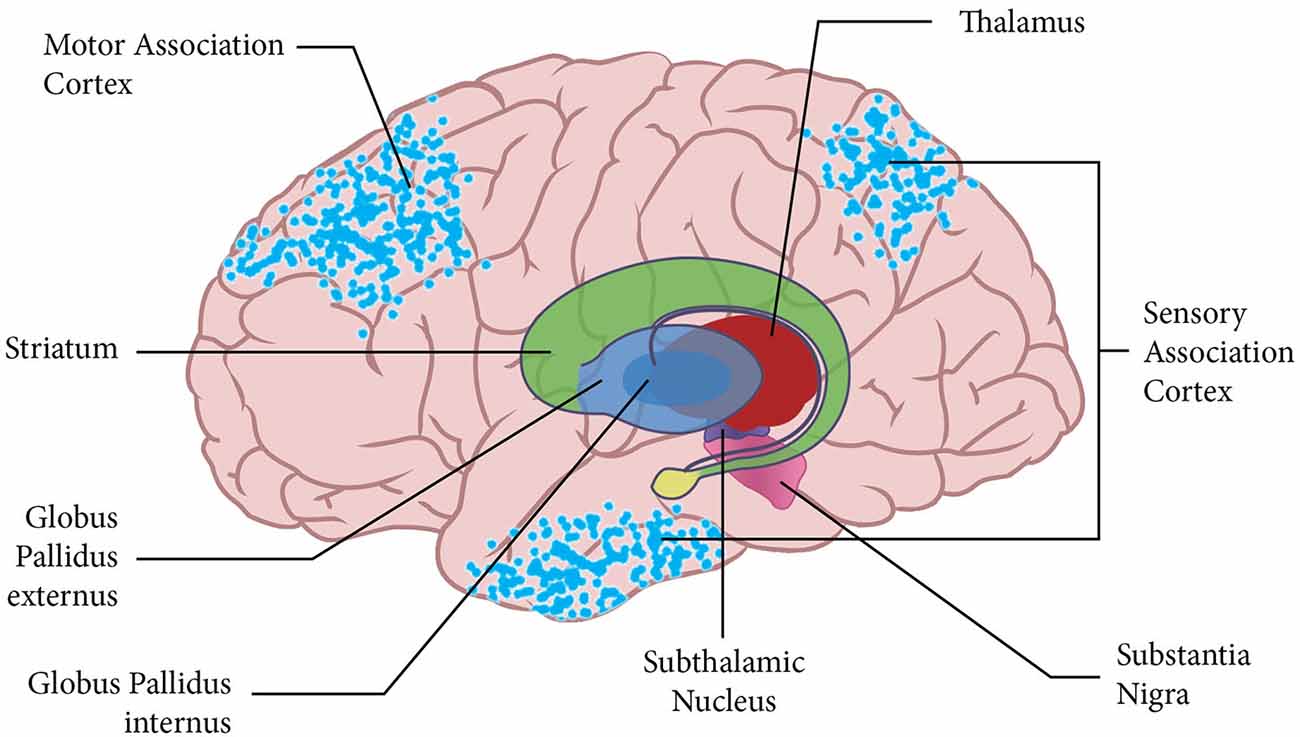
Three major basal nuclei areas?
Caudate nucleus
Putamen
Globus pallidus
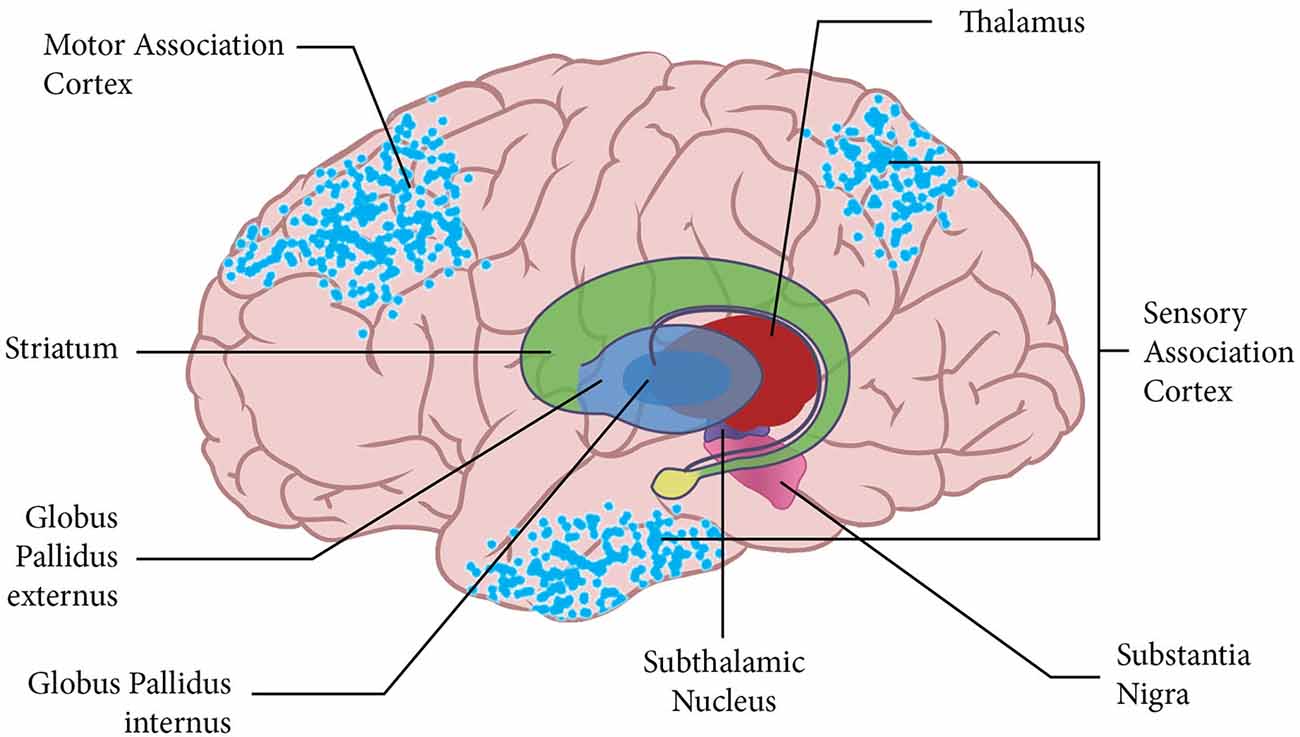
Function of Basal Nuclei
Regulate voluntary motor control
Primary Motor Area (Location)
Precentral gyrus (frontal lobe)
Primary Motor Area (Function)
Controls voluntary skeletal muscle movement
Primary Motor Area (Interaction with frontal lobe?)
Premotor & motor association areas plan movements
Broca’s area?
Motor speech production (frontal lobe)
Wernicke’s area?
Language comprehension (temporal lobe)
Difference with Broca’s and Wernicke’s
Broca’s damage → can’t speak properly
Wernicke’s damage → speech makes no sense
Primary sensory areas?
Receive sensory input (touch, vision, hearing)
Association areas?
Interpret and integrate sensory info
How do they interact?
Sensory → association → response
What is lateralization?
Certain functions localized to one hemisphere
Cerebral dominance?
Usually left hemisphere dominant for language
Three types of tracts? (Cerebral White Matter Tracts)
Association (same hemisphere)
Commissural (between hemispheres)
Projection (connect cerebrum to lower CNS)
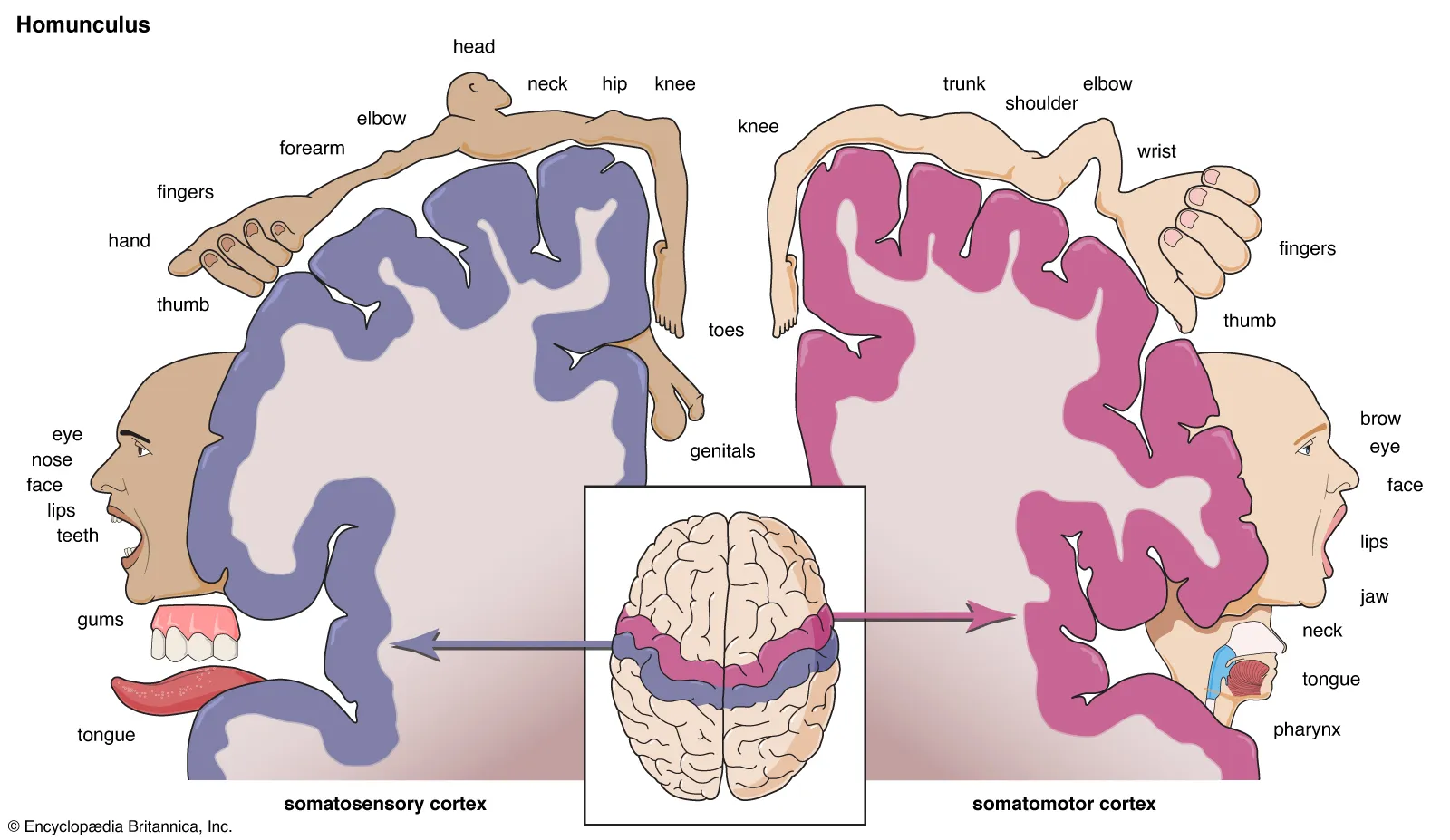
What is a sensory homunculus?
Body map in postcentral gyrus (sensory cortex)
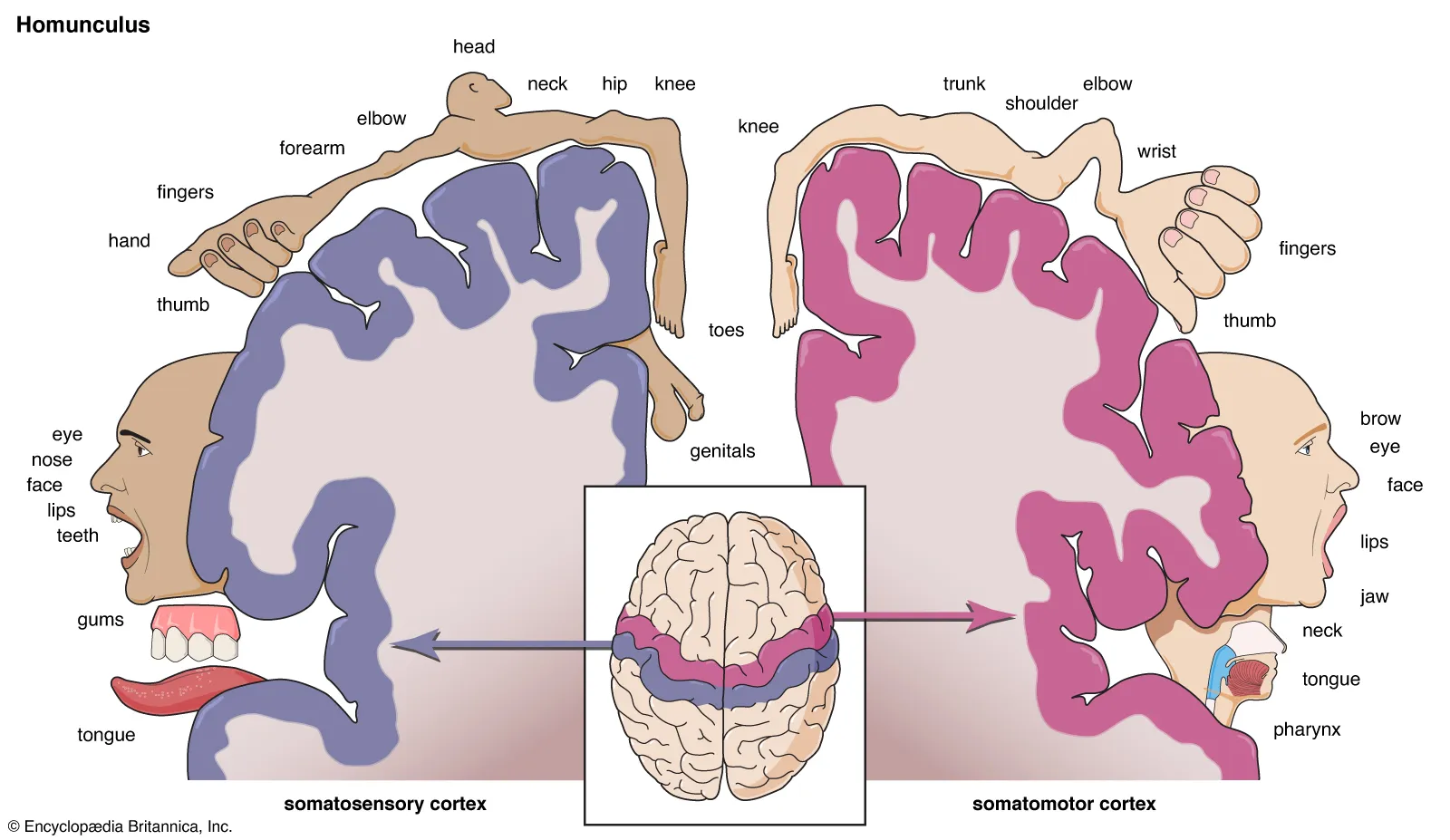
What is a motor homunculus?
Body map in precentral gyrus (motor cortex)
Why are some body parts larger?
More cortical tissue = greater control/sensitivity (hands, lips)
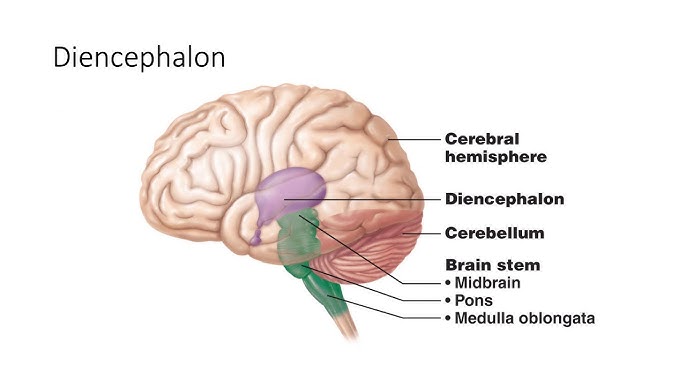
Diencephalon
Parts?
Thalamus
Hypothalamus
Epithalamus
Thalamus function?
Sensory relay station
Hypothalamus function?
Homeostasis, hormones, temperature
Epithalamus function?
Includes pineal gland (melatonin)
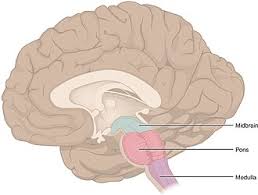
Brainstem
Parts?
Midbrain
Pons
Medulla oblongata
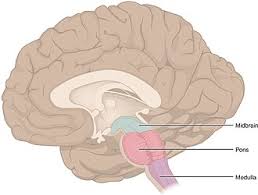
Function of brainstem
Vital reflexes (breathing, heart rate)
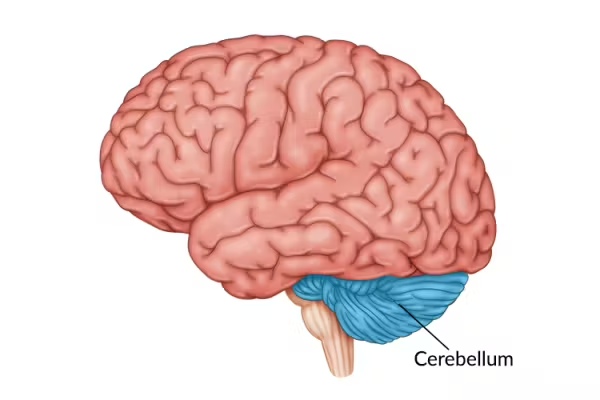
Cerebellum
Regions?
Hemispheres
Vermis
Folia
Arbor vitae
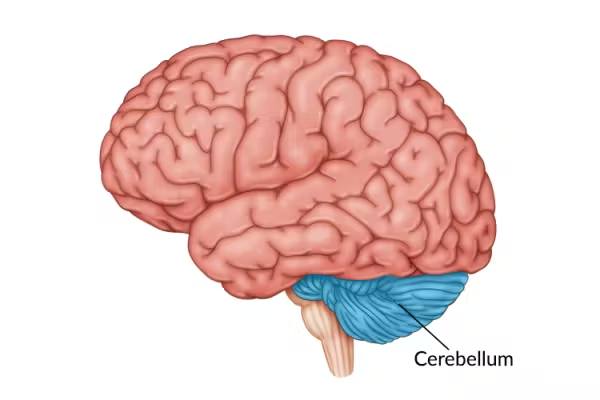
Function of the Cerebellum
Coordination, balance, motor learning, some cognition
Limbic System
Parts?
Hippocampus
Amygdala
Cingulate gyrus
Function of Limbic System
Emotion, memory
Olfactory impact?
Smell strongly linked to memory & emotion
Reticular Formation
Location?
Brainstem
Function of Reticular Formation
Consciousness & alertness
RAS (Reticular Activating System)?
Maintains wakefulness
Working memory?
Very short, active processing
Short-term memory?
Seconds to minutes
Long-term memory?
Declarative (facts/events)
Procedural (skills)
Two types of sleep?
Non-REM
REM
Regulation of sleep?
Hypothalamus & brainstem
Importance of sleep
Memory consolidation, repair
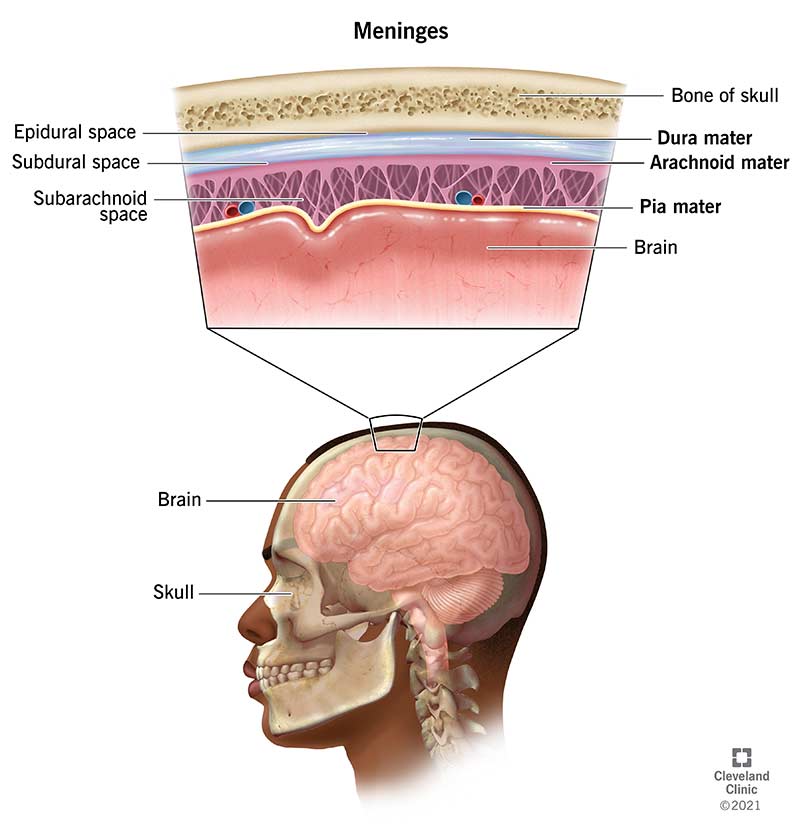
Three meninges?
Dura mater
Arachnoid mater
Pia mater
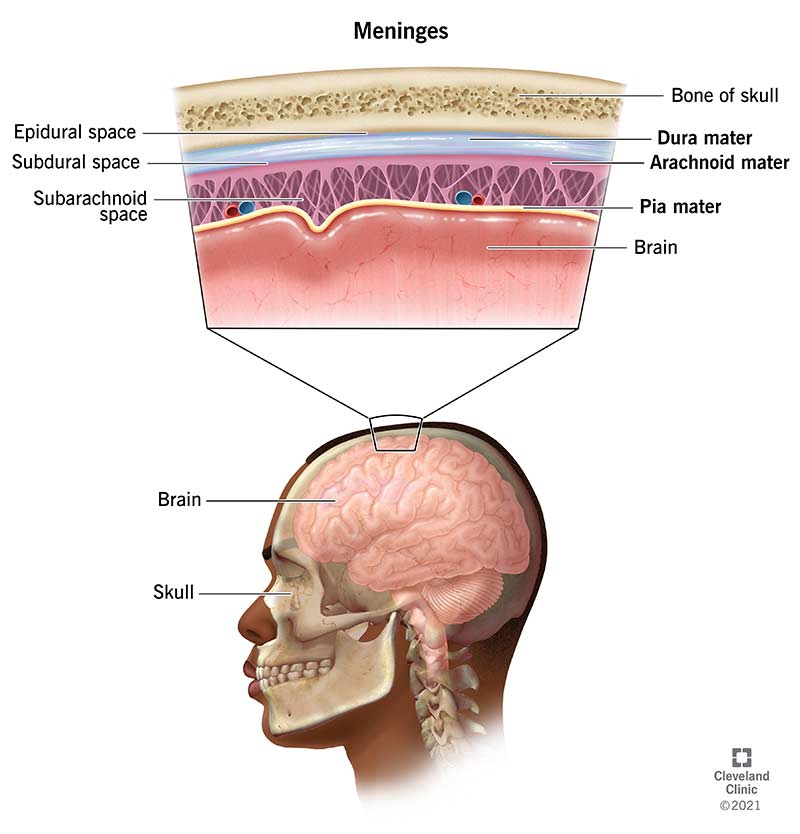
Spaces?
Epidural
Subdural
Subarachnoid (contains CSF)
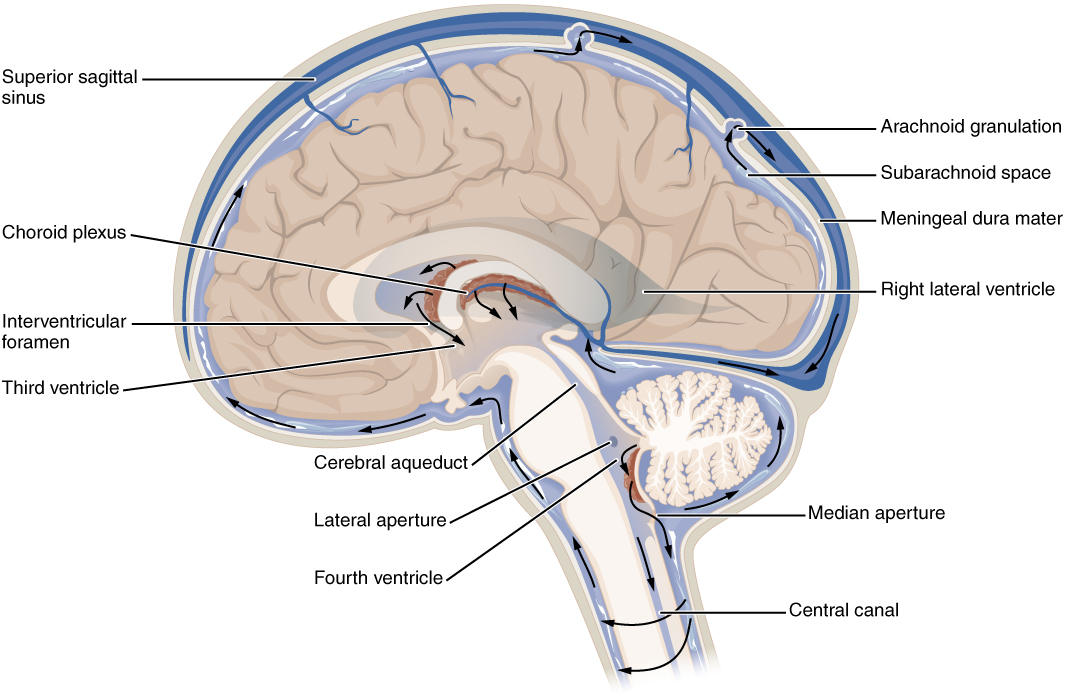
Where is CSF made?
Choroid plexus
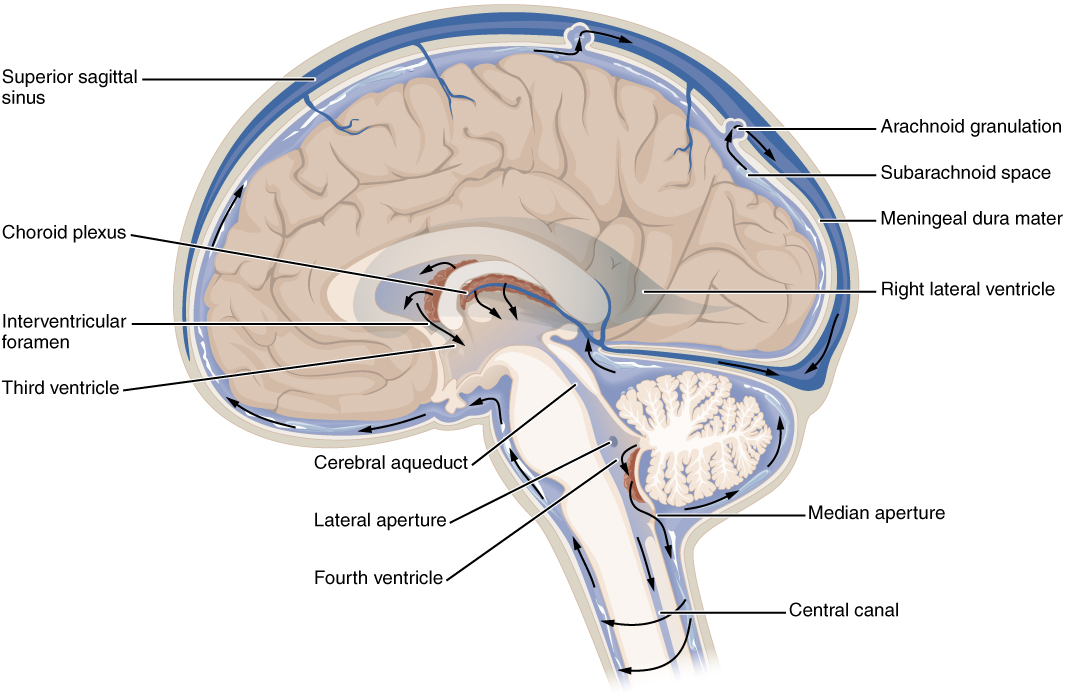
circulation of CSF
Ventricles → subarachnoid space → blood via arachnoid granulations
Function of CSF
Cushioning, nutrient delivery, waste removal
Blood-Brain Barrier
Function?
Protects brain from harmful substances
Spinal Cord
Gross structure?
Cervical & lumbar enlargements, conus medullaris
Spinal Cord
Microscopic structure?
Gray horns
White columns
Posterior horn?
Sensory
Anterior horn?
Motor
Lateral horn?
Autonomic
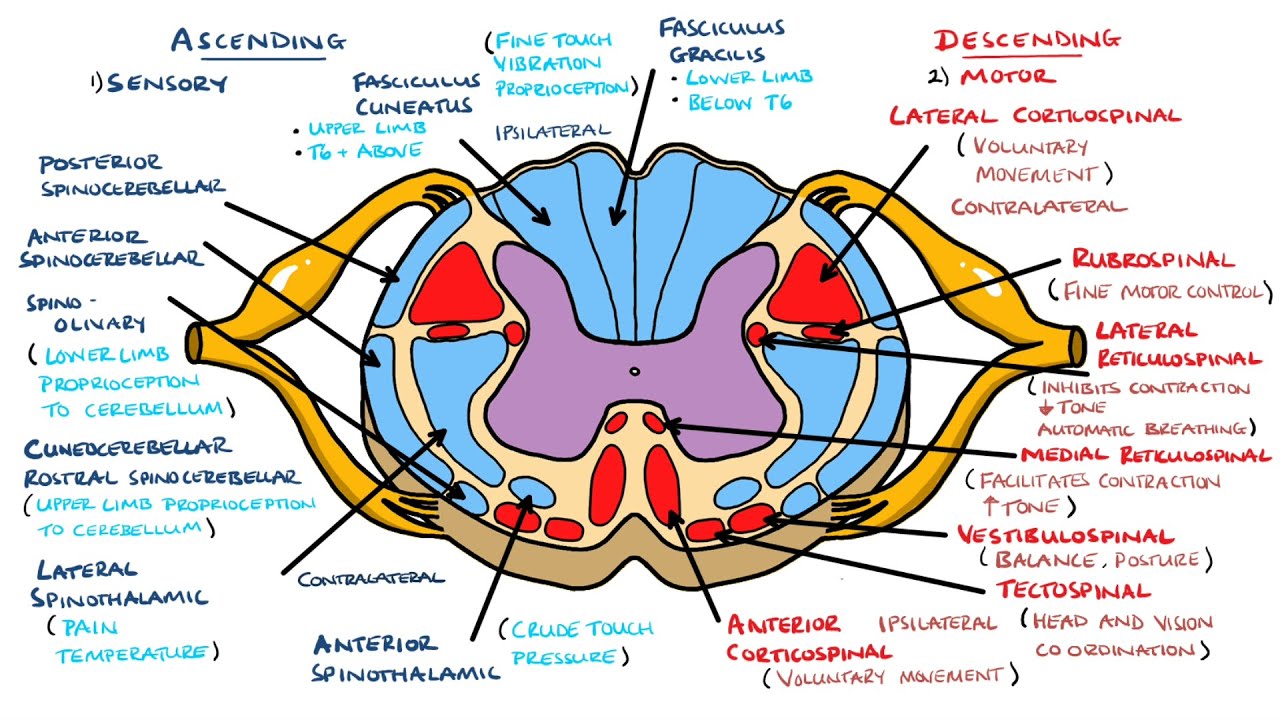
Ascending pathways?
Carry sensory info to brain
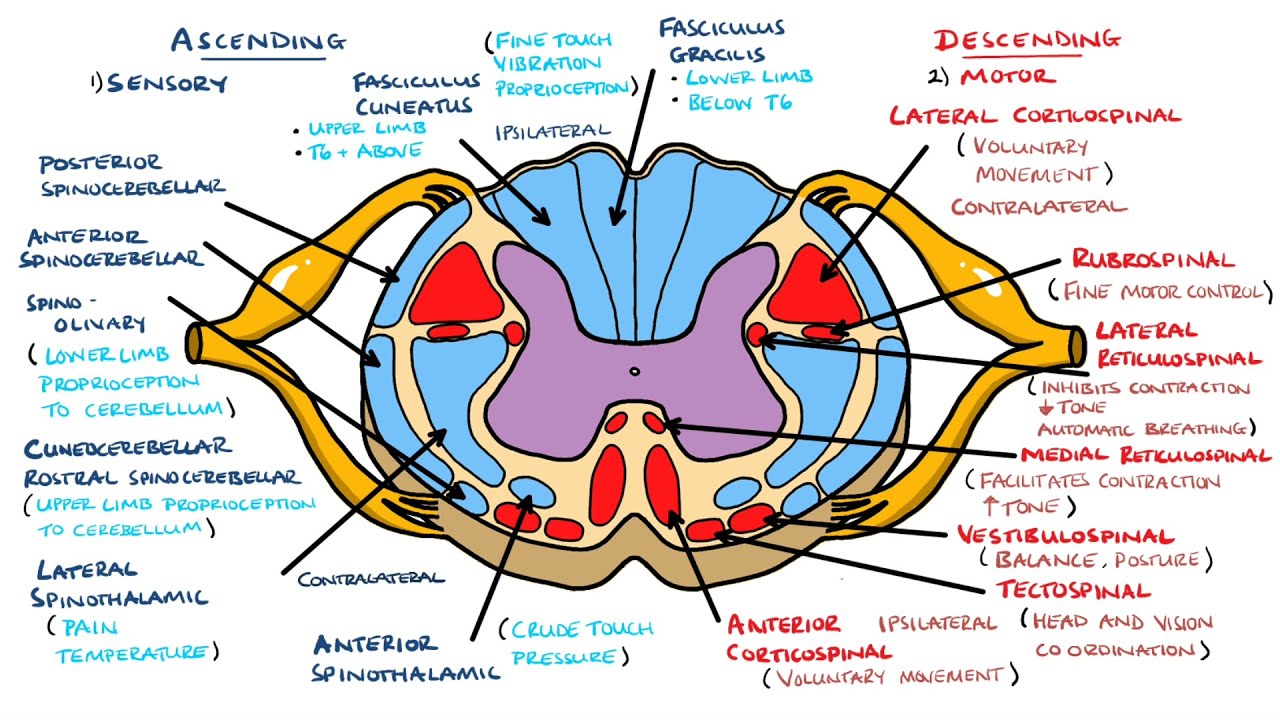
Descending pathways?
Carry motor commands from brain