BIO L FINAL pt.2
 Call Kai
 Learn
Learn Practice Test
 Spaced Repetition
 Match
Match Flashcards
 Knowt Play
1/17

There's no tags or description
Looks like no tags are added yet.
Name | Mastery | Learn | Test | Matching | Spaced | Call with Kai |
|---|
No analytics yet
Send a link to your students to track their progress
18 Terms
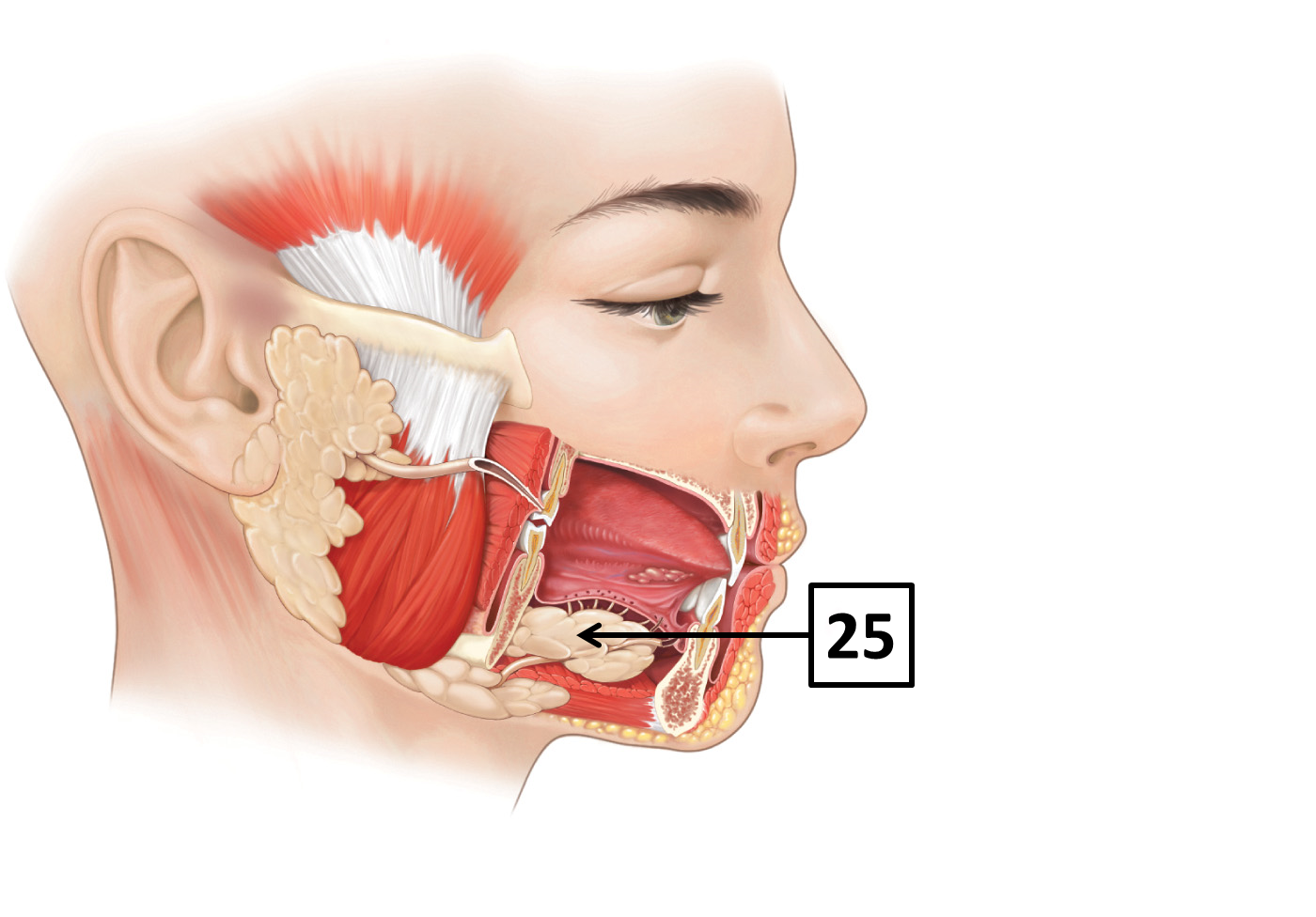
Identify name and function
Sublingual salivary gland aka duct of rivinus
Secretes saliva into the floor of the mouth and has several ducts
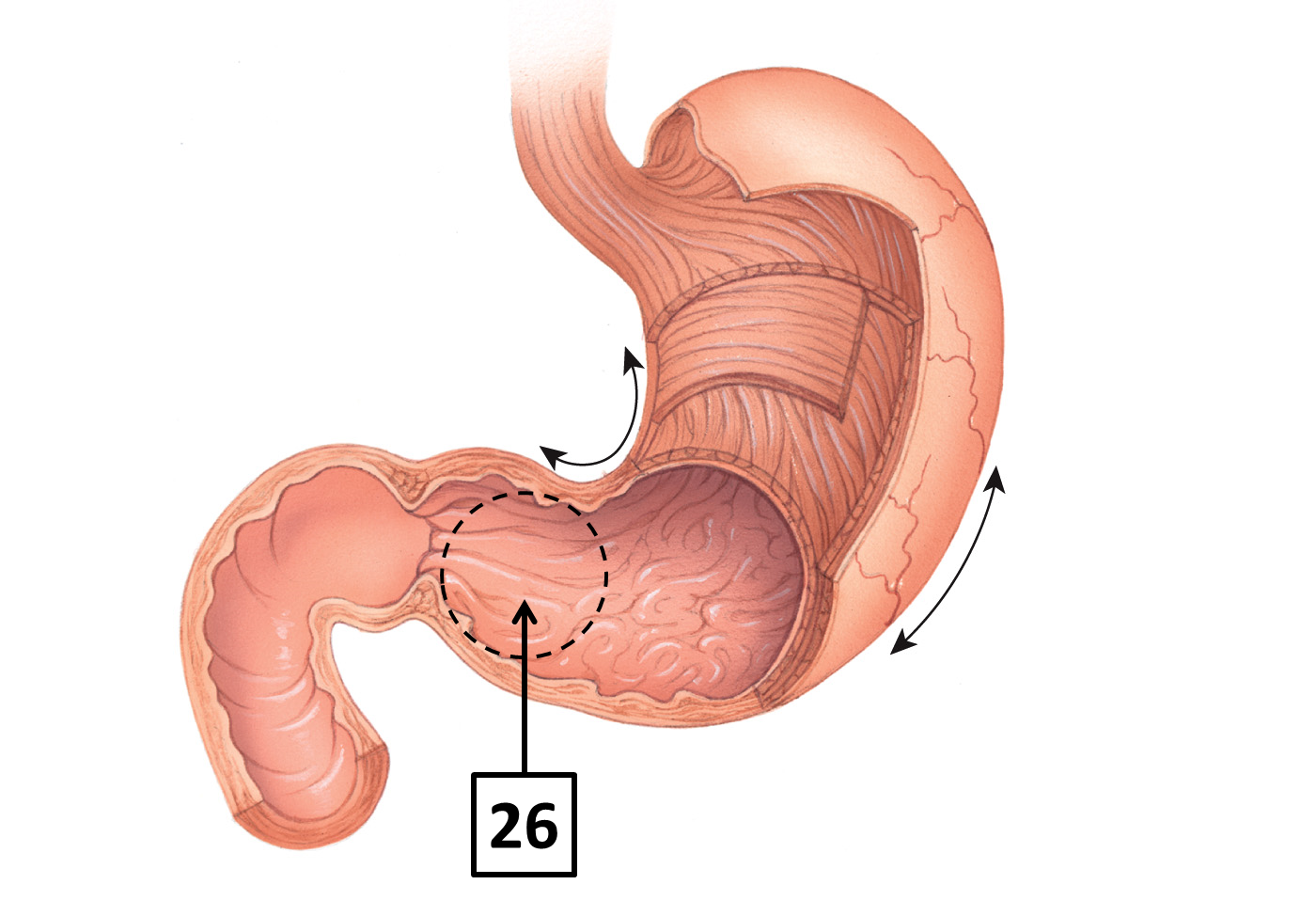
Name and function
Pylorus
Divide the stomach and small intestine duodenum using a muscular ring called the pyloric sphincter to control the flow of partially digested food (chyme). Ensures only small amounts of liquid food into the duodenum at a time while preventing premature passage.
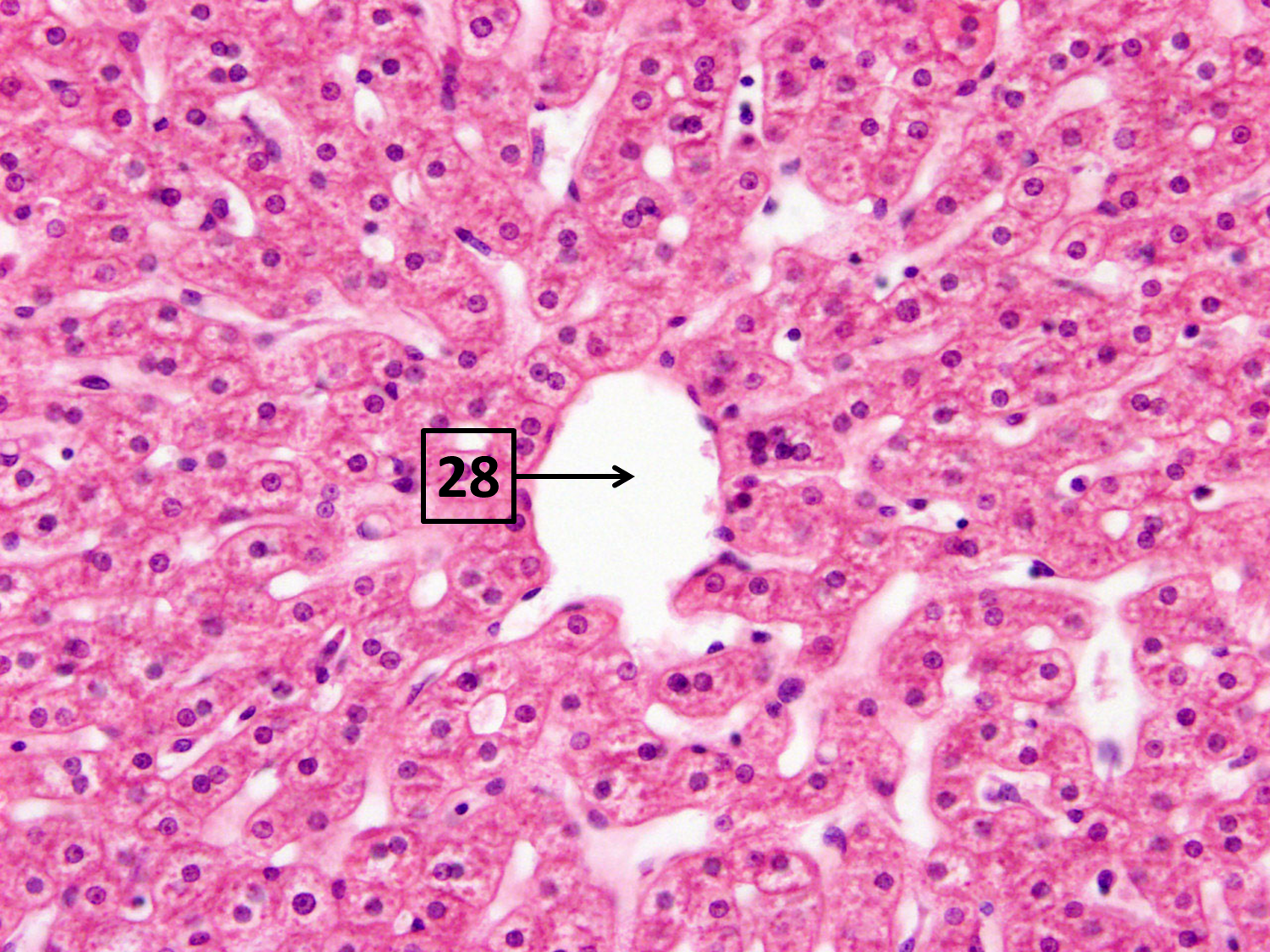
Name and function
Central vein in liver
Serves as a crucial drainage point for each liver lobule, collecting blood from the sinusoids-mixed the blood from the portal vein and hepatic artery-and directing it into the hepatic veins and back to the heart
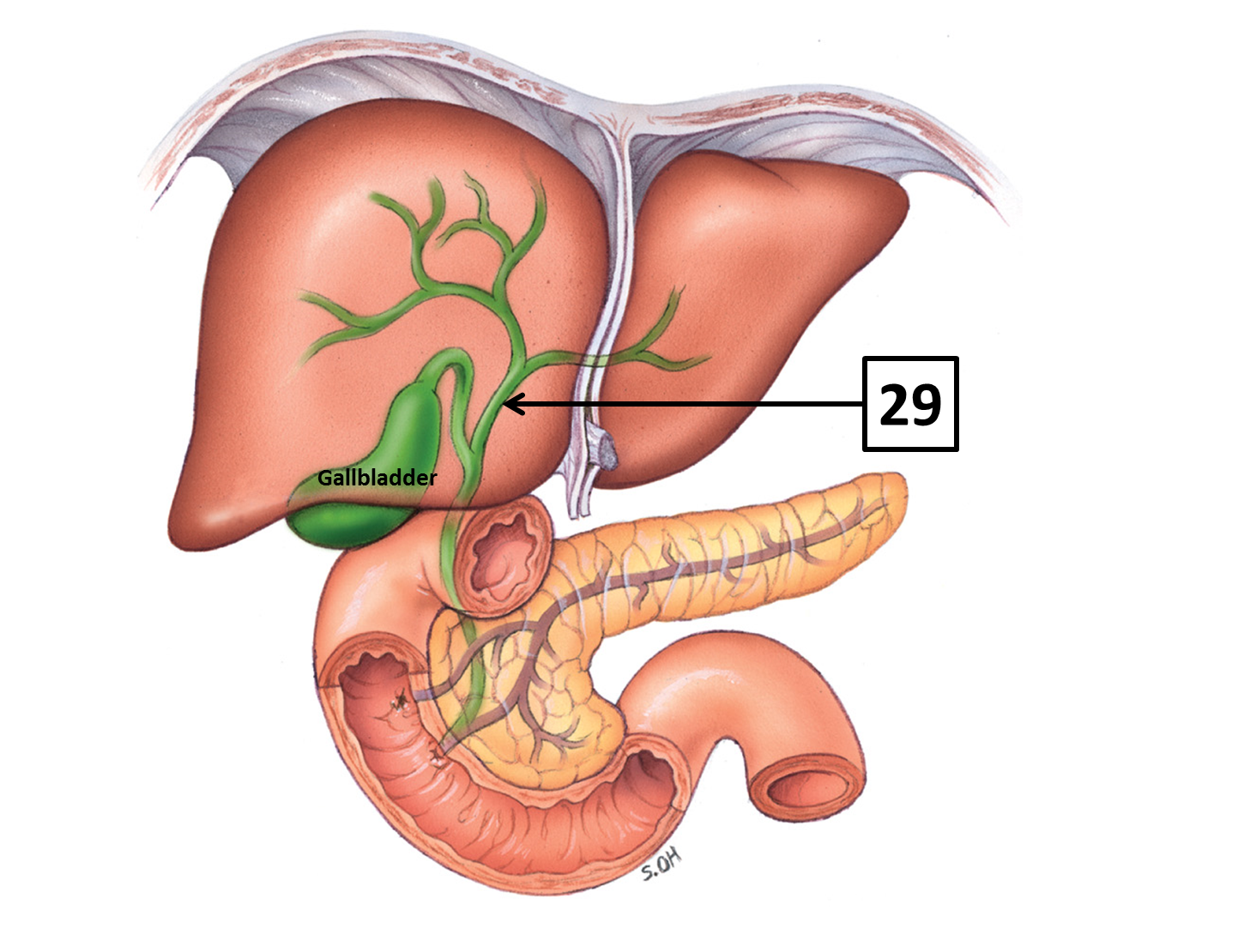
Name and function
Common hepatic duct
carrying bile produced by the liver cells to the gallbladder for storage and directly to the duodenum for digestion.
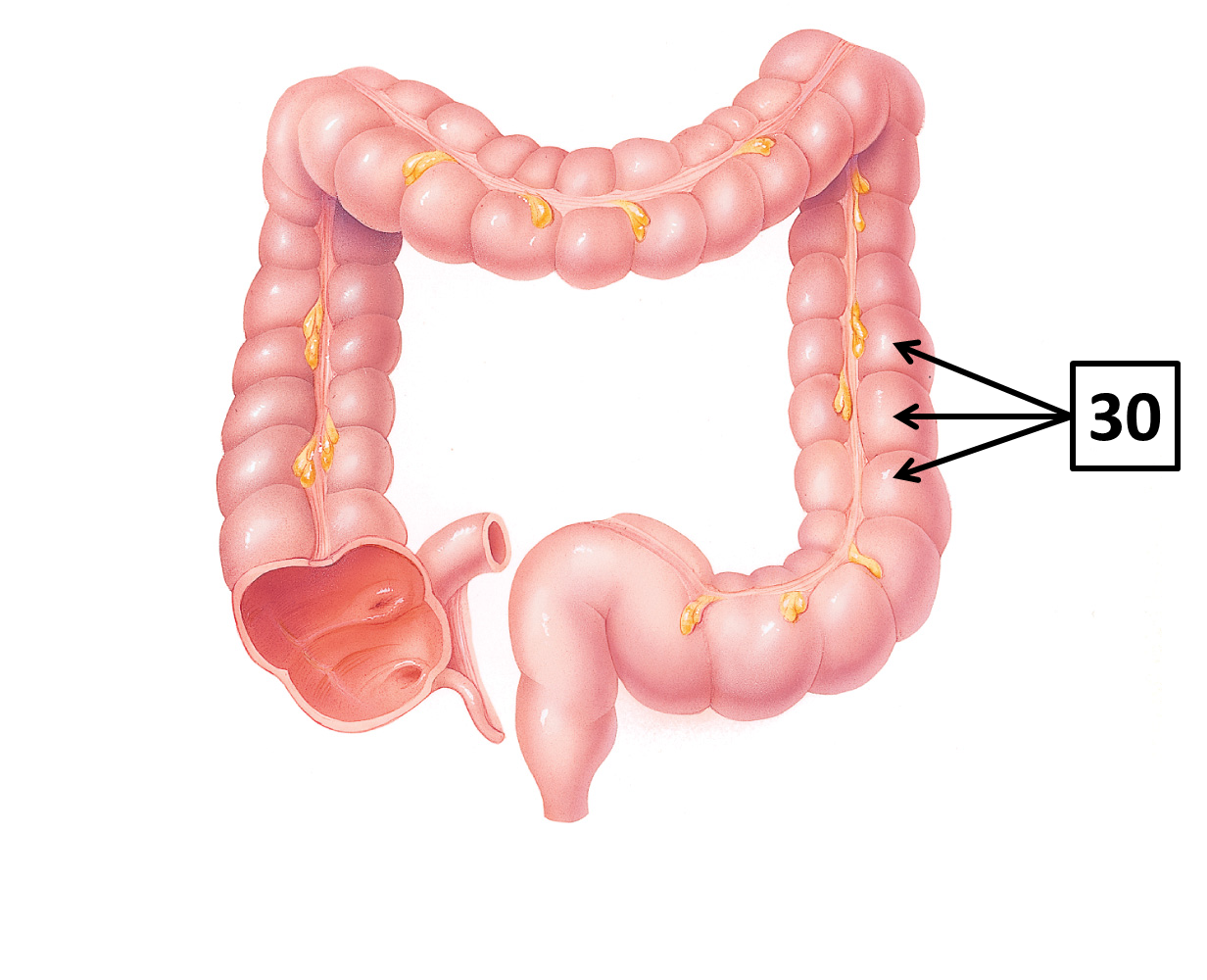
Name
Haustra, pouches formed from contraction for large muscle band taeni coli
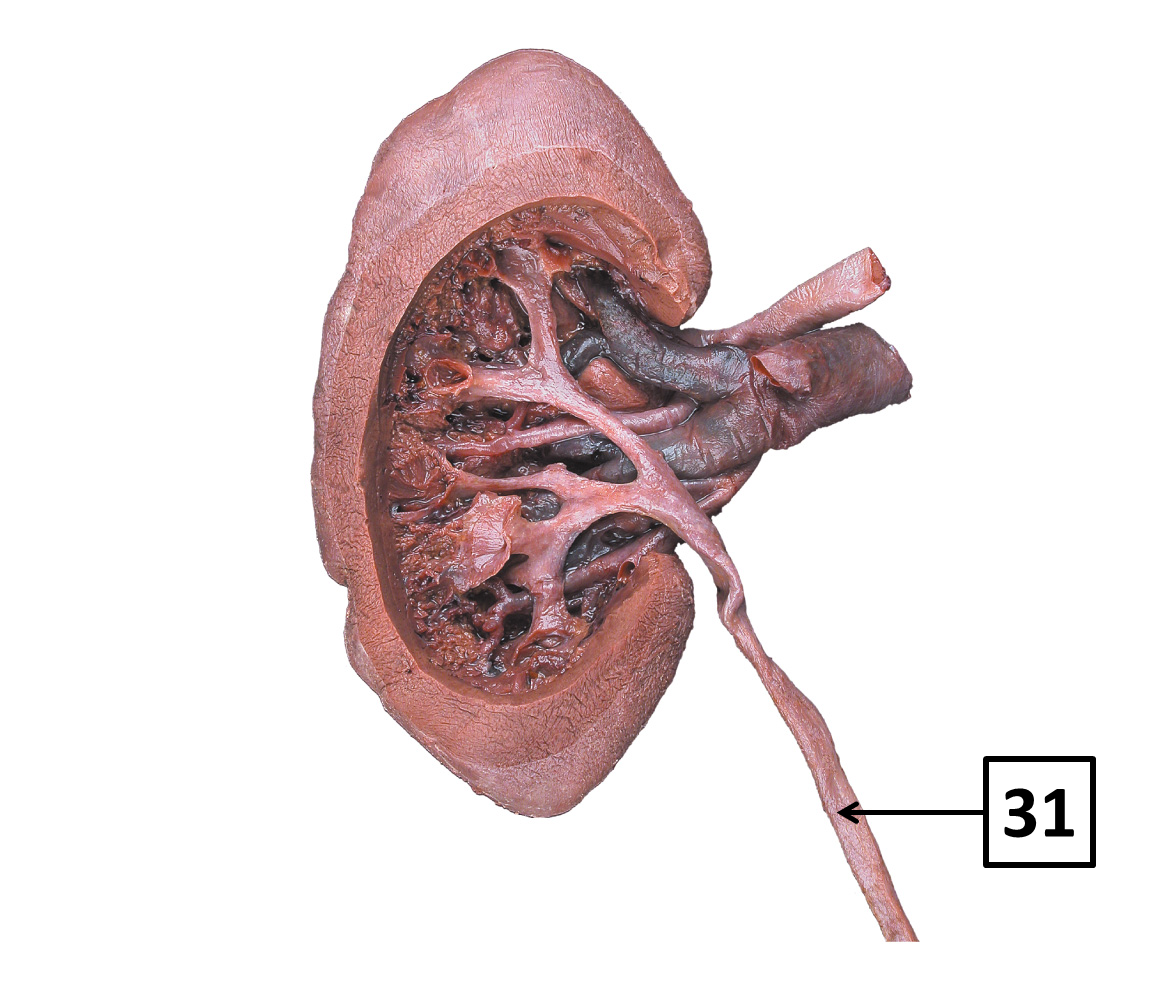
Name and function
Ureter
Transports urine from kidneys to bladder
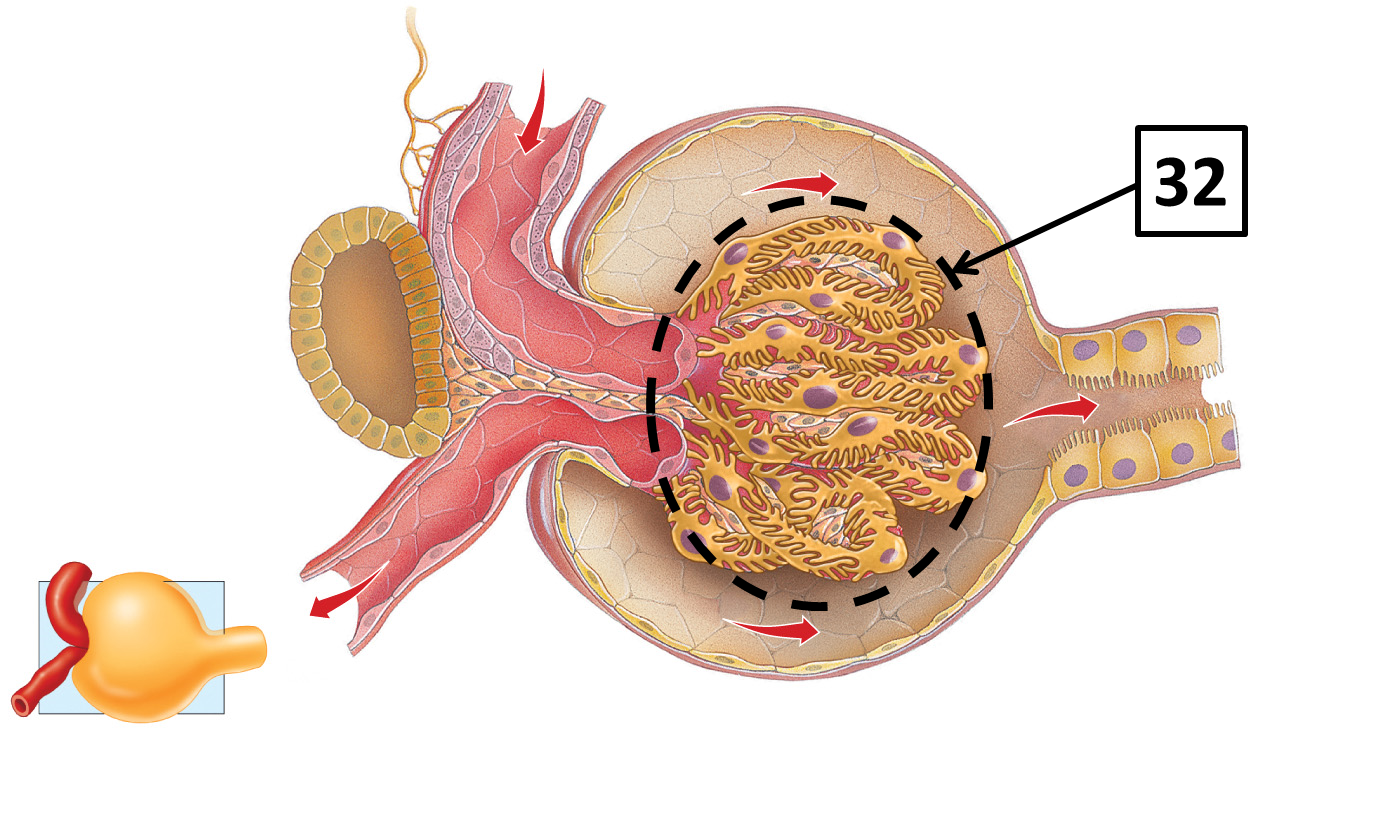
Name and function
Glomerulus
Filters waste, excess water and solutes from blood for urination
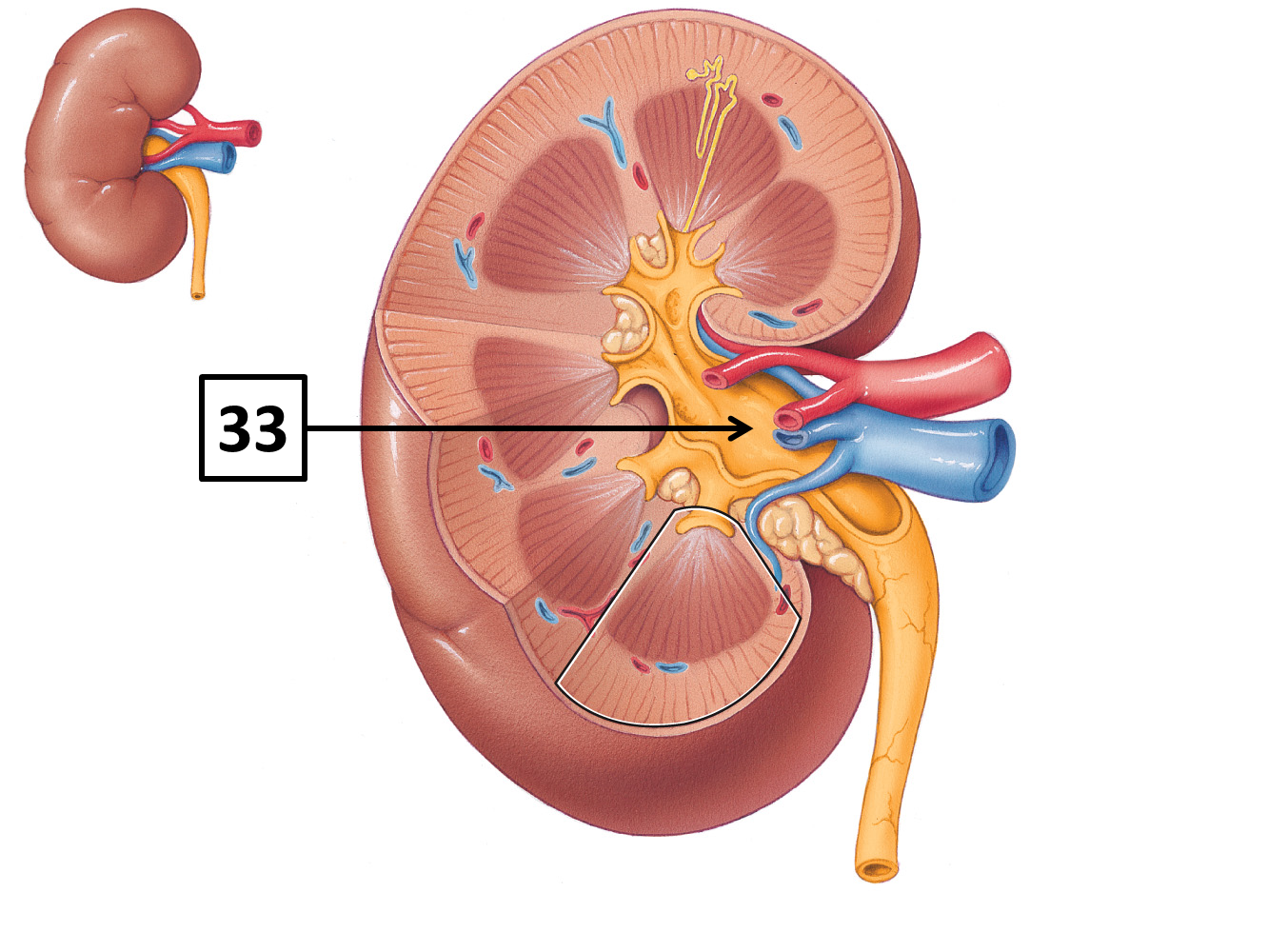
Name and function
Renal pelvis
Gathers urine from the kidney’s calyces and directs it into the ureter.
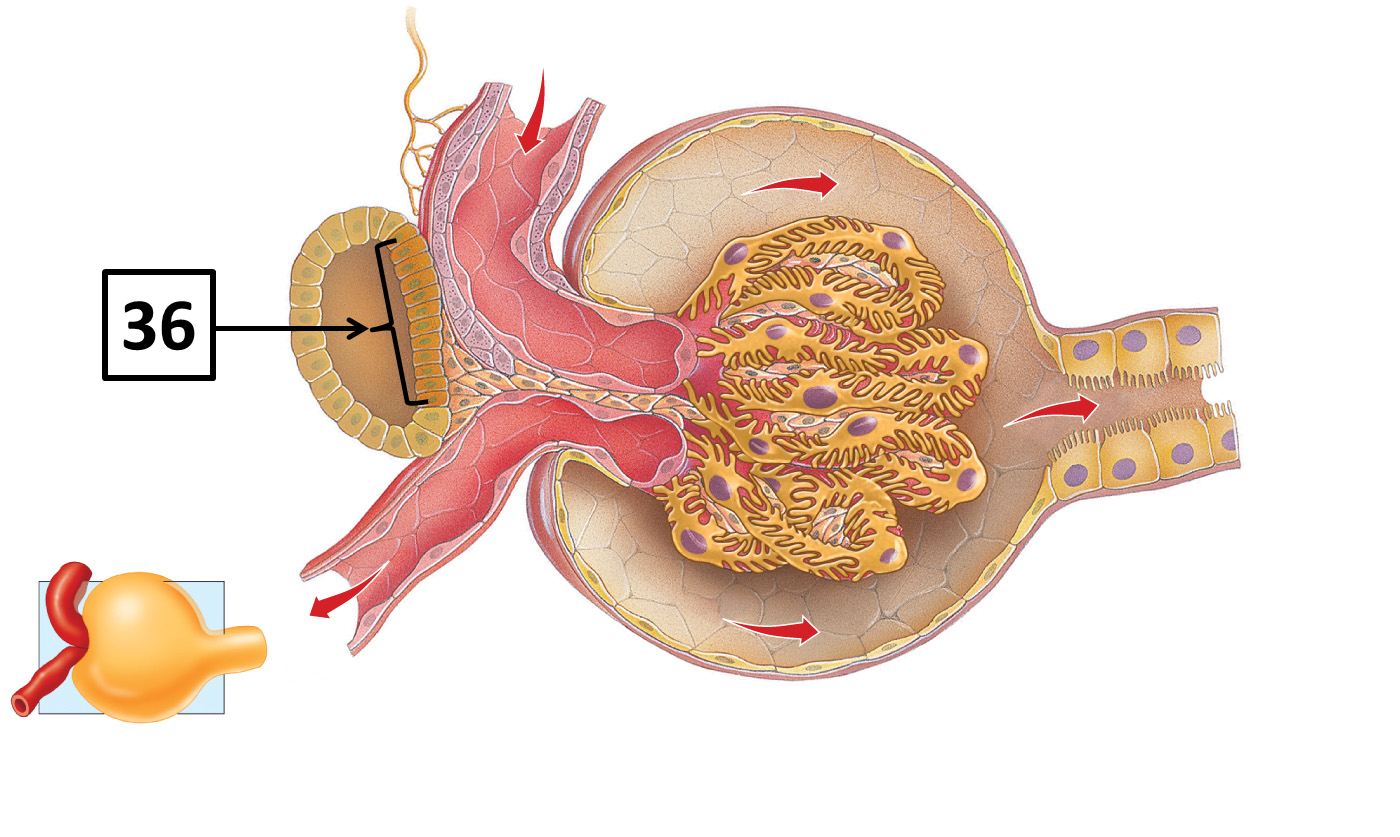
Name and function
Macula Densa
Regulating the glomerular filtration rate via tubuloglomerular feedback and controlling blood pressure by regulating renin release.
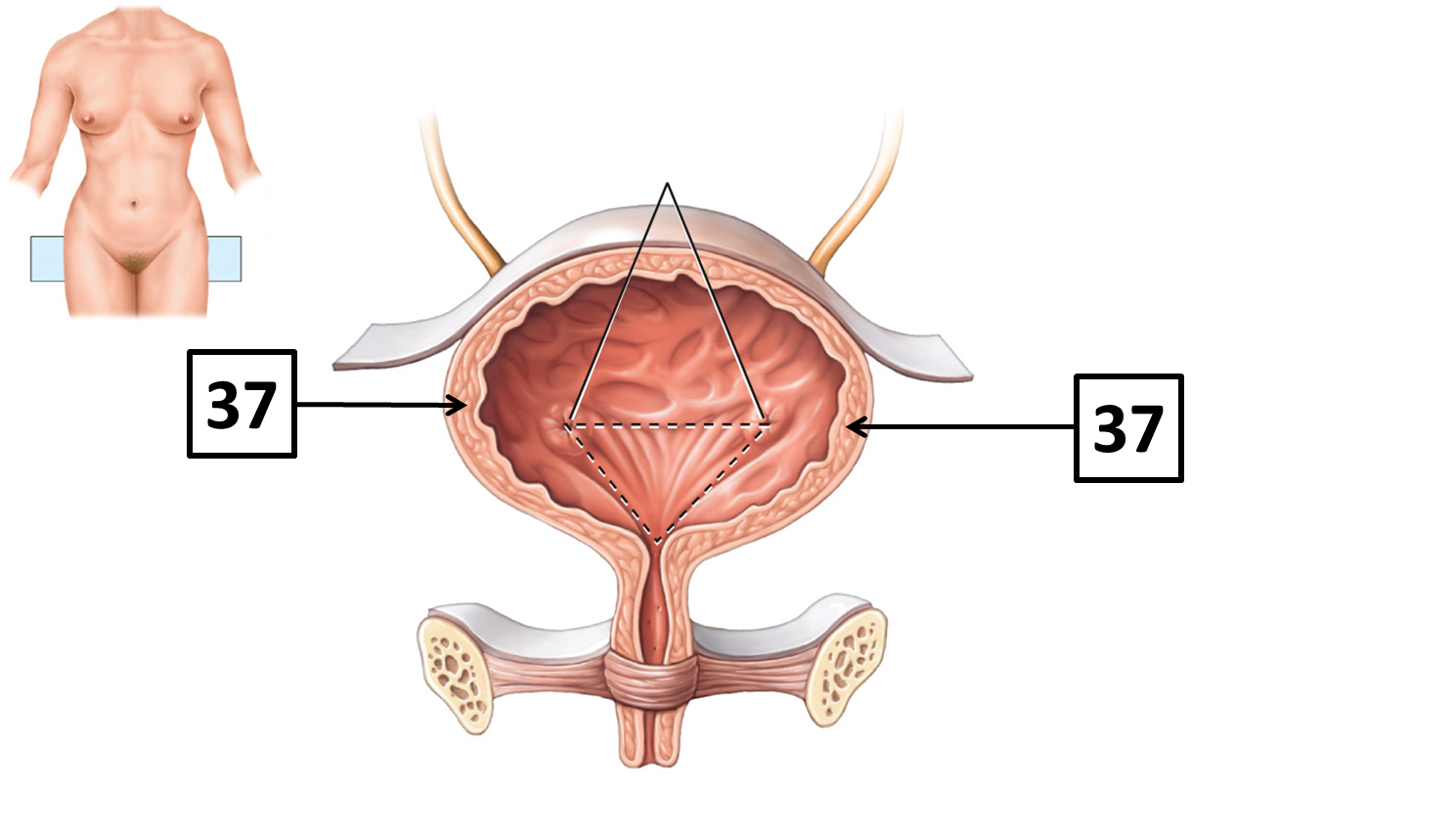
Name and function
Detrusor muscle
detrusor muscle relaxes to allow the bladder to fill and store urine, and contracts during urination (micturition) to compress the bladder and expel urine into the urethra
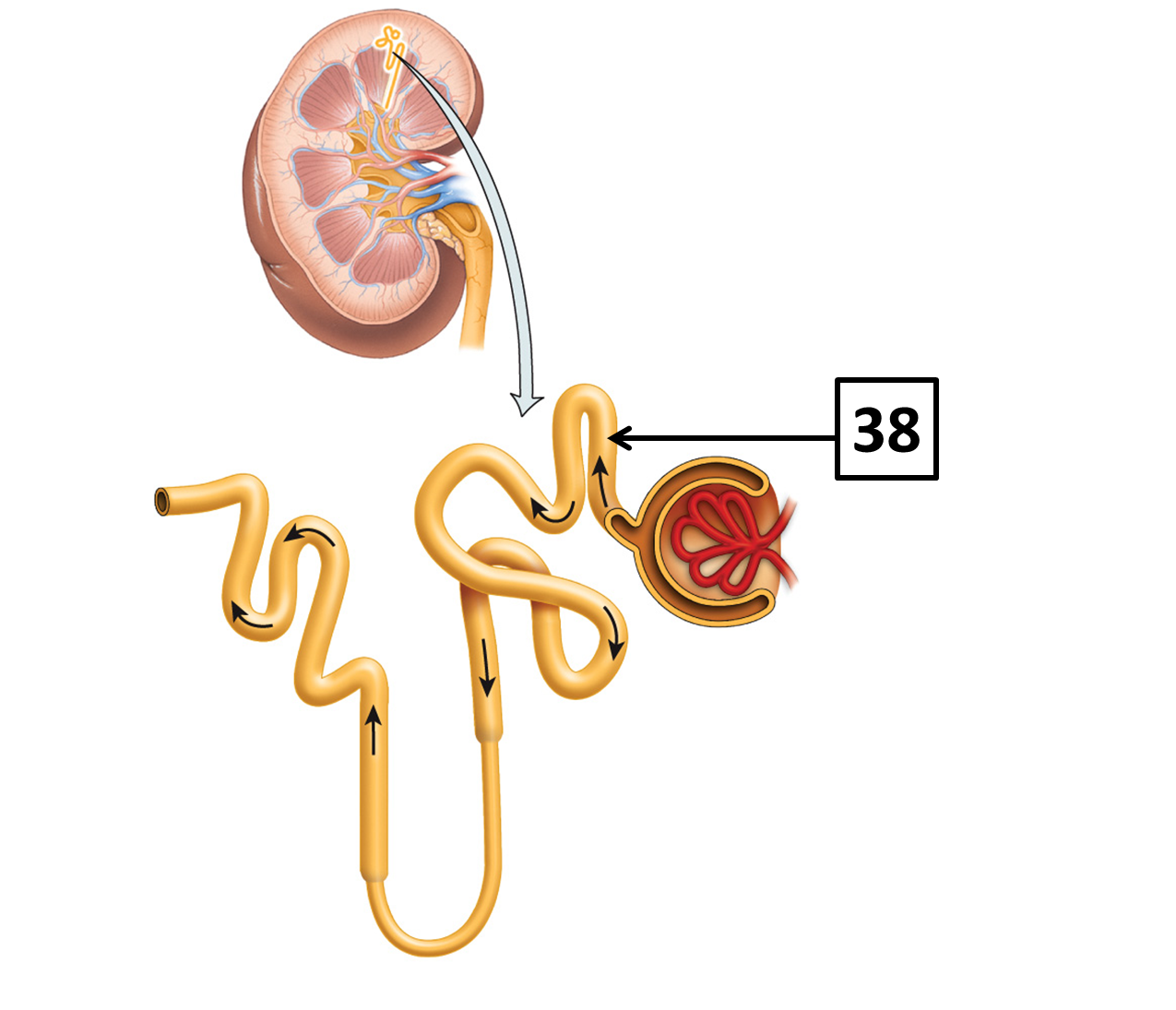
Idk sus
Idk
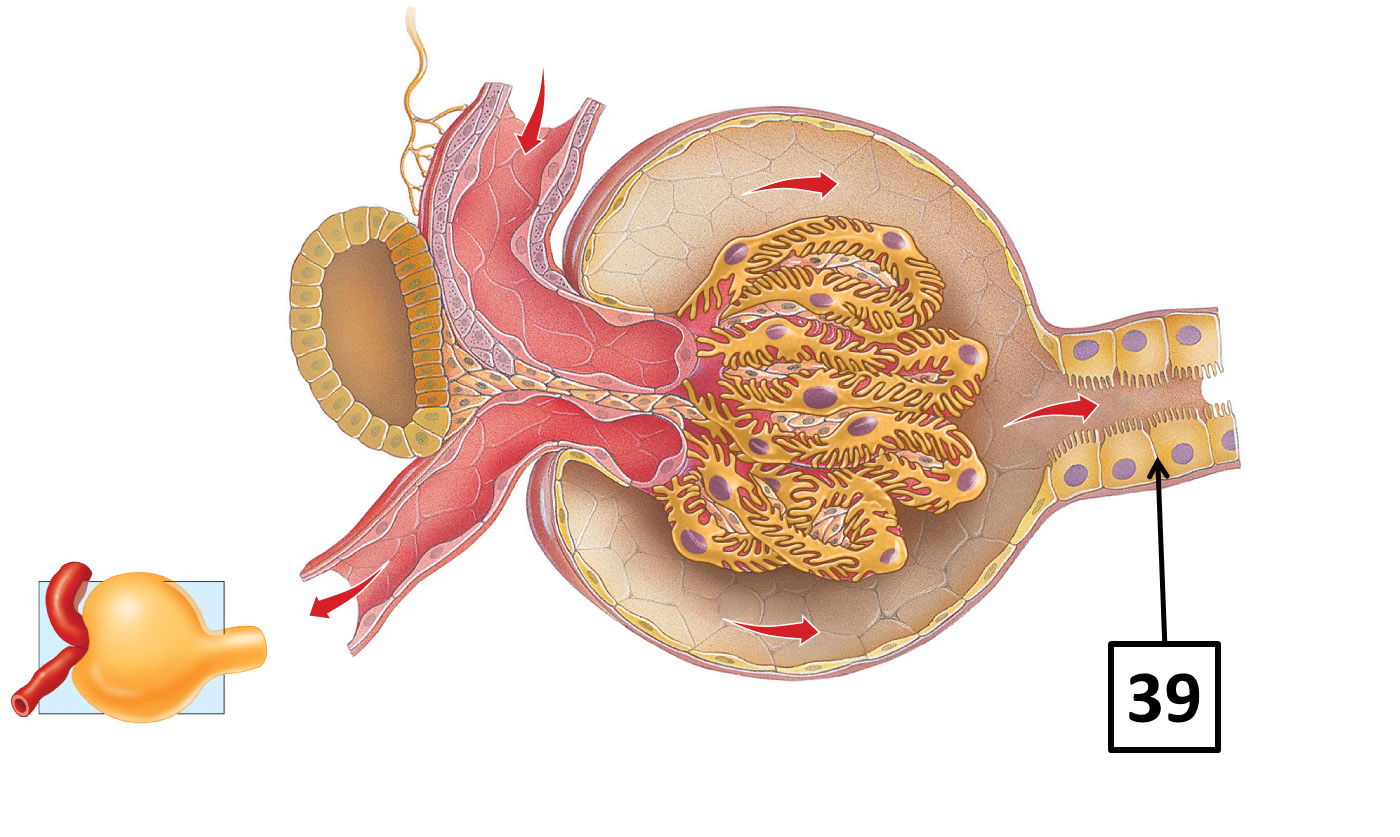
Name, function, and cell type
Proximate convoluted tubule
70% filtrate reabsorbed and sent to the loop of Henley
Simple cuboidal with microvilli
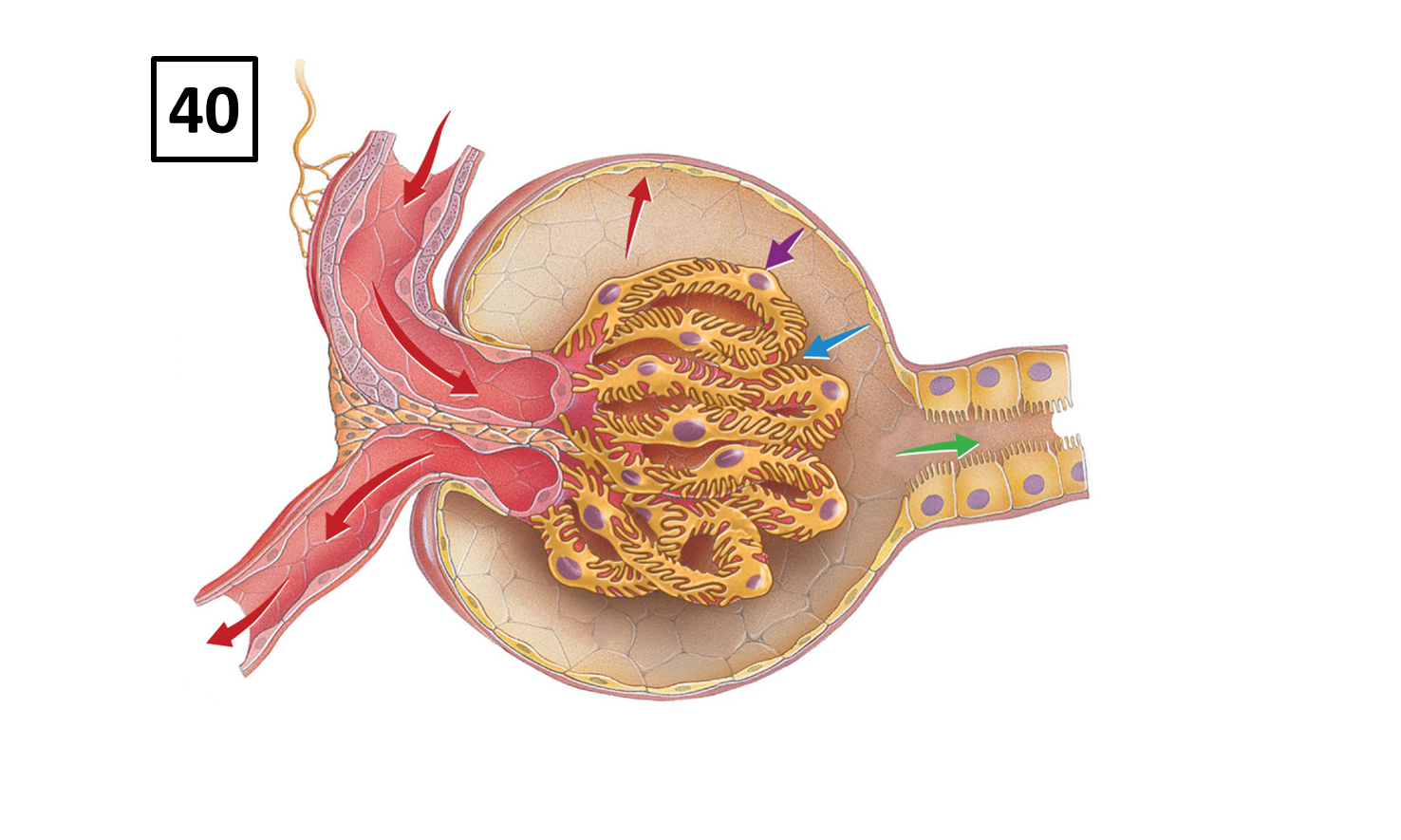
Idk
Idk
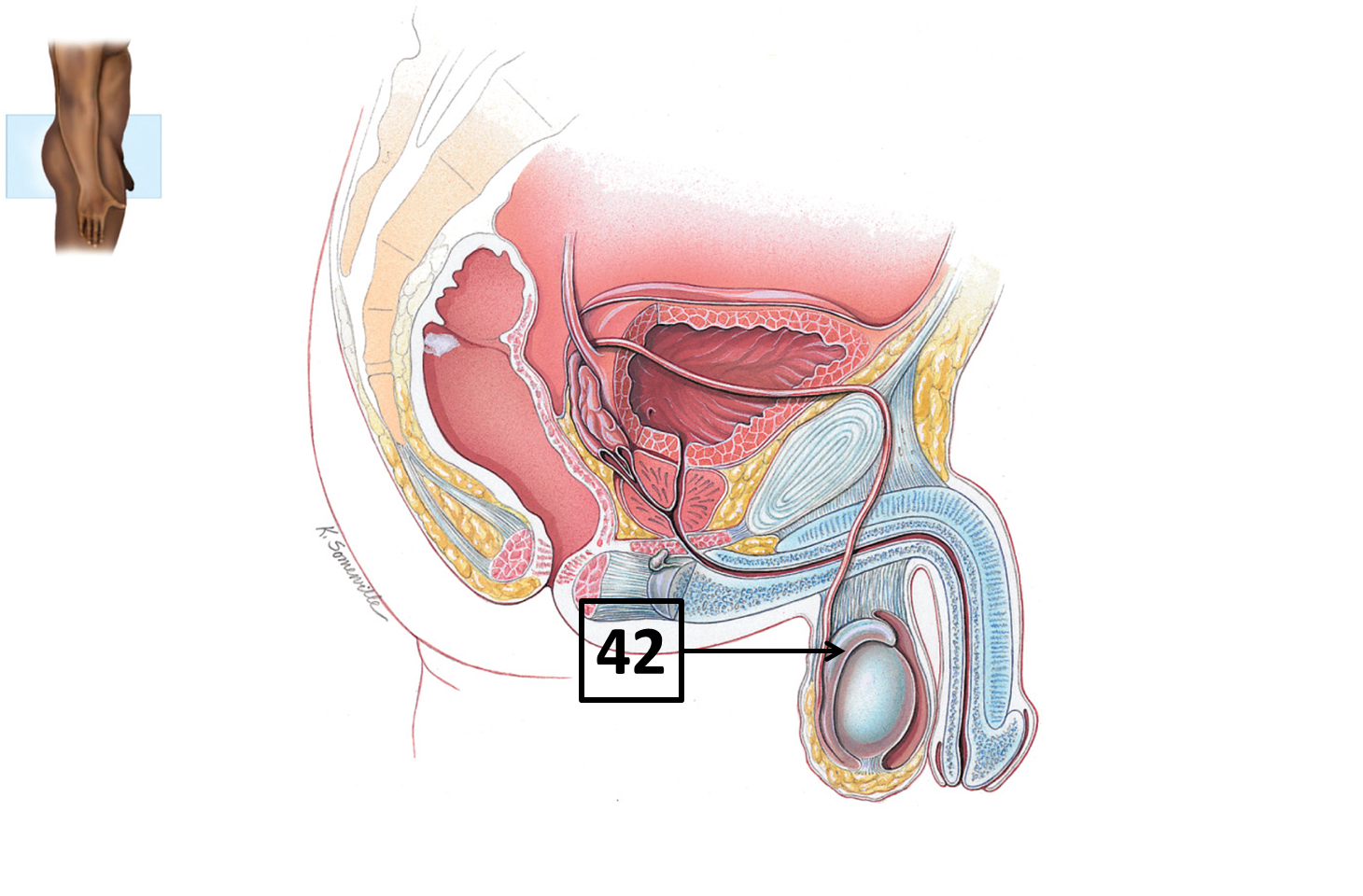
Name and function
Epididymis
4 main functions:
Monitors and adjust fluid produced by seminiferous tubules
Recycles damage spermatozoa
Stores and protect spermatozoa
Facilitate maturation of sperm
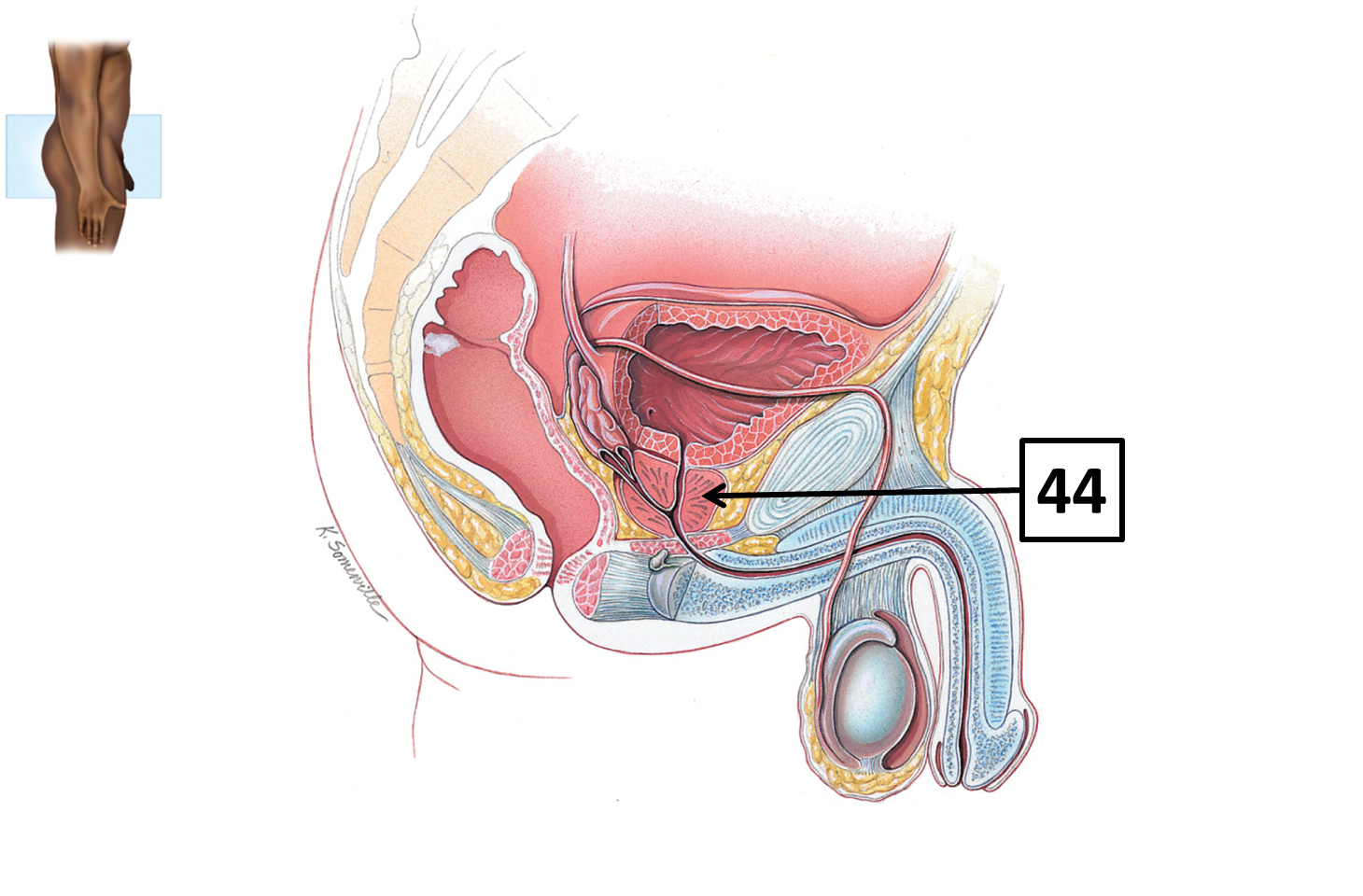
Name and function
Prostrate
Secretes a milky, slightly acidic fluid, which can be used by sperm for ATP production. There is four substances; citric acid, acid phosphate, proteolytic enzymes, and seminal plasmids.
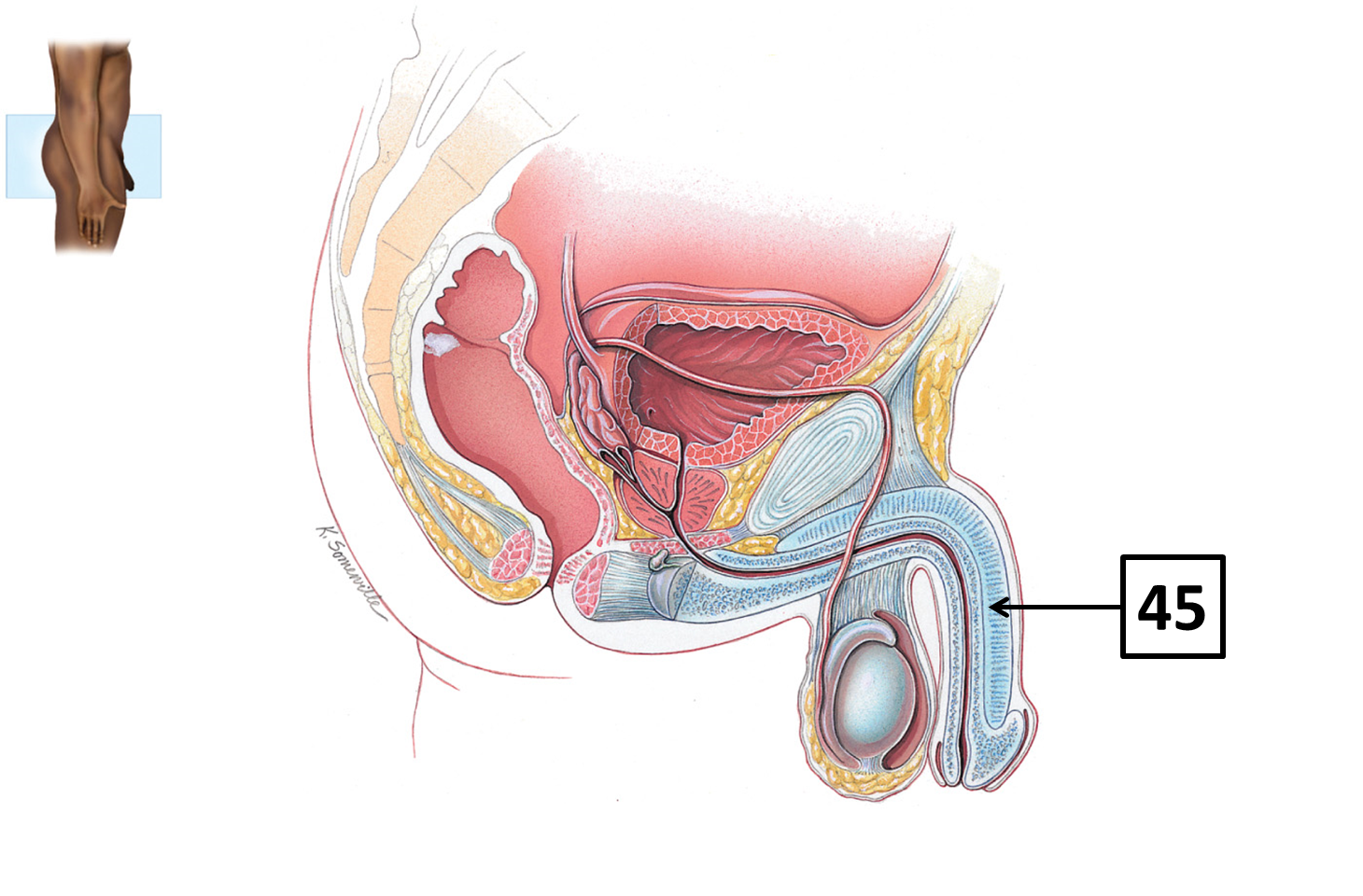
Name and function
Corpus cavernosum penis
Facilitate erections by filling with blood upon sexual stimulation.
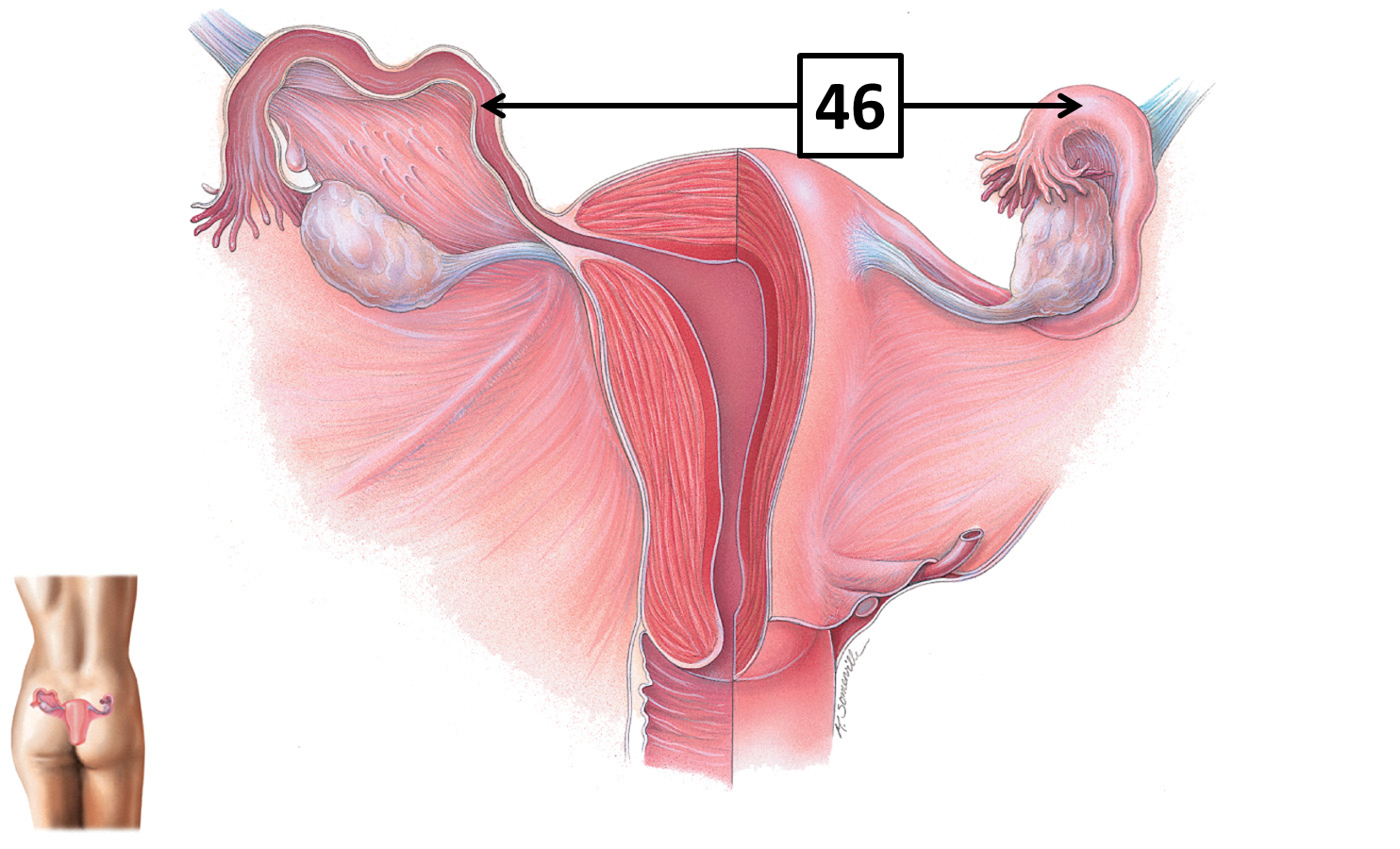
Name and function
Ampulla
Widest section of tube serves as primary site for fertilization. Captures the ovulated egg, provides an environment for sperm and oocyte to meet, initiates early stages of zygote transport towards the uterus.
infundibulum
Catches the ovum (egg) released from the ovary during ovulation, using its finger like projections known as fimbriae, and guide it into tube for fertilization.
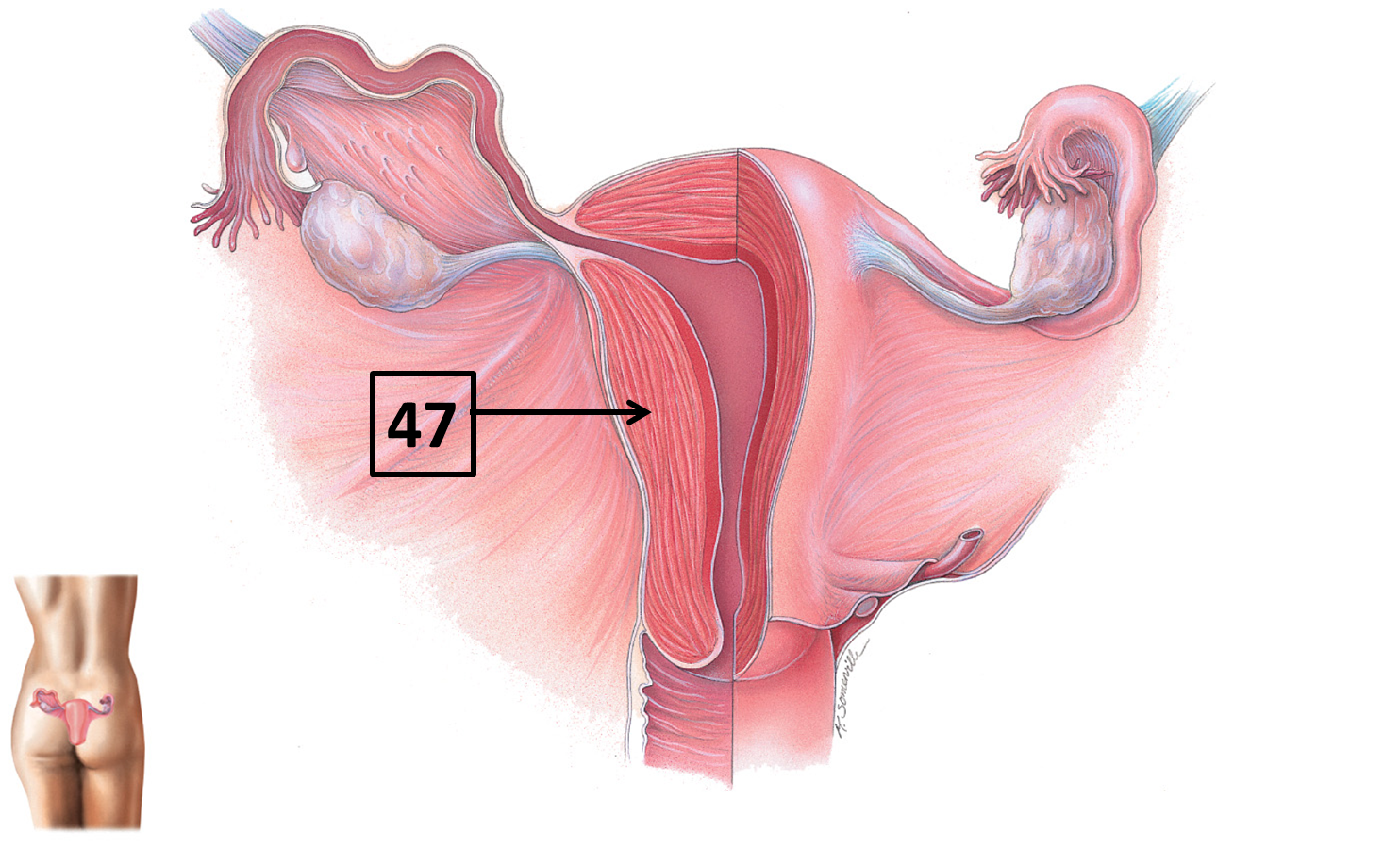
Name and function
Myometrium, tissue of layer in wall of uterus
Consists of 3 layer smooth muscle that helps expel fetus during birth, thickest portion.