classics midterm 2 images
 Call Kai
 Learn
Learn Practice Test
 Spaced Repetition
 Match
Match Flashcards
 Knowt Play
1/20

There's no tags or description
Looks like no tags are added yet.
Name | Mastery | Learn | Test | Matching | Spaced | Call with Kai |
|---|
No analytics yet
Send a link to your students to track their progress
21 Terms
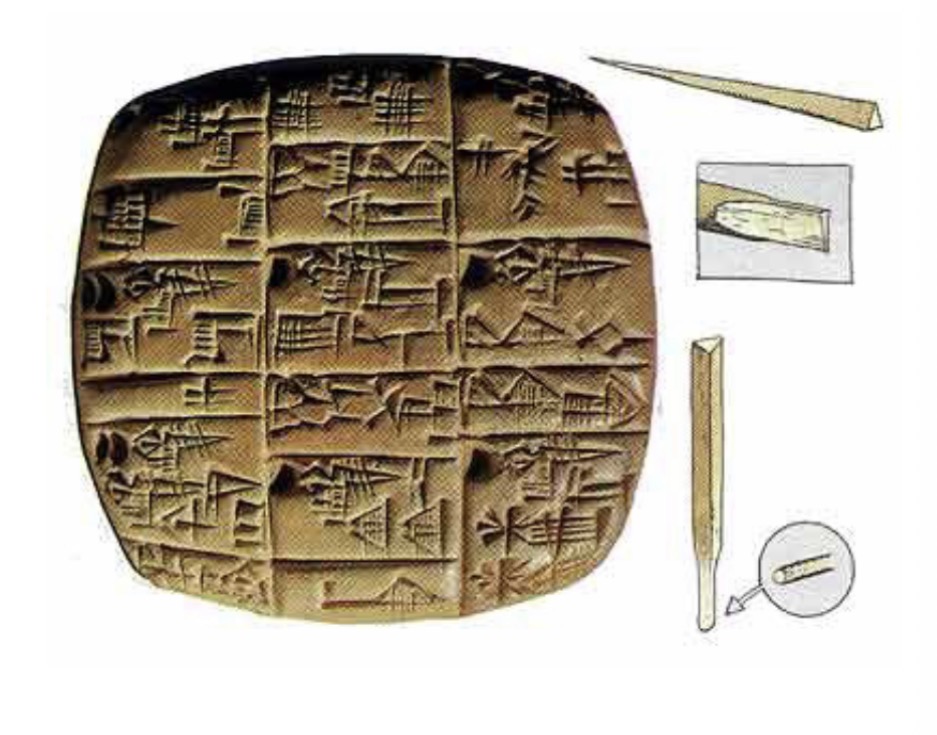
Drawing of cuneiform tablet with reed stylus
cuneiform is a writing system invented by Sumerians
NOT a language, a writing system, like the alphabet
lots of ancient work written in cuneiform, like Enuma Elish, Song of Emergence, and Epic of Gilgamesh
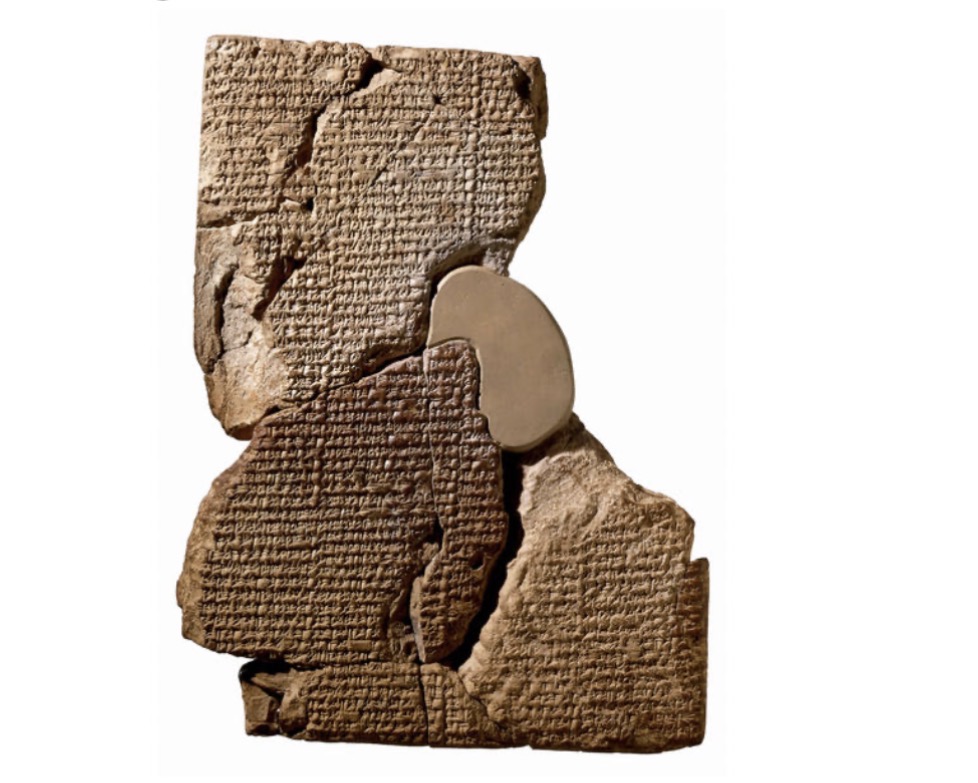
One of the clay tablets in Atrahasis epic (in British Museum)
compared to Enuma Elish and The Epic of Gilgamesh, the Atrahasis epic is VERY fragmented
Atrahasis epic in 3 tablets
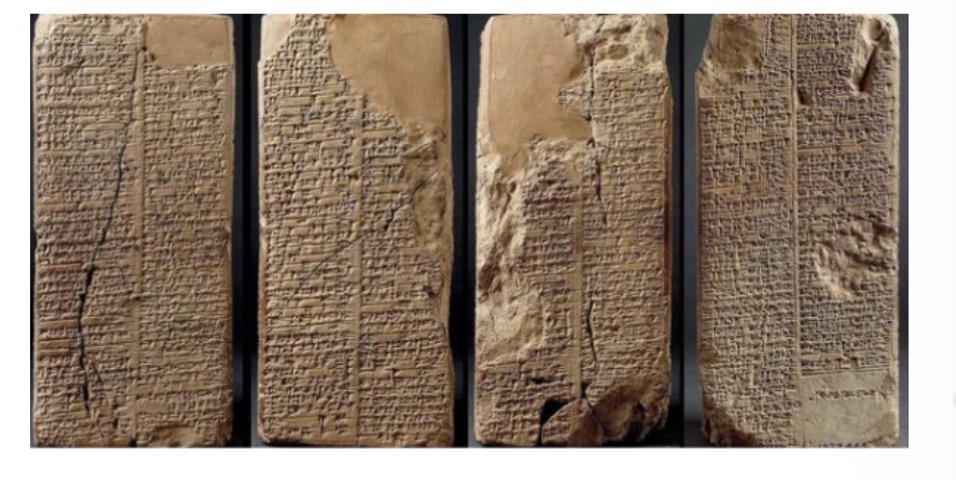
Enuma Elish, cuneiform tablets discovered in library of Assyrian king Ashurbanipal at Nineveh, ca. 650 BCE
discovered in Assyria
Enuma Elish has a total of 7 tablets
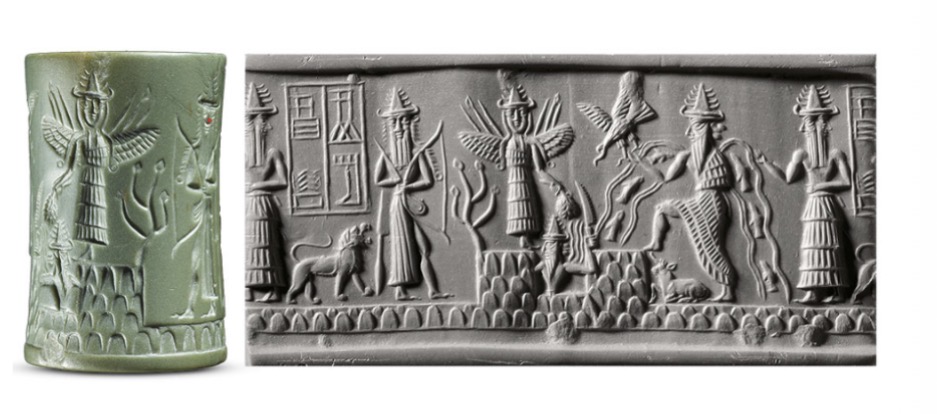
Enki/Ea and Ishtar, Akkadian cylinder seal, ca. 2200 BCE
Apsu: streams of water coming off his shoulders with fish
Enki: within the temple/between the streams of water
Ishtar: in the middle with wings and arrows/spears sticking out from her back
remember that Ishtar is a mix between goddess of war and sexual desire
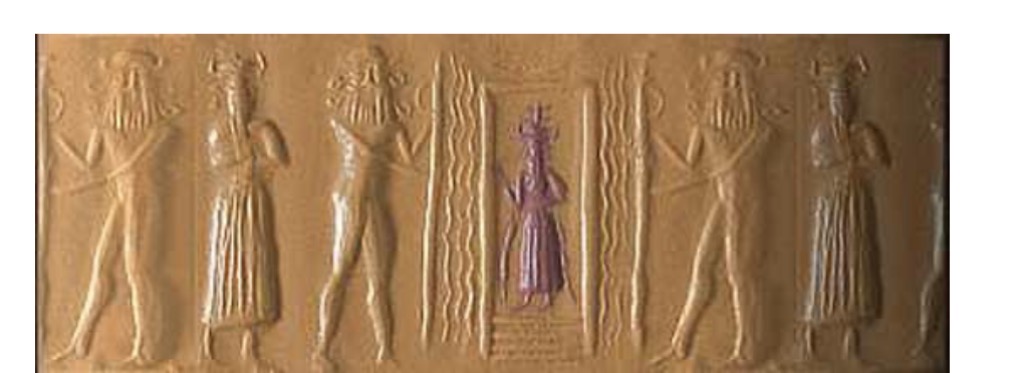
Enki/Ea in apsu, Akkadian cylinder seal, ca. 2200 BCE
Enki/Ea in the middle of the two streams
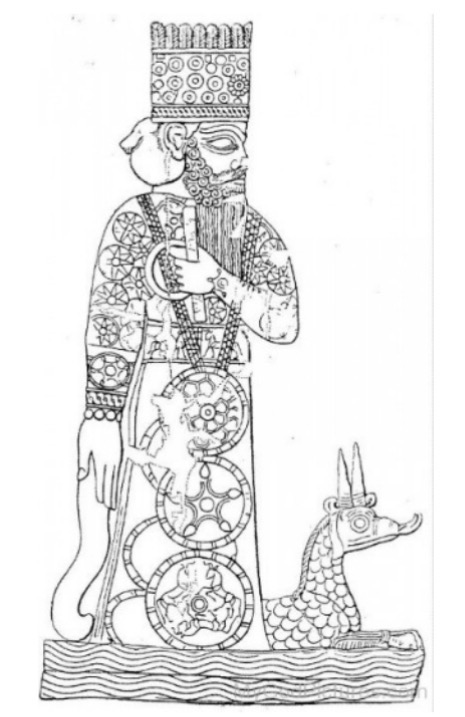
Marduk and his mushushshu dragon, drawing of detail from Babylonian cylinder seal, ca. 850 BCE
Marduk is depicted in mythology as fire-breathing and having 4 eyes and 4 ears, but this is not depicted in this image
Marduk in anthropomorphic form
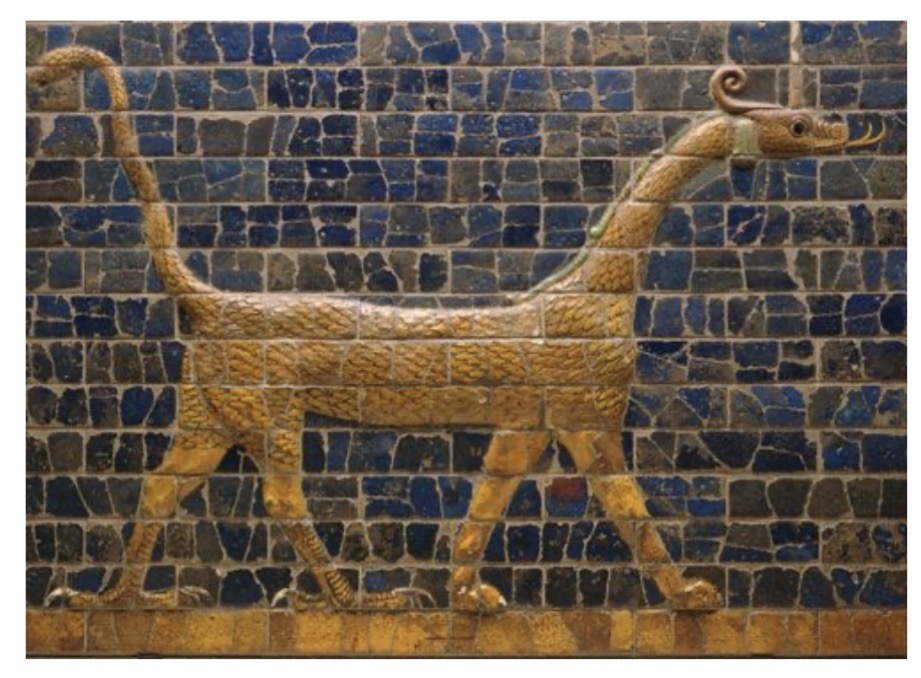
Mushushshu Dragon, from Ishtar Gate, Babylon, ca. 575
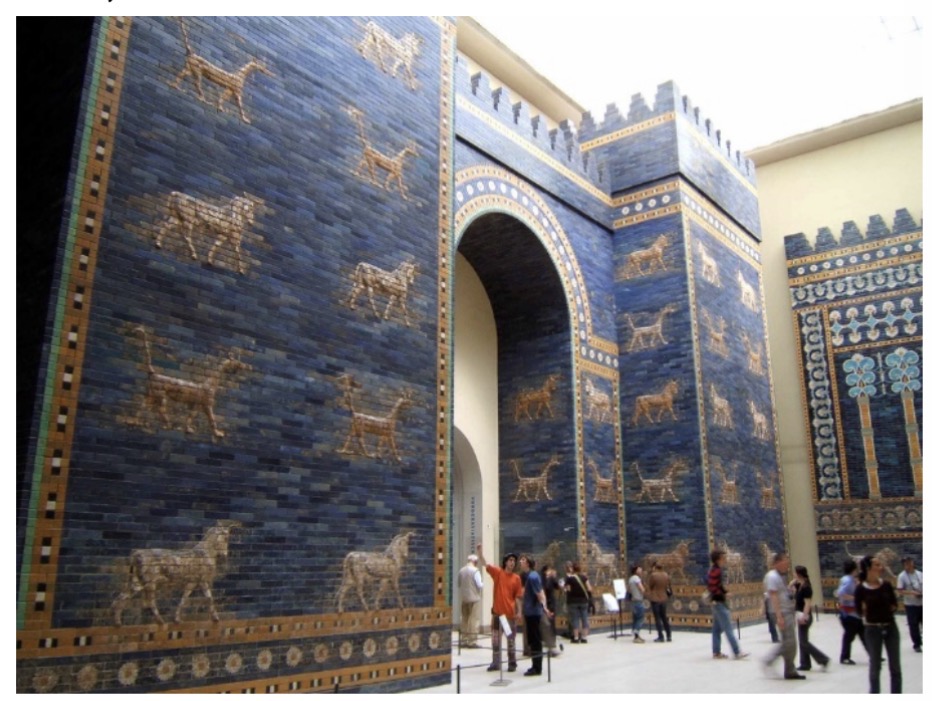
Reconstruction, Ishtar Gate, Pergamon Museum, Berlin
huge gate with glazed bricks and paintings of mushushshu dragons and bulls
main entryway into city of Babylon
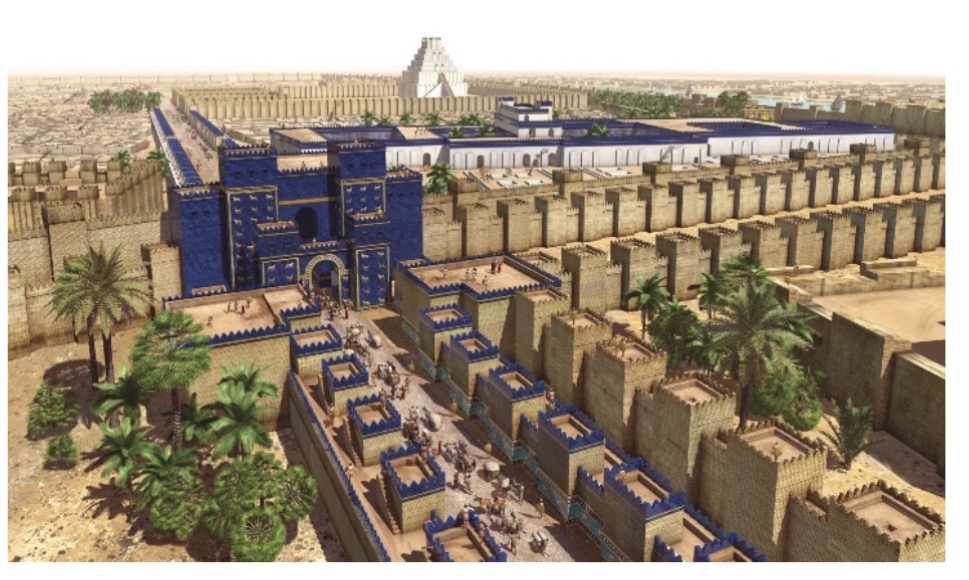
Babylon, ca. 575 BCE (reconstruction)
Ishtar Gate
you can see the glazed bricks and the alternations of bulls and mushushshu dragons
main entryway into city of Babylon
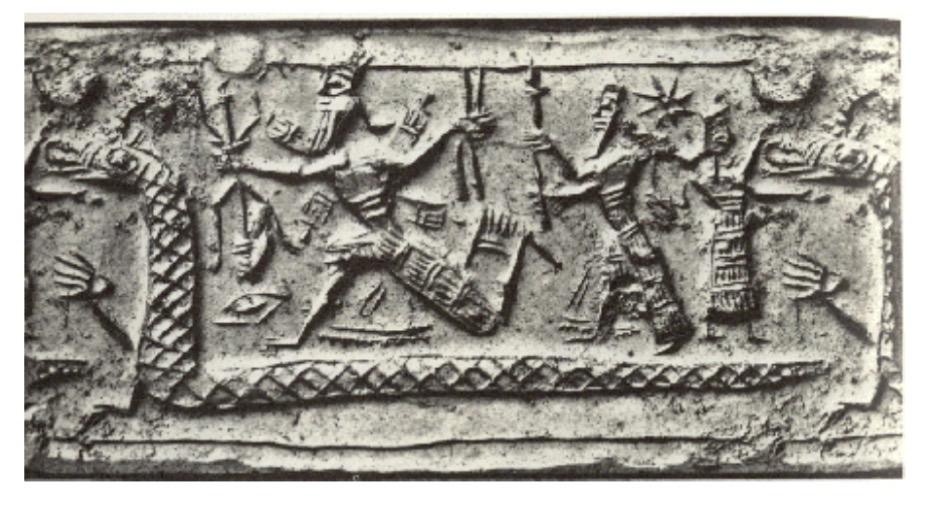
Ninurta (later Marduk) fighting Tiamat (?), Neo-Assyrian cylinder seal, ca. 900-800 BCE
Tiamat as serpent?
there isn’t any description of Tiamat’s physical appearance in other works
battling god Ninurta? (replaced by Marduk in Babylonian Enuma Elish)
the one towards the head of the serpentine, holding thunderbolts in his hands (3-pronged)
storm god
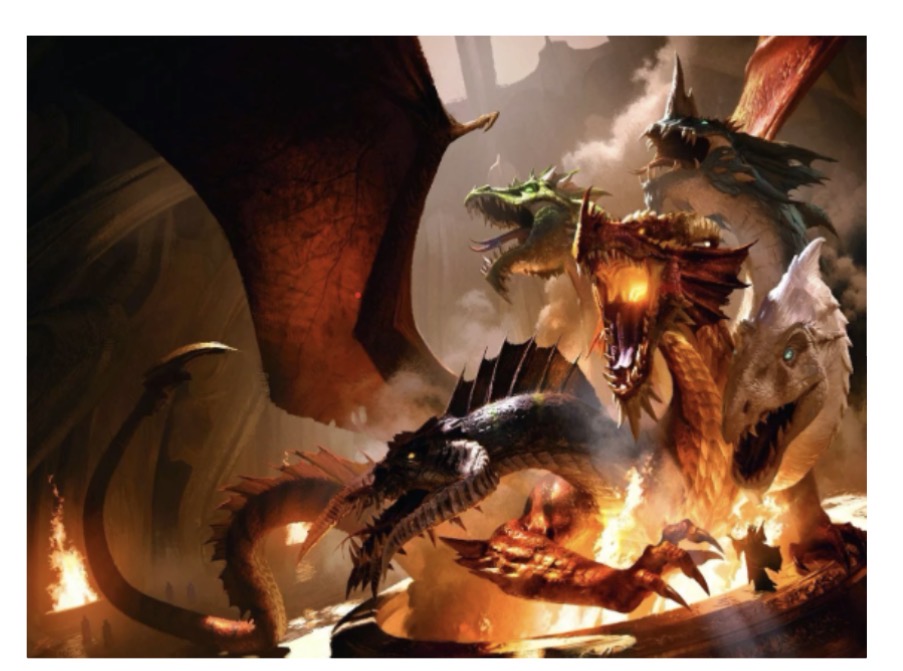
Tiamat in Dungeons & Dragons
Tiamat as a 5-headed dragon
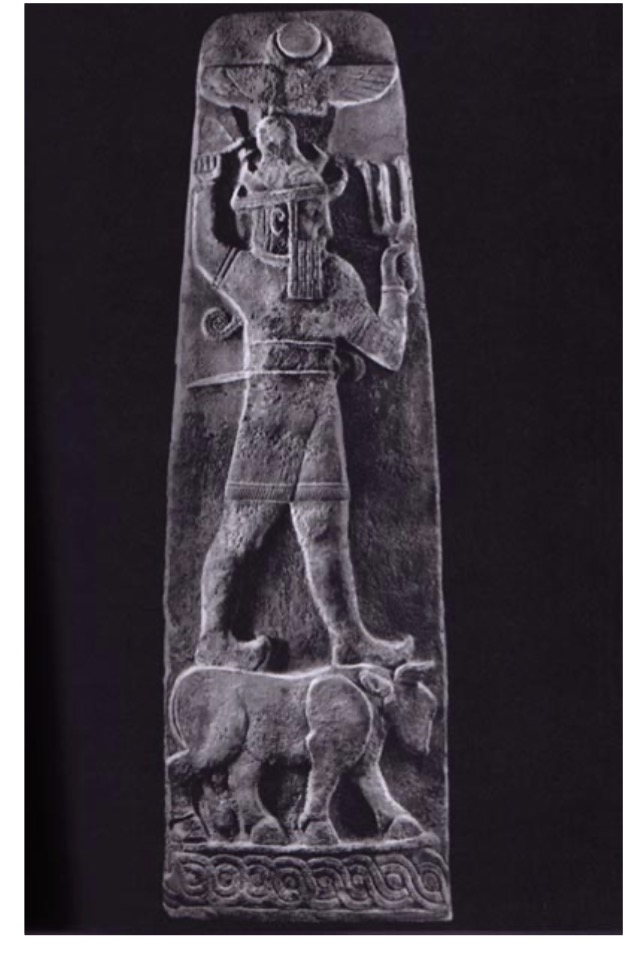
Hurricane storm god Teshub or Hittite Storm God (Tarhun?), Hittite stone pillar, ca. 1300 BCE
Teshub or Tarhun?
figure holding 3-pronged lightning bolt
standing on a bull
upturned shoes
horned helmet
horned helmet is a sign of divinity, so it shows that the figure is a god/goddess
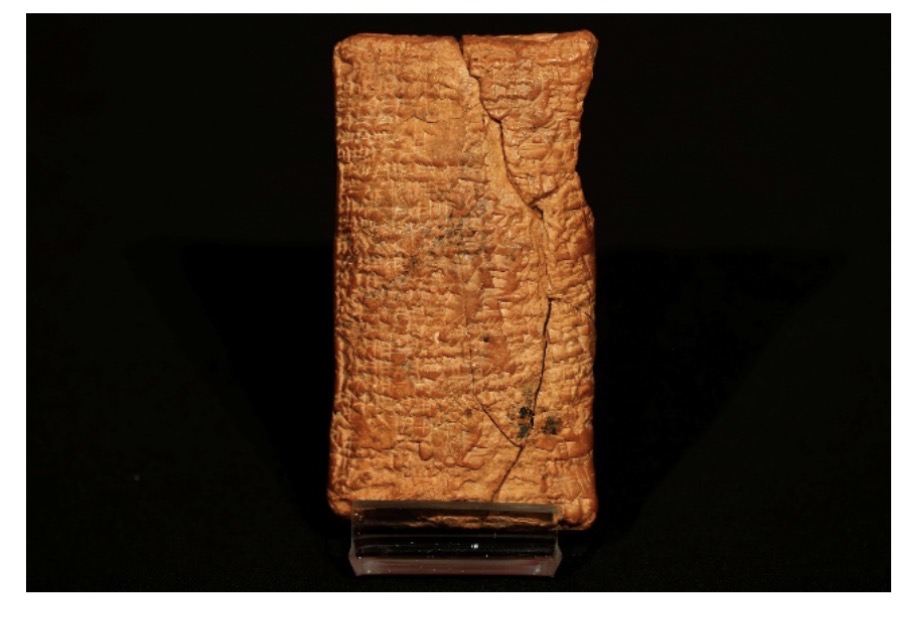
New Atrahasis Fragment, Babylonian clay tablet, first published in 2014 CE
in this new fragment, we get a better idea of what the boat looked like
we also get when Enki/Ea talks to the wall with Atrahasis behind it and get the instructions for the boat
the new fragment is mostly spoken, maybe a script for dramatic reading
we still don’t see the actual flood
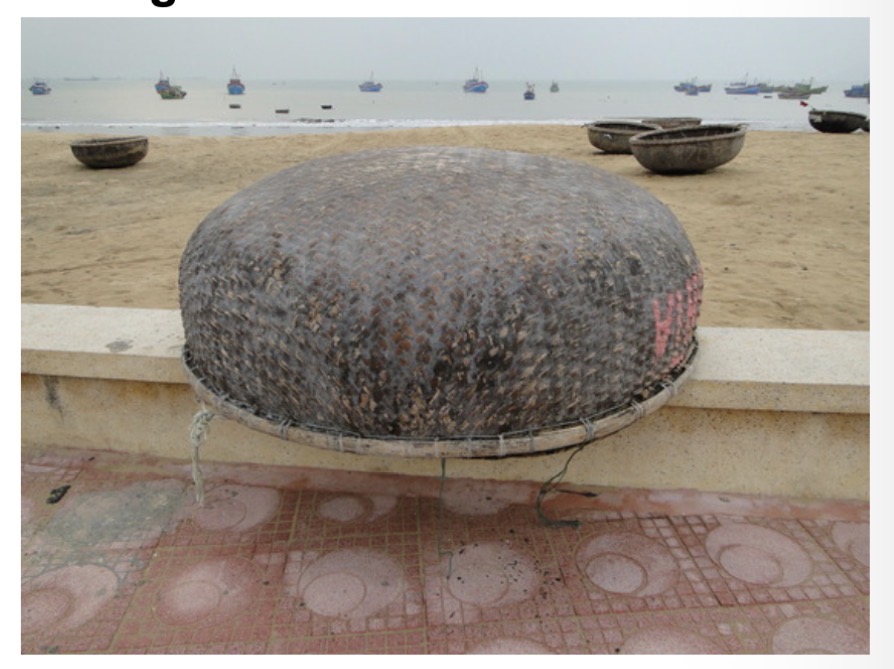
Coracles (woven basket boats) from modern-day Vietnam
what Atrahasis’ boat probably looked like with information from the new Atrahasis fragment
woven basket boat
not meant for oceans/seas, more for rivers
circular!
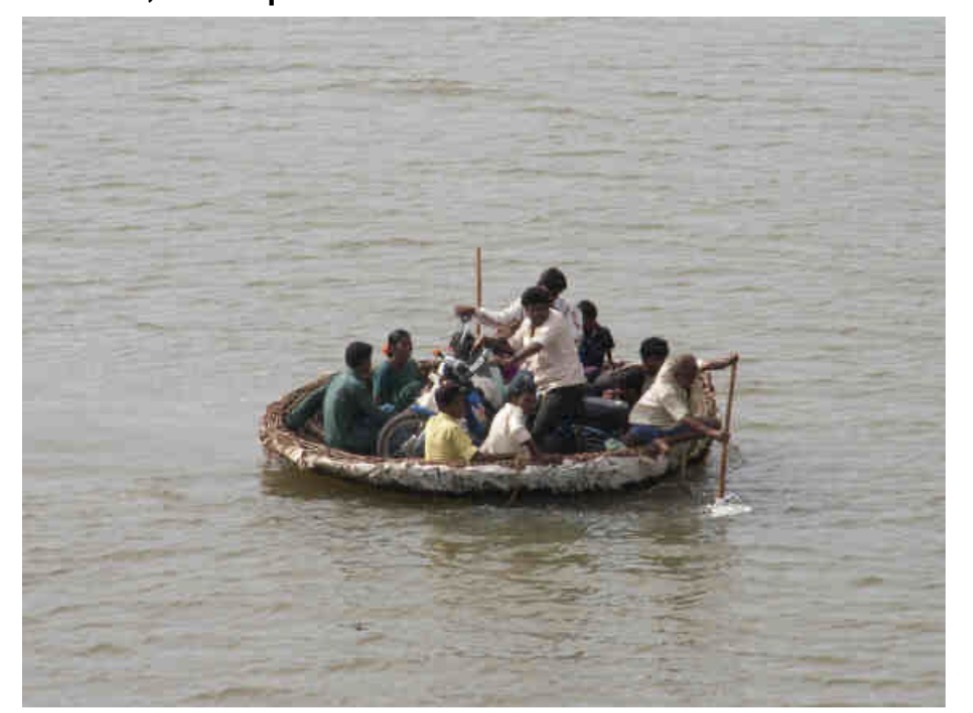
Coracle from modern-day India
Atrahasis must’ve had a huge coracle to fit all the animals
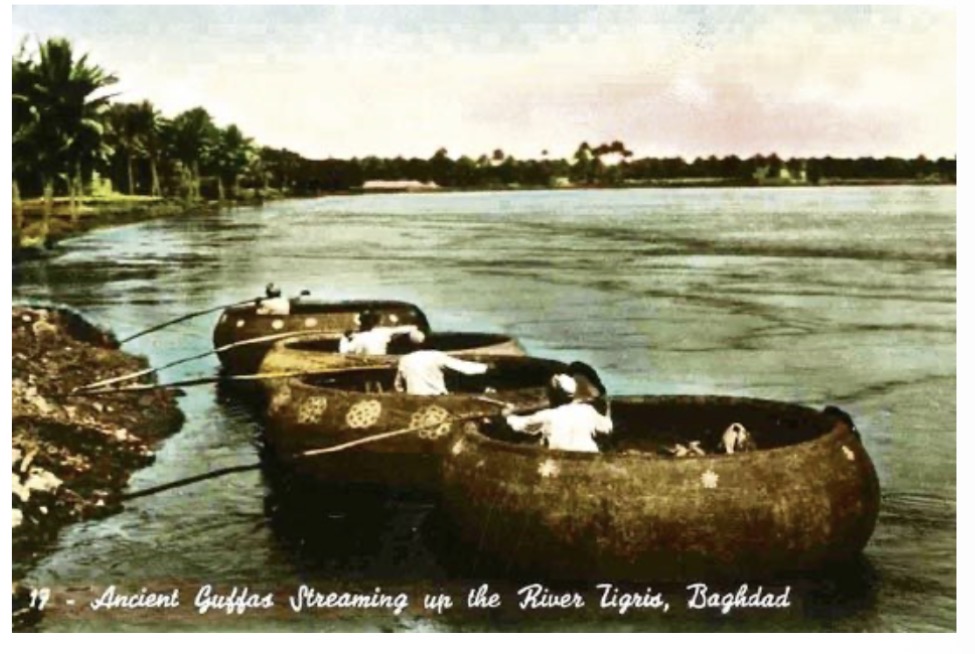
Coracles from early 20th-century CE Iraq
from a postcard in Baghdad
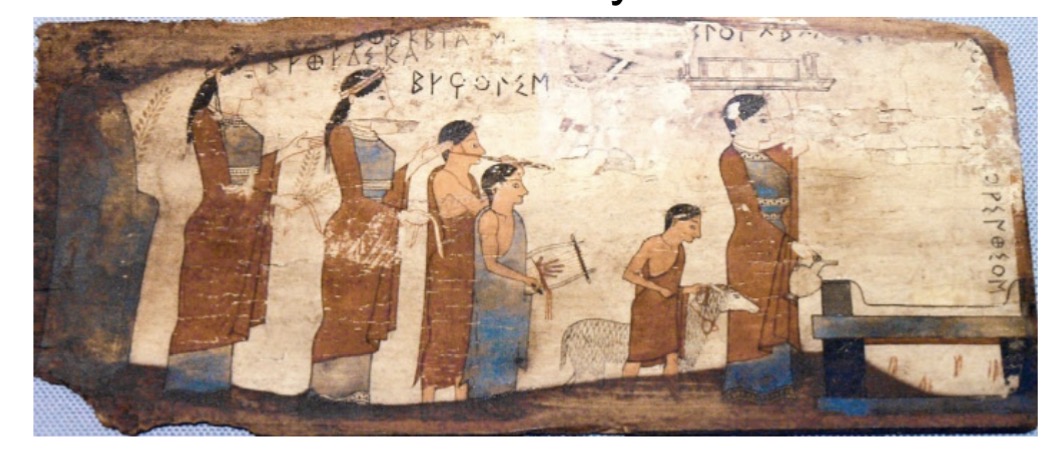
Sacrificial procession, painted wooden plaque from Pitsa (near Corinth), ca. 540 BCE
boys in the middle playing instruments
women are very decorated
woman far right has a basket on her head
inside basket has the knife that will be used for sacrifice
boy next to far right woman leading the sacrificial lamb
blood on altar
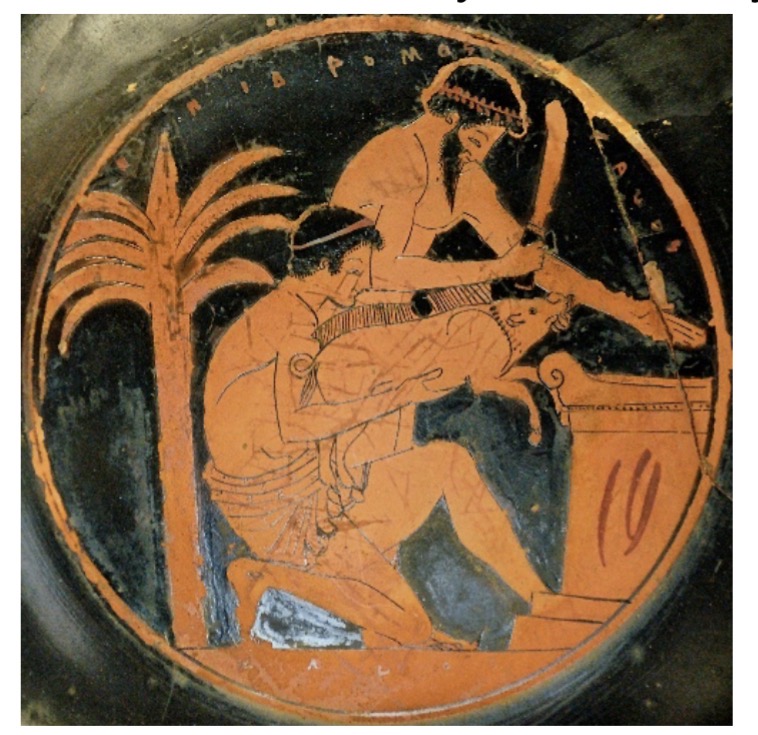
Sacrifice scene, Attic R-F kylie, Epidromos Painter, ca. 500 BCE
two men about to sacrifice a boar on altar
boar is already dripping blood
blood on altar
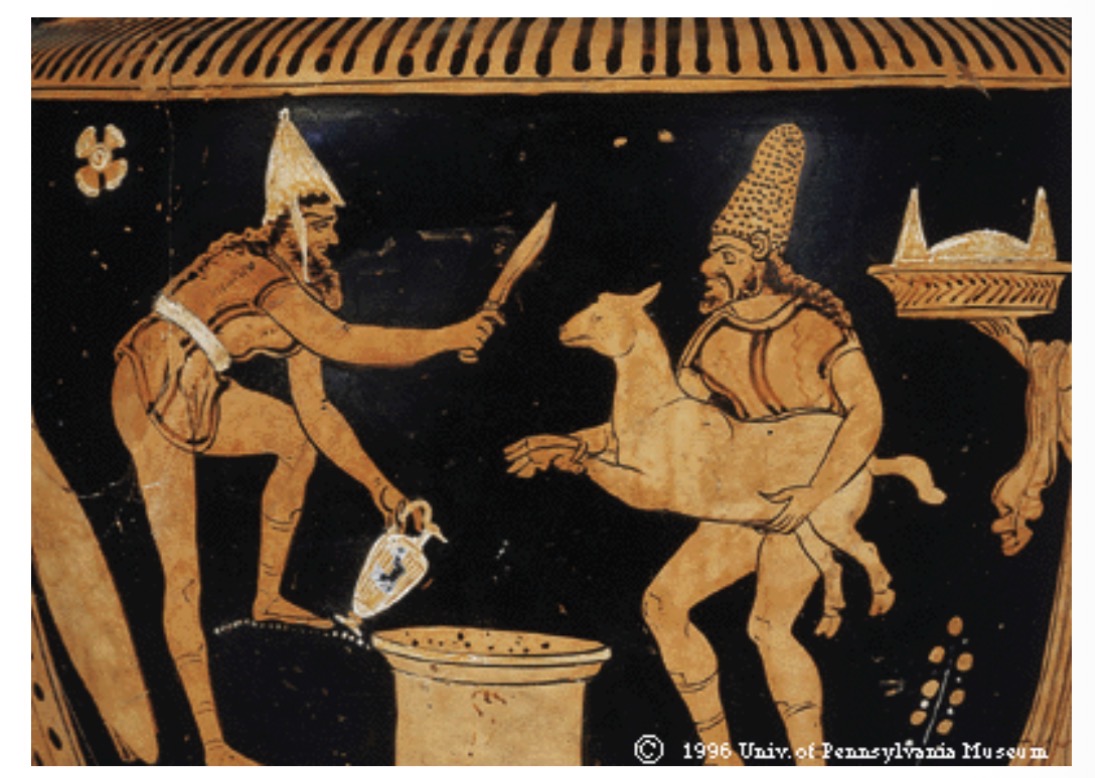
Sacrifice scene, Apulian R-F column-krater, ca. 350 BCE
two men about to kill lamb on alar
woman is bringing basket of barley
barley will be sprinkled on the animal to purify it
one man pouring drink offering on the altar
blood on altar
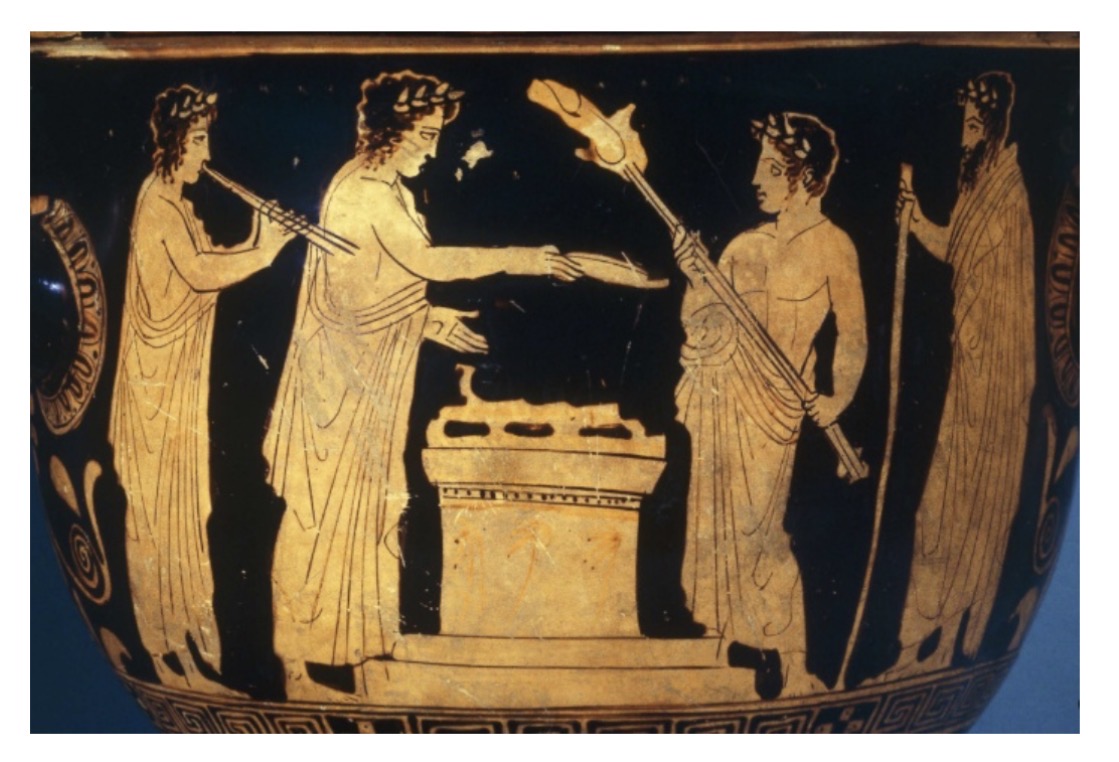
Sacrifice scene, Attic R-F bell-krater, Pothos Painter, ca. 420 BCE
animal has already been killed
man on right is cooking a piece of the animal on the spit
woman on the left playing the double pipes
man on left pouring drink offering
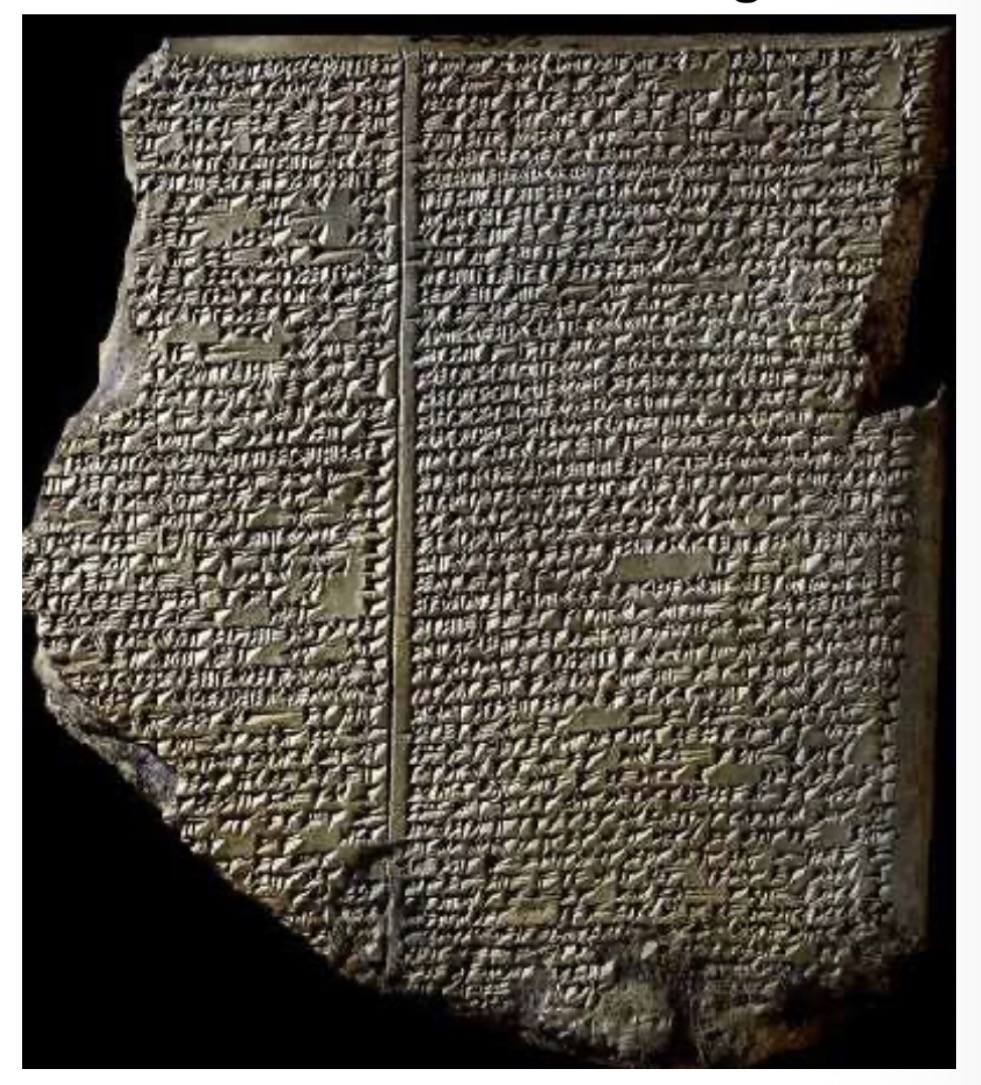
Standard Version of Epic of Gilgamesh Tablet 11 (= the Flood), from library of Assyrian king Ashurbanibal at Nineveh, ca. 650 BCE
Epic of Gilgamesh in 12 clay tablets
Atrahasis had 3, Enuma Elish has 7, so Epic of Gilgamesh is huge!
flood myth is in tablet 11