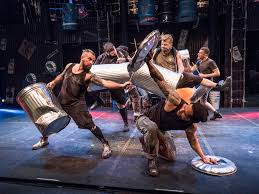
LATIN, BALLROOMS, MODERN DANCE
 Call Kai
 Learn
Learn Practice Test
 Spaced Repetition
 Match
Match Flashcards
 Knowt Play
1/57

There's no tags or description
Looks like no tags are added yet.
Name | Mastery | Learn | Test | Matching | Spaced | Call with Kai |
|---|
No analytics yet
Send a link to your students to track their progress
58 Terms
Latin dance
- is a style of dance from Latin
America. It is known for its lively music, strong rhythm, and expressive movements.
- People dance it for fun, culture, and social interaction.
- has evolved from ancient
civilizations to modern-day styles.
- It started from traditional dances
influenced by early cultures and later developed into the popular dances we know today.
- Over time, it became more
lively, creative, and widely practiced
around the world.
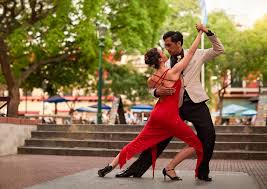
Salsa, Cha-cha, Rumba, Samba, and Jive
(4) Some popular Latin dances
cha-cha
originated in Cuba in the early 1950s and was created by Enrique Jorrín as a simplified version of earlier
dances like danzón and mambo, making it easier for people to follow the rhythm; its name comes from the sound of dancers' feet shuffling on the floor "cha-cha-cha" during a triple step, and it quickly became popular worldwide, eventually evolving into a standard Latin ballroom dance.
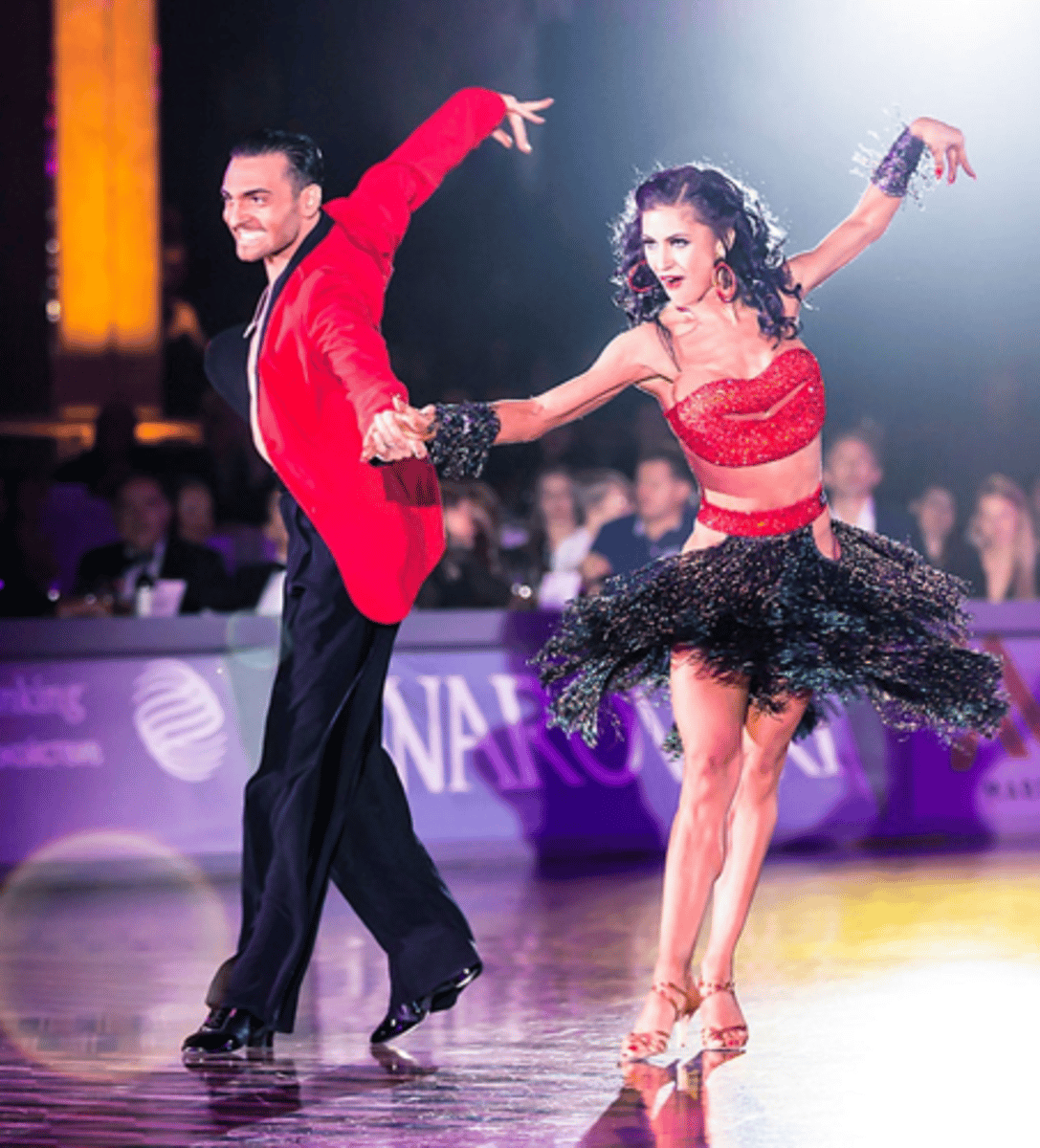
Cha Cha costumes
are engineered to amplify the dance's sharp, staccato energy.
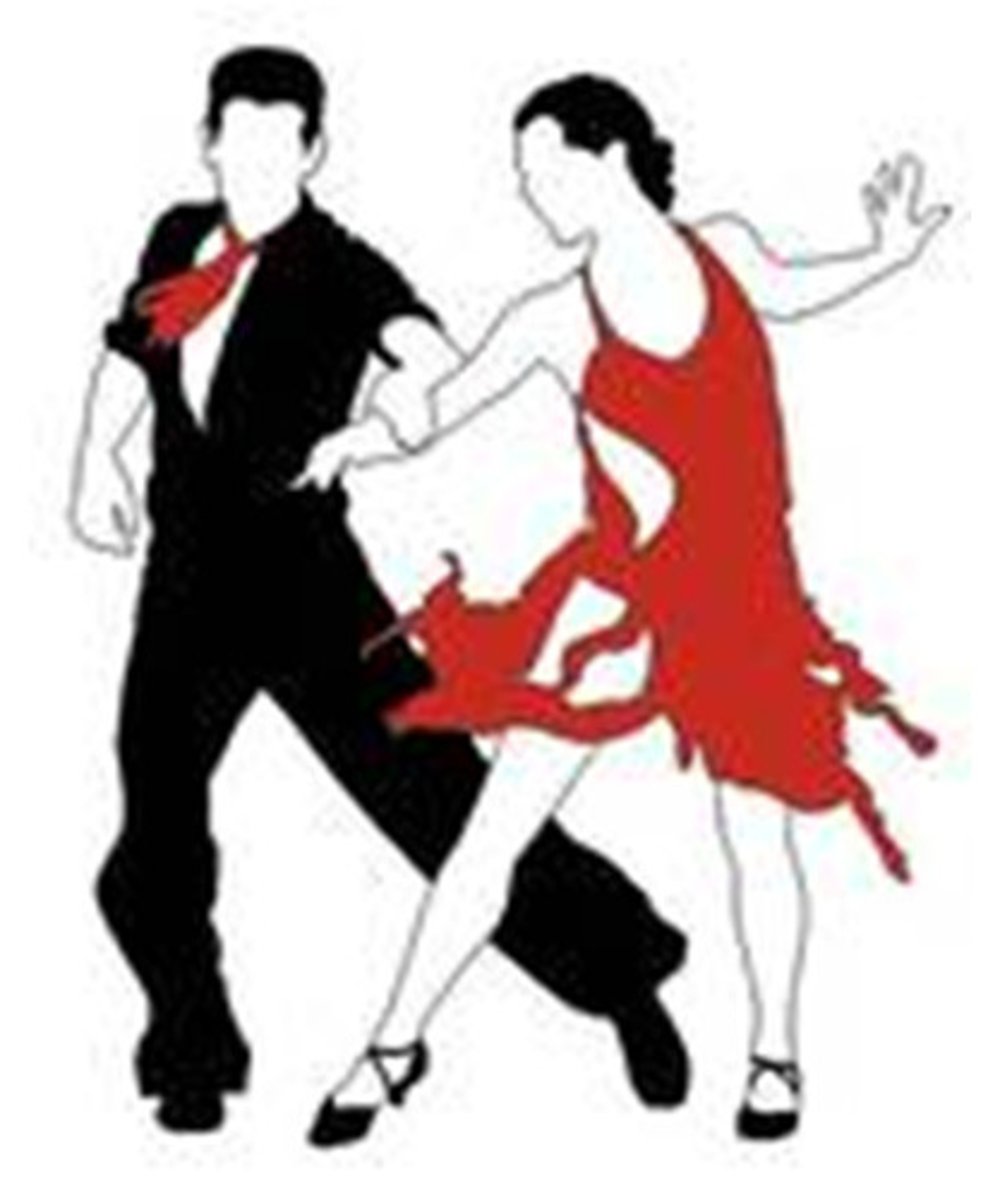
Chacha Women: Short dresses with fringes, tassels, or ruffles
are used to visually "snap" and exaggerate rapid hip movements.
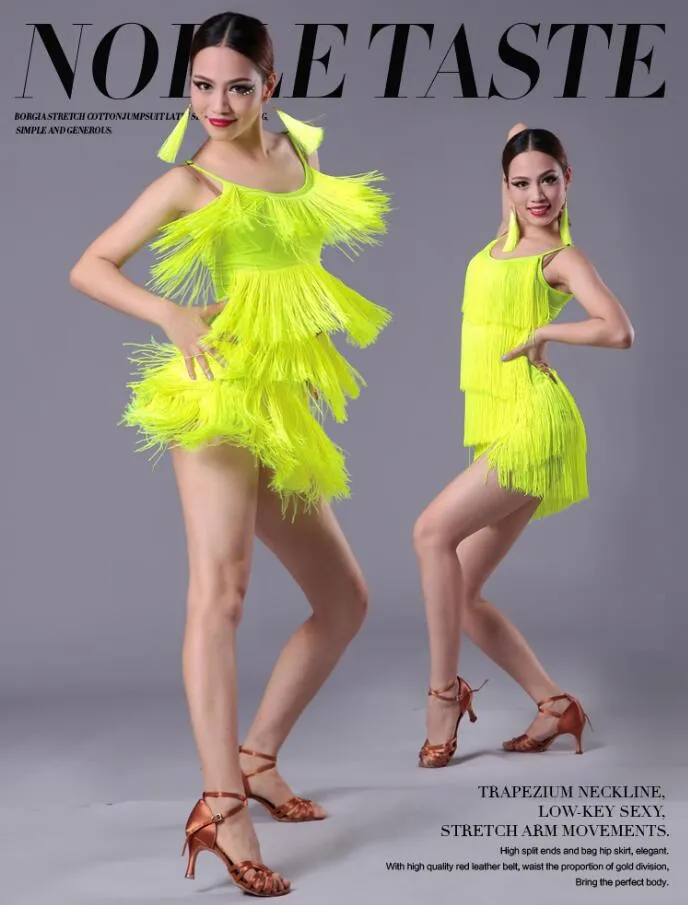
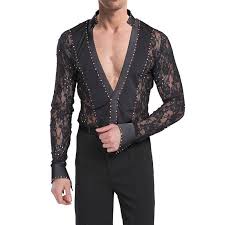
Men: Fitted, stretch-fabric shirts and tailored trousers
create a sleek, masculine silhouette that emphasizes clean lines and fast footwork
Jive
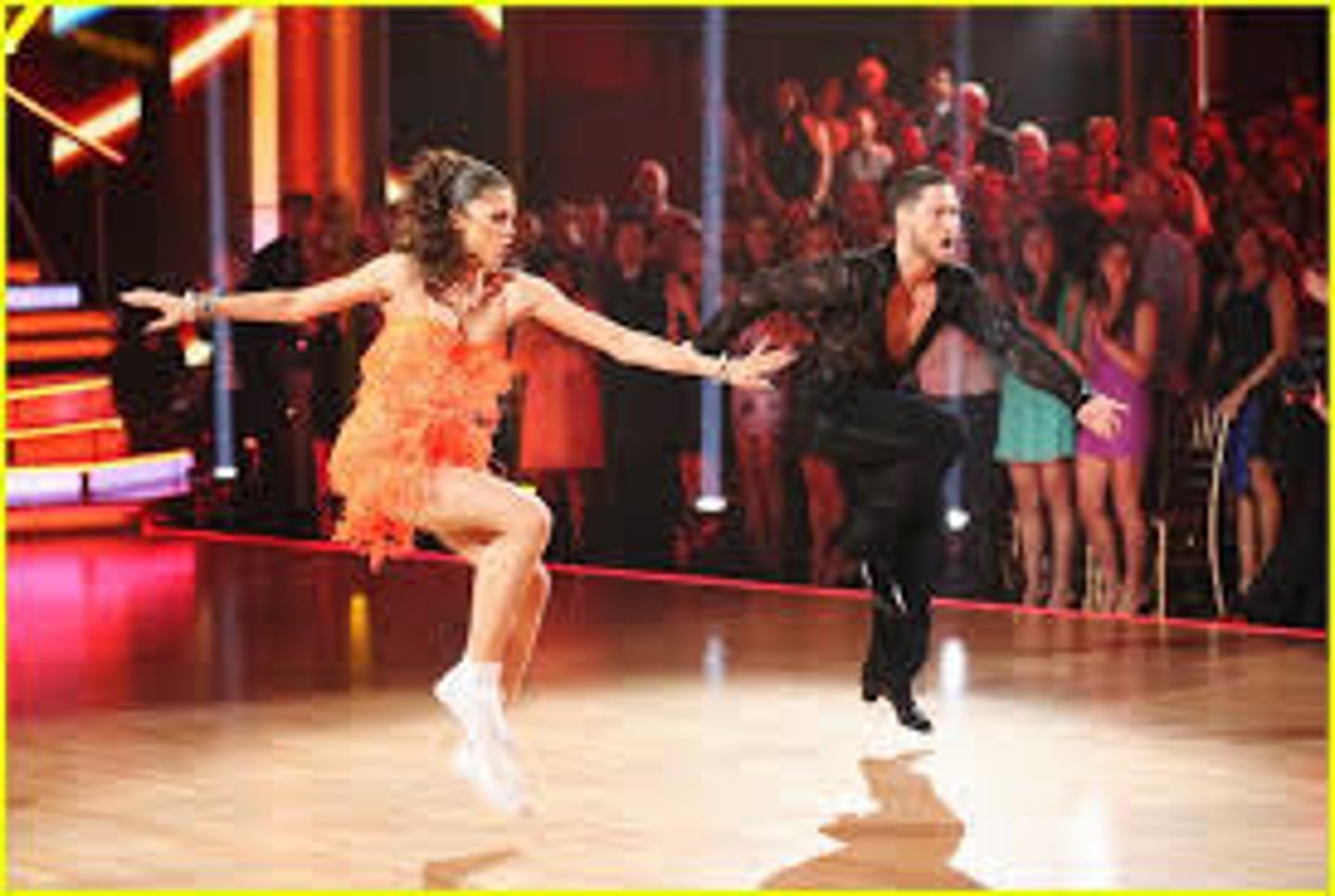
- A lively partner dance from the
swing dance family
- Originated in the early 20th century with jazz music
-One partner leads, the other follows
• Features kicking, bouncing, and
spinning movements
• Similar to East Coast Swing
- Popular in jazz clubs and dance halls
- came from slang meaning "talk" or
"deceptive talk"
- Gained popularity through swing music and big band performers
Cha-cha
Samba
Rumba
Paso doble
Jive
Part of the International Latin
ballroom dances:
1920s-1930s
Started as a Black American social dance in the?
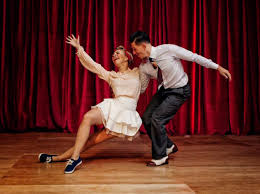
Jitterbug, Boogie-woogie & Lindy hop
jive Became a general term for dances
swing
• Spread across the U.S. → evolved into East & West Coast Swing
• Introduced to Europe → became known as?
1968
- Recognized as an International Latin dance
- Modern version includes French jive (danced to pop music)
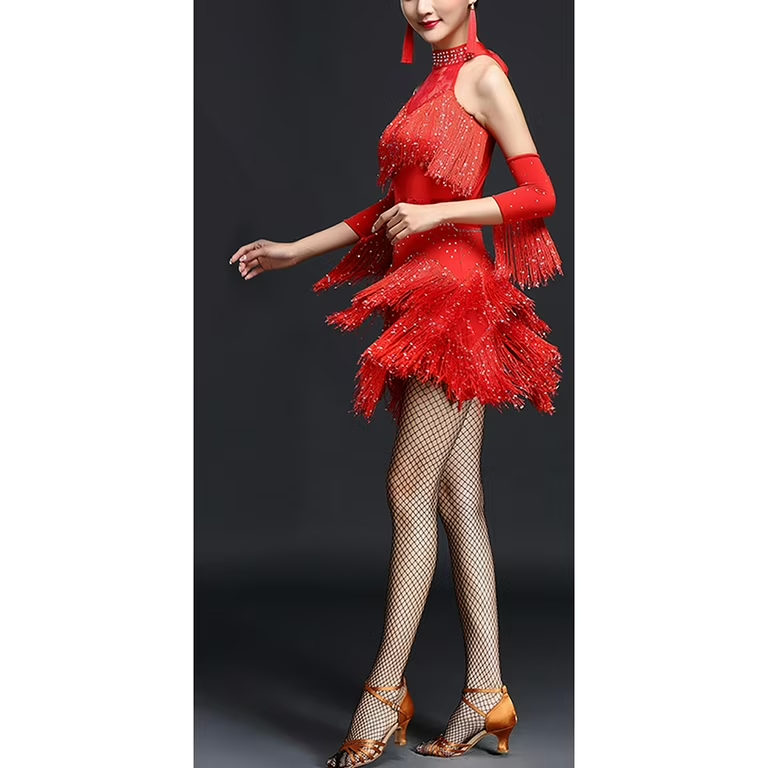
female jive costume
Short, fringed or flared dress
Bright colors with sequins/rhinestones
Lightweight fabric for movement
Latin heels (open-toe, strapped)
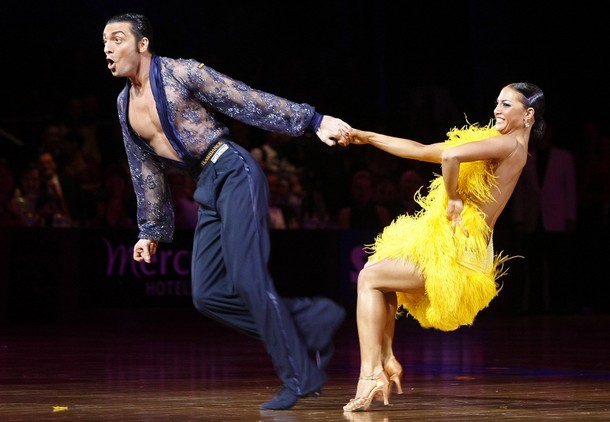
male jive costume
Fitted shirt (often bright or open-neck)
Slim trousers
Dance shoes (soft sole)
Retro/rock-and-roll style look
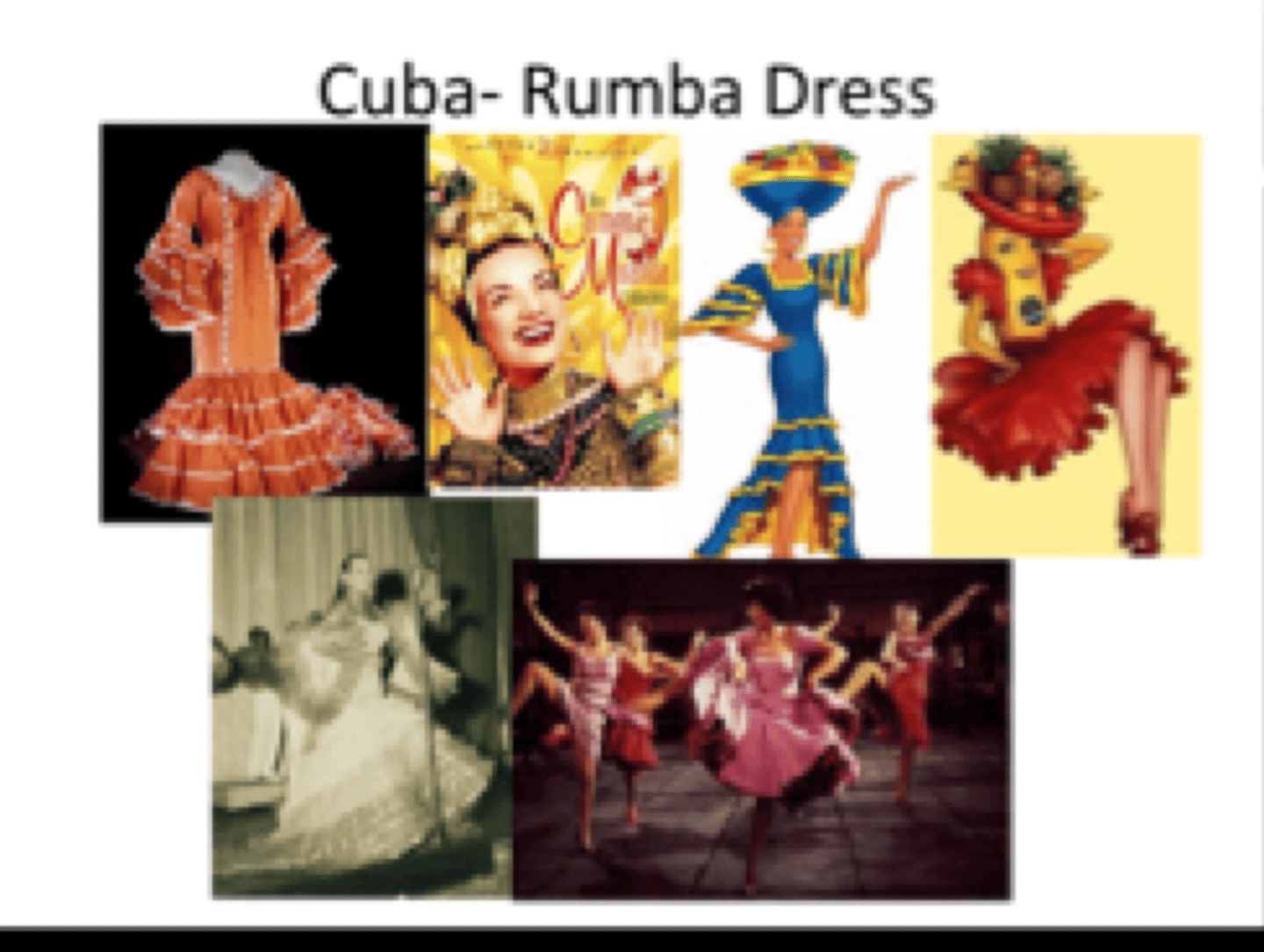
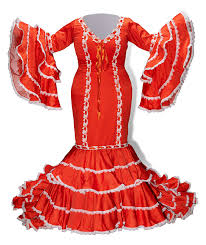
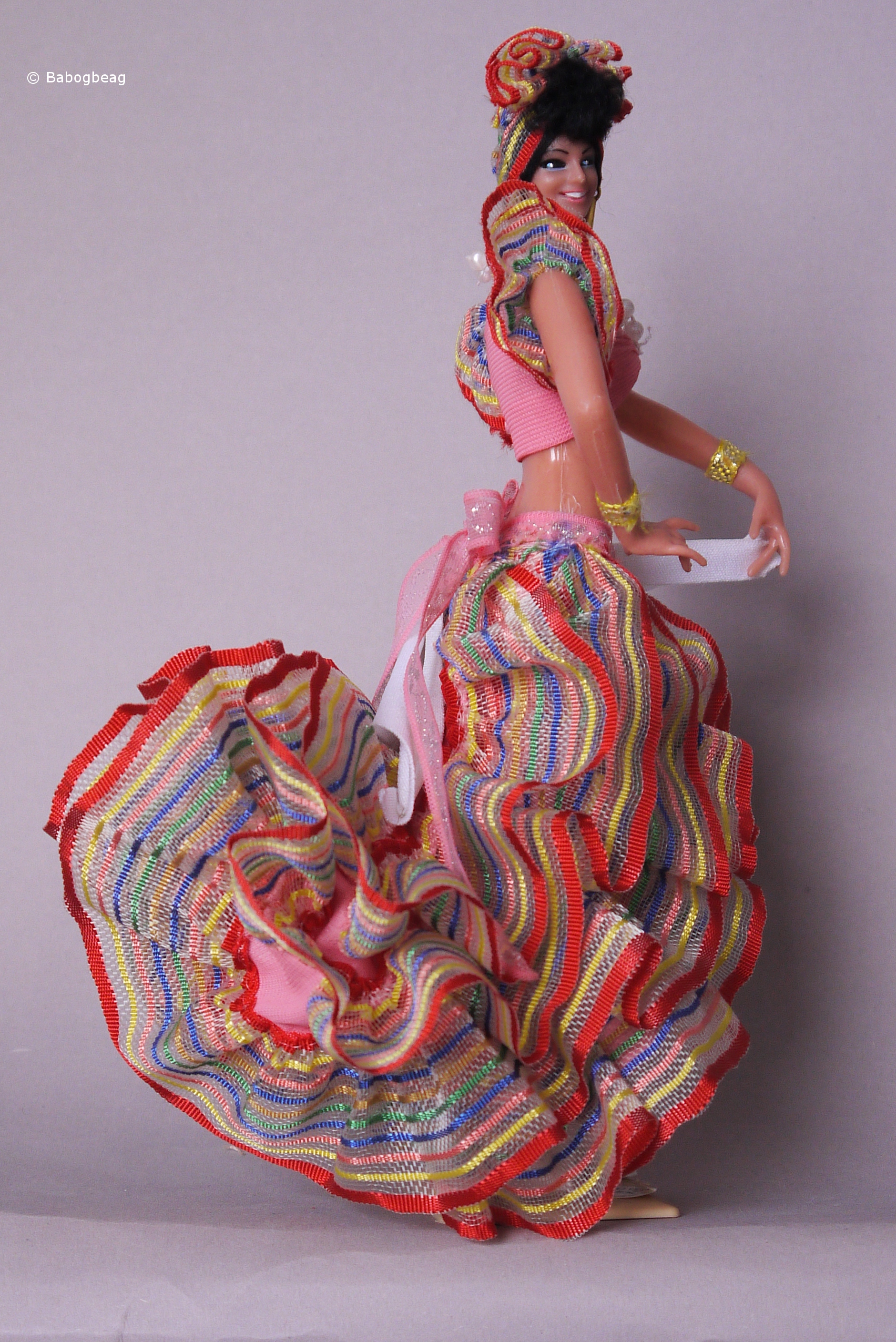
Bata Cubana (Traditional Rumba Costume)
- Traditional Cuban Rumba costume
- Long gown with fitted bodice and
hip-sitting skirt
- Multiple ruffled flounces for
movement
- Reflects Cuban culture and identity
- Made of lightweight fabrics (chiffon, silk, satin)
Bata Cubana Features & Accessories
- Enhances movement and expression
- Flowy design emphasizes dance motions
Bata Cubana Accessories:
Mantón (shawl)
Pañuelo (headscarf)
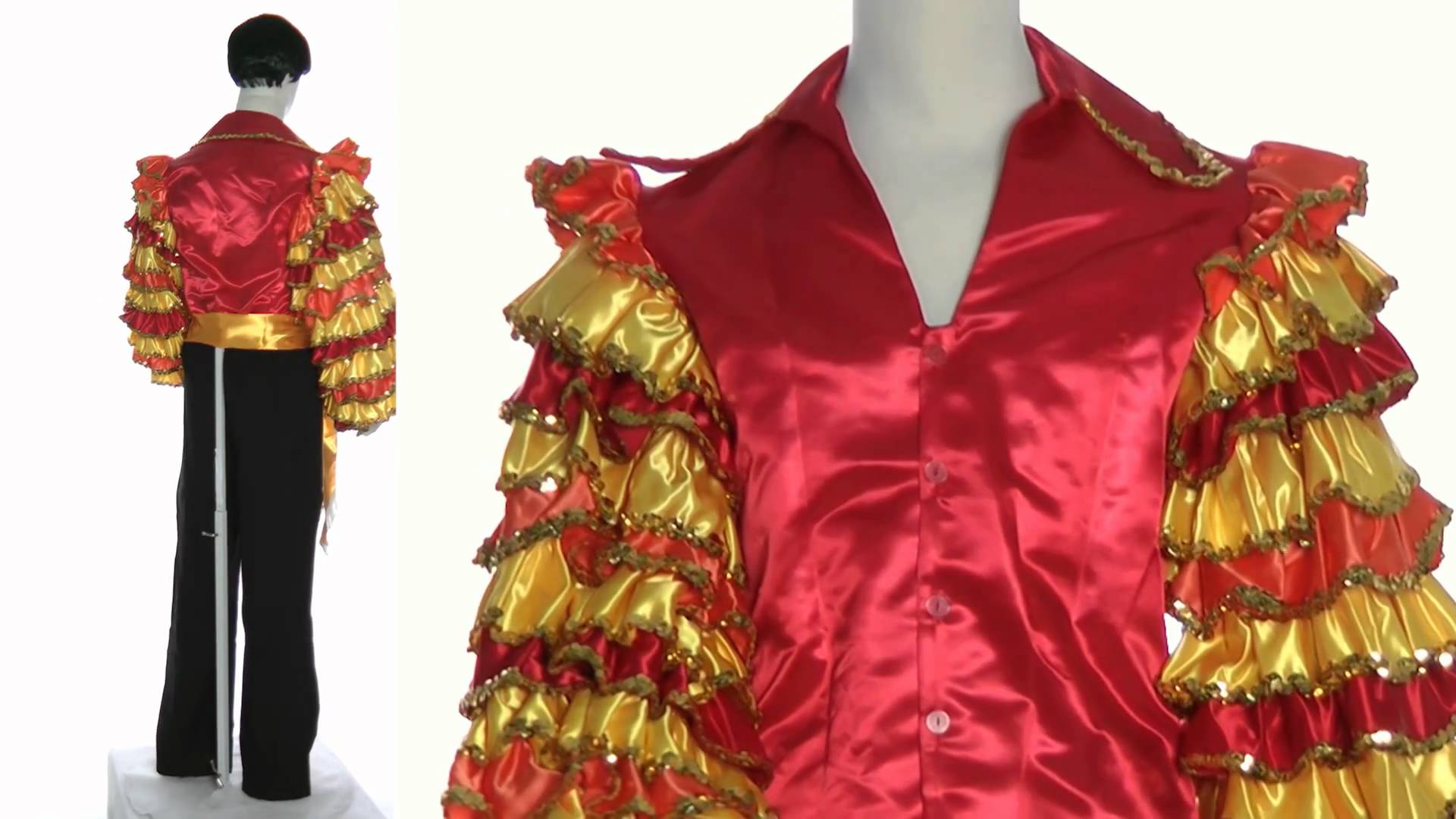
Bata Cubana Male Costume:
- Tight-fitting trousers
- Guarachera (movement-friendly shirt)
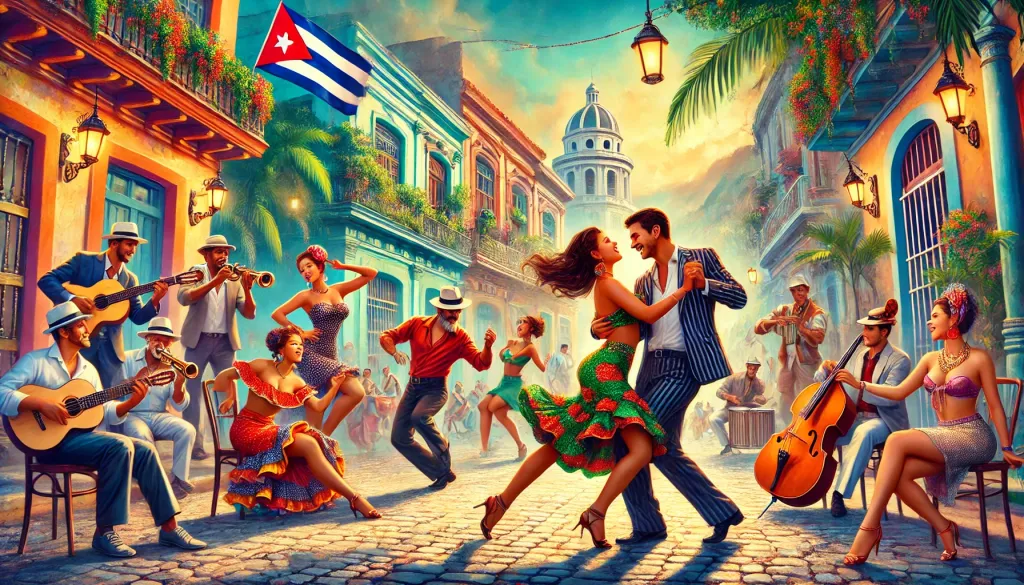
The Solar
Created in communal tenement courtyards by formerly enslaved Africans.
Rumba: The Spirit of Cuba Fusion
- A blend of Kongo/Yoruba drumming and Spanish vocal traditions.
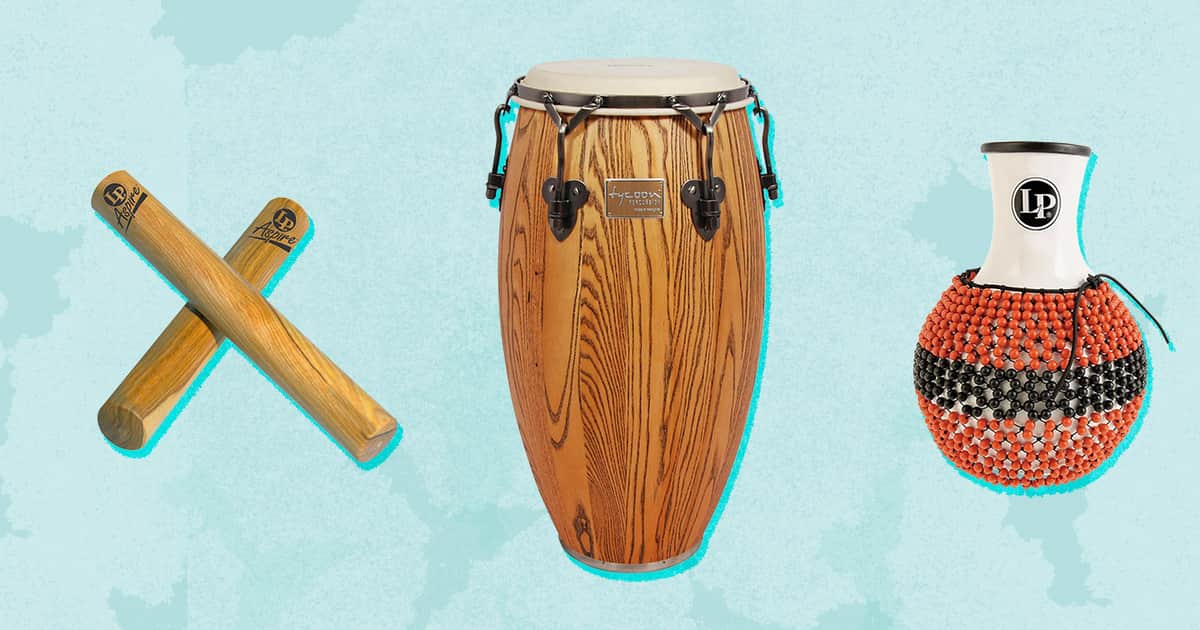
Rumba Instruments
Originally played on wooden crates (cajones) and spoons.
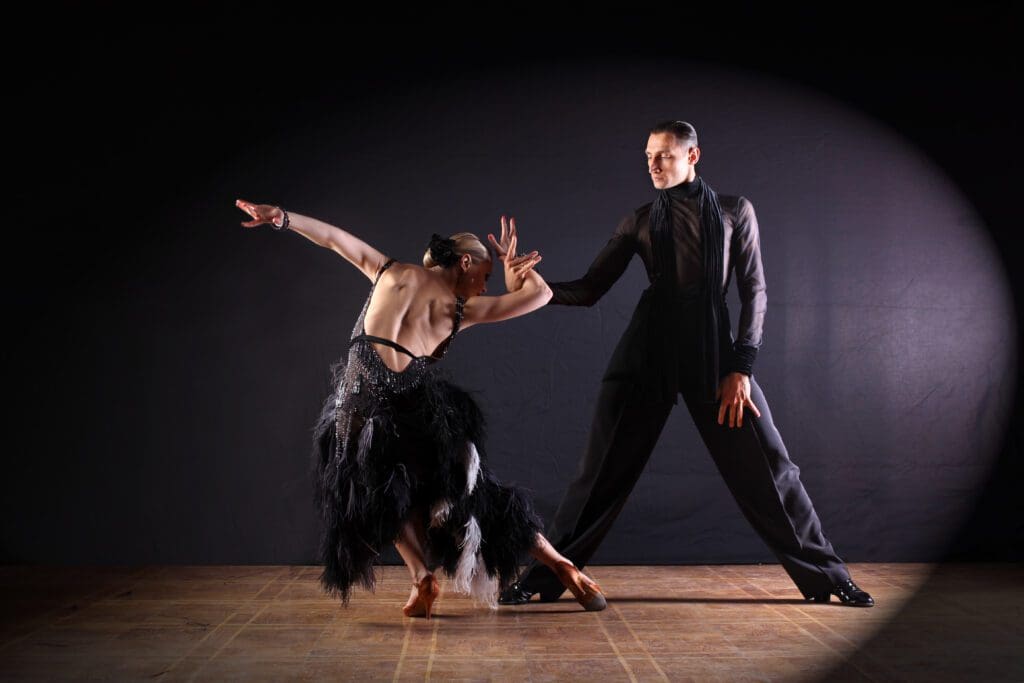
Rumba
- The Spirit of Cuba
- Birthplace: 19th-century Havana & Matanzas, Cuba.
Samba
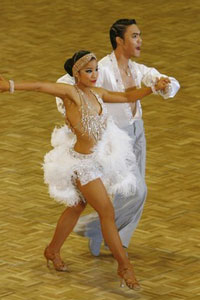
- is a music and dance style that originated in Brazil, with roots in African traditions brought by enslaved people from Angola and Congo.
- It developed in Rio de Janeiro and became a national symbol in the 1930s, especially through the Carnival in Rio de Janeiro.
- represents Brazilian culture and celebration.
semba
meaning "invitation to dance.
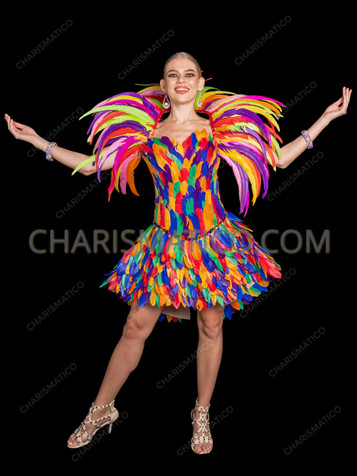
samba women costume
DRESS - FITTED, SHORT OR KNEE-LENGTH, OFTEN WITH FRINGE
MATERIAL - STRETCHY AND LIGHTWEIGHT FOR EASY MOVEMENT
DESIGN - BRIGHT COLORS, SEQUINS, OR RHINESTONES
SKIRT - FLOWY TO SHOW LEG AND HIP MOVEMENT
SHOES - LATIN HEELS (OPEN-TOE, FLEXIBLE)
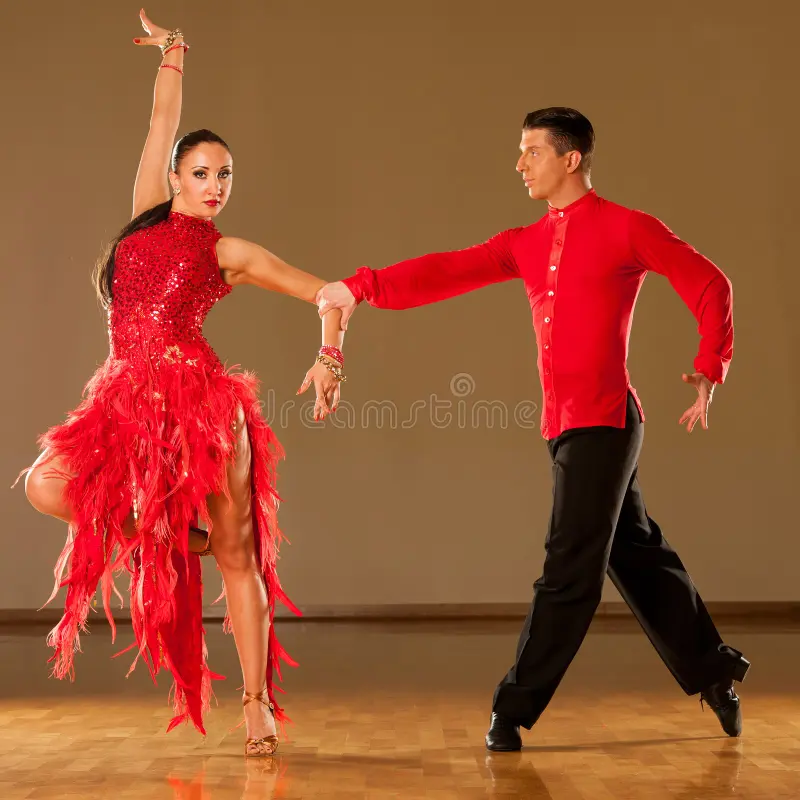
samba men costume
TOP - FITTED SHIRT (SOMETIMES OPEN CHEST OR SHINY FABRIC)
PANTS - SLIM-FIT, STRETCHY PANTS
COLOR - CAN BE BLACK OR BRIGHT TO MATCH PARTNER
SHOES - LATIN DANCE SHOES (SOFT SOLE FOR FLEXIBILITY)
Paso Doble
- The Spanish Spectacle
-Birthplace: 18th-century France (military roots); popularized in Spain.
- The Story: Evolved into a dance portraying the drama and arrogance of the bullfighter.
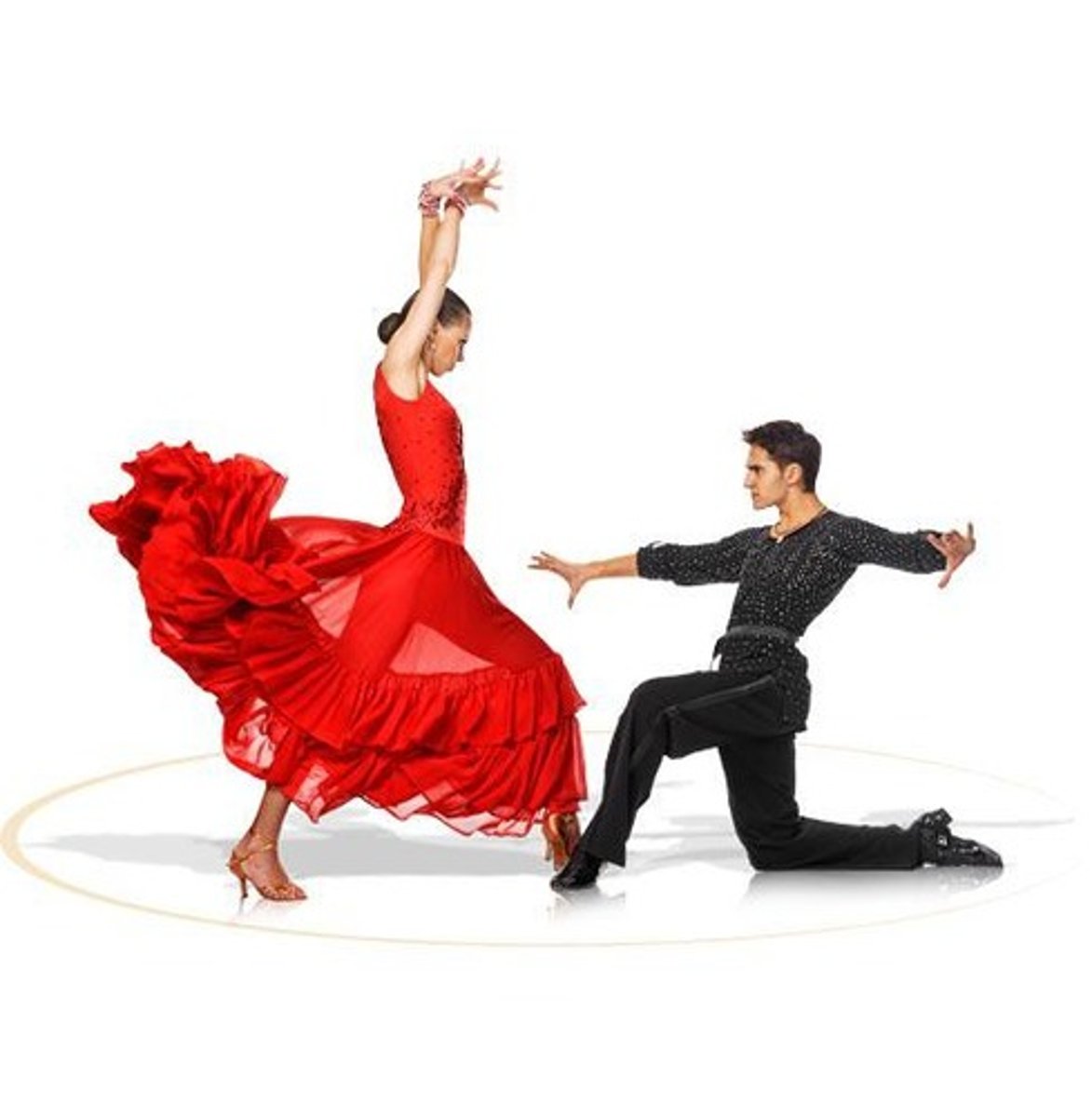
The March
- Originally a fast-paced military march (Pas-redoublé) for infantry.
The Bullring
Adopted for the Corrida de
Toros (bullfight) as the matador's
entrance music.
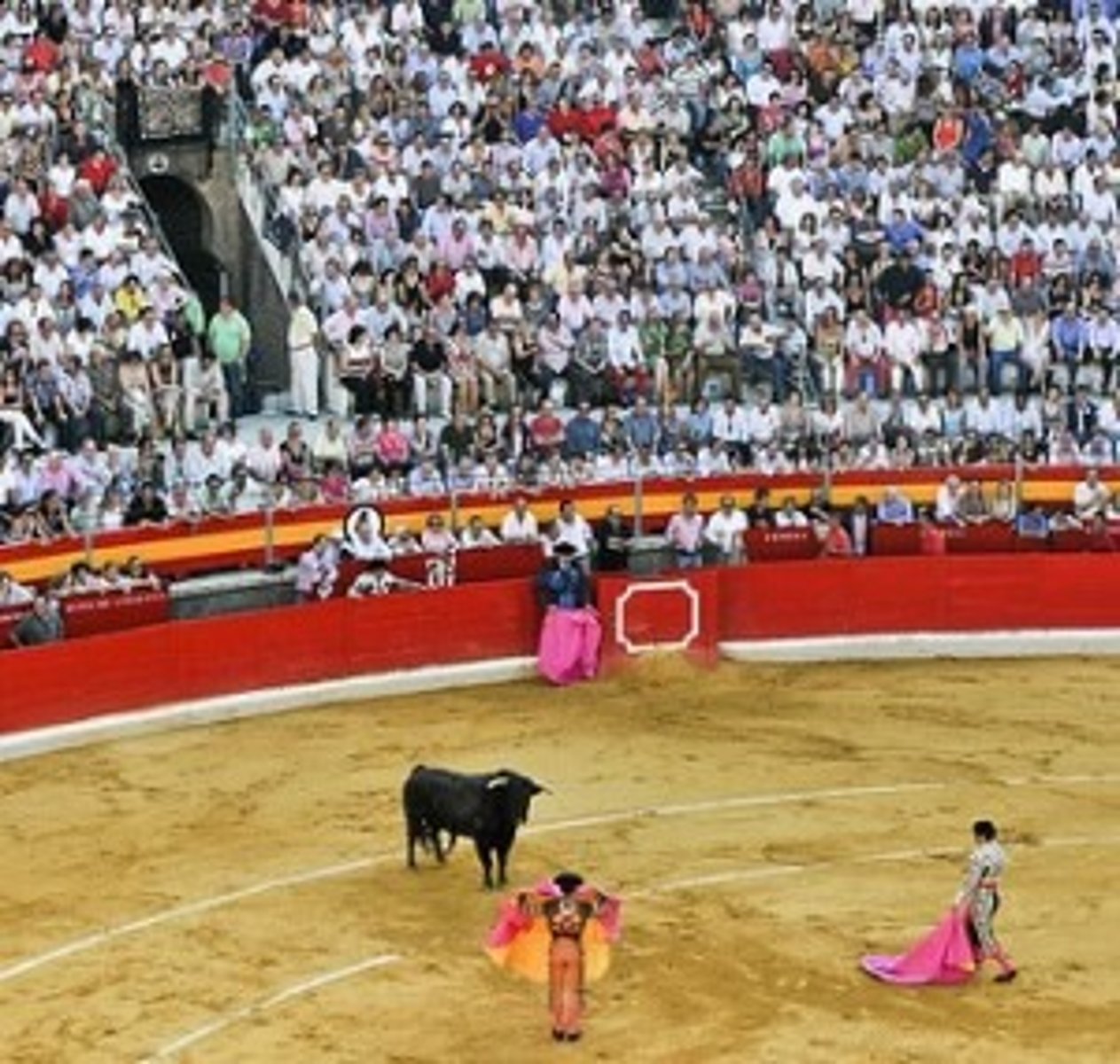
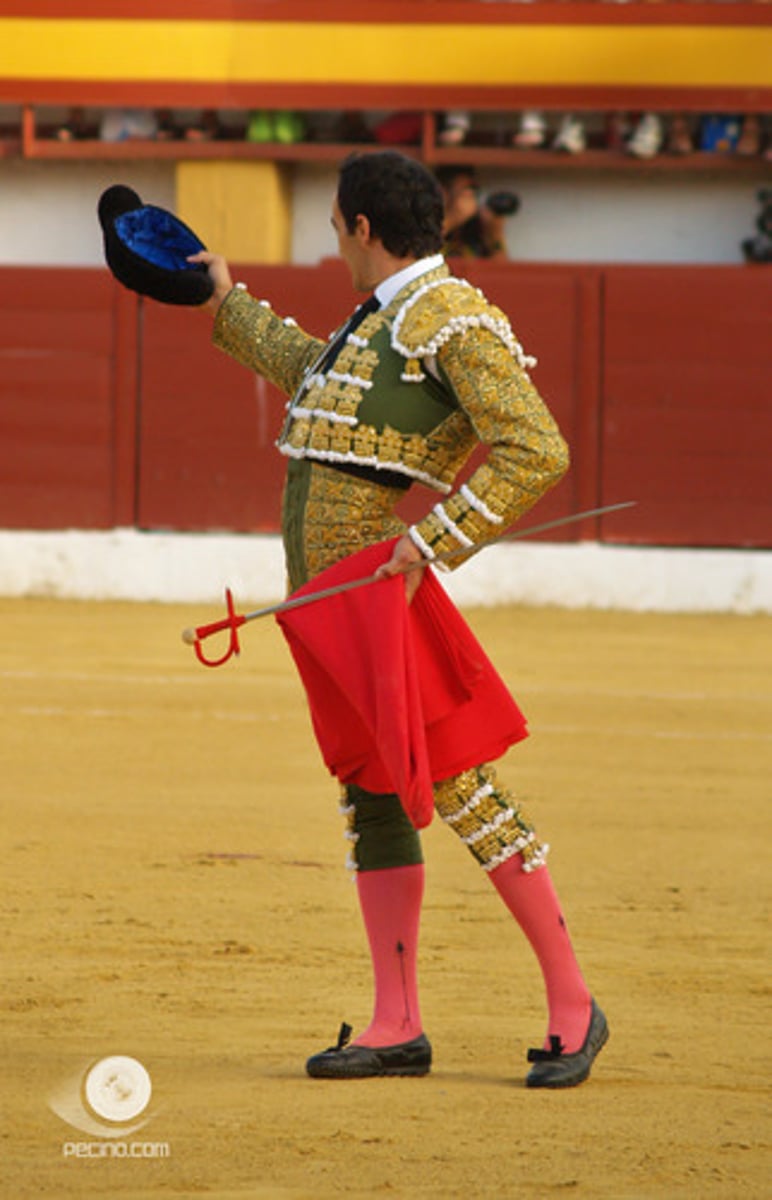
PASO DOBLE: The Lead (Matador)
Wears the Traje de Luces (Suit of
Lights); stiff, proud posture.
PASO DOBLE: The Follow (The Cape)
Wears a voluminous, flowing skirt; moves like the bullfighter's fabric.
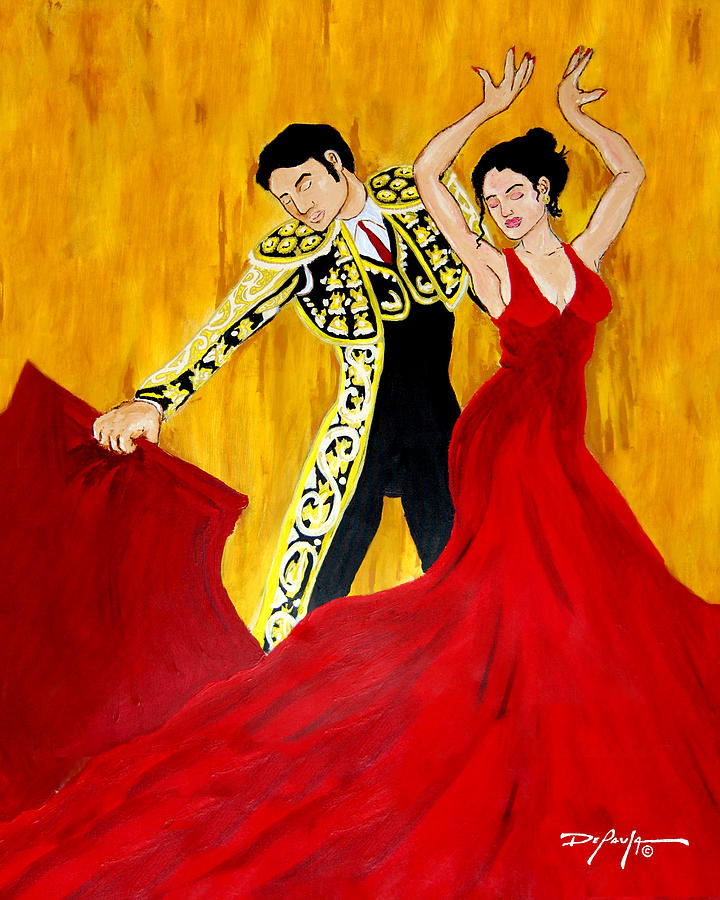
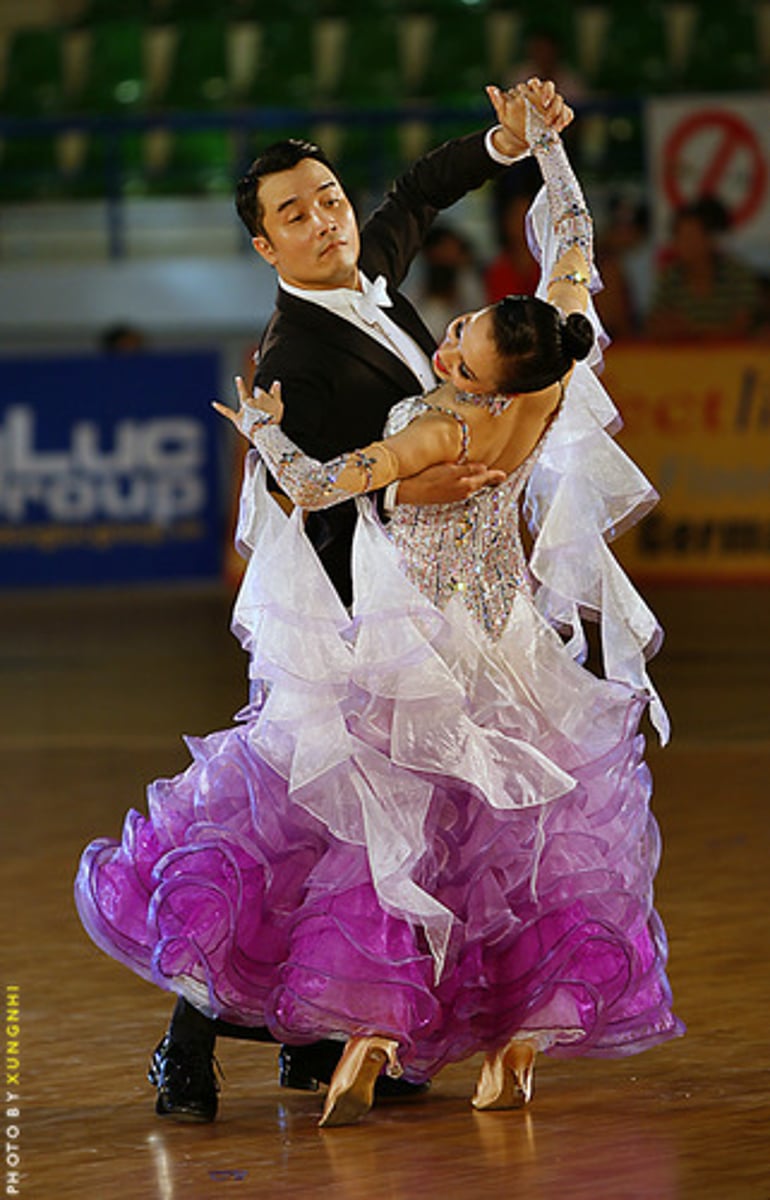
WALTZ
- Known as the "King of Ballroom Dances" Graceful, flowing movements with rise and fall
- Originated in Austria & Germany, late 1700s
• Popular in Vienna ballrooms
• Romantic dance with partners close together
- (The Rebel of the 18th Century) Slide
- Text: Origins: 1700s Germany/Austria. Key Concept: 3/4 Time & The Closed Hold
- | Flowing/Elegant | 3/4 | Time signature
Rhythm & Music:
3/4 time (count: 1-2-3)
Strong emphasis on beat 1
Tempo: slow to fast (e.g., Viennese Waltz)
Key Characteristics:
Rise and fall motion
Sway for smooth turns Closed partner position
TANGO
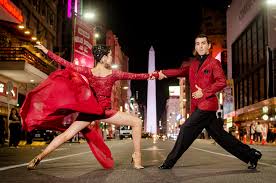
• Originated in Buenos Aires, Argentina, late 1800s • Influenced by African, Spanish, and Latin cultures • Started in lower-class communities, then spread to Europe
- (The Passion of the Rio de la Plata) Slide Text: Origins: 1880s Buenos Aires & - Montevideo. Key Concept: Immigrant Melting Pot & Staccato Movement.
- | Sharp/Intense | 2/4 or 4/4 | Time signature
- Originated in Buenos Aires, Argentina (late 19th century)
- Influenced by African, Indigenous, and European cultures
- Recognized by UNESCO as cultural heritage
Movements:
- Close embrace, strong partner connection
- Leader-follower style
- Steps include walks, pivots, turns, flicks, pauses
- Mix of structure + improvisation
FOXTROT
• Originated in the United States, early 1900s
• Named after dancer Harry Fox
• Became popular with jazz music
- (The Vaudeville Original)
- Slide Text: Origins: 1914 New York City. Key Concept: 4/4 Time & 'Slow-Quick-Quick' Rhythm
- | Smooth/Chatty | 4/4 | Time Signature
- Origin: Started in New York City (1914) - Named after Harry Fox
- Refined by Vernon and Irene Castle into smooth style
- Popularized in Big Band era by Fred Astaire & Ginger Rogers
Characteristics:
- Smooth, gliding movements
- Elegant and continuous flow
- Replaced early "trotting" steps
Slow Waltz
- slow, smooth, elegant
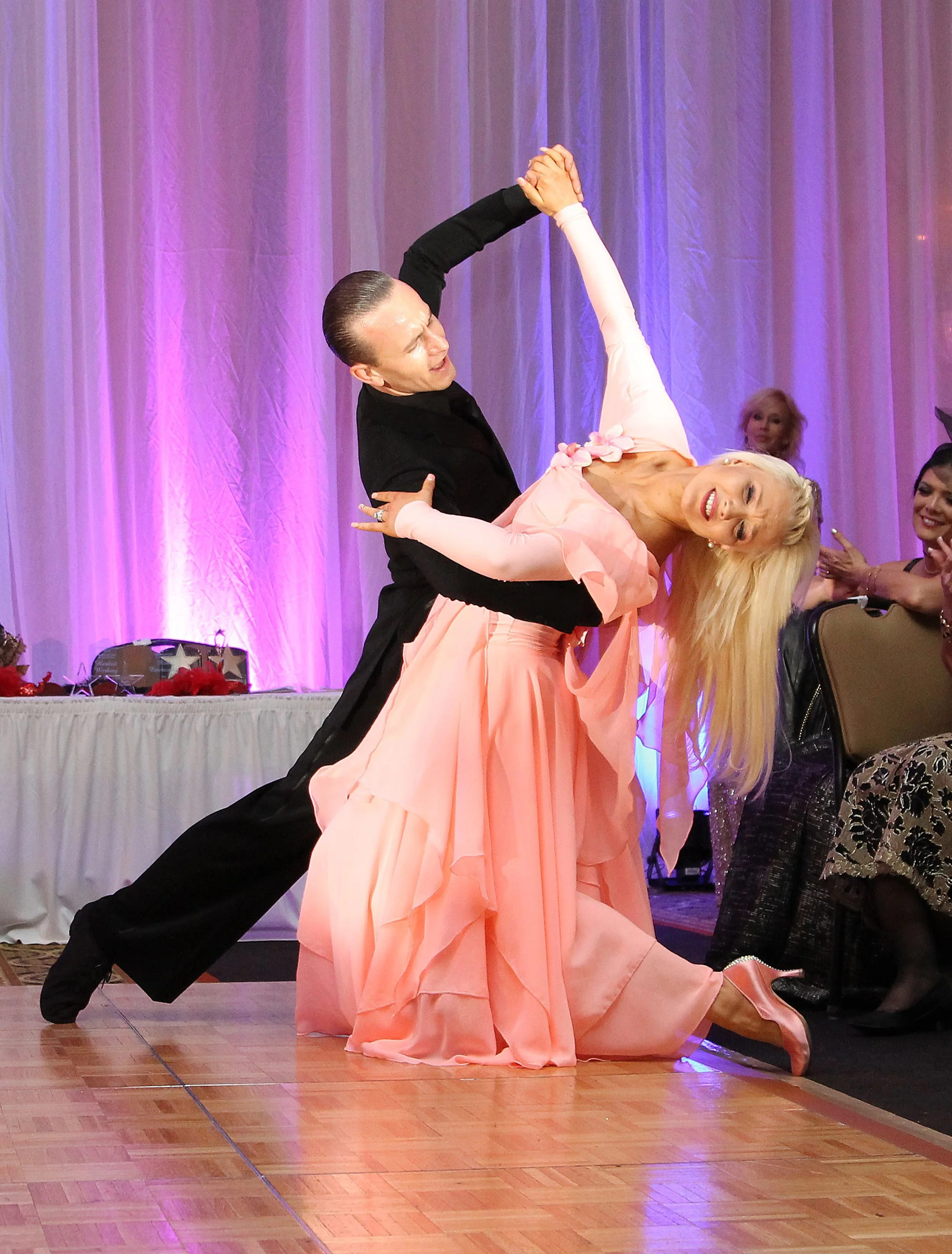
Viennese Waltz
- fast, spinning turns
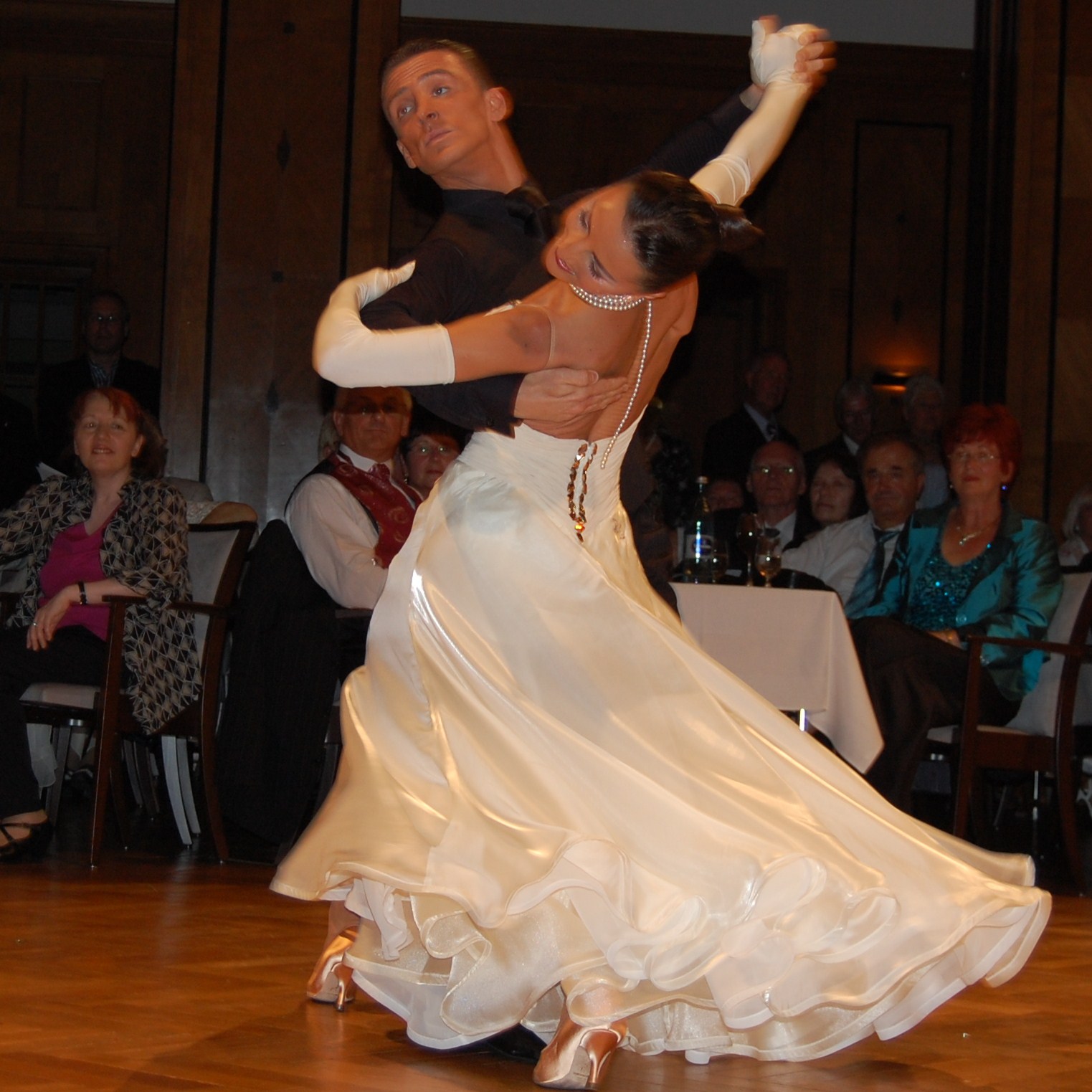
waltz women costume
• Long, flowing ballroom gown (chiffon or silk)
• Full skirt to highlight turning and riseand-fall movements
• Light or pastel colors (e.g., white, pink, lavender)
• Float accessories attached to the arms • Hair styled in a neat updo
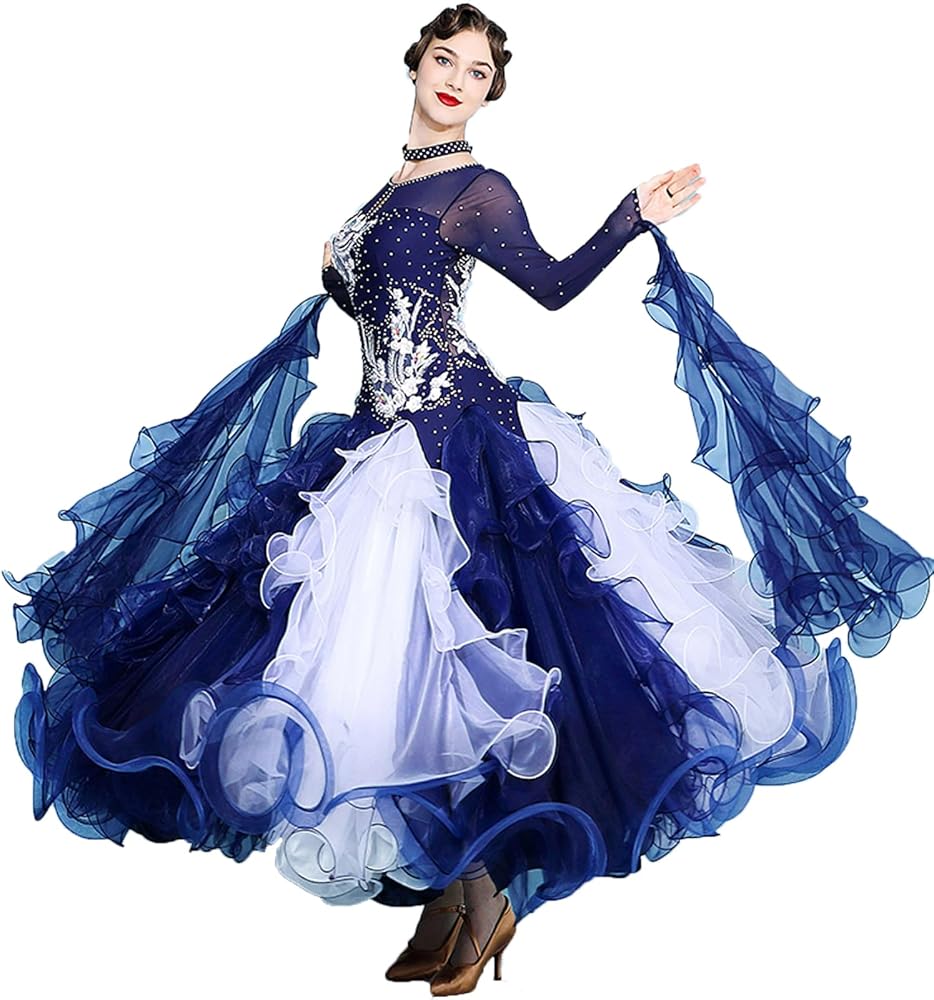
waltz men costume
• Black tailcoat with white bow tie
• White dress shirt and waistcoat
• Black trousers with satin stripe
• Black patent leather dance shoes
Overall Style: Elegant, soft, and
romantic
tango costume
Silk, satin, stretch fabrics
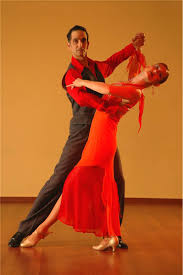
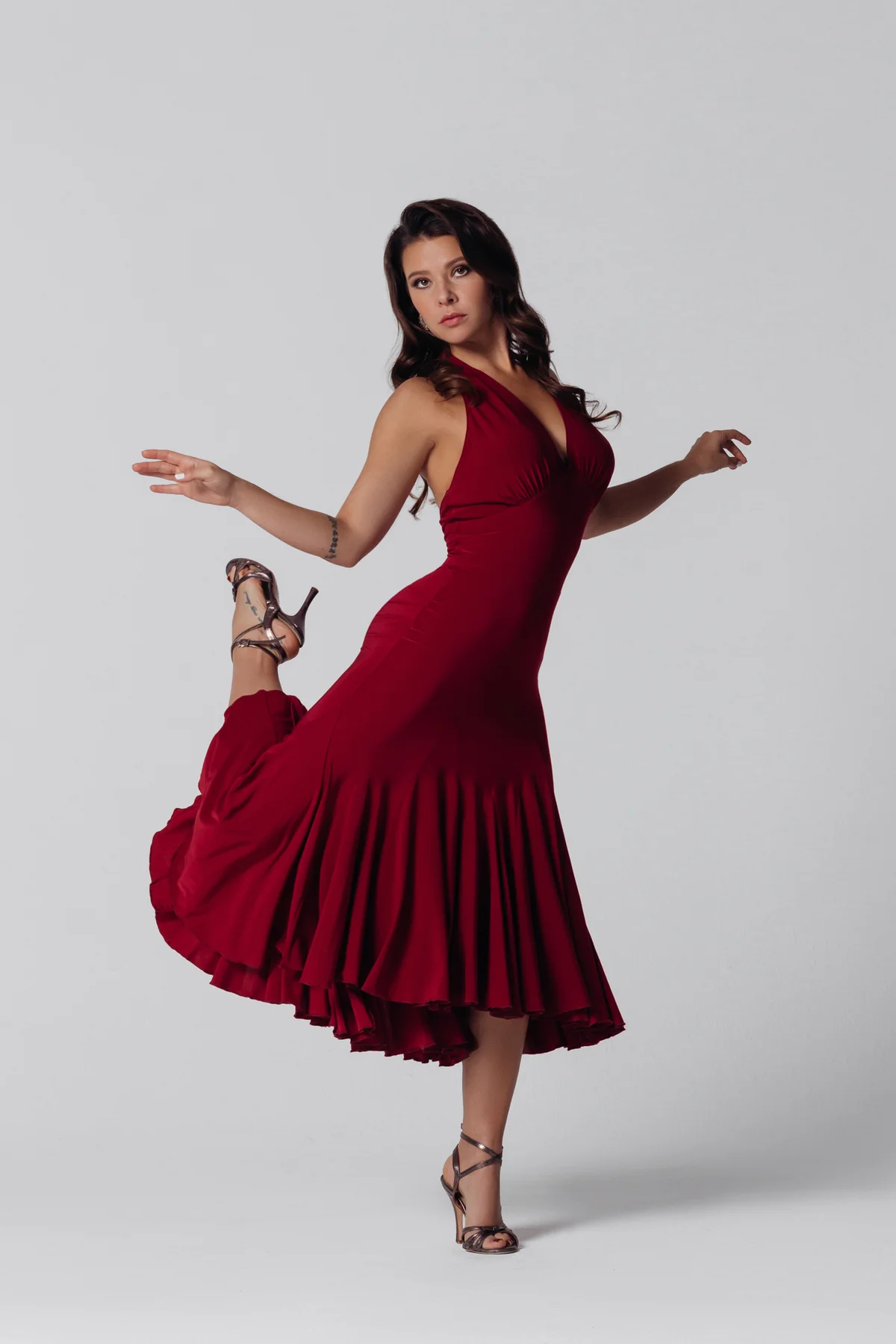
tango women costume
- fitted dresses with slits/fringe
• Fitted dress, often with slits for ease of movement • Fabrics such as satin, velvet, or lace
• Bold colors (e.g., red, black, dark tones) • Minimal or no floats for a structured look
• Strong makeup and sleek hairstyle
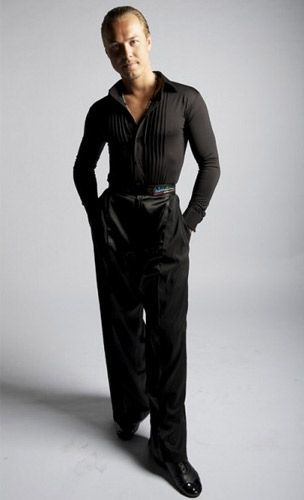
Tango Men costume
- formal suits Shows elegance and emotion
- • Black tailcoat or fitted suit
• Dark shirt with tie or cravat
• Sharp, clean tailoring • Polished black shoes
foxtrot costume women
- long ballroom gowns (chiffon, silk, satin)
• Long gown with a simpler, sleek design • Less volume compared to waltz dresses • Soft fabrics for smooth movement • Elegant colors (e.g., gold, navy, silver, pastels) • Minimal embellishments
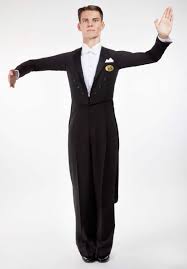
foxtrot costume men
• White dress shirt and waistcoat
• Black trousers with satin stripe
• Classic black dance shoes
- Overall Style: Simple, refined, and graceful tailcoat, tuxedo, or suit
- Emphasizes elegance and strong posture
Overall Style: Simple, refined, and graceful
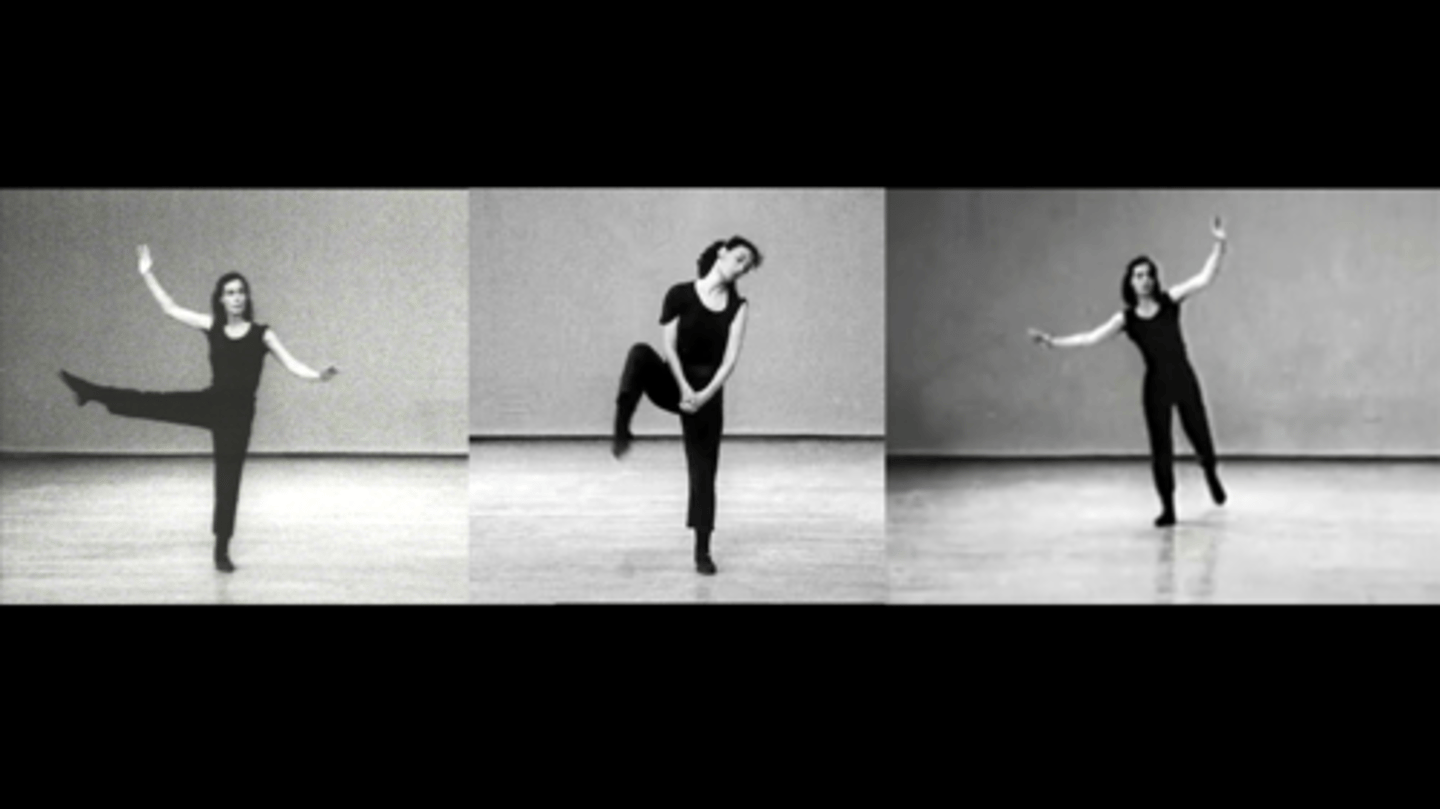
modern dance
- It started in the early 20th, modern dance is a kind of dance style that focuses more on a dancer's own movements or interpretations instead of following the structured steps, as like in traditional ballet dancing.
- It rejects the limitations of ballet and the movements that derived from the expression of inner feelings
- In the 1900's, Dancers in European country start rebelling against the strict and rigid rules of classical ballet.
- Turning against the structured techniques, costumes, and shoes of ballet, the dancers much favored on more relaxed, freestyle form of dancing.
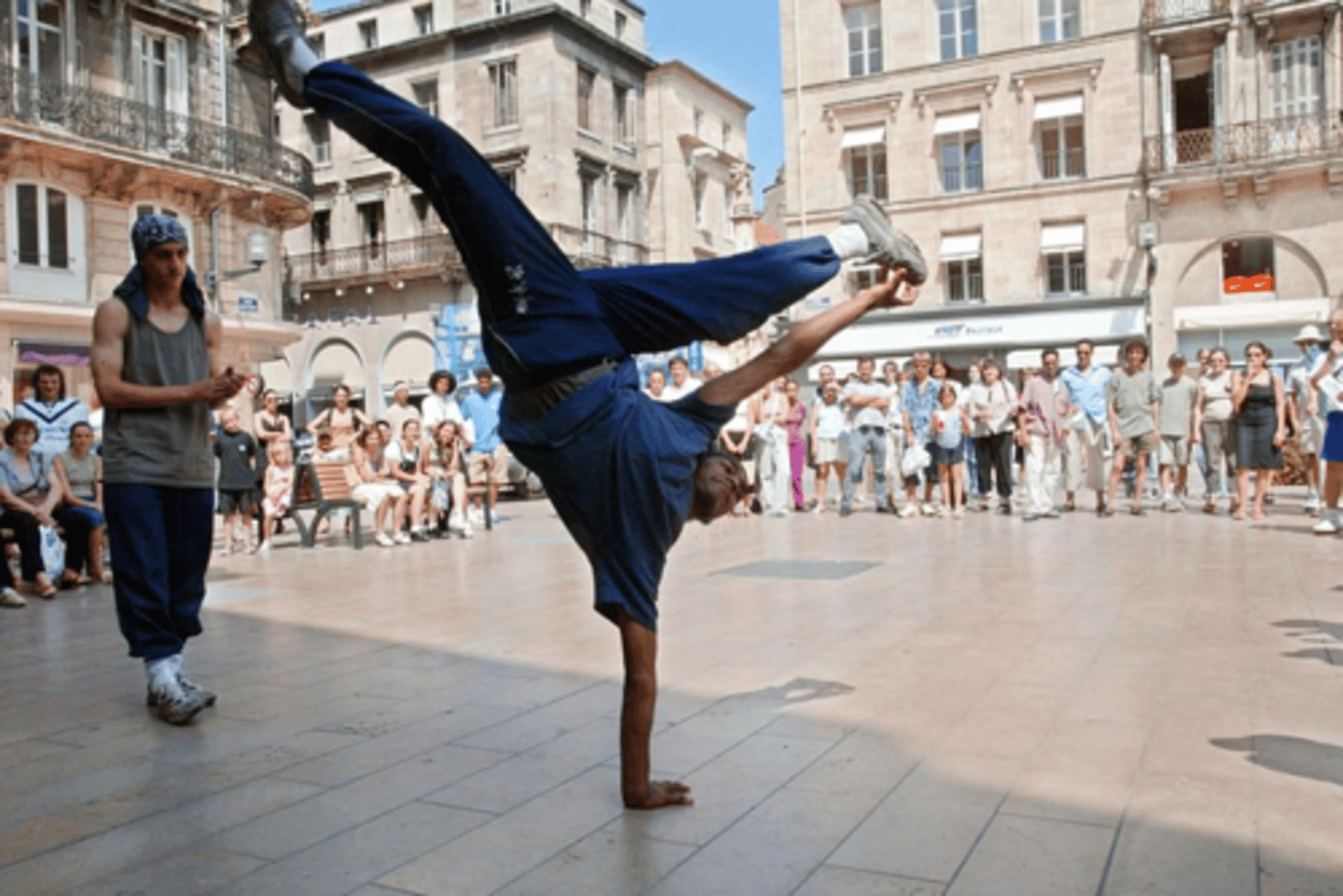
Street dancing
is any style of dance that got its start outside the dance studio, typically in urban streets, schoolyards and clubs.
Hip-hop dance
- on the other hand, refers to street dance styles primarily performed to hip-hop music or that have evolved as part of hip-hop culture.
- dance started in the 1970s as part of street culture in the United States. It is more energetic and rhythmic, often performed to hip-hop music.
- It includes a wide range of styles notably breaking, locking, and popping which were created in the 1970s and made popular by dance crews in the United States.
- The movements are sharp, dynamic, and freestyle, allowing dancers to show their individuality, confidence, and creativity.
break dancing
- also known as b-boying, is a style of street dance and the first hip-hop dance style that originated among Black and Puerto Rican youths in New York during the early 1970s.
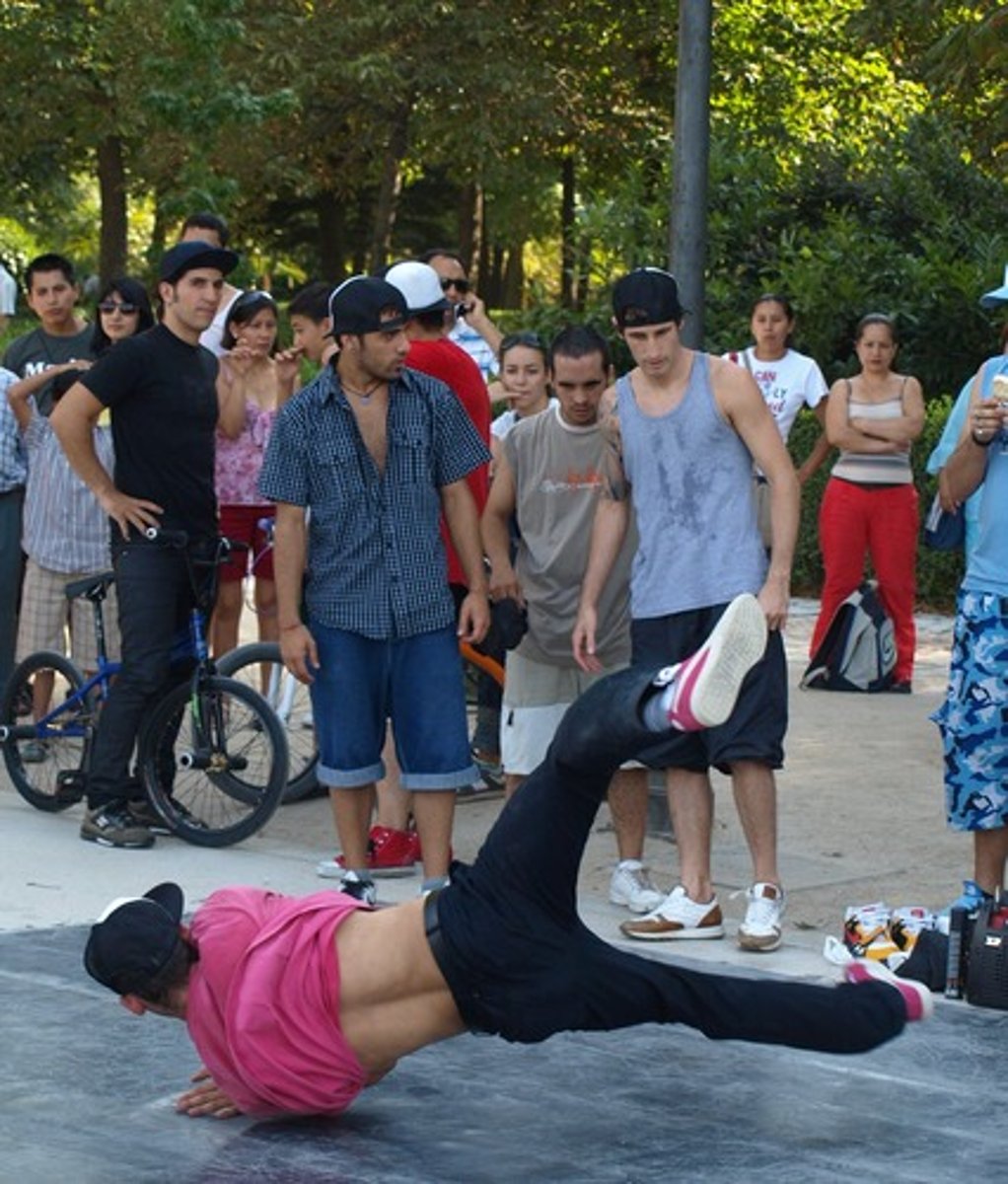
break dancer
originates from the dancers at DJ Kool Herc's parties who saved their best dance moves for the break section of the songs.
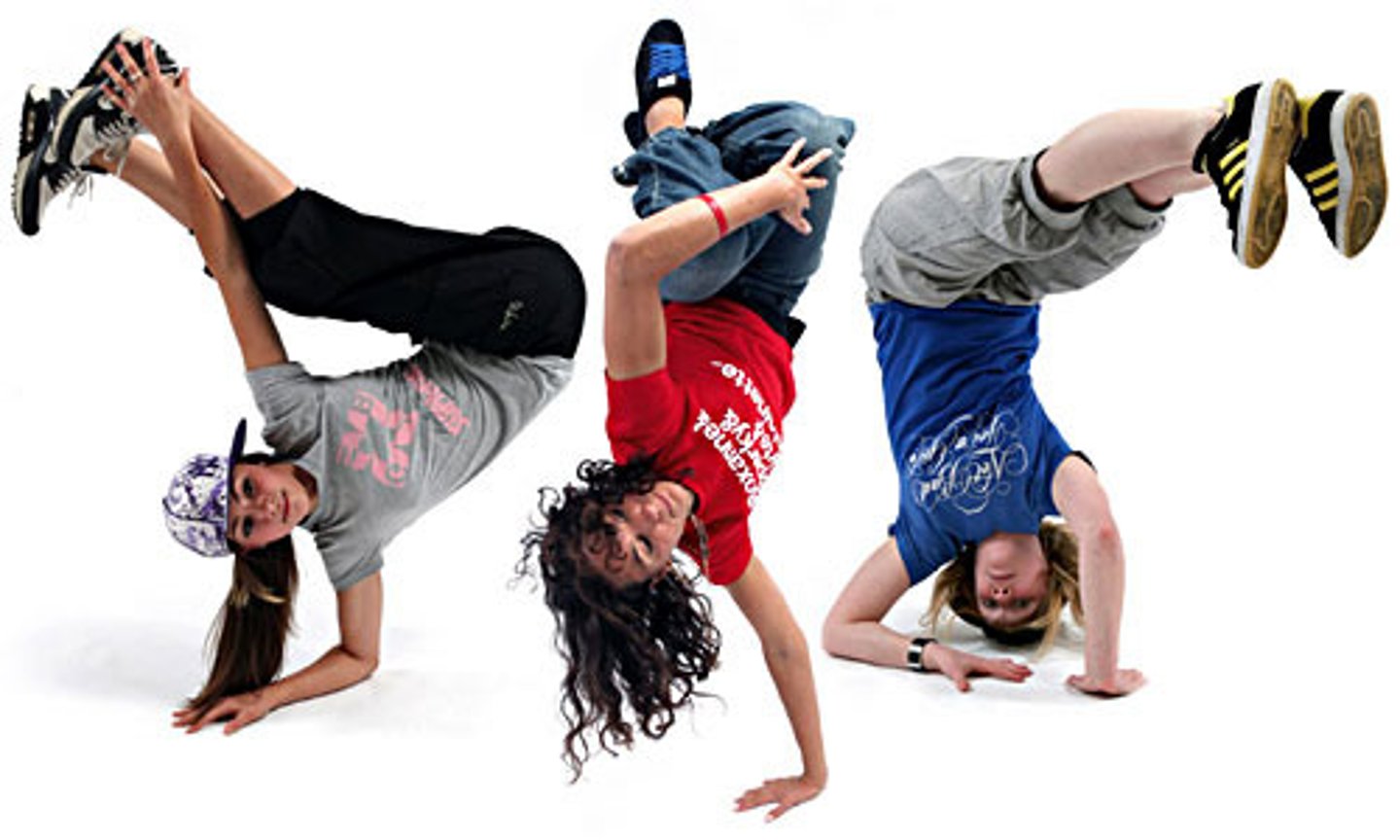
popping
- was popularized by Samuel Boogaloo Sam Solomon and his crew the Electric Boogaloos.
- It is based on the technique of quickly contracting and relaxing muscles to cause a jerk in a dancer's body.
- forces parts of your body outwards, similar to an explosion within parts of your body.
- also contracts muscles, but it is followed by relaxation that gives it the jerking appearance of popping.
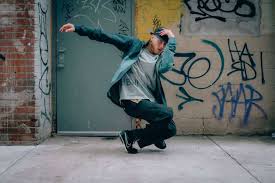
Locking
- looking, originally called "campbellocking," was created in 1969 in Los Angeles, California By Don CampBellock
- looks similar to popping, and the two are frequently confused by the casual observer.
- dancers hold their positions longer.
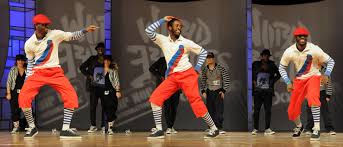
The lock
is the primary move used in locking. It is "similar to a freeze or a sudden pause."
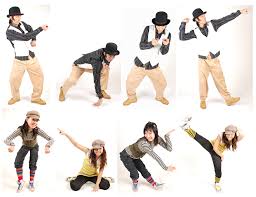
locker's dancing
is characterized by frequently locking in place and after a brief freeze moving again.
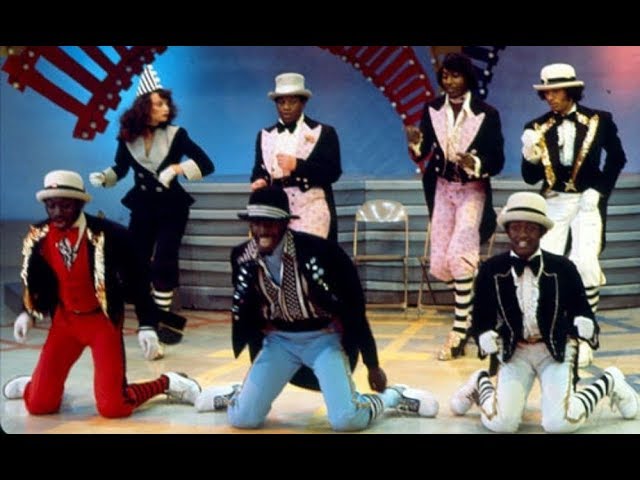
Wacking
- is a dance style that was created in dance clubs on the west coast of the USA in the 1970s.
- is characterized by a focus on arm movements, creating shapes and poses above and around the head in a fast-moving style.
- is often danced to disco music.
- incorporates wild but controlled moves that follow the beat.
- Arm movements up and around the head, in time with a disco or funk beat, characterize
- It has a strong emphasis on musicality, as arm movements follow the music and the beat, with poses thrown in.
- is typically a Freestyle Dance that can
incorporate other body and feet moves from different dance styles.
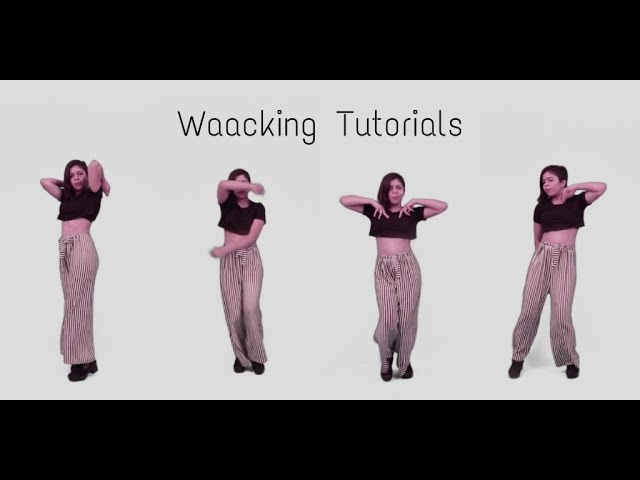
Melbourne Shuffle
- (also known as Rocking or simply The Shuffle)
- is a dance style originating in the 1980's characterized by fast heel and toe twisting and stepping, running man variations, stomping with the beat, foot swiveling from side to side, and having feet that appear to be gliding on and off the ground.
- is mostly for the feet and the arms just compliment whatever foot motions are taking place.
- This dance style is very high paced, intense cardio, and is usually to done to music with a constant beat such as electro, hard style, and/or techno.
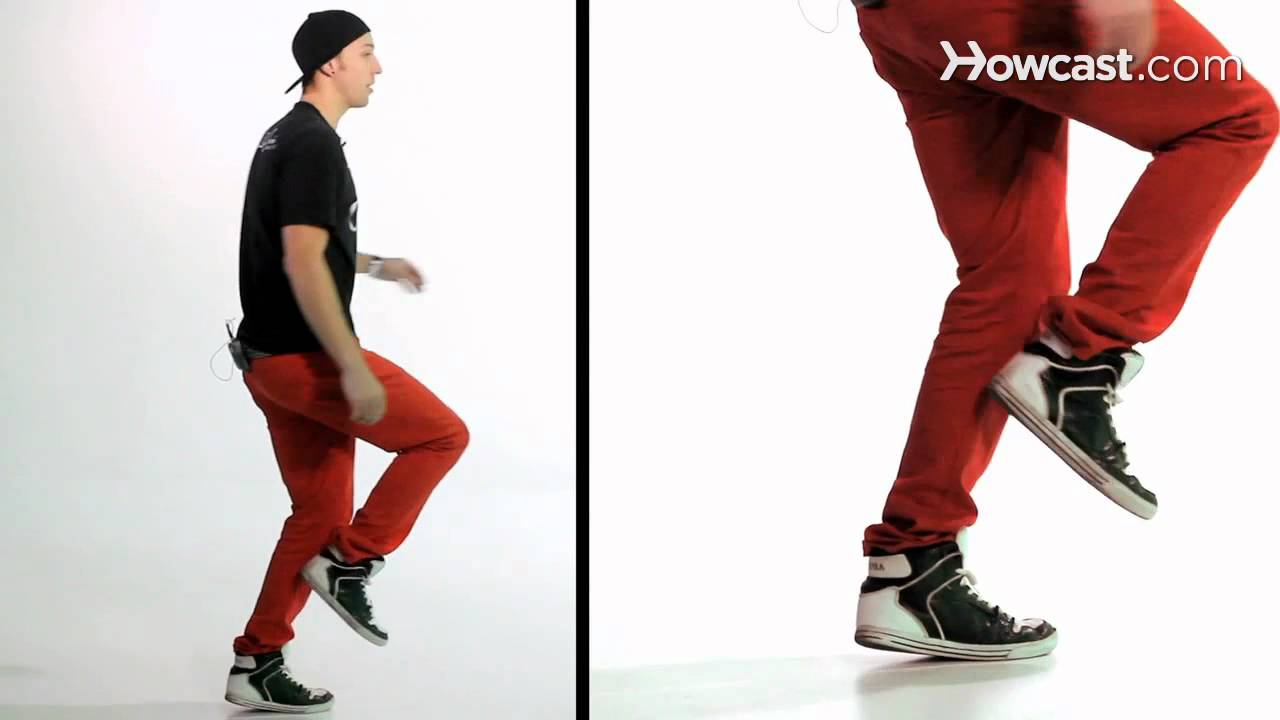
Krumping
- is a dance style that was derived from Clowning.
- Whilst Clowning was initially created as a dance to entertain children, Krumping evolved into a popular Street Dance.
- Isolating body parts so that one body part is rigid, whilst the other is Swinging,
Stomping, or Popping, is a key component of Krumping.
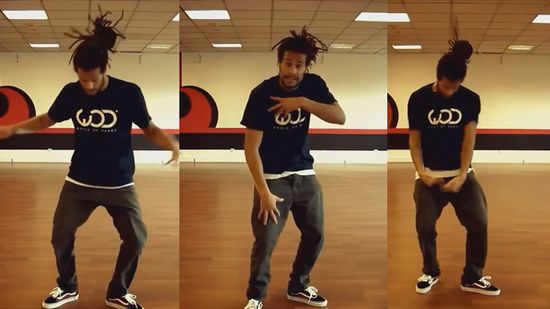
Arrm swing
- typically aggressive but controlled.
- They are executed in a quick and punchy style.
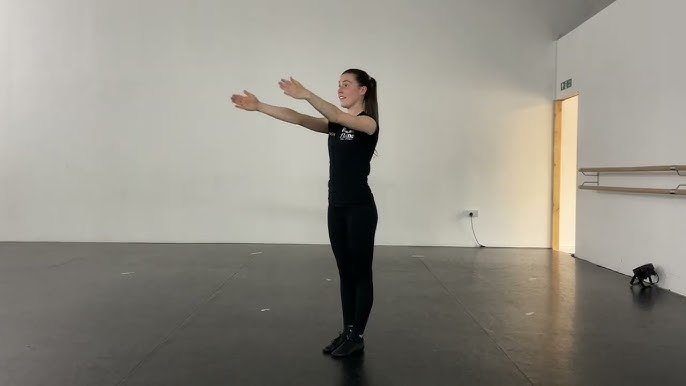
chest pop
- accentuated by isolating the head, legs, and arms.
- Rolling and popping the chest out gives the impression of moving
forward whilst standing still.
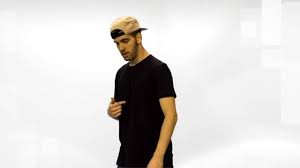
stomp
- one of the core elements of Krumping.
- Whether you're executing the Lift Stomp, Kick Stomp, or Slide Stomp, each
involves leg movements that end with a Stomp.