(4) Portugal: Explorers (inc. Navigators), Colonizers (inc. Conquistadors, Viceroys, and Colonial Governors and Administrators), and Merchantss
 Call Kai
 Learn
Learn Practice Test
 Spaced Repetition
 Match
Match Flashcards
 Knowt Play
1/28

There's no tags or description
Looks like no tags are added yet.
Name | Mastery | Learn | Test | Matching | Spaced | Call with Kai | Chat |
|---|
No analytics yet
Send a link to your students to track their progress
29 Terms
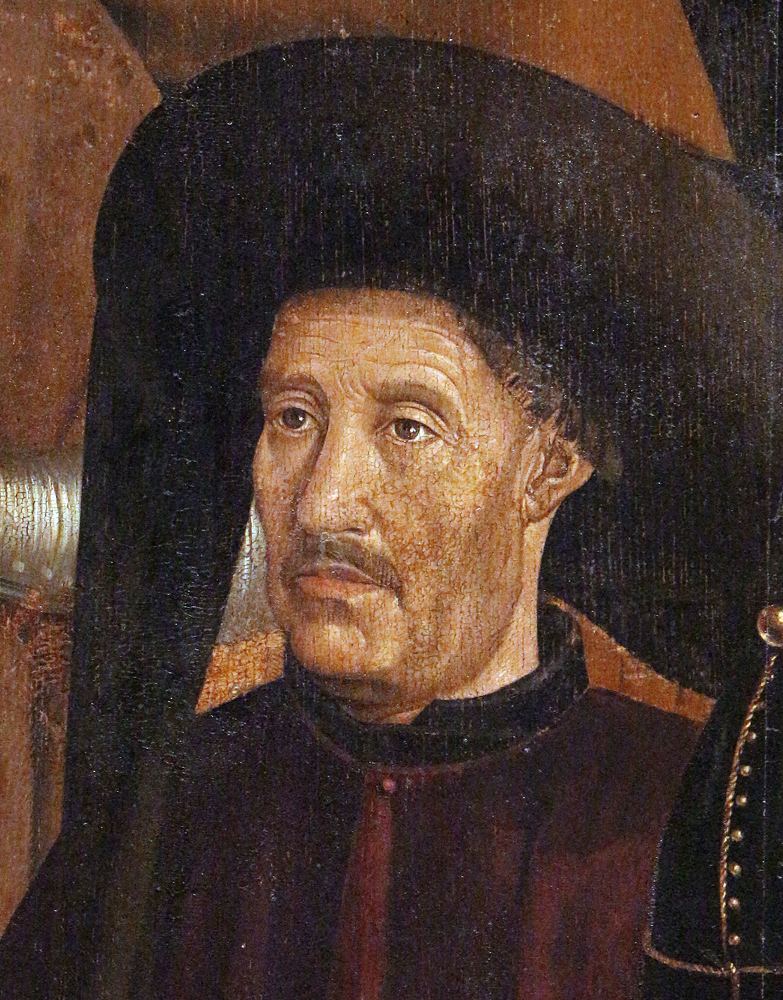
1394 - 1460 - Prince Henry the Navigator (All Facts)
Portuguese Explorer
He devoted his wealth and his enemies to maritime exploration
He brought cartographers from Sicily and elsewhere to train his sea men
He found shipwrights to build craft strong enough to remain at sea in rough weather
His enthusiasm for maritime exploration gave his Portuguese successors the skills and experience vital for their expeditions to discover the sea route to India
He systematically explored the African coast
The navigational enterprises with which he came to be associated began with a crusade against the Moors (Muslims) of North Africa
He
remained a virgin throughout his life
was the third son of King John of Portugal and Philippa, the daughter of England’s John of Gaunt
grew up at a time when the Moors (Muslims) had been driven from Portugal and most of Spain where the crusading spirit was still vigorous
saw himself as a Christian knight dedicated to the struggle against Islam, his vision having carried him beyond old horizons
He
encouraged the settlement of Porto Santo and Madeira
granted two islands in the Azores to his nephew and prince-heir Fernando
assigned the spiritualities of the Madeira islands to the Order of Christ
sent ship after ship out from his palace-observatory at Sagres to sail beyond the sandy bulge of the cape
sent expeditions southward along the West African coast
claimed the Azores and Madeira island groups, and dreamed of reaching the legendary Christian kingdom ruled by a priest king, Prester John, which was believed to exist in the heart of Africa but never found it
His captain Eannes had rounded the feared Cape Bojador, on the coast of West Africa, fulfilling the namesake’s most fervent ambition
His captains told of tales of the dangers of their journeys, terrified of the legends of the Sea of Darkness which lay beyond the cape
It was a place where white men turned black and the currents would prevent any ship from returning
He sent his squire Eannes out to this awesome place last year, but he, like the others, failed to conquer his fears and got no further then the Canary Islands
Eannes eventually rounded the cape, having founding no indication of human habitation there, bringing back only some plants called St. Mary’s roses
The importance of Eannes’ voyage was that he had disproved the belief that ships could not sail the seas beyond Cape Bojador; and thus the way south had opened
In response, the namesake reacted promptly to Eannes’ news, having sent him to sea again along with another shop commanded by his cupbearer, Afonso Baldaya, with orders to explore beyond the cape
He
had many experts from many nations studying navigation at his court
provided for Masses to be said for his soul and then made his will
died, and his remains were taken to the church of St. Mary at Lagos
After his death, his navigators had explored the coast of Africa as far south as the rugged mountain chain they called Sierra Leone; the Christian message having been carried to the heathens there
1427 - Diego de Silves (All Facts)
Portuguese Explorer who sailed under Prince Henry the Navigator
He discovered the Azores Islands
1400s - Antão Gonçalves (All Facts)
Portuguese Explorer
He explored the Gold River, having passed the Sahara coast
1452 - 1486 - Diogo Cao (All Facts)
Portuguese Explorer
He explored the mouth of the Zaire River and set up a stone column there that marked his arrival
He landed in Angola, and explored the mouth of the Congo River, leaving four of his officers to make contact with the king of Kongo and in which four Portuguese Catholic missionaries arrived in Angola, south of the mouth of the Zaire River
He returned again to the Kongo, where he reached Banza, where they converted the crown prince to Christianity, baptizing him as Afonso
There was little doubt that the Portuguese missionaries under the namesake’s watch had their work cut out for them
1500s - Diogo Dias (All Facts)
Portuguese Explorer
He was the brother of Bartholomew Dias
He was the first European to set foot on (the island of) Madagascar
He was also amongst the survivors of the storms which battered Pedro Alvarez de Cabral’s fleet on his expedition to India
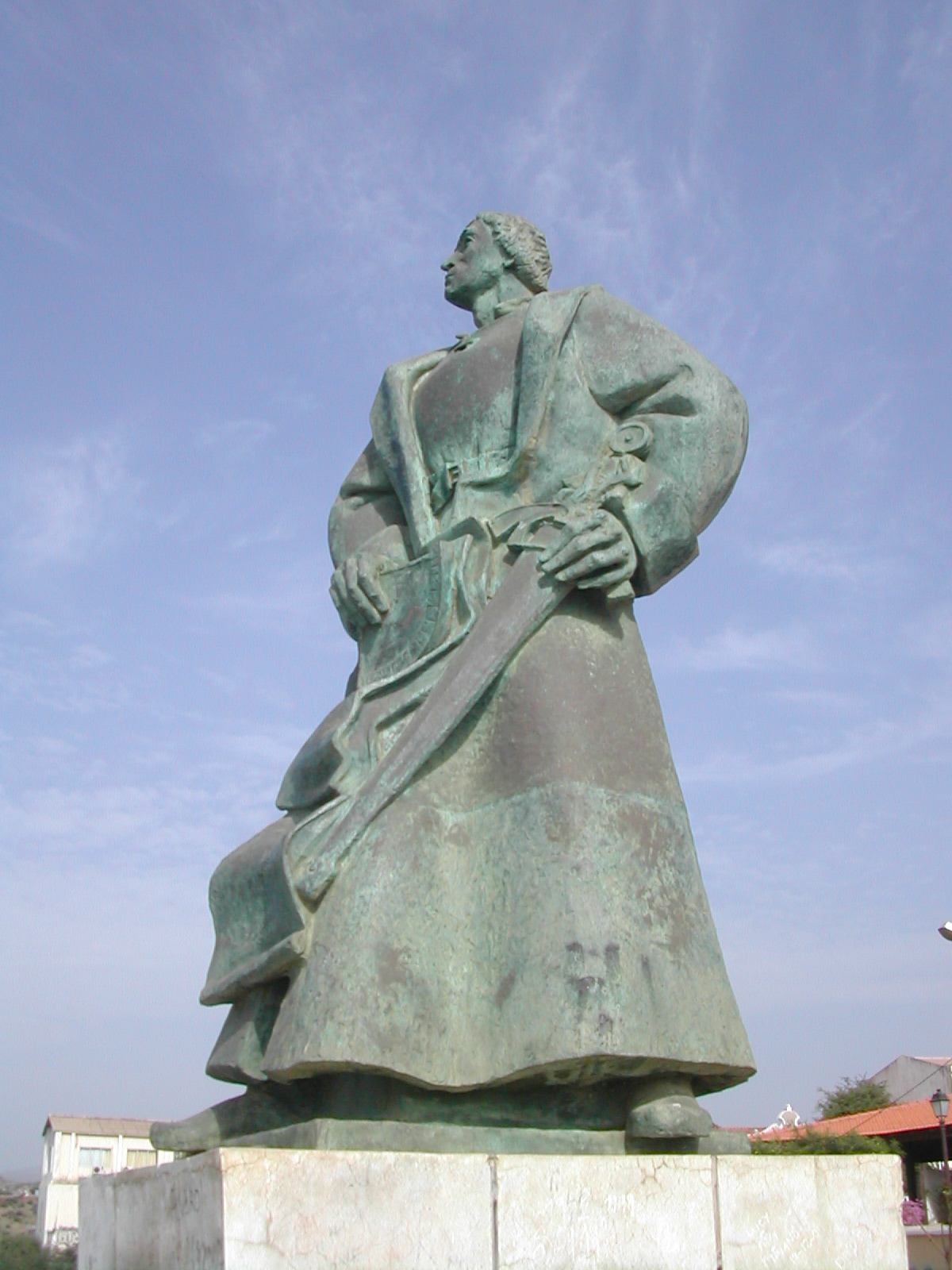
1420 - 1500 - Diogo Gomes (All Facts)
Portuguese Explorer
He sailed for the Kingdom of Spain
He explored the whole American coastline from Florida to Nova Scotia
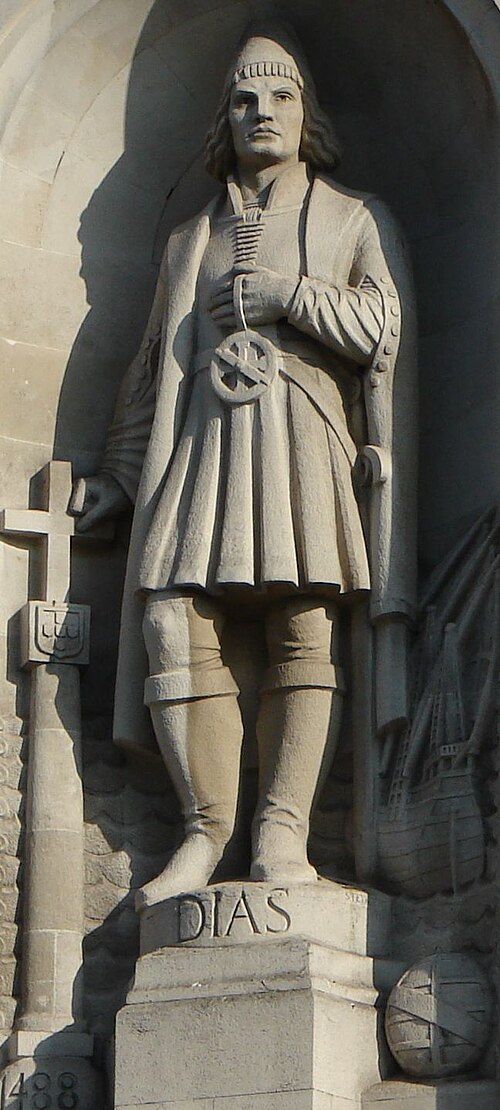
1400s - 1500 - Bartholomew Dias (All Facts)
Portuguese Explorer
He went on a two-year voyage down the West coast of Africa, where he famously went around the Cape of Good Hope
He sailed so far south that the North Star vanished below the horizon
For 13 days, a strong wind carried him out to sea and still further south
When at last he was able to turn back, he found the lie of the land was to the east, not the south; and had discovered the way round Africa
He continued on his new course to the east and sighted native herdsmen with cows and went ashore
He was unable to understand the language and the natives were so alarmed at the sight of the ships that they drove their animals inland
He had told the king that he named the great cape, with its table-like mountain, the Cape of Storms
However, King John II wished it to be known as the Cape of Good Hope, because it gave promise of discovering a sea route to India
He played an important role in Vasco de Gama’s voyage to India, where he supervised the construction and fitting-out of de Gama’s fleet and accompanied it on the first stages of its journey
He recommended ships that were three-masted, with two square sails on the mainmasts and a triangular one on the mizzen
Much of the equipment he recommended, such as a double set of sails, and rigging, was new for his time, but it was eventually taken for granted
While on Pedro de Alvarez’s expedition to India, he died in a fierce storm that battered and scattered many of de Alvarez’s ships, including the namesake’s
His bravery and skill transformed the map of the world
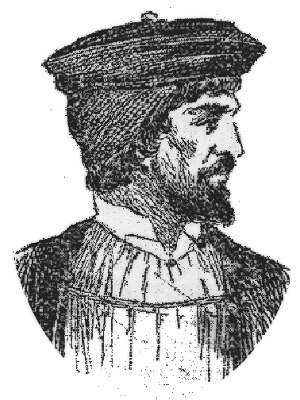
1450 - 1501 - Gaspar Corte Real (All Facts)
Portuguese Explorer
He explored the southern coast of Labrador (Newfoundland) and explored the eastern coast of Greenland
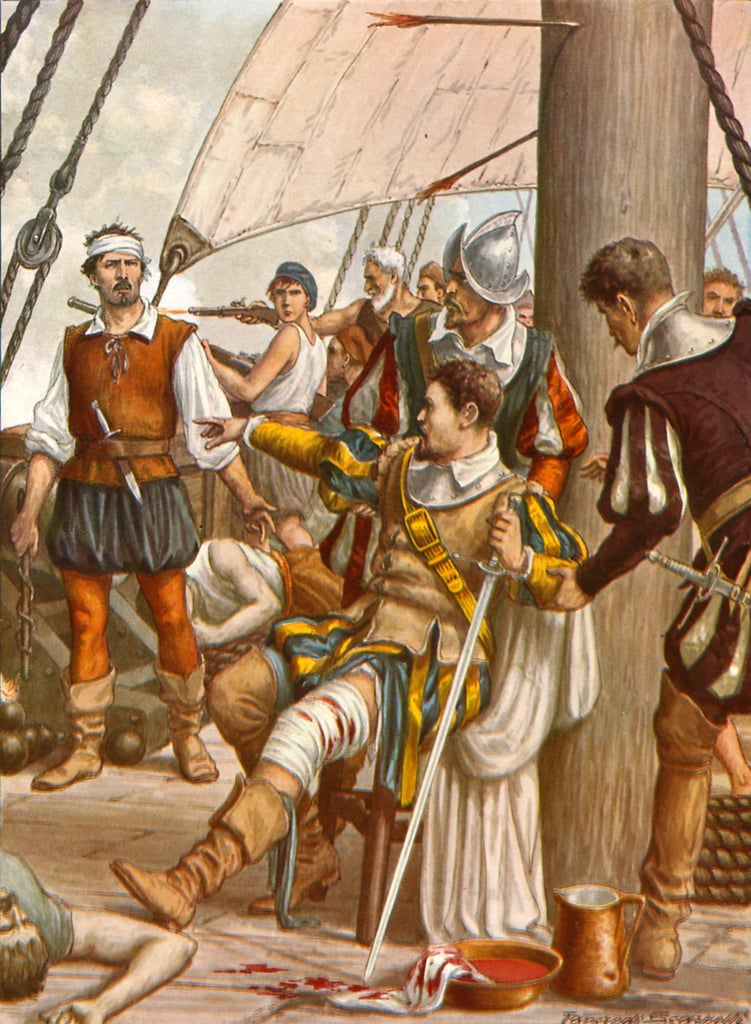
1480 - 1508 - Lourenço de Almeida (All Facts)
Portuguese Explorer
He was the son of Francisco de Almeida
He died by drowning in the Battle of Chaul
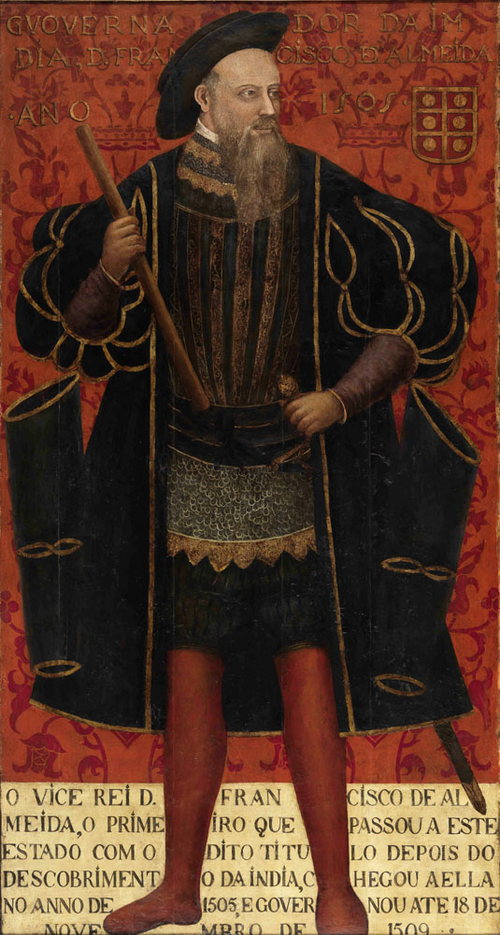
1450 - 1510 - Francisco de Almeida (All Facts)
Portuguese Explorer, Soldier, Commander, and Nobleman and First Viceroy (Colonial Governor) of (Portuguese) India
He sailed to India, having first dropped anchor at Kilwa (the Kilwa Sultanate) on his way
There, Emir Ibrahim failed to welcome the Portuguese, offering the excuse that as he left his palace a black tom-cat had crossed his path, which was a bad omen
He went on to attack and sack Mombasa in the Kilwa Sultanate
There, according to a German reporter, he and his Portuguese fleet shot at and killed “the heathen,” destroyed their houses and their “gold, silver, pearls, precious stones, and costly clothes” were carried off
He and the Portuguese thus inflicted the terrible punishment on the African city-state of Kilwa (the Kilwa Sultanate) for the insolence of its Emir Ibrahim and his failure to pay tribute
Two years after his death, the Portuguese abandoned Kilwa
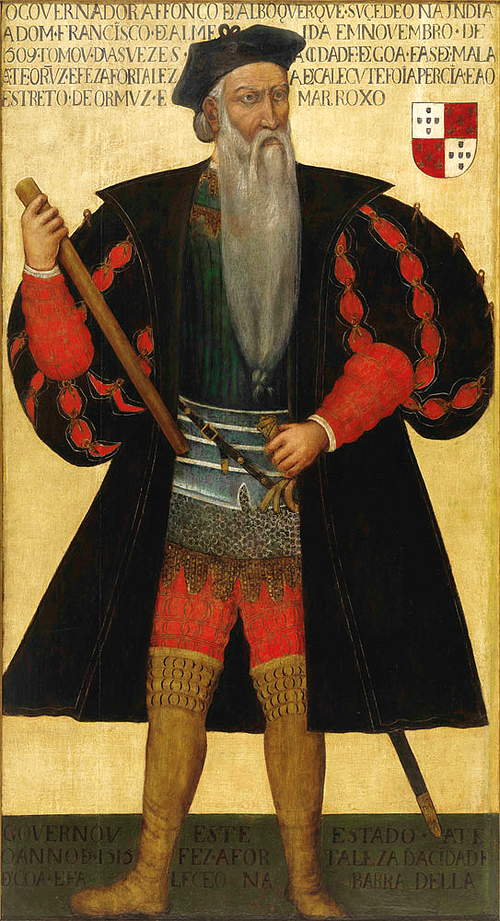
1453 - 1515 - Alfonso de Albuquerque (All Facts)
Portuguese Conquistador and Admiral and 2nd Viceroy of (Portuguese) India
He was considered one of, if not the greatest of Portugal’s naval strategists
He oversaw the Portuguese secure their control and occupation of main strategic positions along the (Eastern) spice route, essentially creating a system which made the Portuguese middlemen in the trade between Europe and the East, which became an immensely rewarding operation
Before he made his first expedition to the Indies, he quickly perceived the need for secure bases, strategically placed to take account of sailing problems caused by seasonal wind and weather changes
He recognized that Portugal could not colonize some of the territories it had captured because of their small populations, combined probably not more than a million and a half as even its garrisons were manned partly by native recruits
He seized and occupied Goa (India), establishing it as a Portuguese colony
He occupied Malacca (on the Malayan Peninsula), while his fleet reached Amboina on the Moluccan Archipelago; with his capture of Malacca,
he completed a string of naval bases and trading posts running from the Red Sea through Goa in India to the Far East
the Portuguese became set to begin their regular shipment of Oriental spices back to Lisbon (Portugal); including pepper, cinnamon, nutmeg, and cloves
He seized the islands of Socotra, the key to the Red Sea
They were under Portuguese control only for the next four years
During that time, he seized and took control of the Strait of Hormuz, a strategically important position between the Persian Gulf and Sea of Oman
He occupied Oman, establishing / founding (Portuguese) Oman
The operation he created yielded Portugal / Europe a trading profit of 800% just three years before his death
Despite great services to his country, he fell victim to the intrigues of enemies at the Portuguese court
After returning from his capture of the Strait of Hormuz, at the mouth of the Persian Gulf, he was met at the entrance to Goa harbor by a vessel from Lisbon that bore a dispatch dismissing him as Viceroy of (Portuguese) India, a blow which certainly hastened his death
He died at sea, a deeply disappointed man
1467 - 1520 - Pedro Alvarez de Cabral (All Facts)
Portuguese Explorer, Navigator, Colonizer, and Nobleman (and Discoverer) and Founder of (Portuguese) Brazil
He claimed the territory of modern-day Brazil for Portugal, initially naming it Vera Cruz (“True Cross”)
Eventually it was called Brazil because of the red-colored brazil wood which was abundant there as “Brasa” in Portuguese means “embers,” referring to the bright-red dye that could be struck from the brazilwood trees there
He colonized Brazil
He had set out for India with a fleet of 13 ships
To avoid the known doldrums off the Guinea coast of Africa, he sailed far west and sighted an unfamiliar coastline, with a lofty, circular mountain in the backgrounds where men brown and naked men appeared on the beach with bows and arrows
His men captured two of these men for inspection, having had their lower lips bored and sharpened bones inserted
Then, the natives brought their women to meet the White visitors, whom were also naked and painted with the red-dye from the brazilwood tree
As with most of his operations, he had with him a number of convicts to be used for riskier operations, whom he sent two of to visit the village
They came back to report that the natives lived in large wooden huts, each with hammocks for 30 or more persons
On another journey into the villages of the land, two of his ship’s carpenters made a wooden cross which aroused great interest amongst the natives because of the iron tools the carpenters had used as the locals had used (wedge-shaped) stone tools to care their wood
From there, he and his men showed the native villagers their veneration for the Cross and knelt before it and kissed it
On their final visit to the shore, when he and his men landed to collect food and water, as many as 400 natives emerged to watch the Portuguese visitors, some having helped to carry wood to the boats and a few having ate the food and wine offered by the Portuguese
He left a few convicts to study the natives and their land as he left for another voyage to India
He sent one ship back to Portugal, however, to announce his discovery of Brazil and led the remainder of his fleet across the Atlantic
On his voyage to India, however, as his fleet was approaching the Cape of Good Hope, well south of the Tropic of Capricorn, a fierce storm blew up and four ships foundered with all hands, the rest being badly battered and scattered
Seven ships had managed to limp to a port in Mozambique for repairs
It was ultimately the backup equipment which enabled his battered ships to survive the storm
When he and his battered fleet landed in Mozambique for repairs, he tried to make trade agreements with the people there which would further entrench Portuguese commercial interests in southern Africa
He created the first (Portuguese) trading posts on the west coast of India
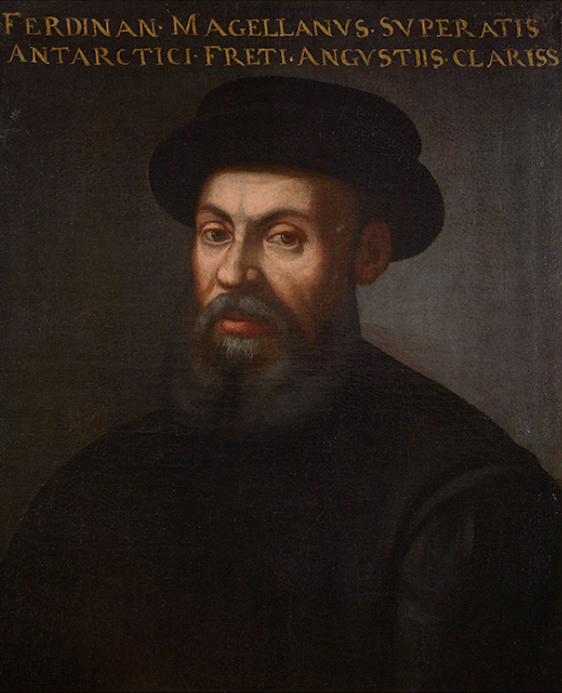
1480 - 1521 - Ferdinand Magellan (All Facts)
Portuguese Explorer
He embarked on a significant voyage to cross the Pacific Ocean
He was the first European to have successfully crossed the Pacific Ocean
He sailed three-quarters of the way round the world, nearly circumnavigating the globe
His expedition was sponsored by King and Holy Roman Emperor Charles, sailing under the flag of the Kingdom of Spain
He had served King Manuel of Portugal (in Lisbon) for years, but fell out of favor
He thus became a Spanish citizen and persuaded King and Holy Roman Emperor Charles that the Portuguese domination of the spice trade with the east, around the Cape of Good Hope, could be broken by ships sailing west to find a passage around South America
He planned the expedition for King and Holy Roman Emperor Charles who had thus sponsored the “Spanish” Expedition of the namesake
On this voyage,
He began with a fleet of five vessels and 265 men, sailing from Seville in Spain
His fleet brought with them 21 quadrants, 18 sandglasses, 23 charts, and 37 compass needles
He sailed southwest, steering clear of the coast of already-colonized Brazil and put in at the River Plate and further south at Port St. Julian
There, he and his crew encountered a race of primitive giants whom he named “Big Feet” (“Patagonias”)
As the ships sailed deeper into unknown waters, a mutiny broke out amongst his crew
However, he crushed it and hung its ringleaders (as was customary)
He then rounded the Cape of the Eleven Thousand Virgins (as he called it) and found himself at the eastern end of the long-sought passage
He crossed the namesake Strait, historically considered the most important natural passage between the Atlantic and Pacific Oceans located near Southern Chile at the tip of South America that allowed one crossing it to enter into the Pacific Ocean
This channel ran through a maze of reefs, with snow-clad mountains on either side
He lost two ships, one wrecked by the violent winds and the other by desertion
He then passed Tierra del Fuego and emerged into the Pacific Ocean as a result
He then sailed west for nearly 100 days, running out of food and water and being forced to eat rats
While in the middle of the Pacific Ocean, his crew attempted to make a measure of the depths of the ocean for the first time
After paying out a line to 1,300 feet, however, they still failed to reach the bottom
He reached the Philippines, his ships having dropped anchor off Cebu, where the local chief agreed to convert to Christianity
He was 3,000 miles away from where he thought he was; despite his vast array of navigational aids he brought with him
In so doing, in exchange, he asked the namesake to help him to conquer a tribe on the neighboring island of Macatan
When he went to fight with the local Cebu chieftain and his forces on the island of Macatan, he was hit in the leg by a poisoned arrow and on his sword arm by a javelin
As he covered the retreat of his comrades, he was killed, having been hacked to pieces with lances and scimitars
At this point in the voyage, it was only half-completed, however, and command of the remnants of the fleet fell upon Sebastian del Cano, a Spaniard, who set sail with only two of the original five ships remaining
In the Moluccas, his fleet traded their merchandise for spices
His fleet set out across waters where Portuguese merchant-men operated, not daring to face the dangers of the namesake straits again
One of the two ships, the “Trinidad” was soon seized and the remaining ship, the “Vittoria” crossed the Indian Ocean and round the Cape of Good Hope to Seville, Spain where the precious cargo was safely unloaded
His fleet thus returned without him, with one vessel, the “Vittoria”, and 15 men, who circumnavigated the entire globe, making history by sailing around the world
They thought the voyage would only take a few days, but they were surely mistaken as it had taken over three years
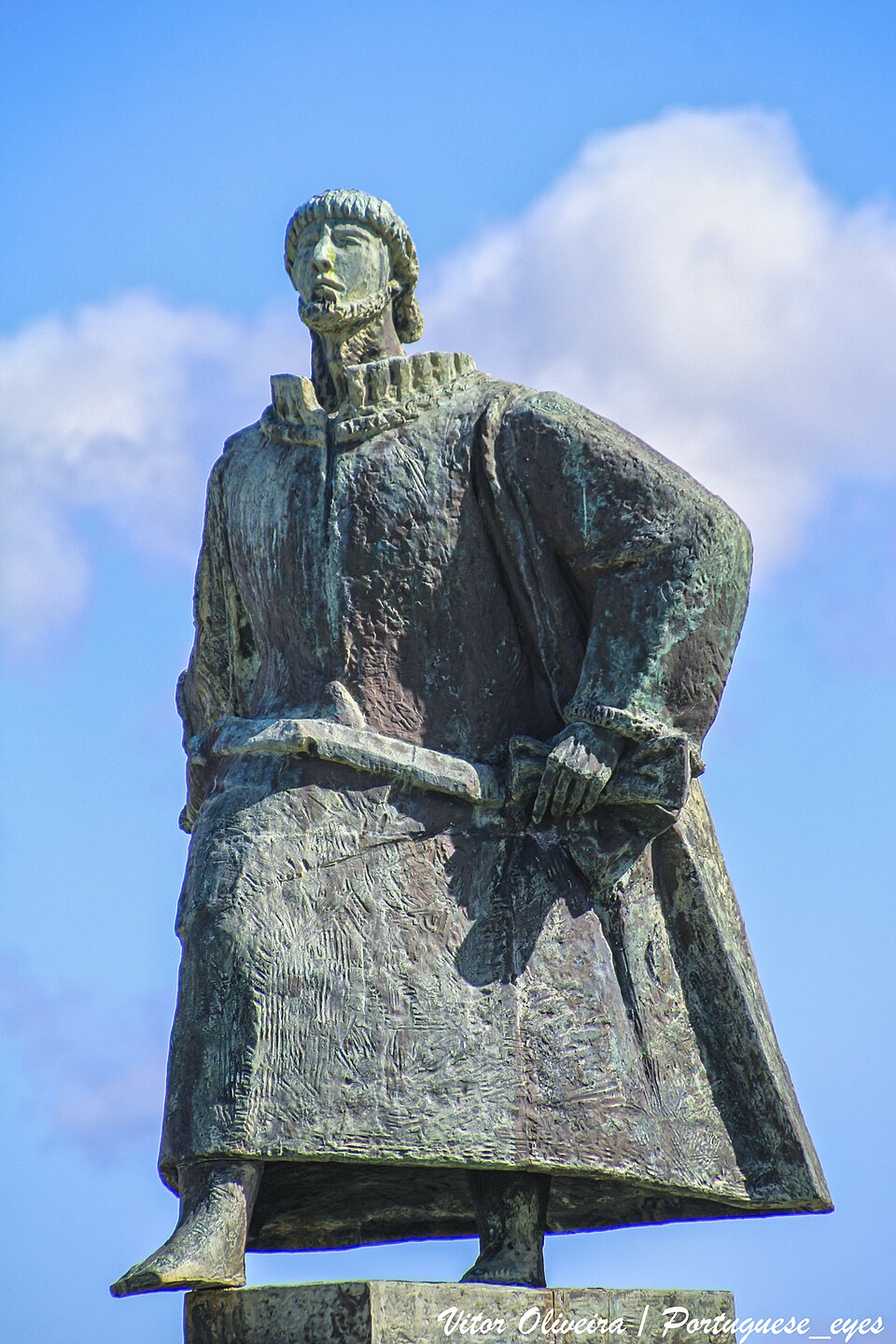
1460 - 1522 - João Álvares Fagundes (All Facts)
Portuguese Explorer
He identified the southern coast of the New World
He attempted to found a colony on Cape Breton Island in North America, but the colonists were wiped out by an extremely cold winter
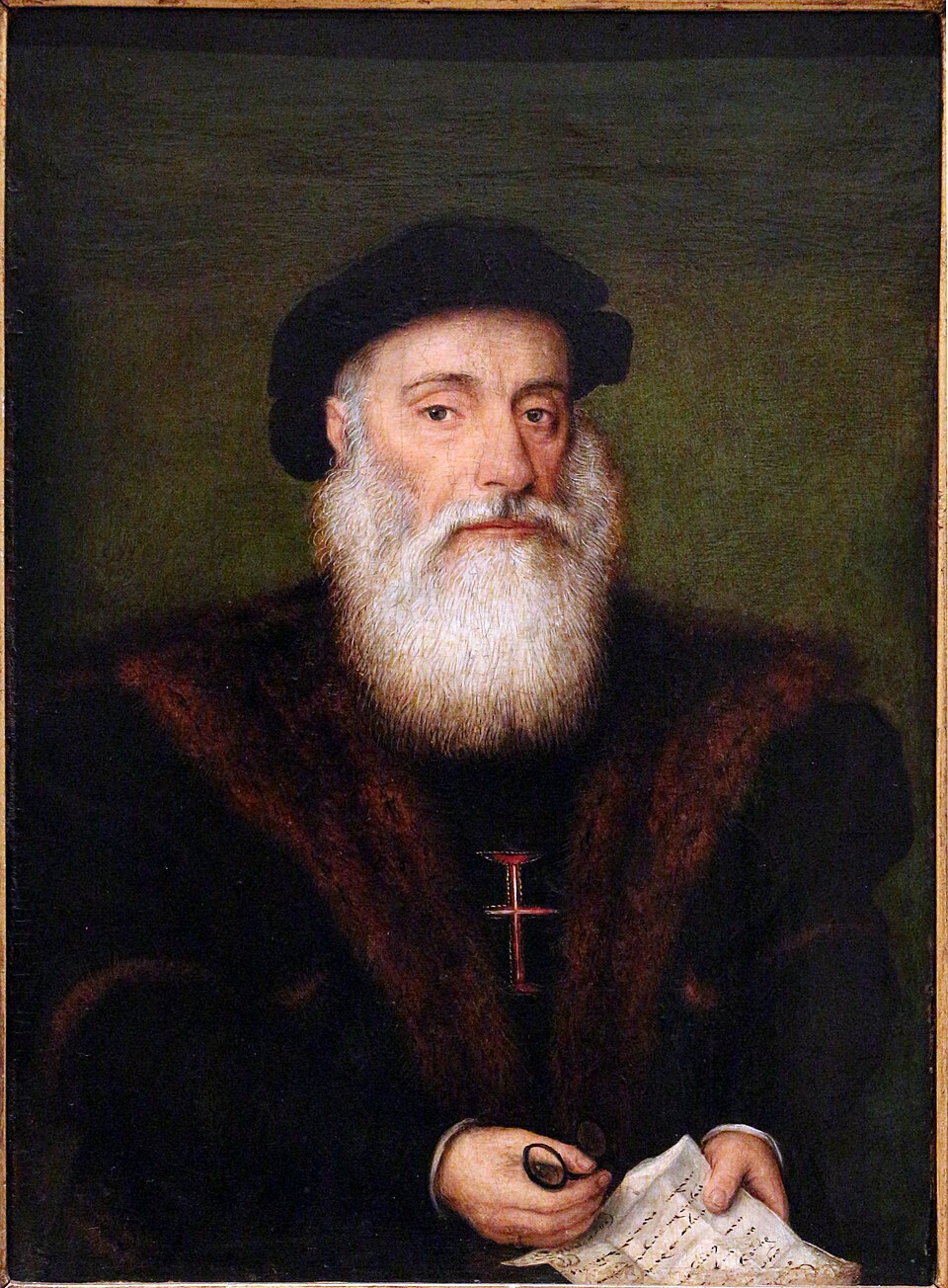
1460 - 1524 - Vasco de Gama (All Facts)
Portuguese Explorer and 6th Viceroy of (Portuguese) India (Goa)
He was recalled by King John III of Portugal to replace his incompetent predecessor as Viceroy in the Indies of (Portuguese) India (Goa)
He proved himself as a young man fighting in War of the Castilian Succession
He, on the orders and sponsorship of King Manuel of Portugal, set sail for and successfully arrived in India, by going around the Cape of Good Hope and Africa
He had four ships with 20 guns and and 170 well-armed men
As it turned out, this was a wise precaution given that the Arab Muslim traders, fearing the Christian Portuguese will challenge their already-established monopoly of trade with the Hindus, were already seeking to set the king of Calicut against the Portuguese newcomers
He sailed round the Cape of Good Hope
He reached Quelimane on the Sofala Coast
He then reached Malindi in Kenya, after calling at Kilwa and Mombasa
He then arrived off Calicut, on the Malabar coast
When he got ashore he took presents for the King of Calicut including hats, striped cloth, strings of coral and a case of wash hand-basins
However, the King of Calicut had scorned him, saying that he had claimed he had come from a rich country but all he had brought were cheap trinkets
He became the first European to discover a rea route round the Cape of Good Hope to India
During the long voyage, he encountered many difficulties and dangers that tested both his seamanship and his qualities as a leader
After battling against hurricanes on its way round the Cape, his expedition met with Muslim hostility at almost every port of call in East Africa
At Mombasa, Muslims pretended to be Christians in order to get on board and prepare for an armed attack on the ships
The namesake had to bombard Mozambique before he could obtain supplies of fresh water
At Malindi, however, a friendly welcome awaited him and his crew and they were able to recruit Ibu Majid, an experienced Gujarati seaman, who piloted them across the Indian Ocean
The namesake returned to Lisbon in Portugal with half a dozen Indians to show to King Manuel
Prior to the voyage, it was Bartholomew Dias who supervised the construction and fitting-out of the namesake’s fleet, having accompanied it on the first stages of its journey
The namesake’s ships were three-masted, with two square sails on the mainmasts and a triangular one on the mizzen
His voyages in these areas in East Africa helped secure Portuguese control over the (East Asian) spice trade
He oversaw the setting up of Portugal’s trading posts along the East African coast
He was the first of many Portuguese and other European explorers who began setting up their own trading posts, threatening Mameluke control of Eastern trade
He was the first of many Europeans to establish themselves as spice merchants in place of the Arabian (Mameluke) traders
He spent five years engaged in trade and armed raids in the Indies
He put down rebellions with unbridled ferocity
On one occasion, he sailed from Calicut to Cochin “doing all the harm he could on the way to all he found at sea”
He discovered the
Seychelles Islands
Admiralty Islands (which he named as admiral of the voyage there in the Indian seas)
He retired to Evora, the residence of the Portuguese court
There, he continued to advise King John III on affairs in (Portuguese) India
He became the Count of Vidigueira
He thus obtained special privileges of civil and criminal jurisdiction as well as church patronage
He died at Calicut only three months after his arrival there
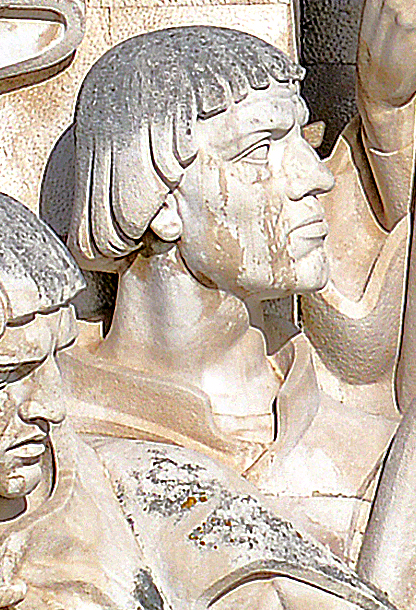
1460 - 1526 - Pedro da Covilhao (All Facts)
Portuguese Explorer and Diplomat
He left Lisbon for Africa where we went overland in search of Prester John’s (mythical) connection with the Indian spice trade
After travelling widely in the Levant, the Indian Ocean, the Persian Gulf, the Red Sea, and the Gulf of Aden; he arrived in Ethiopia, via Zeila
Upon reaching Ethiopia, he was detained by the emperor there
He went on an expedition which took him as far as the Sofala Coast of southeast Africa and as far east as Calicut in India, before returning back to Cairo (in Egypt)
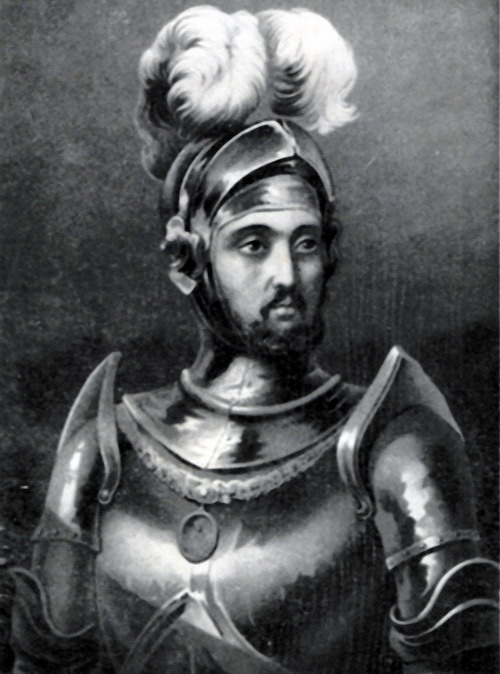
1511 - 1526 - Diego Columbus (All Facts)
He was the (Portuguese) Governor of the Indies
He was the son of Christopher Columbus
He recovered the rights over his father’s discoveries in America in order to restore his family’s fortunes
They were previously confiscated by the Spanish crown
He was stripped of all offices inherited from his father by the Spanish crown
1483 - 1538 - Estevao Gomes (All Facts)
Portuguese Explorer
He returned home after a year’s exploration of the east coast of North America, having failed to find a clear waterway through to Asia
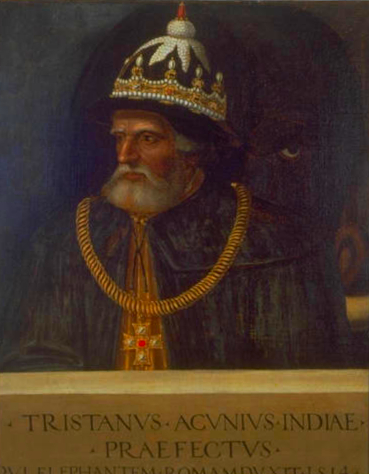
1460 - 1540 - Tristao de Cunha (All Facts)
Portuguese Explorer and Naval Commander (and Discoverer) and Founder of the namesake island (archipelago) in the south Atlantic Ocean
1497 - 1543 - Juan Rodríguez Cabrillo (All Facts)
Portuguese Explorer
He was the first European in California, having entered a harbor on the Pacific Coast (modern-day San Diego)
He died after exploring the western coast from lower California to the north for 1,000 miles (to modern-day Oregon)
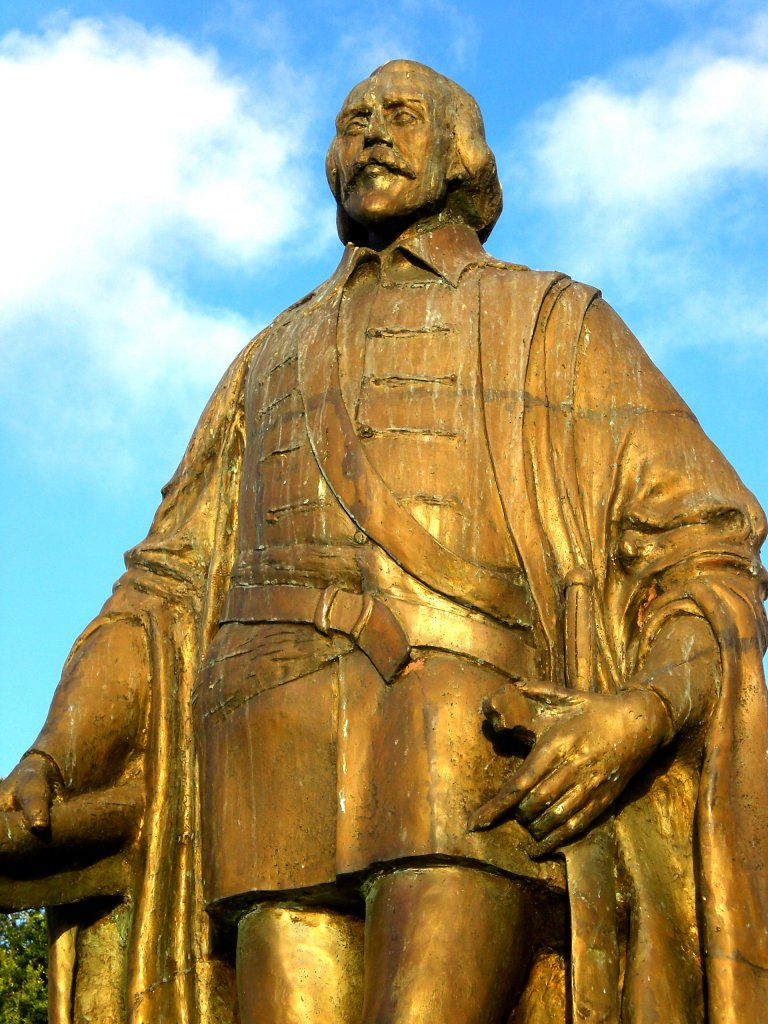
1549 - 1553 - Tome de Sousa (All Facts)
First (Portuguese) Governor-General of Brazil
He was appointed to the position by King John III
He established (Portuguese) Brazil’s capital at Salvador da Bahia de Todos los Santos
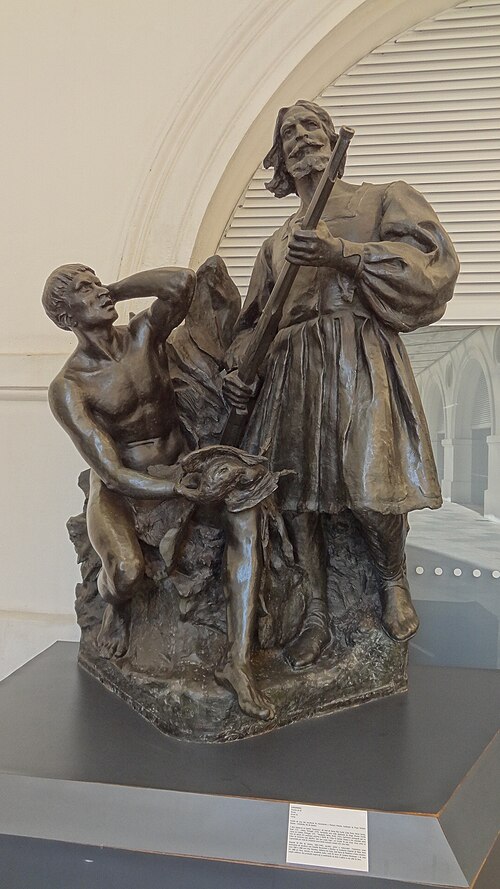
1475 - 1557 - Diogo Álvares Correia / Caramuru (All Facts)
Portuguese Colonist
He was instrumental in the early colonization of Brazil by the Portuguese crown
He founded a settlement in Brazil near Porto Seguro
He was the first European to establish contact with the native Tupinambá population in modern-day Brazil
He was also the first European to establish the first Christian Brazilian family, taking the native Catarina Paraguaçu to be his wife
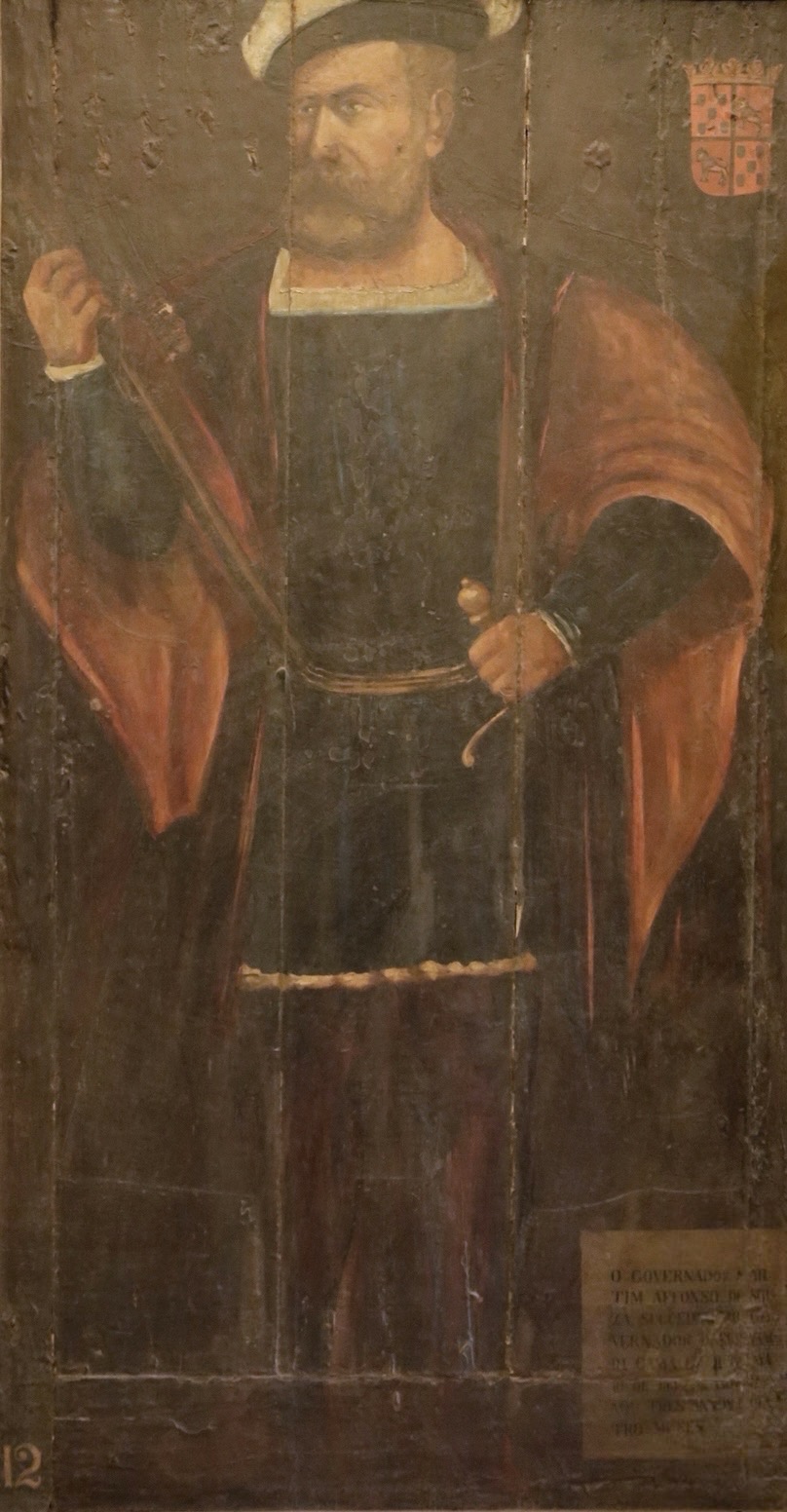
1500 - 1564 - Martim Afonso de Sousa (All Facts)
Portuguese Explorer and Colonial Administrator and Viceroy of (Portuguese) India (Goa)
He was the leader of the first expedition to explore the interior of Brazil
He died during the journey
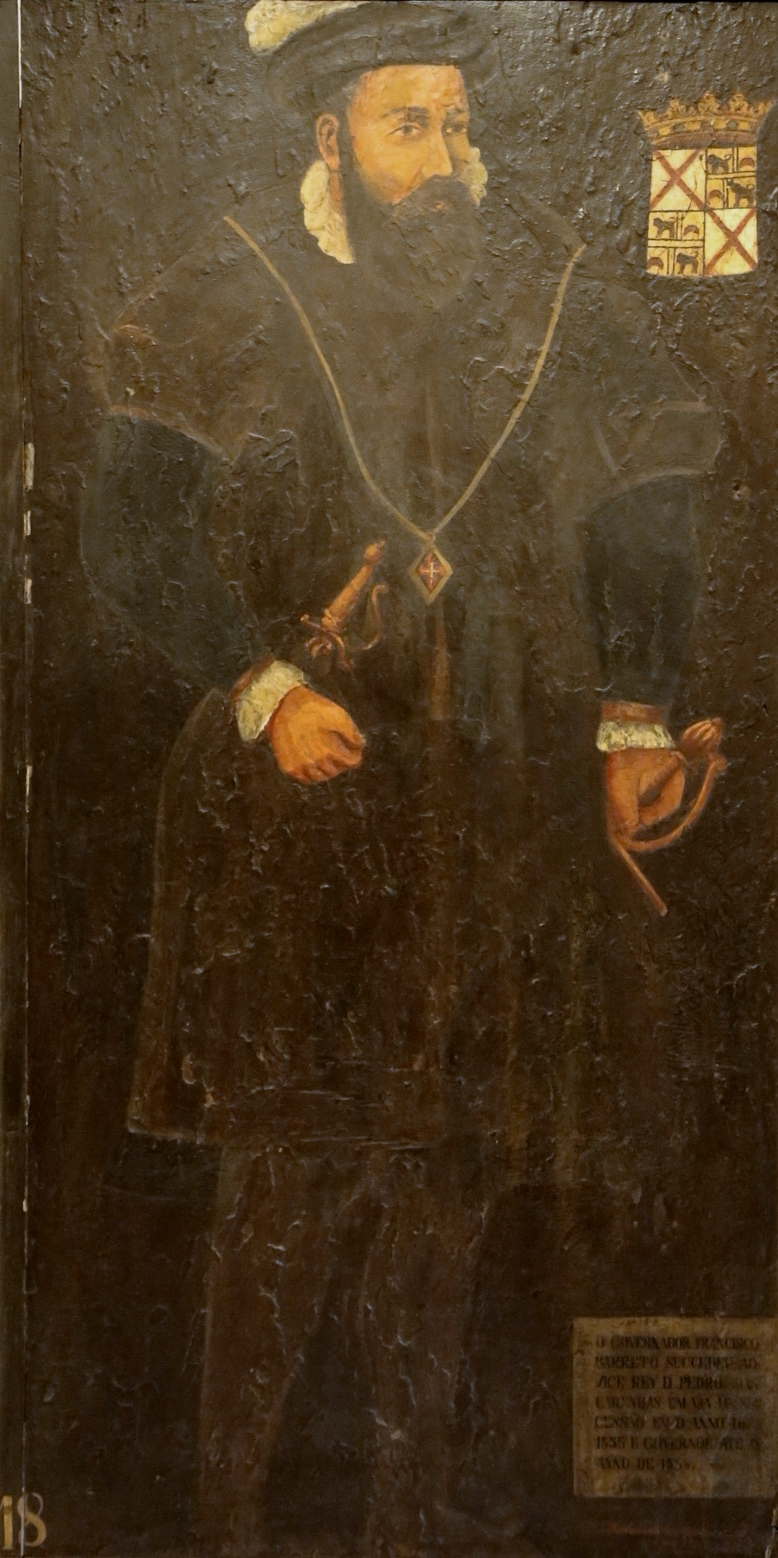
1520 - 1573 - Francisco Barreto (All Facts)
Portuguese Explorer and Soldier and Viceroy of (Portuguese) India (Goa)
On one expedition, he punished Mewnemutapa for the murder of the missionary Goncalo de Silveria, and then withdrew from the Zambezi Valley afterwards
1510 - 1584 / 1609 - Jerónimo de Albuquerque (All Facts)
Portuguese Colonial Administrator
He discovered iron mines near the Rio Grande in the northeast of the colony of Brazil
1550 - 1595 - Gaspar Castaño de Sosa (All Facts)
Portuguese Explorer, Colonist, Settler, and Slave Trader
He set out from Nueva Leon with 150 settlers in an unauthorized effort to establish a mining town in New Mexico in Mexico (New Spain)
He was arrested in New Mexico and brought back to Mexico (New Spain) to face disobedience charges
1560 - 1602 - Sebastião Rodrigues Soromenho (All Facts)
Portuguese Explorer
He returned to Mexico (New Spain) after a 22-month sea voyage up the Pacific Coast
1563 - 1614 - Pedro Fernandes de Queirós (All Facts)
Portuguese Explorer and Navigator
He served for the Spanish crown and for the unified Iberian Peninsula
He was convinced there was a southern continent (modern-day Australia), and drove three ships across the Pacific Ocean to show for it, but he never saw it
This was because his own ship mutinied and sailed to Mexico instead
He named the southern continent regardless, “La Australia del Espiritu Santo”