PHYSICS FINAL 2026
 Call Kai
 Learn
Learn Practice Test
 Spaced Repetition
 Match
Match Flashcards
 Knowt Play
1/136

There's no tags or description
Looks like no tags are added yet.
Name | Mastery | Learn | Test | Matching | Spaced | Call with Kai |
|---|
No analytics yet
Send a link to your students to track their progress
137 Terms
vector
A quantity that has magnitude and direction
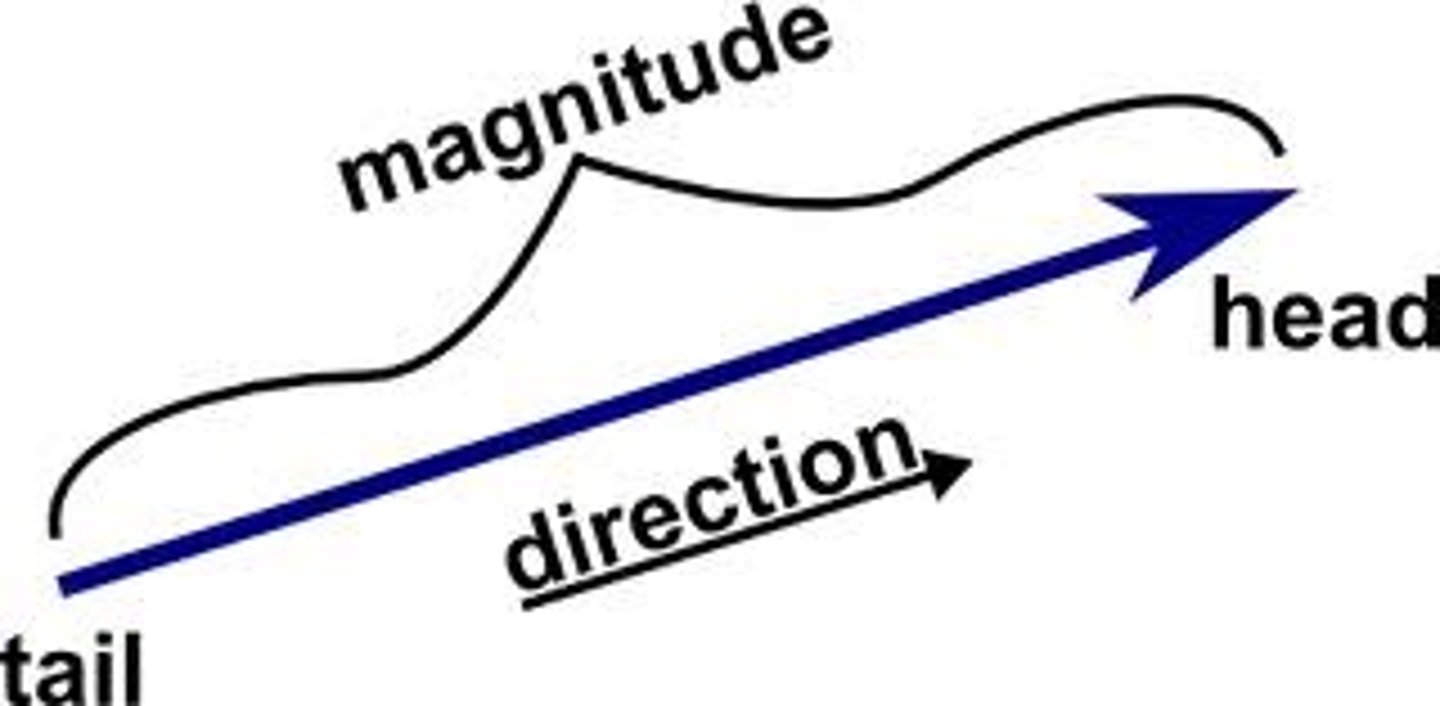
scalar
A physical quantity that has magnitude only.
rate
a measure, quantity, or frequency, typically one measured against some other quantity or measure.
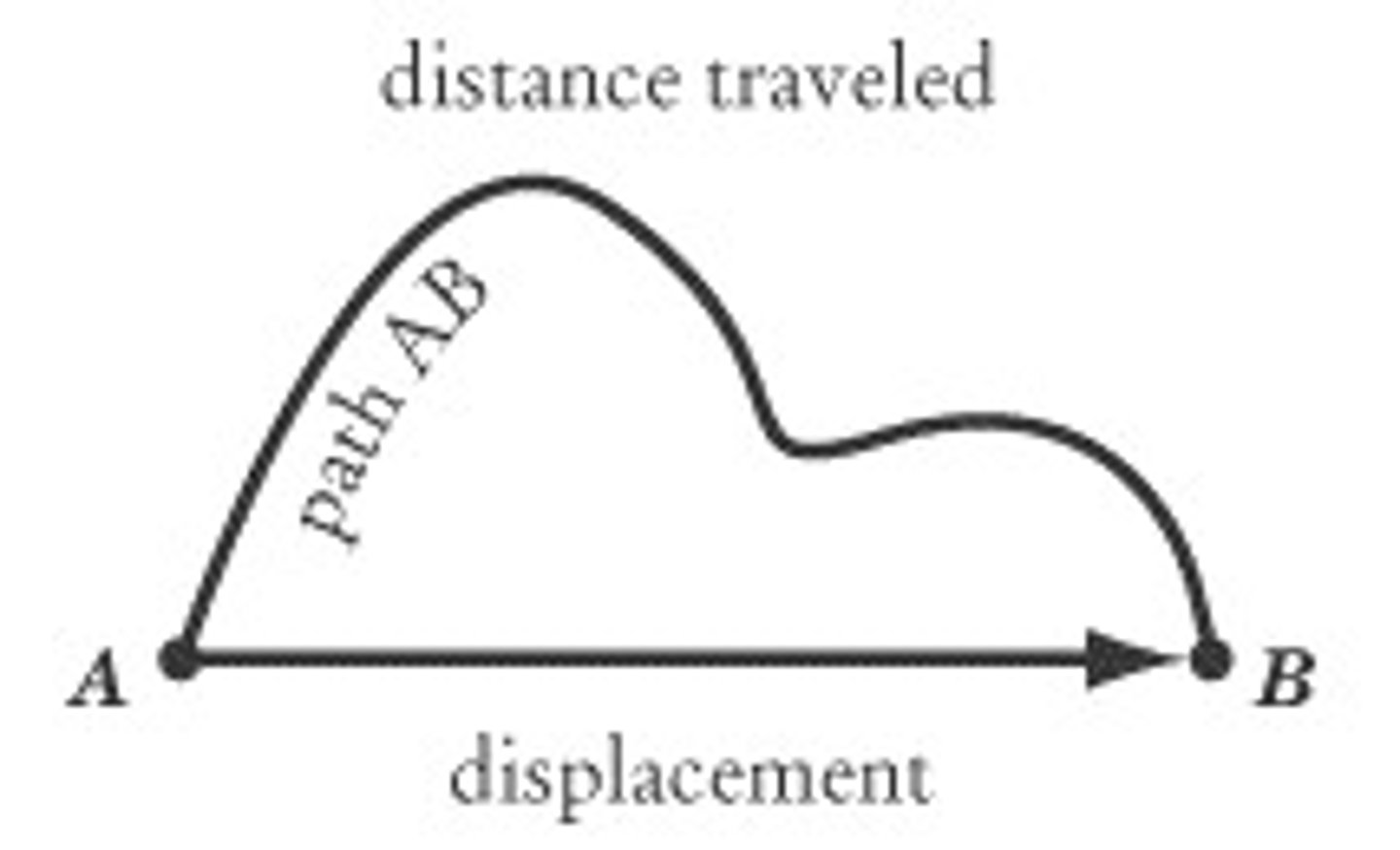
displacement
Distance and direction of an object's change in position from the starting point.
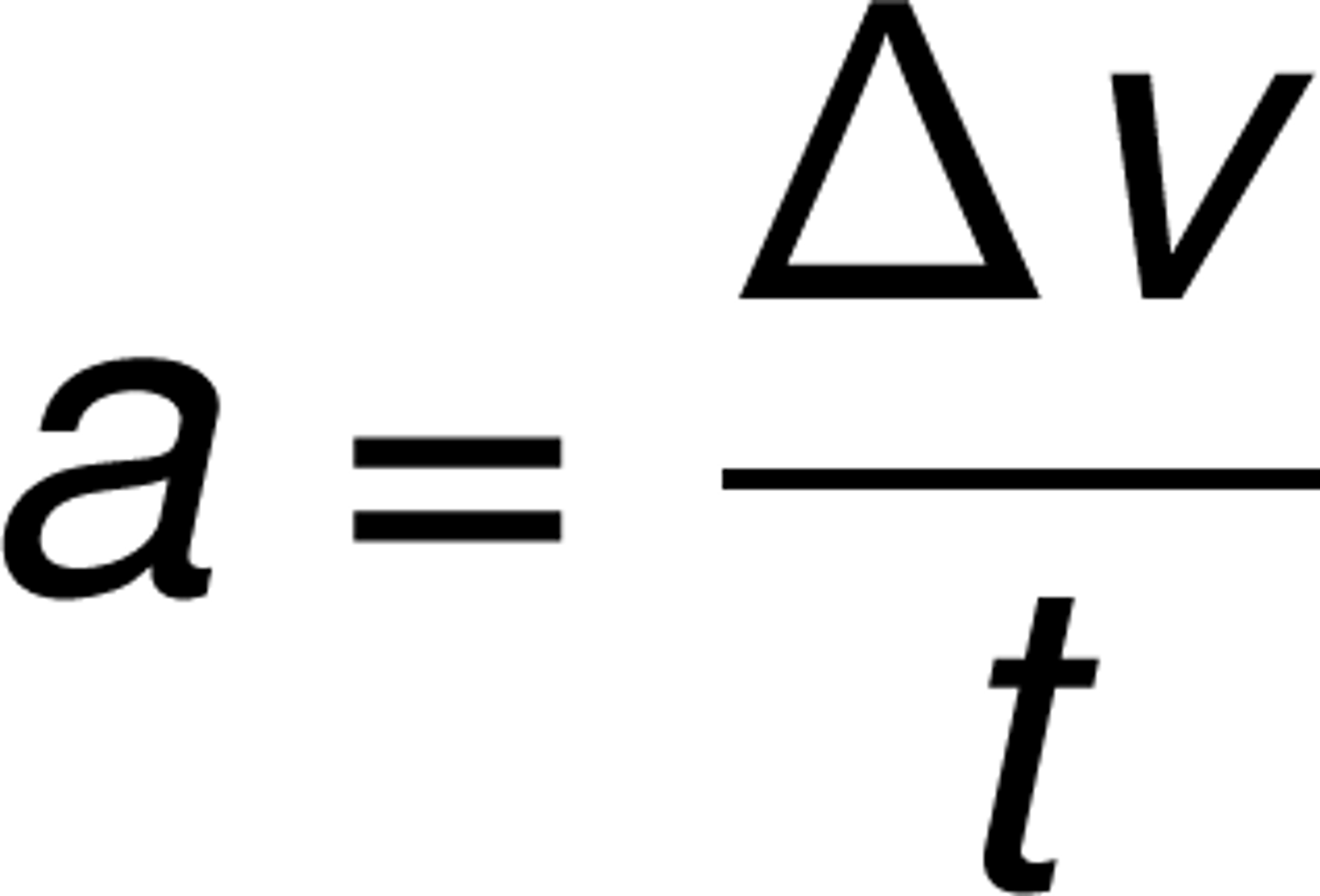
acceleration
The rate at which velocity changes
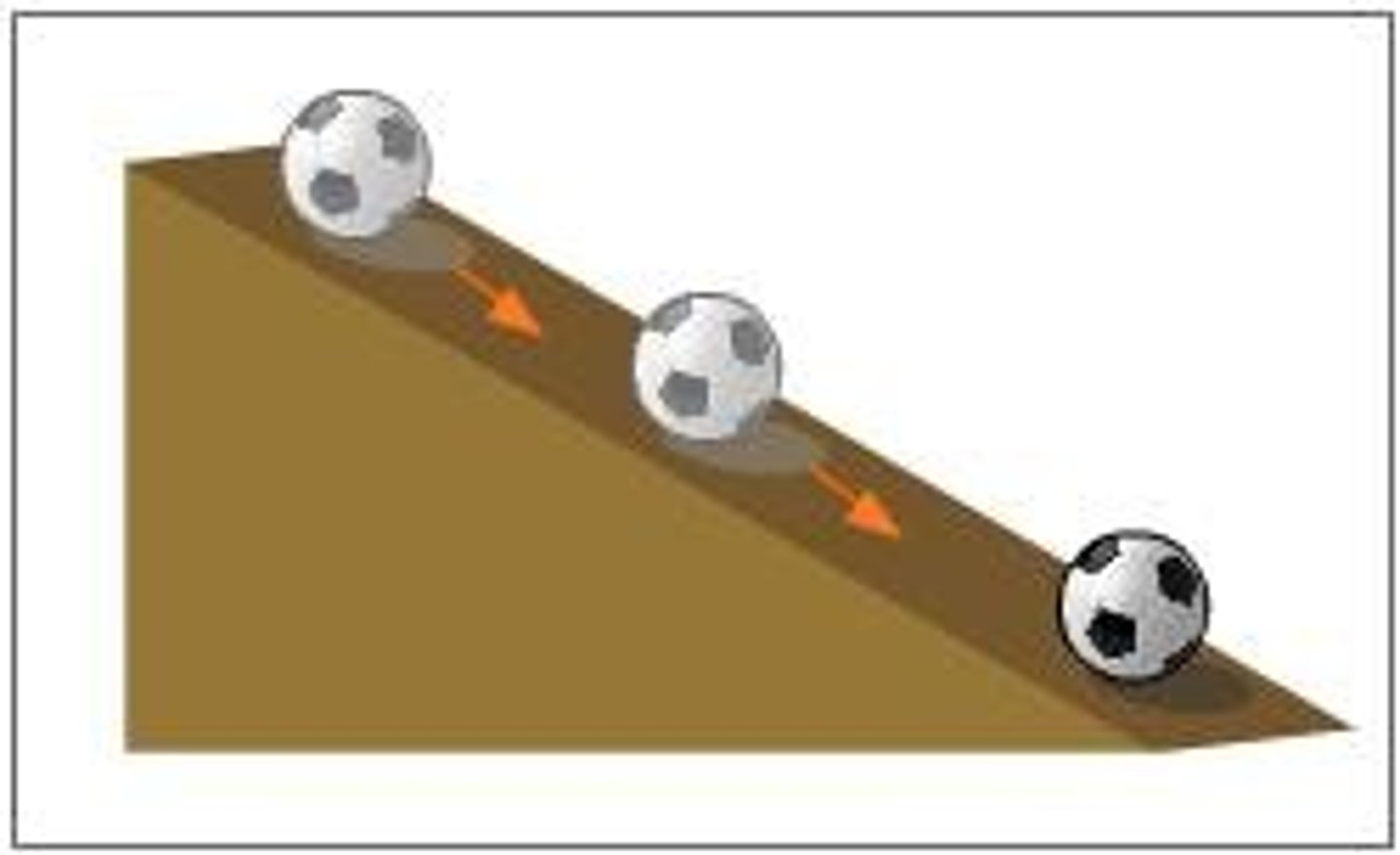
average speed
velocity
g= (-9.80 m/s2)
acceleration due to gravity
components
items that become part of the final product
magnitude
size, amount, or numerical value
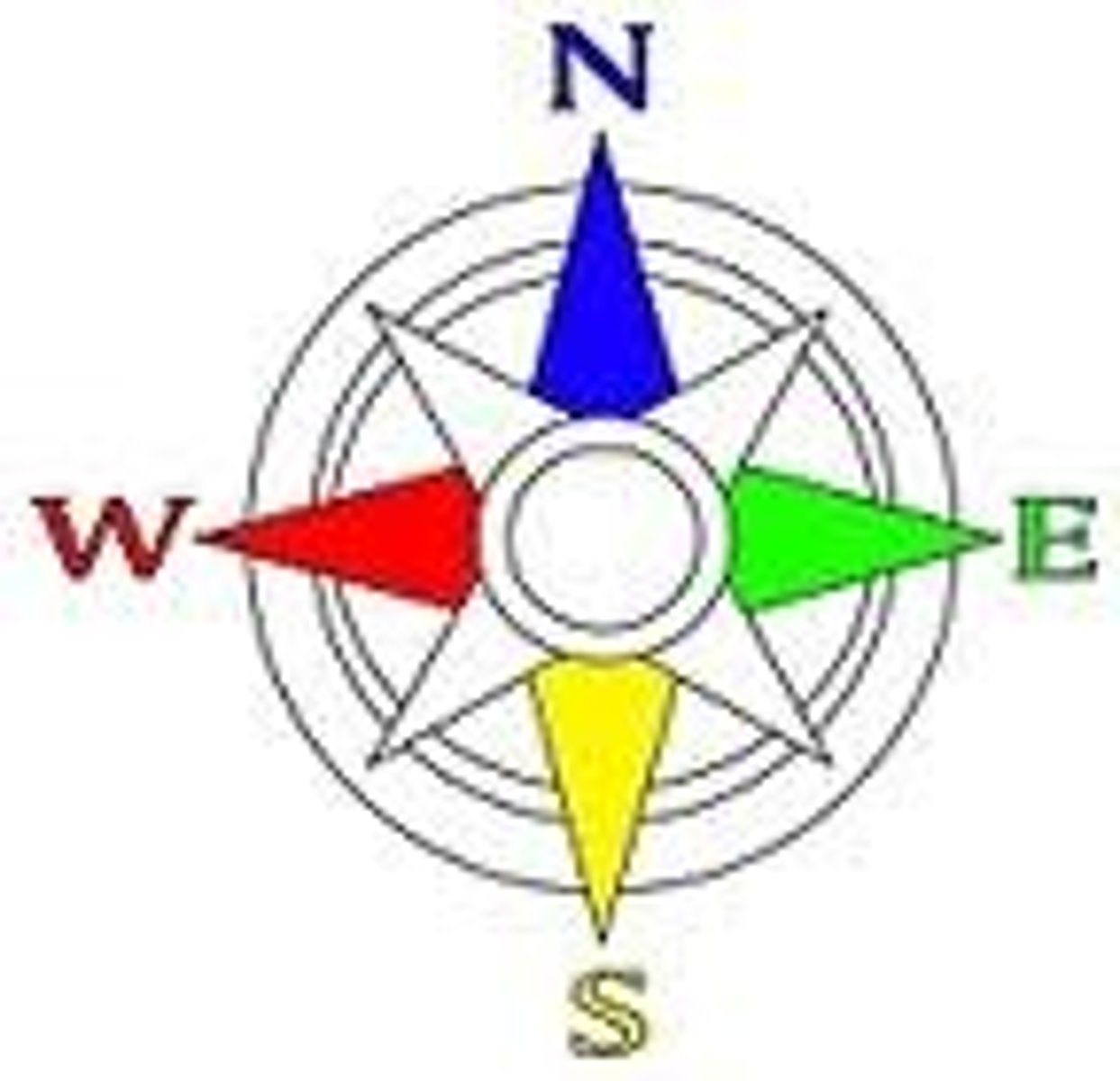
direction
the path that a moving object follows
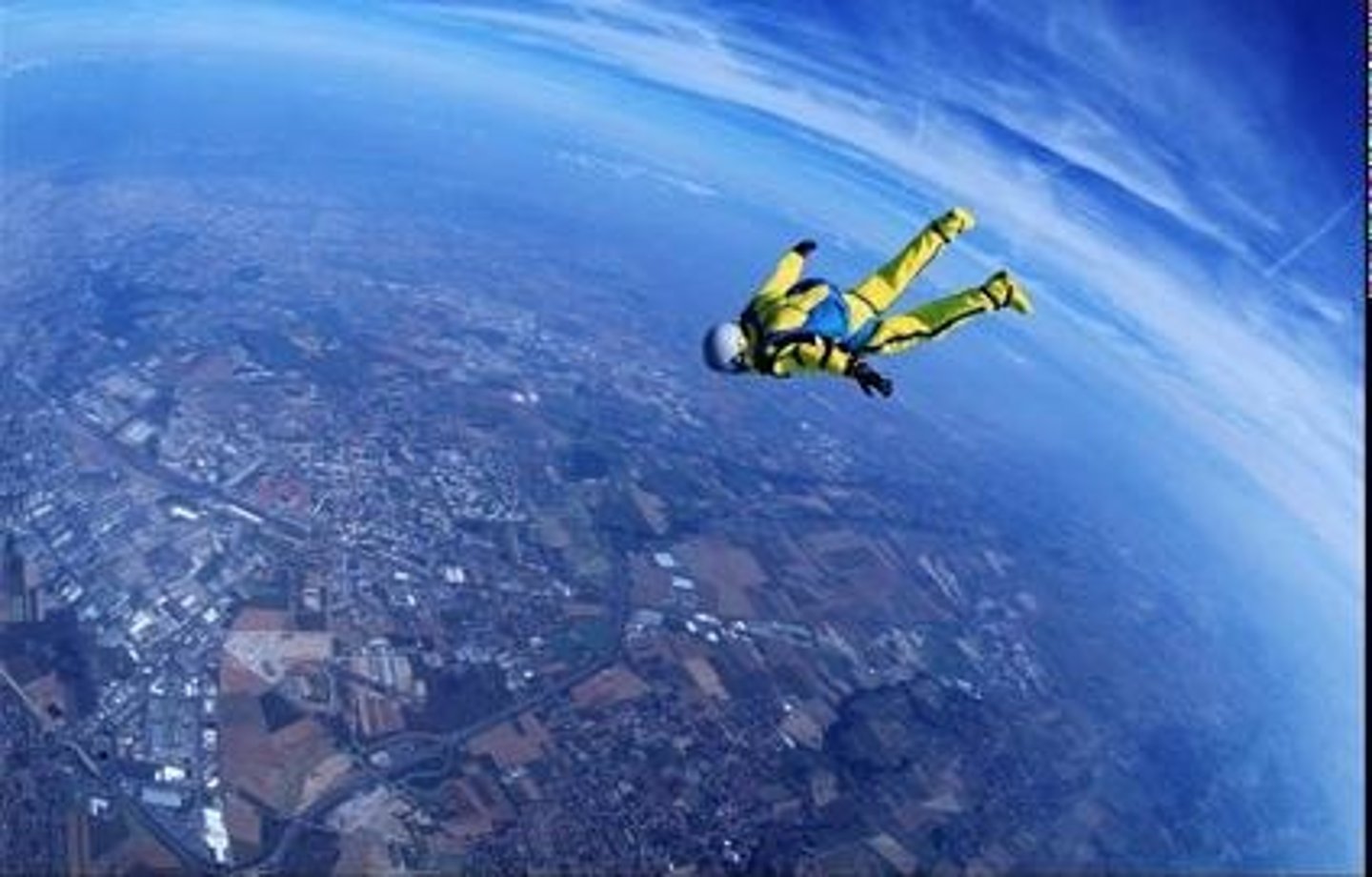
free fall
the motion of a falling object when the only force acting on it is gravity
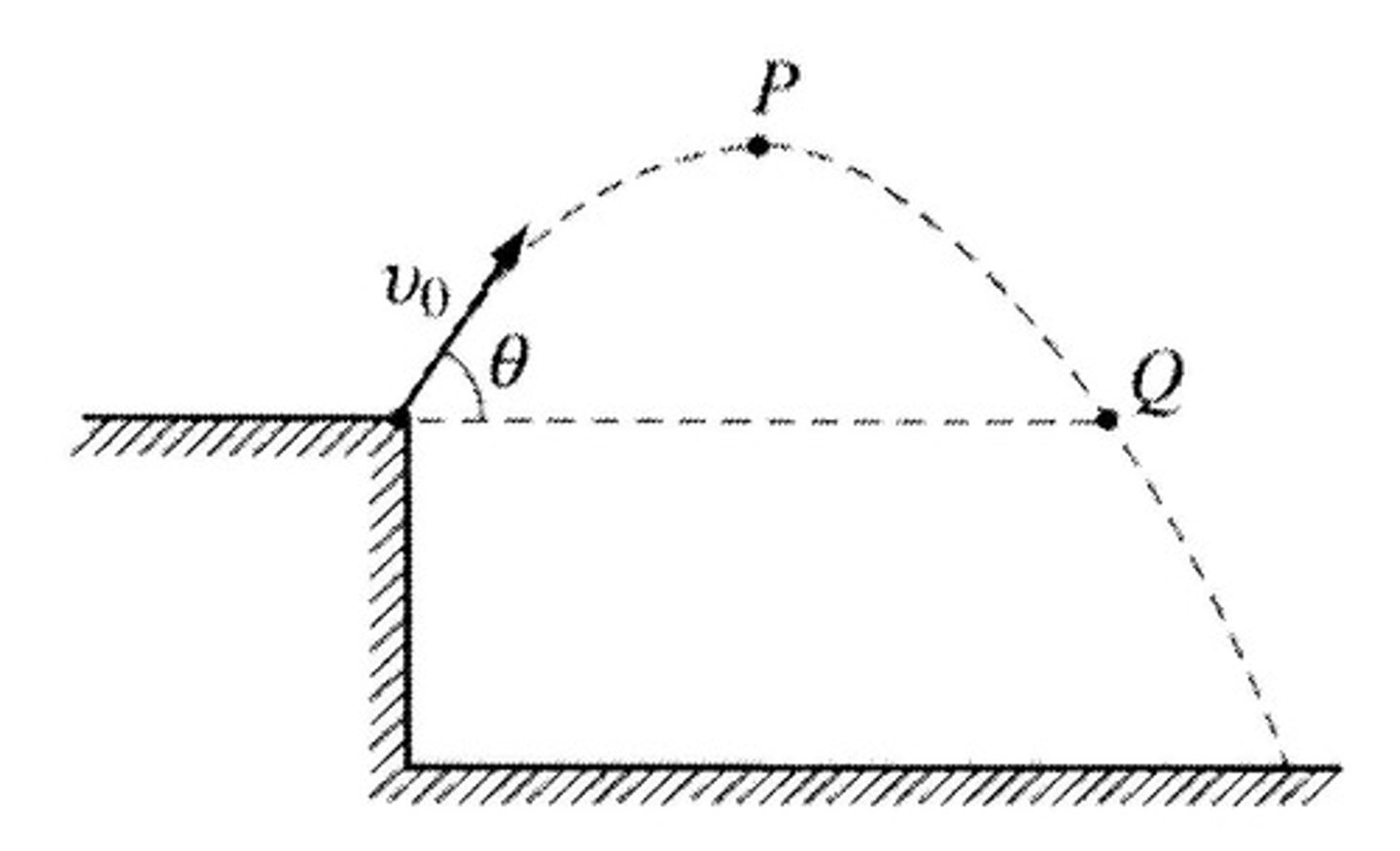
projectile motion
the curved path that an object follows when thrown, launched, or otherwise projected near the surface of Earth
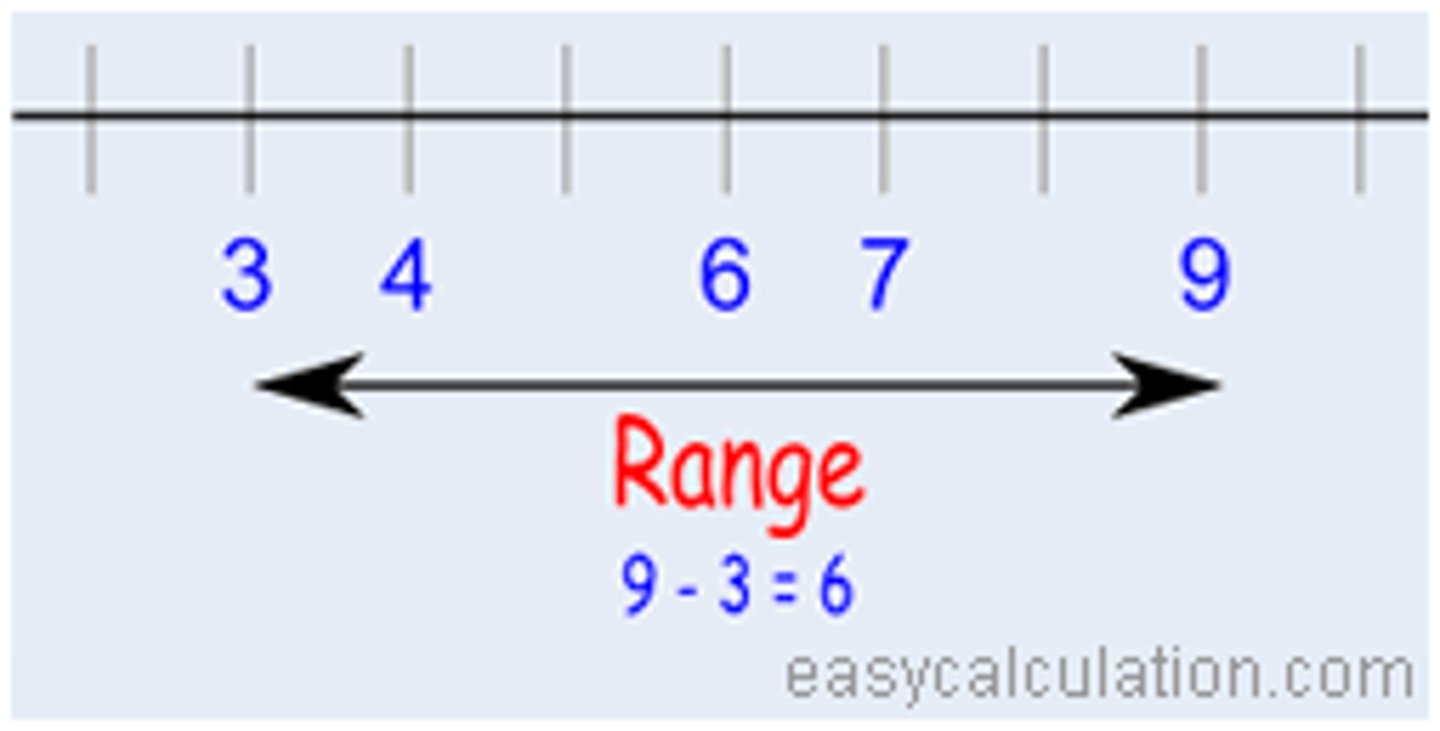
range
the difference between the highest and lowest scores in a distribution
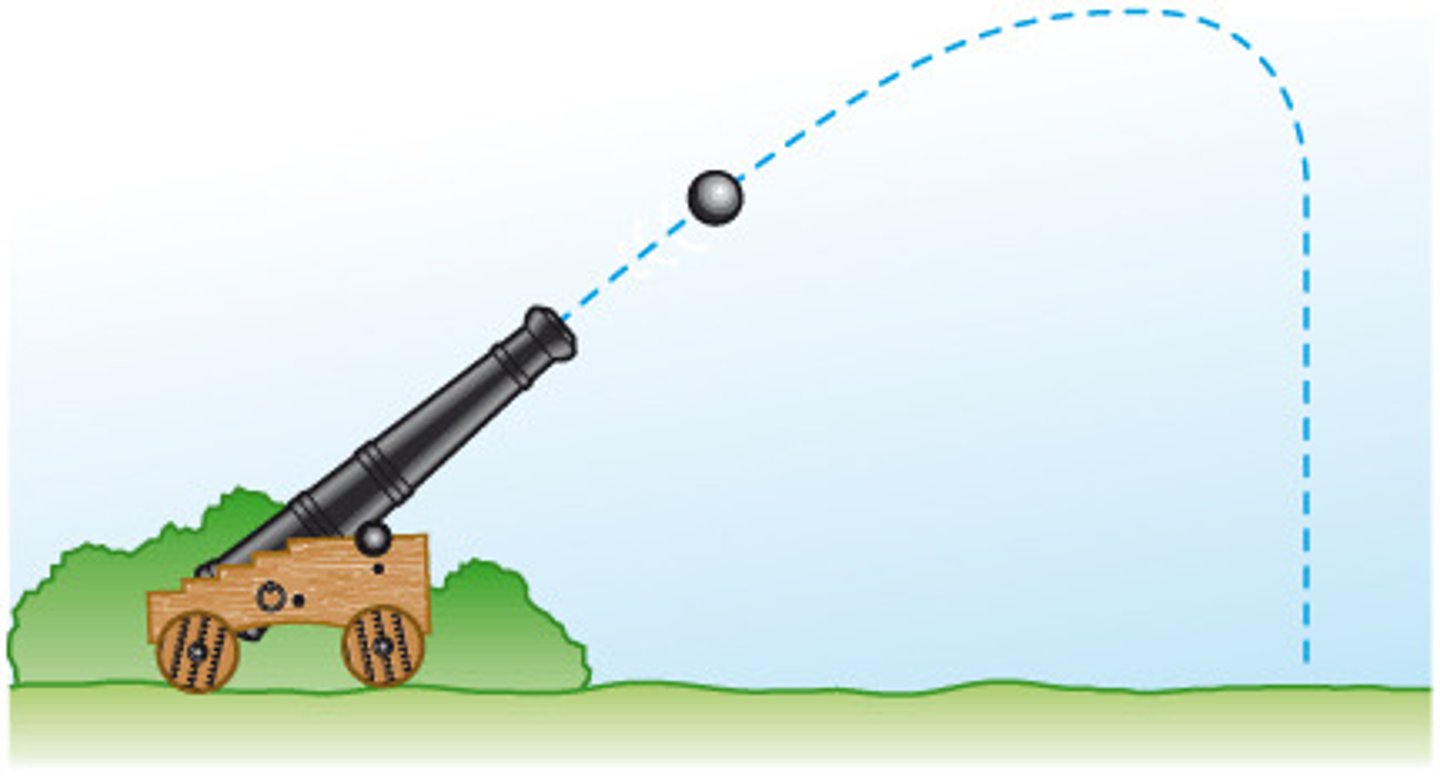
trajectory
the curved path of an object thrown into space
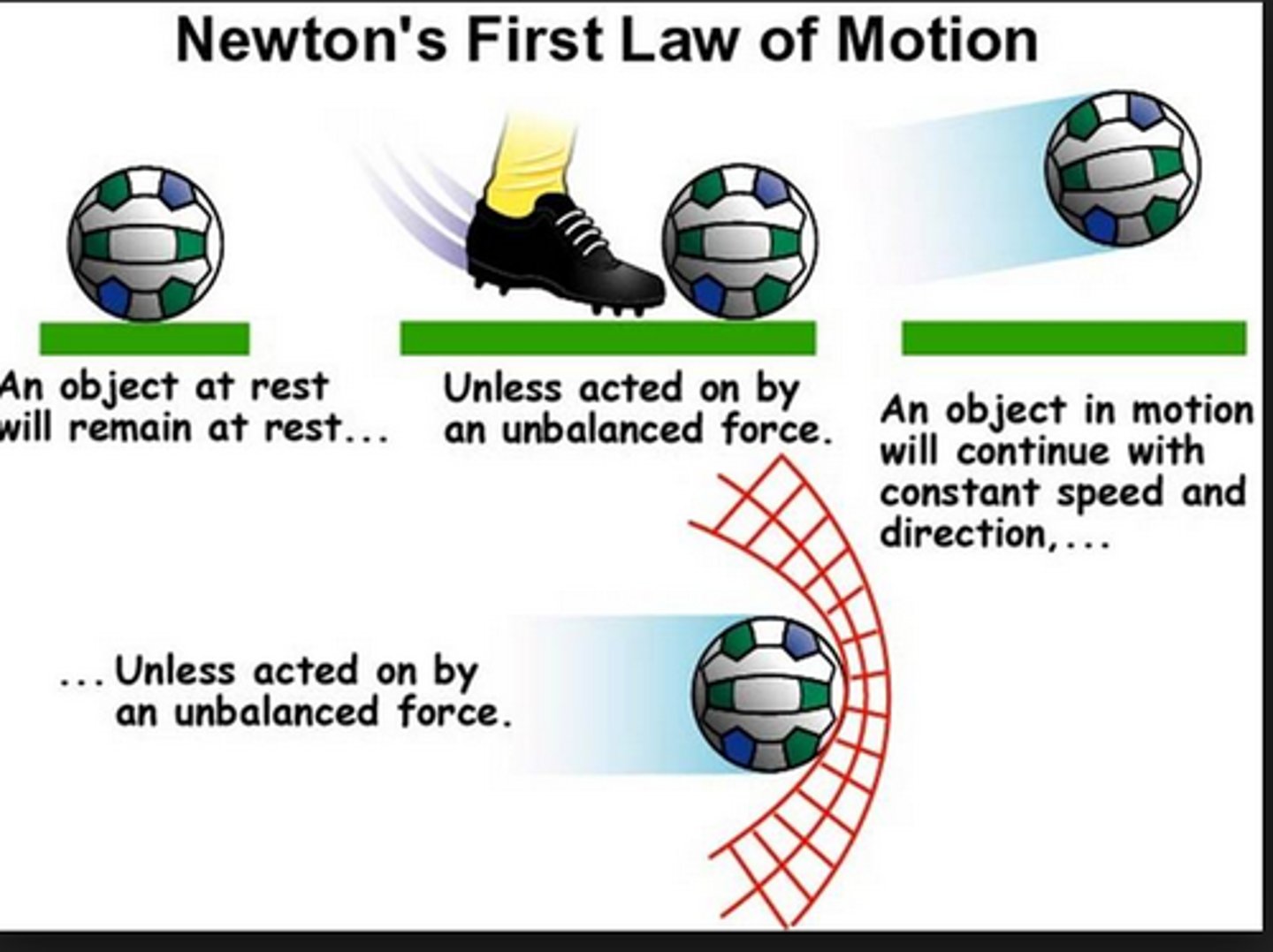
Newton's First Law - Law of Inertia
An object in motion (or at rest) will tend to stay in motion (or at rest) until it is acted upon by an outside force.
Newton's Second Law - Net Force Law
the acceleration of an object is inversely proportional to its mass and directly proportional to the net force acting on it
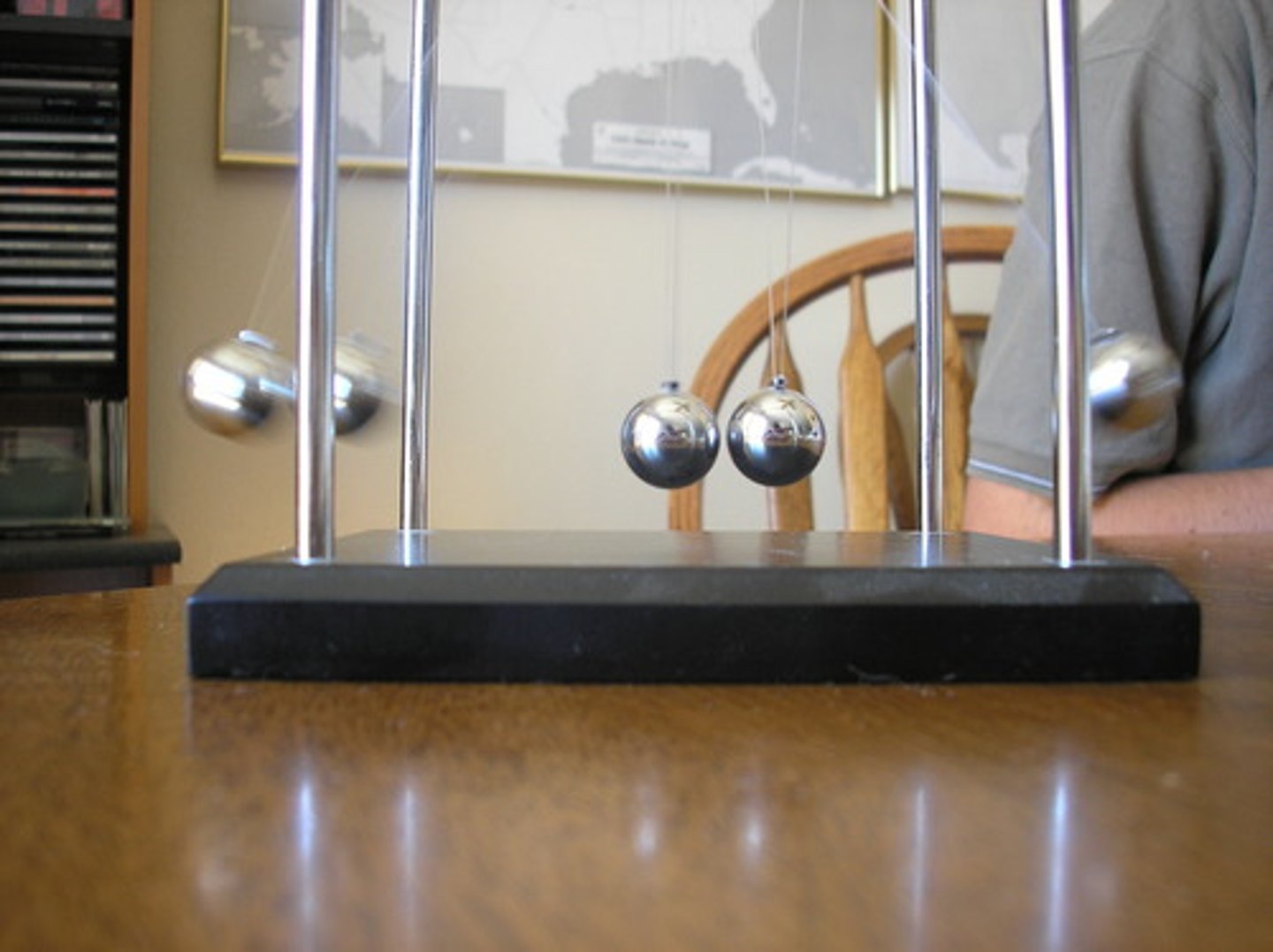
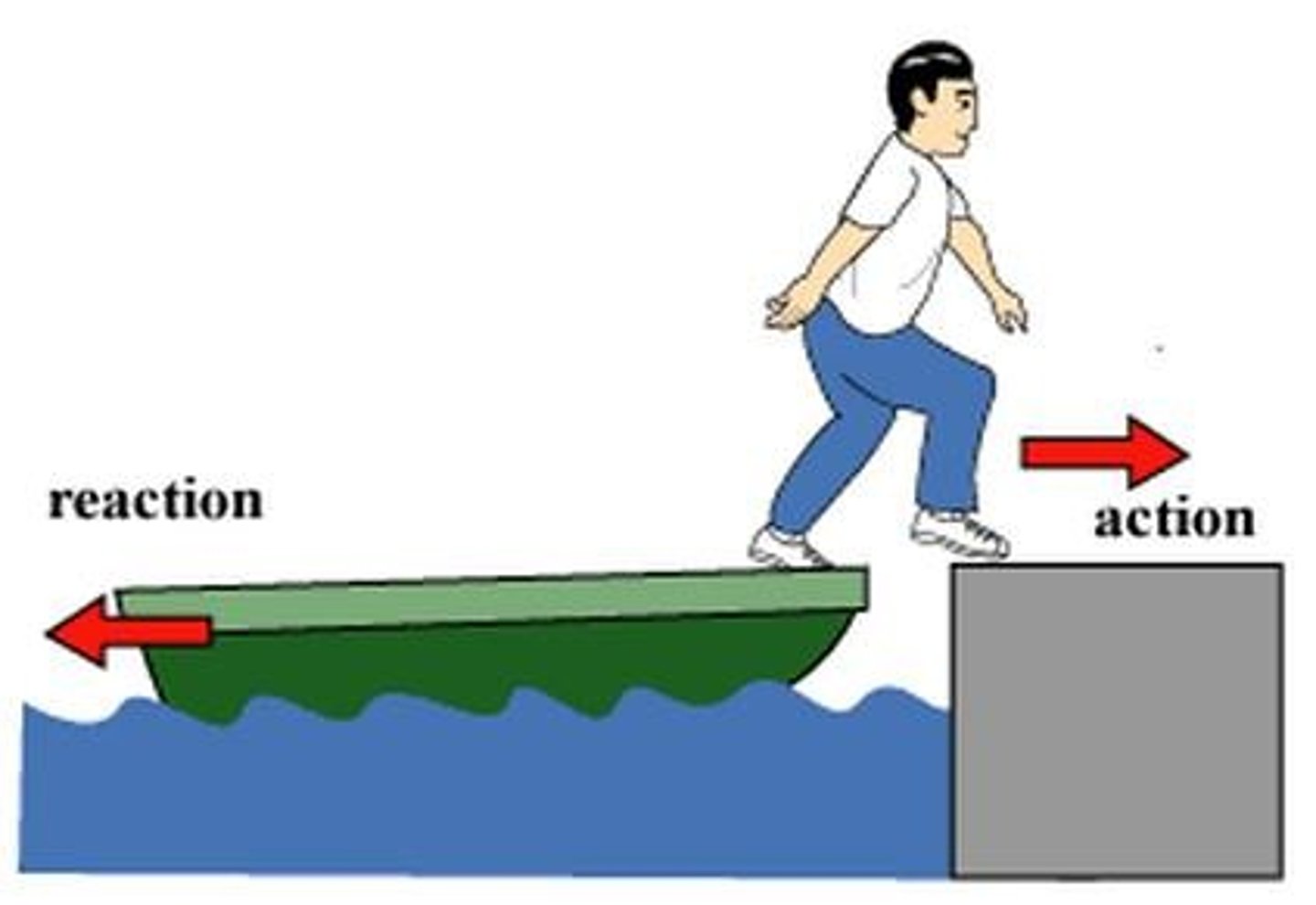
Newton's Third Law - Action/Reaction Law
For every action there is an equal and opposite reaction
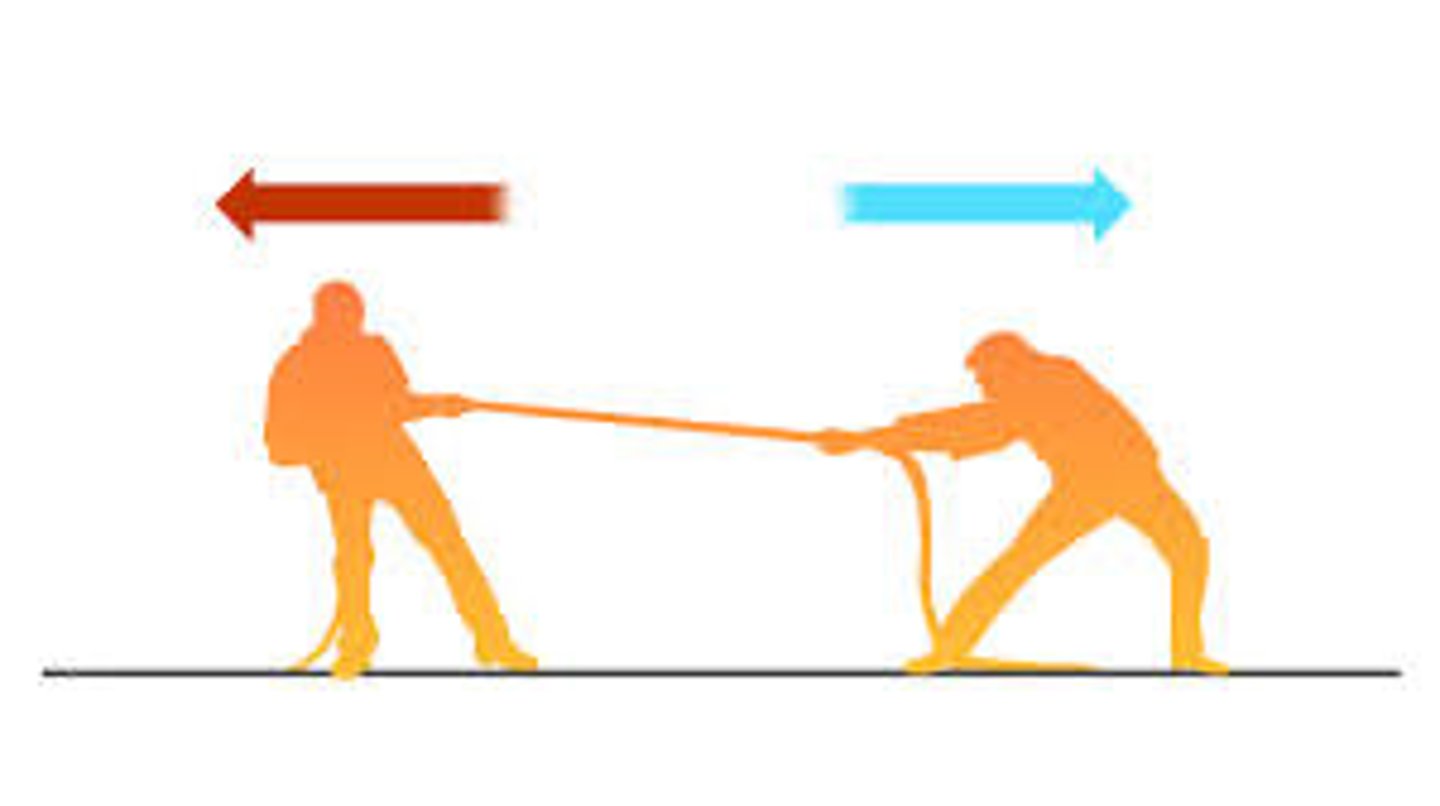
force
A push or a pull
mass
the amount of matter in an object
inertia (identified with mass)
An object with more mass has more inertia, meaning it is harder to start moving, stop moving, or change direction.
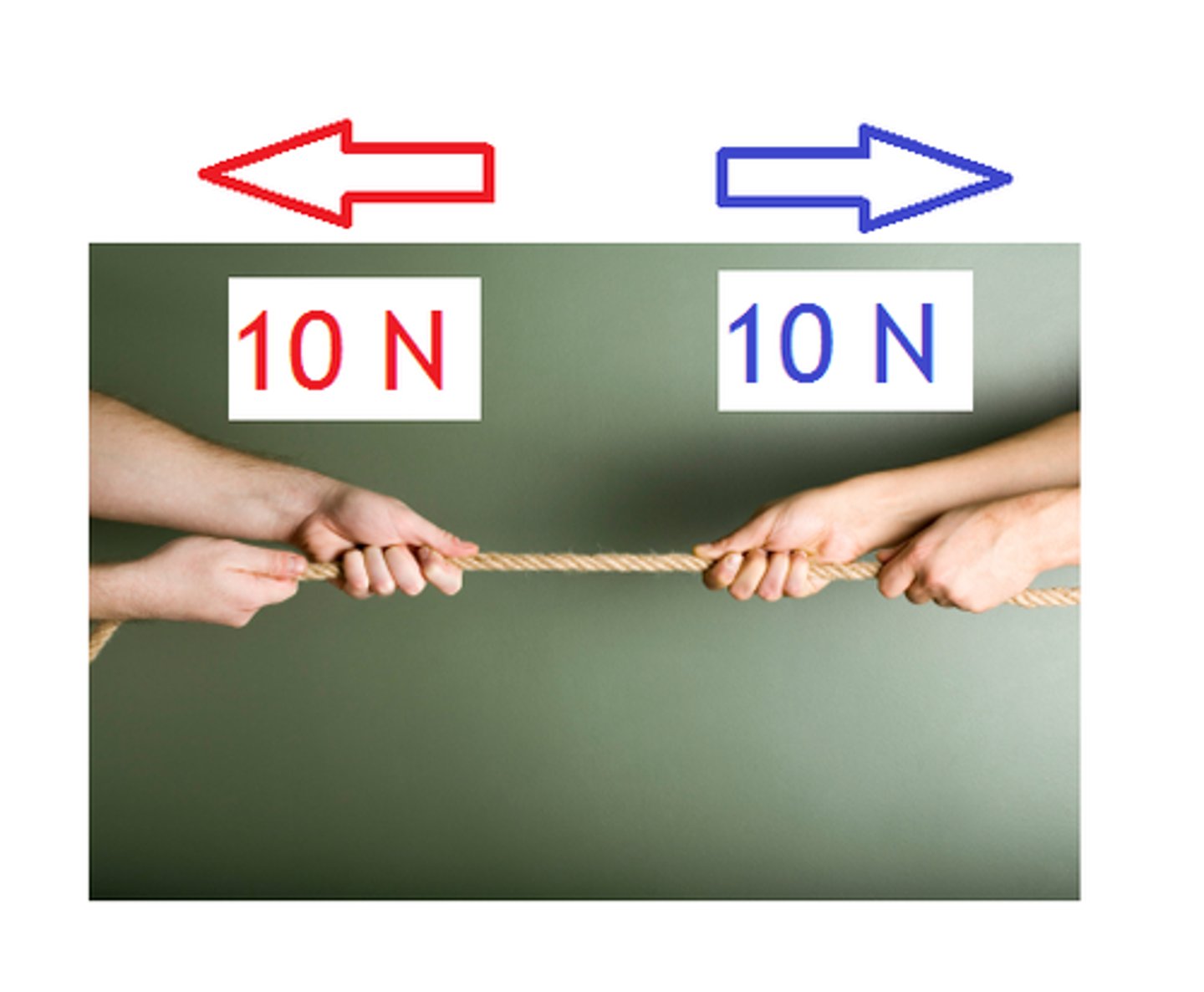
net (total) force
The sum of all forces acting on an object
friction
A force that opposes motion between two surfaces that are in contact
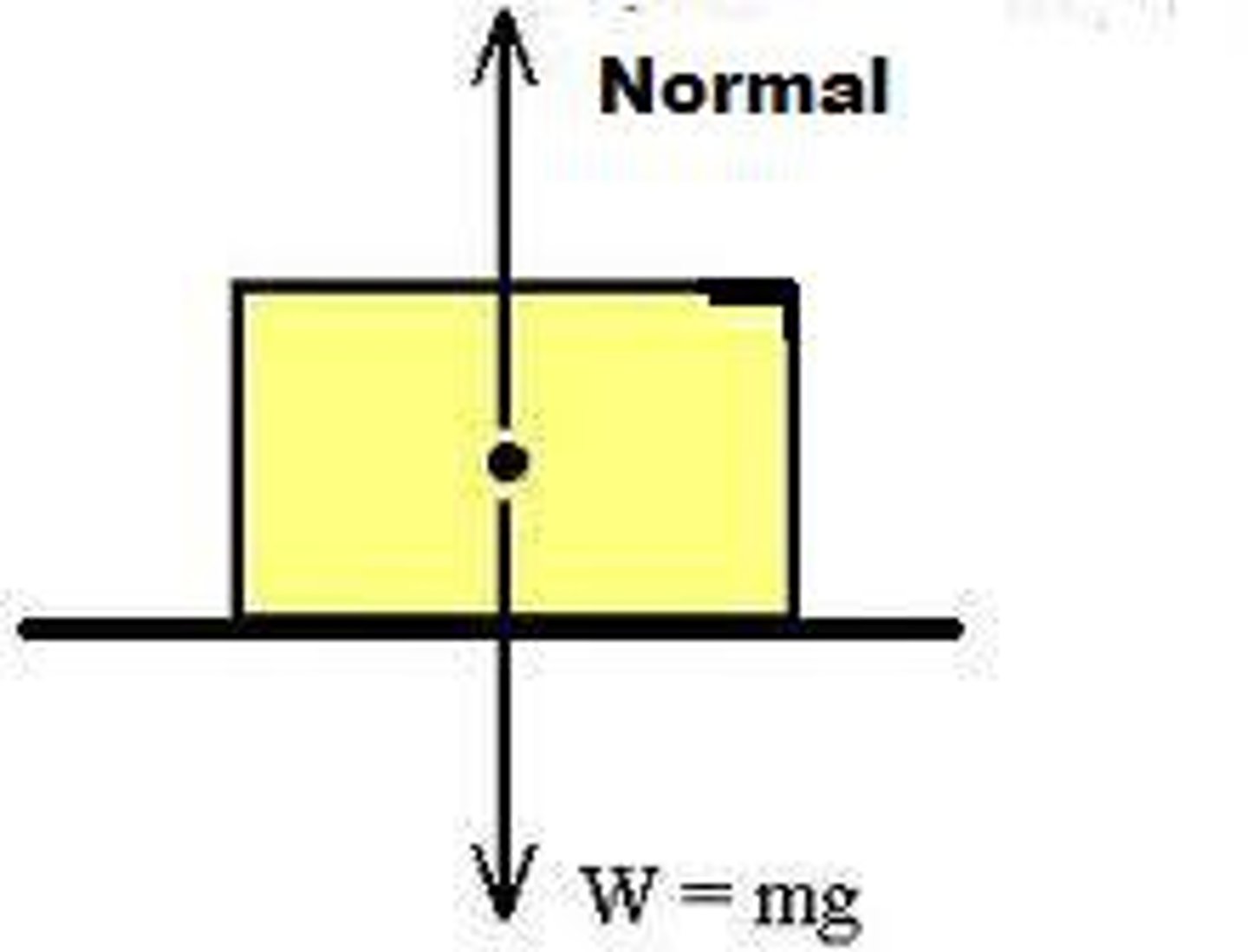
normal force
the force perpendicular to a surface that prevents an object from falling through the surface
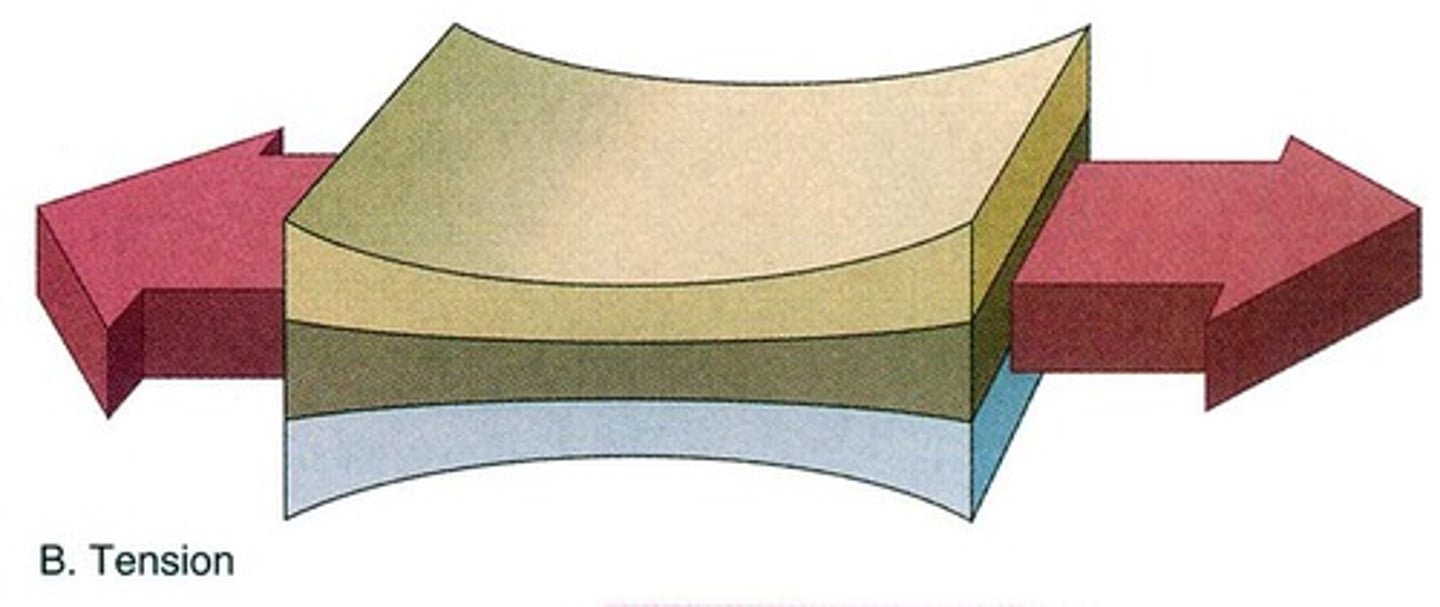
tension
stress that occurs when forces act to stretch an object
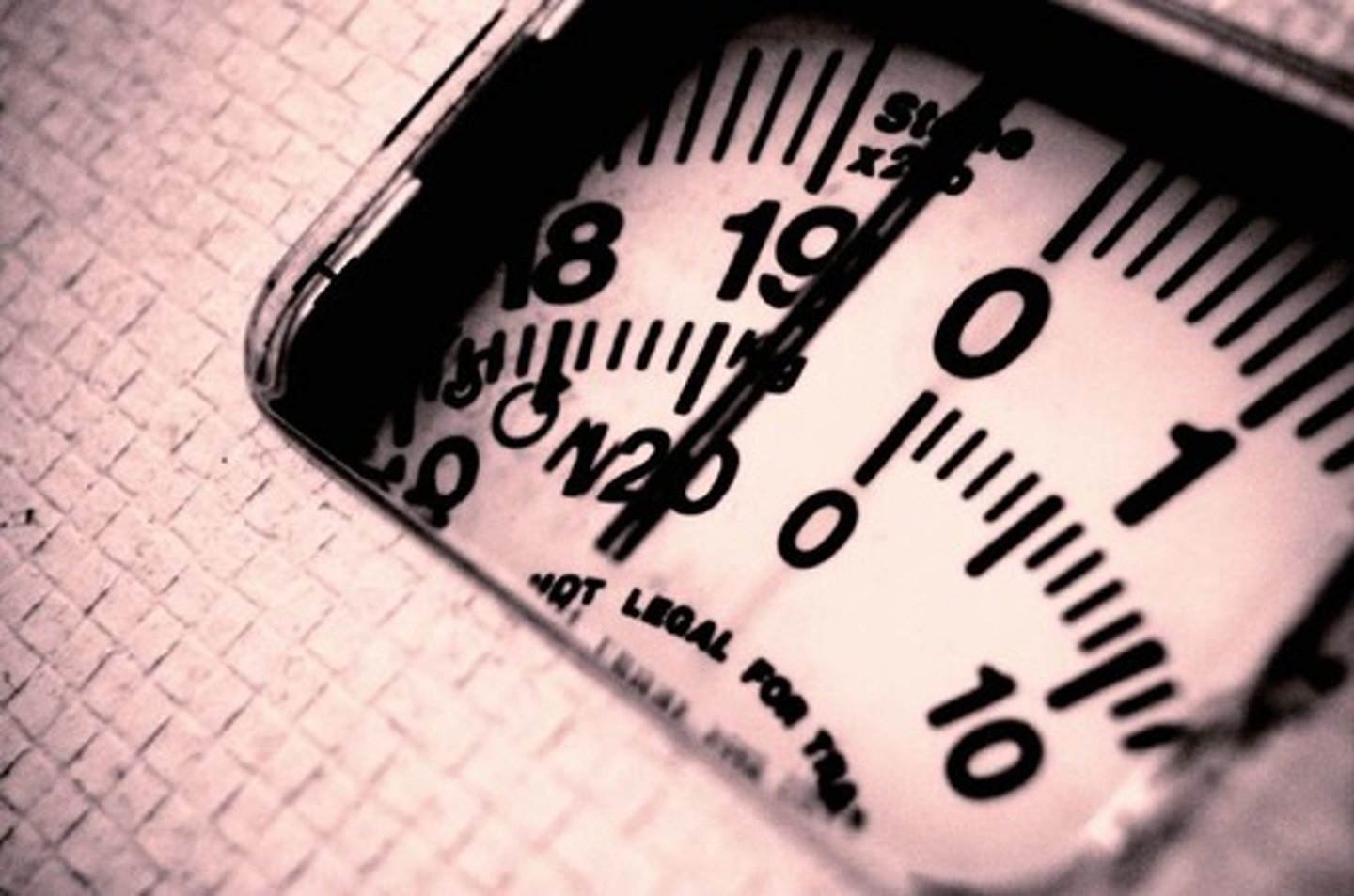
weight
the force of gravity on an object
applied force
a force which is applied to an object by a person or another object
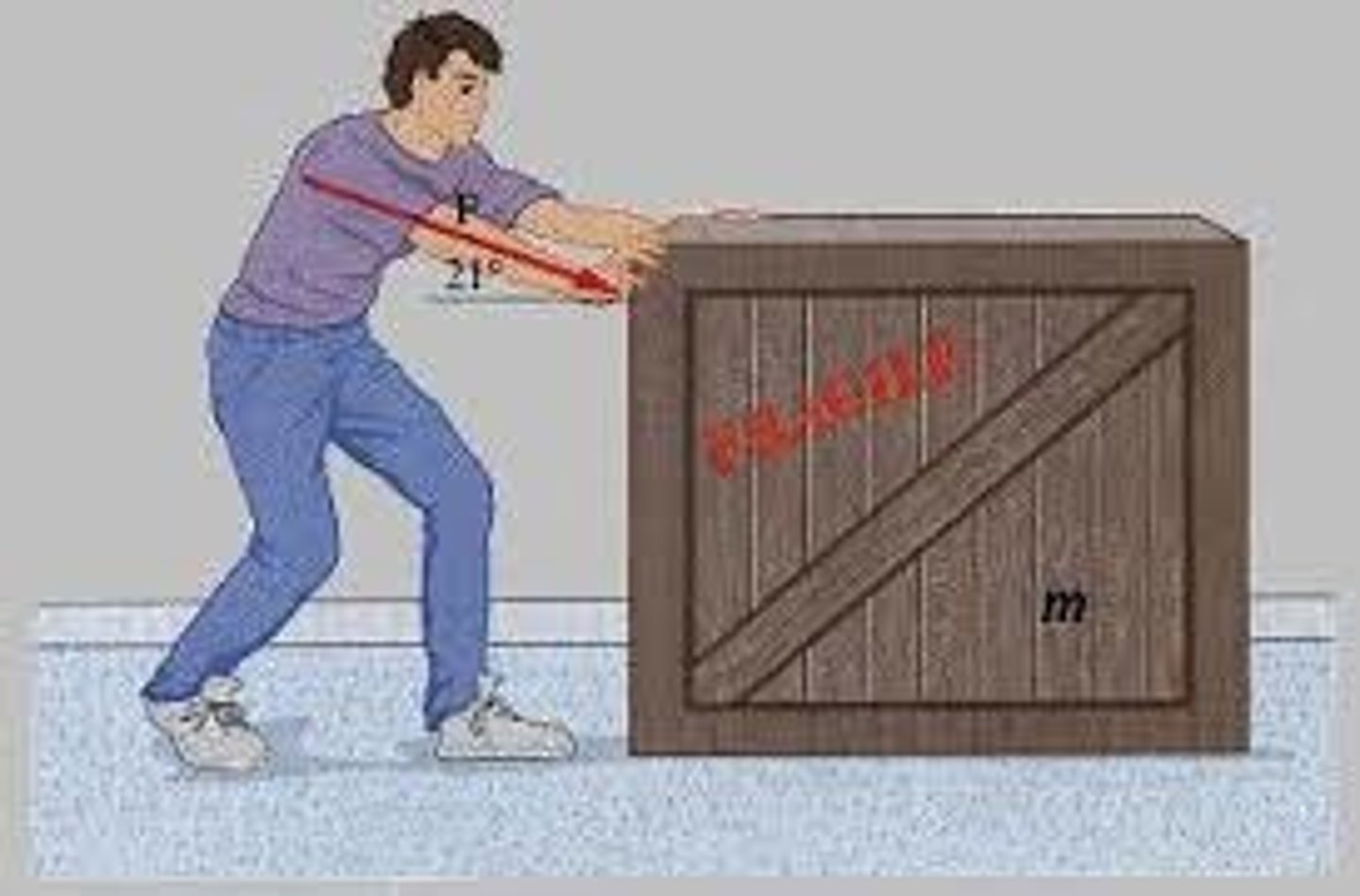
momentum
The product of an object's mass and velocity

impulse
change in momentum

law of conservation of momentum
The rule that in the absence of outside forces the total momentum of objects that interact does not change.
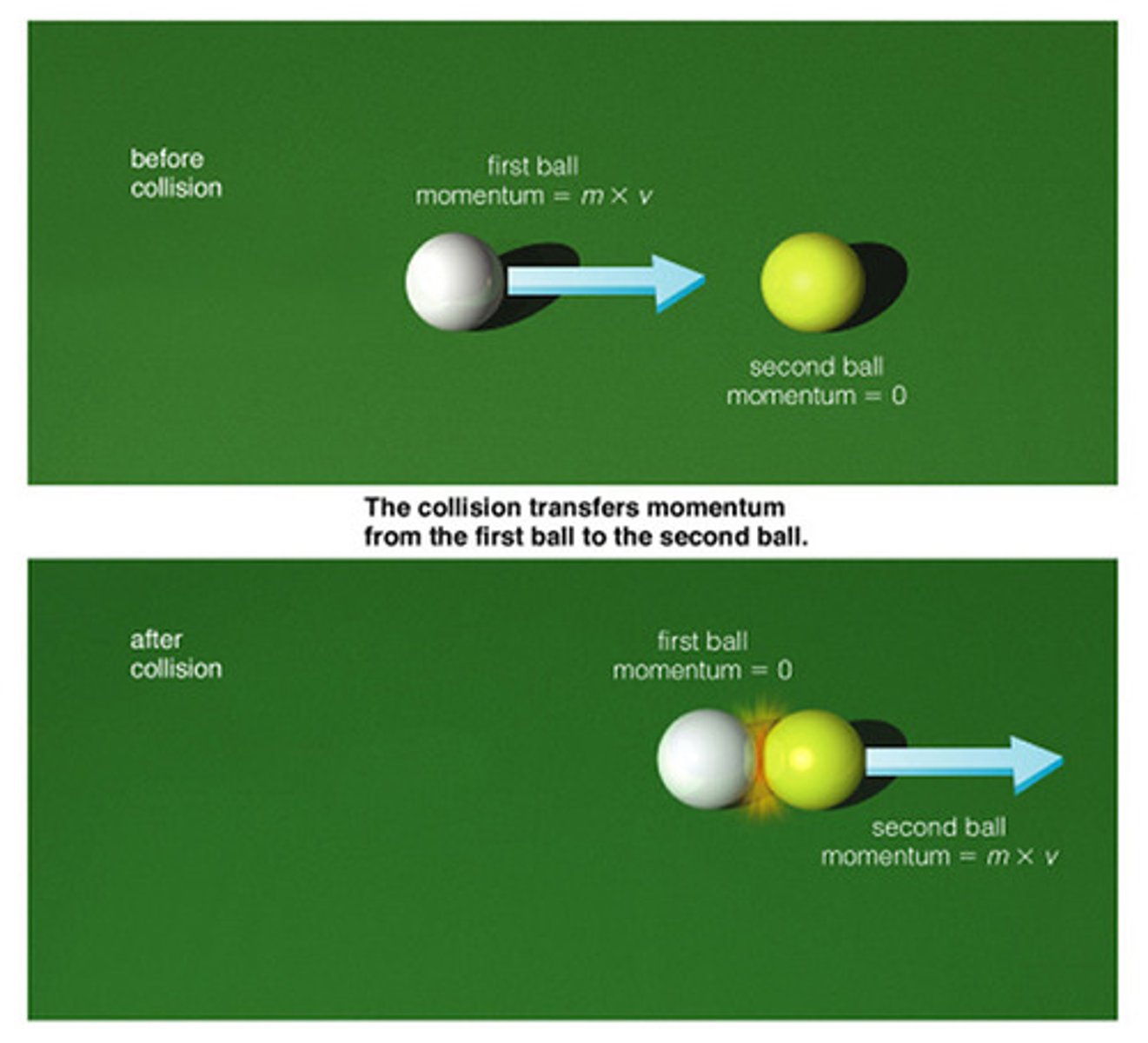
elastic
describes demand that is very sensitive to a change in price
inelastic
Describes demand that is not very sensitive to a change in price
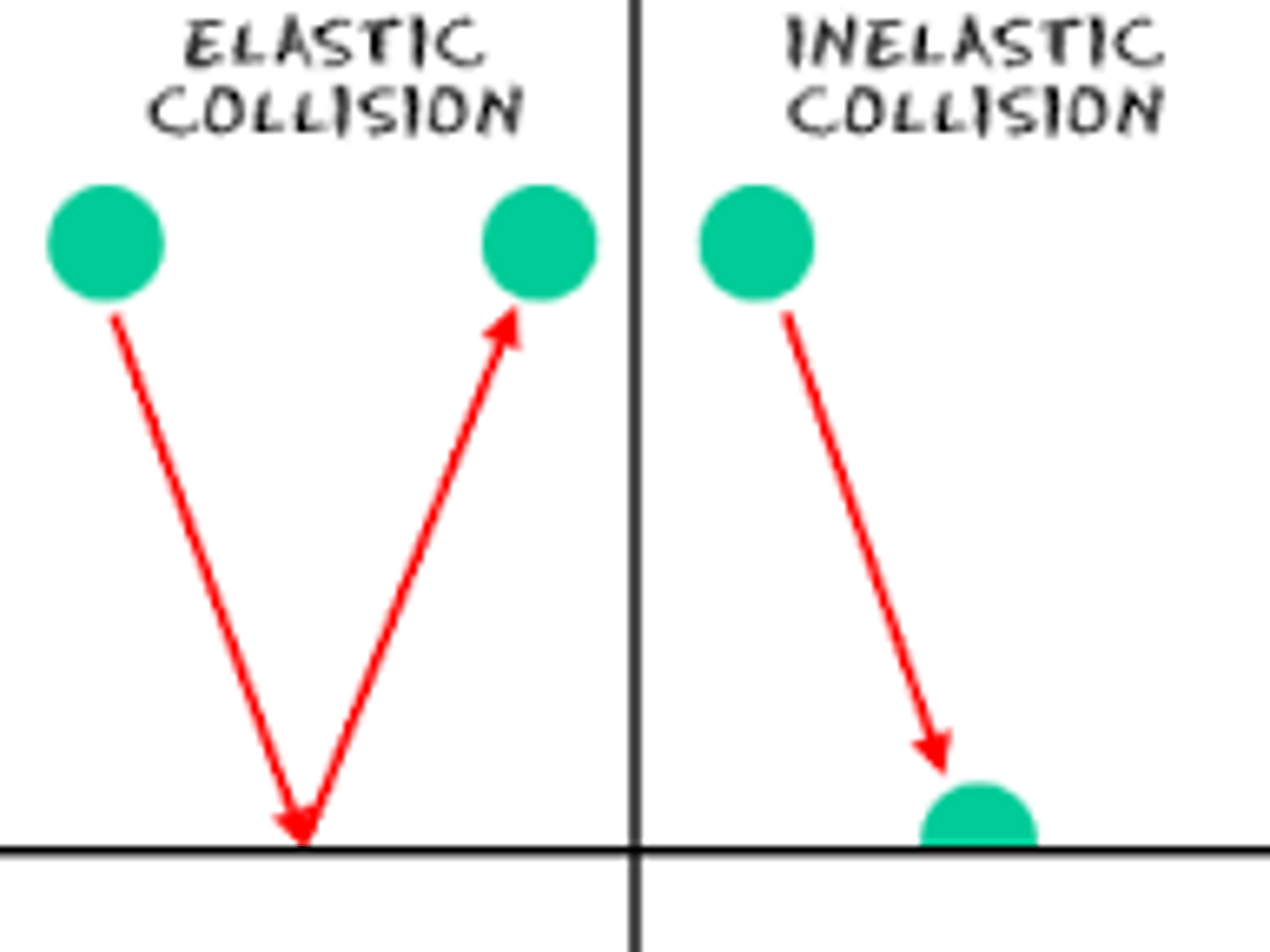
work
Force exerted on an object that causes it to move
power
the rate at which work is done
energy
The ability to do work or cause change
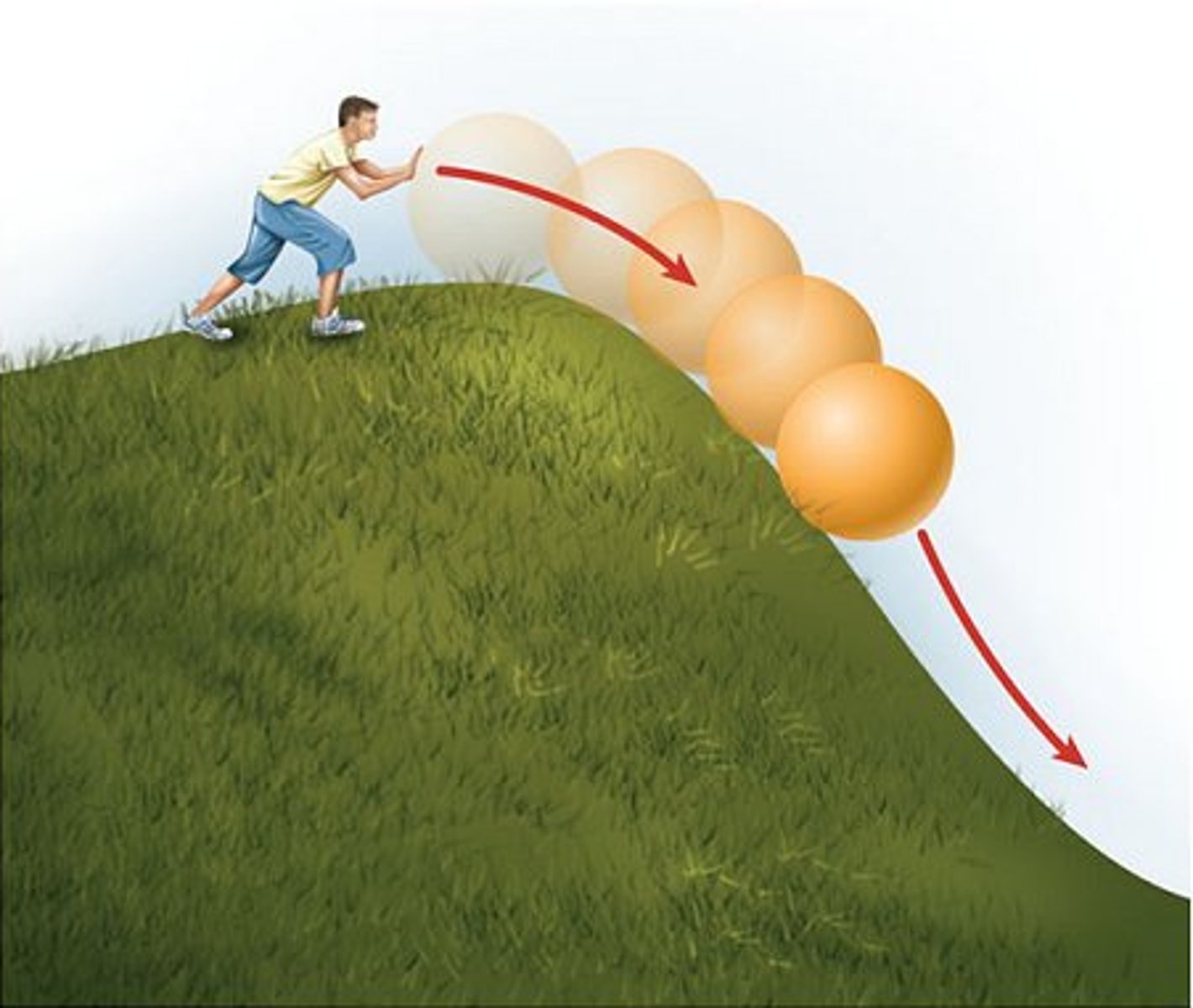
kinetic energy
energy of motion
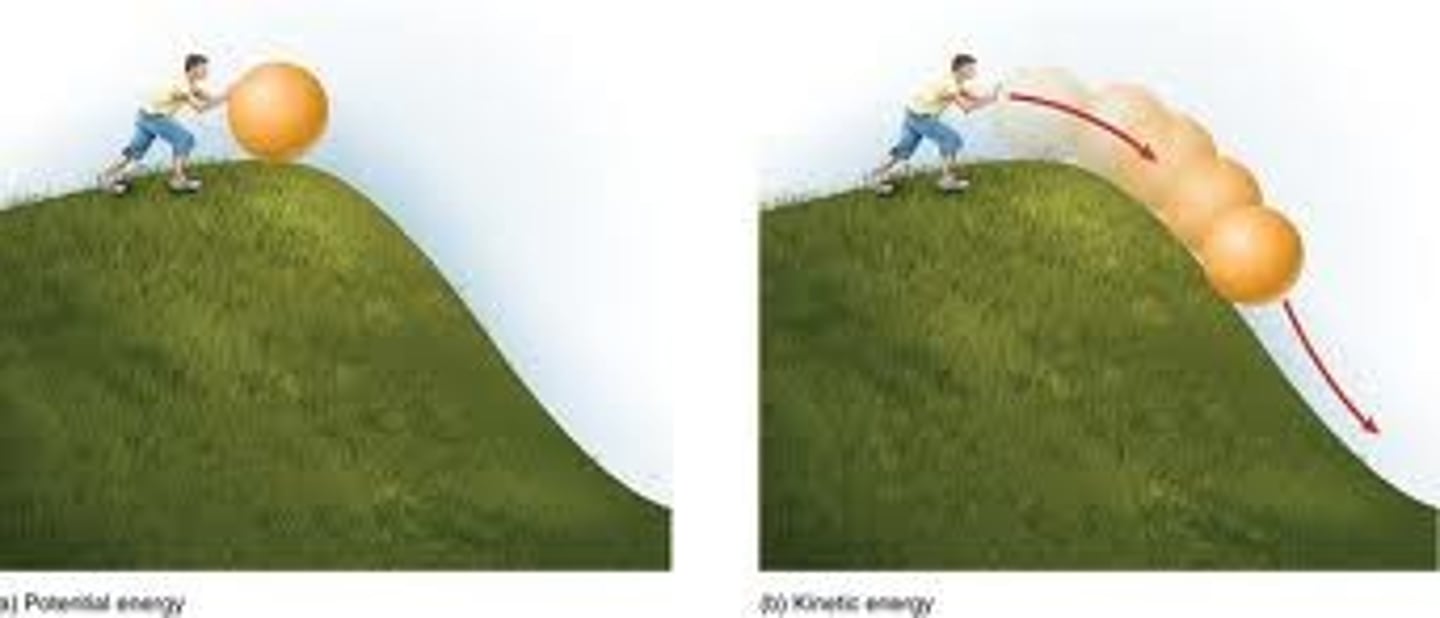
potential energy
stored energy
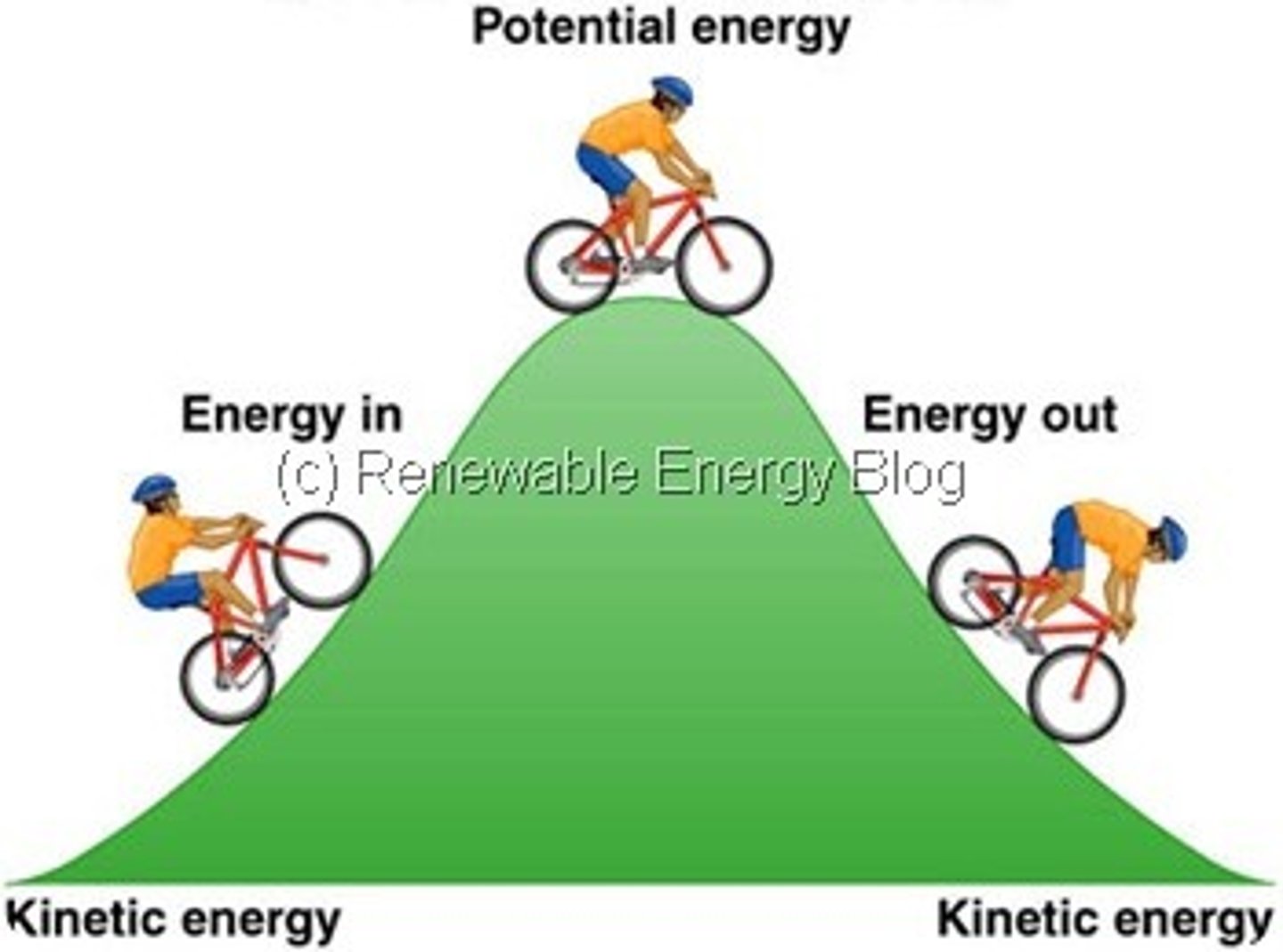
total mechanical energy
the sum of kinetic and potential energy
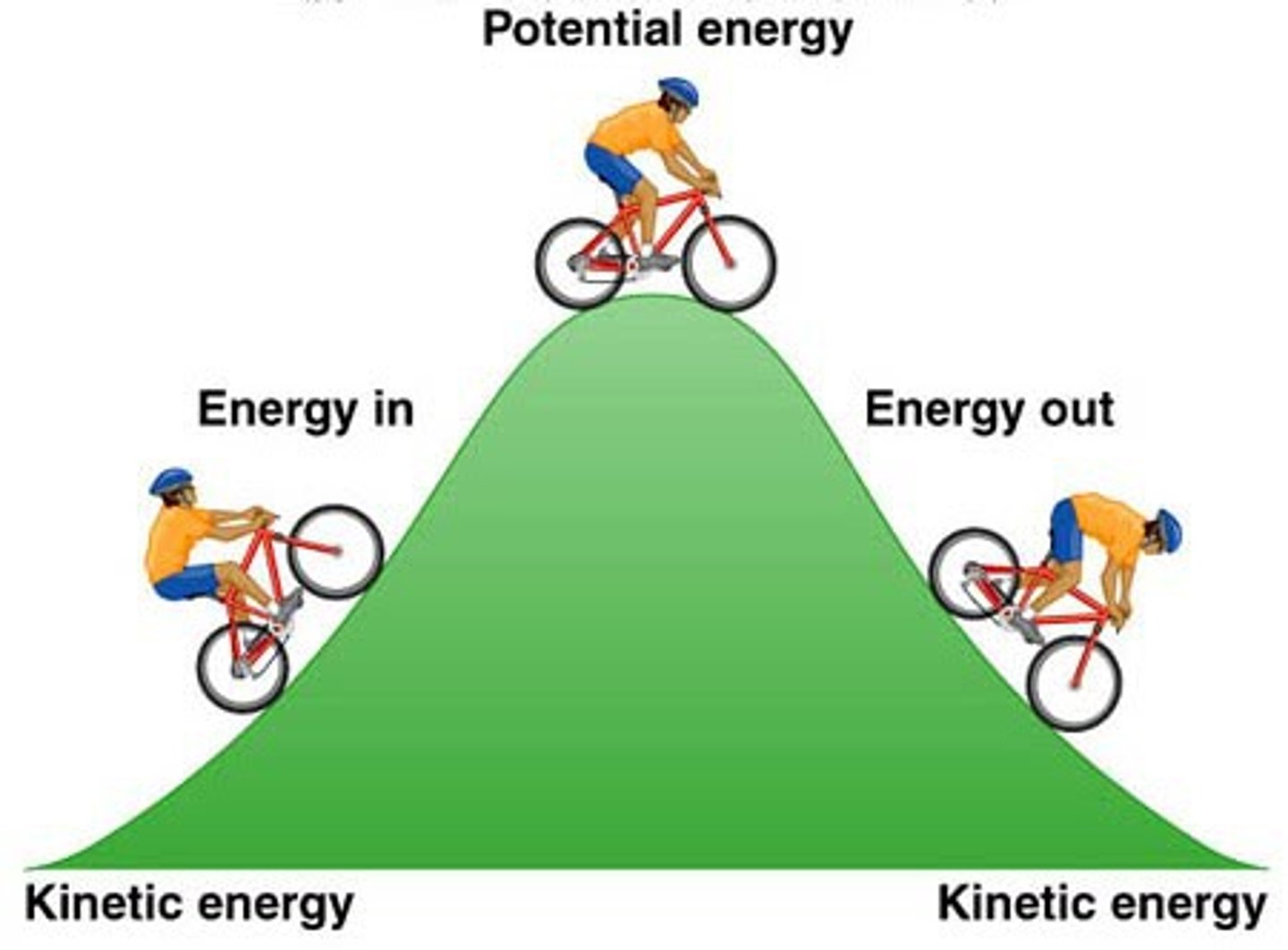
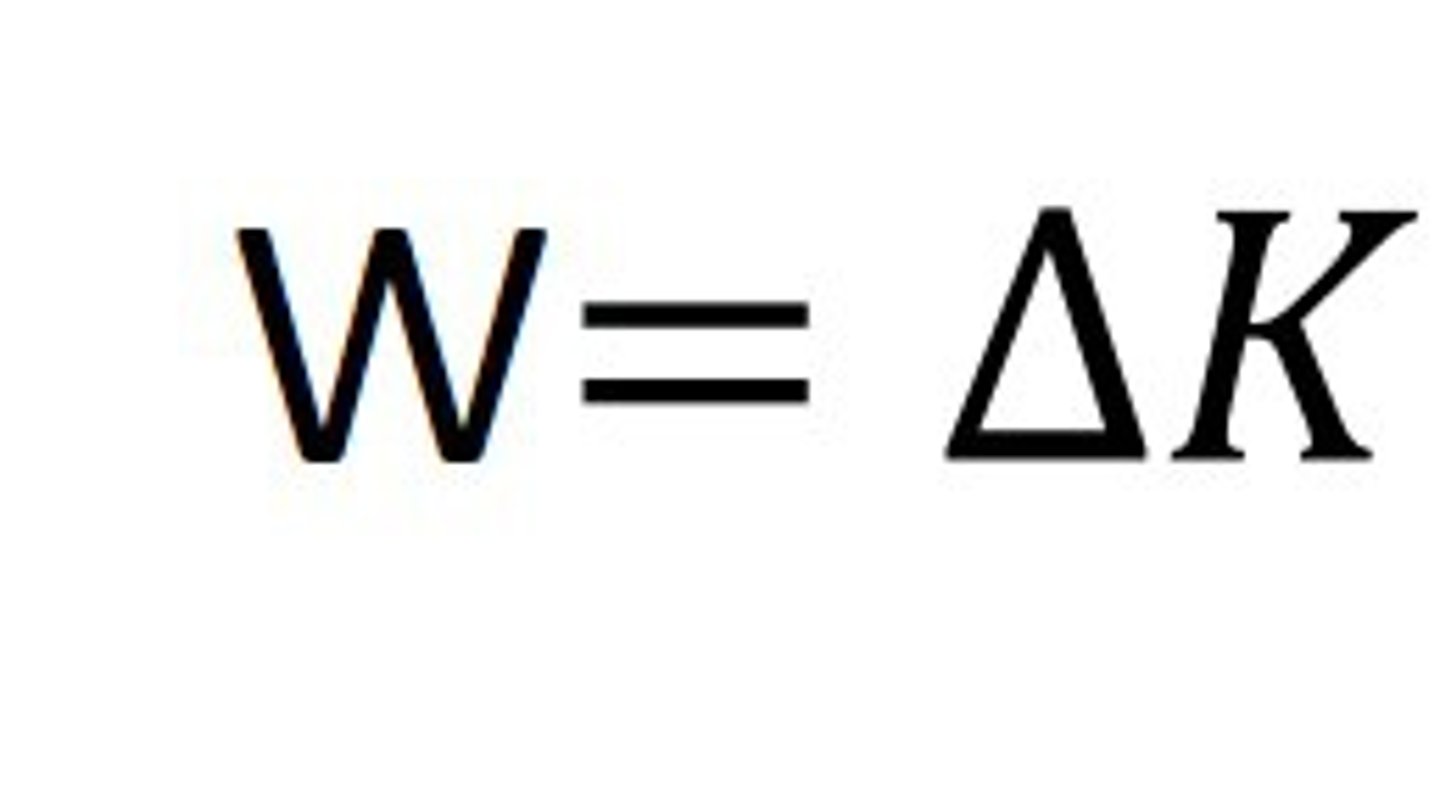
work-energy theorem
The work done on an object equals the change in kinetic energy of the object
law of conservation of energy
Energy cannot be created or destroyed
absolute zero
The temperature at which no more energy can be removed from matter
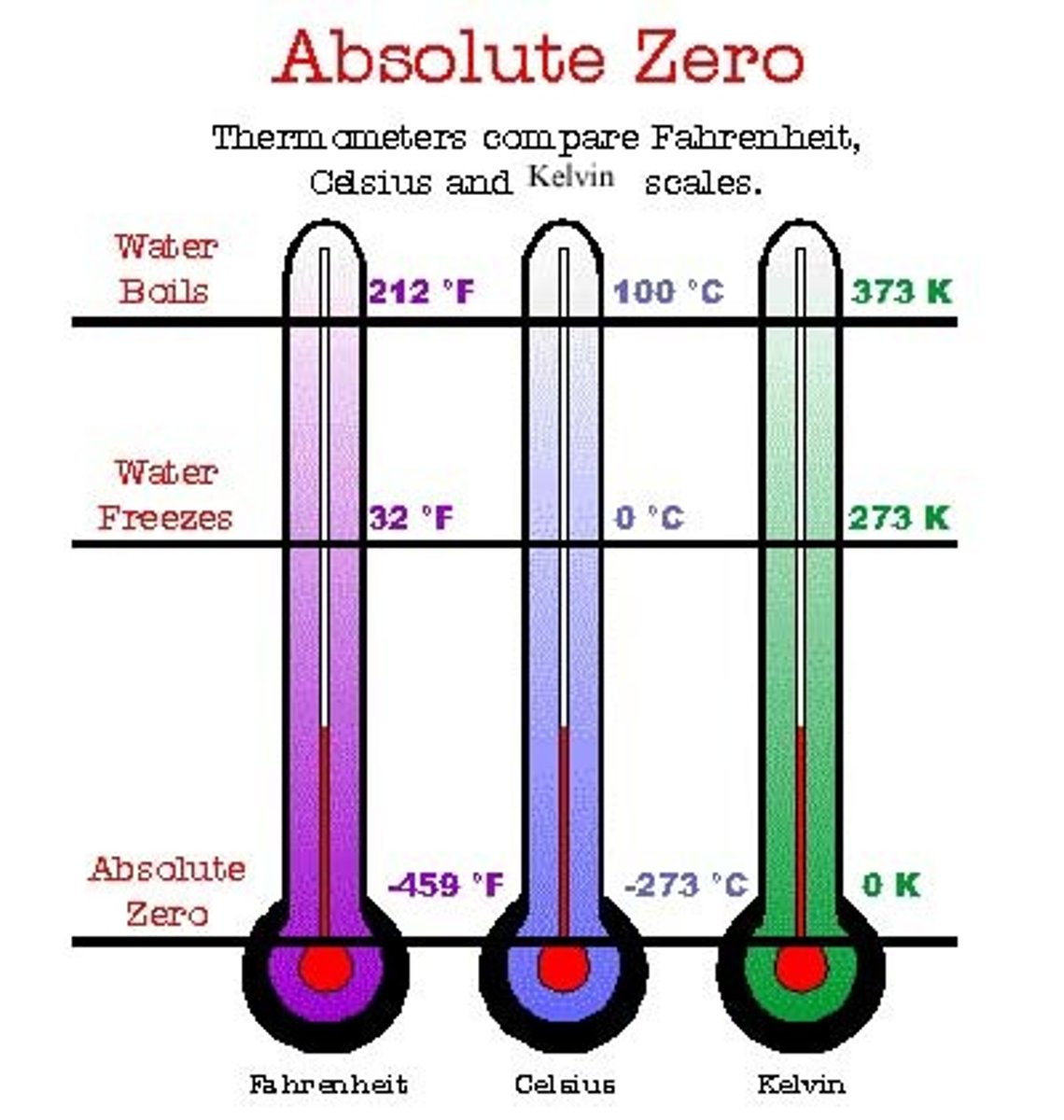
boiling
The temperature at which a liquid changes to a gas
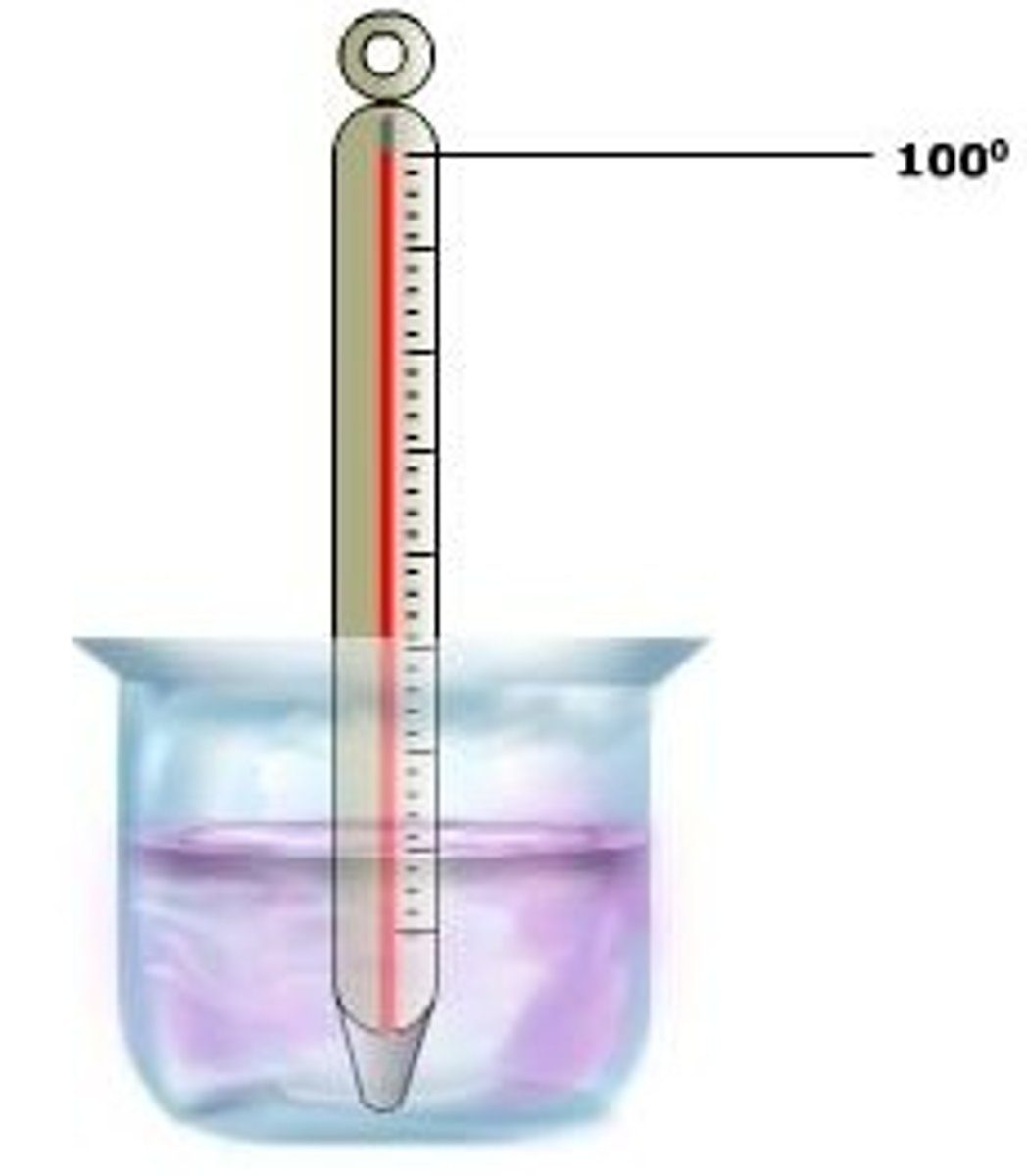
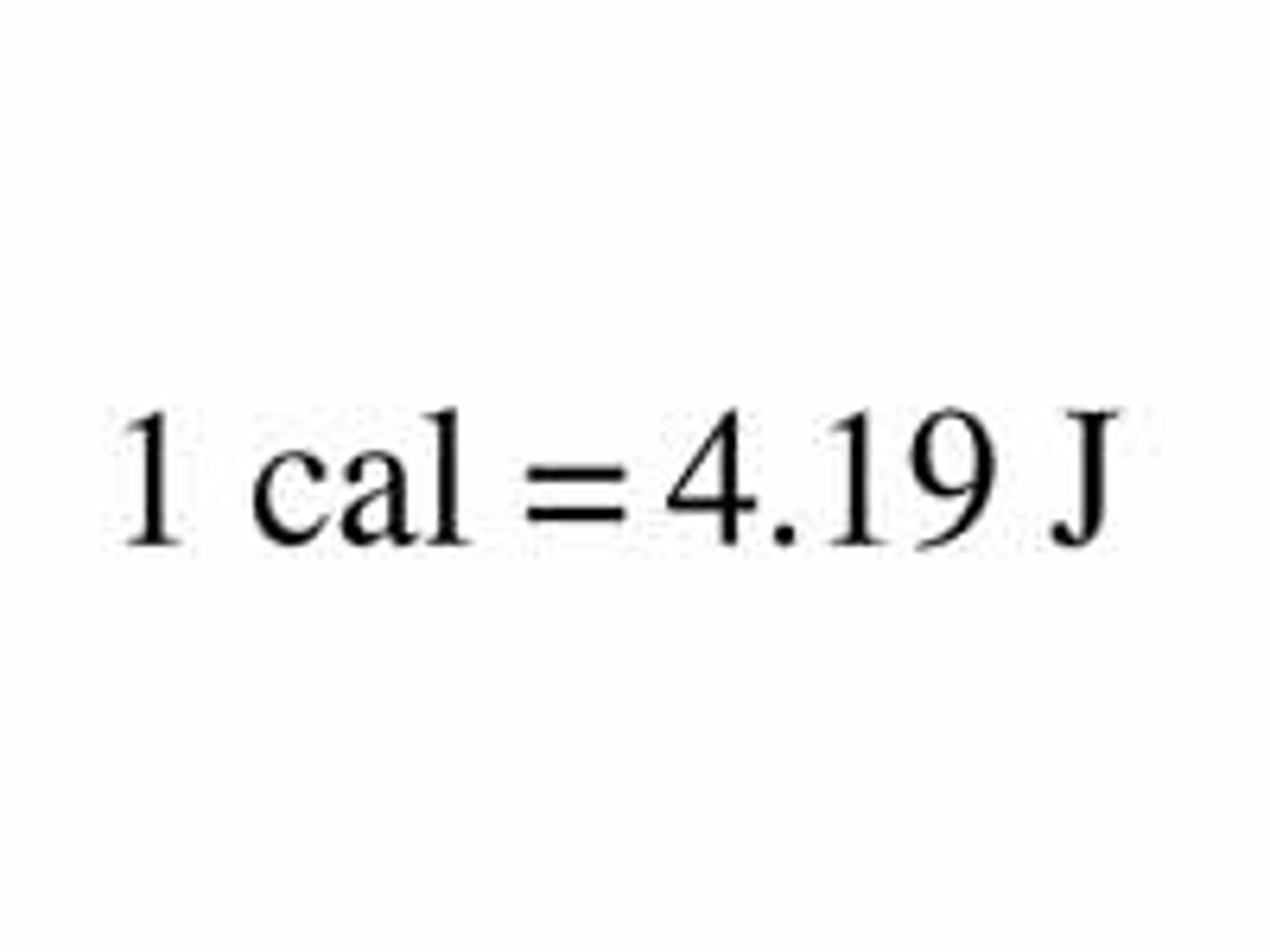
calorie
Amount of energy needed to raise temperature 1 gram of water 1 degree C
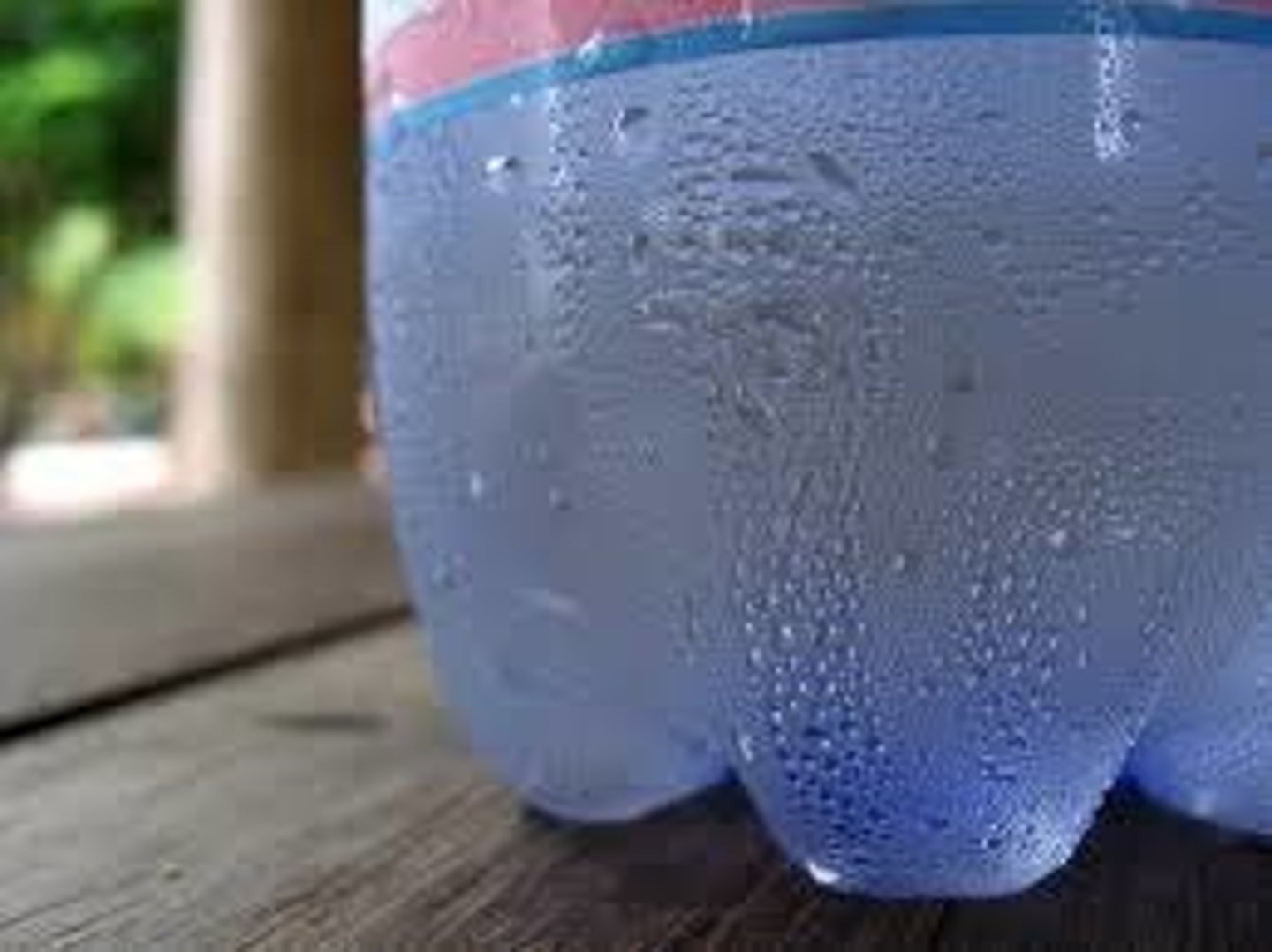
condensation
The change of state from a gas to a liquid
conduction
The direct transfer of heat from one substance to another substance that it is touching.
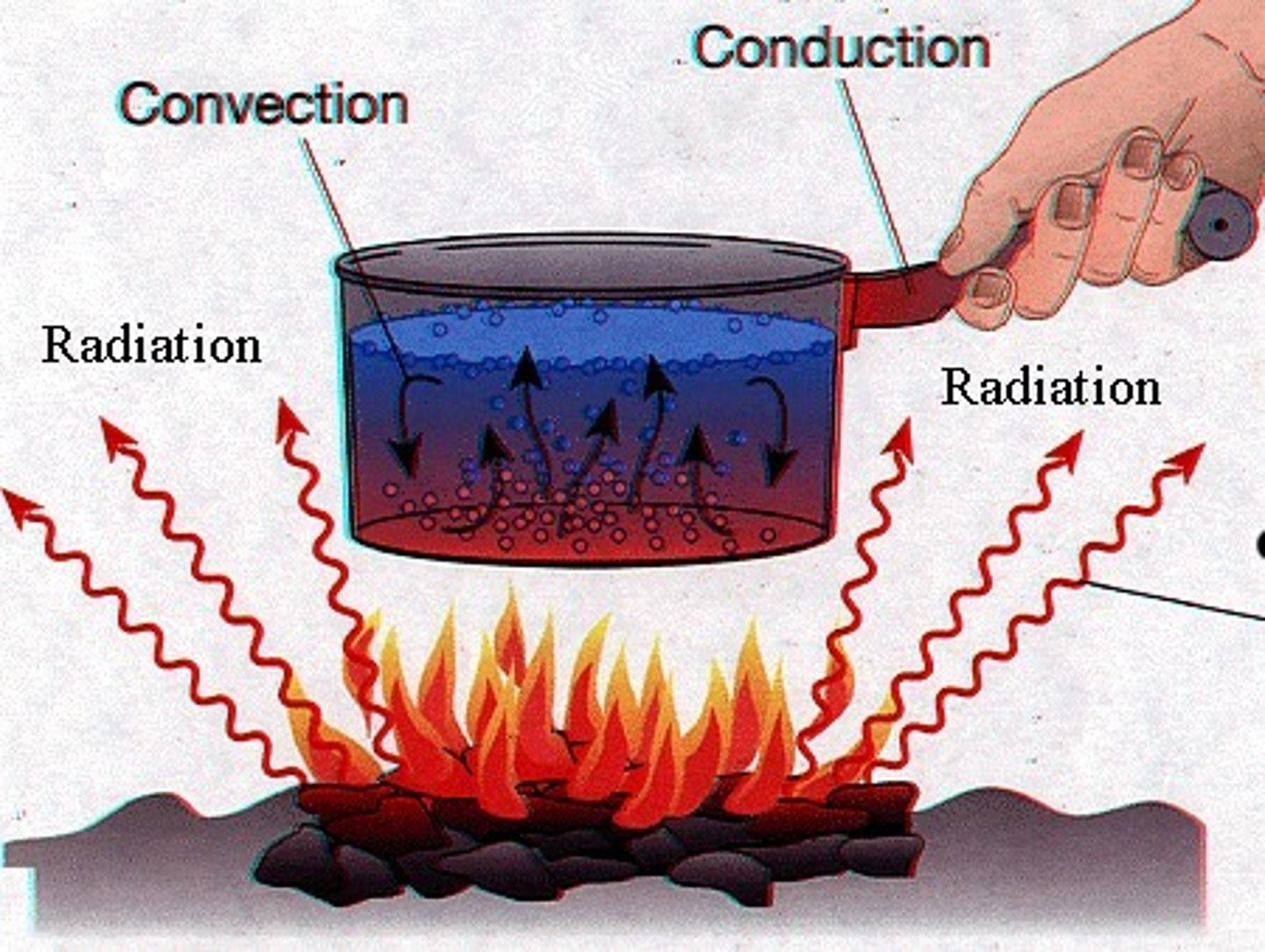
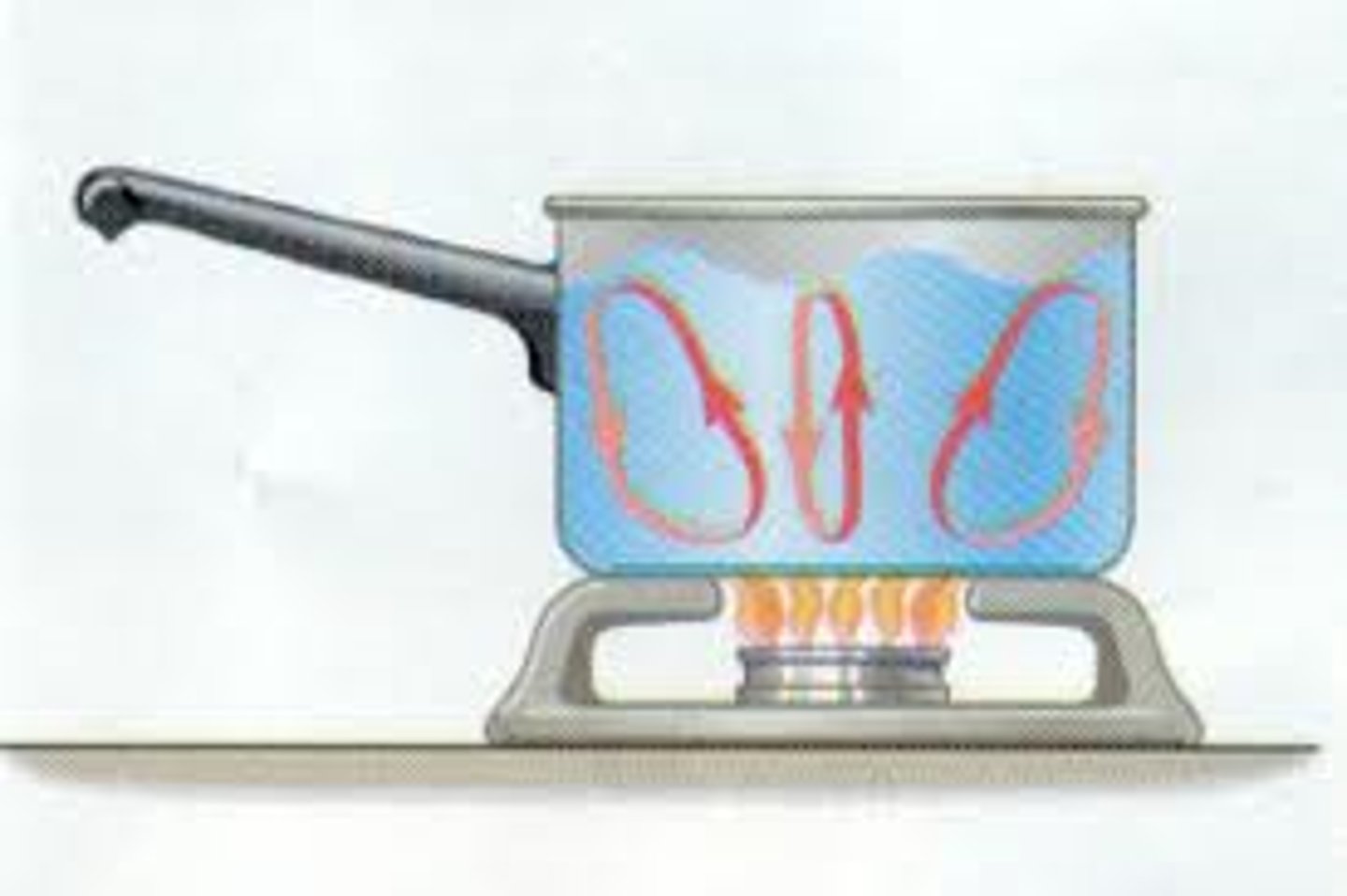
convection
The transfer of heat by the movement of a fluid
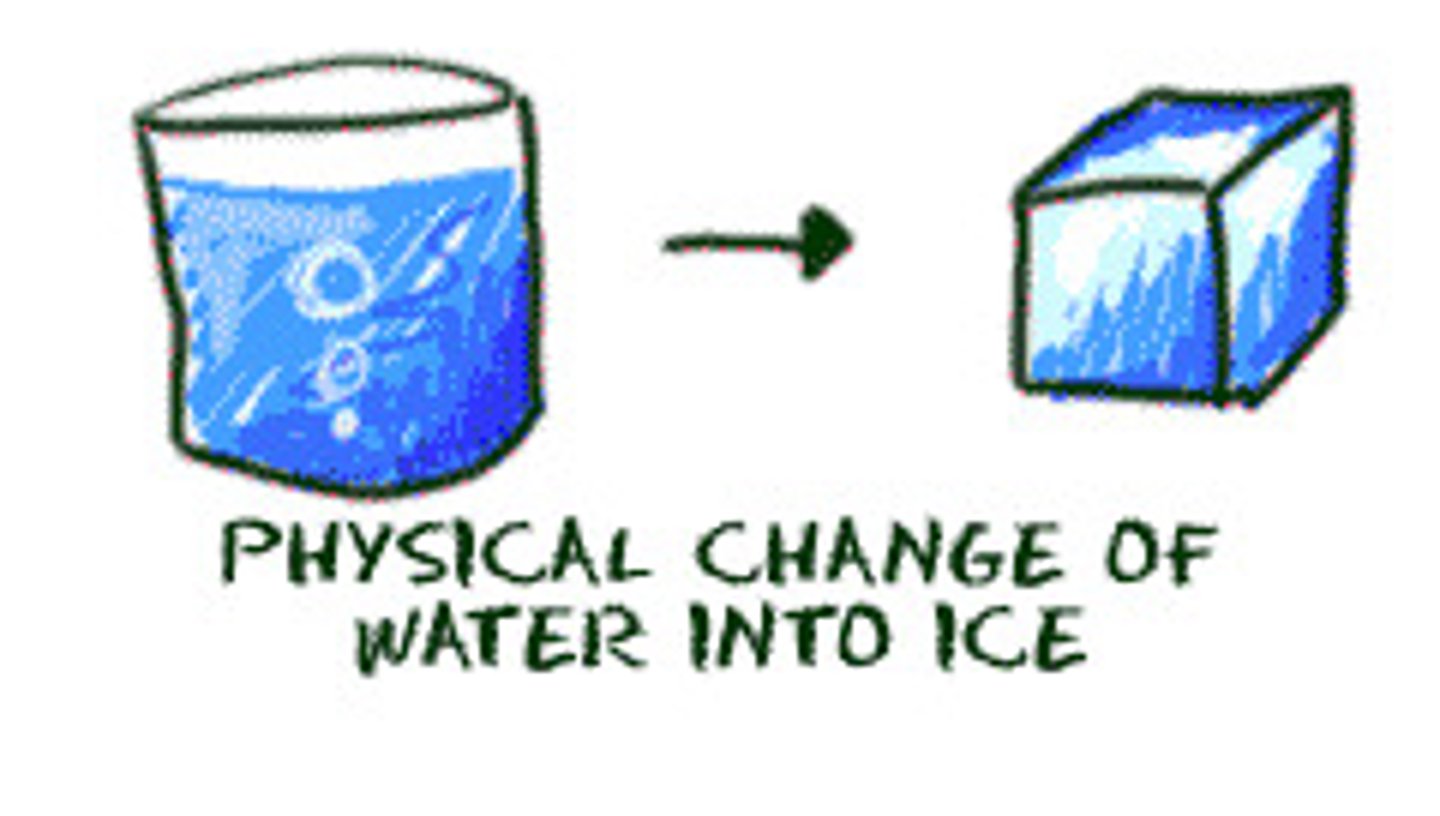
freezing
The change of state from a liquid to a solid
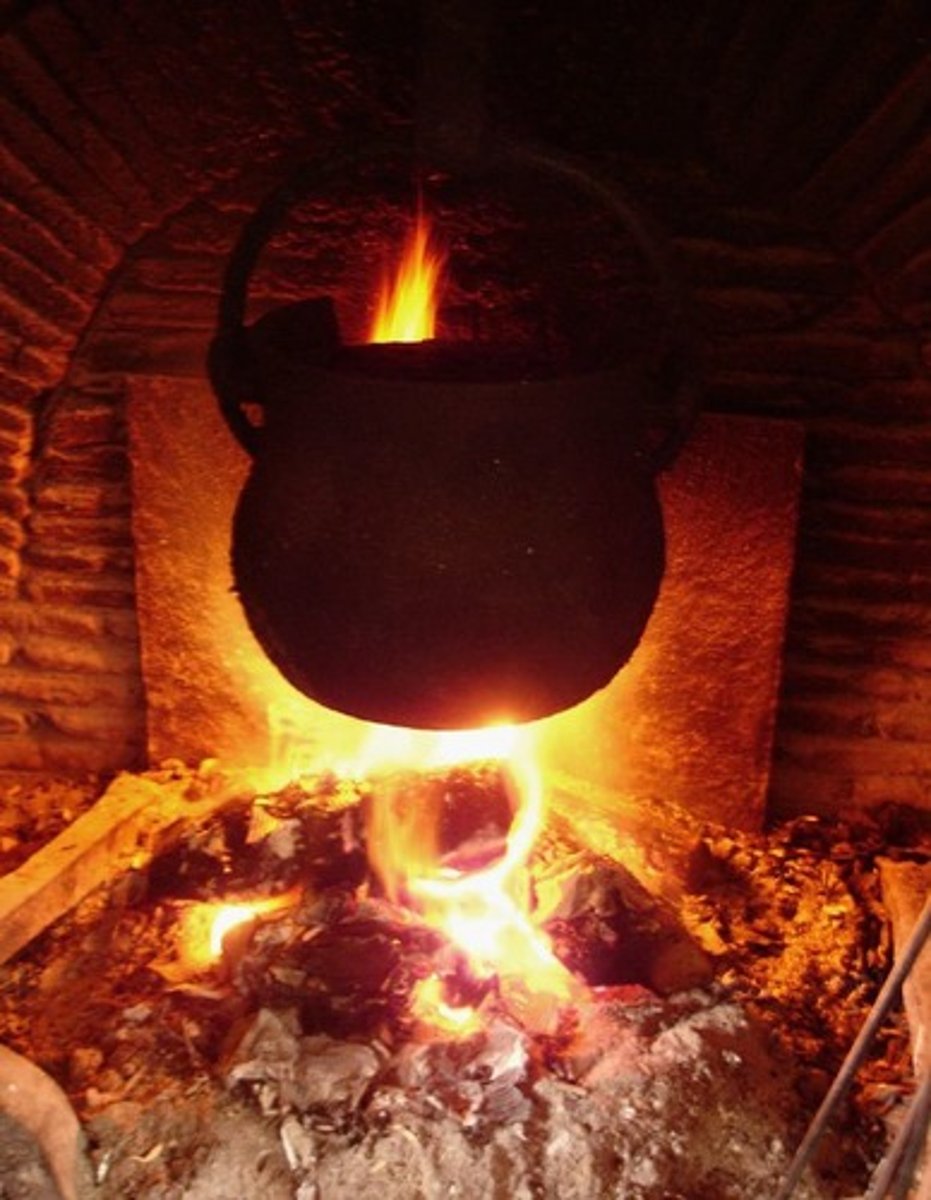
heat
The energy transferred between objects that are at different temperatures
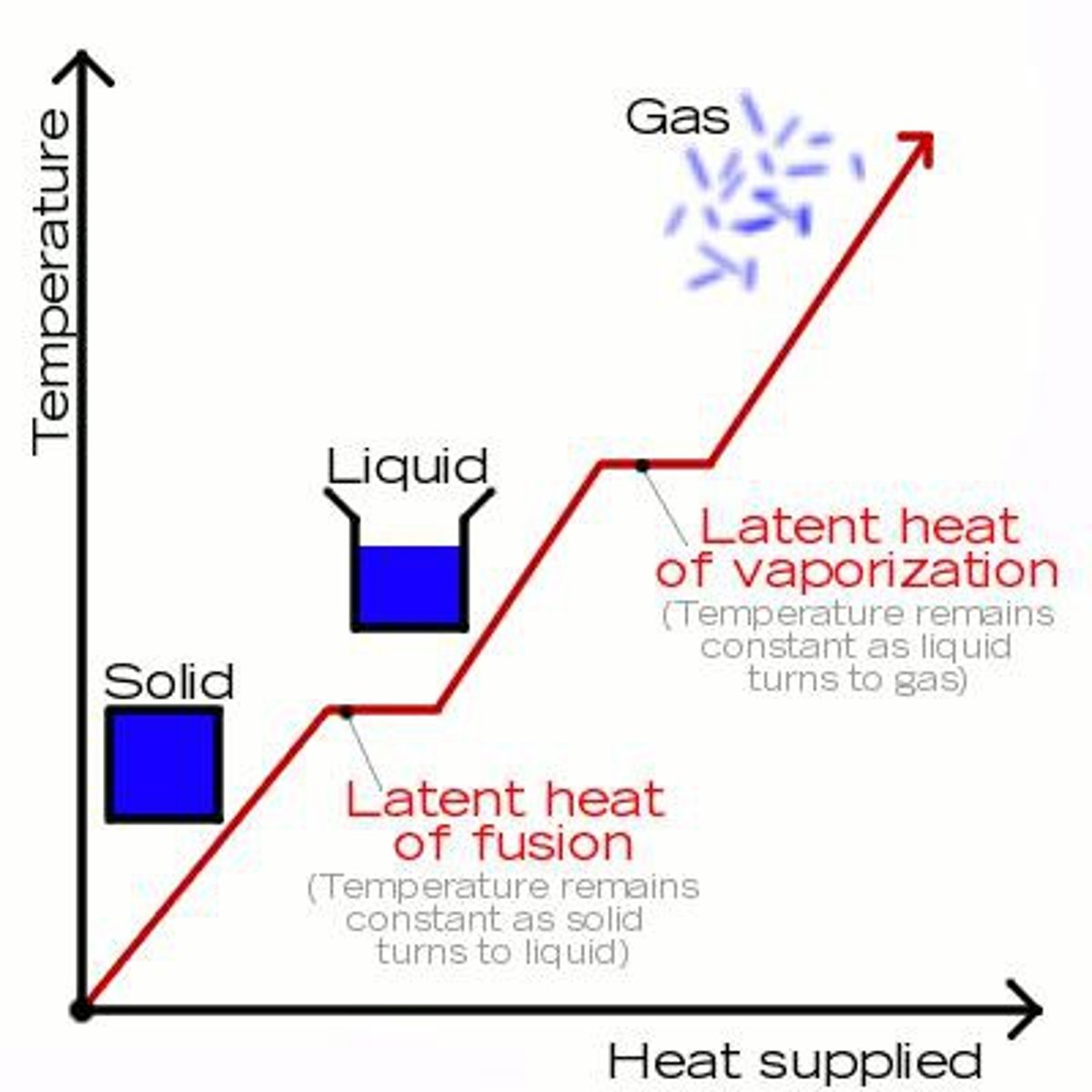
latent heat
heat absorbed or radiated during a change of phase at a constant temperature and pressure
melting
The change in state from a solid to a liquid
radiation
Energy that is radiated or transmitted in the form of rays or waves or particles.
specific heat capacity
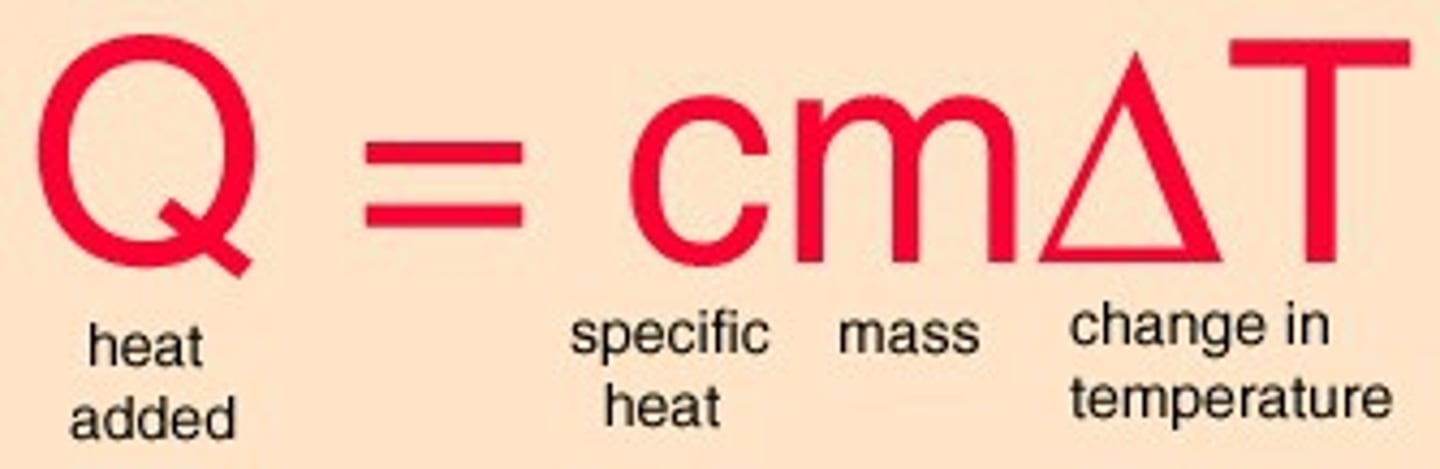
the energy required to raise the temperature of one gram of a substance by one degree Celsius
temperature
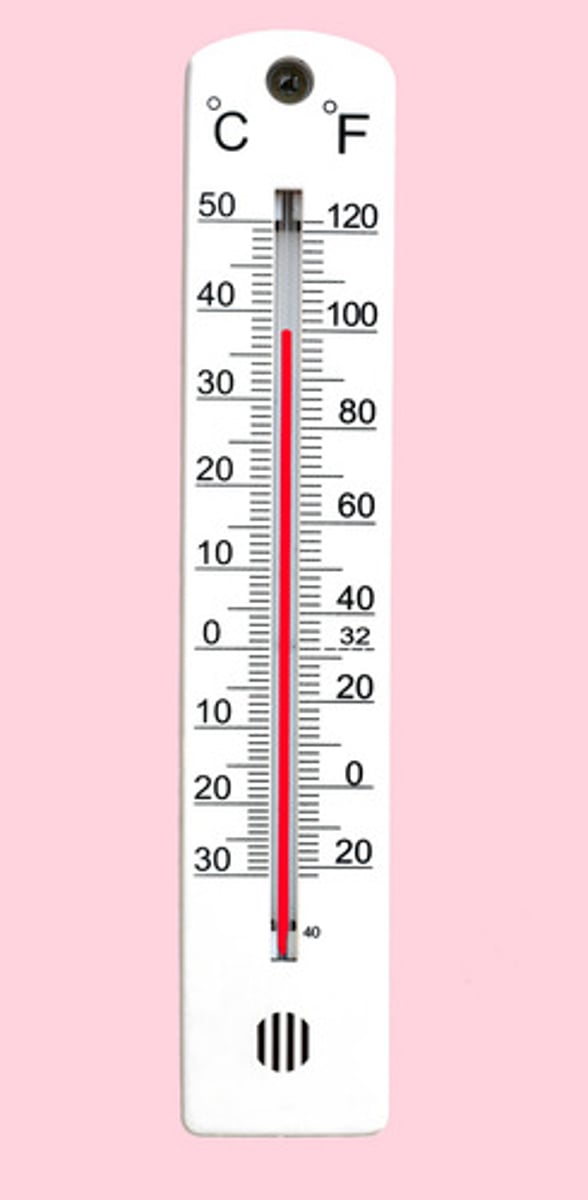
A measure of how hot or cold something is.
thermal contact
state of two or more objects or substances in contact such that heat can flow from one to the other
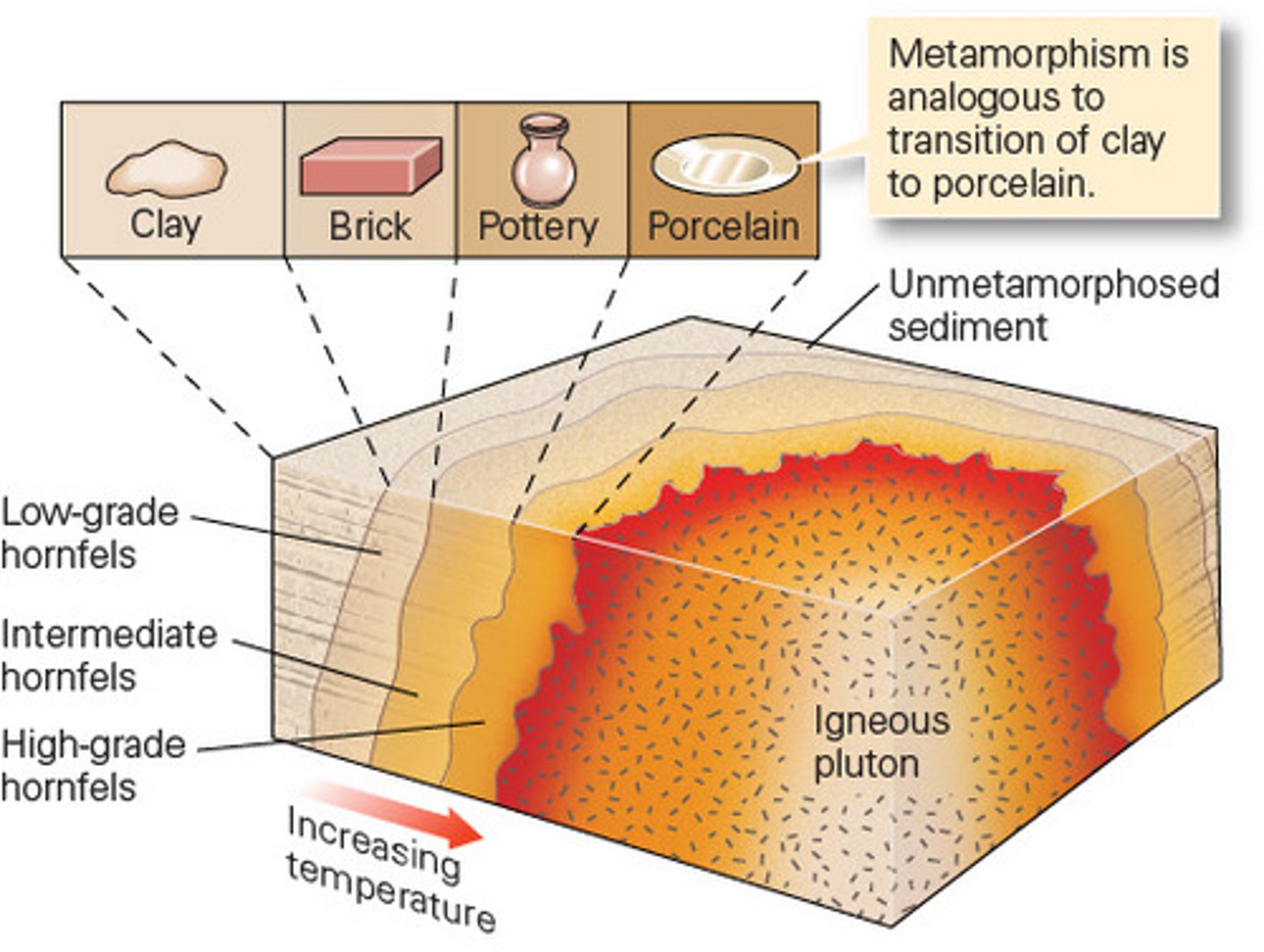
thermal equilibrium
The state of two or more objects or substances in thermal contact when they have reached a common temperature
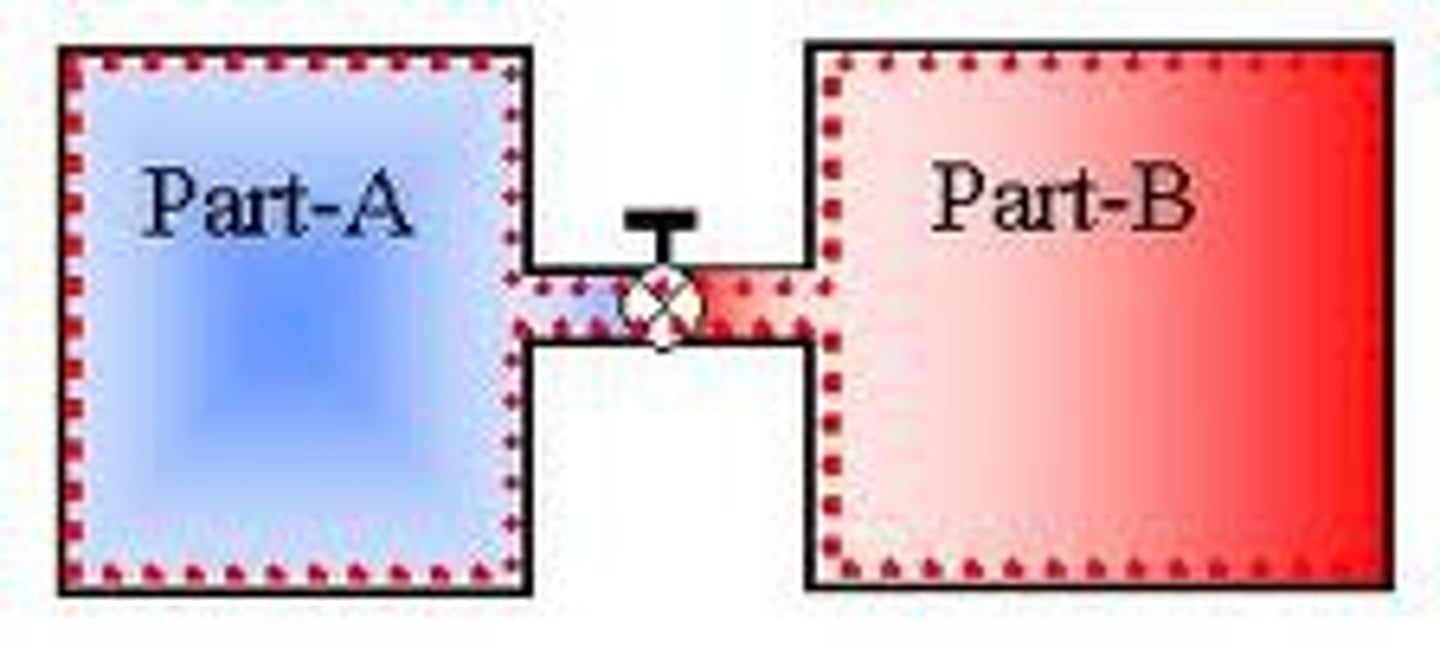
basic law of electrostatics
opposite charges attract, like charges repel
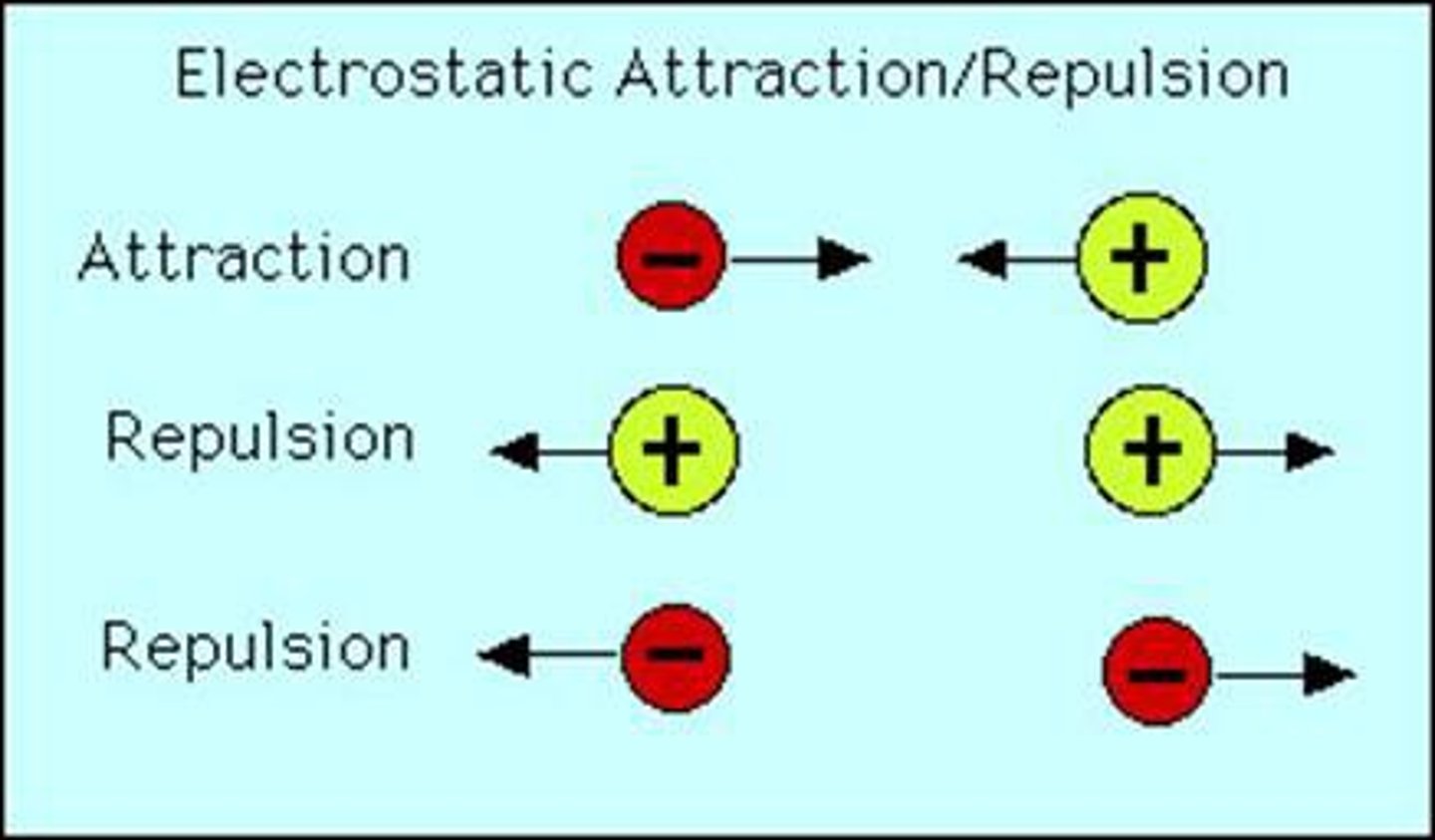
law of conservation of charge
states that charge can be transferred from one object to another but cannot be created or destroyed
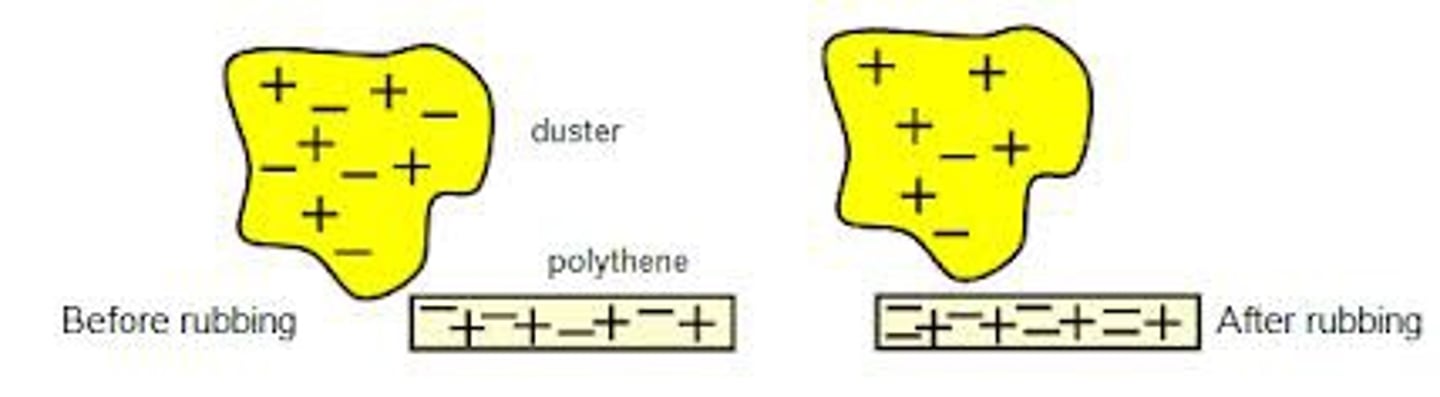
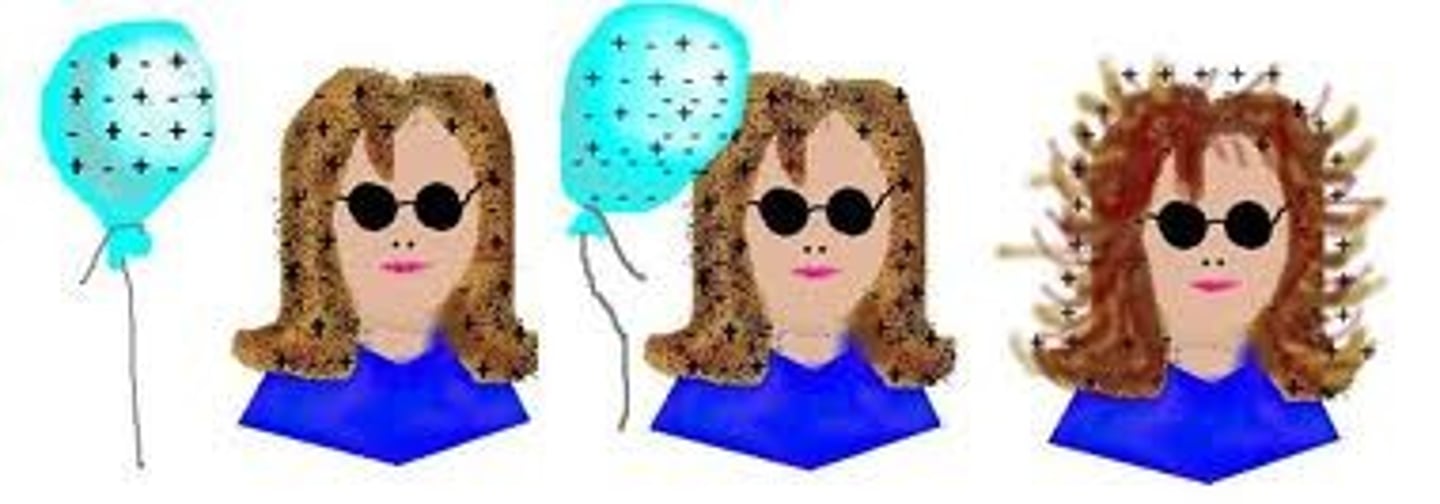
charging by friction
two objects rub together and one becomes positively charged and the other becomes negatively charged
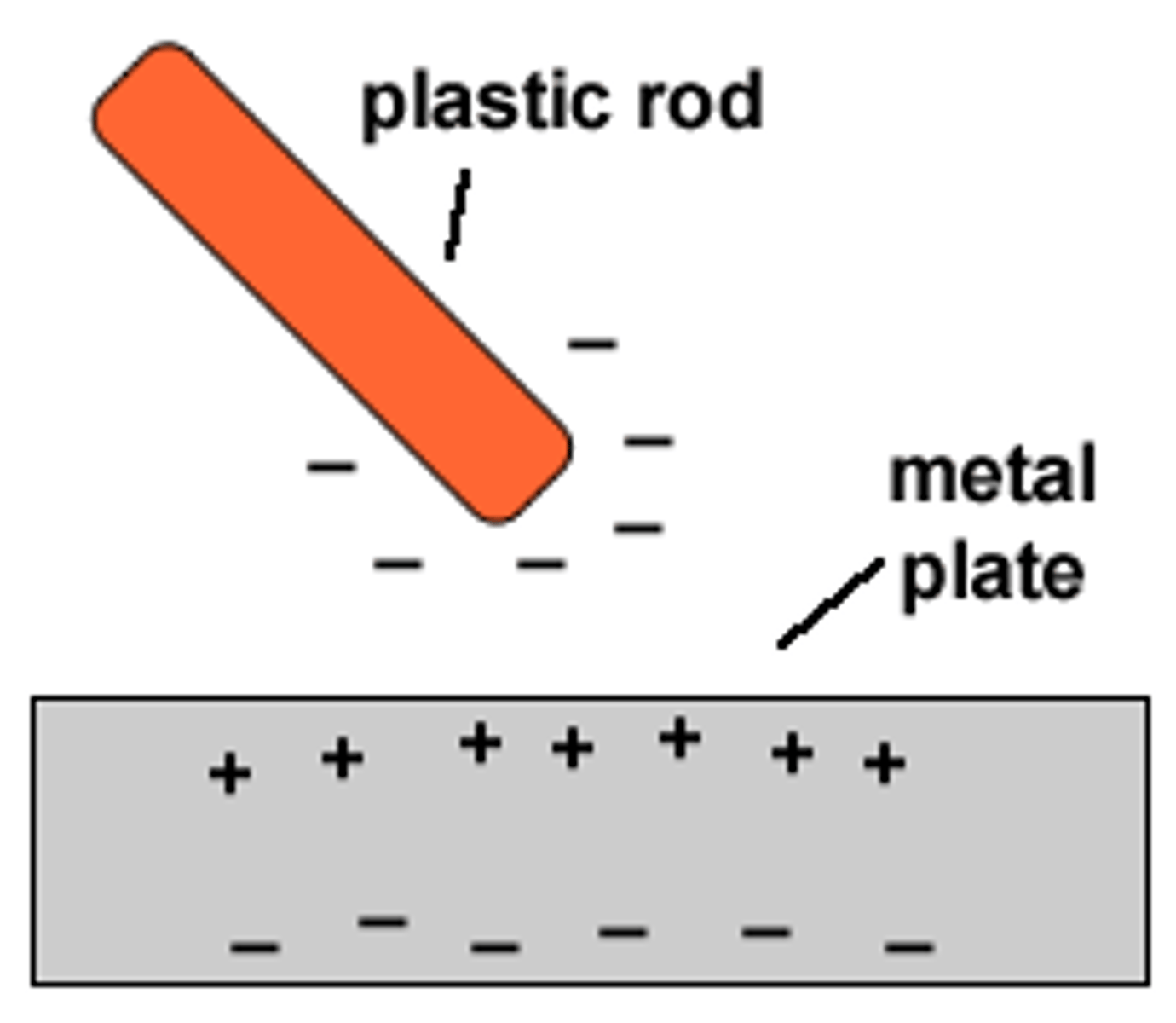
charging by induction
the rearrangement of electrons on a neutral object caused by a nearby charged object
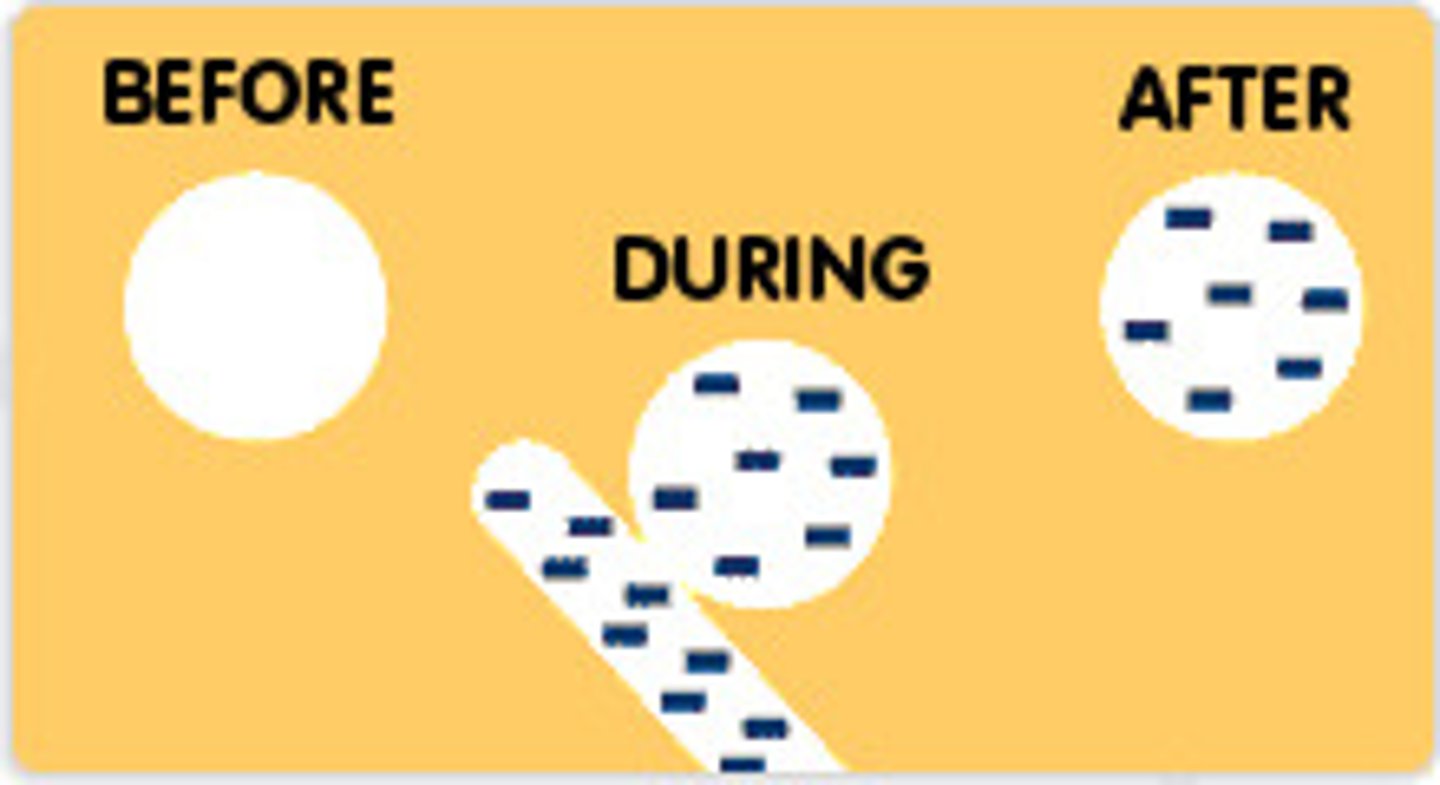
charging by contact
the process of transferring charge by touching or rubbing
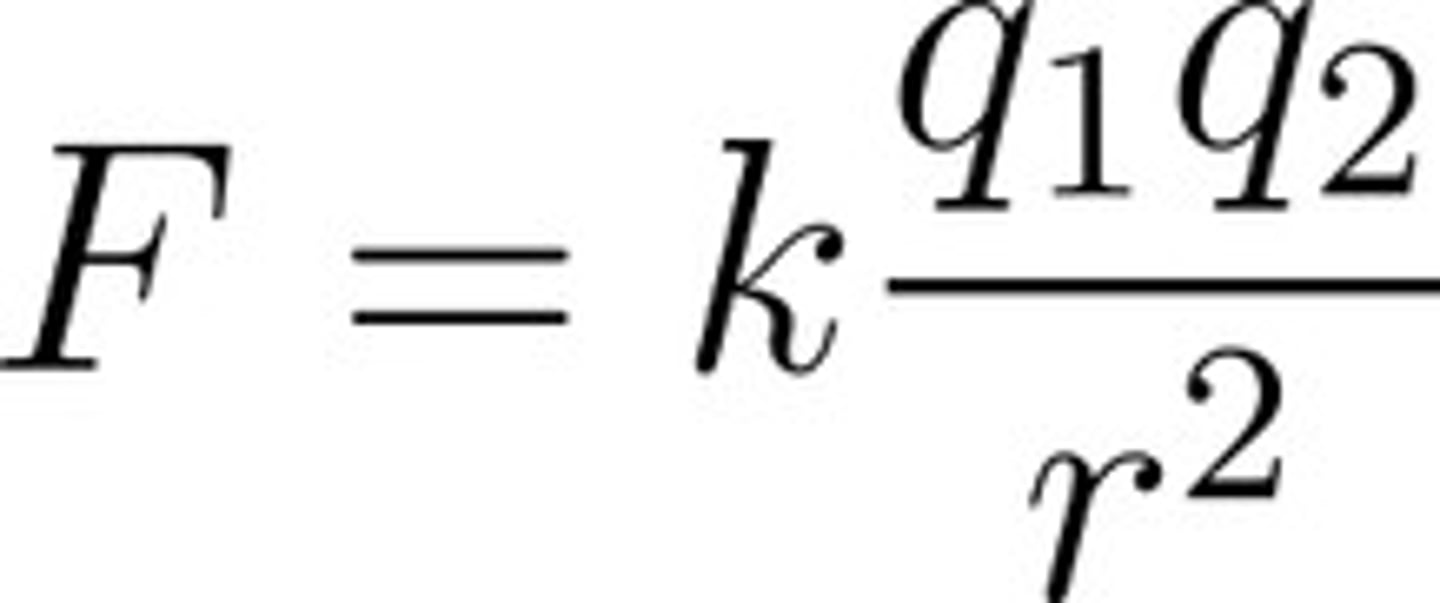
Coulomb's law
electric force between charged objects depends on the distance between the objects and the magnitude of the charges.
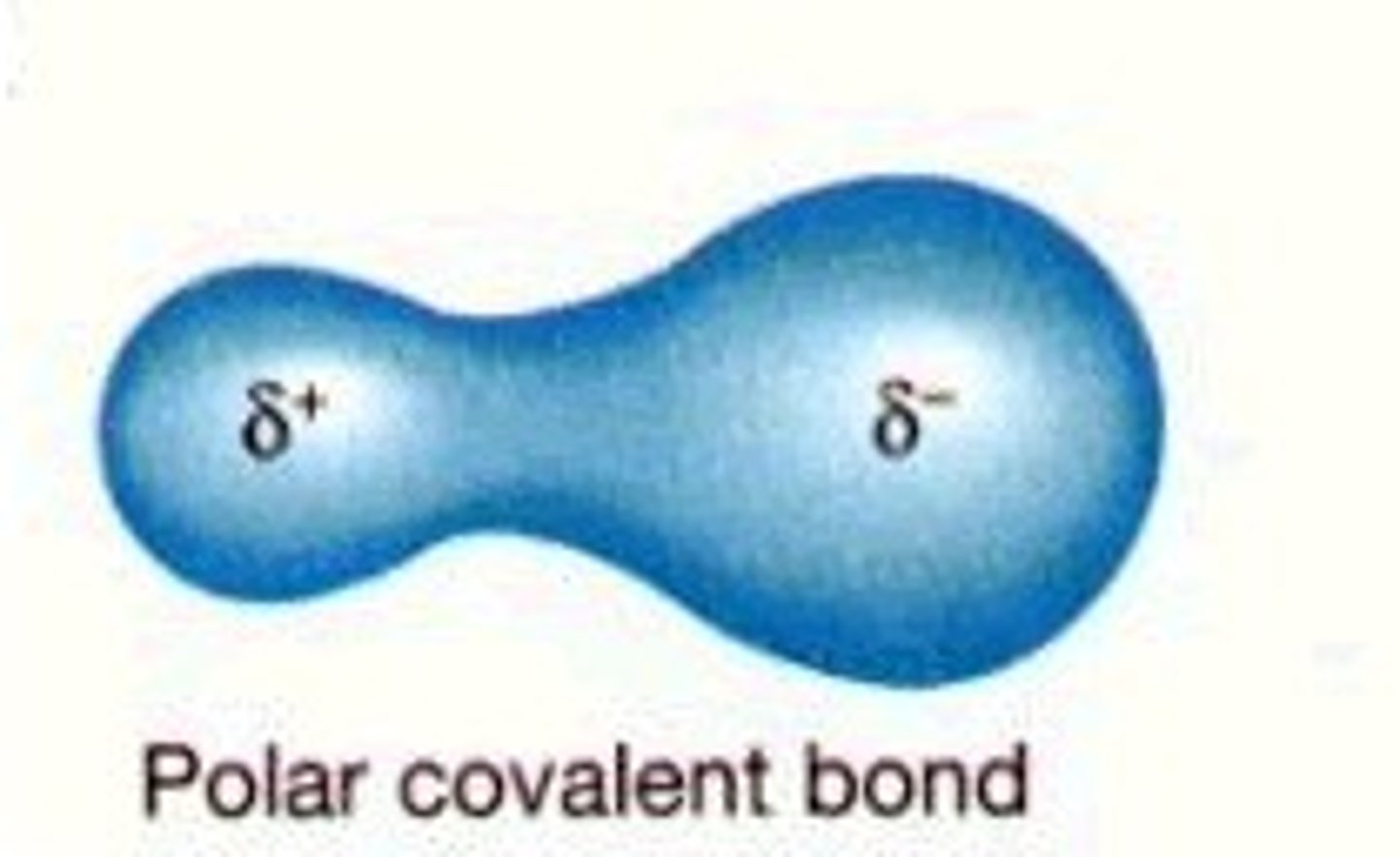
polar
Molecule with partial charges. Mixes with water.
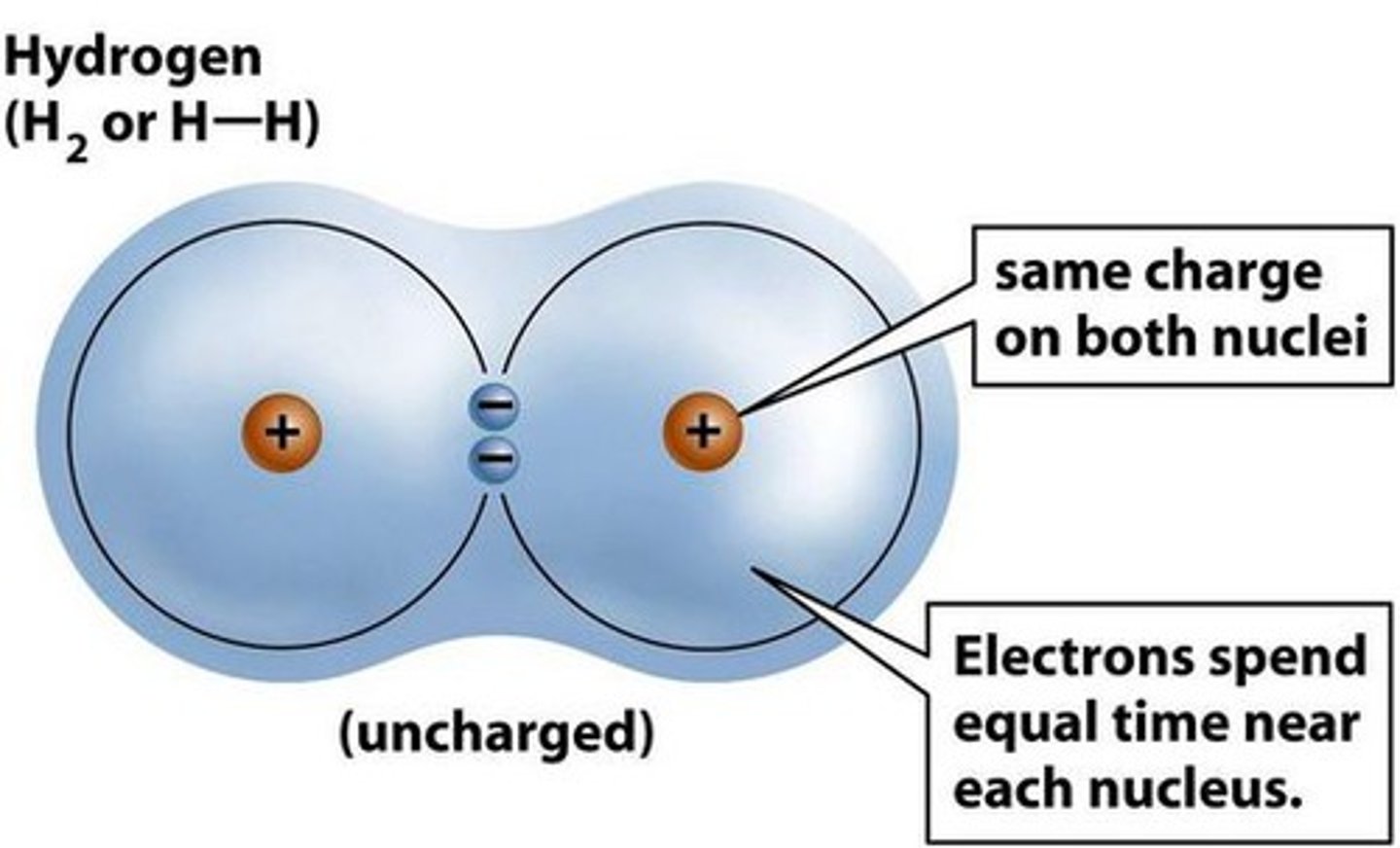
nonpolar
No partial charges. Do not mix with water.
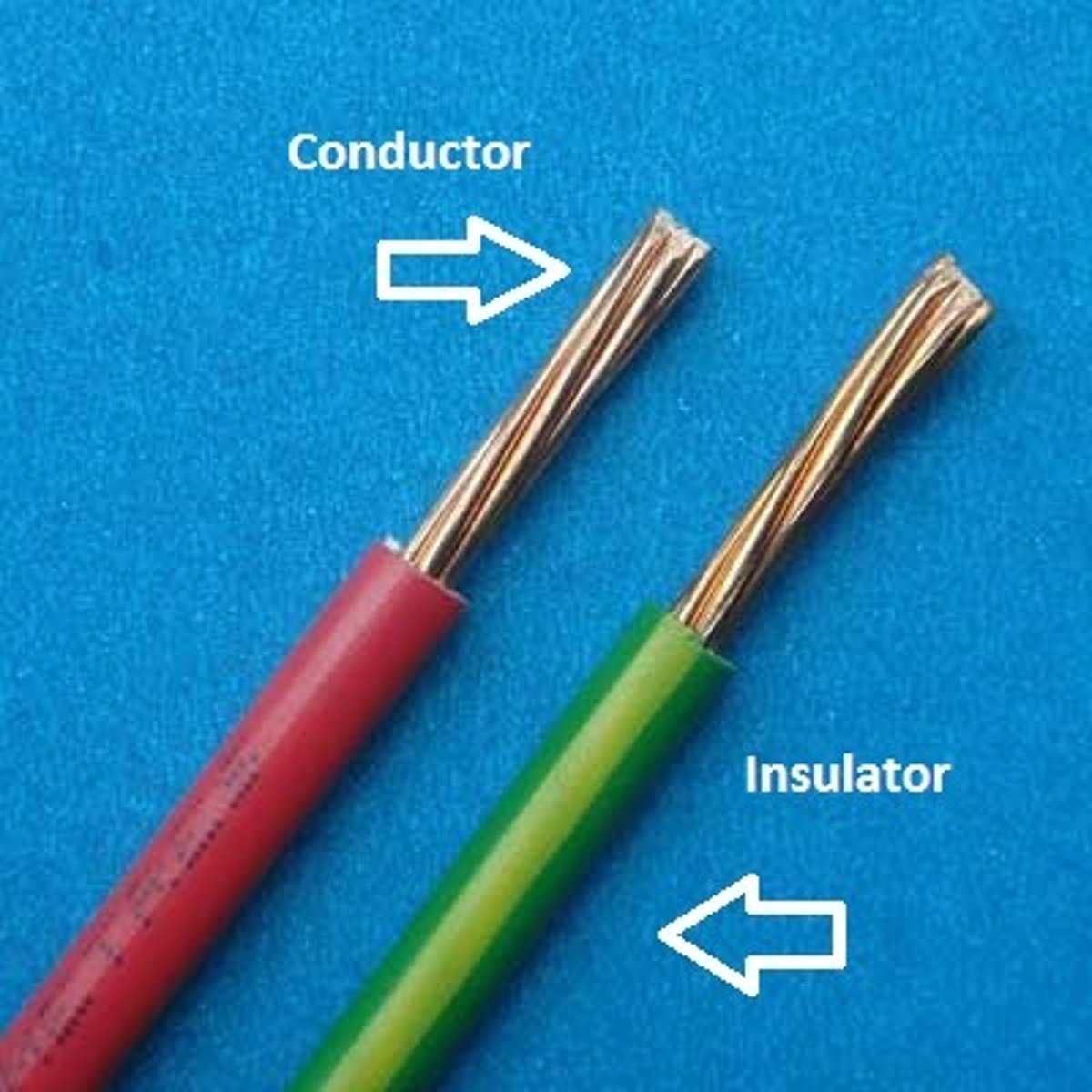
conductor
A material that allows heat and electricity to pass through it.
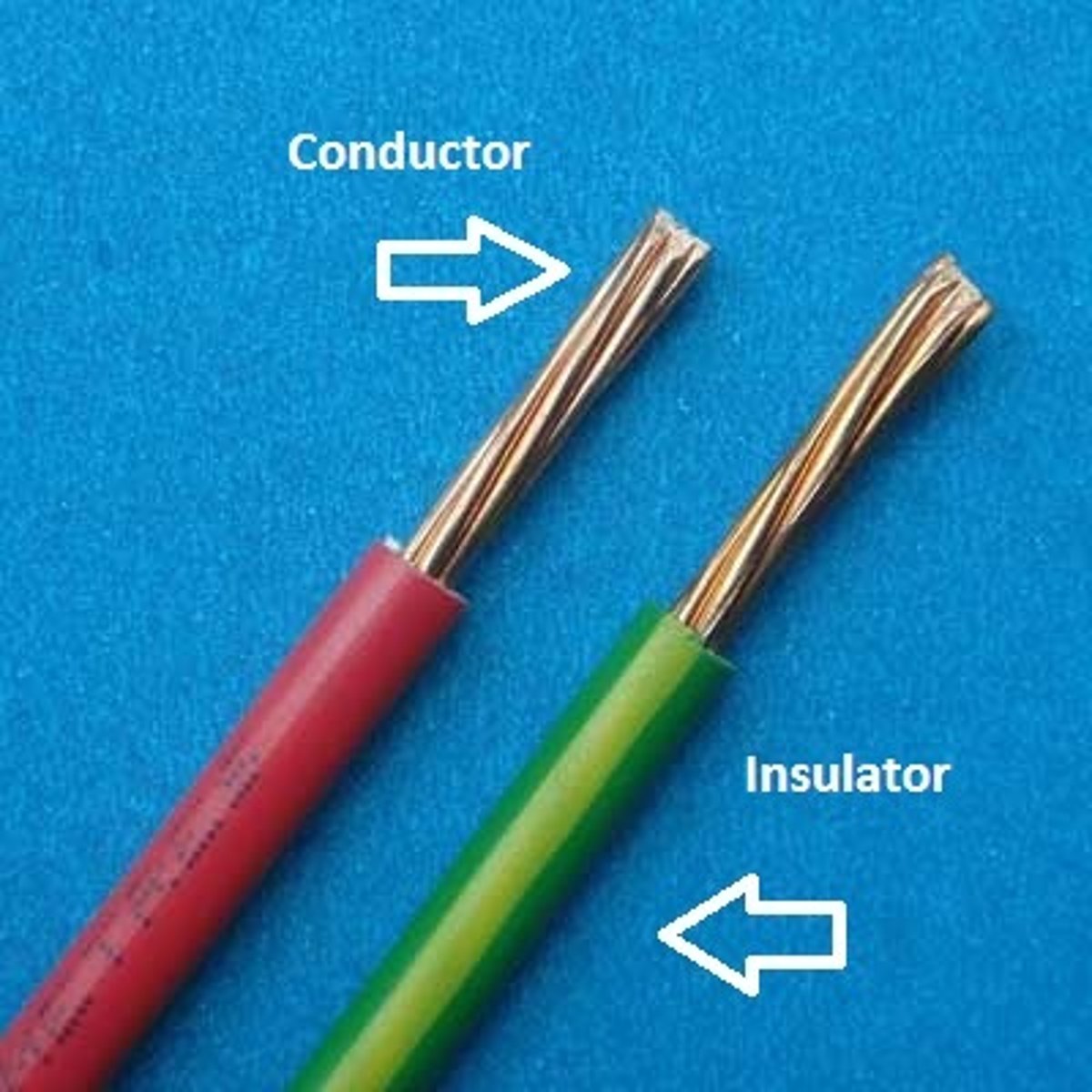
insulator
A material that does not conduct heat well
grounding
the transfer of excess charge through a conductor to Earth
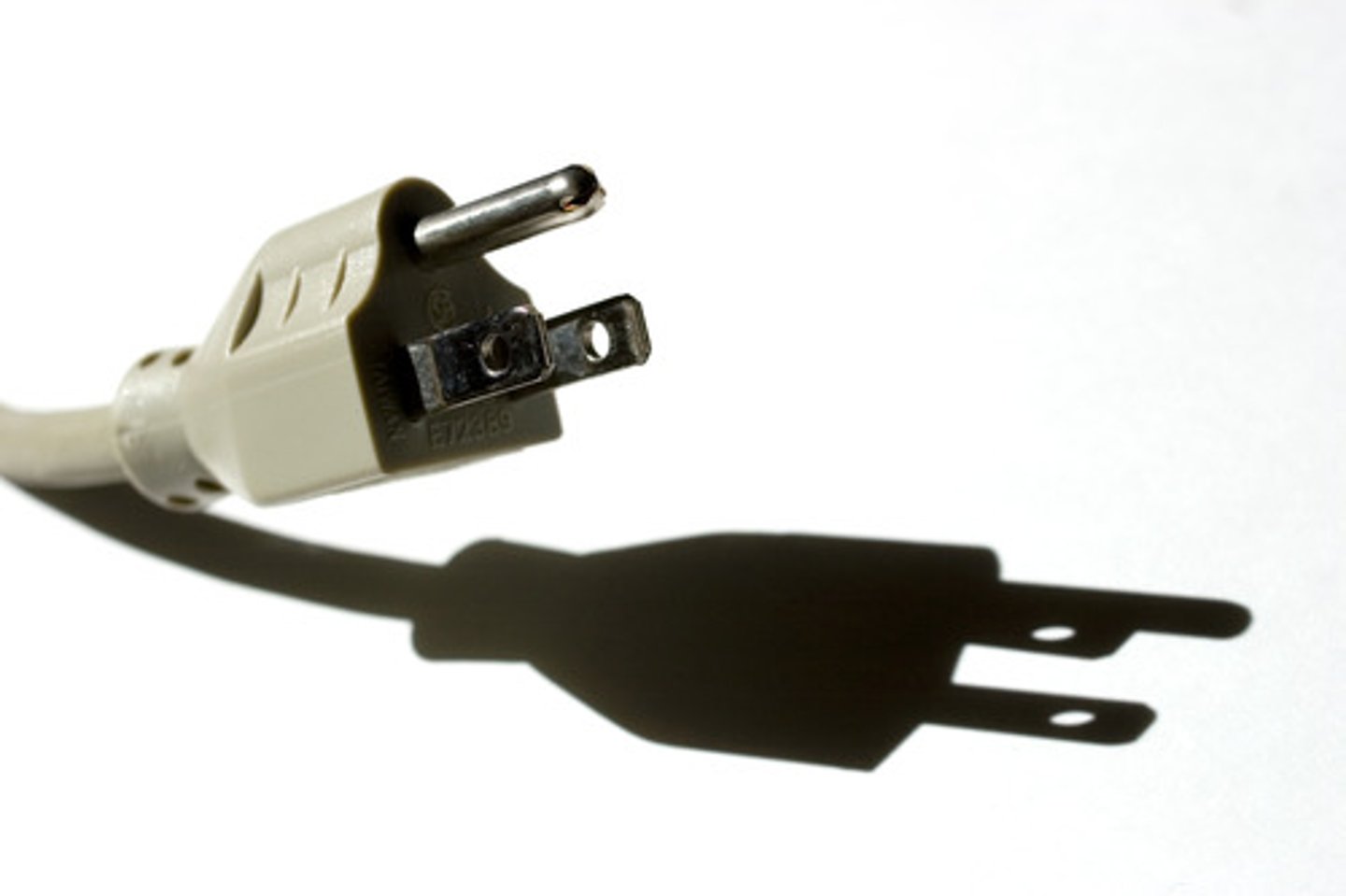
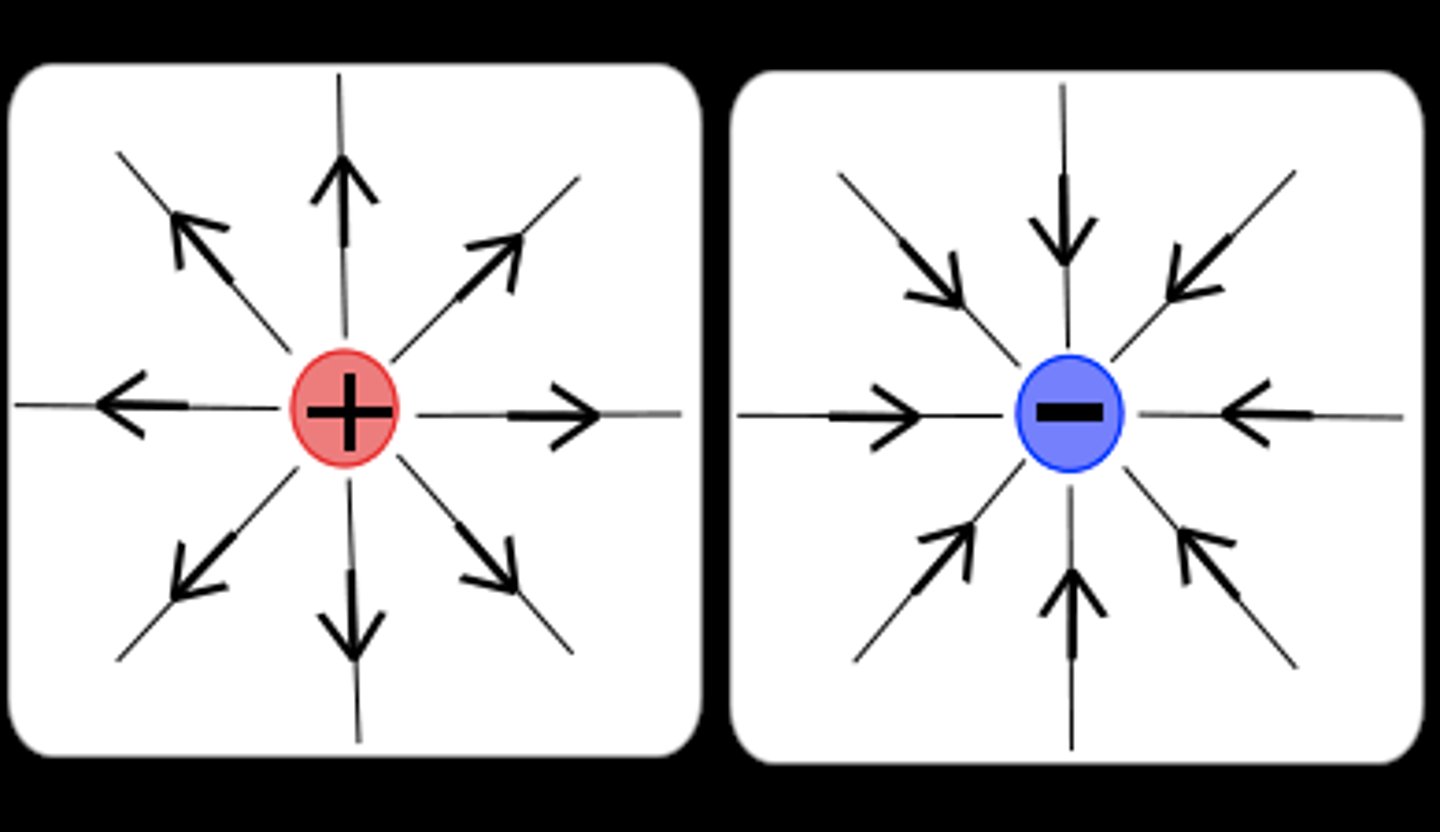
electric field
a field of force surrounding a charged particle
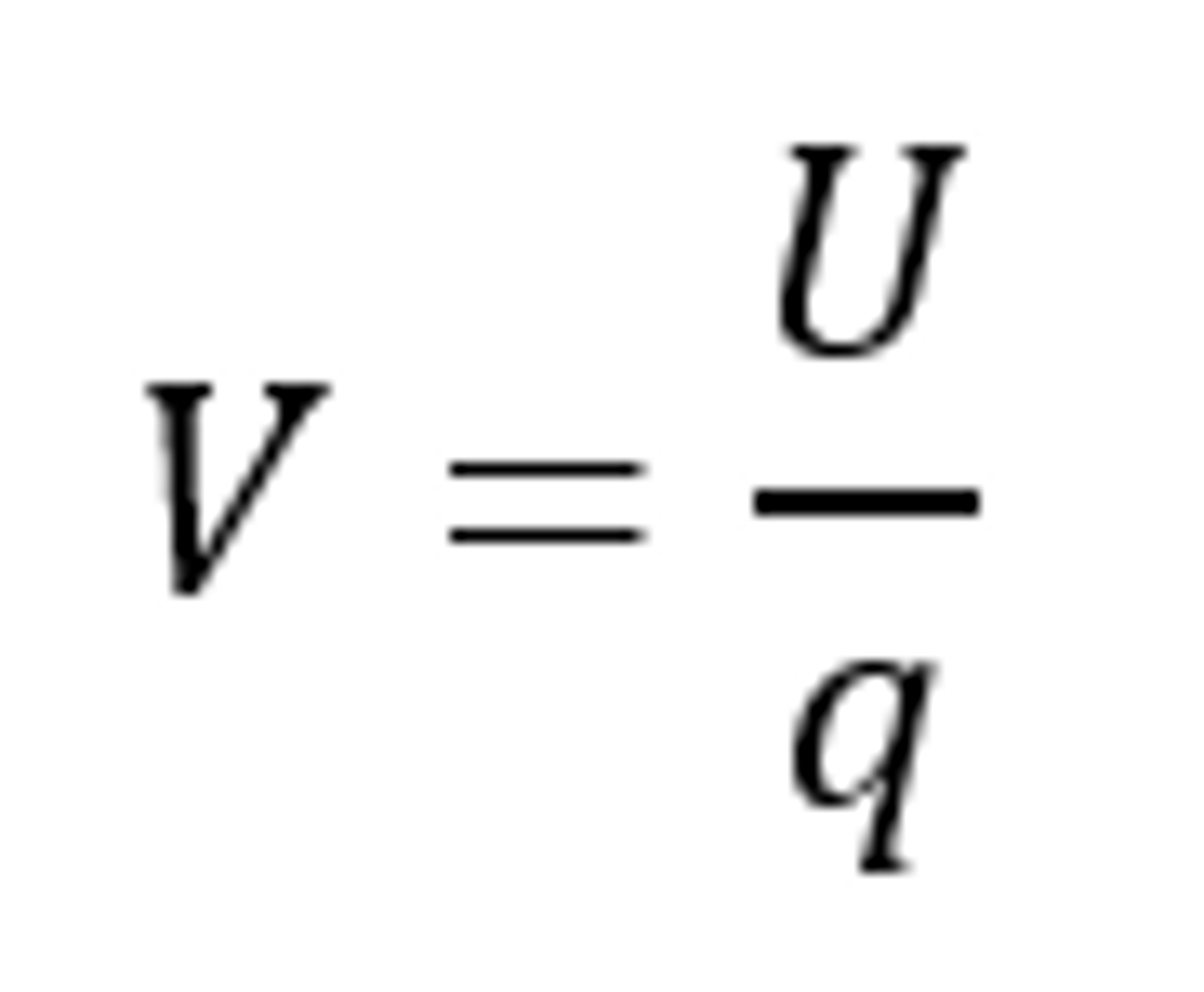
electric potential difference (voltage)
The ratio of the change in electric potential energy to the charge of an object in an electric field. It is a scalar quantity.
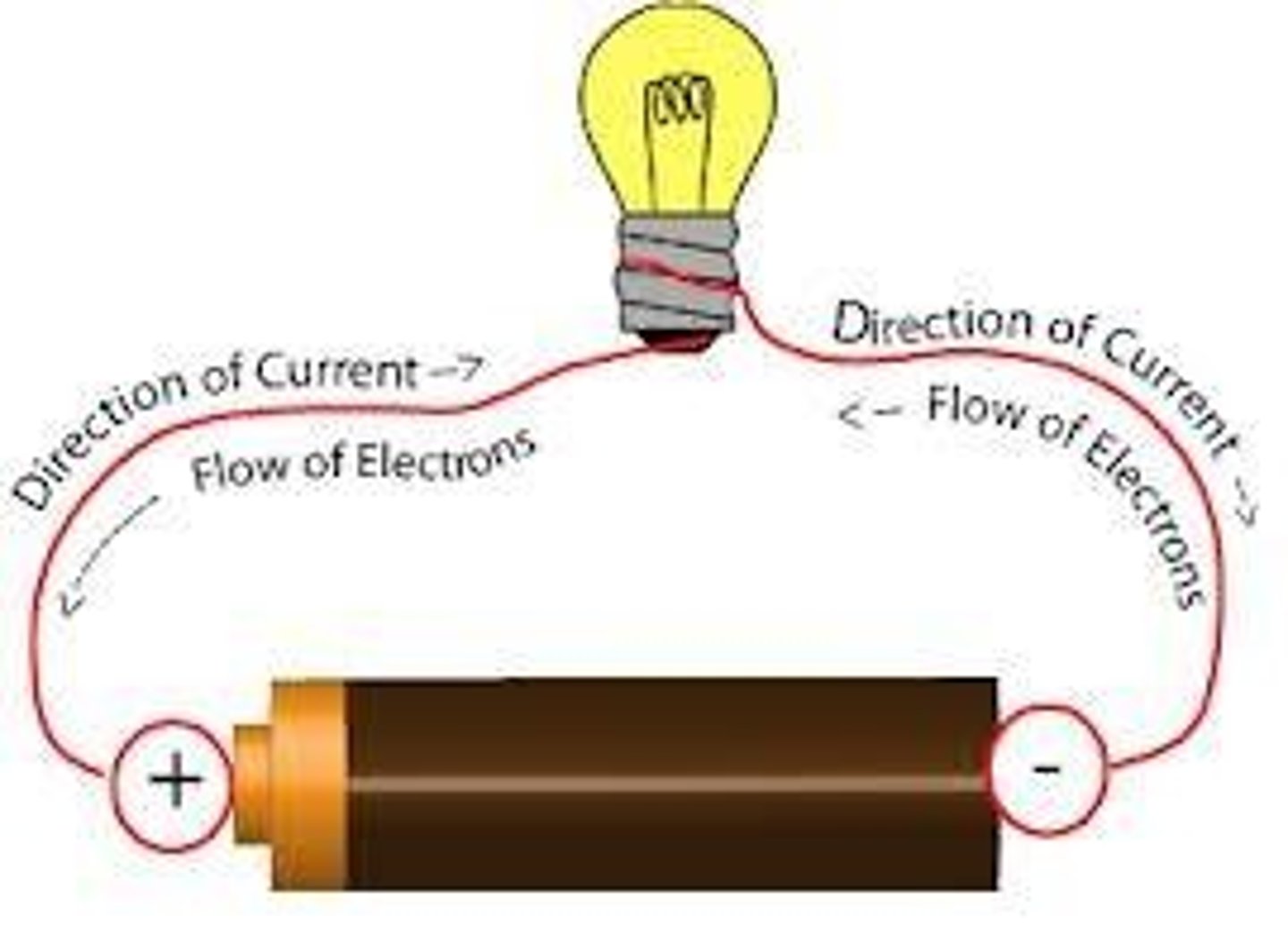
electric potential energy
Energy a charge has due to its location in an electric field
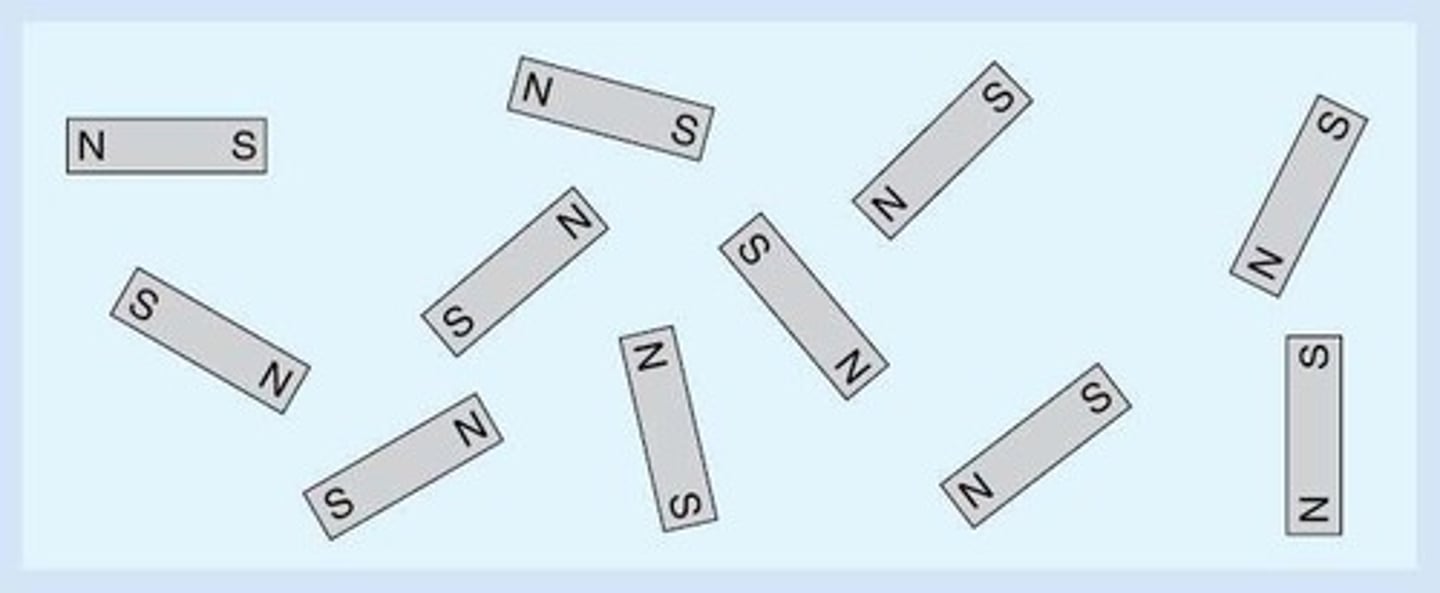
basic law of magnetism
Opposite poles attract, like poles repel
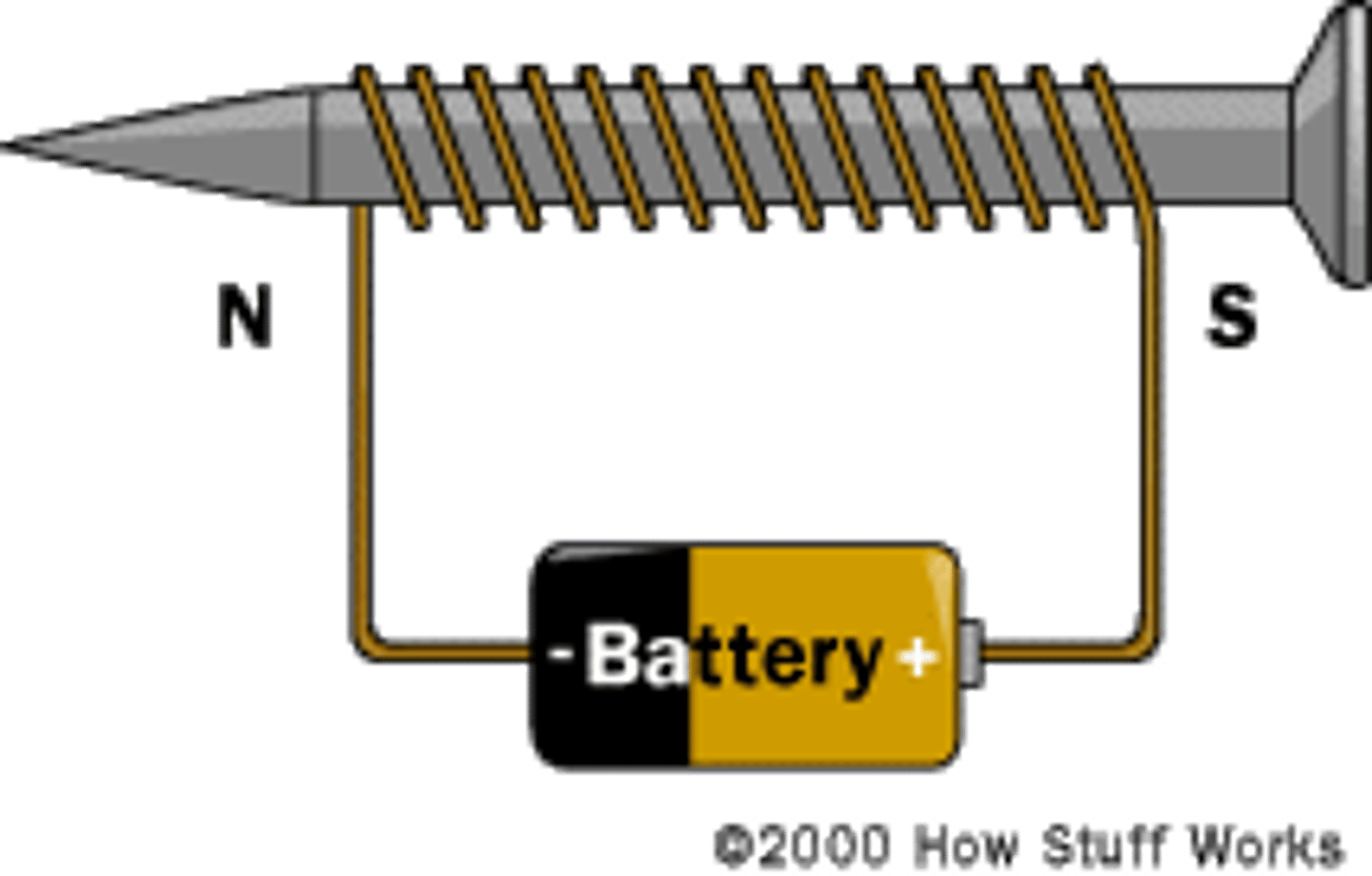
electromagnet
a coil that has a soft iron core and that acts as a magnet when an electric current is in the coil
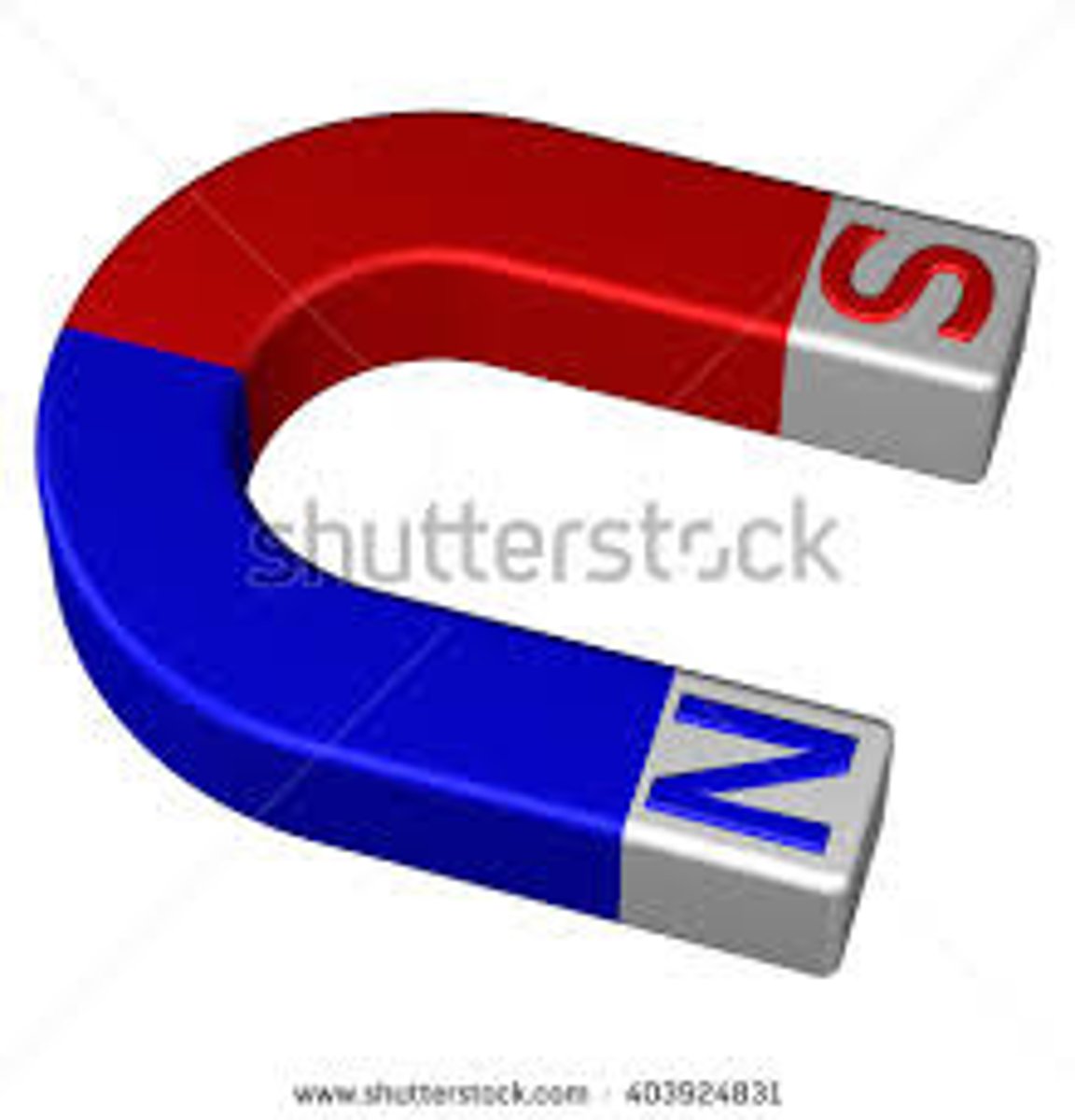
permanent magnet
A magnet made of material that keeps its magnetism
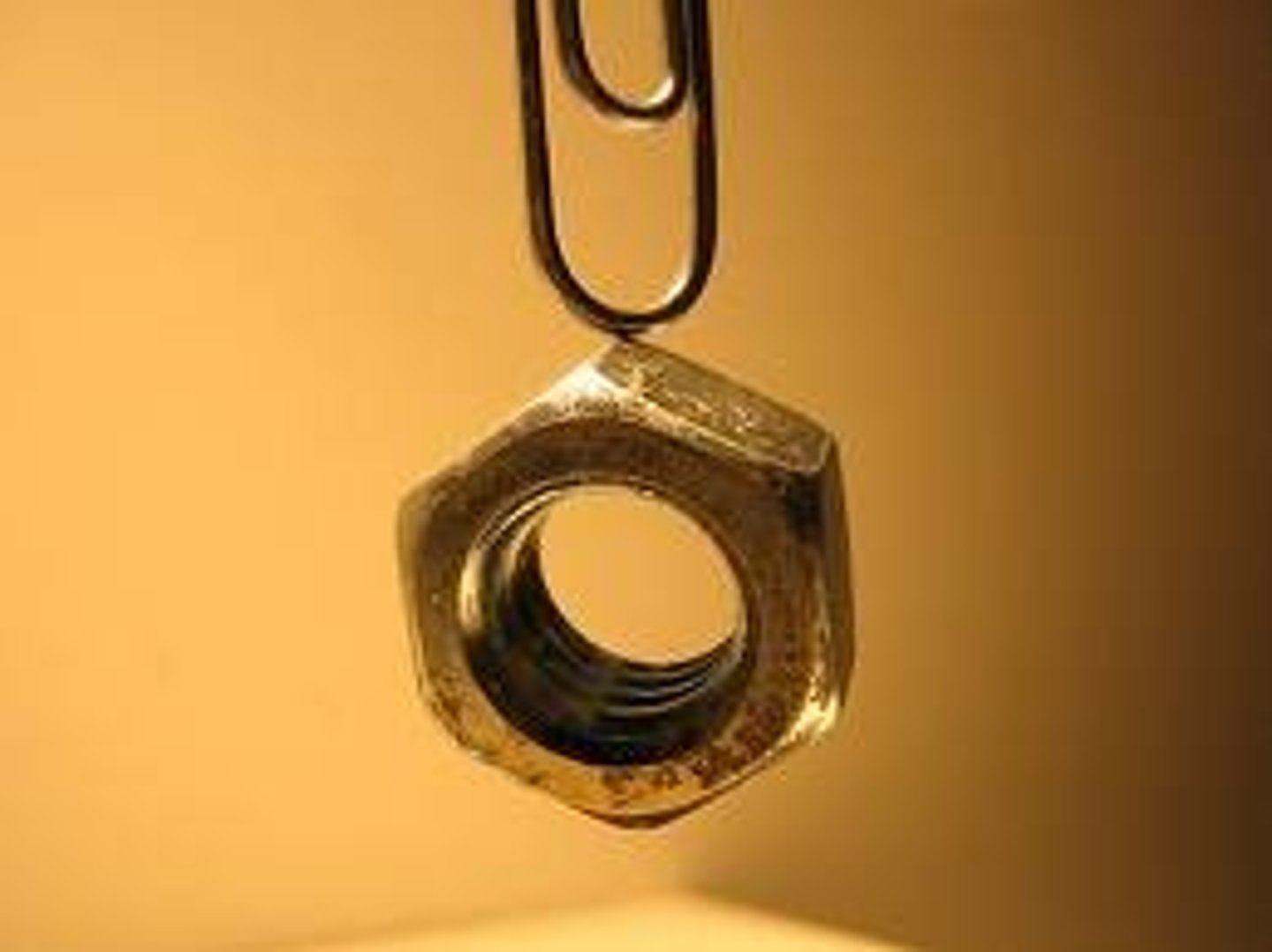
temporary magnet
a magnet made from a material that easily loses its magnetism
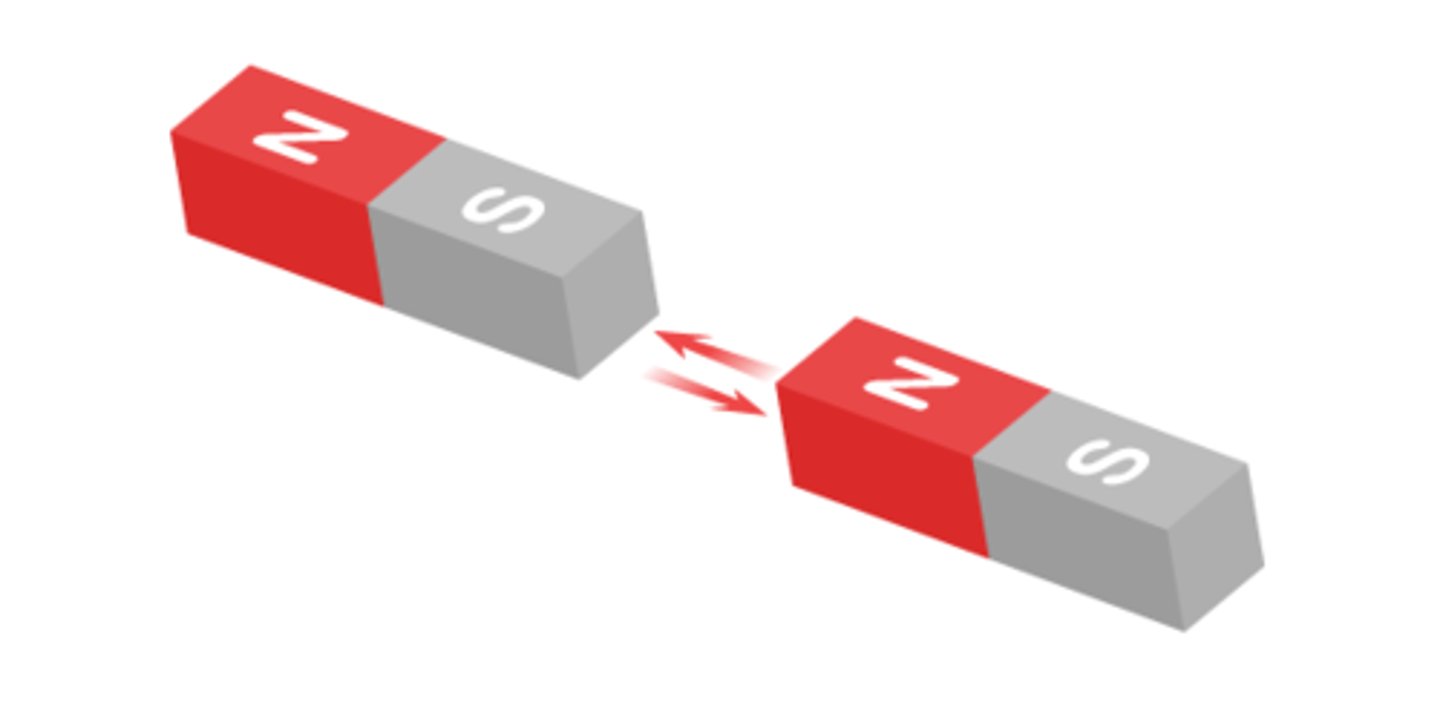
pole
a place on a magnet where magnetism is strongest
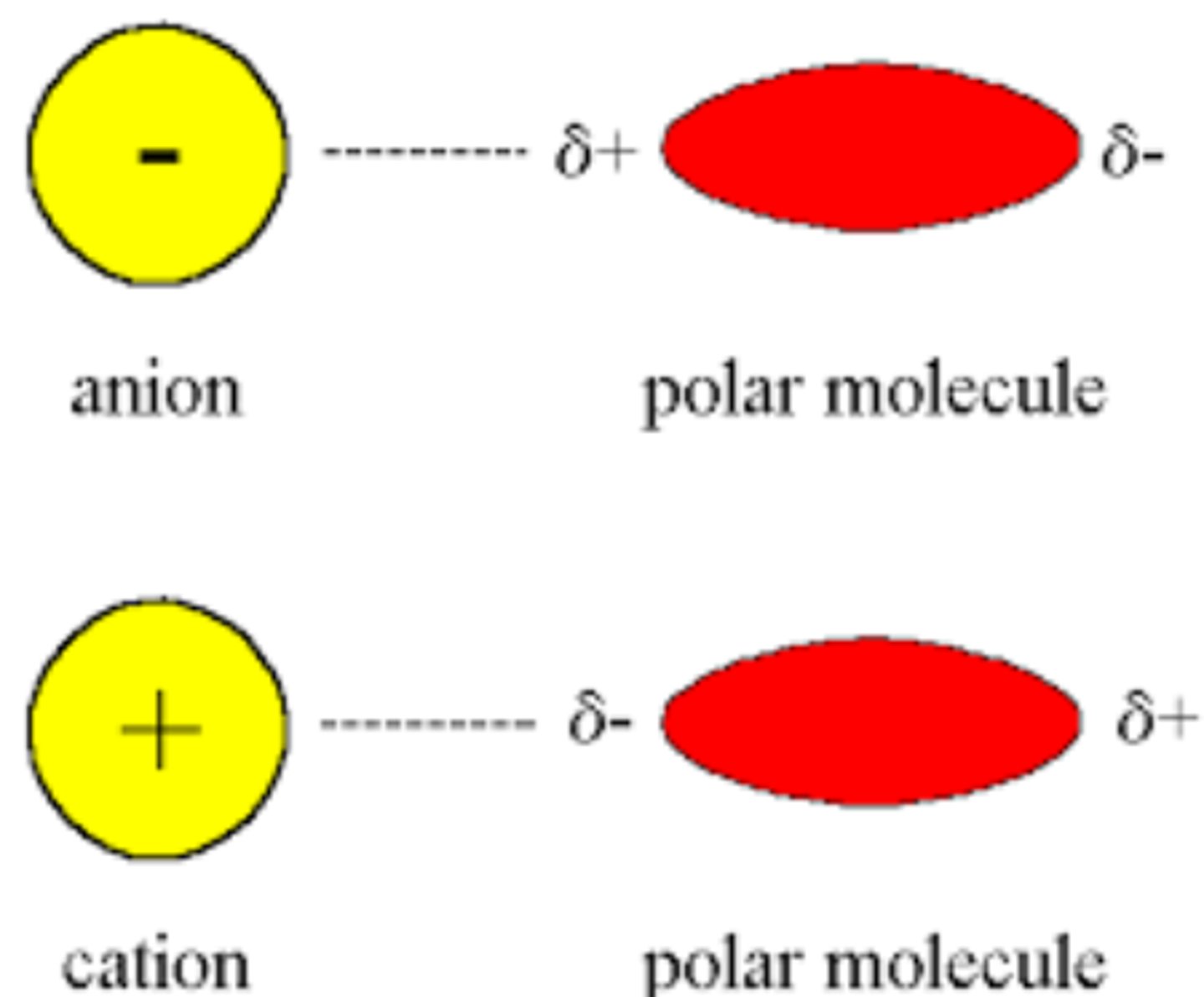
dipole
created by equal but opposite charges that are separated by a short distance
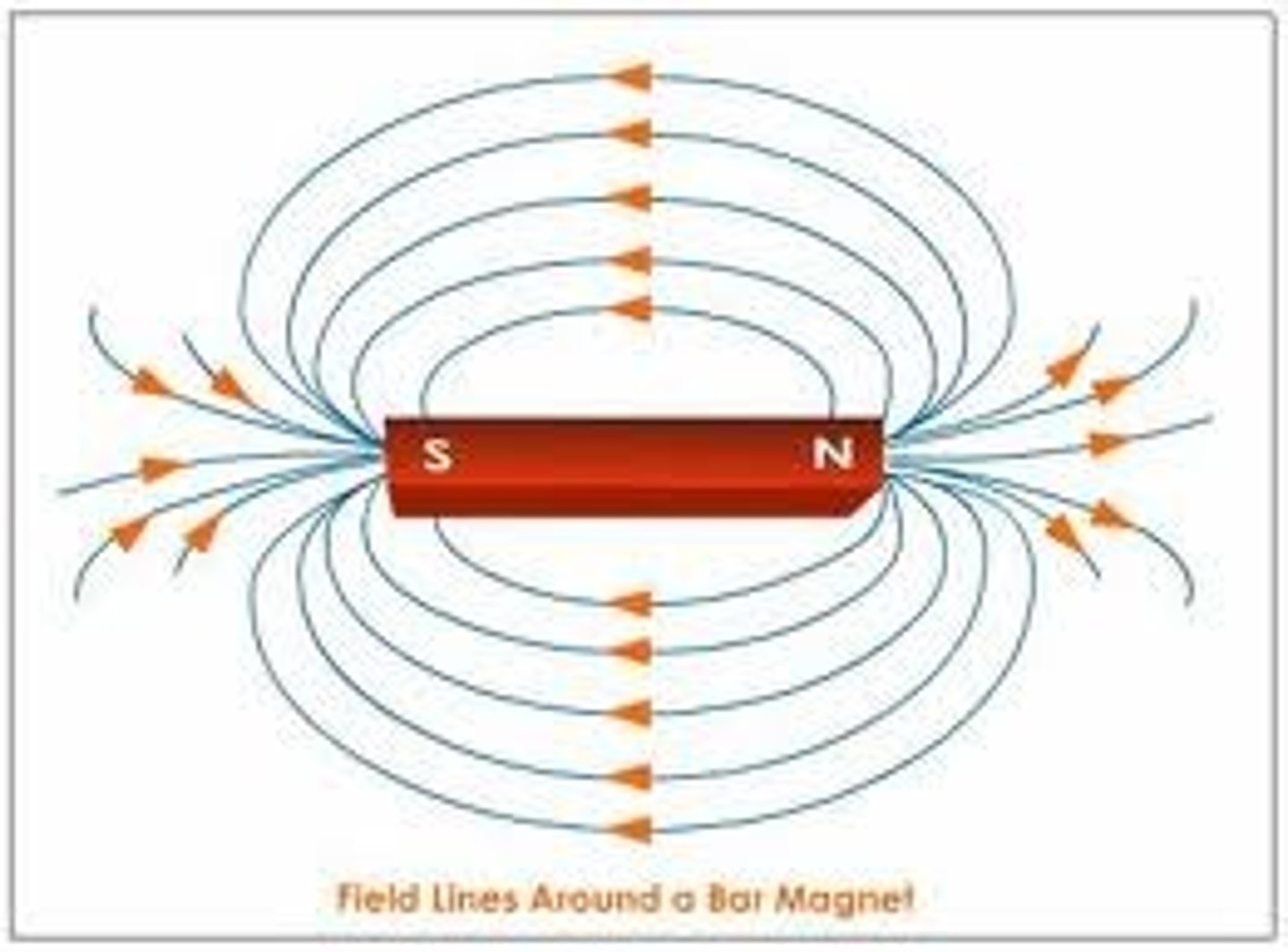
magnetic field
The area of magnetic force around a magnet
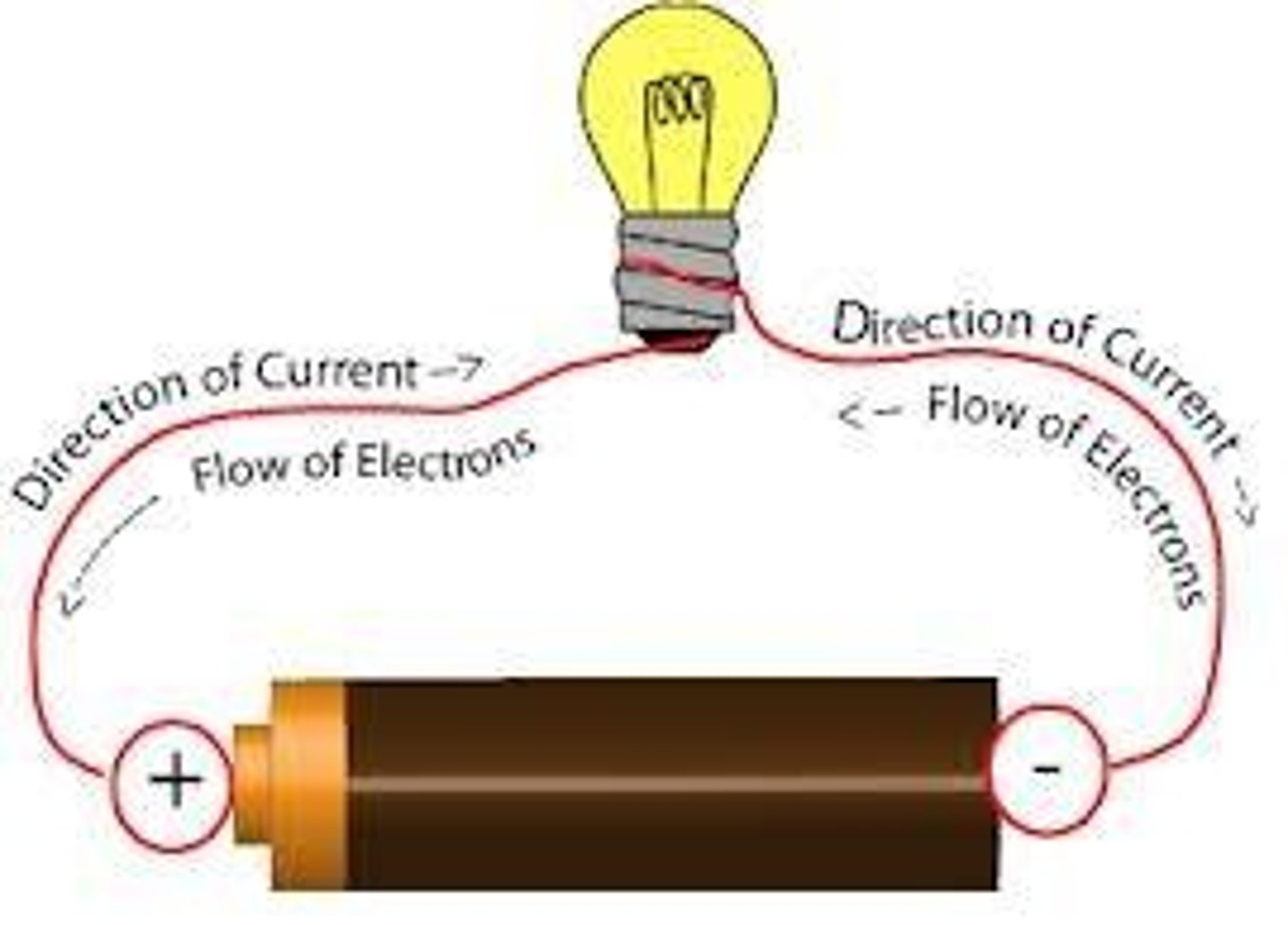
electric current
The continuous flow of electric charges through a material
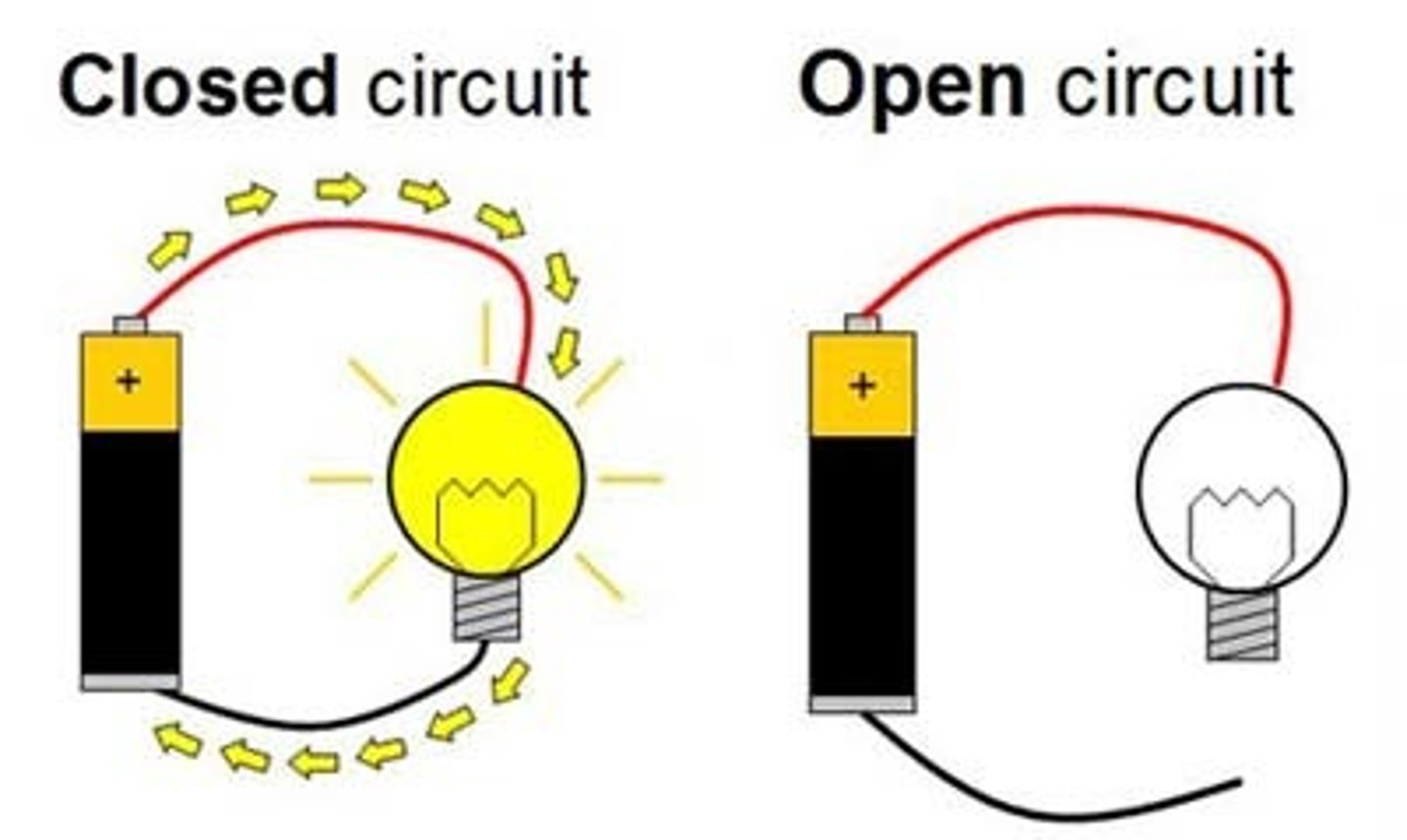
closed circuit
a complete circuit through which electricity flows
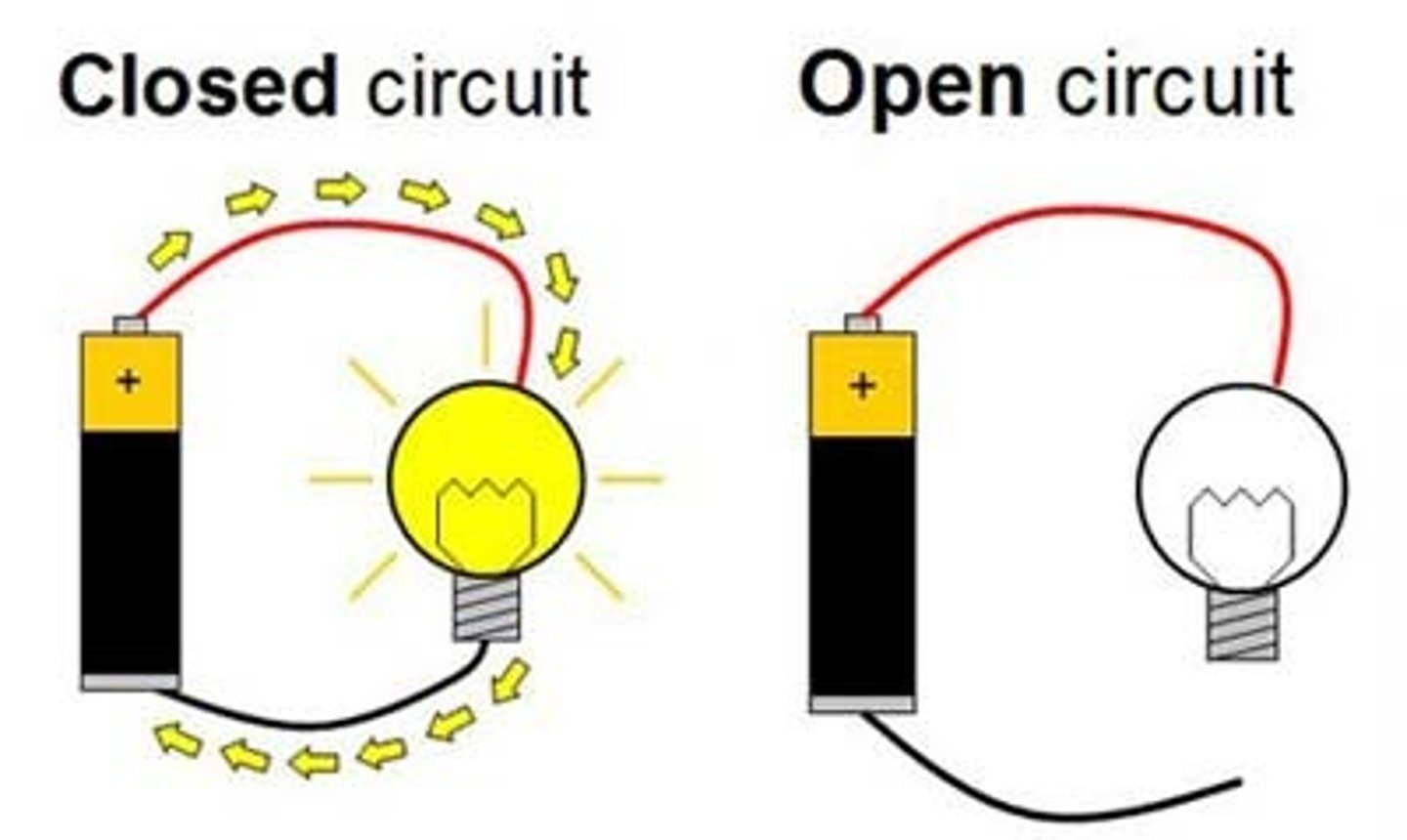
open circuit
an incomplete electrical circuit in which no current flows
resistance
in psychoanalysis, the blocking from consciousness of anxiety-laden material
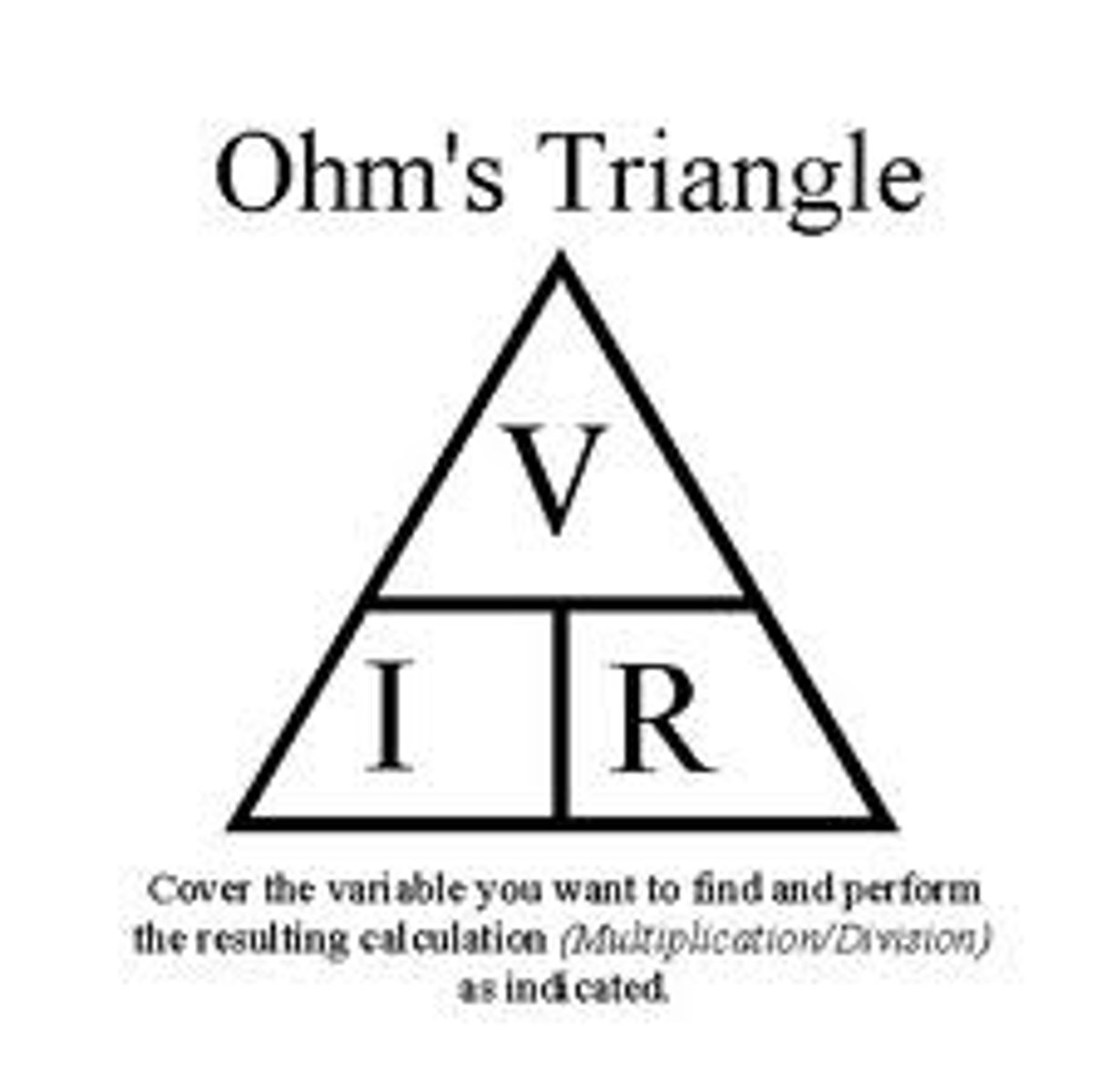
Ohm's law
the current in a circuit equals the voltage difference divided by the resistance
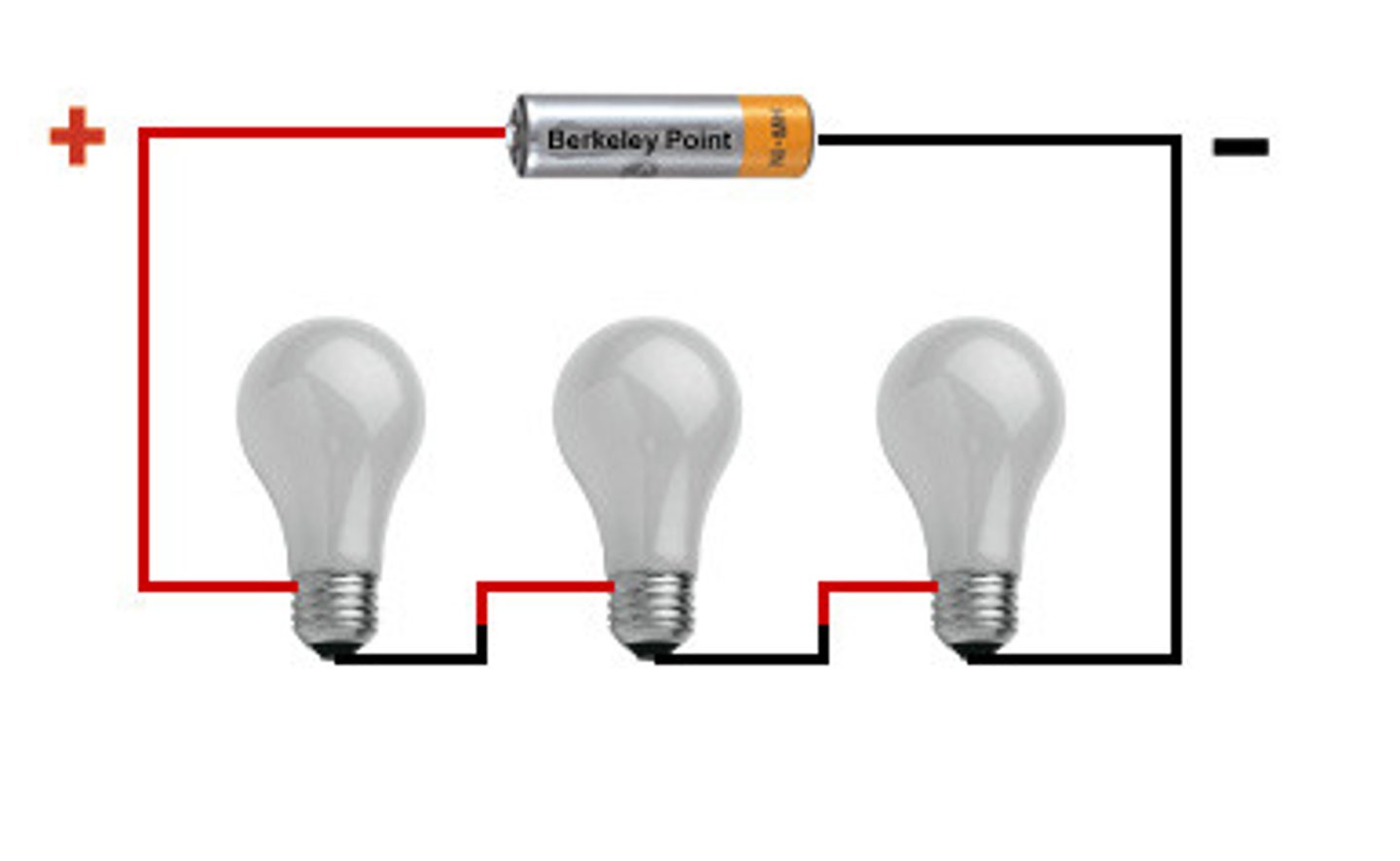
series circuit
A circuit in which all parts are connected end to end to provide a single path of current.
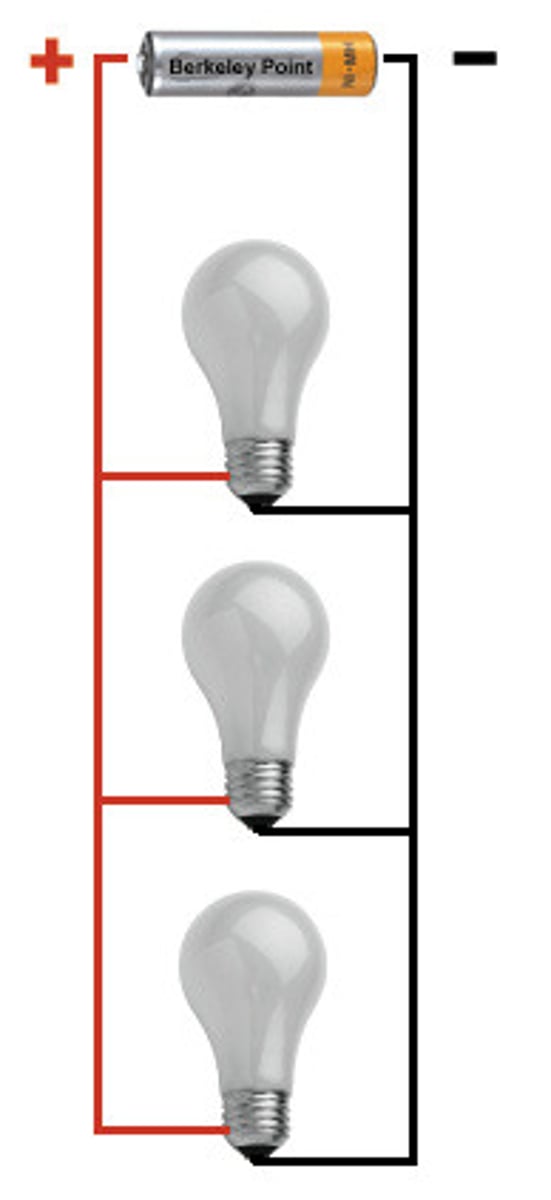
parallel circuit
A circuit that contains more than one path for current flow.
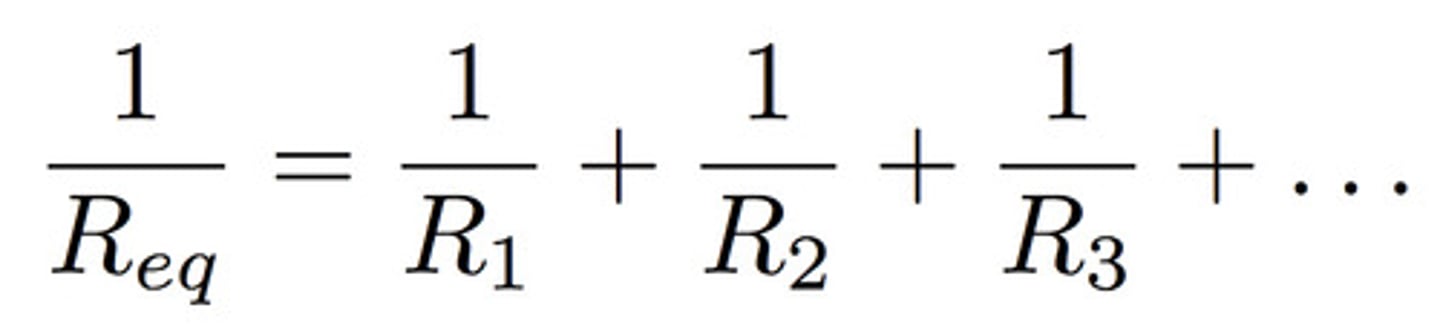
equivalent / effective resistance
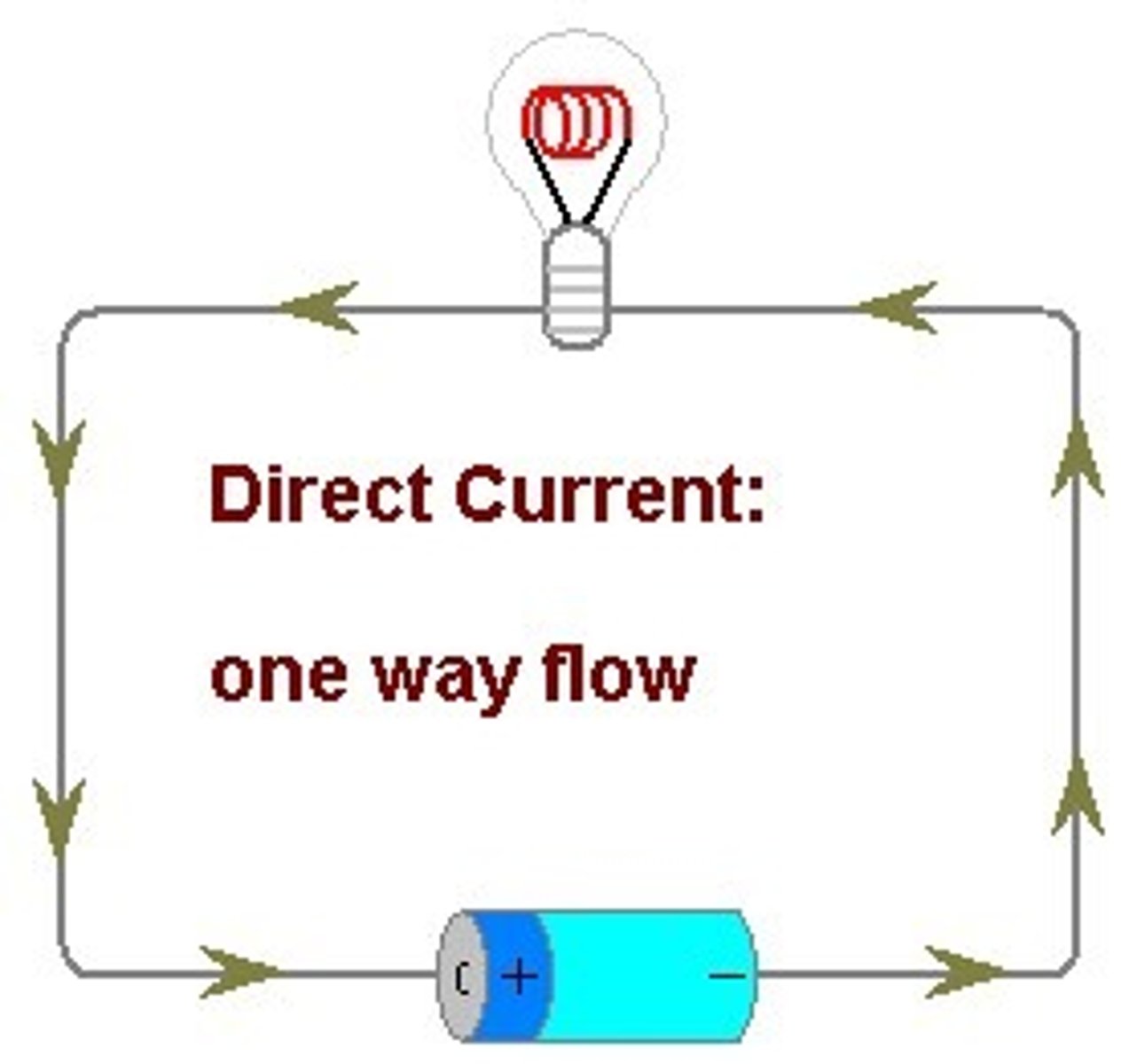
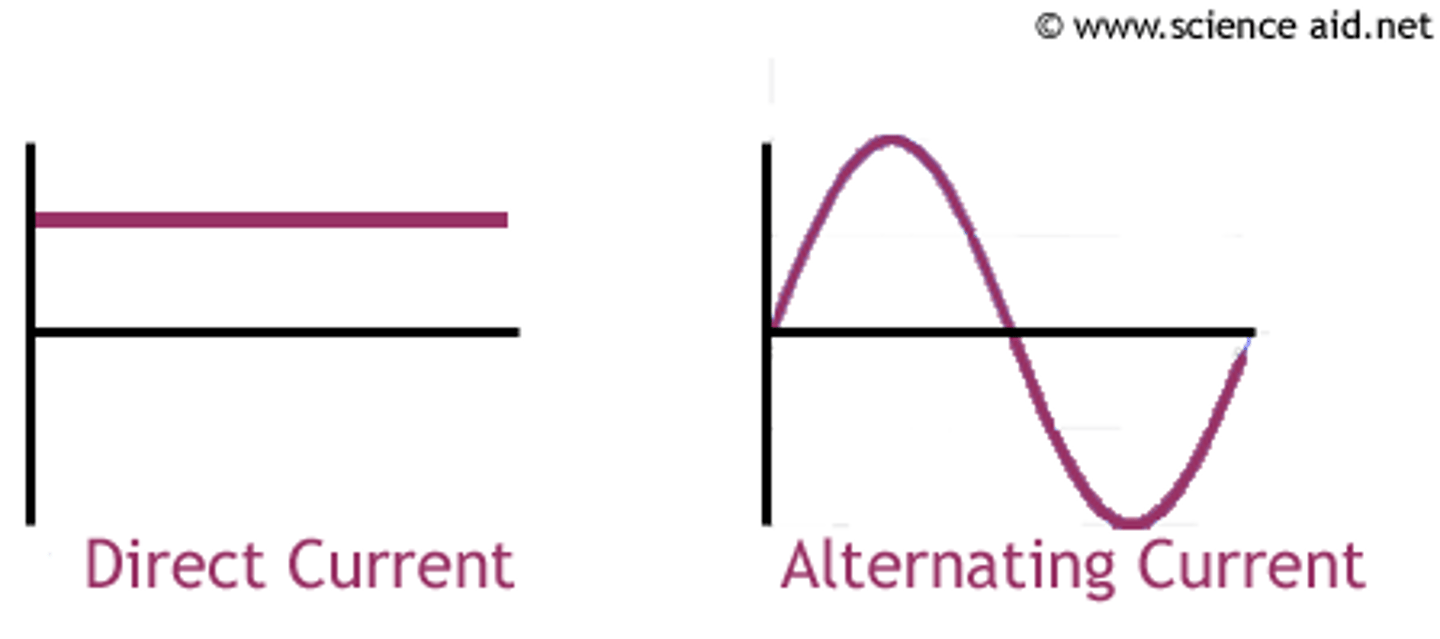
direct current
an electric current that flows in one direction steadily
alternating current
A flow of electric charge that regularly reverses its direction.
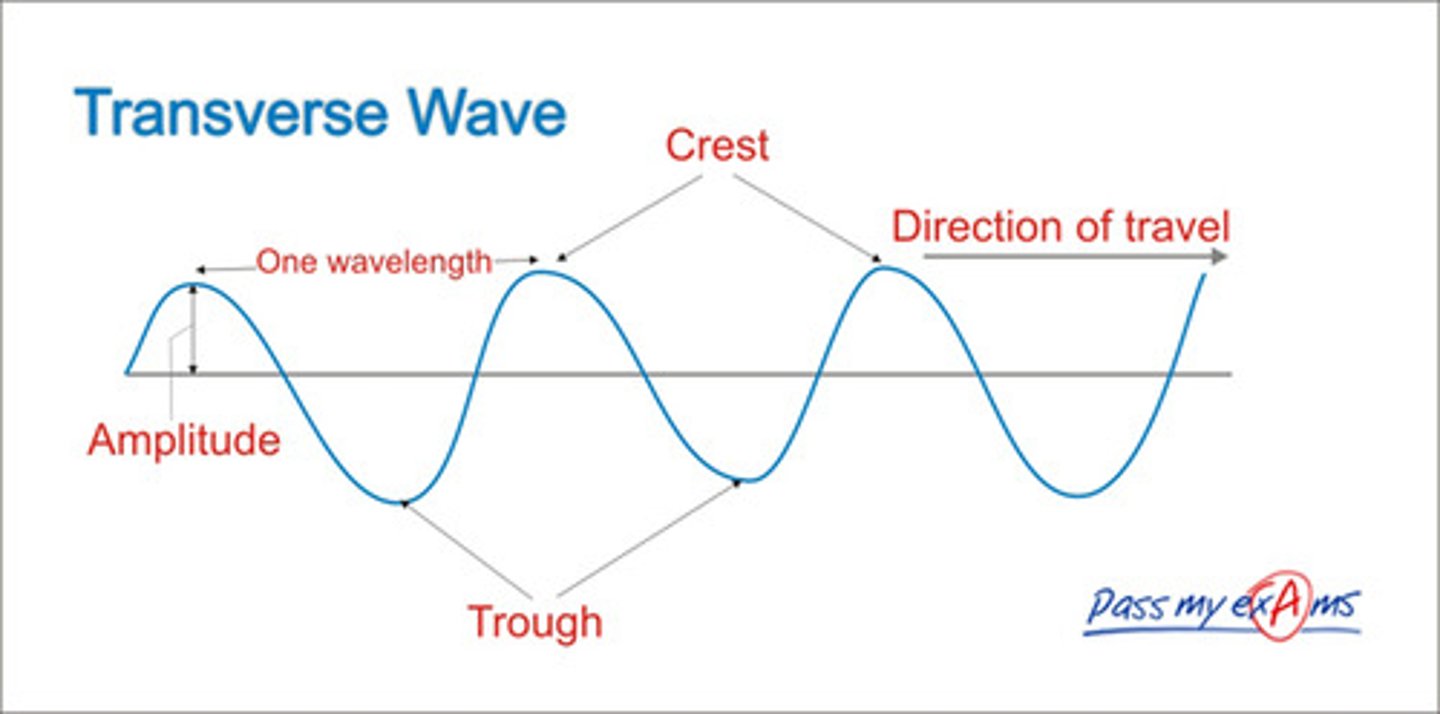
transverse wave
A wave that moves the medium in a direction perpendicular to the direction in which the wave travels
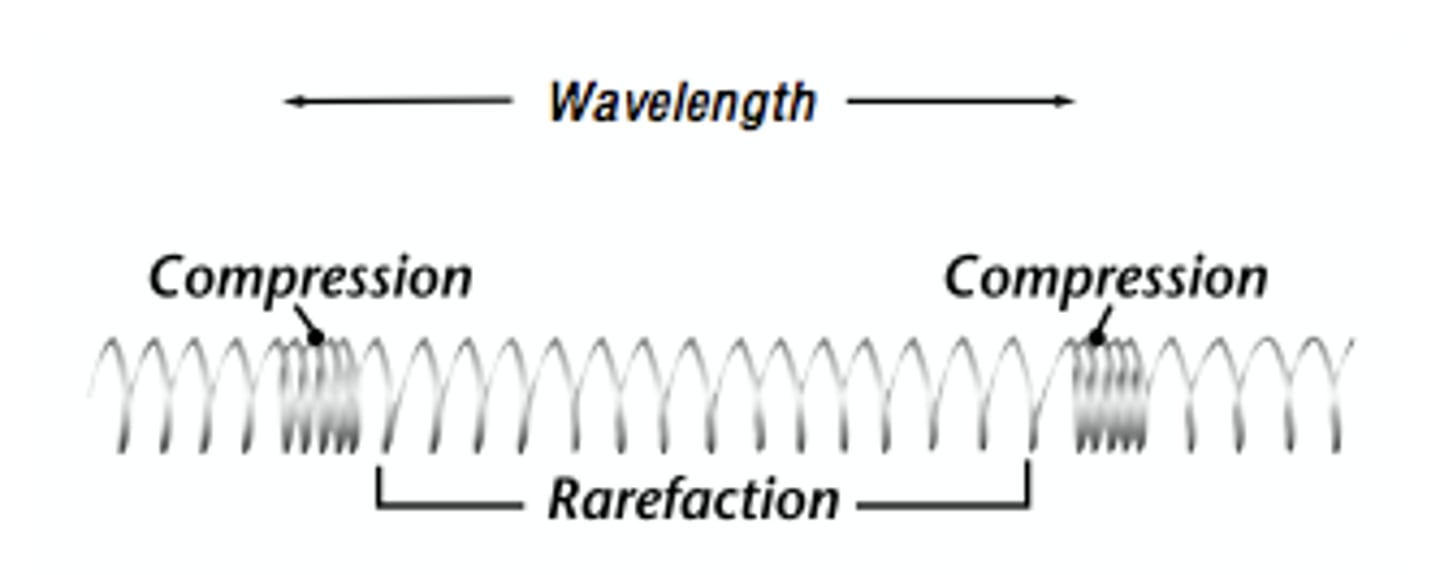
longitudinal wave
A wave in which the vibration of the medium is parallel to the direction the wave travels
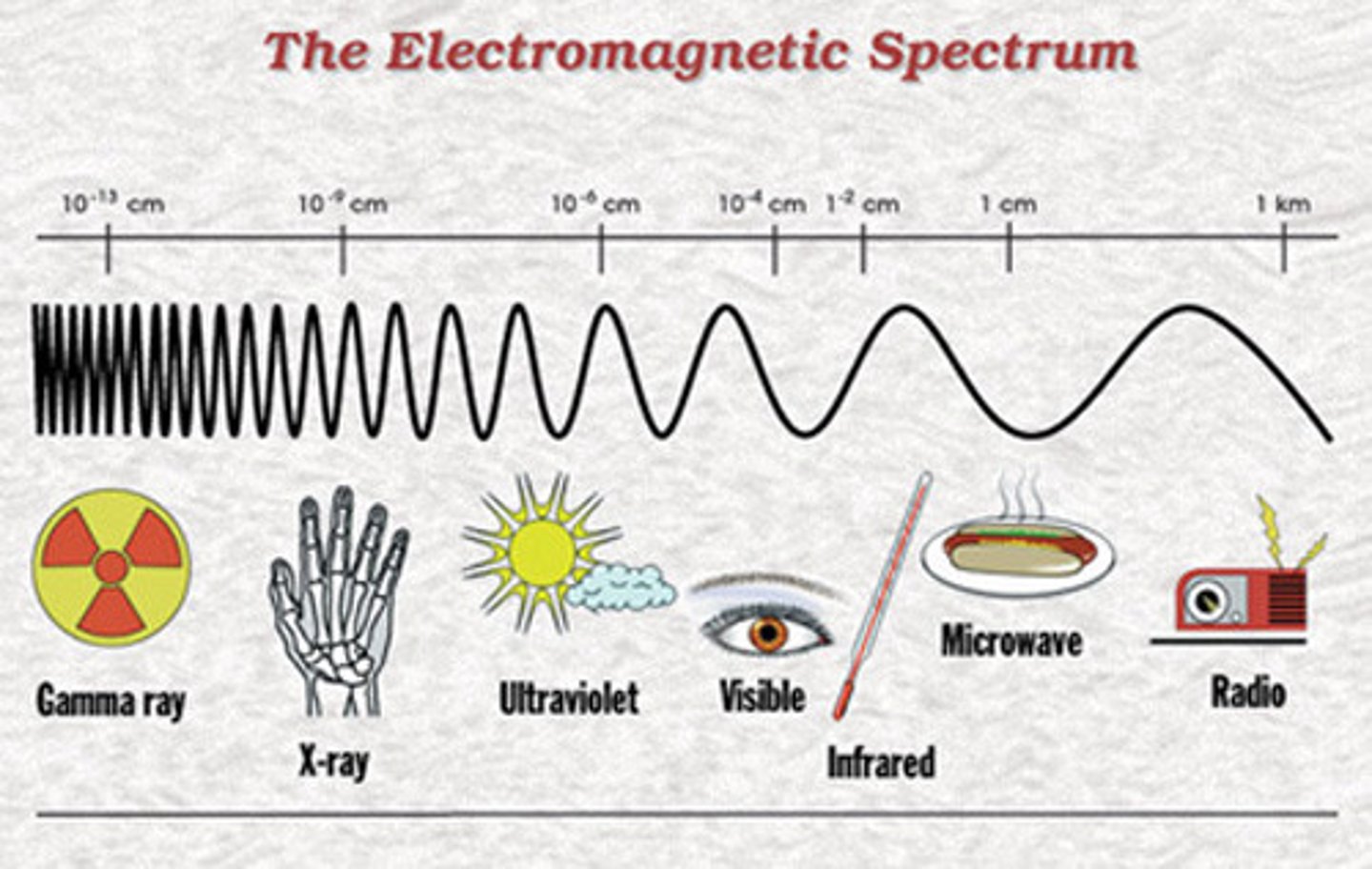
electromagnetic wave
A form of energy that can move through the vacuum of space.
mechanical wave
A wave that requires a medium through which to travel
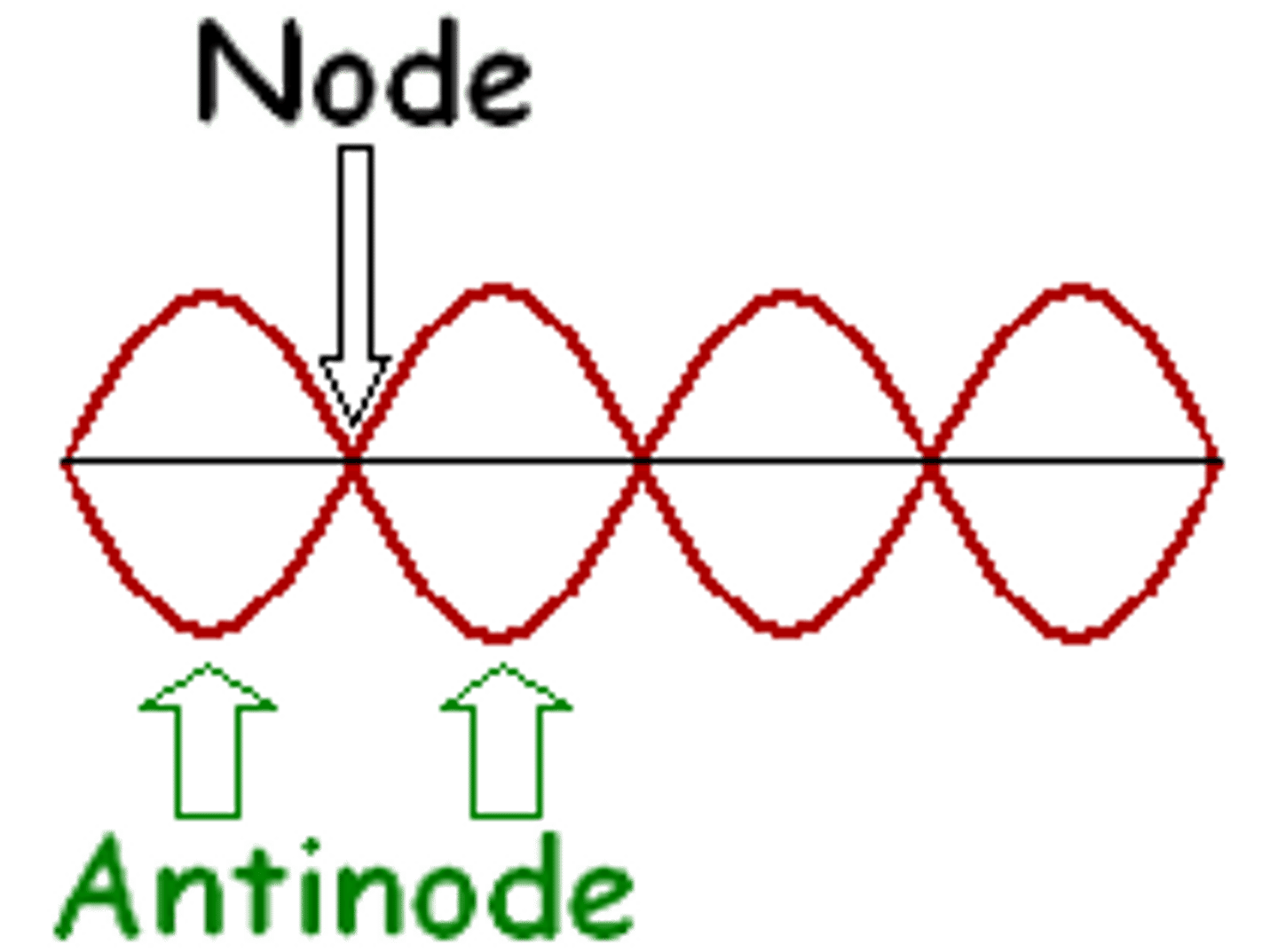
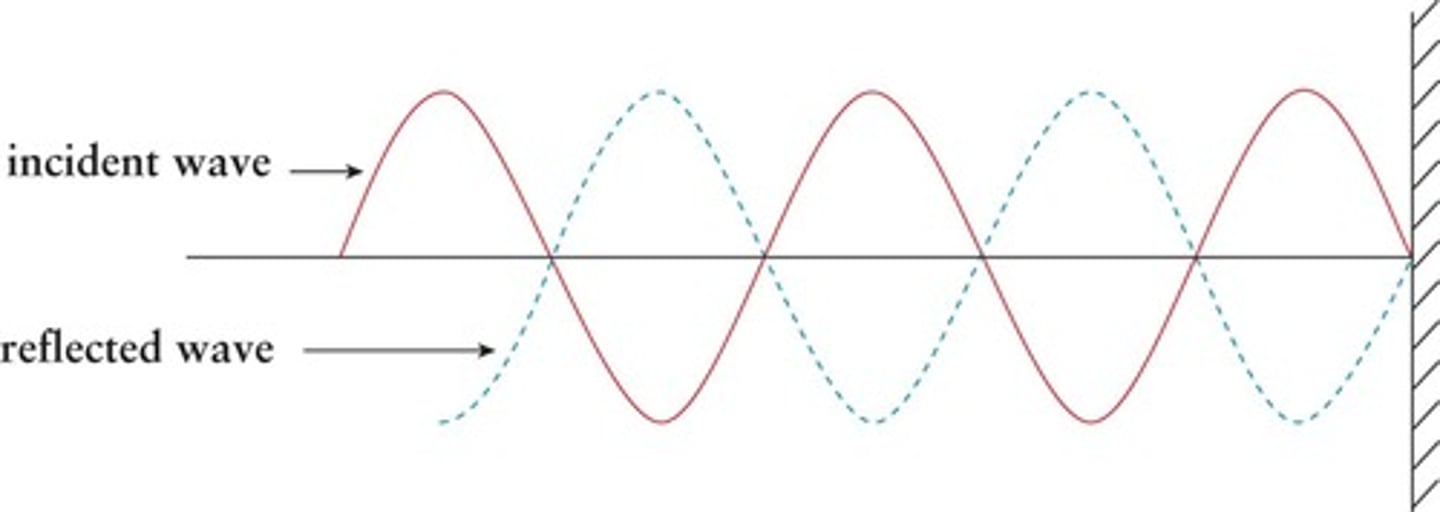
standing wave
a pattern of vibration that simulates a wave that is standing still
traveling wave
seen moving
reflected and inverted at boundary
baseline
normal (straight line)
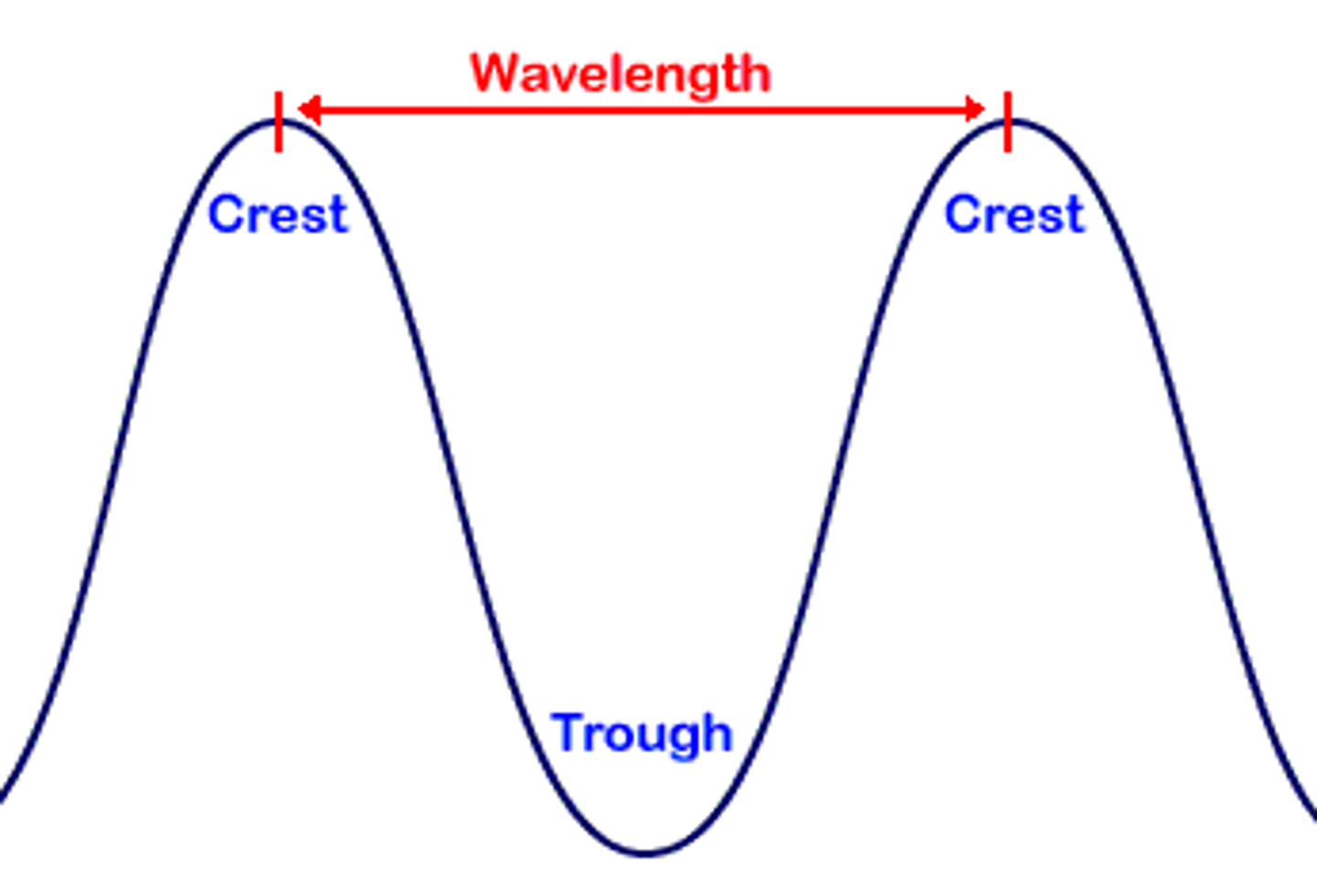
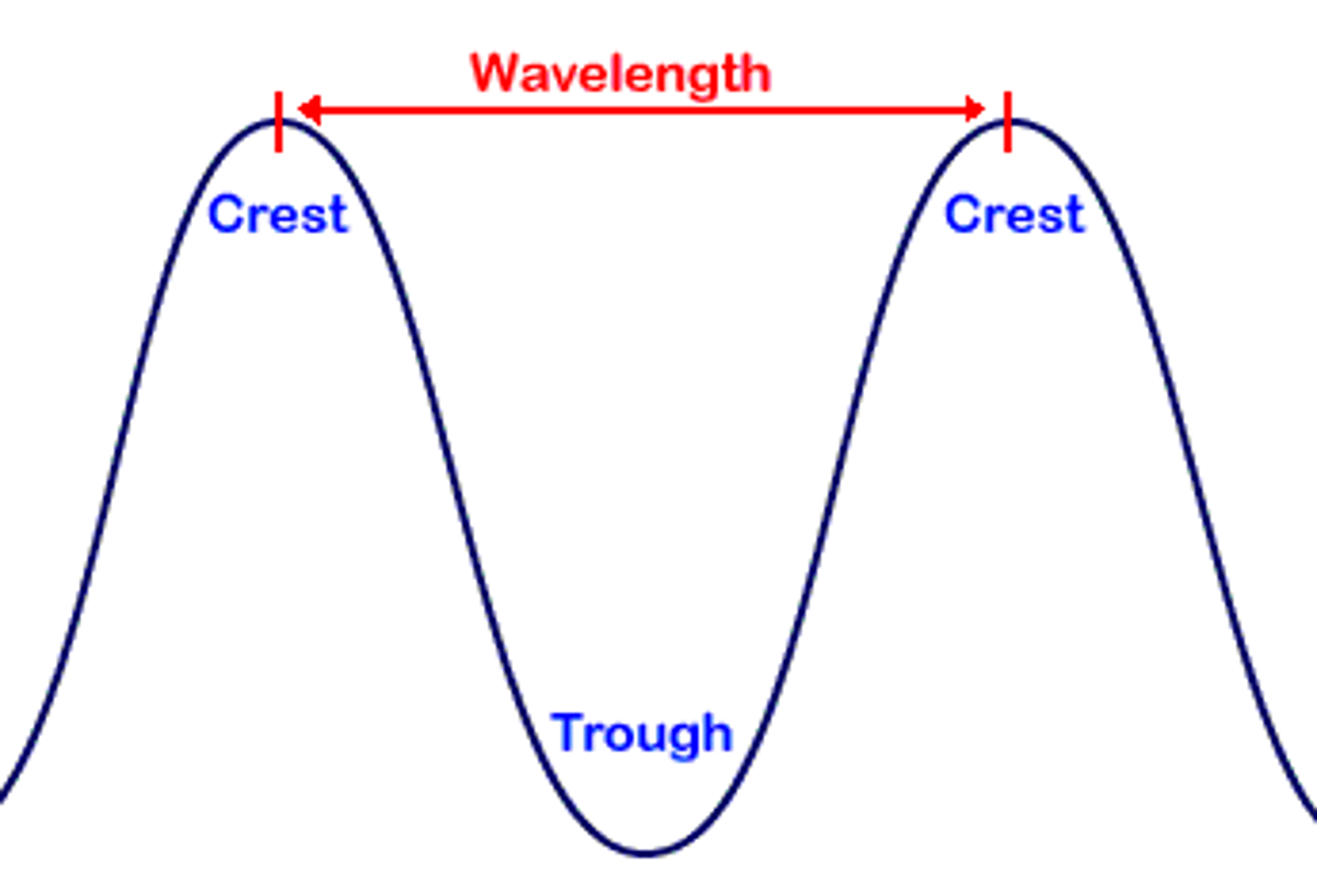
wavelength
Horizontal distance between the crests or between the troughs of two adjacent waves
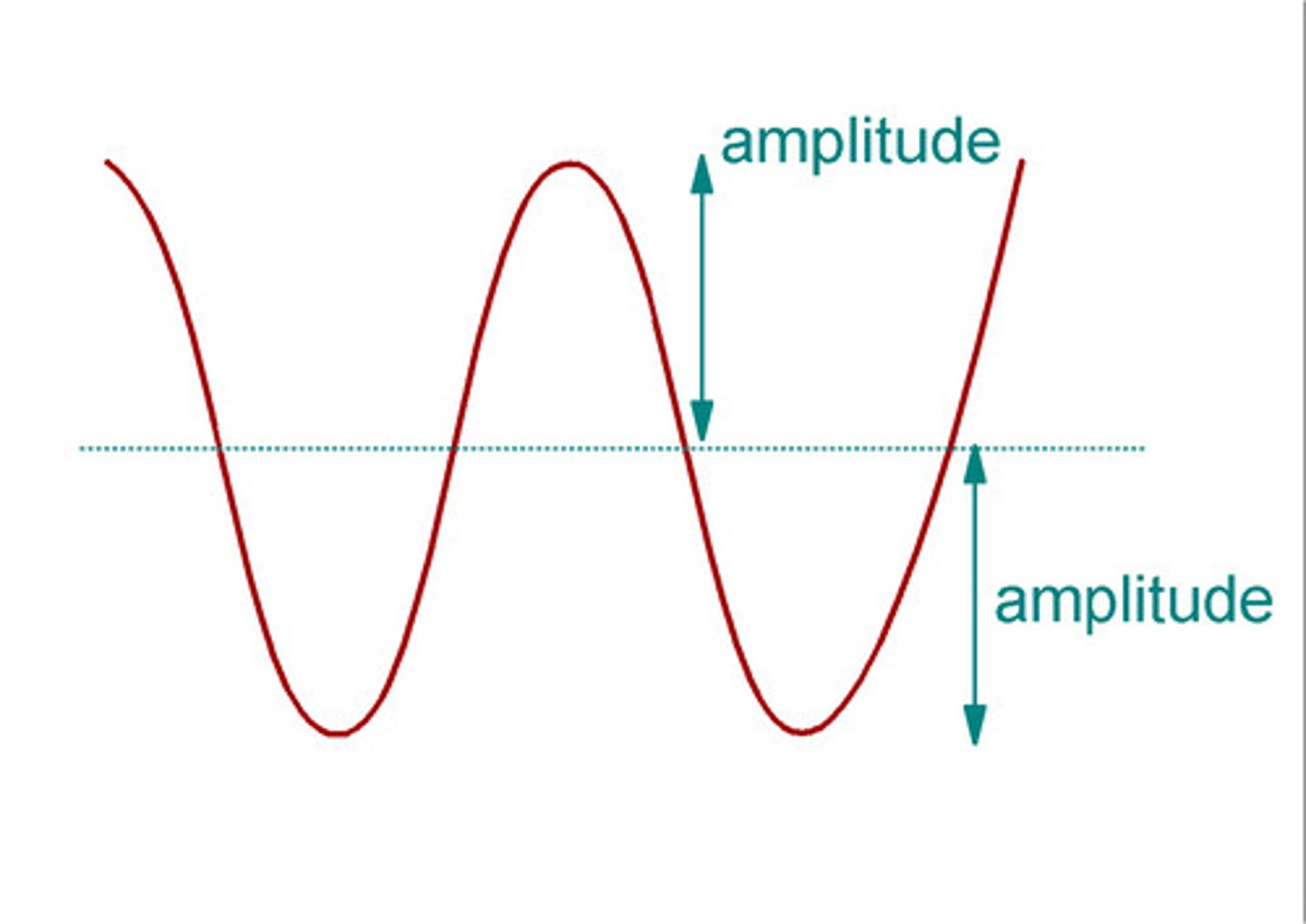
amplitude
Height of a wave
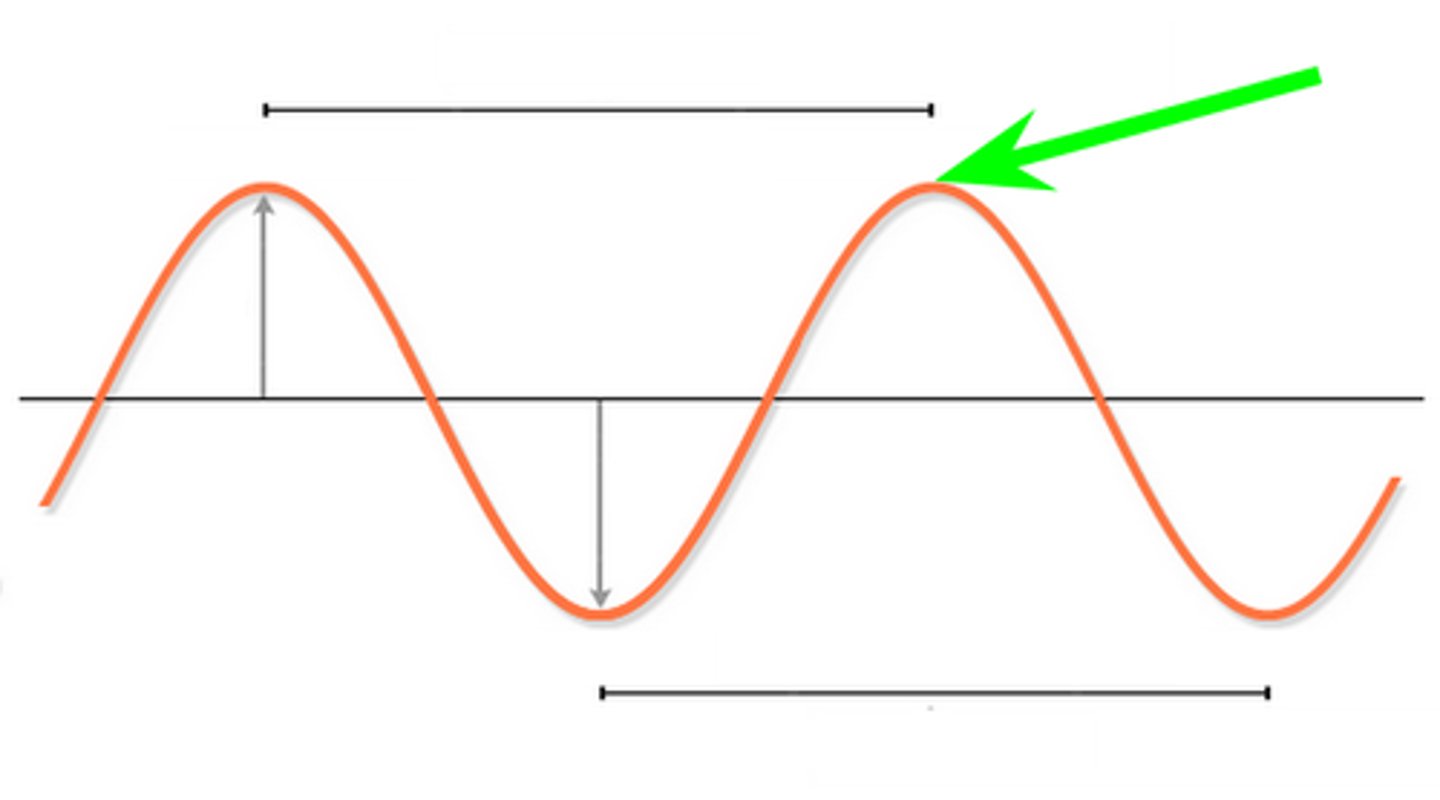
peak / crest
Highest point of a wave
trough / valley
Lowest point of a wave
period
the time it takes for one complete cycle—specifically two consecutive crests or troughs—to pass a fixed point
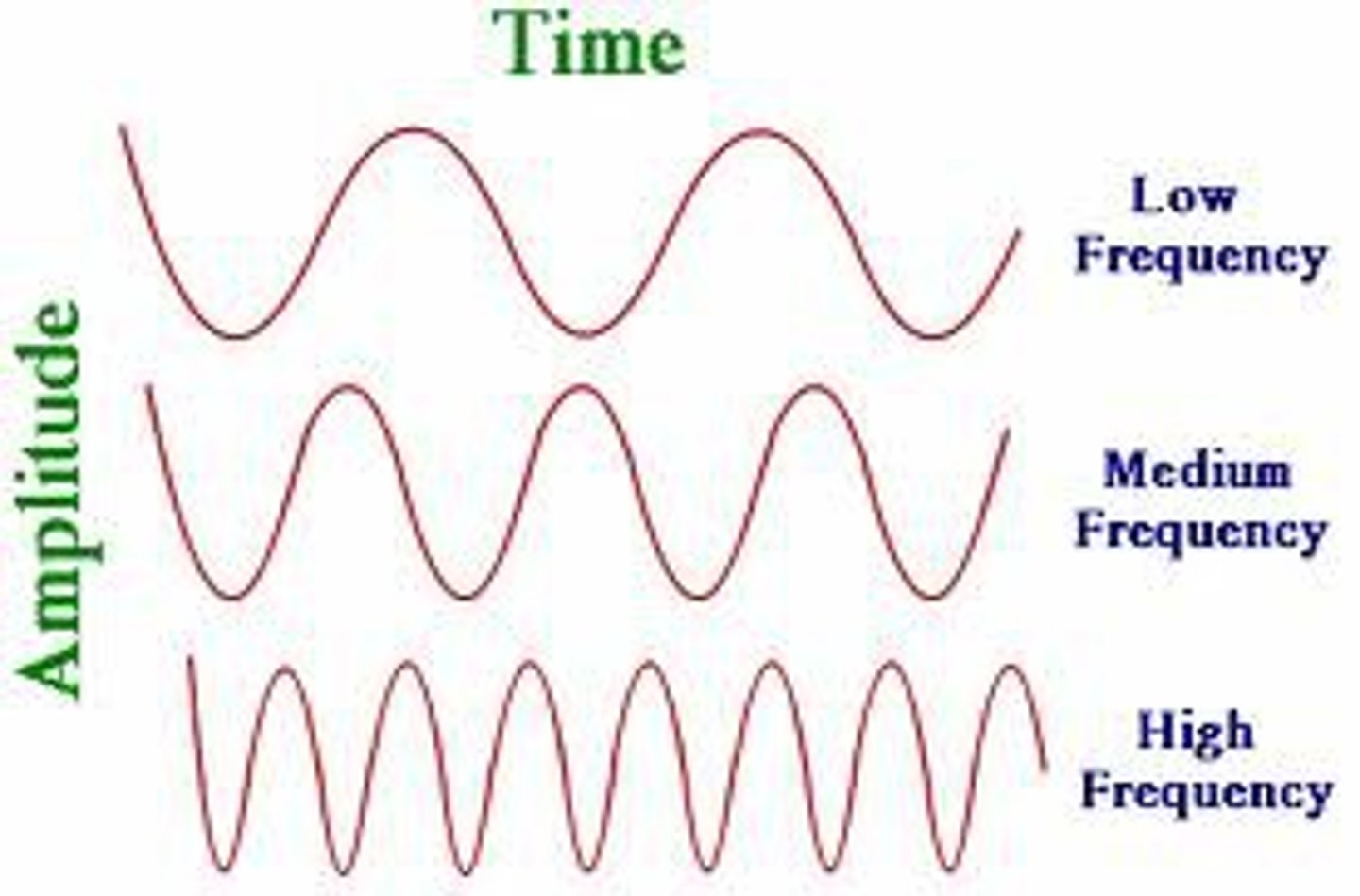
frequency
the number of complete wavelengths that pass a point in a given time
node
A point on a standing wave that has no displacement from the rest position