Chapter 24: Musculoskeletal system
 Call Kai
 Learn
Learn Practice Test
 Spaced Repetition
 Match
Match Flashcards
 Knowt Play
1/97

There's no tags or description
Looks like no tags are added yet.
Name | Mastery | Learn | Test | Matching | Spaced | Call with Kai |
|---|
No analytics yet
Send a link to your students to track their progress
98 Terms
mobility
All types of movement from one location to another.
what composes the musculoskeletal system
bone, muscles, joints
the musculoskeletal systems over purpose is to
provide structure and movement for body parts
the musculoskeletal system is controlled and innervated by the
nervous system
what is the purpose of bones
provide structure to the body
provides protection
serves as a lever
stores calcium
produce blood cells
how many bones make up the skeleton
206 bones
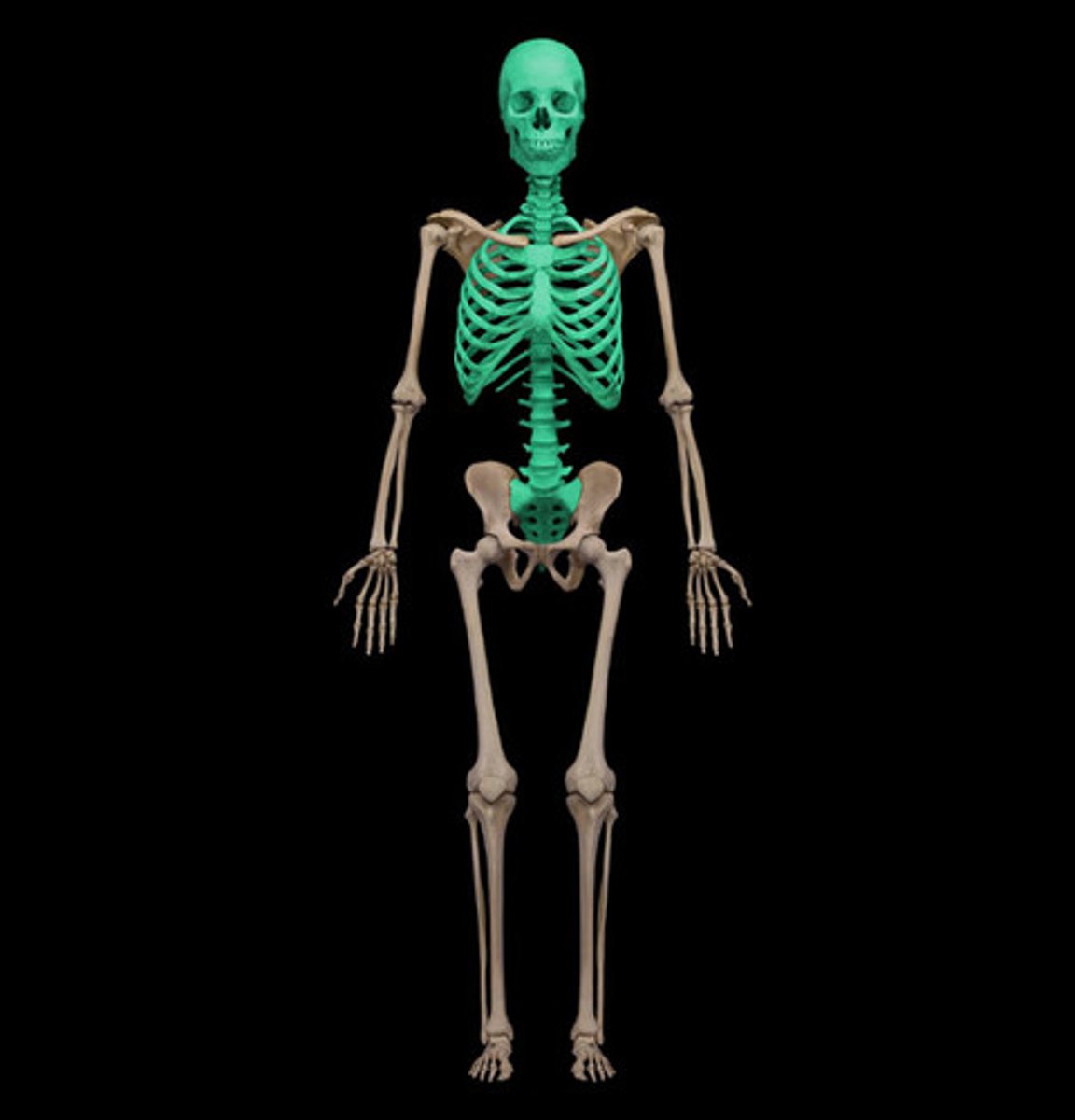
axial skeleton
Portion of the skeletal system that consists of the skull, rib cage, and vertebral column
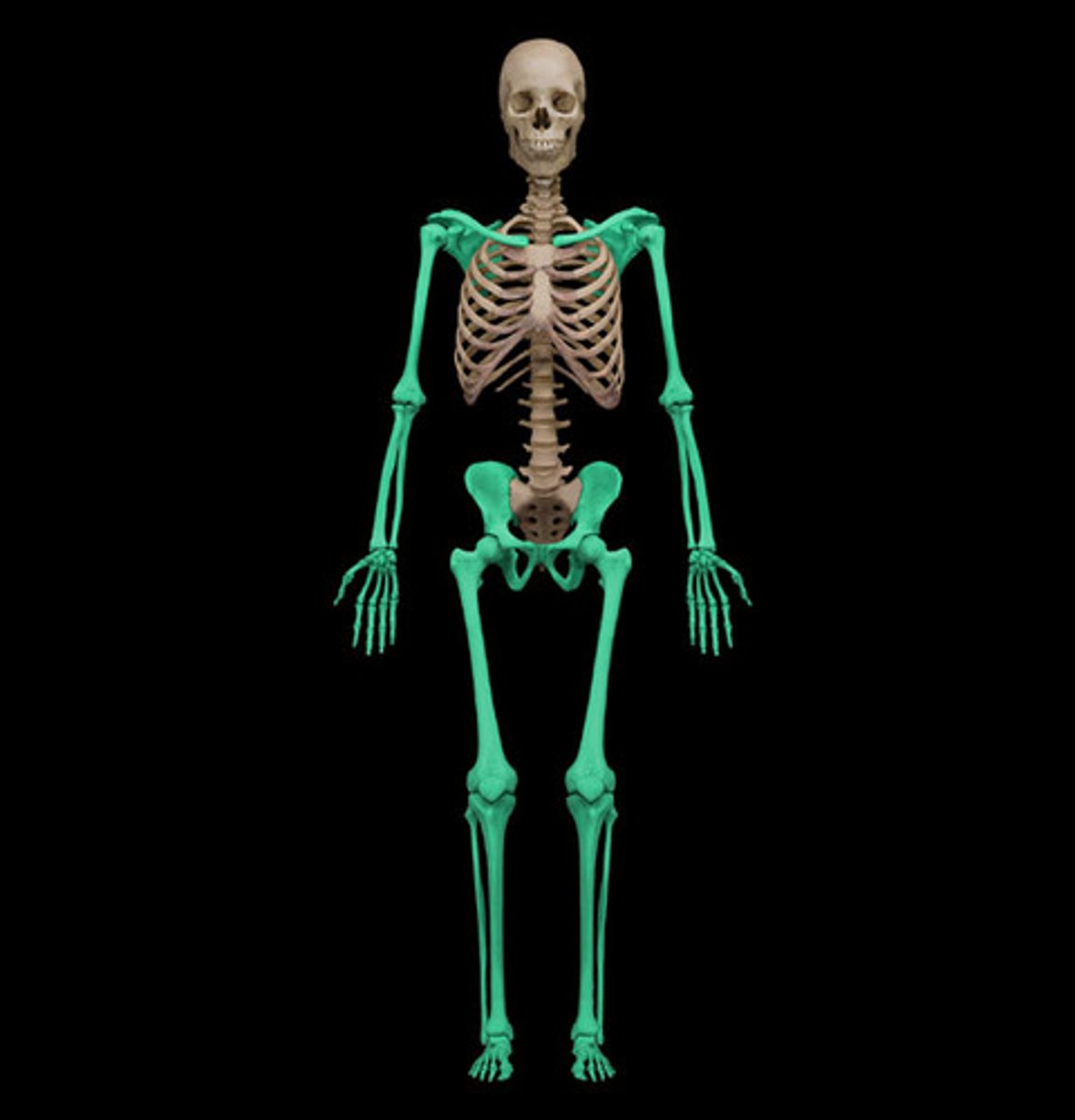
appendicular skeleton
Bones of the limbs and limb girdles that are attached to the axial skeleton
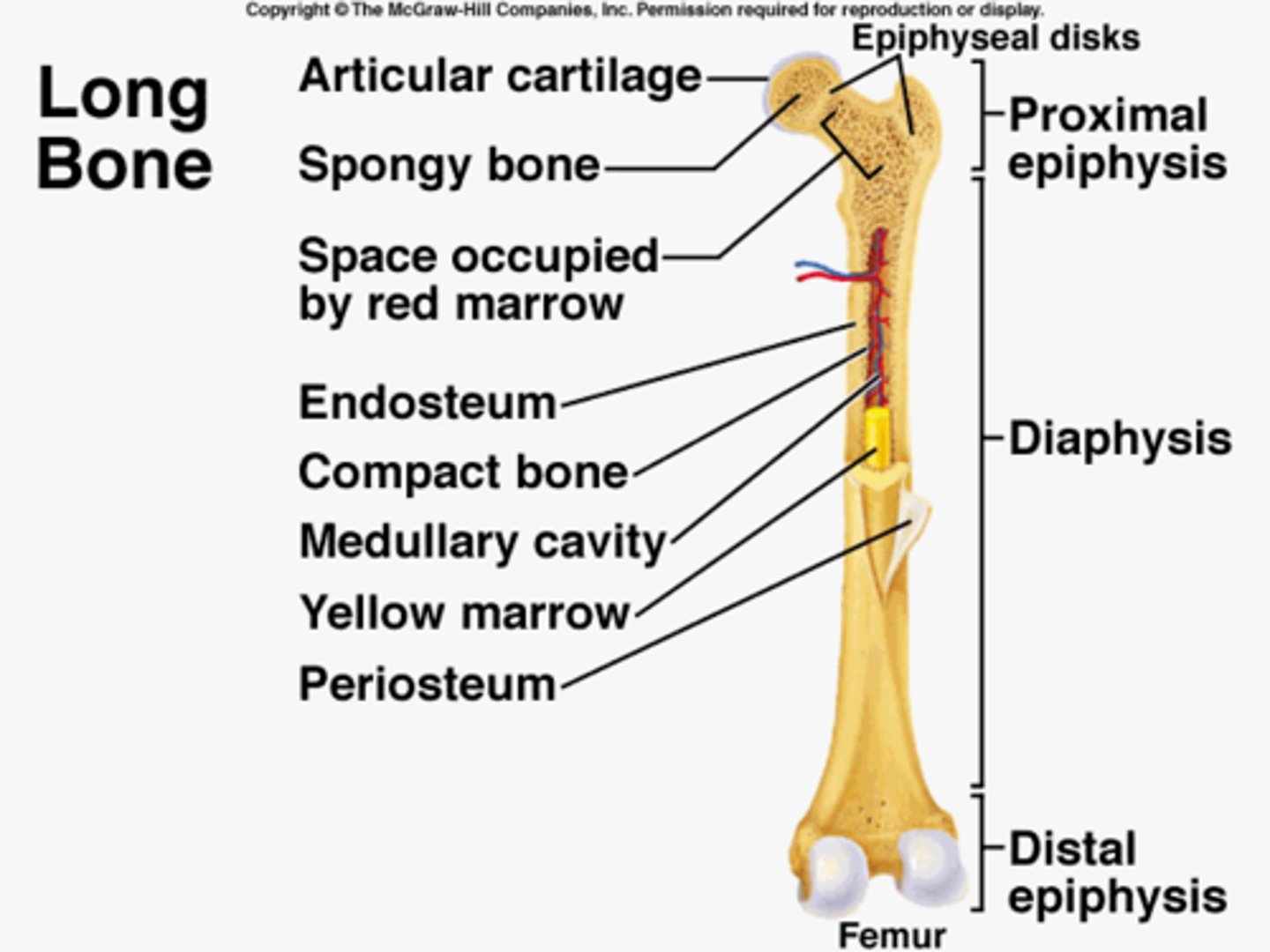
Bones are composed of
osseous tissue
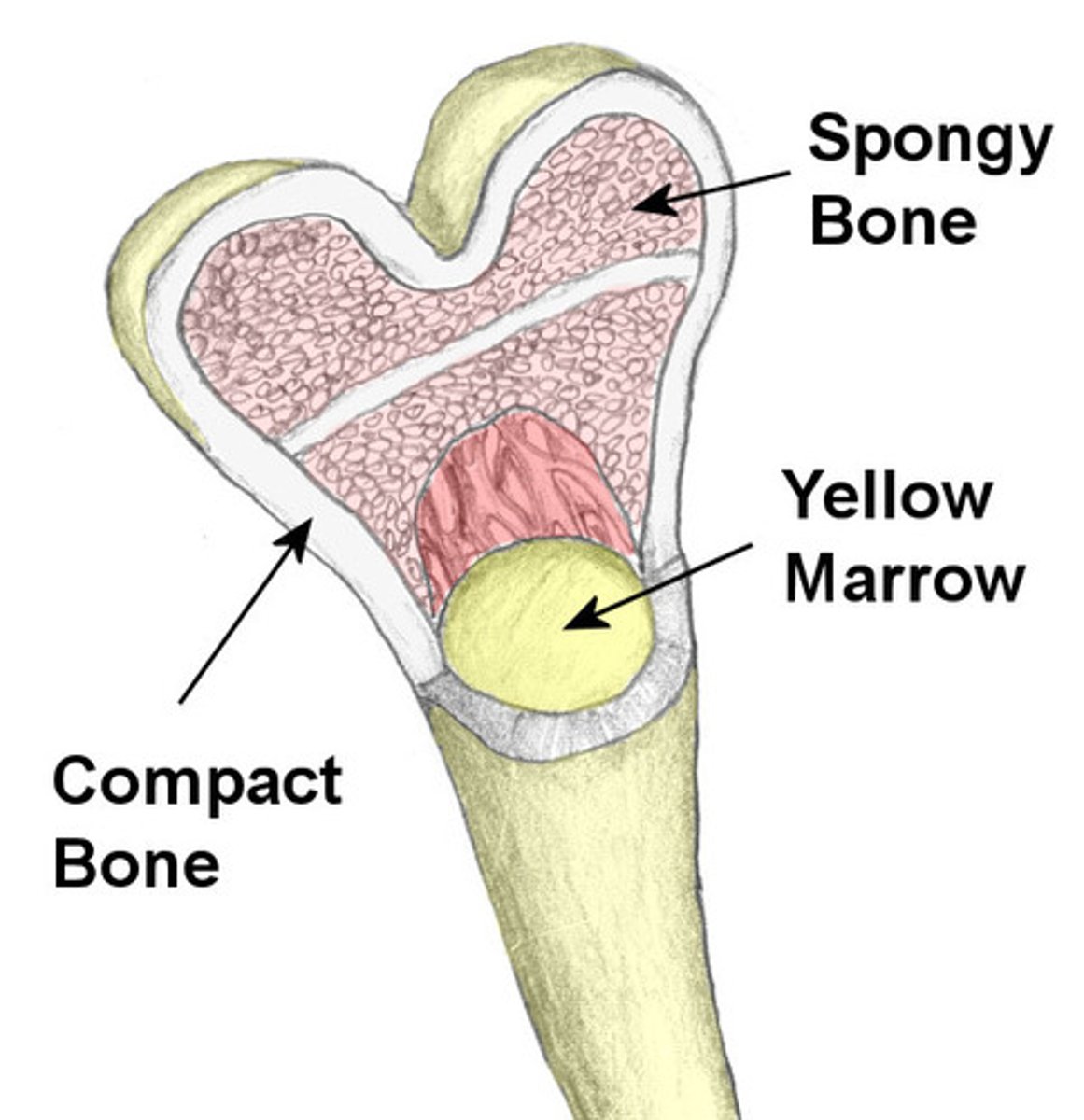
compact bone
Hard, dense bone tissue that is beneath the outer membrane of a bone
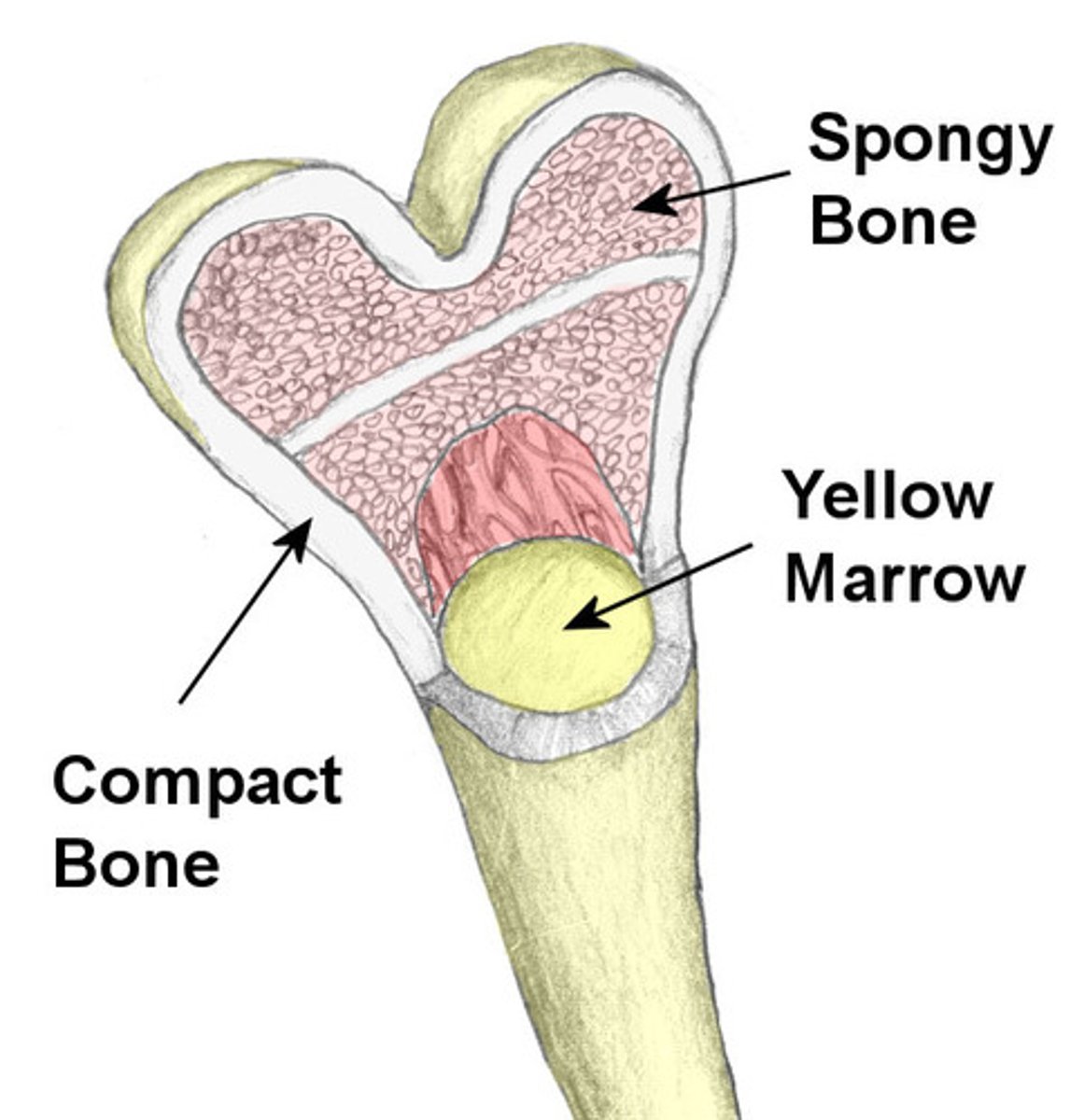
spongey bone
layer of bone tissue having many small spaces found just inside the layer under the compact bone
bone tissue is formed by
active cells called osteoblasts
bone tissue is degraded (destroyed) by
osteoclasts
Red marrow produces
red and white blood cells
yellow marrow
stores fat
Periosteum
Double-layered connective tissue that covers and nourishes the bone.
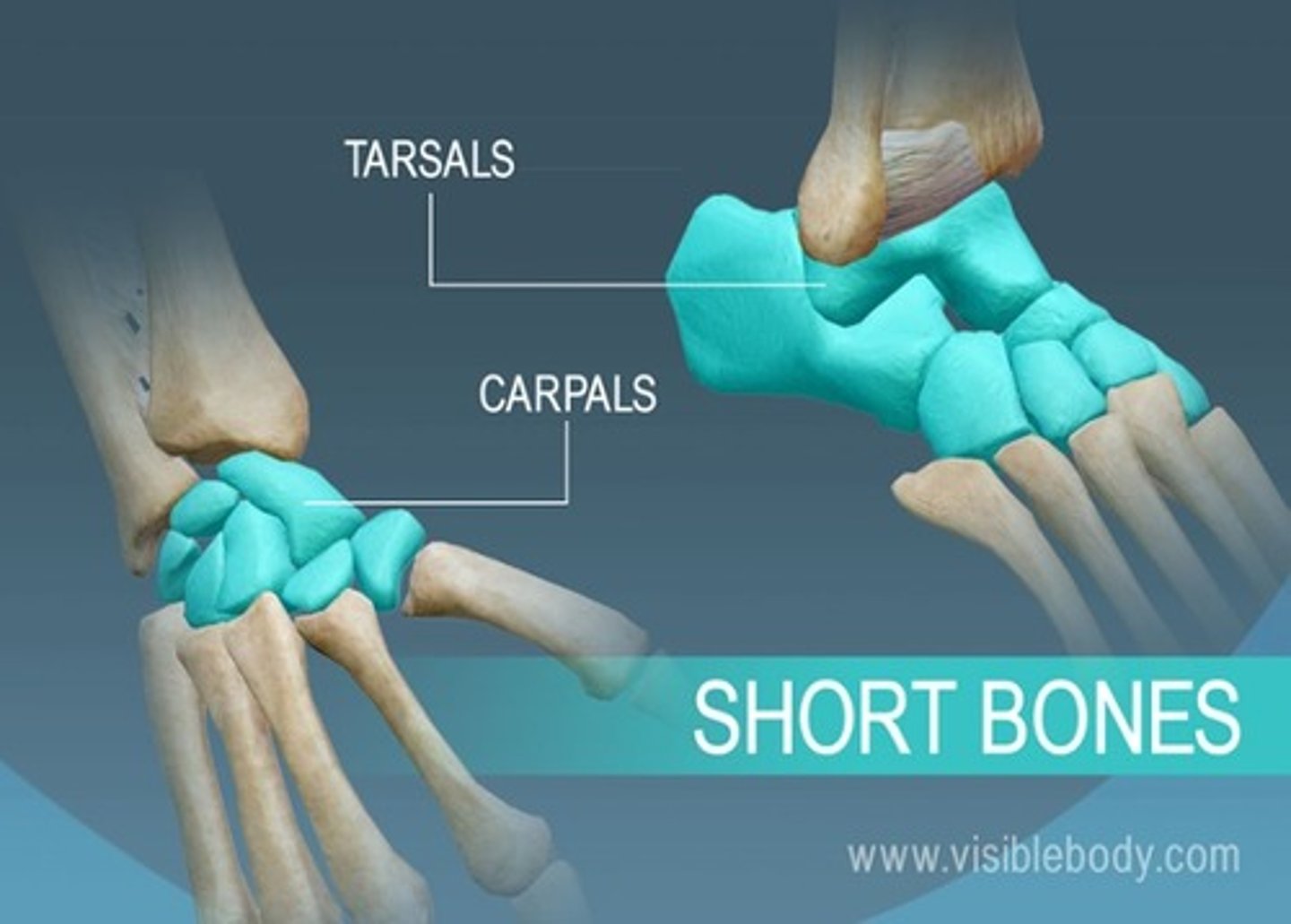
short bones
bones of the wrist and ankles (carpals and tarsals)
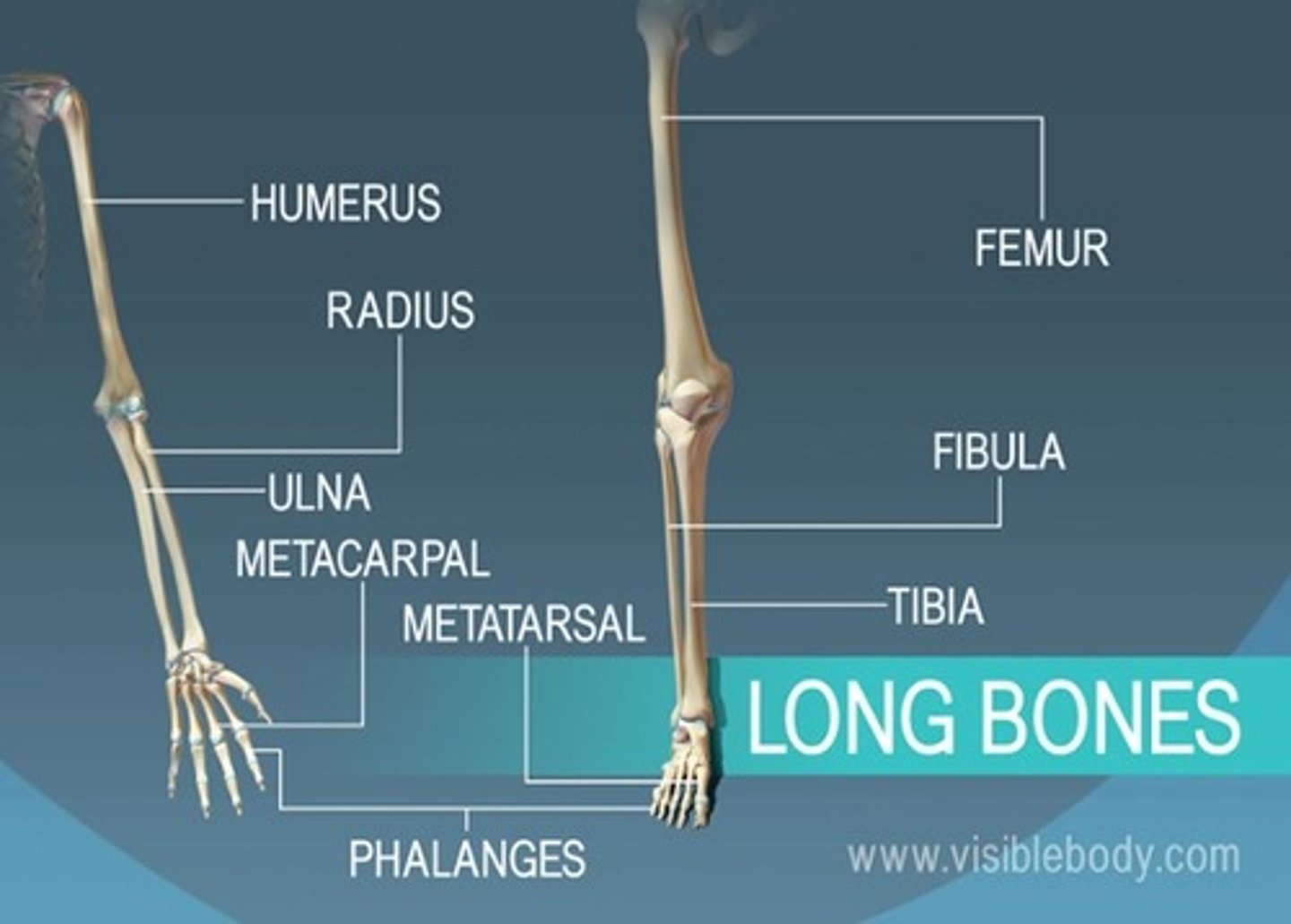
long bones
bones that are longer than they are wide
ex: femus, humerus, etc
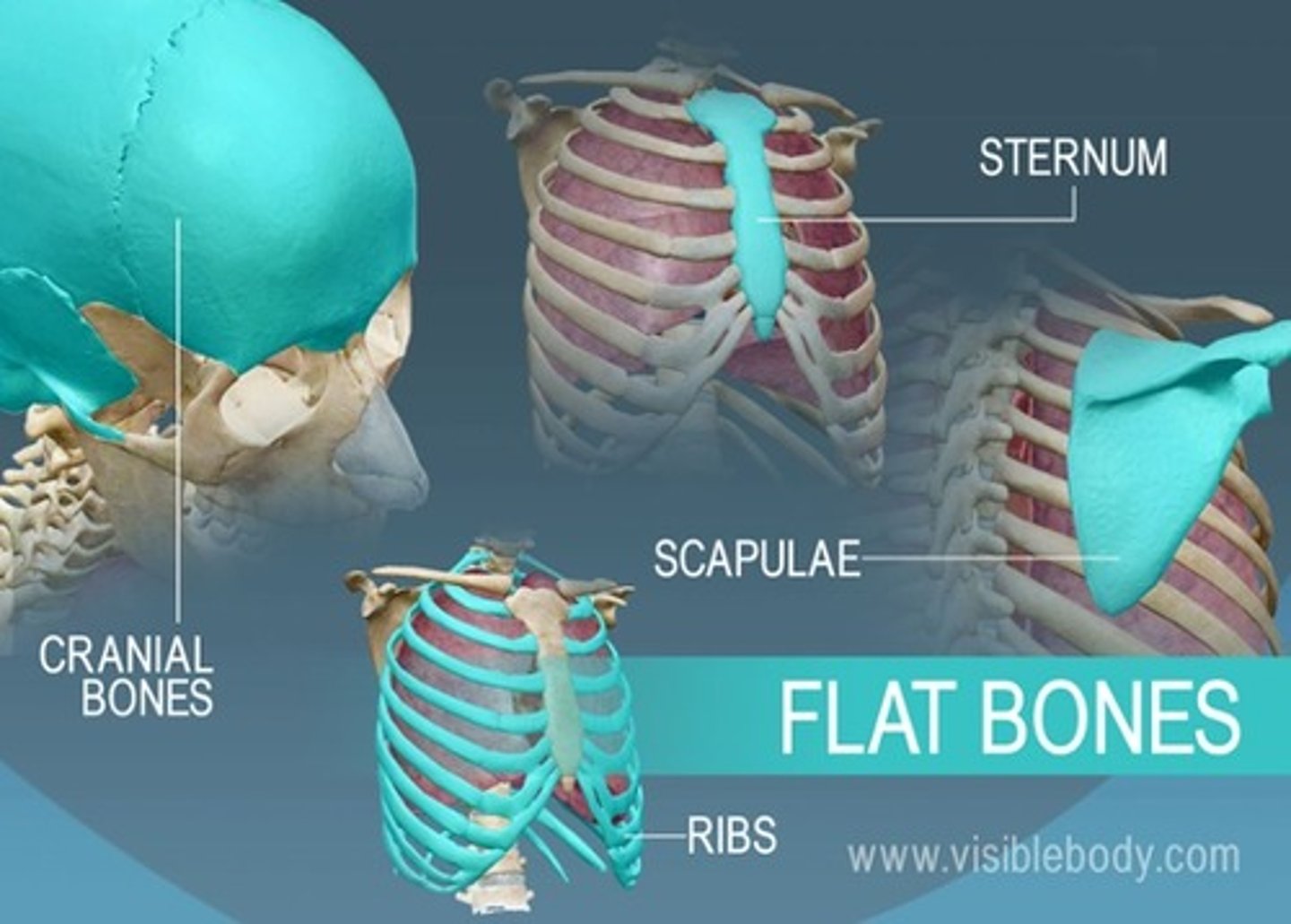
flat bones
bones of the ribs, shoulder blades, pelvis, and skull
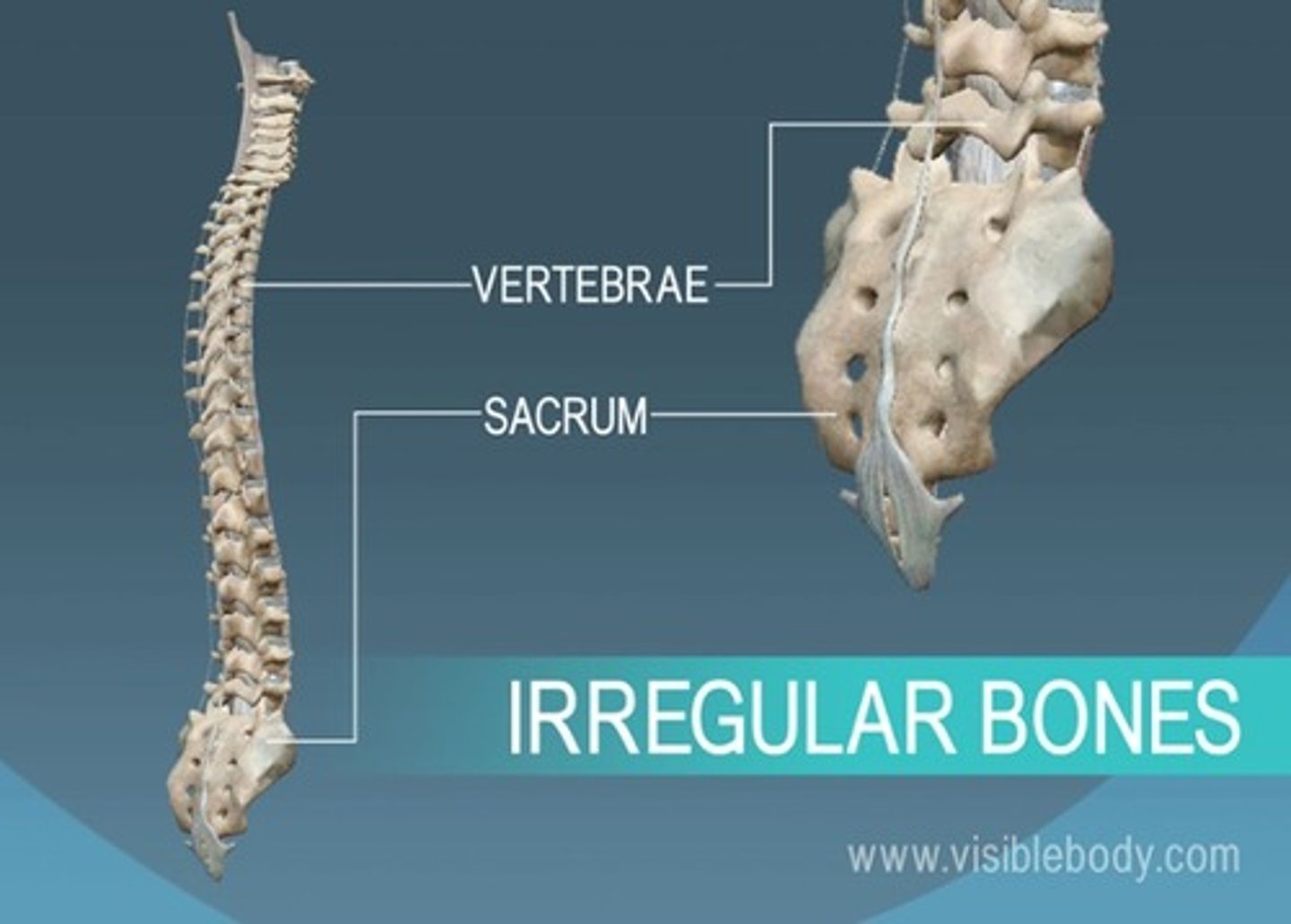
irregular bones
bones of the vertebrae, hips, and face
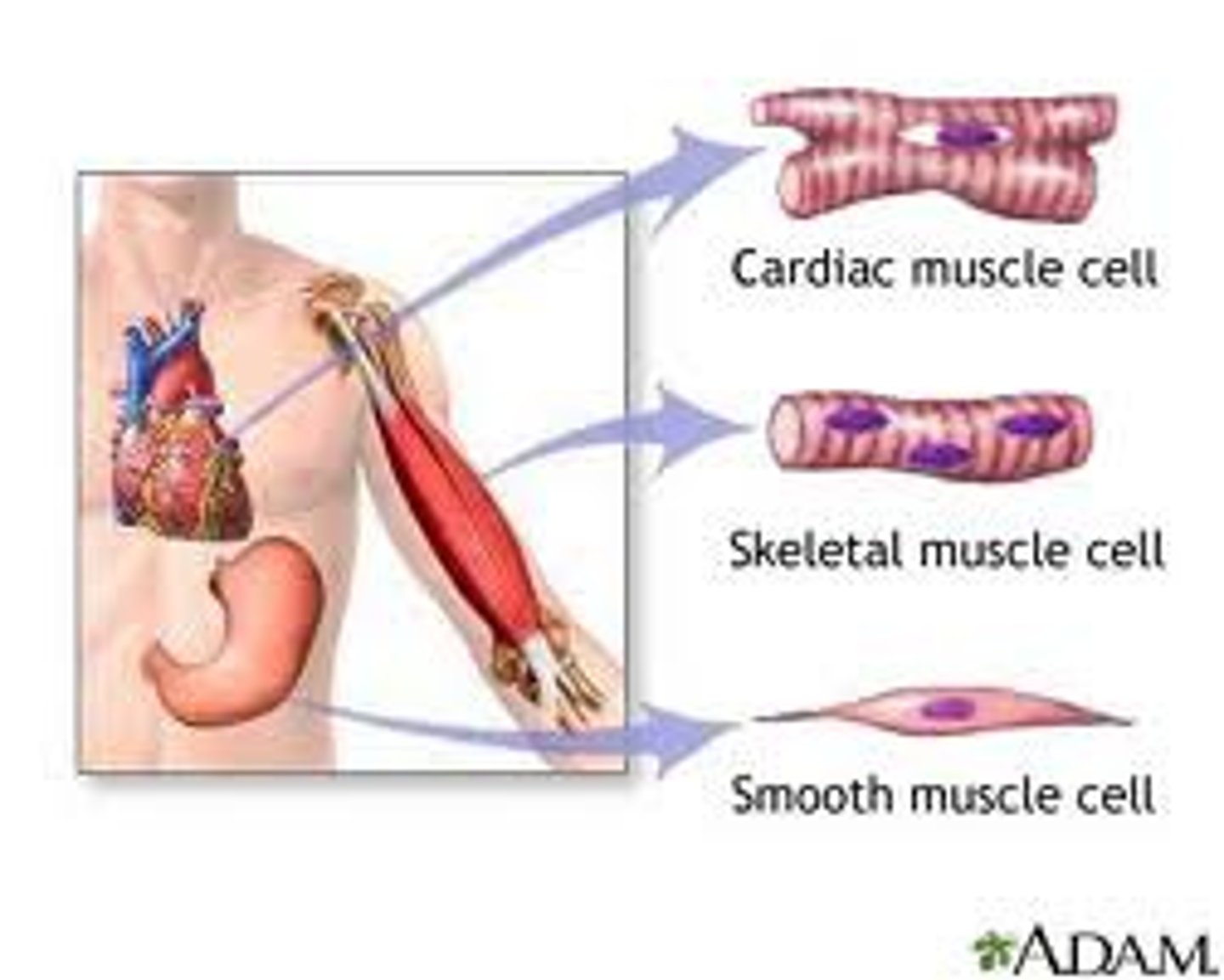
What are the three types of muscle tissue?
skeletal, cardiac, smooth
How many skeletal muscles are in the body? (skeletal muscles are voluntary muscles)
650 skeletal muscles
Tendons
Connect muscle to bone
Ligaments
Connect bone to bone
skeletal muscle functions
produce movement, maintain posture, stabilize joints, generate heat
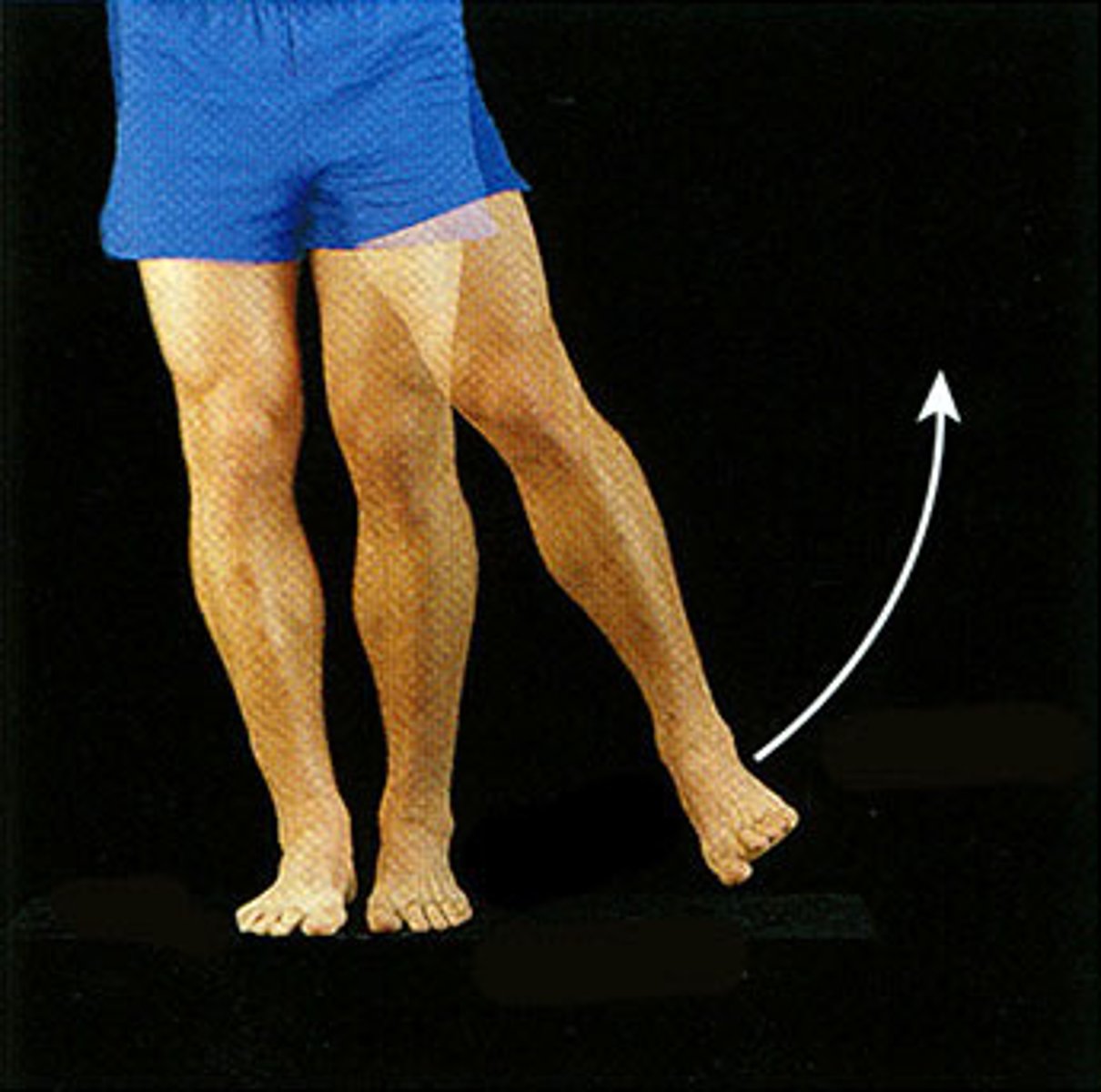
Abduction
Movement away from the midline of the body
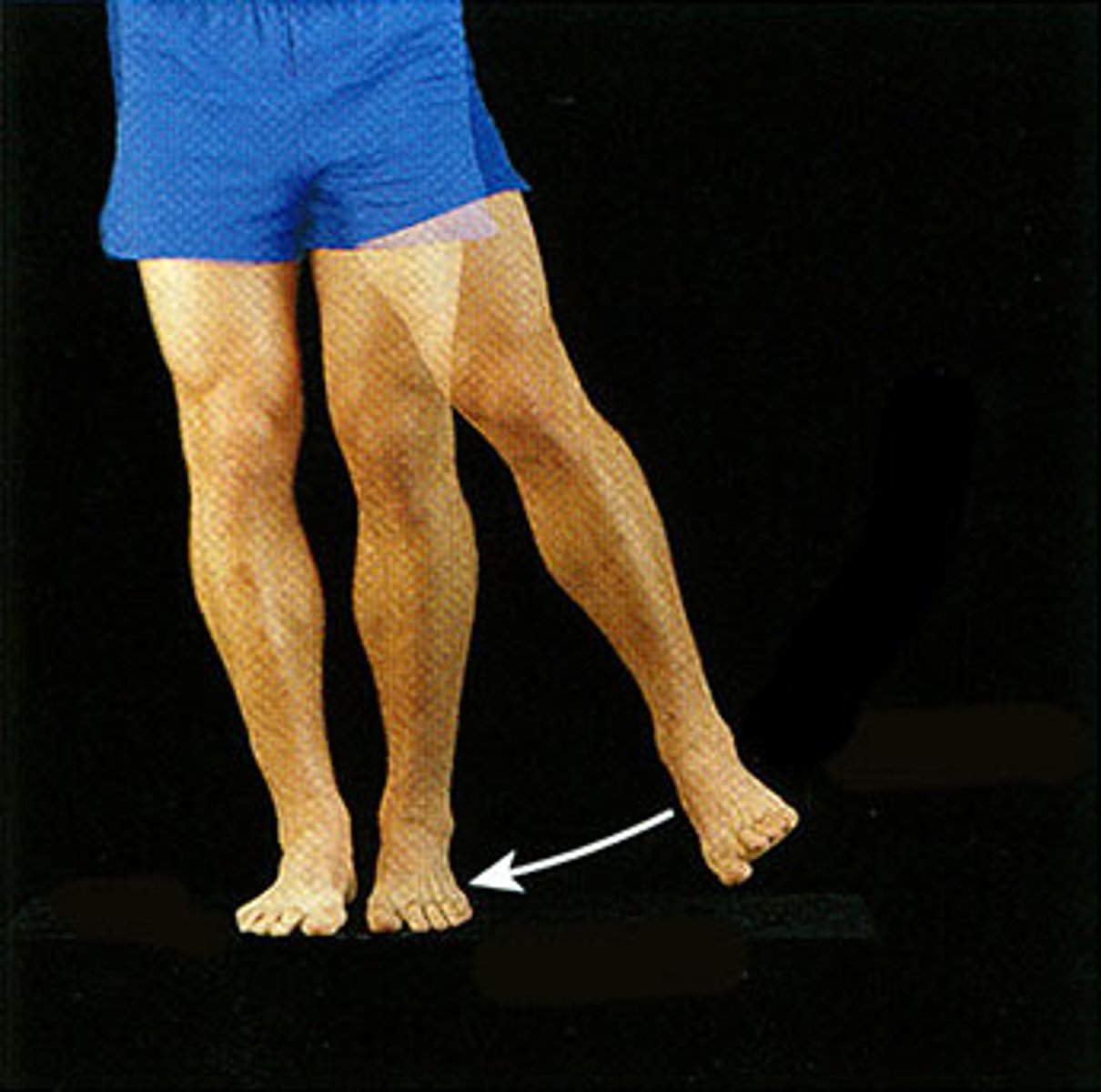
Adduction
Movement toward the midline of the body
you are ADDING to the body
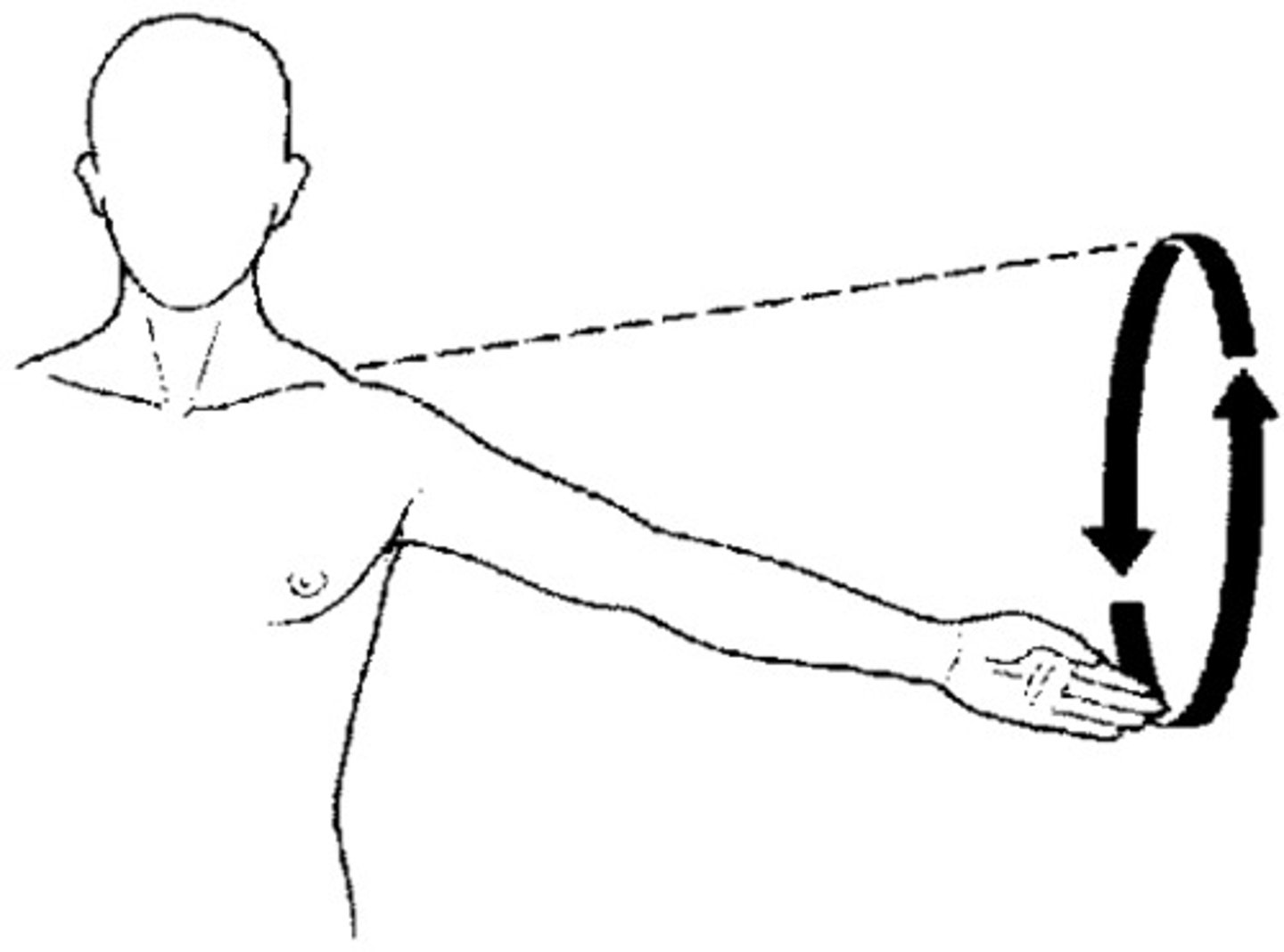
Circumduction
moving the arm in a circle around the shoulder
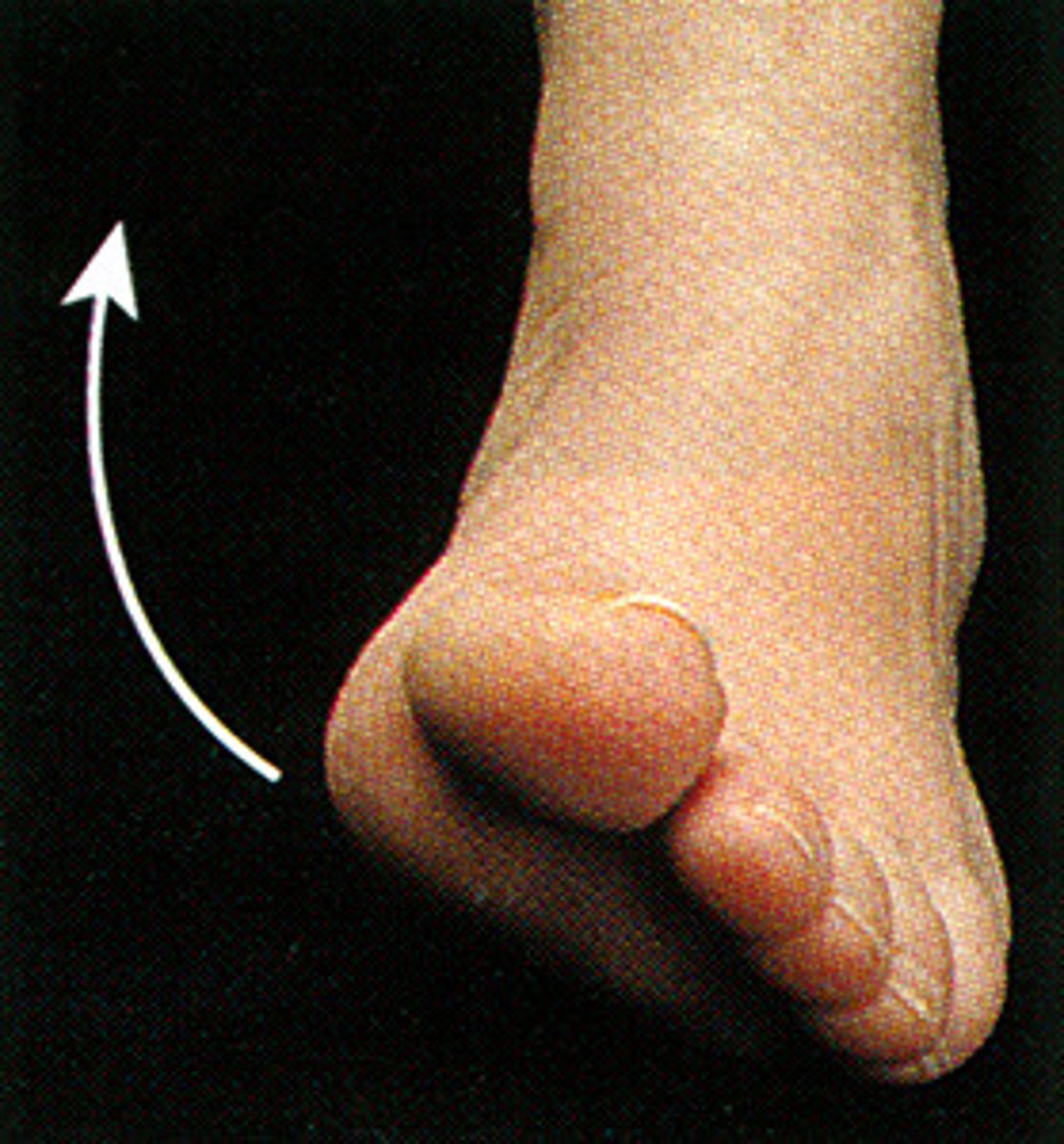
Inversion
turning inward
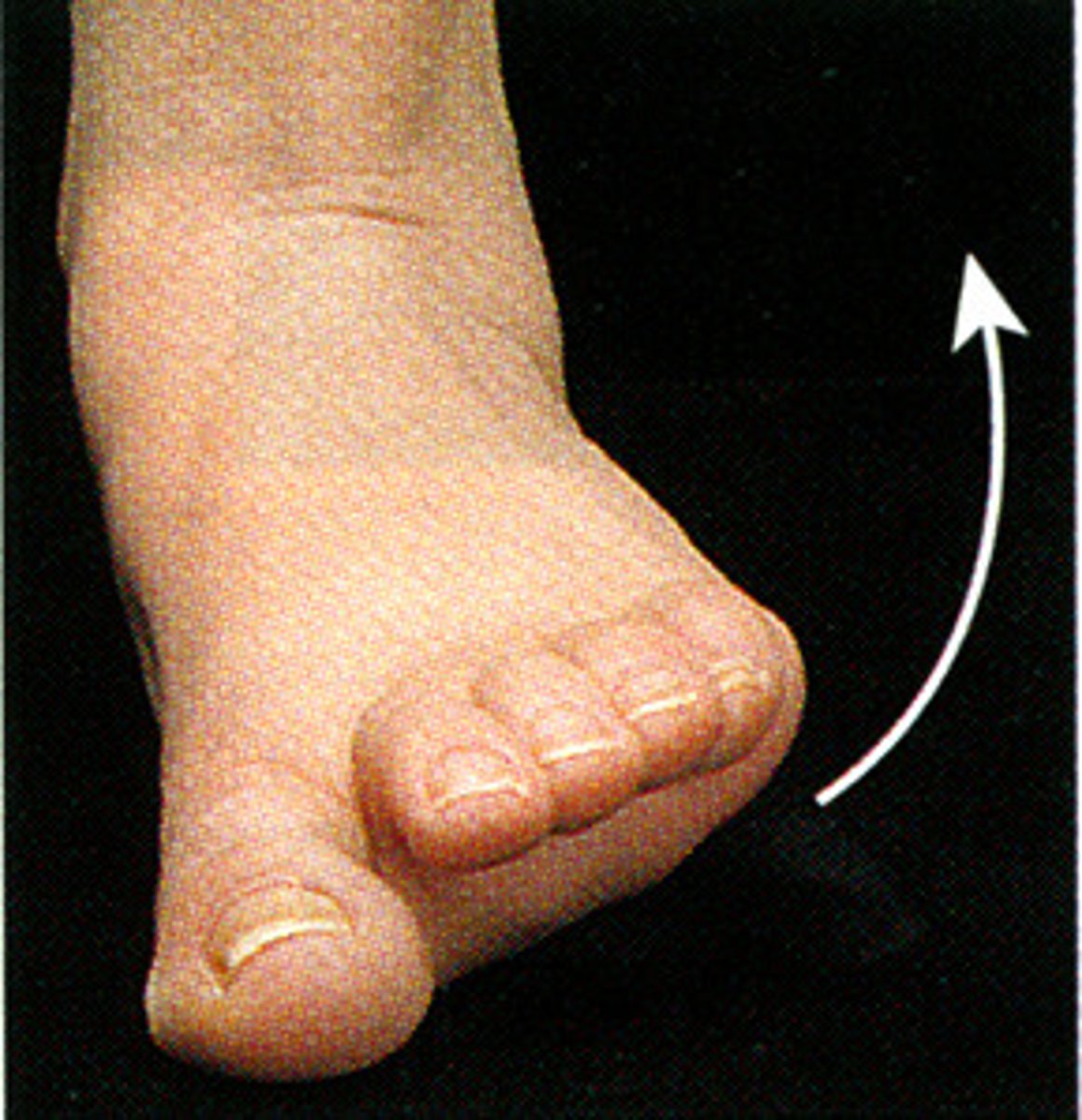
Eversion
turning outward
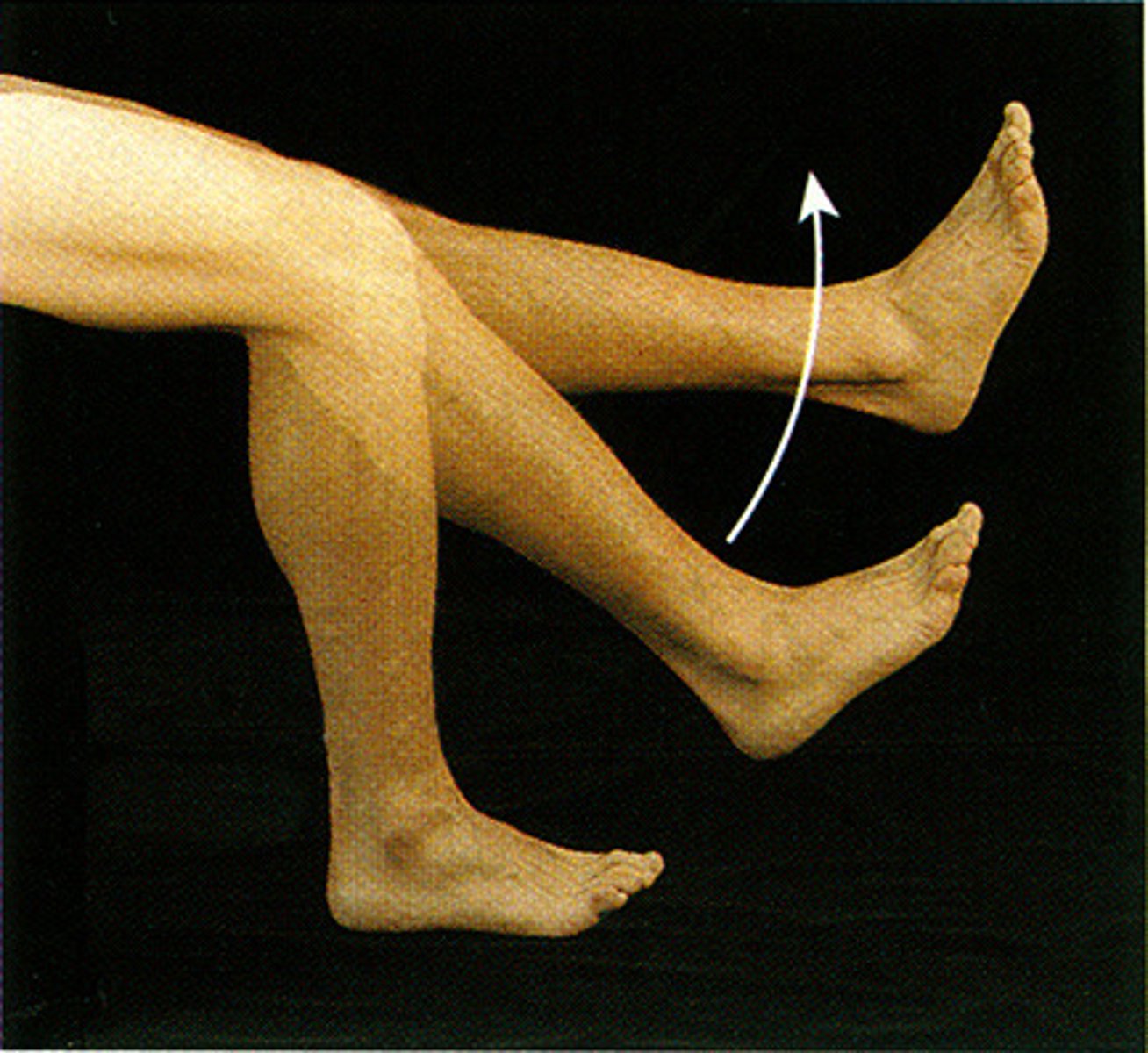
extension
Straightening of a joint
Hyperextension
the extreme or overextension of a limb or body part beyond its normal limit
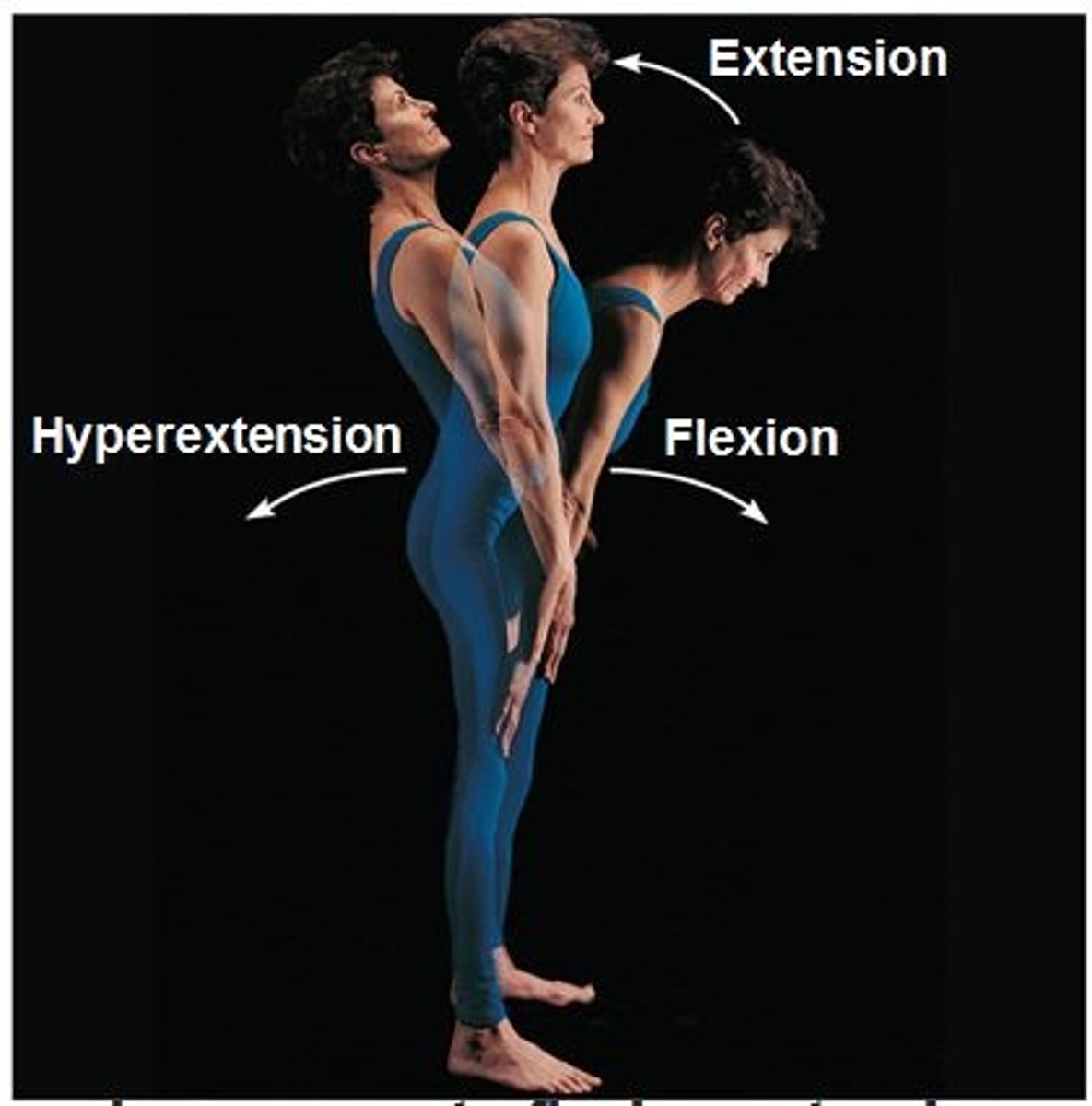
Flexion
bending a joint
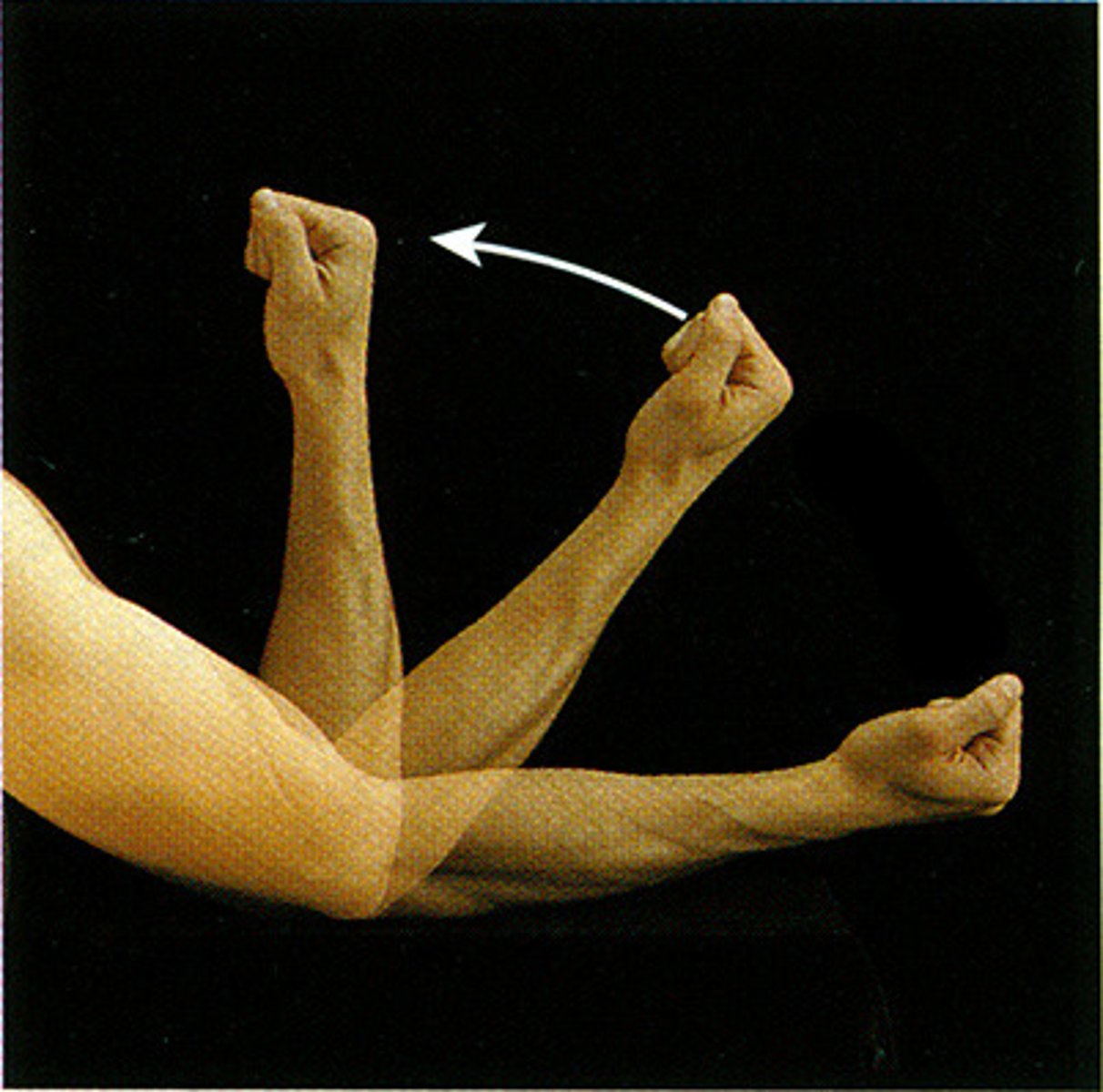
Dorsilflexion
Foot is pulled up toward lower leg
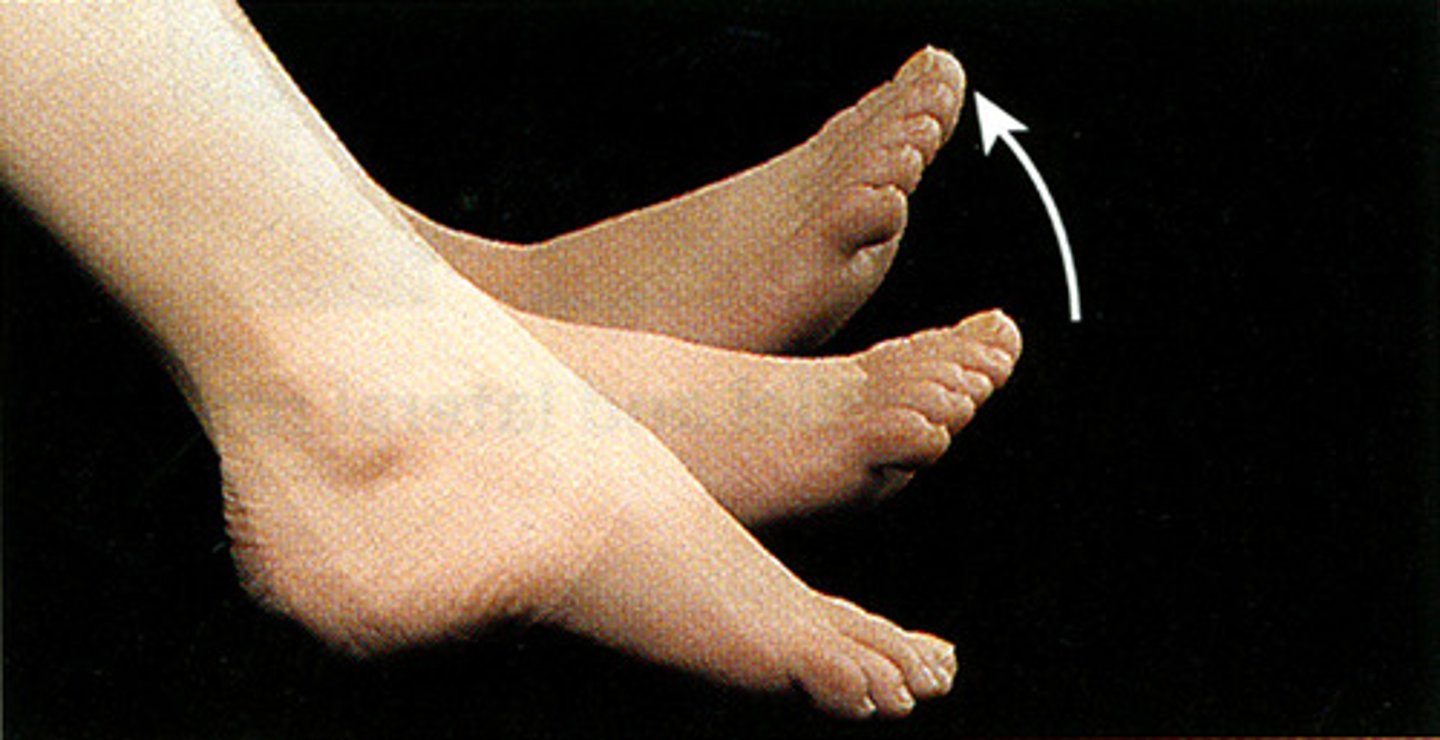
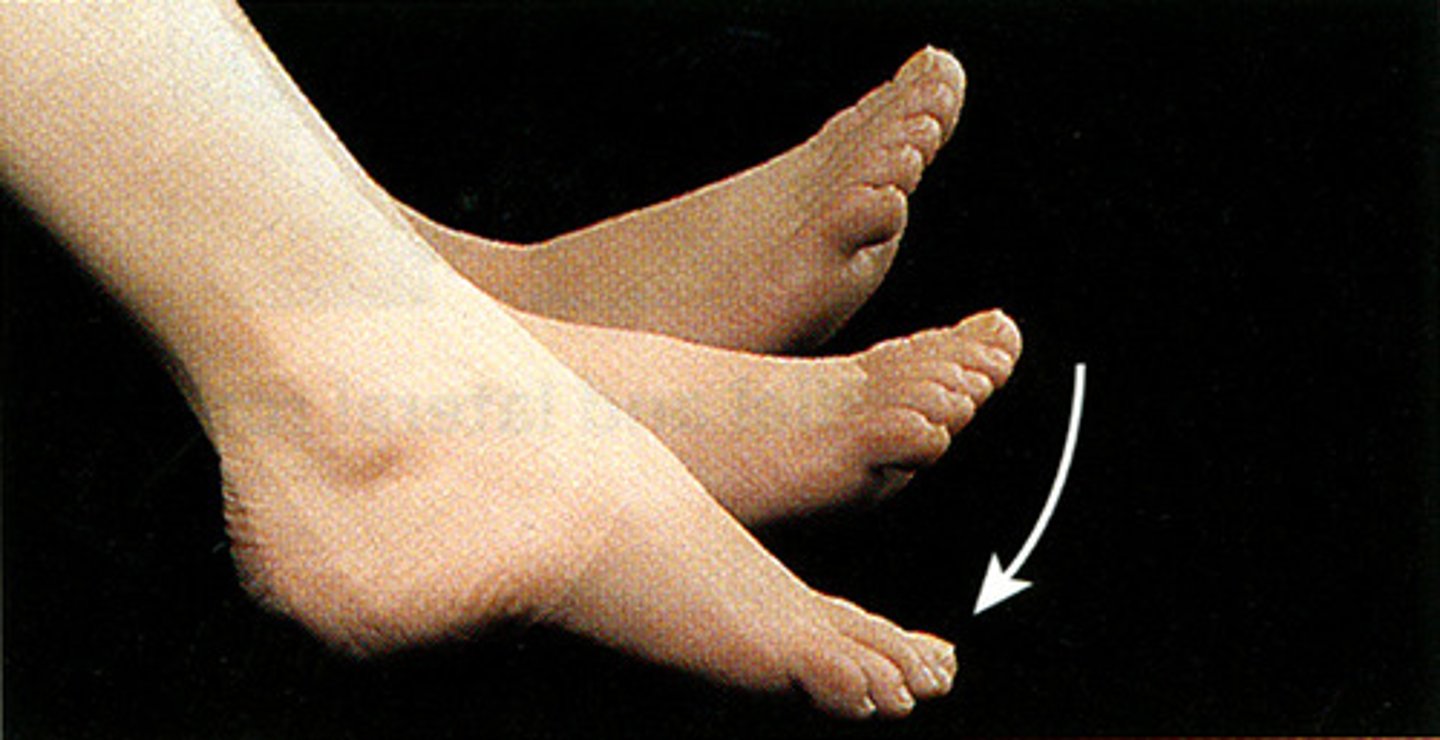
plantar flexion
bending of the sole of the foot by curling the toes toward the ground
point toes downward
Supination
movement that turns the palm up
like you are holding a bowel of soup in your hands
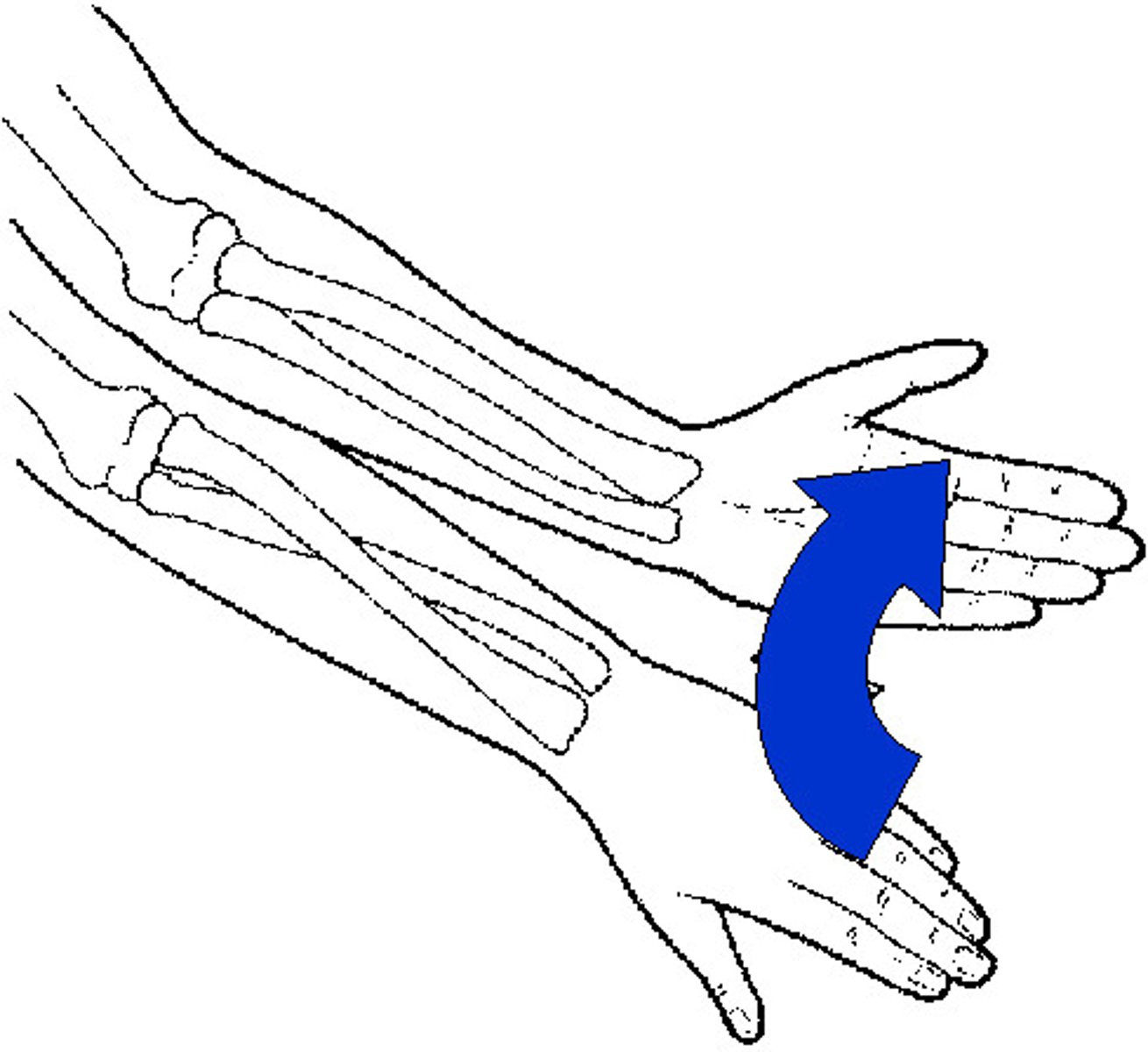
Pronation
turning the palm downward
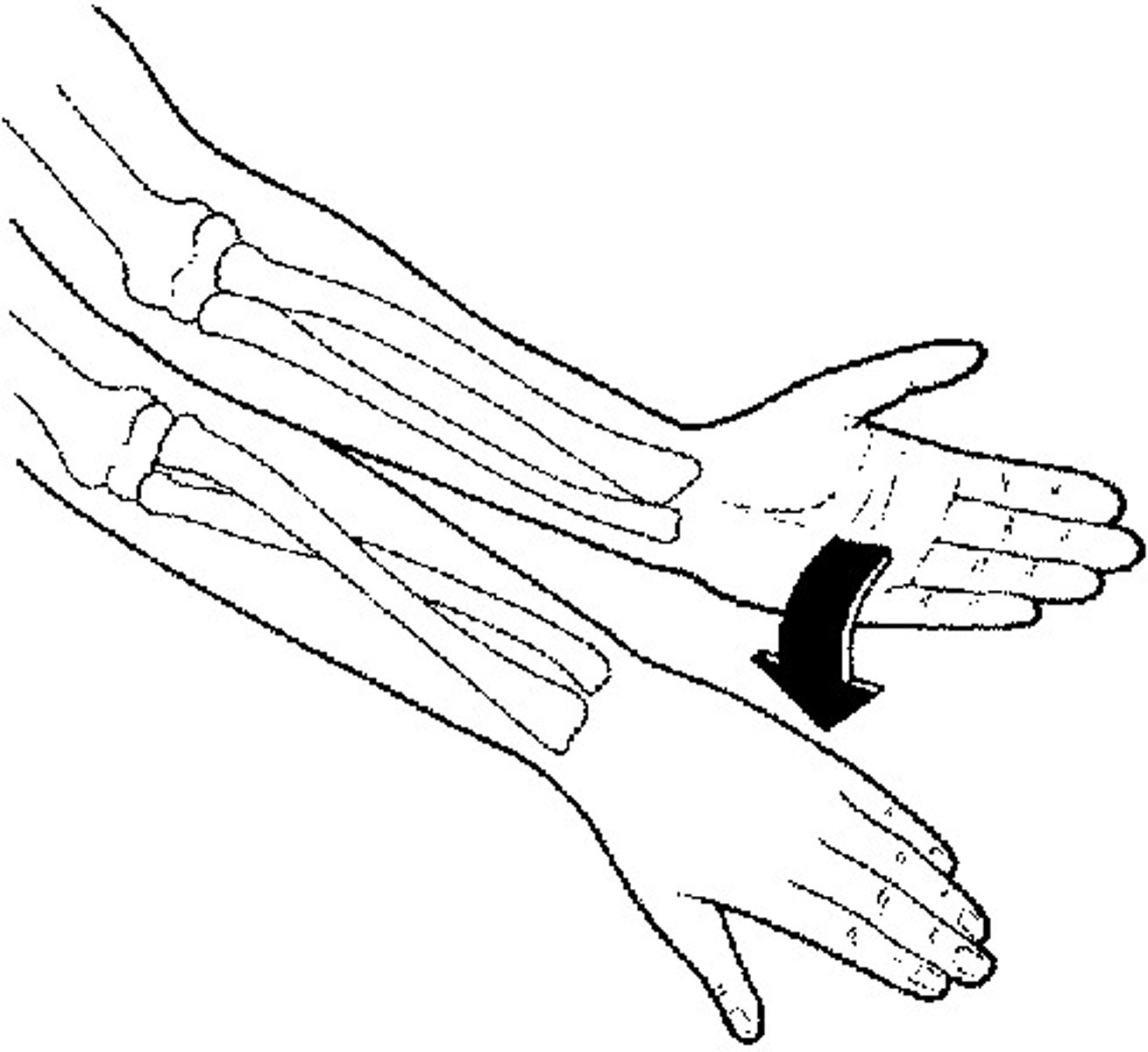
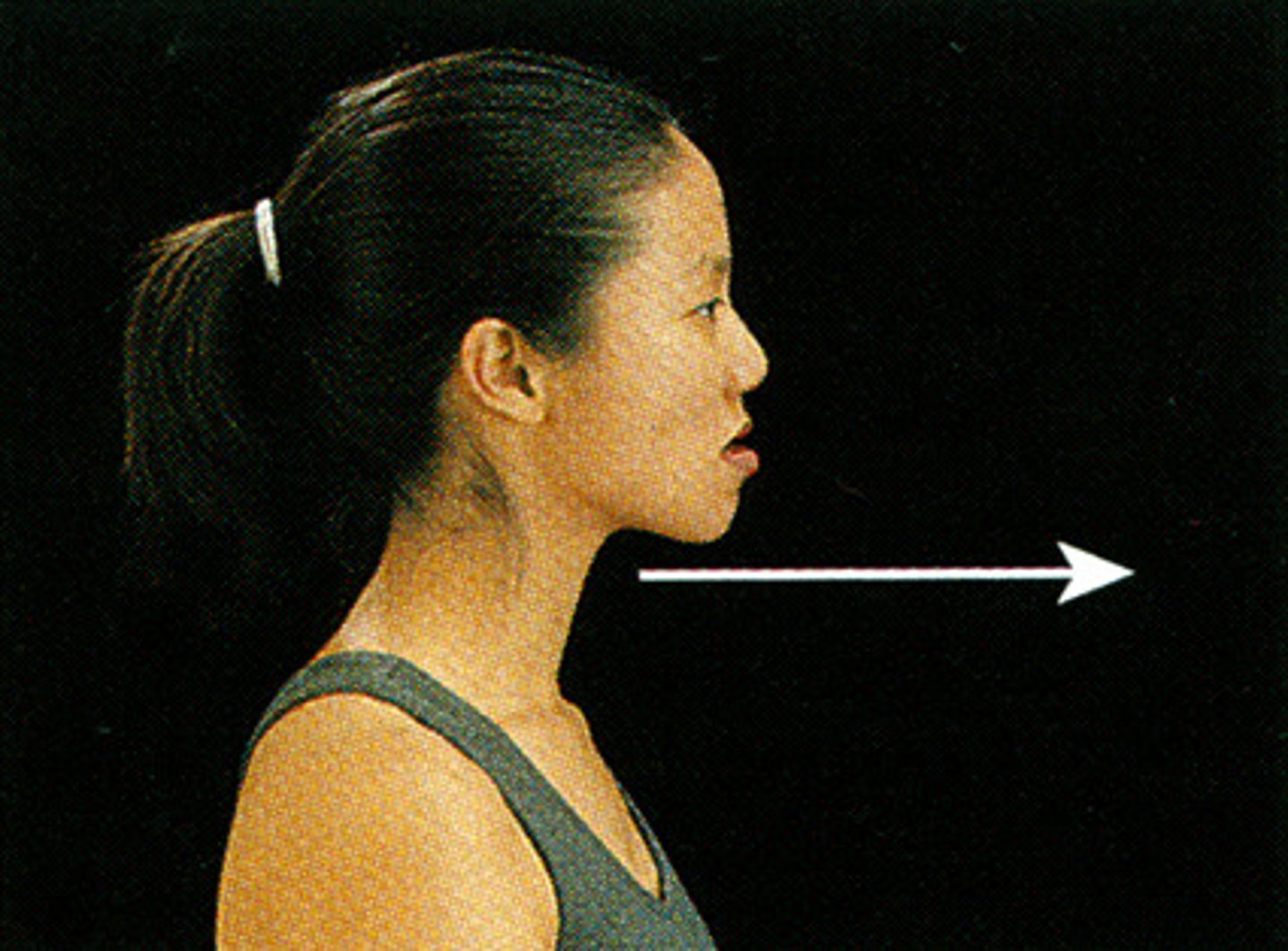
Protraction
moving a part forward (thrusting the head forward)
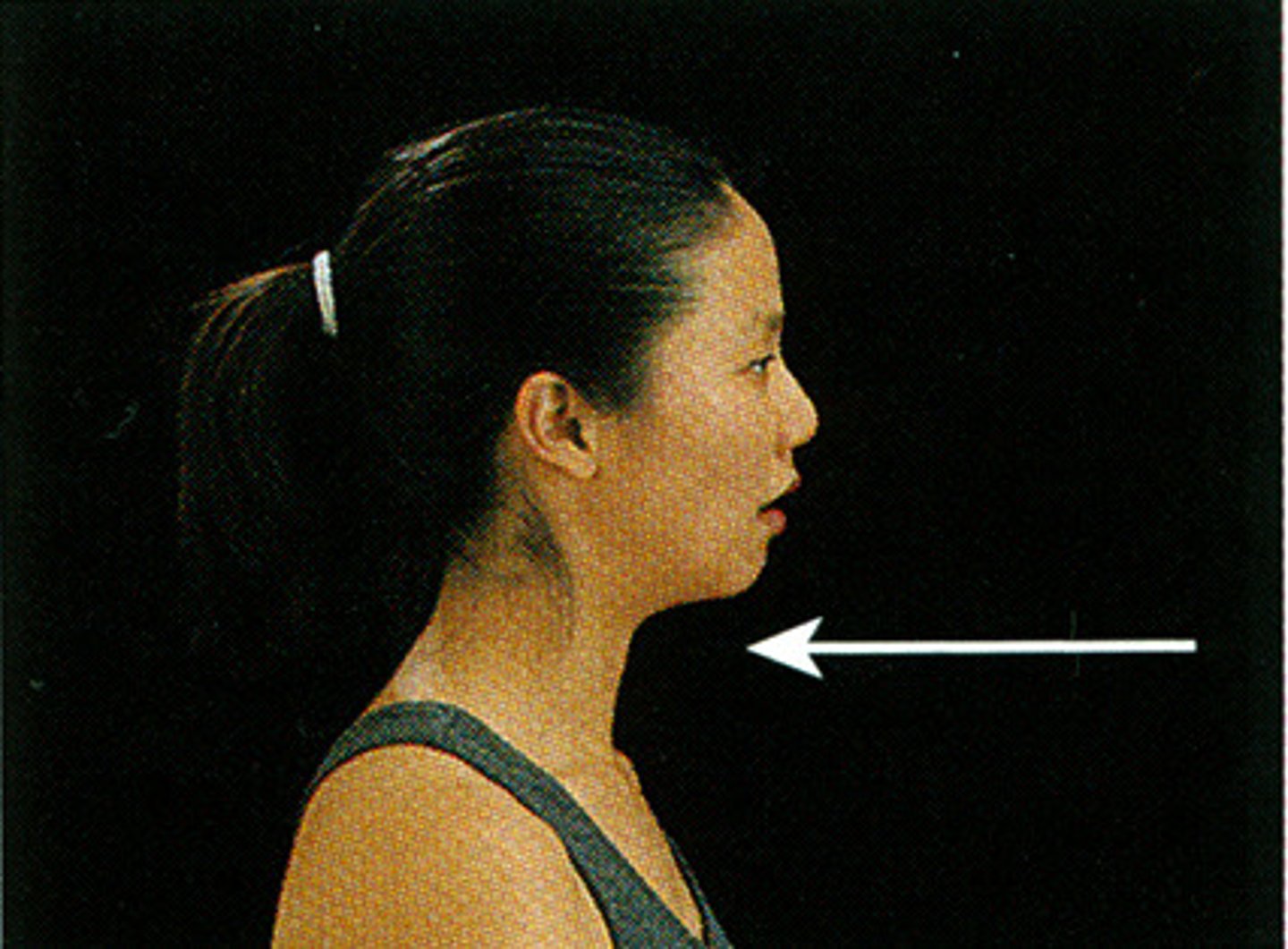
retraction
moving a part backward (pulling the chin backward)
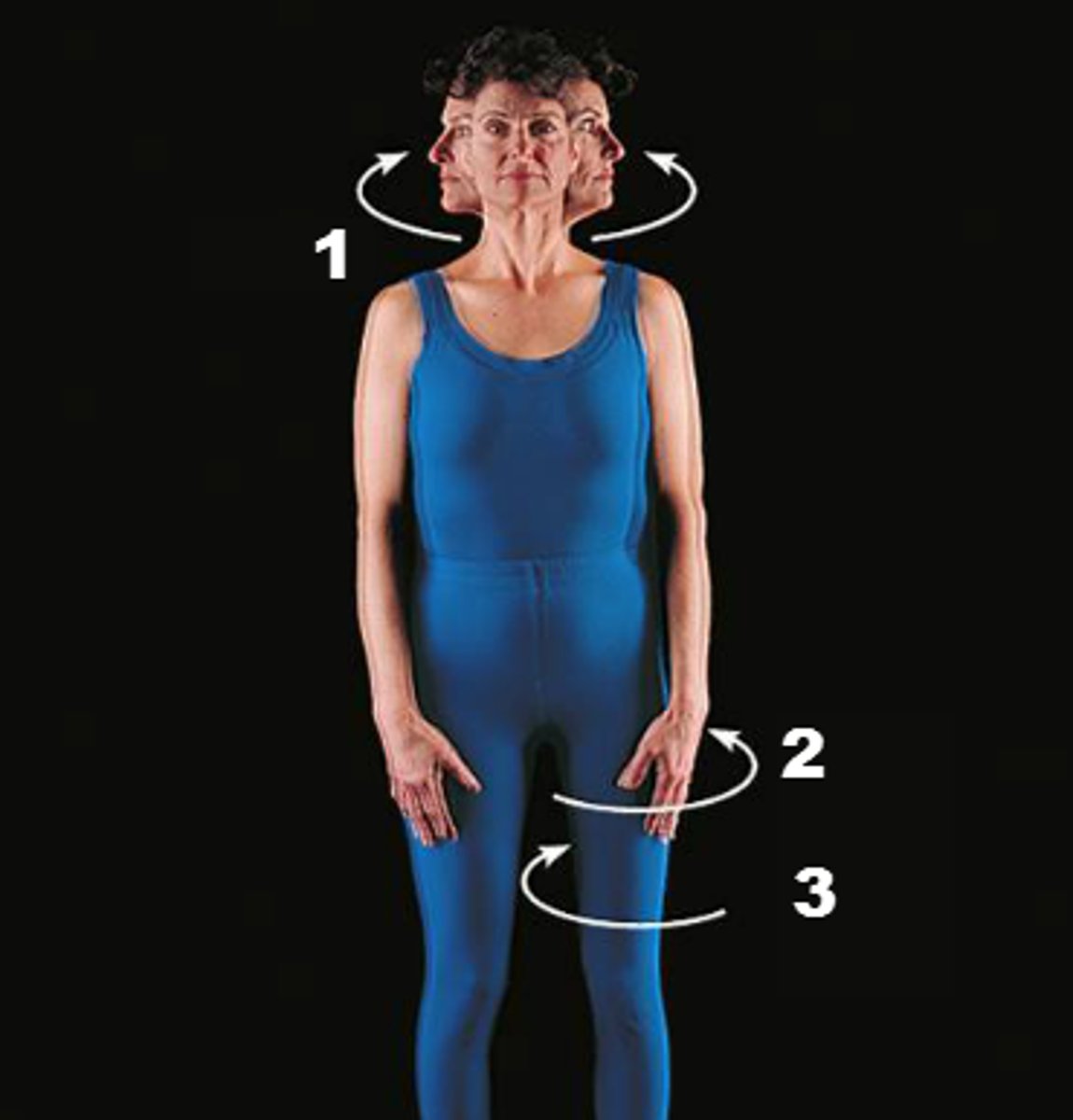
rotation
turning the head from side to side
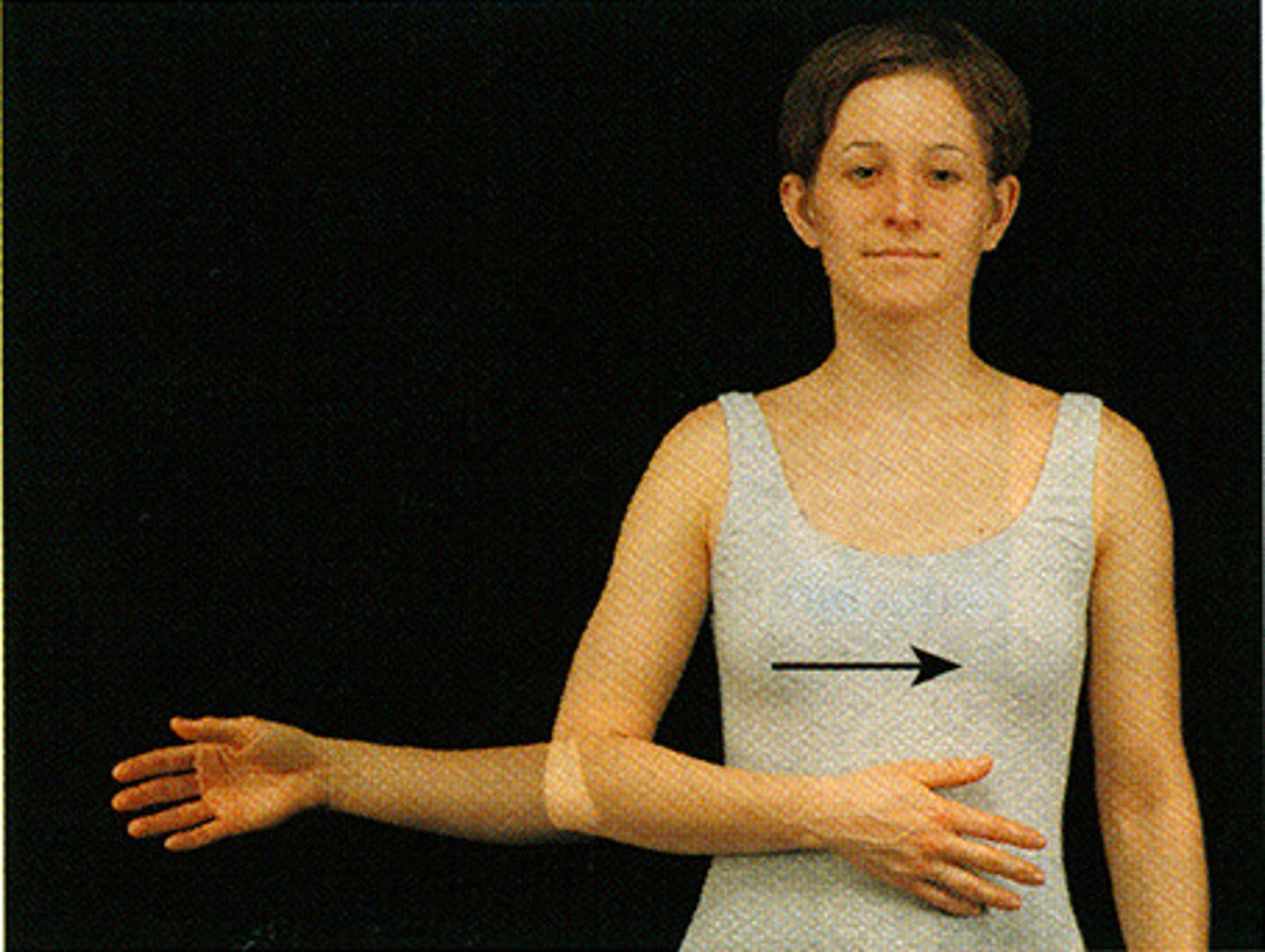
internal rotation
Rotation of a joint toward the middle of the body.
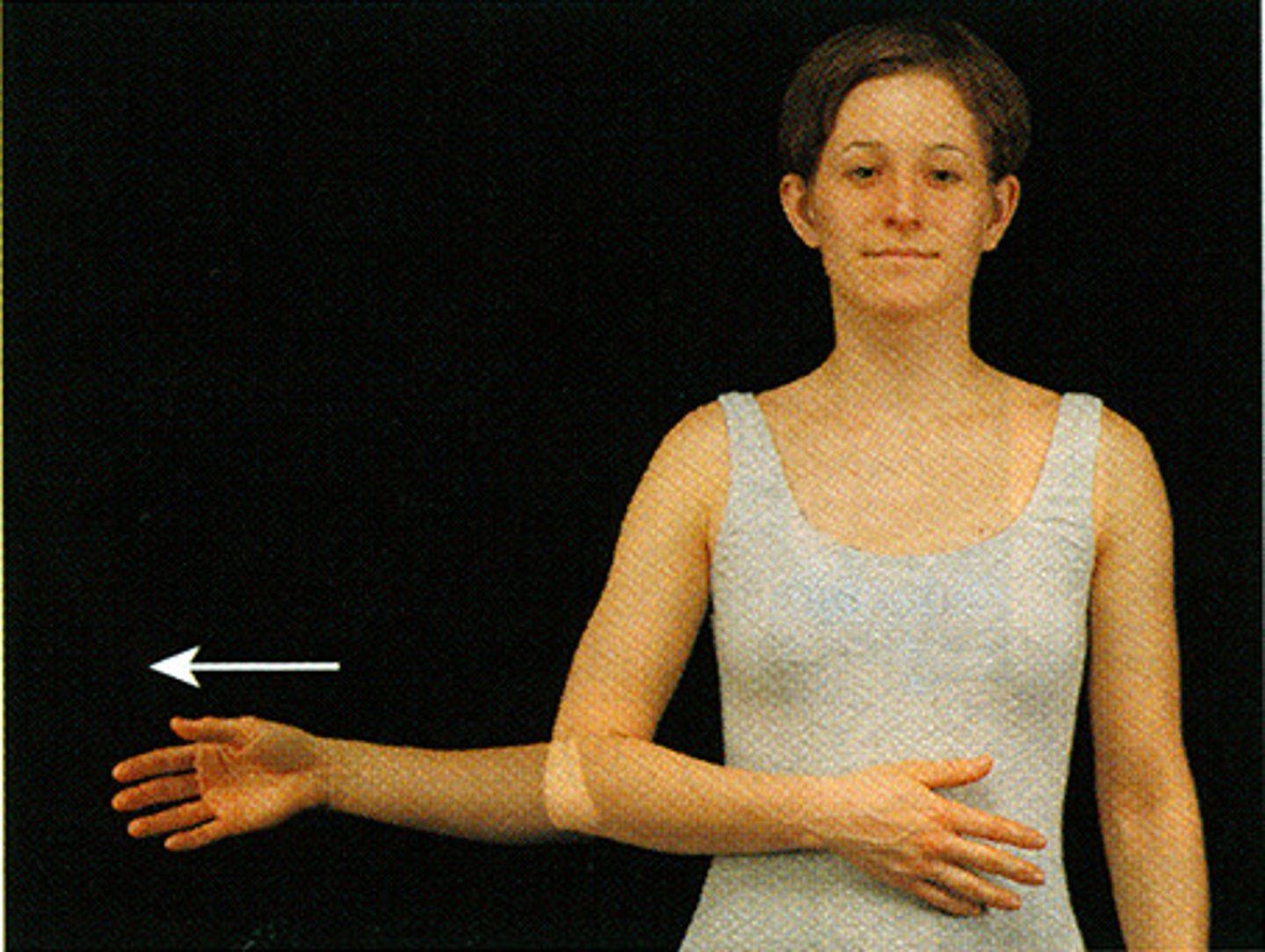
external rotation
turning the joint outward
a joint is
where two bones meet
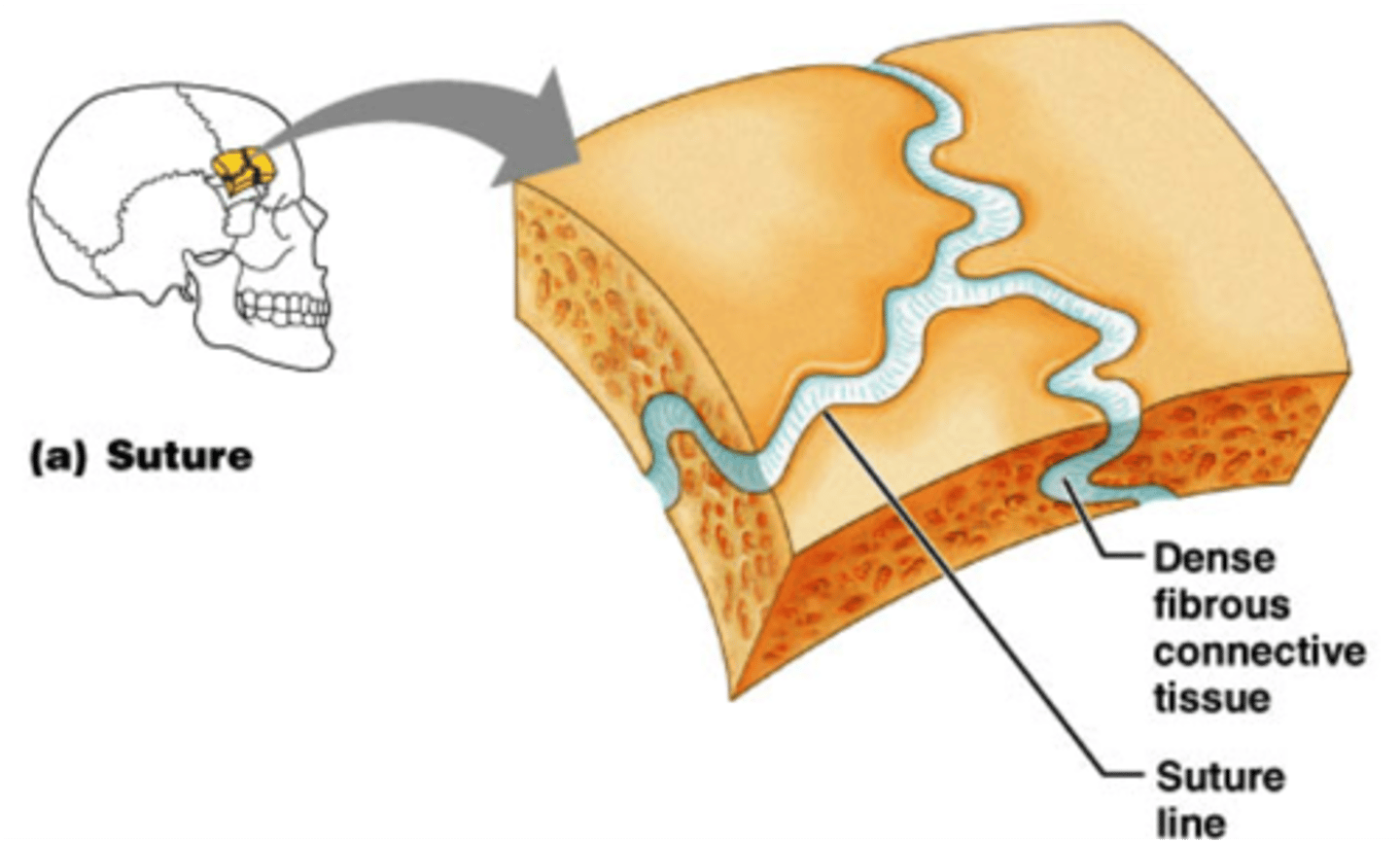
fibrous joints
sutures between skull bones that are joined by fibrous connective tissue and are IMMOVABLE
cartiliginous joints
Joints that unite bones with cartilage
limited movement
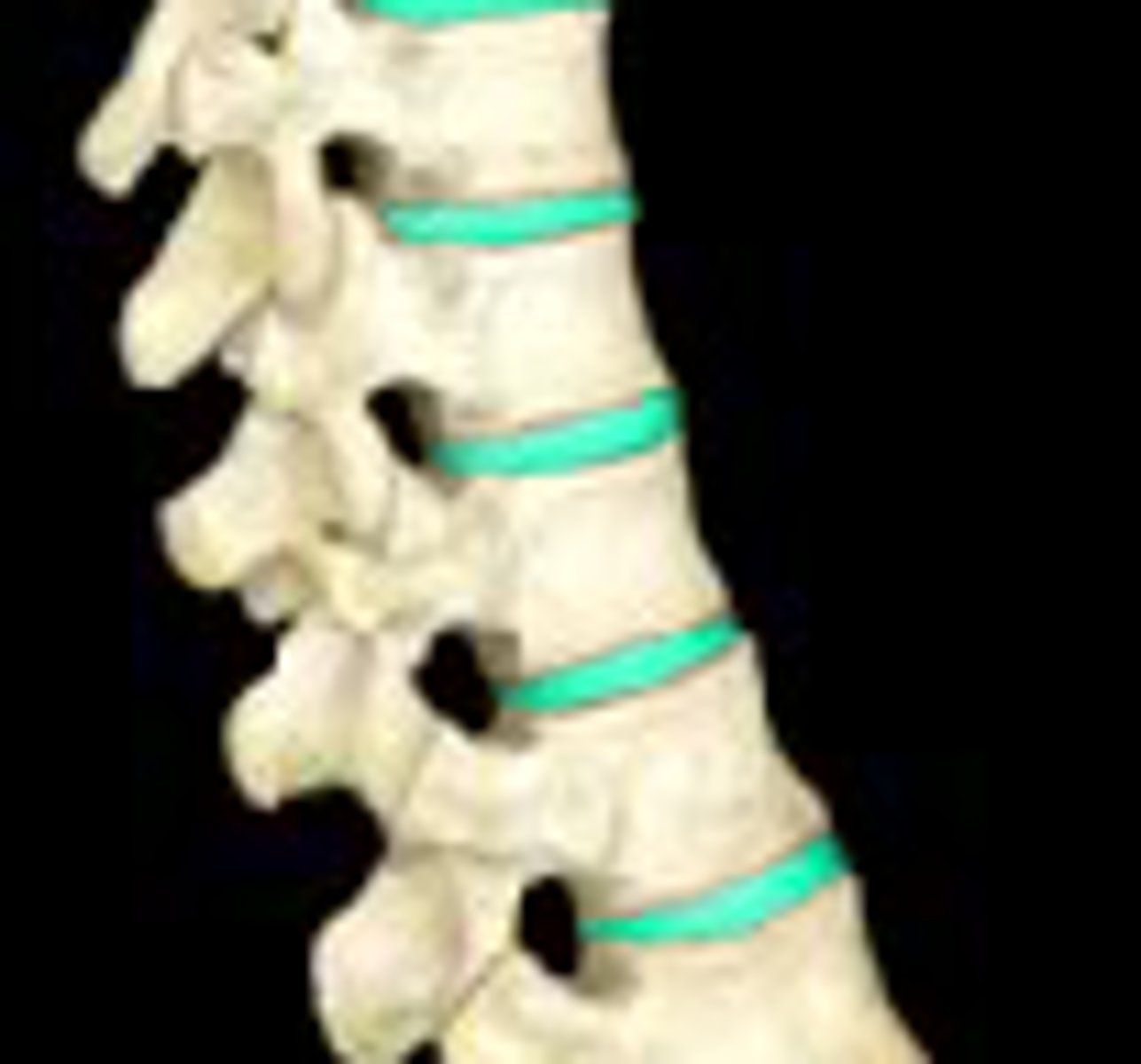
synovial joints
freely movable joints that contain a fluid-filled joint capsule
joints like the shoulders, wrists, hips, etc
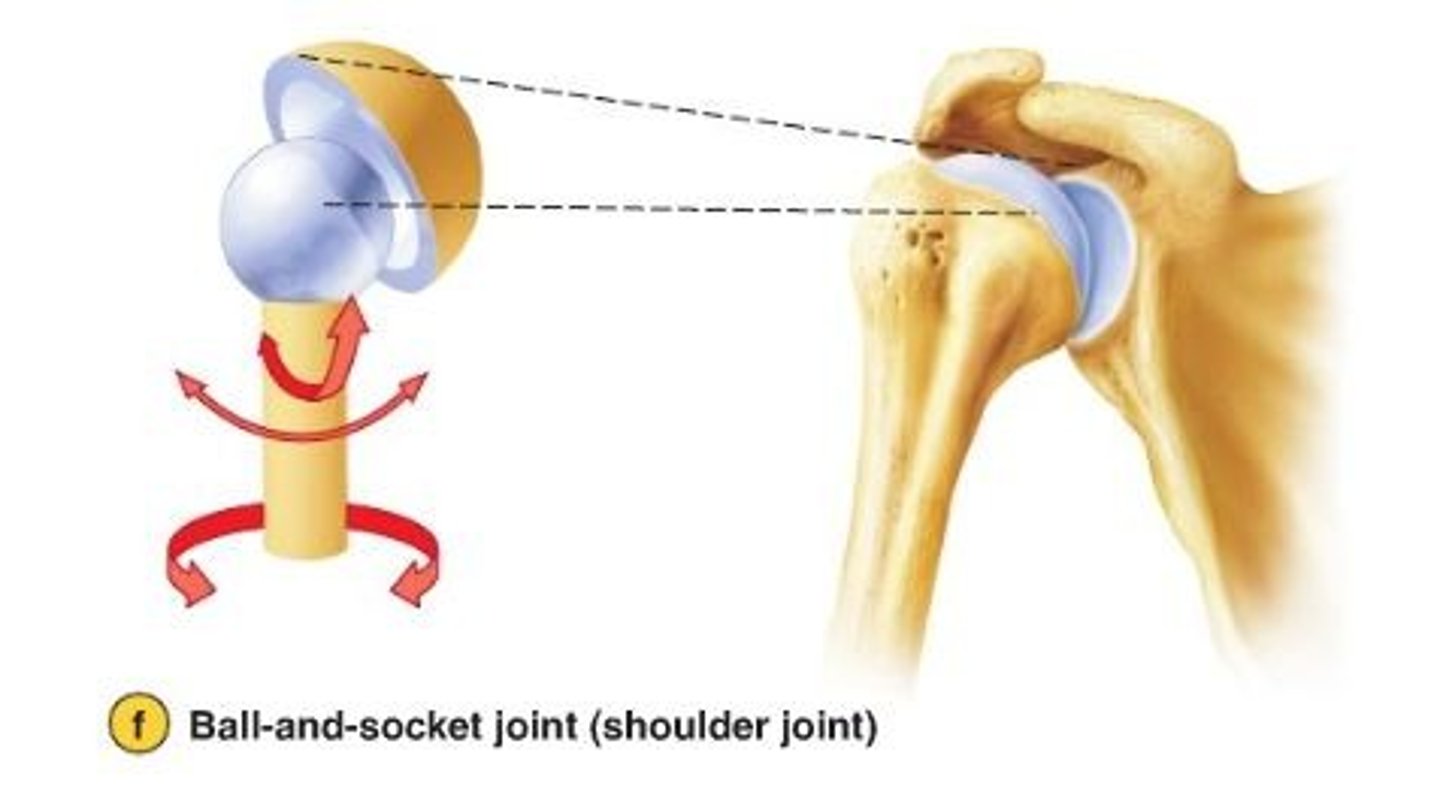
bones in synovial joints are connected by
ligaments
articular cartilage (hyaline)
covers surfaces that form joints along with lubricating fluid, allow ease of movement
Bursae
small sacs filled with synovial fluid that ease friction in areas where muscles and tendons pass over bony prominences
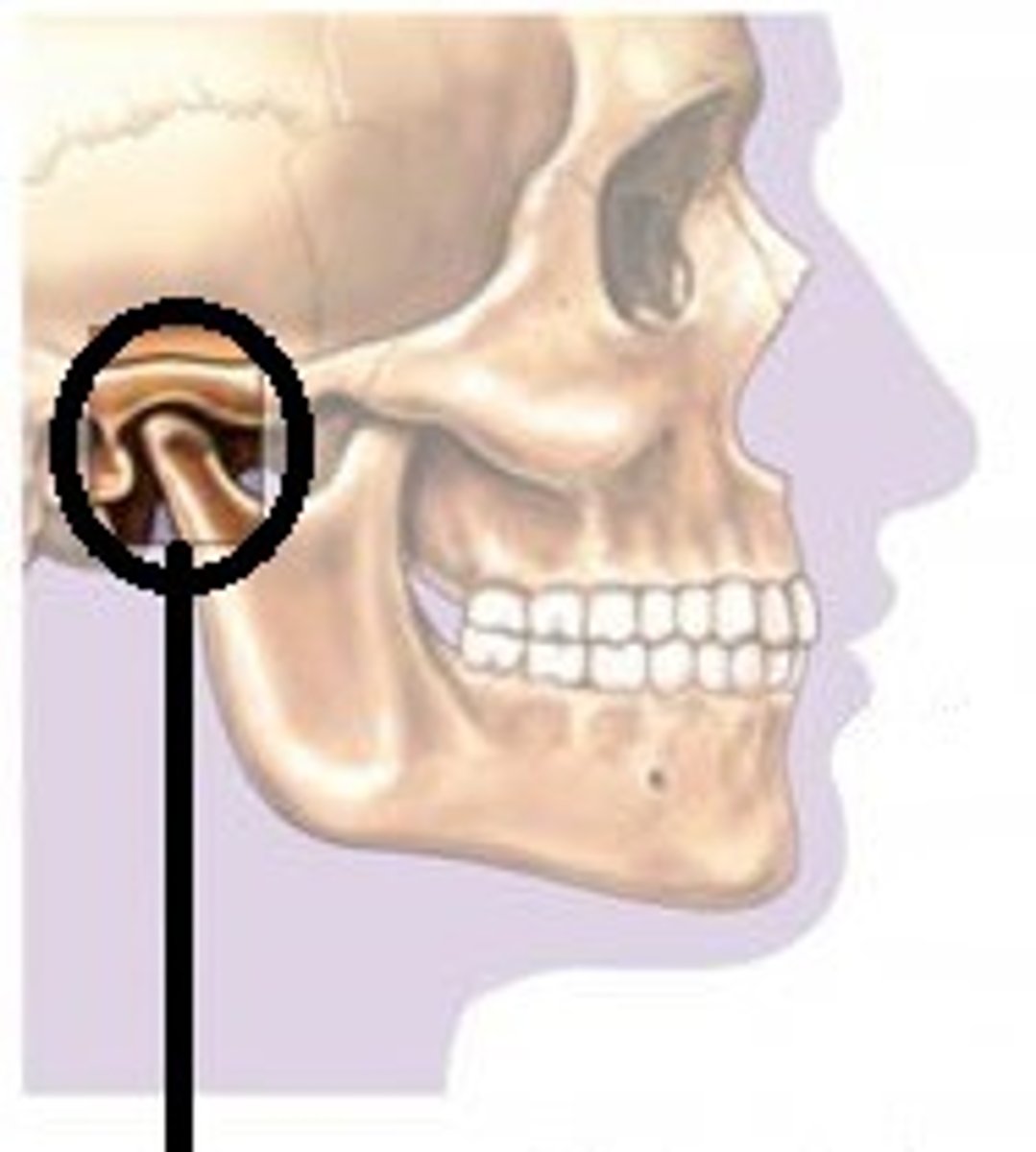
temporomanibular joint (TMJ)
articulation between the temporal bone and the mandible
TMJ function
motion
opens and closes mouth
protects and retracts jaw
moves jaw from side to side
elbow joint
hinge joint formed by humerus, ulna, and radius
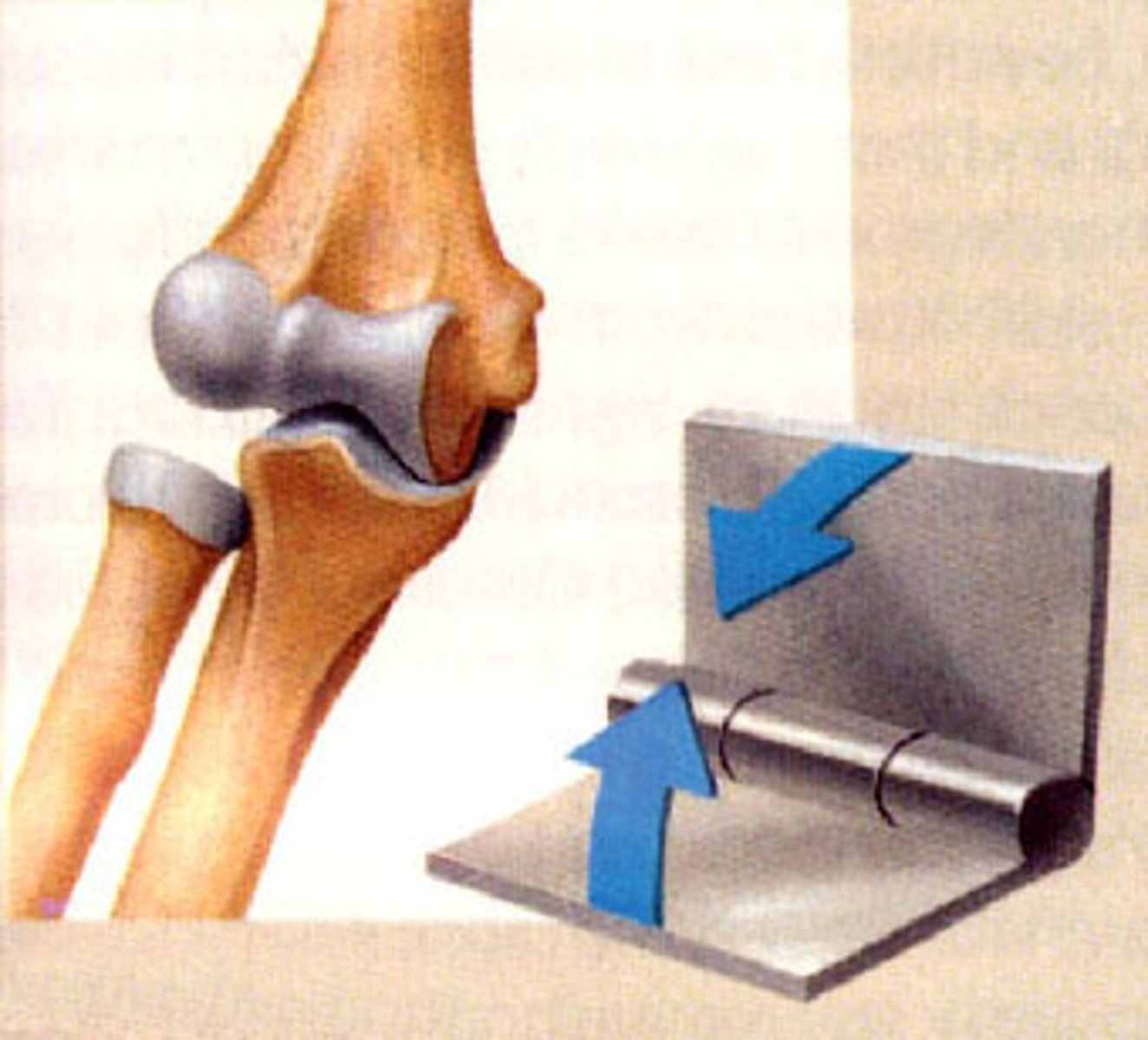
the elbow joint contains a
synovial membrane and several bursae
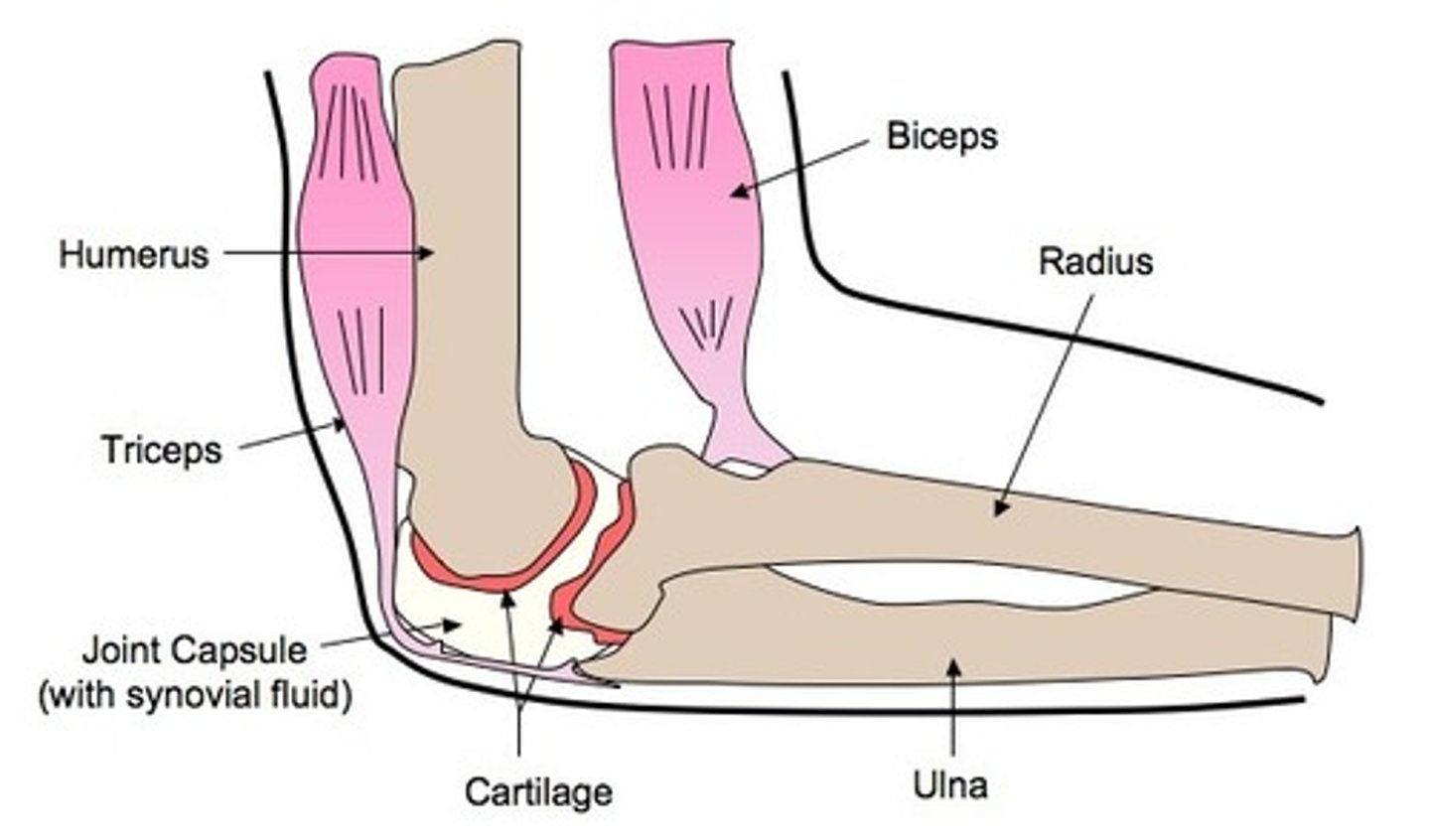
elbow joint function
flexion and extension of fore arm
supination and pronation of the forearm
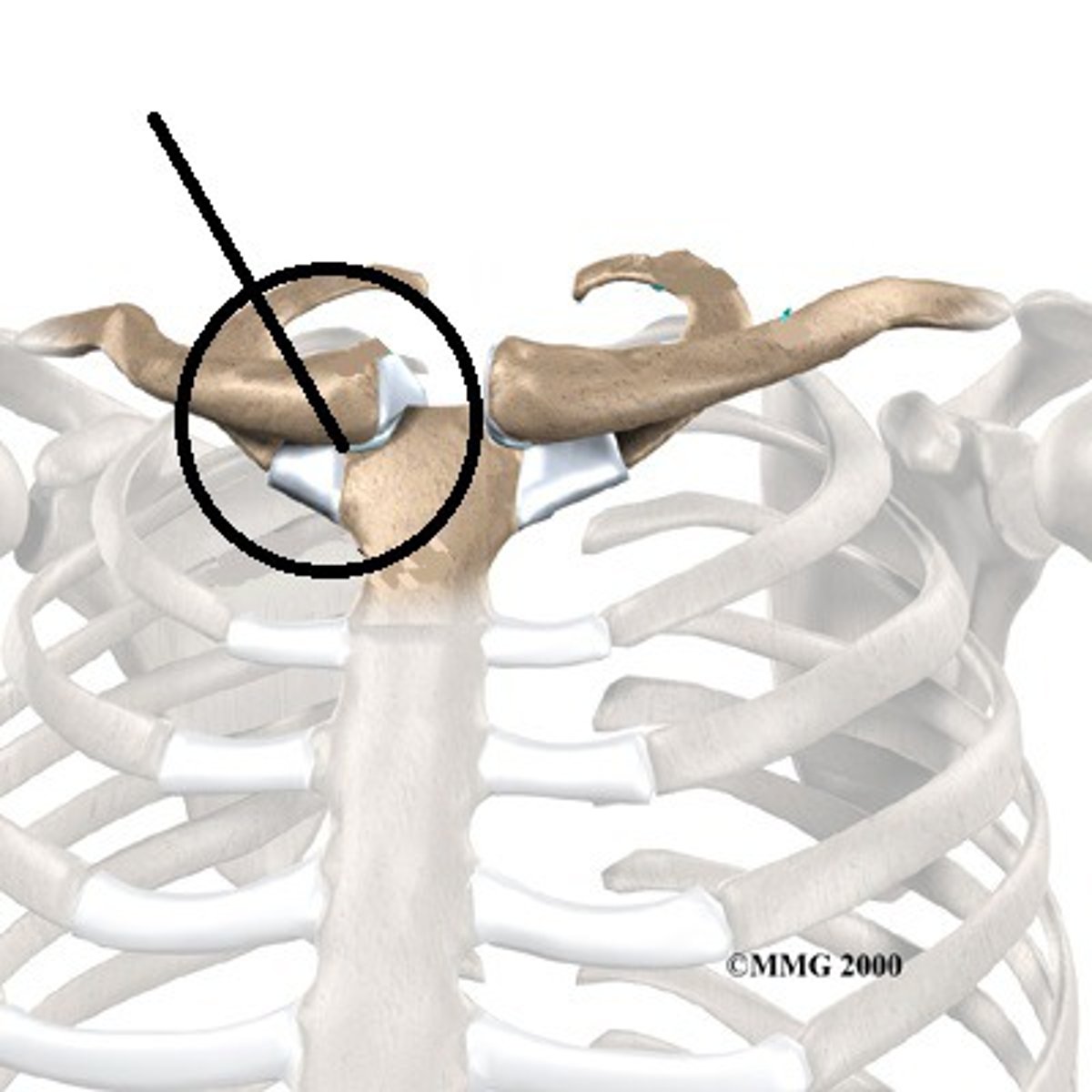
sternoclavicular joint
Articulation between the clavicle and the sternum (saddle joint)
has no obvious movements
shoulder joint (glenohumeral joint)
Articulation between the glenoid cavity in the scapula and the head of the humerus
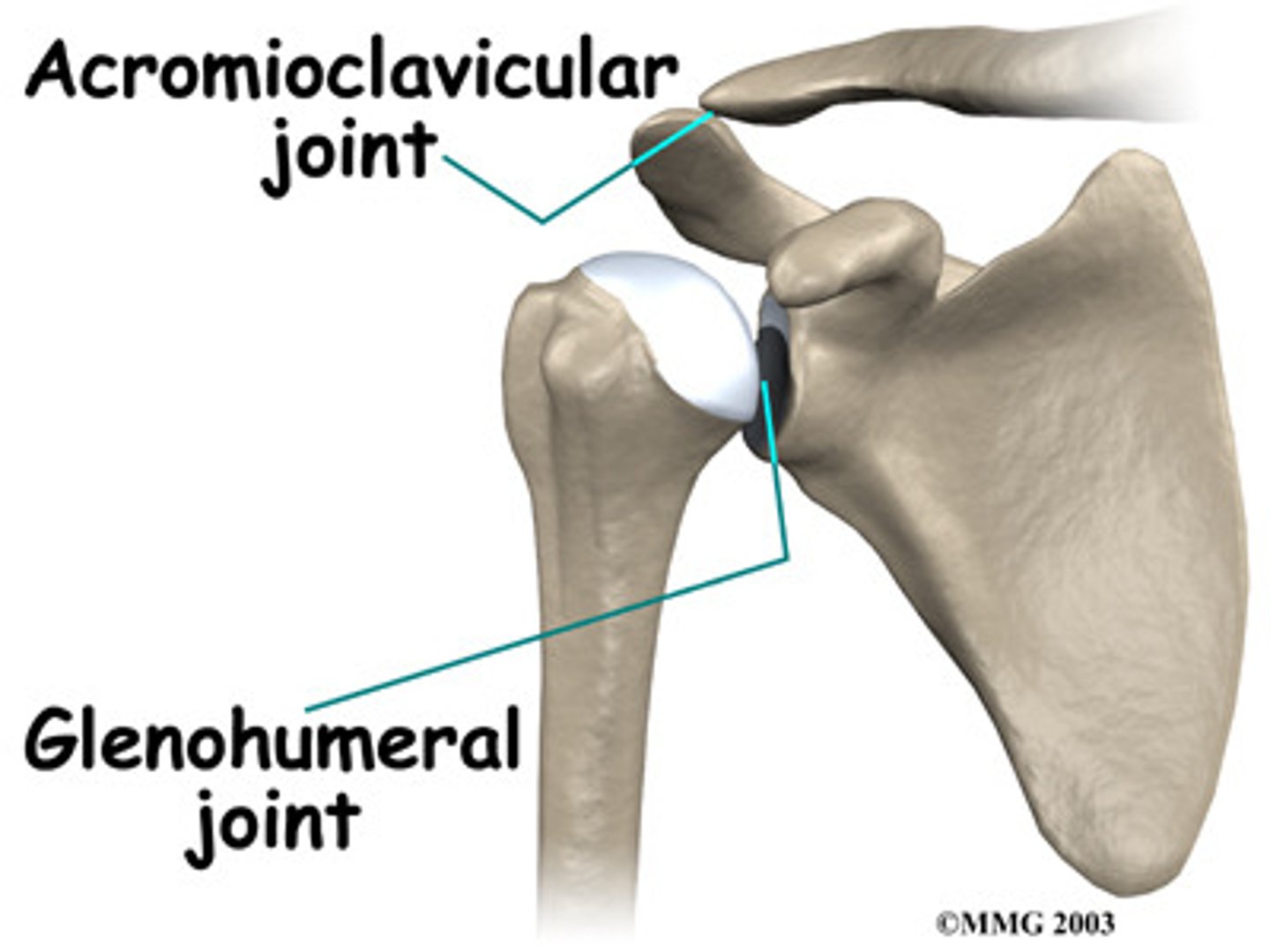
shoulder joint (glenohumeral joint) function
motion
flexion and extension
abduction and adduction
circumduction
internal and external rotation
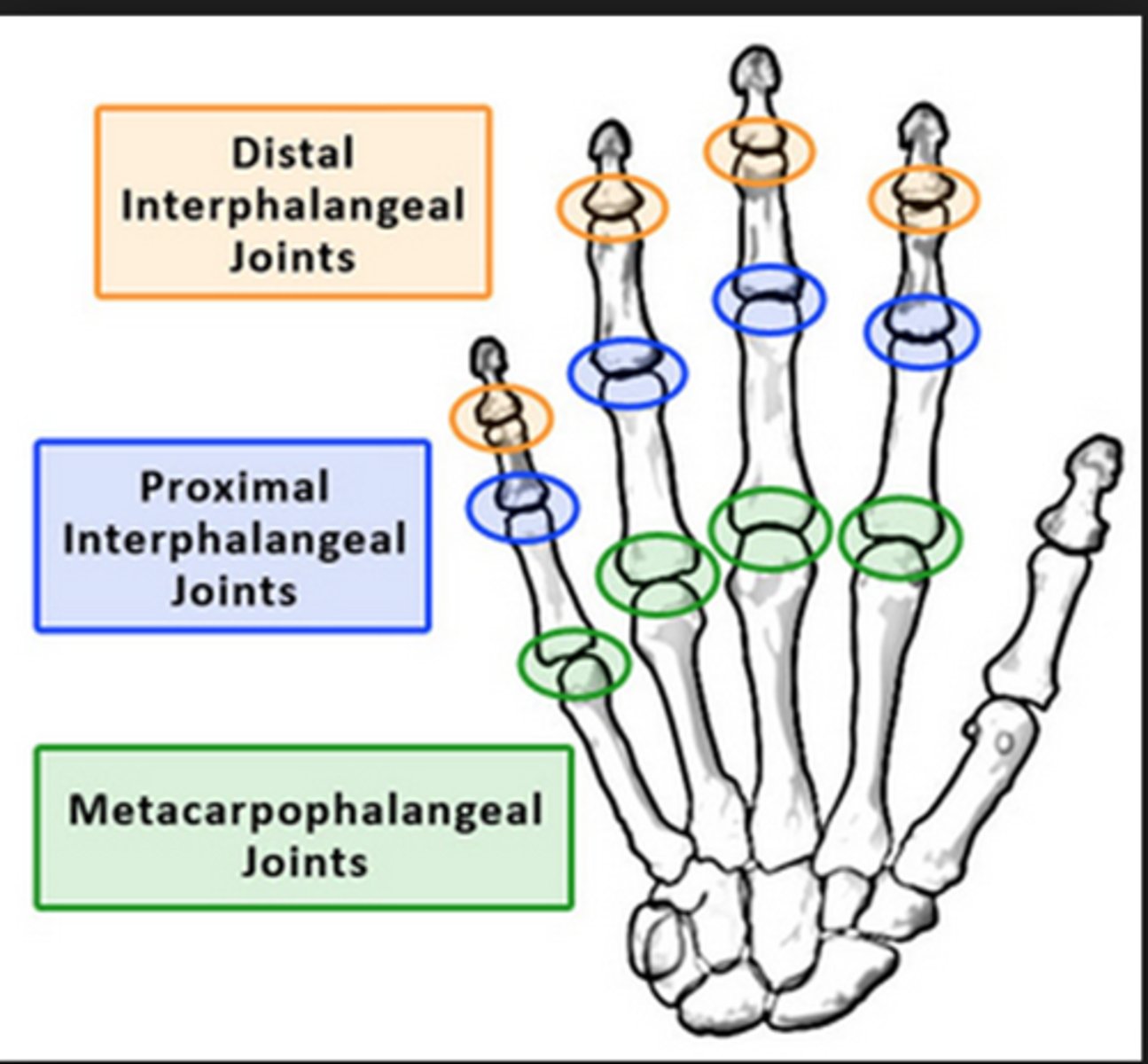
wrist, fingers, thumb joint functions
Wrists: Flexion, extension, hyperextension, adduction, radial and ulnar deviation
Fingers: Flexion, extension, hyperextension, abduction, and circumduction
Thumb: Flexion, extension, and opposition
wrist, fingers, and thumb joints
Articulation between the distal radius, ulnar bone, carpals, and metacarpals.
Contains ligaments and is lined with a synovial membrane.
vertebrae joints
amphiarthrosis joints
33 bones (7 cervical, 12 thoracic, 5 lumbar, 5 sacral, 3-4 coccygeal)
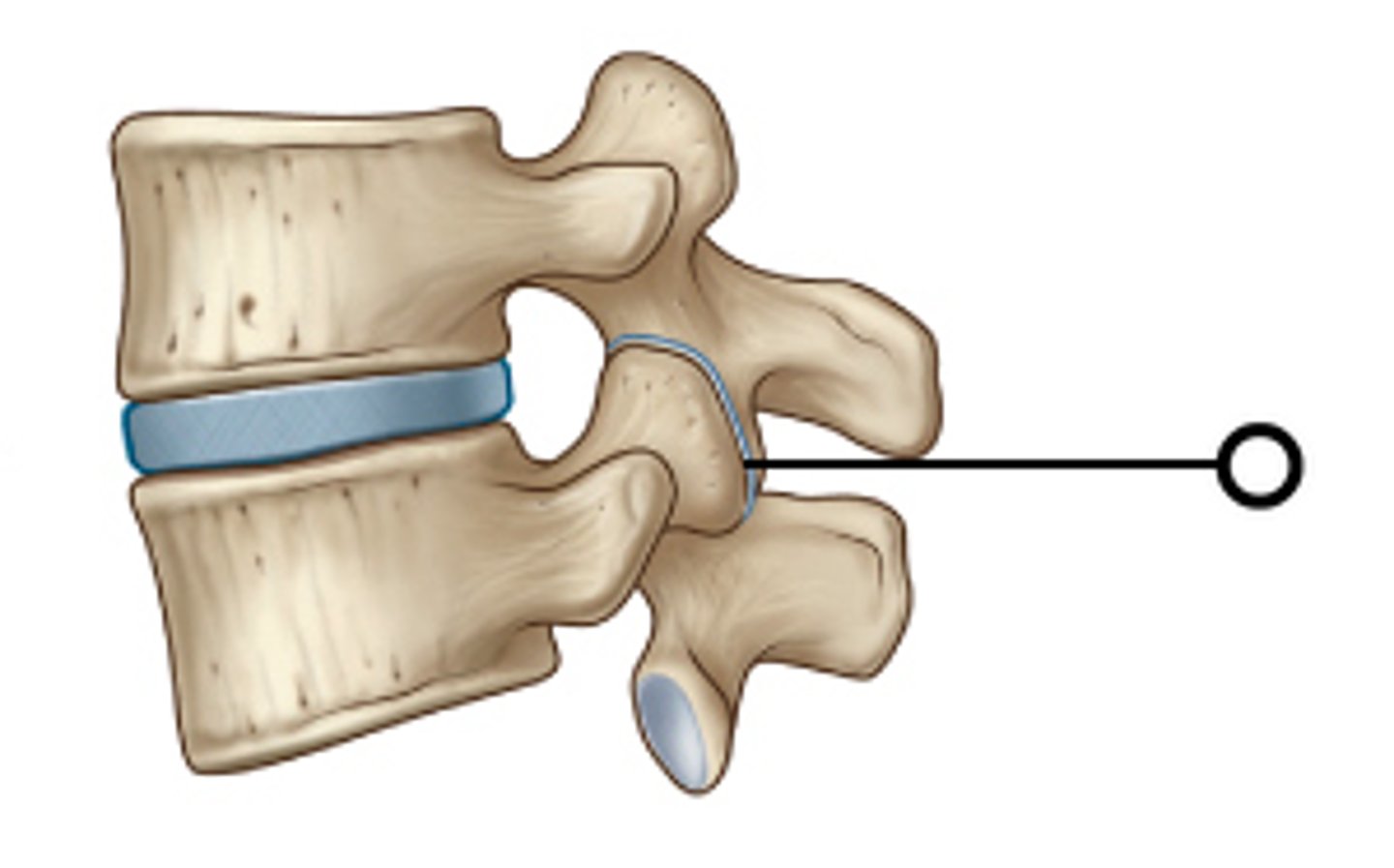
the vertebrae are cushioned by
Intervetebral discs made of fibrocartilage that provide flexibility and posture to the spine
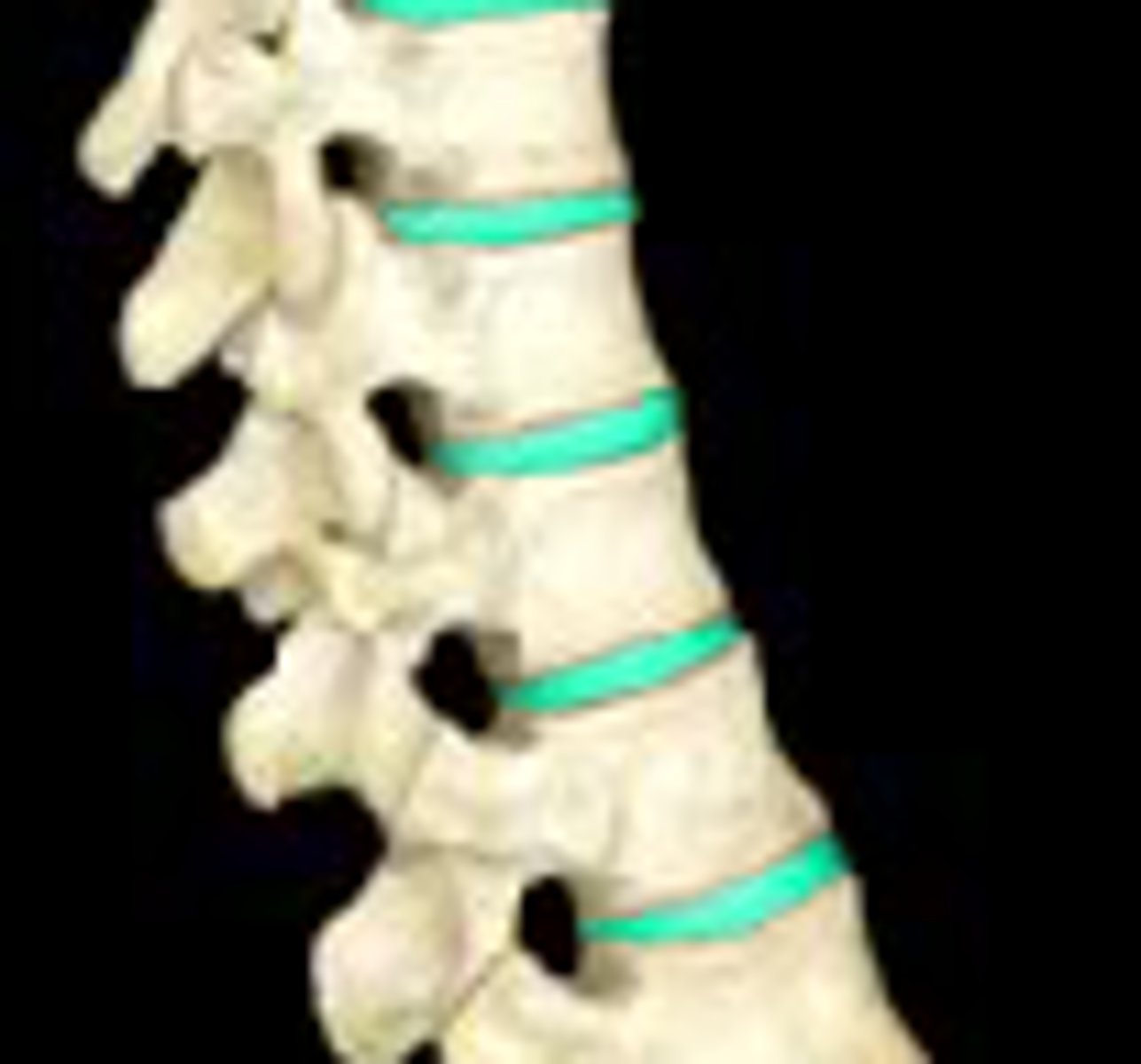
vertebrae joint function
flexion
hyperextension
lateral bending
rotation
hip joint
ball and socket joint formed by the head of the femur and the acetabulum of the hip bone
contains a fibrous capsule
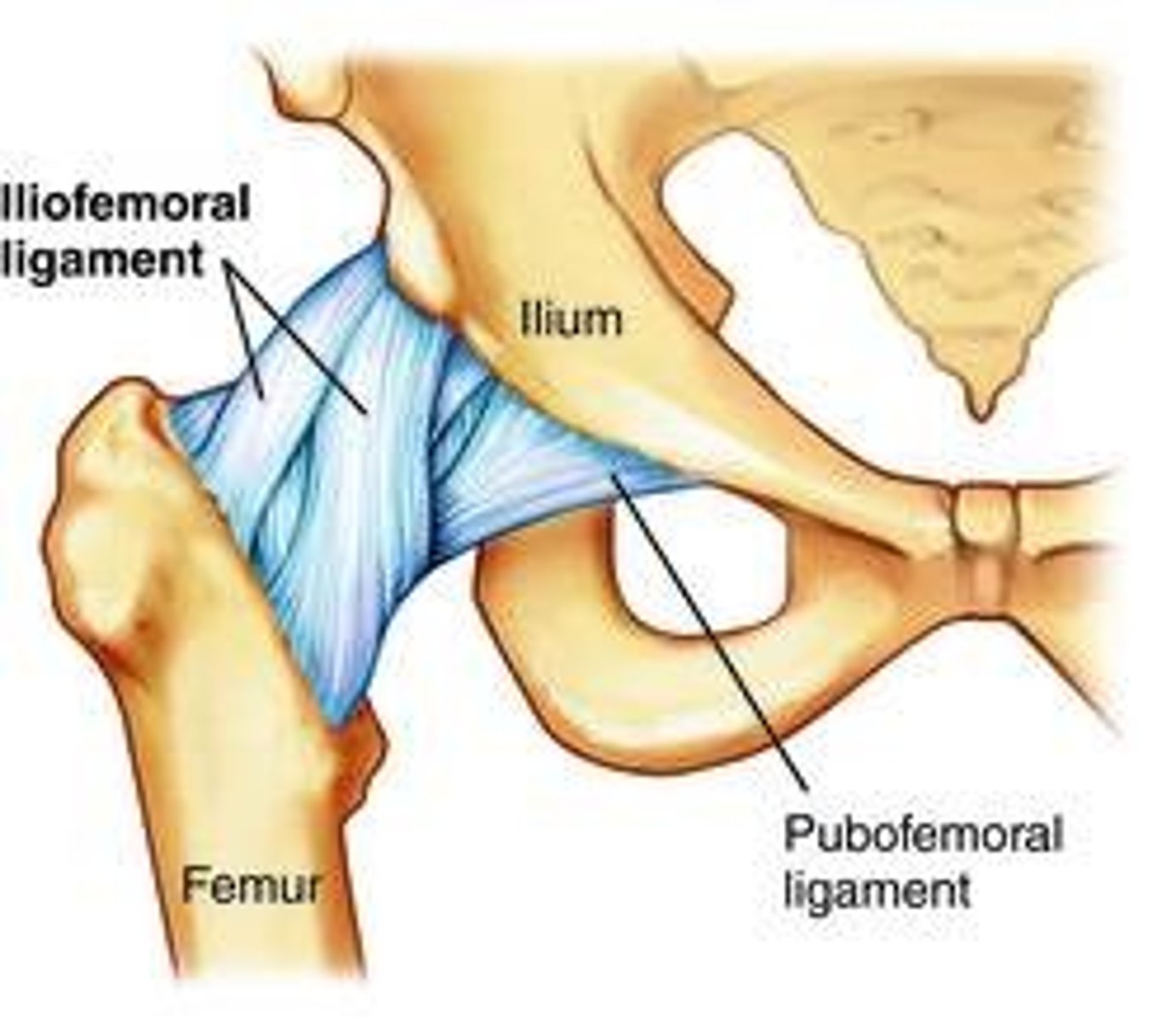
hip joint function
flexion
extension
hyperextension
circumduction
internal and external rotation
abduction
adduction
knee joint
Largest and most complex joint of the body
modified hinge joint
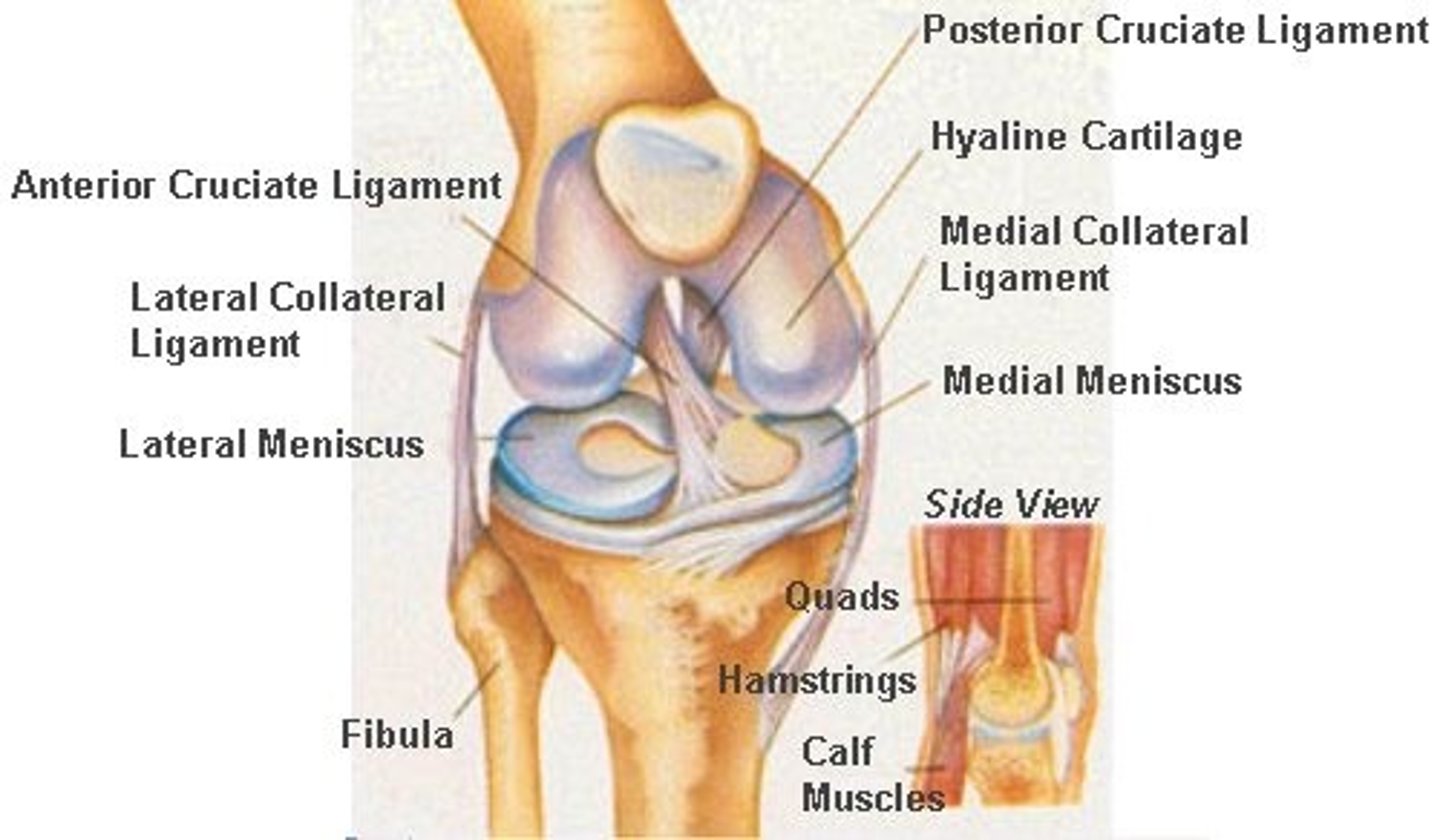
the knee joint is composed of
femur, tibia, fibula, patella and contains fibrocartilaginous disks and many bursae
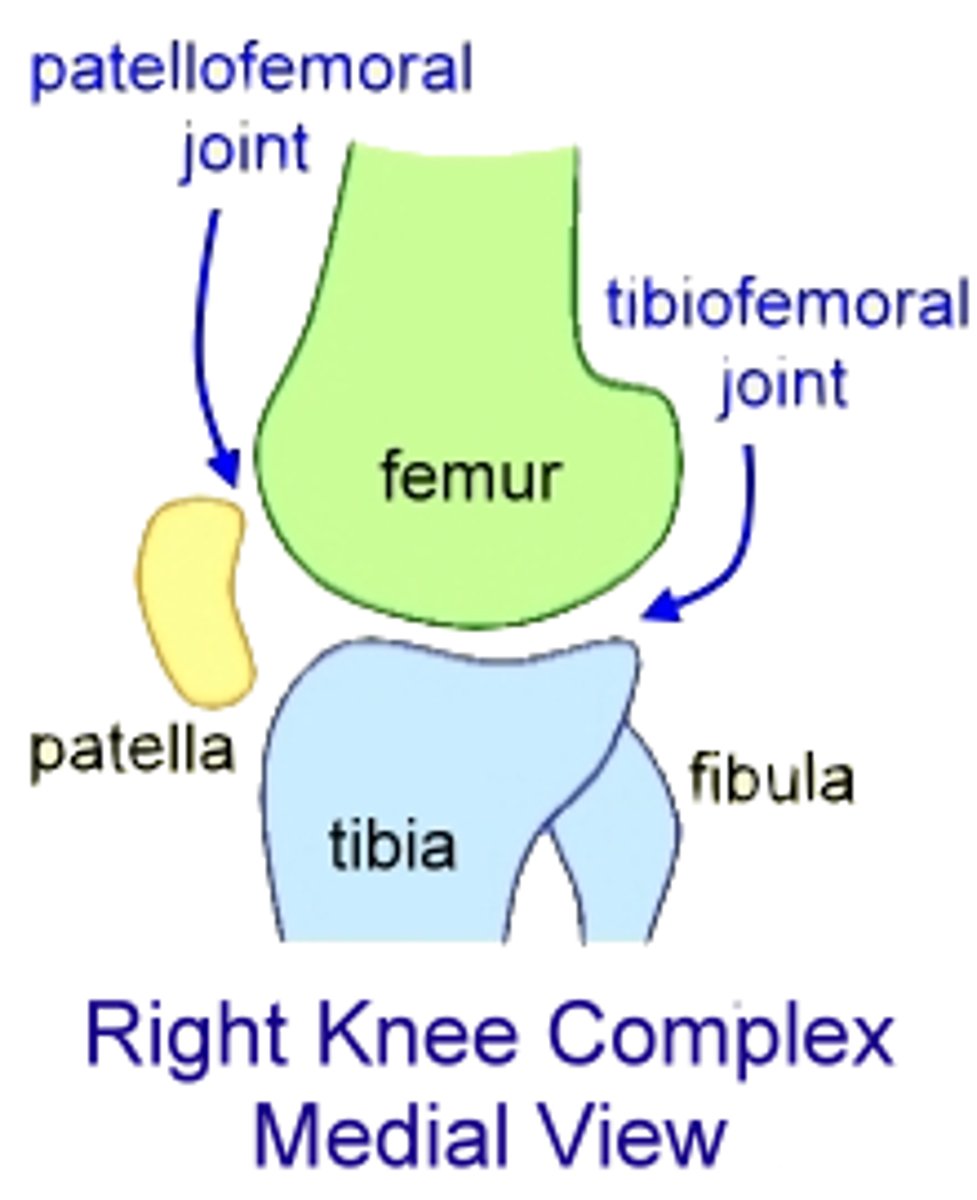
knee joint function
flexion and extension
ankle and foot joints
Articulation between the talus (large posterior foot tarsal), tibia, and fibula.
The talus also articulates with the navicular bones.
The heel (calcaneus bone) is connected to the tibia and fibula by ligaments.
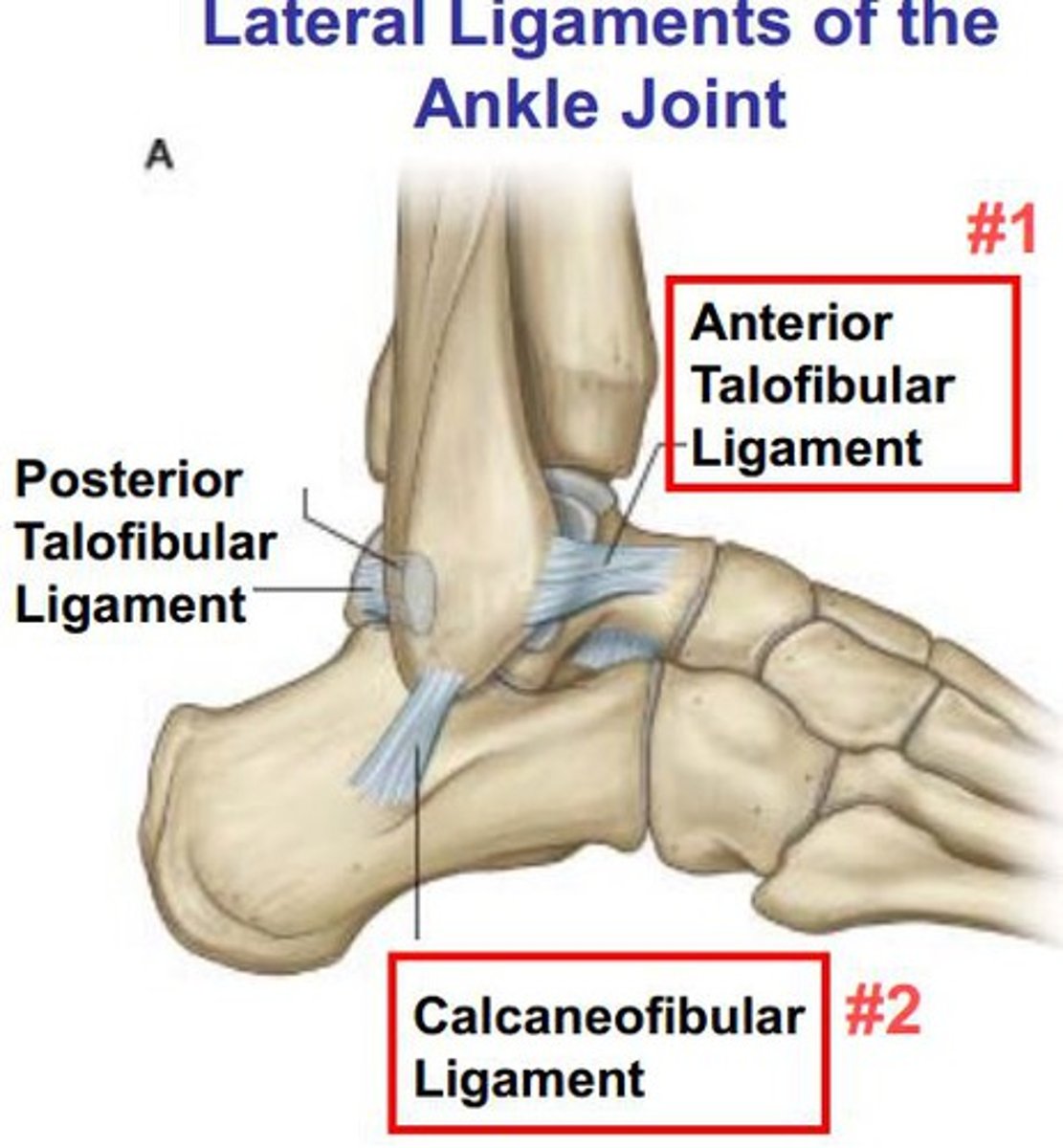
ankle and foot joint functions
Motion
Ankle: Plantar flexion and dorsiflexion
Foot: Inversion and eversion
Toes: Flexion, extension, abduction, adduction
How to prevent bone loss
adequate calcium
adequate vitamin d
exercise
avoid smoking and drinking
TMJ disfunction can cause
difficulty chewing
having their jaw get "locked" or "stuck"
tenderness
pain
clicking
bone pain is often
dull, deep, throbbing
fracture pain feels like
sharp, severe, intolerable
Osteoarthritis
inflammation of the bone and joint
osteomalacia
softening of the bone caused by calcium and vitamin D deficiency
bones lose their density how
with age
this is why older patients are more susceptible to fractures
joint stiffening conditions are often misdiagnoses as
arthritis
DM type 1 increases risk of
low bone density
osteoporosis is most common in
women after menopause
risk of osteoporosis
women (generally smaller than men)
underweight
older women bc of declining reproductive hormones,
Compounded by less activity, calcium, vitamin D, and decreased blood flow
genetic factors
older adults have slower movements, reduced flexibility, and decreased muscle strength because of
age-related muscle fiber and joint degeneration, reduced elasticity of tendons and joint capsule calcification
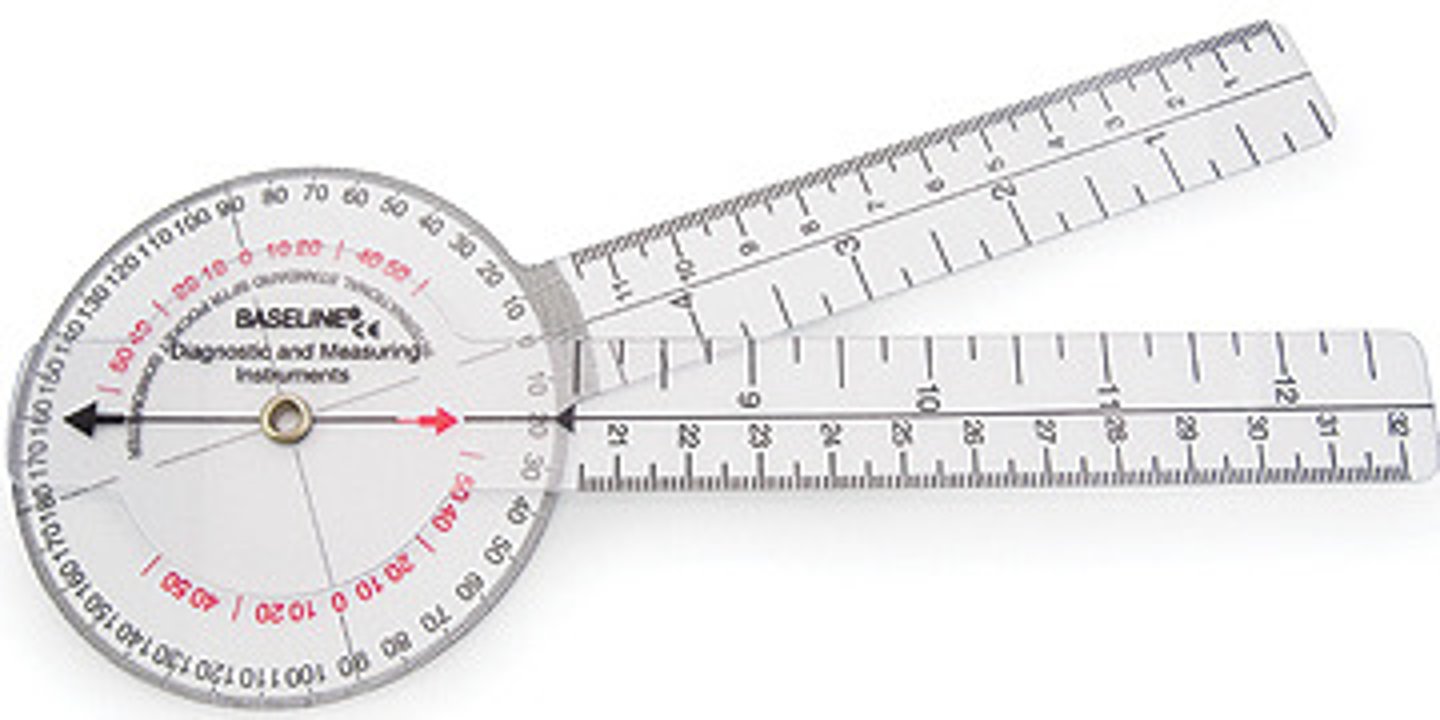
measure ROM with a
goniometer
how to rate joint mobility
0-5
0 being paralysis and no muscle movement
5 being being normal and action motion against full resistance
anatomical snuff box
abductor pollicis longus, extensor pollicis brevis, extensor pollicis longus
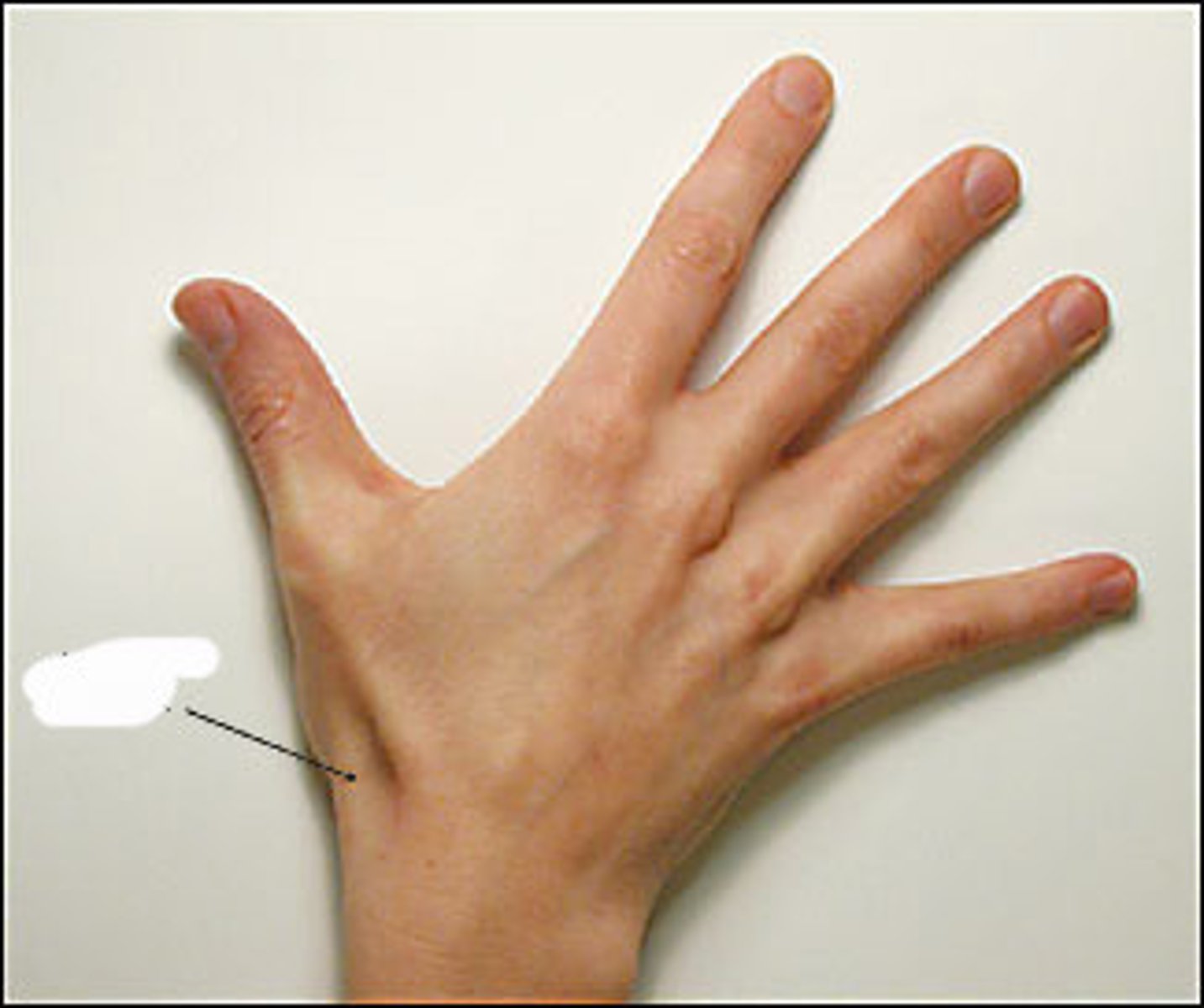
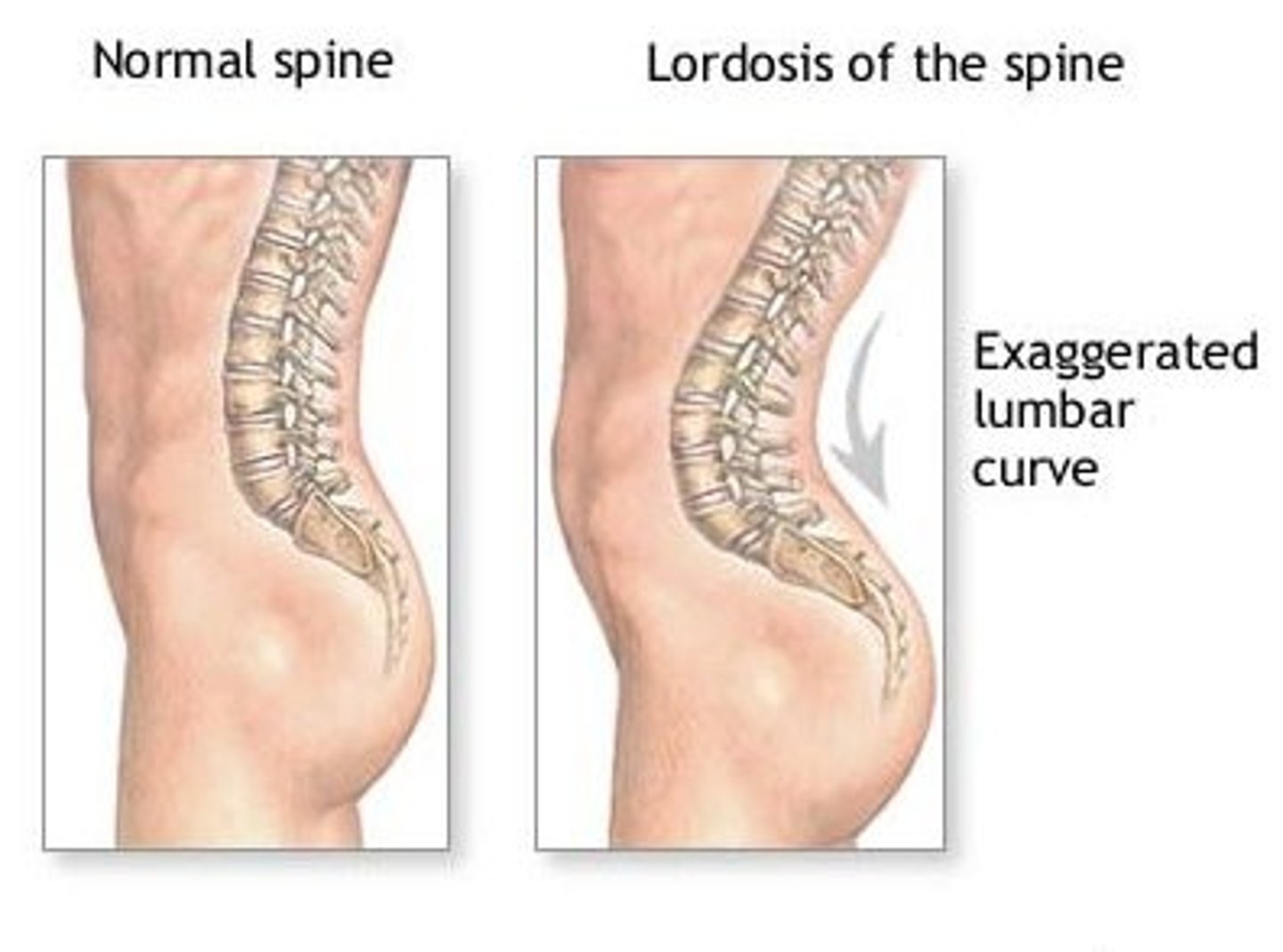
lordosis
abnormal anterior curvature of the lumbar spine (sway-back condition)
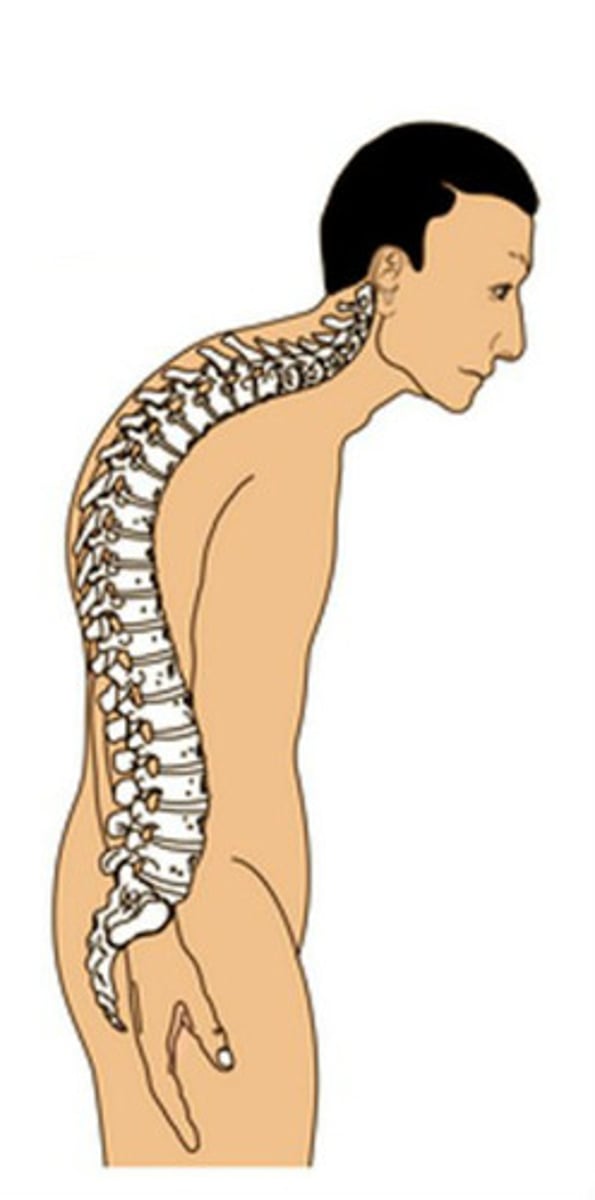
kyphosis
hunchback
crepitus may be heard in someone with
TMJ disfunction
what is the most common type of neck pain
cervical strain
impaired ROM and neck pain associated with fever, chills and headache could be indicative of
meningitis
unequal leg lengths are associated with
scoliosis
muscle atrophy
lack of muscle activity; reduces muscle size, tone, and power
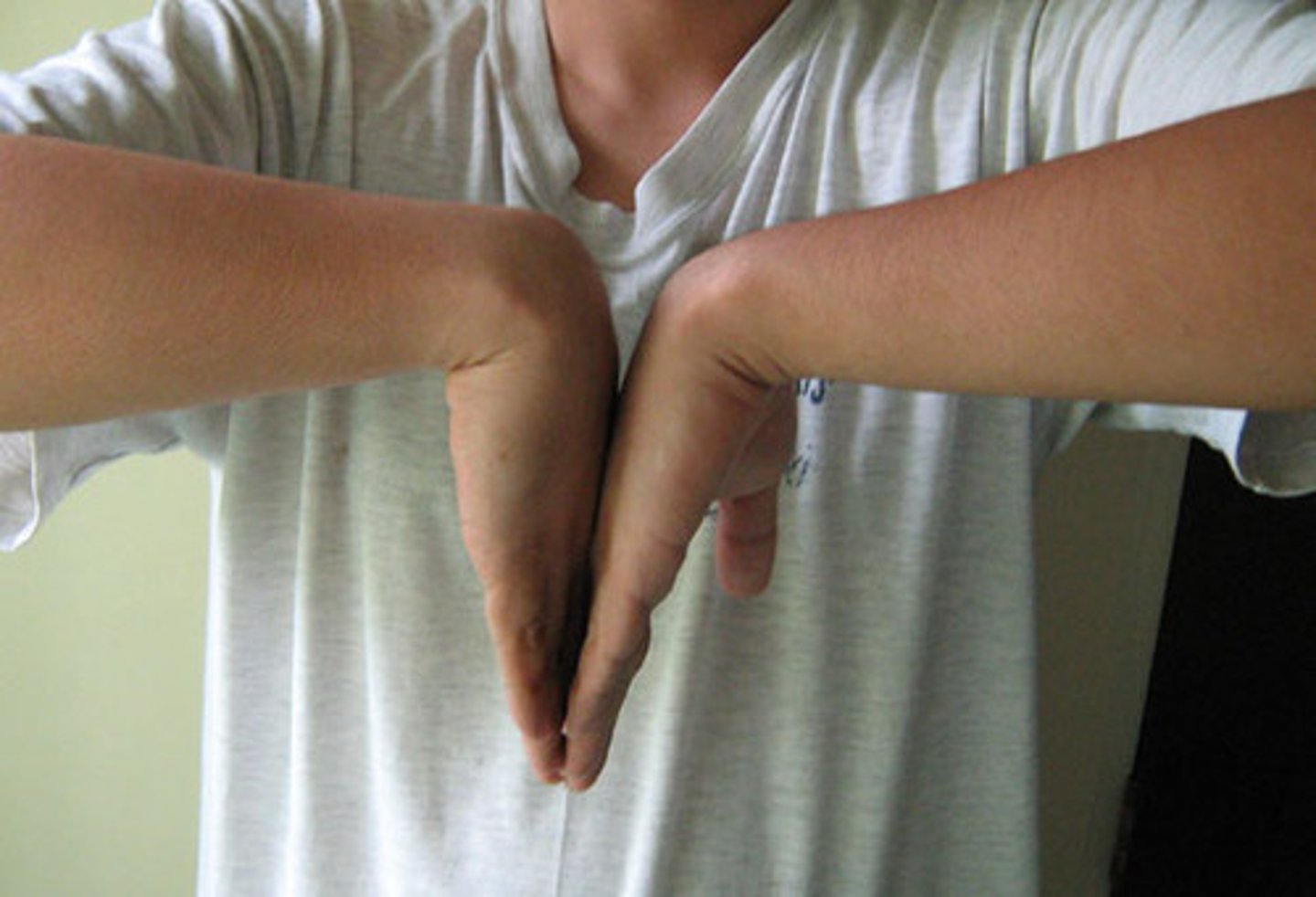
The Phalen test is used to help diagnose:
carpal tunnel syndrome
Phalen's test
median nerve compression of the carpal tunnel; praying or upside down praying
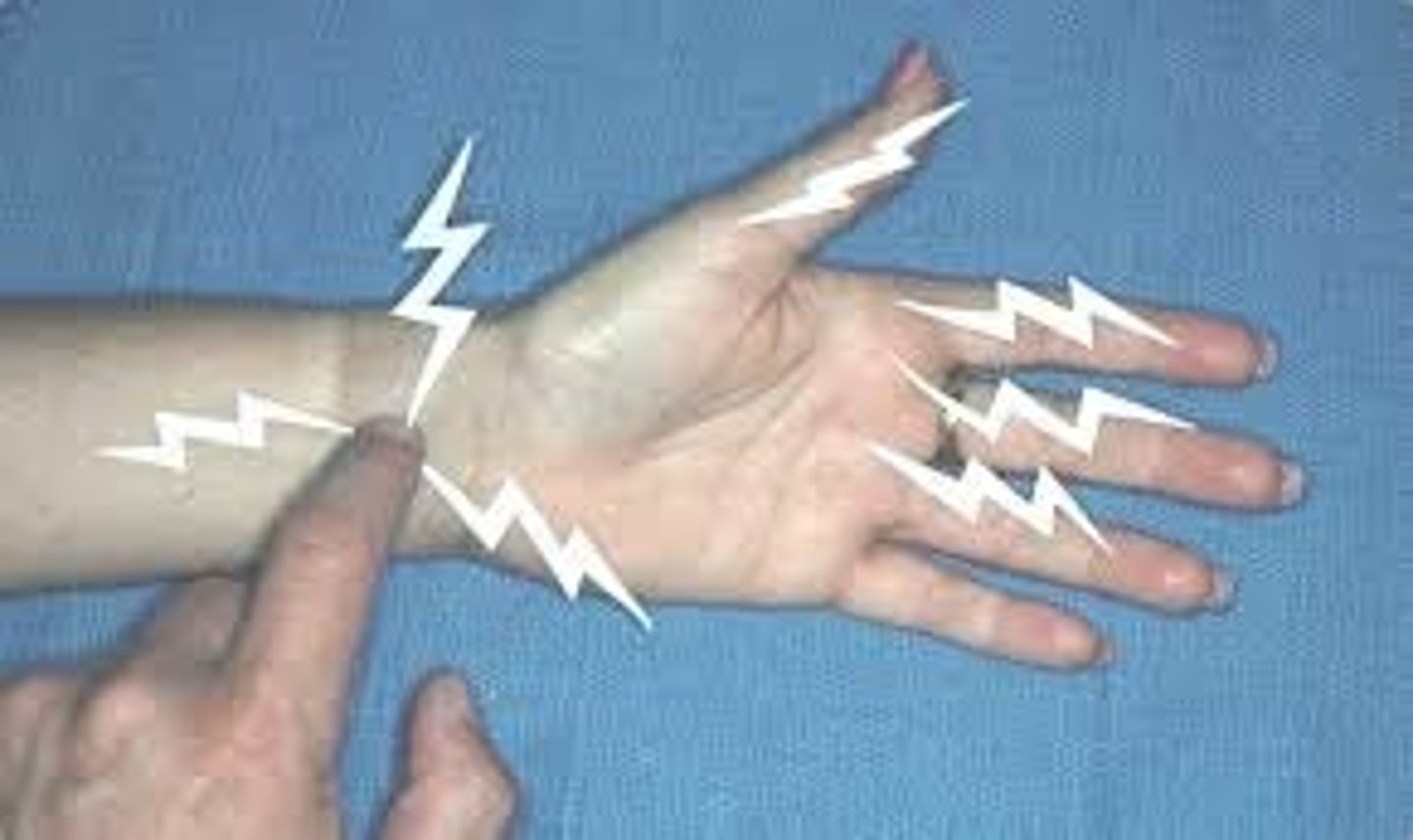
Tinel's Test
Used for Dx of Carpal Tunnel Syndrome
Physician taps over the volar aspect of the pts transverse carpal ligament
Positive test will cause tingling or paresthesia into the thumb, index, middle or lateral half o the ring finger
the most common injuries in the hip and groin are from
athletes that are involved in skating or kicking with sudden changes of direction
normal rom for hip
Flexion: 0-120
Extension: 0-30
Abduction: 0-40
Adduction: 0-35
Internal Rotation: 0-45
External Rotation: 0-45
herniated disc (slipped disc)
Usually caused by heavy lifting.
The annulus of the disc cracks, allowing the nucleus pulposus to protrude. Puts pressure on spinal nerve roots causing pain.
Surgery: laminectomy (lamina is the bone that is removed to make room for the nerve)
Knock-knee (genu valgum)
Legs curved inward so knees come together as person walks