Ap Music Theory
 Call Kai
 Learn
Learn Practice Test
 Spaced Repetition
 Match
Match Flashcards
 Knowt Play
1/18

There's no tags or description
Looks like no tags are added yet.
Name | Mastery | Learn | Test | Matching | Spaced | Call with Kai |
|---|
No analytics yet
Send a link to your students to track their progress
19 Terms
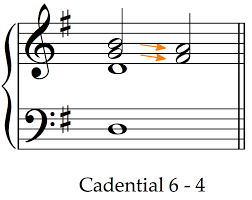
Cadential 6-4
The Cadential 6-4 is a musical cadence featuring a triad on the tonic in first inversion, where the 6th and 4th scale degrees are above the bass note. It typically resolves to the dominant chord (V), leading back to the tonic (I).
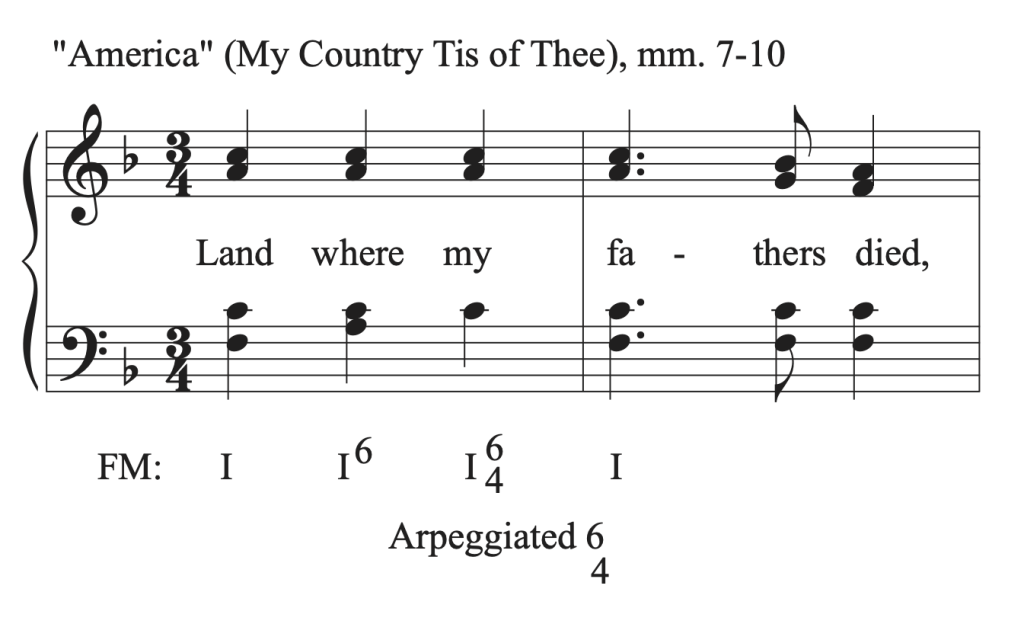
Arpeggiated 6-4
A type of chord where the notes of the triad are played in a broken or arpeggiated manner, creating a 6-4 sonority, commonly used in cadential progressions. Bass moves between notes of the same triad, placing the fifth in the bass, often acting as a decorative extension rather than a structural harmony.
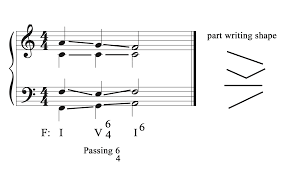
Passing 6-4
A passing 6-4 chord is a type of harmony that connects two chords by using a triad built on the tonic note in first inversion, typically used to smooth transitions between chords.
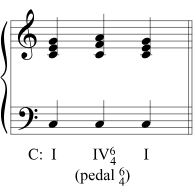
Neighboring/pedal 6-4
a technique involving a sustained bass note while chords above change, or a melody that alternates between a principal note and a neighboring tone.
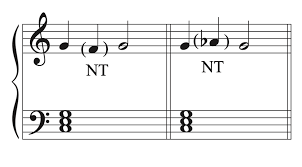
Neighbor Tone
Starts on chord tone, moves up or down then returns,
unaccented or accented
Chromatic neighbor when accidental (except the leading tone in minor)
step → step (opposite)
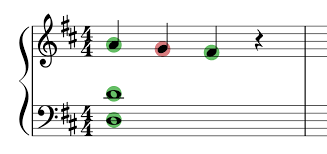
Passing Tone
Fill gap between two chords( Usually 3rd apart) diatonic note connecting two chord tones that are a third,
-unaccented or accented
step → step (Same direction)
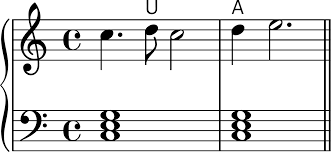
Accented V Unaccented
Accented- occurs on the beat (creating greater tensions)
Unaccented- occurs in between beat
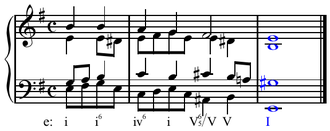
Picardy Third
Ending minor phrase using Authentic Cadence using Major Tonic chord
Third of the final chord from major to minor is raised to change triad from major to minor
Mode mixture (Borrow Chords from parallel Major/Minor key)
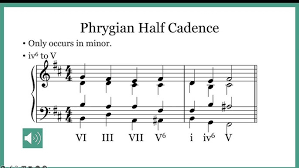
Phrygian Cadence
iv6-V
occurs in harmonic minor
Bass Sings le-sol
closes a phrase on a major dominant chord.
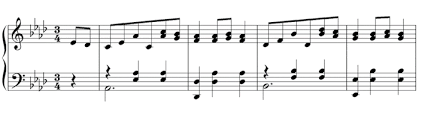
Homophony
One clear melody with accompaniment
Chordal Homophany- All parts have same rhythm (moves in chords)
Alberti bass
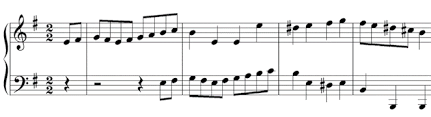
Polyphony
More than one melody occurring at the same time
Rounds, cannons, Fugues
Imitative Polyphony & Non-Imitative Polyphony
Imitative- Counter melodies are similar/same
Non Imitative- Counter melodies are independent
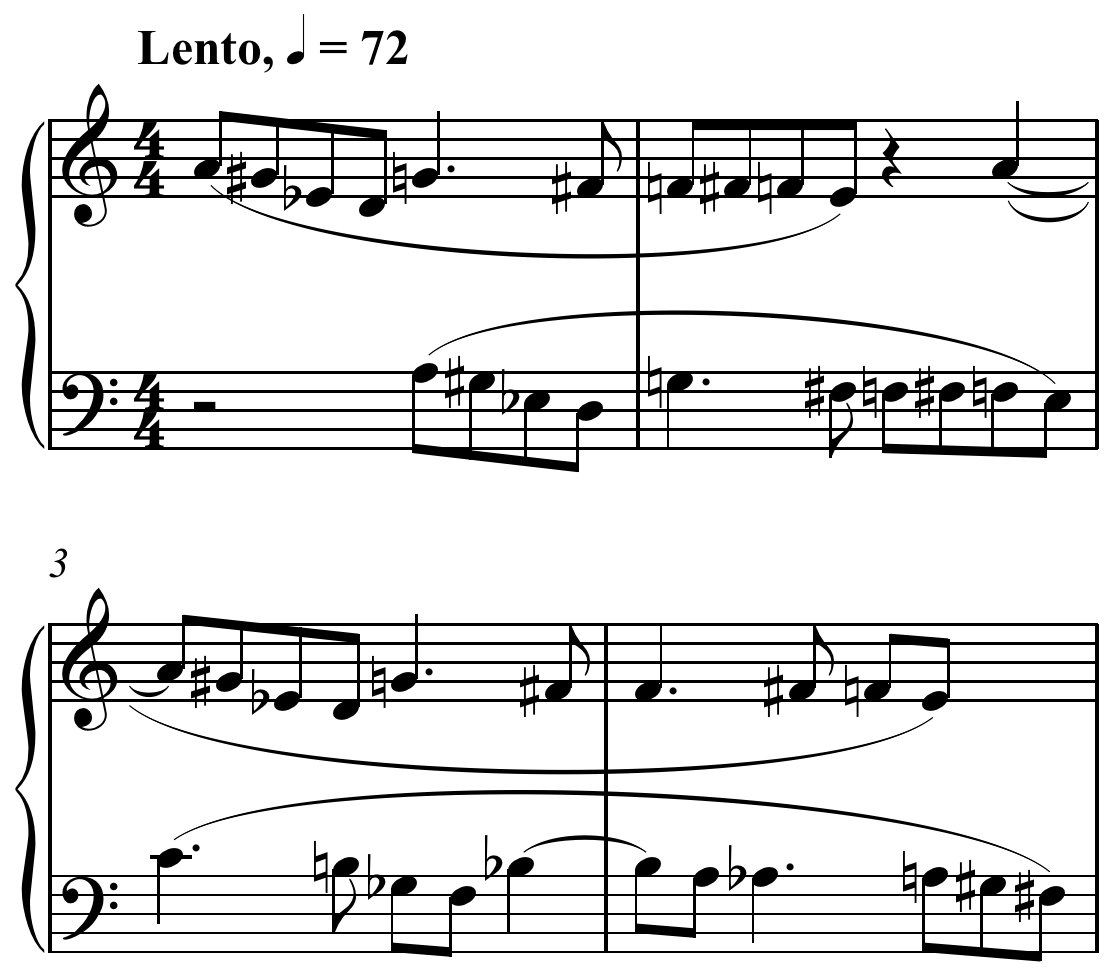
Heterophony
Only one melody, but different variations played/ sung at the SAME time
Ex: Happy Birthday (not all together)
Retrograde
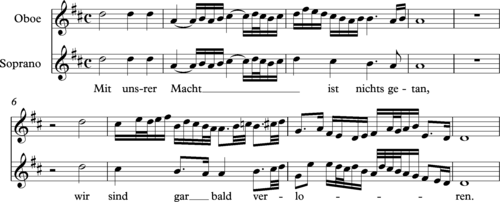
Playing a melody backwards (mirror image of the original melody).
Retrogression
A musical technique involving a sequence of notes played in reverse order, creating a sense of development or descent. Retrogression is the process of reversing a musical phrase or sequence, leading to a sense of movement back to previous tonalities or themes.
Deceptive Cadence
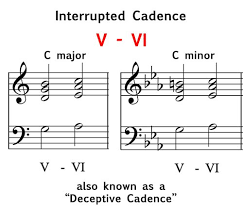
Dominant chord (V) resolves to a chord other than the tonic (usually submediant/vi), defying expectations of a final, resting point. It acts as a musical "comma" rather than a "period,"
V-vi (Major) V-VI (minor)
Half Cadence
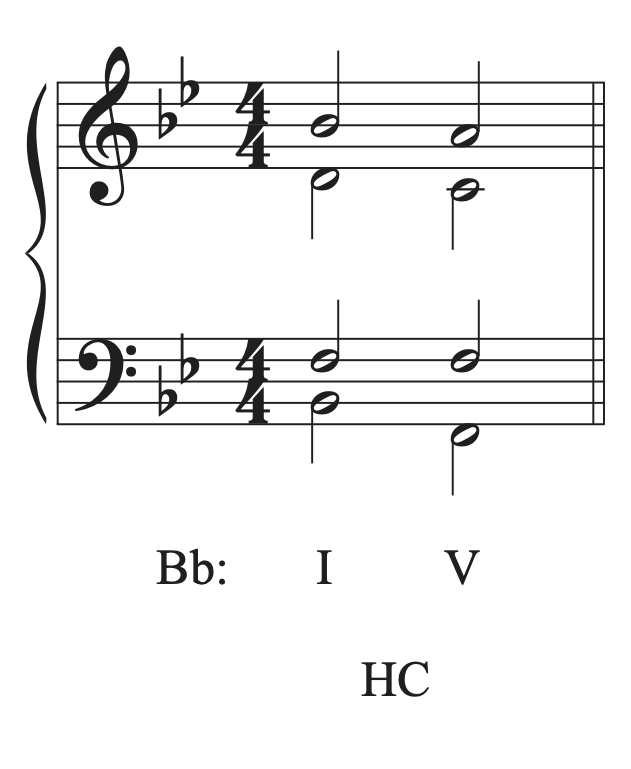
Ends on V
Acts as comma (unresolved, suspended feel)
Middle of phrase followed by strong cadence (V-I) (PAC)
IV, ii6, or Vi comes before it
Plagal Cadence
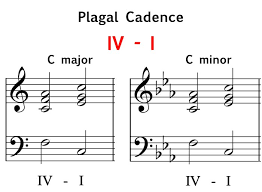
A cadence that resolves from the subdominant chord (IV) to the tonic chord (I), often described as the "Amen Cadence." It provides a finality in music, often associated with a softer resolution than the authentic cadence.
IV-I (Major) iv-i (minor)
Soft stop, comma, slightly weaker than authentic cadence
Imperfect authentic cadence
All other Authentic cadences, moves from dominant(V/V7) to I, but uses inversions
soprano ends on mi, sol, or uses vii7 instead of V7