The Middle Ages in Europe
 Call Kai
 Learn
Learn Practice Test
 Spaced Repetition
 Match
Match Flashcards
1/19

There's no tags or description
Looks like no tags are added yet.
Name | Mastery | Learn | Test | Matching | Spaced | Call with Kai | Chat |
|---|
No analytics yet
Send a link to your students to track their progress
20 Terms
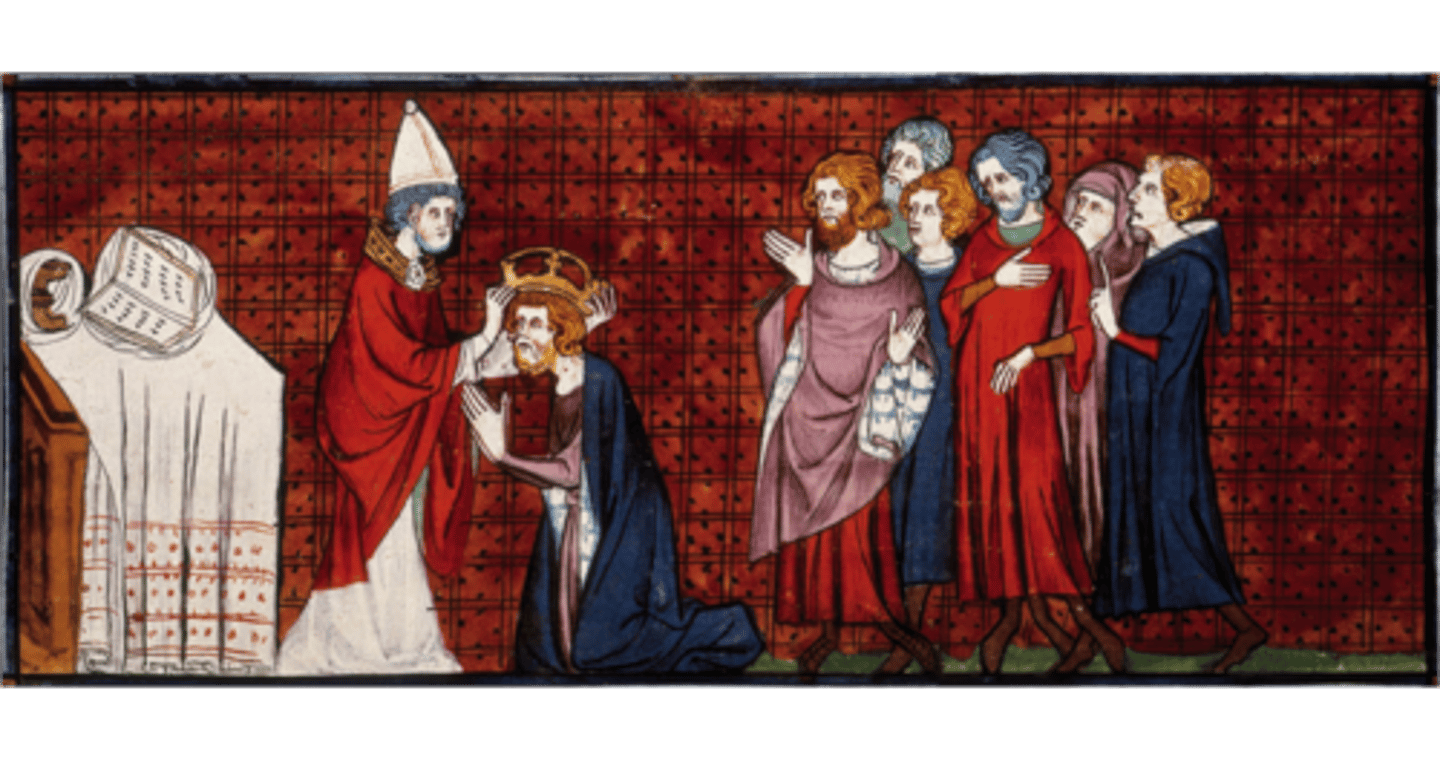
Charlemagne
800 AD crowned by the Pope as the head of the Holy Roman Empire, which extended from northern Spain to western Germany and northern Italy.
He was known as Charles the Great, he ruled most of what is now France and Germany. He united tribes in Central and Western Europe into 1 empire. He helped people see themselves as Europeans not as tribes.
Manorialism
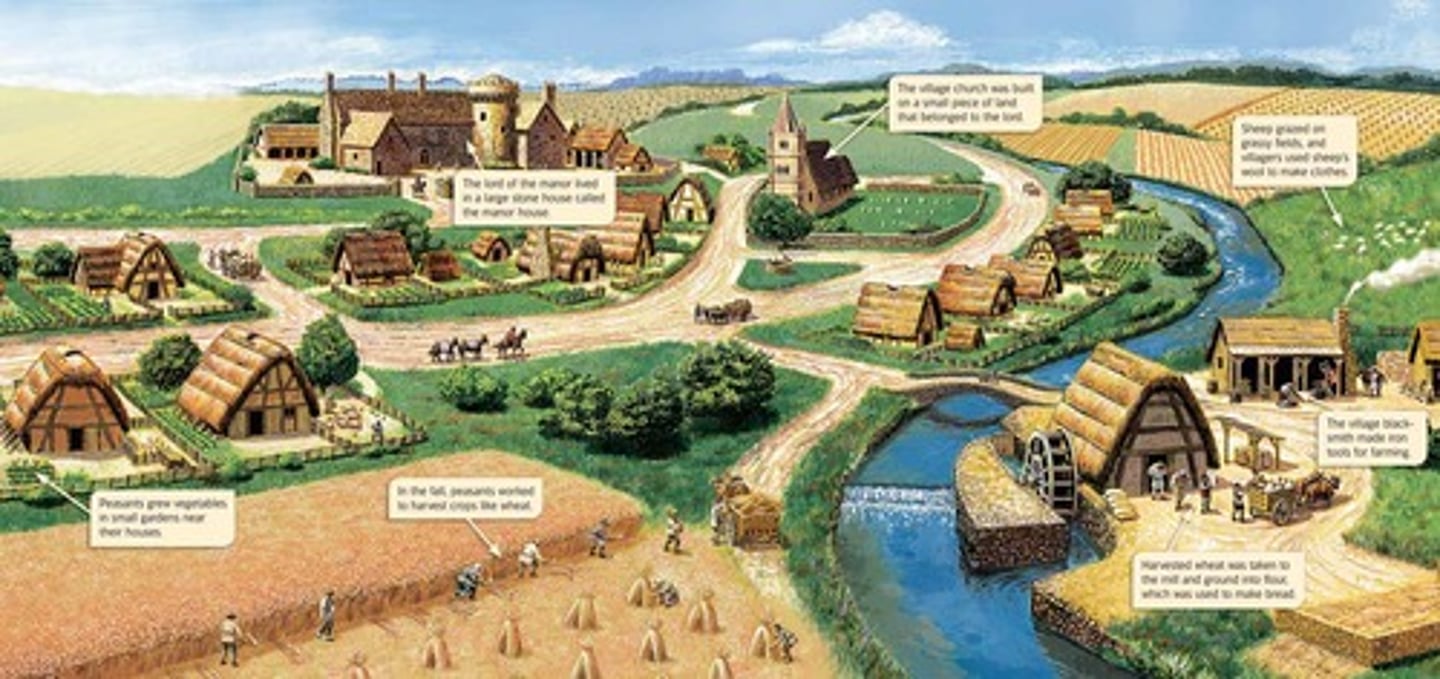
The economic system of the Middle Ages. Manors were self-sufficient; Land = Wealth; Trade was minimal
Feudalism
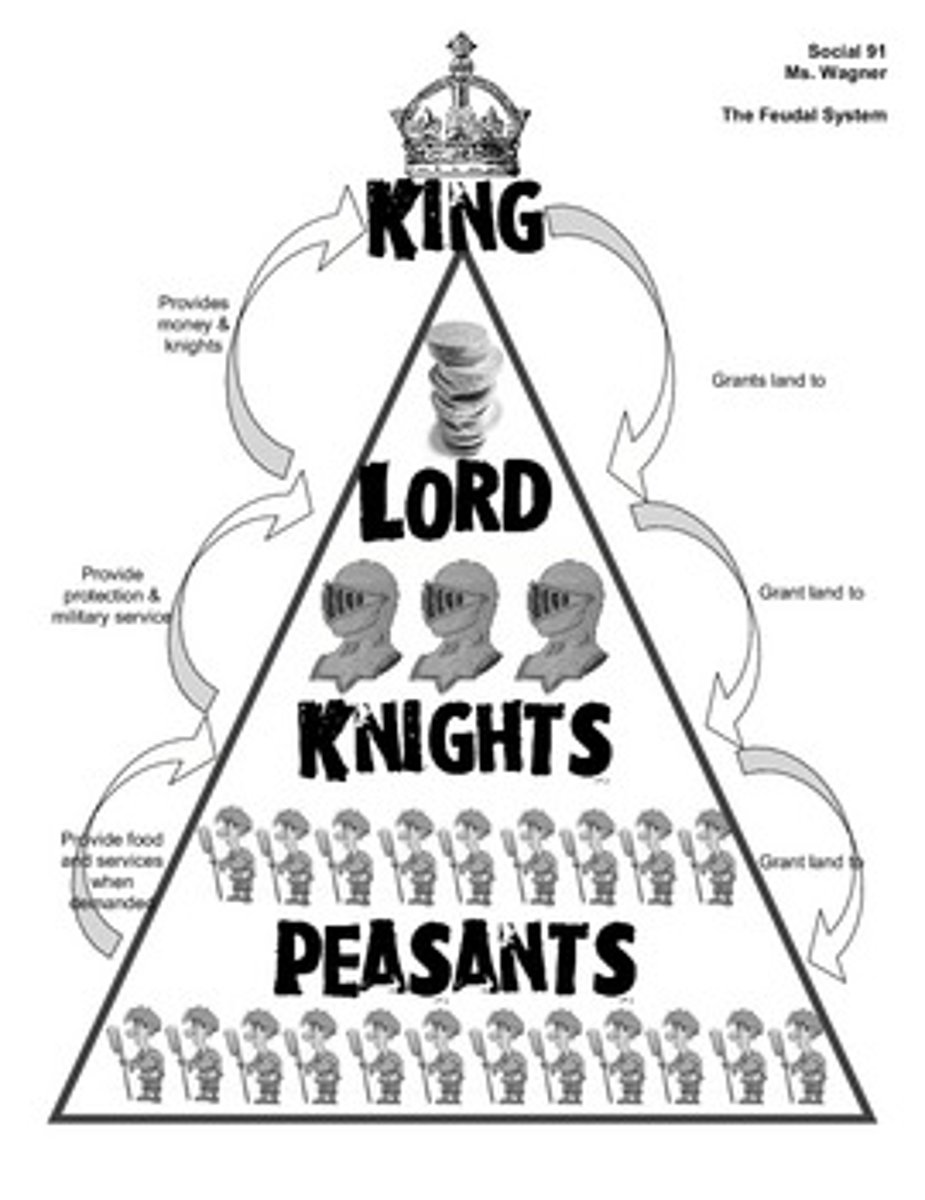
The political and social hierarchy that included landlords, vassals, and serfs. Created by exchanging grants of lands (fiefs) in return for formal, written oaths of allegiance and promises of loyal service; greater lords provided protection and aid to lesser lords (vassals) in return for military service. Lords provided protection for serfs; serfs provided service for lords.
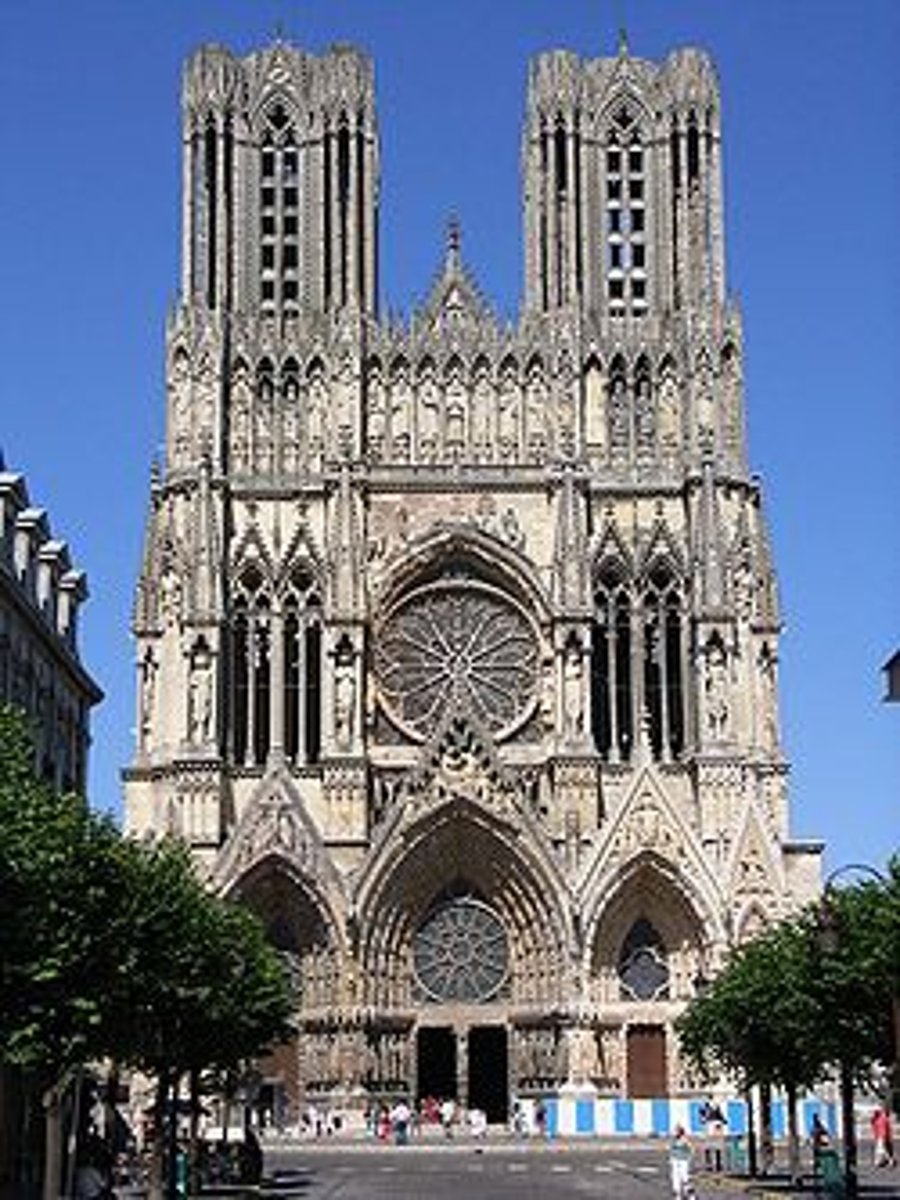
Gothic architecture
Architecture of the twelfth-century Europe, featuring stained-glass windows, flying buttresses, tall spires, and pointed arches
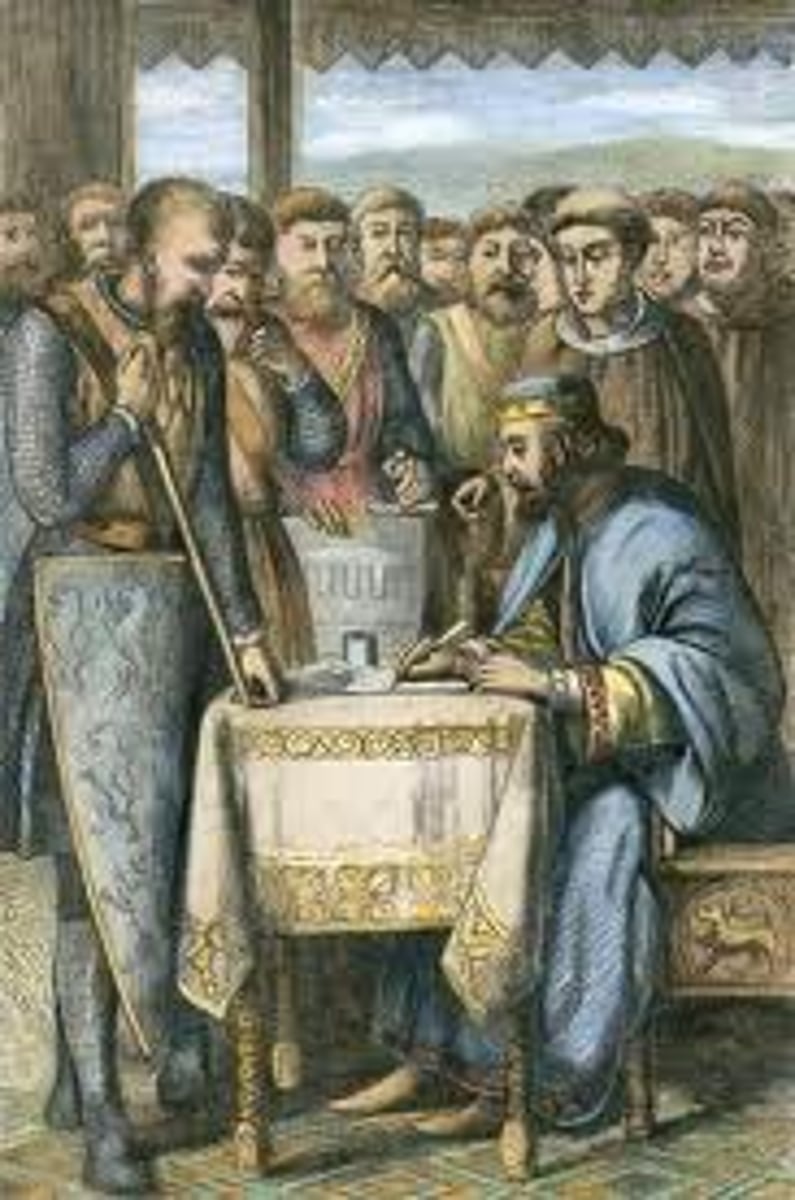
The Magna Carta
A treaty signed by King John of England in 1215.
It protected rights against the Kings claims.
Represented idea of limited government.
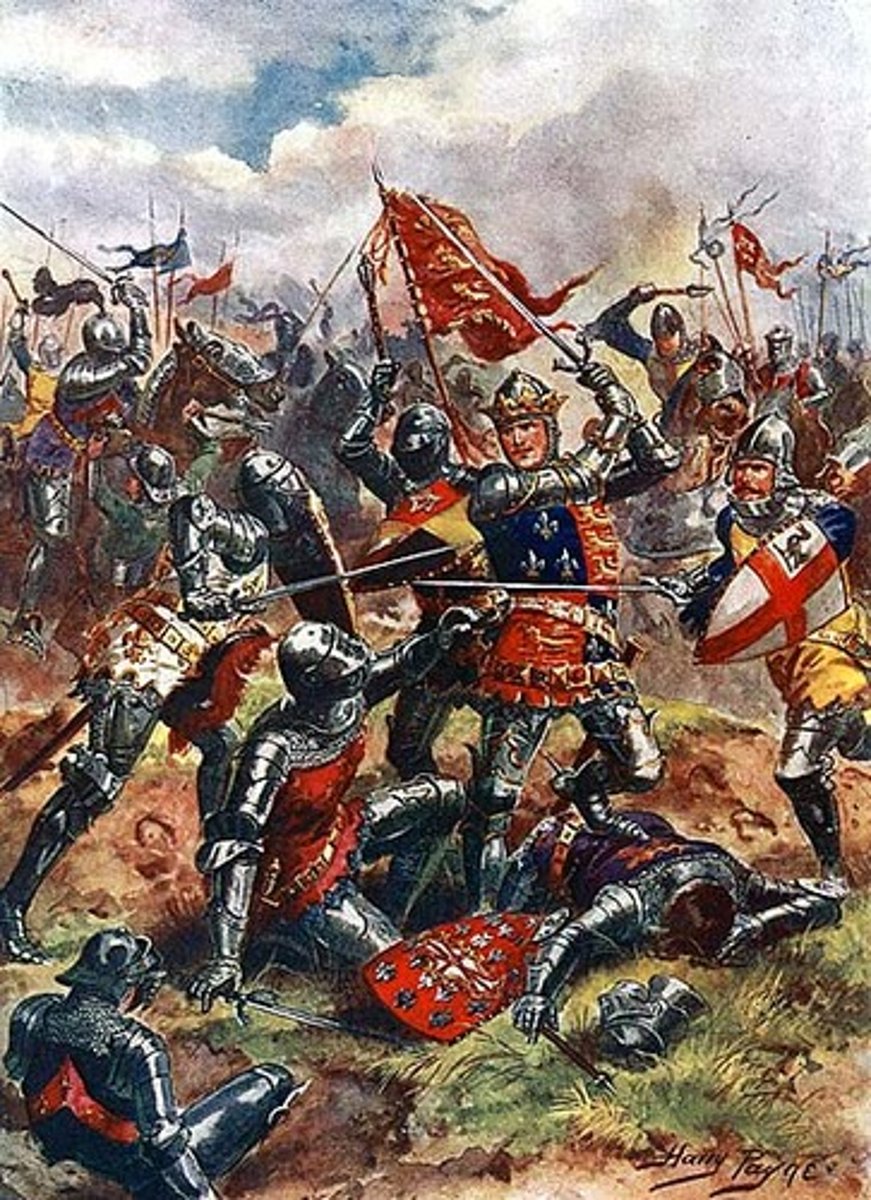
The Hundred Years War
A war fought between England and France over lands England possessed in France and feudal relationships. (1337-14543)
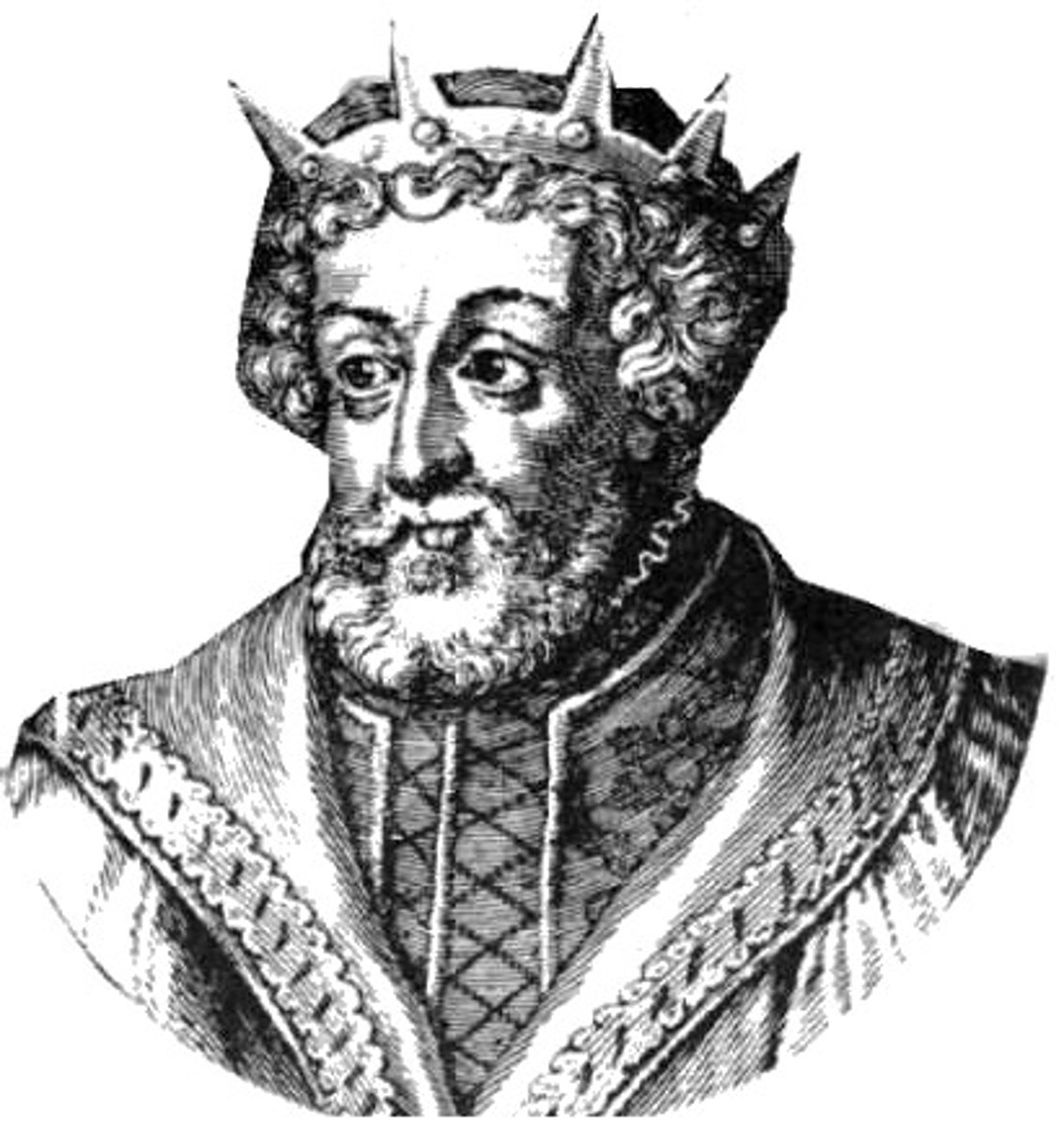
Charles Martel
Charles the "Hammer"; led the the Battle of Tours and saved Europe from the Islamic expansion. (732 C.E.)
Crusades
series of military adventures initially launched by western Christians to free Holy Land from Muslims (temporarily succeeded in capturing Jerusalem and establishing Christian kingdoms), a war for the cross or holy war
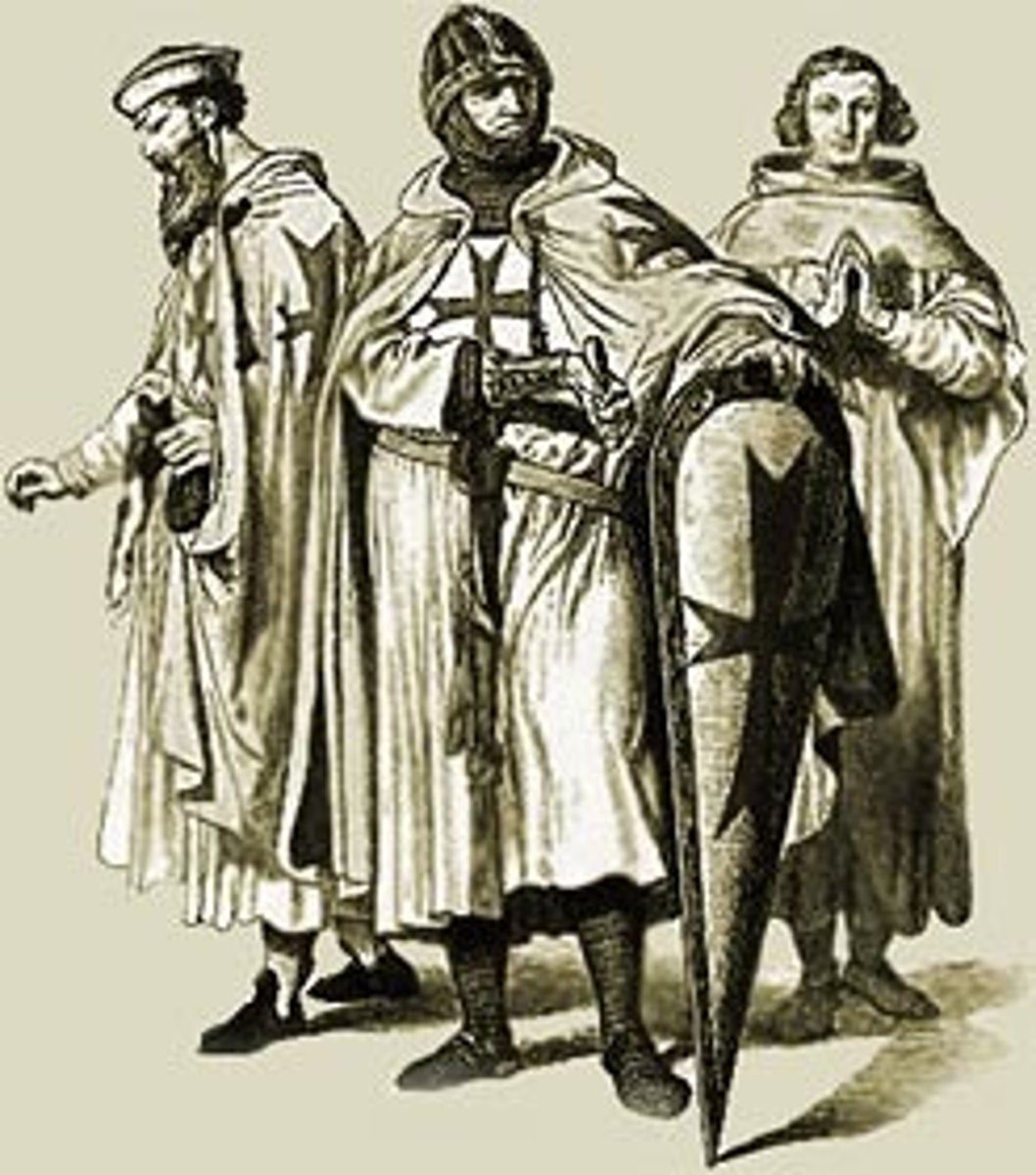
Joan of Arc
A French military leader of the fifteenth century, a national heroine who at the age of seventeen took up arms to establish the rightful king on the French throne. She claimed to have heard God speak to her in voices. These claims eventually led to her trial for heresy and her execution by burning at the stake. Joan of Arc is a saint of the Roman Catholic Church
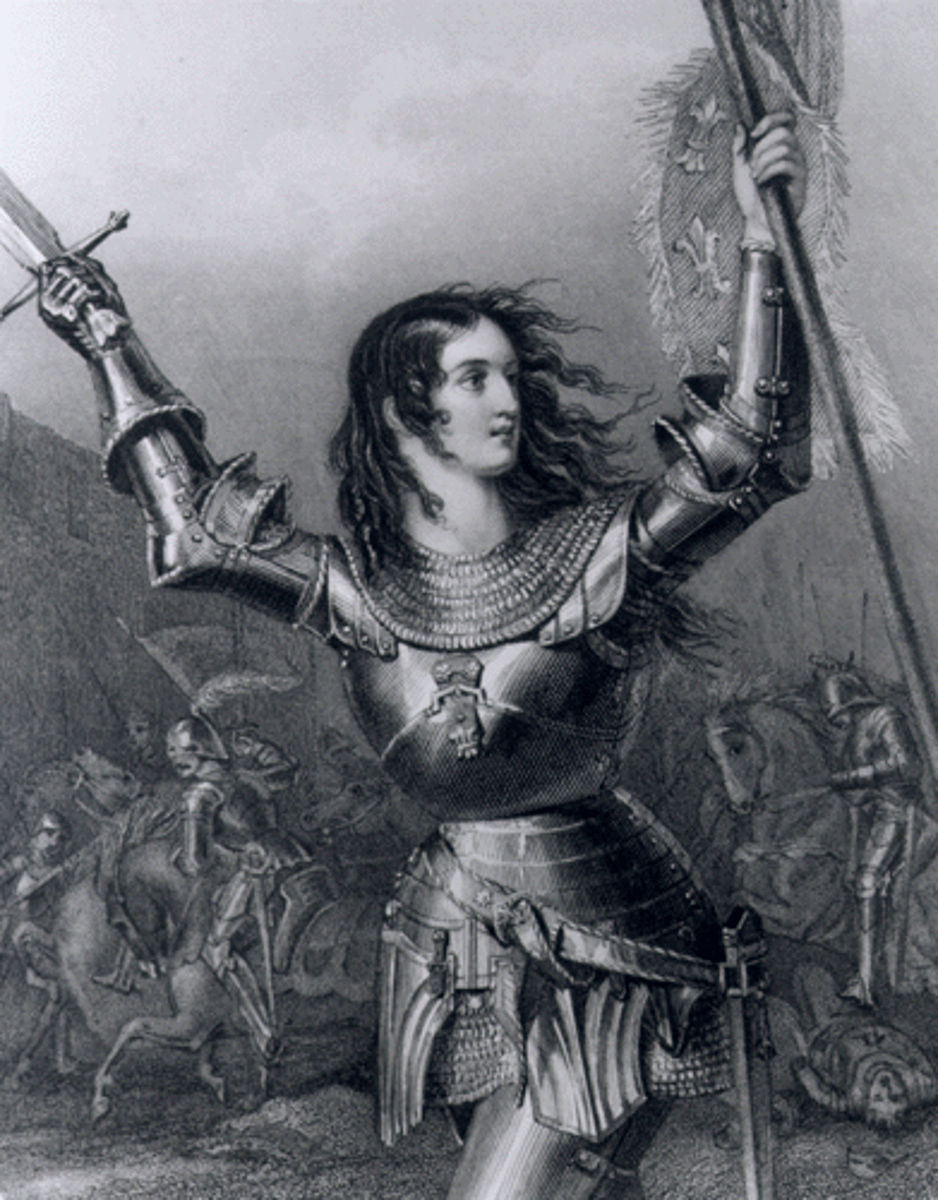
Battle of Tours
Muslim expansion into Europe was stopped by Charles Martel in 732CE
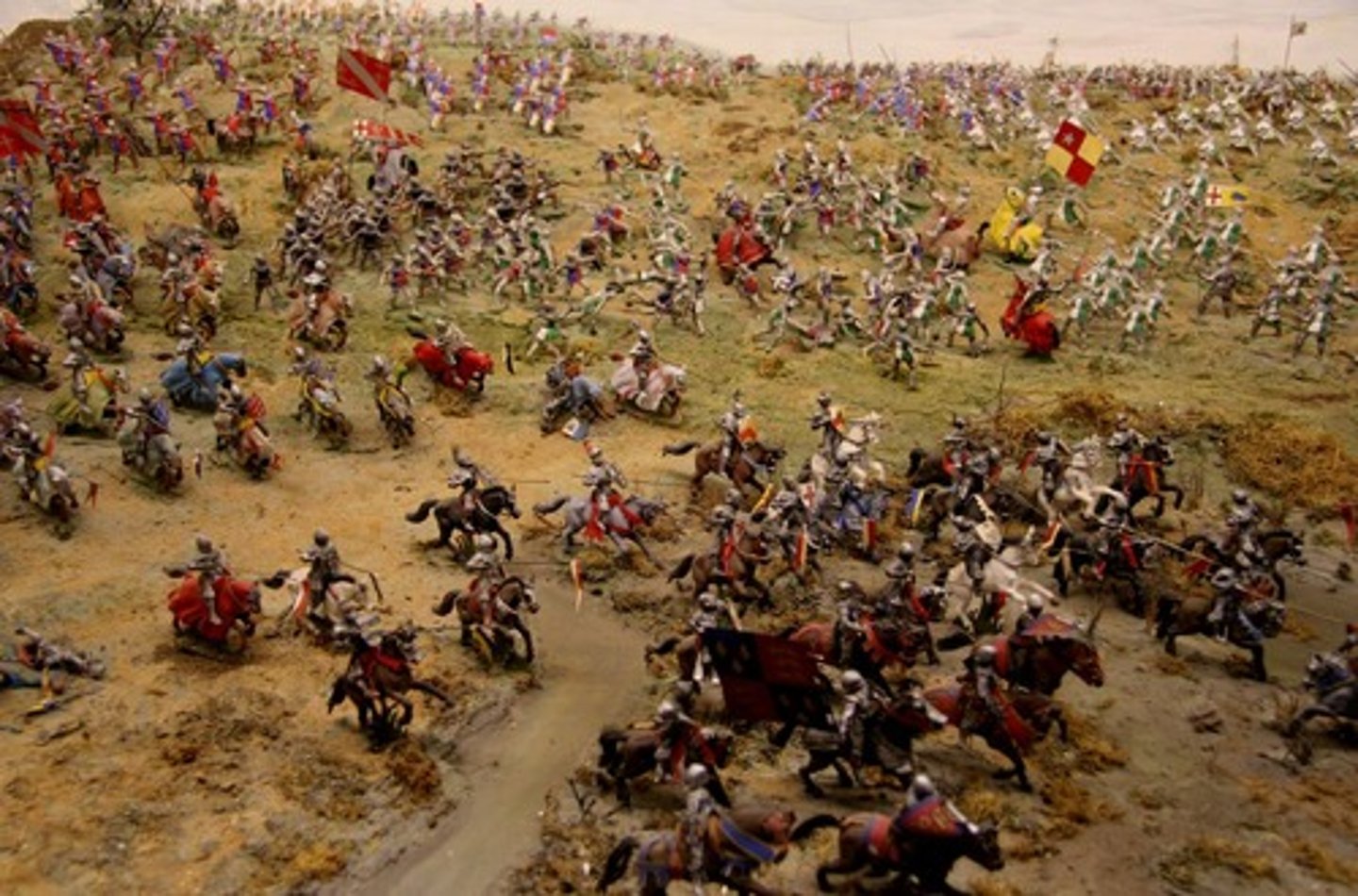
fief
The property or fee granted to a vassal for his maintenance by his lord in return for service.
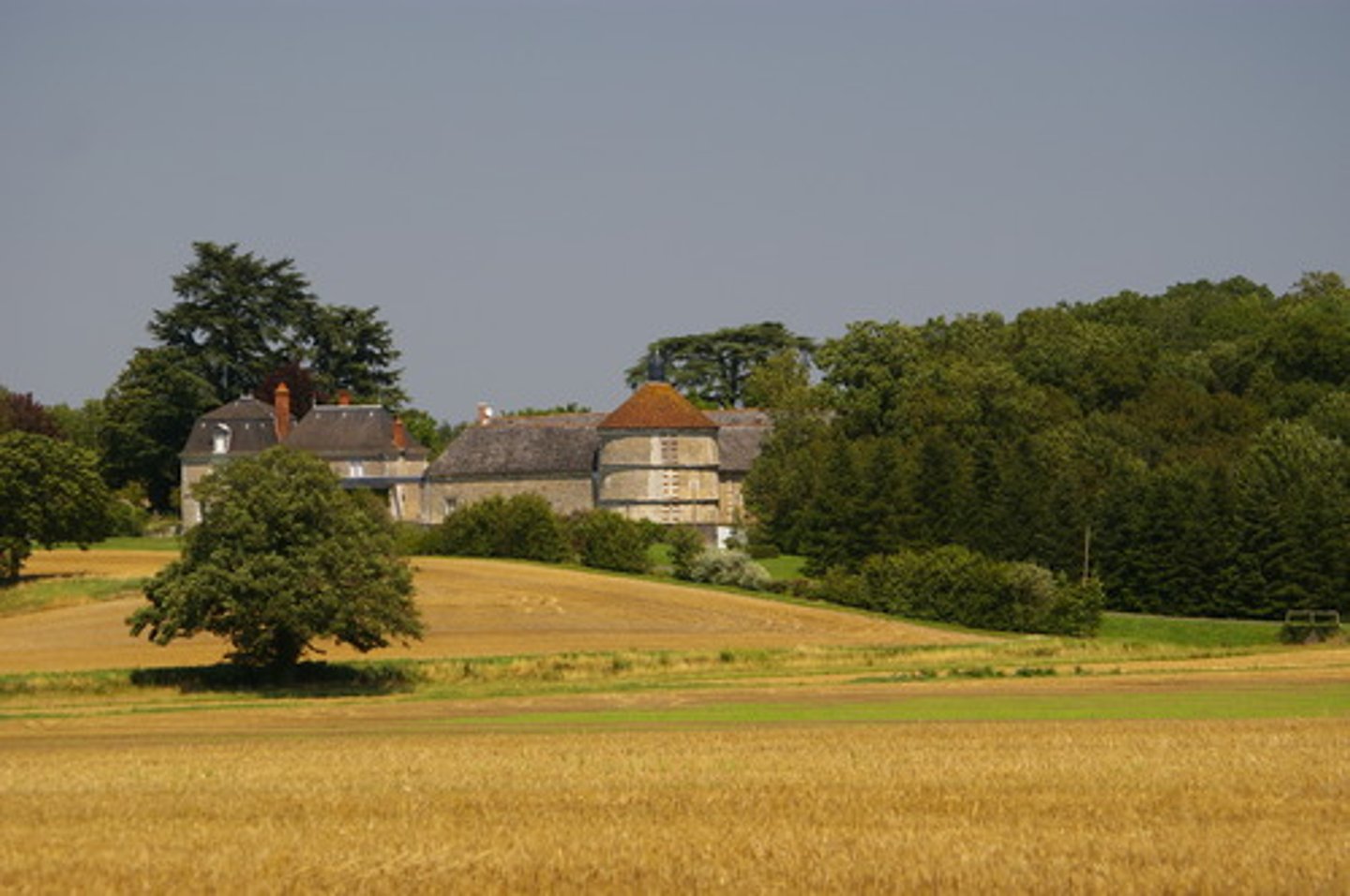
Benedictine Rule
A collection of rules or guidelines for monks and monasteries; named for Benedict of Nursia; widely used in Europe in the Middle Ages
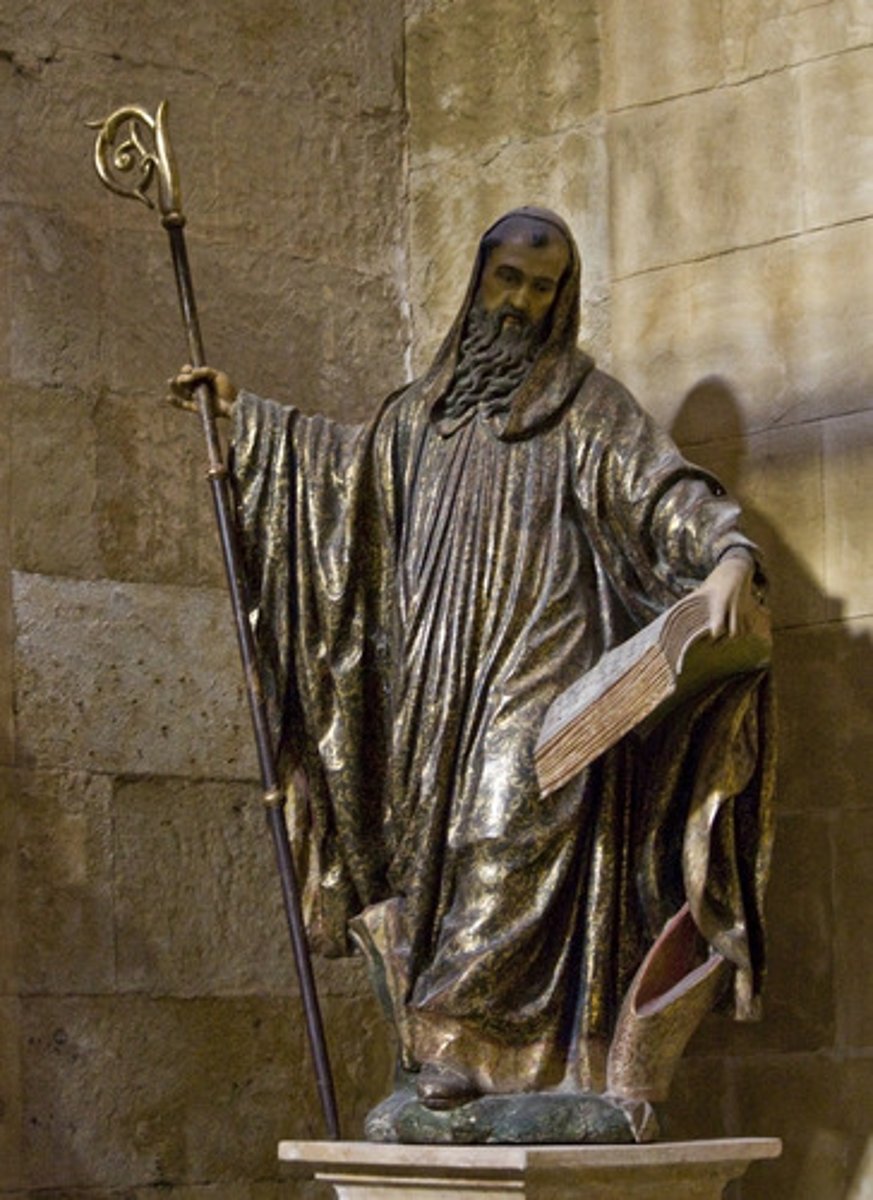
Monasteries
Were a community of monks and were built all over Europe in the Middle ages
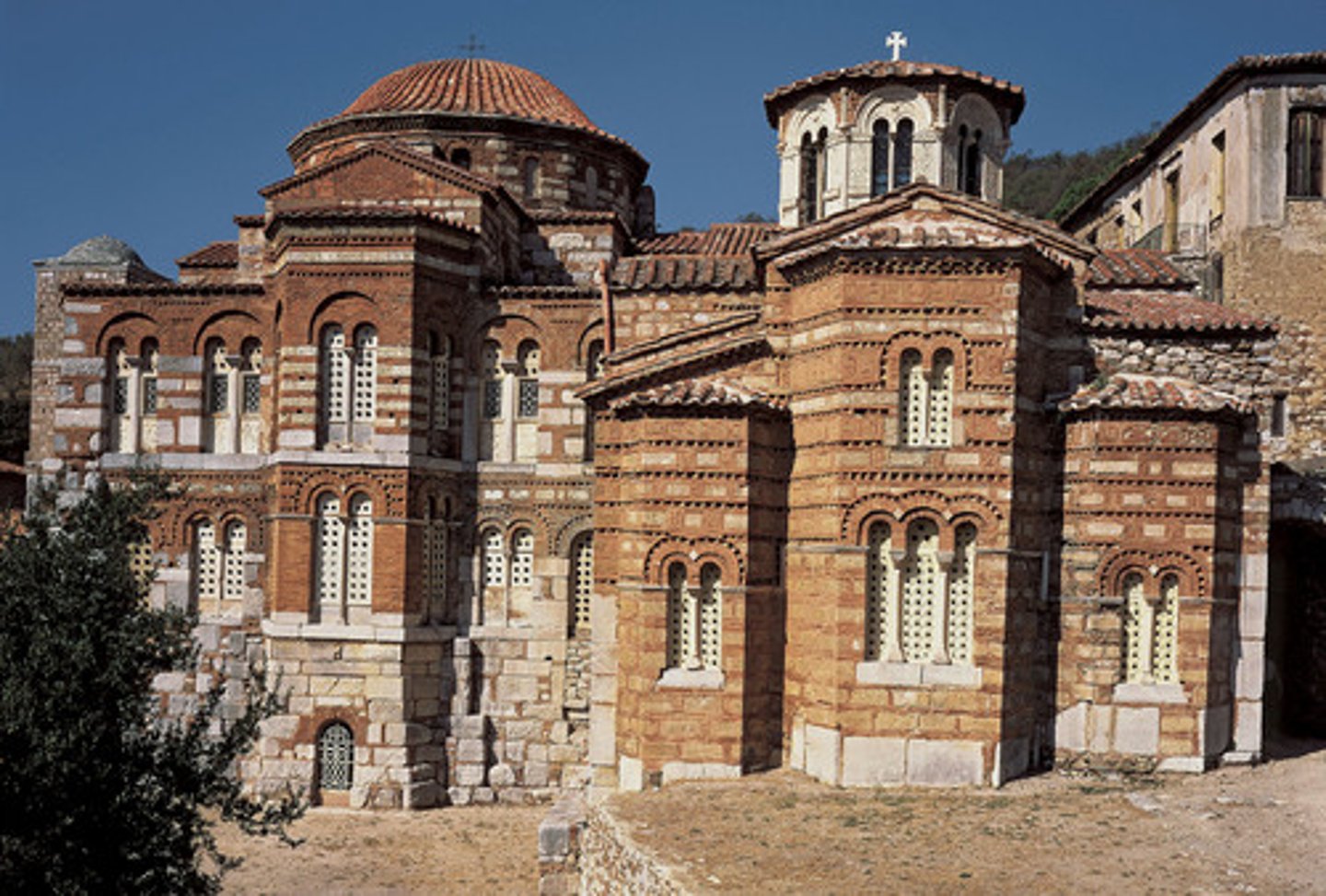
Monk
Religious men who lived apart from society in isolated communities. They spent their time in prayer, work and meditation.
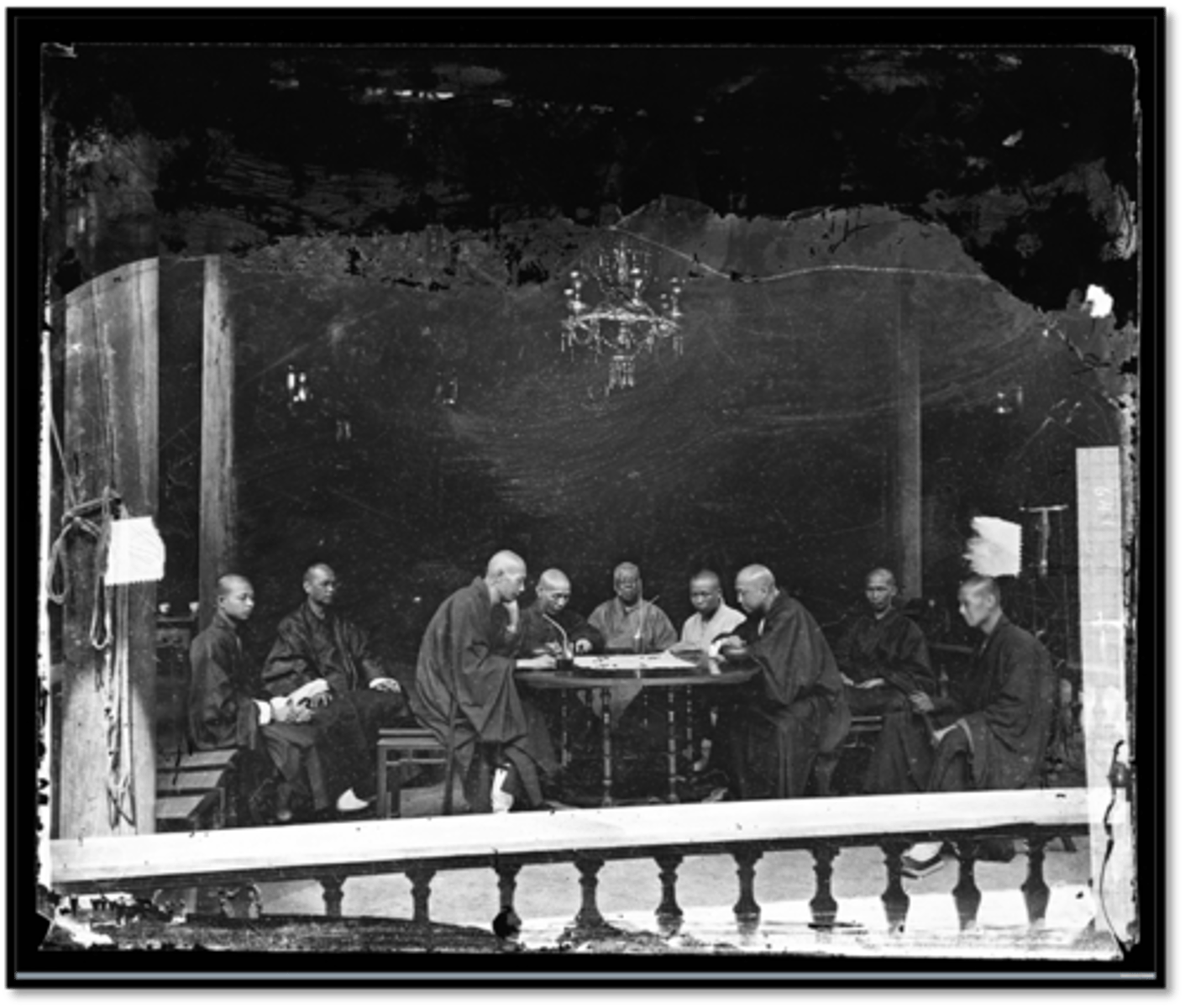
papal supremacy
The claim of medieval popes that they had authority over all secular rulers.
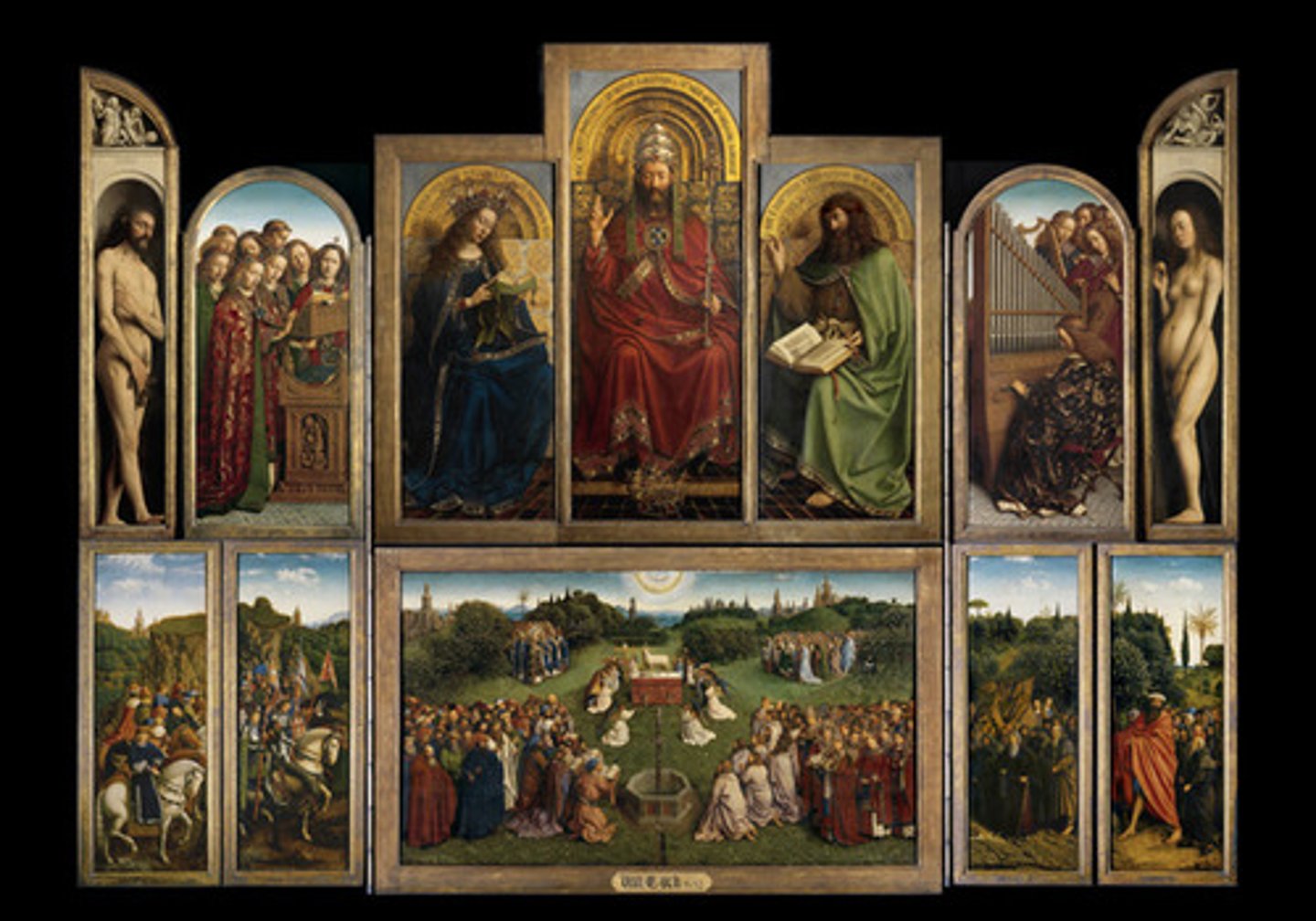
canon law
the Church's own body of laws; this law applied to religious teachings, the behavior of the clergy, and even marriages and morals
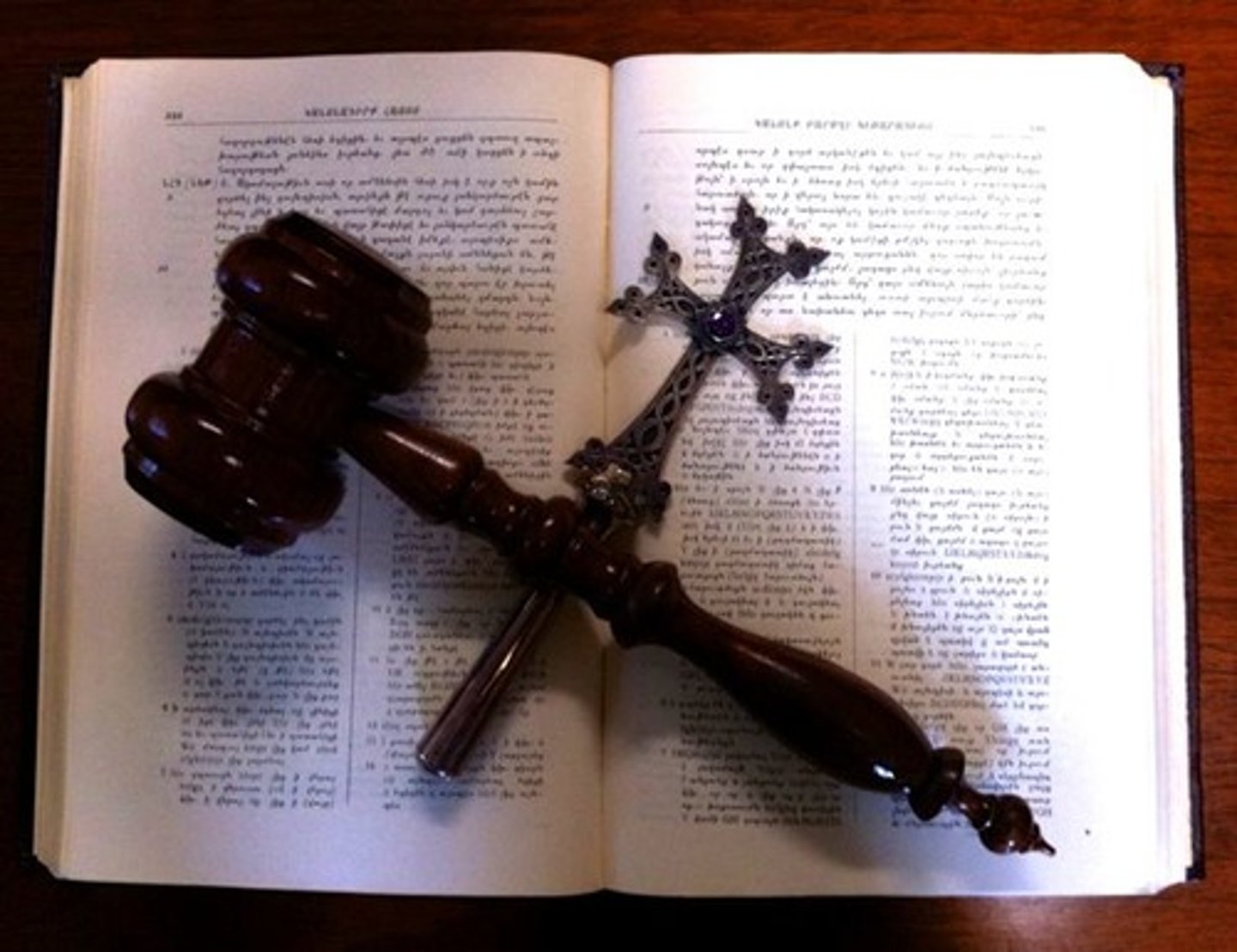
Chivalry
Code of conduct for knights during the Middle Ages.
Ideals of knightly virtues, honour and of courtly love; came to known as 'gentlemanly conduct.'
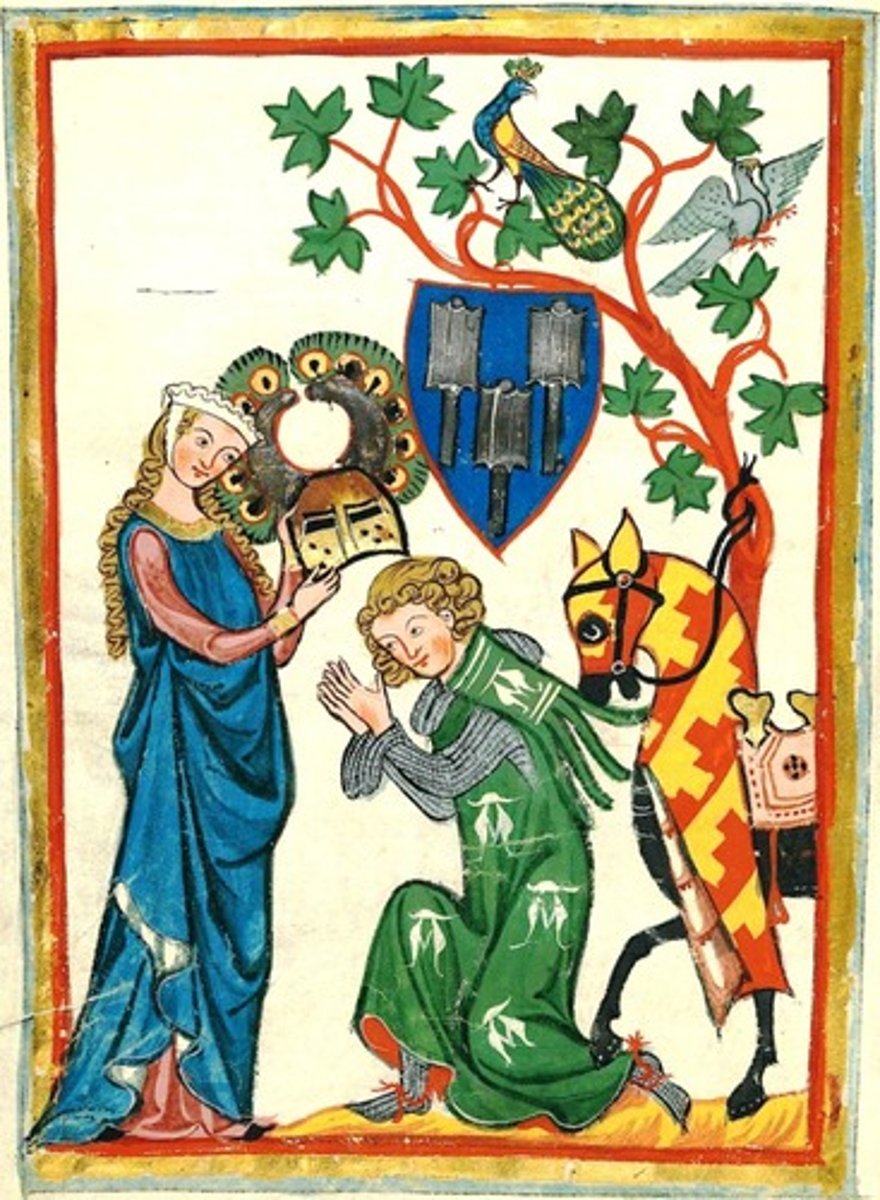
Reconquista
The effort by Christian leaders to drive the Muslims out of the Iberian Peninsula (Spain), lasting from the 1100s until 1492.
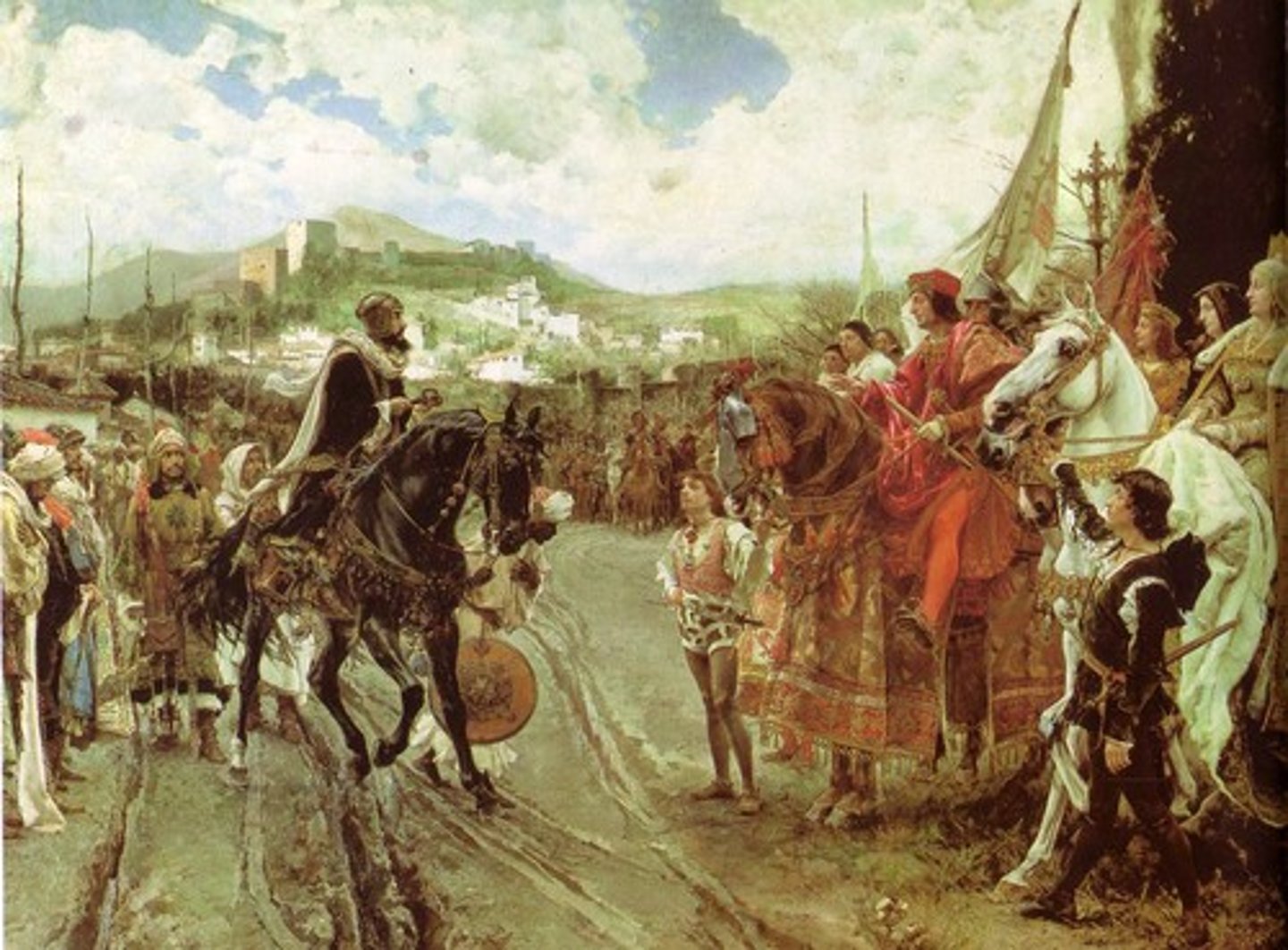
Fall of Rome
Caused the Middle Ages to begin
meant that there was no centralized government to protect citizens and provide services
Black Plague
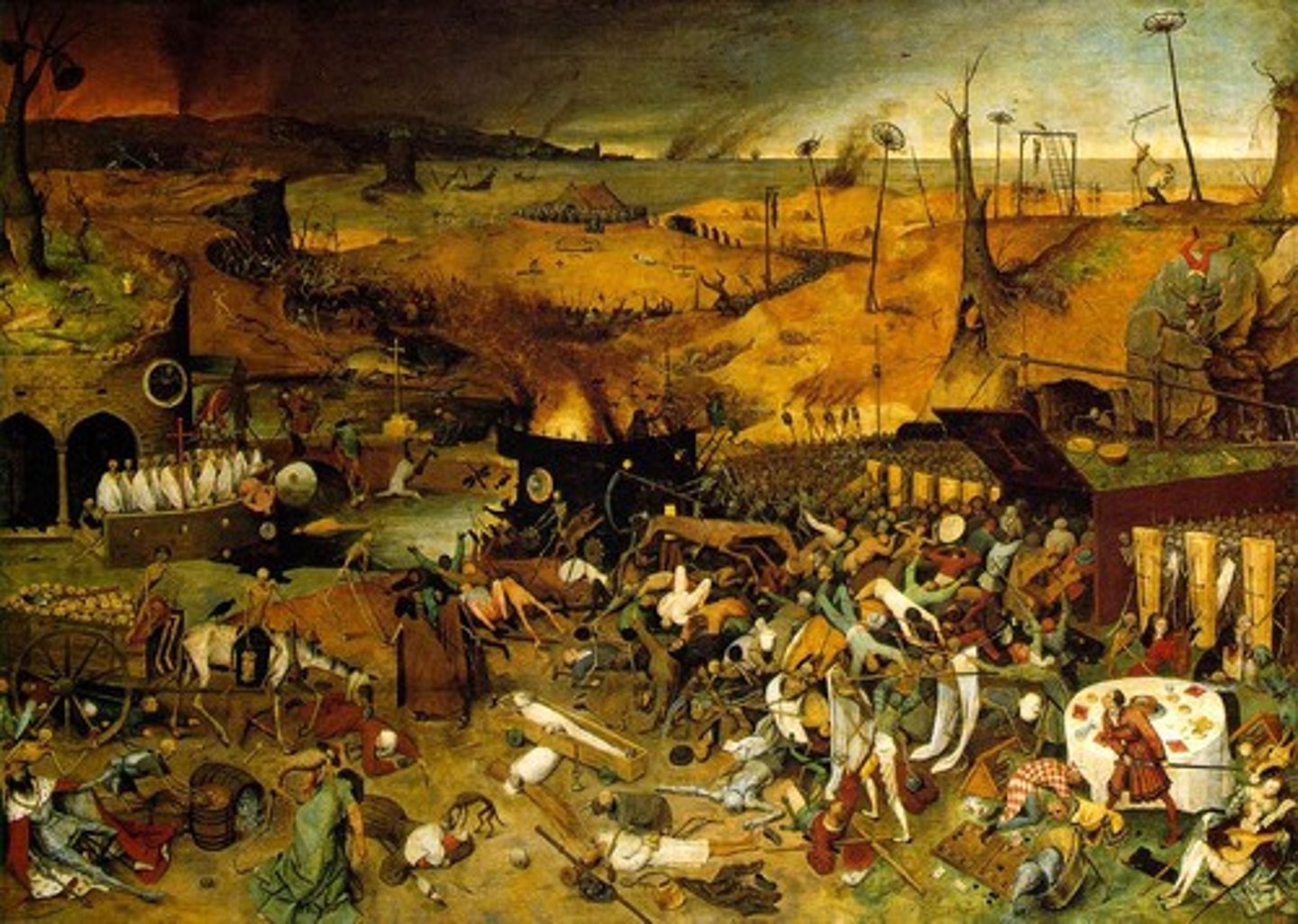
A disease carried by fleas on rats that traveled to Europe from Asian trade ships. The Plague engulfed Europe during the Middle Ages. It killed about one-third of the population. This caused the feudal system died out and the middle ages to end.