a&p 1 practical 1
 Call Kai
 Learn
Learn Practice Test
 Spaced Repetition
 Match
Match Flashcards
 Knowt Play
1/144

There's no tags or description
Looks like no tags are added yet.
Name | Mastery | Learn | Test | Matching | Spaced | Call with Kai |
|---|
No analytics yet
Send a link to your students to track their progress
145 Terms
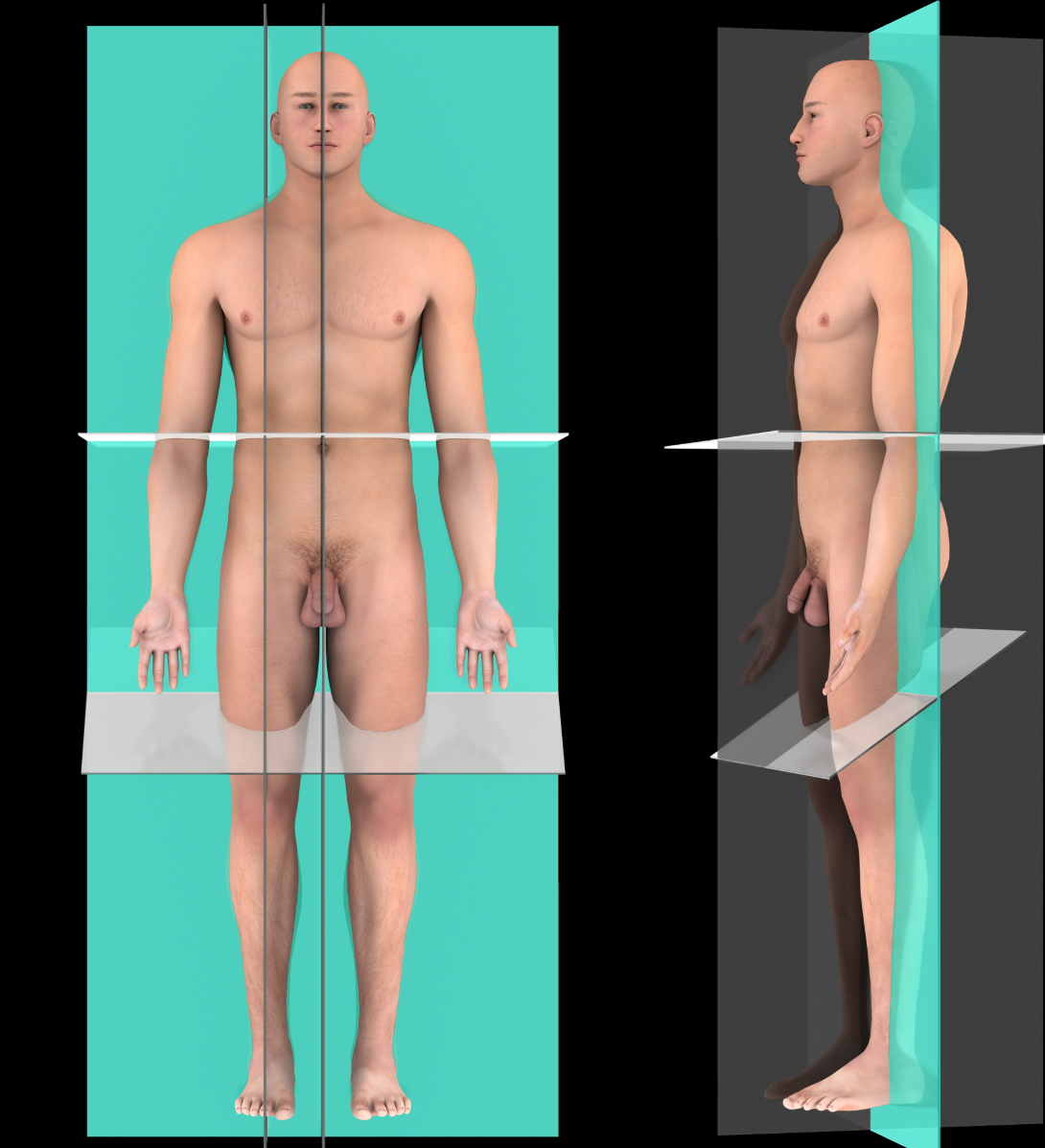
coronal plane
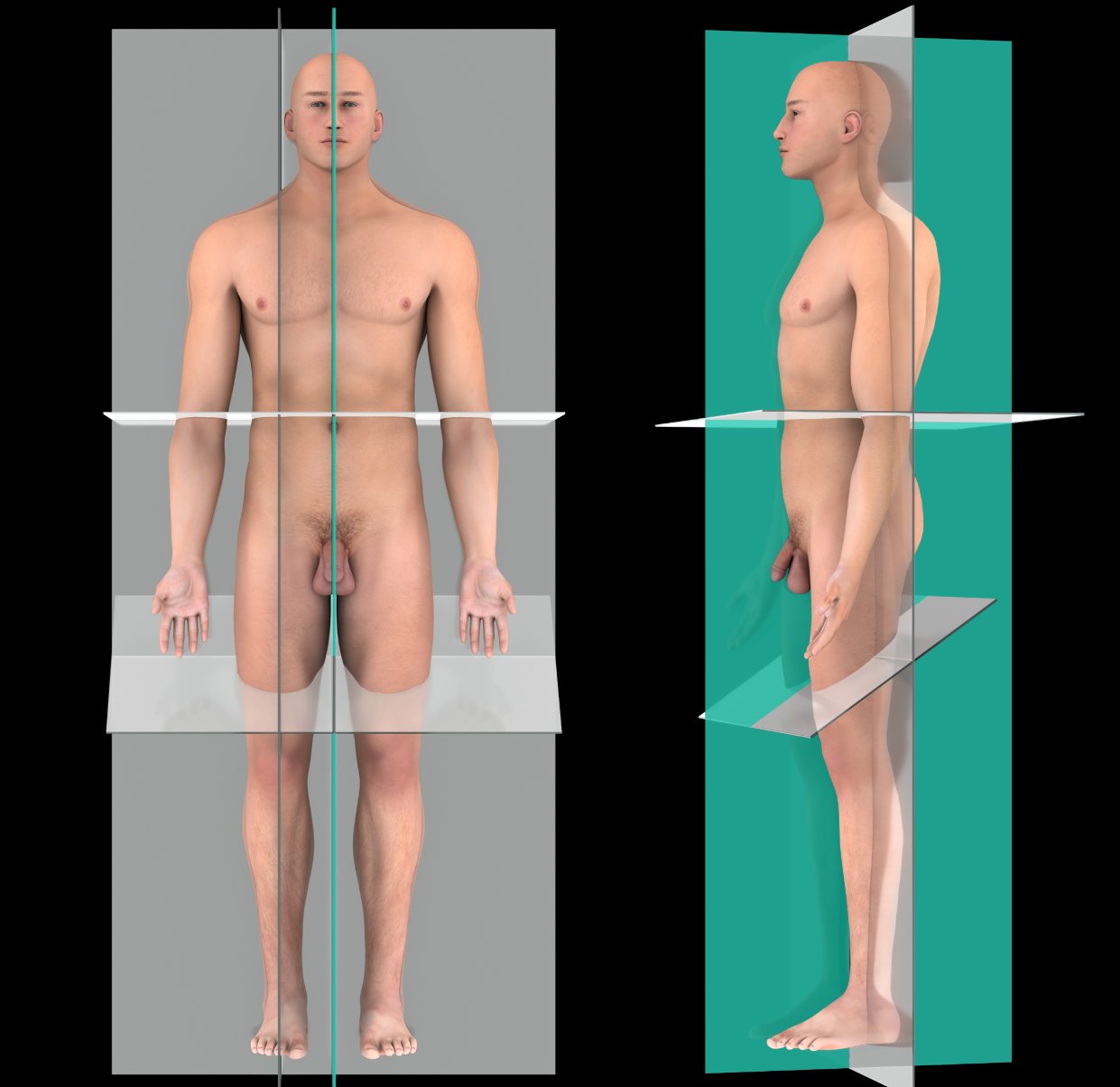
median plane
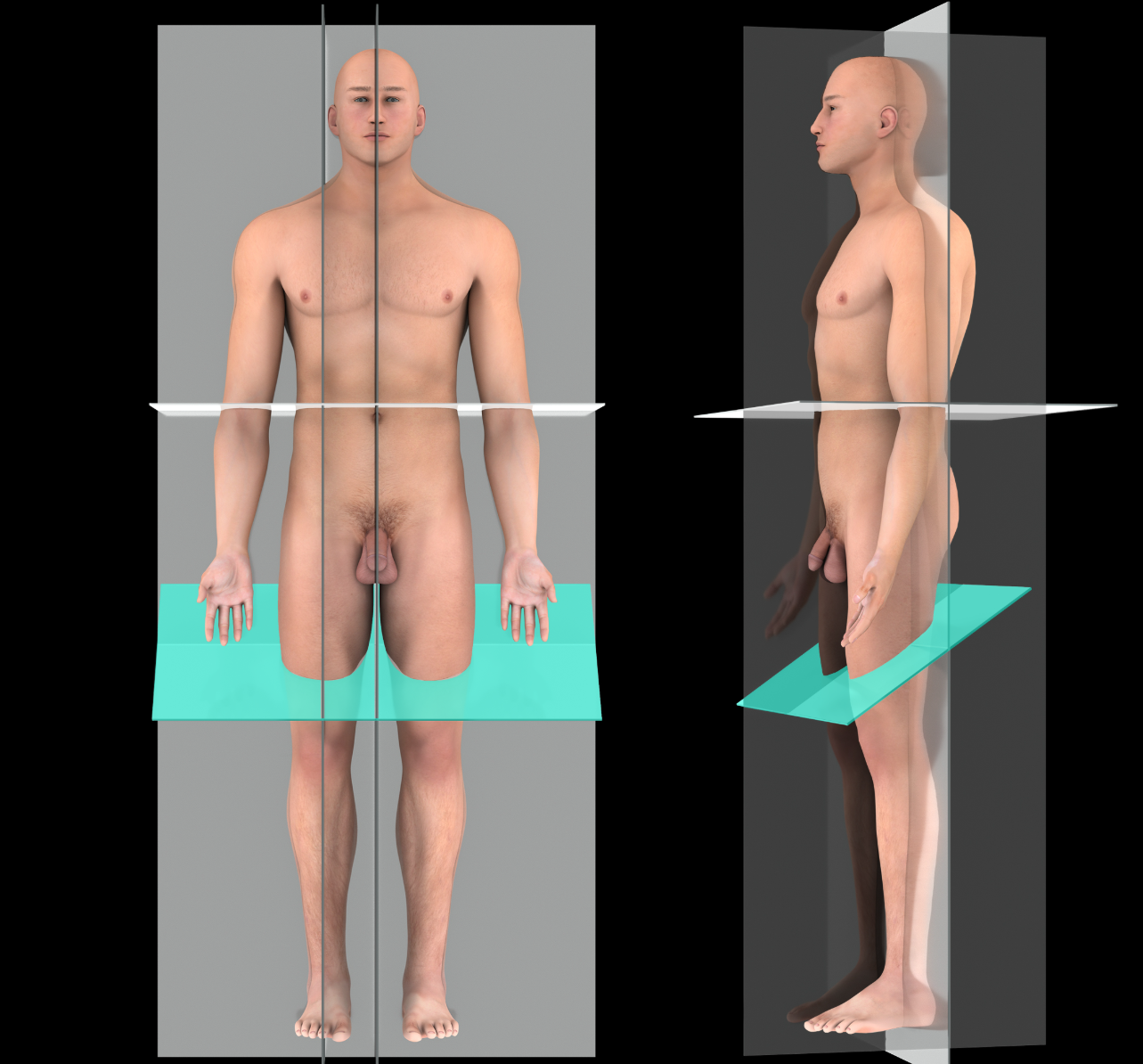
oblique plane
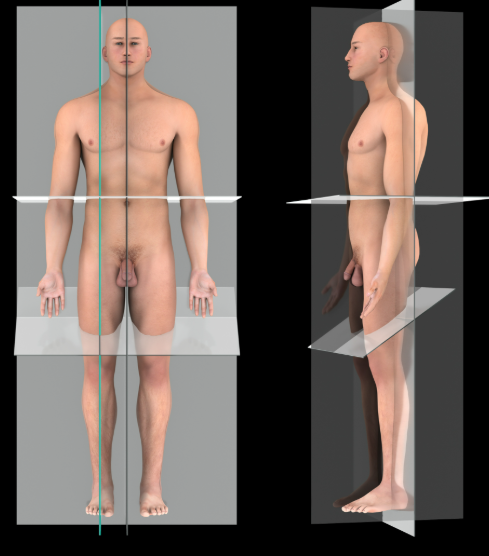
sagittal plane
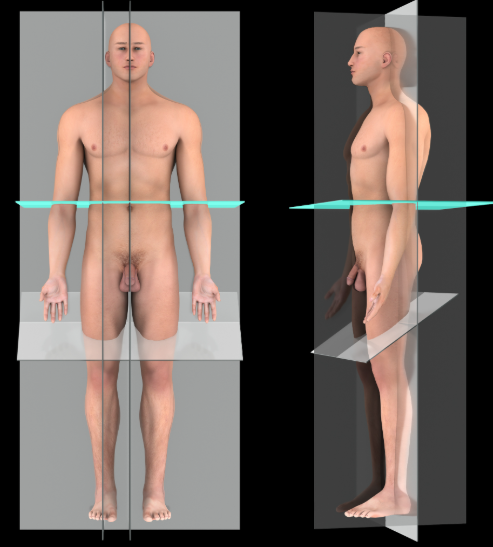
transverse plane
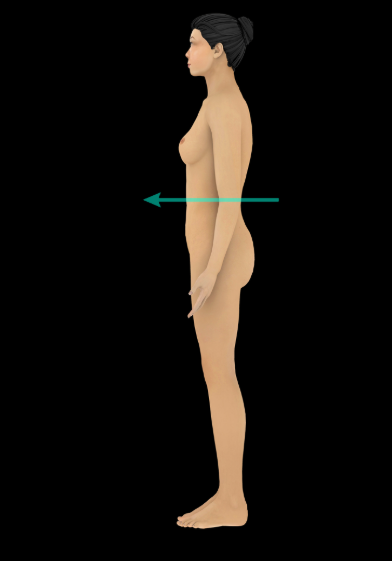
anterior
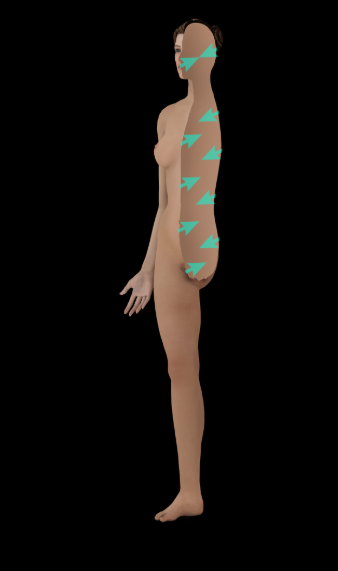
deep
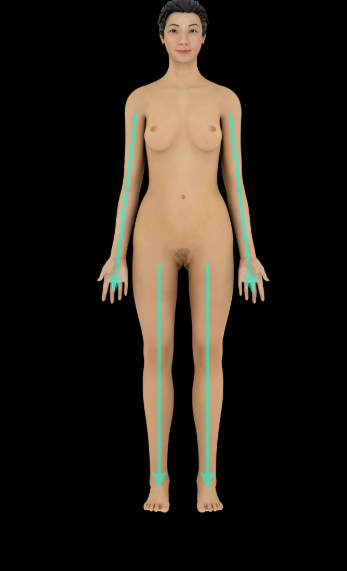
distal
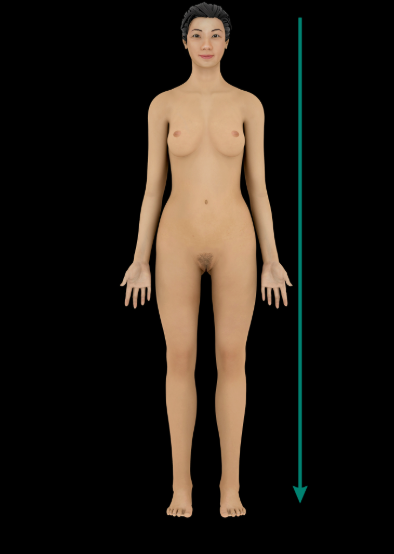
inferior
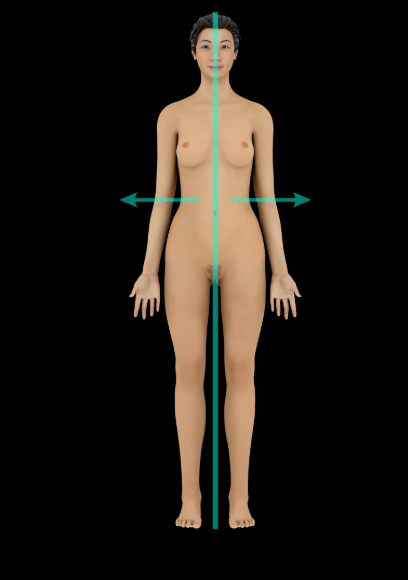
lateral
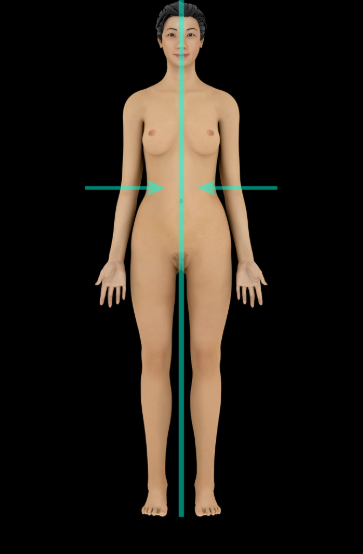
medial
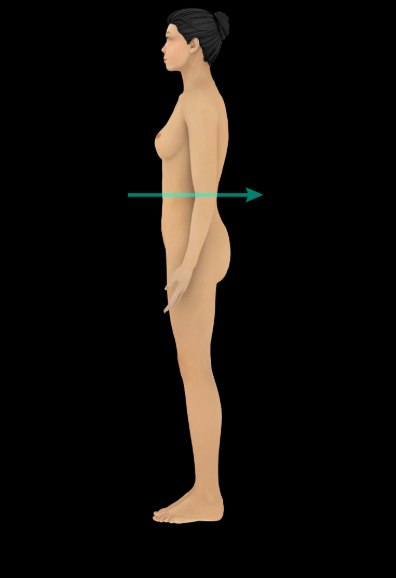
posterior
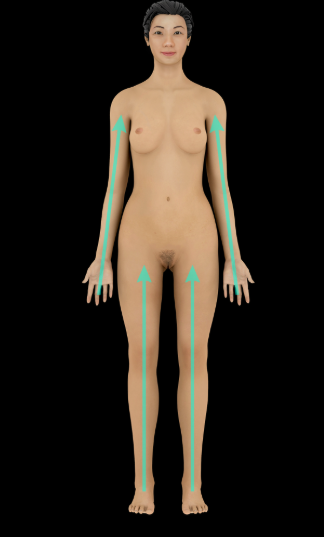
proximal
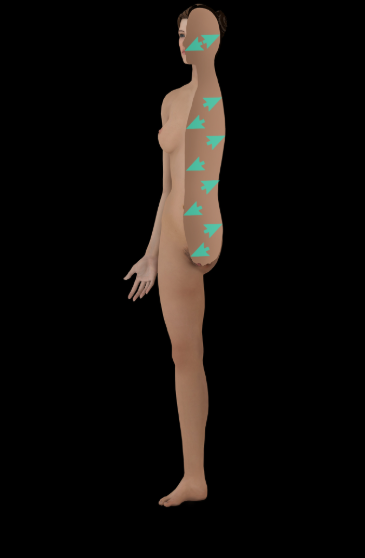
superficial
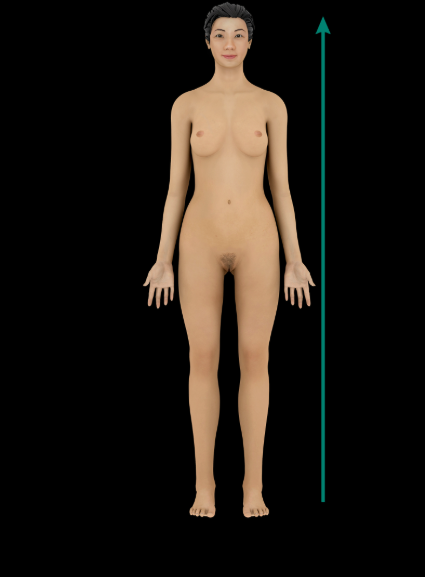
superior
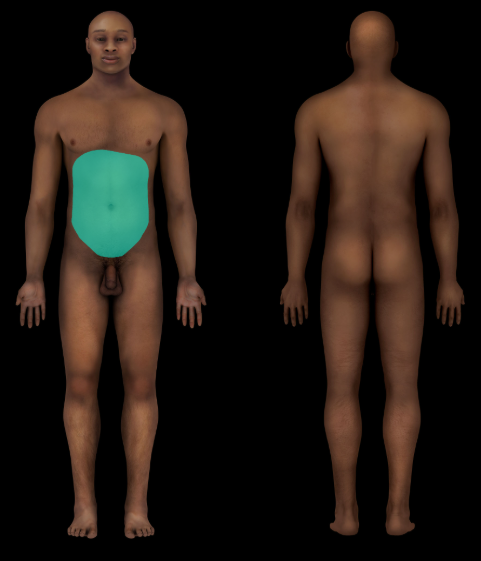
abdominal cavity
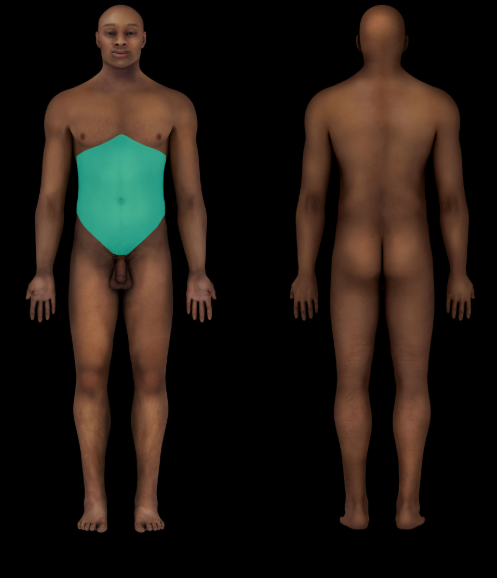
abdominopelvic region
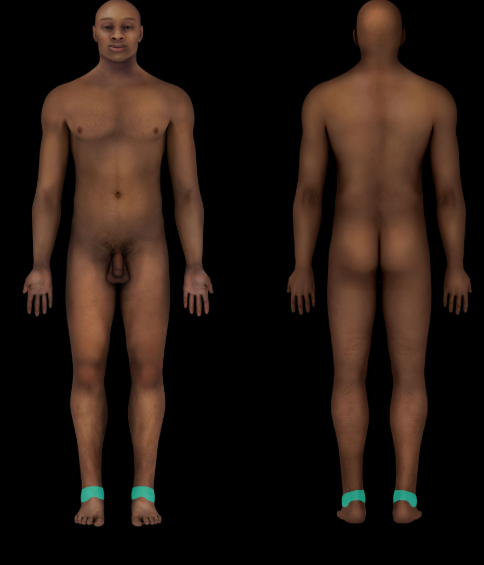
talocrural region
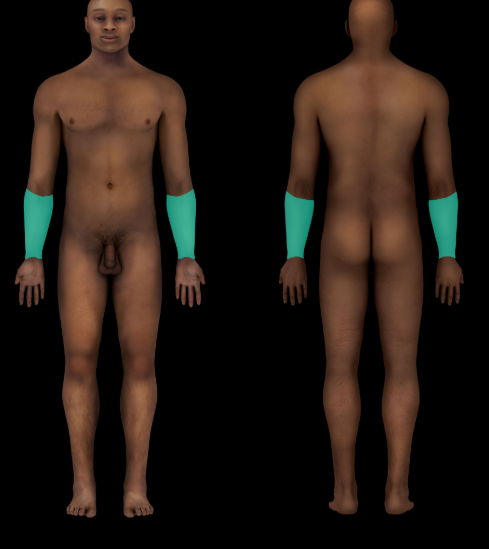
antebrachial region
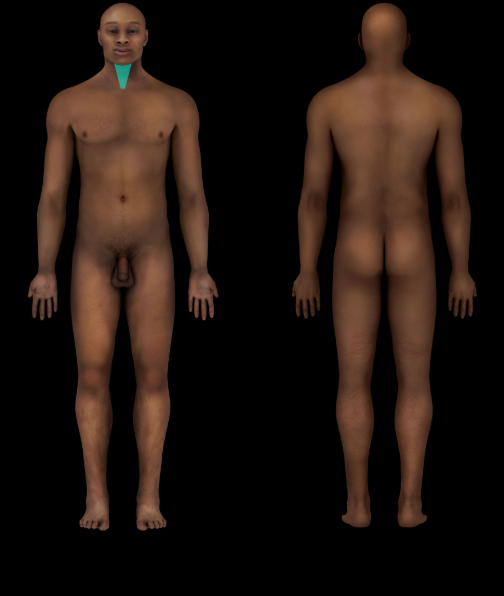
anterior cervical region
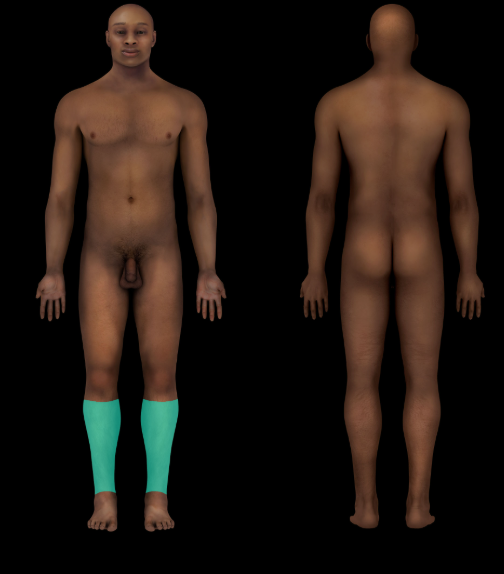
anterior leg region
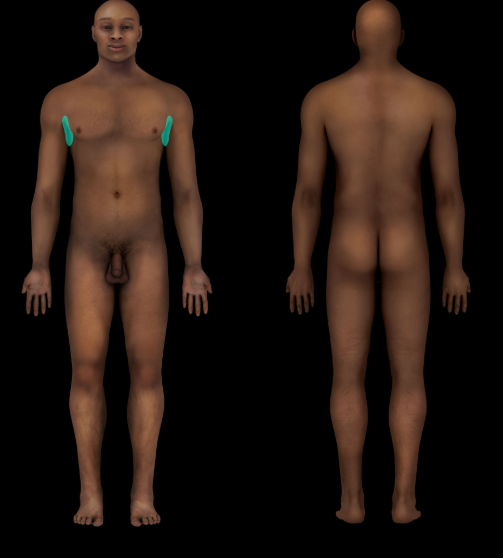
axillary region
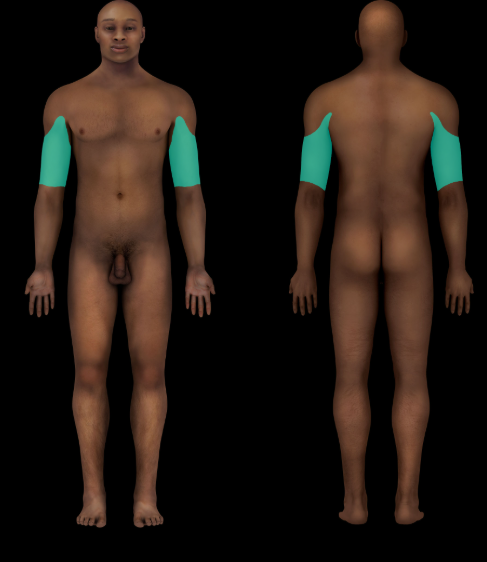
brachial region
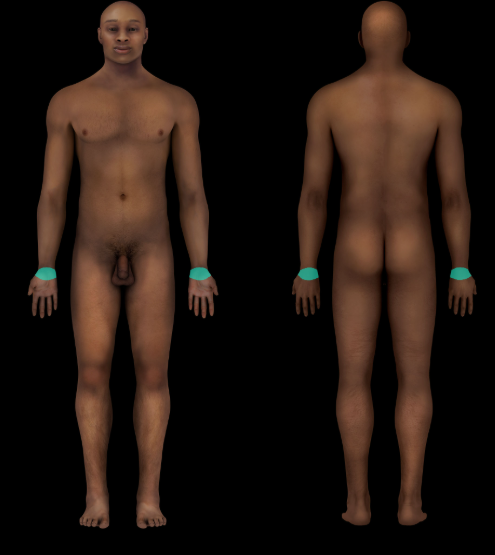
carpal region
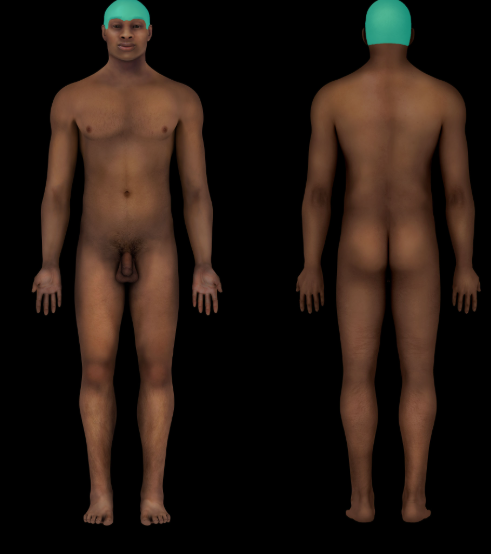
cranial region
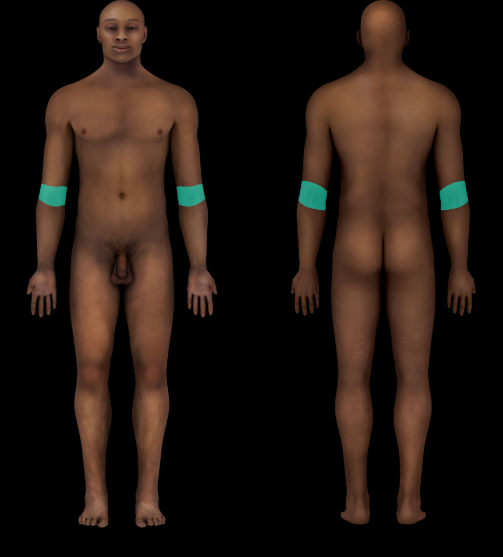
cubital region
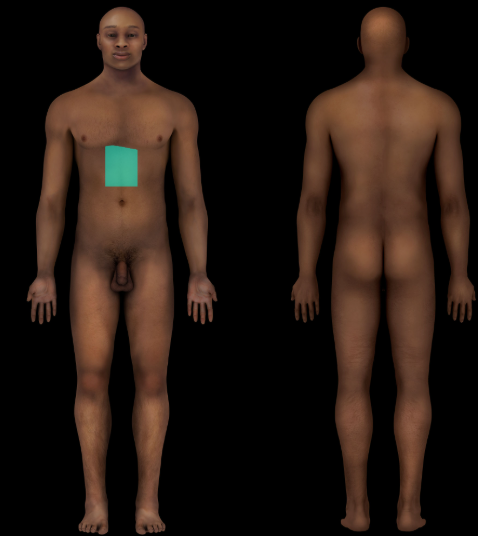
epigastric region
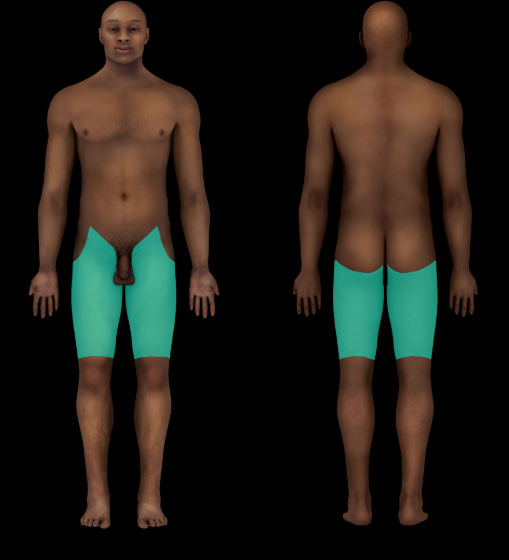
femoral region
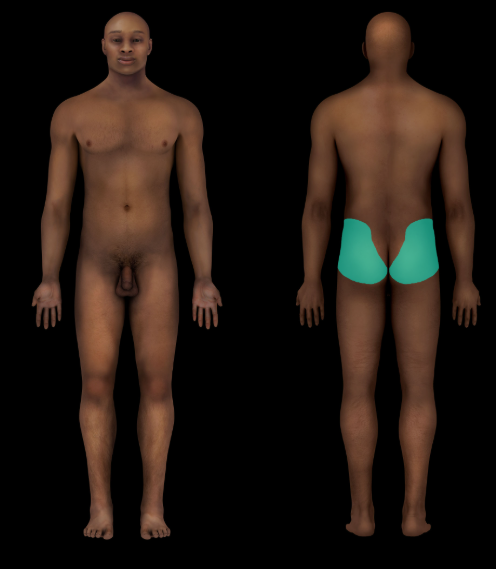
gluteal region
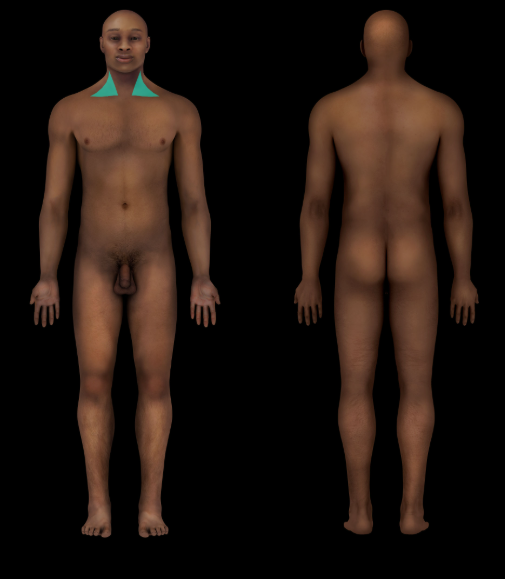
lateral cervical region
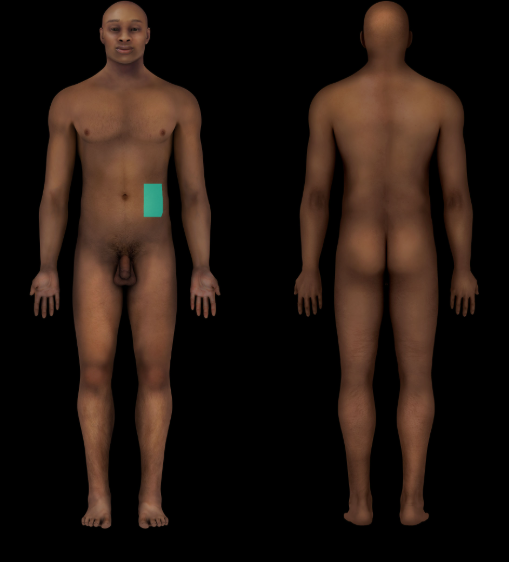
left lateral region of abdomen
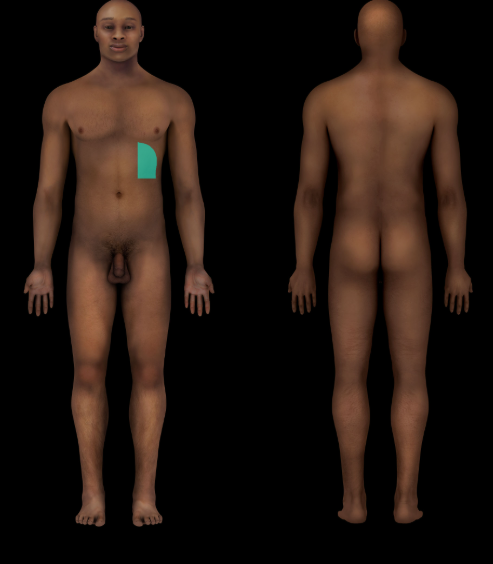
left hypochondriac region
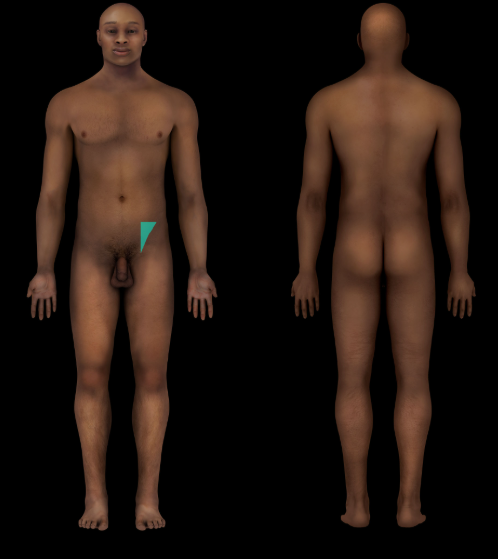
left inguinal region
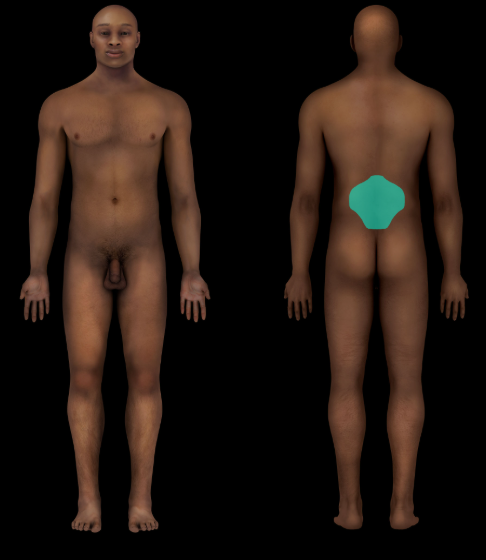
lumbar region
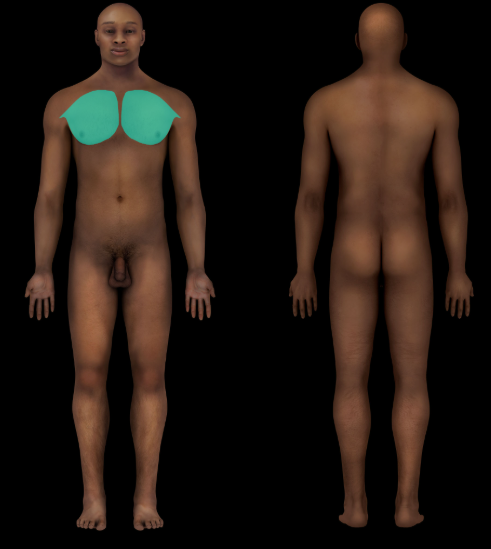
pectoral region
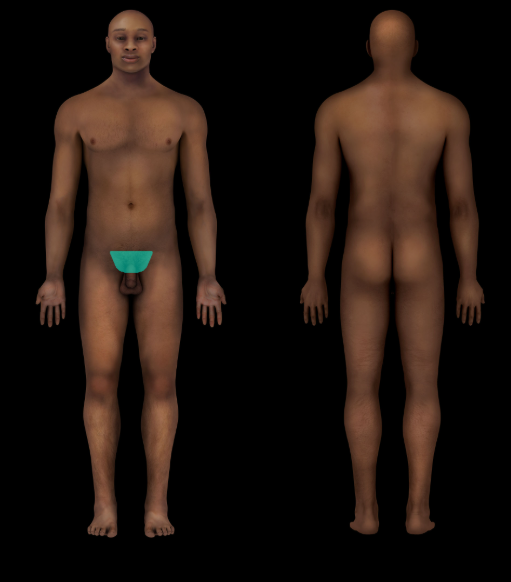
pelvic cavity
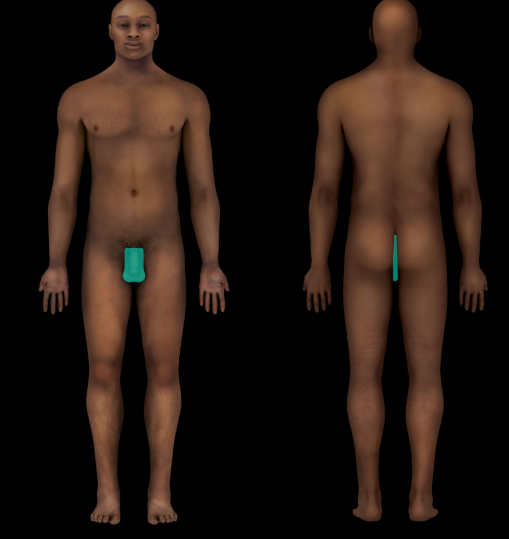
perineal region
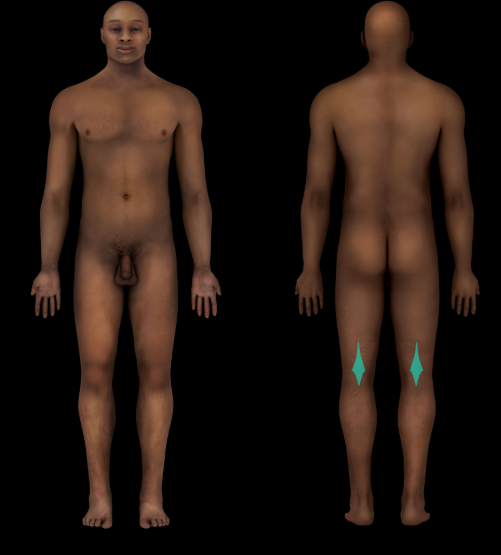
popliteal fossa
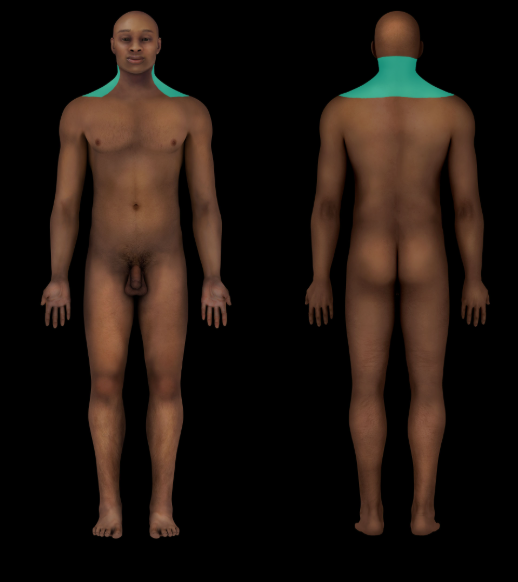
posterior cervical region
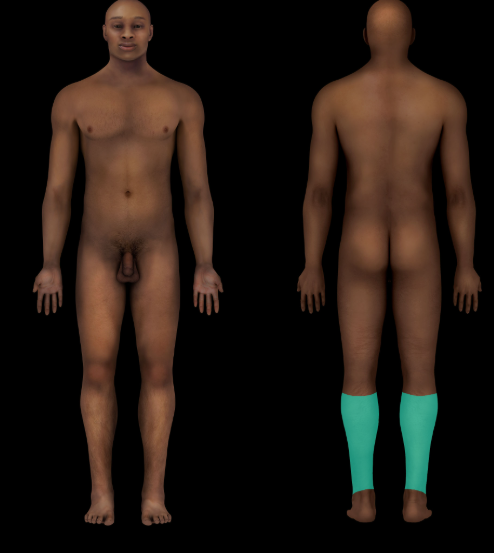
posterior leg region
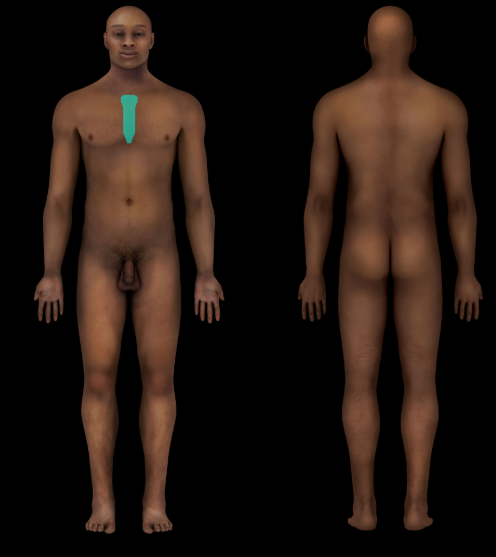
presternal region
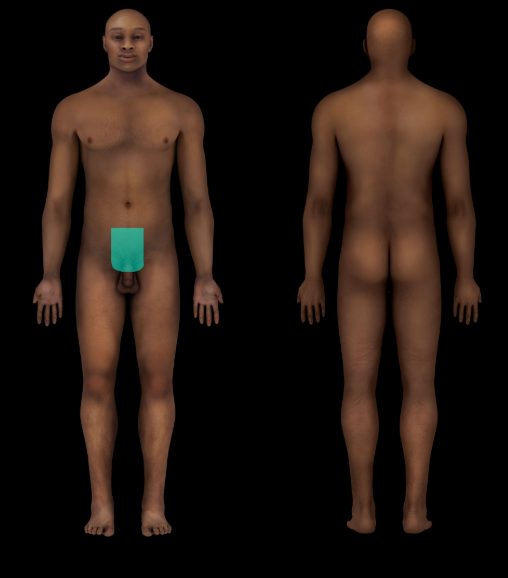
hypogastric region
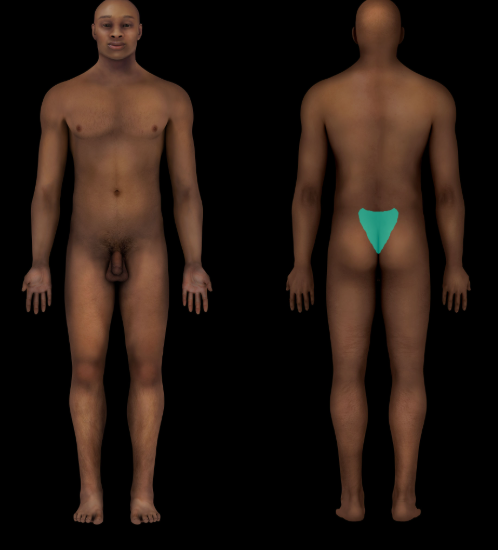
sacral region
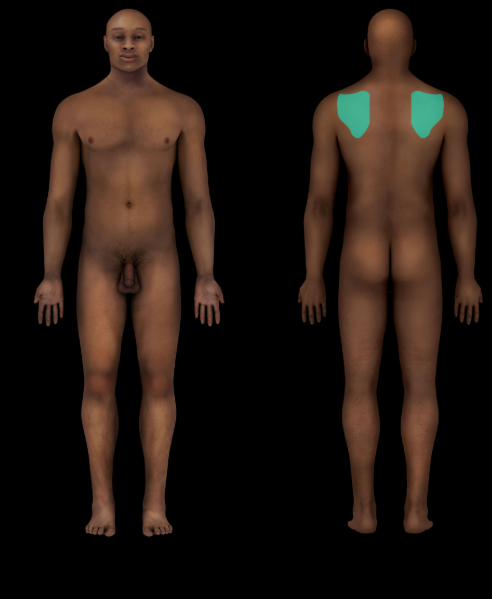
scapular region
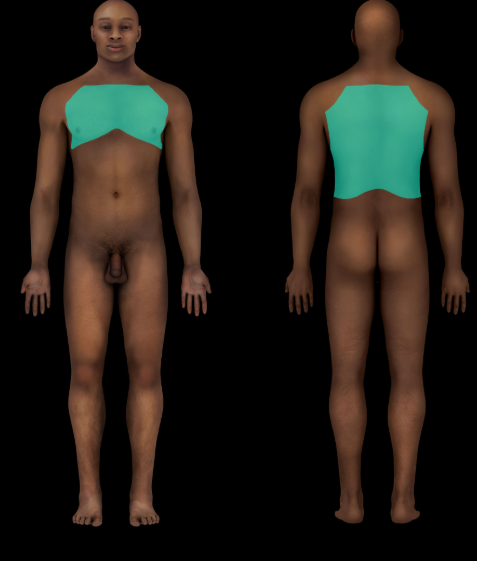
thoracic region
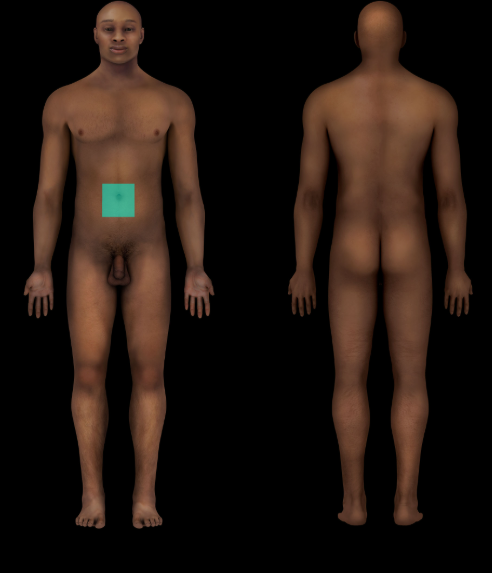
umbilical region
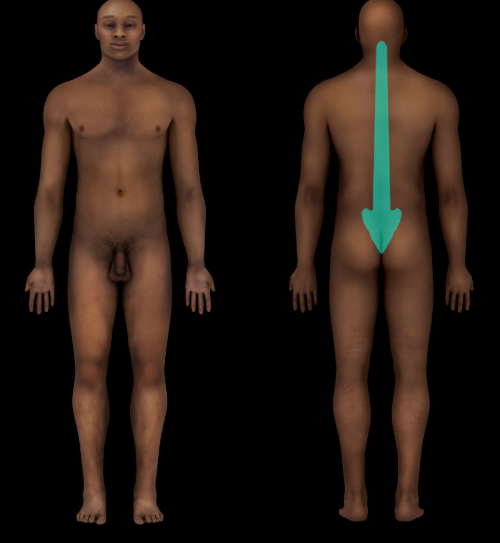
vertebral region
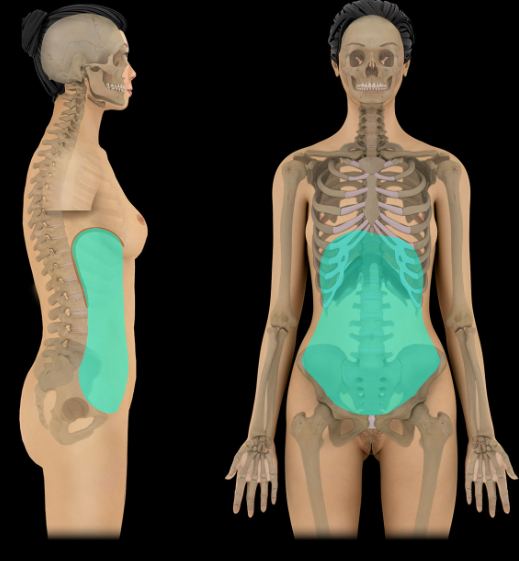
abdominal cavity
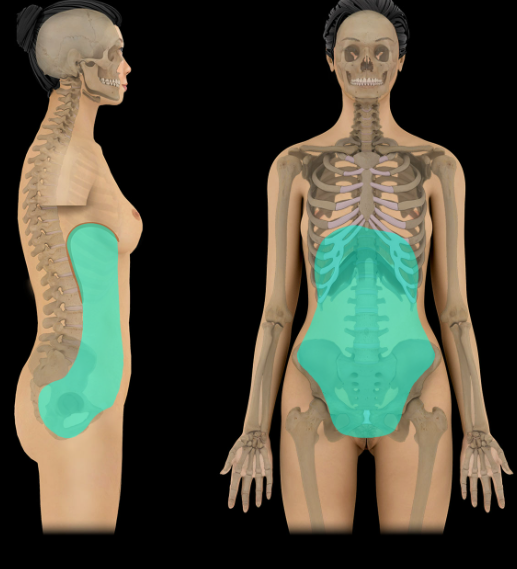
abdominopelvic cavity
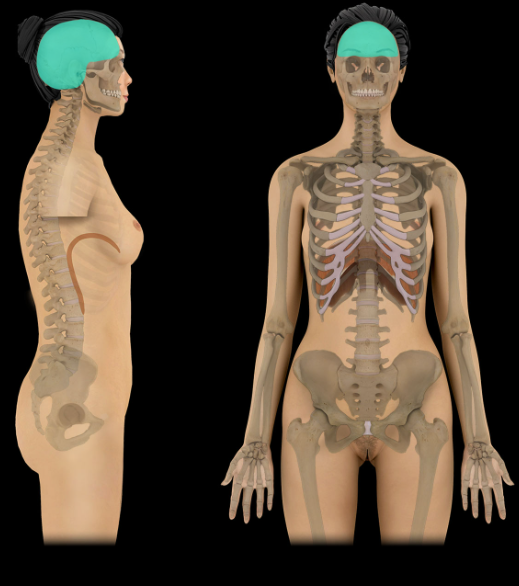
cranial cavity
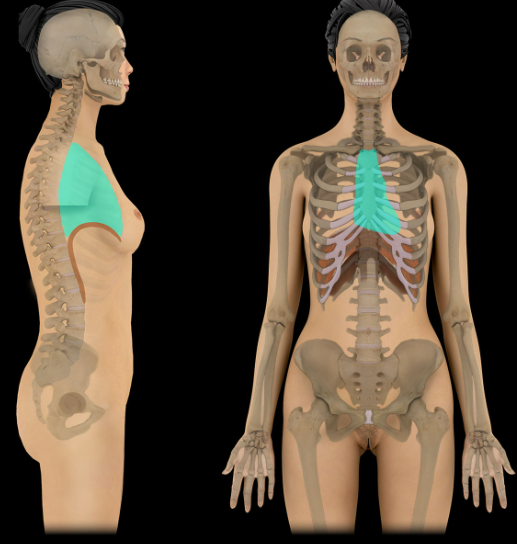
mediastinum
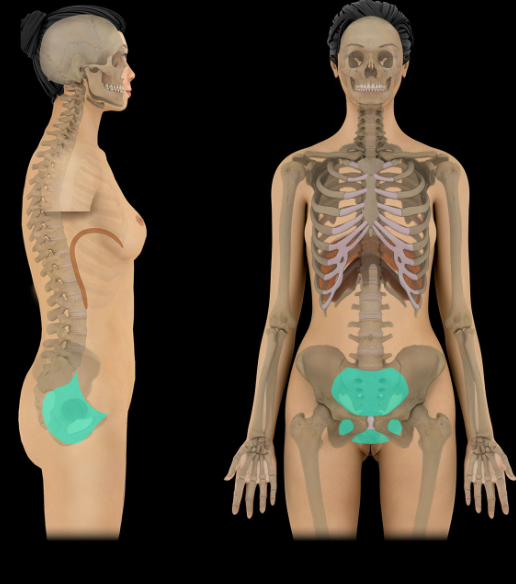
pelvic cavity
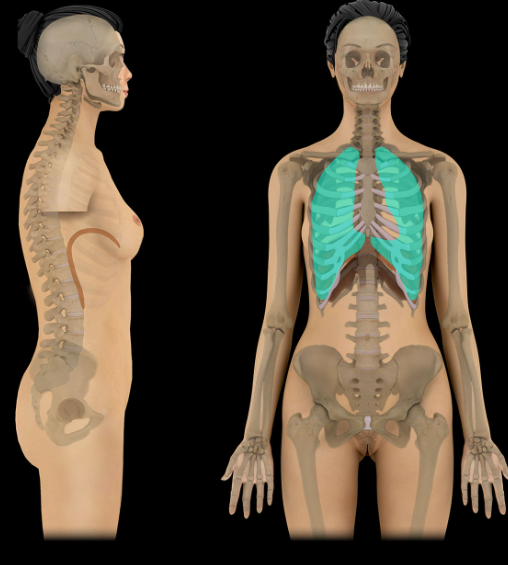
pulmonary cavity
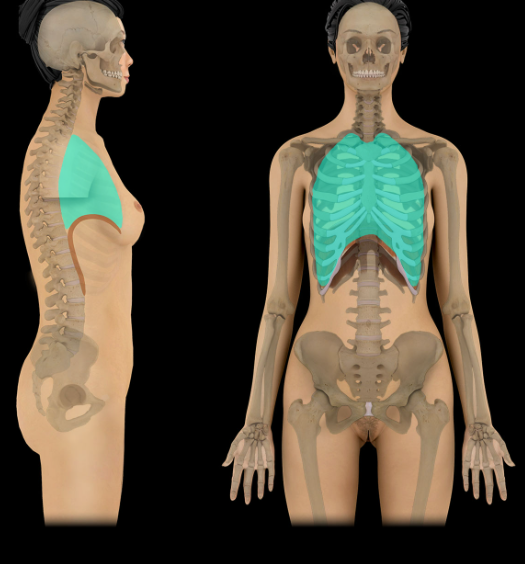
thoracic cavity
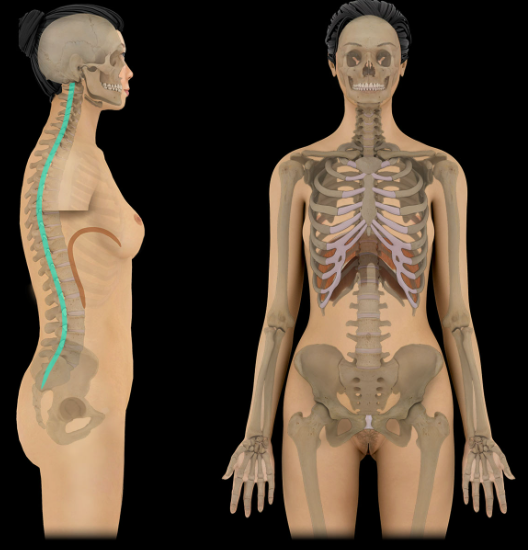
vertebral canal
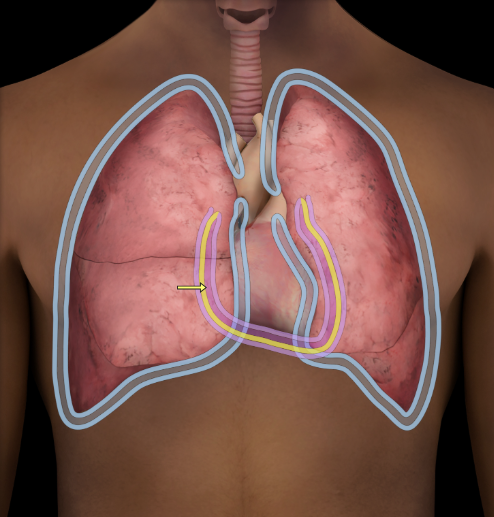
parietal layer of serous pericardium
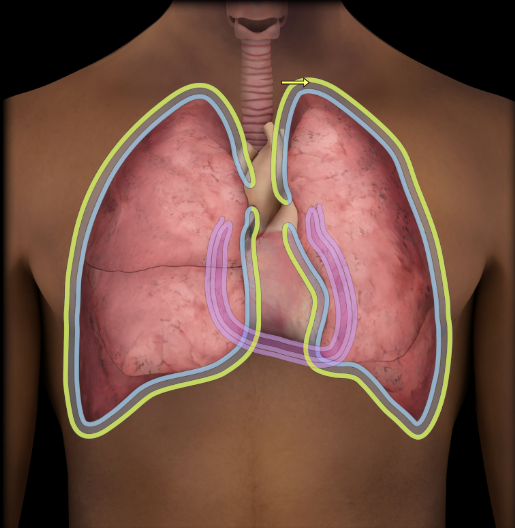
parietal pleura
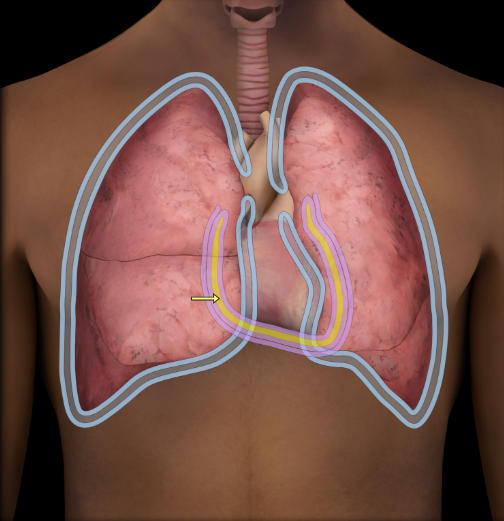
pericardial cavity
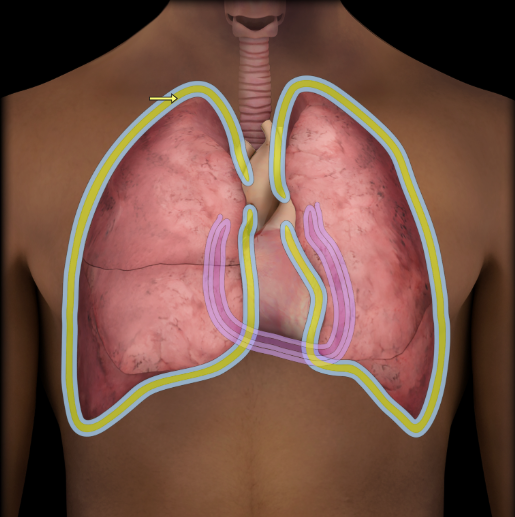
pleural cavity
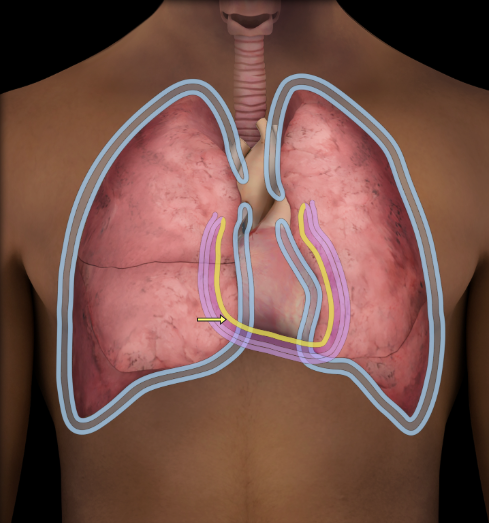
visceral layer of serous pericardium
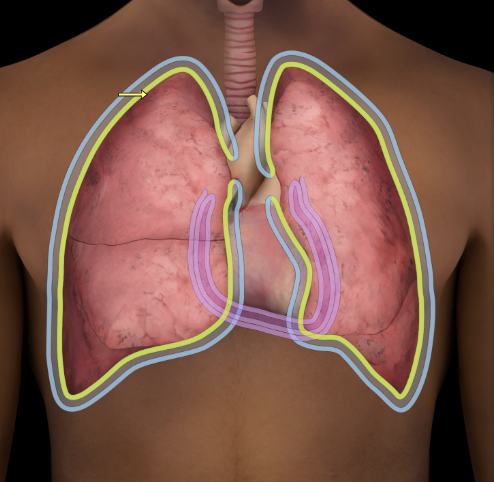
visceral pleura
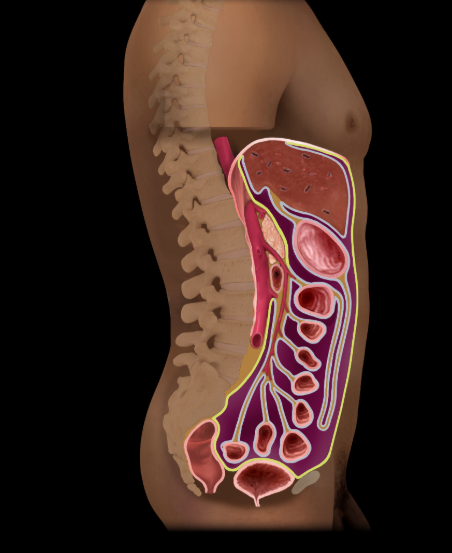
parietal peritoneum
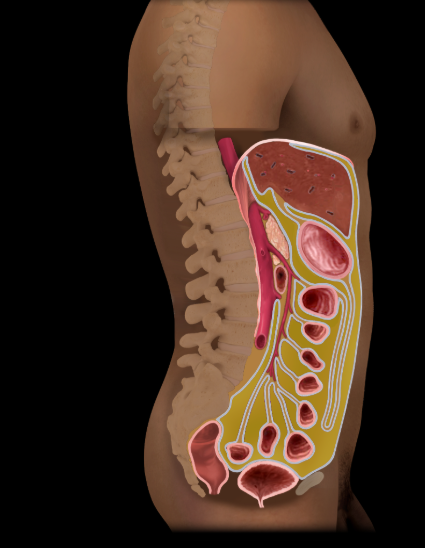
peritoneal cavity
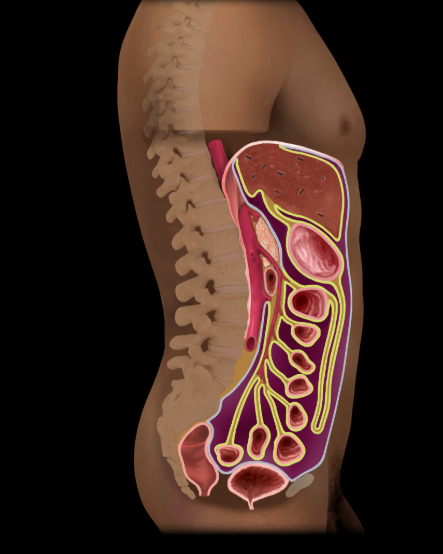
visceral peritoneum
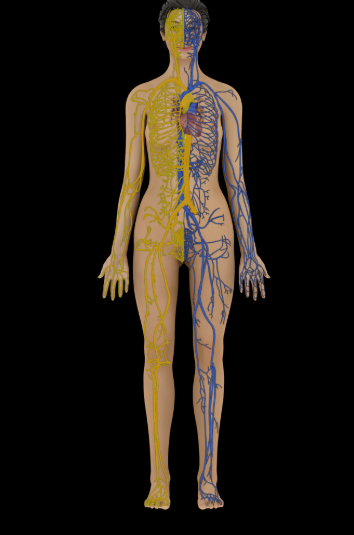
arteries
function of arteries
carry deoxygenated blood
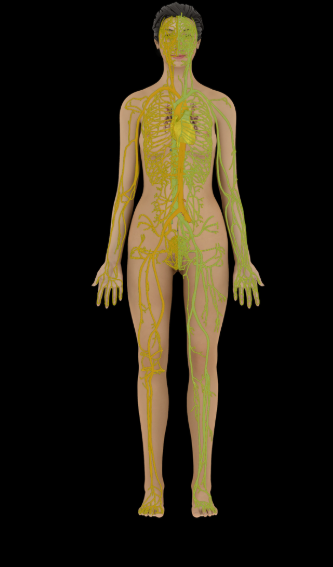
cardiovascular system
pulmonary circulation
movement of blood between heart and lungs
systemic circulation
movement of blood between heart and peripheral tissues
function of cardiovascular system
transport oxygen,nutrients, hormones, and cellular waste throughout the body
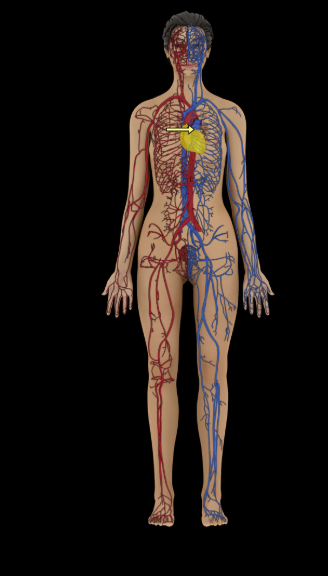
heart
function of heart
pumps blood to body
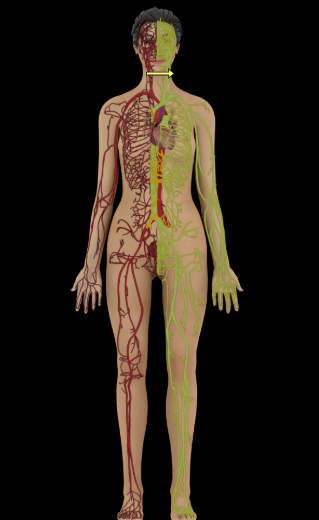
veins
function of veins
carry deoxygenated blood
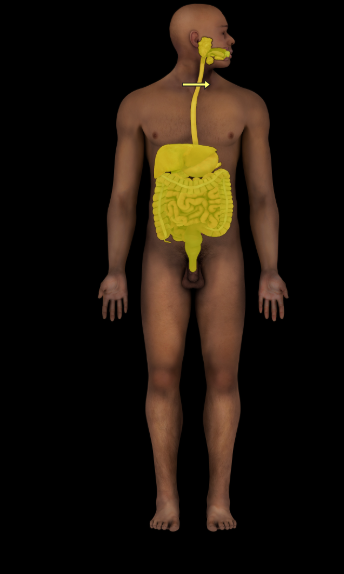
digestive system
functions of digestive system
ingestion, digestion, propulsion, secretion, absorption, and elimination of wastes
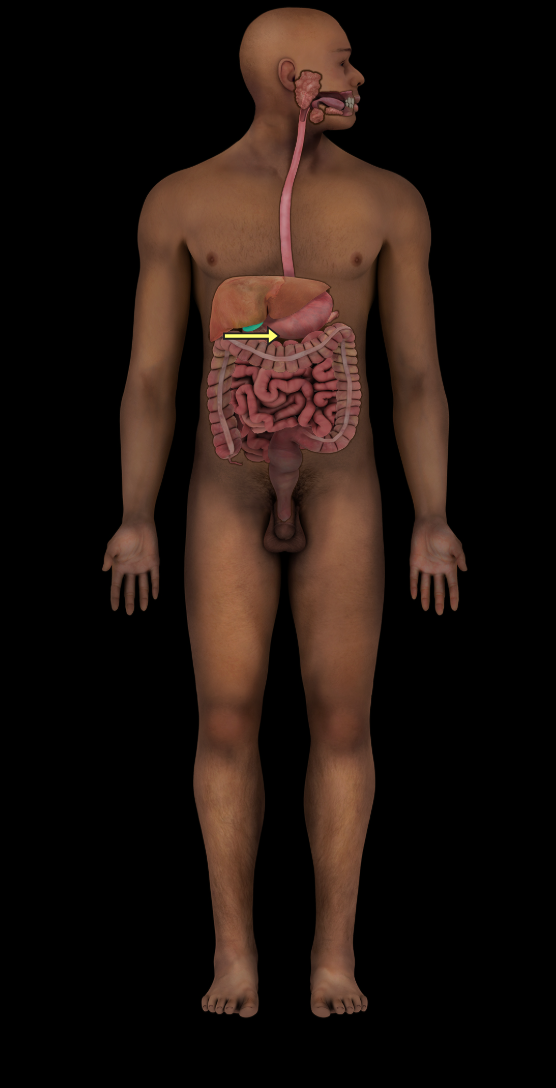
gallbladder
function of gallbladder
storage, concentration and release of bile
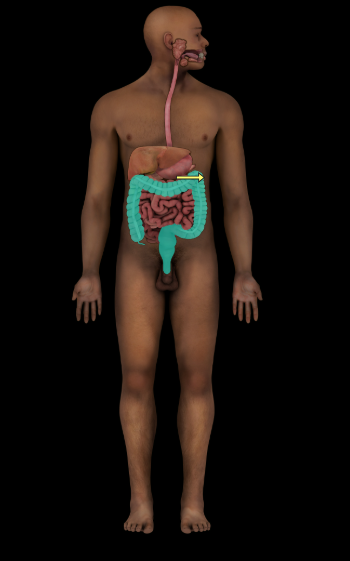
large intestine
function of large intestine
water and electrolyte absorption, vitamin production, waste formation and elimination
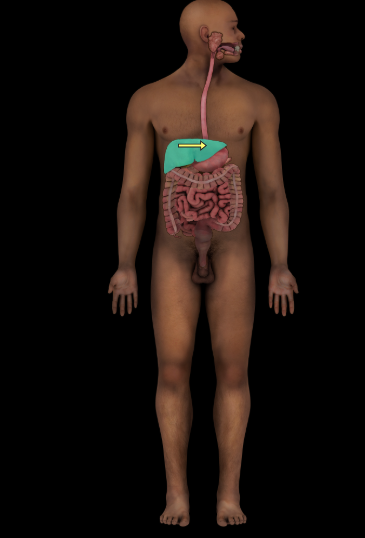
liver
function of liver
produces bile (breaks down fat), blood filter and detoxification, stores glycogen
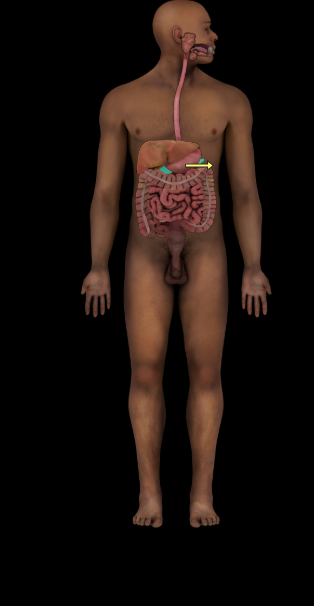
pancreas
function of pancreas (exocrine)
breaks food down via enzyme
function of pancreas (endocrine)
releases hormone to control how your body stores food and uses it
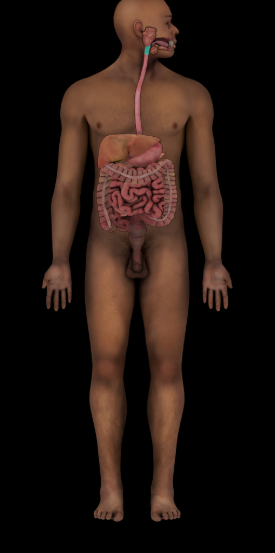
pharynx
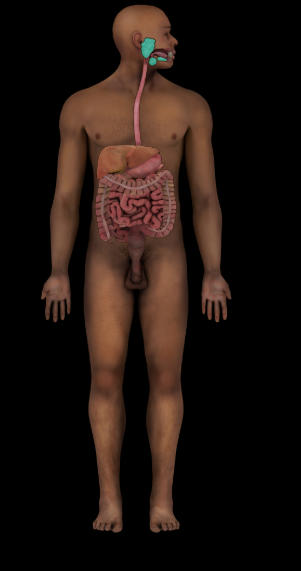
salivary glands
functions of salivary glands
moistening and lubrication of food before swallowing
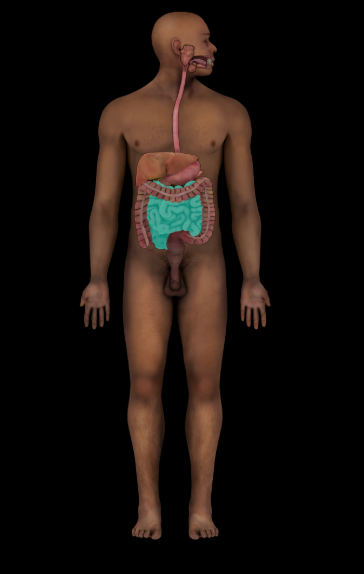
small intestine
function of small intestine
digestion, absorption of nutrients, and receives bile and pancreatic secretions
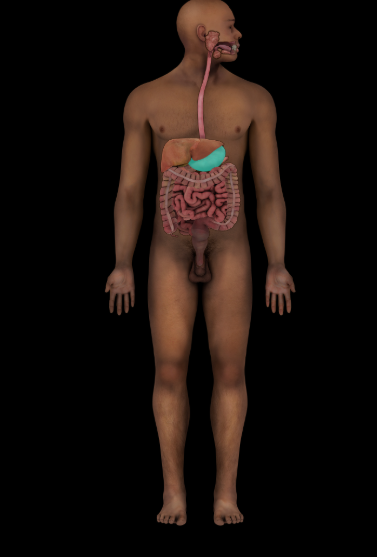
stomach
functions of stomach
initiates digestion of protein
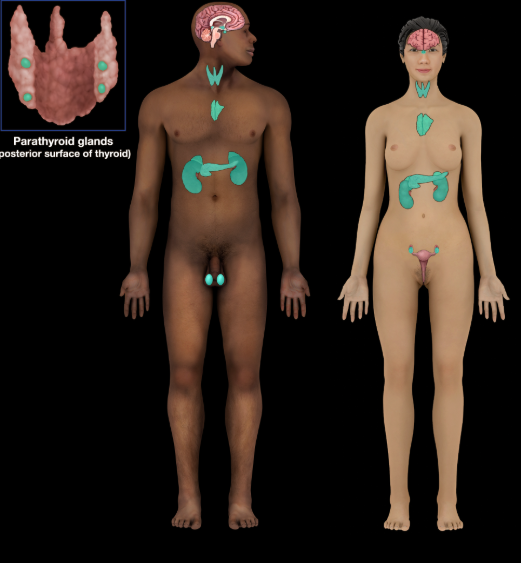
endocrine system
functions of endocrine system
regulate body functions and secrete hormones into bloodstream
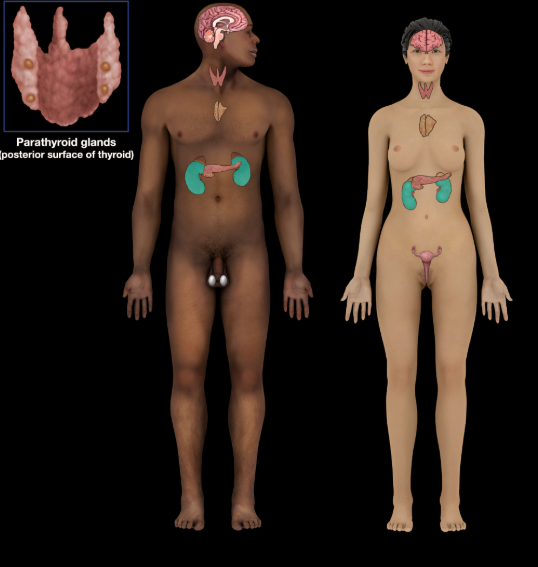
kidney
functions of kidneys
filter waste, water, and electrolytes and balance fluid like urine
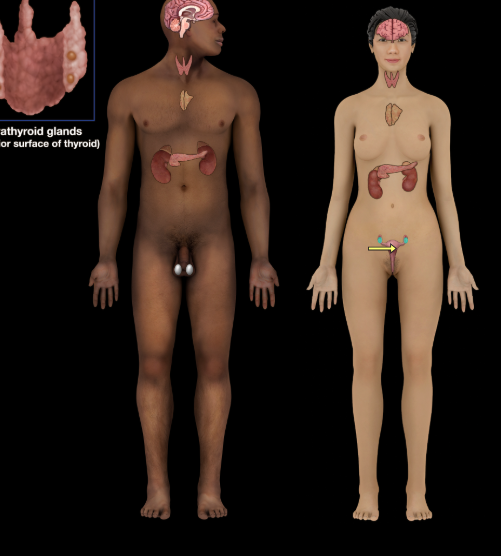
ovary
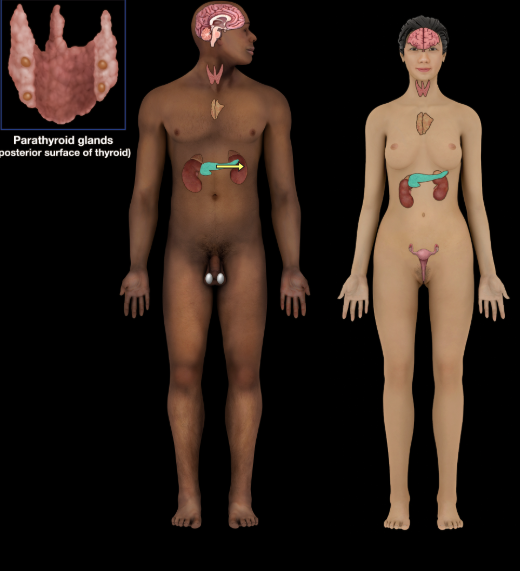
pancreas
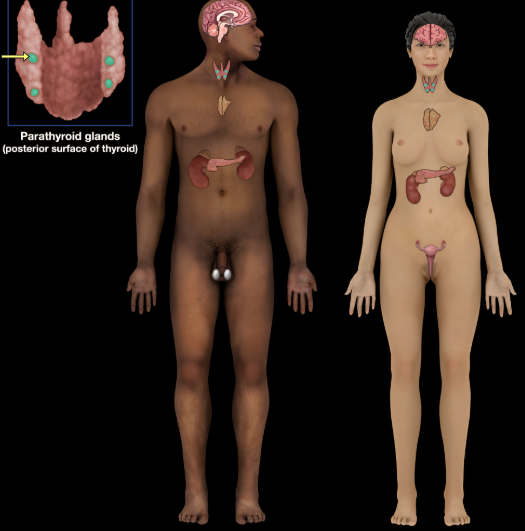
parathyroid glands
function of parathyroid glands
control the body’s calcium levels