ap psych unit 3
 Call Kai
 Learn
Learn Practice Test
 Spaced Repetition
 Match
Match Flashcards
 Knowt Play
1/186

There's no tags or description
Looks like no tags are added yet.
Name | Mastery | Learn | Test | Matching | Spaced | Call with Kai |
|---|
No analytics yet
Send a link to your students to track their progress
187 Terms
sensation
raw data and info from senses
perception
interpreting info obtained from 5 senses
Gestalt princepals
continutation, figure/ground, closure, simularity, proximity, symmetry
What is the figure and ground principle in visual perception?
It refers to the ability to focus on objects (figure) while placing others in the background (ground).
How does the figure and ground principle help us?
It helps identify important information in our visual environment.
continutation princepal
The brain tends to perceive smooth, continuous patterns rather than broken or disconnected ones.
closure princepal
visual systems fill in gaps to complete objects that we see are not fully complete
What does the similarity principle state?
Objects that have similar characteristics are interpreted as a whole, not individually.
How are similar objects perceived according to the similarity principle?
They are looked at as one object even if patterns or colors are separate.
proximity princepal
when objects are close together, they are seen as 1 object, further apart are seen as separate
symmetry principal
separate objects that are organized around a center are perceived as 1 object
binocular cues
info received from both eyes, help inform brain abt the distance an object is from the person
monocular cues
info abt the distance of an object that only requires 1 eye
relative size
monocular cue, objects that r closer to us will appear larger, objects that are farther away will appear smaller
interposition
monocular cue, objects blocked by another object is most likley farther away/vice versa
relarive height cue
monocular cue, objects that are heigher appear to be farther away compared to objects that are lower
shading and contour
monocular cue, parts of an image that have less detail appear to be further away/objects more clear = closer
texture/gradient
monocular cue, objects that are clear/focus/detailed appear closer
linear prespective
monocular cue, when parallel lines appear to converge at a point in the distance, helps with positioning/depth
sensory transduction
outside stimulus activates sensory receptors that turns to electrical signals that send to the brain
sensory adaptation
when a stimulus is prolonged our bodies no longer responsive to it
example of sensory adaption
being around a smelling candle
habitutation
when a stimulus is repeated, effectiveness of the stimulus decreases
example of habitutation
continue using drug but has to use more and more of the drug for the same effect
difference threshold/just noticible difference
the minimum difference between two stimuli required for detection 50 percent of the time
What does the Weber-Fechner Law state about noticing differences between stimuli?
For us to notice a difference between two stimuli, they must differ by a constant percentage.
What does the Weber-Fechner Law depend on?
It depends on sensation and the intensity of the stimulus.
What type of difference is required for stimuli according to the Weber-Fechner Law?
A constant percentage difference, not a constant amount.
Is there a formula associated with the Weber-Fechner Law?
Yes, there is a mathematical formula related to it.
validity
accuracy
Reliability
consistency
size constancy
the tendency to interpret an object as always being the same actual size, regardless of its distance
color constancy
perception of the color of an object remaines the same even if the lighting changes
shape constancy
the tendency to interpret the shape of an object as being constant, even when its shape changes on the retina
lightness constancy
perception of blackness, whiteness and grayness of an object, the shading of an object
schema
basic knowledge that guides the perception of a situation
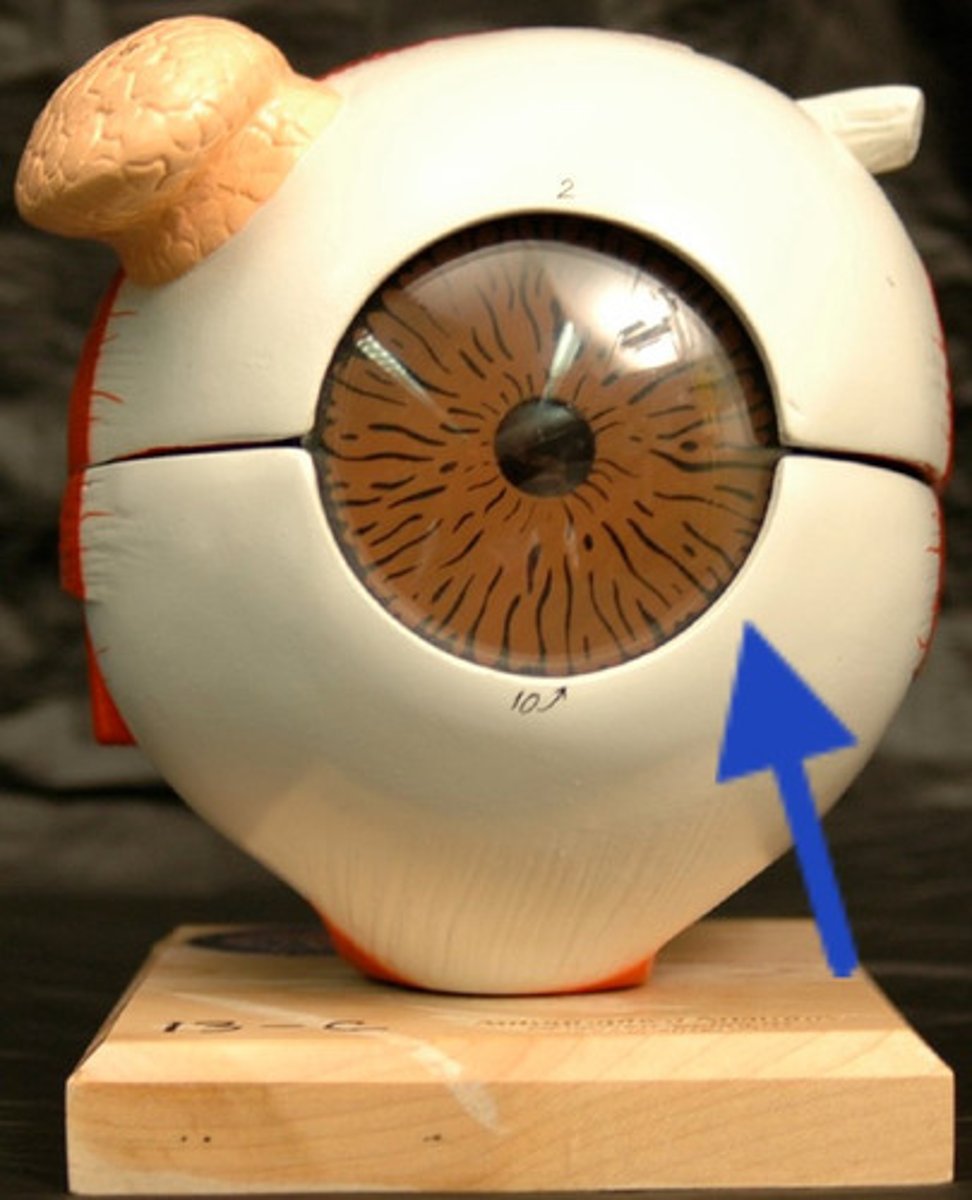
sclera
white tissue, protects eye, substance around eye
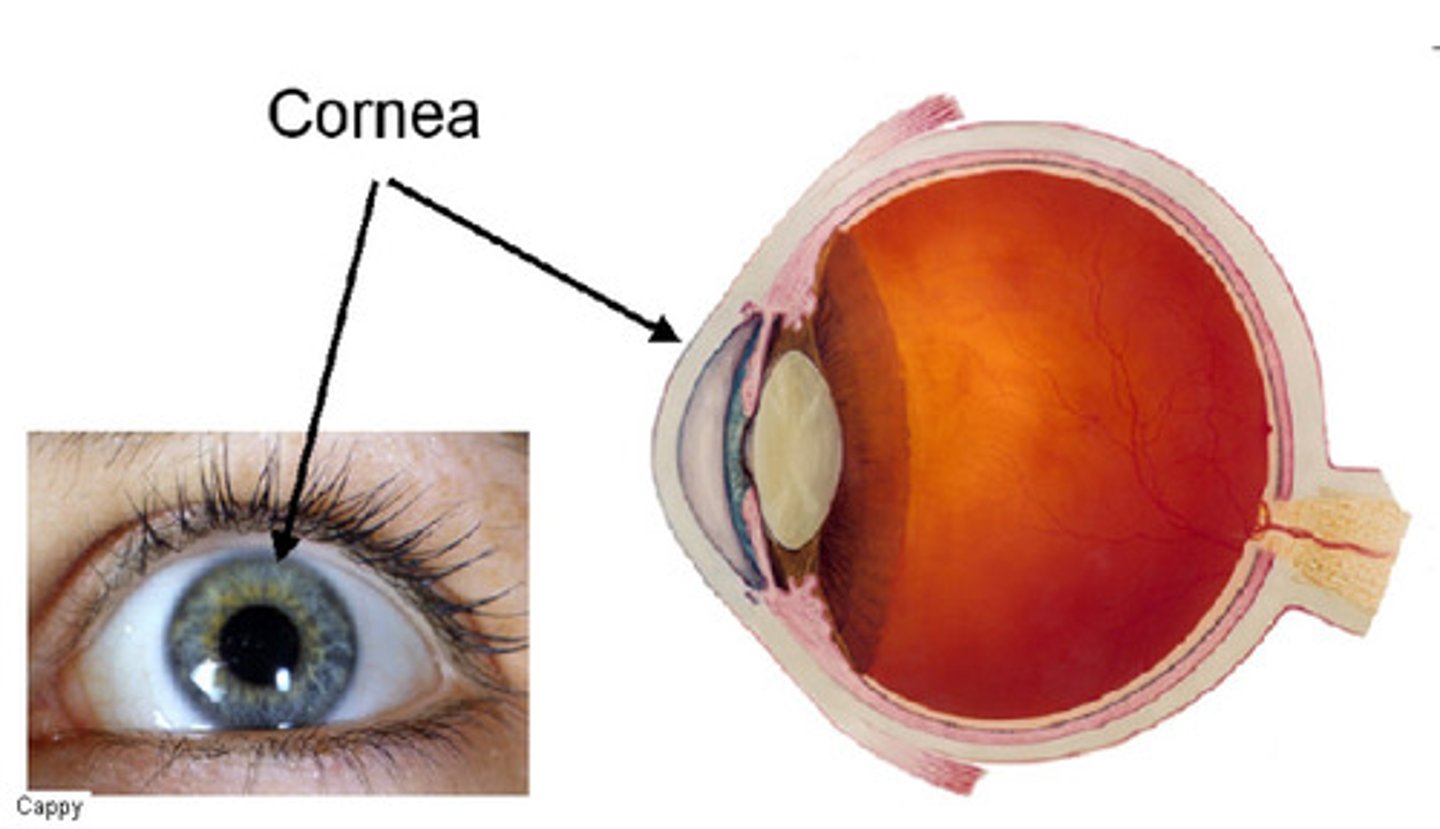
cornea
transparent, protects eye, bends light, helps focus
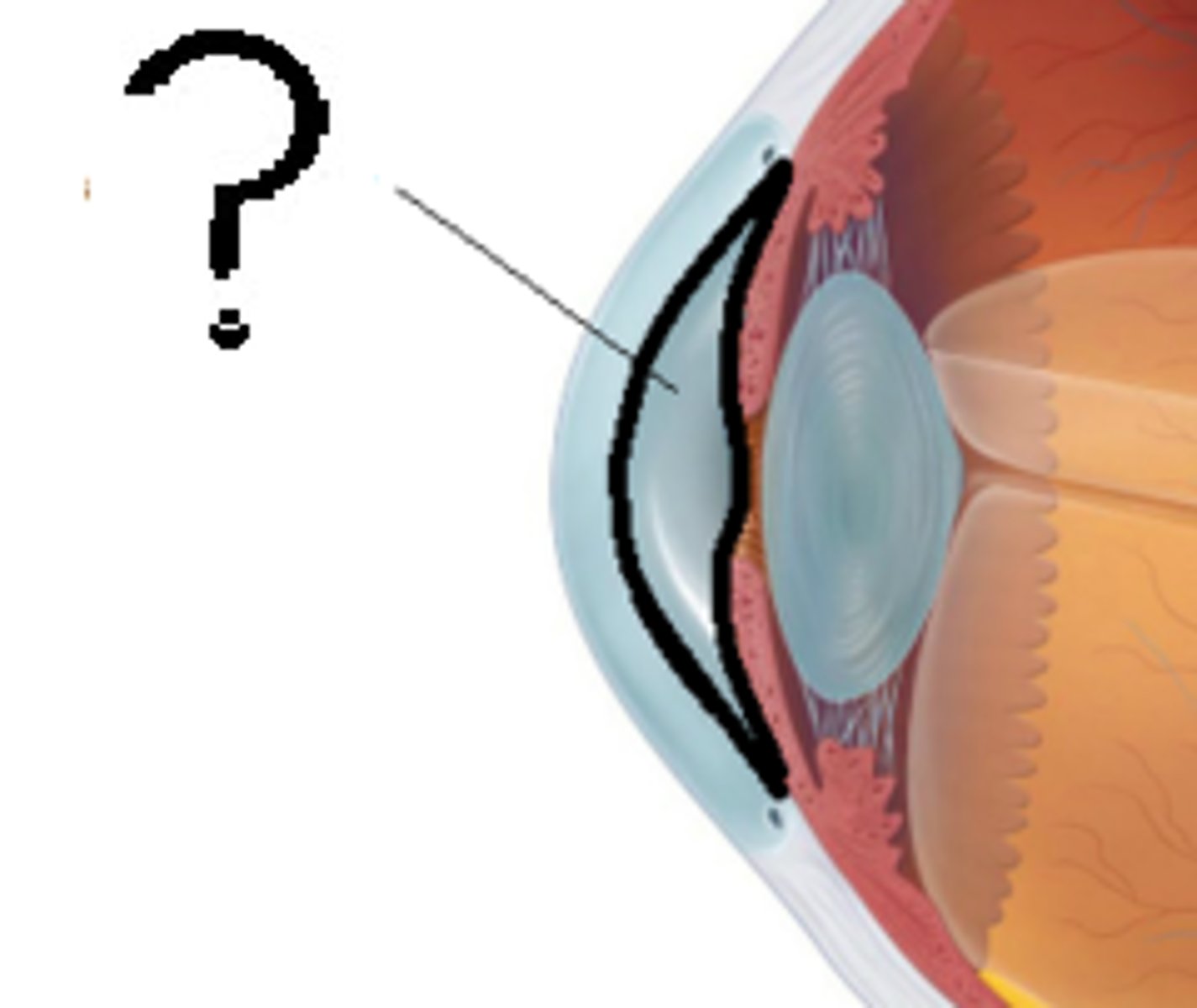
aqueous humor
made of water/salt, helps maintain pressure within eye, nourishes cornea/Lense
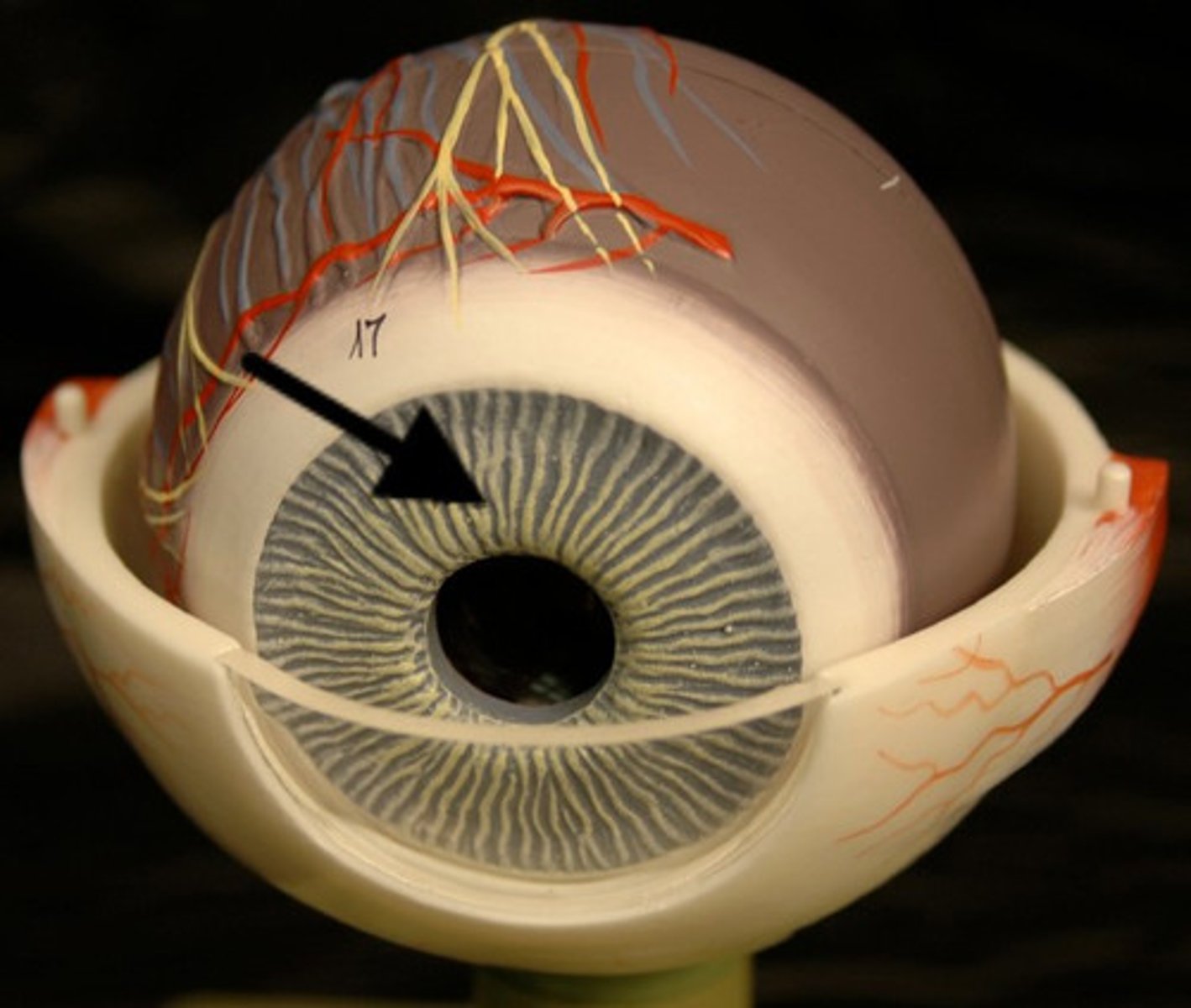
What shape is the iris?
Ring shaped
Where is the iris located?
Behind the cornea
What does the iris determine?
Eye color
What is the function of the iris?
Controls how much light enters the eye by contracting/relaxing muscles outside the pupil
pupil
dark part of eye where light passes through
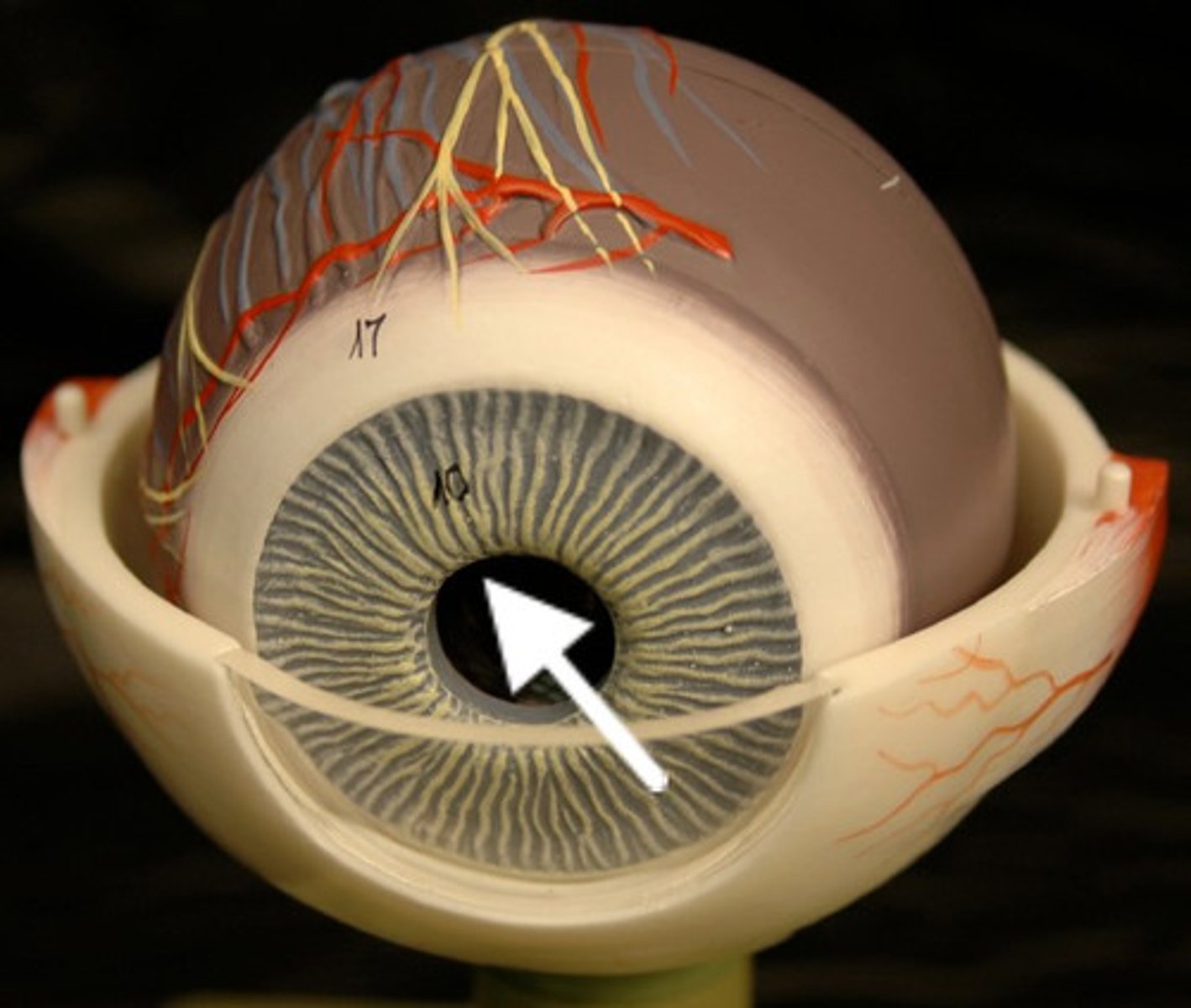
lens
allows eye to change focus
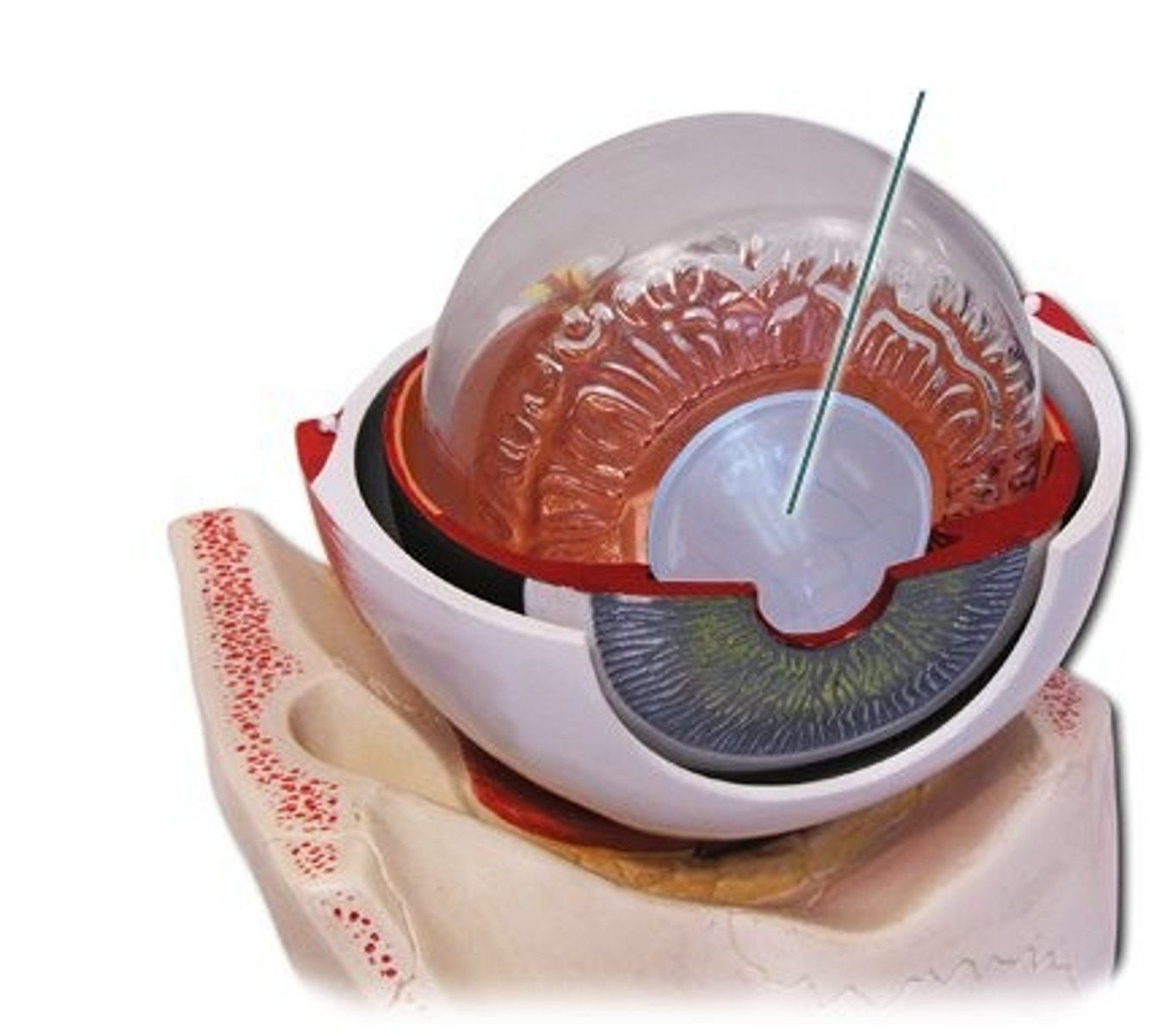
vitreus humor
clear/gel like, gives eye support/shape
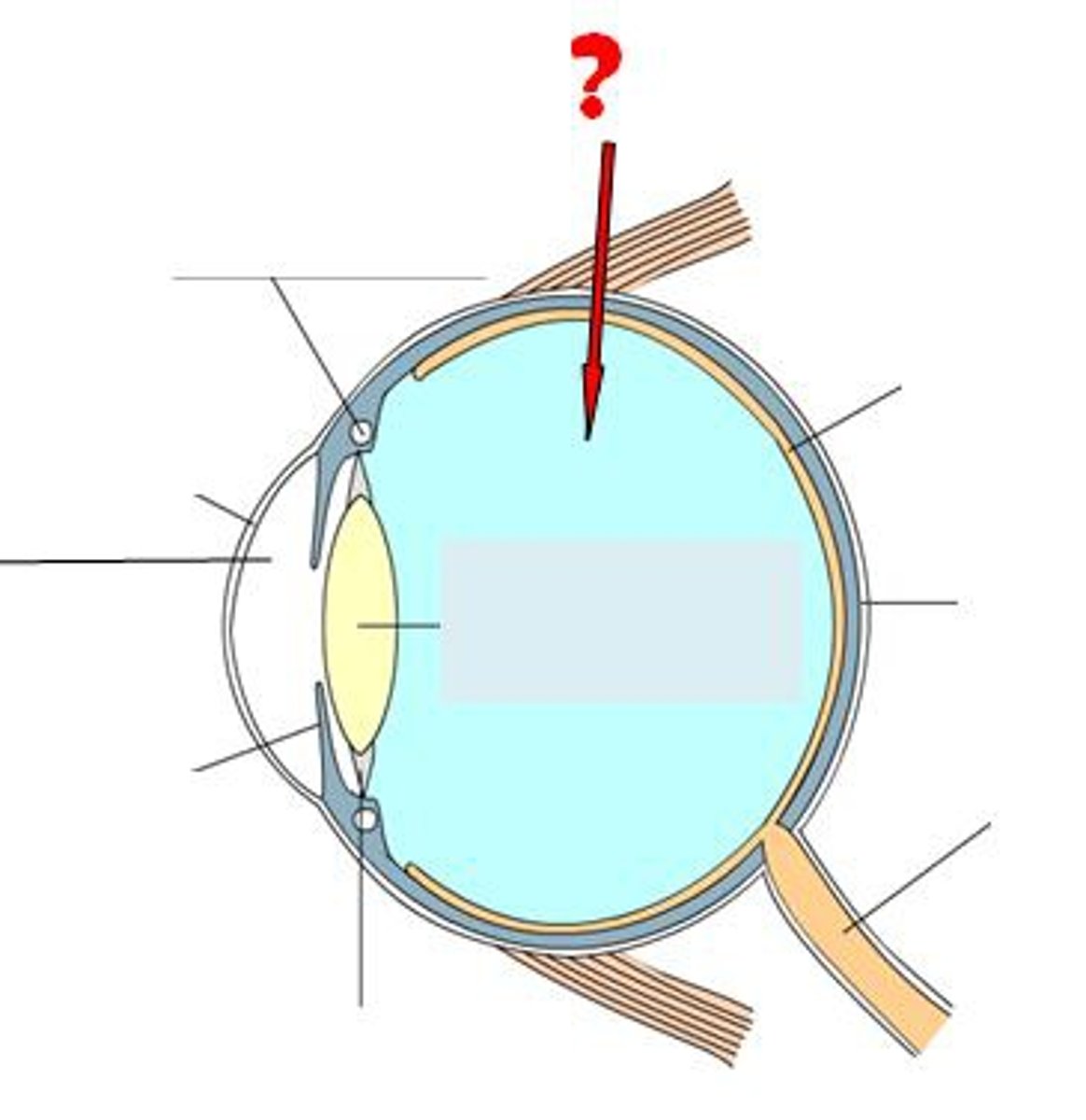
retina
back of eye, made of photoreceptors, turns light into nueroimpulses for sight
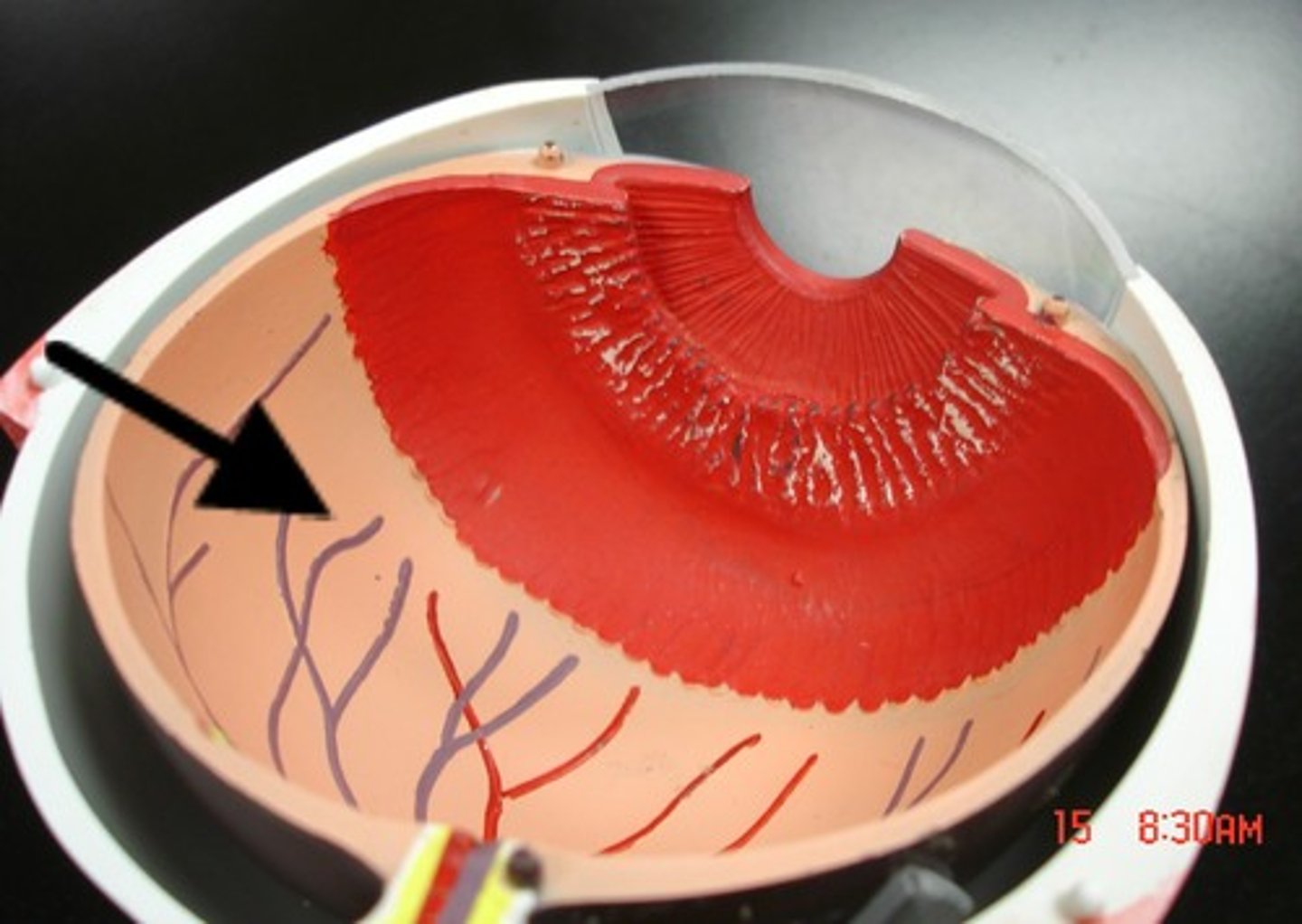
chroid
helps support retinal cells, provides oxygen and nutrients to eye
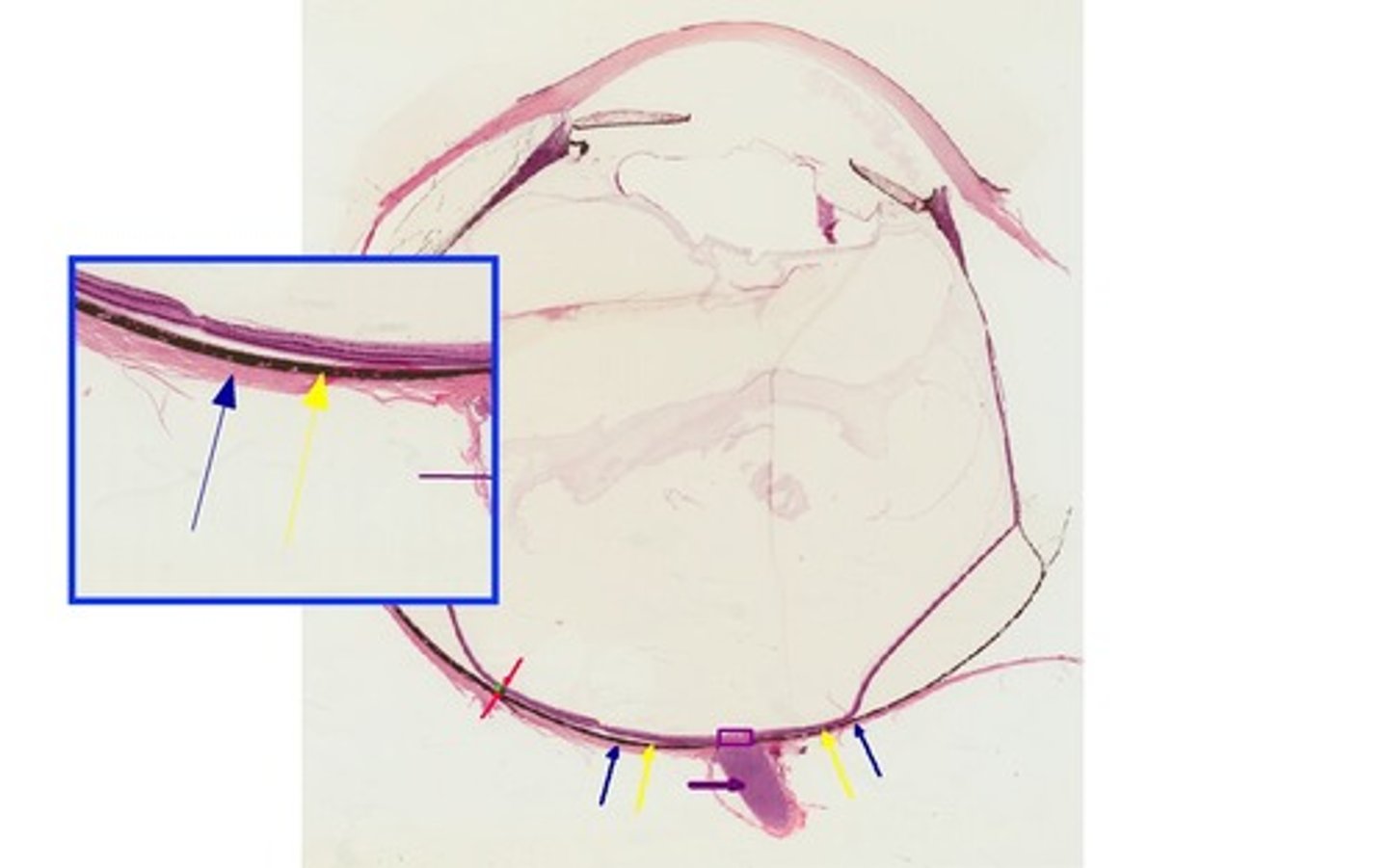
optic nerve
made up of retinal axon, transfers visual info to brain
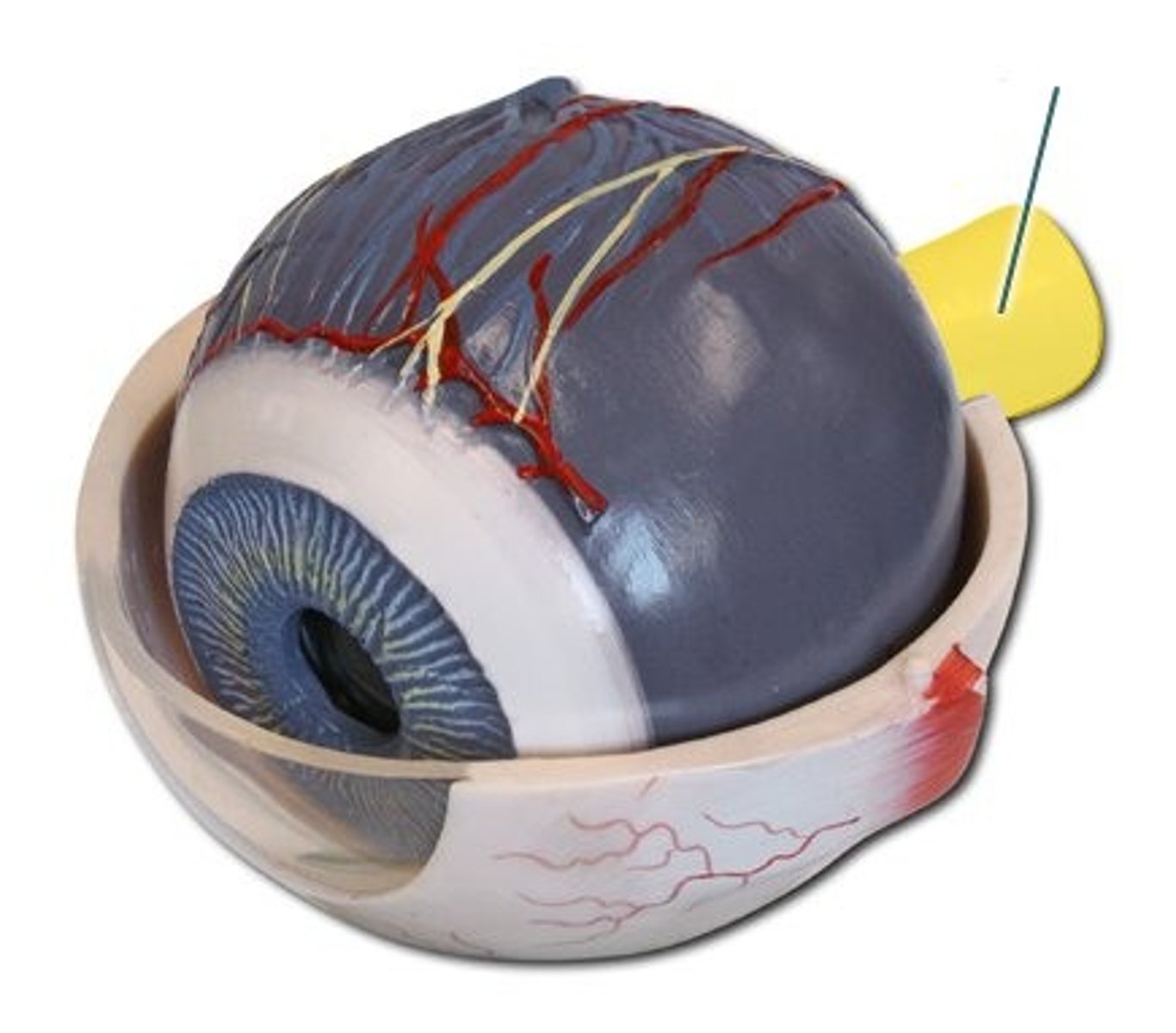
rods
outer edge if retina, help us see in dim light, no color info
cones
small compressions, let us see fine details (color/texture)
astigimatism
cornea is irregularly shaped, impact a person's ability to focus
cataracts
lens of the eye becomes cloudy, blurry vision
achromatism
type of color blindness, person does not have any retinal cones, only sees black/white
Dichromotism
type of color blindness, missing 1 of the typical 3 cone pigments
trichromatism
normal color vision
pinna
cartilage, helps direct sound
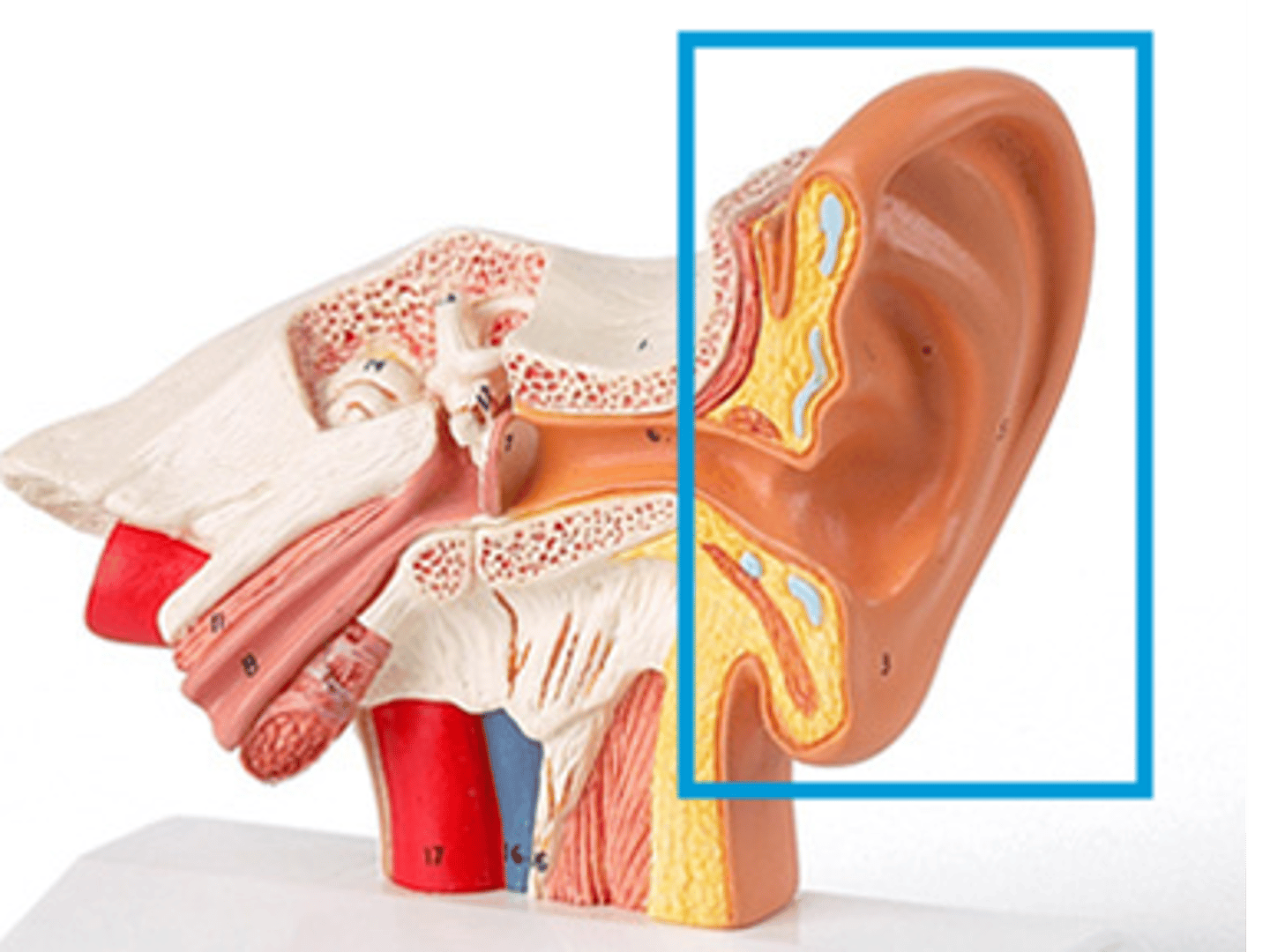
external auditory canal
funnels sound into eardrum
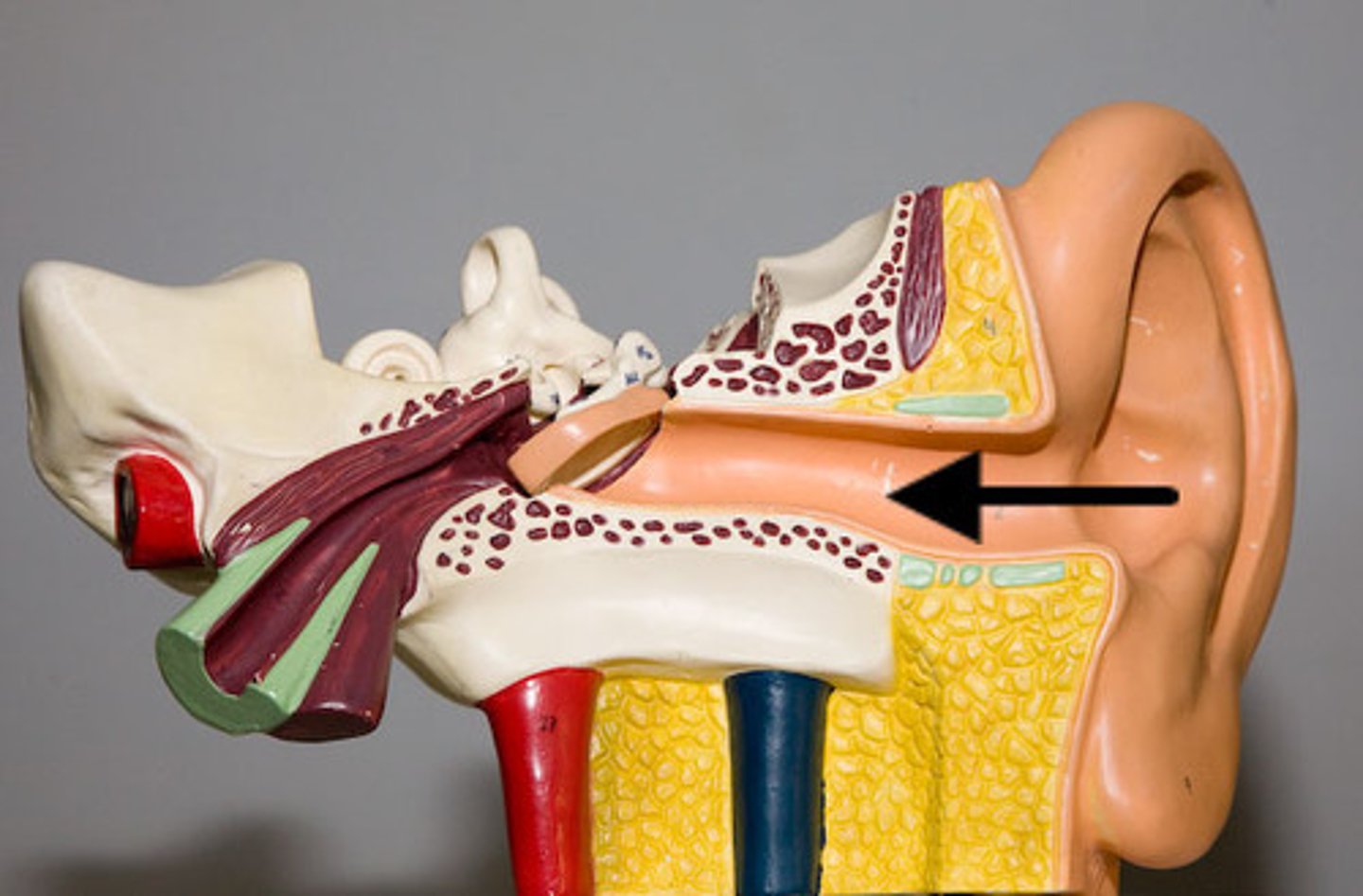
tympanic membrane
causes sound to vibrate, makes eardrum vibrate
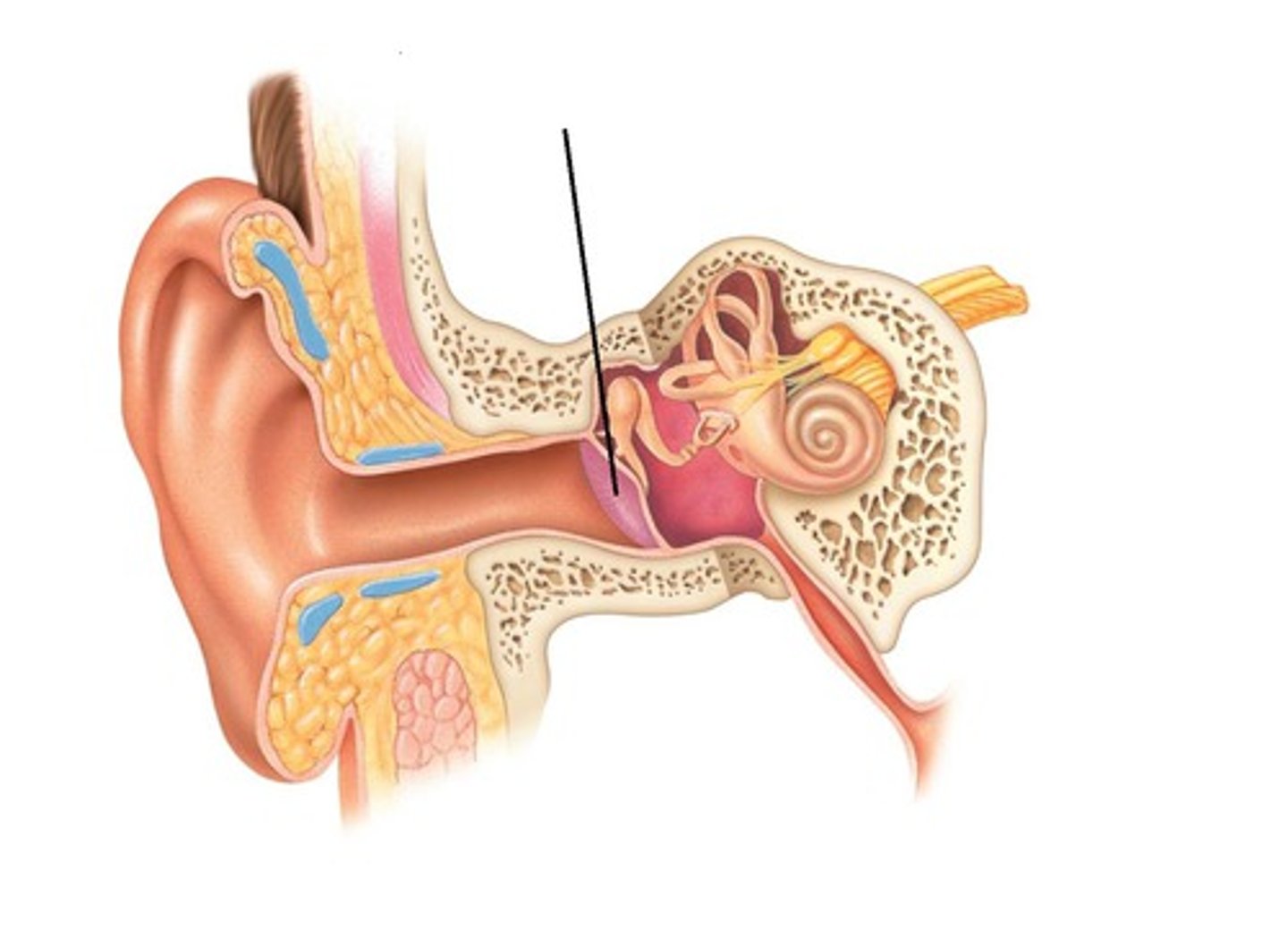
osallisbones
amplify sounds sent from eardrum to inner ear
malleus
hammer; first of the three auditory ossicles of the middle ear
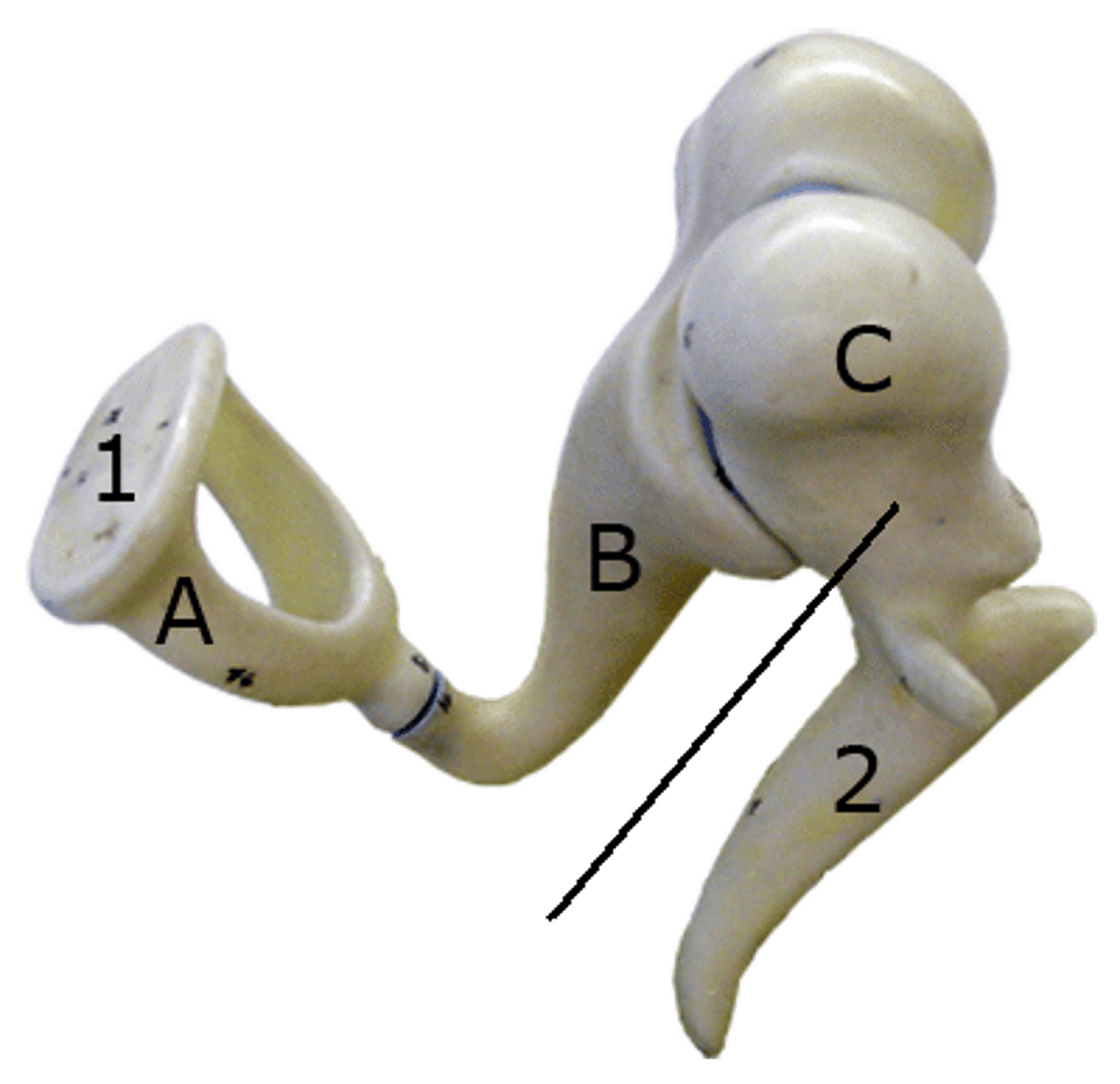
incus
anvil; middle of the three auditory ossicles of the middle ear
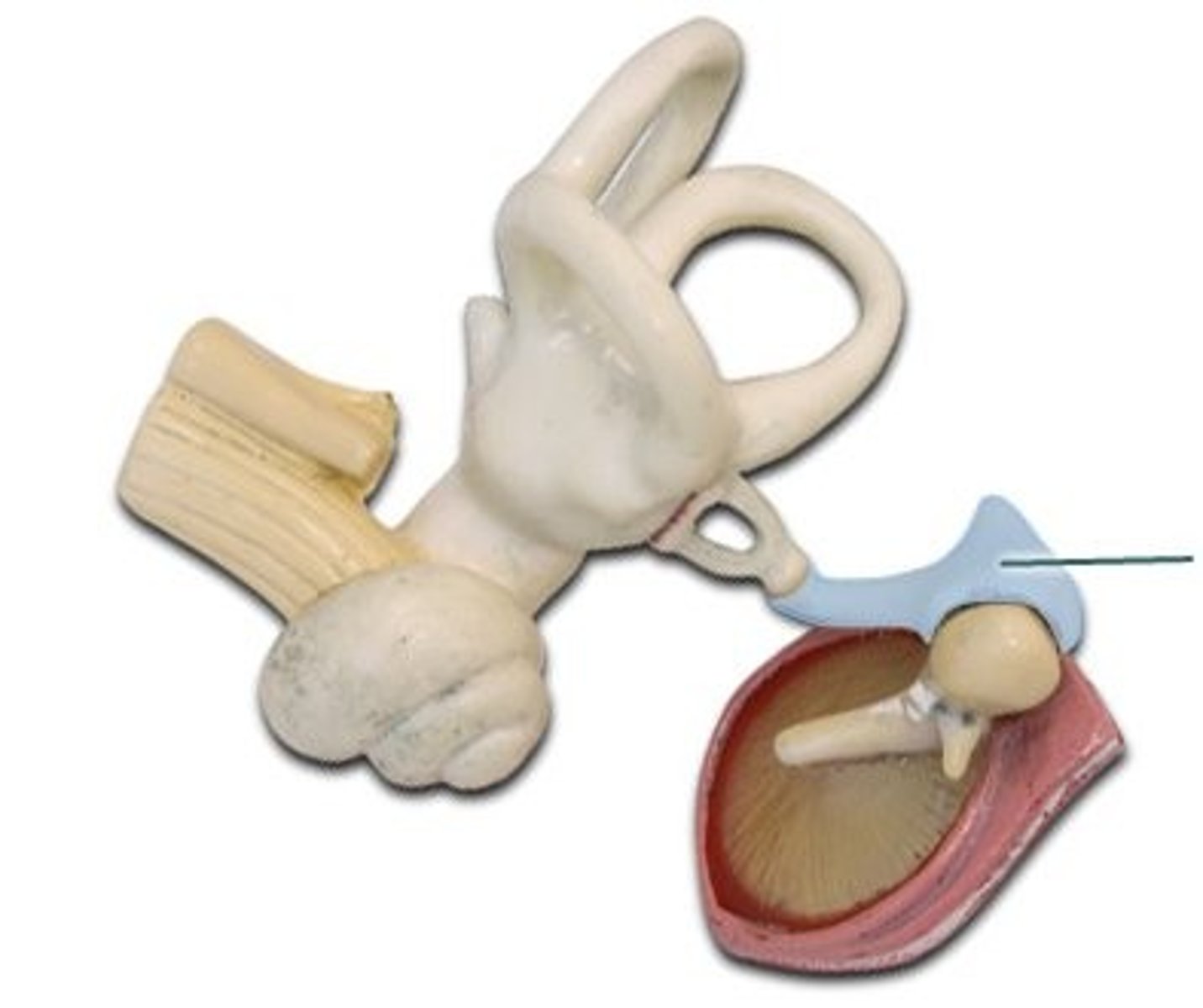
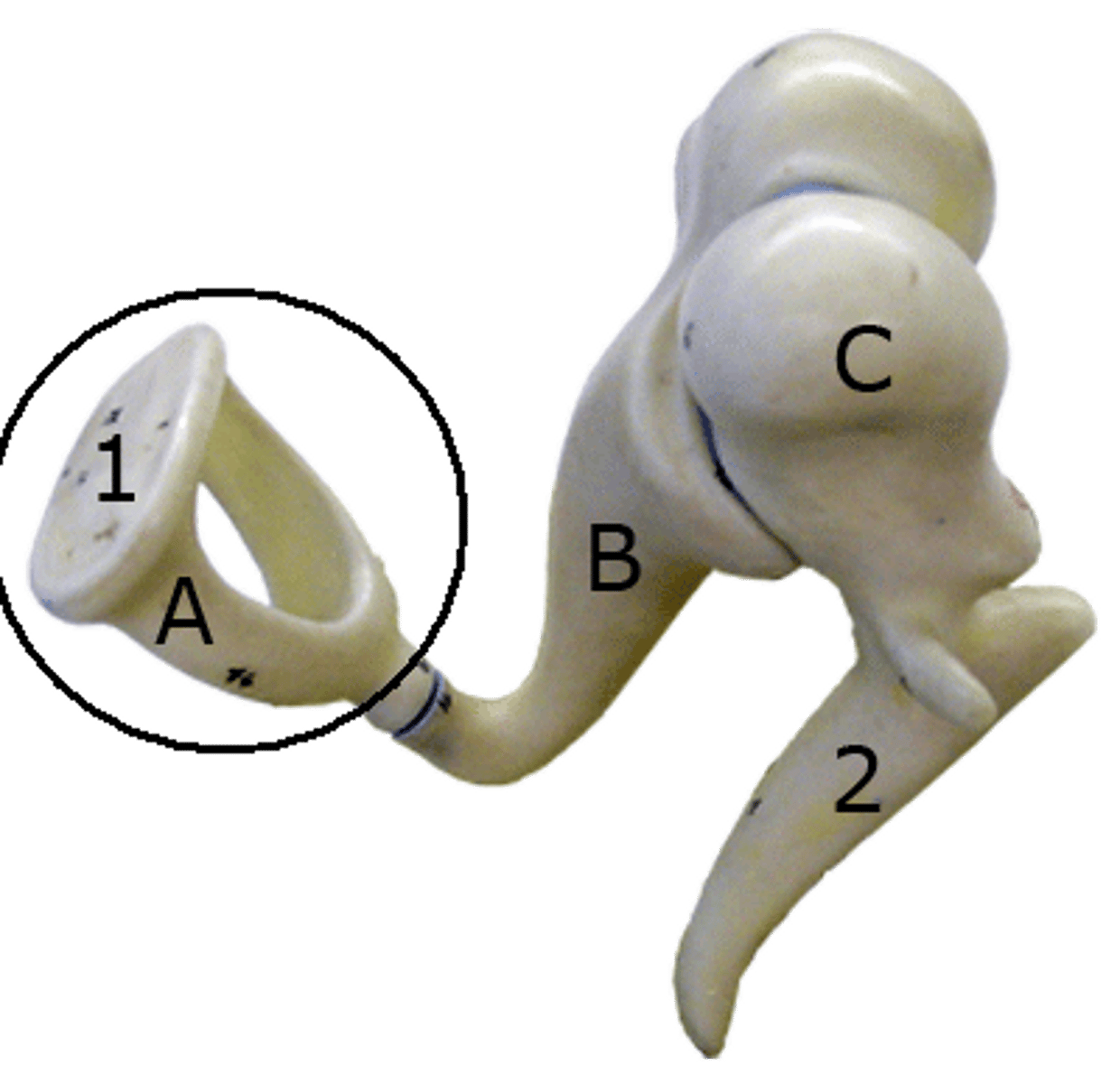
stapes
stirrup; last of the three auditory ossicles of the middle ear
oval window
membrane, amplify sounds, send sound waves to inner ear
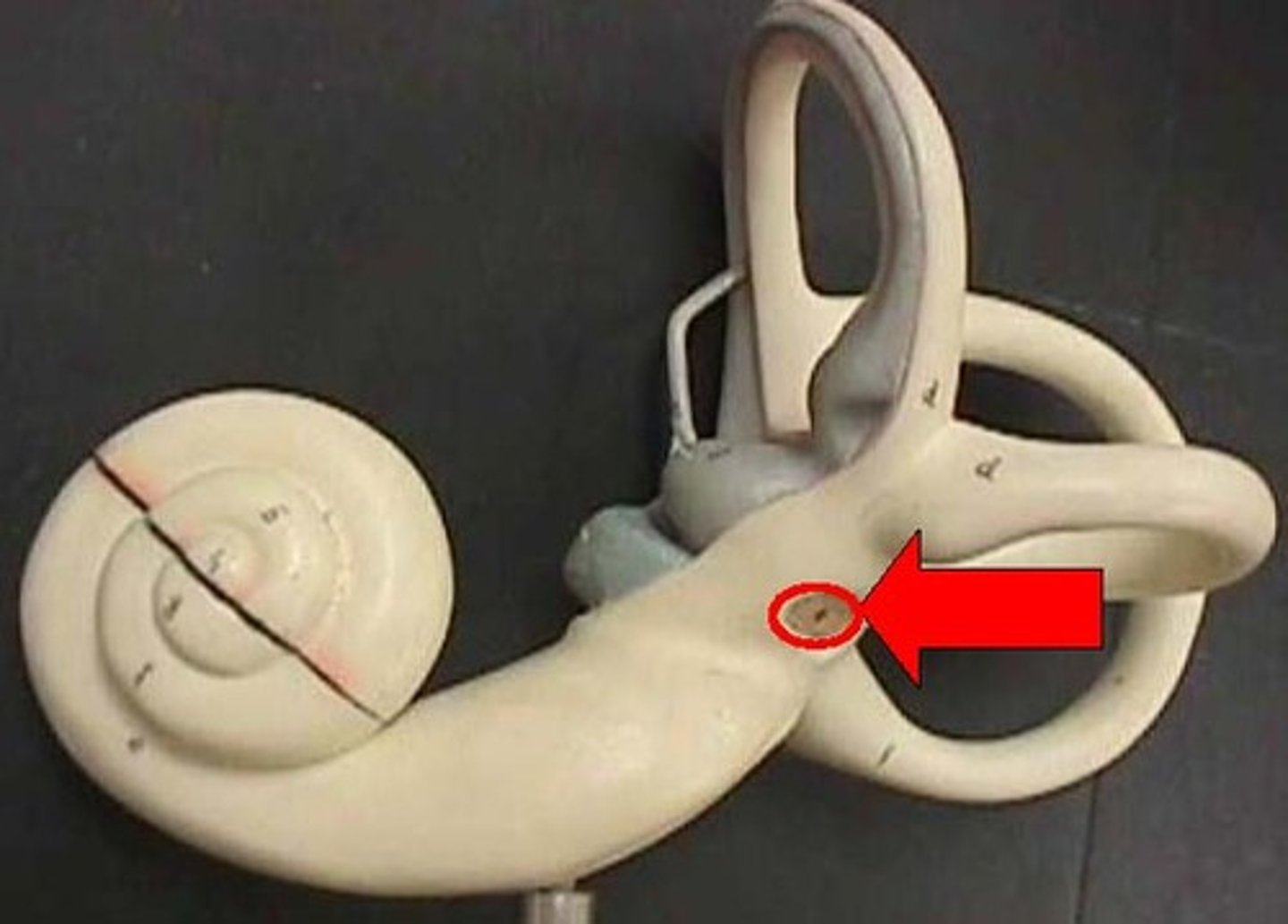
structures in inner ear
cochlea, vestibule, semicircular canals
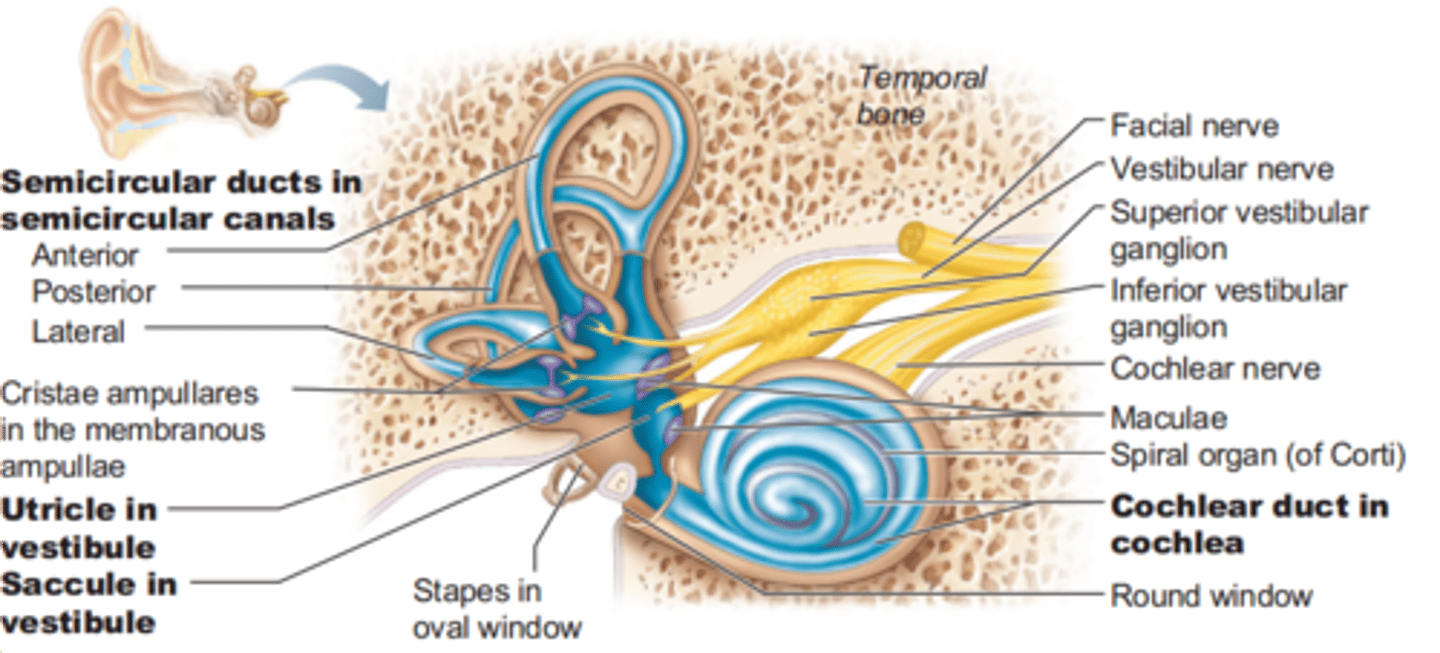
semicircular canals
three fluid-filled canals in the inner ear responsible for our sense of balance
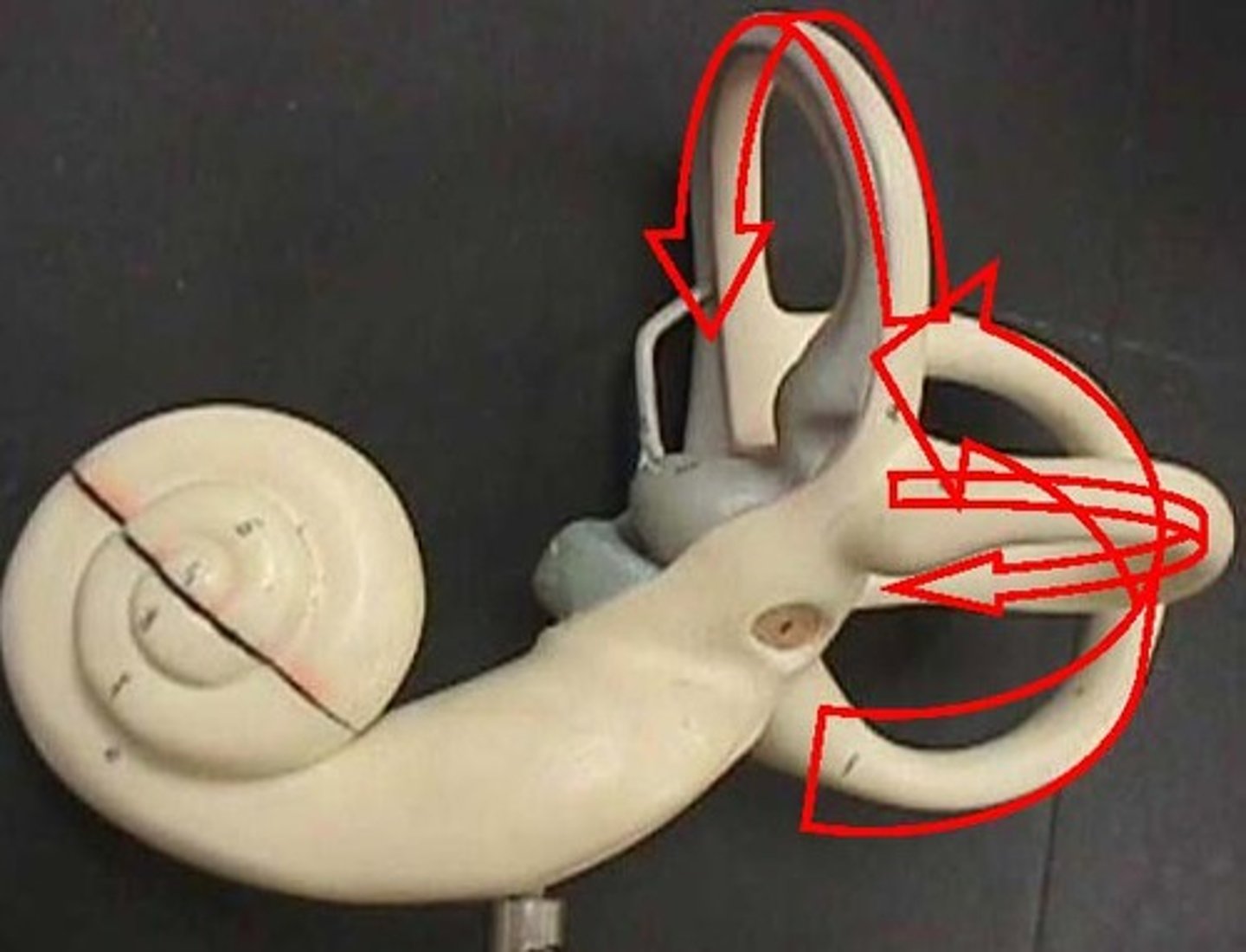
cochlea
a coiled, bony, fluid-filled tube in the inner ear through which sound waves trigger nerve impulses
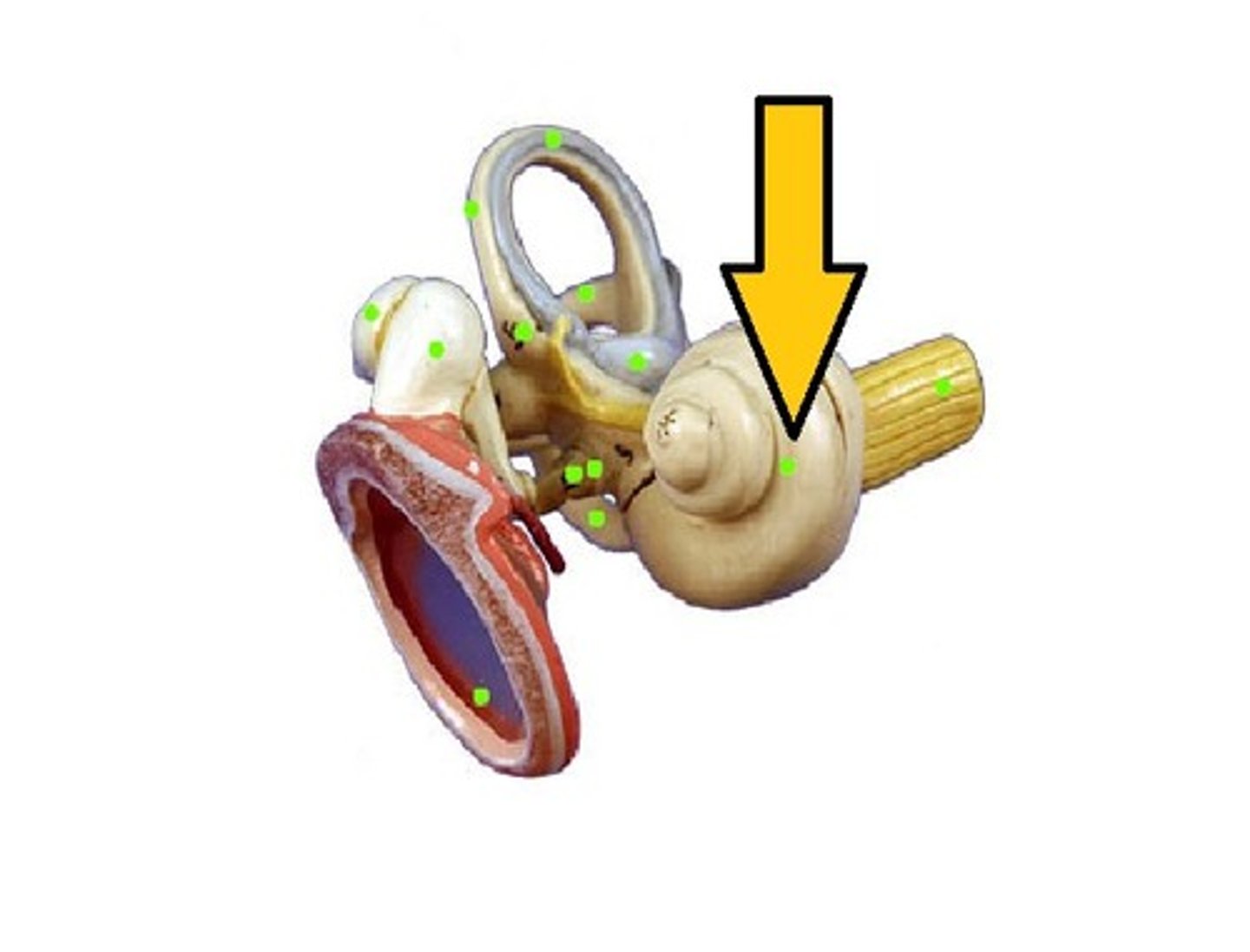
cochlear nerve
the branch of the auditory nerve that transmits auditory information from the cochlea to the brain
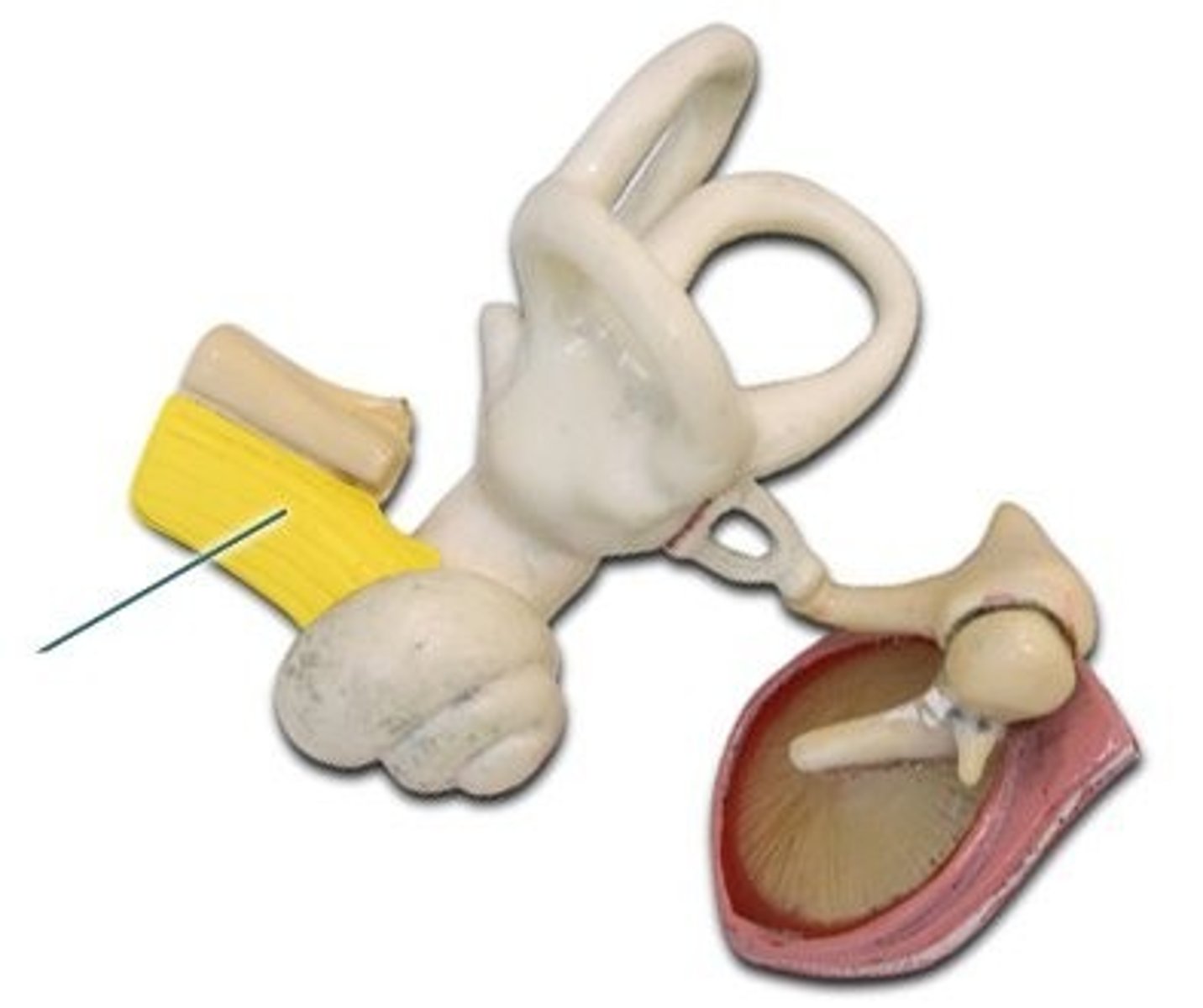
stereocilia
hairlike structures that come out of Corti-sensory receptors for hearing
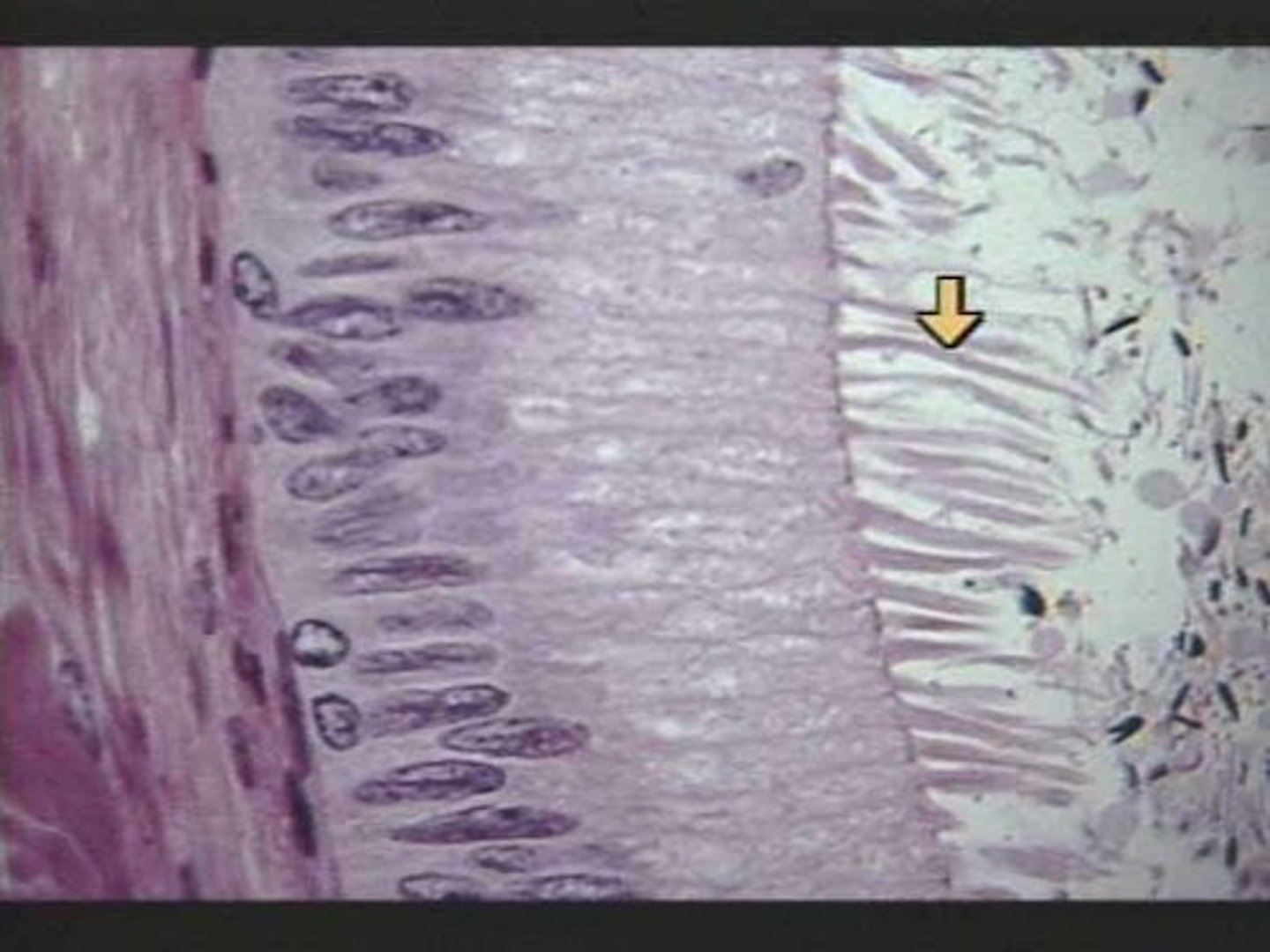
place theory
placement of sterocilia on diff areas of basilar membrane results in brain interpreting diff pitch of sounds
sensorineural hearing loss
caused by cilia/auditory nerve damage
conductive hearing loss
something blocking sound from moving through outer, middle, inner ear
nasal cavity
smells oders
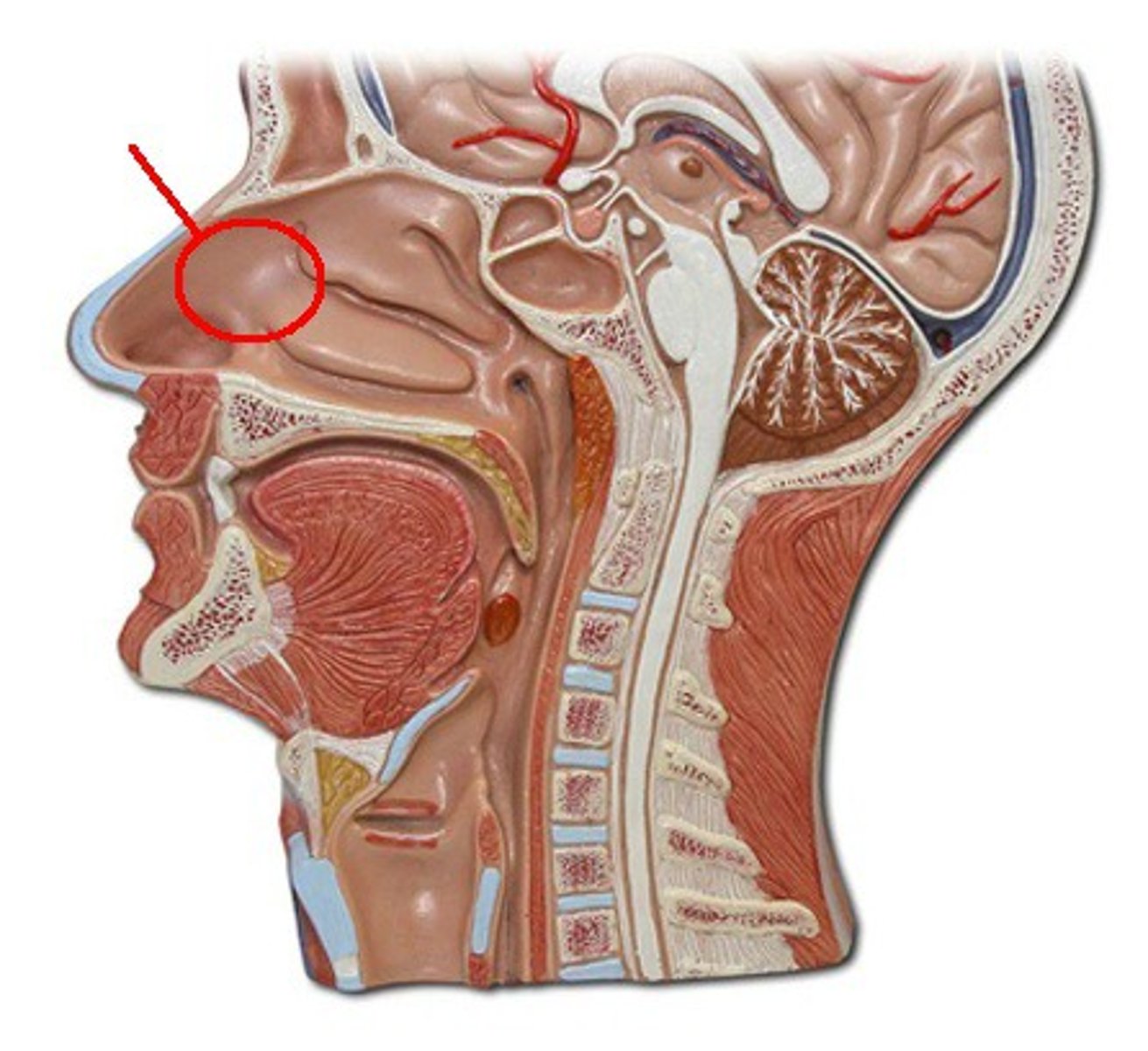
olfactory epithelium
membrane with olfactory receptor cells
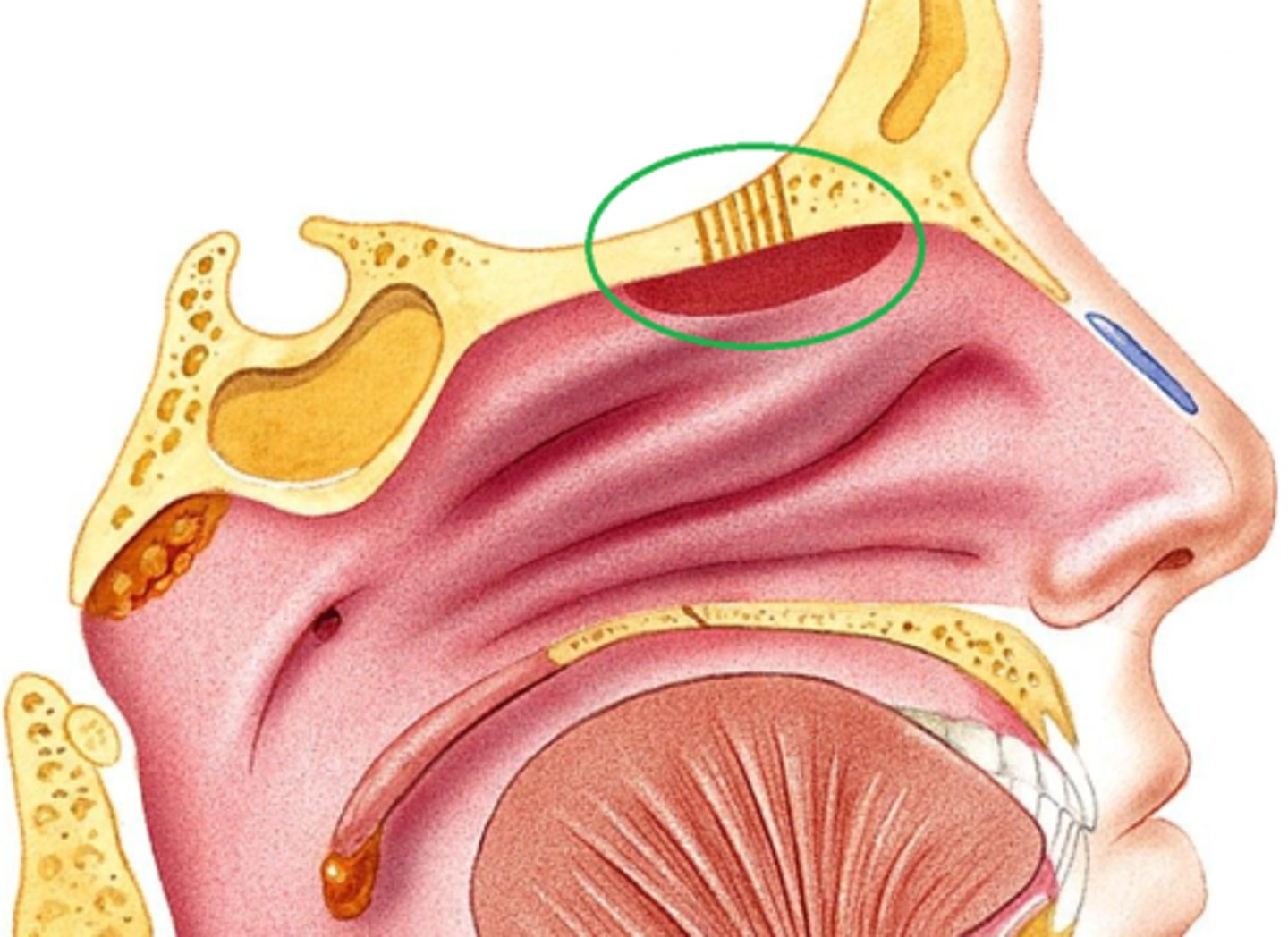
olfactory recepter cells
nerve endings that help with the sense of smell
What is the cribiform plate?
The superior surface of the ethmoid bone.
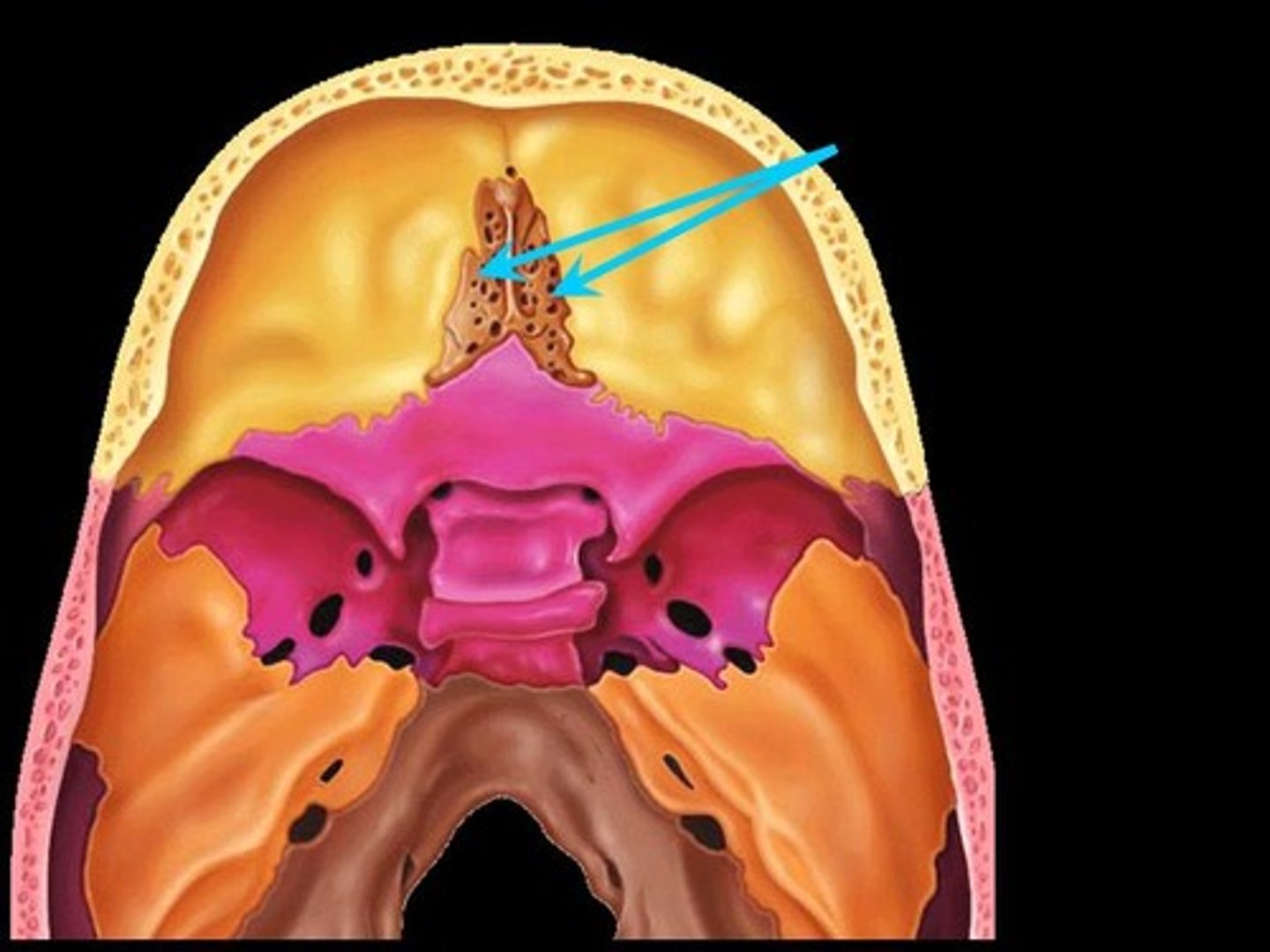
What is the function of the foramina in the cribiform plate?
They allow passage of the olfactory nerves.
What sensory function do the olfactory nerves provide?
Sense of smell.
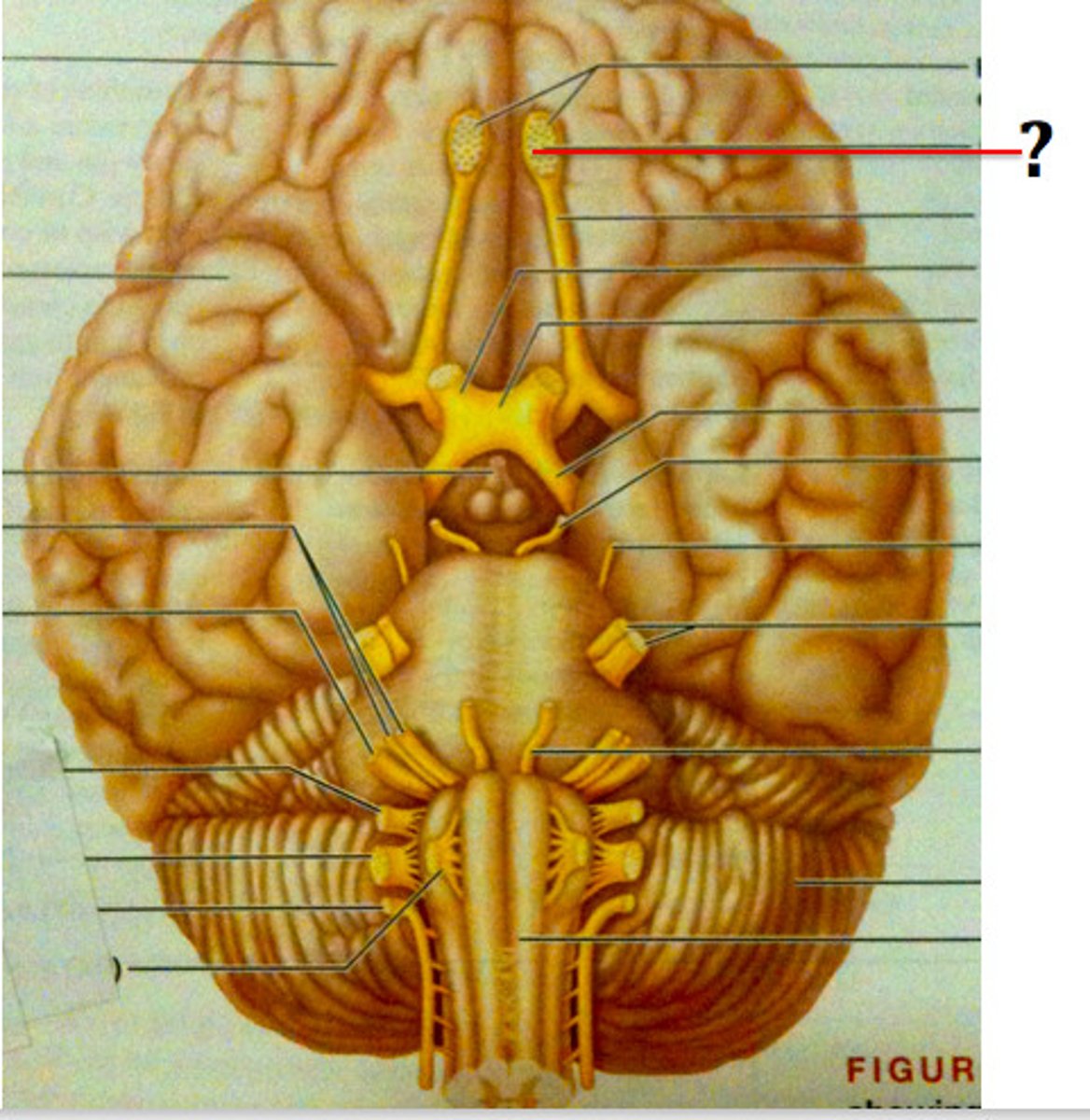
olfactory bulb
electrical signals that transfer smell to olfactory nerve then to brain
Papillae
taste buds
tastes of the tounge
sweet, sour, salty, bitter, savory
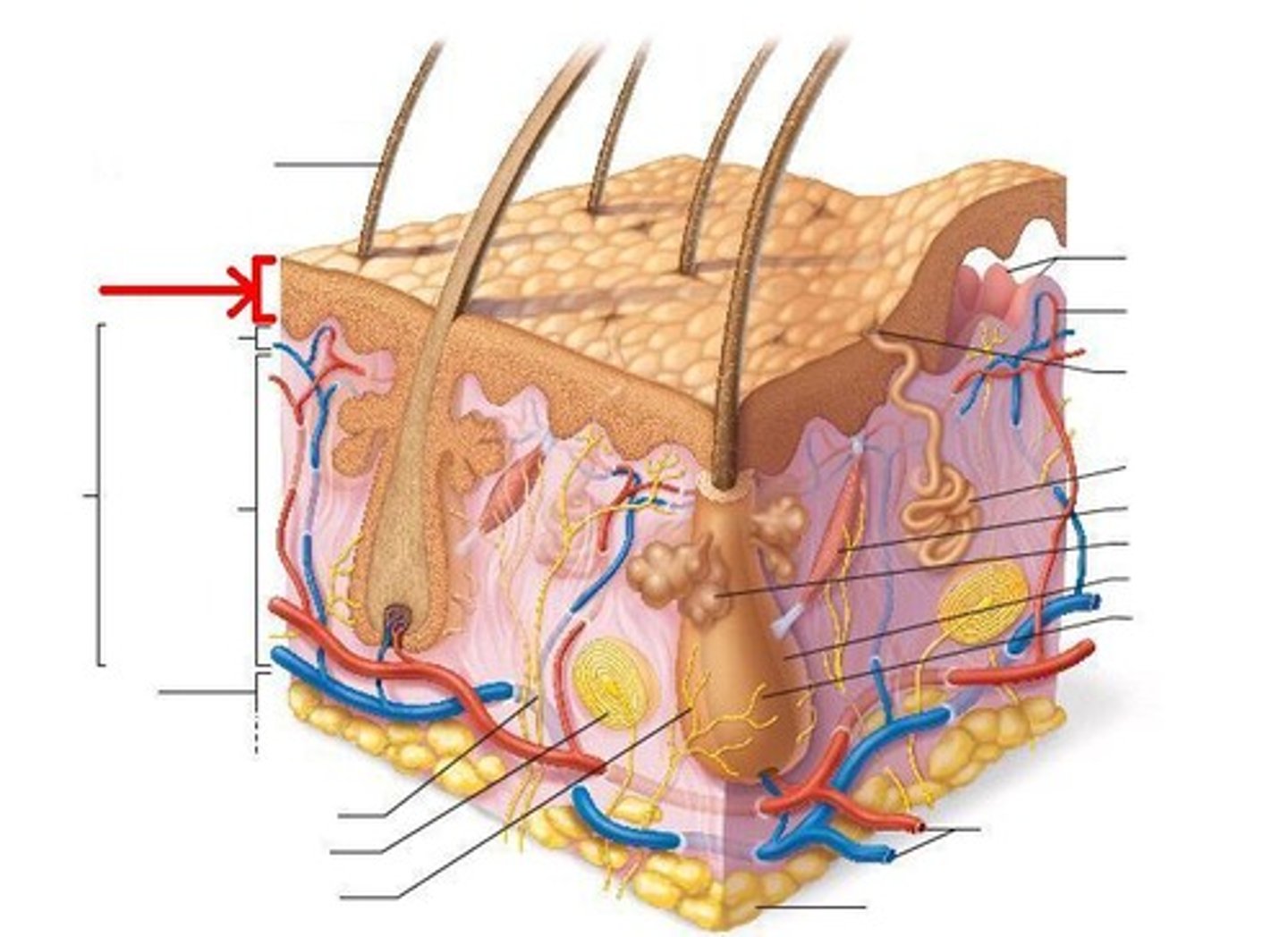
epidermis
protective outside layer of skin
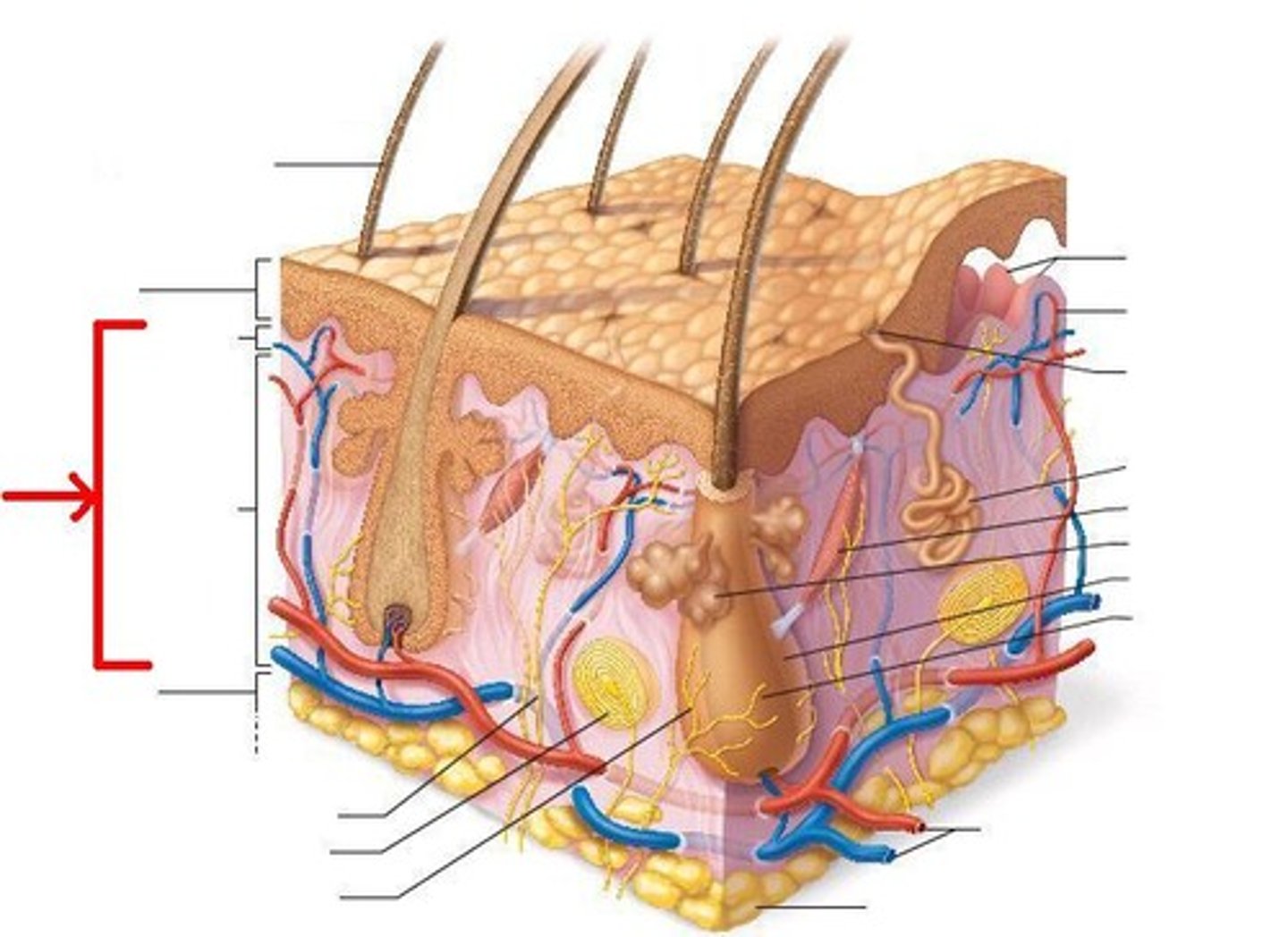
dermis
gives skin color, has nerve endings, blood vessles, hair follicles
nociceptors
sensory receptors, transmit touch stimuli to brain, pain receptors
hypodermis
deepest layer of skin, has collagen/fat cells
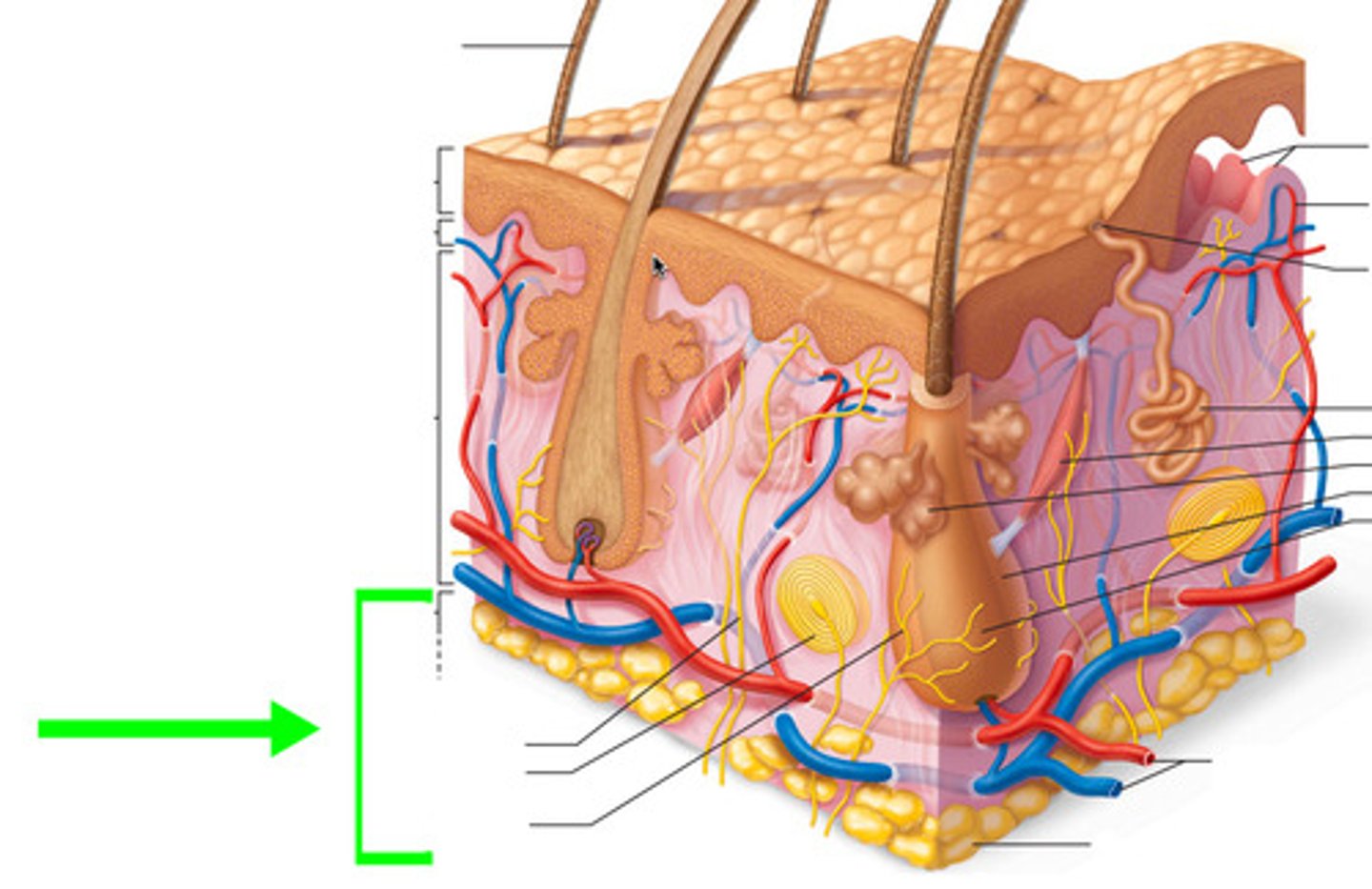
kinesthesis
sensory info that allows us to control our movements through sensory receptors in muscles/joints
proprioceptors
sensory receptors in muscles, tendons, joints/sensitive to body movements
vestibular sense
sense of balance-enabled vestibular canals of ear
cross sectional research
studies ppl of different ages at the same point in time
longitutdinal research
follows same group of ppl over an extended period of time
teratogens
harmful substances that can (-) impact prenatal development
Examples of teratogens
drugs, genetic mutations, mentall illness, horomonal factors, enviornment
fine motor skills
smaller movements like grasping objects
gross motor skills
larger movements like crawling and walking
rooting reflex
infant turns its head when an object touches its cheek (helps locate food)
visual cliff expirement
performed a glass table and patterned sheet that matches the floor pattern, shows how babies can percieve depth
critical period
specfic window of time where a particular skill or behavior must be aquired
sensistive period
time which the brain is primed to develop a certain skill
imprinting
some animals will attach to the first object they encounter as a means of survival
adolescence
stage marked by puberty, growth spurt, continued development of primary and secondary sec characterstics