Classical Conditioning
 Call Kai
 Learn
Learn Practice Test
 Spaced Repetition
 Match
Match Flashcards
 Knowt Play
1/12

There's no tags or description
Looks like no tags are added yet.
Name | Mastery | Learn | Test | Matching | Spaced | Call with Kai |
|---|
No analytics yet
Send a link to your students to track their progress
13 Terms
Learning
A relatively permanent change in behavior OR knowledge
Classical Conditioning
learning that occurs when:
two stimuli are paired together
neutral stimulus
unconditioned stimulus
NS + US = to achieve classical conditioning
Unconditioned stimulus (US)
produces an involuntary reaction/response
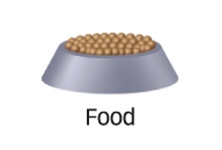
Unconditioned stimulus (US) Pavlov example
Food
Unconditioned response (UR) Pavlov example
Salivation
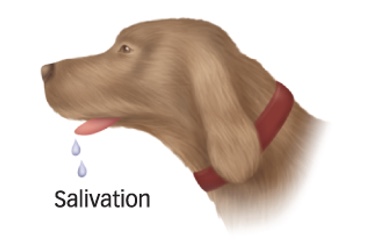
Unconditioned response (UR)
Involuntary reaction that is produced by a US
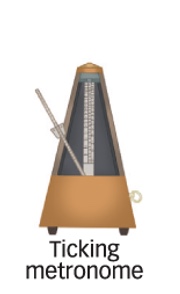
Neutral stimulus Pavlov example
Metronome
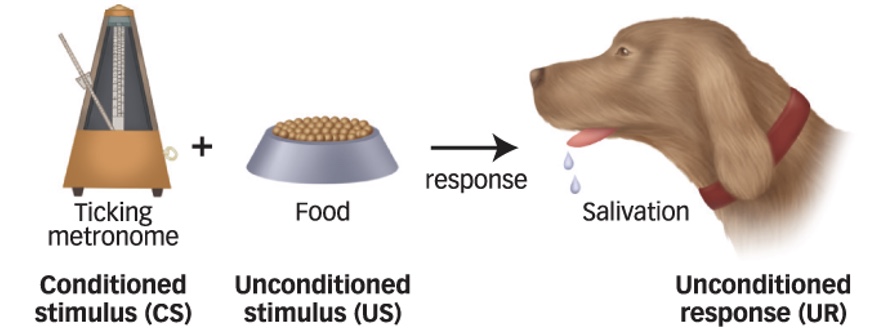
The acquisition phase
Pair US with neutral stimulus & repeat the pairing several times
¡Repeated trials are important!!*
¡Metronome becomes conditioned stimulus (CS) = previously NS
Produces involuntary response after being paired with a US
§Salivation becomes conditioned response (CR)
§UR that is produced by a conditioned stimulus (CS)
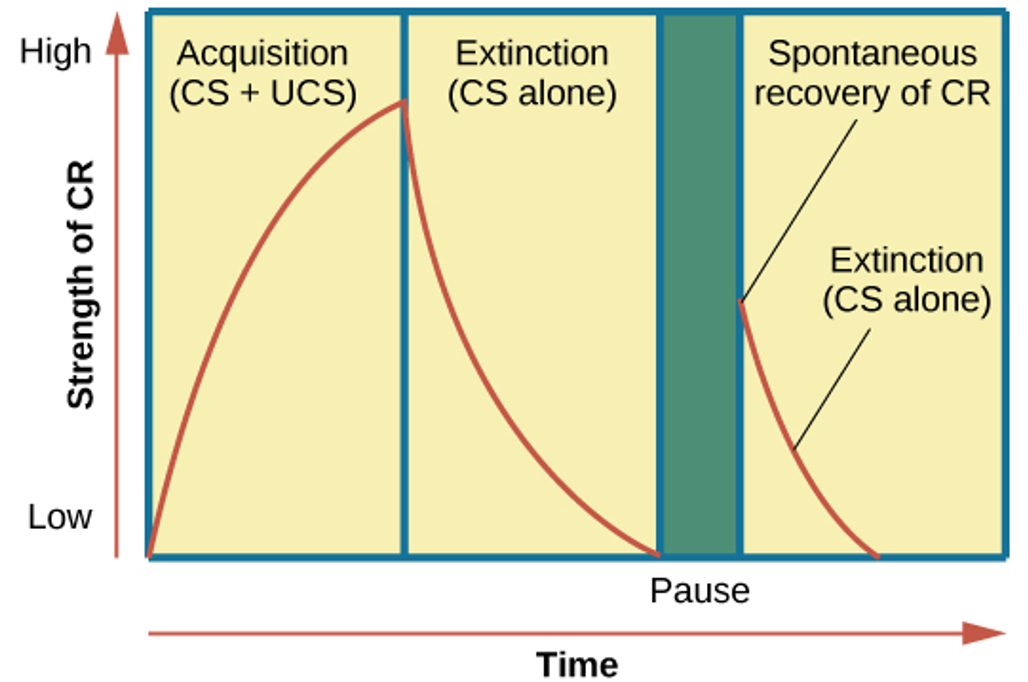
Acquisition
¡NS and US repeatedly paired together
¡Learning occurs rapidly, then levels off
¡Result of acquisition phase = CS alone elicits CR
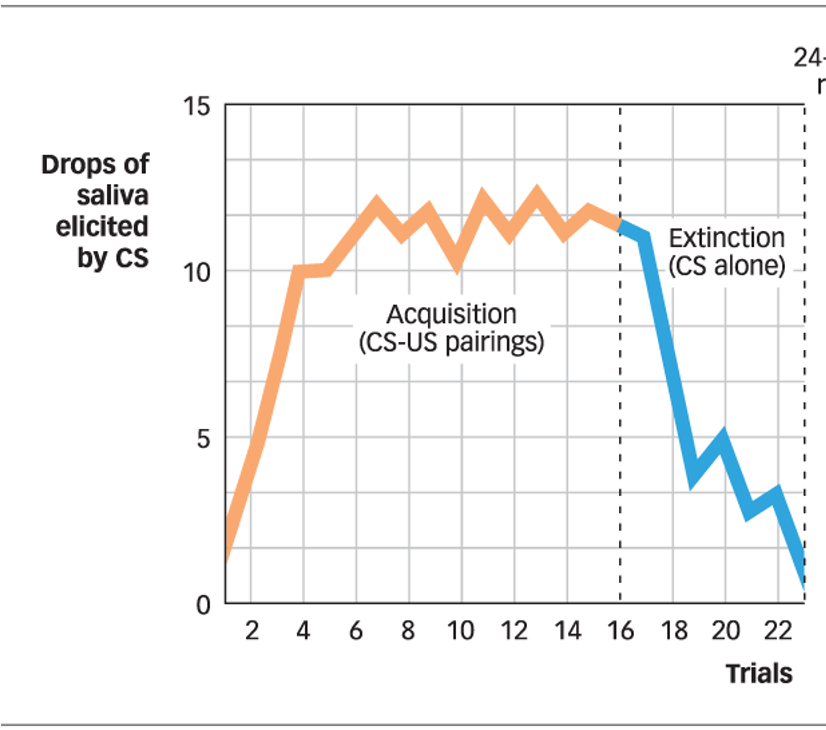
Extinction
¡Reduction in response when CS repeatedly presented ALONE
¡Pavlov kept playing the metronome (CS), but removed the food (US)
Spontaneous recovery
¡Pause after extinction
¡Increase in involuntary responding to CS
Generalization
¡the CR is observed in response to a stimulus similar to the CS
¡Dog owner switches from manual to electric can opener
¡Pavlov – higher/lower pitch of sounds/tones; less similar = less salivation
Discrimination
capacity to distinguish between similar but distinct stimuli
¡Dog owner switches from manual to electric can opener
¡Weaker or decreased CR in response to similar stimulus
¡Pavlov – multiple different tones