Art History Unit 4
 Call Kai
 Learn
Learn Practice Test
 Spaced Repetition
 Match
Match Flashcards
 Knowt Play
1/28

There's no tags or description
Looks like no tags are added yet.
Name | Mastery | Learn | Test | Matching | Spaced | Call with Kai |
|---|
No analytics yet
Send a link to your students to track their progress
29 Terms
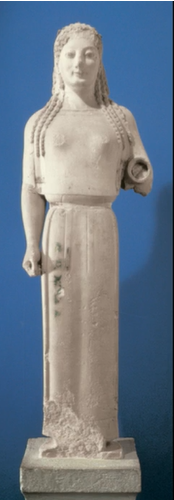
Peplos Kore
Archaic
350 BCE
Parian Marble 3’11 2/3” high
Kore- standing female figure
Peplos - woolen dress pinned at shoulder
archaic smile and stylized braids
encaustic beeswax and pigment
stiff rigid pose and closed fists, looking into future
sculpture in round connected to base
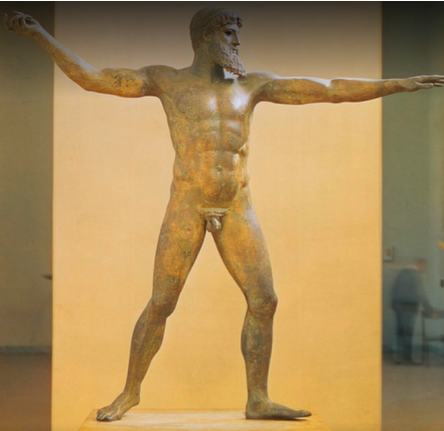
Poseidon/Zeus
Early Classical
found in the sea off cape artemision
450 BCE, Bronze 6’10" 1/4” high
throwing spear
lost wax method
reflects greek interest in athletics
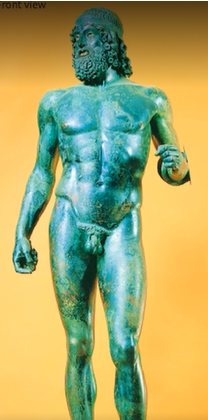
Warrior from Riace
Early Classical
450 BCE
Bronze with bone, glass paste and copper inlay
6-4/5” high
inlaid eyes, copper eyelashes, lips and nipples and silver teeth
dome shaped head with flat, curvilinear stylizations of hair
dynamic pose with organic form
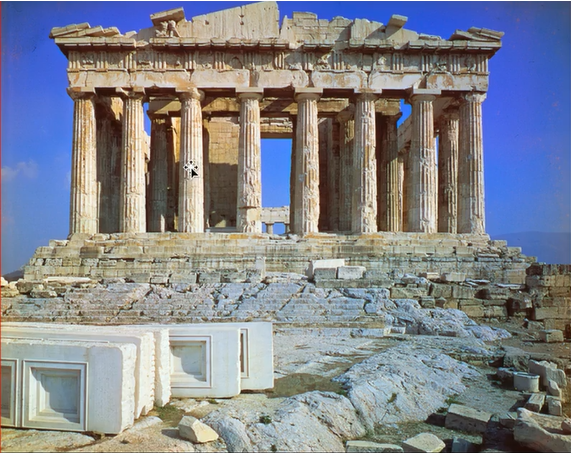
East end of the Parthenon
Early Classical 432 BC as temple of athena
doric columns and the top would have been heavily painted
5th century AD parthenon became christian church
15th century - turks invaded athens and converted to mosque
peristyle supported by doric
slight a-symmetry, columns at corner are closer
made entirely of marble
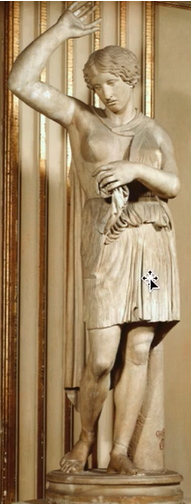
Wounded Amazon
Classical
430 BCE - 6-6.5 heads tall
Roman marble copy of bronze original 6’7 1/2” high
naturalistic in movement, contrapposto, figure connected to base
young/idealized lacking in facial expression, wounded
dress has folds, folds coincide with waves of hair
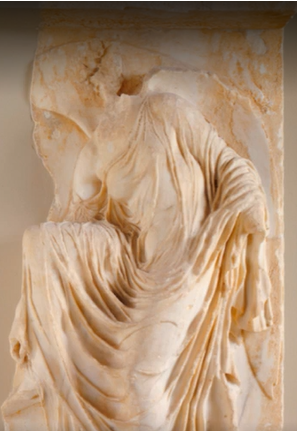
Nike adjusting her sandal
Classical
410-409 BCE, pantelic marble 3’5-3/4” high
from athena nike temple
nike on balustrade of parapet adjusting sandal
sheer almost transparent drapery
open wings in background
beauty and balance - graceful
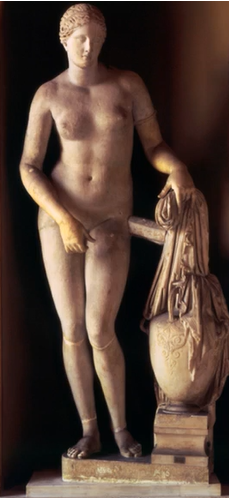
Aphrodite of Knidos
Late Classical
450-323 BC - marble 6’8-3/4” high, 7 heads tall
rejected by island of kos because nude
fuller and fleshier and dreamy
praxtilelean curve - gentle s curve
contrapposto
body connected to base
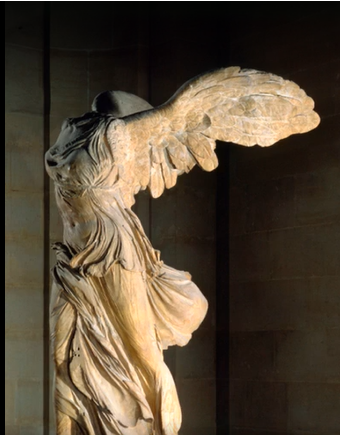
Winged Nike from Samothrace
Hellenistic - samothrace
190 BCE - marble 8’ high
sense of drama and emotion
pathos - beauty and sadness
undercutting of drapery, shadows
naturalism of wings and bird-like feathers
sense of wind pressure and contained energy
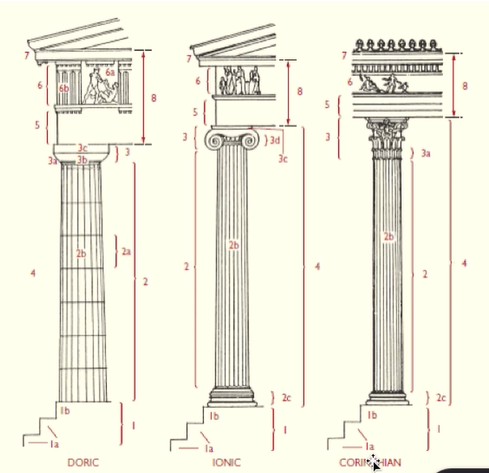
Name the greek Columns
Doric, Ionic, Corinthian
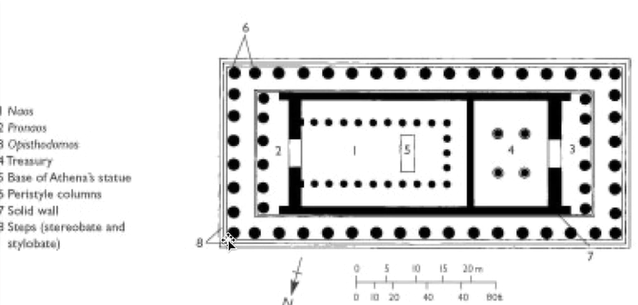
Label the Plan of the Parthenon
naos
pronoas
opisthodomos
treasury
base of athenas statue
peristyle columns
solid wall
steps (stereobate and stylobate)
Name the order of the Period during this time
Archaic Period
Early Classical
Classical
Late Classical
Hellenistic
Early Greeks
Small number of people
Constant warfare
new people bring iron age technology
Polis or city states develop each with a economic structure with political and foreign affairs
Progression of the city-state
900-700 BC - aristocratic councils, homer’s iliad and odyssey are written, olympian games every 4 years
700-500 BC - dictatorial rulers who were more military, athens and corinth emerge as city states
700 BC - new form of writing
600 BC- Athens, Democracy, people share in rights of responsibilities of state, male were citizens, slaves and women weren’t
510 BC - democracy developed, reduced dominance of aristocratic families, 50 representatives to 500 member council
Greek Economy
Trade was main form of economic growth
exports like olive oil, pottery, and metal wares
imports like grain, textiles, precious metals, and wood
trade contacts with asia and africa and cycladic islands
Religion
1000 BC - worshipped female goddesses, outsiders brought male gods and this formed greek pantheon
creation of world is viewed as a battle between earth gods and sky gods
sky gods won and formed mt olympus
greek gods were immortal and had supernatural powers but had emotions and personalities
Zeus and Hera
Father and mother - most important
apollo
sun god
poseidon
sea god
ares
god of war
aphrodite
goddess of love
artemis
goddess of hunting and moon
athena
goddess of wisdom, victory, purity and weaving, protector of athens
gods and goddess
they had sanctuaries, where they showed favor to human worshippers
sanctuaries had natural elements like trees, rocks and springs
Greek gods communicate through oracles
greeks sought advice on military
Greek view of death
grief and sadness, anguish, the unknown, humans enter a place of mystery and obscurity which is not easily defined
archaic period
archaic smiles
sculpture in the round but frontal poses
nudity
wide shoulders and thin waist, left leg forward
stylized braids in hair
clenched fists and rigid bodies, muscles or curves
marble and encaustic (beeswax mixed with pigment)
Early classical period
contraposto with right knee bent, angled hips, stylized hair
expression-less
proportions are realistic
nudity, muscles, tensions between rigid and relaxed
marble and cast bronze
connected to post for balance, more fully in the round
negative space and shadows
6 heads tall
Classical Period
wet transparent drapery, gravity of cloth, smooth surface
graceful, movement, peaceful feeling
contraposto
elgin marbles into pediment of parthenon for optical illusion of balance and stability
idealism of poses and organic form, without facial expression or personality
late classical period
dreamy expression
heavier and fuller bodies
7 heads tall and females are nude
contraposto, s curve, negative space between figure and objects
support bases
hellenistic period
spread of foreign influence because of alexander the great
cross fertilization of culture
introspection on faces, melodrama and emotion, pathos and complex poses
contorted, motion in space, clinging draperies and undercutting
shadow and light reflections, contained energy
violent and bulging muscles and veins