Grammar MC IV - Fixed
0.0(0)
Studied by 0 people Call Kai
 Learn
Learn Practice Test
 Spaced Repetition
 Match
Match Flashcards
 Knowt Play
Card Sorting
1/77

There's no tags or description
Looks like no tags are added yet.
Last updated 11:43 AM on 6/3/26
Name | Mastery | Learn | Test | Matching | Spaced | Call with Kai |
|---|
No analytics yet
Send a link to your students to track their progress
78 Terms
1
New cards
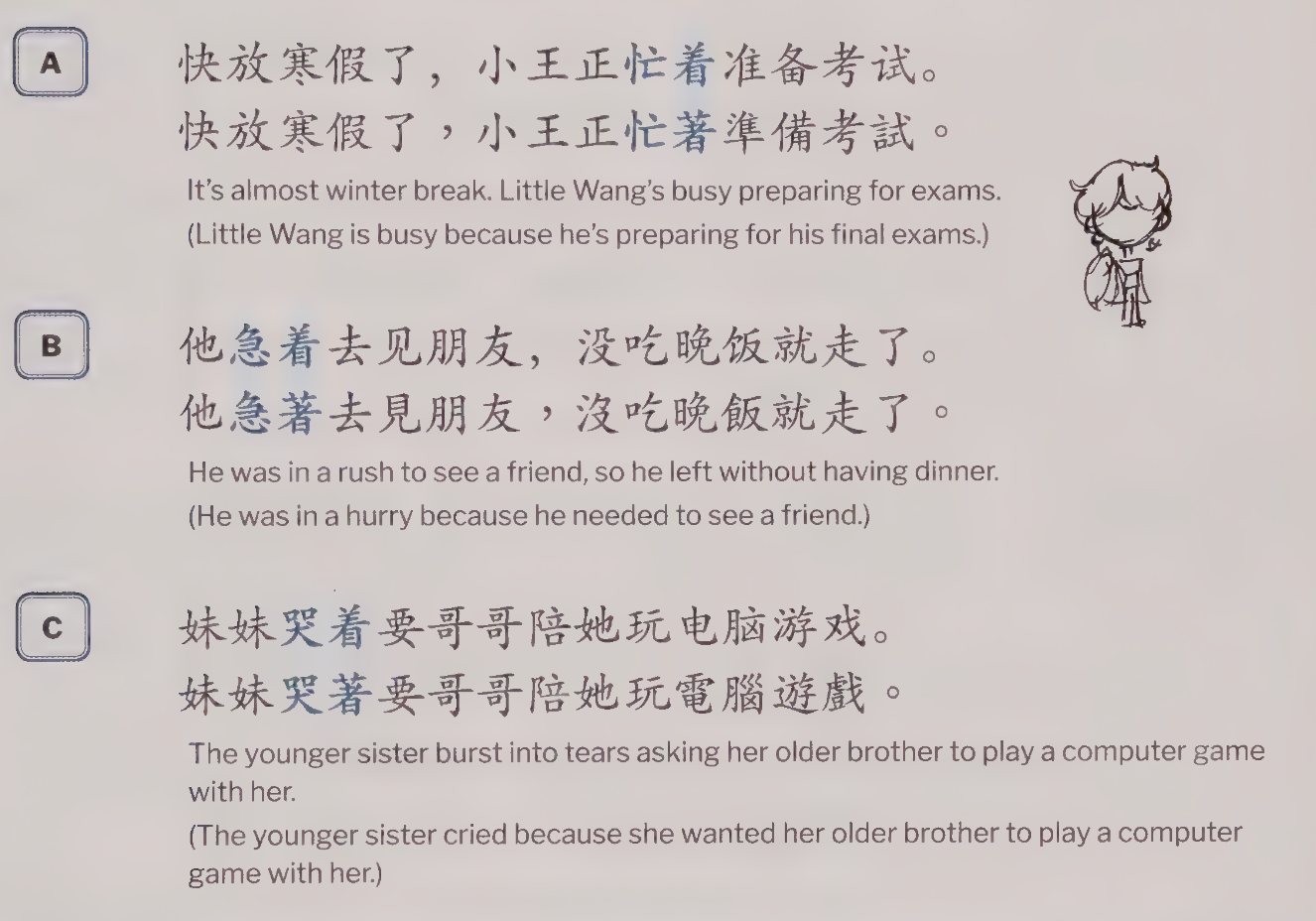
reason for the first action/state
Adjective/verb + 着 + Verb: In this structure, the second verb PHRASE indicates the reason for the first one. p13
2
New cards
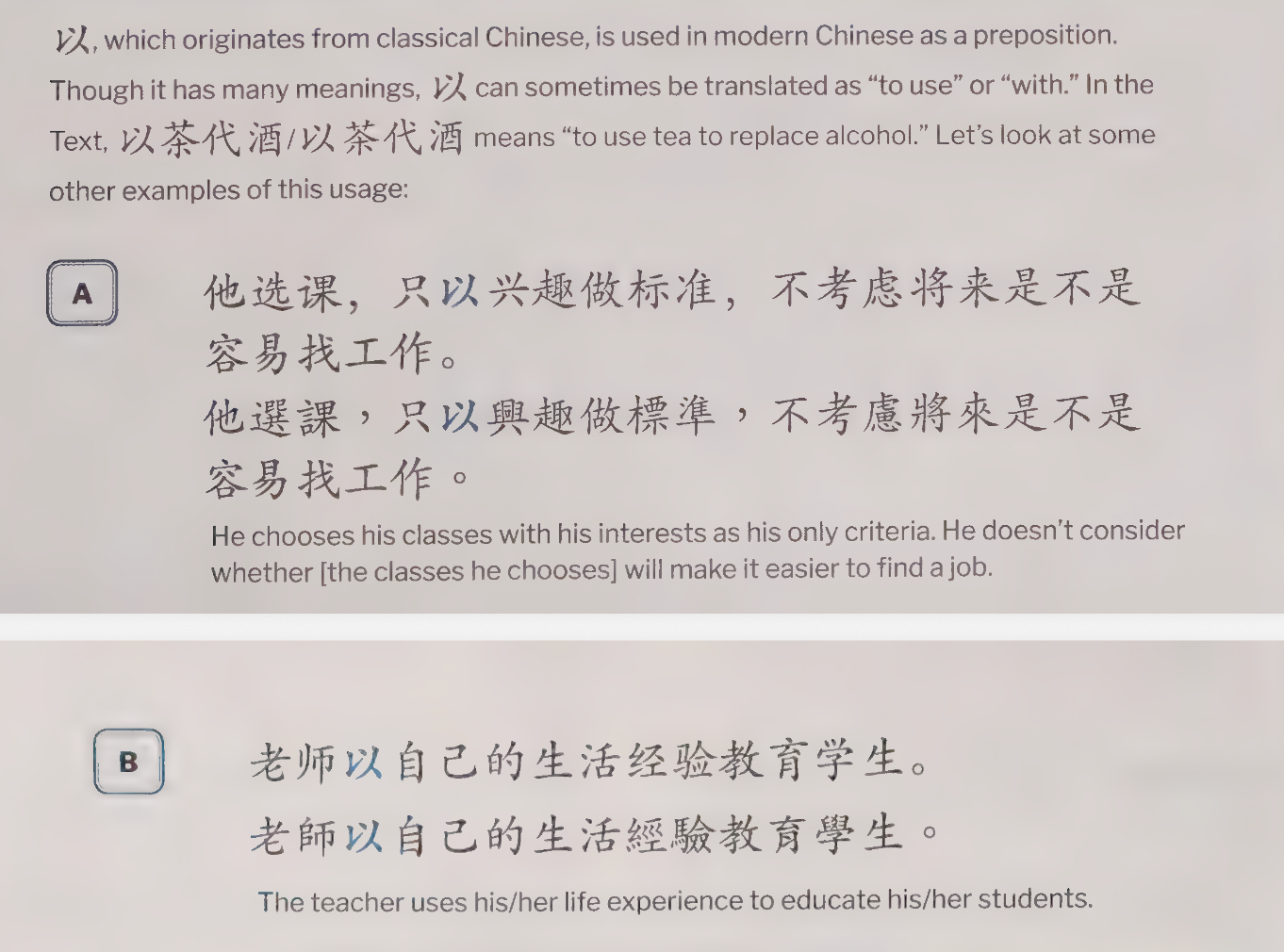
to use / with
Preposition 以: 以 can sometimes be translated as “to use” or “with”. p13
3
New cards
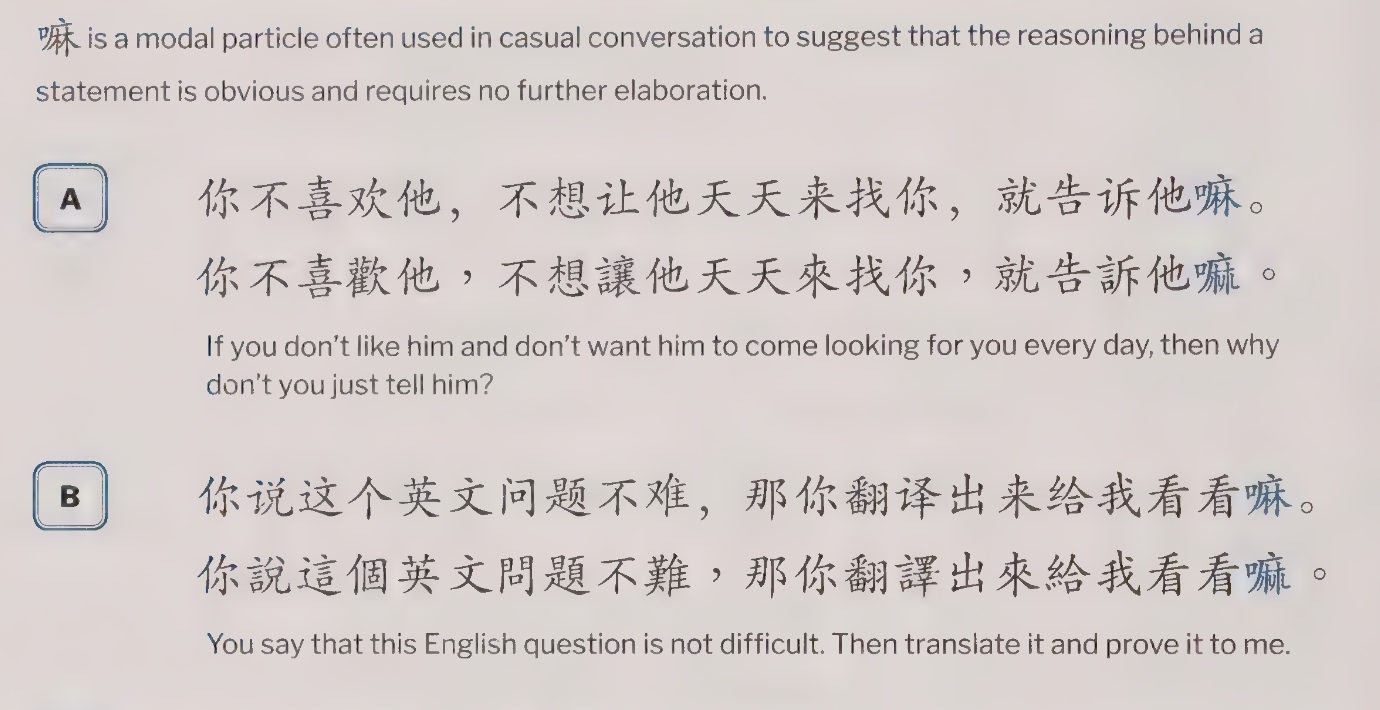
casual modal particle
Particle 啦: is a modal particle often used in casual conversation to suggest that the reasoning behind a statement is obvious and requires no further elaboration.
4
New cards
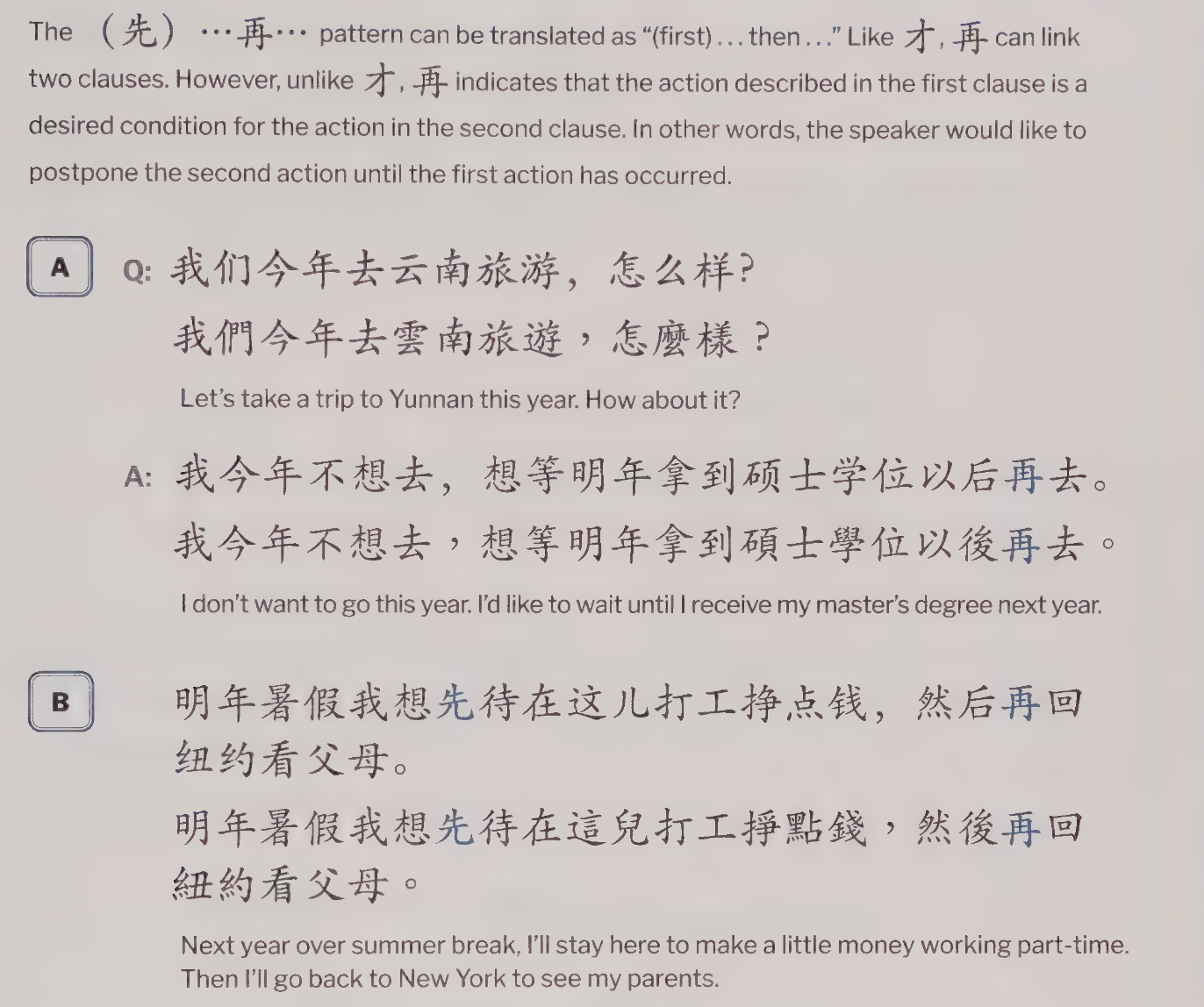
first… then…
先…再…: 再 indicates that the speaker would prefer to first finish the first clause for the second to begin. 先 is not always needed.
5
New cards
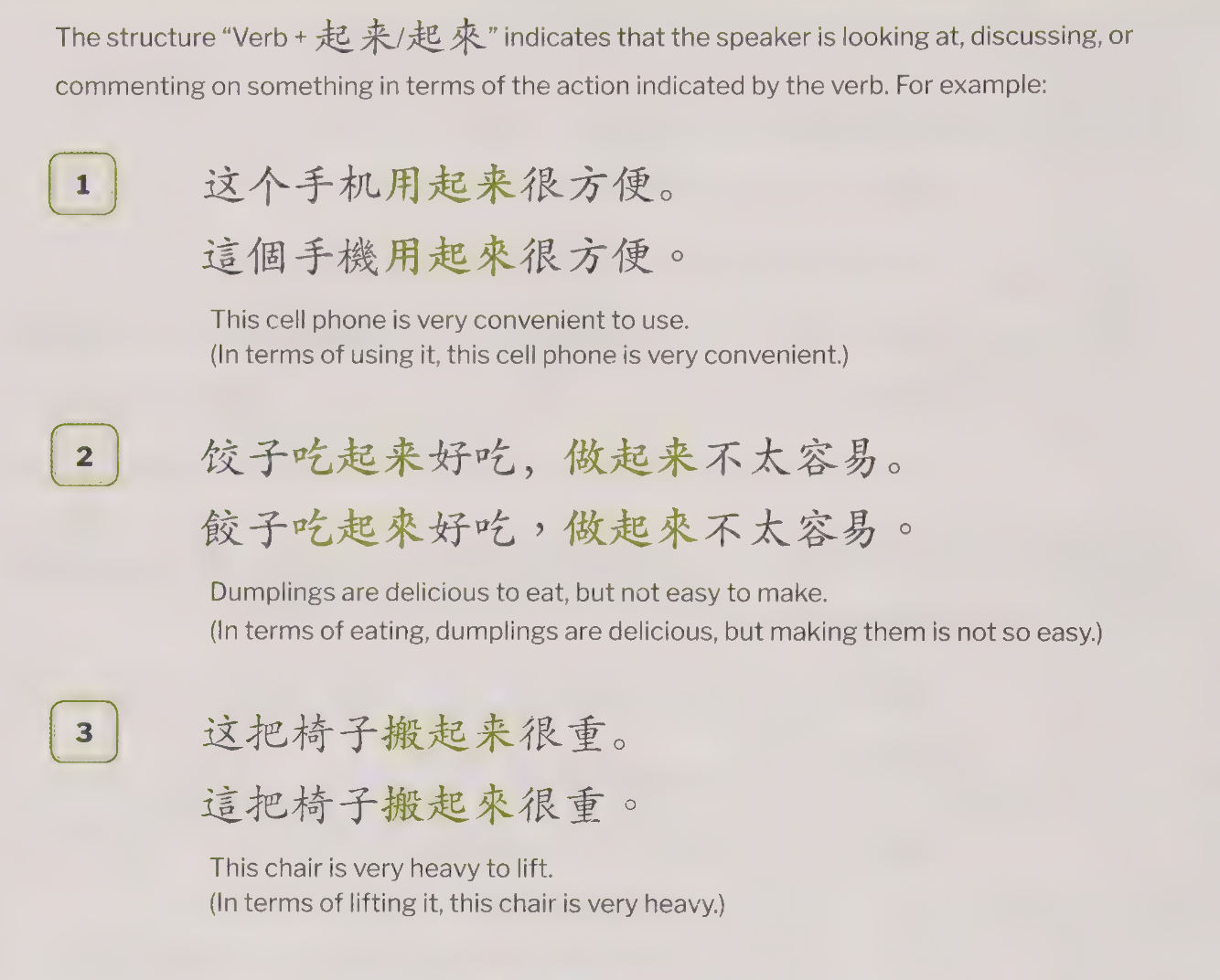
looking at / discussing / commenting in terms of the verb
Verb + 起来: The structure indicates that the speaker is looking at, discussing or commenting on something in terms of the action indicated by the verb.
6
New cards
three bedrooms, a living room, a dining room and two bathrooms
三室两厅两卫: three bedrooms, a living, a dining room and two bathrooms. 三房两厅两卫: same thing.
7
New cards
if this state persists
这样下去: “If this state persists…”
8
New cards
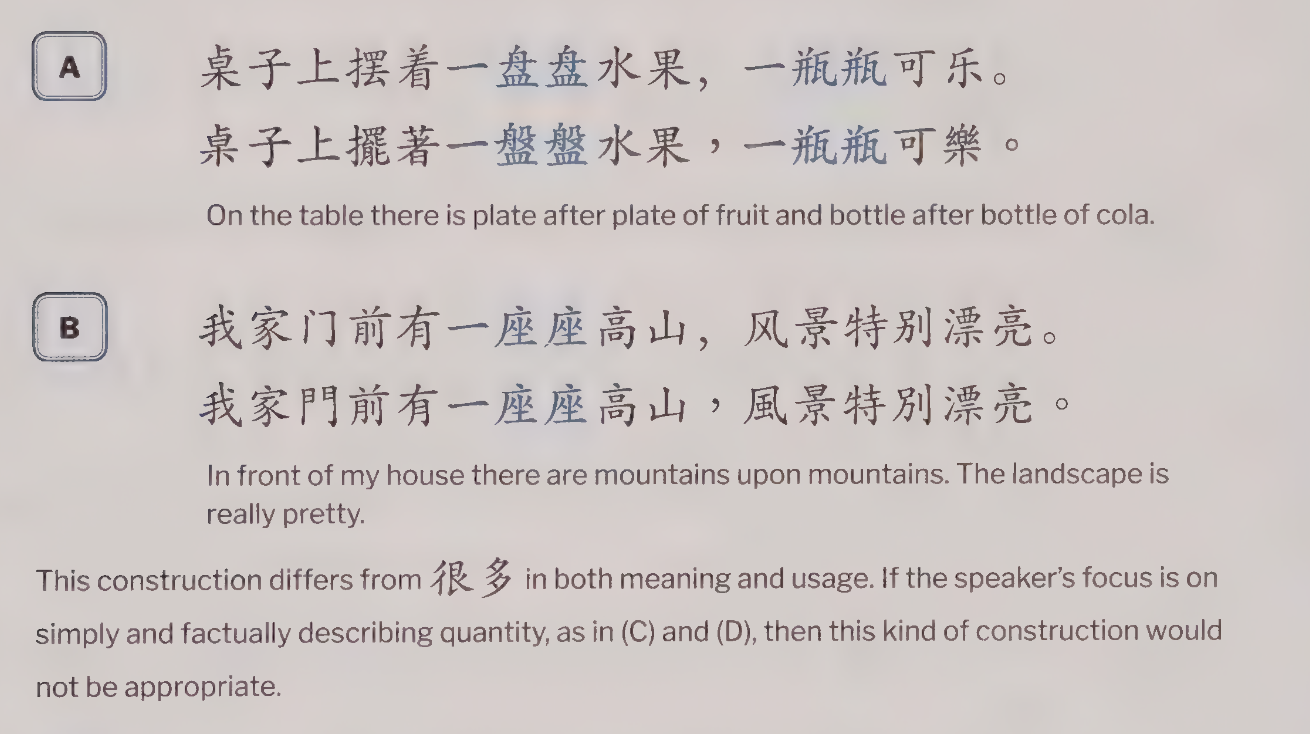
a large grouping of identical or similar individual objects
一 + reduplicated measure word: is used to describe a large grouping of identical or similar yet individual objects.
9
New cards
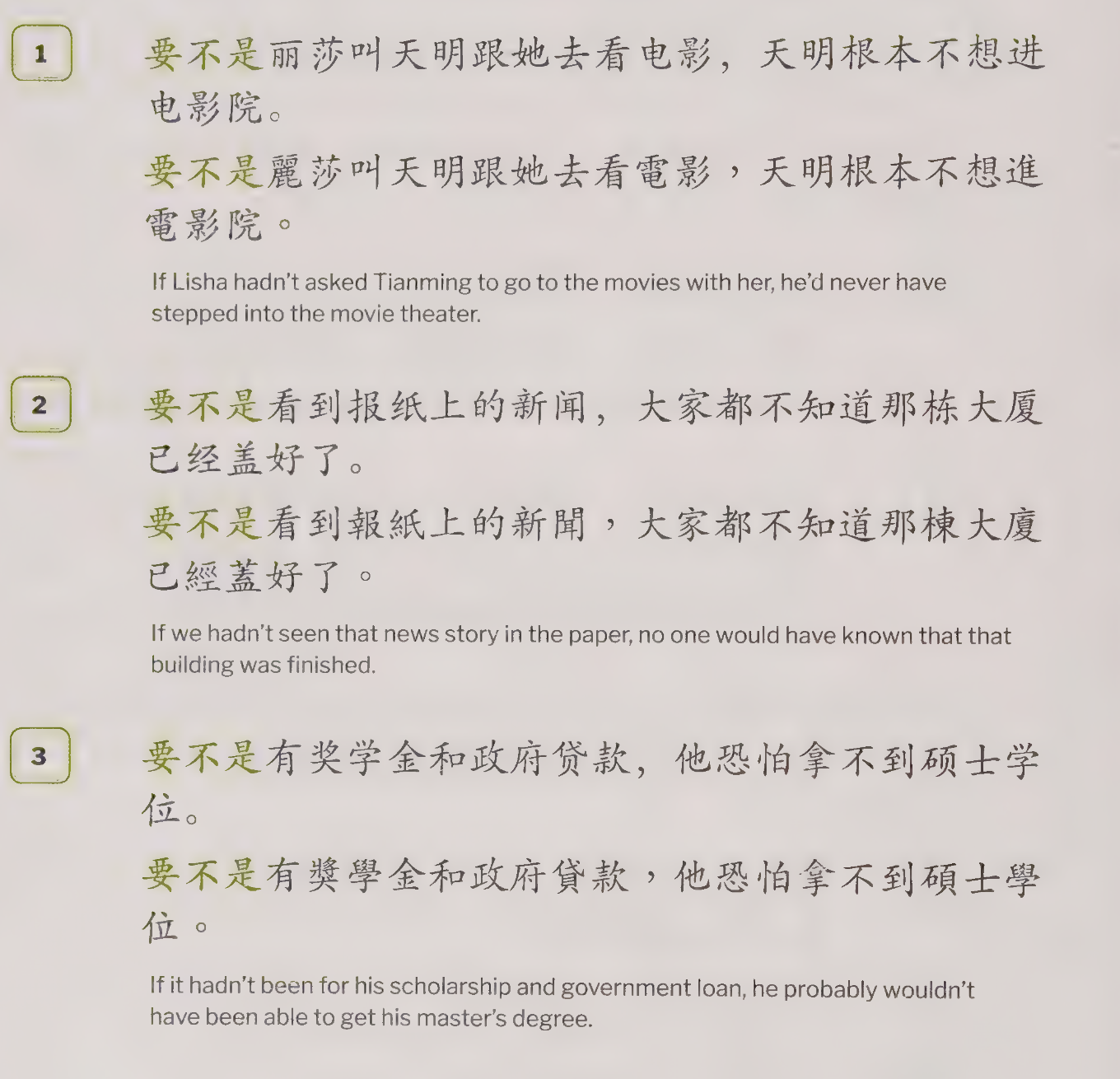
if it were not for / but for
要不是: if it were not for, but for.
10
New cards
from past till present
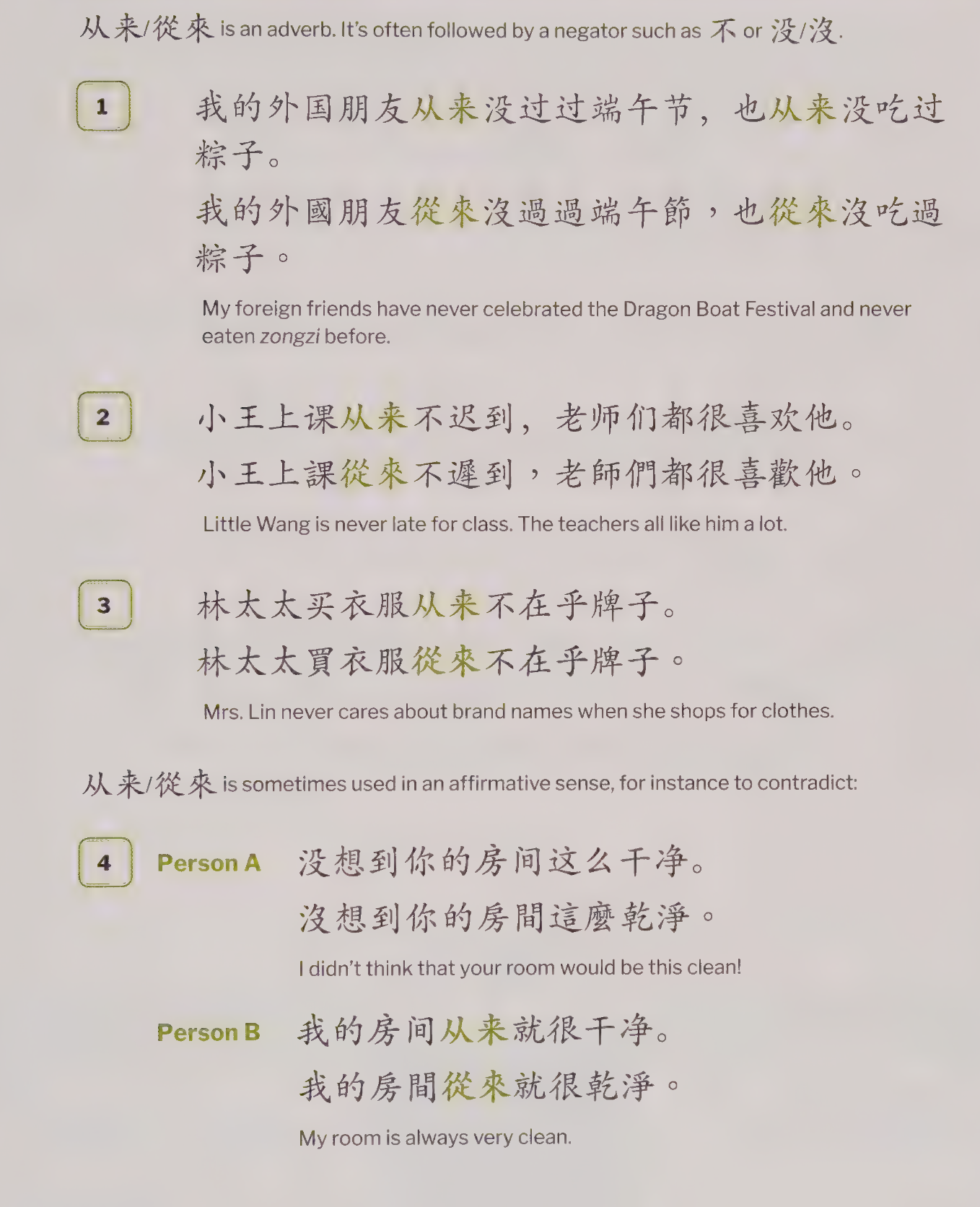
从来: From past till present, often followed by a negator like 不 or 没. Sometimes used in an affirmative sense, for instance to contradict.
11
New cards
it appears
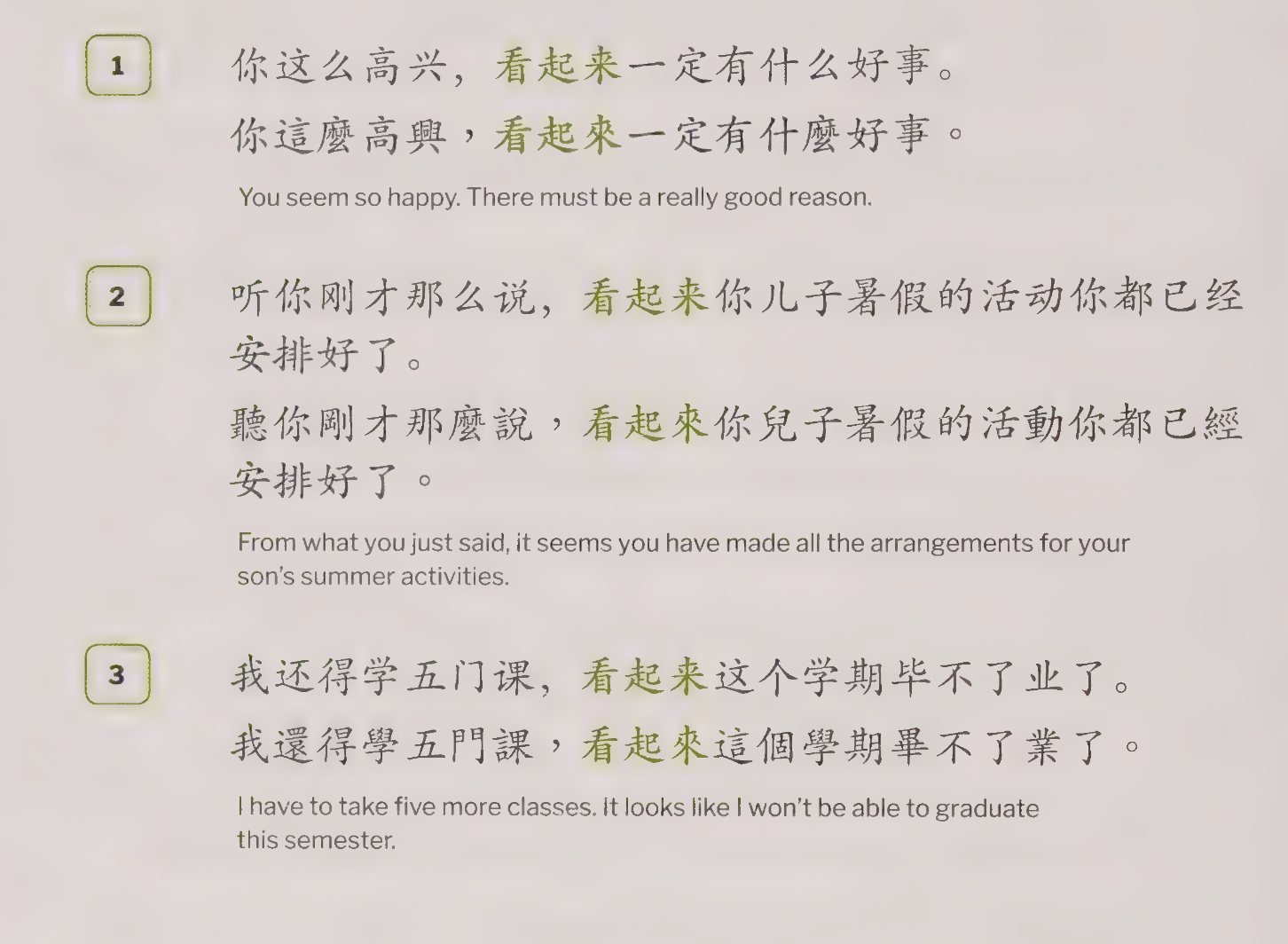
看起来: it appears. Introduces a conclusion or opinion based on a previously stated fact or previously described situation.
12
New cards
as much as possible
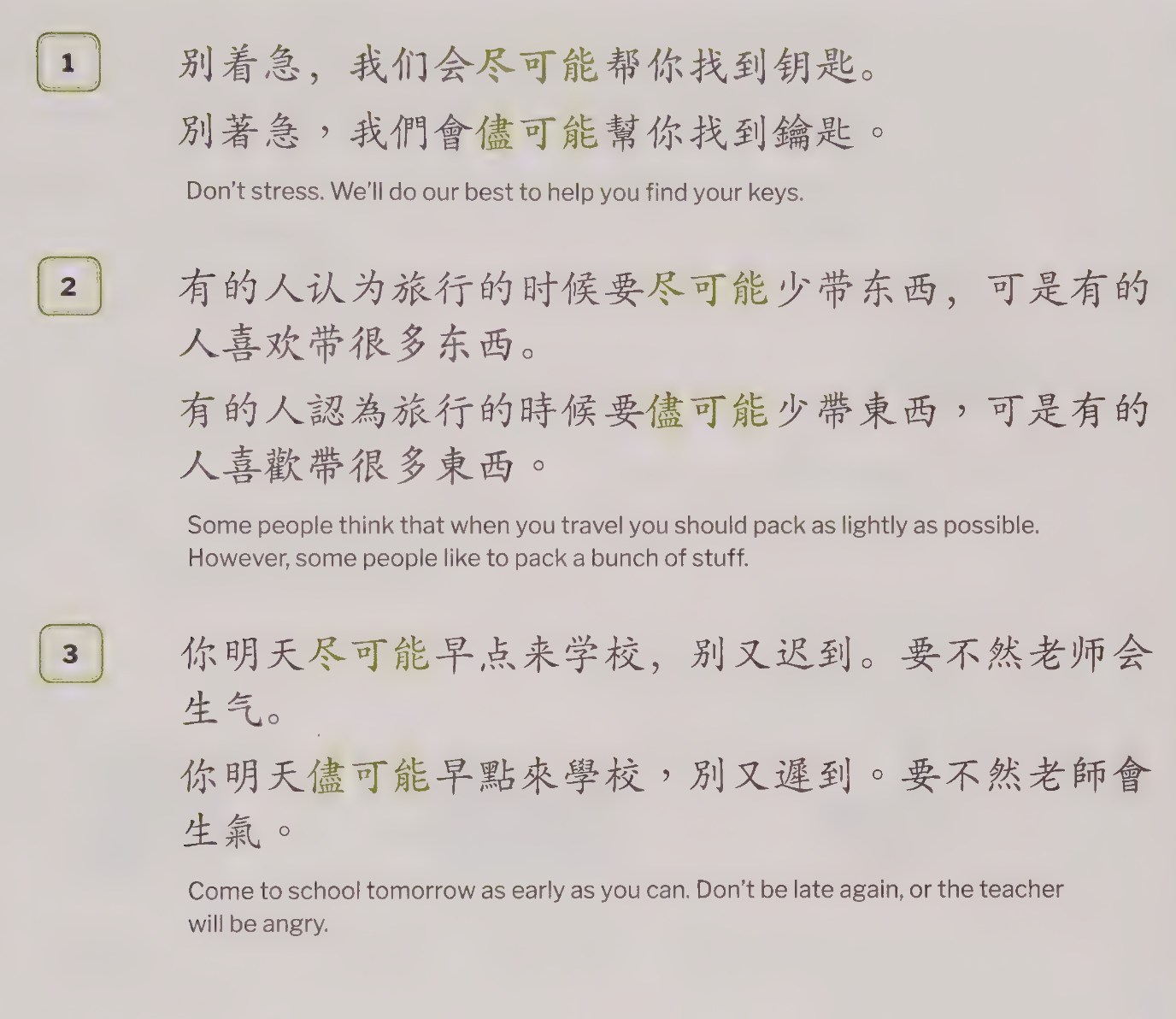
尽可能: as much as possible. Before a modal verb: 会, 要, …
13
New cards
multiple attributives before a noun
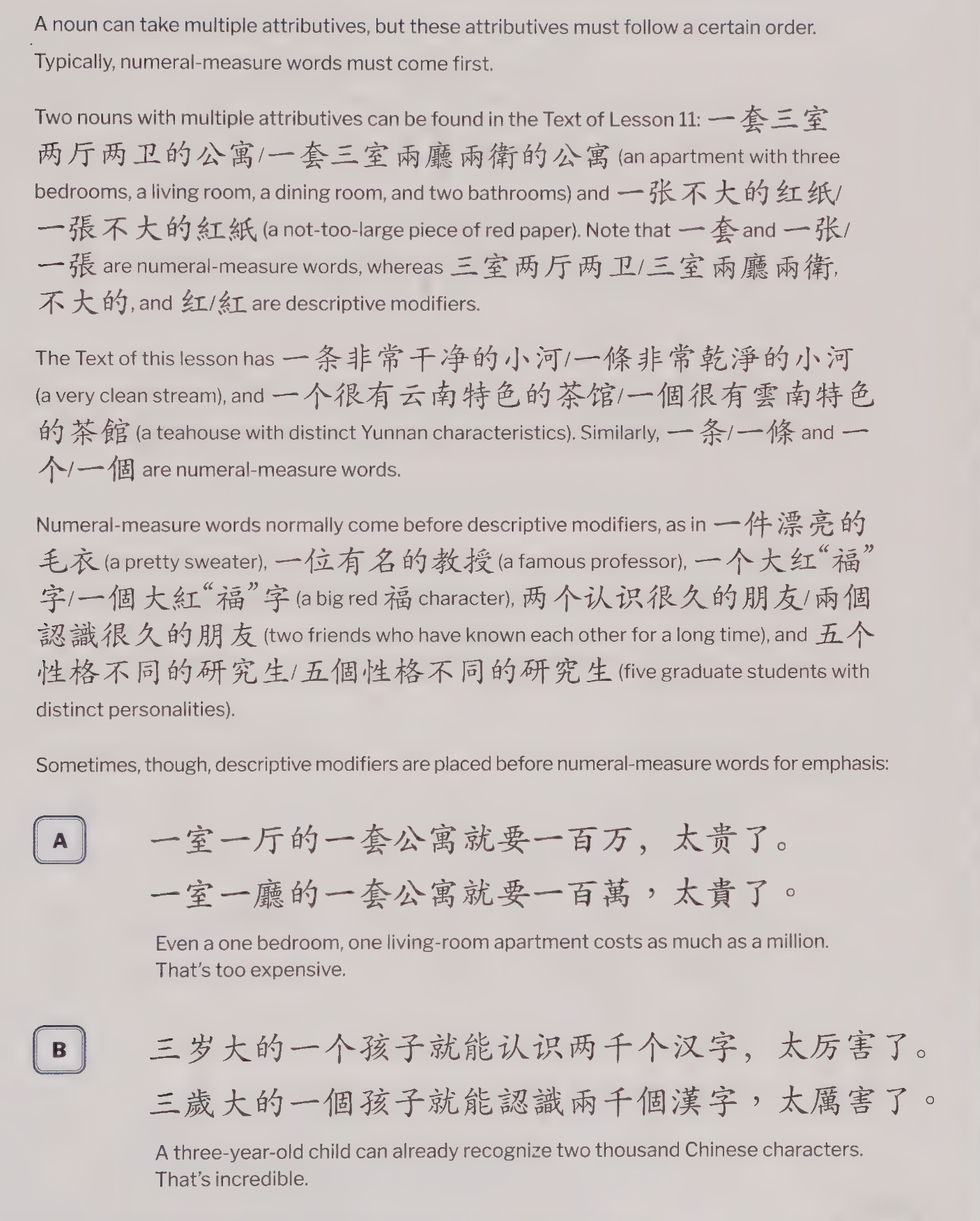
Nouns with multiple attributives: a noun can take multiple attributes.
14
New cards
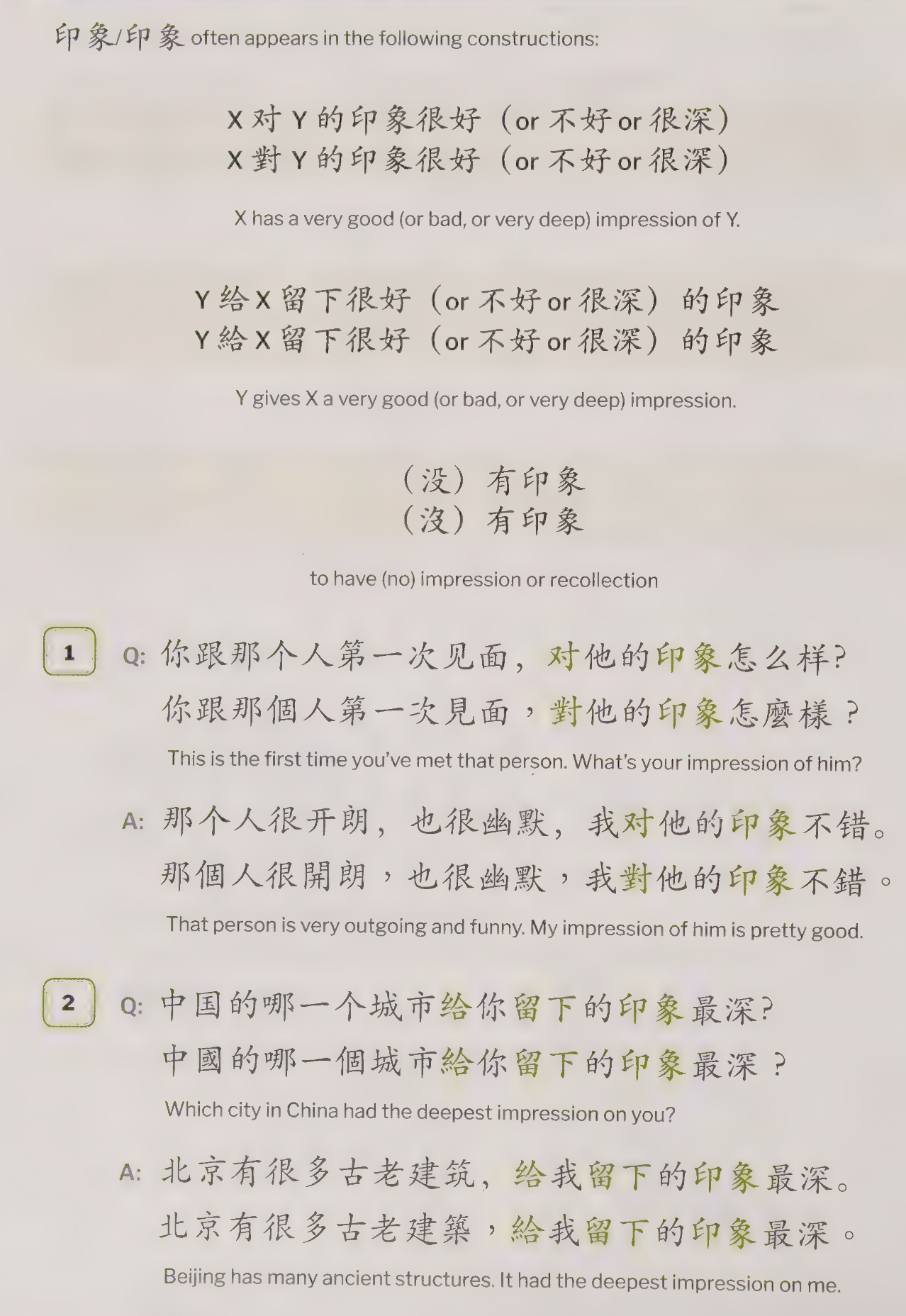
impression
印象:
15
New cards
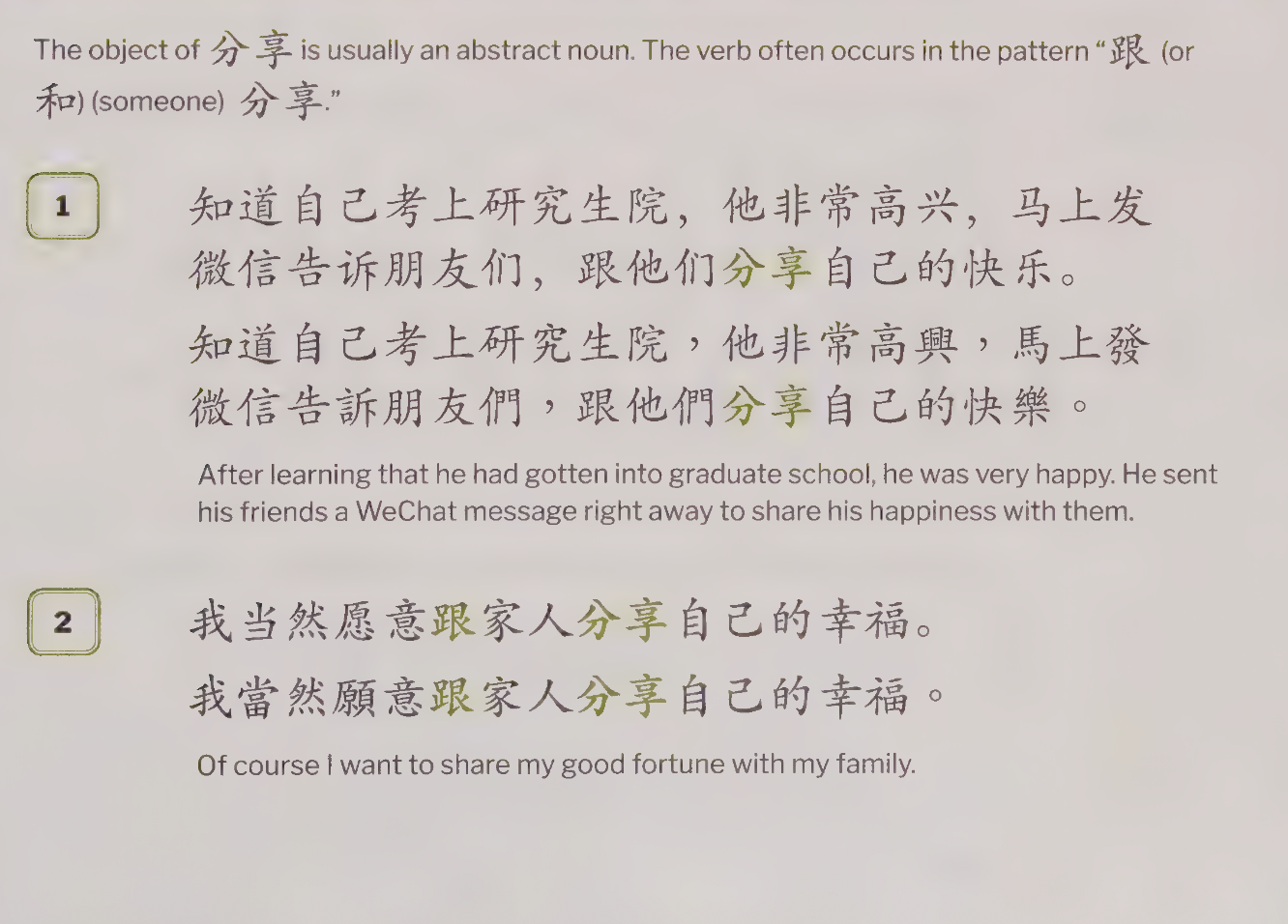
to share
分享: the object of 分享 is usually an abstract noun. The verb often occurs in the pattern “跟 or 和 person 分享“.
16
New cards
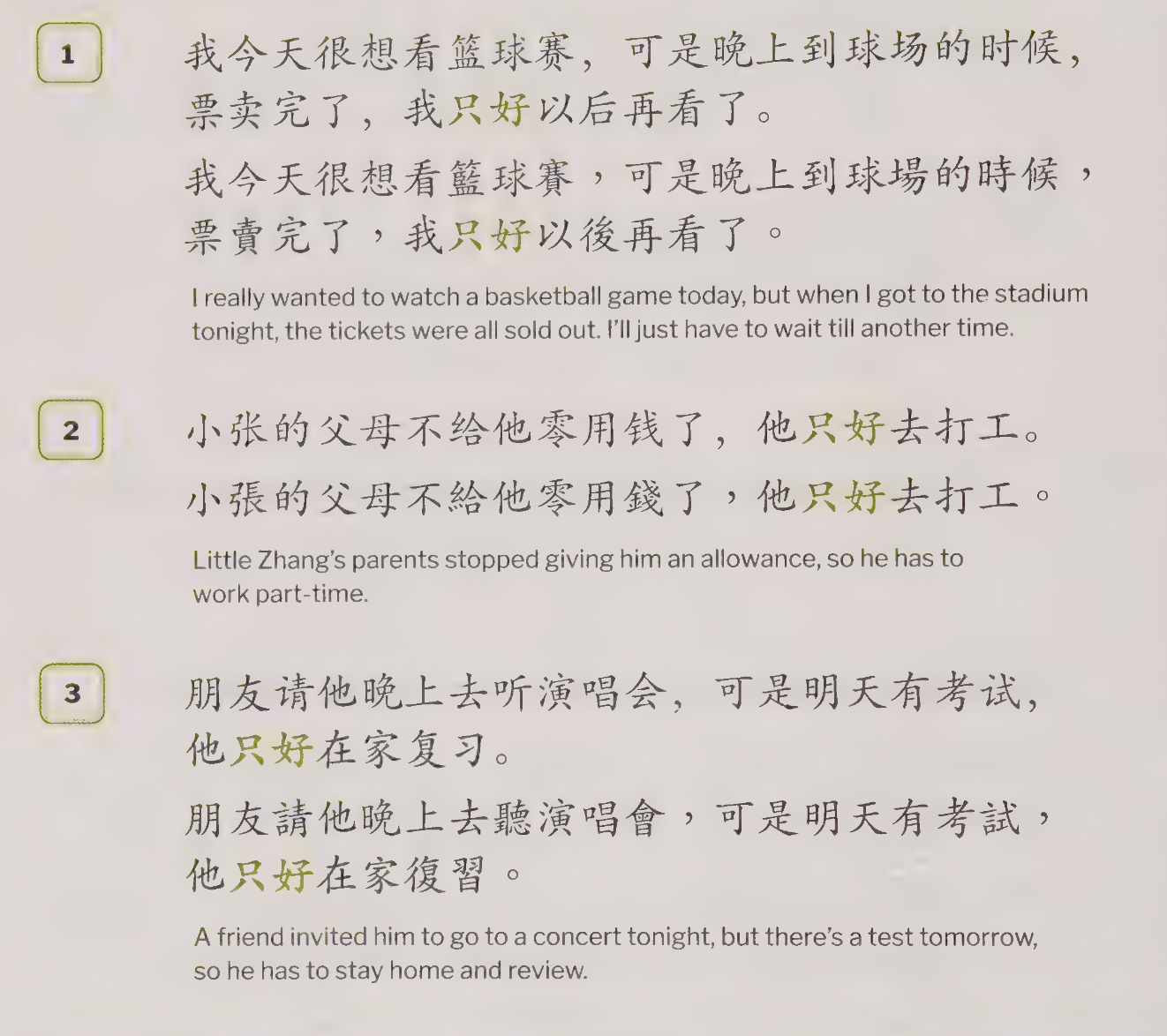
no choice but
只好: no choice but.
17
New cards
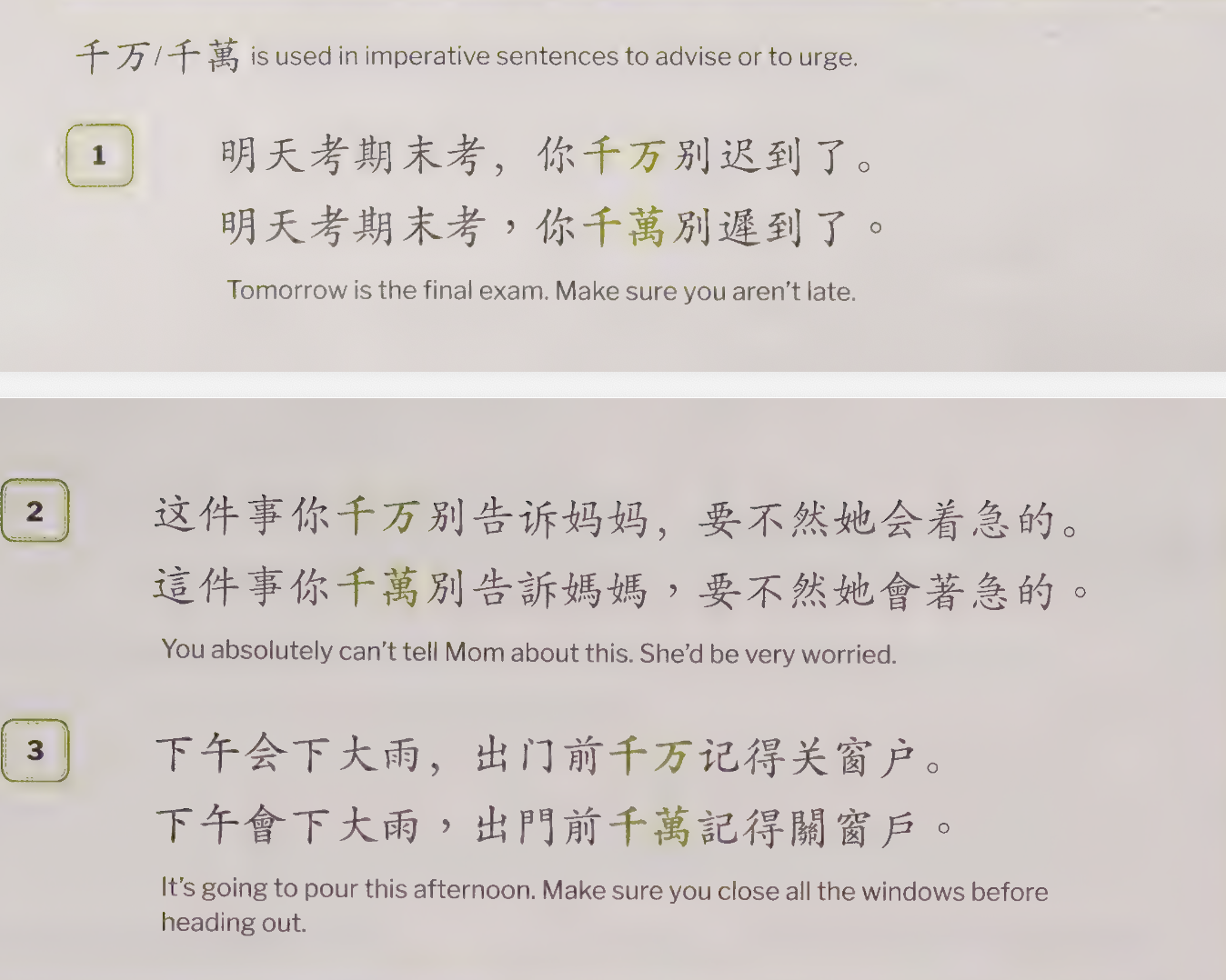
by all means / absolutely must
千万: By all means, absolutely must. Is used in imperative sentences to advise or to urge. Often in the negation.
18
New cards
however / only / no more than
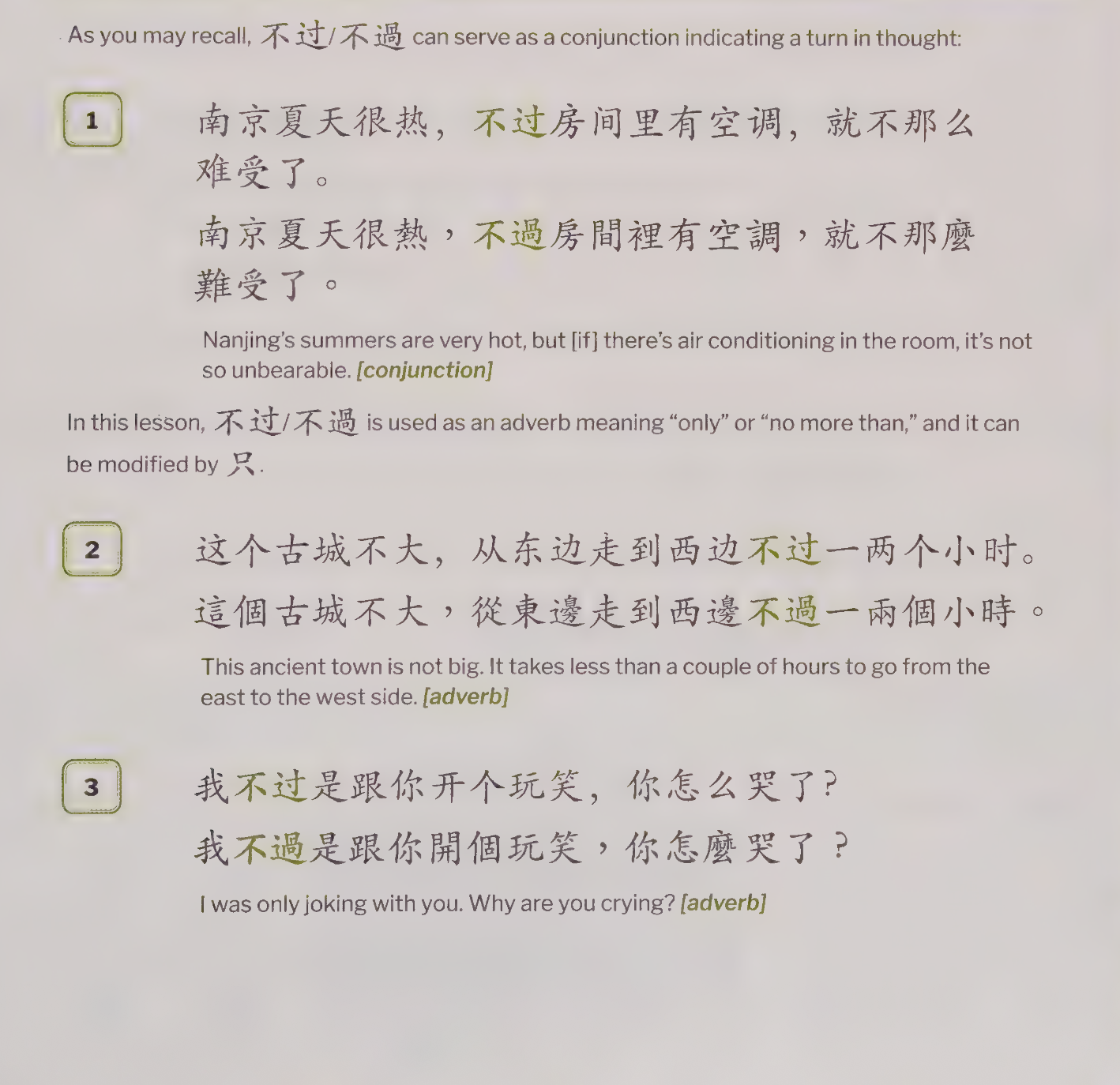
不过 II: Can serve as a conjunction but can also be an adverb. Only, no more than.
19
New cards
to stay up late for work or study
开夜车: to stay up late for work or study.
20
New cards
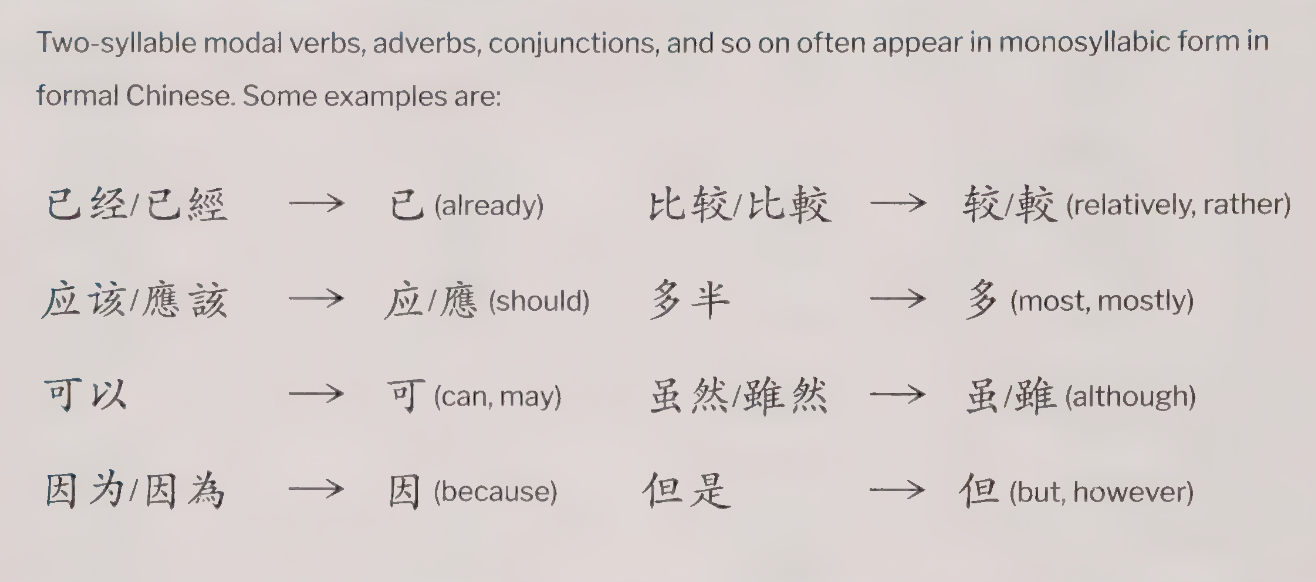
monosyllabic forms of disyllabic words
Monosyllabic forms of disyllabic words:
21
New cards
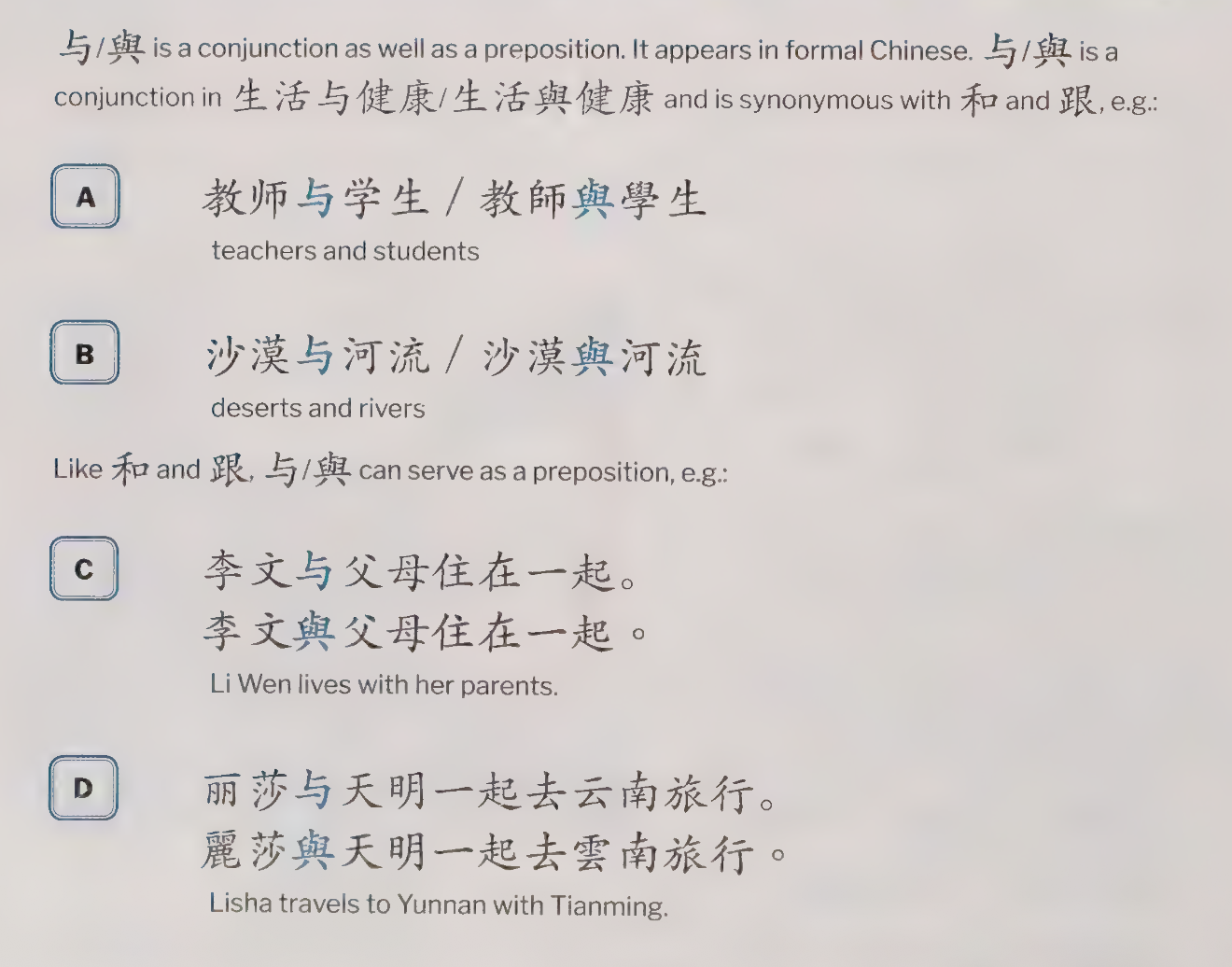
and / with
与: Conjunction and a CV. Synonymous with 和.
22
New cards
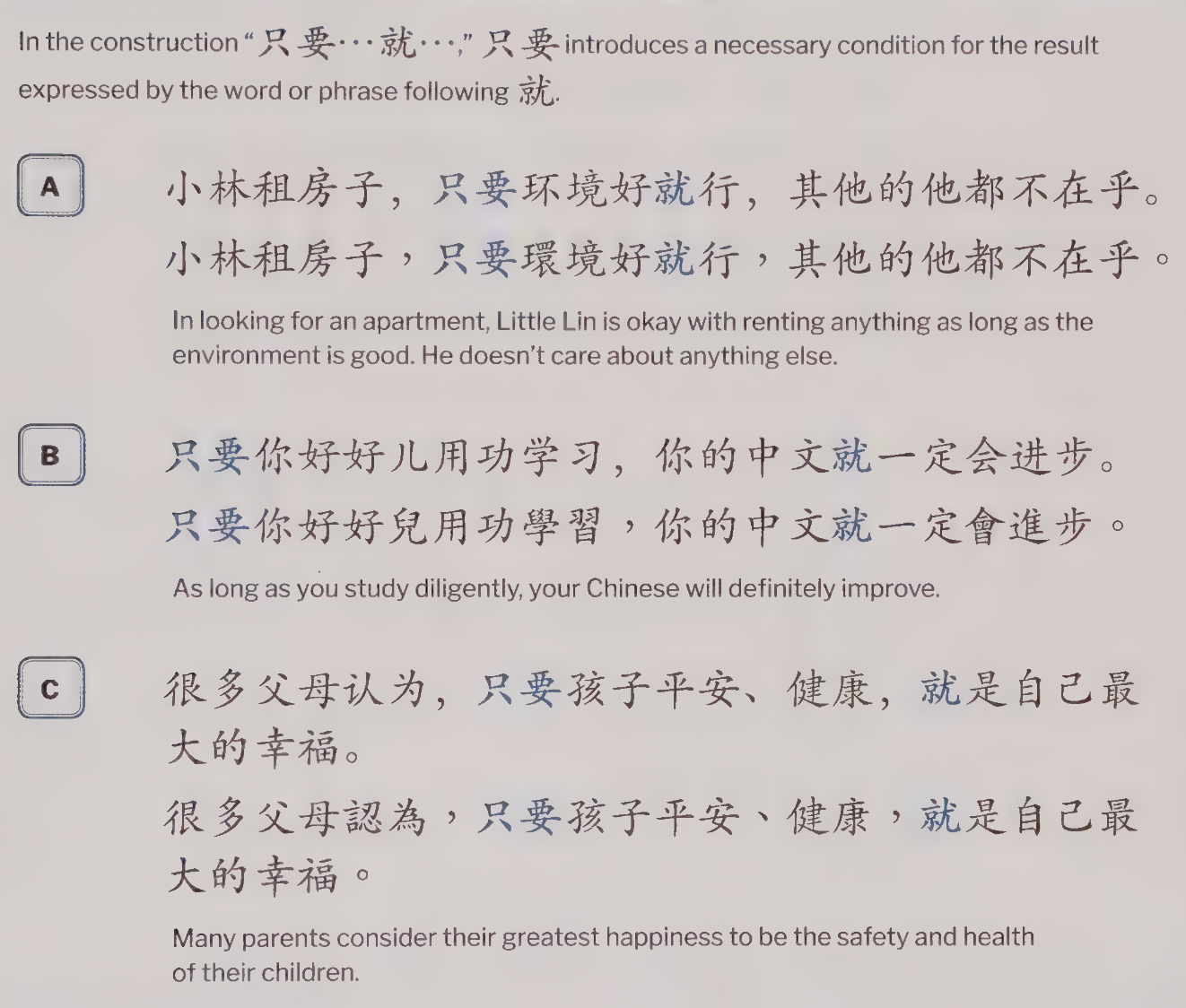
as long as… then…
只要…就…: Introduces a necessary condition for the result expressed by the word or phrase following 就.
23
New cards
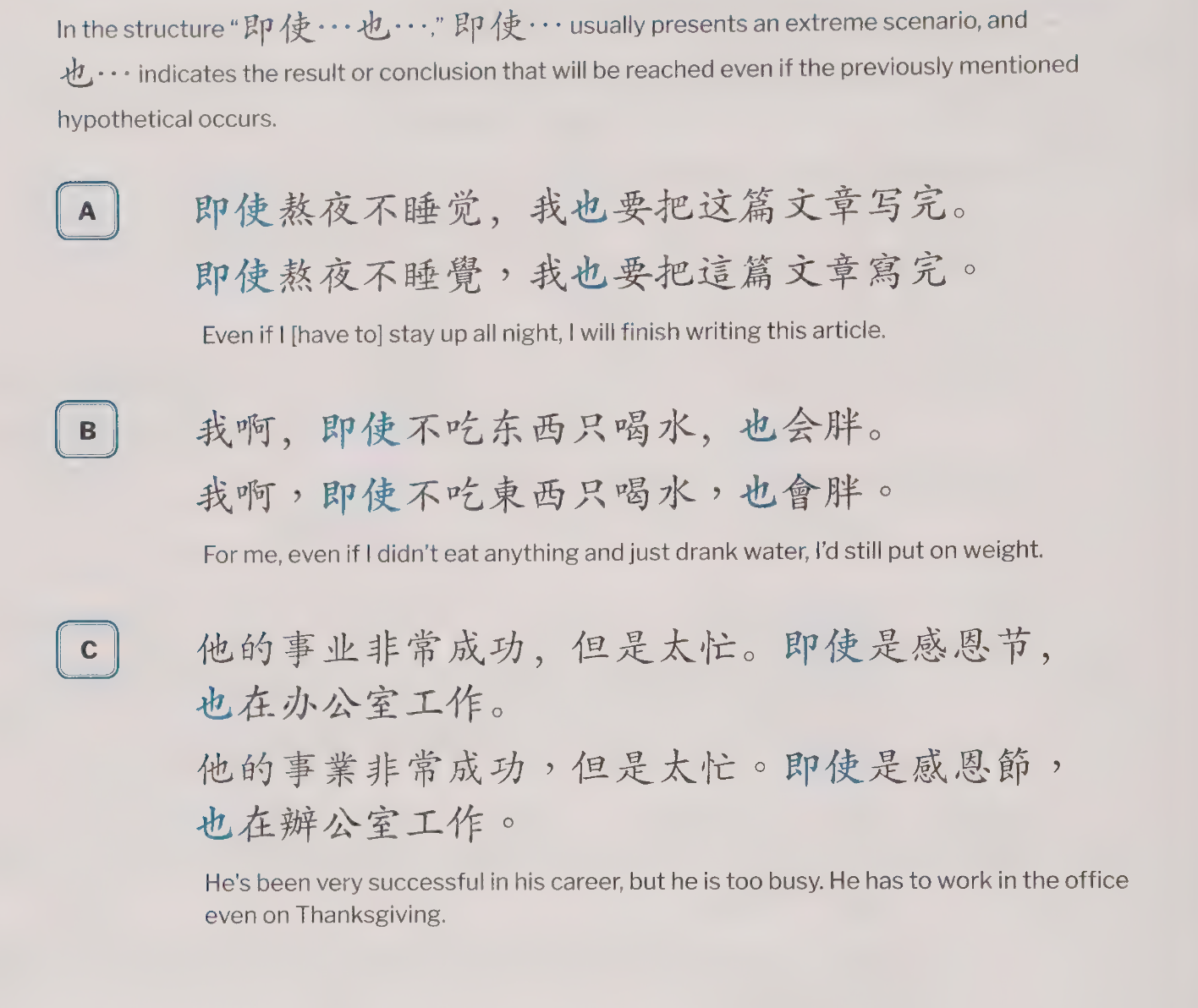
even if… still…
即使…也(会,要)…: even if… I still will. Usually presents an extreme scenario. Indicates the result or conclusion that will be reached even if the previously mentioned hypothetical occurs.
24
New cards
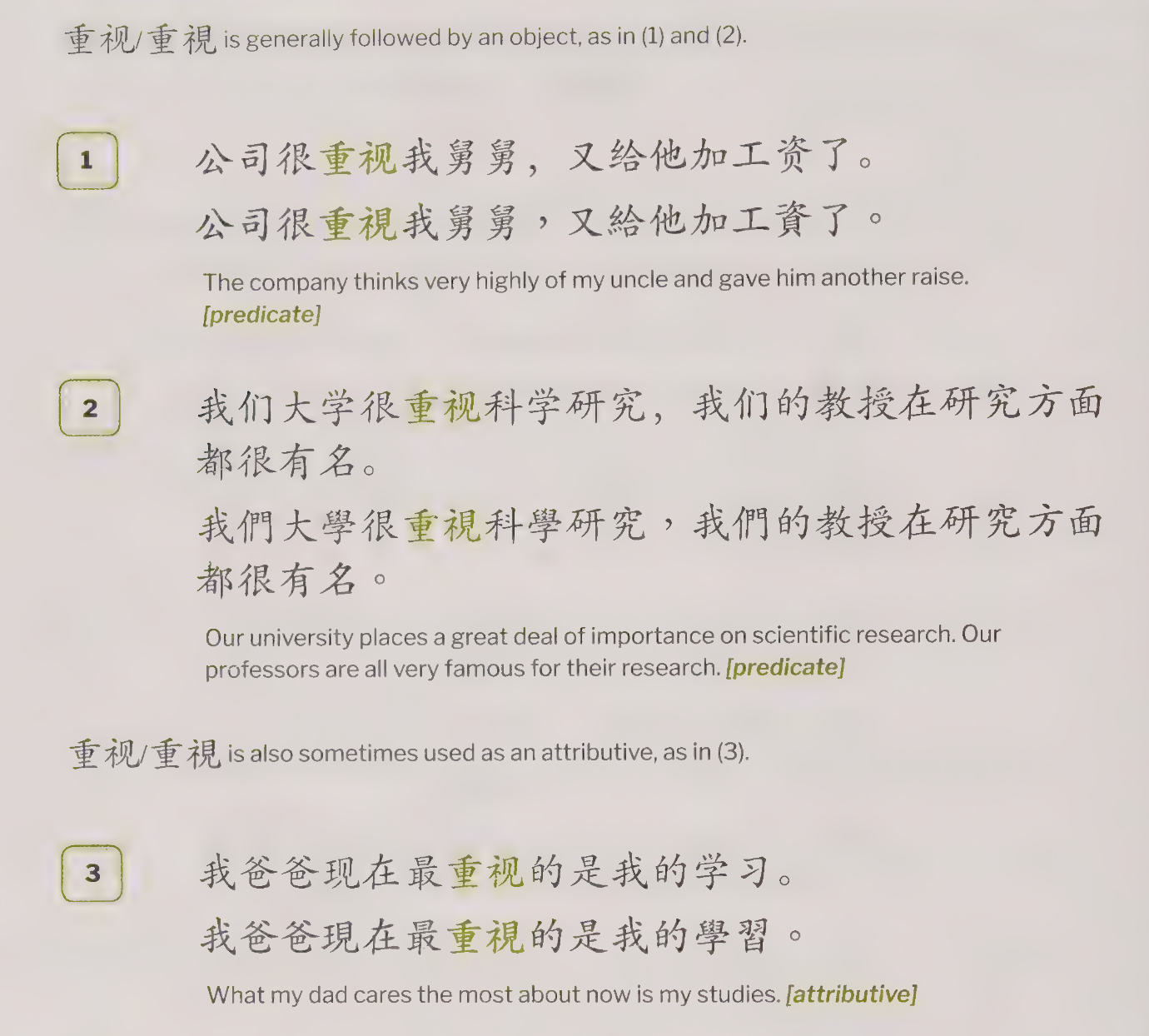
to attach importance to
重视:
25
New cards
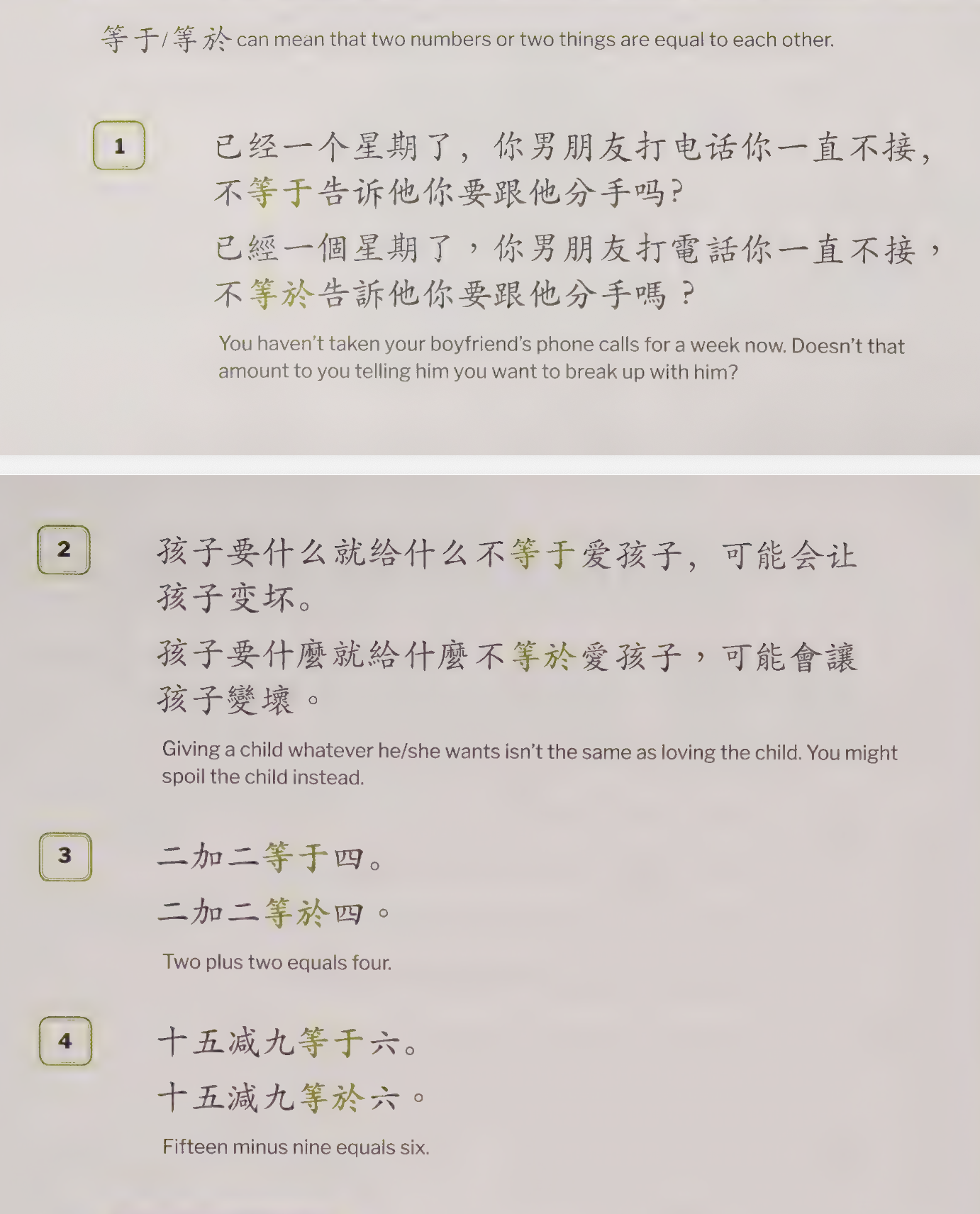
to equal
等于: Can mean two numbers or things are equal to each other.
26
New cards
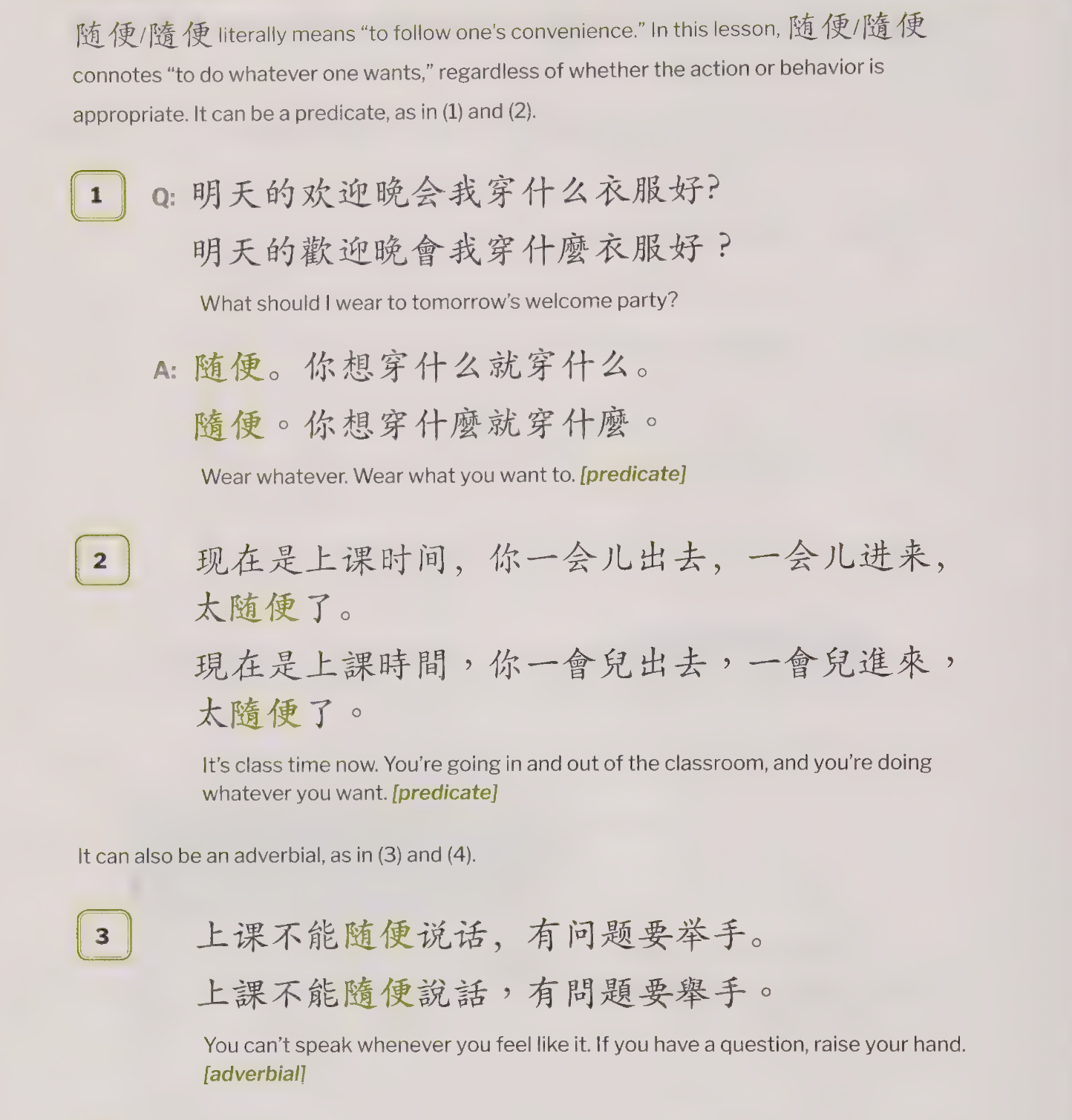
casually / freely / as one likes
随便:
27
New cards
one tenth
十分之一: one tenth.
28
New cards
used when discussing particulars
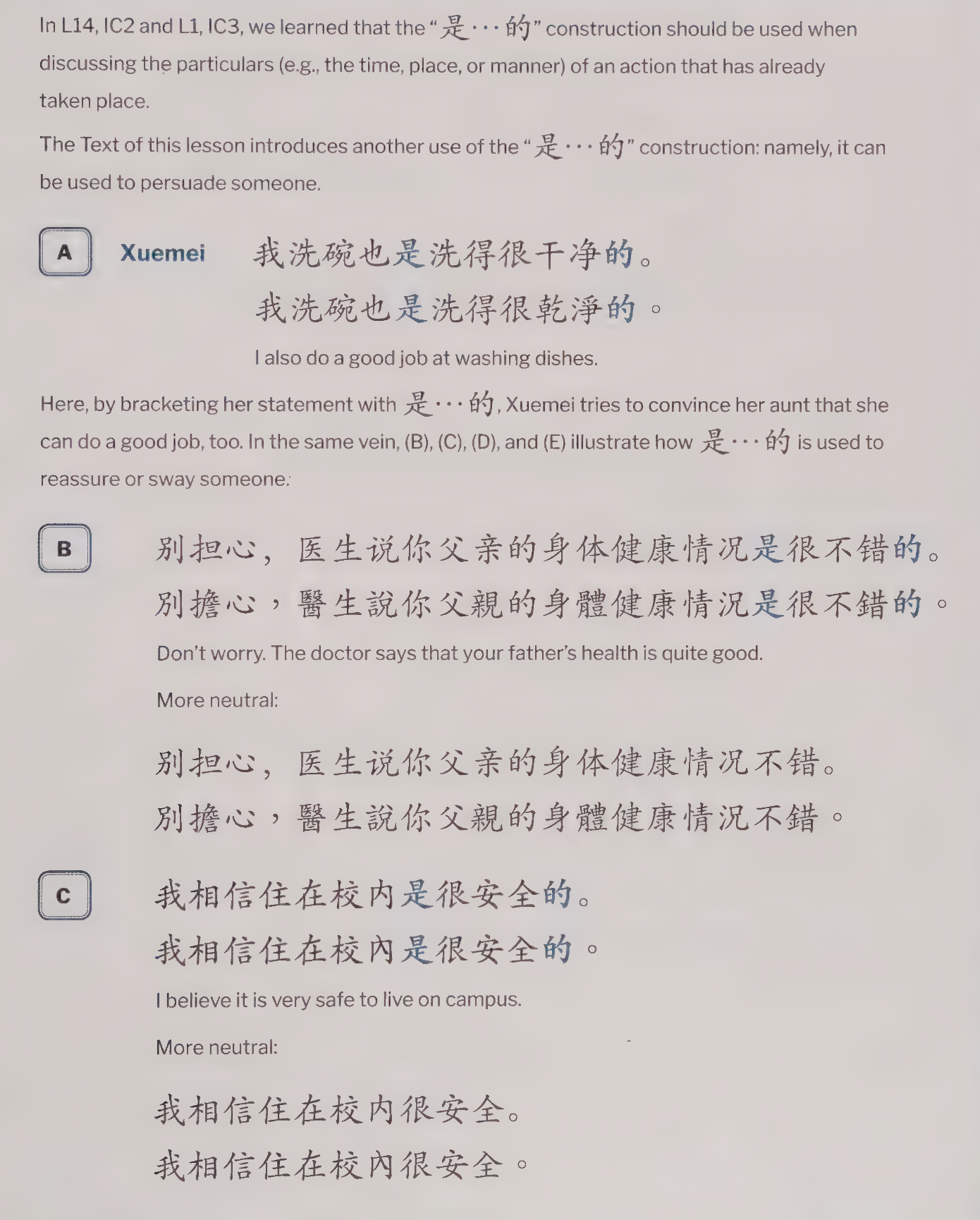
是的 III: should be used when discussing particulars: time, place, manner. But also another use: it can be used to persuade someone. KIJK ECHT WEL PAGINA 132.
29
New cards
return to a normal active state
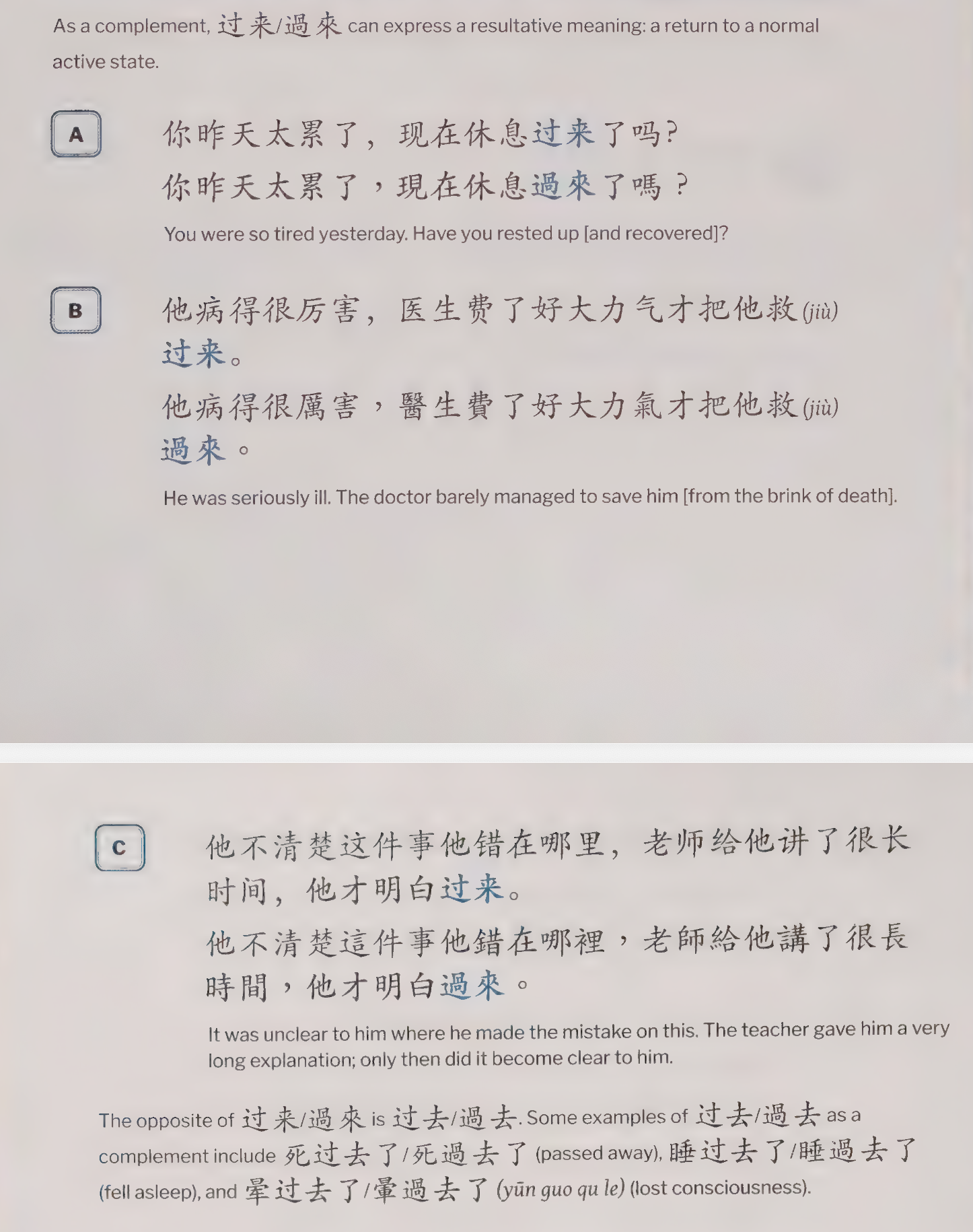
过来 as a complement: can express a resultative meaning. Return to a normal active state.
30
New cards
to improve / improvement
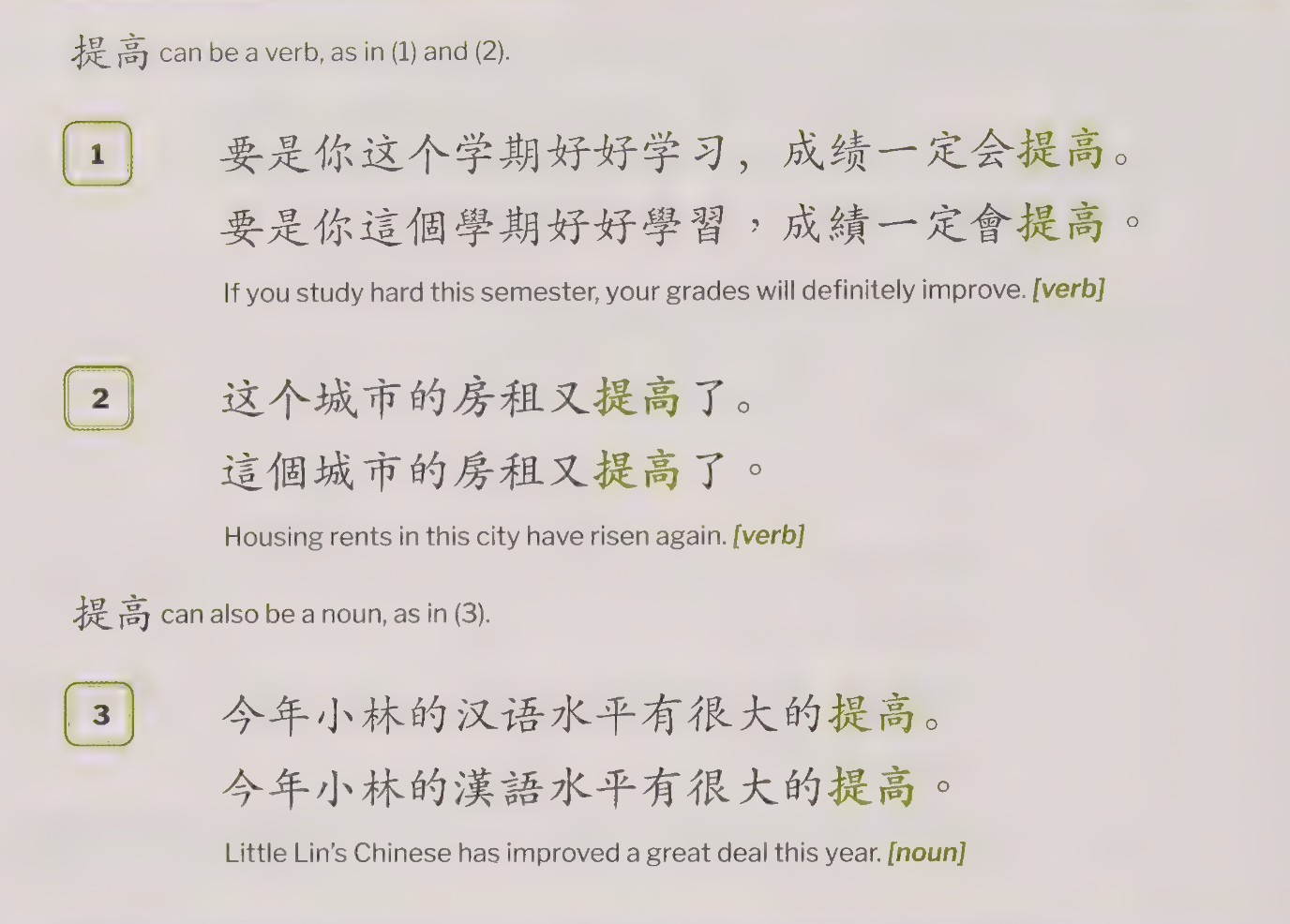
提高: can both be verb and noun.
31
New cards
since / from… till now
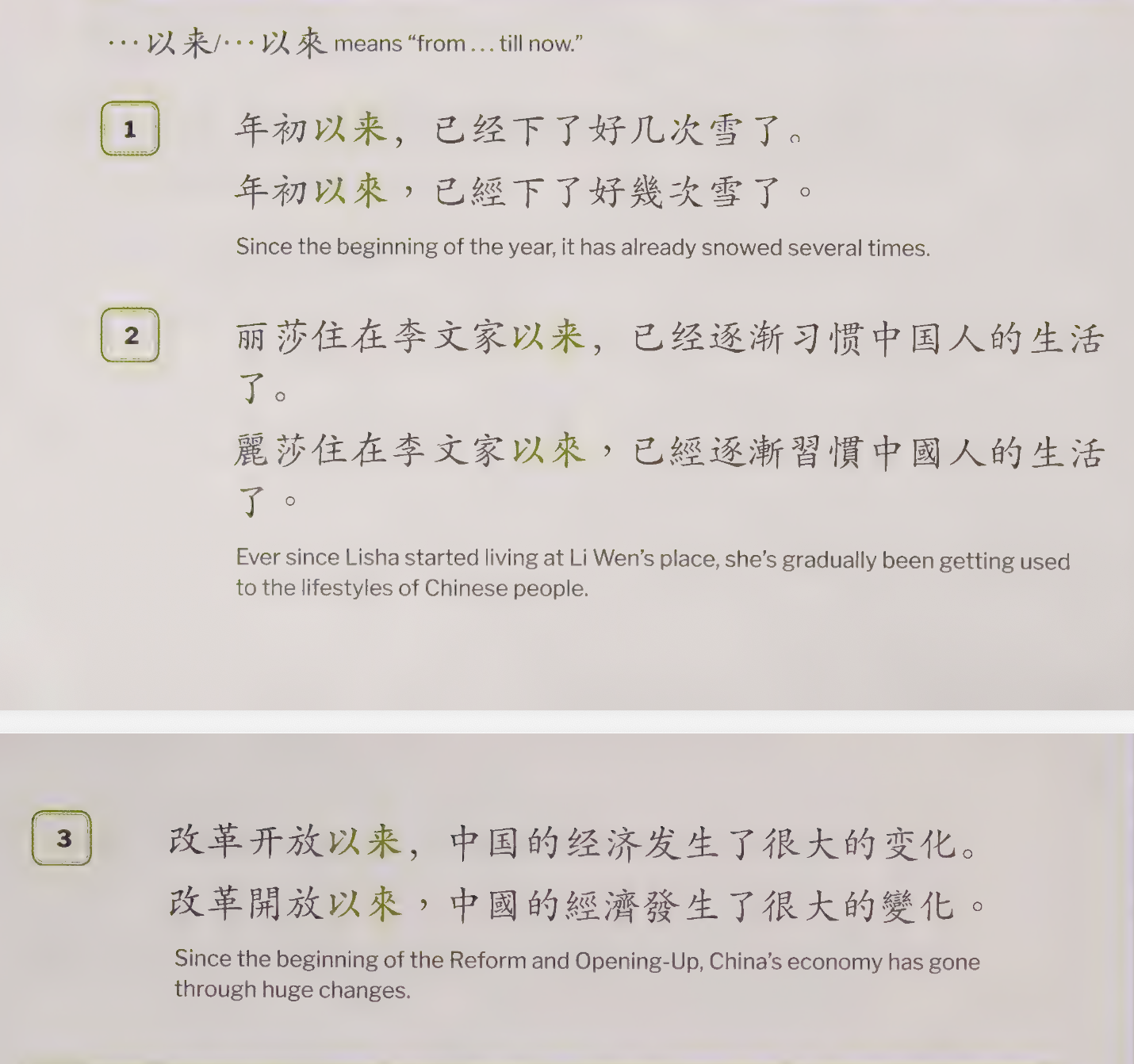
以来: since, from… till now.
32
New cards
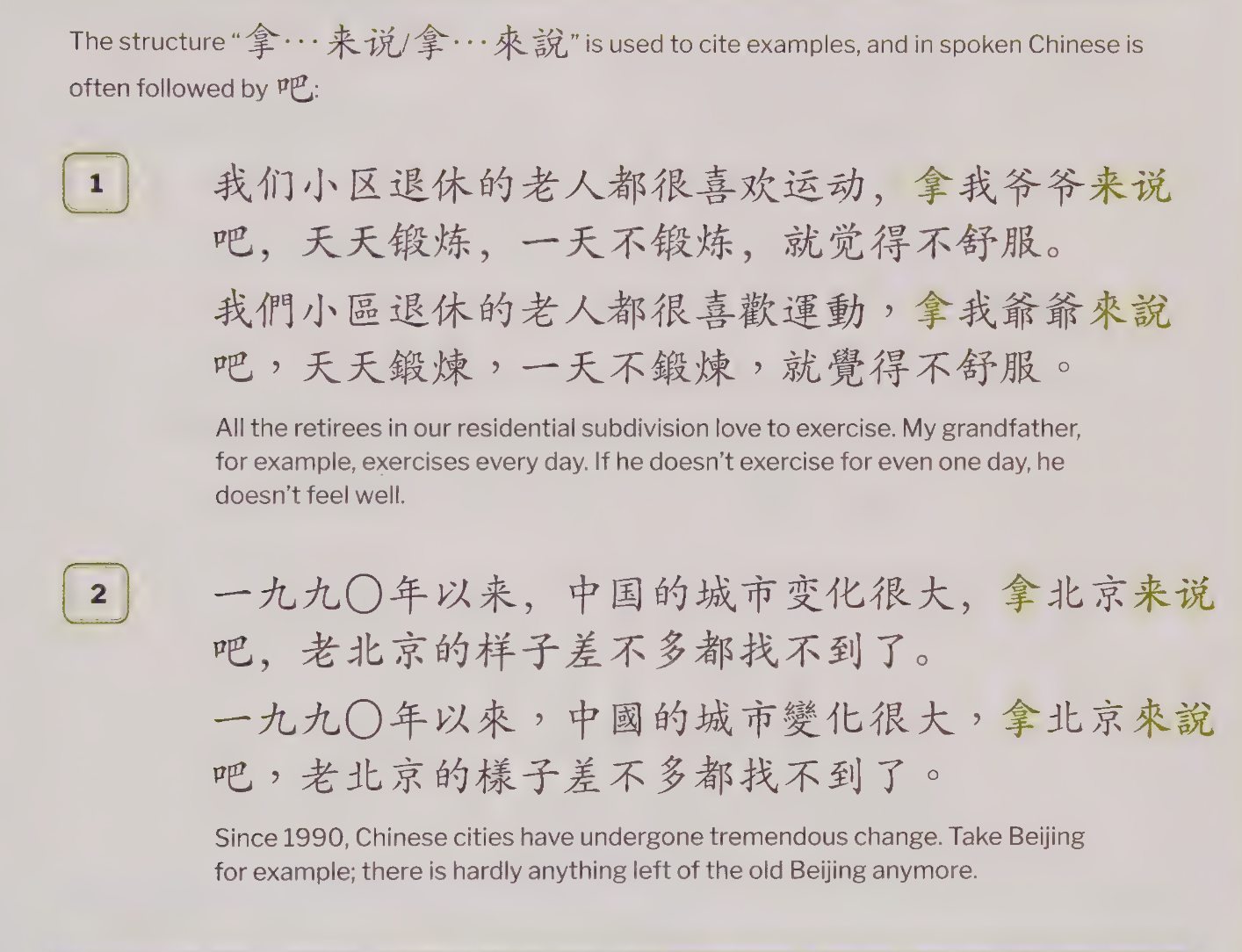
take… for example
拿…来说: take for example. The structure is used to cite example and in spoken Chinese is often followed by 吧.
33
New cards
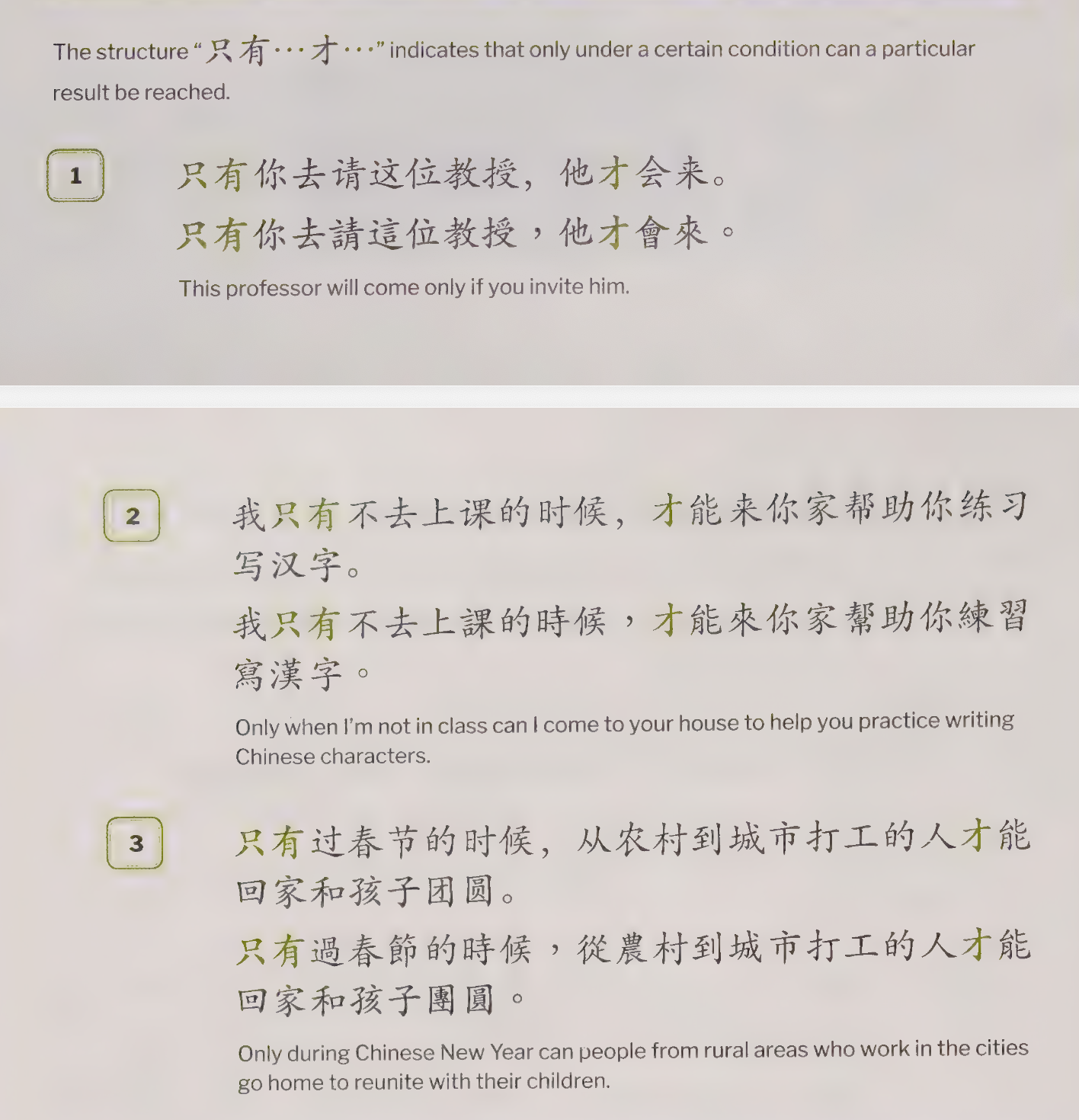
only if… then…
只有…才…: indicates that only under a certain condition can a particular result be reached.
34
New cards
performance / expression / to show
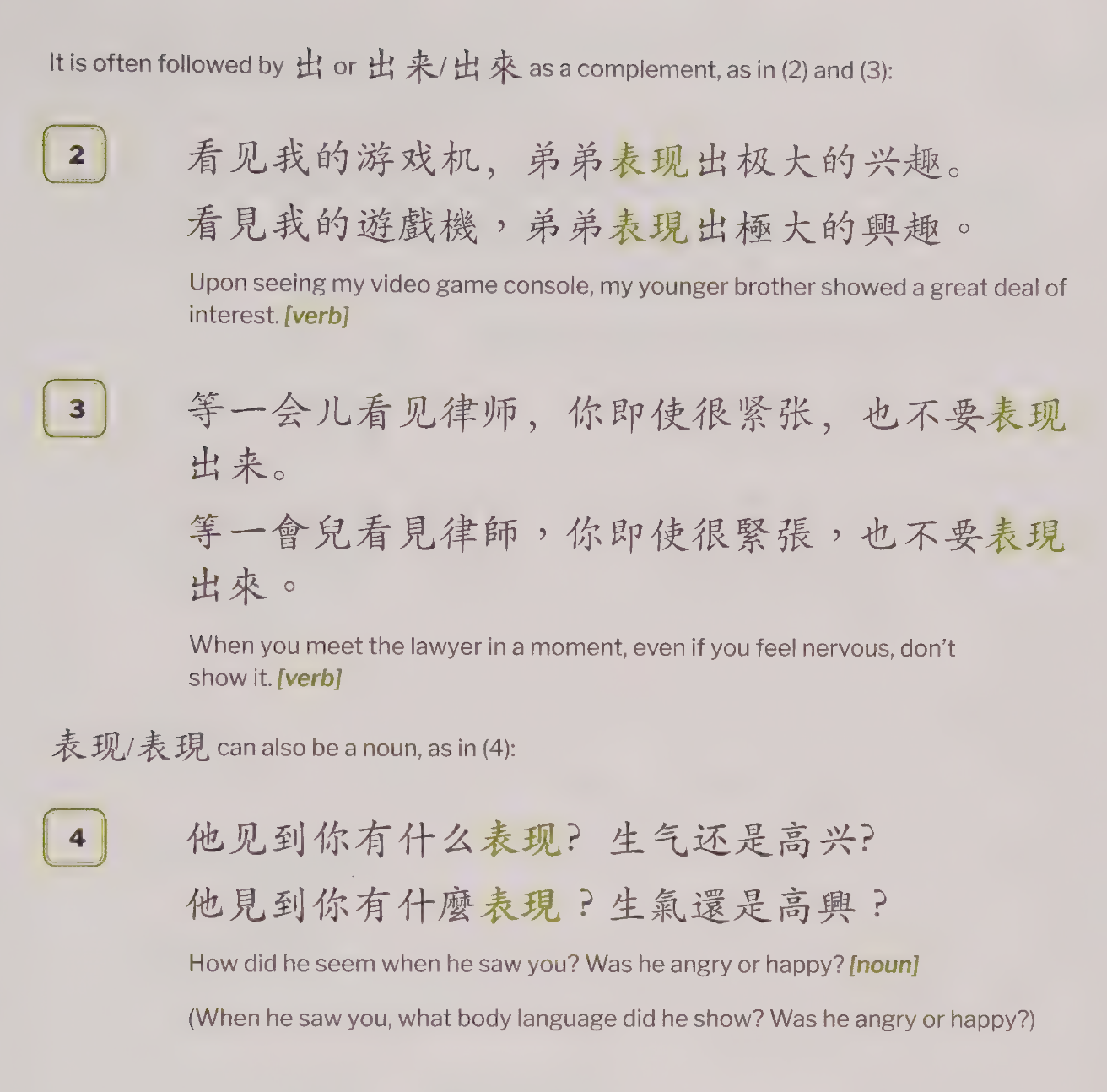
表现:
35
New cards
by / performed by
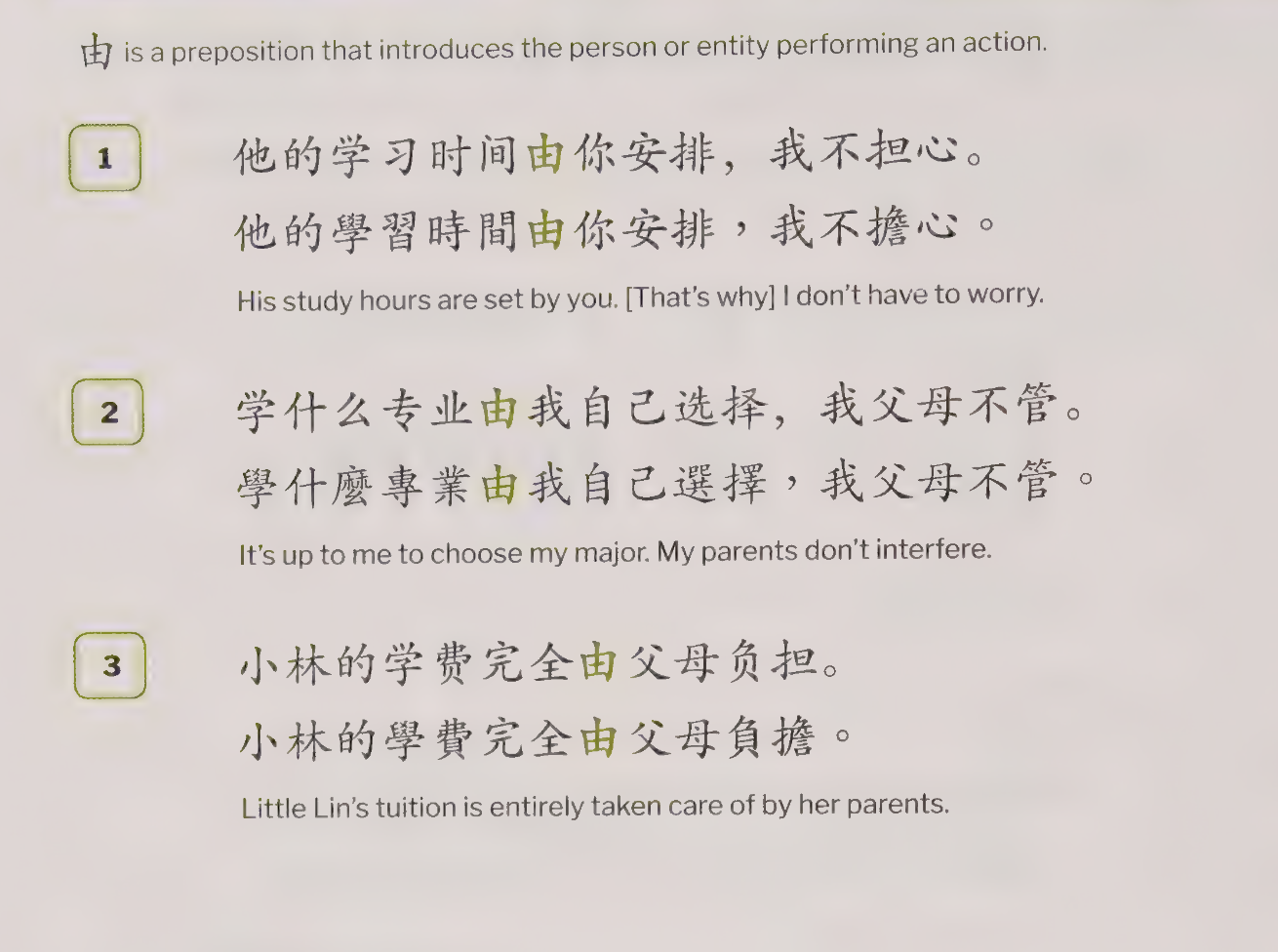
由: is a CV that introduces the person or entity performing an action.
36
New cards
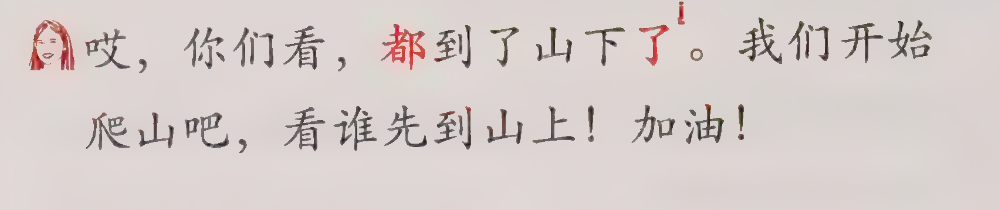
already
都…了: means already.
37
New cards
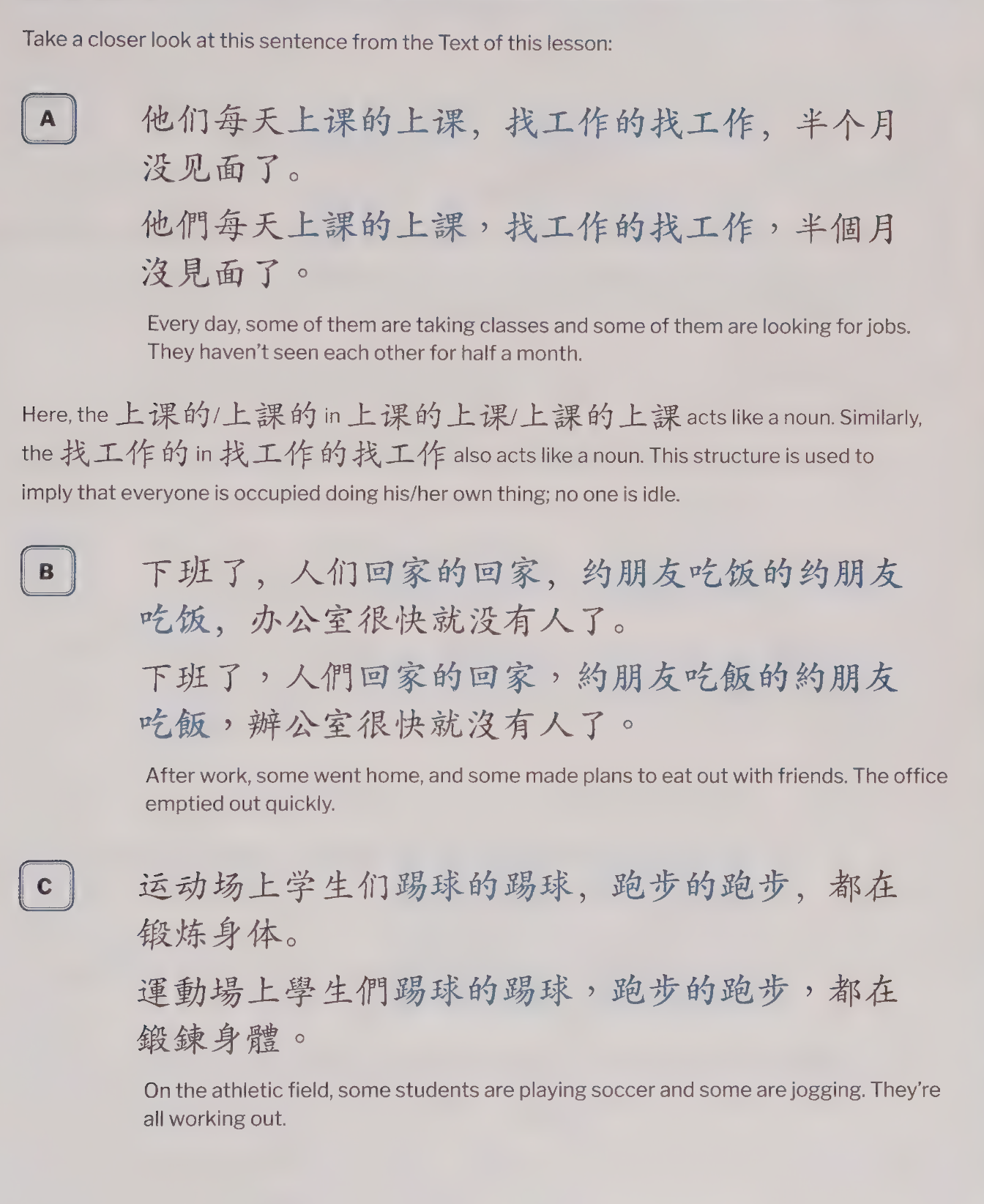
V1 does V1, V2 does V2
Verb 1 的 verb 1, verb 2 的 verb 2:
38
New cards
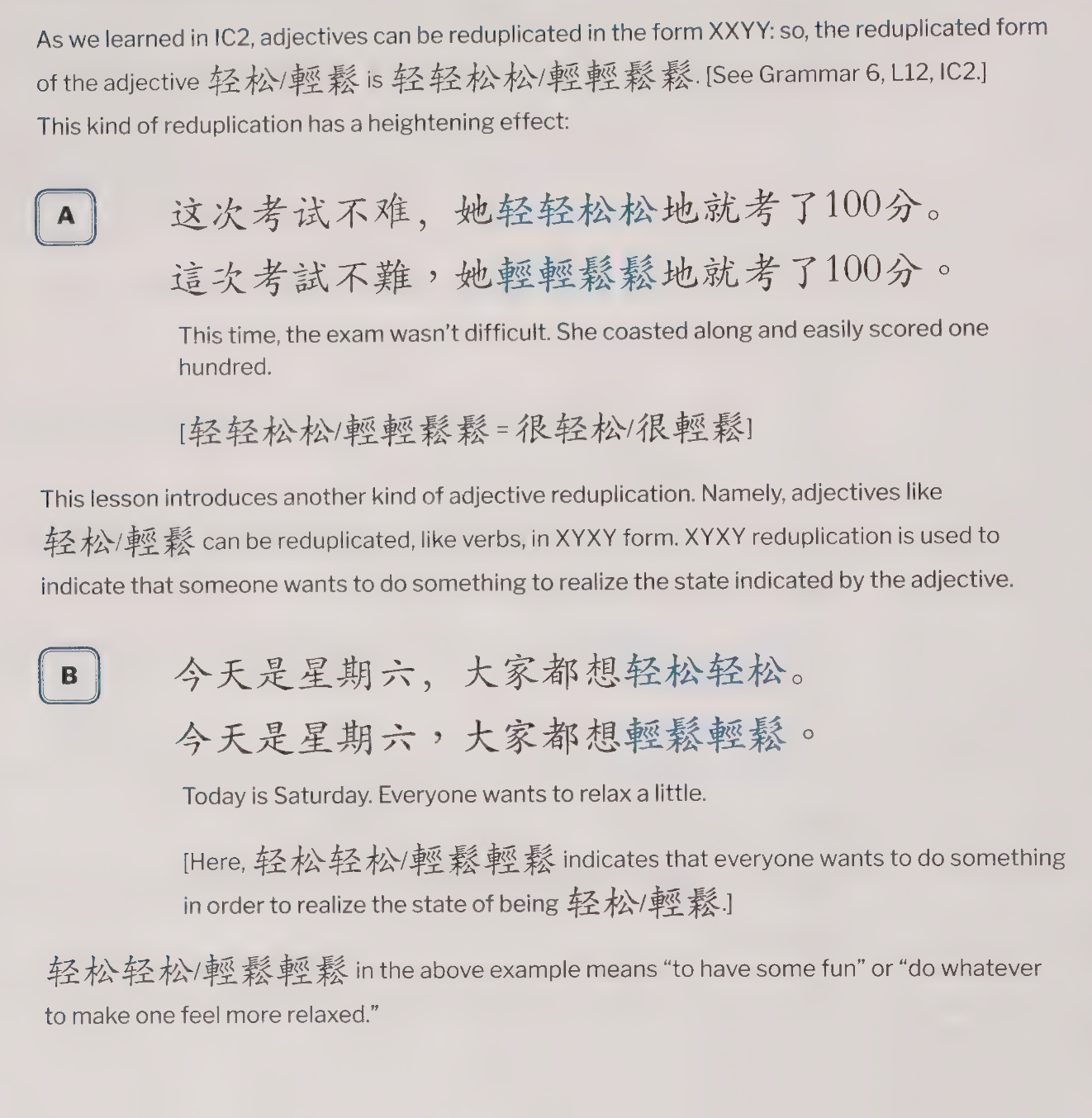
adjective reduplication
Adjective reduplication II:
39
New cards
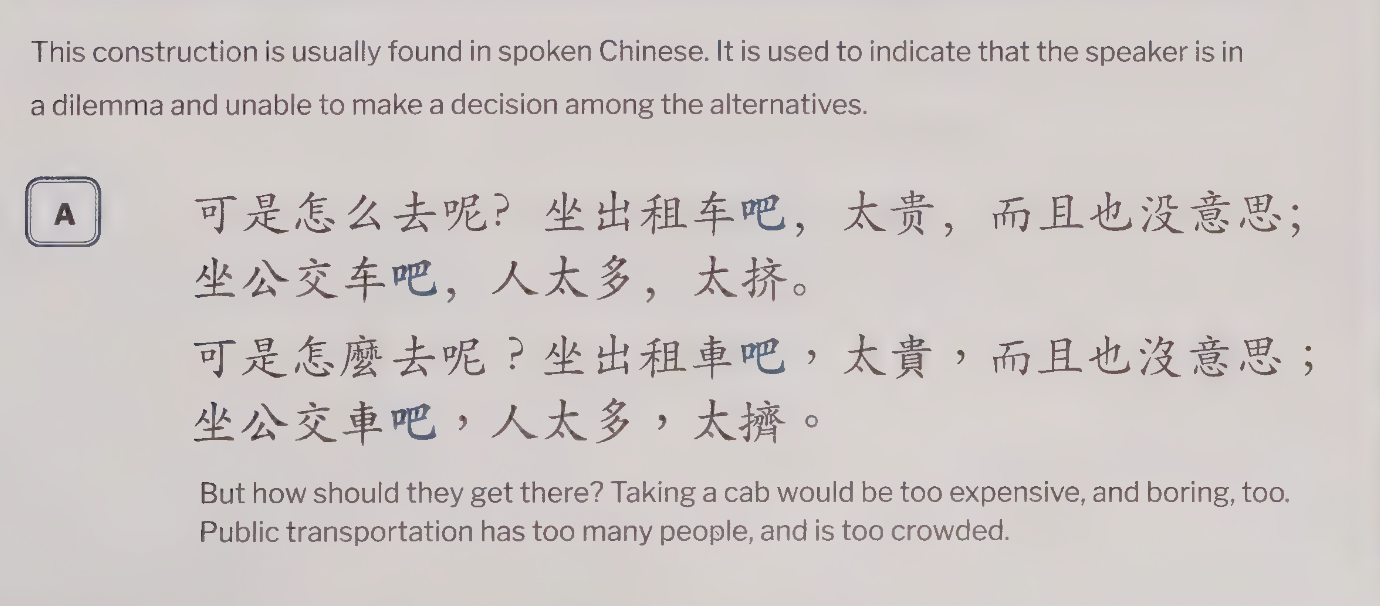
multiple alternatives
Multiple alternatives:
40
New cards
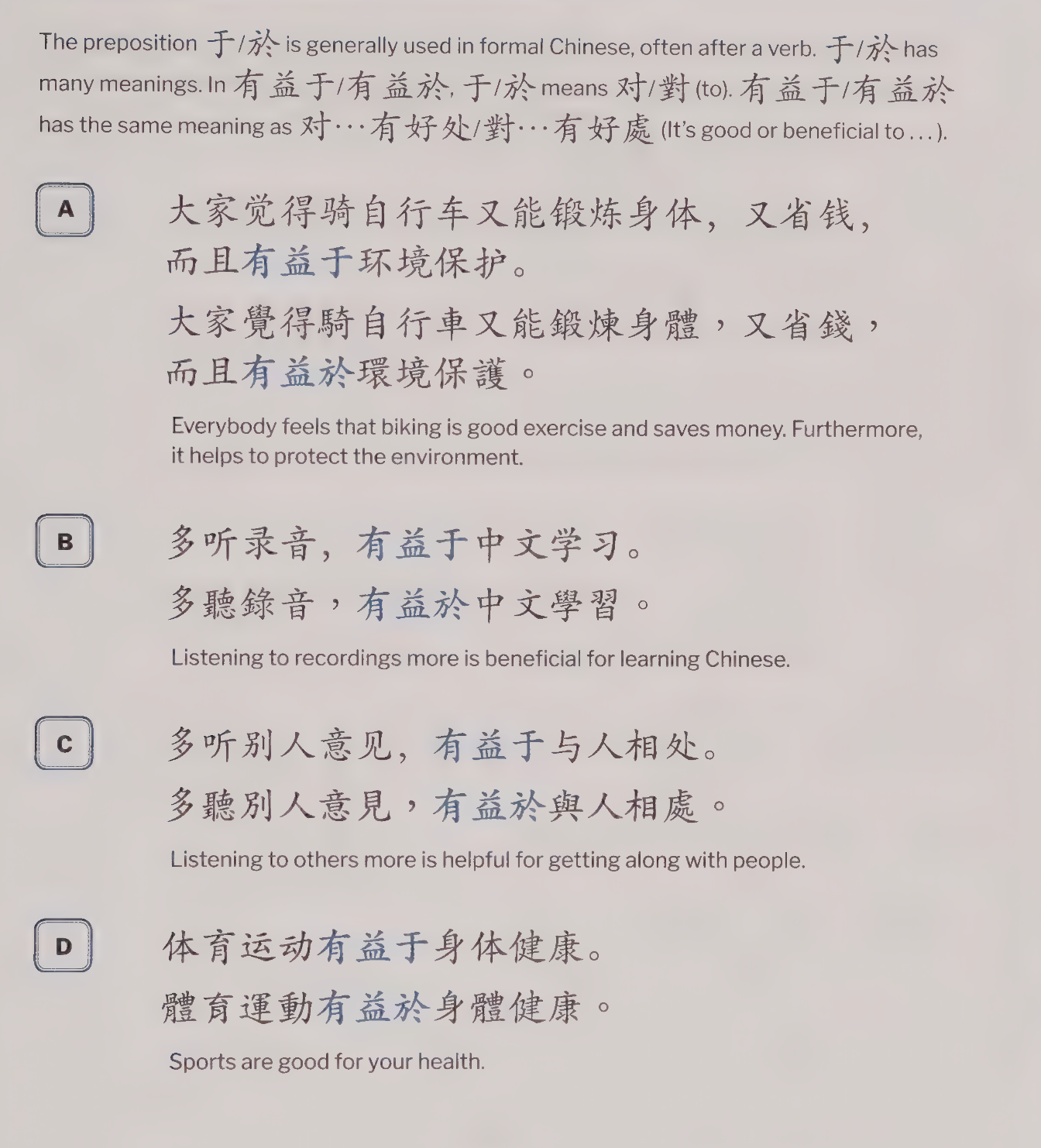
beneficial to
有益于: preposition 于 is generally used in formal Chinese. Here it basically means 对.
41
New cards
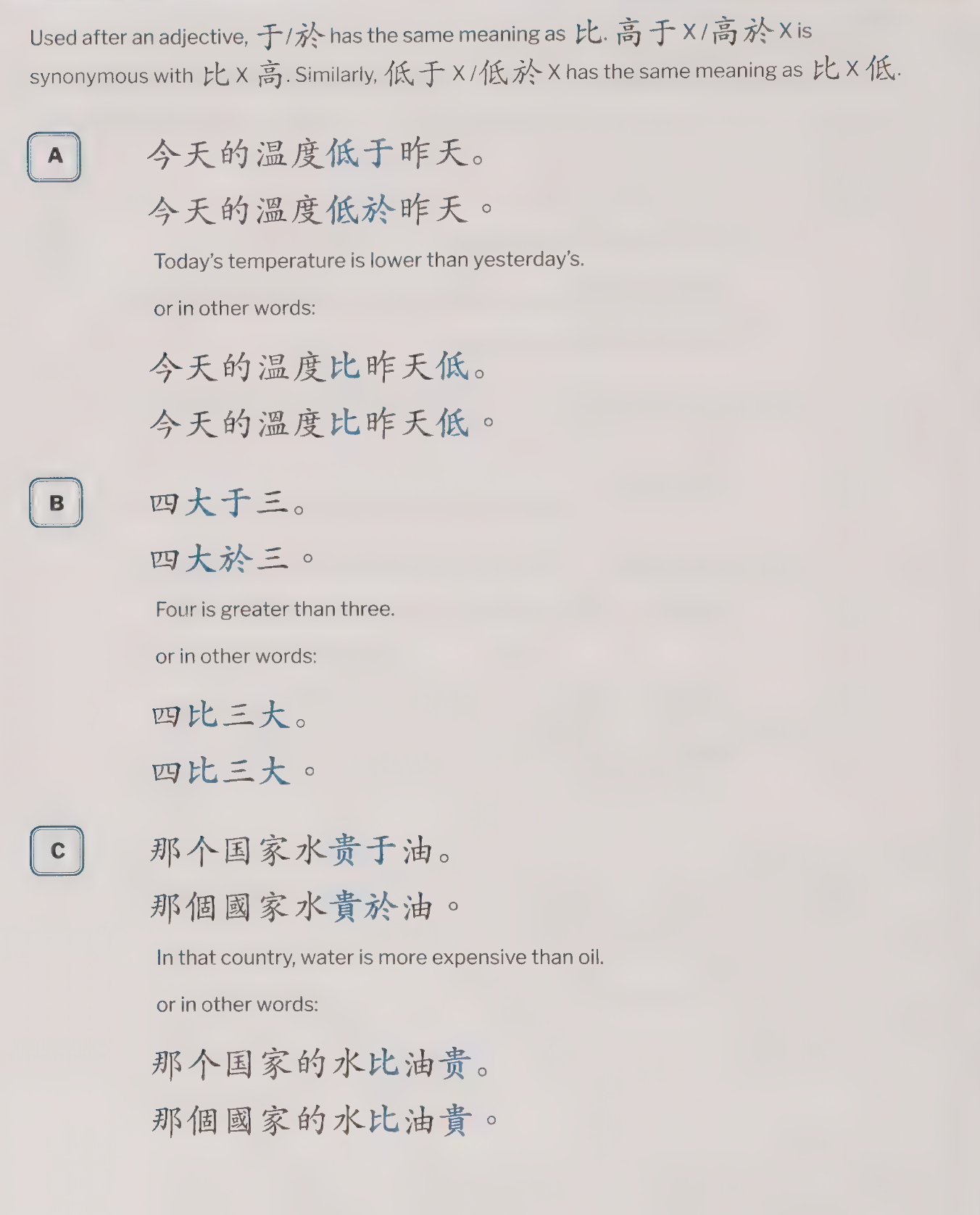
adjective + 于
Adjective + 于:
42
New cards
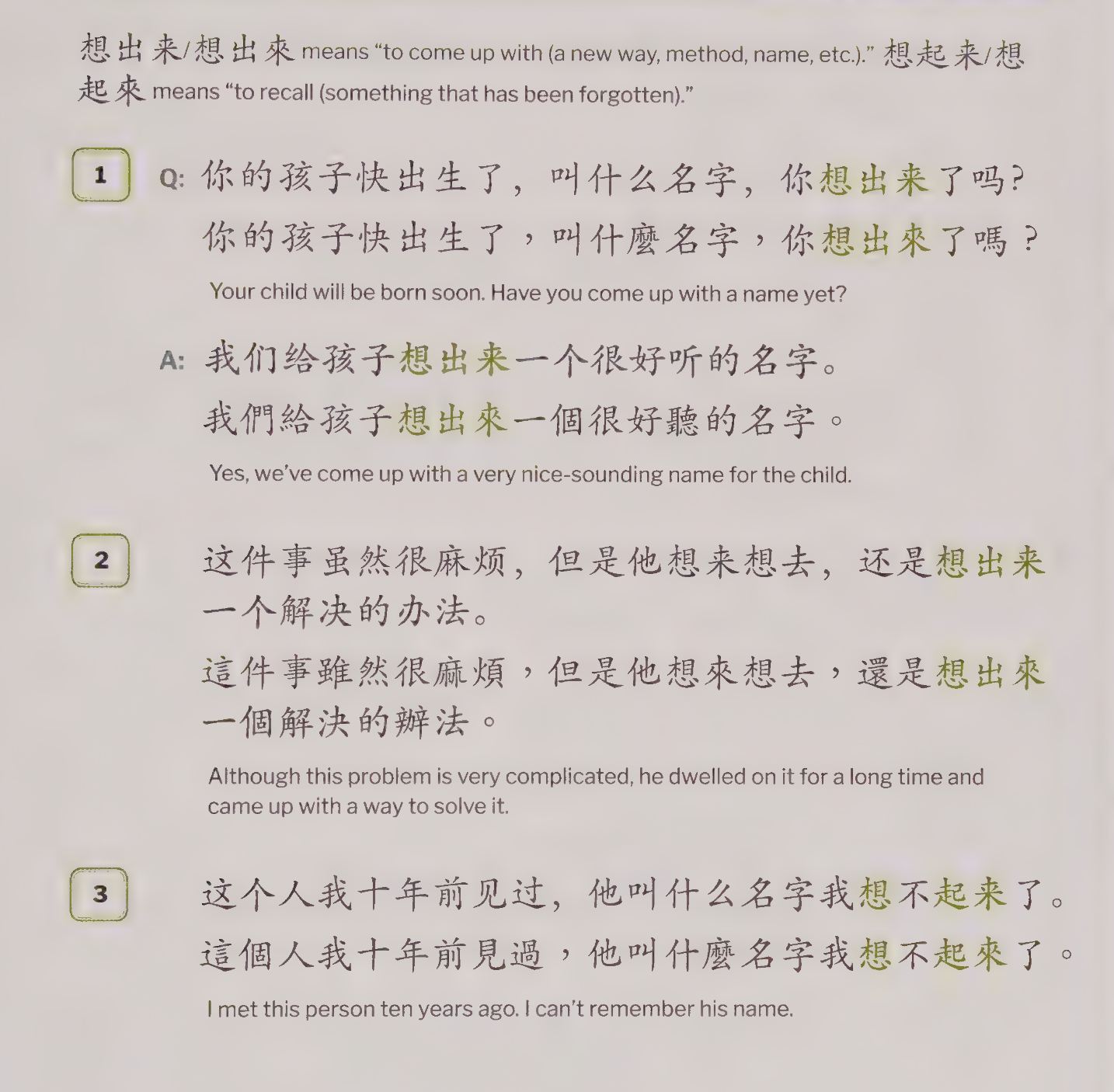
come up with vs recall
想出来 vs 想起来: 想出来: to come up with new way, method, name. 想起来: to recall something that has been forgotten.
43
New cards
44
New cards
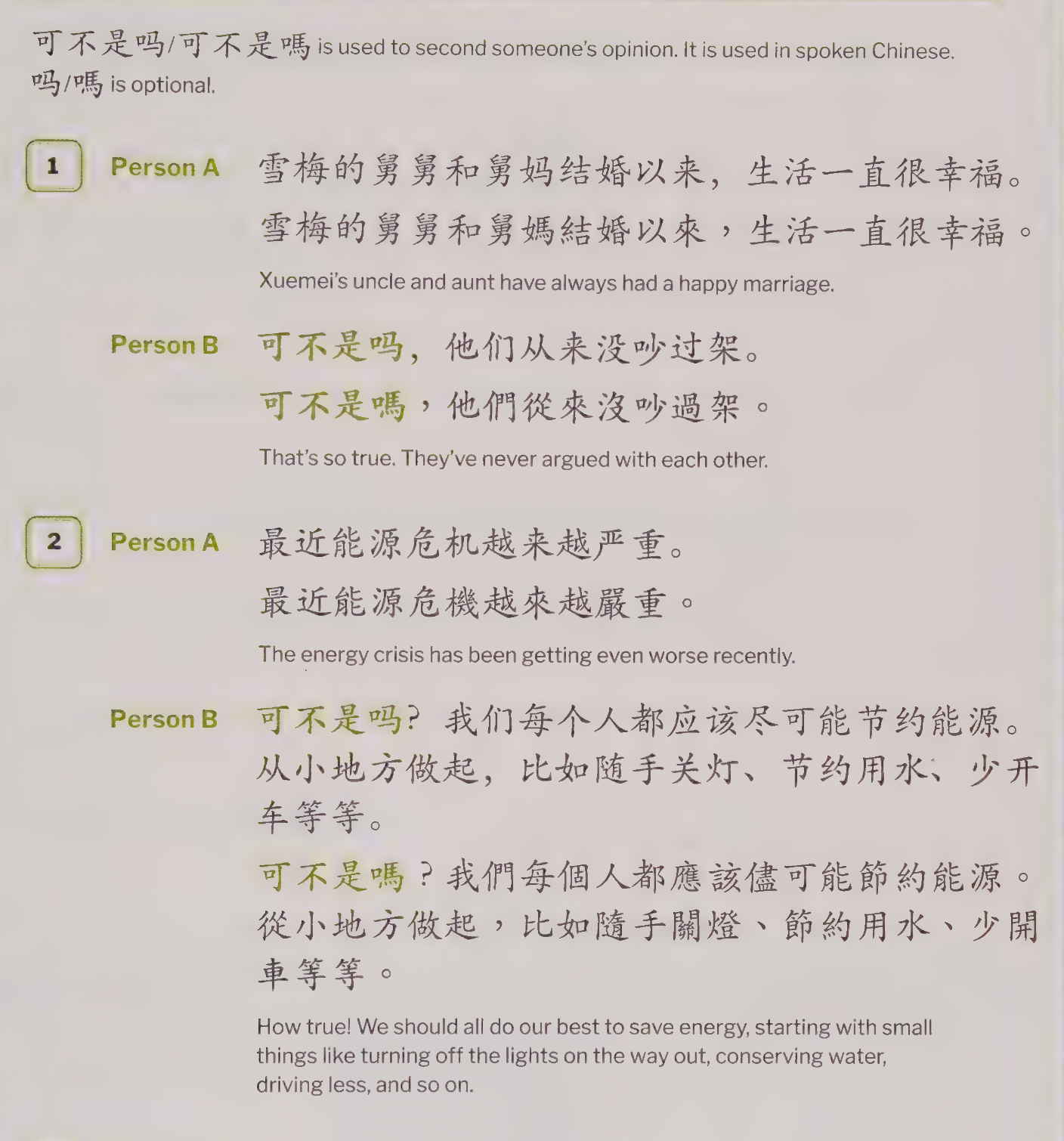
used to confirm someone’s opinion
可不是吗: used to confirm someone’s opinion.
45
New cards
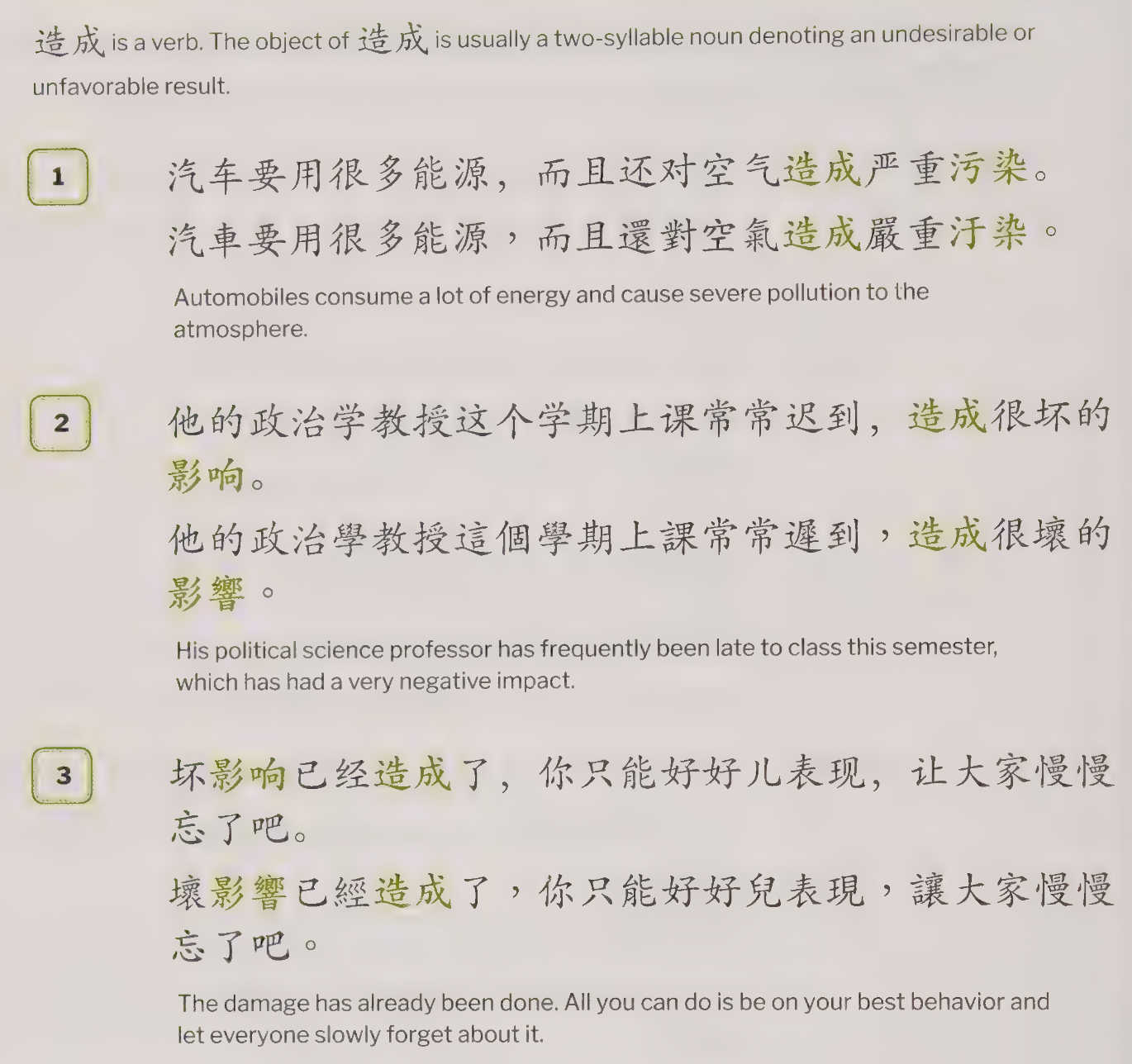
to cause / to bring about
造成:
46
New cards
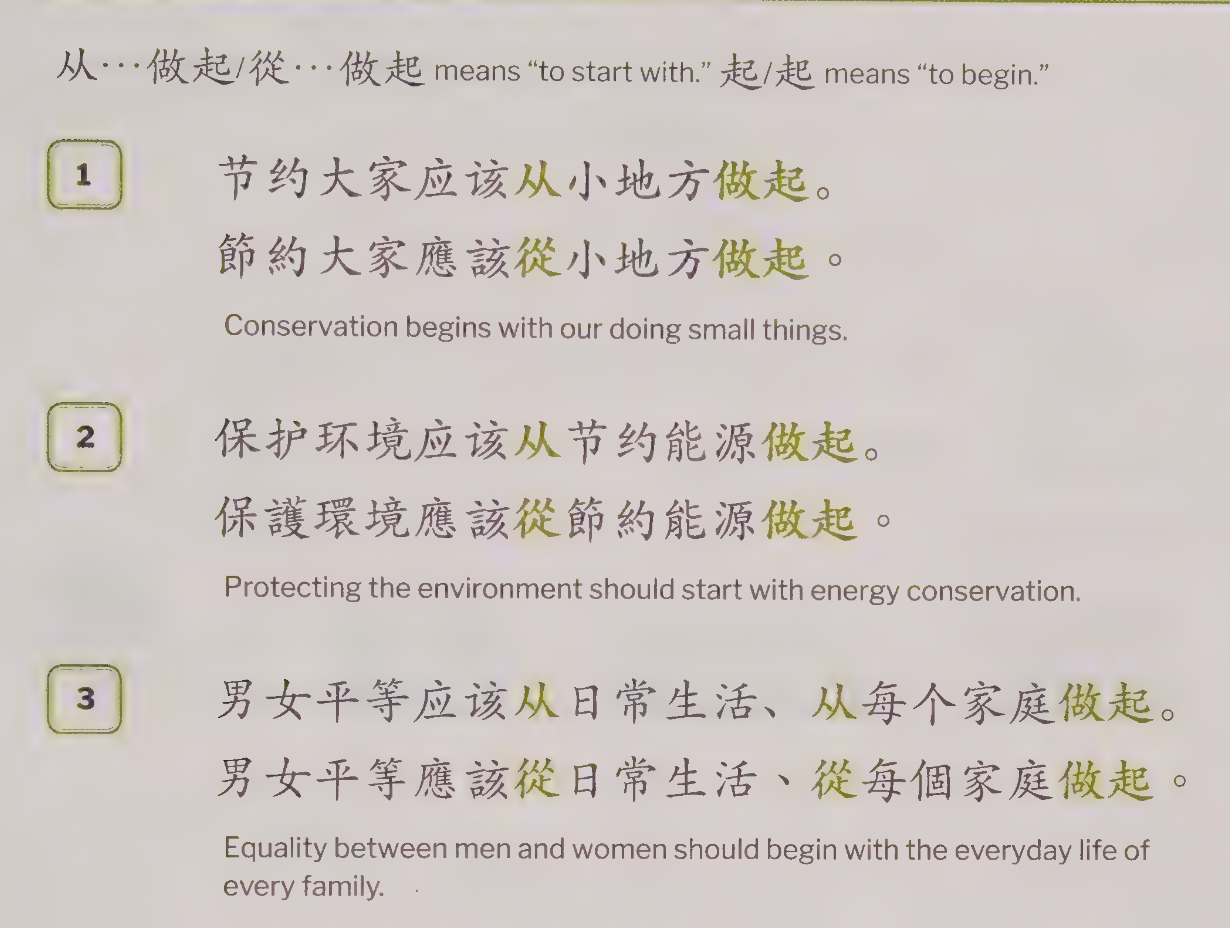
to start with
从…做起: to start with.
47
New cards
house price
房价: house price.
48
New cards
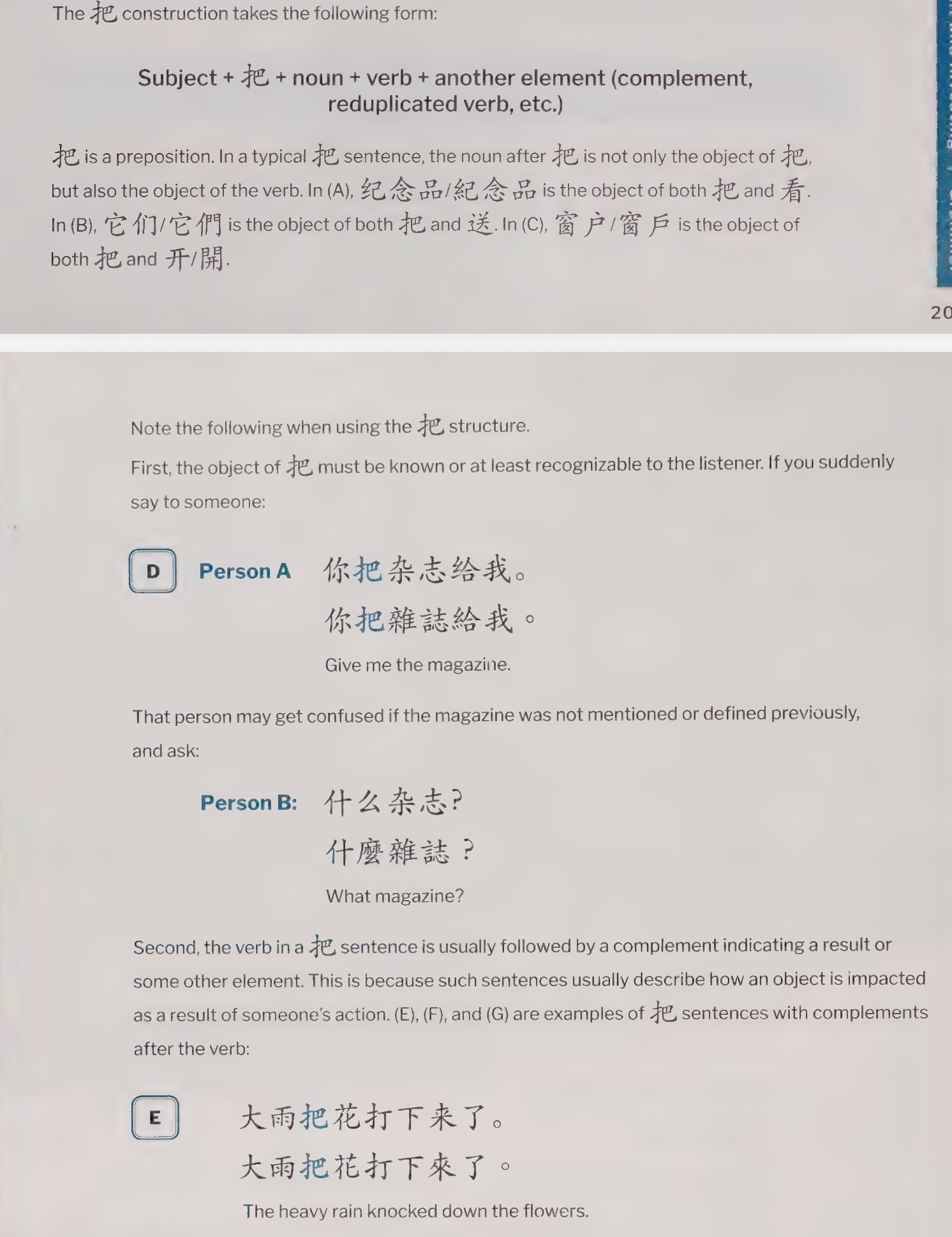
把 structure I
把 I:
49
New cards
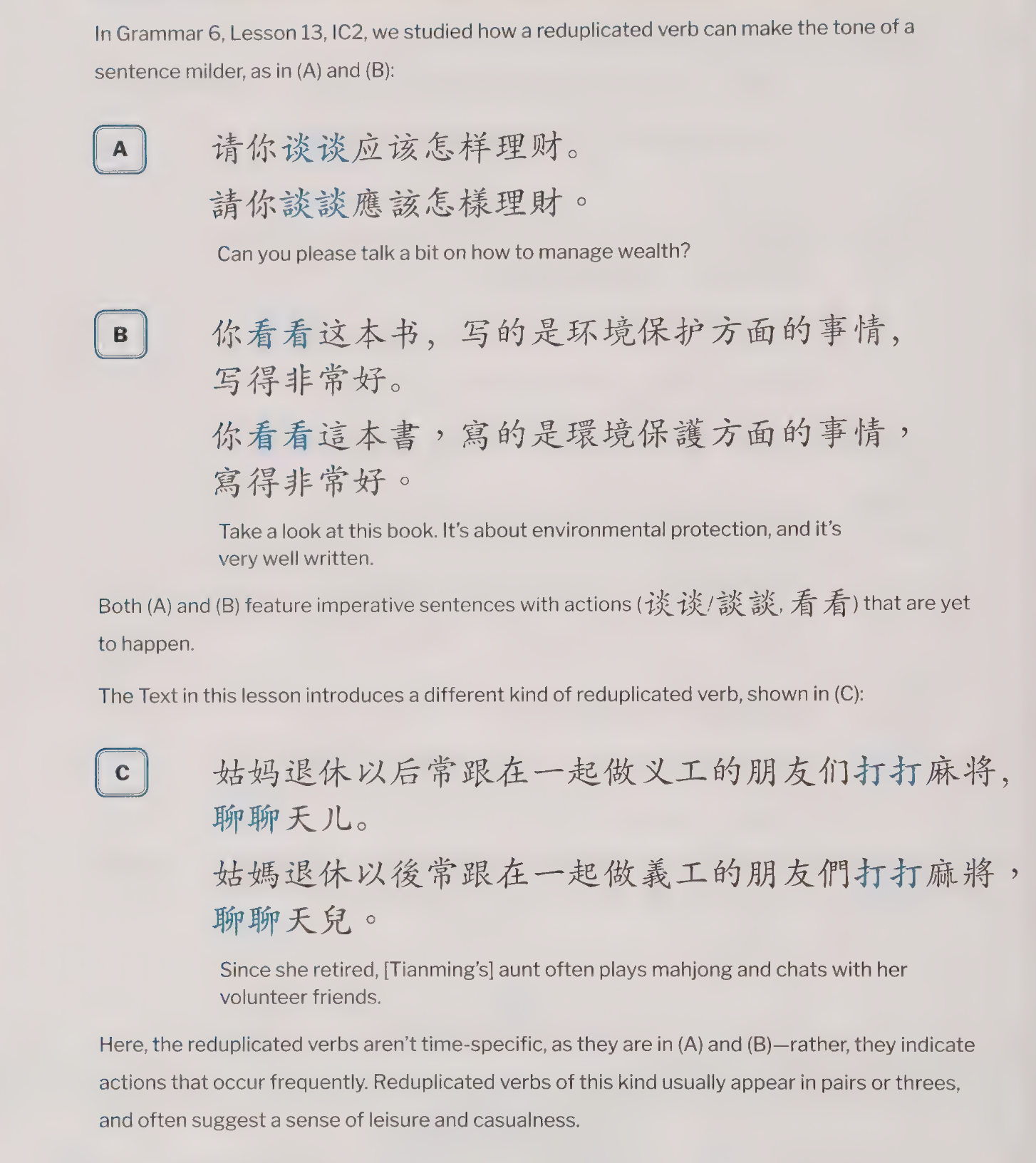
verb reduplication III
Verb reduplication III:
50
New cards
to give rise to
引起: to give rise to. Usually takes as object two syllable abstract nouns, such as 注意, 思考, 重视, 反对, …
51
New cards
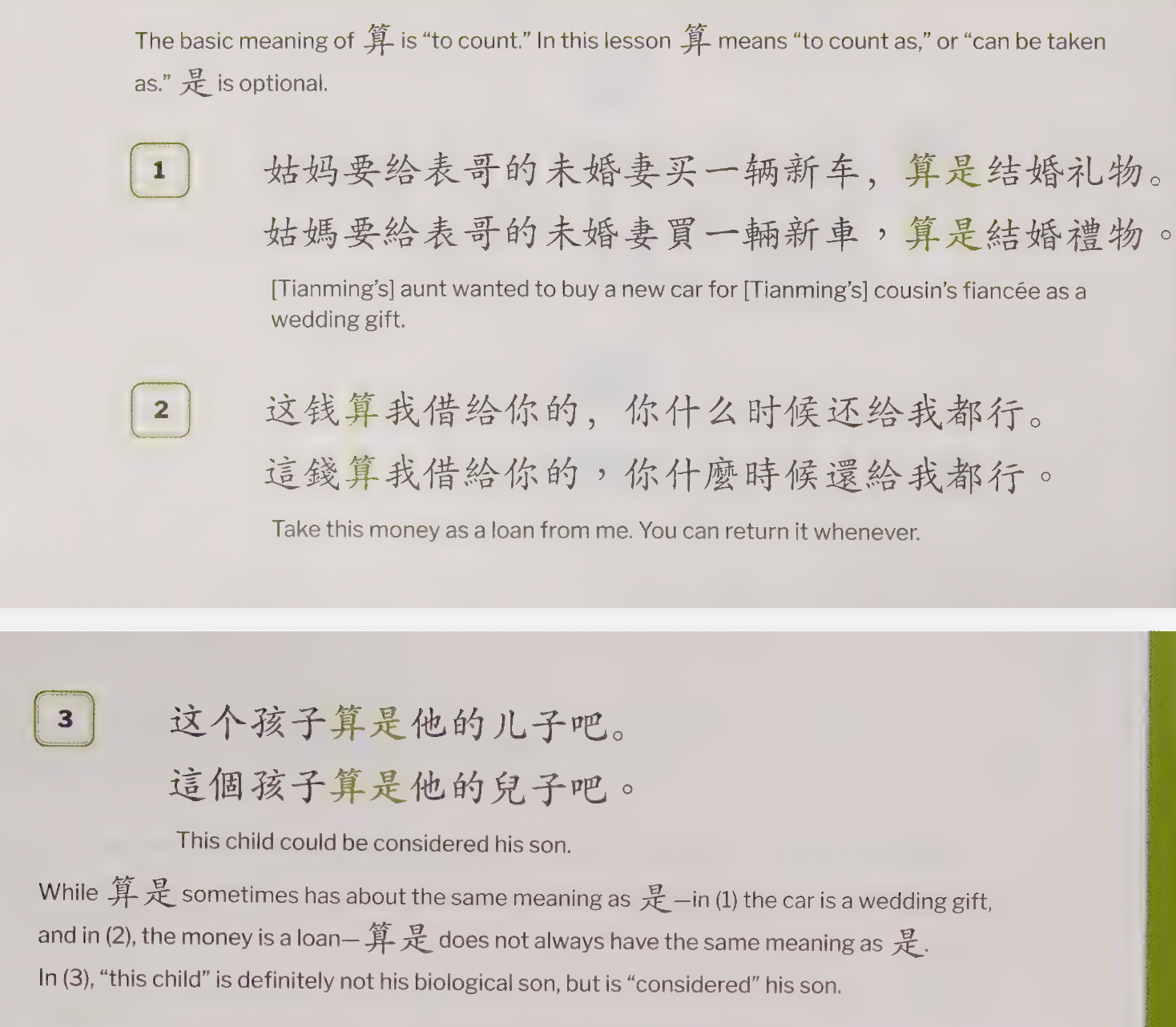
to count as / can be taken as
算(是): to count as, can be taken as.
52
New cards
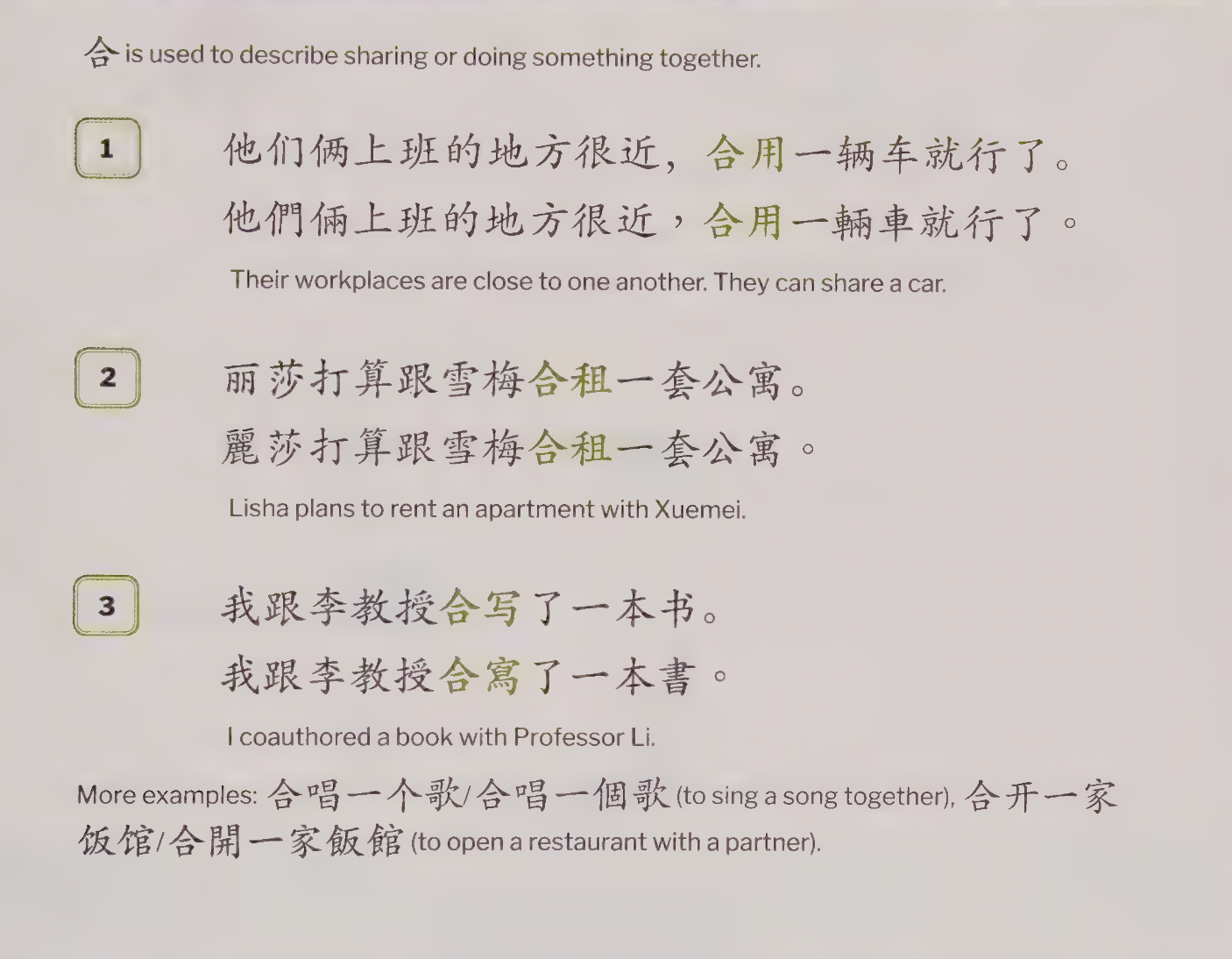
to combine / to join
合: to combine, to join. Used to describe sharing or doing something together.
53
New cards
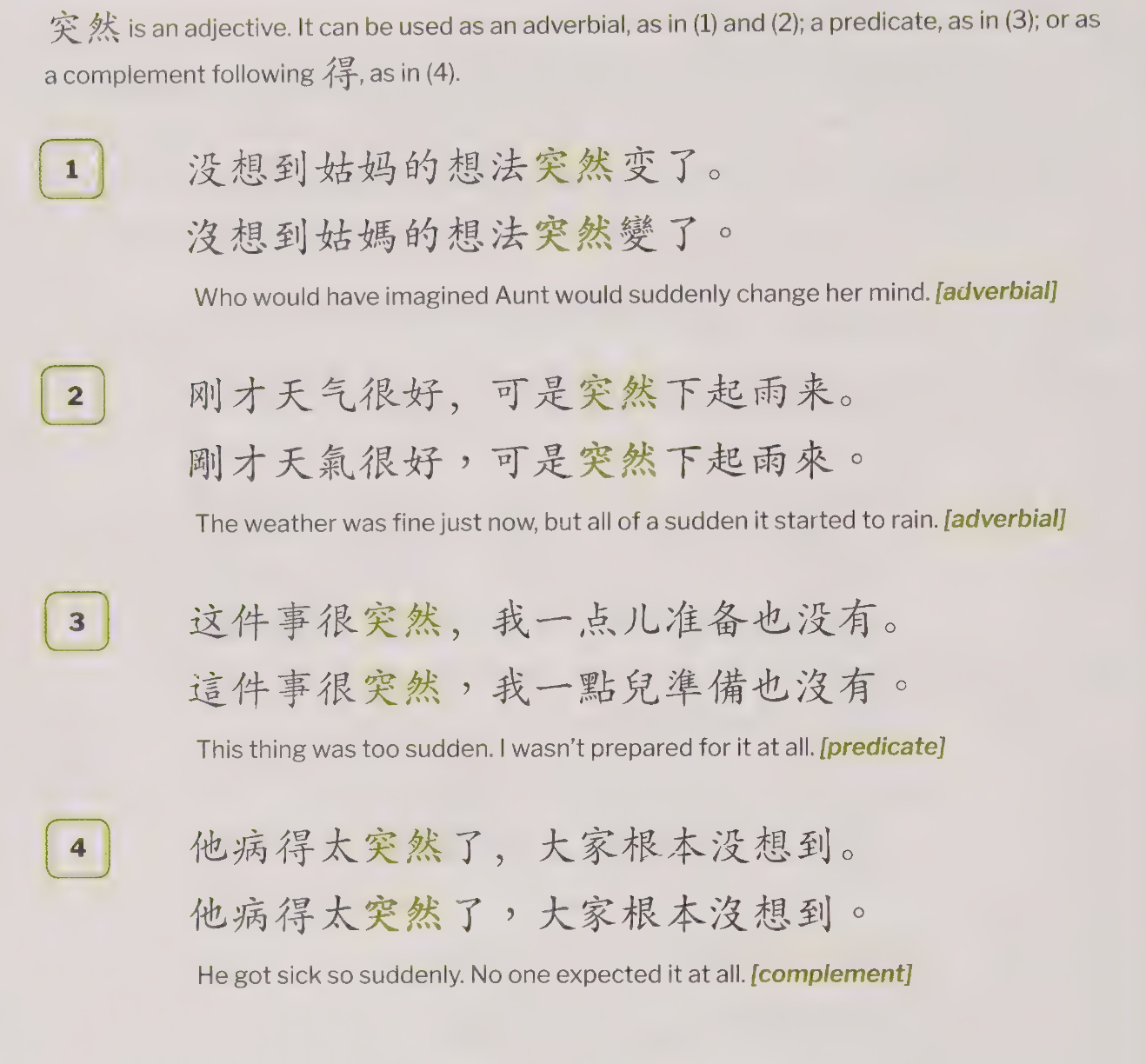
sudden / suddenly
突然: adjective, adverb and complement.
54
New cards
to carry out / conduct
进行: must be followed by a two syllable verb denoting an extended activity of some importance. Cannot be used with brief short actions.
55
New cards
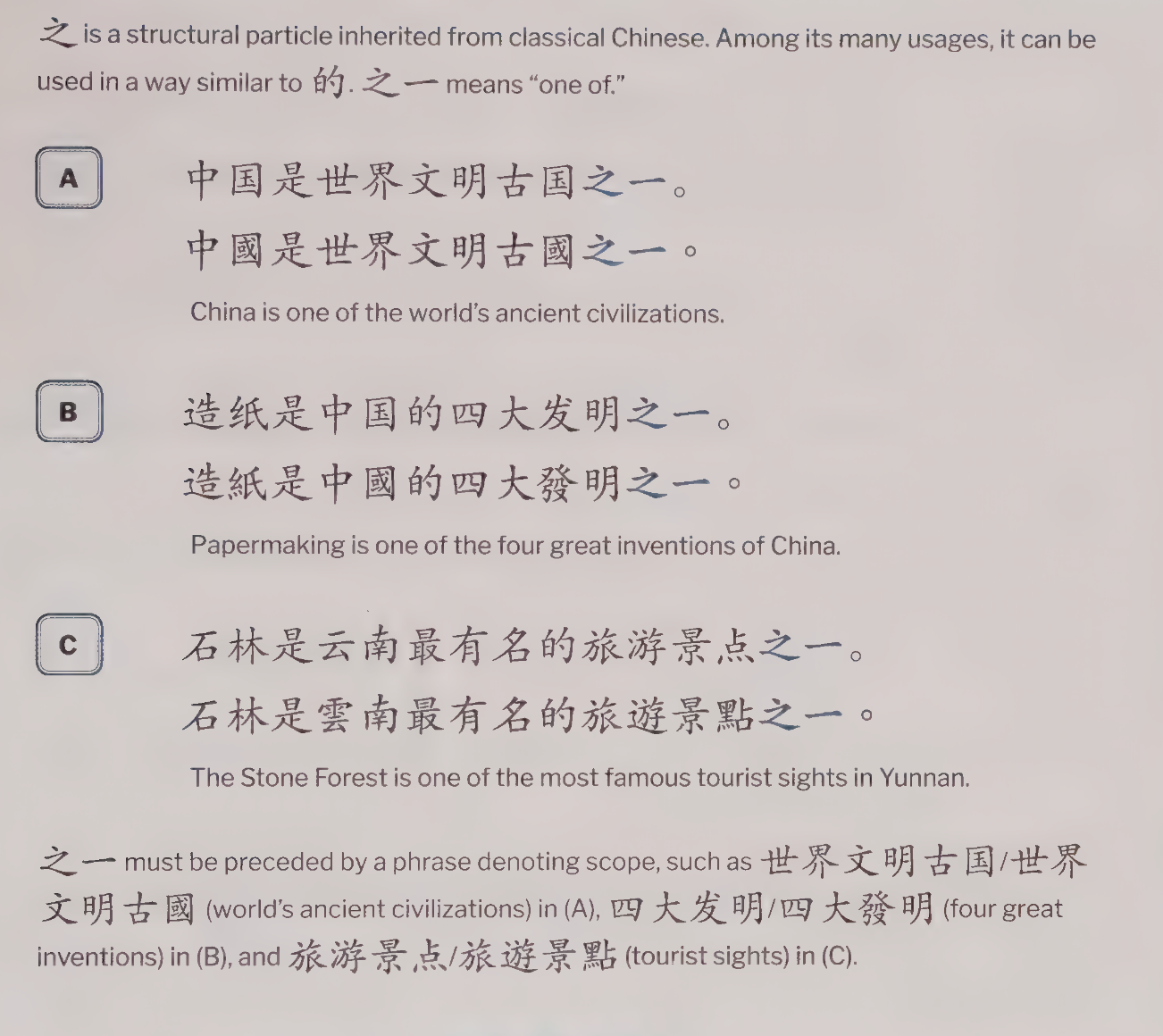
one of
之一: one of.
56
New cards
among them / within it
其中: among them, within it.
57
New cards
educational visit vs sightseeing
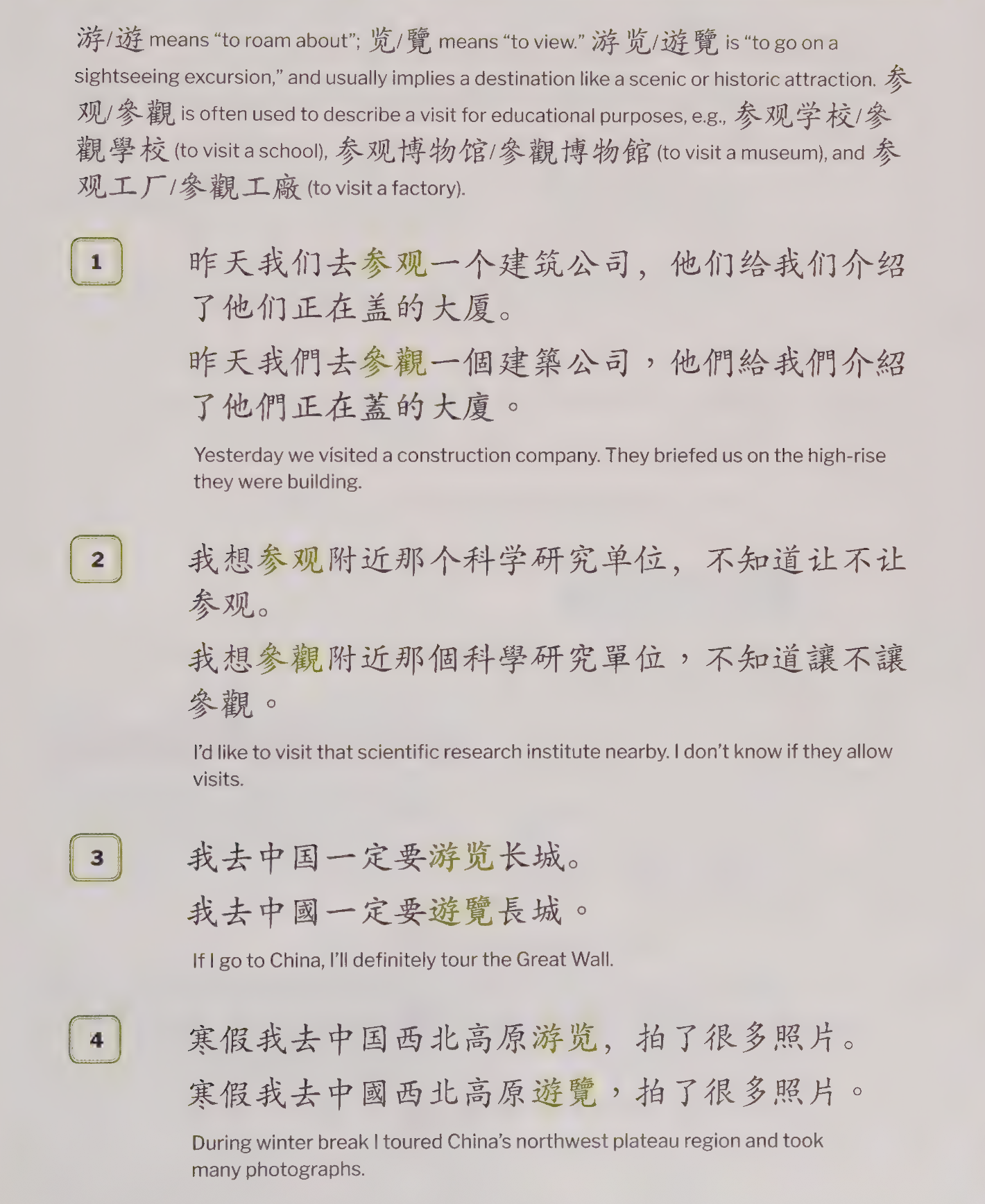
参观 vs 游览: 参观 → to describe a visit, often for educational purposes. 游览 → to go on sightseeing.
58
New cards
in terms of / in the area of
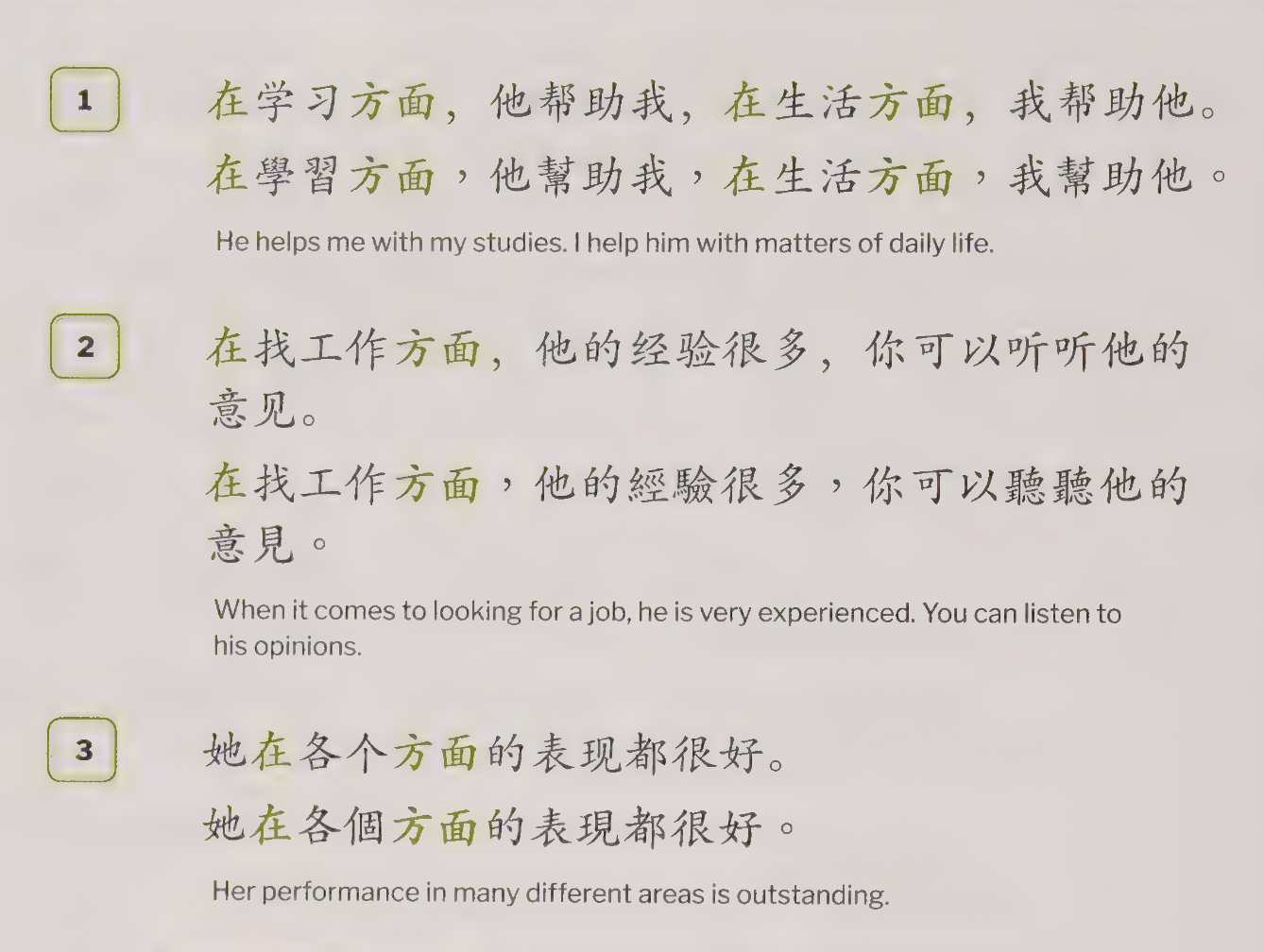
在…方面: in terms of, in the area of.
59
New cards
X is related to Y
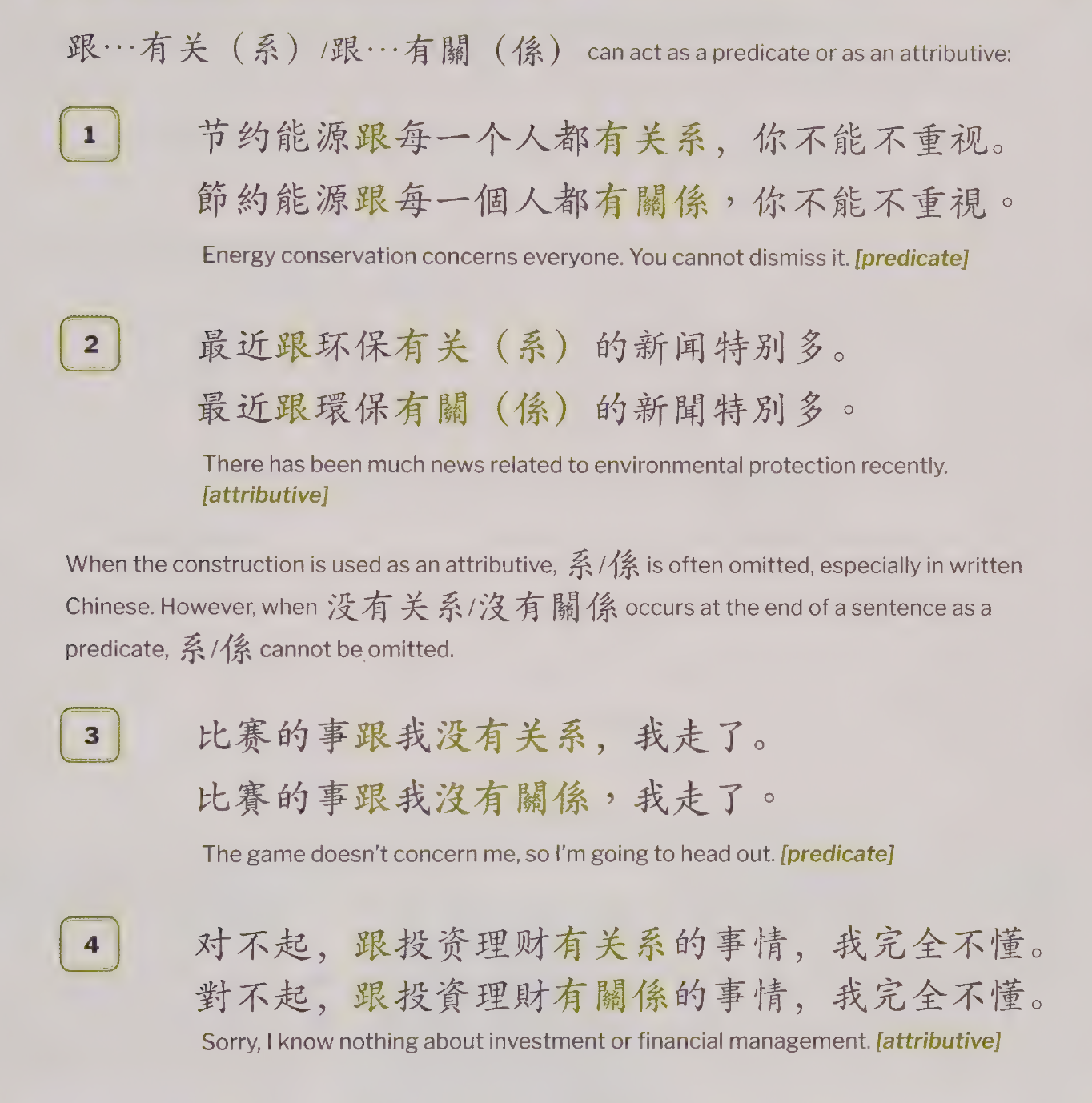
X 跟 Y 有关系:
60
New cards
never again / no longer
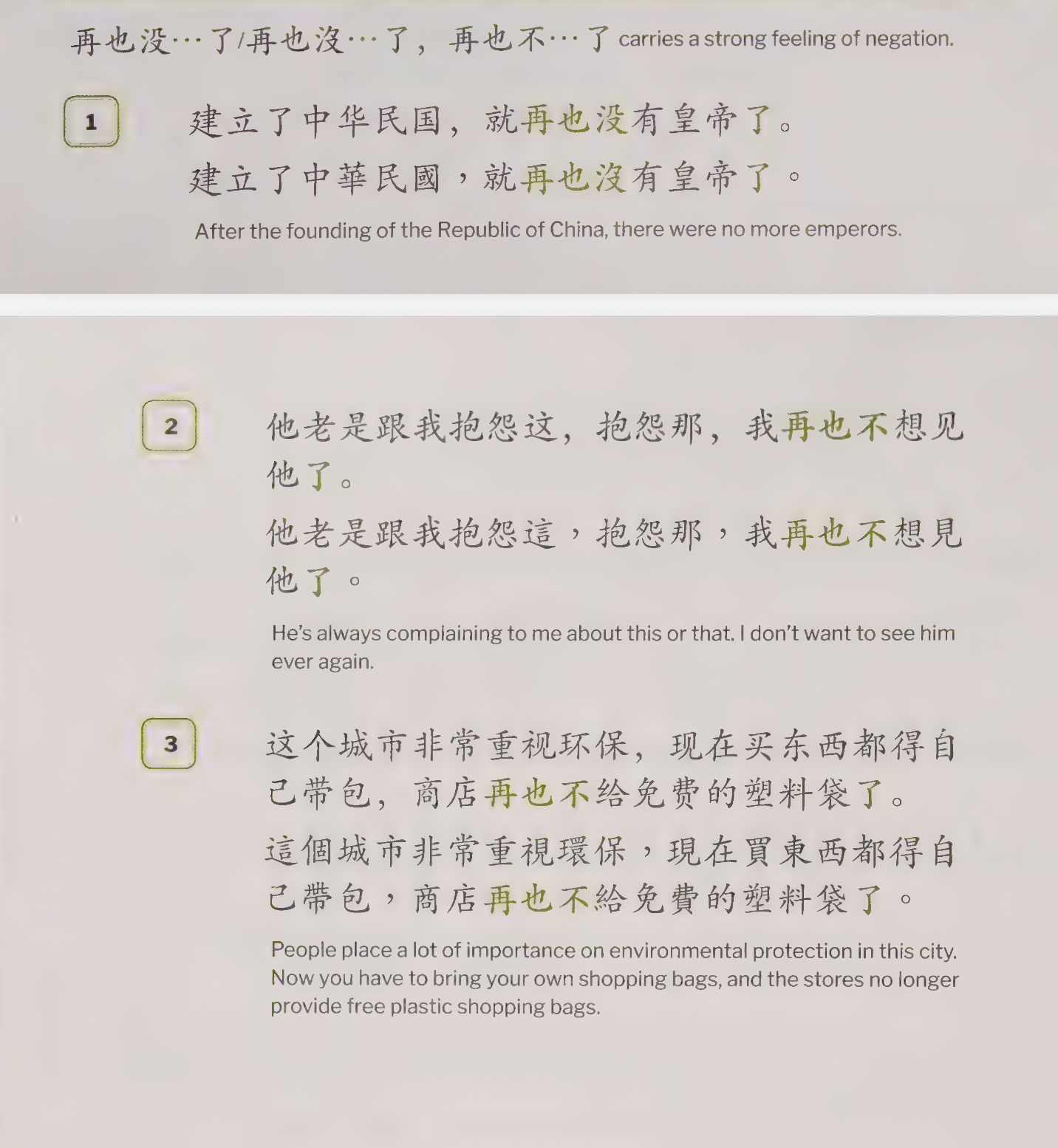
再也没/不…了: strong feeling of negation.
61
New cards
the more X, the more Y
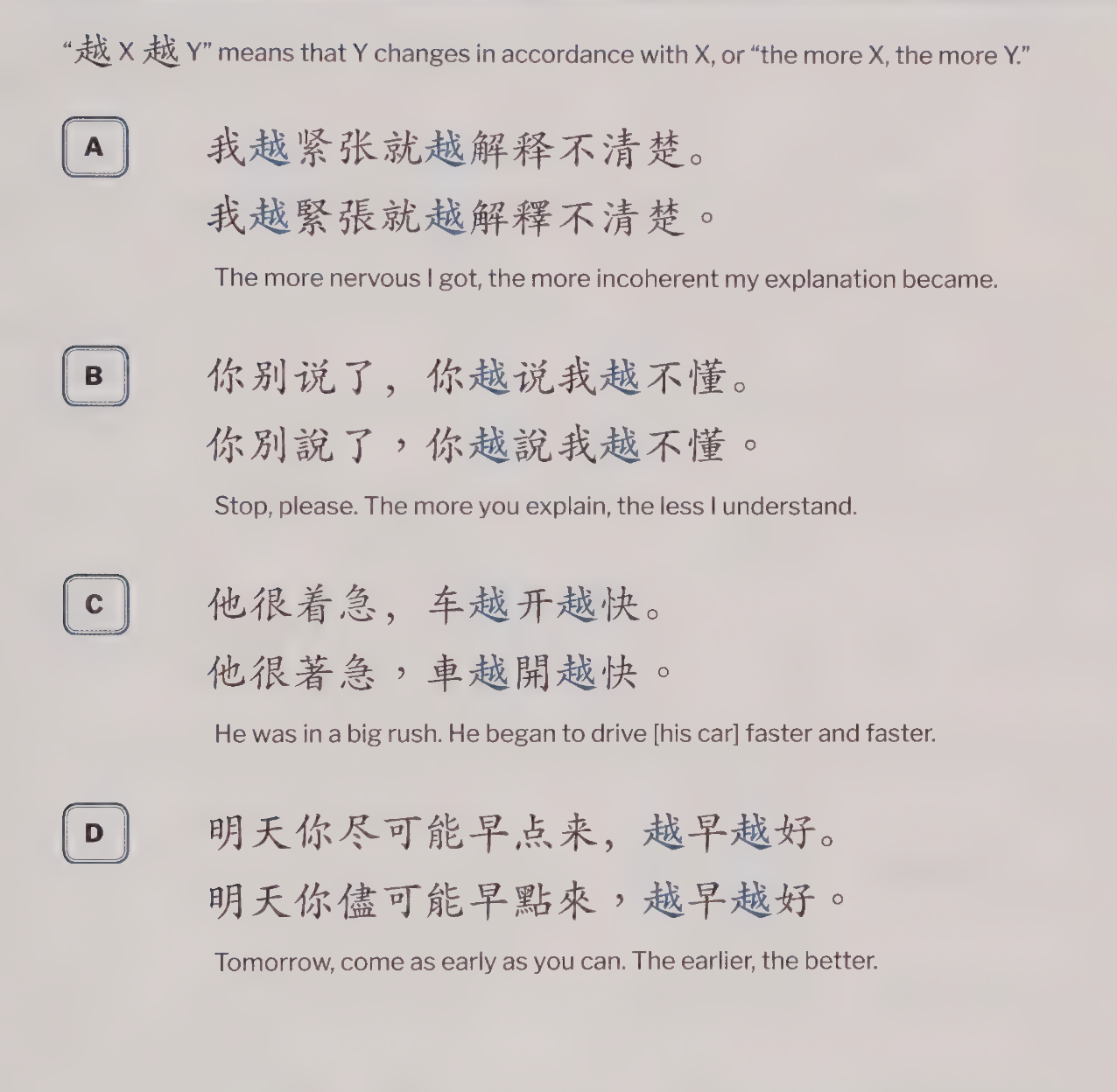
越 X 越 Y: means that Y changes in accordance with X.
62
New cards
since / given that
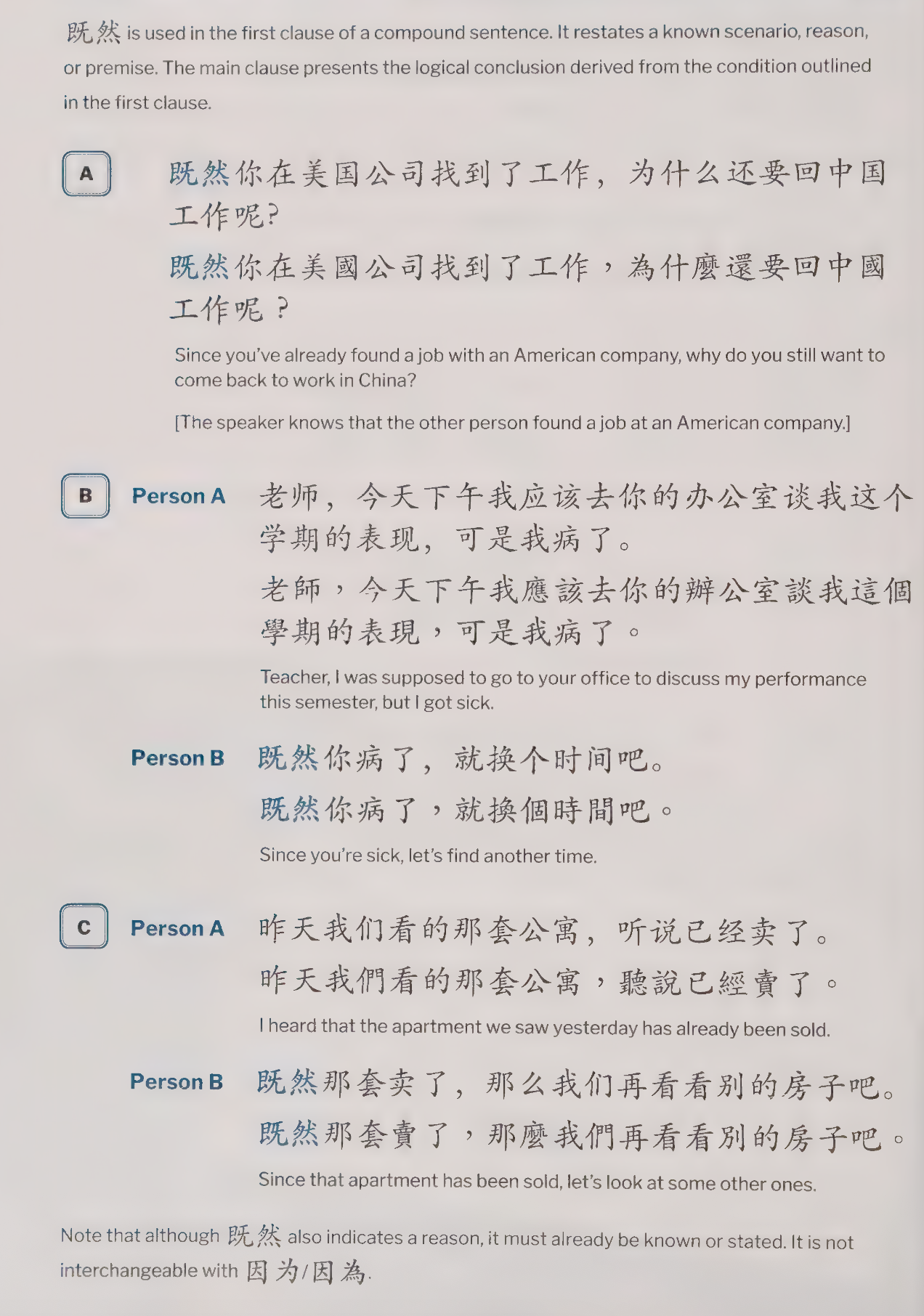
既然: used in the first clause of a compound sentence. It restates a known scenario, reason, or premise. Main clause presents the logical conclusion derived from the condition outlined in the first clause.
63
New cards
while doing something, something unexpected happens
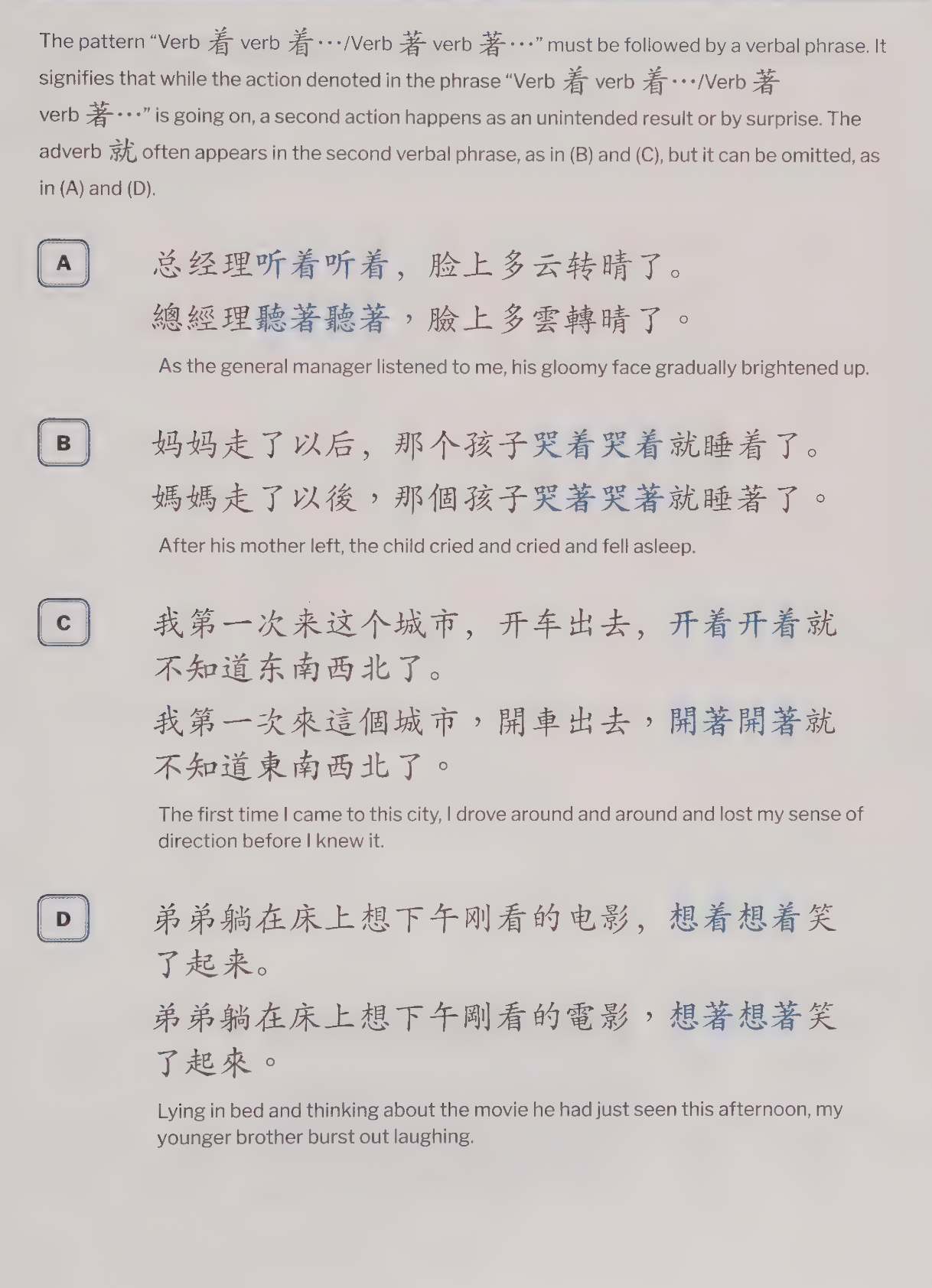
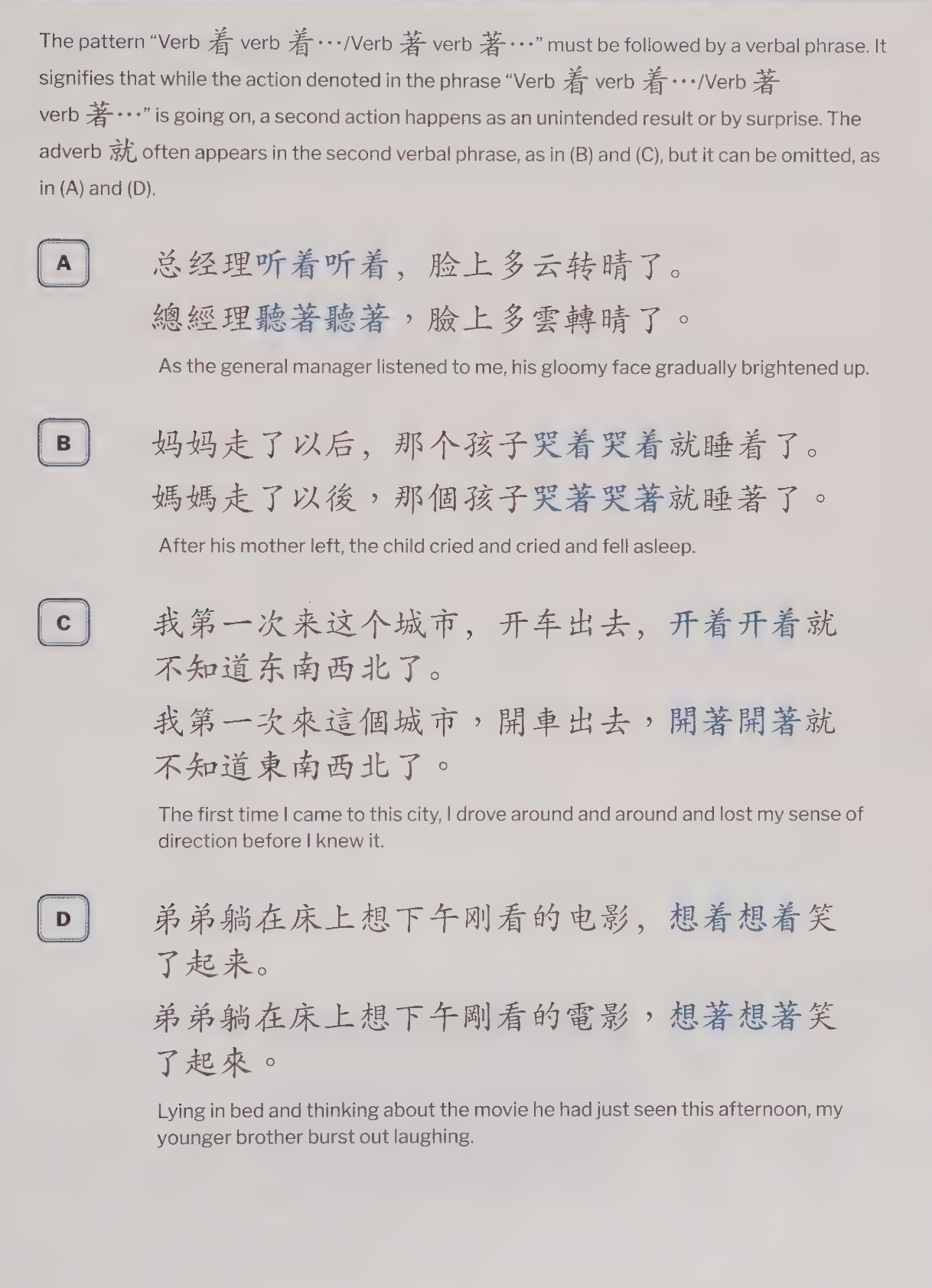
Verb 着 verb 着: must be followed by a verbal phrase. It signifies the action denoted in the phrase with the double 着 is going on, a second action happens as an unintended result or by surprise. 就 often appears in the second verbal phrase, but can be omitted.
64
New cards
to be called
叫做:
65
New cards
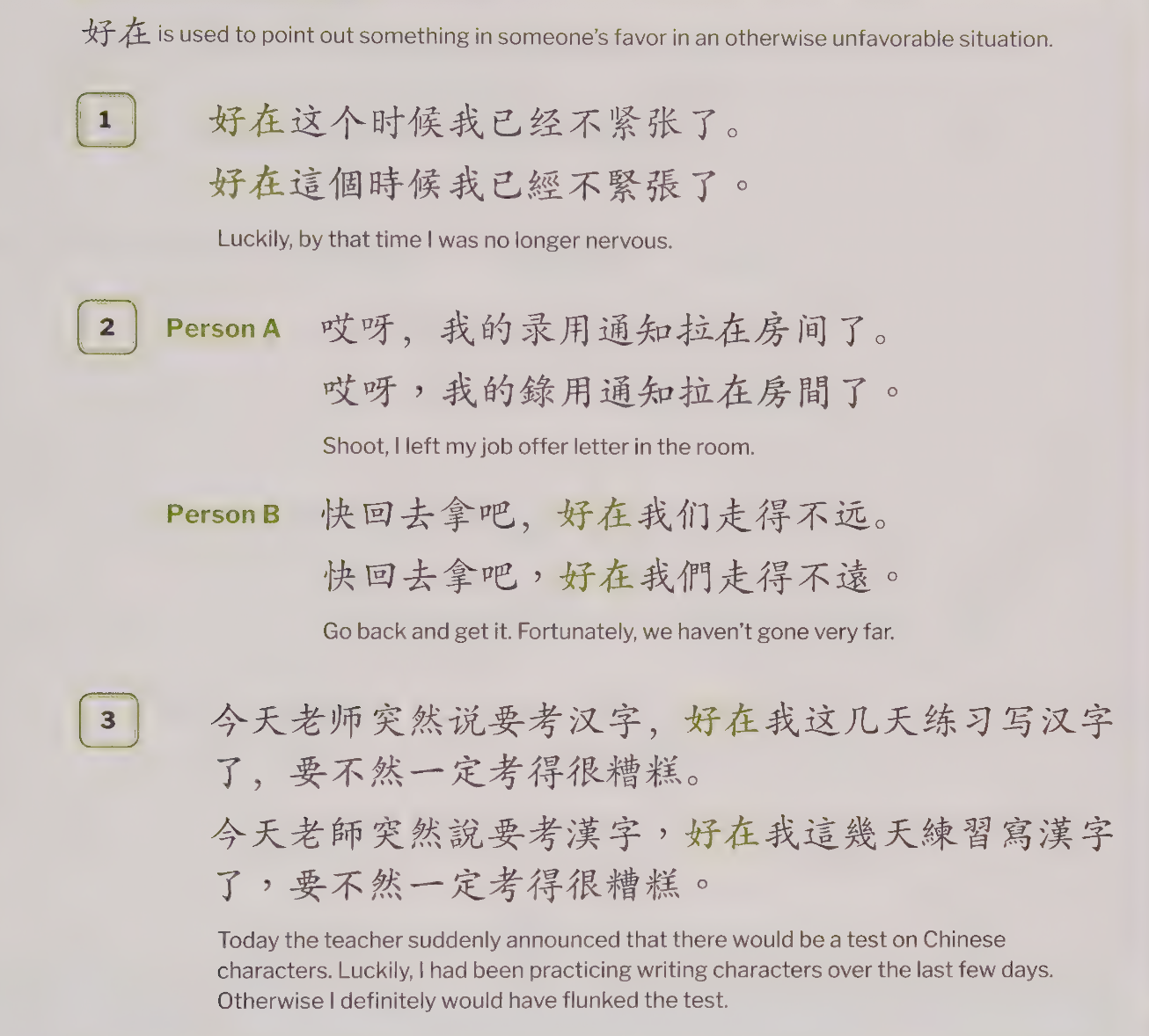
fortunately / luckily
好在:
66
New cards
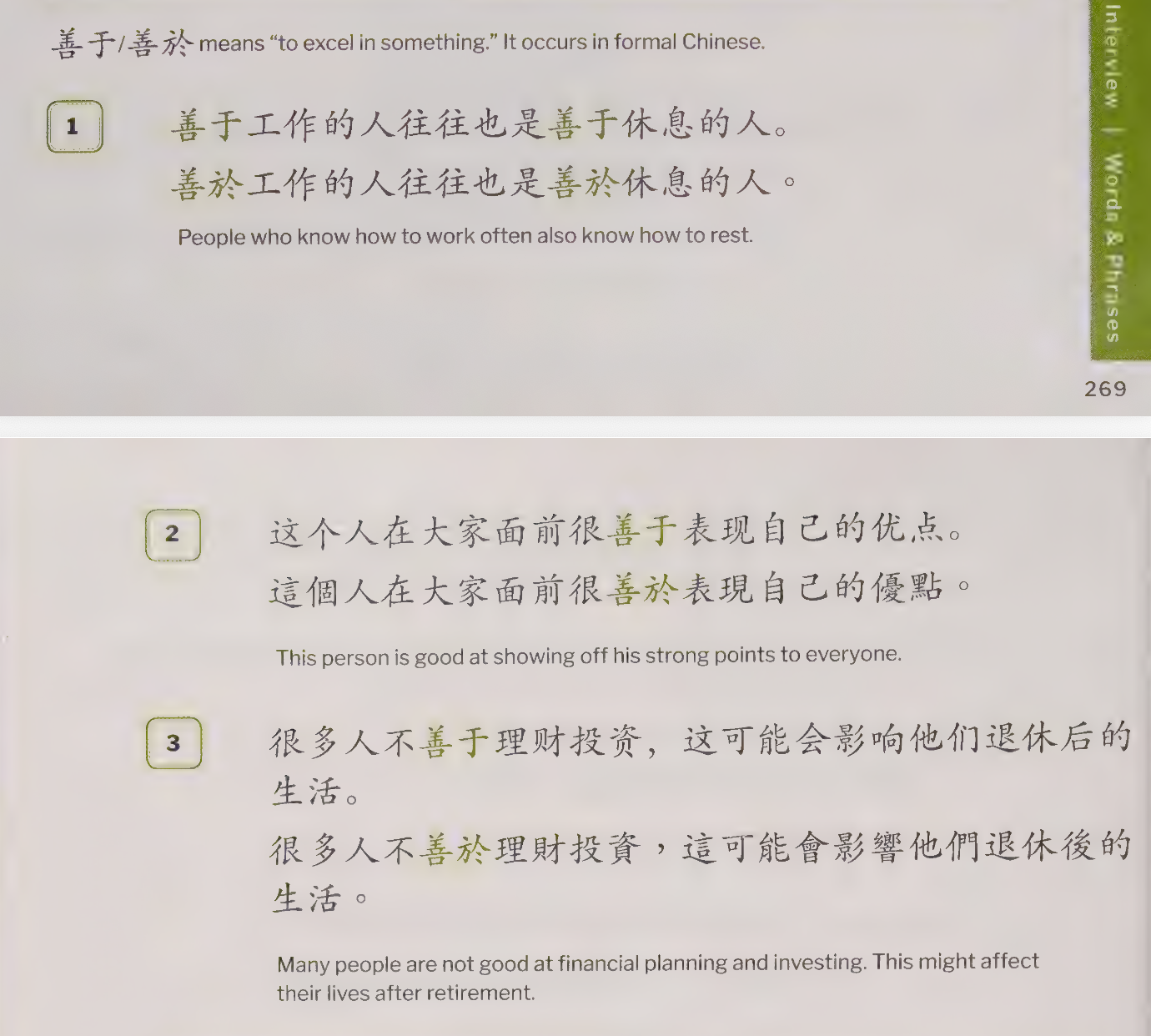
to be good at
善于:
67
New cards
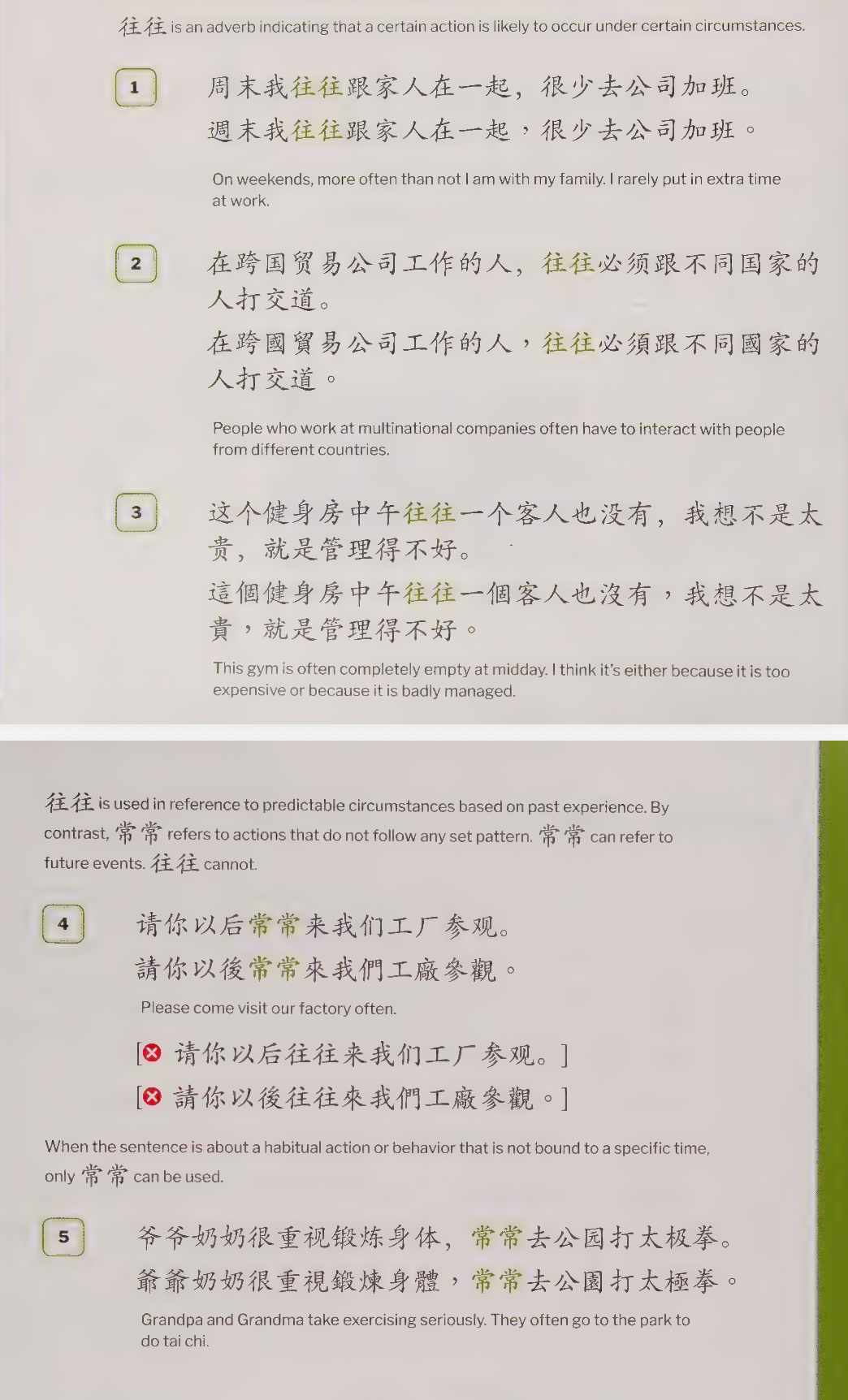
often / usually
往往:
68
New cards
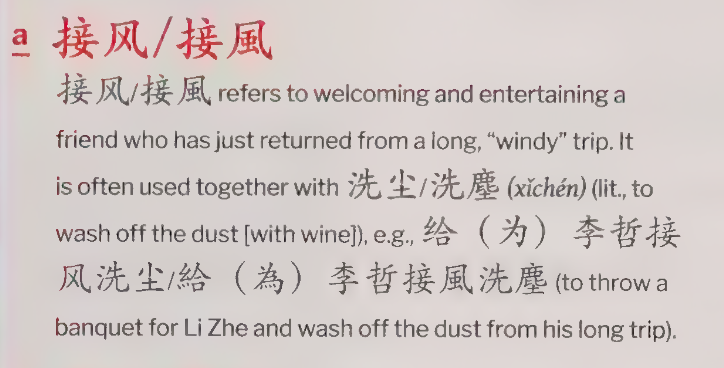
to welcome someone
接风:
69
New cards
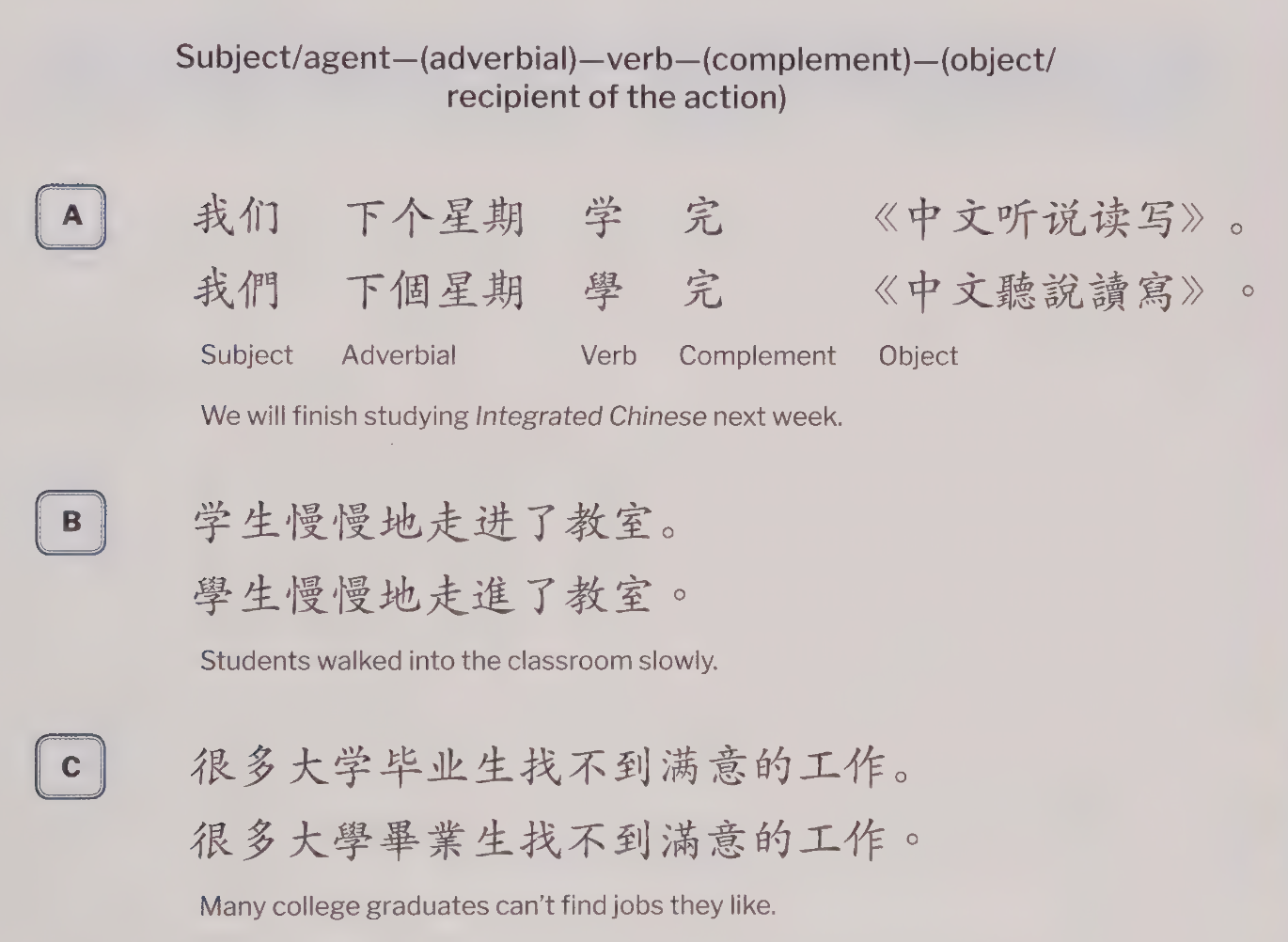
basic sentence structure
Basic sentence structure:
70
New cards
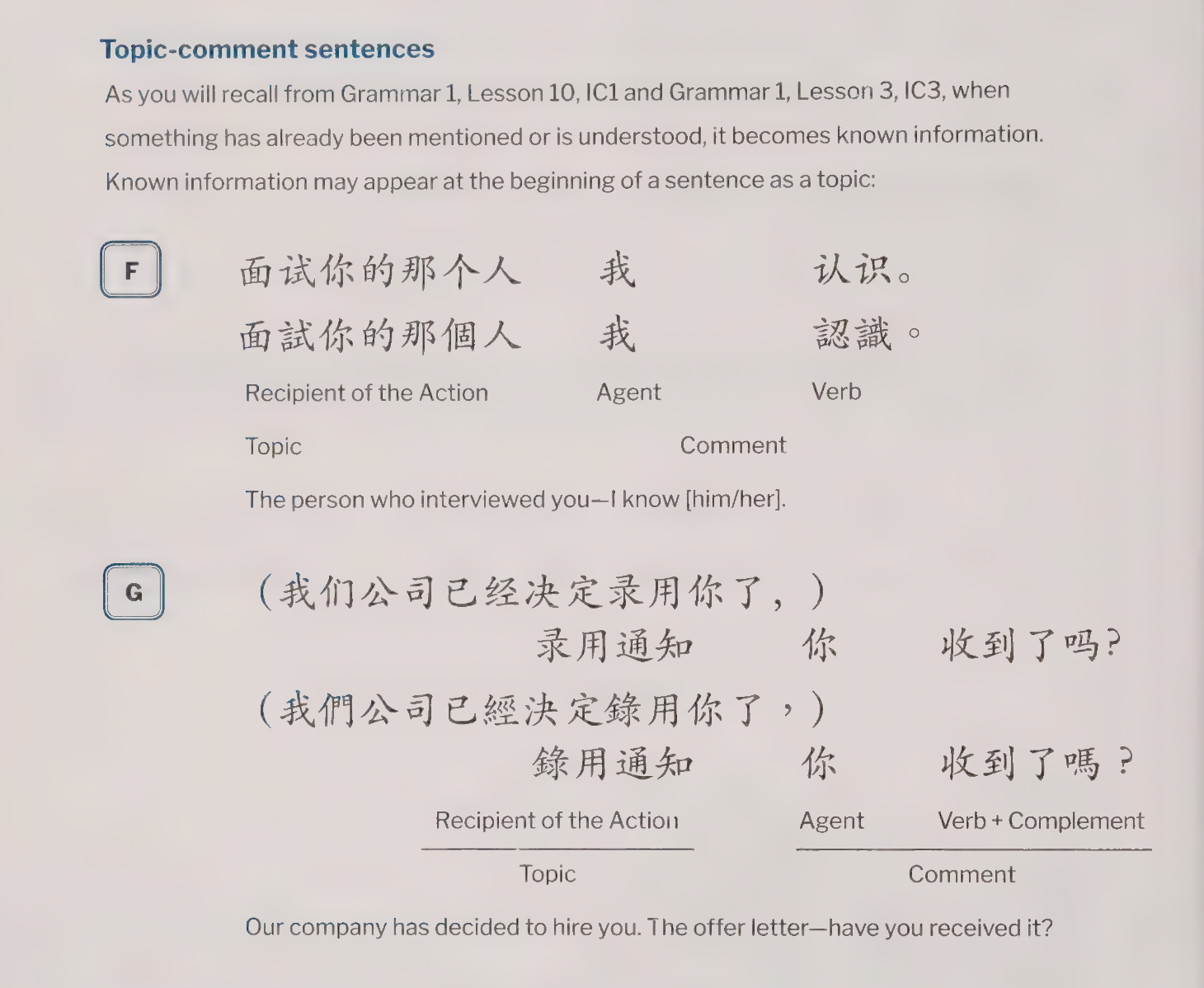
topic comment sentences
Word order variation: topic comment sentences
71
New cards
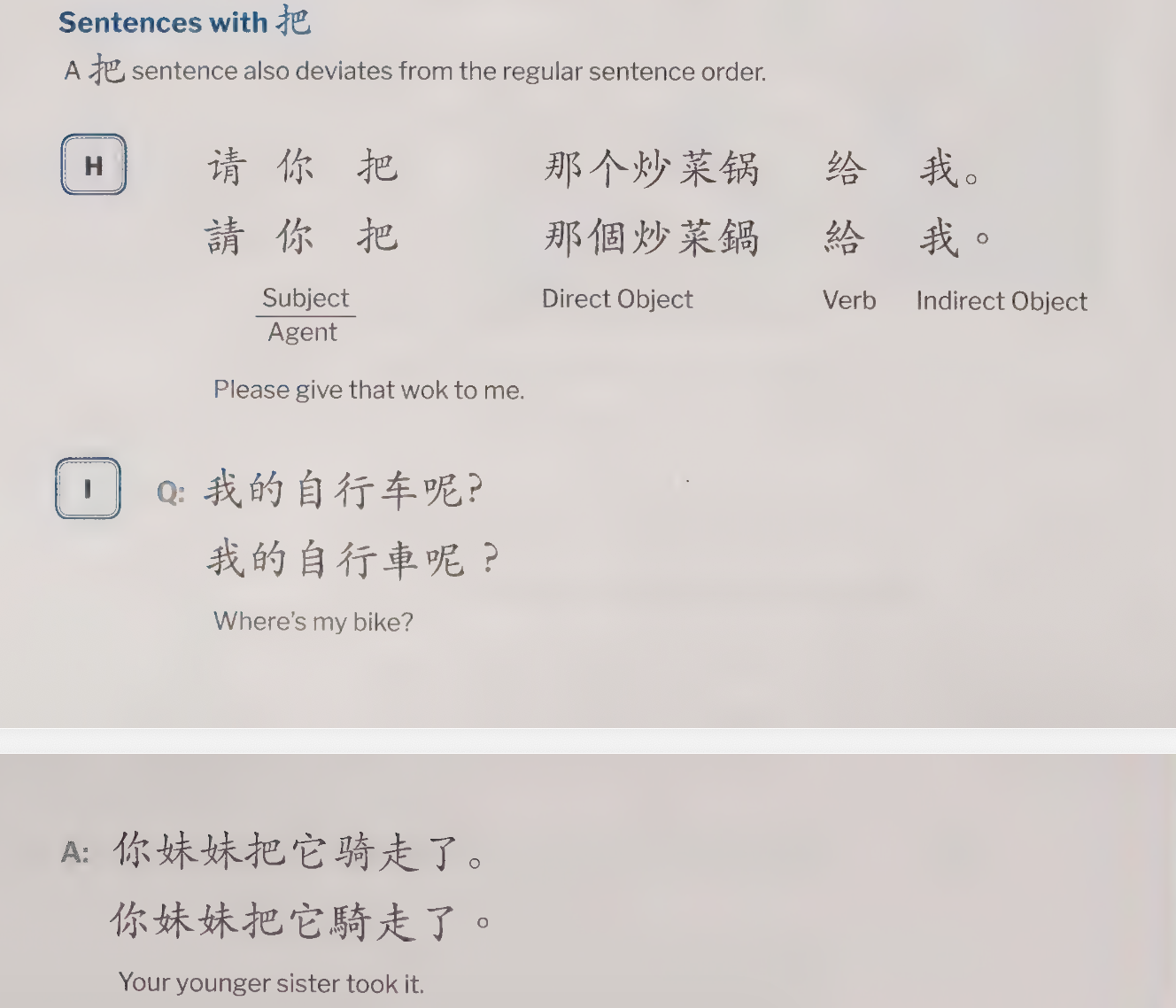
把 word order variation
Word order variation: 把
72
New cards
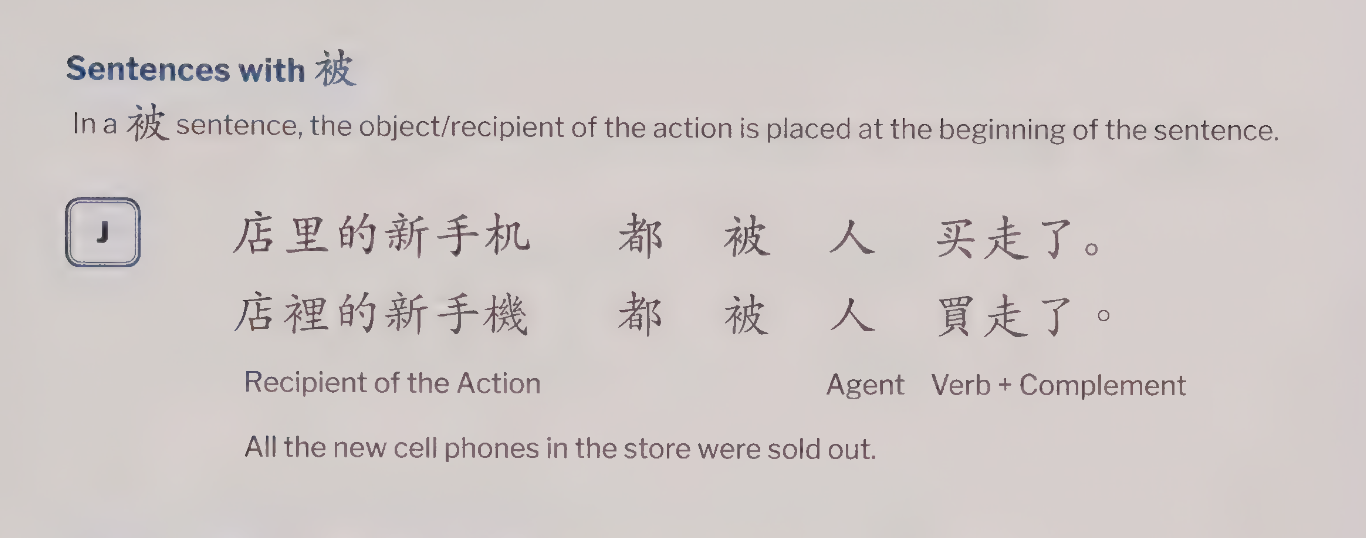
被 word order variation
Word order variation: 被
73
New cards
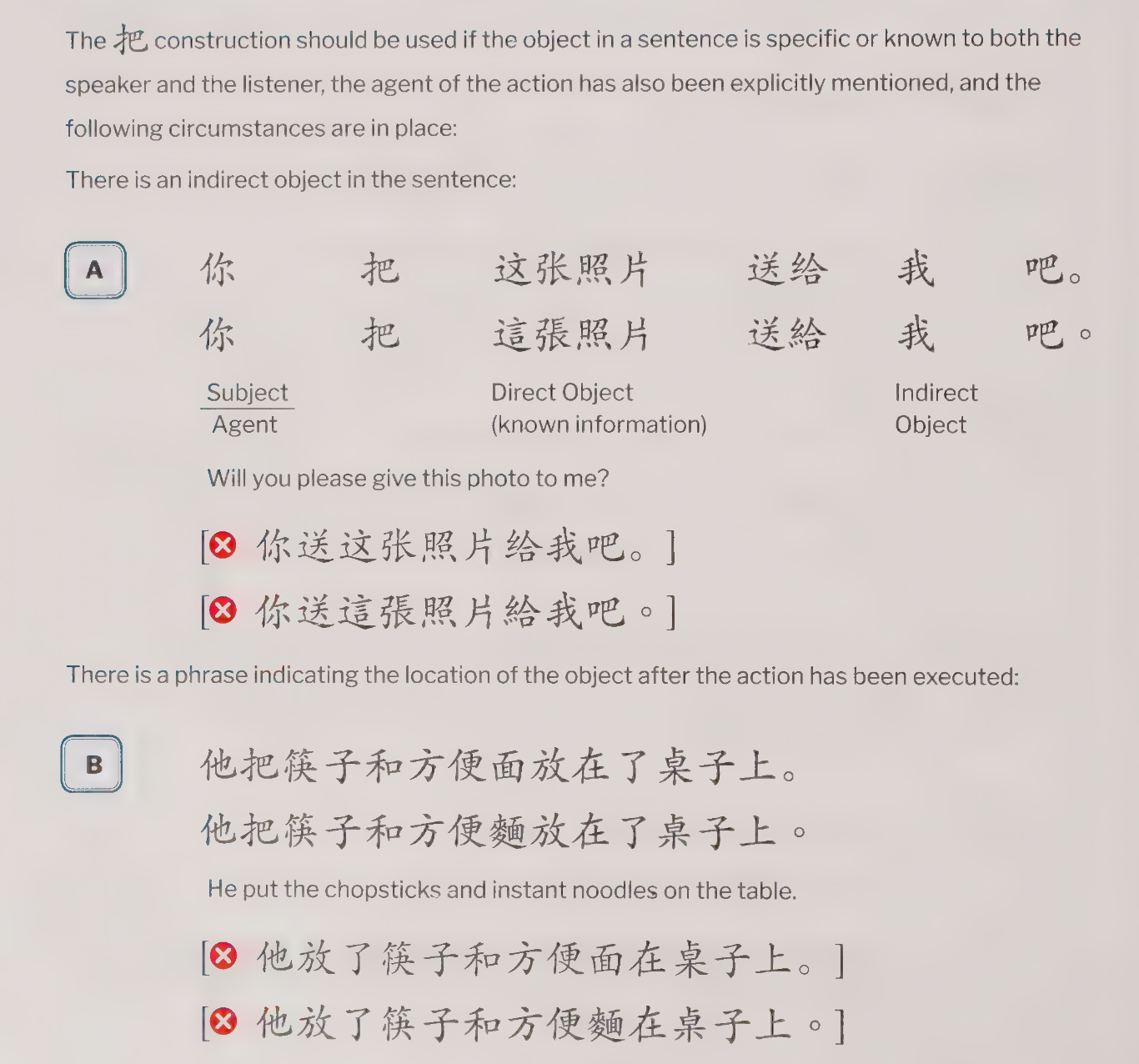
把 structure, more detail
把 II: kijk pagina 302 voor meer.
74
New cards
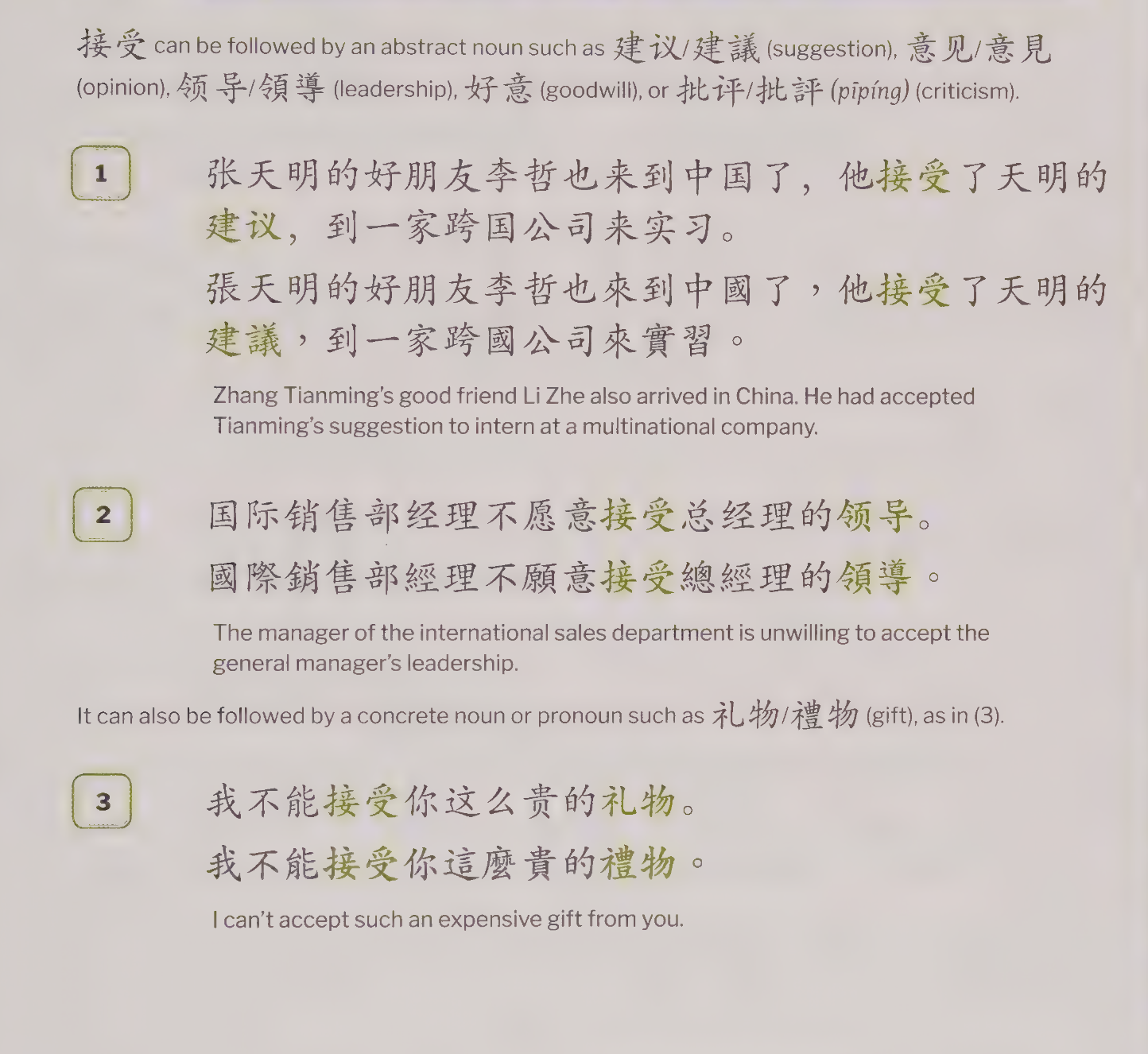
to accept / to take on / to undertake
接受: to accept, to take on, to undertake.
75
New cards
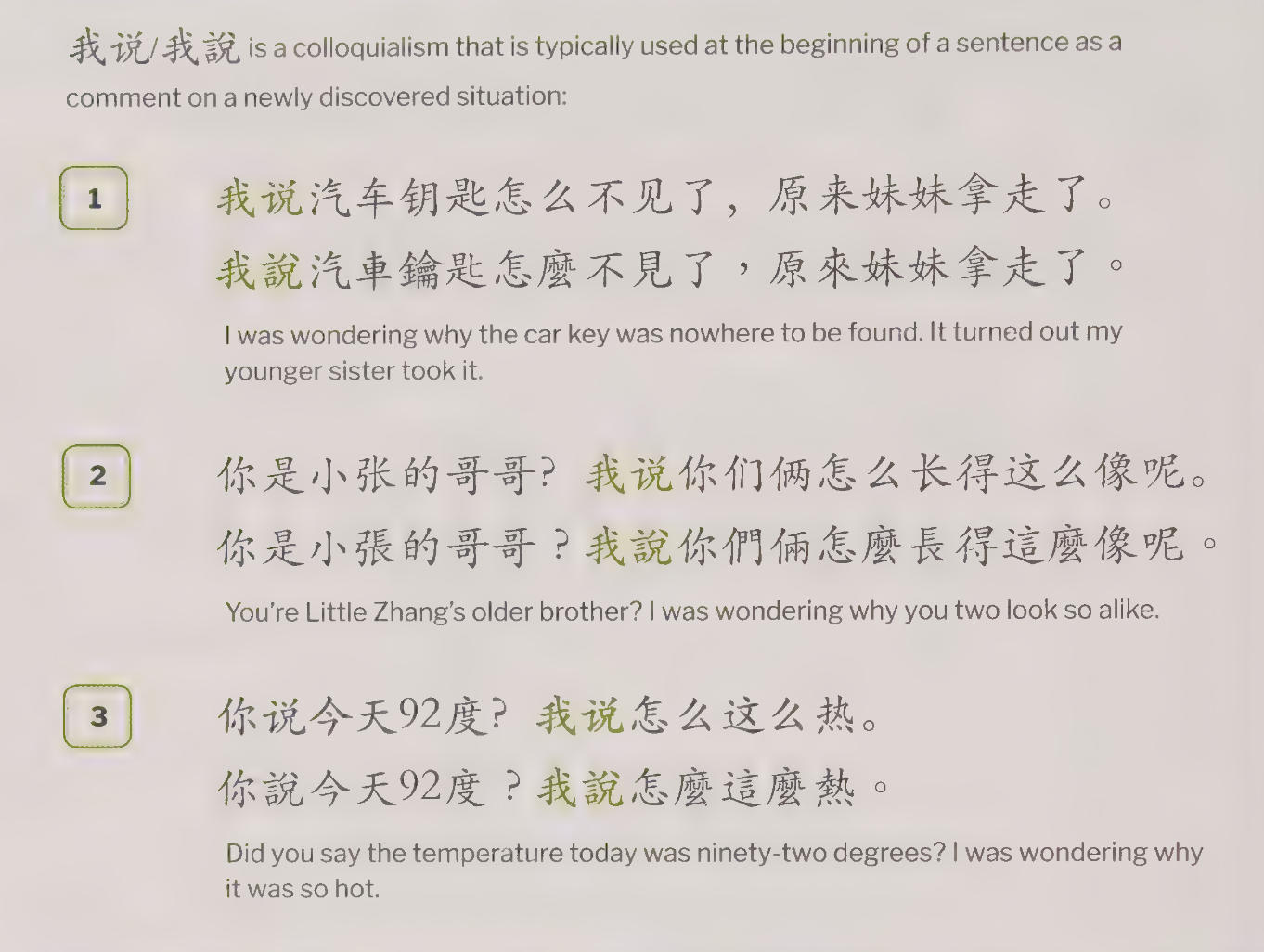
comment on something new
我说: comment on something new.
76
New cards
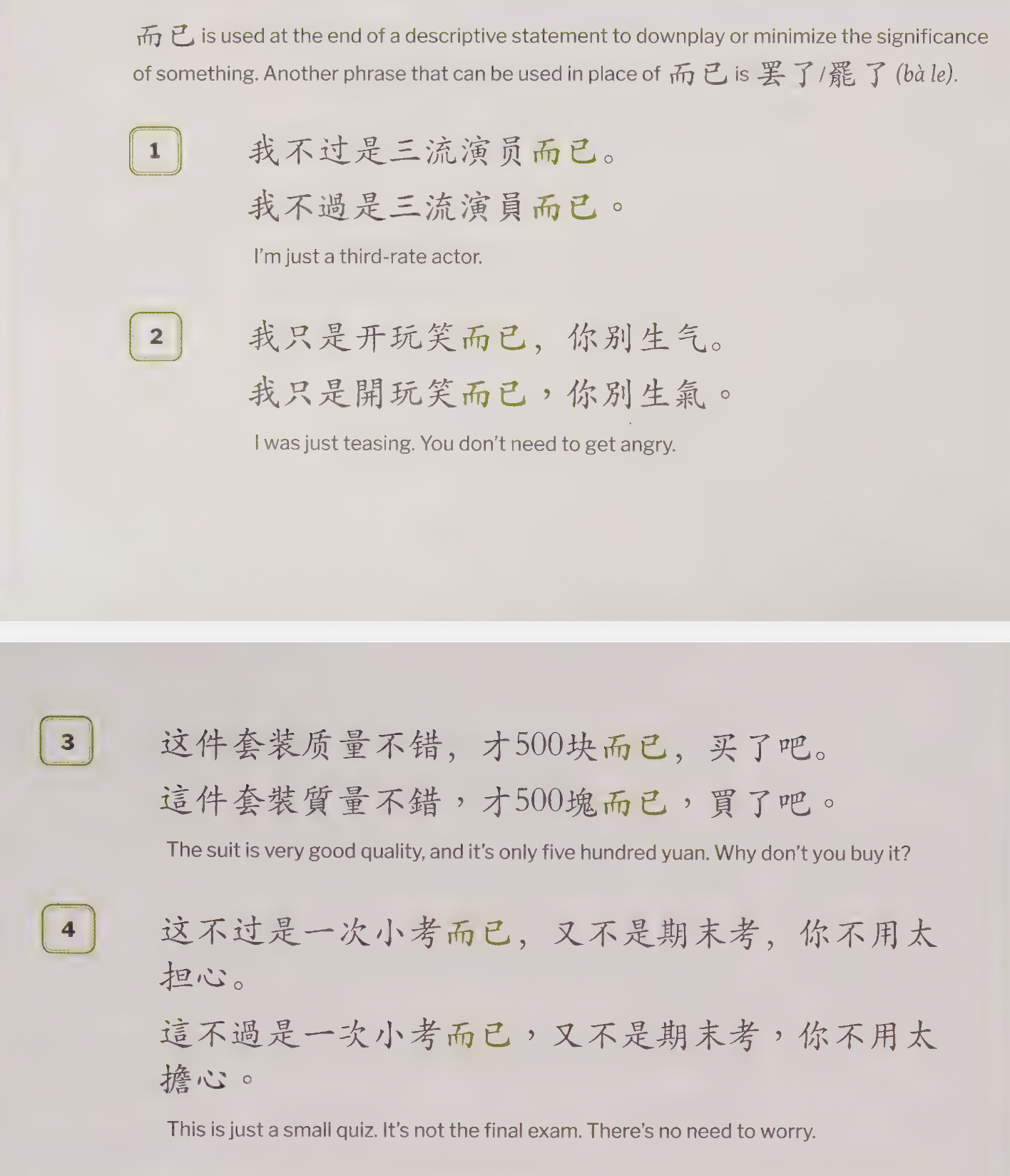
and no more
而已: and no more.
77
New cards
under / in the condition of
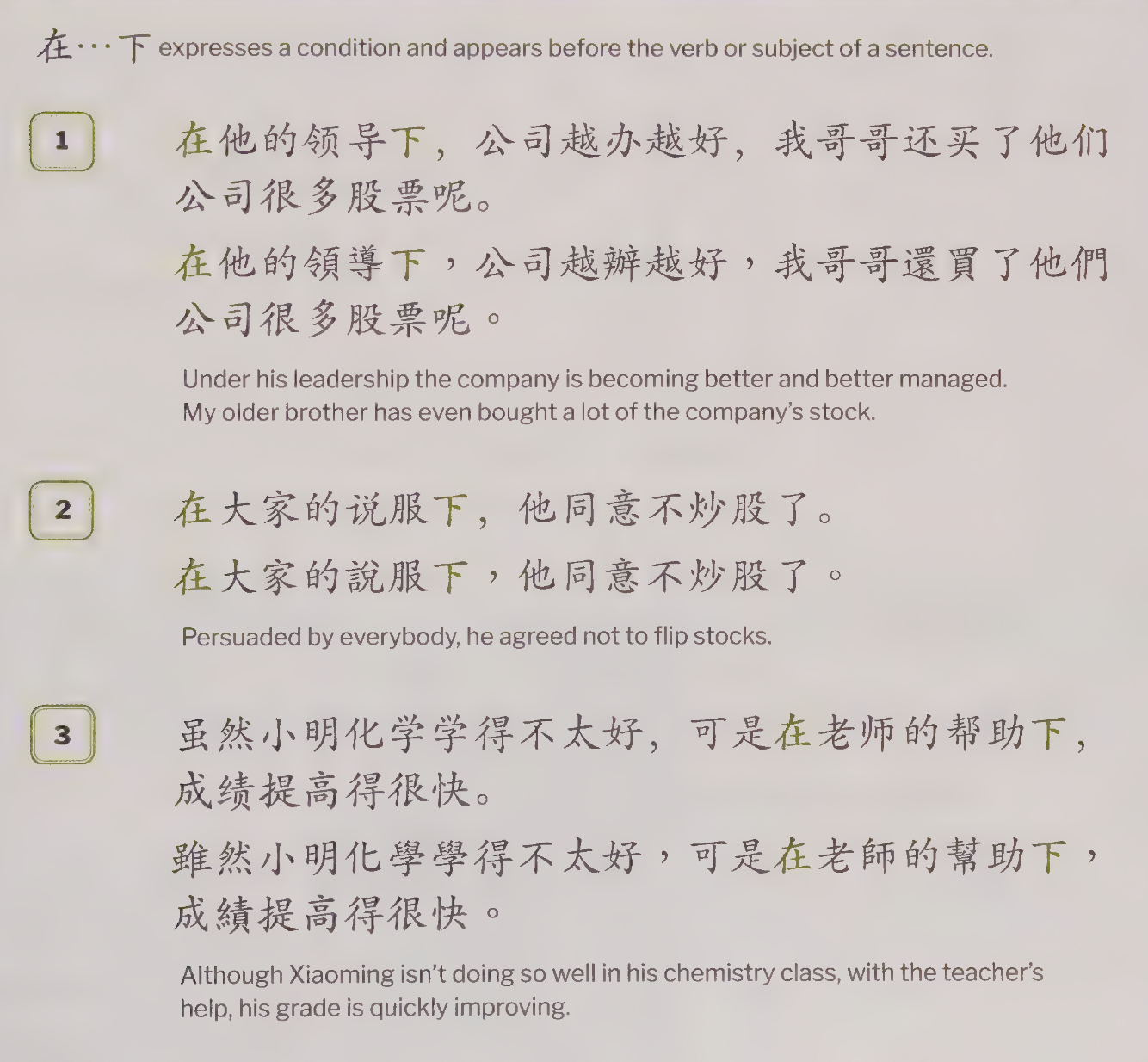
在…下:
78
New cards
what do you think?
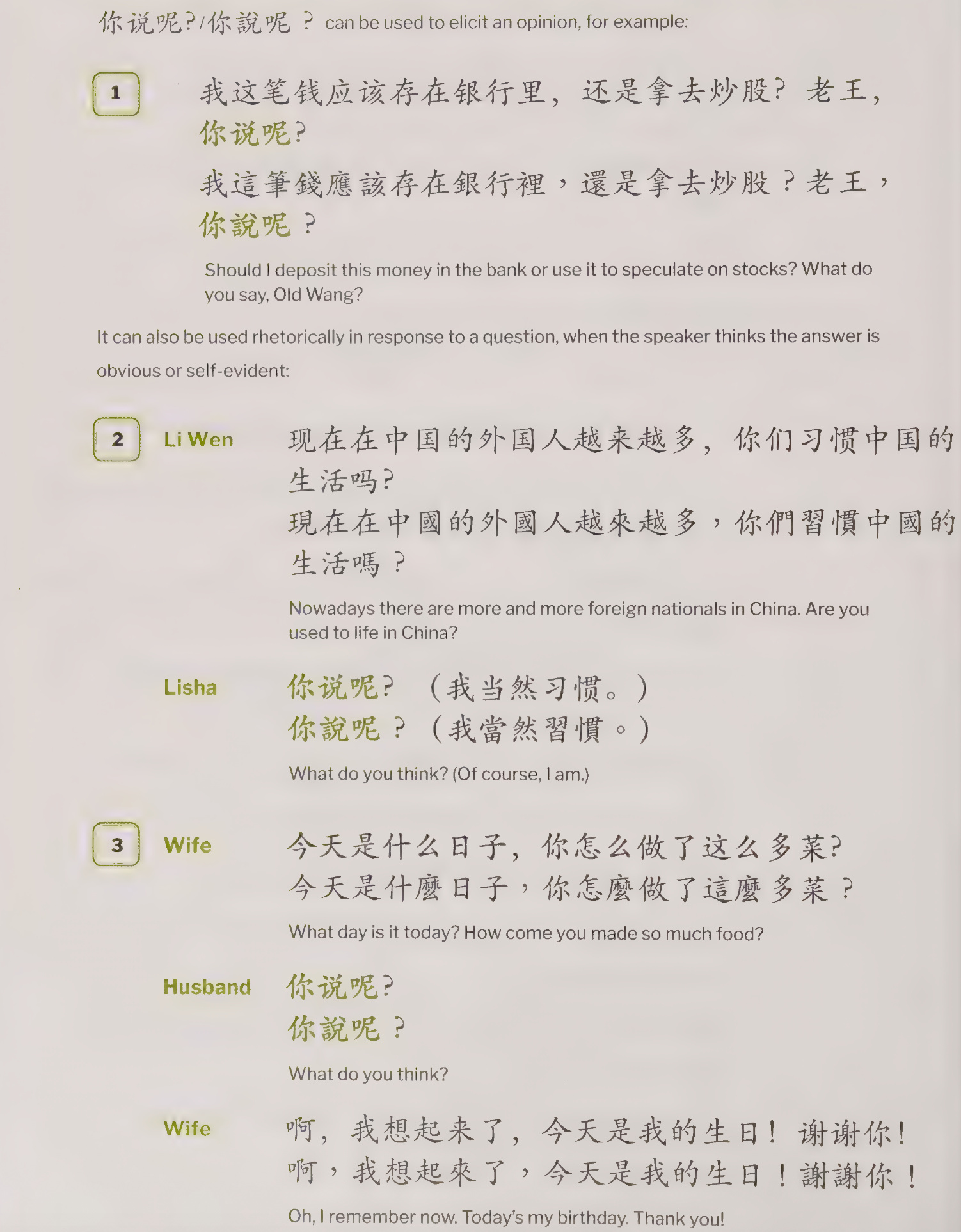
你说呢?: what do you think?