Medical procedures/testing
 Call Kai
 Learn
Learn Practice Test
 Spaced Repetition
 Match
Match Flashcards
 Knowt Play
1/9

There's no tags or description
Looks like no tags are added yet.
Name | Mastery | Learn | Test | Matching | Spaced | Call with Kai |
|---|
No analytics yet
Send a link to your students to track their progress
10 Terms
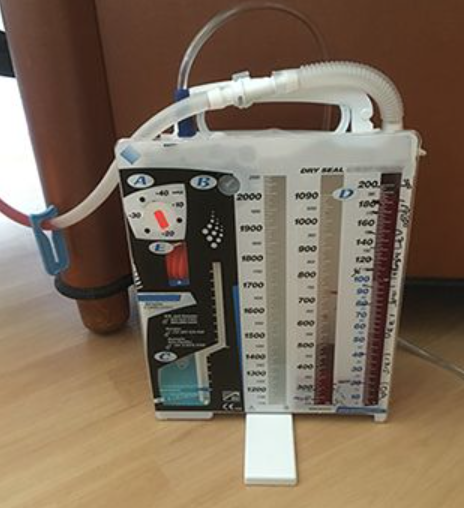
chest tube collection device
Removal of a chest tube may result in pneumothorax. A radiograph of the chest is needed to rule out pneumothorax prior to mobilization of the patient
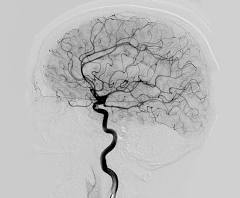
central angiography
determines narrowing or blockage of artery in brain; diagnoses aneurysm, tumor, CVA; catheter is used; x rays taken
computed tomography (CT scan)
brain scan imaging
rule out severe injuries of SC or brain

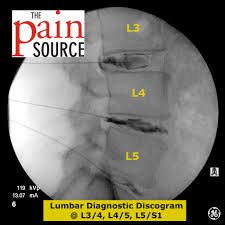
discography
evaluates spinal disk; contrast dye injected and CT scan performed
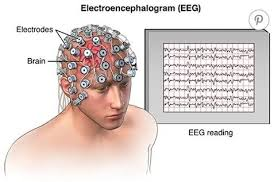
electroencephalography (EEG)
continuously measure electrical activity of brain using multiple electrodes attached to skull; rules out seizure disorders, etc.
records brain activity, most helpful in assessing seizure activity.
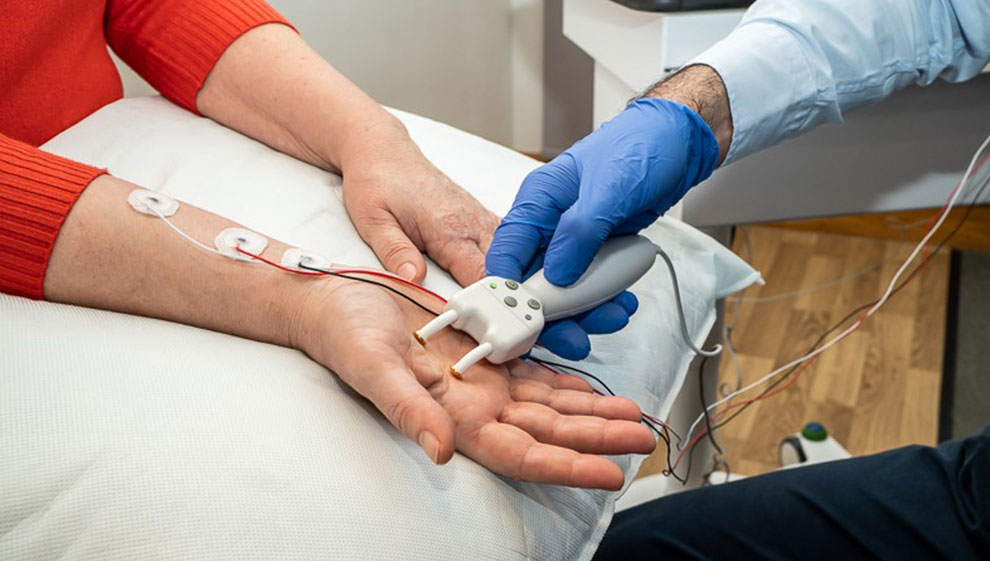
electromylography (EMG)
assess nerve and muscle dysfunction or SC disease; rules out LMN disease, etc.
measures electrical activity in muscle, which is used to assess peripheral nerve injuries and differentiate between neuromuscular disorders.
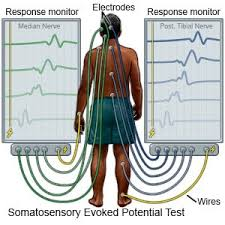
evoked potentials
records time it takes for impulse to reach brain
rules out MS, acoustic neuroma, etc
are recorded from the presentation of a stimulus. They can be used to determine how quickly and completely nerve signals reach the brain assisting in the diagnosis of several medications (i.e. MS)
myelography
uses contrast dye and x ray imaging; high risk for HA following spinal tap
rule out abnormalities of subarachnoid space, spinal nerve injury, herniated disk, tumors
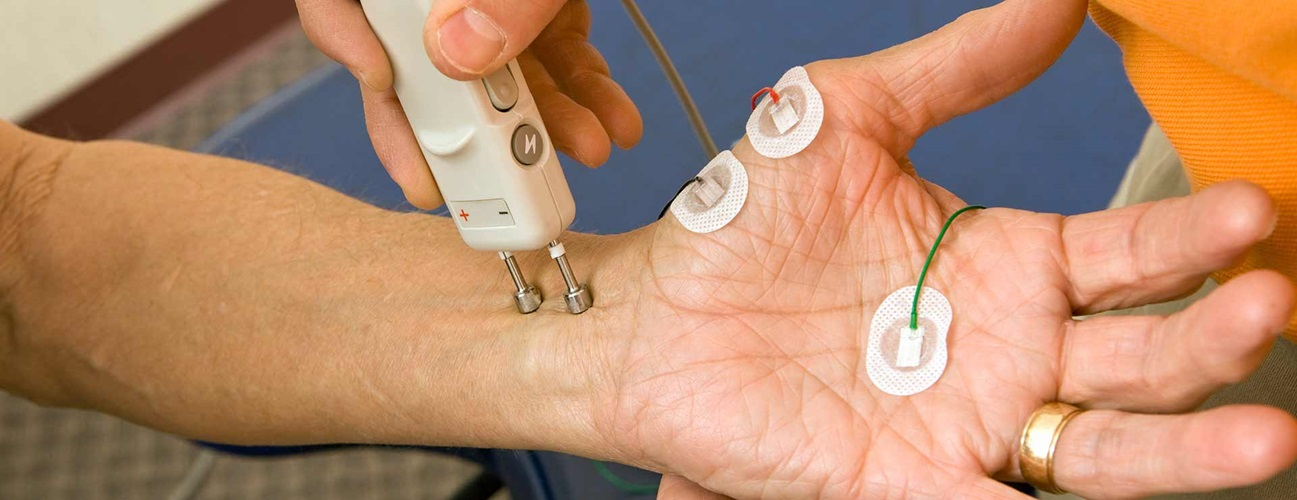
nerve conduction velocity (NVC)
stimulation of peripheral nerve to determine nerve action potential and nerves ability to send a signal
rules out peripheral neuropathies, carpal tunnel syndrome, demylenination, peripheral nerve compression
measure the speed an action potential travels down a peripheral nerve.
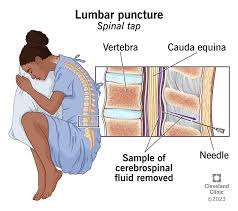
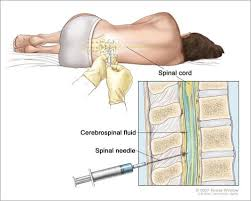
spinal puncture (lumbar)
cerebral spinal fluid sample L3-4
rules out hemorrhage, meningitis, inflammation, tumor