Homeless Group
 Call Kai
 Learn
Learn Practice Test
 Spaced Repetition
 Match
Match Flashcards
 Knowt Play
1/22

There's no tags or description
Looks like no tags are added yet.
Name | Mastery | Learn | Test | Matching | Spaced | Call with Kai |
|---|
No analytics yet
Send a link to your students to track their progress
23 Terms
What is the prevalence of the homeless community within Australia?
0.5% of the Australian population are homeless, 1 in 200 people (2021)
How many indigenous people are homeless?
20% of all homeless are indigenous, 1 in 5 homeless people are indigenous
First Nations people are over 8 times more likely to experience homelessness than non-Indigenous Australians.
How many young people in Australia are homeless?
23% of homeless people are young ppl (12-24),
1 in 4 homeless people are 12 - 24 yeas old
1 in 7 homeless people is a child under the age of 12.
How many primary homeless people stuggle with substance abuse?
3 in 4 (71%)—reported a drug and/or alcohol problem
How many homeless mothers are there?
56.4% of women accessing homelessness support are single mothers,
around 12,500 single mothers (alongside their children) are homeless.
main causes:
→ DV
→ lack of affordable housing
What is the percentage of males that are homeless?
56% male
What is the percentage of females that are homeless?
44% female
What is the defintion of homelessness?
An indivdual is considered part of the homeless group if they do not have access to safe, secure, regular and stable housing. This includes people who are sleeping rough, staying in temporay accomidation, or living in severly overcrowded or unsuitable housing.
What is the cultural defintion of homelessness?
Marginally housed: people in housing situations close to the minimum standard;
Tertiary homelessness: people living in single rooms in private boarding houses without their own bathroom, kitchen or security of tenure;
Secondary homelessness: people moving between various forms of temporary shelter including friends, emergency accommodation, youth refuges, hostels and boarding houses;
Primary homelessness: people without conventional accommodation (living in the streets, in deserted buildings, improvised dwellings, under bridges, in parks, etc); and
Culturally recognised exceptions: where it is inappropriate to apply the minimum standard, e.g. seminaries, goals, student halls of residence.
What percentage of the australian population are primarly homeless? (live on the streets)
6.2% - 7%
What percentage of the australian population are secondary homeless? (hidden homeless - don’t have a house, crisis accomidation, coach surfing) (NOT governement housing)
50% of all homeless people are secondarly homeless
True or False? Is ‘serve’ overcrowding houses a form of homelessness?
Yes
They are private homes that do not have enough bedrooms for their usual residents - Canadian National Occupancy Standard (CNOS).
what classify this: when 4+ extra bedrooms are needed, more then 2 children (any sex) under 5 share the same room, or more then 2 minors (same sex) sharing the same room, or when single adults or couples don’t have thier own room.
this is most prevalent for:
Aboriginal and Torres Strait Islander households,
people from culturally and linguistically diverse (CALD) backgrounds,
thoses with low SES
Causes: cost of living, multi gen in one house
True or False? Living in crowded government housing different from server overcrowded dwellings?
True
YES - living in government housing is not a form of homeless
452,000 social housing dwellings in Australia
This inculdes:
public housing - owned and managed by gov
community housing - managed (and often owned) by not-for-profit, non-government organizations
state owned and managed Indigenous housing
Indigenous community housing
What percentage of the australian population live in server overcrowded housing?
0.19% of the Australian population
39% of all people expreienceing homeless live in serverly overcrowded houses
Do you still have to pay rent in public government housing?
Yes - 25 % of income (most states)
What is the percentages of males vs females that are homelessness because of DV - diversity
45% of women seeking homelessness assistance are escaping DV
11% of men seeking homelessness assistance are escaping DV (1 in 10 homeless males seeking assitance are escaping DV)
Rate of unemployment - diversity
45.6 % are actively working or looking for work (ABS 2016)
22.5 % are unemployed homeless - looking for work, but can’t find it
1 in 3 homeless people are working (30% - 36%) (including all types of homelessness)
The main mental health disorders the homeless population in australia experience
Types mental health disorders that cause homeless - diversity
Around 31% of homeless people seeking specialist homeless support have mental health disorders
to
31–80% experience this (broader sources)
depresstion
anxiety
Substance use disorders
PTSD
psychotic disorders
List and define the types of homelessness - diversity
Primary homelessness: sleeping rough
Secondary homelessness: frequently move from one temporary shelter to another e.g. emergency accommoation, youth refuges, couch surfing
Tertiary homelessness: staying in accommodation that falls below min community stanards (e.g. caravan parks, boarding housing)
How many homeless people have a physical disablity?
9.5% of people seeking specialist homeless services report having a disablity.
2.8% of all clients seekign specialist homeless services have a profound disablity.
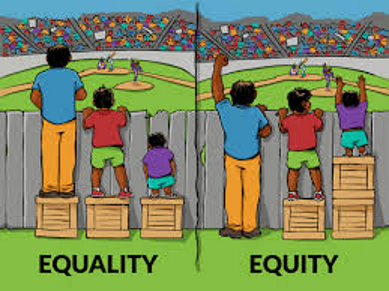
definition of equality
Equality relates to ‘sameness’.
It promotes equal treatment and justice by working to provide individuals, groups, families and communities with the same access.
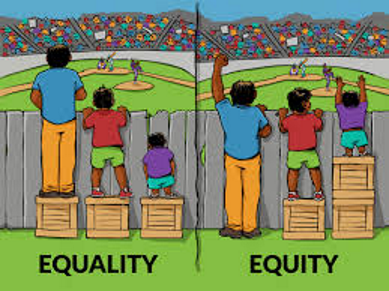
defintion of equity
Equity relates to ‘fairness’.
It promotes support by working to provide individuals, groups, families and communities with access to the same opportunities.
what are the equality issues for this group ?
Equity issues for this group include:
lack of shelter and reduced adequate standard of living.
no permanent address to receive mail.
sanitation and hygiene issues.
access to medical facilities and services.
cost of basic needs including food and increased risk of issues surrounding their personal safety as well as their belongings.
Abuse and discrimination is also an equity issue faced by this group. This can stem from the public's perception about homeless people and possibly in the workplace due to lack of hygiene and employment history.
This group’s security and safety is an equity issue, as they are vulnerable to the predatory behaviour of people who take advantage of this group.