Study Guide for Final Exam BSC 2085 Santa Fe college
 Call Kai
 Learn
Learn Practice Test
 Spaced Repetition
 Match
Match Flashcards
 Knowt Play
1/293

There's no tags or description
Looks like no tags are added yet.
Name | Mastery | Learn | Test | Matching | Spaced | Call with Kai |
|---|
No analytics yet
Send a link to your students to track their progress
294 Terms
anatomy
study of structure or form
physiology
study of function
levels of organization
cell
tissue
organ
organ systems
organism
What are the major body systems involved in maintaining homeostasis?
lungs, pancreas, kidneys and skin.
homeostasis
the ability to maintain a stable internal environment
negative feedback
the body senses a change and activates mechanisms that negate that change
example of negative feedback
sweating
positive feedback
the body senses a change and activates mechanisms that will amplify that change
example of positive feedback
childbirth and blood clotting
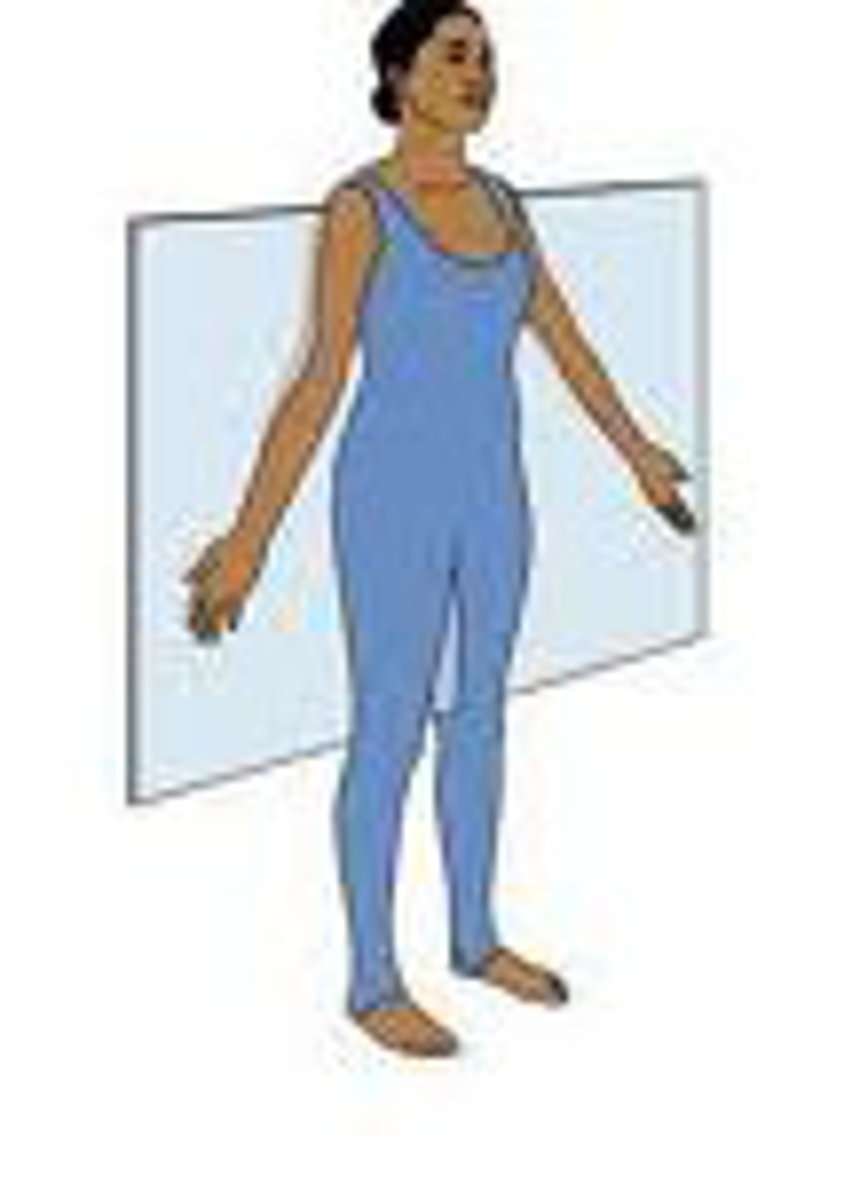
frontal/coronal plane
divides the body into anterior and posterior
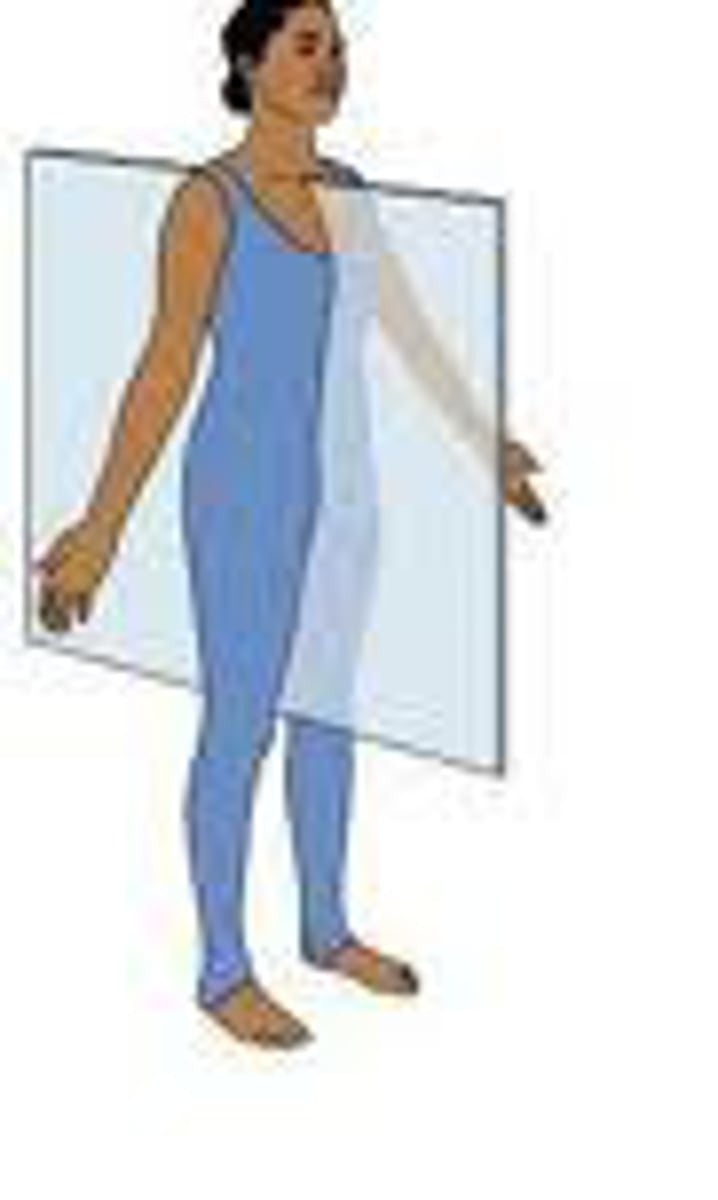
sagittal plane
divides body into left and right portions
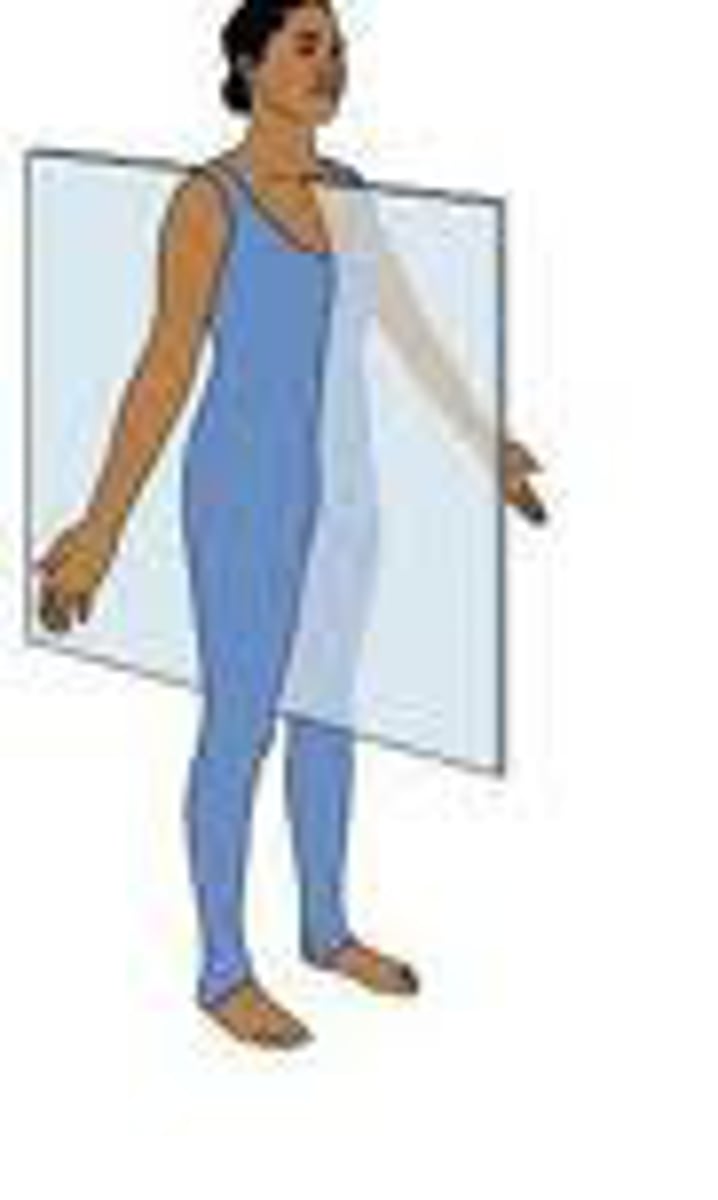
midsagittal plane
divides the body into equal left and right portions
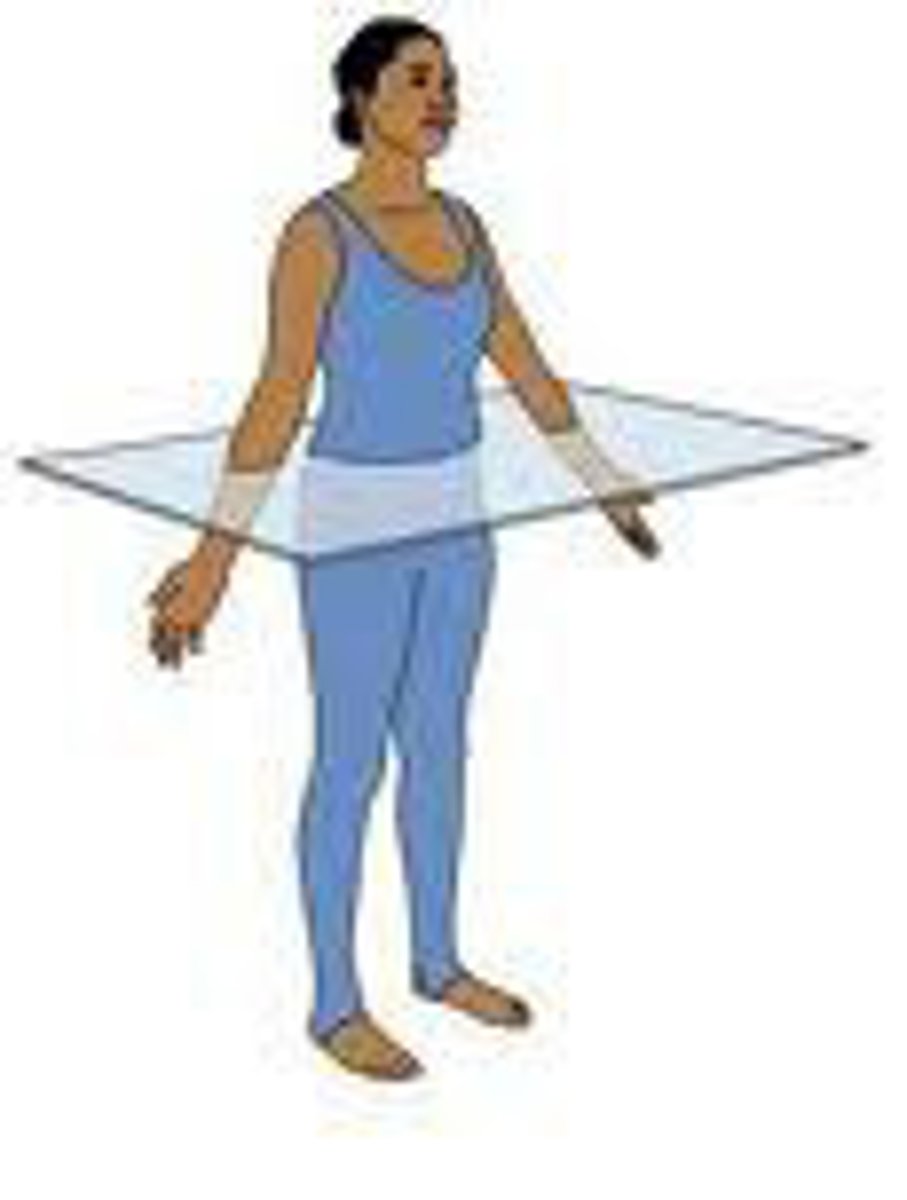
transverse plane
divides body into superior and inferior portions
ventral
toward the front or belly
dorsal
toward the back or spine
anterior
toward the ventral (front) side
posterior
toward the dorsal (back) side
cephalic
toward the head/superior end
superior
above
inferior
below
medial
toward the median plane
lateral
away from the medial plane
proximal
closer to the point of attachment
distal
away from the point of attachment
ipsilateral
on the same side of the body
contralateral
on opposite sides of the body
superficial
closer to the surface of the body
deep
farther from the body surface
what are the four quadrants?
-RUQ
-RLQ
-LUQ
-LLQ
what structure separates the thoracic and abdominopelvic cavities?
the diaphragm
thoracic cavity
contains the heart and lungs
pleural cavities
contain the lungs
pericardial cavity
contains the heart
pericardium
the two-layered SEROUS membrane that lines the heart
pleura
the SEROUS membrane that enfolds the lungs
abdominopelvic cavity
abdominal cavity and pelvic cavity
abdominal cavity
composed of digestive organs, spleen, and kidneys
pelvic cavity
composed of bladder, rectum, reproductive organs
peritoneum
SEROUS membranes surrounding abdominal viscera
ion
an atom that has more or less electrons than protons, thus giving it a negative or positive charge
anion
a negatively charged ion
cation
a positively charged ion
what are the four types of bonds found in the body?
-hydrogen bonds
-ionic bonds
-polar covalent bonds
-nonpolar covalent bonds
ionic bonds
bond created when electrons are donated between atoms
examples of ionic bonds
NaCl
polar covalent bond
unequal sharing of electrons between atoms
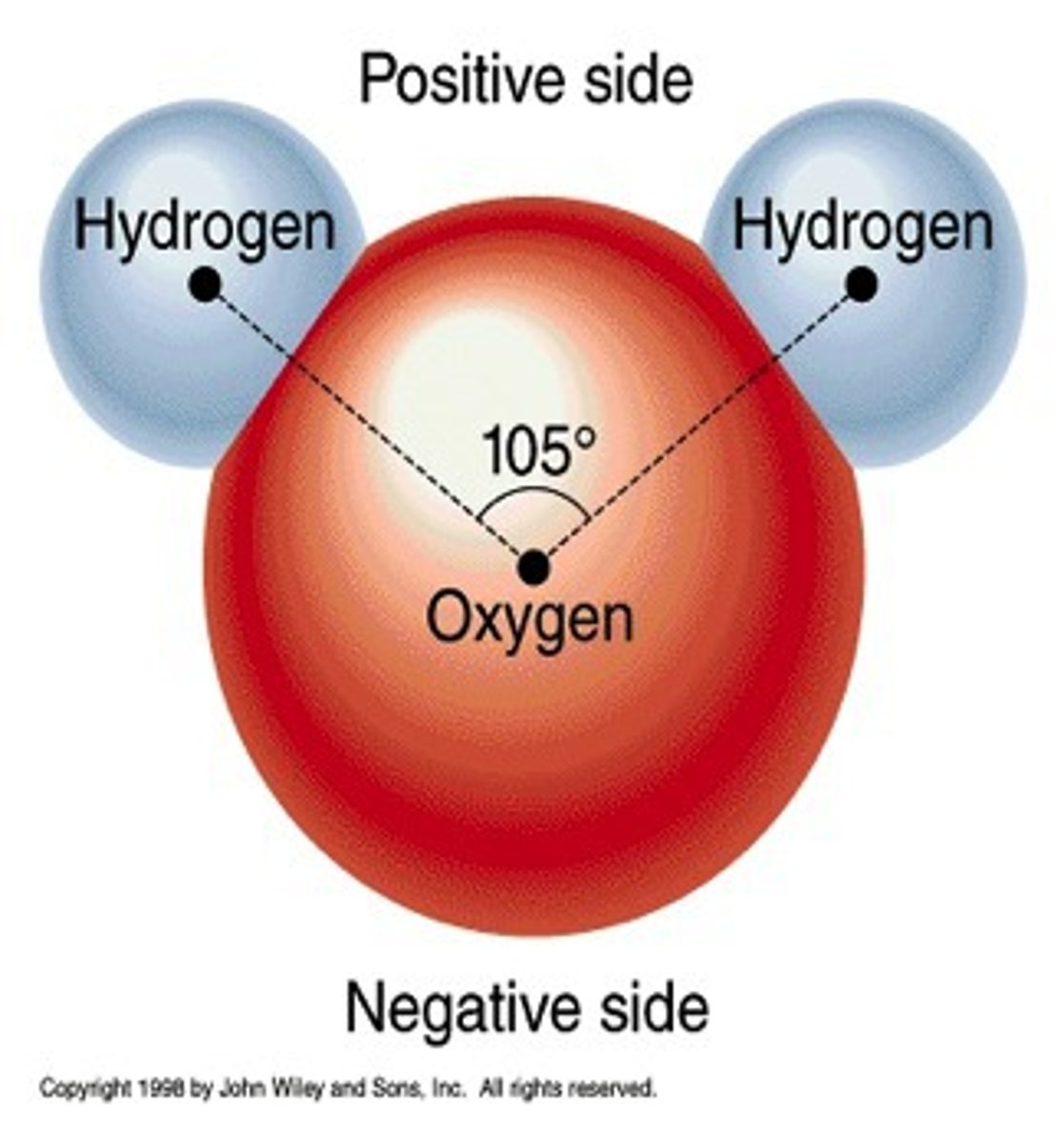
examples of polar covalent bonds
H2O
nonpolar covalent bond
strongest type of bond; equal sharing of electrons between atoms
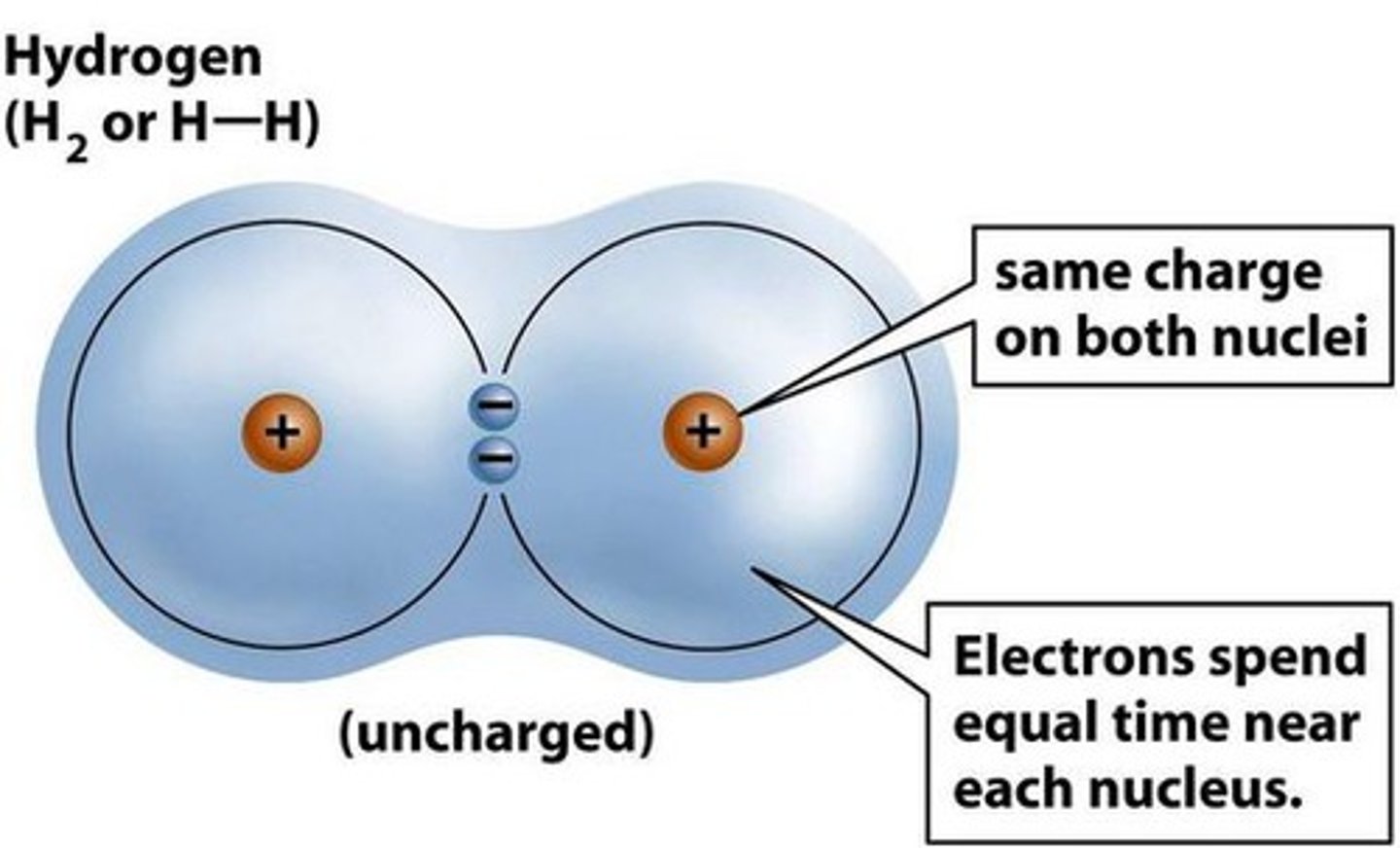
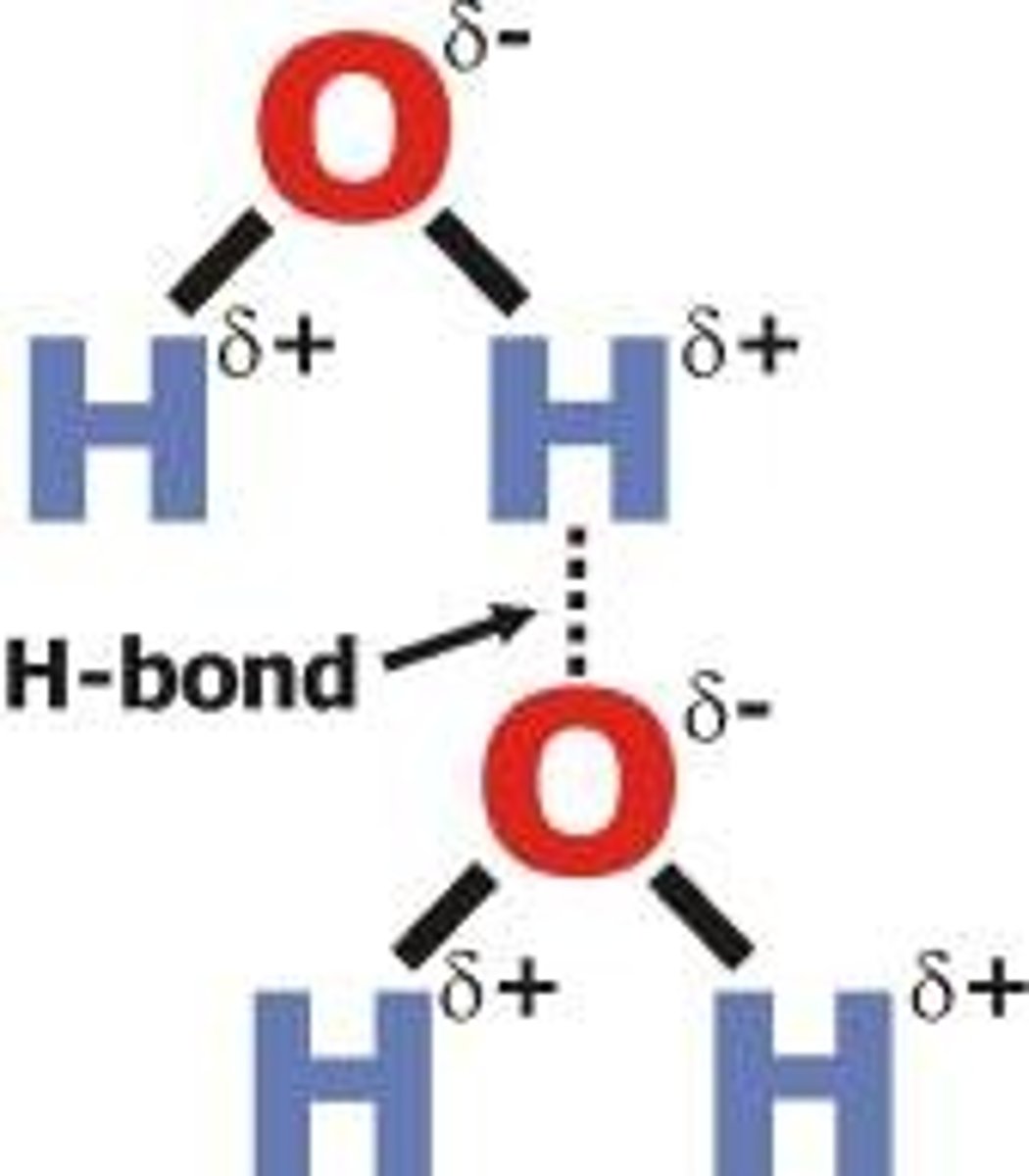
example of hydrogen bond
H2O
hydrogen bond
WEAKEST type of bond formed with hydrogen atoms that can be broken easily
some examples of anions in the body
-oxide
-hydride
-chloride
some examples of cations in the body
-potassium
-sodium
-hydrogen
-calcium
-aluminium
example of nonpolar covalent bond
oils and fats (C-H) (C-C)
example of hydrogen bond
water
why is water a good solvent?
water is polar covalent because there is an unequal sharing of electrons between the oxygen and hydrogen atoms, making water easy to break up
combination reactions
synthesis reactions that always involve forming a bond (A + B -> AB)
decomposition reactions
reactions that involve breaking down compounds into smaller components (AB -> A + B)
exchange reactions
reactions involving bonds that are made and broken (AB + C -> AC + B)
monomer
subunits of polymers (glucose)
polymers
a substance made up of repetitive series of identical monomers (starch is made up of glucose)
carbohydrates
supplies a source of cellular fuel
what is the general chemical formula of a carbohydrate?
CH2O
what types of bonds are found in carbohydrates?
hydrogen and covalent bonds
are carbohydrates hydrophobic or hydrophilic?
hydrophilic
monosaccharide
composed of monomers
disaccharide
sugars composed of two monosaccharides
polysaccharide
long chains of monosaccharides
what is the storage form of glucose?
glycogen
where is glycogen stored?
liver and skeletal muscle
are lipids hydrophobic or hydrophilic?
hydrophobic
what is the structure of a triglyceride?
a molecule consisting of a three-carbon alcohol linked to three fatty acids
triglyceride
serve as energy storage, thermal insulation, bind organs together, and cushion organs
what is the structure of a phospholipid?
have polar and nonpolar ends
phospholipid
primary structural components of the plasma membrane
amino acids
the basic building blocks of proteins
what type of bonds unit amino acids?
peptide bonds
are proteins are hydrophobic or hydrophilic?
hydrophilic
enzyme
a protein that acts as a biological catalyst
what are two factors that change the shape of an enzyme?
temperature and pH
ATP
adenosine triphosphate
what is ATP composed of?
-a nitrogen-containing base adenine
-the sugar ribose
-3 phosphate groups
what function does ATP play in cellular metabolism?
it is the energy source that drives cellular activity
where is ATP made?
mitochondria
cellular respiration
Process that releases energy by breaking down glucose and other food molecules in the presence of oxygen
nucleus
a large, membrane-bound structure that is often centrally located; contains DNA
plasma membrane
selectively-permeable boundary that separates the ICF and organelles from the ECF
mitochondria
the powerhouse of the cell; produces ATP
ribosomes
produce protein
golgi complex
makes, processes, and packages proteins; also synthesizes carbohydrates
endoplasmic reticulum
little network within the cytoplasm
lysosome
a package of enzymes enclosed in a membrane; produced by the golgi complex
nucleolus
dark-staining masses where ribosomes are produced
centriole
a short cylindrical assembly of nine triplets of microtubules; origin of the mitotic spindle
transcription
the process of copying genetic instructions from DNA to RNA
translation
converts the language of nucleotides into the language of amino acids
steps of mitosis
-prophase
-metaphase
-anaphase
-telophase
prophase
chromatin coils up to form distinct chromosomes; nuclear membrane disappears; centrioles move to opposite ends of the cell, stringing microtubules between them
metaphase
chromosomes attach to spindle fibers and line up across the equator of the cell; organelles organized on the spindle fibers
anaphase
a copy of each chromosomes reach opposite poles is pulled to opposite ends of the cell
telophase
chromosomes reach opposite poles; chromosomes unravel and return to chromatin; spindle fibers disappear; nuclear membrane materializes