AP Language Rhetorical Devices
 Call Kai
 Learn
Learn Practice Test
 Spaced Repetition
 Match
Match Flashcards
 Knowt Play
1/21

There's no tags or description
Looks like no tags are added yet.
Name | Mastery | Learn | Test | Matching | Spaced | Call with Kai |
|---|
No analytics yet
Send a link to your students to track their progress
22 Terms
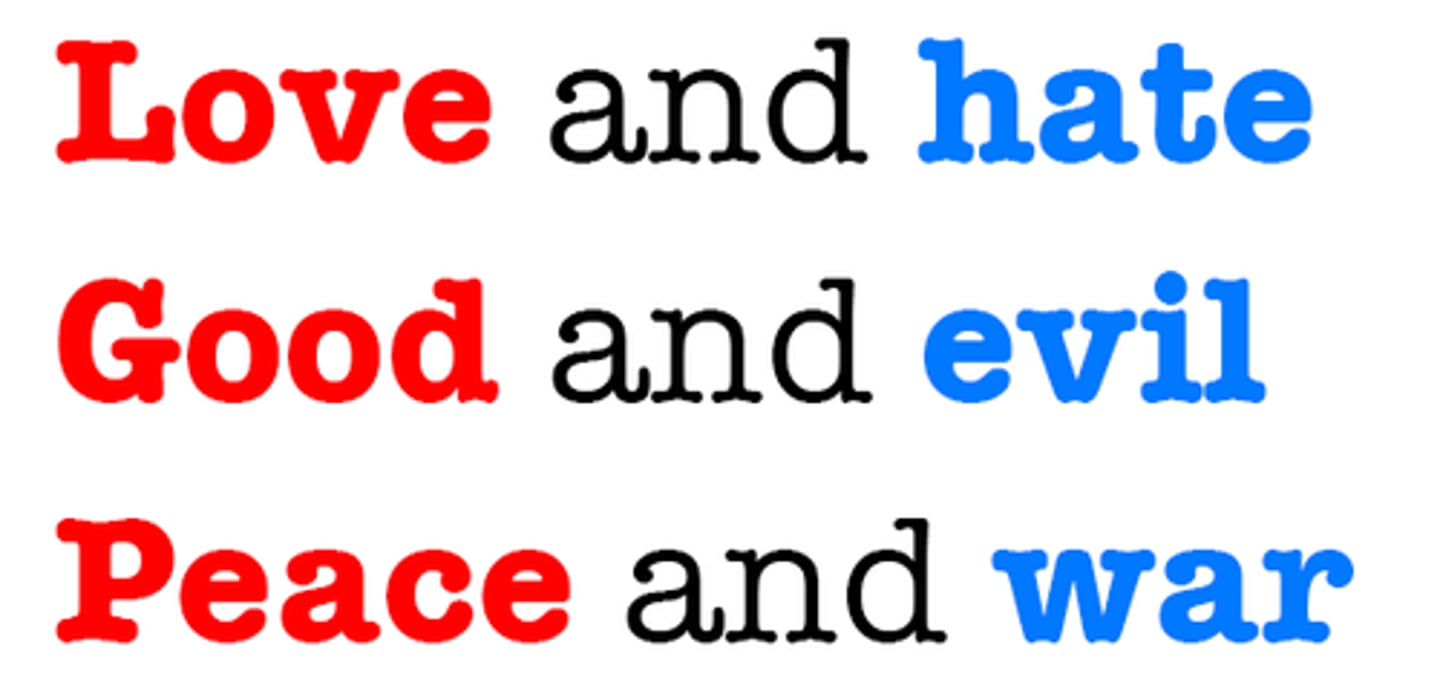
Antithesis
two opposite ideas are put together in a sentence to achieve a contrasting effect
Paradox
A statement or proposition that seems self-contradictory or absurd but in reality expresses a possible truth.

Juxtaposition
Placement of two things closely together to emphasize comparisons or contrasts

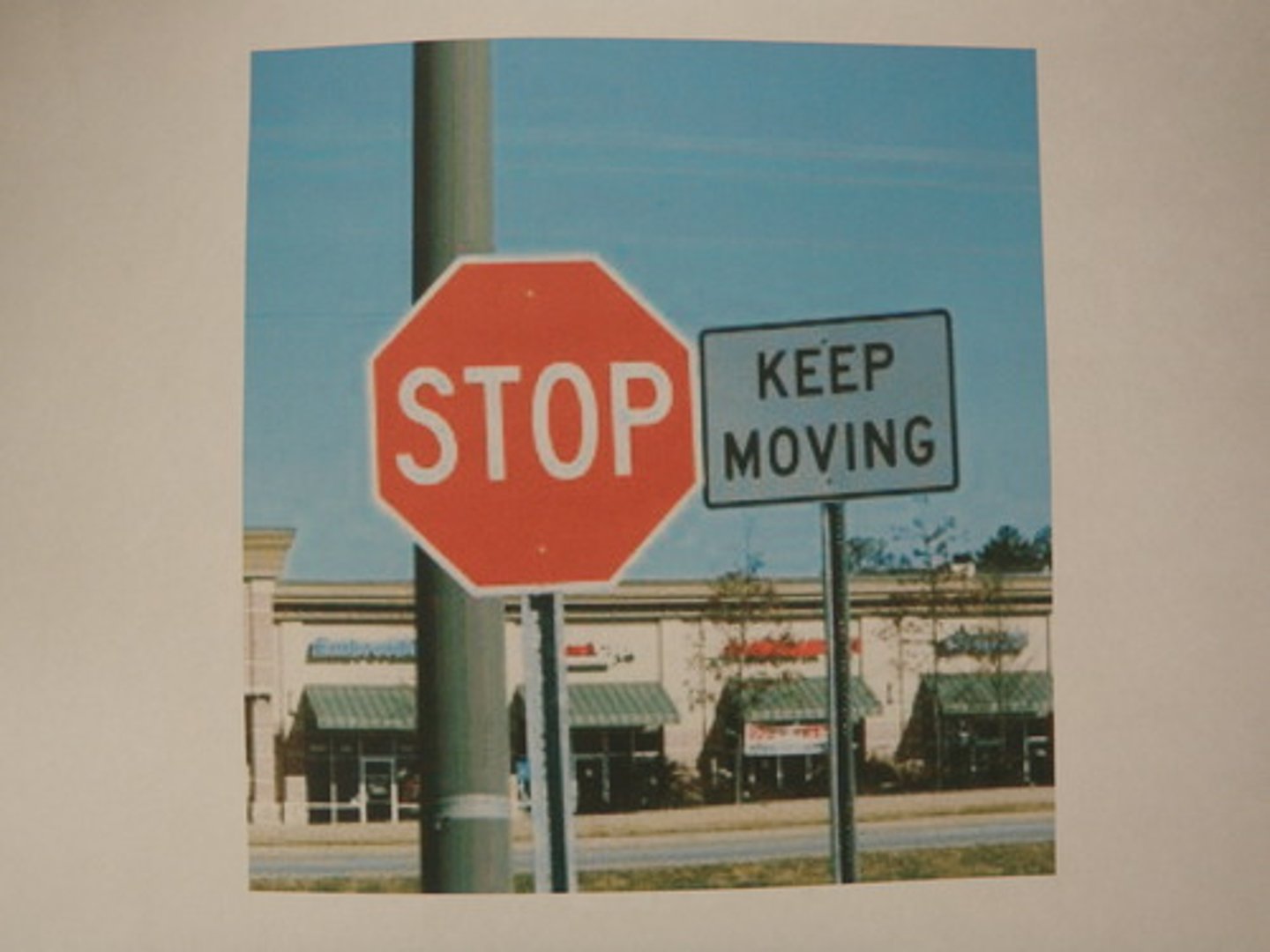
Oxymoron
A figure of speech that combines opposite or contradictory terms in a brief phrase.
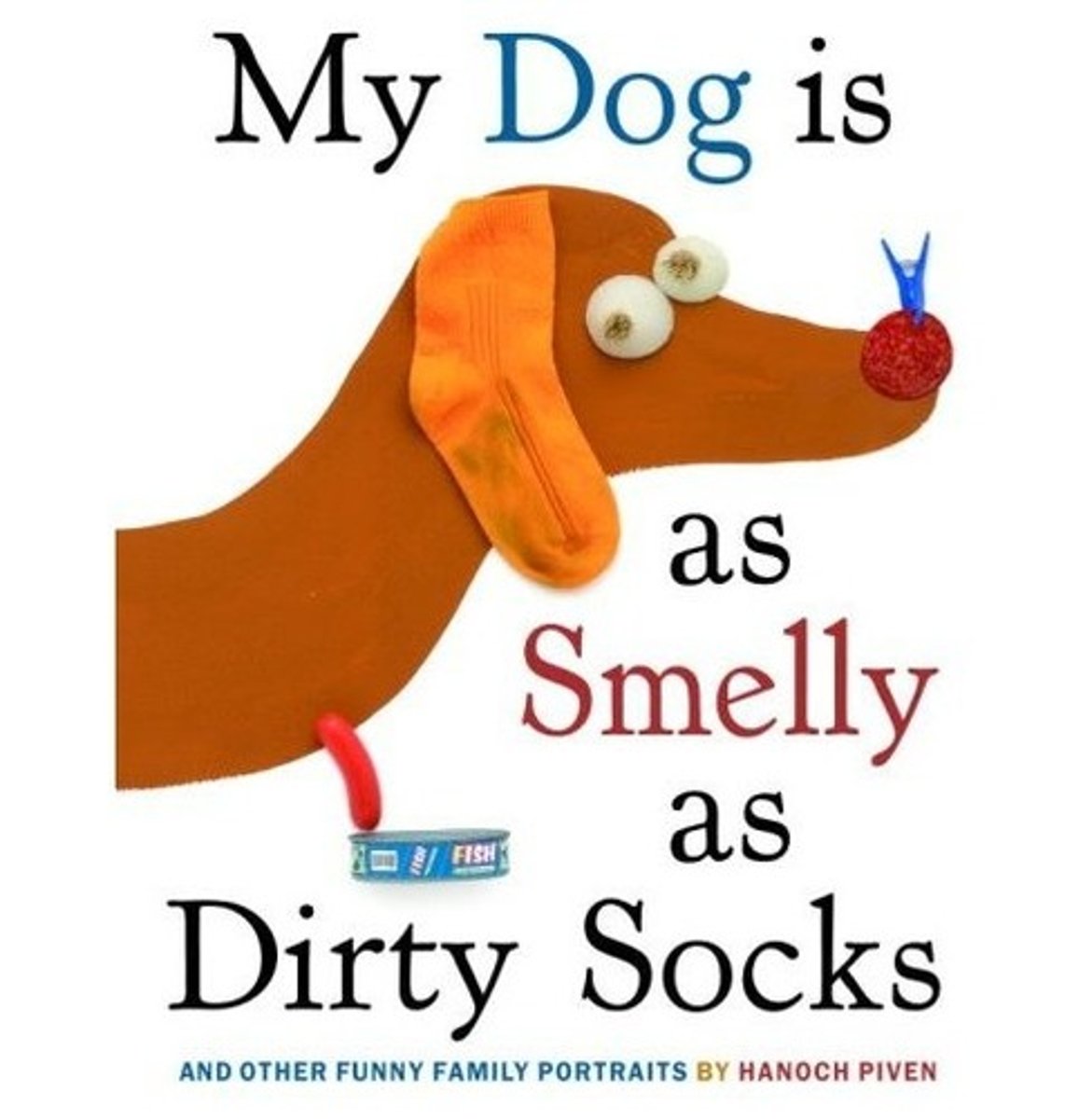
Simile
A comparison using "like" or "as"
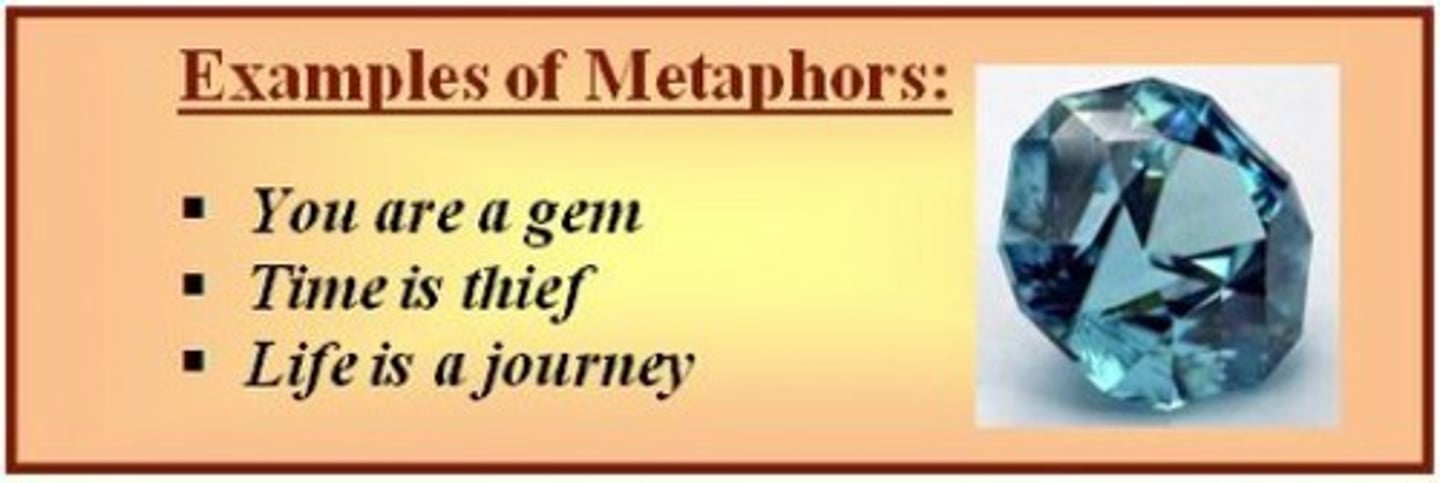
Metaphor
A comparison without using like or as
Metonymy
A figure of speech in which something is referred to by using the name of something that is associated with it
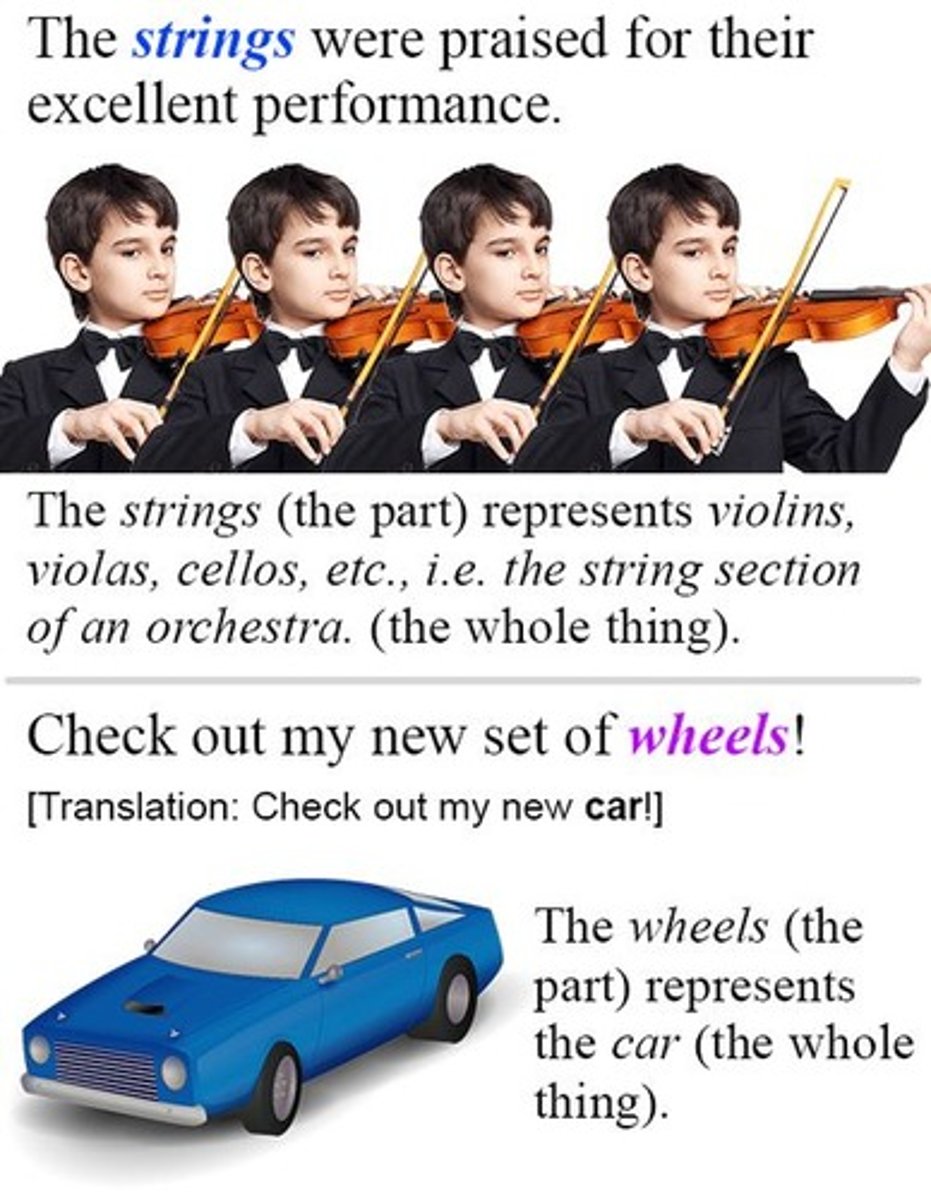
Synecdoche
a figure of speech in which a part is made to represent the whole or vice versa
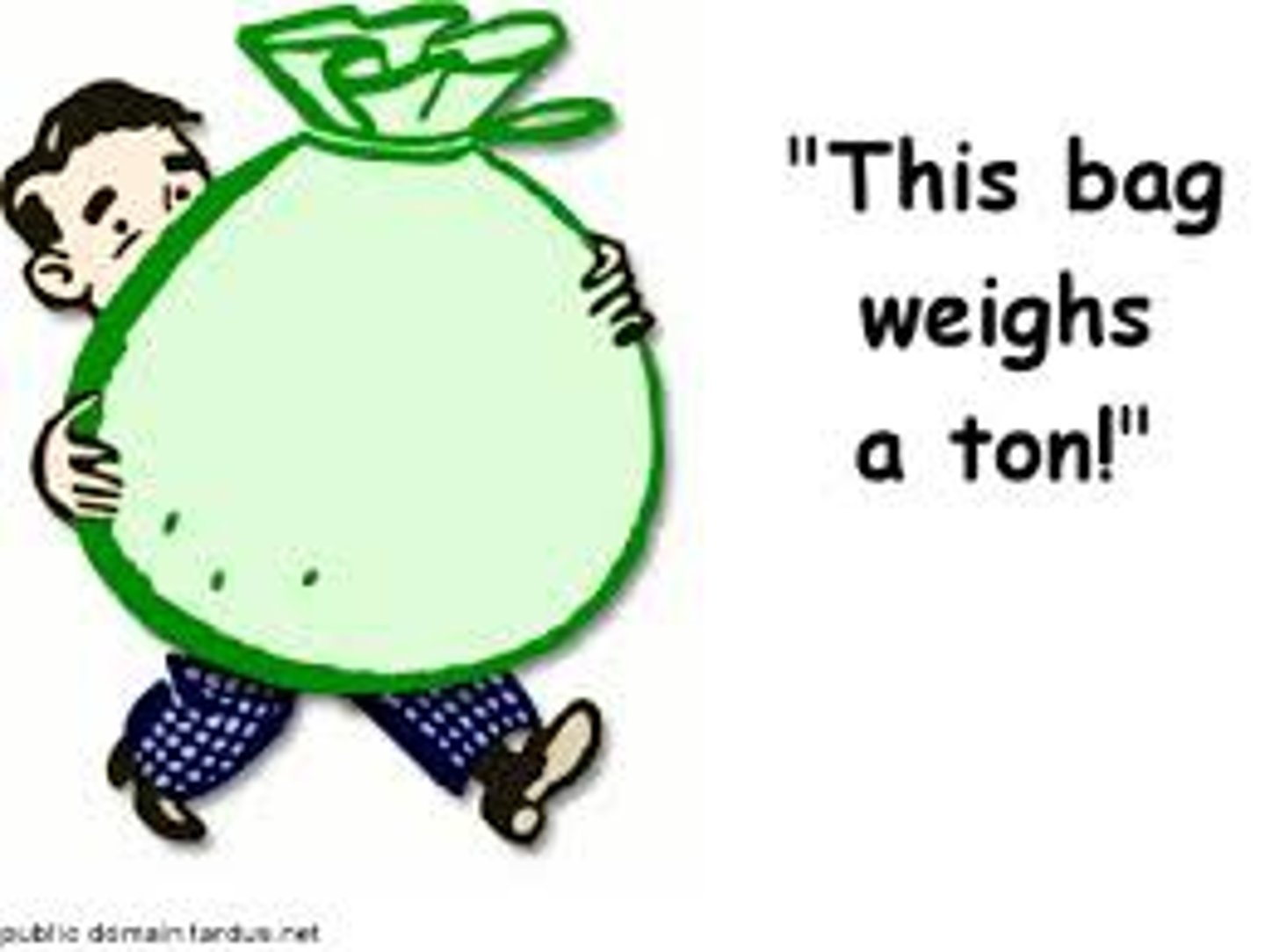
Hyperbole
exaggerated statements or claims not meant to be taken literally.
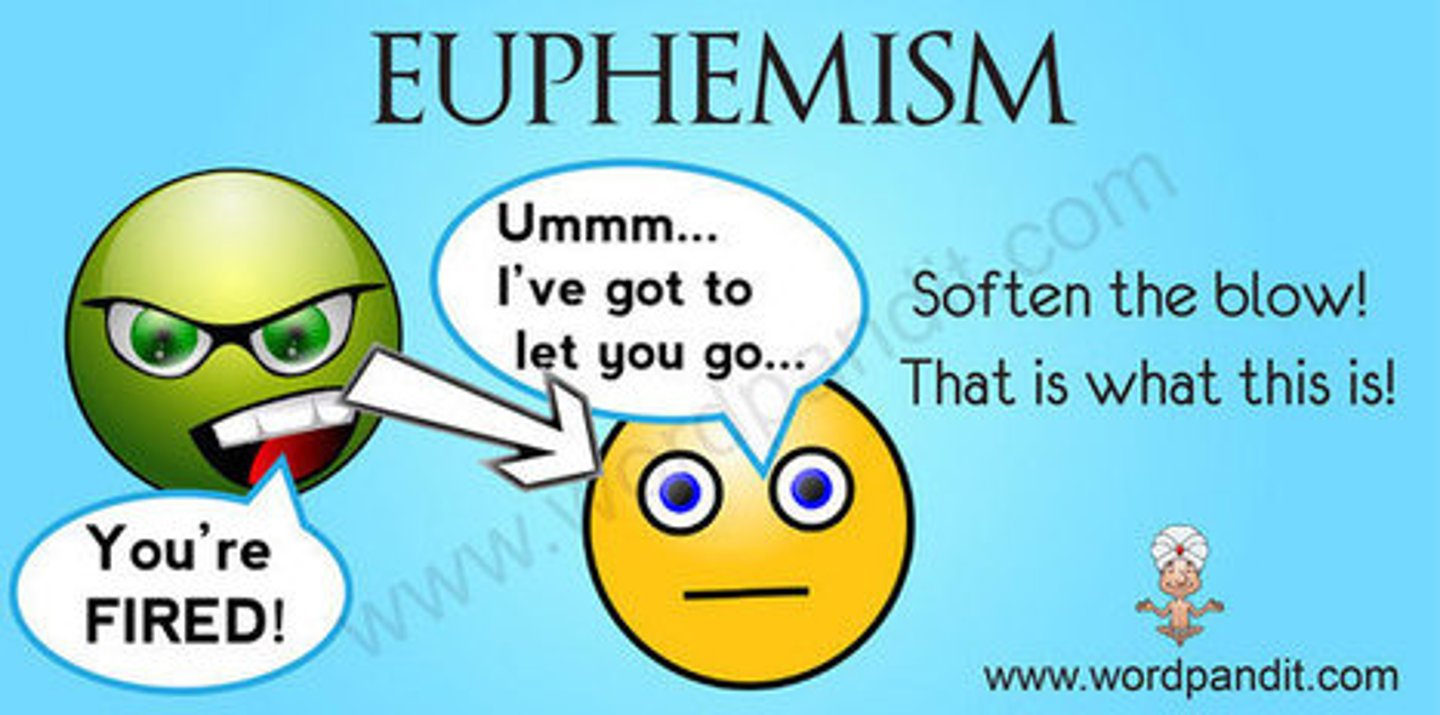
Euphemism
An indirect, less offensive way of saying something that is considered unpleasant
Parallelism
using elements in sentences that are grammatically similar or identical in structure, sound, meaning, or meter
Anaphora
the repetition of a word or phrase at the beginning of successive clauses
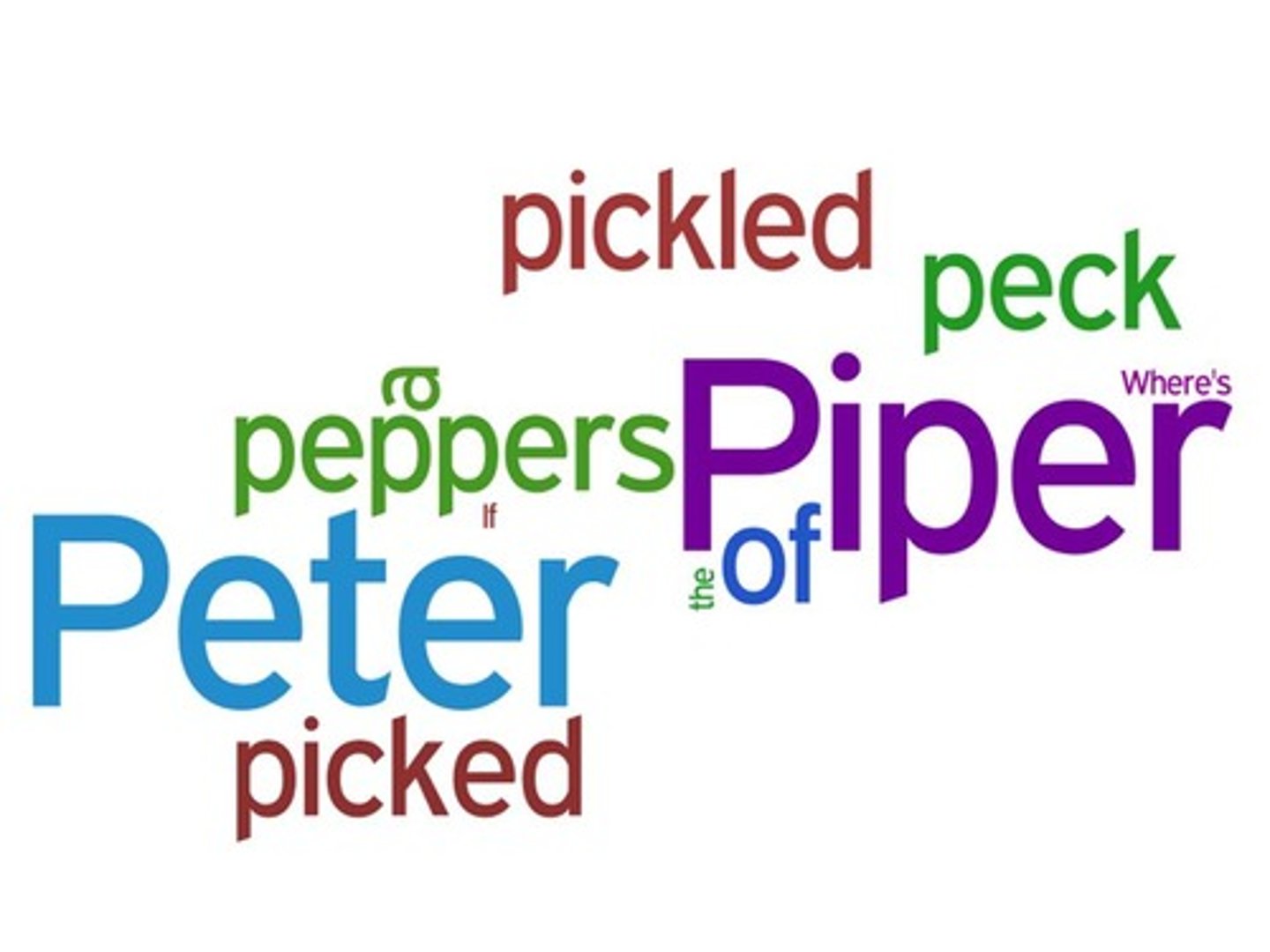
Alliteration
the occurrence of the same letter or sound at the beginning of adjacent or closely connected words.
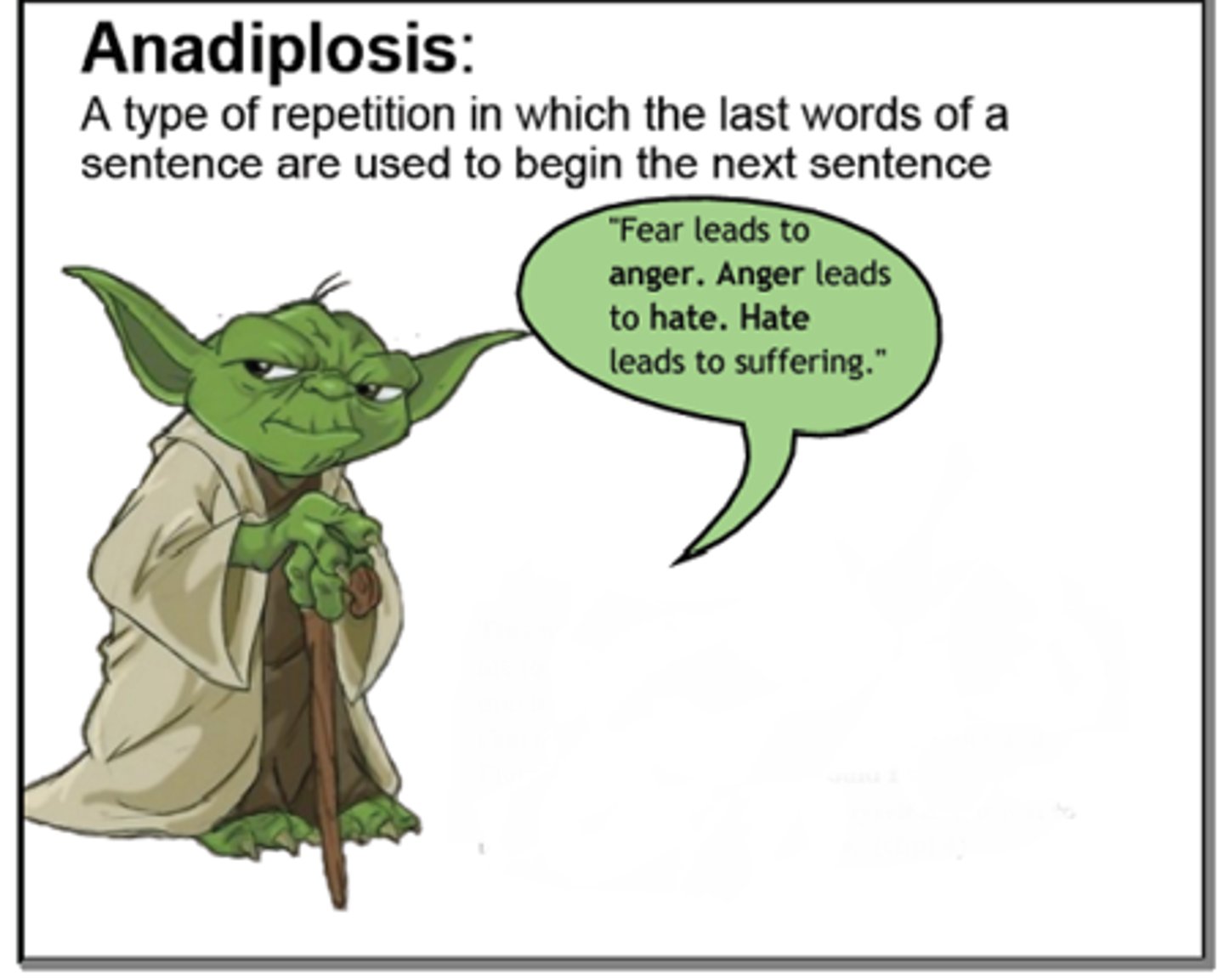
Anadiplosis
repetition of the last word of one clause at the beginning of the following clause
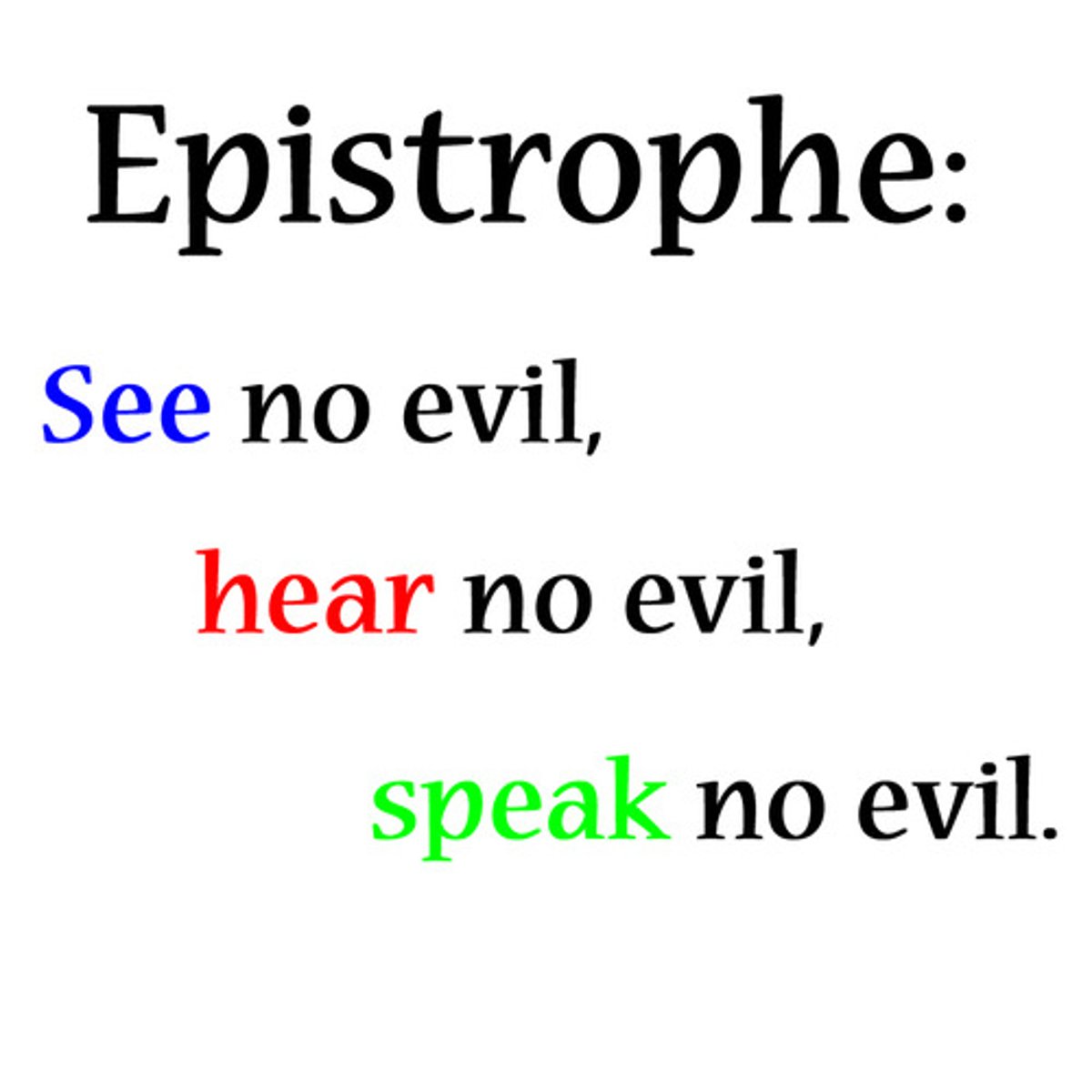
Epistrophe
the repetition of a word at the end of successive clauses or sentences
Asyndeton
the omission or absence of a conjunction between parts of a sentence.
Polysyndeton
Deliberate use of many conjunctions
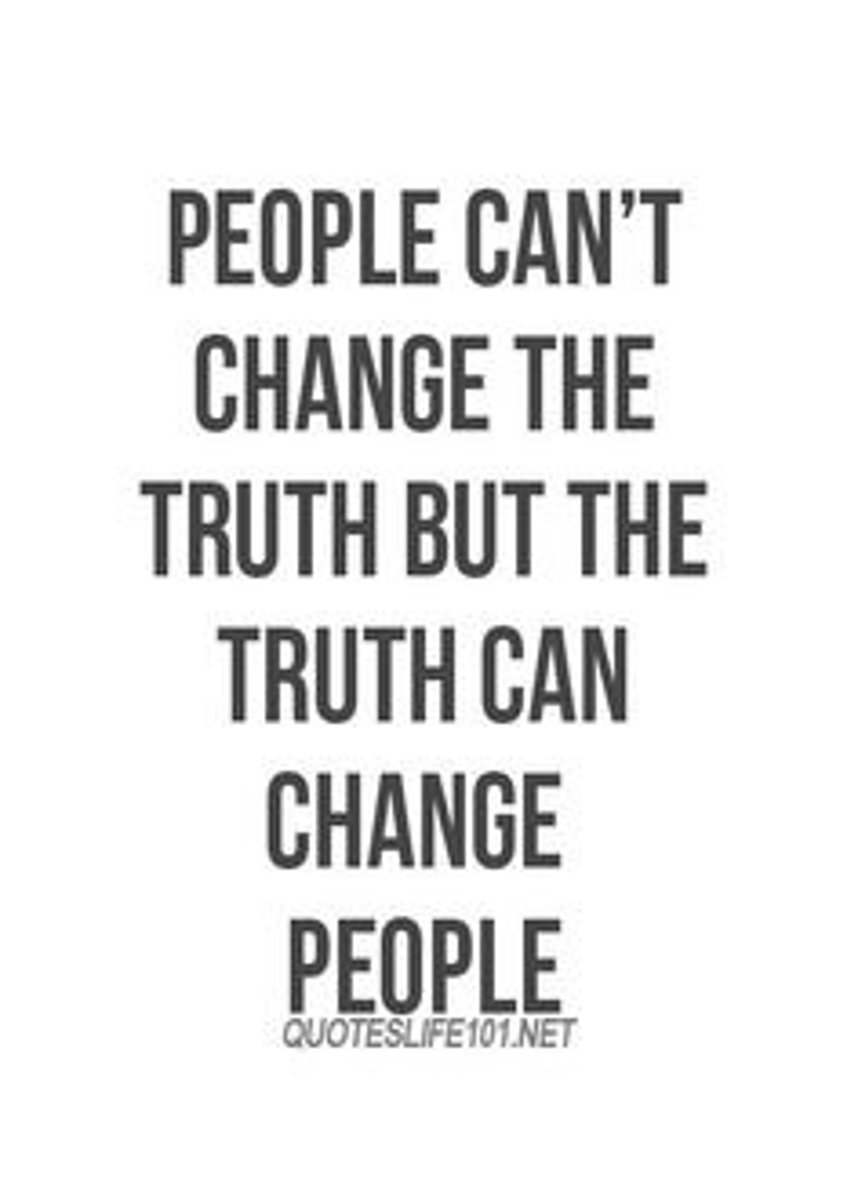
Chiasmus
when the words or other elements are repeated with their order reversed
Allusion
A reference to another work of literature, person, or event
Personification
the giving of human qualities to an animal, object, or idea
aphormism
a pithy observation that contains a general truth, such as, "if it ain't broke, don't fix it."
rhetorical question
A question asked merely for rhetorical effect and not requiring an answer