Bio Lecture Exam 2
 Call Kai
 Learn
Learn Practice Test
 Spaced Repetition
 Match
Match Flashcards
 Knowt Play
1/53

There's no tags or description
Looks like no tags are added yet.
Name | Mastery | Learn | Test | Matching | Spaced | Call with Kai |
|---|
No analytics yet
Send a link to your students to track their progress
54 Terms
What is Energy
The capacity to do work
Energy is
never destroyed or disappears
Work is
moving matter aganist an opposing force
Plants are
Autotroph- make their own food source from the sun through photosynthesis
plants use
sun energy to crete food
Potenial Energy
Stored Energy
Kinetic Energy
Energy of Motion
Cells Control their chemicals through
Plamsa Membrane, enzymes, and energy
Biological Catlysts
Anything that speeds up the reaction without being apart of it
Enzymes
Lower activation energy
Activiation energy
Minimum amount of energy avabile to reactants for chemical reactions
Delta G
Products of energy - products of energy
Allosentic
Allosteric inhibition works
by indirectly inducing a
conformational change to
the active site such that
the substrate no longer
fits.
Metabolic pathways
are a series of reactions catalyzed by multiple enzymes.
Feedback inhibition, where the end product of the pathway inhibits an
upstream process
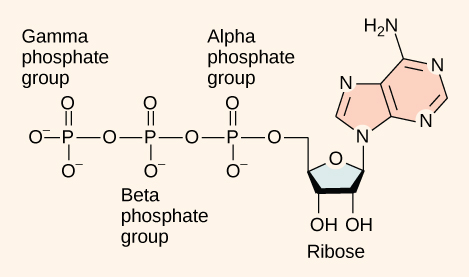
Adenosine Triphosphate
Structure of ATP: a two-ring adenine, five-
carbon ribose, and three phosphate groups
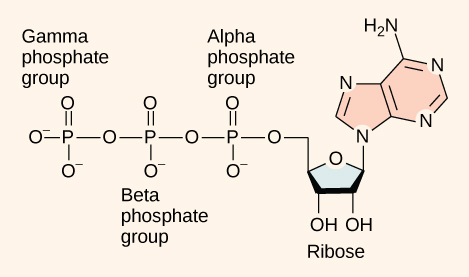
Chemical reactions
First must be captured in the bonds of adenosine
triphosphate (ATP)
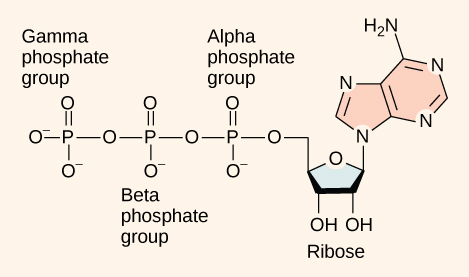
ATP and Cellular Work
acts like energy shuttle
– stores energy obtained from food
– releases it later as needed
Chemical Energy
Organic compounds: relatively rich in chemical
energy
❖ Chemical energy released by chemical reaction
GLUCOSE + O2 CO2 + H2O + ATP + Heat
Cellular Respiration
Cellular respiration grouped into three main stages
1. glycolysis,
2. citric acid cycle
3. electron transport
Sugar is stored in body as
Glocsadride
Glycolysis
universal energy-releasing
pathway
-
Glycolysis happens
-
occurs in Cytoplasm
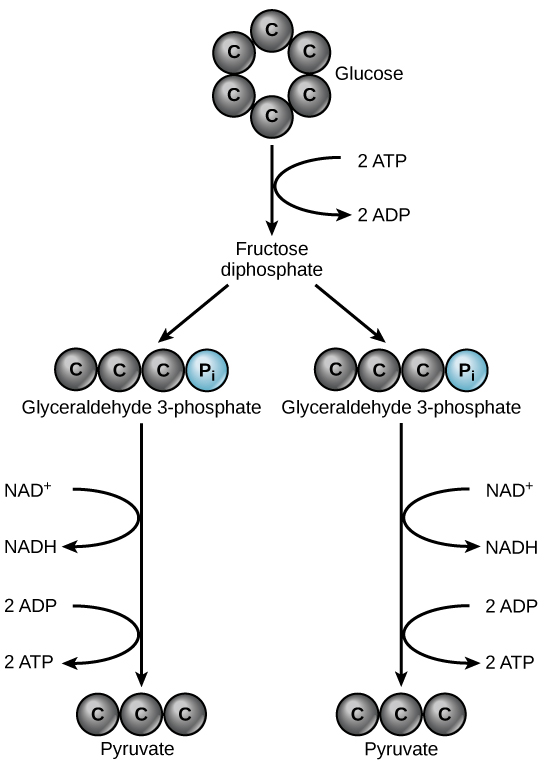
In glycolysis
a glucose
A molecule is converted into
two pyruvate molecules
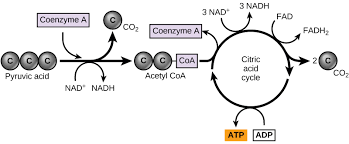
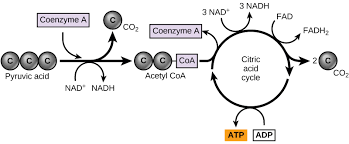
Citric Acid Cycle
-Output Per Glucose
• 6 NADH
• 2 FADH2
• 4 CO2
• 2 ATP
Pyruvate converted to acetyl-CoA
before entering citric acid cycle
Cellular Respiration: Elctron Transport Oxidative
Phosphorylation -
Electron Transport and turning atp to glucose
Electron transport chain: set of molecules that supports a series of
oxidation-reduction reactions
Chemiosmosis: generates up to 32 ATP/glucose
Atp to glucose to adp
Maintenance of proton gradient across the membrane: critical for ATP production
Lactric Acid Fermentation
Common in Muscles that have been exhausted- example turned into c02
Egg has
23 pairs of Chromosomes
Sperm has
23 pair of Chromosomes
Humans have both
46 chromosomes
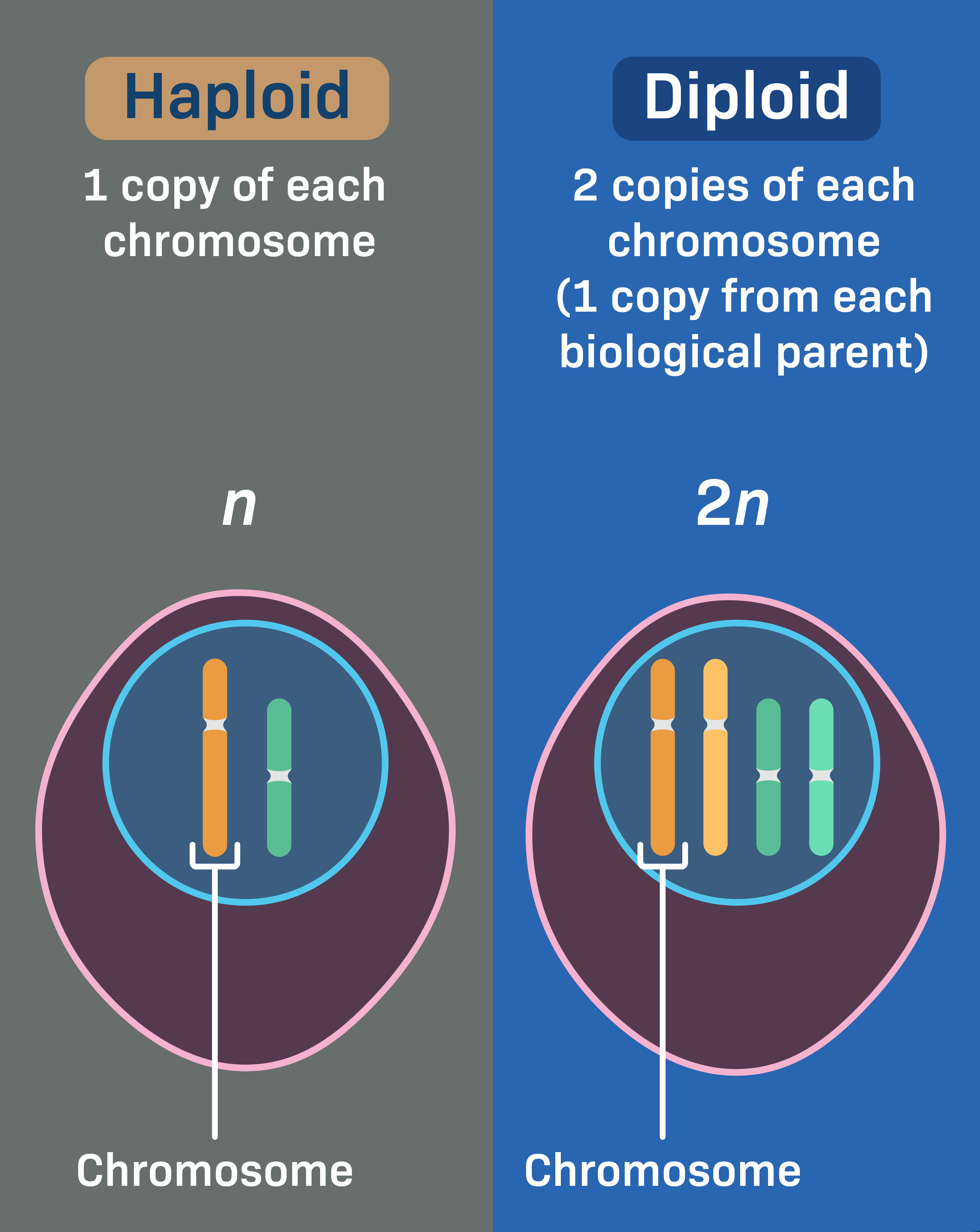
Haploid
One set of 23 chromosone cells
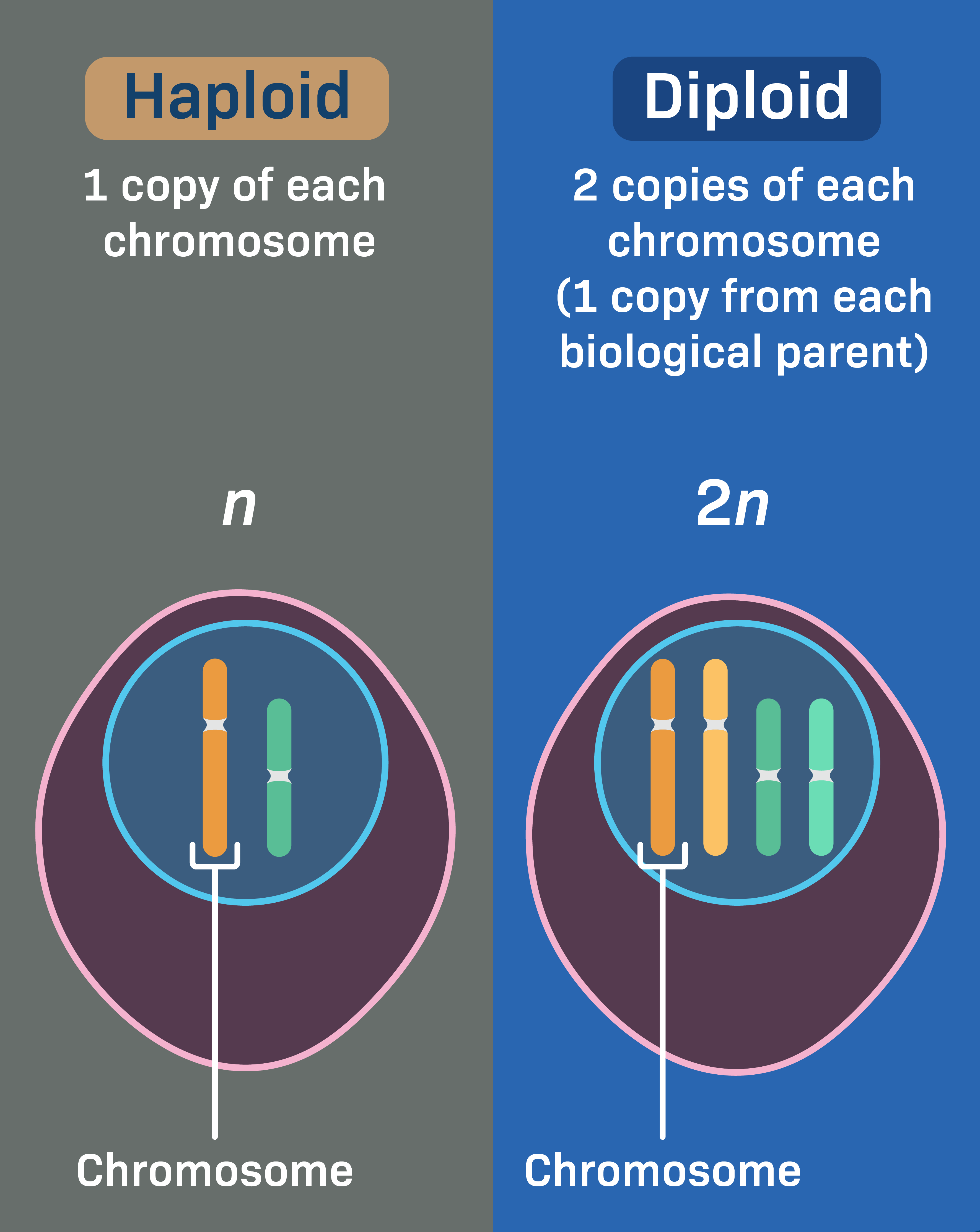
Diploid
Two sets of 23 chromosone cells so 46
One chormosomes with identical genes
chromatids
Cell cycle
the process of how long it takes cells to duplicate
skin cells have
the shortest cell cycle
Last cell is sex chormosone beacuse
It determines the gender
Somatic Cells
Cells on the body
Reproductive cells
Sex Cells
Mitosis- Cell Reproduction
Dulicating and spliting cells- Daugther Cells
Identicial Cells
Same dna
Sexual Reproduction
Two Partners with DNA using reprodution- Meosis
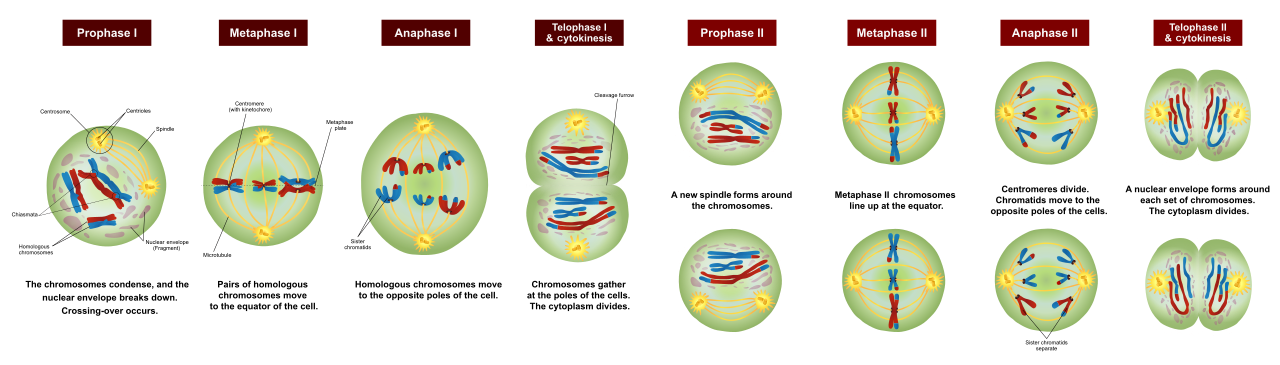
Meosis
egg fetiliztion
Asexual Reproduction
No partner needed- Mitosis
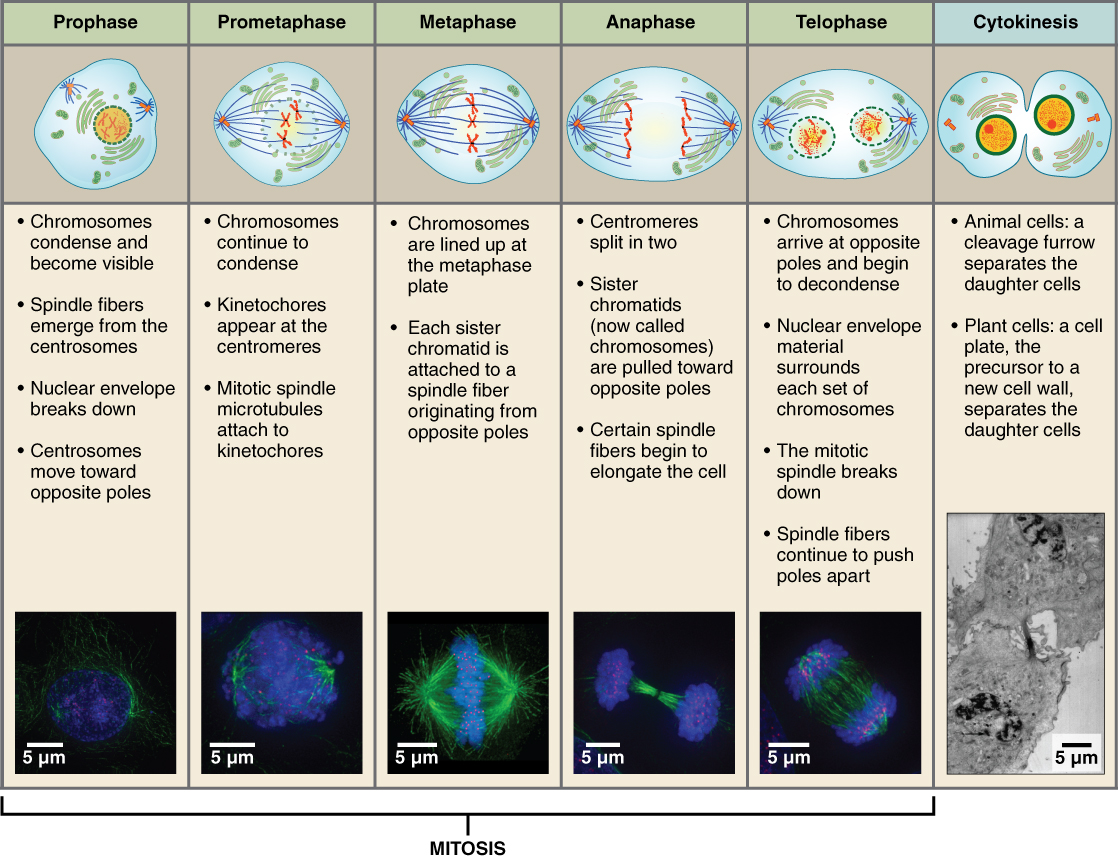
Mitosis
growth and matinece of cells on their own without partner
Cell cycle controls
Cell divison and regulates so there isnt massive cell growth
Excessive Cell division
Can cause tumors- which is cancer
Mitosis stands for
Poor men are teachers- Prophase, Prometaphase,Metaphase,Anaphase,Telophase, Cytokinesis
Cytokinesis in animal Cells
Clevage like structure
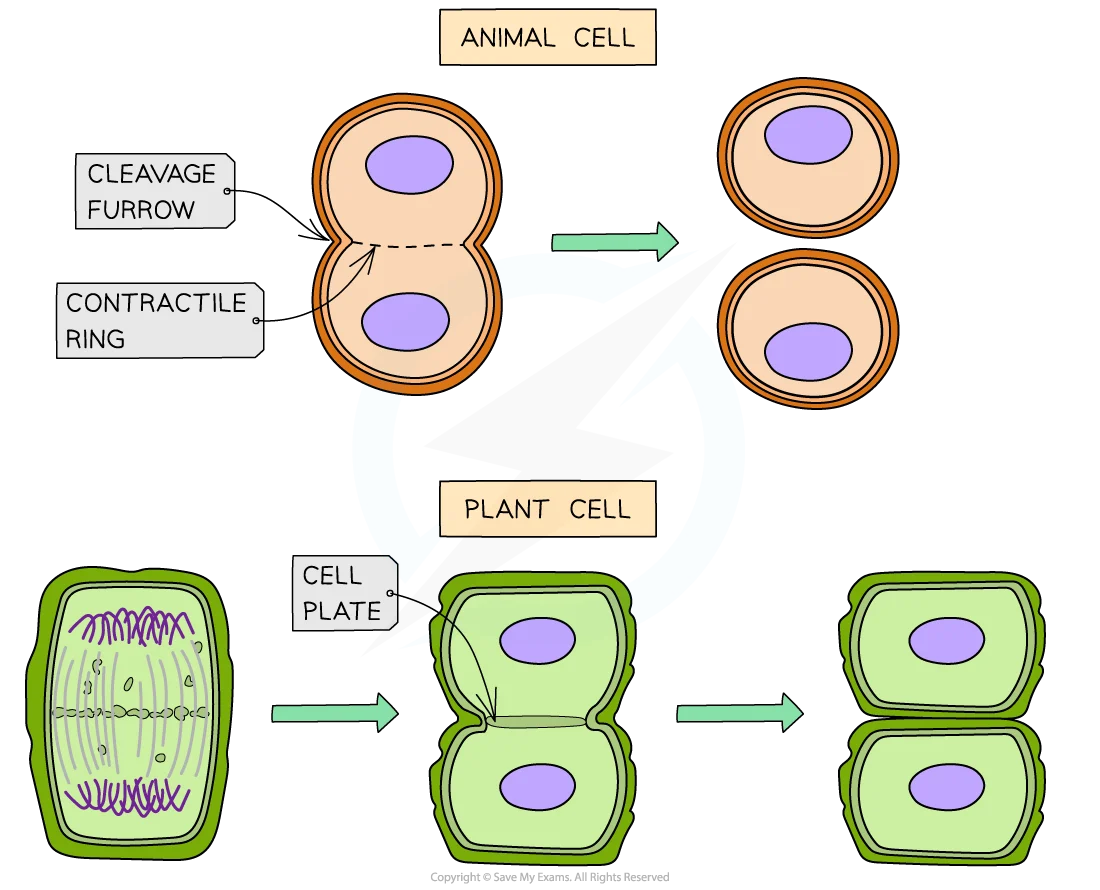
Cytokinesis In Plant Cells
Cell plate splitting into 2 cell walls
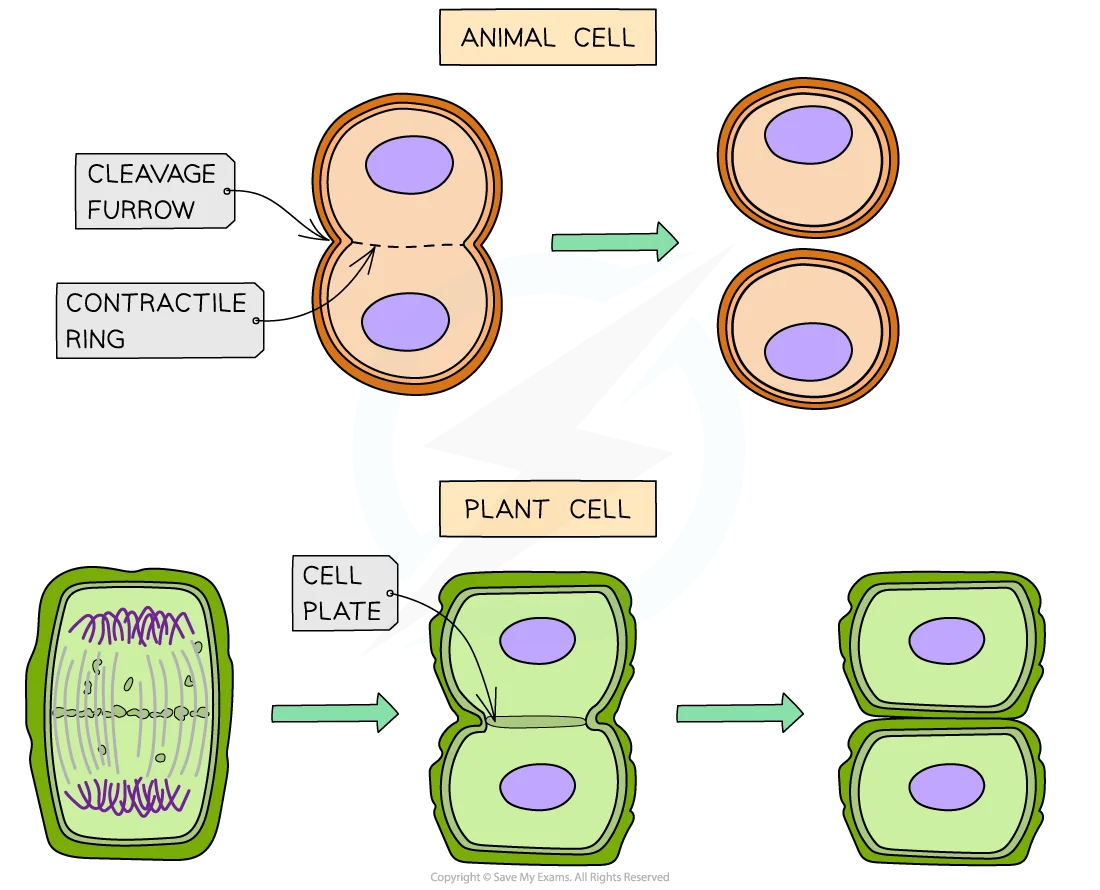
Mitosis
Chromosones replicating
Cytokinesis
Dividing Cells
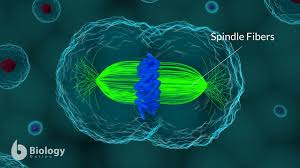
Fuction of Spindle Fibers
Centrameners- Line up and pull duplicate chromosones
What Important characteristics depend on mitioic cell divison
Growth, development, Repair