Biology - Classification
 Call Kai
 Learn
Learn Practice Test
 Spaced Repetition
 Match
Match Flashcards
 Knowt Play
1/28

Earn XP
Description and Tags
Name | Mastery | Learn | Test | Matching | Spaced | Call with Kai | Chat |
|---|
No analytics yet
Send a link to your students to track their progress
29 Terms
Morphological Features
Physical features of the organism
DNA analysis
When genetic sequencing is used to confirm the grouping of an organism, or reclassify it
Plants → Flowering
Produces flowers
Roses and daffodils
Plants → Non - flowering
Does not produce flowers
Ferns and mosses
Animals - Vertebrates
Has a backbone
Humans and reptiles
Animals - Invertebrates
Has no backbone
Insects and worms
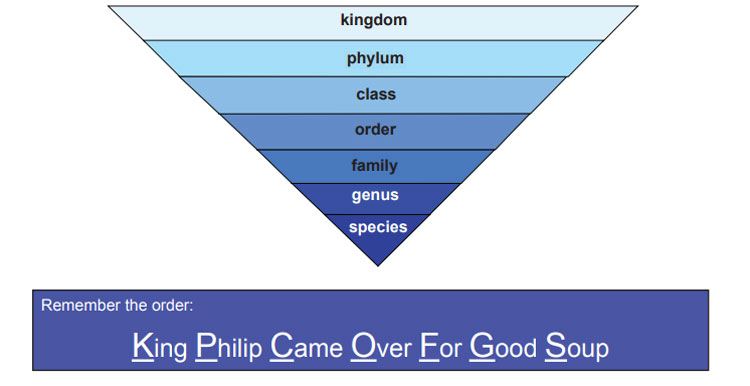
System for classifying organisms
The Binomial System
King Philip Came Over For Good Soup
Kingdom
Phylum
Class
Organism
Family
Genus
Species
Why are scientific names important?
Aids identification + classification
Same across the world in any language
Avoids confusion or duplication when talking about the organism in different languages (local or common verse)
Hibernation
Heart rate + body temperature decreases
Animals ‘sleep’ to avoid cold weather + food shortages
Dormice, bats + rats
Migration
Animals move to a different climate or area
Move to find food or mates
Many birds such as swallows + Arctic salmon
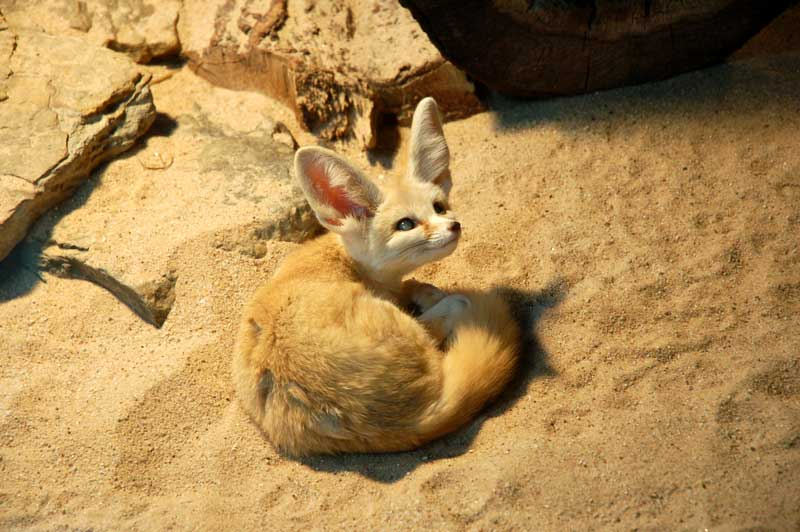
Describe three adaptations of this fox to its habitat
Bigger ears -→ larger surface area allows them to lose heat faster
Fur Colour → adapted to a more similar colour to its environment, camouflage
Short Fur → Prevent hot air getting trapped, and making it hotter
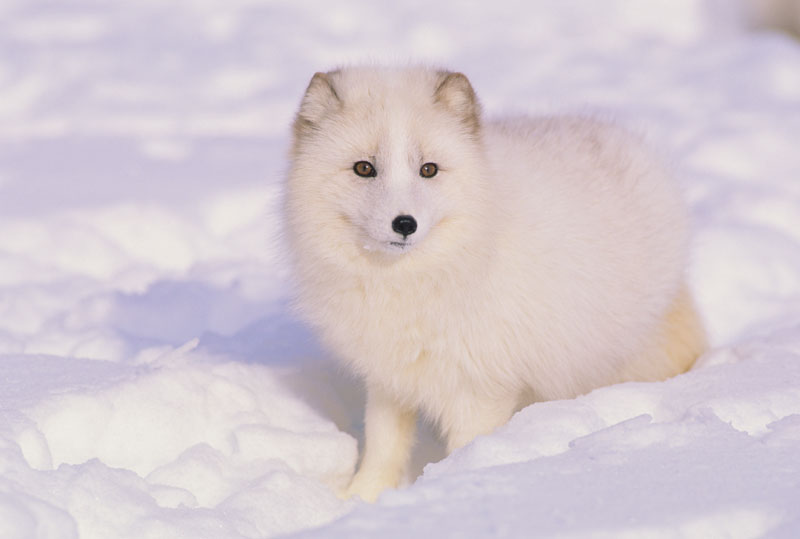
Describe three adaptations of this fox to its habitat
Smaller ears → smaller surface area allows them to reduce heat loss
Long fur → Insulation, as it traps hot air and reduces heat loss
White fur → Camouflages into its environment, protects from predators
What do animals compete for?
Territory
Mates
Food
What do plants compete for?
Water
Light
Space
Minerals
What effects the size of a population?
Disease
Predation
Pollution
Intraspecific
Competition within a species
Interspecific
Competition between different species
Biodiversity
The variety of different species and numbers of individuals within those species in an area
Importance of biodiversity (what does it produce)
Food
Potential foods
Industrial materials
New medicines
Plans that protect species
Captive breeding programmes → zoos, aquariums
National Parks
Seed/Sperm Banks
Local Biodiversity Action Plans
Biological Control
Deliberately introducing a living organism to control the population of another pest species
predator that eats the pest
bacteria that can destroy the pest
Advantages of Biological Control
Usually specific to a particular pest
No need to re-introduce it at a later date
Does not kill useful insects like bees
Disadvantages of Biological Control
Delay between introducing the predator and a reduction in the pest
Can compete with native species and become predators to these
Can introduce new diseases
Alien species become invasive when…
they have no predators in the area → population grows out of control
they compete with native species and cause that species to die out in the area
they prey on native species, reducing their population
they carry a disease that existing native species are not immune to
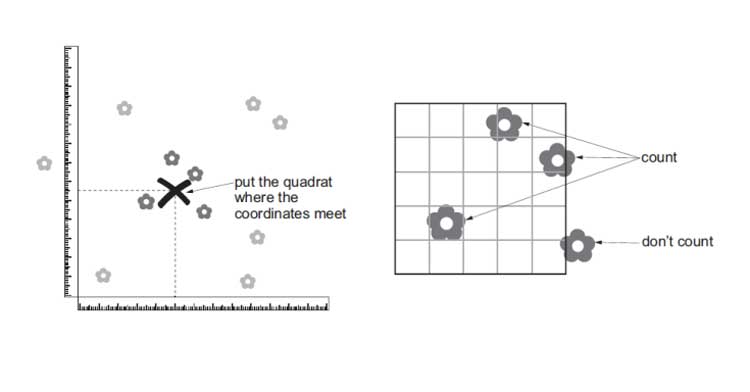
Quadrat Sampling method
Lay two 20m tape measures at right angles, along the edge of the area that you are sampling.
Roll two 20-sided dice to decide the coordinates.
Place the 1m2 quadrat at the point where the coordinates meet. This is random sampling and reduces bias.
Count the number of daisy plants within the quadrat. Record this result.
Repeat steps 2-4 for at least ten quadrat samples. This improves the strength of evidence and gives more confidence in the total population calculated.
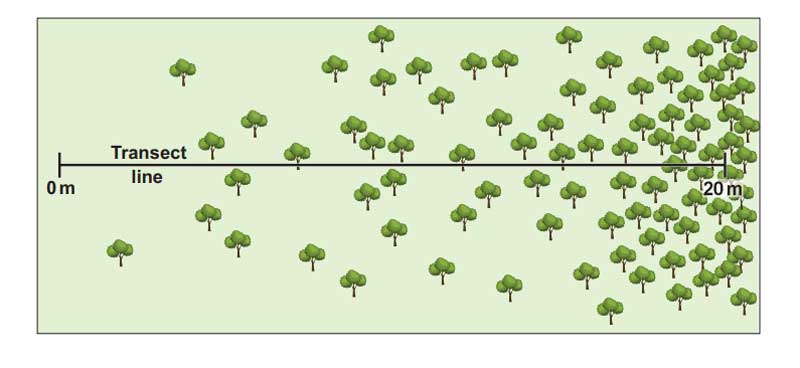
Transect Sampling method
A tape measure or rope is laid out across the area to be sampled; this is the transect line.
Quadrats are laid down at regular intervals along the transect line.
The plants (and sometimes animals) in the quadrats are recorded.
Transects can show
The frequency of a species in a habitat
The distribution of a species in a habitat
Capture-recapture method
Animals are captured, marked and released.
A few days later, the animals are recaptured.
The numbers of marked and unmarked animals caught in the traps are recorded.
The population size is estimated using the following equation
Assumptions made in capture-recapture
there is no death
there is no mass immigration or emigration
the marking technique does not affect chances of survival.*
*The marking technique must not be toxic or make the species more visible to predators