amino acids and biochem
 Call Kai
 Learn
Learn Practice Test
 Spaced Repetition
 Match
Match Flashcards
 Knowt Play
1/299

There's no tags or description
Looks like no tags are added yet.
Name | Mastery | Learn | Test | Matching | Spaced | Call with Kai |
|---|
No analytics yet
Send a link to your students to track their progress
300 Terms
Glycine (Gly/G)
Nonpolar, aliphatic R Groups
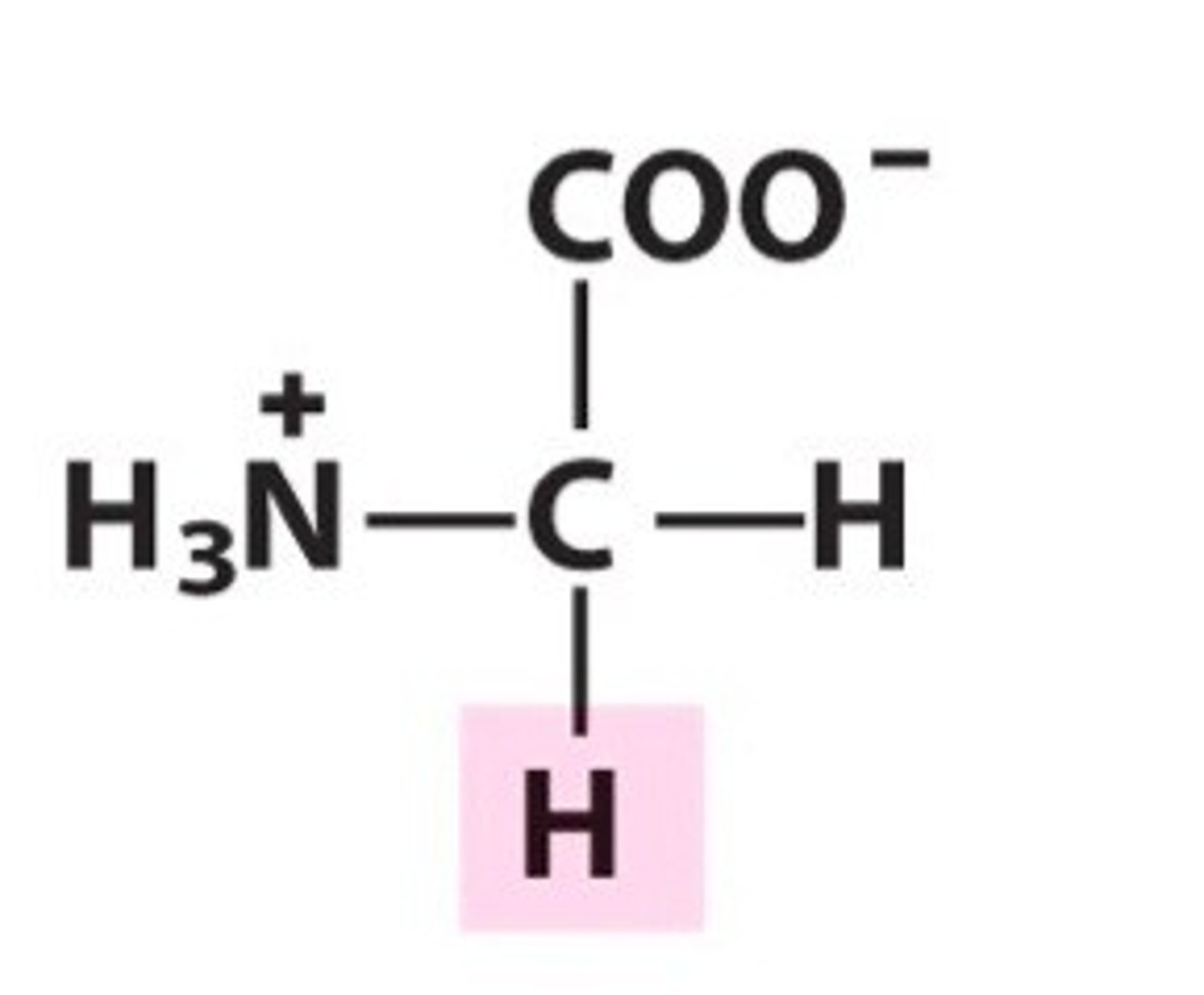
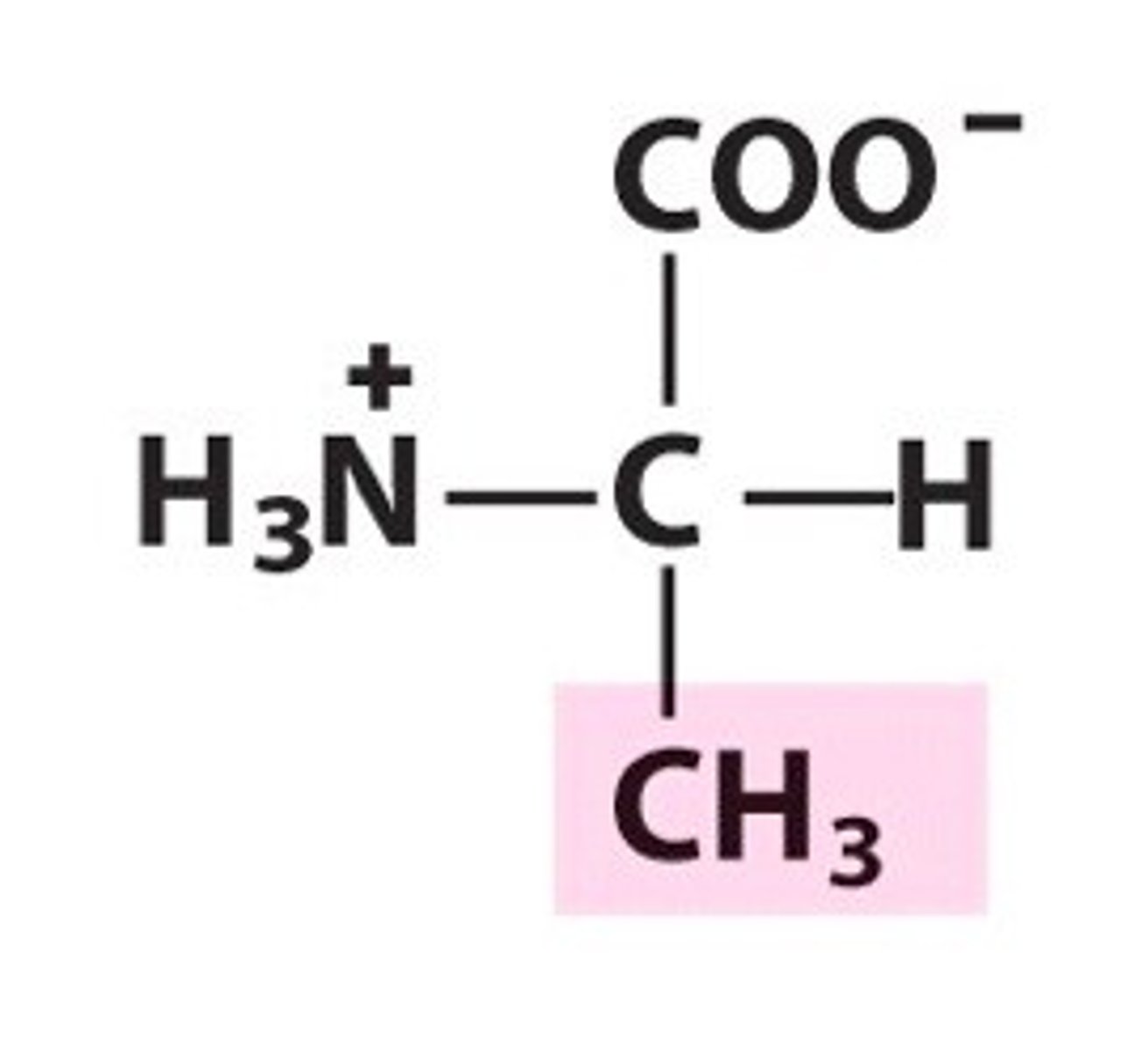
Alanine (Ala/A)
Nonpolar, aliphatic R Groups
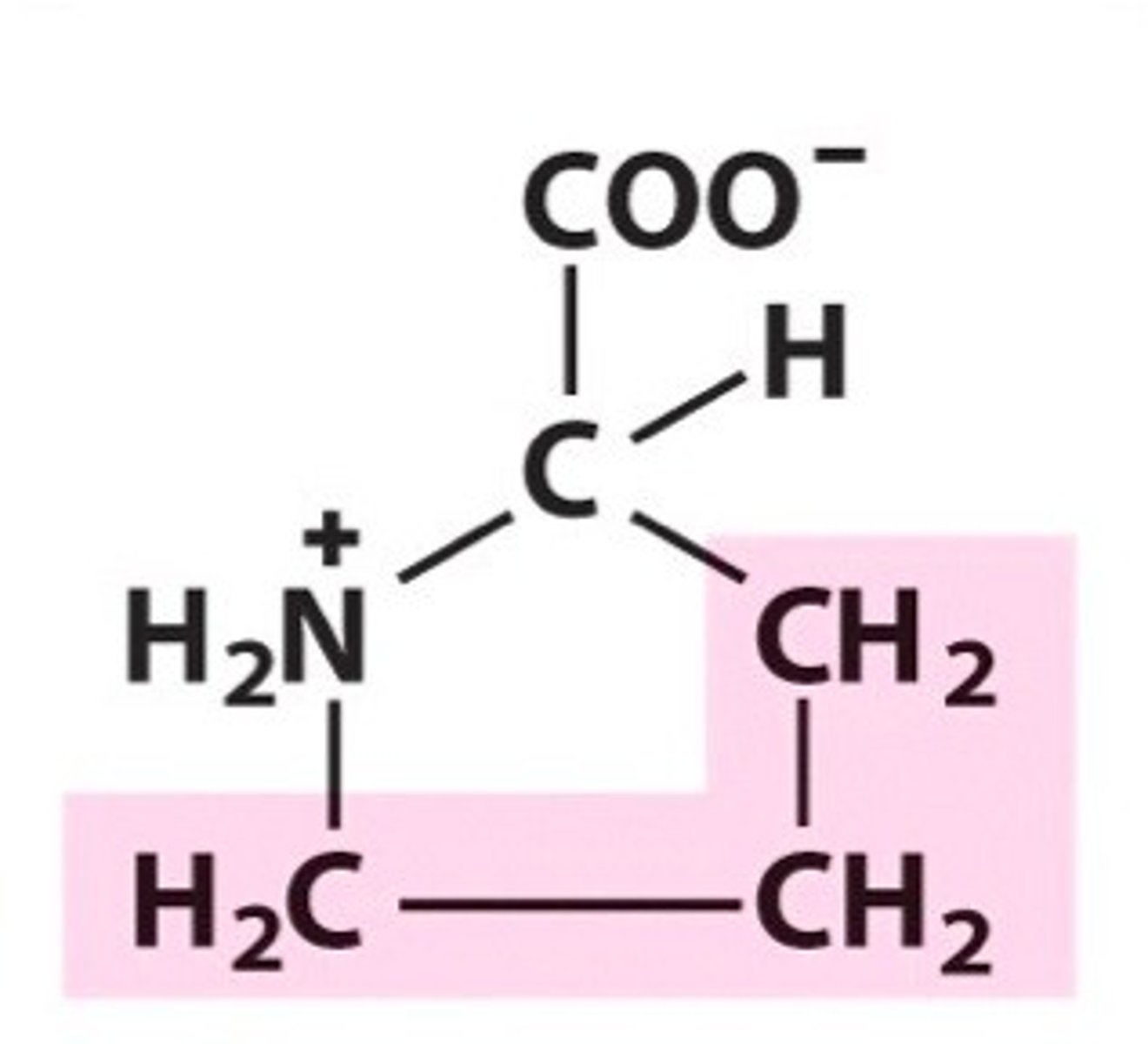
Proline (Pro/P)
Nonpolar, aliphatic R Groups
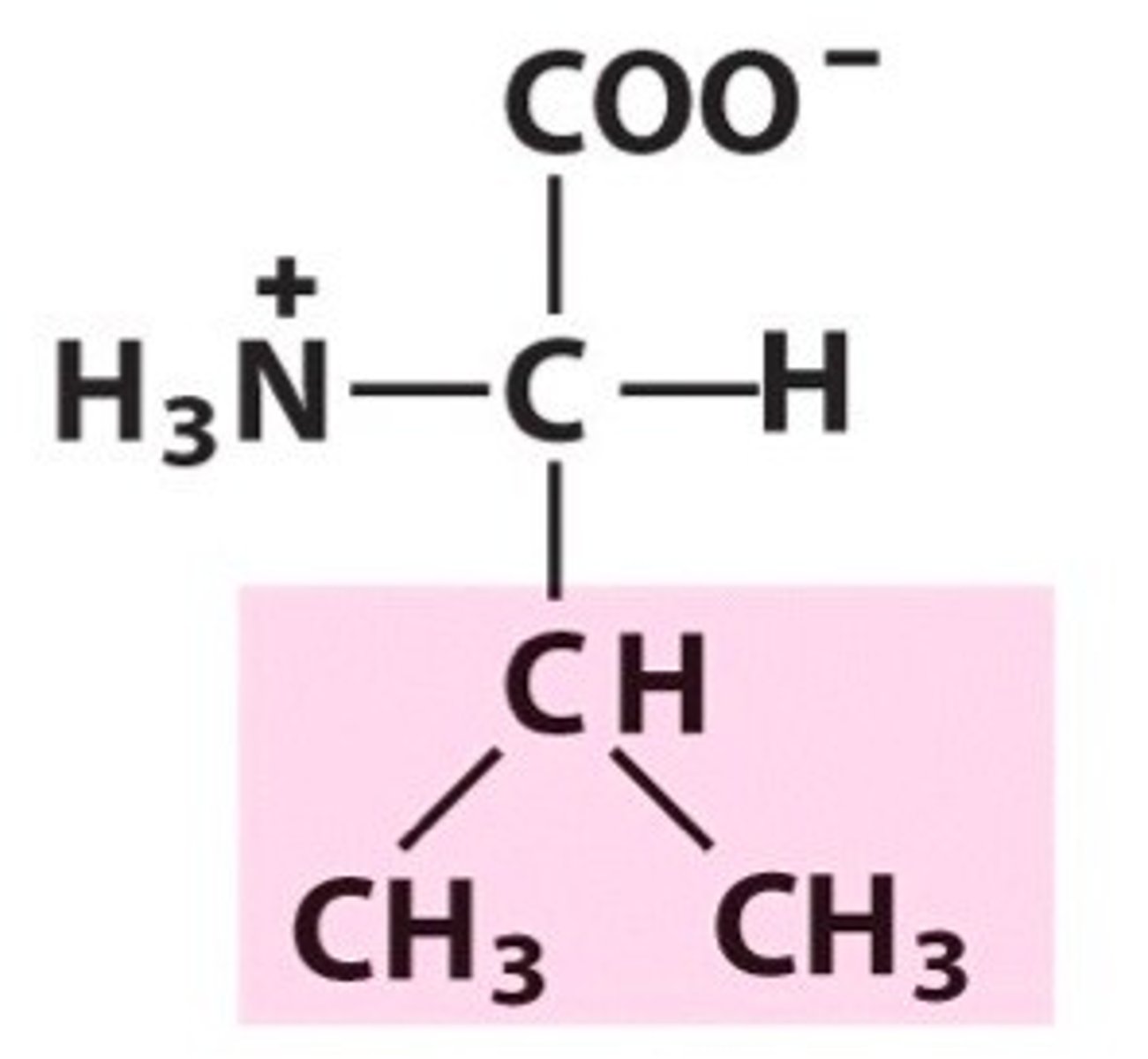
Valine (Val/V)
Nonpolar, aliphatic R Groups
Leucine (Leu/L)
Nonpolar, aliphatic R Groups
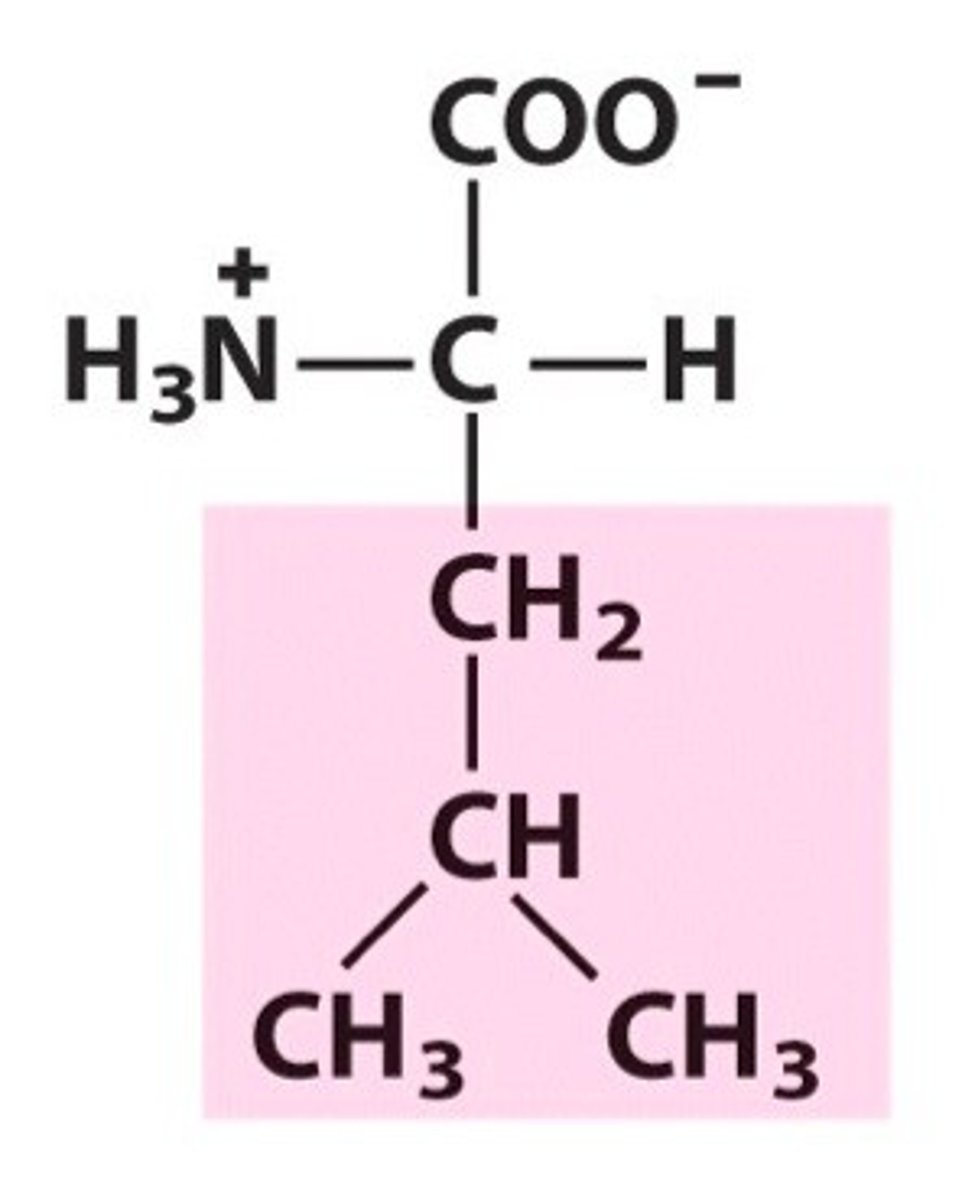
Isoleucine (Ile/I)
Nonpolar, aliphatic R Groups
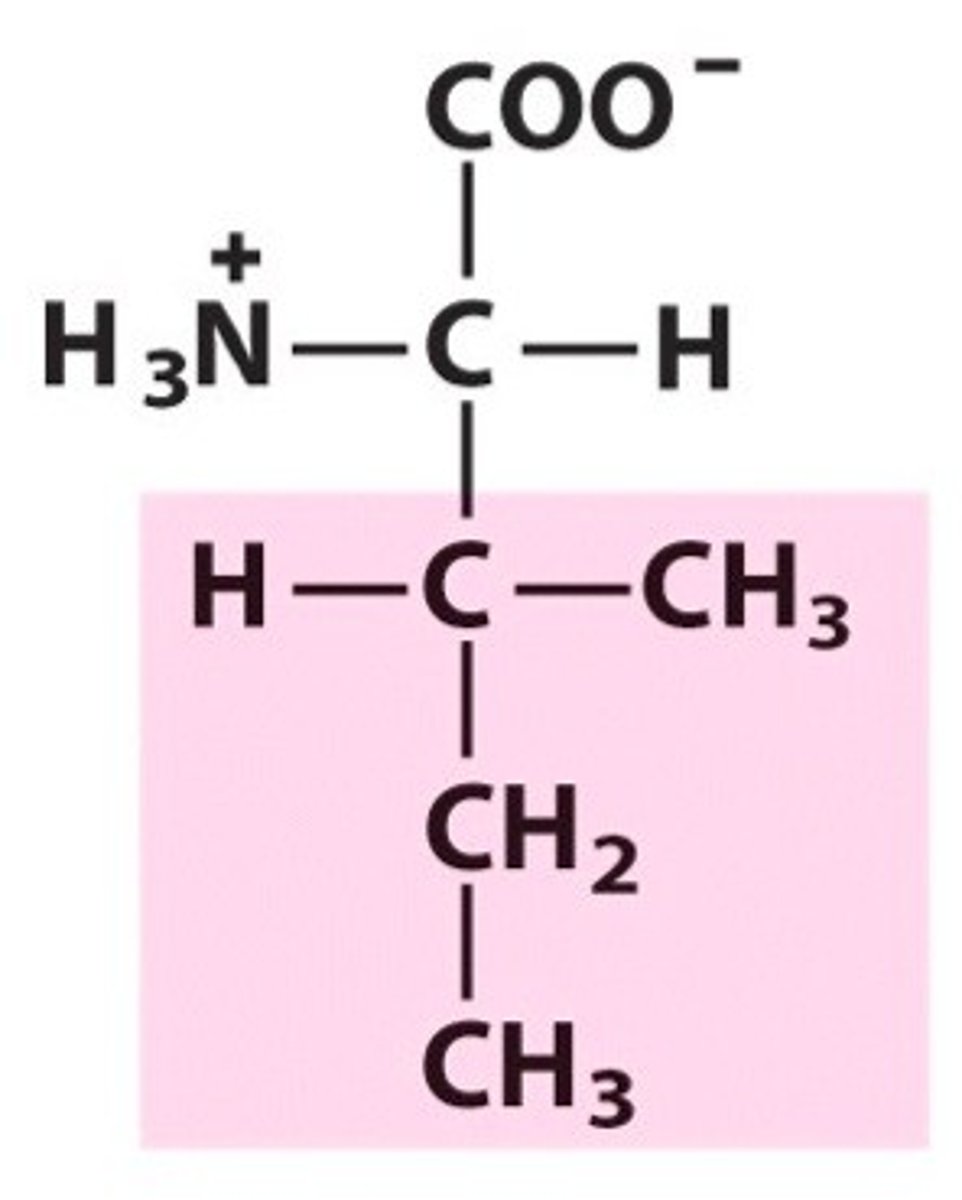
Methionine (Met/M)
Nonpolar, aliphatic R Groups
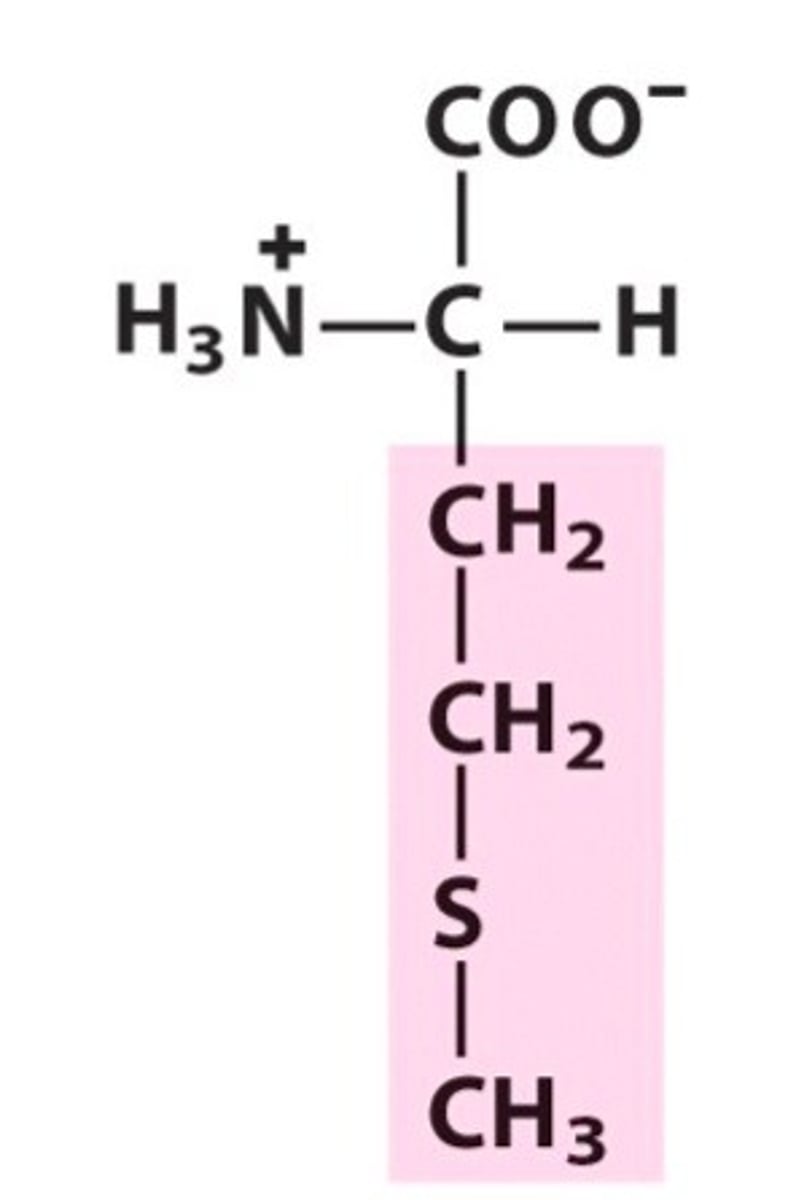
Phenylalanine (Phe/F)
Aromatic R groups
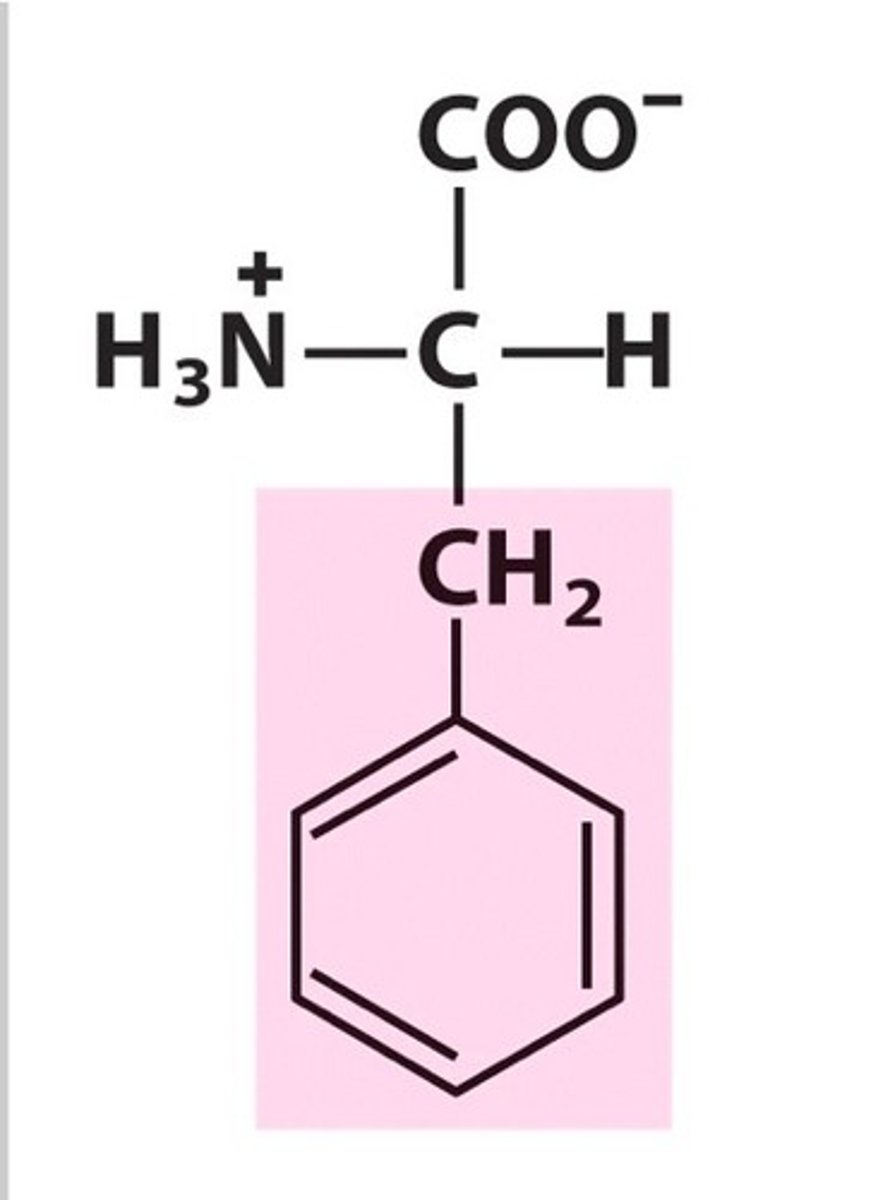
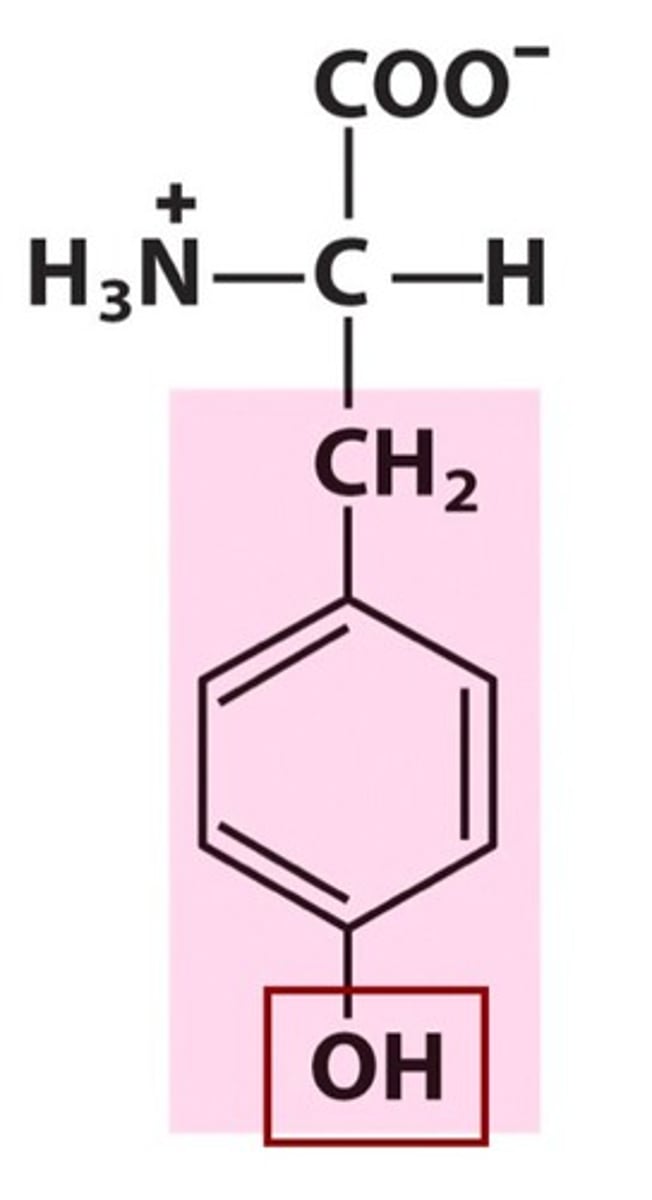
Tyrosine (Tyr/Y)
Aromatic R groups
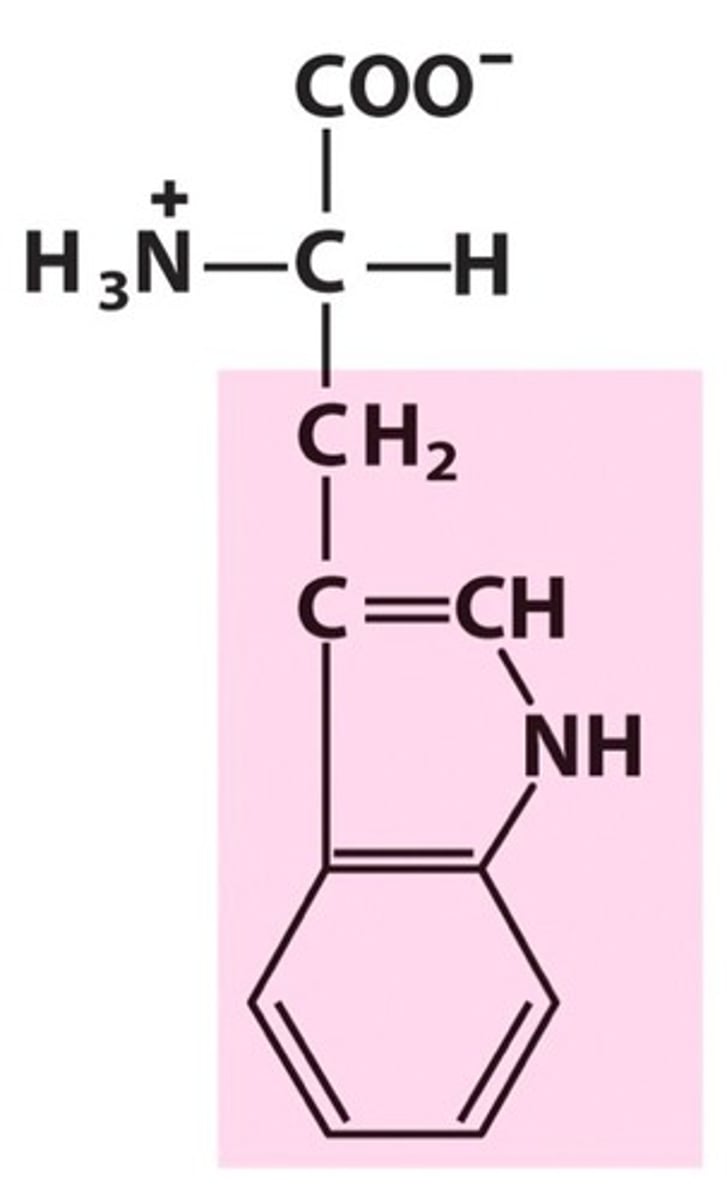
Tryptophan (Trp/W)
Aromatic R groups
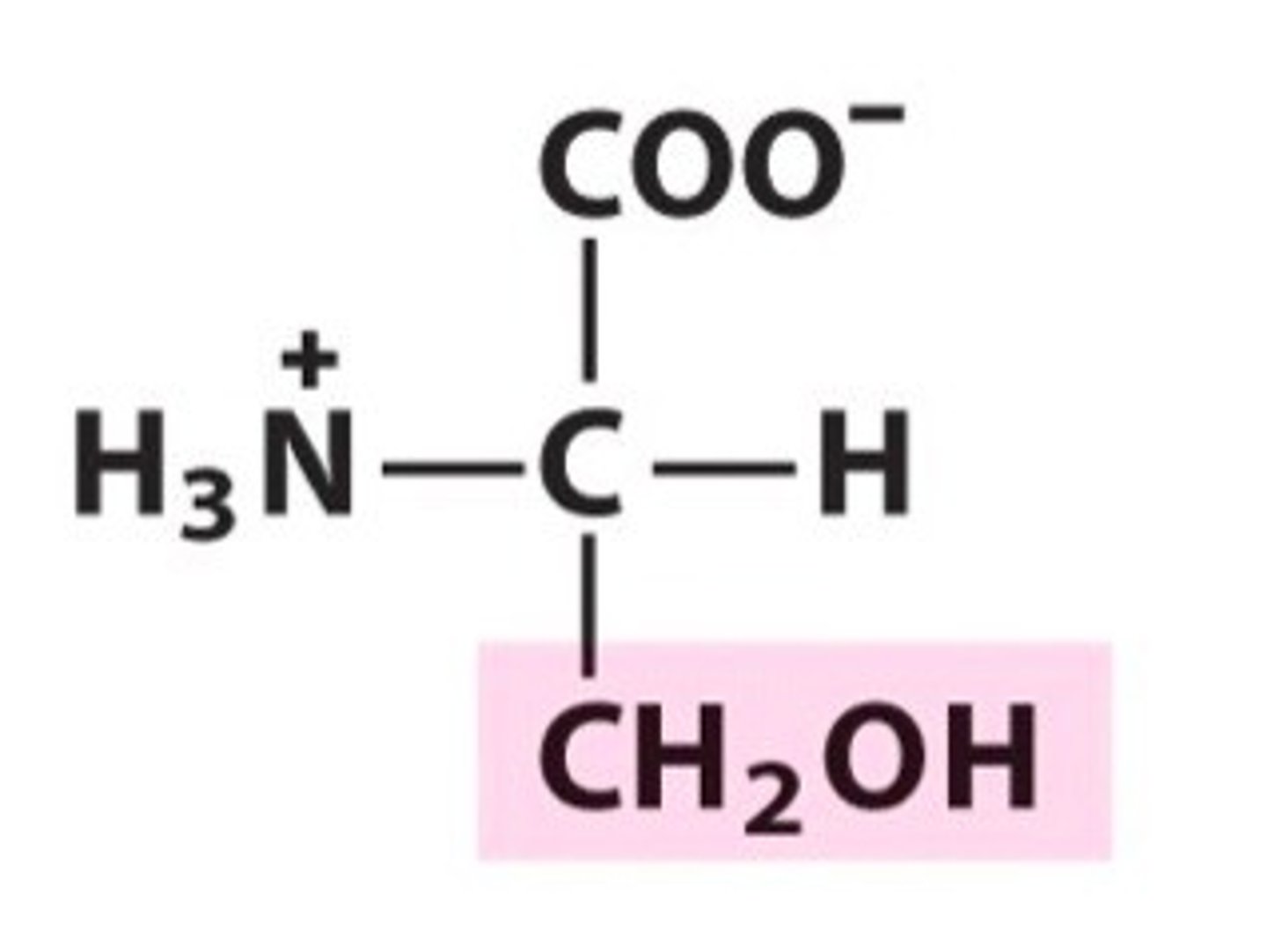
Serine (Ser/S)
Polar, uncharged R groups
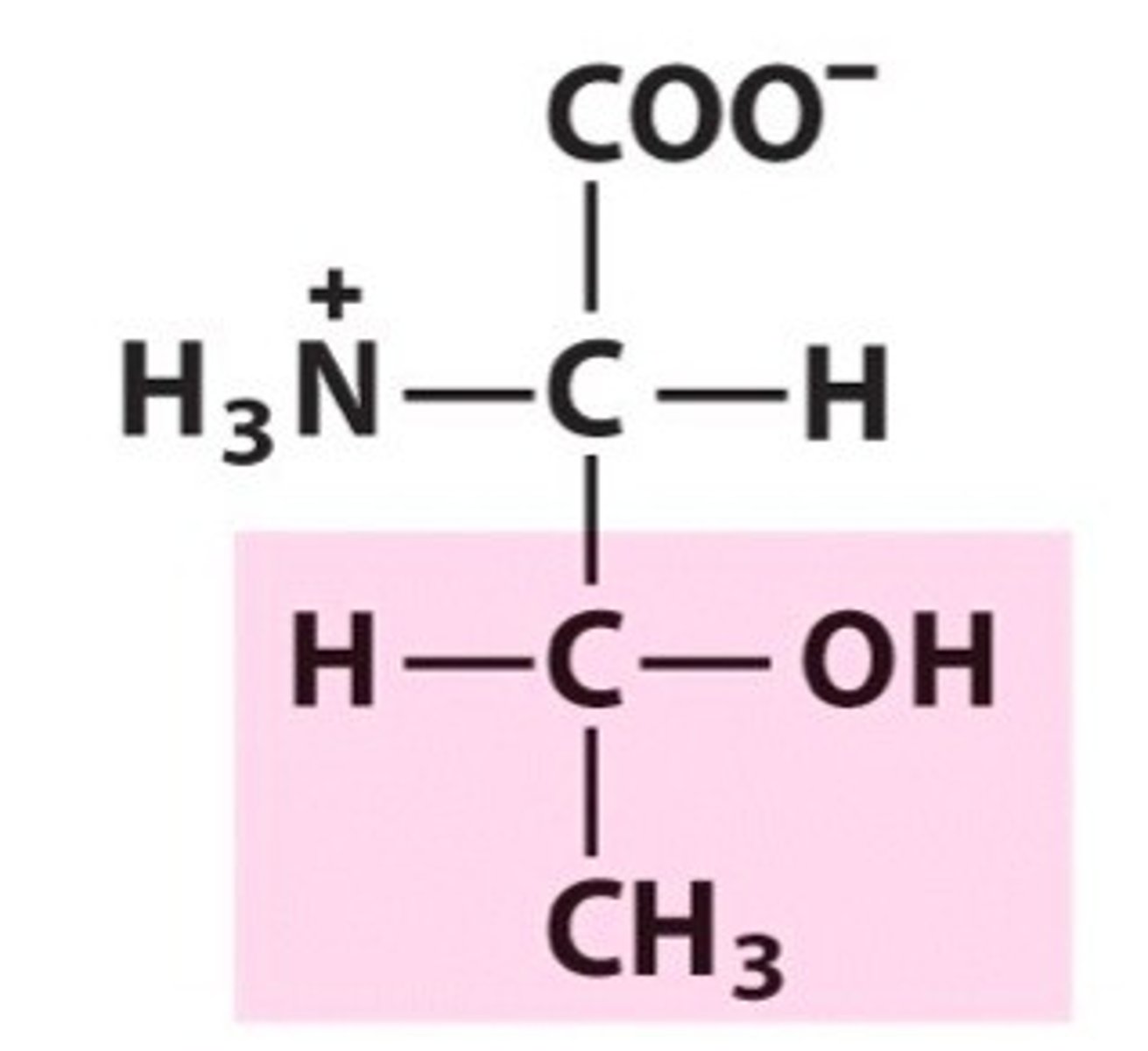
Threonine (Thr/T)
Polar, uncharged R groups
Cysteine (Cys/C)
Polar, uncharged R groups
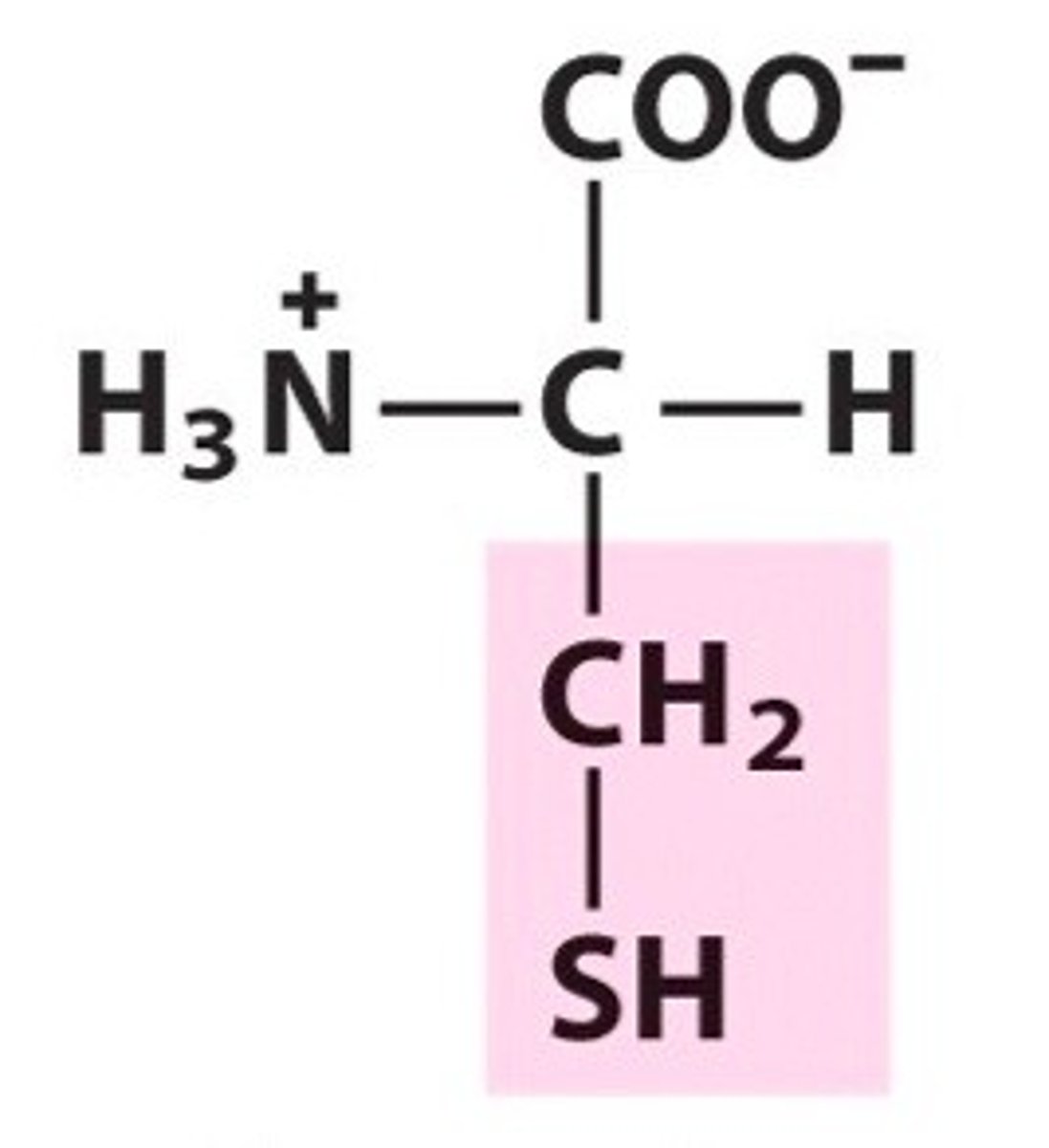
Asparagine (Asn/N)
Polar, uncharged R groups
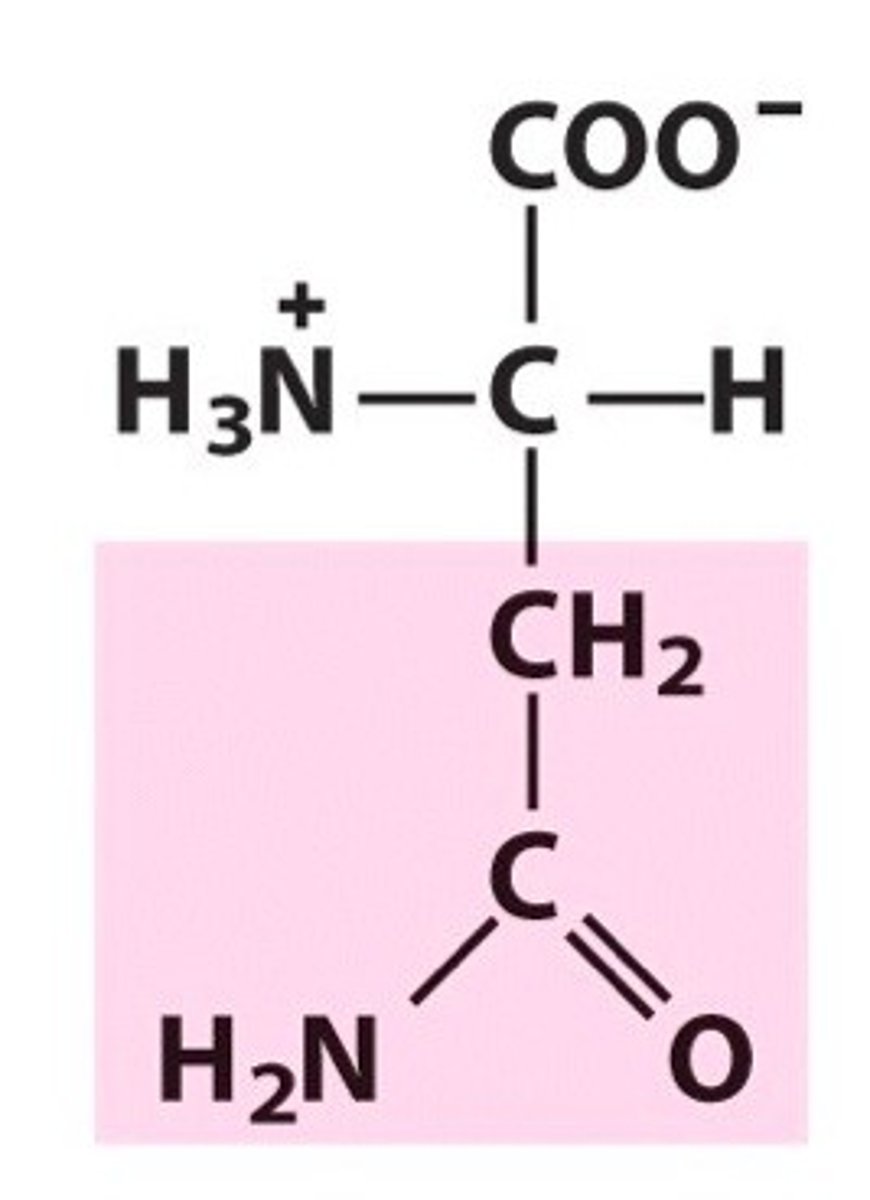
Glutamine (Gln/Q)
Polar, uncharged R groups
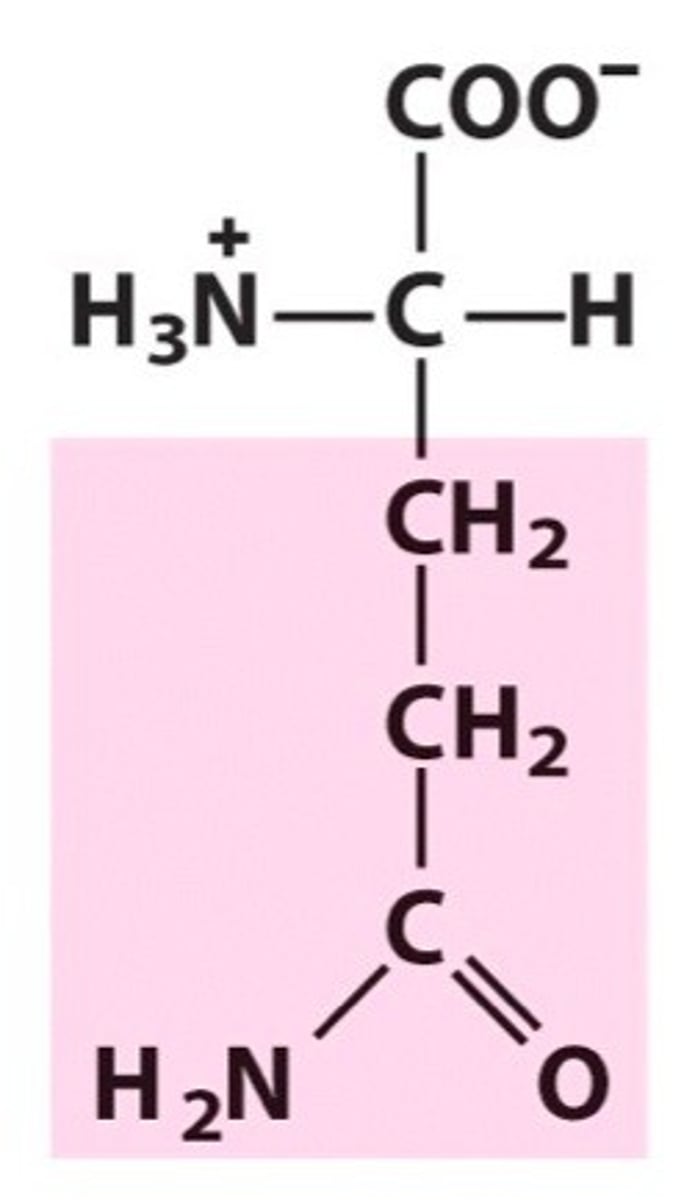
Lysine (Lys/K)
Positively charged R groups
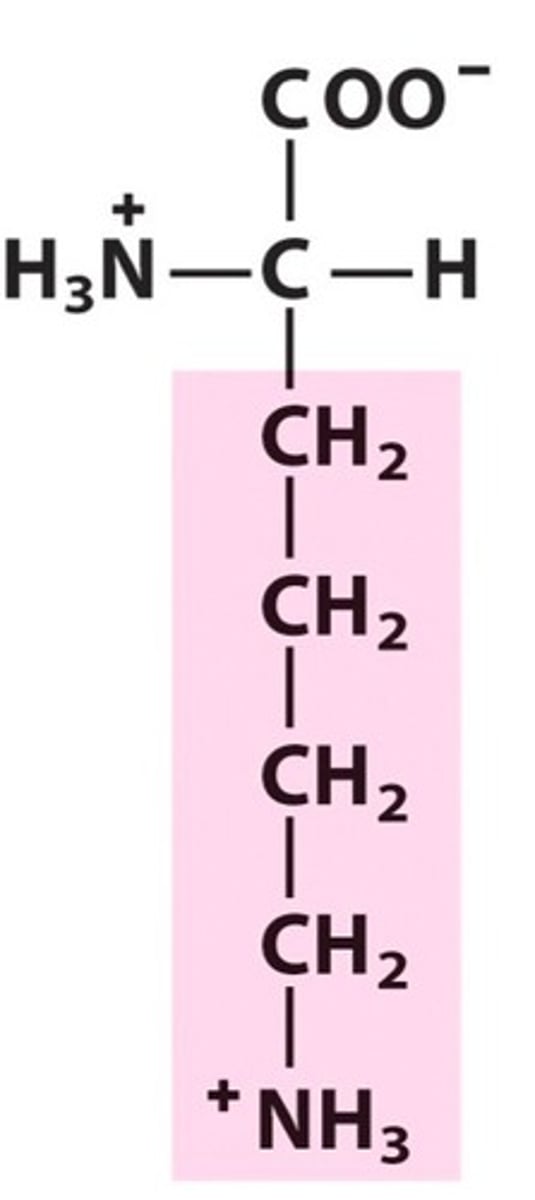
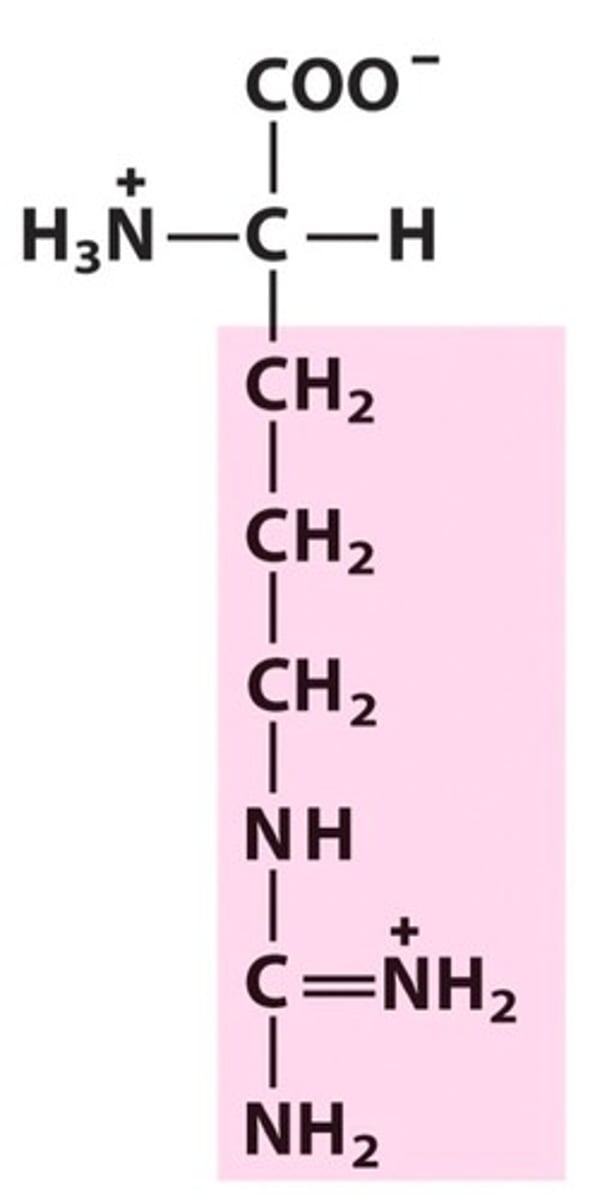
Arginine (Arg/R)
Positively charged R groups
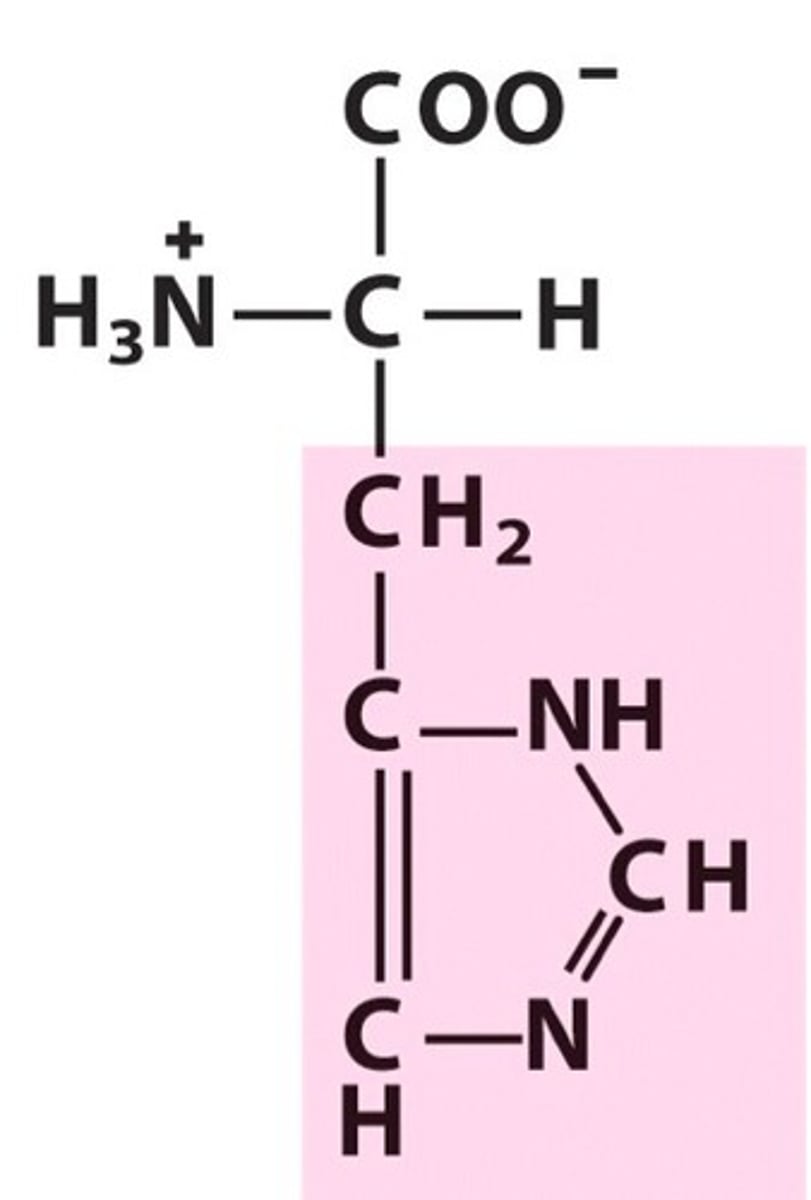
Histidine (His/H)
Positively charged R groups
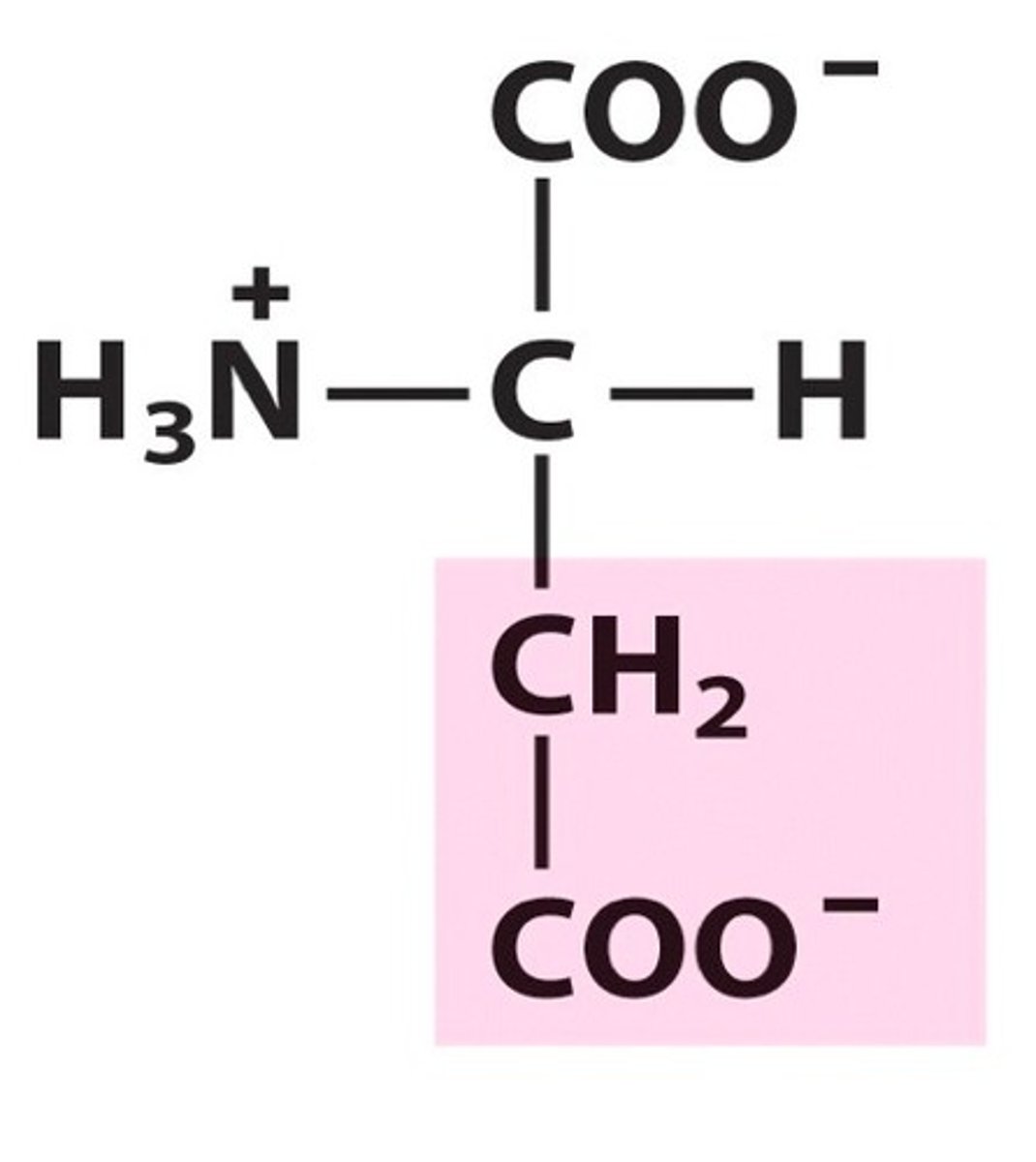
Aspartate (Asp/D)
Negatively charged R groups
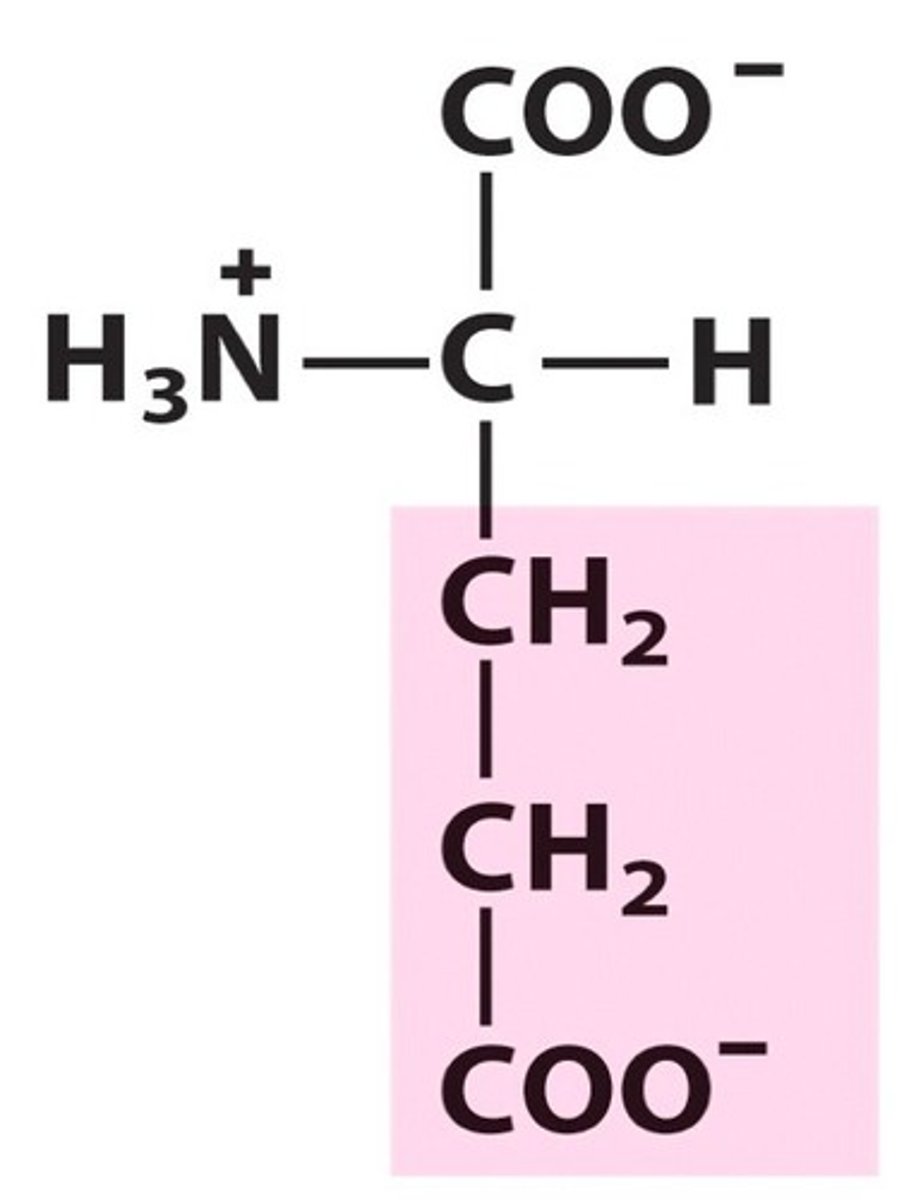
Glutamate (Glu/E)
Negatively charged R groups
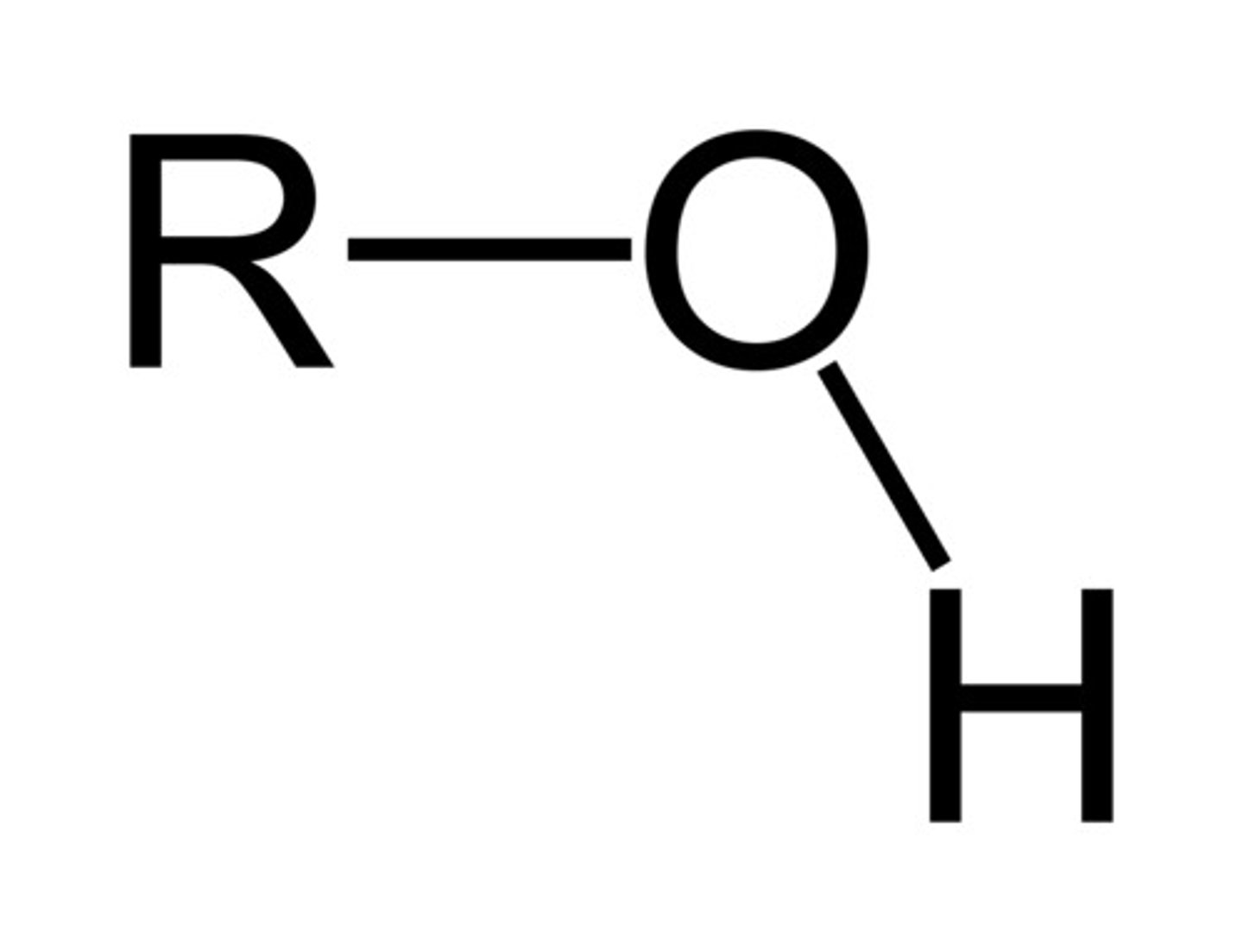
Alcohol
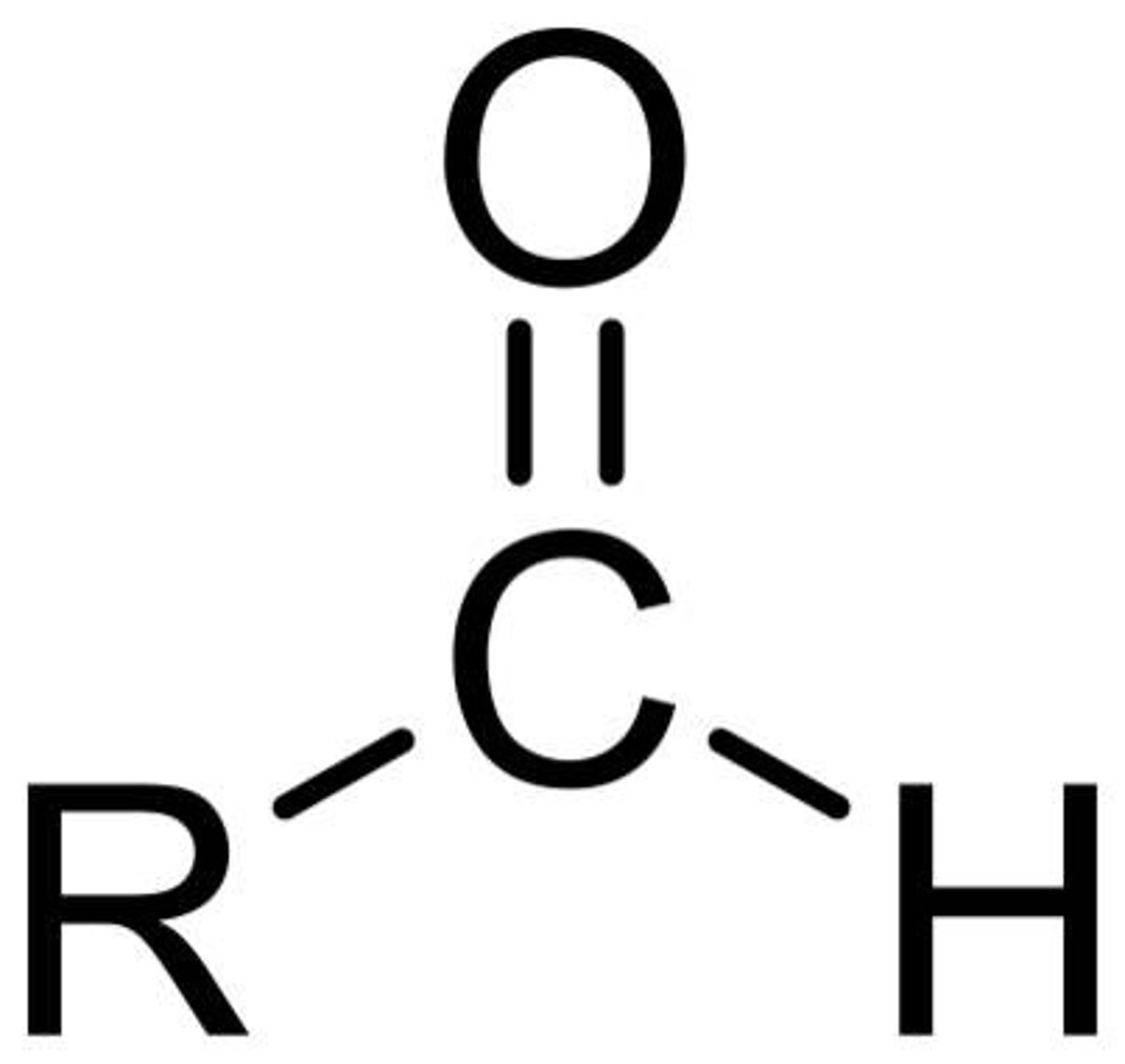
Aldehyde
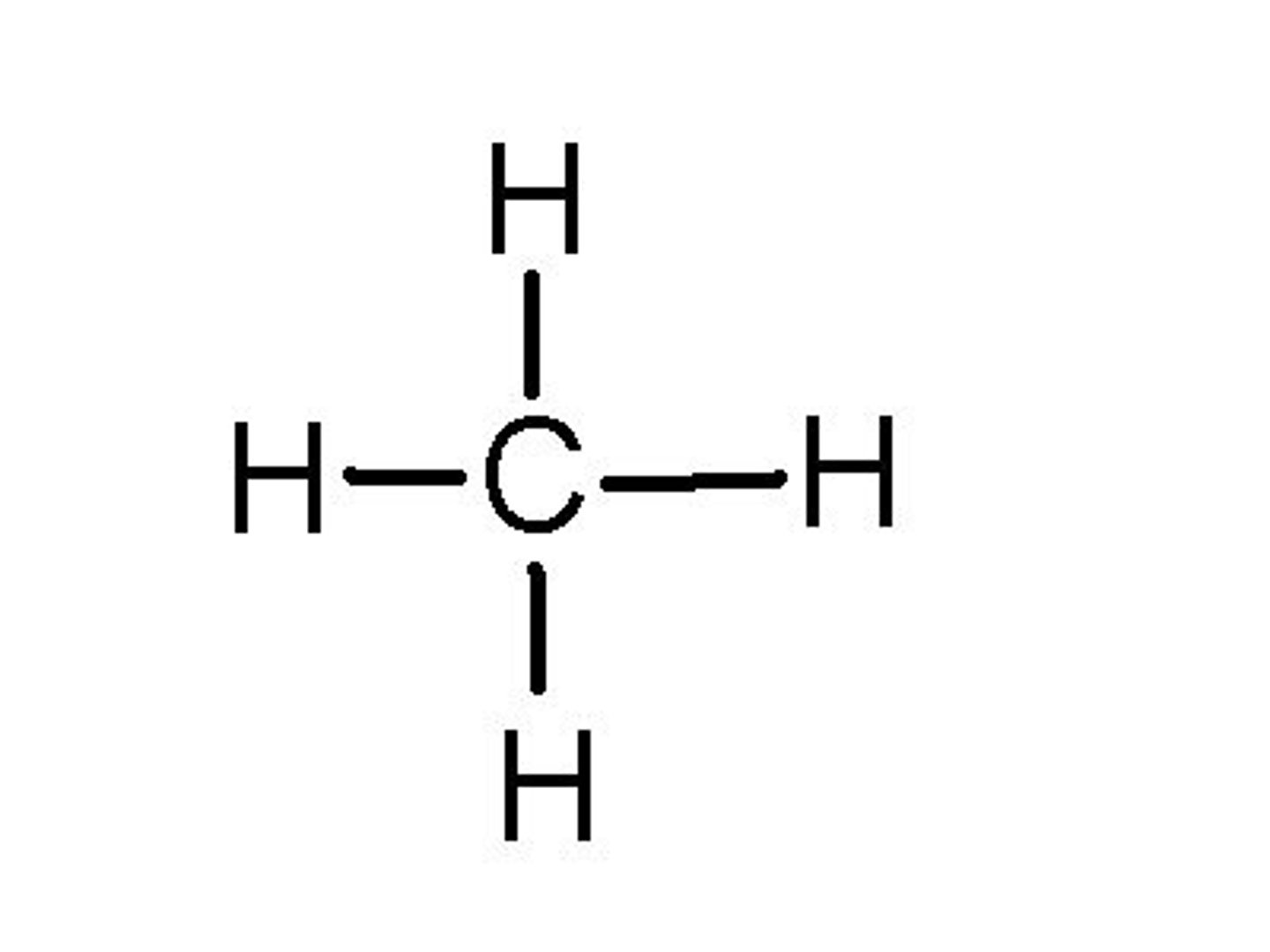
Alkane
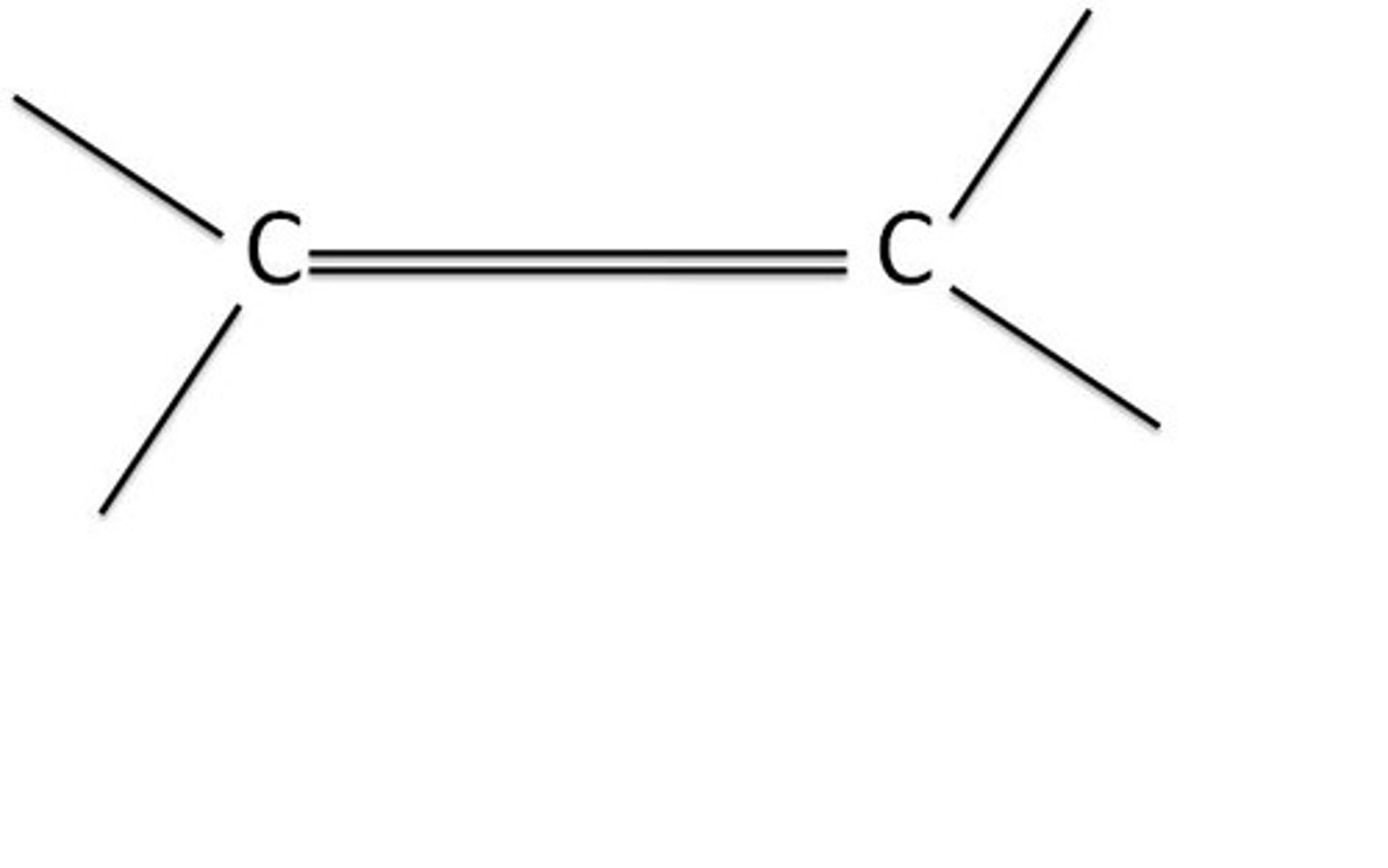
Alkene
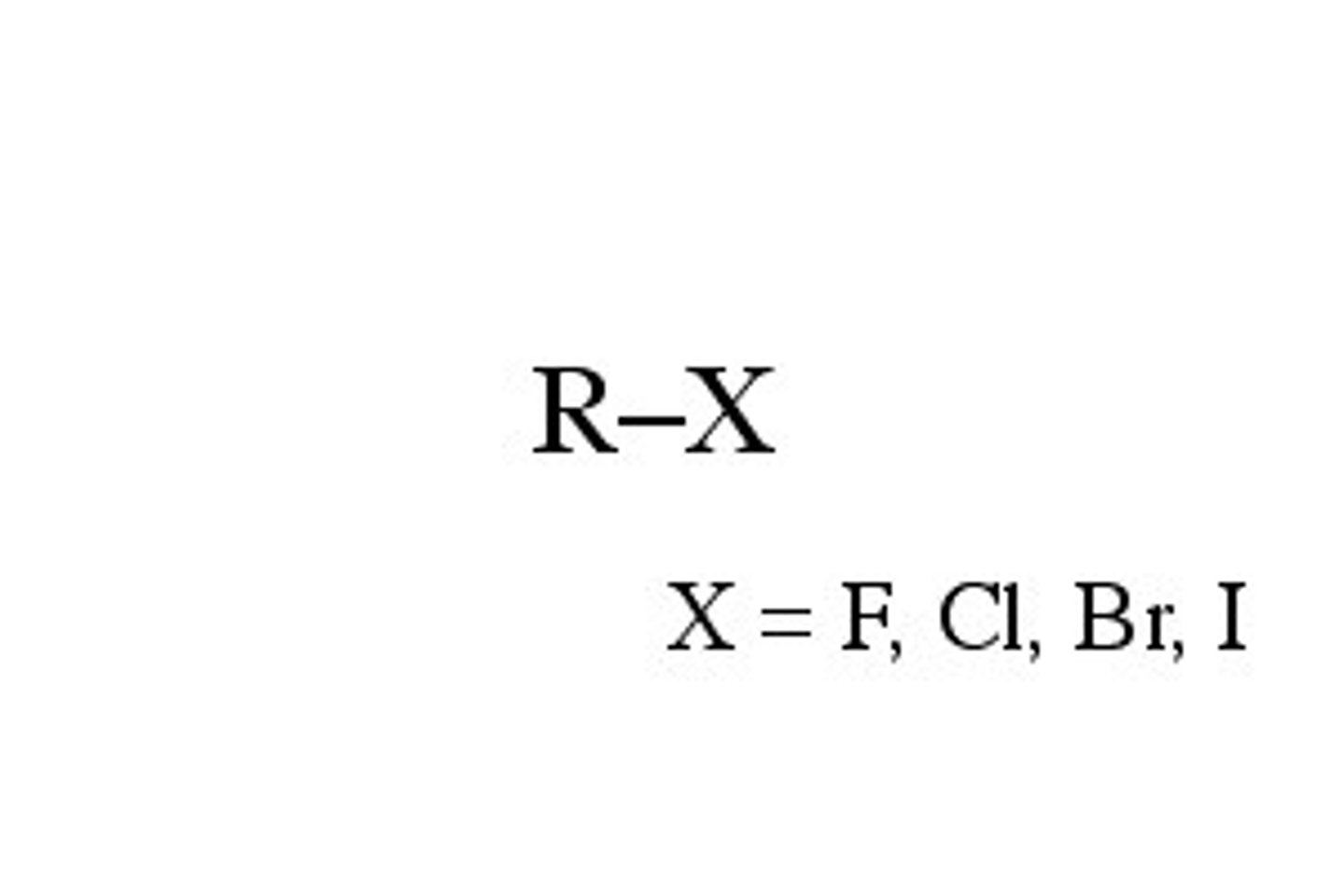
Halide
Alkyne

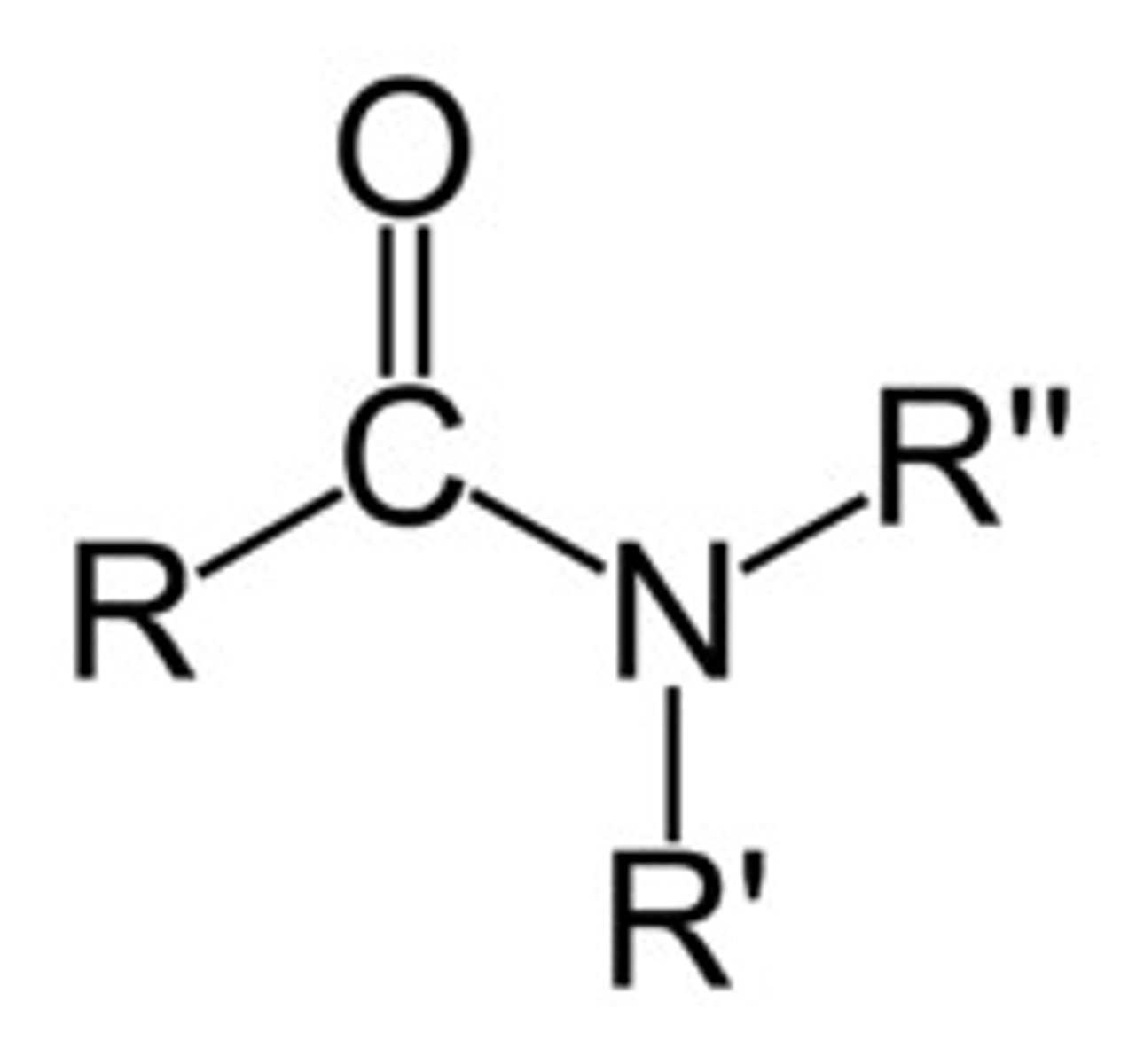
Amide
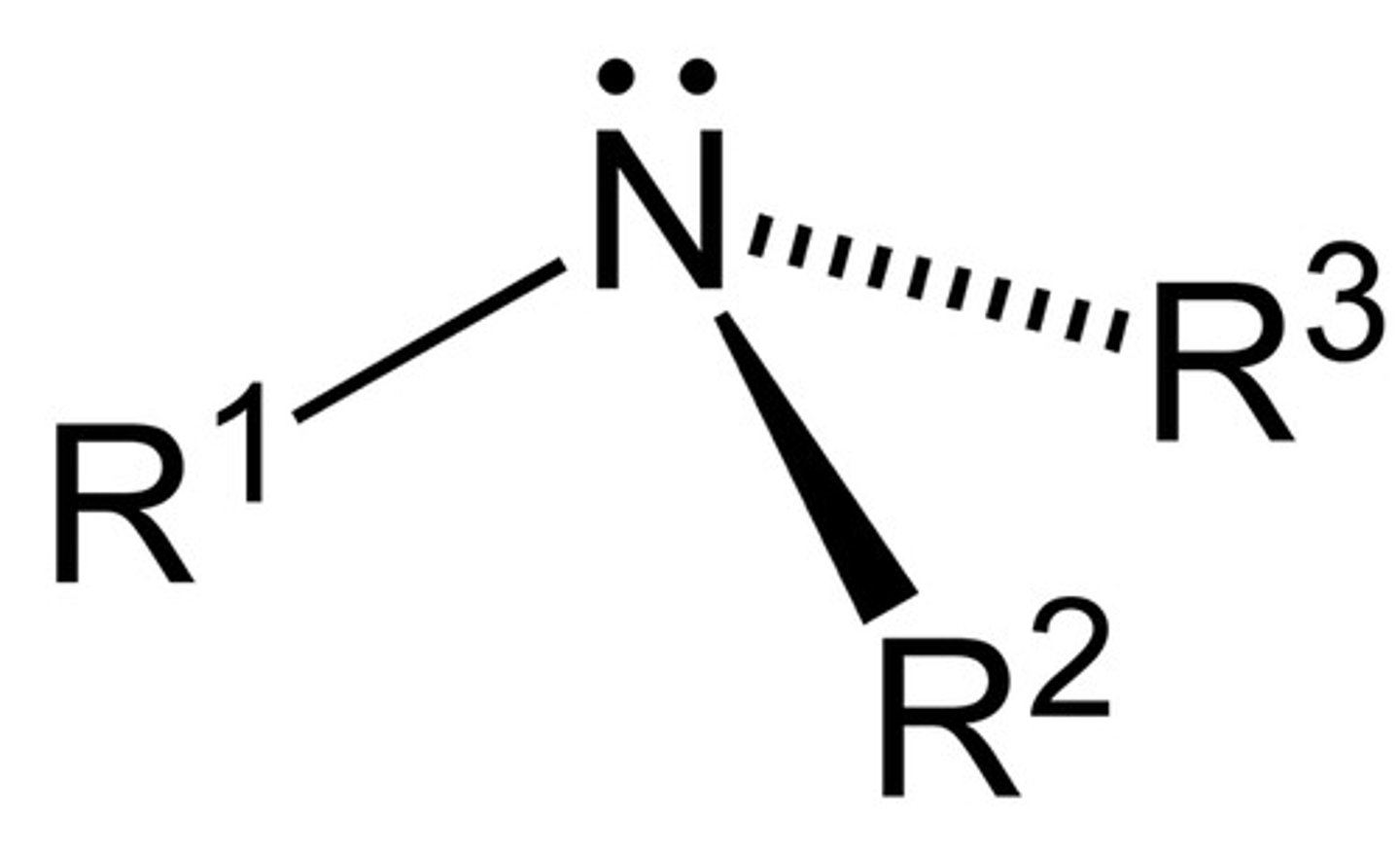
Amine
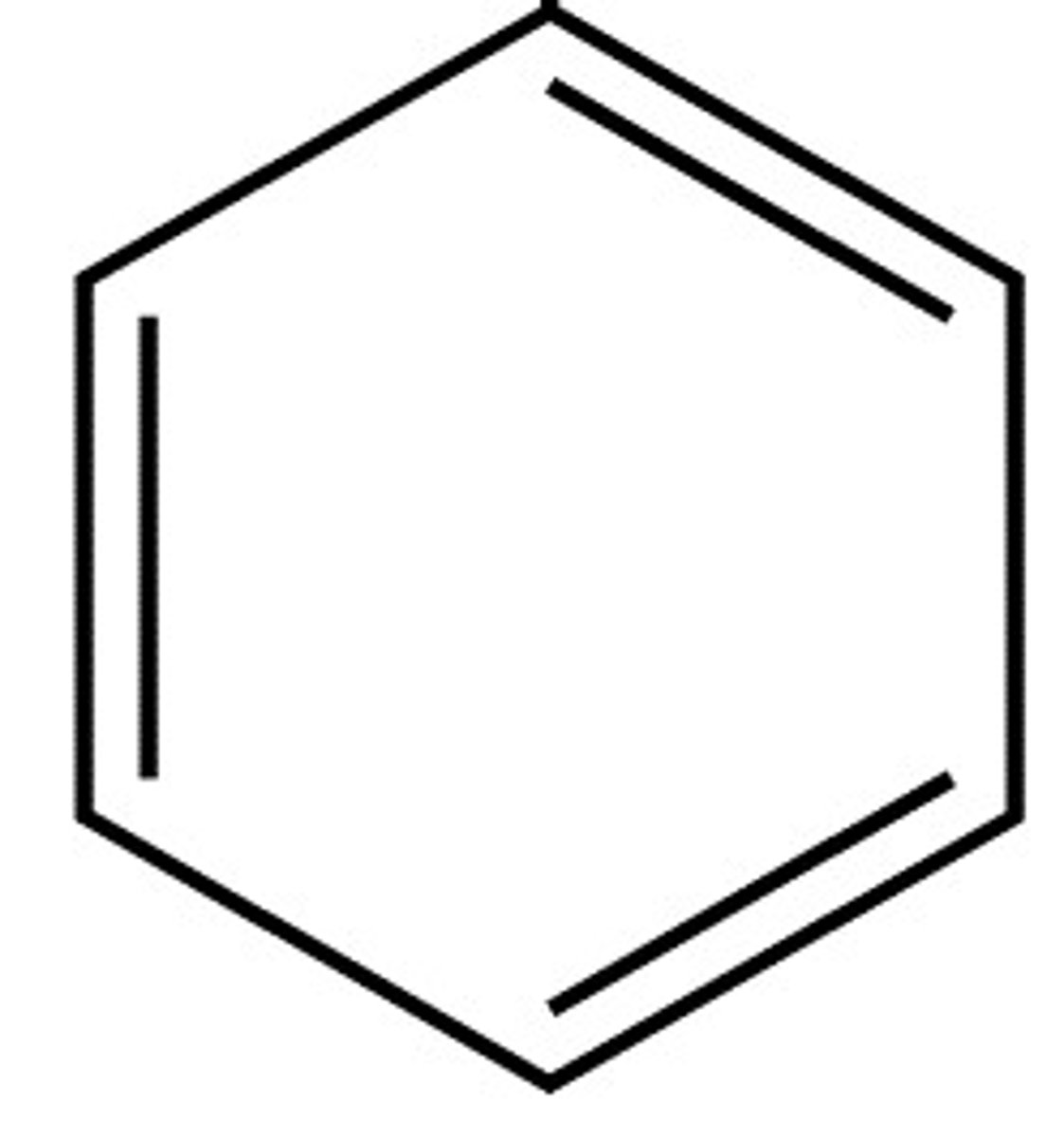
Aromatic Compound
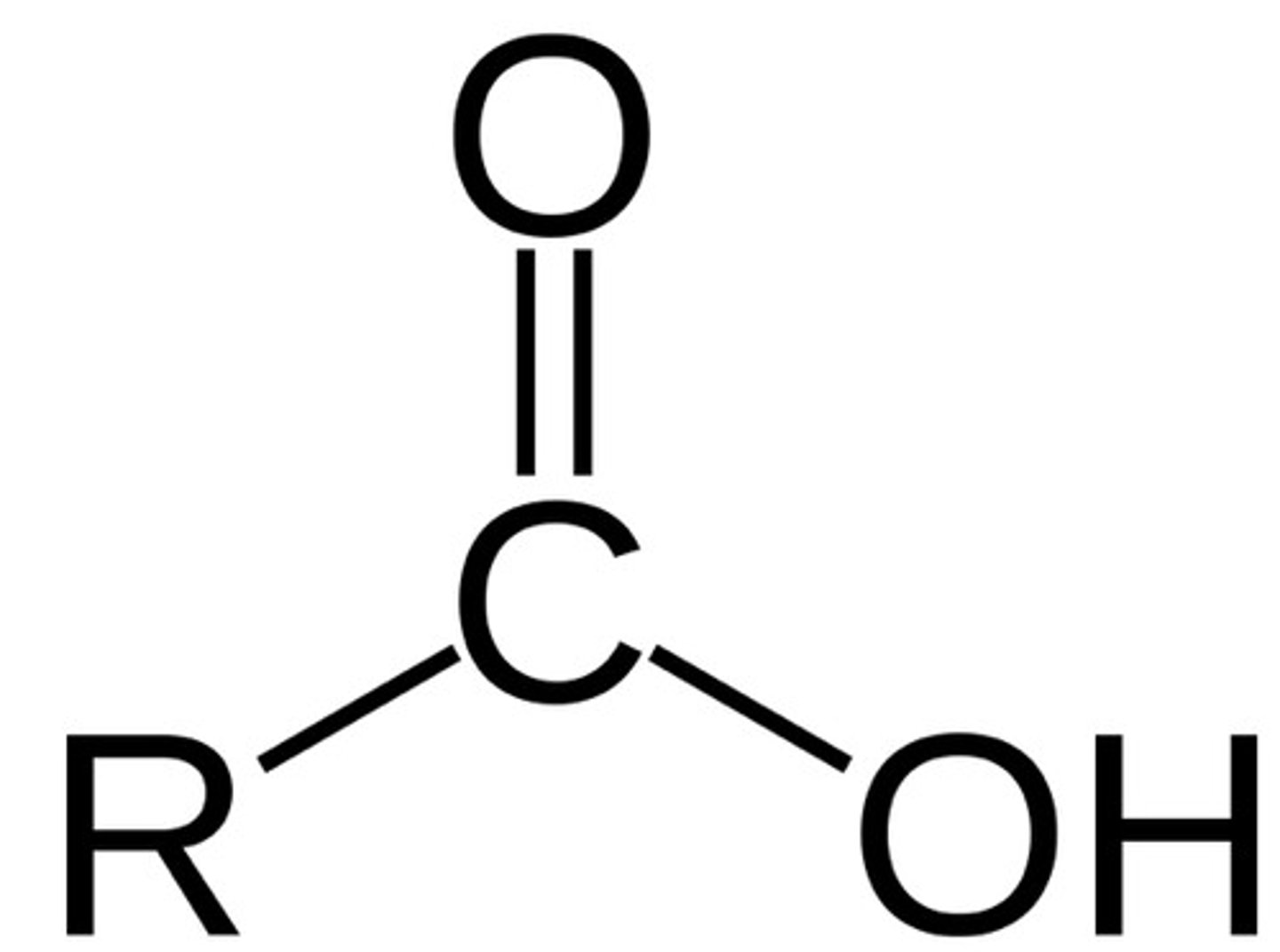
Carboxylic Acid
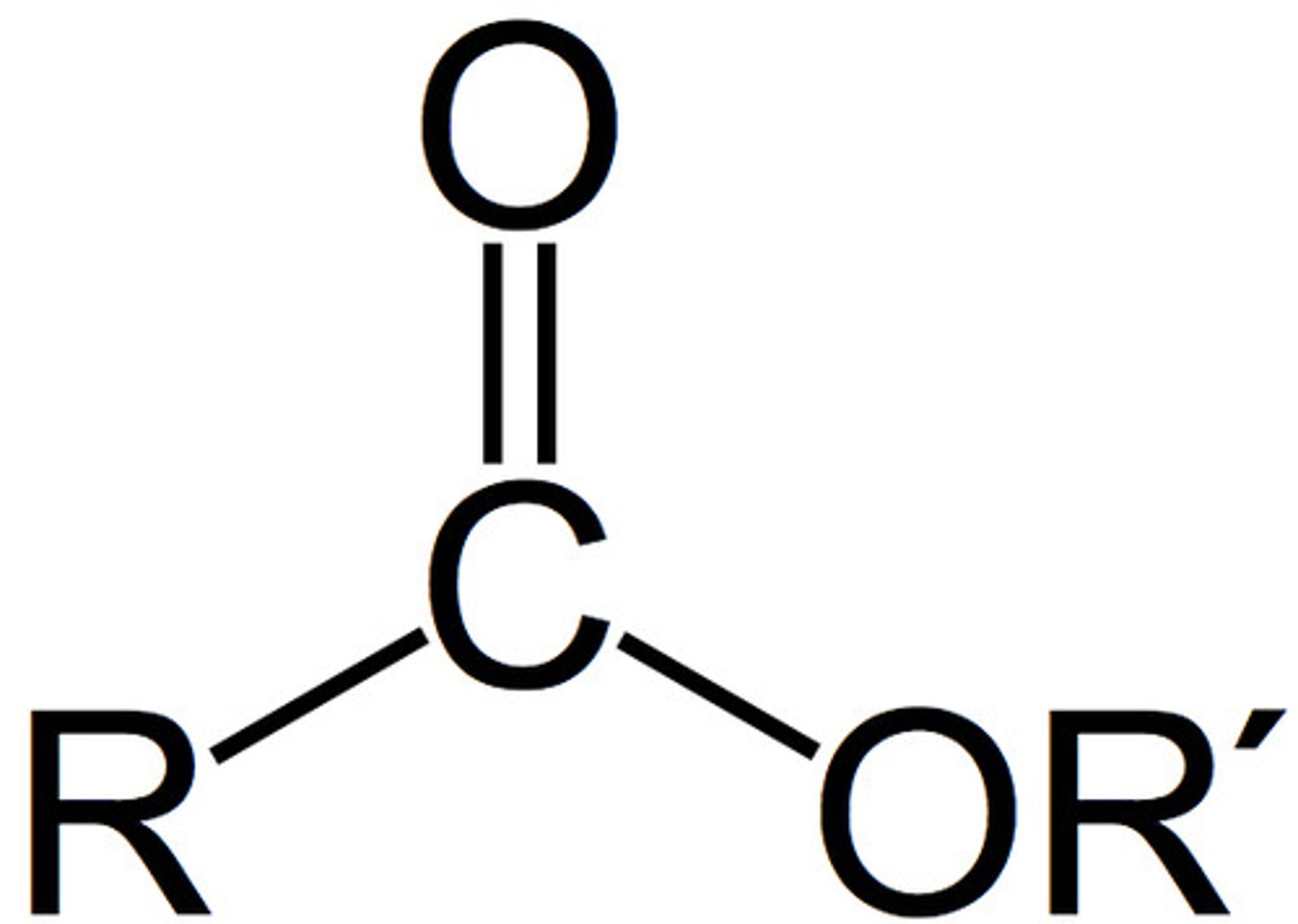
Ester
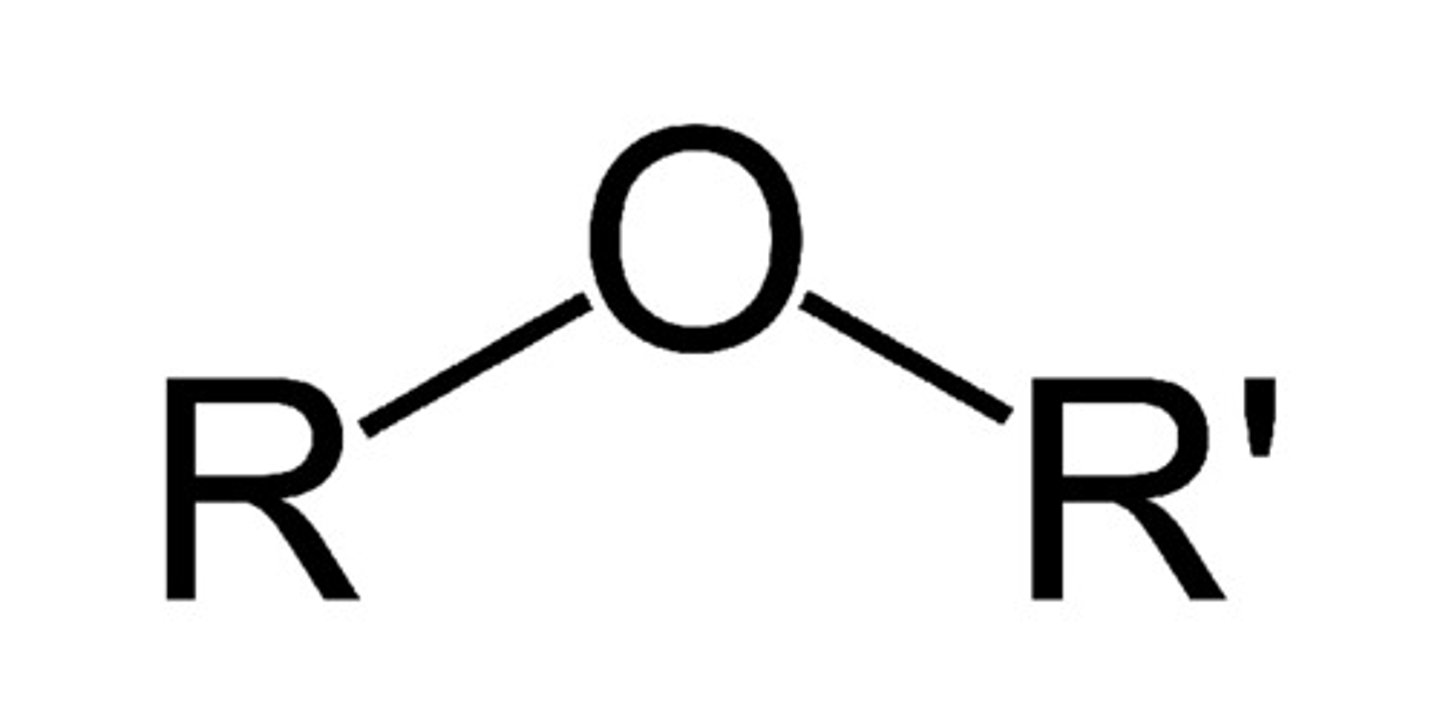
Ether
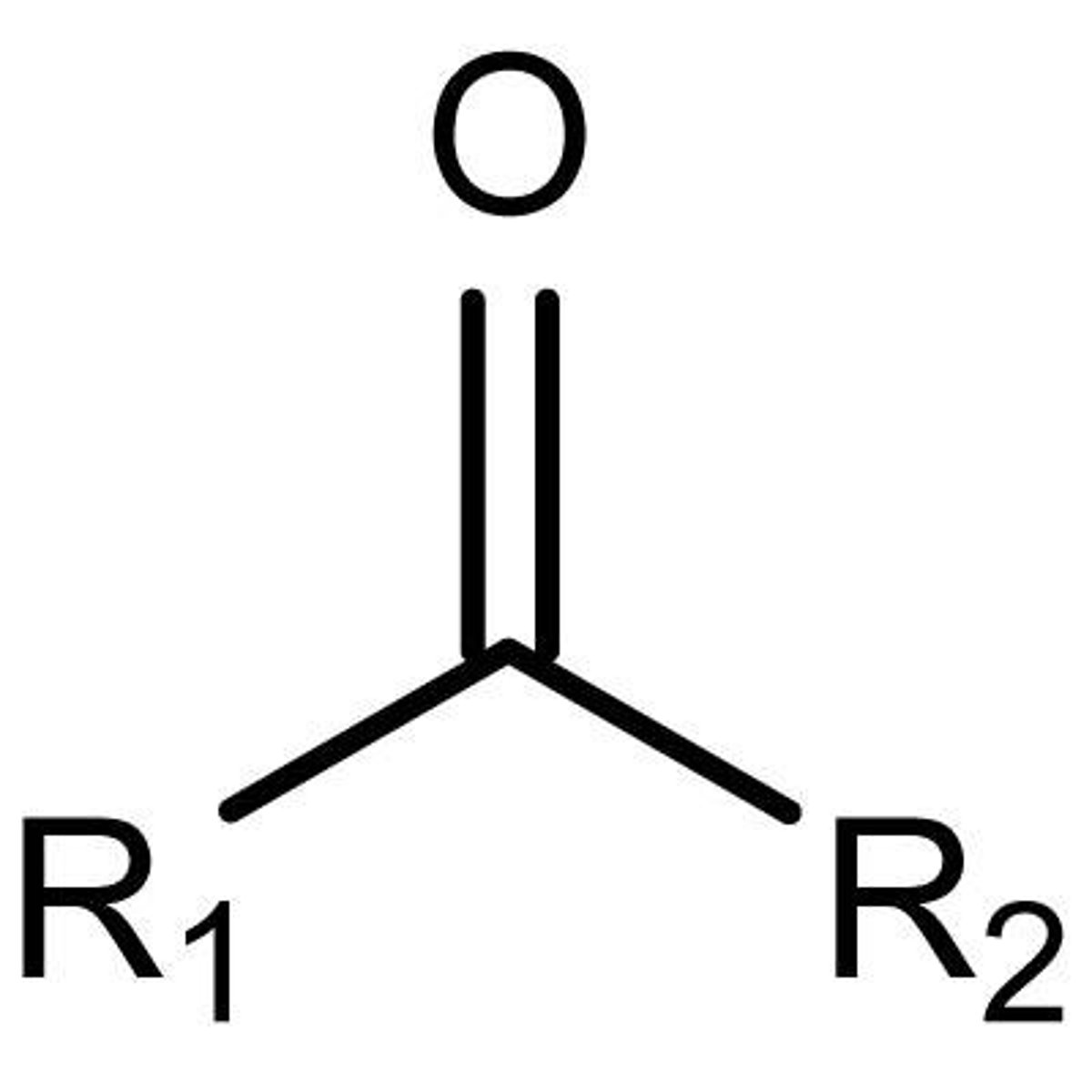
Ketone
What is biochemistry?
The study of how life works at the molecular level, including the experimental logic and techniques used to understand molecular biology.
What do all cells have in common?
All cells use DNA as genetic material, transcribe DNA into mRNA, use ribosomes to translate mRNA into protein, use proteins as catalysts, use the same building blocks (amino acids, carbohydrates, nucleotides), use ATP to store free energy, are enclosed by a plasma membrane, and harvest free energy from their environment.
What are the three domains of life?
Bacteria, Archaea, and Eukaryotes — classified by DNA sequence comparisons.
What is a gene?
A basic unit of information in which a segment of DNA is transcribed into mRNA, which is then translated into protein.
What does genome size tell us?
The number of genes in a genome gives a sense of the biochemical complexity required for life. E.g., Mycoplasma genitalium has ~480 genes; yeast ~6,300; humans ~24,000 protein-coding genes.
Why is Cdk1 a good example of protein conservation?
Cdk1 is a cell cycle kinase found in all eukaryotes. Human Cdk1 can fully replace yeast Cdk1, showing near-identical function across a billion years of evolution.
What atoms make up 96.5% of an organism's mass?
Carbon, nitrogen, oxygen, and hydrogen.
What are the four families of small organic molecules in cells?
Sugars, fatty acids, nucleotides, and amino acids.
How are polymers formed and broken?
Polymers form via condensation reactions (require energy); they are broken down via hydrolysis reactions (do not require energy).
What is a hydrogen bond?
A weak non-covalent bond that forms when a hydrogen covalently linked to an electronegative atom (O or N) is attracted to another electronegative atom. Distance ranges from 1.5–2.6 Angstroms.
What is an electrostatic interaction?
A non-covalent interaction between oppositely charged groups; strength falls off with the square of distance and is weakened by water and ions.
What is a Van der Waals interaction?
A weak attractive force between neighboring atoms caused by temporary fluctuations in electron distribution; highly distance-dependent with an optimal "Van der Waals distance."
What drives the hydrophobic effect?
Nonpolar (hydrophobic) molecules disrupt water's hydrogen bond network and force water into ordered arrangements. To minimize this, hydrophobic molecules cluster together — driving lipid bilayer formation, protein folding, and protein-protein interactions.
What is pH?
A logarithmic scale for hydrogen ion concentration: pH = -log10[H+]. Pure water has pH 7, with [H+] = 10^-7 M.
What is pKa?
The pH at which a weak acid is exactly half dissociated (50% protonated, 50% deprotonated). Buffers work best at their pKa.
What is a buffer?
A weak acid or base that resists changes in pH by absorbing or releasing H+ ions. Blood is buffered by carbonic acid/bicarbonate.
What functional groups should you know for biochemistry?
Hydroxyl (-OH), carbonyl (C=O), carboxyl (-COOH), amino (-NH2), phosphate (-PO4), sulfhydryl (-SH), and hydrocarbons.
What is the general structure of an amino acid?
A central alpha carbon bonded to: an amino group (-NH2), a carboxyl group (-COOH), a hydrogen, and a variable R group (side chain).
What are the four classes of amino acid R groups?
Hydrophobic (nonpolar), polar uncharged, positively charged, and negatively charged.
Which amino acid has a sulfhydryl group and can form disulfide bonds?
Cysteine (C). Pairs of cysteines can be oxidized to form disulfide bonds, stabilizing secreted proteins.
Why is proline unusual?
Its side chain bonds to both the alpha carbon AND the nitrogen, creating a rigid ring. Proline cannot form alpha helices and constrains protein conformations.
Which amino acids are phosphorylated by protein kinases?
Serine (S), Threonine (T), and Tyrosine (Y) — all have hydroxyl groups.
What is the peptide bond?
A covalent amide bond formed between the carboxyl group of one amino acid and the amino group of the next. It has partial double-bond character making it planar and rotationally constrained.
What are the four levels of protein structure?
Primary (amino acid sequence), Secondary (alpha helices, beta sheets), Tertiary (overall 3D fold of one polypeptide), Quaternary (assembly of multiple polypeptide subunits).
What is an alpha helix?
A secondary structure where the N-H of each peptide bond forms a hydrogen bond with the C=O four peptide bonds away, creating a right-handed spiral.
What is a beta sheet?
A secondary structure formed by hydrogen bonding between adjacent extended polypeptide strands, which can be parallel or antiparallel.
What forces drive protein folding into tertiary structure?
The hydrophobic effect (burying nonpolar residues in the core), hydrogen bonds, electrostatic interactions, and Van der Waals forces.
What are chaperones?
Proteins (e.g., Hsp60, Hsp70) that use ATP energy to help other proteins fold correctly, preventing aggregation of exposed hydrophobic surfaces.
What is a protein domain?
A region of contiguous amino acids that folds independently into a stable compact structure, usually 40–350 amino acids. Domains are modular functional units.
What are amyloid fibrils?
Stable, self-propagating stacks of beta sheets formed by identical proteins. Abnormal formation is linked to Alzheimer's, Parkinson's, and prion diseases.
What is a ligand?
Any molecule that binds to a protein — can be a small molecule (glucose, ATP), peptide, or another protein.
What is the dissociation constant (Kd)?
Kd = [A][B]/[AB]. It is the concentration of ligand at which half the protein is bound. Lower Kd = tighter binding. Typical range: 10^-2 to 10^-15 M.
What is intrinsically disordered protein?
A protein (or region) that lacks a stable tertiary structure and rapidly fluctuates between conformations. Characterized by few hydrophobic and many charged amino acids. Up to 25% of eukaryotic proteins are intrinsically disordered.
What is AlphaFold2?
An AI algorithm trained on known protein structures that can predict the 3D structure of a protein from its amino acid sequence with reasonable accuracy.
How do competitive inhibitors affect Km and Vmax?
Competitive inhibitors increase the apparent Km (more substrate needed to reach half-Vmax) but do NOT change Vmax. They can be outcompeted by excess substrate.
What are the parts of a nucleotide?
A nitrogenous base + a five-carbon ribose sugar + one or more phosphate groups.
What is the difference between a nucleoside and a nucleotide?
A nucleoside = base + ribose. A nucleotide = base + ribose + phosphate(s).
What are purines vs. pyrimidines?
Purines (A and G) have a double-ring structure. Pyrimidines (C, T, U) have a single-ring structure. Base pairing always pairs a purine with a pyrimidine.
What are Watson-Crick base pairs?
A pairs with T (in DNA) or U (in RNA) via 2 hydrogen bonds; G pairs with C via 3 hydrogen bonds.
What is the melting temperature (Tm) of dsDNA?
The temperature at which half the DNA molecules are single-stranded. Increased by: higher G/C content (3 H-bonds vs 2), longer length, and higher salt concentration. Decreased by: low pH, low salt.
What is the major groove of DNA?
The wider, deeper groove of the double helix that displays more sequence information (H-bond donors/acceptors, hydrophobic groups). Most DNA-binding proteins read sequence via the major groove, often using an alpha helix.
What is the difference between A-form and B-form DNA helices?
B-form: found in most cellular DNA, ribose in C2'-endo conformation, wide major groove. A-form: found in RNA duplexes and some DNA, ribose in C3'-endo (exo) conformation, narrow and deep major groove. RNA cannot form B-form due to the 2'-OH.
What is a ribozyme?
An RNA molecule with catalytic activity. RNAs can fold into precise 3D structures with catalytic sites, similar to protein enzymes.
What is the phosphodiester bond?
The covalent bond linking nucleotides in DNA/RNA: the 3' carbon of one sugar is bonded to the 5' carbon of the next through a phosphate group.
What is SDS-PAGE?
Sodium dodecyl sulfate polyacrylamide gel electrophoresis. SDS denatures proteins and gives them uniform negative charge; they then migrate through a gel based on size (smaller = faster). Used to analyze protein size.
What is a western blot?
A technique to detect a specific protein: proteins are separated by SDS-PAGE, transferred to nitrocellulose, probed with a primary antibody, then detected with a labeled secondary antibody.
What is immunoprecipitation?
Using antibody-coated beads to pull down a specific protein from a cell extract, allowing analysis of that protein and its binding partners.
What is the difference between polyclonal and monoclonal antibodies?
Polyclonal: mixture of antibodies from many B cell clones, recognizing multiple epitopes — cheaper, more variable. Monoclonal: single antibody from one B cell clone, highly specific and reproducible — expensive but consistent.
What is affinity chromatography?
A purification method where a protein's ligand is attached to column beads; the target protein binds specifically while other proteins flow through. Allows high-degree purification in one step.
What is mass spectrometry used for in biochemistry?
Identifying proteins by measuring mass-to-charge ratios of ionized peptides and matching them to genome-derived protein databases. Also used to map post-translational modifications.
What is ion exchange chromatography?
Column chromatography that separates proteins based on surface charge. Proteins interact differently with charged beads depending on their charge distribution.
What is gel filtration chromatography?
Separates proteins by size using porous beads. Larger proteins cannot enter pores and travel faster through the column; smaller proteins travel more slowly.
What is cryo-EM?
Cryogenic electron microscopy — proteins are frozen in thin ice and imaged with electrons. Advantage over X-ray crystallography: less protein needed, no crystallization required, works on very large complexes.
What is X-ray crystallography?
A method to determine atomic-resolution protein structures by analyzing the diffraction pattern of X-rays scattered by protein crystals.
What are the first and second laws of thermodynamics?
First law: total energy in the universe is constant (energy is conserved). Second law: the universe spontaneously moves toward greater disorder (entropy increases).
What is the Gibbs free energy equation?
ΔG = ΔH - TΔS. ΔG = change in free energy; ΔH = change in enthalpy (heat); T = temperature in Kelvin; ΔS = change in entropy.
When does a reaction occur spontaneously?
Only when ΔG is negative (exergonic reaction). A positive ΔG means the reaction requires energy input (endergonic).
What is standard free energy change (ΔG°)?
The free energy change when all reactants and products are at a standard concentration of 1 mole/liter. Related to equilibrium constant K by: ΔG° = -RT ln K.
How are coupled reactions used in biology?
The free energy changes of sequential reactions are additive. An unfavorable reaction (positive ΔG) can be driven by coupling it to a highly favorable reaction (large negative ΔG), as long as the favorable reaction comes second.
Why does ATP release so much energy when hydrolyzed?
Two reasons: (1) Electrostatic repulsion between negatively charged phosphate groups is relieved. (2) The released inorganic phosphate has more resonance stabilization than the phosphate in ATP.
What is activation energy?
The minimum energy input required to start a thermodynamically favorable reaction — the energy barrier that reactants must overcome to reach the transition state.
What is an enzyme?
A biological catalyst (usually a protein) that lowers the activation energy of a specific reaction by stabilizing the transition state, without being consumed in the reaction.
What is the transition state?
The highest-energy, least stable configuration of atoms along a reaction pathway — the point at which bonds are breaking and forming simultaneously. Enzymes bind the transition state tightly to stabilize it.
Can enzymes change the equilibrium of a reaction?
No. Enzymes speed up reactions but cannot change ΔG or the equilibrium constant. They lower activation energy equally for both forward and reverse reactions.
What is lysozyme and how does it work?
A natural antibiotic enzyme in egg whites, tears, and saliva that cleaves bacterial cell wall polysaccharides. It uses binding energy to distort one sugar into a strained transition state and uses acidic side chains (covalent and acid/base catalysis) to break the glycosidic bond.
What are the four common strategies enzymes use for catalysis?
(1) Covalent catalysis — transient covalent bond with substrate. (2) Acid/base catalysis — active site donates or accepts protons. (3) Metal ion catalysis — metal ions act as electrophiles or stabilize charges. (4) Orientation/concentration — binding two substrates increases local concentration and correct alignment.
What is a coenzyme?
A small non-protein organic molecule (e.g., biotin, NAD+) that assists enzyme catalysis by providing chemical functions that amino acids cannot. Many vitamins are precursors to coenzymes.