Forensic Anth Midterm
 Call Kai
 Learn
Learn Practice Test
 Spaced Repetition
 Match
Match Flashcards
 Knowt Play
1/45

There's no tags or description
Looks like no tags are added yet.
Name | Mastery | Learn | Test | Matching | Spaced | Call with Kai |
|---|
No analytics yet
Send a link to your students to track their progress
46 Terms
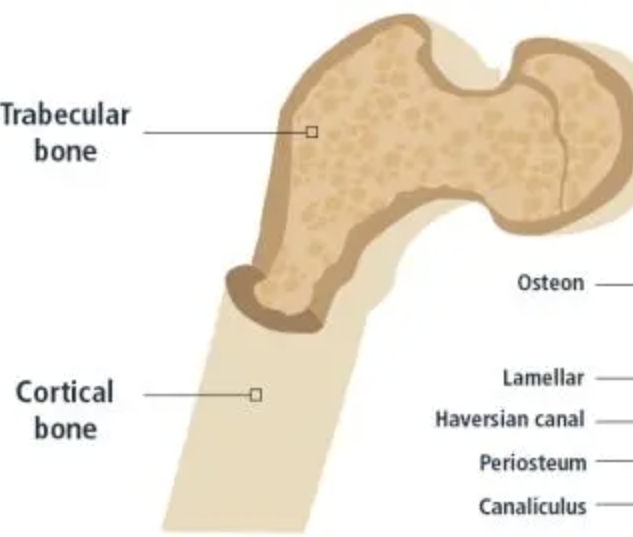
Cortical Bone
Outer layer of bone that provides strength and protection and is composed of dense, compact tissue. Also referred to as Compact Bone
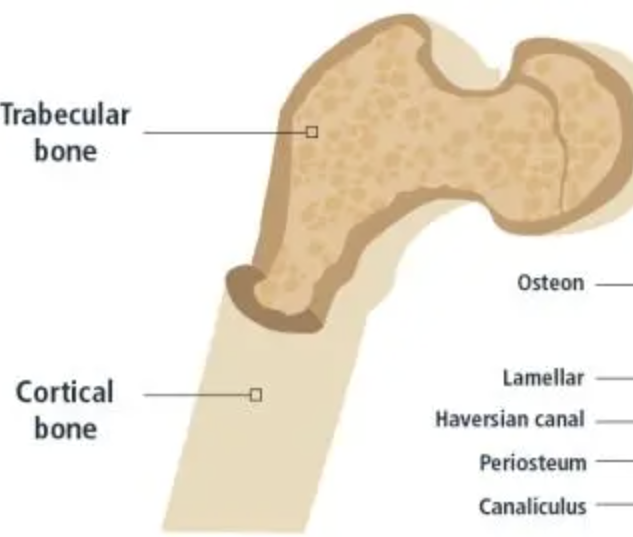
Trabecular Bone
Inner spongy layer of bone that has a porous structure, providing support and helping to reduce weight while maintaining strength.
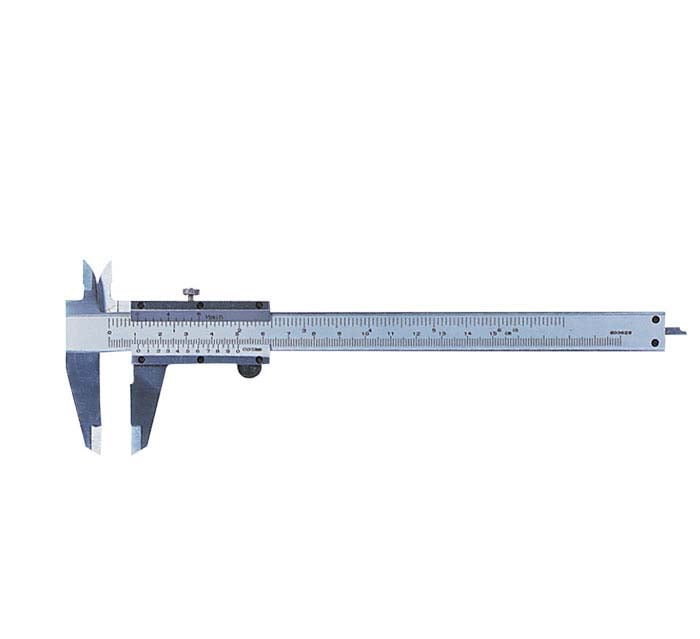
Sliding Calipers
A measuring tool used to measure internal and external dimensions as well as depths. EX. Small Bone
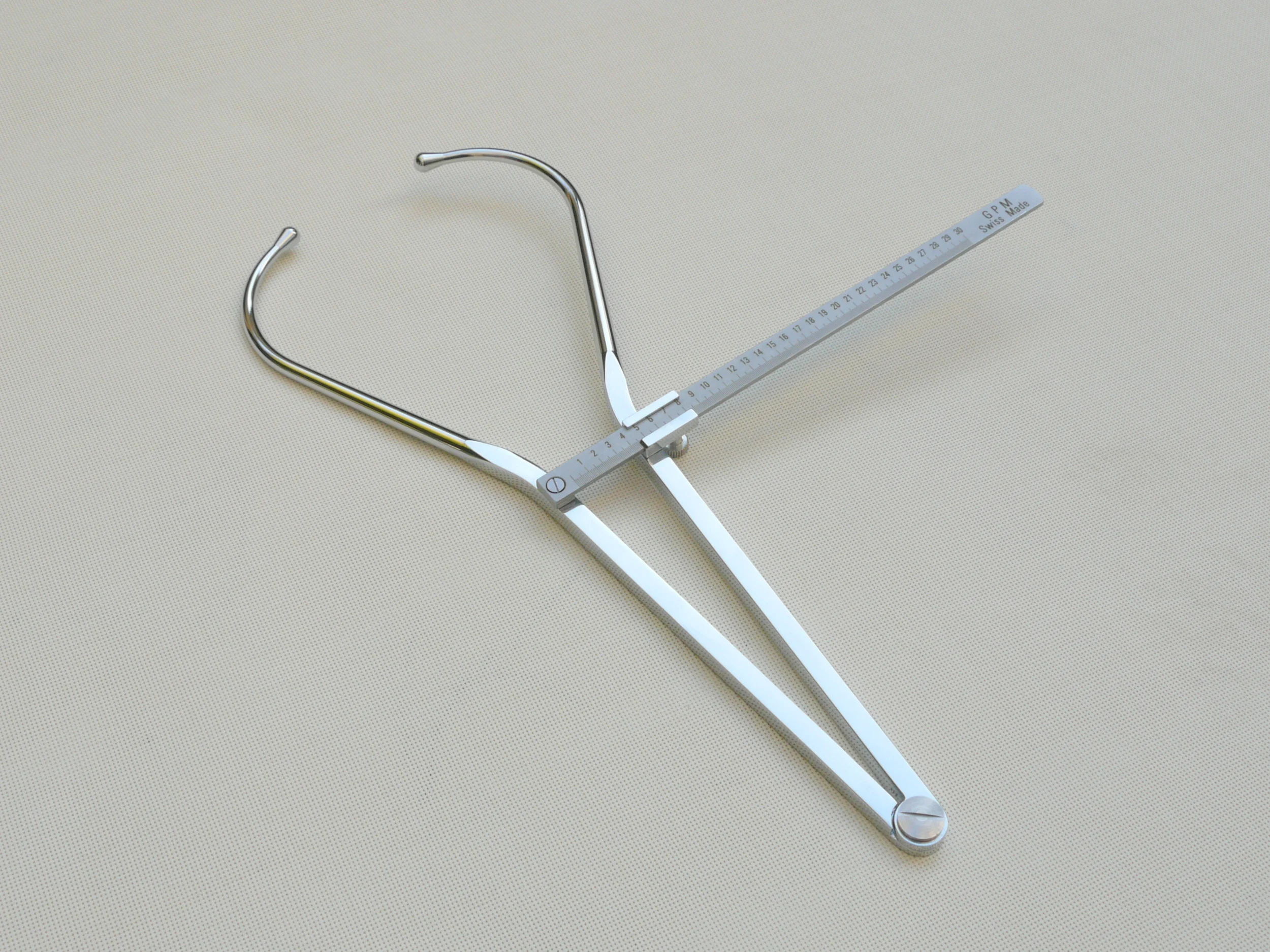
Spreading Calipers
A measuring tool used to determine the distance between two points or the width of an object. Ex: Skull
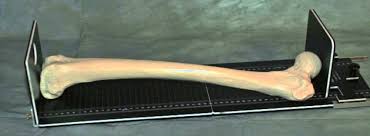
Otseometric Board
A specialized tool used to measure the linear dimensions of a long bone accurately. Ex: Tibia
Algor Mortis
The body cools after death until it reaches ambient temperature (various fluids sink to the bottom) note: Temperature
Liver Mortis
Blood pools where it it drawn down by gravity, coagulates and stays where it is deposition note: Liver Color
Rigor Mortis
muscle stiffening caused by the binding together of muscle fibers
What are the stages of decay?
Fresh
Bloat
Active Decay
Advanced Decay
Dry/Skeletal
Fresh
flies are attracted to the body; egg masses appear in orifices and in open wounds, skin may show marble appearance, and fluids may be present
Bloat
maggots hatch onto skin around the eyes + nose may be missing. Skin slippage/degloving, change in color (green), strong smell, gases produced
Active Decay
bloating has subsided and remains are beginning to show signs of desiccation (drying out)
Advanced Decay
skeletonized, no smell, no grease on bones, gnawing of rodents/carnivores
Dry/ Skeletal
bone surfaces breakdown and have an exfoliated appearance; longitudinal cracks occur and external cortex may flake away.
Adipocere
a grayish-white, waxy substance formed by the decomposition of body fat in moist, low oxygen environments
Bog Bodies
naturally mummified human remains preserved in peat bogs
Medicolegal significance
Is it bone?
Is it human?
Is it contemporary or not?
refers to the legal value or implications of medical facts, findings, and evidence
Taphonomy
the study of everything that happens to biological organisms from the time of death to the time of discovery
Biological Profile
Sex, age, ancestry, stature (height)
Comparative morphology related to MLS
the scientific study and comparison of the form and structure of biological remains to determine their origin and identity ex: bear hand
Forensic Entomology
the study of insects and their life cycles to provide evidence for legal investigations.
Carnivore tooth marks
scavenging a body, punctures, ex: long bones, possible chunks missing
Rodent tooth marks
gnawing, scratching, striations
Bears
Massive, irregular, oval-shaped holes. Key Signature: "Scooping" and heavy cortical collapse, the bone looks crushed rather than just bitten.
Carnivores
Uniform, circular, or triangular holes with "cleaner" edges.Key Signature: "Hole-and-a-tear,"circular punctures often followed by deep, narrow furrows (grooves) along the bone shaft.
Daubert change to criteria
the rule used by federal judges to decide if an expert witness's testimony is reliable enough to be used in court.
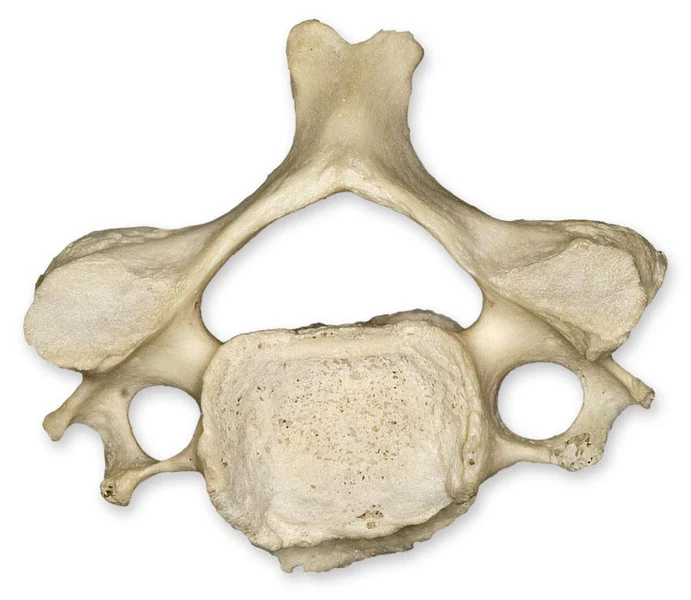
What bone is this?
Vertebrae
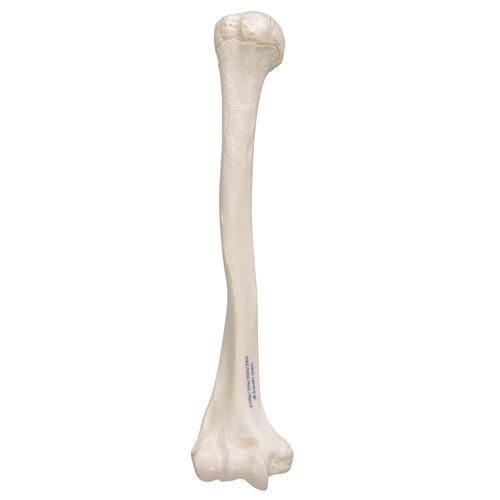
What bone is this?
Humorous
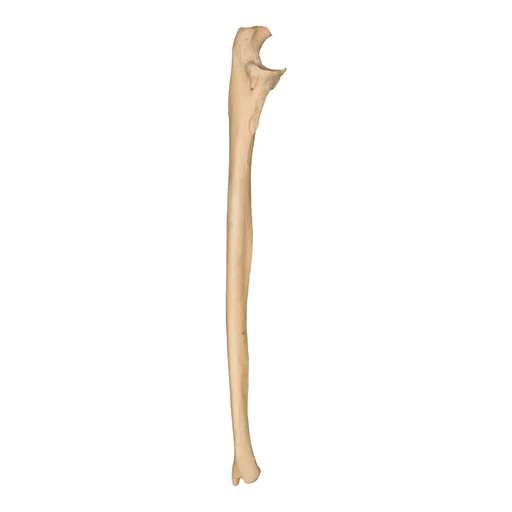
What bone is this?
Ulna
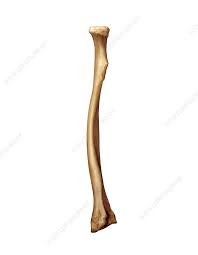
What bone is this?
radius
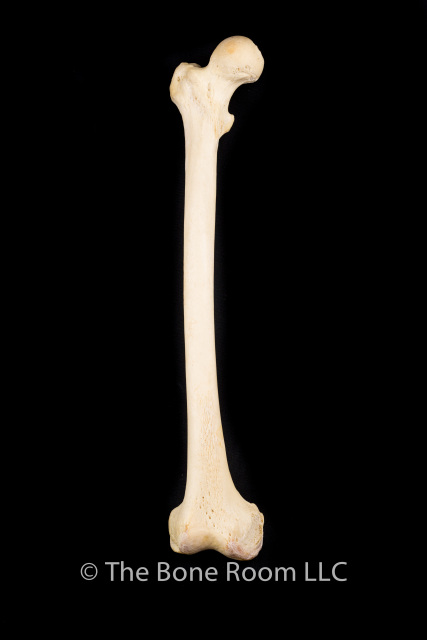
What bone is this?
Femur
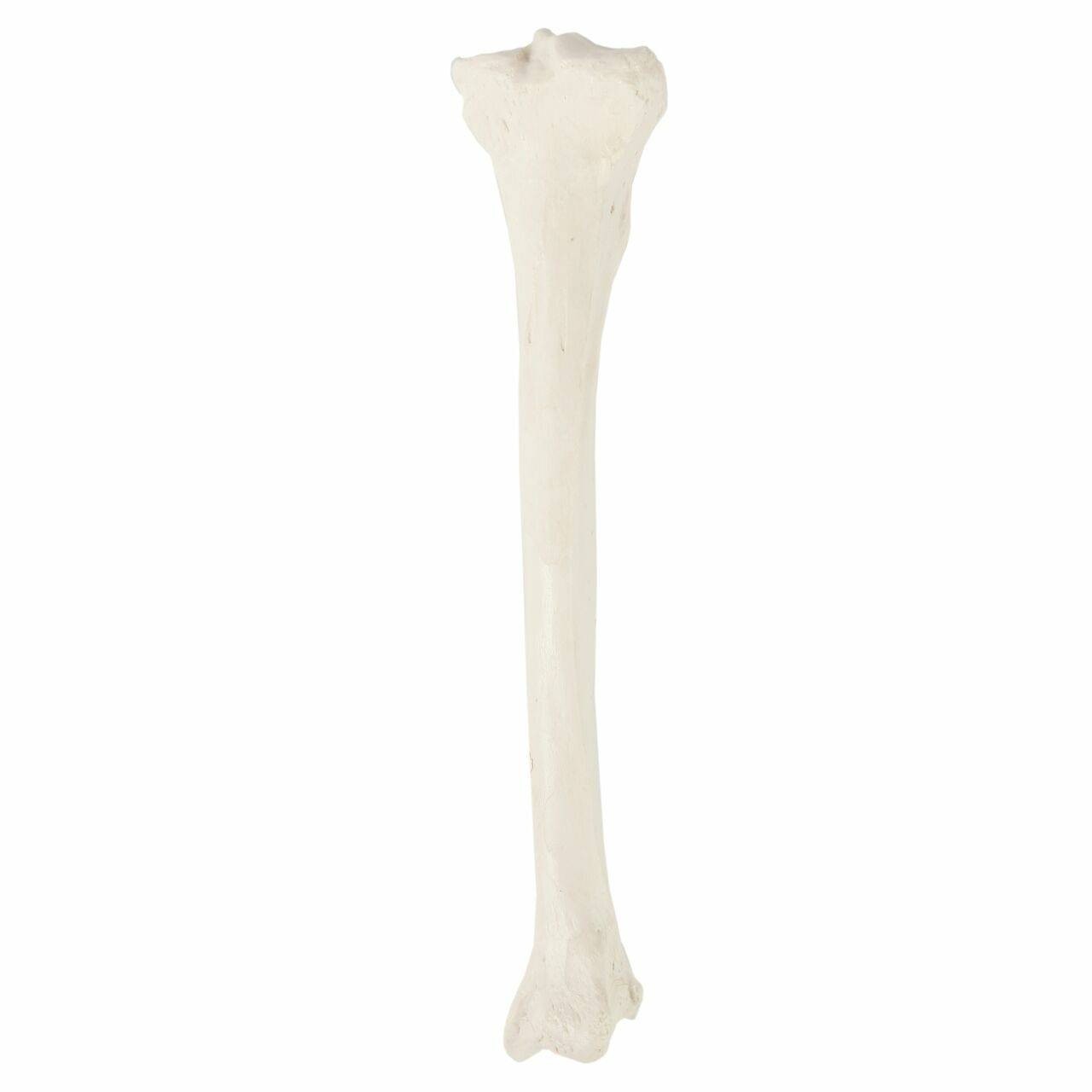
What bone is this?
Tibia
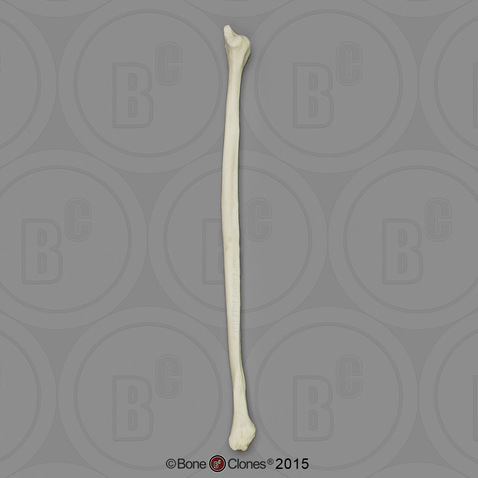
What bone is this?
Fibula
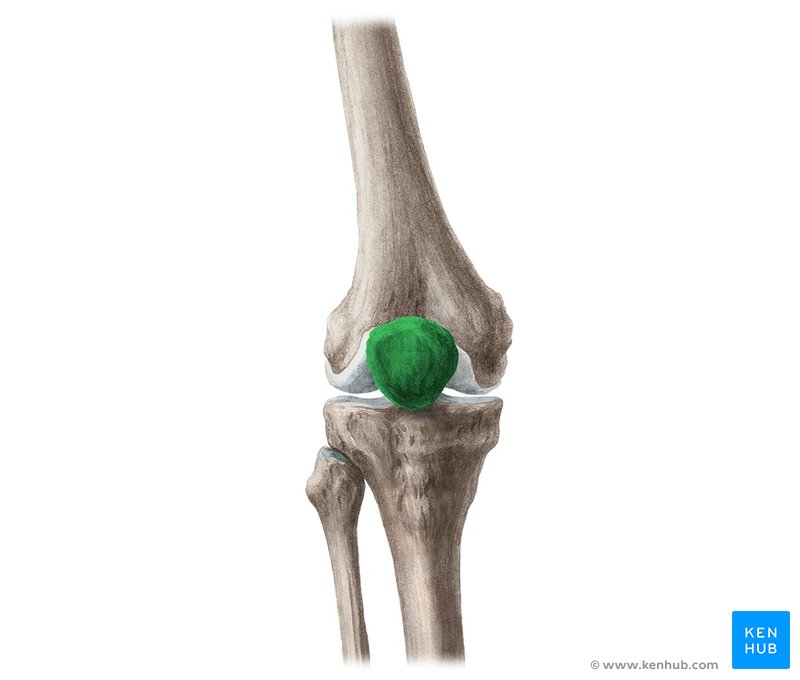
What bone is this?
Patella
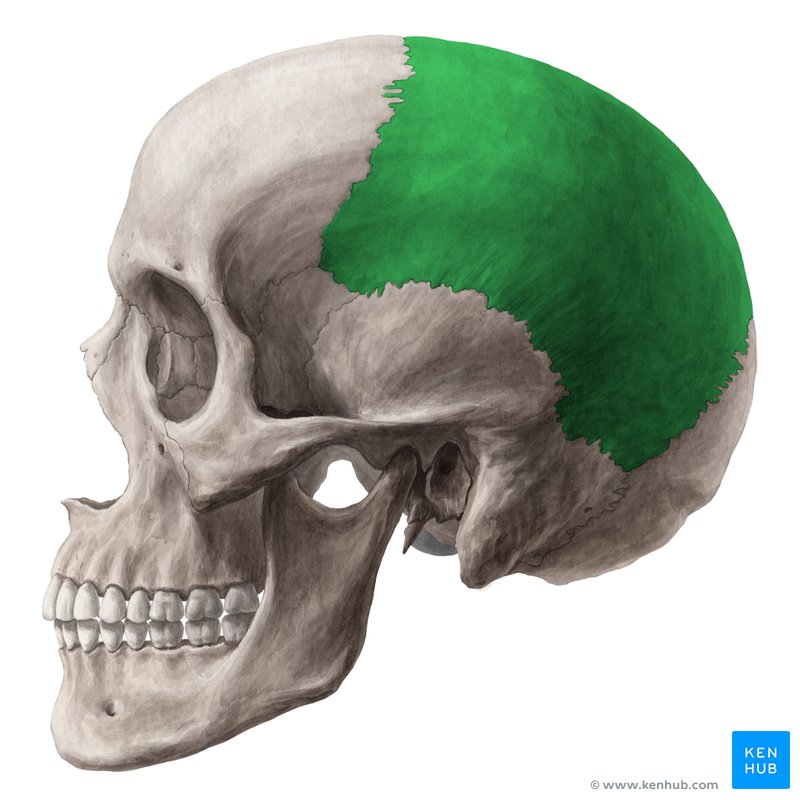
What bone is this?
Parietal
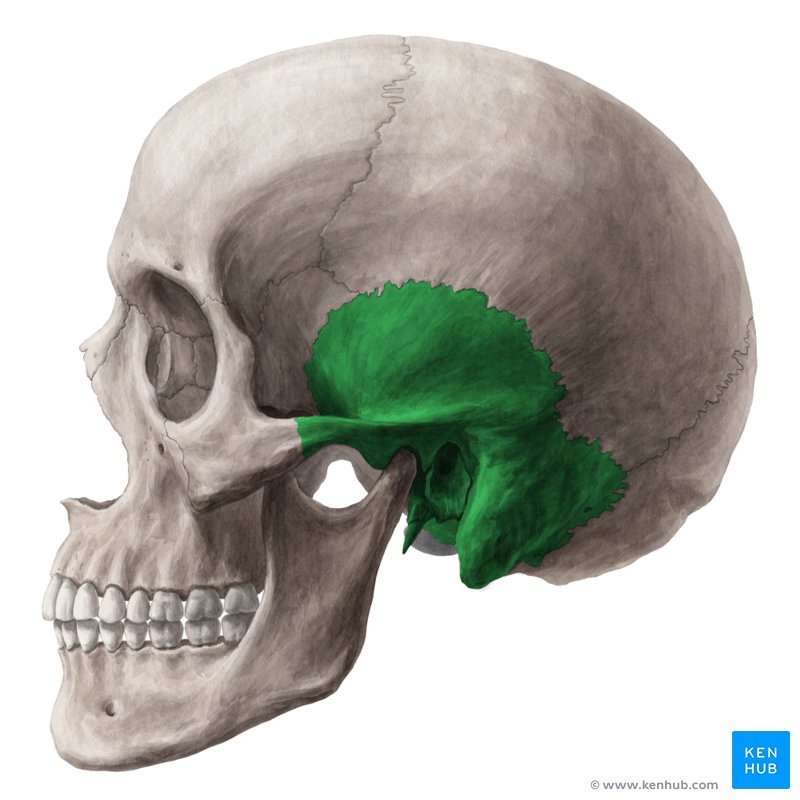
What bone is this?
Temporal
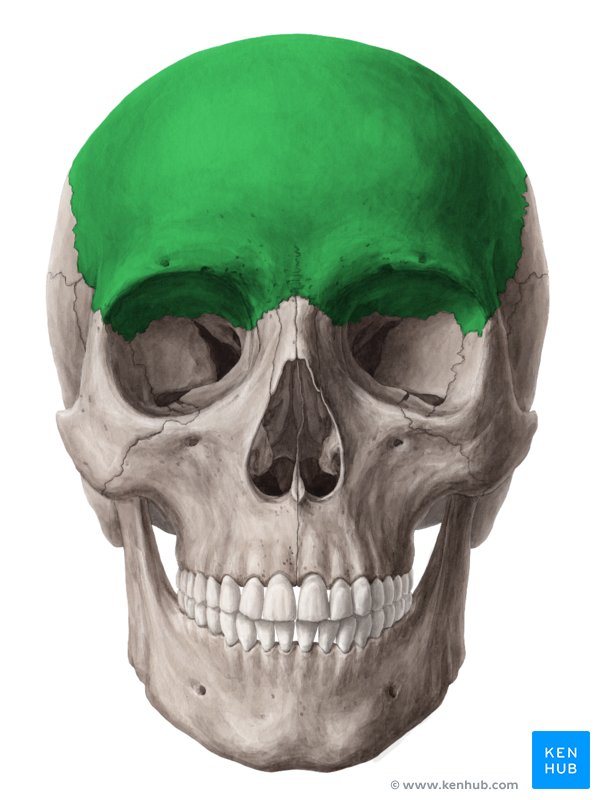
What bone is this?
Frontal
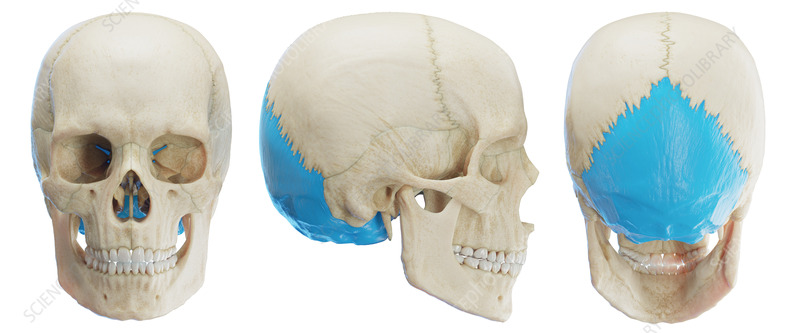
What bone is this?
Occipital
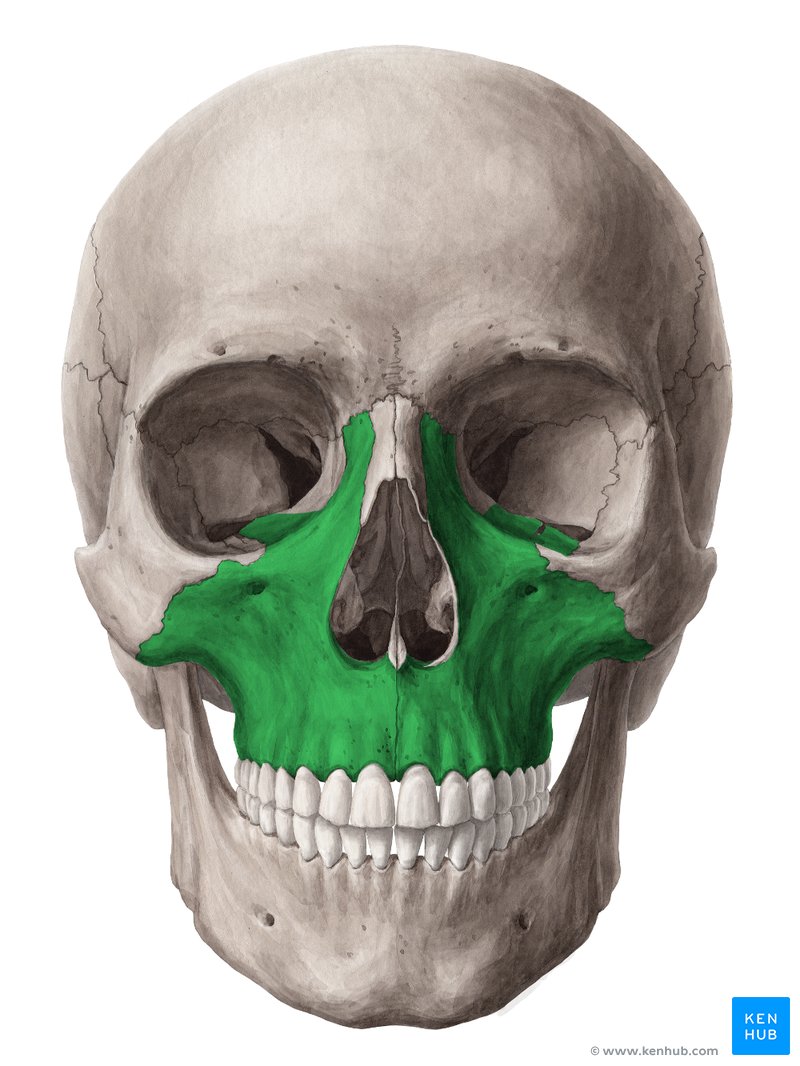
What bone is this?
Maxilla
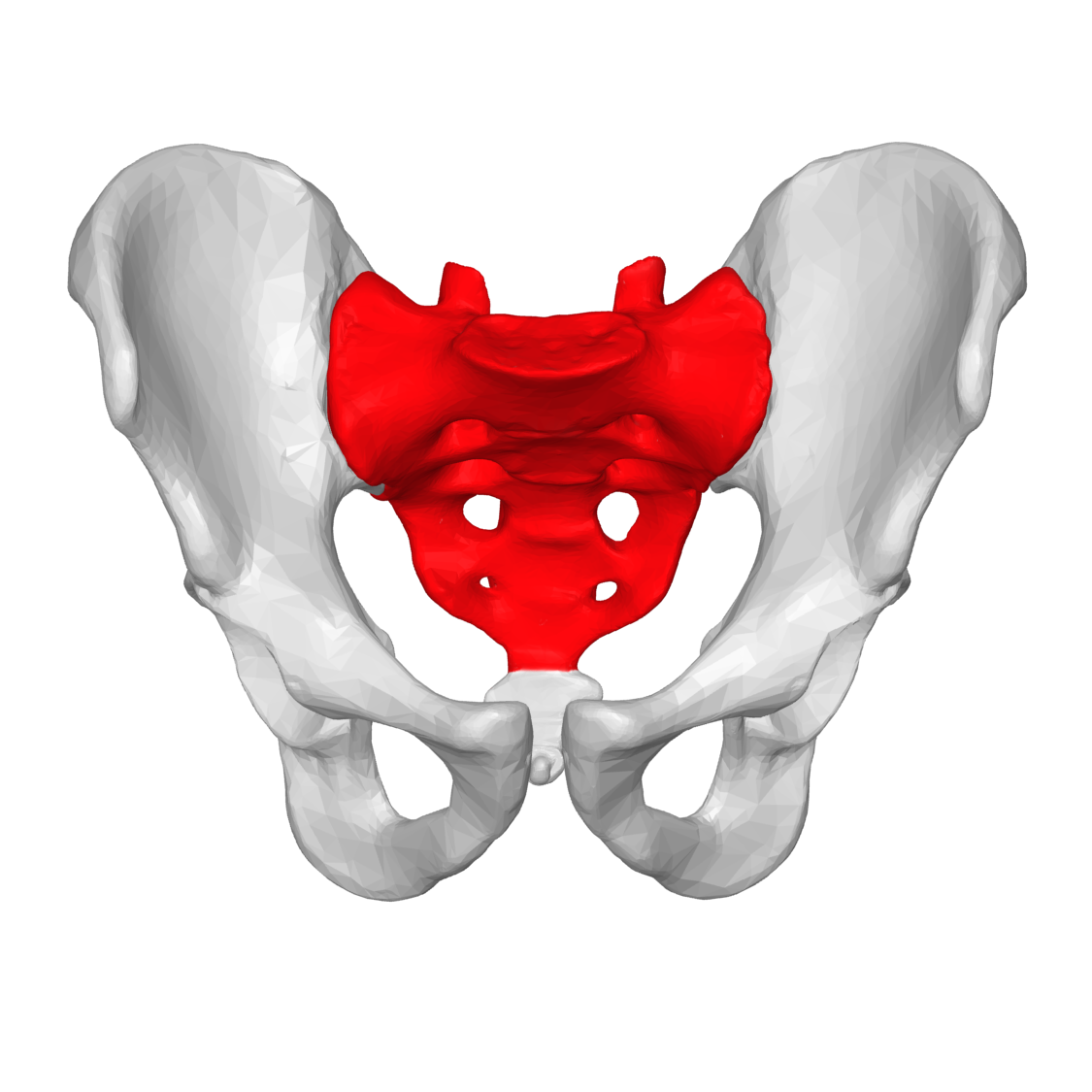
What bone is this?
Sacrum
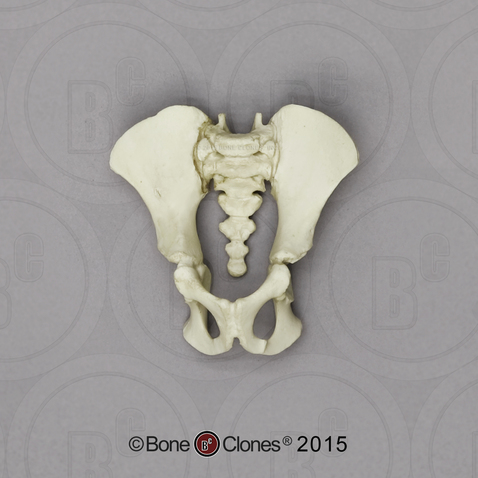
Is this human?
No
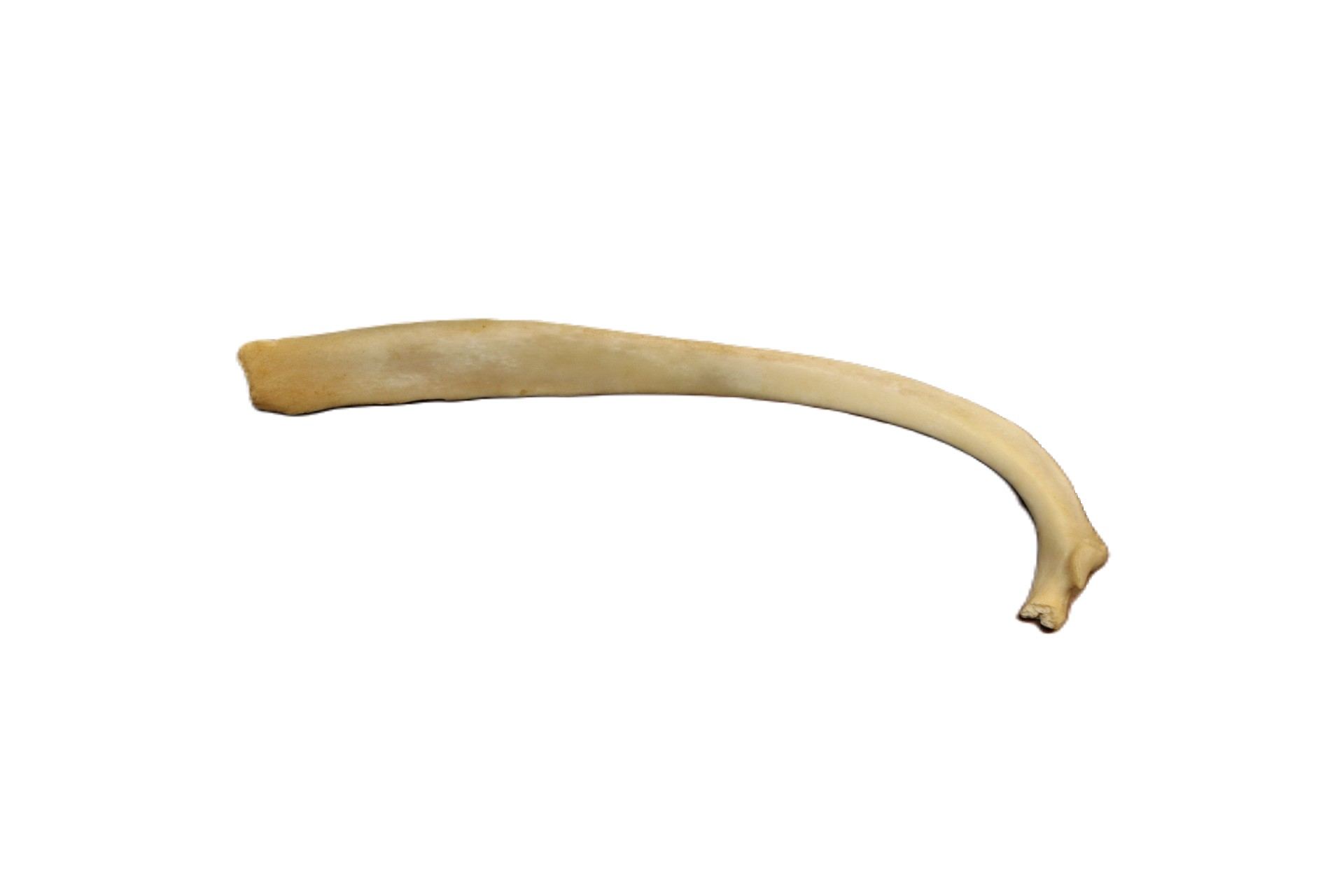
Is this human?
No
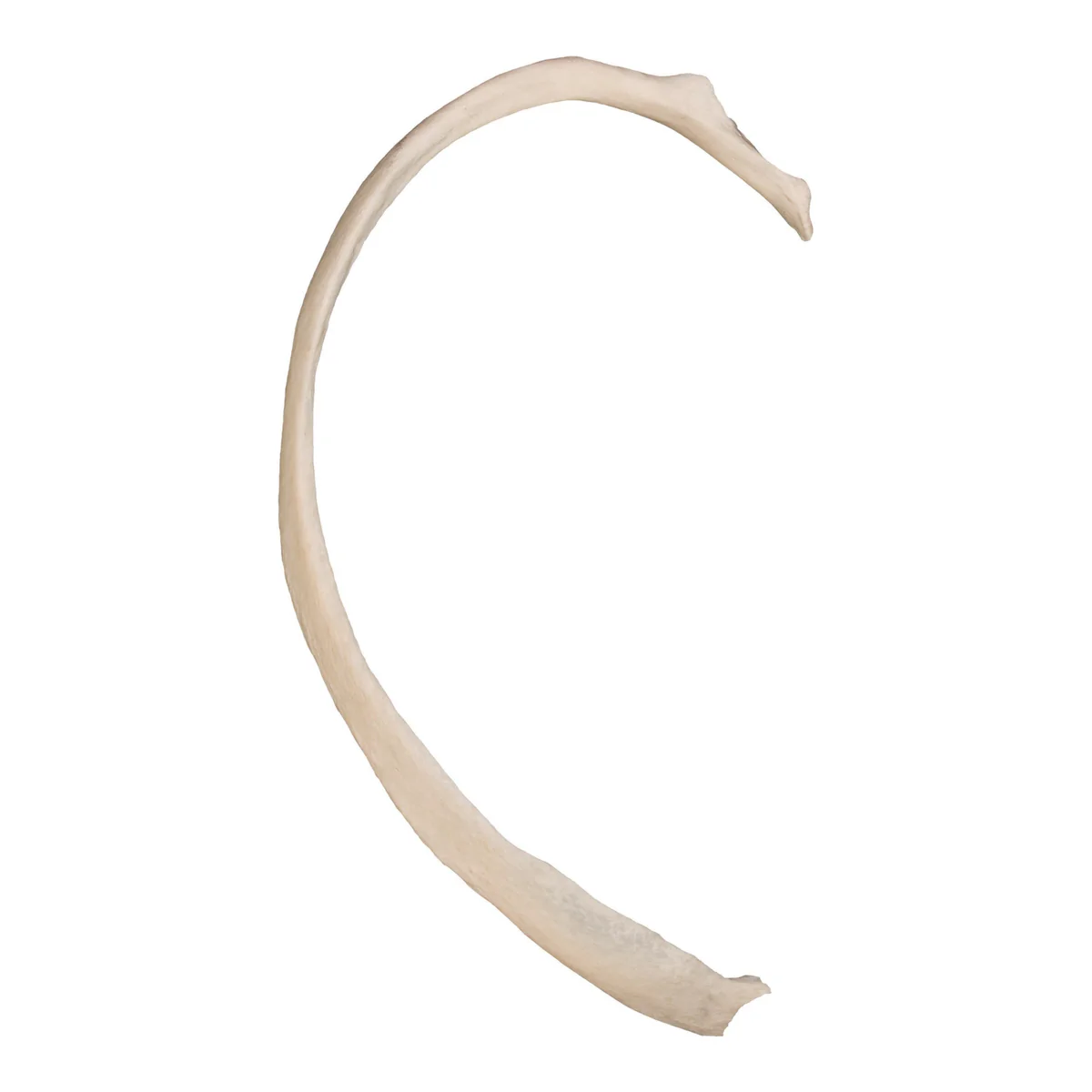
Is this human?
Yes
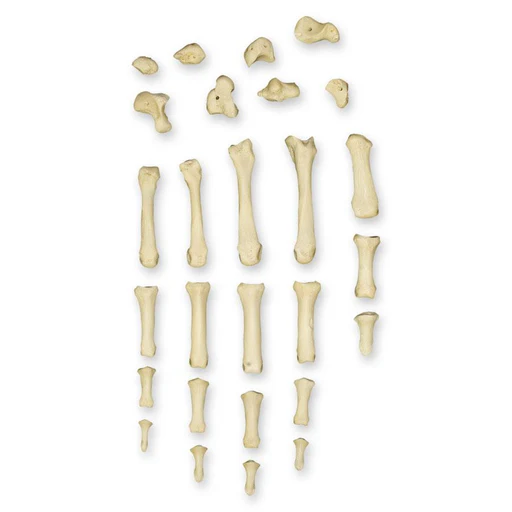
Is this human?
Yes
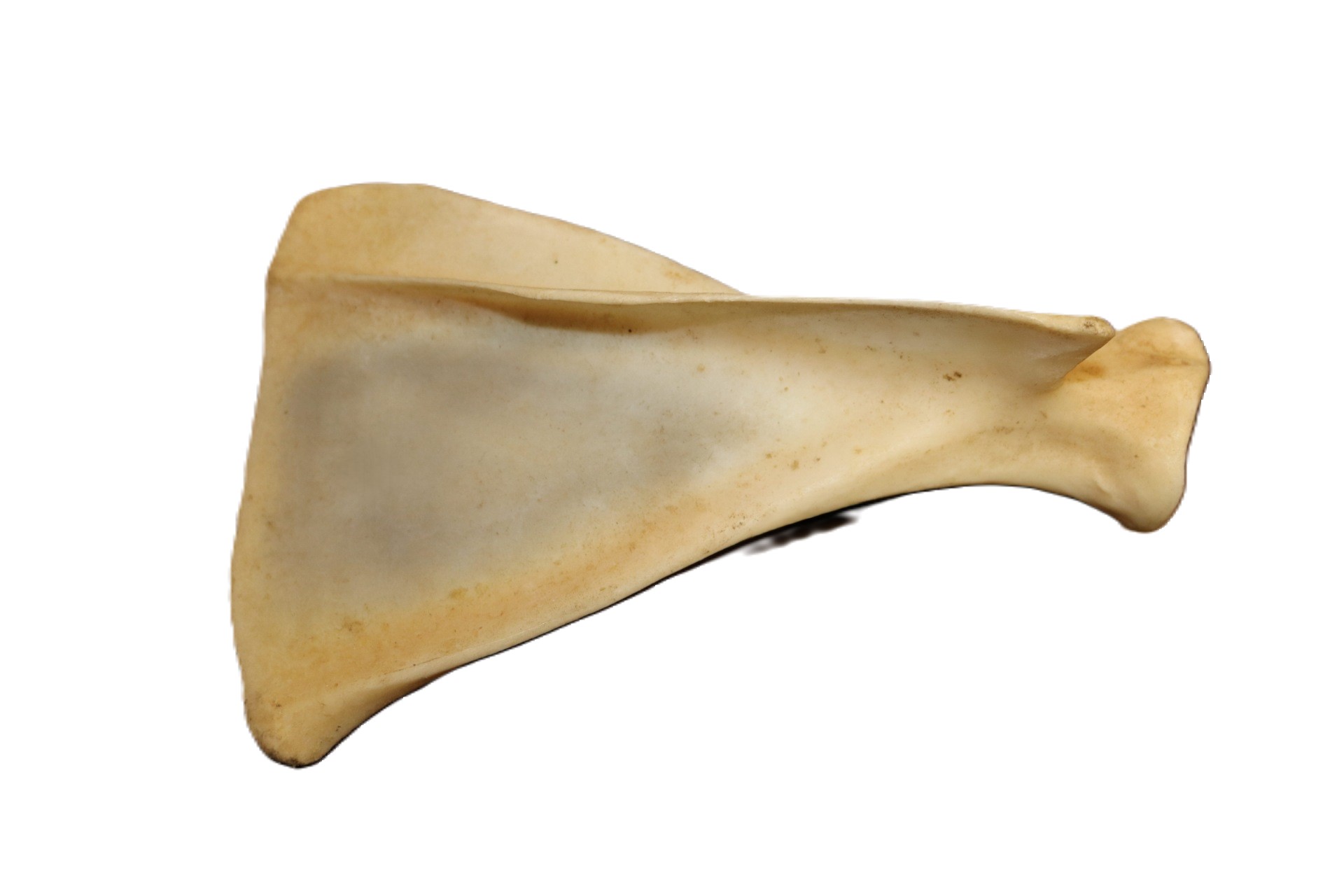
Is this human?
No
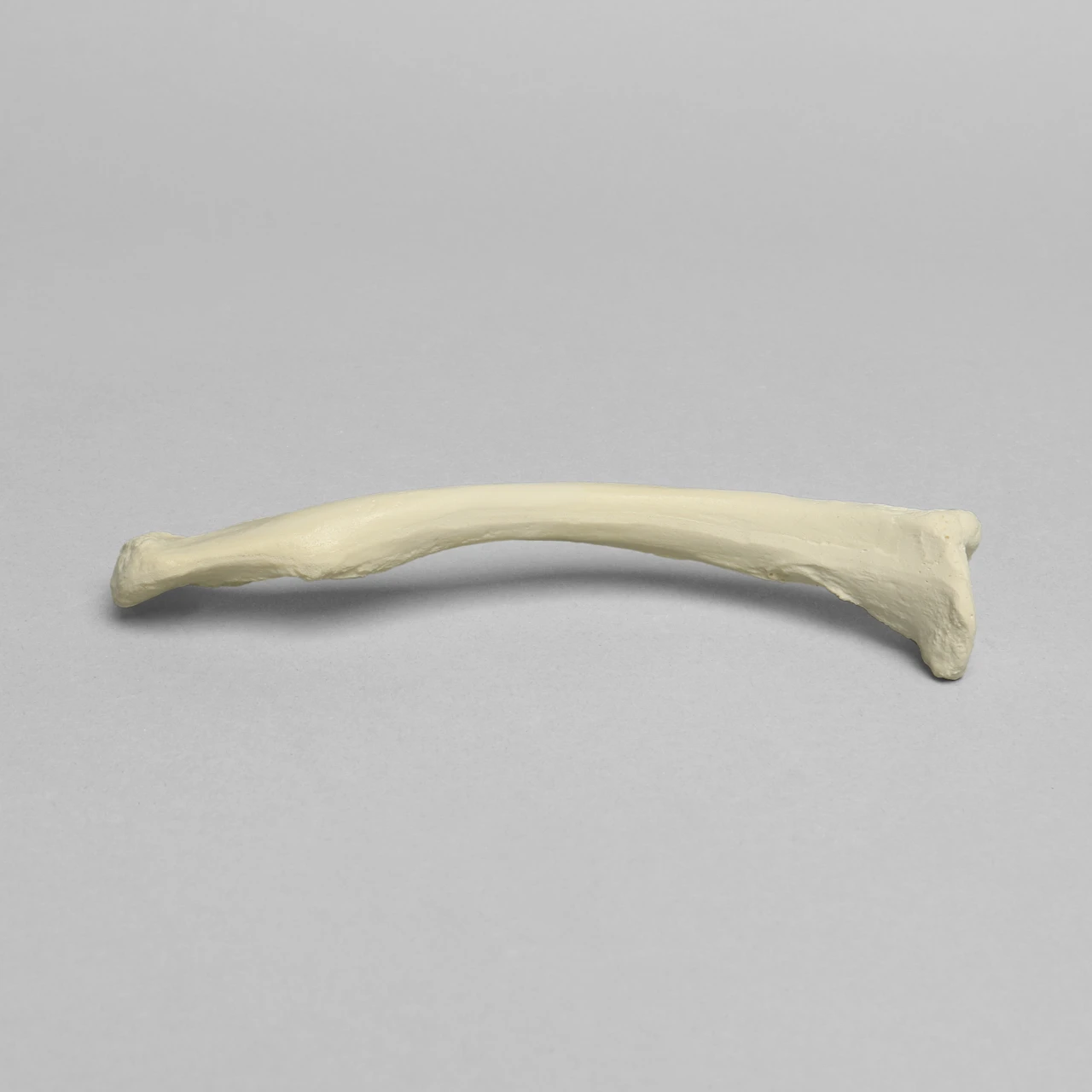
What bone is this?
Clavicle