NAM terms and concepts
 Call Kai
 Learn
Learn Practice Test
 Spaced Repetition
 Match
Match Flashcards
 Knowt Play
1/20

There's no tags or description
Looks like no tags are added yet.
Name | Mastery | Learn | Test | Matching | Spaced | Call with Kai |
|---|
No analytics yet
Send a link to your students to track their progress
21 Terms
wildlife ecology/fisheries ecology
Study of inter-relationships of organisms thought to be “wildlife” with other organisms and the environment
• Fisheries ecology is the same concept.
Science
Knowledge or a system of
knowledge covering general truths as
obtained and tested through the scientific
method
scientific method
Systematic pursuit of
knowledge involving the recognition and
formulation of a problem, the collection of
data through observation and experiment,
and the formulation and testing of hypotheses
wildlife and fisheries science
Process of
obtaining knowledge about and studying fish
and wildlife resources
managment
The physical manipulation
of parts of the landscape including the
physical template, vegetation, other
animals, or human users
conservation biology
Applied science of maintaining and
restoring the earth’s biological diversity
wildlife/fisheries conservation
Effective management and use of fish and
wildlife resources
brief timeline of wildlife conservation
1600-1849: Era of abundance
1850-1899: Era of overexploitation
1900-1929: Era of protection
1930-1965: Era of GAME management
1965-present: Era of environmental management
Wildlife as a profession
1933 – UW-Madison has first wildlife
curriculum
• 1934 – Duck Stamp
• 1935 – Cooperative Research Units provide
network of university, state, and federal
agency cooperation
• 1937 – The Wildlife Society formed (AFS
formed in 1870!!!)
• 1937 – Pittman-Robertson Act provide funding
NAM seven pillars
Wildlife as a Public Trust Resource
2. Elimination of Markets for Game
3. Allocation of Wildlife by Law
4. Kill Only for Legitimate Purpose
5. Wildlife as an International Resource
6. Science-based Wildlife Policy
7. Democracy of Hunting
Public trust Doctrine
European Model – Wildlife private property
of the elite • NAM - Wildlife and fish belong to ALL the people (current and future) and stewardship is entrusted to individual states – Basis for regulations/laws today
Challenges: Evidence that the public has a more difficult time finding places to hunt or trap, view wildlife on private land and gaining easy access to public lands • Associated fees and expenses
Elimination of Markets for Game
Laws restrict sale of meat and parts of free-ranging animals
• Challenge: Commercial trade still exists for reptiles, amphibians, and fish
Recent recommendations include limited
markets for meat harvested by licensed
sport hunters to manage overabundant
wildlife
• Benefits - Increase public appreciation for
wildlife values and foster the image of
hunting as a management tool with a civic
purpose
3. Allocation of Wildlife by Law
Government manages wildlife for citizens
(current and future) so laws dictate use of
the resource
• Challenge: Application and enforcement of
laws to all taxa are inconsistent
4. Kill Only for Legitimate Purpose
Code of the Sportsman, bills against useless
slaughter
• Legitimate purpose - Food, fur, self-defense,
and property protection
• Wanton waste - intentional waste of hunter-
killed wildlife
• Inconsistent practices and differing state
laws
5. Wildlife as an International
Resource
Migratory Bird Treaty in 1916
• Convention on International Trade of
Endangered Species (CITES) in 1975
– 182 countries and the European Union
implement CITES, protects ~35,000 species
of animals and plants
Science-based Wildlife Policy
State game agencies – research and regulations
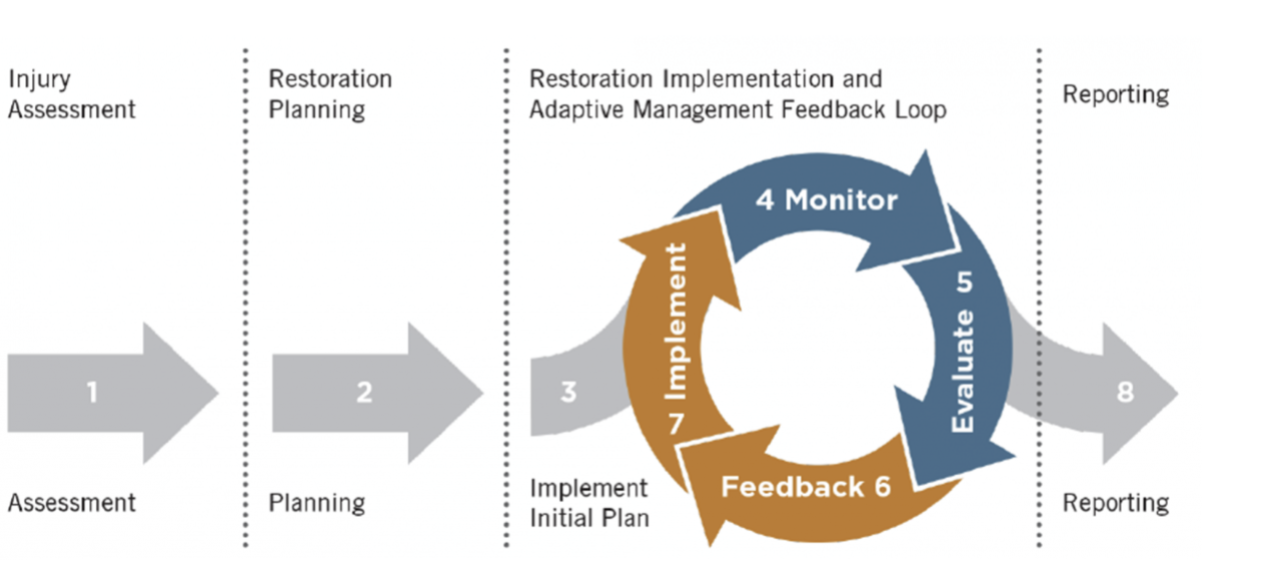
• Adaptive management
• Cooperative Research Units
7. Democracy of Hunting
The belief that all people should have
access to hunting opportunities
• Unique to NAM
• Challenges: Reduction in, and access to,
huntable lands compromise the principle
of egalitarianism in hunting opportunity
Criticisms of the NAM
Focused on game species production
• Lack of adequate funding source
• Imbalanced funding
• Justifies killing wild animals
Explain the conservation history of the American alligator
Listed on ESA in 1967 due to unregulated harvests
controlled wild harvest carried out since 1972
Alligator egg collection program started in 1986
Removed from ESA in 1987
Summarize the threats and conservation efforts related to frogs, salamanders, and snakes
Threats:
Habitat loss and diseases.
Chytrid fungus (Bd): effects frog population
Bsal: major disease to salamanders
Snake roundups
overexploitation
Conservation efforts: disease monitoring, federal regulations for hunting under ESA and CITES.
Describe the common traits of amphibians (frogs and salamanders combined and separately), turtles, and snakes
frog and salamanders combined: semi-permeable skin, eggs without shells, aquatic and terrestrial life cycle
frogs/toads: Dorolateral fold, tympanic fold, tympanum, and paratoid gland, external fertilization
salamanders: regenerate lost limbs, very long and slender bodies, internal fertilization
turtle: cold-blooded, delayed sexual maturity and extended adult longevity carapace (top of shell) plastron (bottom of shell)
snakes: no limbs with extended bodies, tongue to sense environment, very felxible jaws.