KIN202 L6
 Call Kai
 Learn
Learn Practice Test
 Spaced Repetition
 Match
Match Flashcards
 Knowt Play
1/27

There's no tags or description
Looks like no tags are added yet.
Name | Mastery | Learn | Test | Matching | Spaced | Call with Kai | Chat |
|---|
No analytics yet
Send a link to your students to track their progress
28 Terms
wingate test
-requires 30 seconds of all out effort
-WR is relative to body mass (0.075 x body mass)
information derived from wingate test
-peak power output
-mean power output
-fatigue index
-anaerobic capacity
power output equation

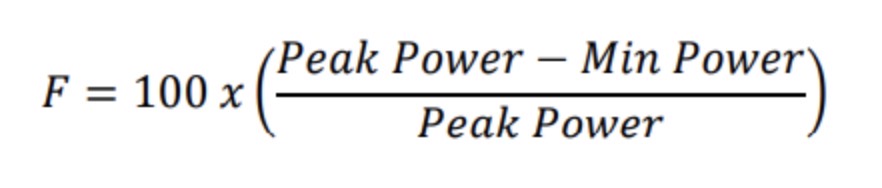
fatigue index
ATP supply in Wingate
-mostly anaerobic
-supramaximal
ATP changes following wingate
-we cannot match ATP supply and demand
-[ATP] goes down
IMP changes following wingate
-no removal pathway
-[IMP] increases
glycogen changes following wingate
- ~25% decrease
-use for glycolysis in exercise
lactate changes following wingate test
-intramuscular lactate increases throughout test
-peaks after test
cardiovascular responses to wingate test
-match very close to progressive exercise tests
-almost reach VO2max within 30s
post exercise hypotension
-a transient decline in BP following exercise
-primarily due to decrease in vascular resistance caused by vasodilation
who experiences post exercise hypotension
people with hypertension
factors involved in physiological response to resistance exercise
-muscle mass involved
-% 1 RM
-duration
-training status
-tempo
important pathways for ATP production during resistance exercise
-HEPT
-stored ATP
-glycolysis
important pathway during rest period
oxidative phosphorylation
valsalva maneuver
-forceful exhalation against a closed glottis
-instinctive during high-intensity resistance exercise
-contributes to the increase in arterial BP by actively compressing the heart and blood vessels in the chest and abdomen
hemodynamic response to resistance exercise
response increases as exercise intensity increases
skeletal muscle blood flow at rest
-low due to low metabolic demand
-BF matches demand and is steady with no contractions
skeletal muscle blood flow during dynamic exercise
-phasic because of repeated patterns of muscle contractions
-average increases compared to rest with increased metabolic demand
skeletal muscle blood flow in dynamic exercise recovery
-elevated to start, decreases when metabolites are cleared
-steady with no mechanical influence from skeletal muscle
3 phases of skeletal muscle blood flow in dynamic exercise
-steady blood flow at rest phasic blood flow during exercise
-steady blood flow during recovery
blood flow in 5% MVC isometric contraction
-steady and smooth with one sustained contraction
-average increases in proportion to metabolic demand
blood flow in 50% MVC isometric contraction
-steady/ smooth with one sustained contraction
-average does not change substantially from rest due to occlusion of arterioles
BF in isometric 5% MVC recovery
-back down to normal
-small metabolic disturbance
BF in isometric 50% MVC recovery
-matches metabolic demand produced during contraction
-accumulation of metabolites during contraction, released in relaxation
TPR and isometric exercise
-increases despite there being metabolite-induced vasodilation
-contractions compress the mircocirculation
complete occlusion threshold
>30% MVC
blood pressure response to isometric exercise
-with increasing intensity systolic and mean arterial pressures increase
-magnitude of the increase is greater than that observed in subjects during dynamic exercise