APUSH Period 8 Key Terms & Definitions for Success
 Call Kai
 Learn
Learn Practice Test
 Spaced Repetition
 Match
Match Flashcards
 Knowt Play
1/58

There's no tags or description
Looks like no tags are added yet.
Name | Mastery | Learn | Test | Matching | Spaced | Call with Kai |
|---|
No analytics yet
Send a link to your students to track their progress
59 Terms
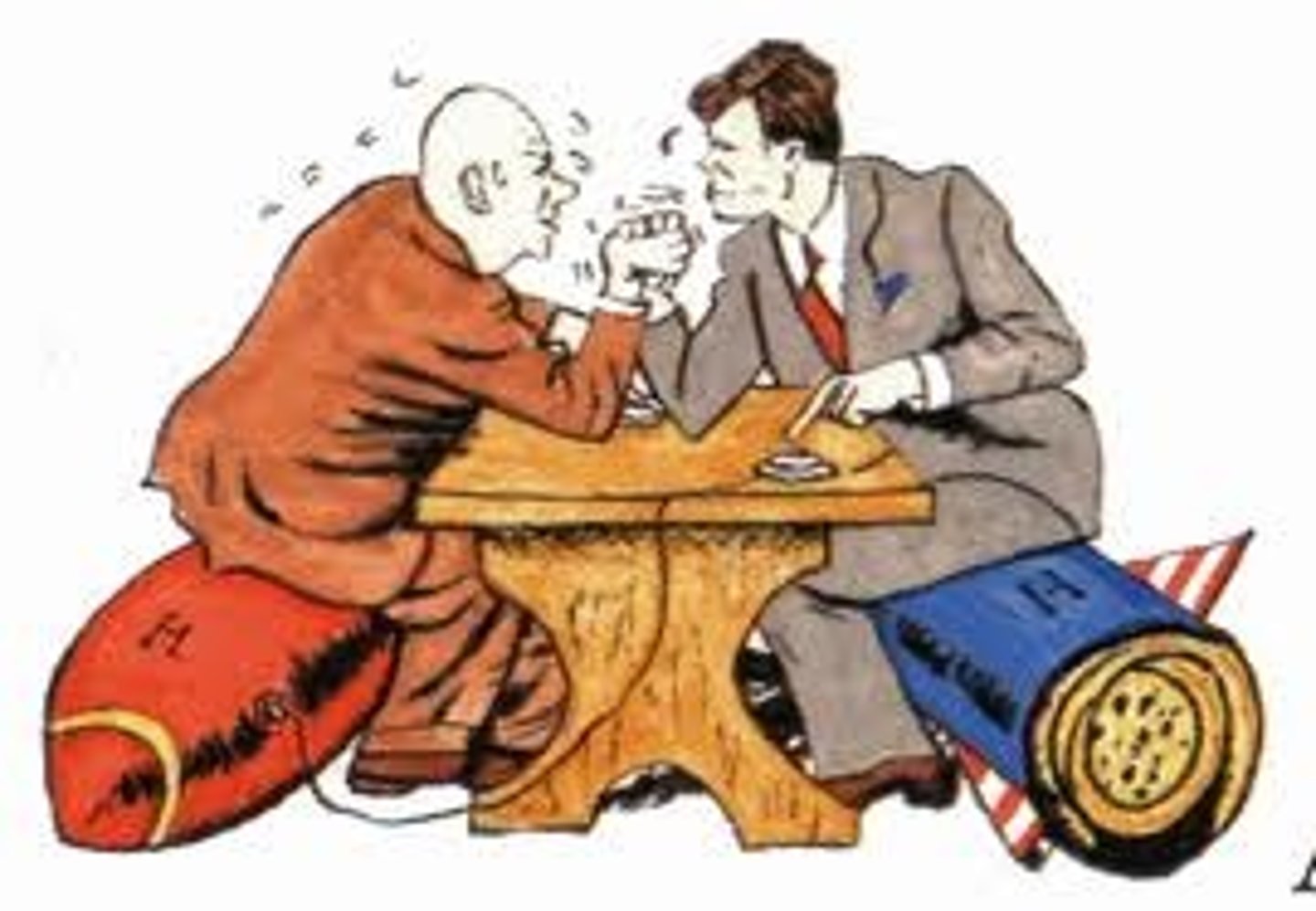
Arms Race
Contest in which nations compete to build more powerful weapons
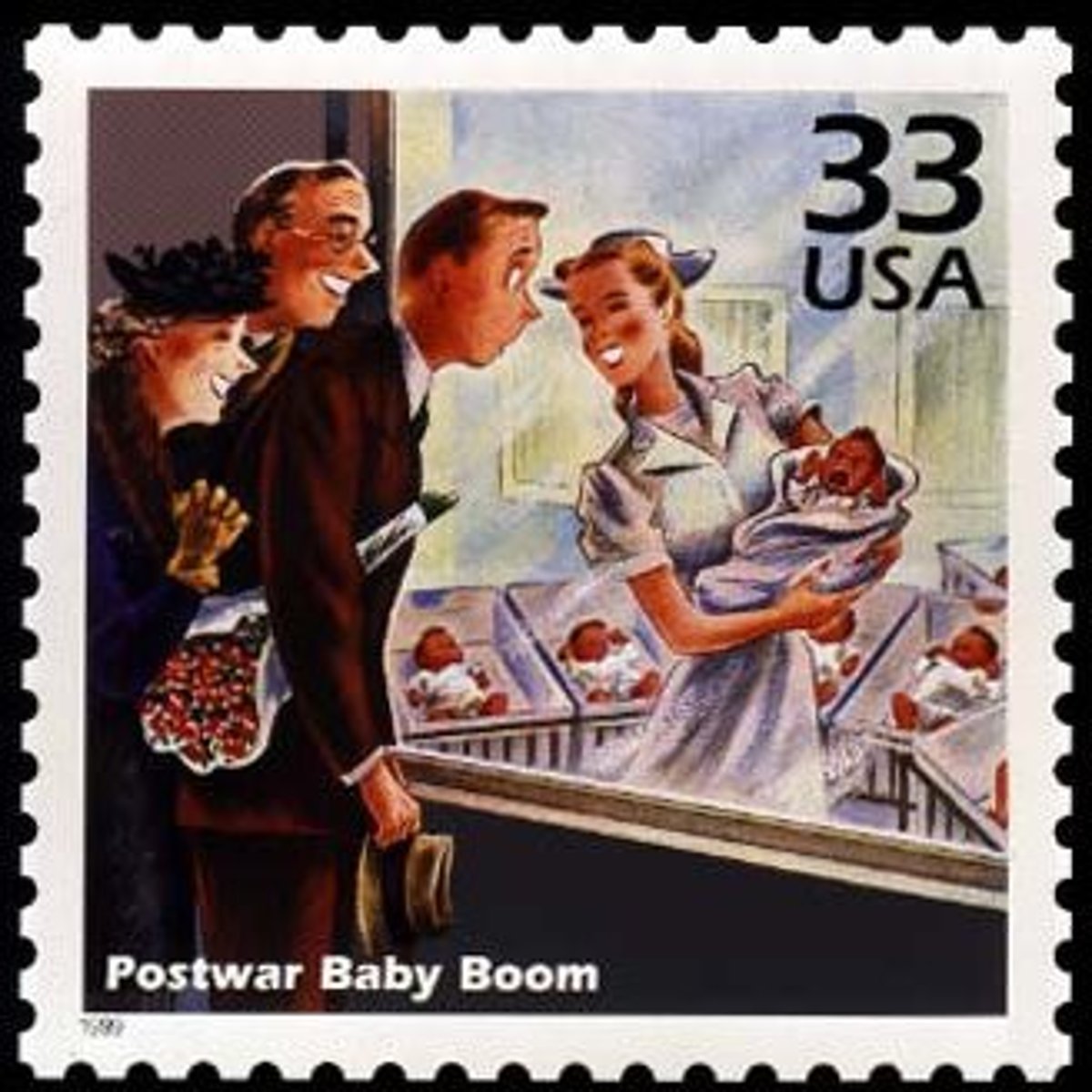
Baby Boom
After the soldiers came home from World War II there was an increase in births between 1945 and 1964
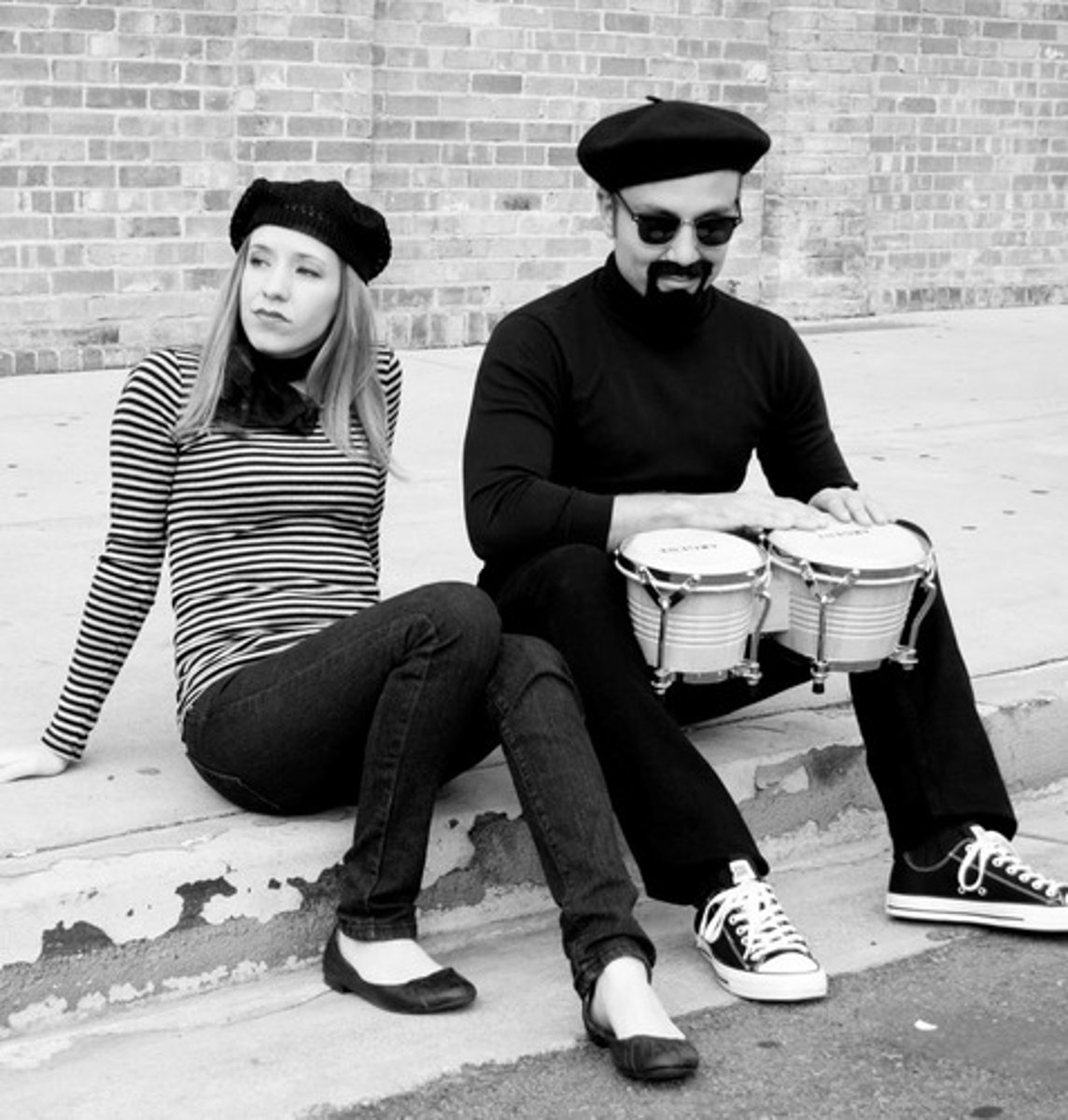
Beatniks
Small group of writers and artists in the 1950s and early 1960s who were critical of American society
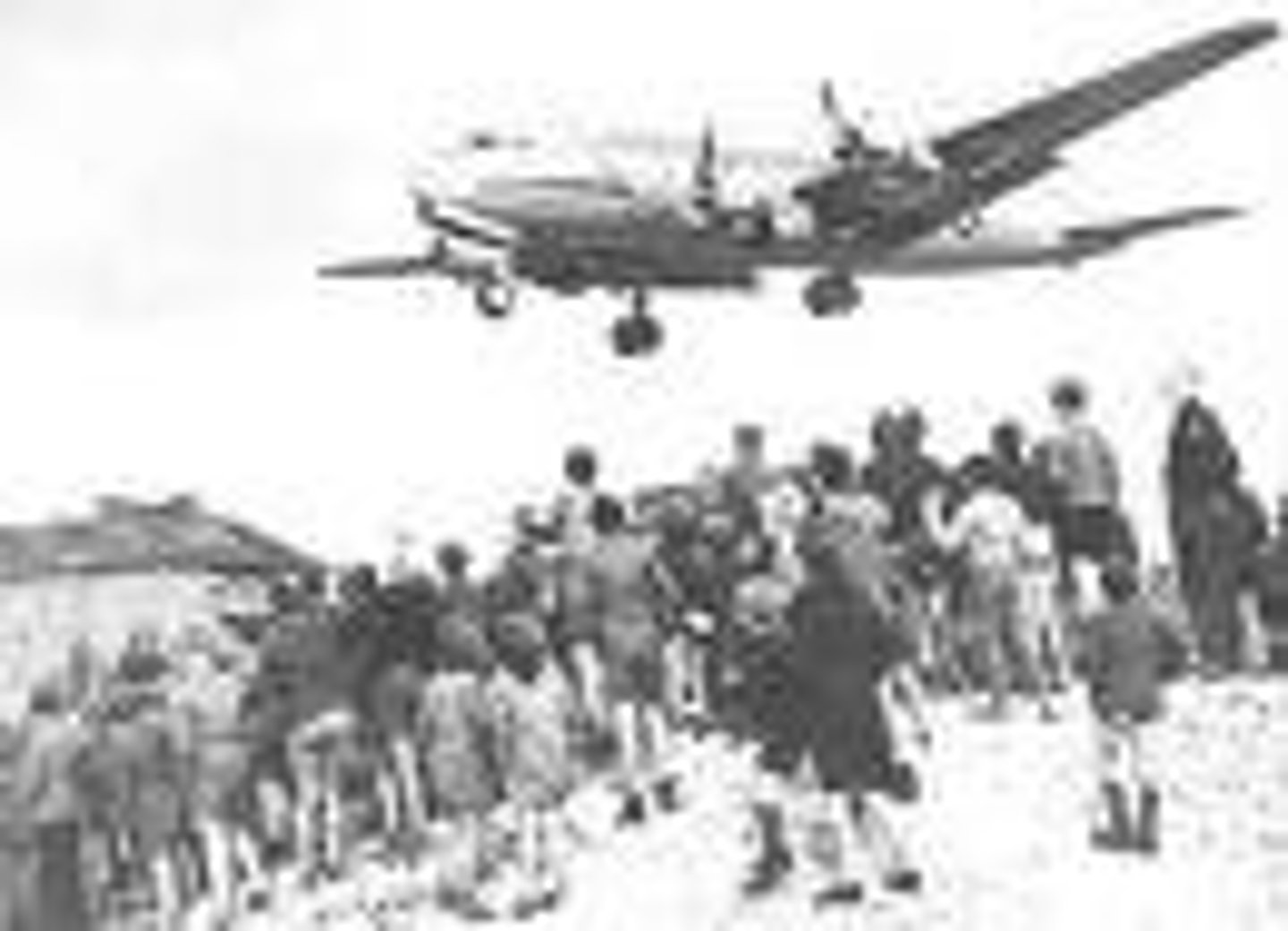
Berlin Airlift
U.S. and British pilots flew supplies to West Berlin for about a year during a Soviet blockade
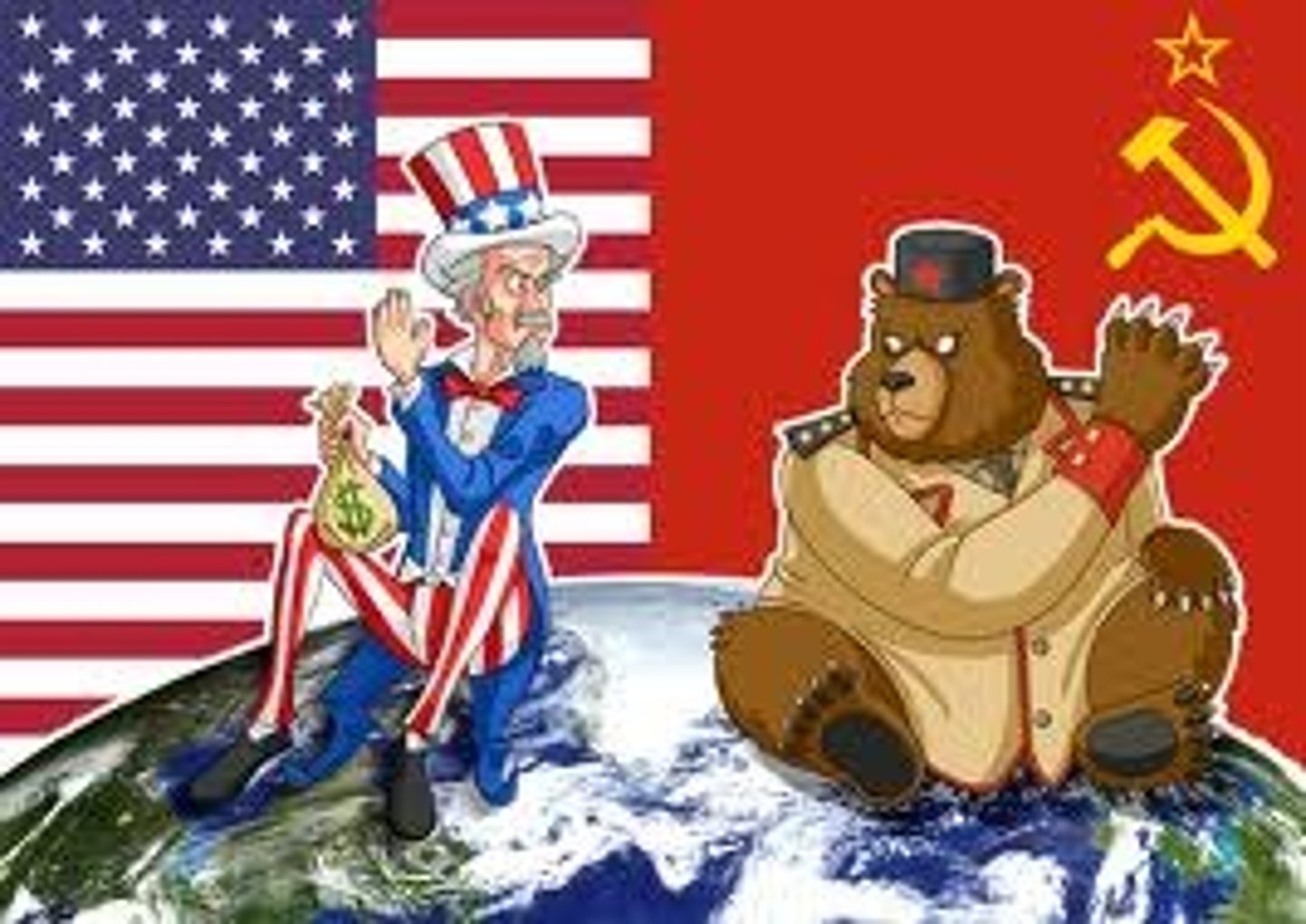
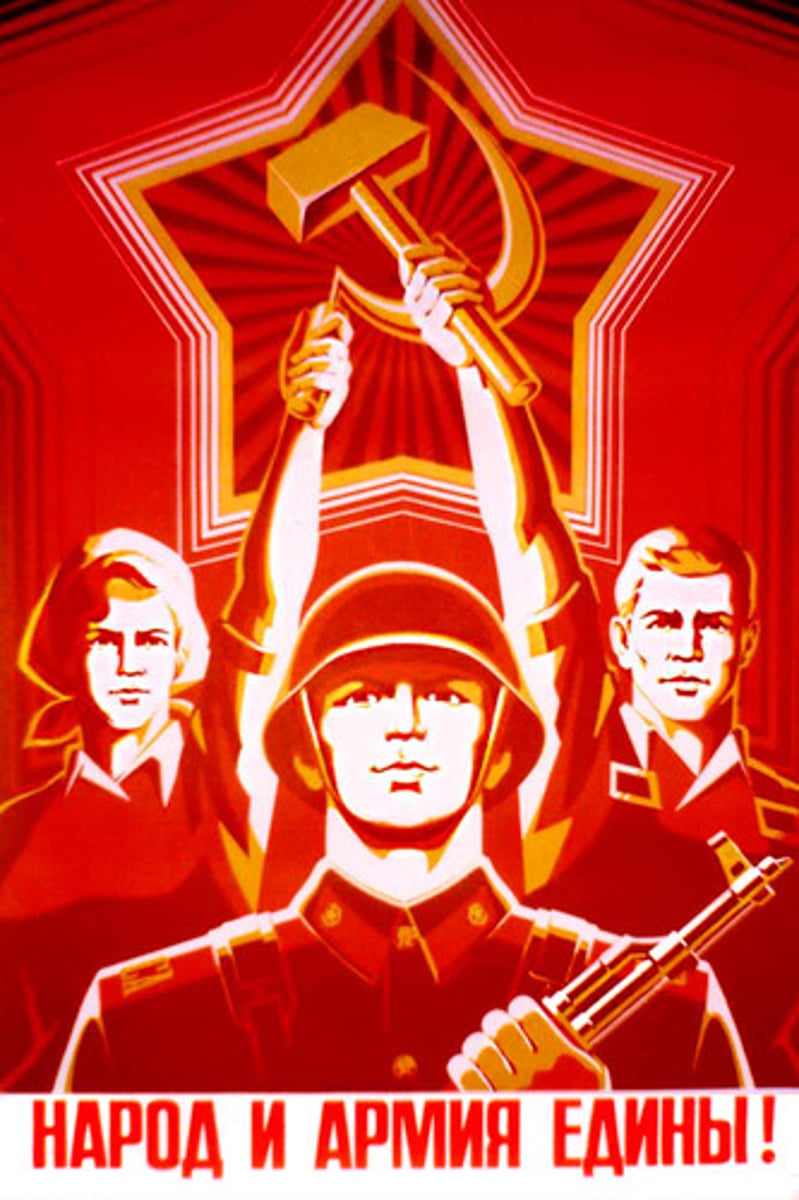
Cold War
Worldwide rivalry between the United States (U.S.) and the Soviet Union (U.S.S.R.)
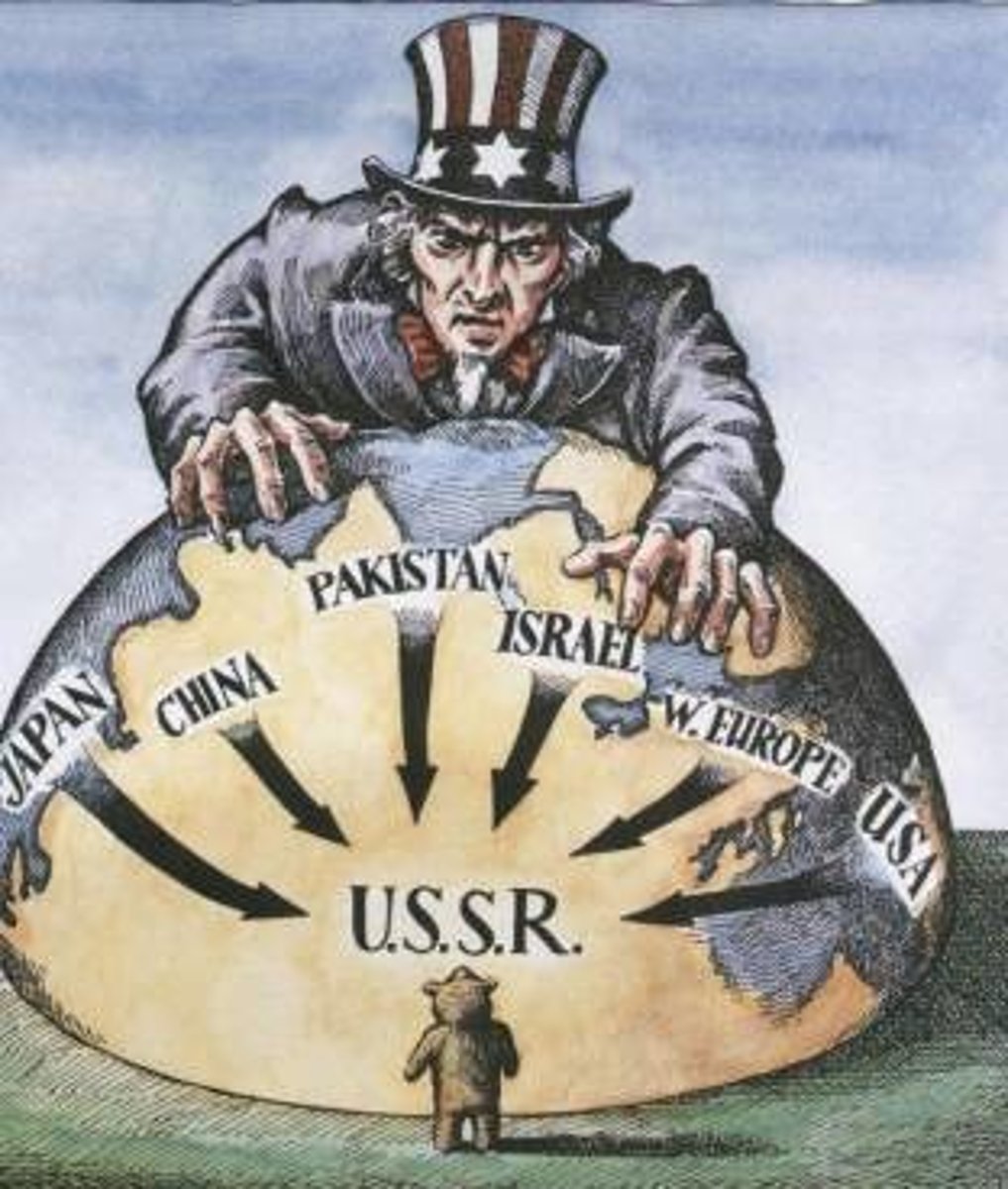
Containment
Policy of keeping communism from spreading outside its existing borders
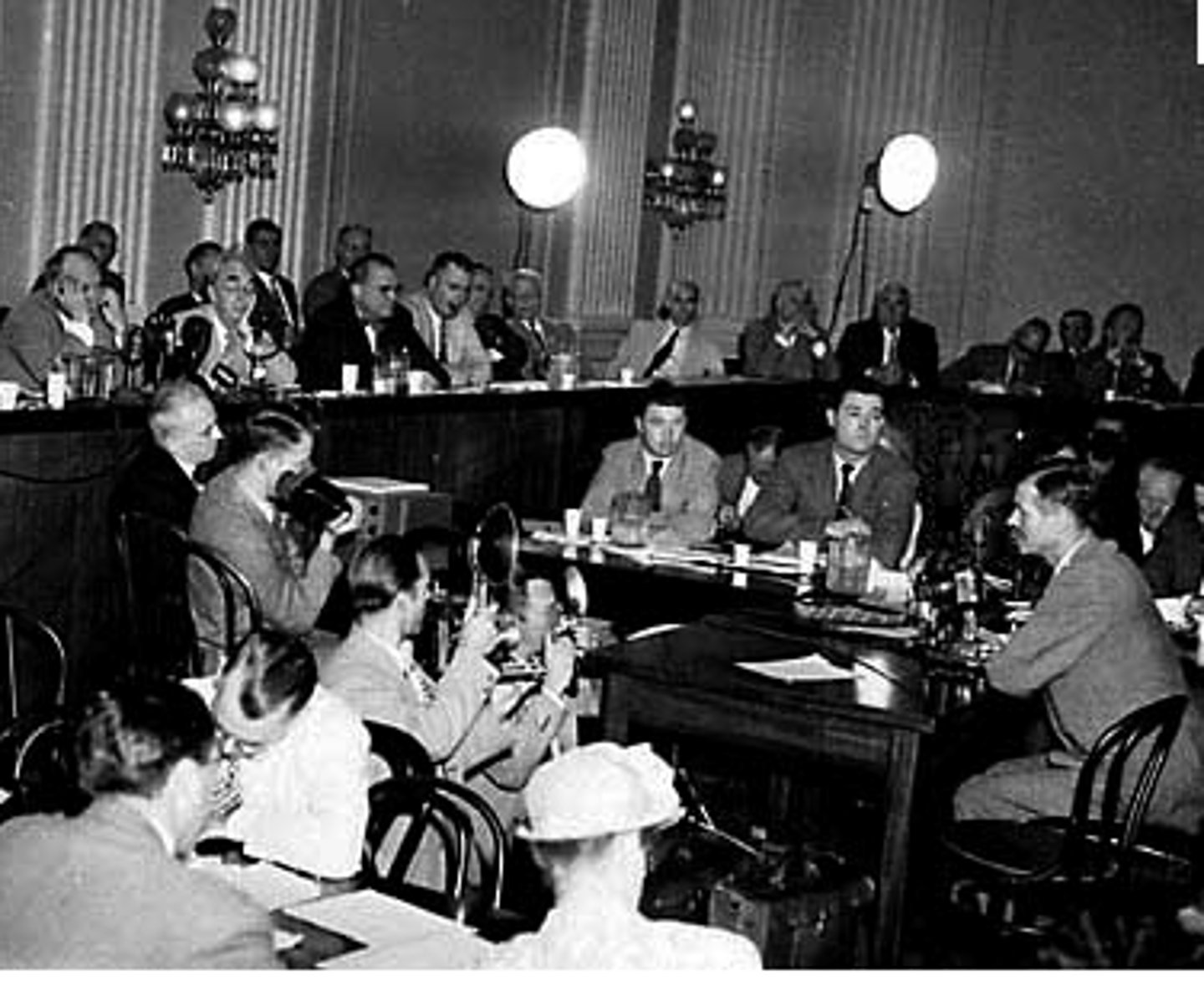
House Un-American Activities Committee
Congressional committee that investigated possible subversive activities within the U.S.
Iron Curtain
Winston Churchill's term for the Cold War division between the Soviet-dominated East and the U.S.-dominated West.
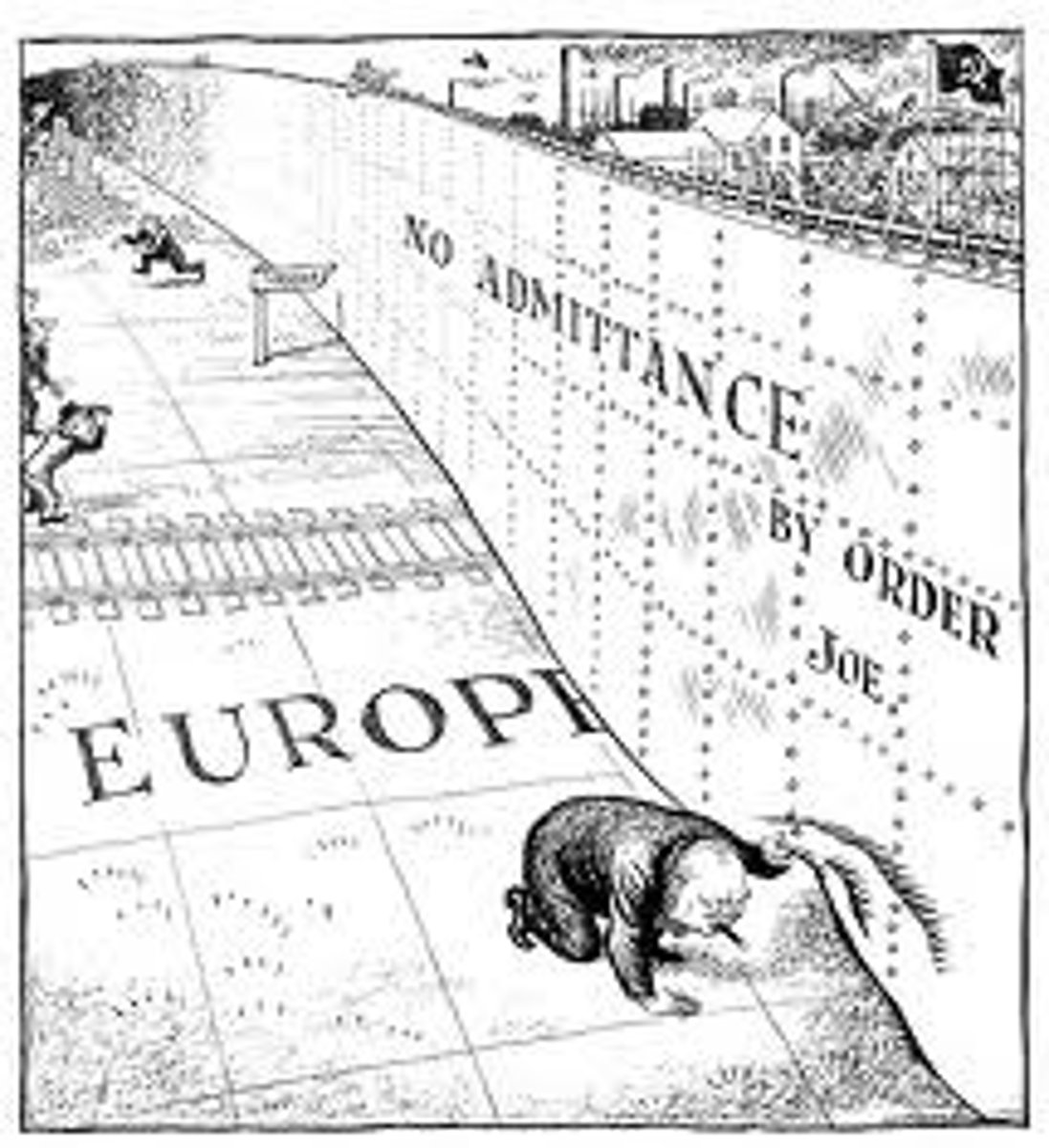
Korean War
The conflict between Communist North Korea invasion of Non-Communist South Korea. The United Nations (led by the U.S.) helped S. Korea fight against N. Korea, thus containing communism to N. Korea.
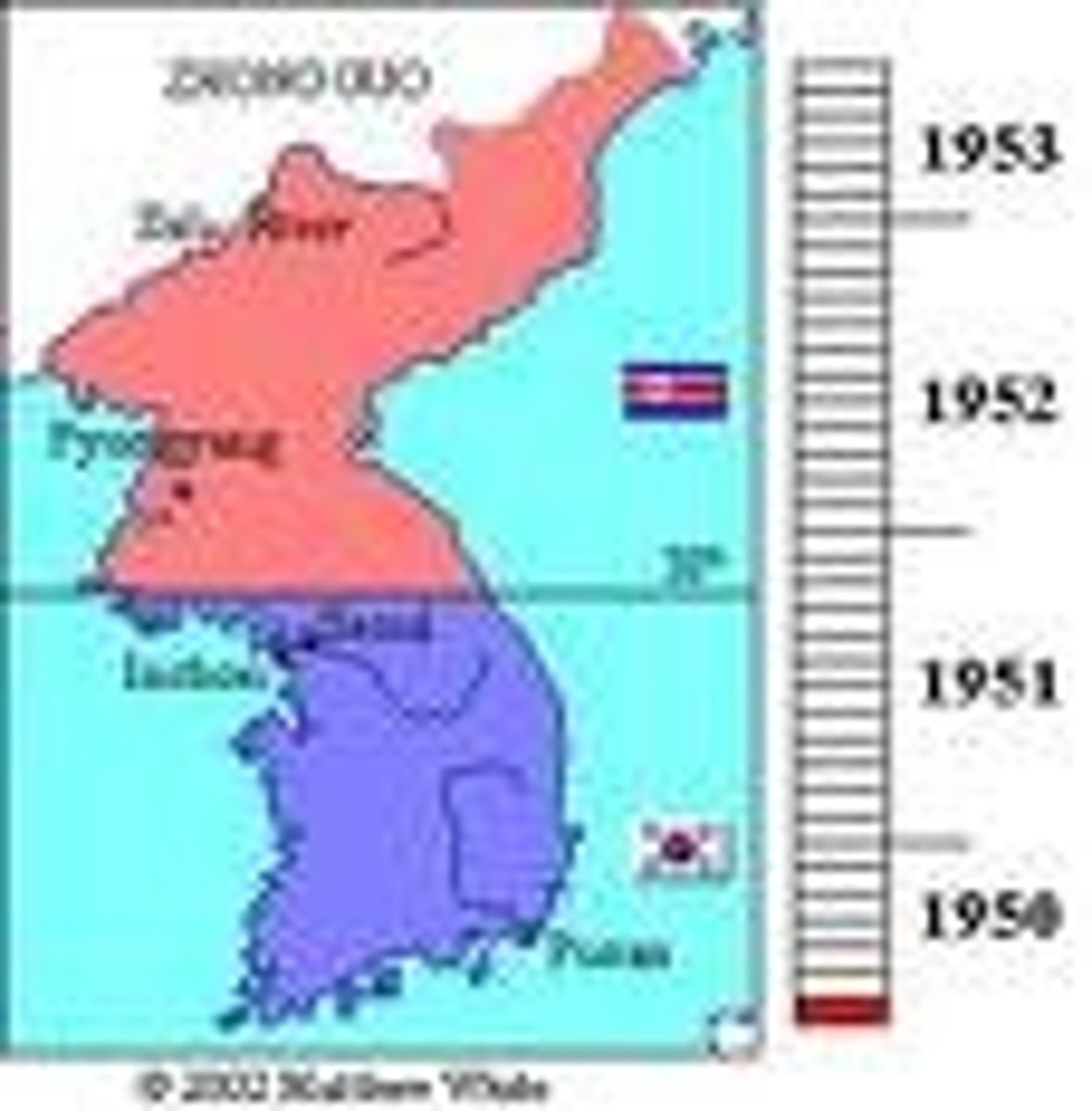
Mao Zedong
a Chinese communist revolutionary and founding father of the People's Republic of China.
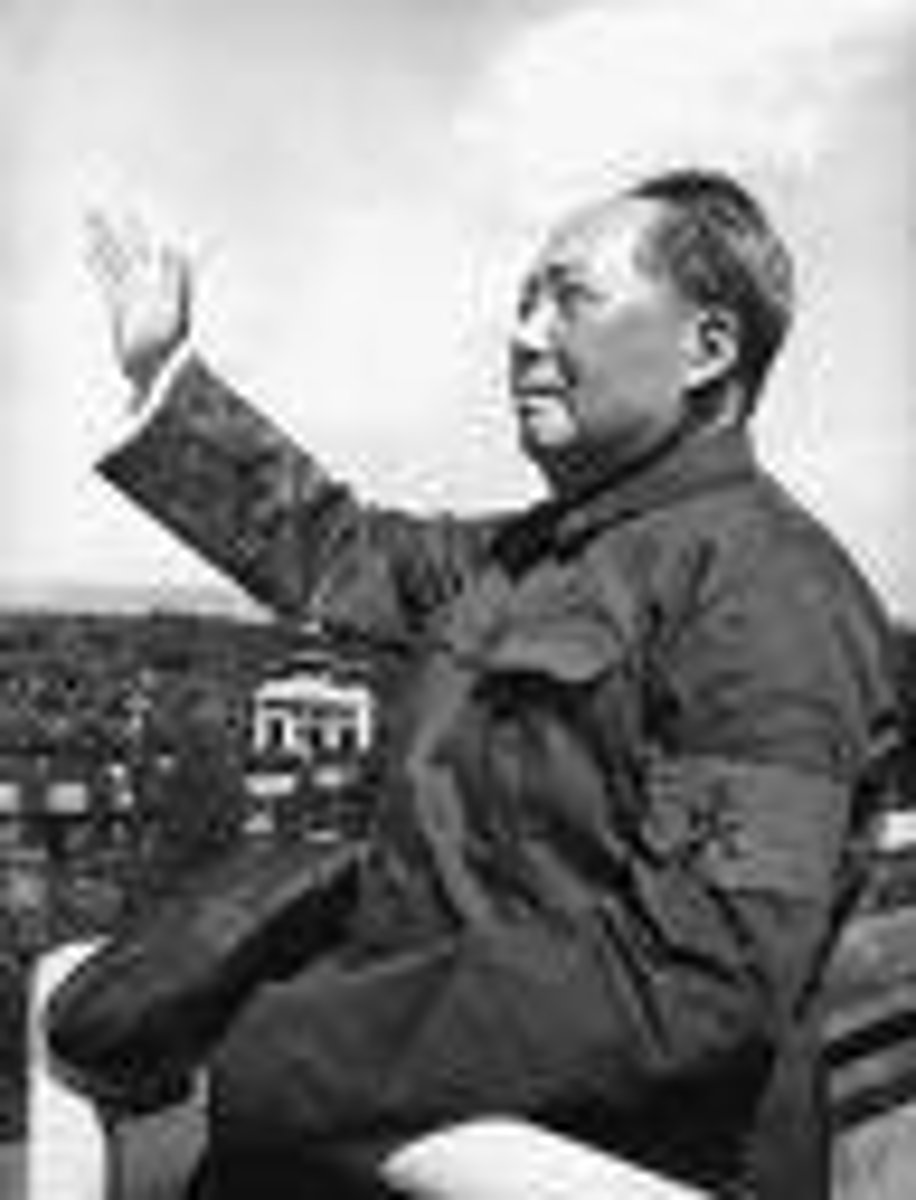
Marshall Plan
Foreign-policy that offered economic aid to western European countries after WWII
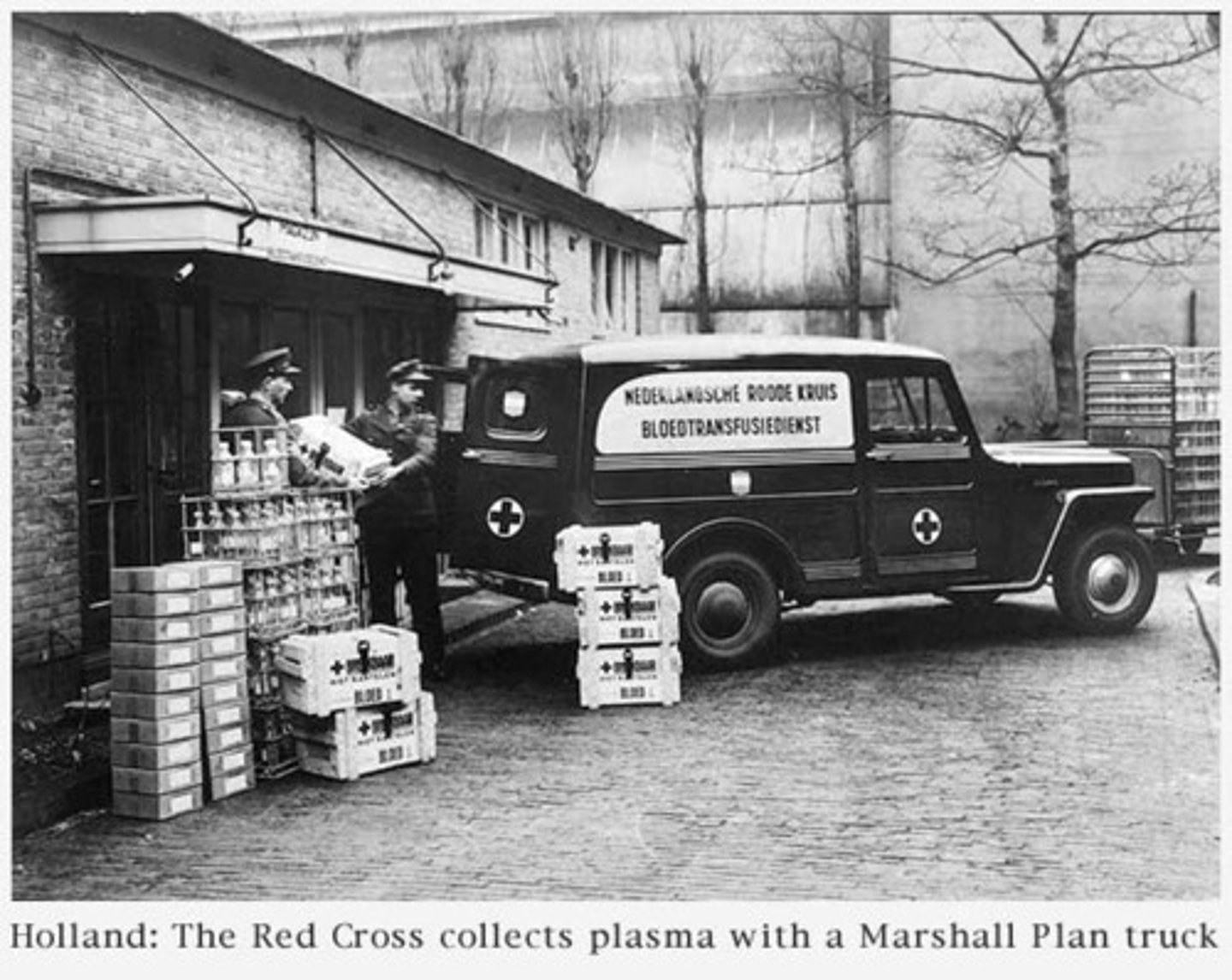
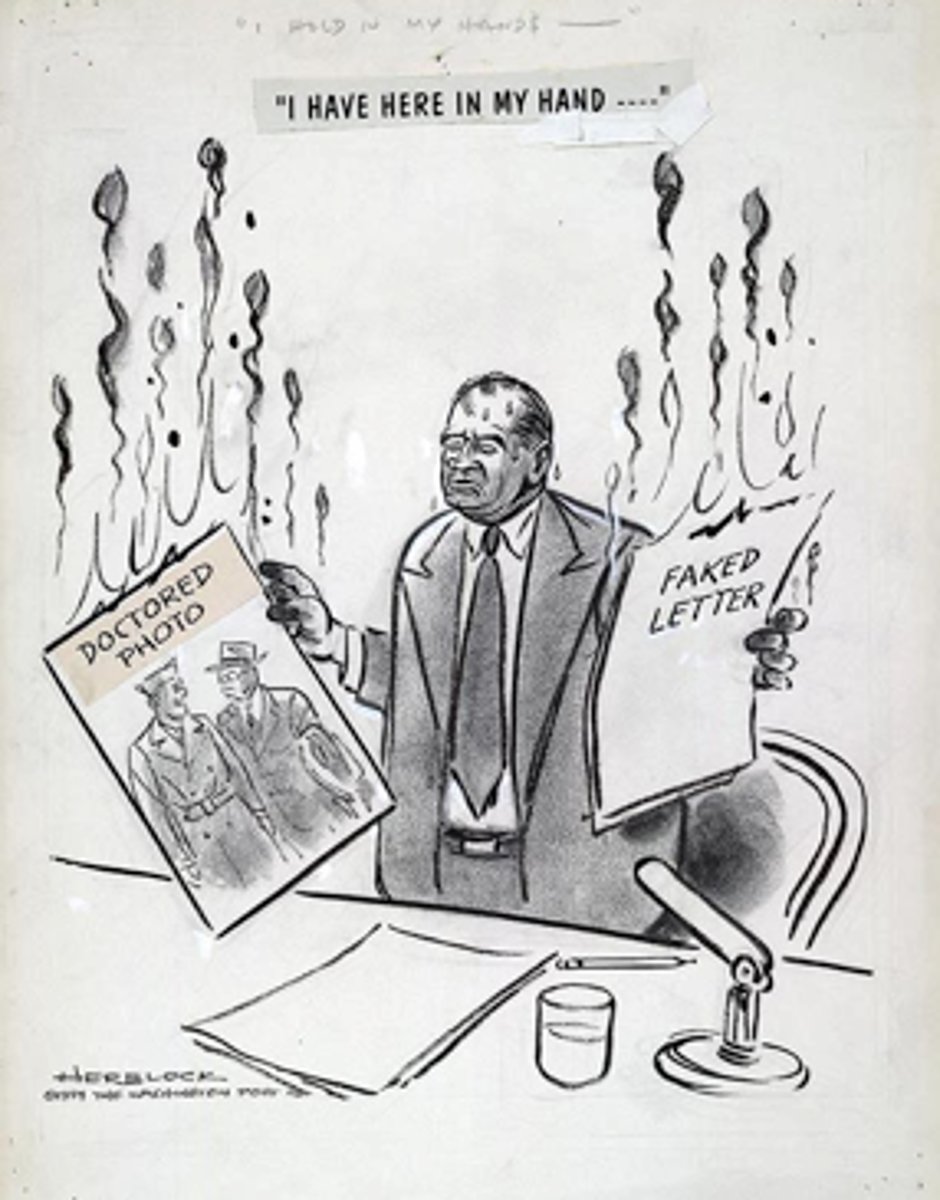
McCarthyism
Negative catch word for extreme, reckless charges of disloyalty; a campaign or practice that endorses the use of unfair allegations and investigations
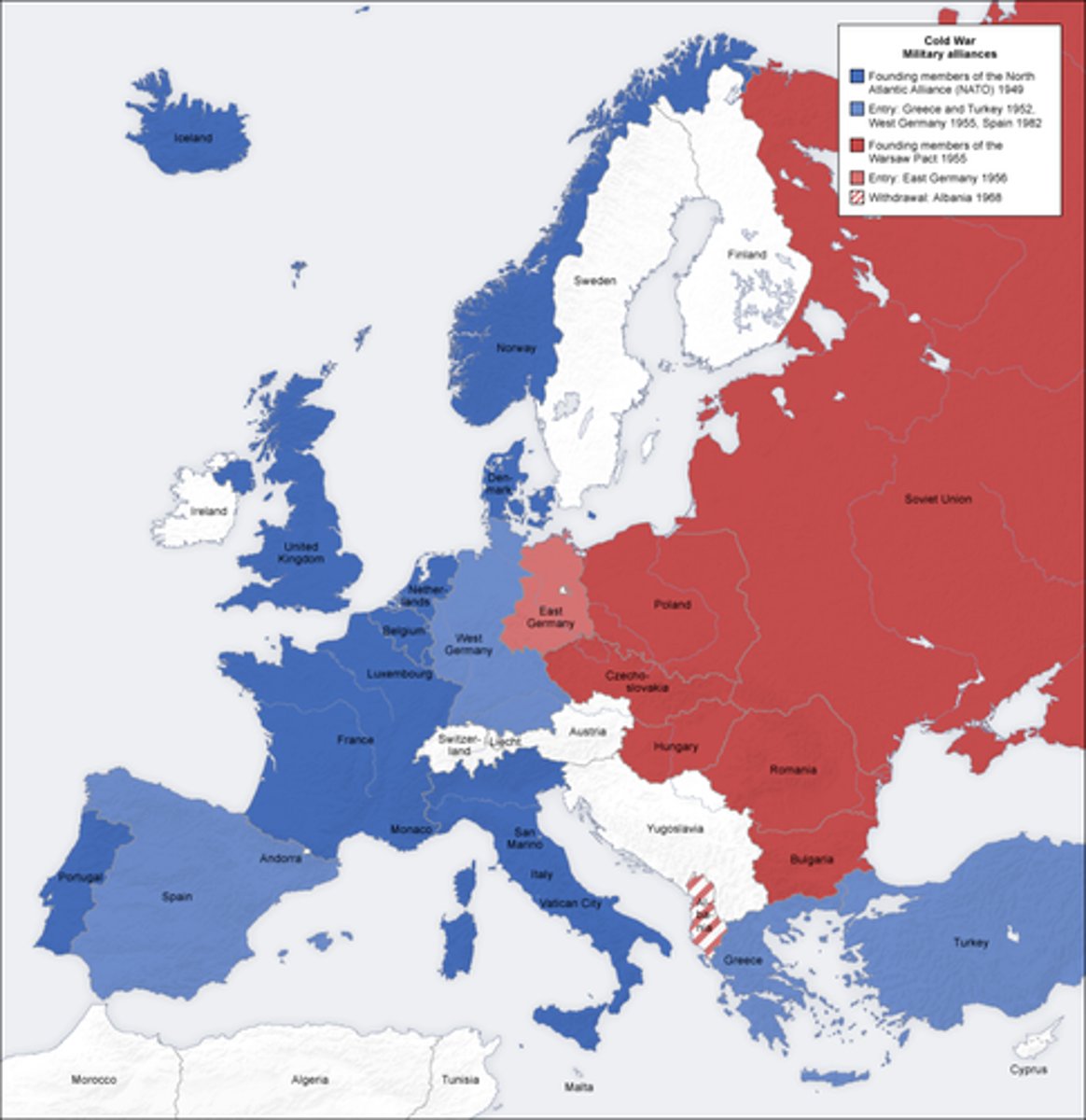
North Atlantic Treaty Organization (NATO)
Military alliance formed to counter Soviet expansion; also known as NATO
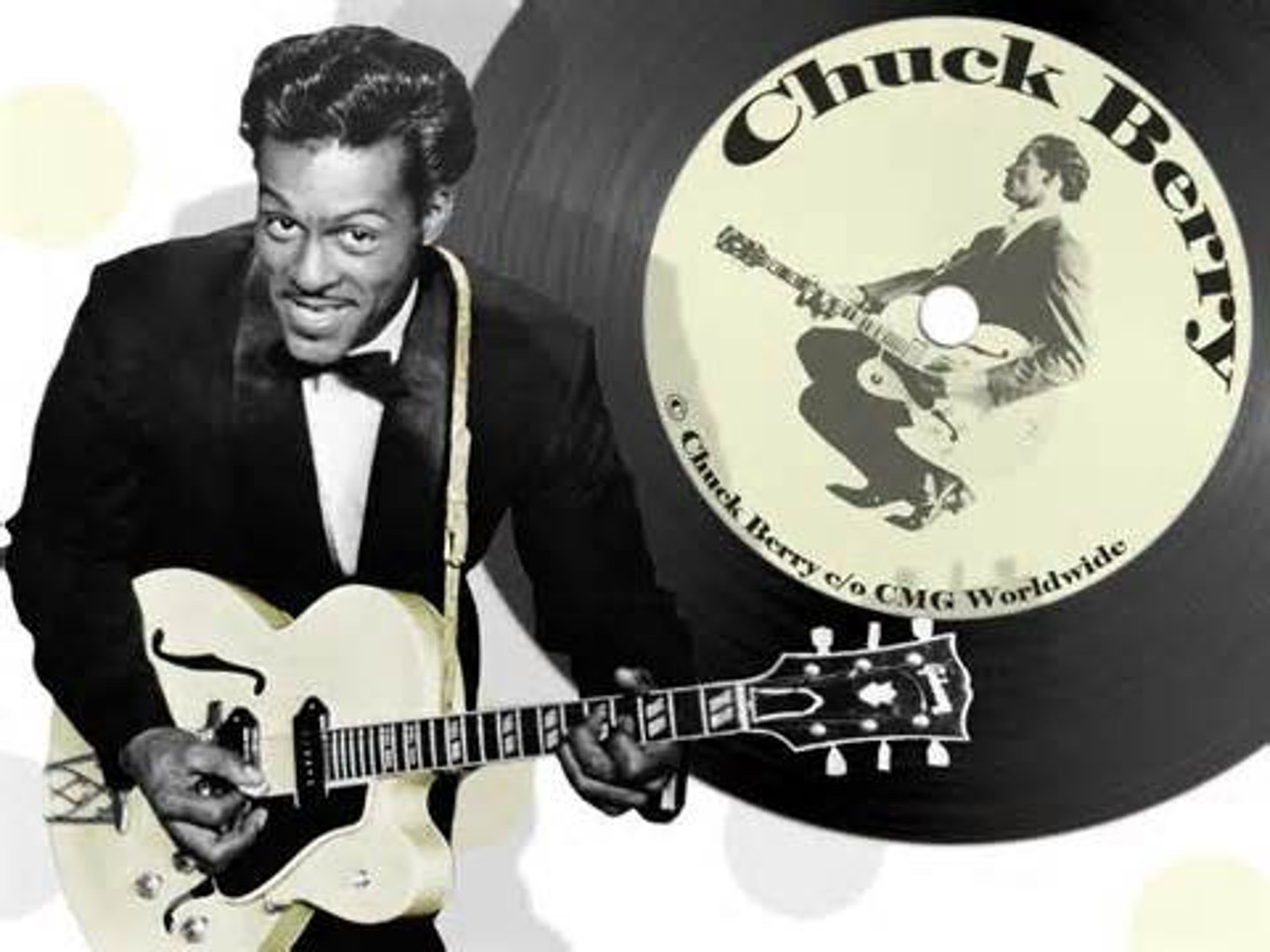
Rock and Roll
Music originated in the gospel and blues traditions at African Americans
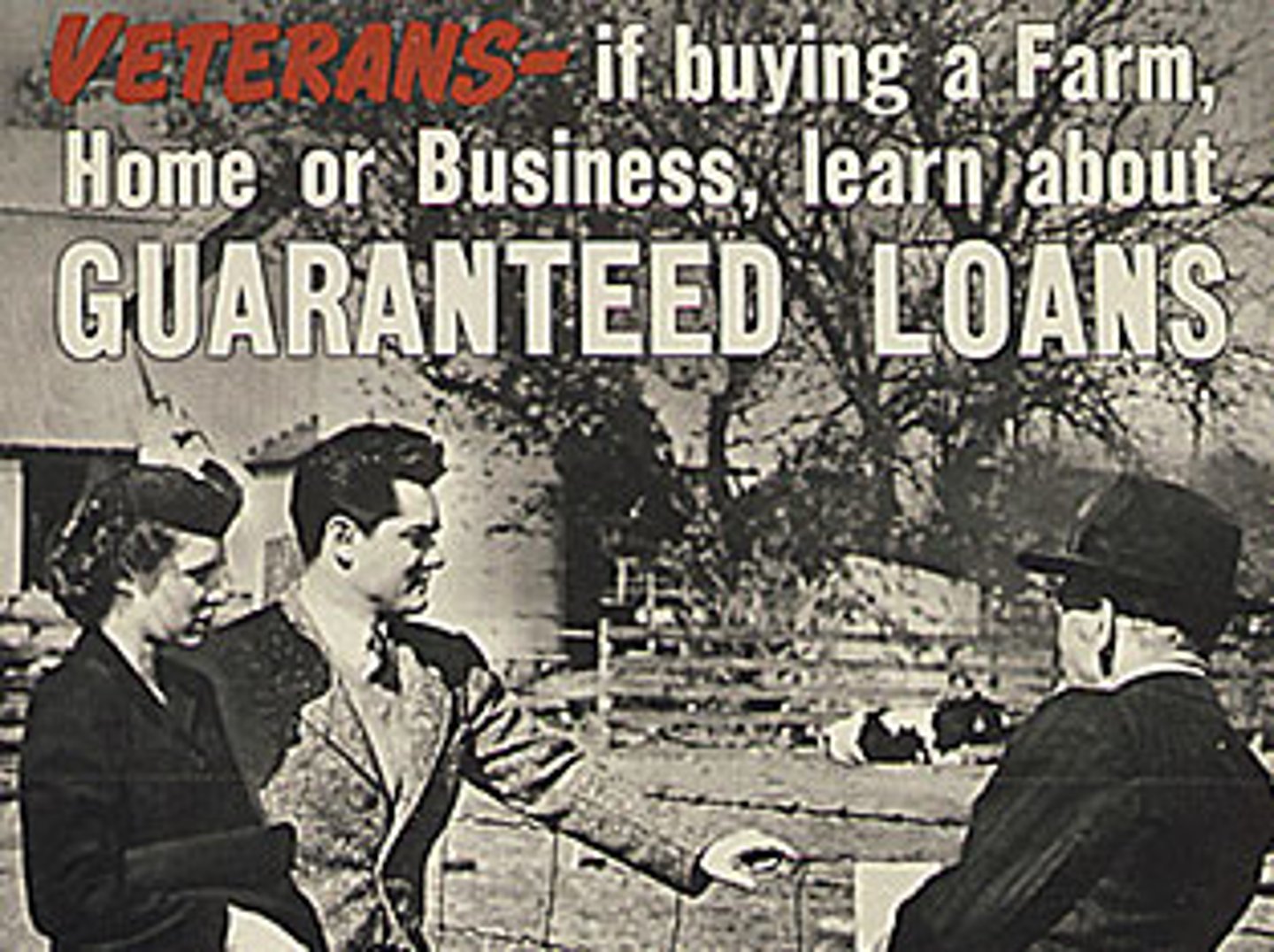
Servicemen's Readjustment Act of 1944
Eased the return of WWII veterans by providing education, employment and home loan aid; also known as GI Bill
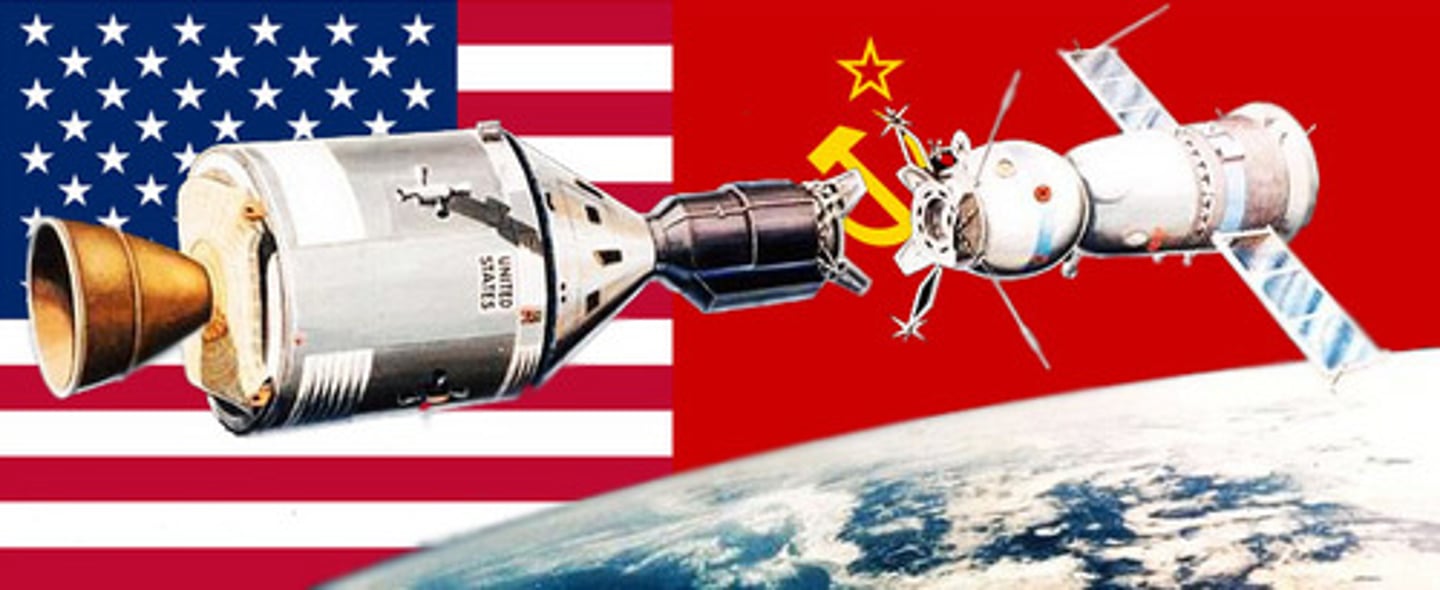
Space Race
The competition between the U.S. and the Soviet Union to develop the technology to successfully land on the moon
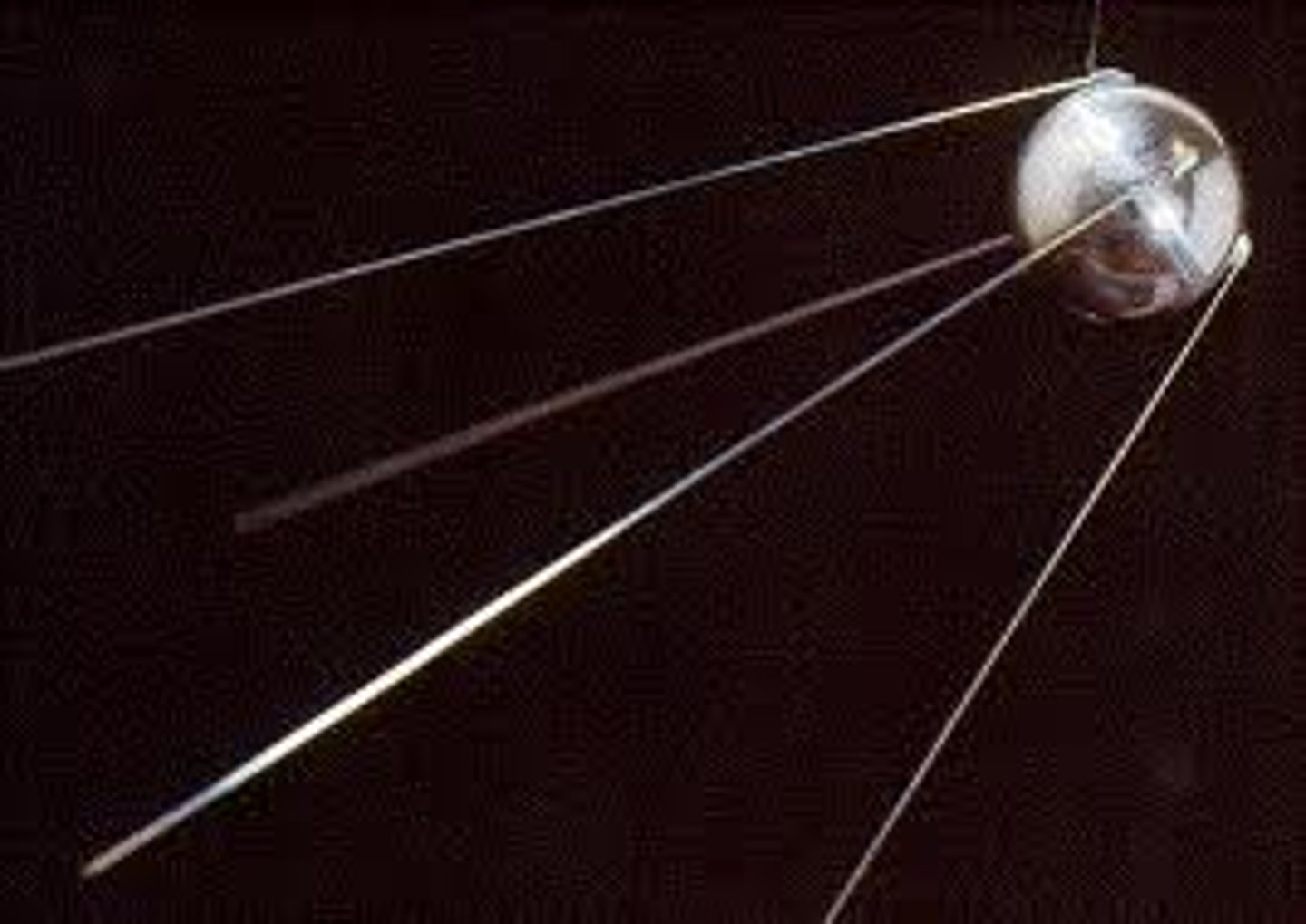
Sputnik
The first artificial Earth satellite; The Soviet Union launched it into an elliptical low Earth orbit on October 4, 1957
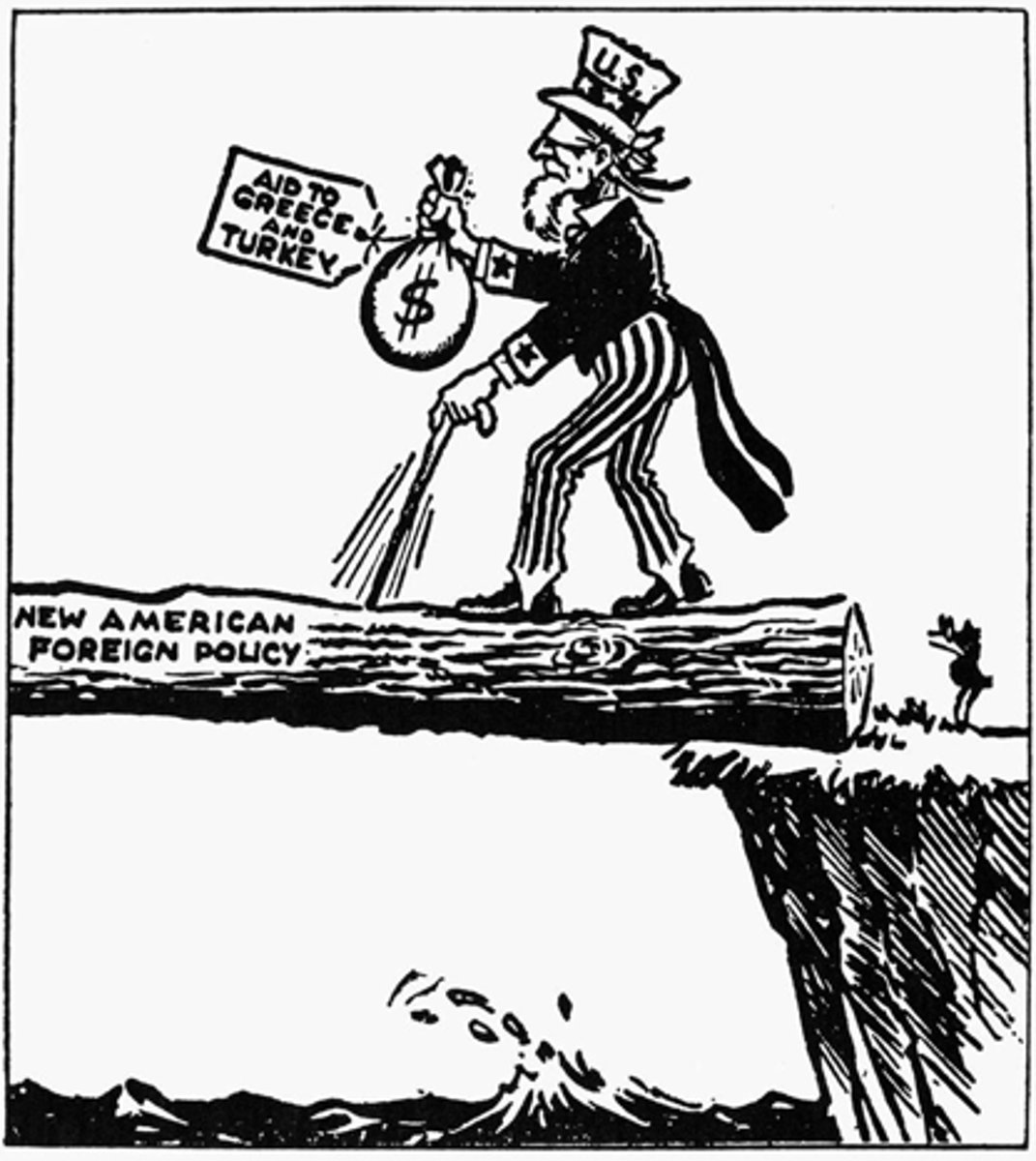
Truman Doctrine
President's promise to send money to help nations struggling against communist movement like Greece and Turkey
Venona Papers
Revealed the names of many Americans in government and industry who spied for the Soviet Union

Warsaw Pact
A military alliance of communist nations in eastern Europe; organized in 1955 by the Soviet Union.
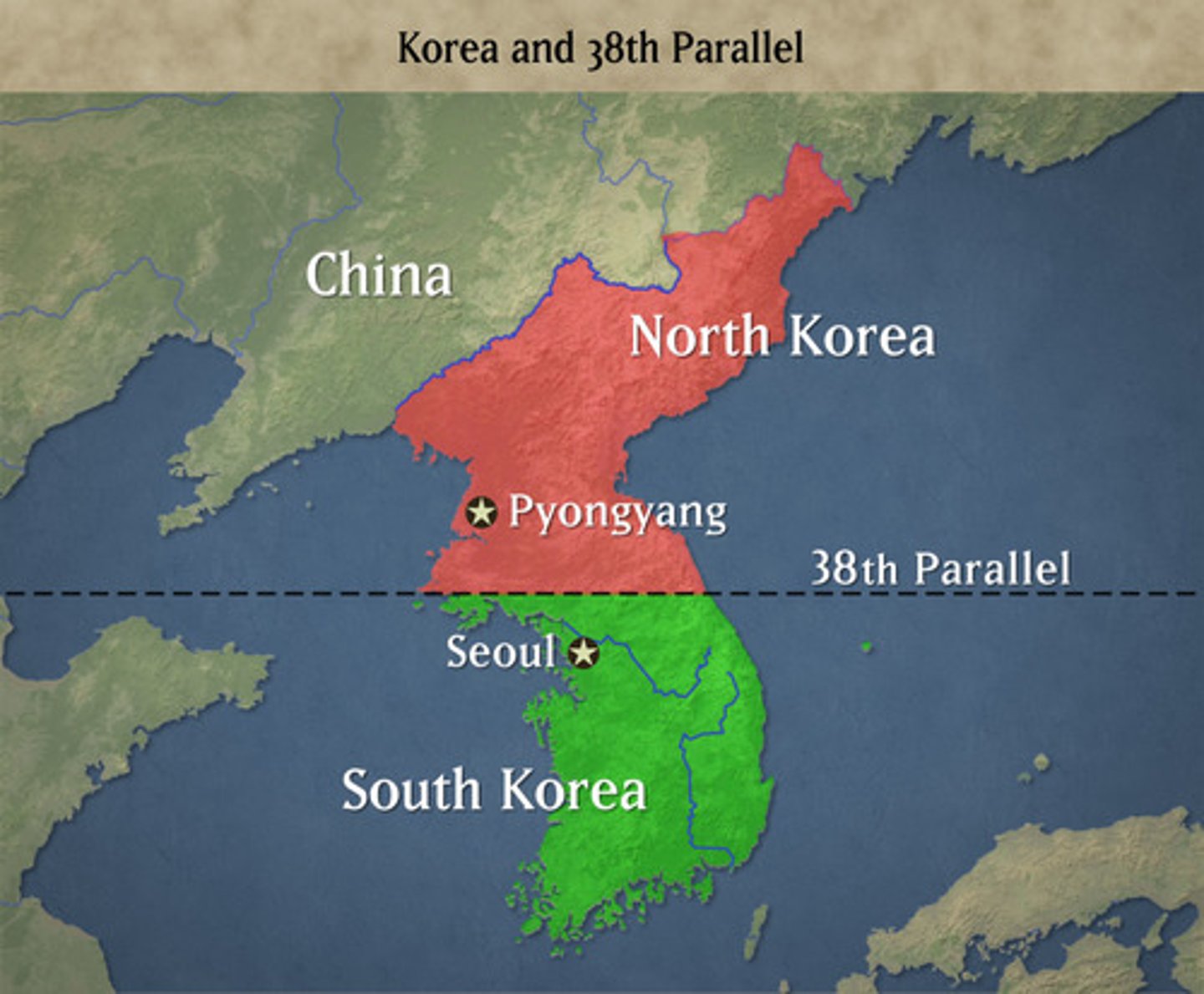
38th Parallel
Dividing line between North and South Korea
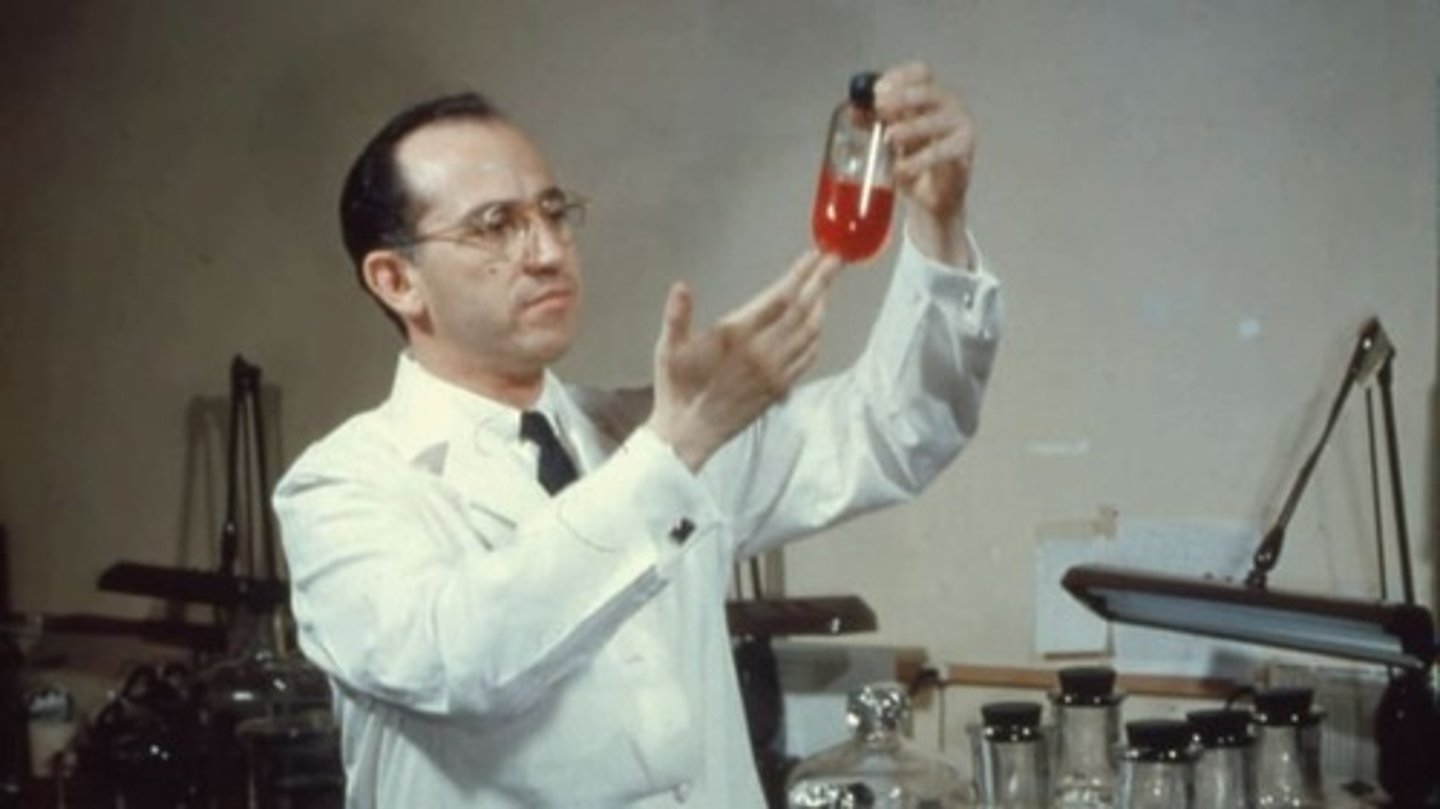
Dr. Jonas Salk
Developed a vaccine for the crippling disease of polio
United Nations
An international organization formed after WWII to promote international peace, security, and cooperation.
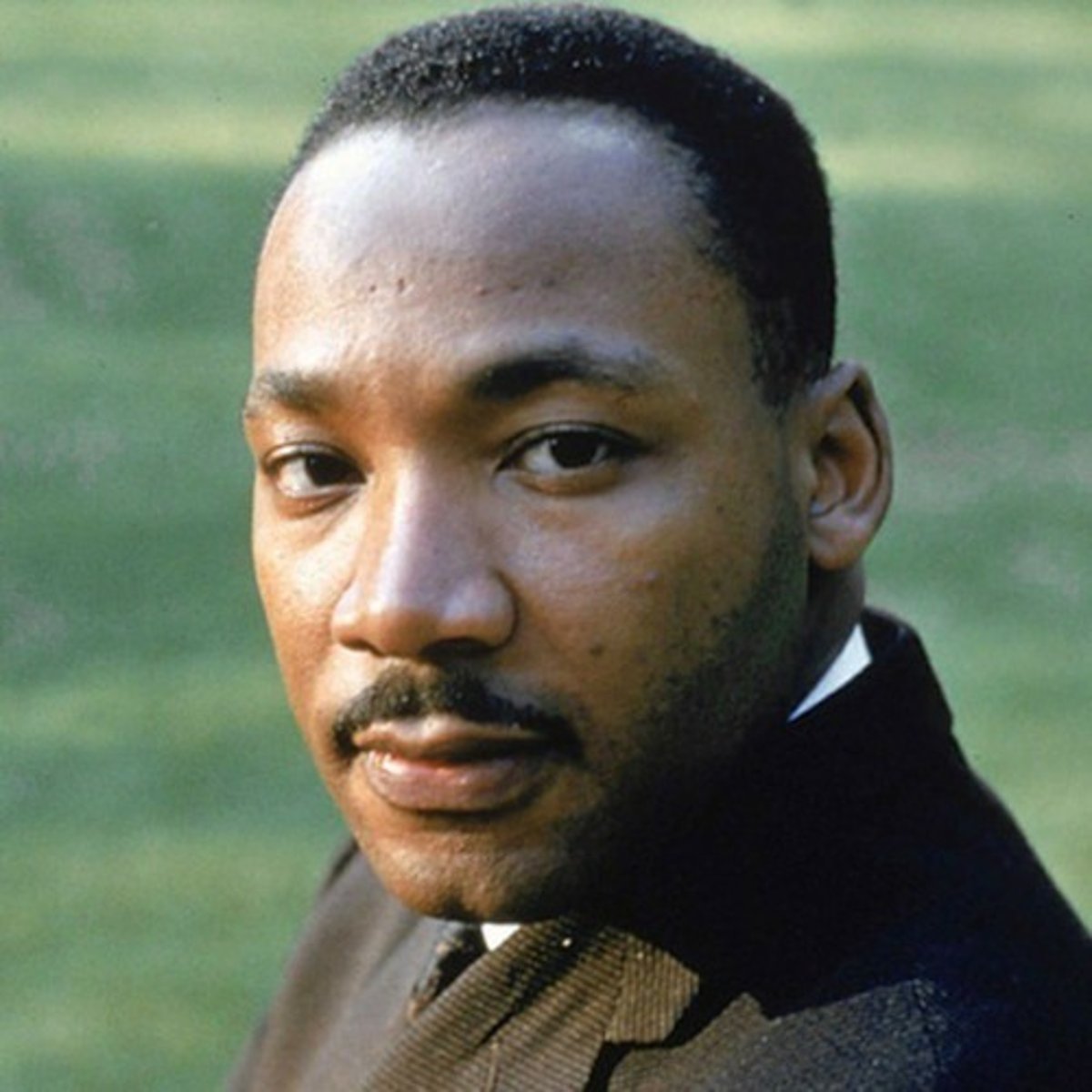
Dr. Martin Luther King, Jr.
advocated nonviolent methods of protest while becoming perhaps the most influential leader of the civil right movement
Rosa Parks
began the Montgomery bus protest in 1955 when she refused to give up her seat to a white passenger
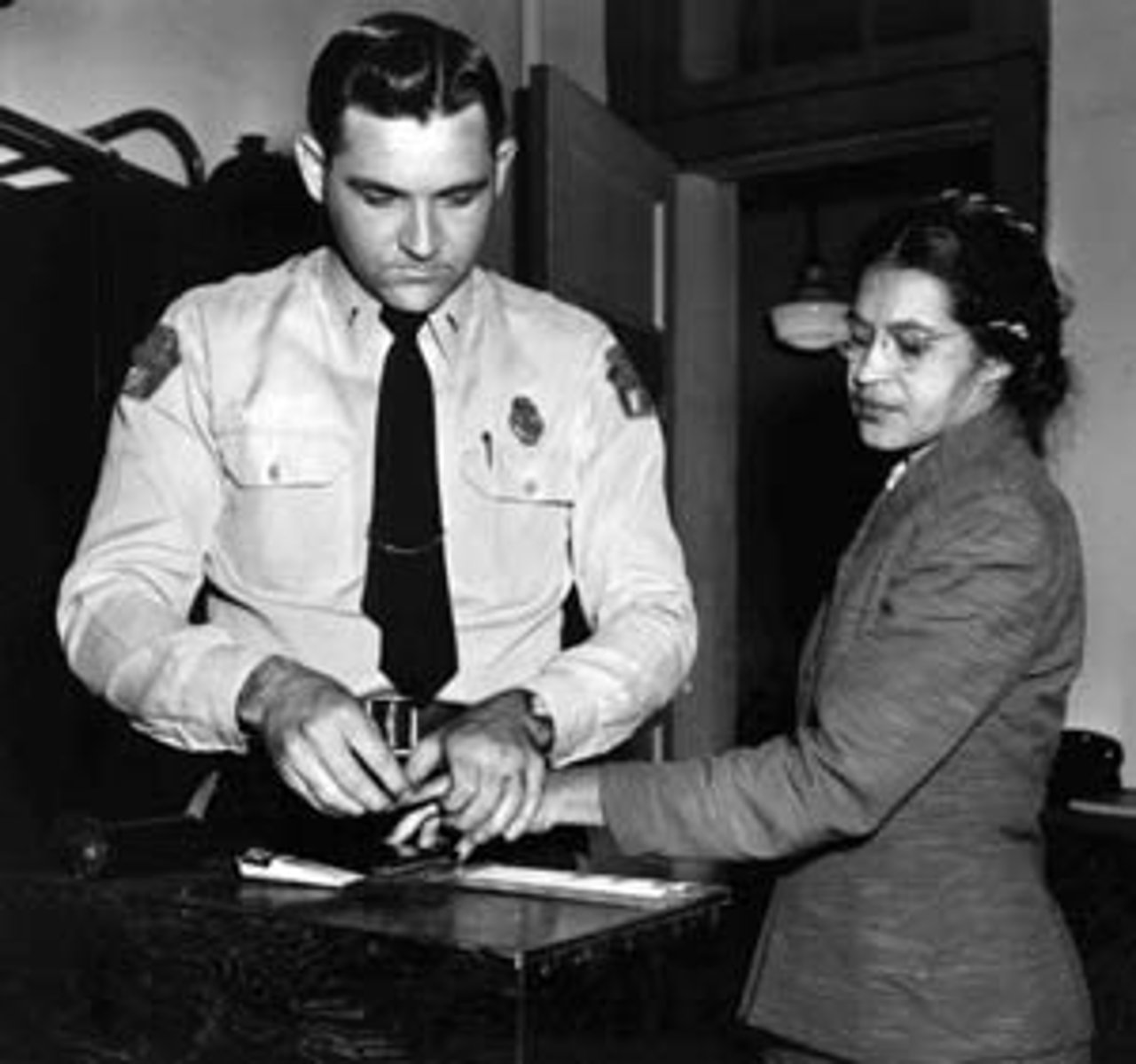
Black Panthers
organization of militant African Americans founded in 1966
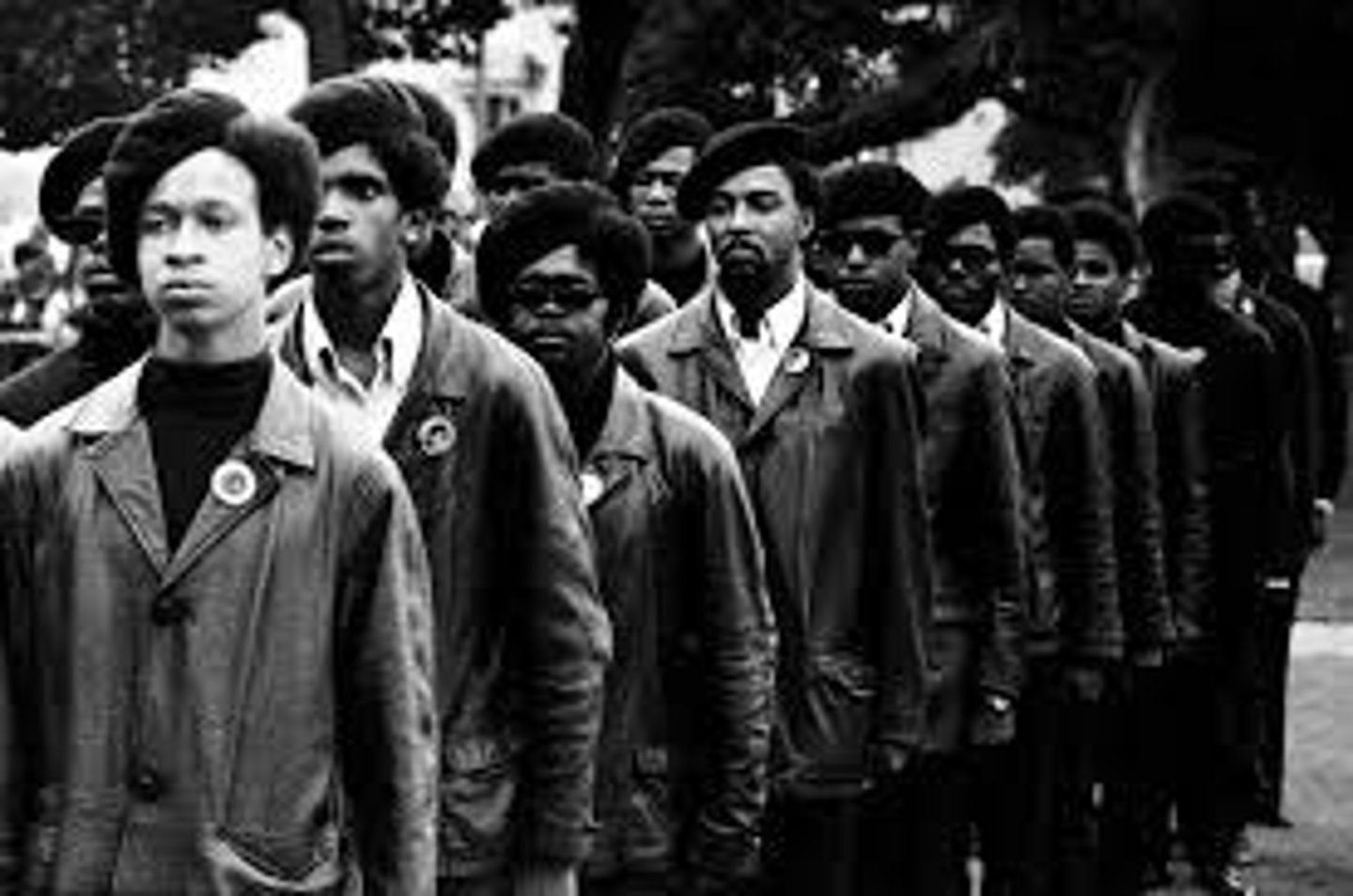
Civil Rights Act of 1957
First civil rights act since Reconstruction after the Civil War; Influenced by Brown v. Board of Edu. of Topeka and civil rights activism
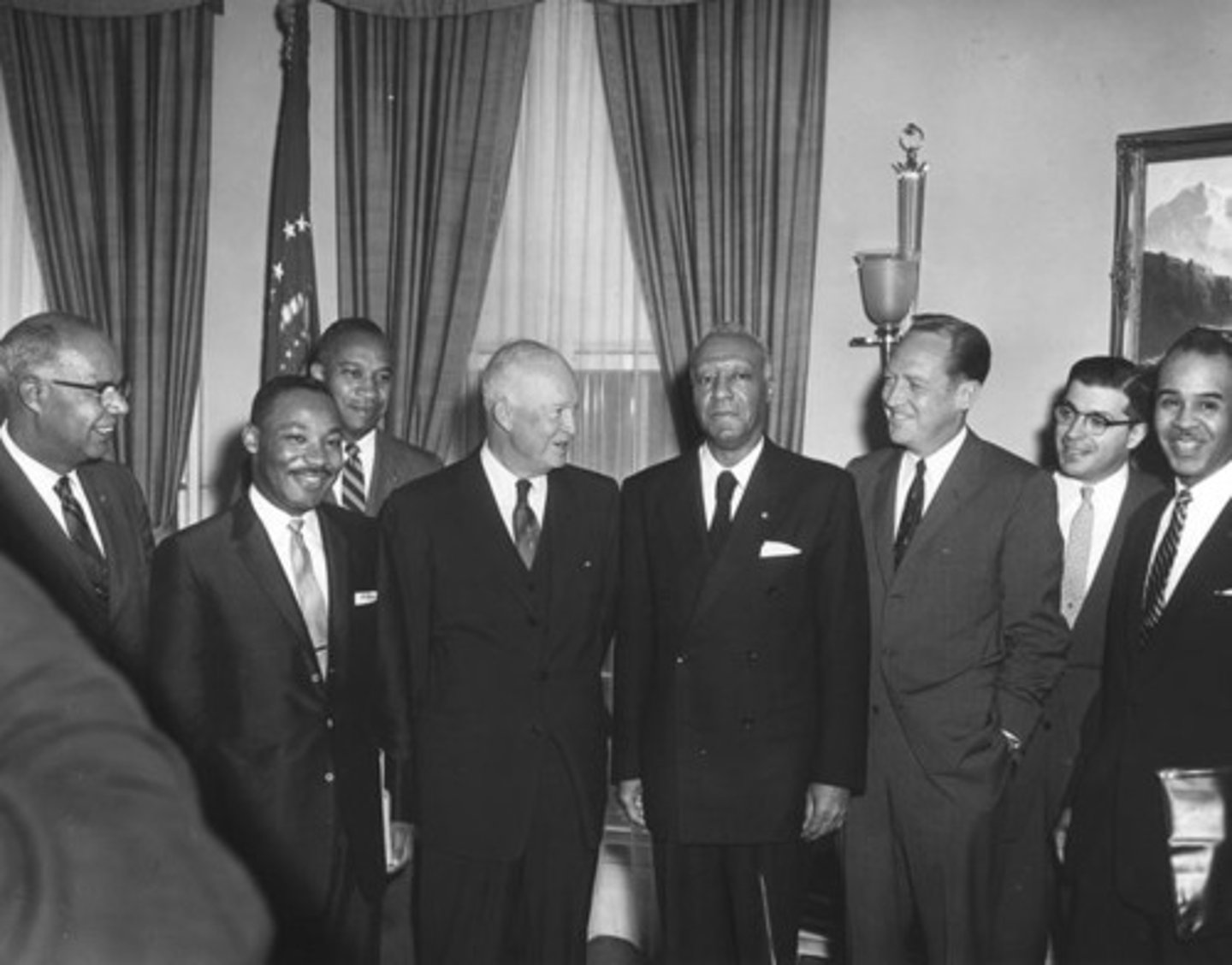
Civil Rights Act of 1964
banned discrimination in public places and employment based on race, religion, or national origin
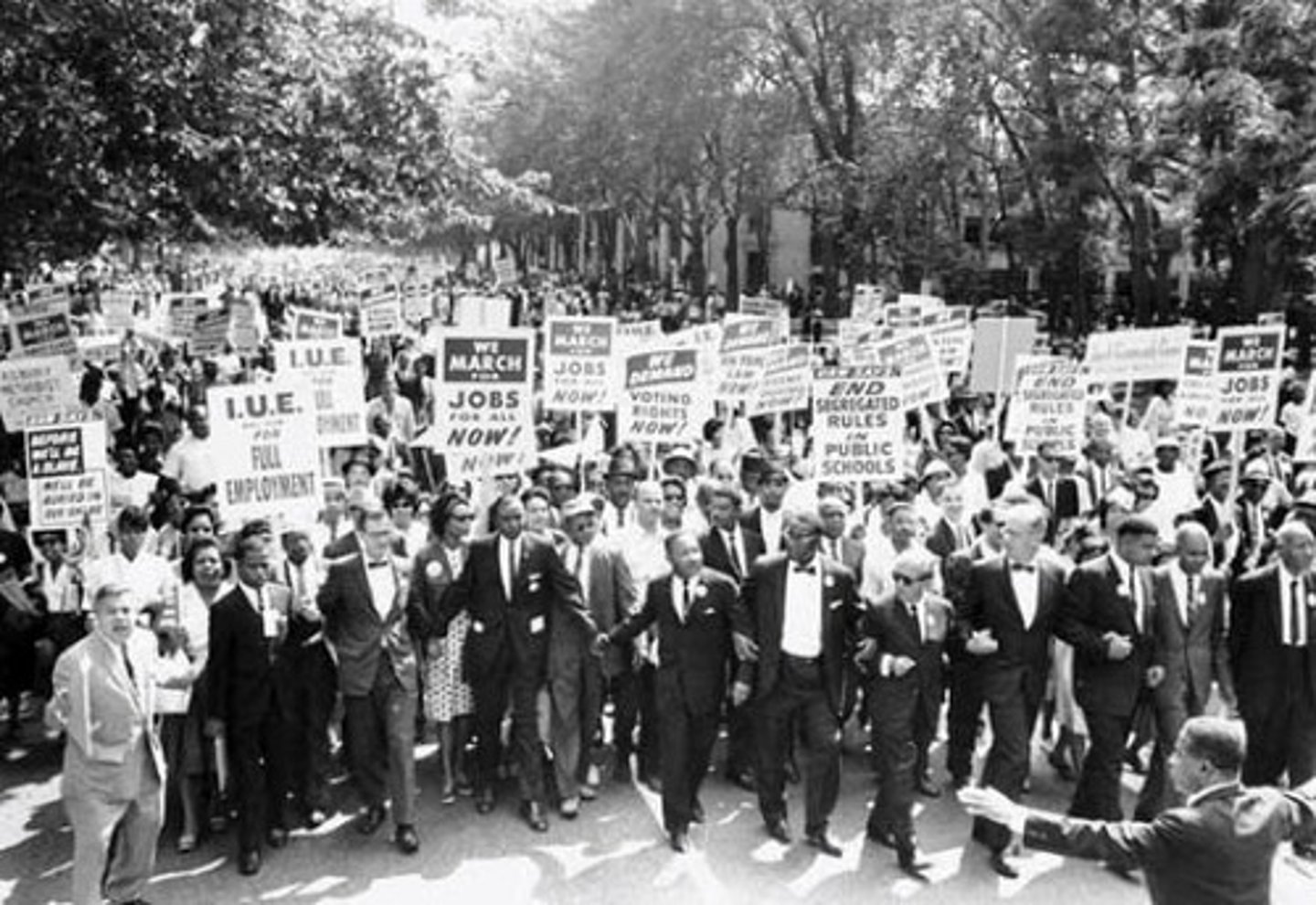
Voting Rights Act of 1965
law that banned literacy tests and empowered the federal government to oversee voter registration
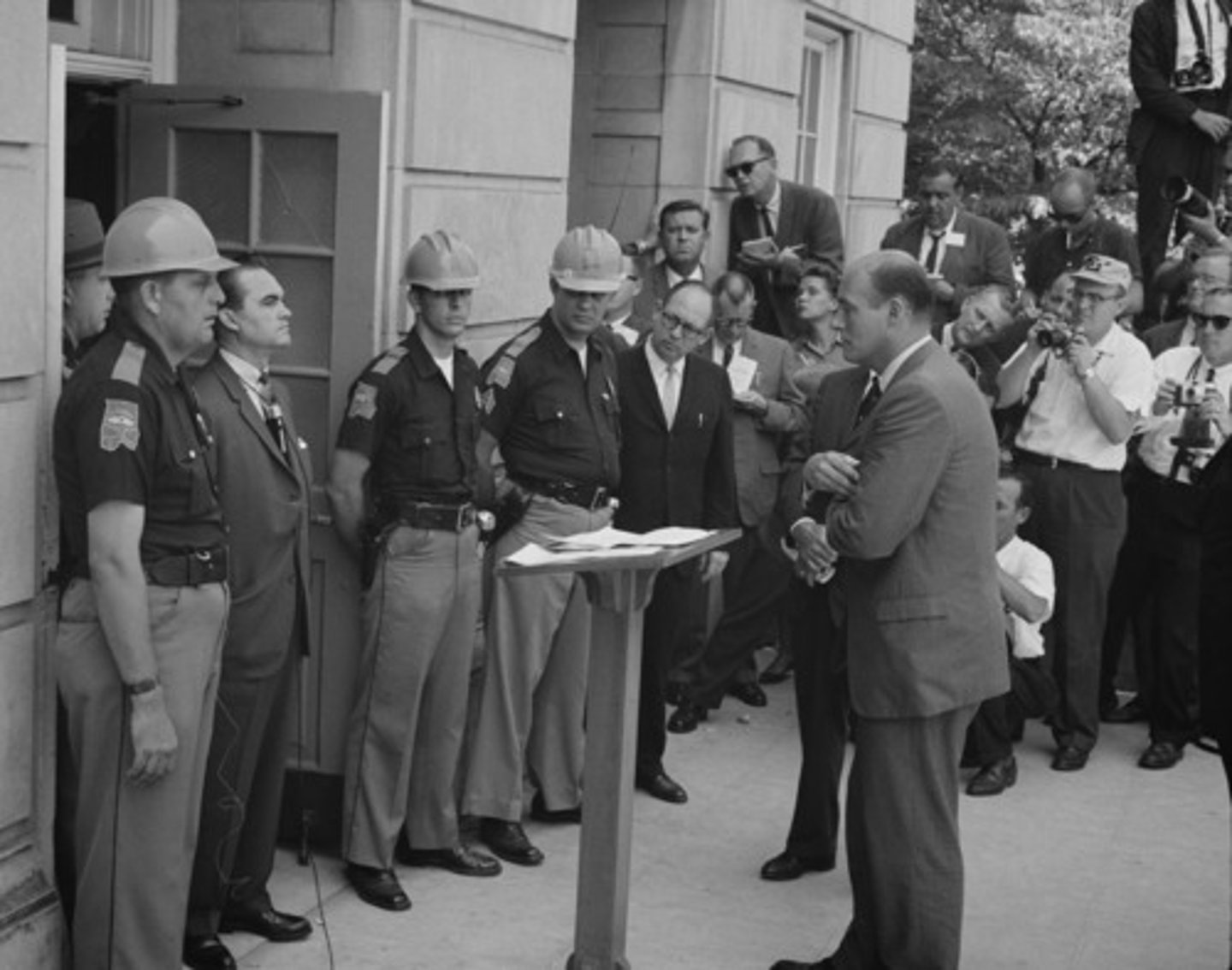
George Wallace
used the Alabama National Guard to prevent the University of Alabama from being desegregated
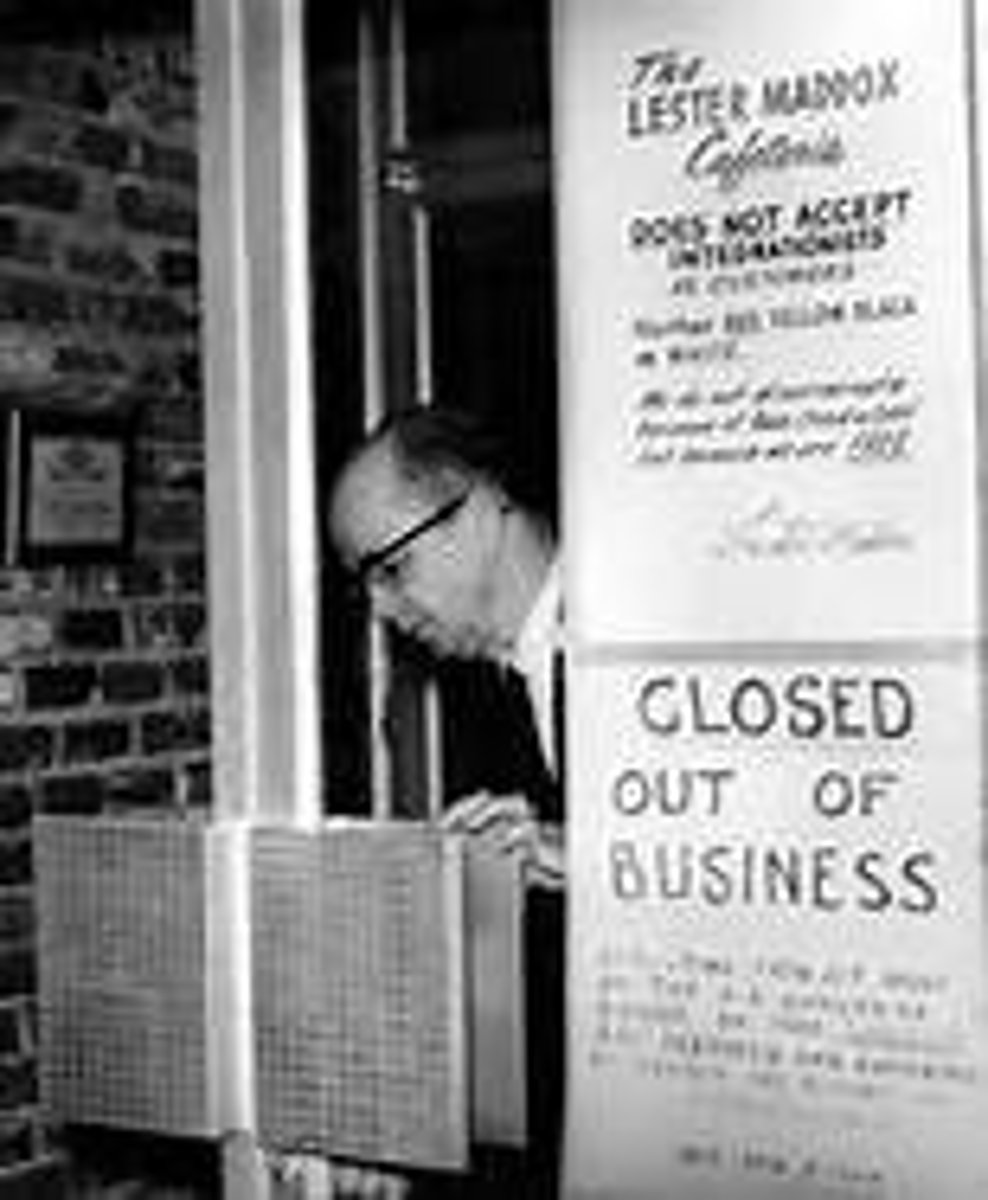
Lester Maddox
He ran a restaurant in Atlanta, Georgia. He closed the restaurant refusing to serve African Americans. He was later elected governor.
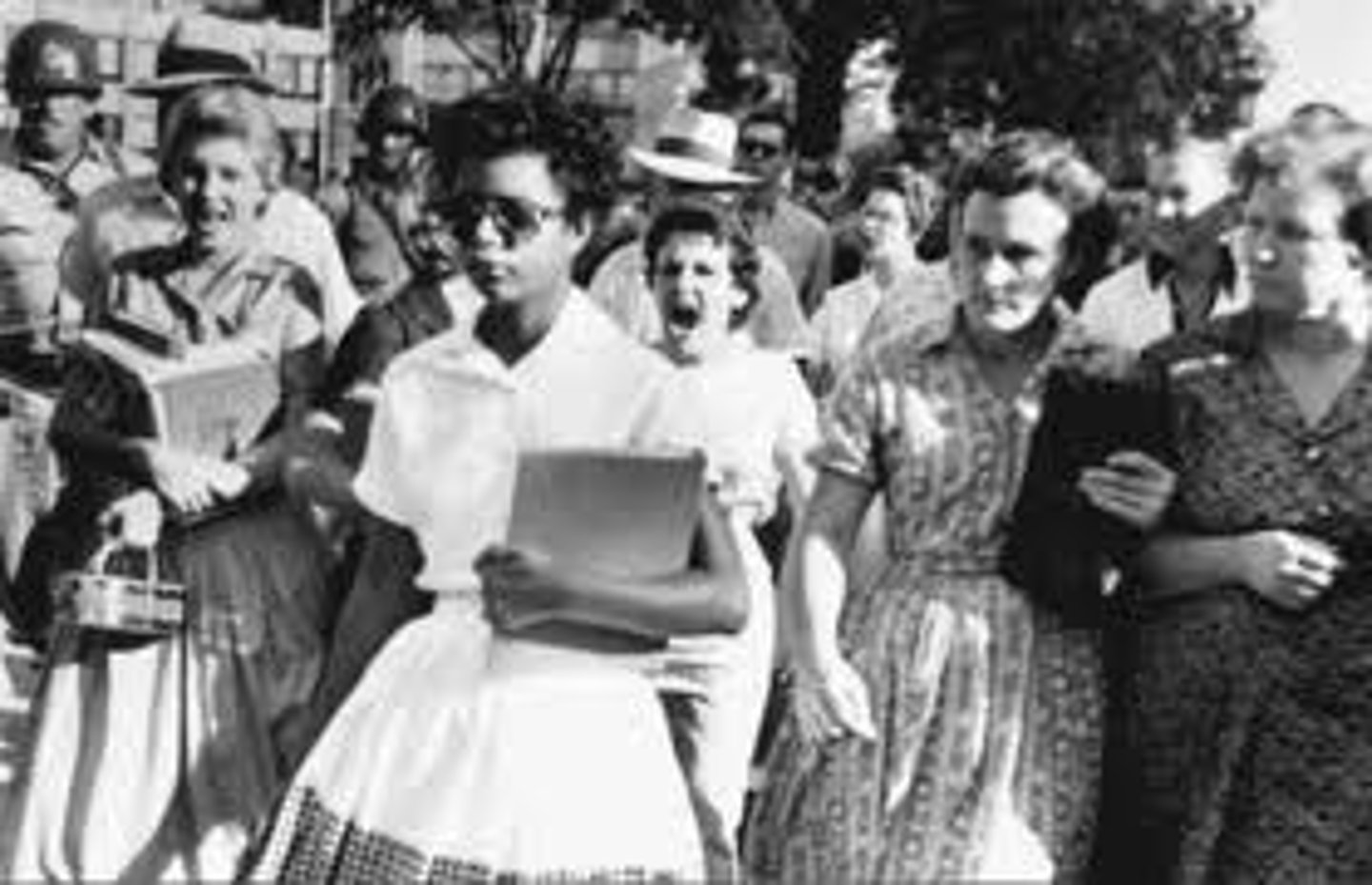
Orval Faubus
governor of Arkansas, best known for ordering the Arkansas National Guard to block nine African American students from entering Little Rock Central High School in 1957
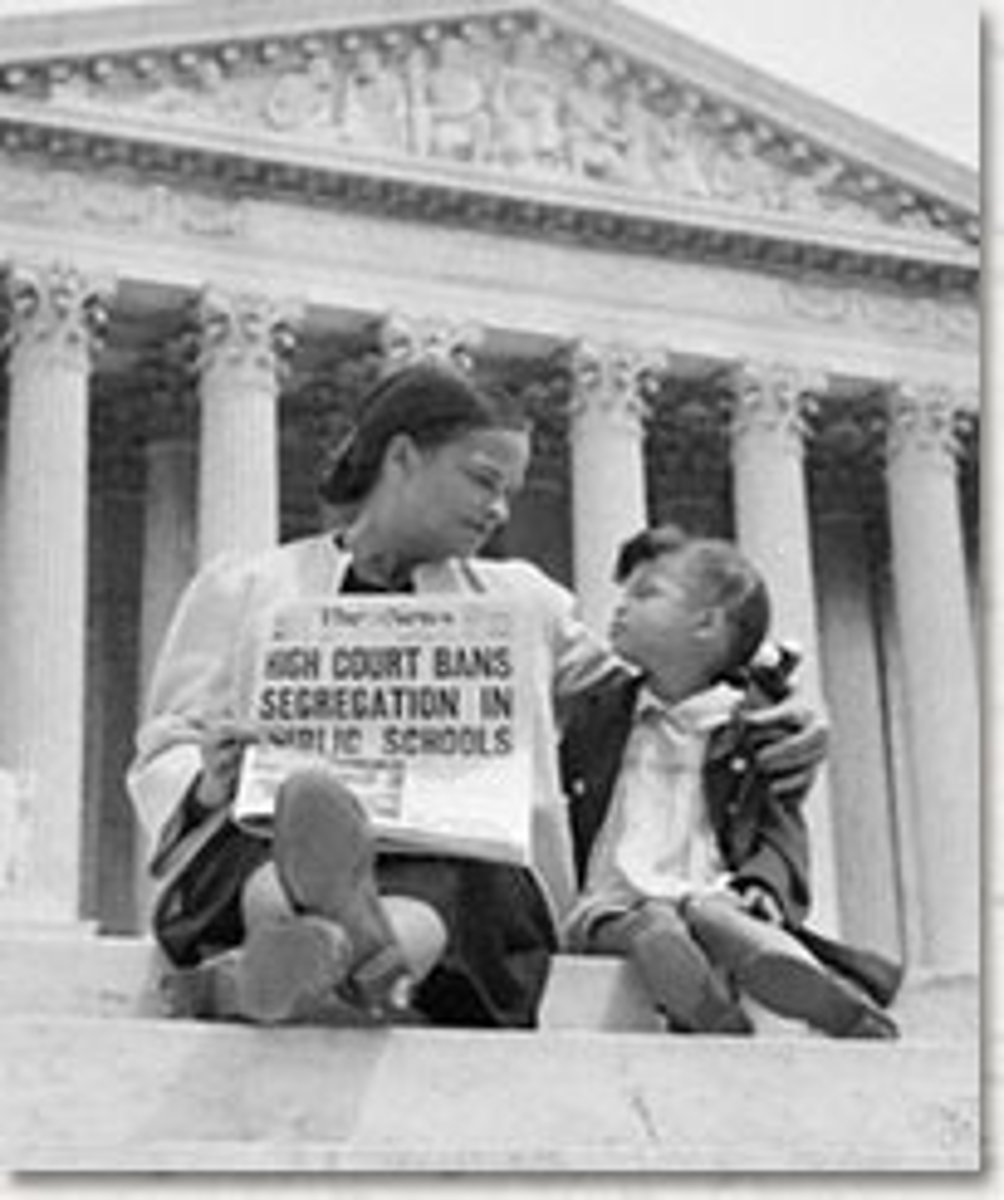
Brown v. Board of Education
Supreme Court decision in 1954 that ended segregated schools and public areas
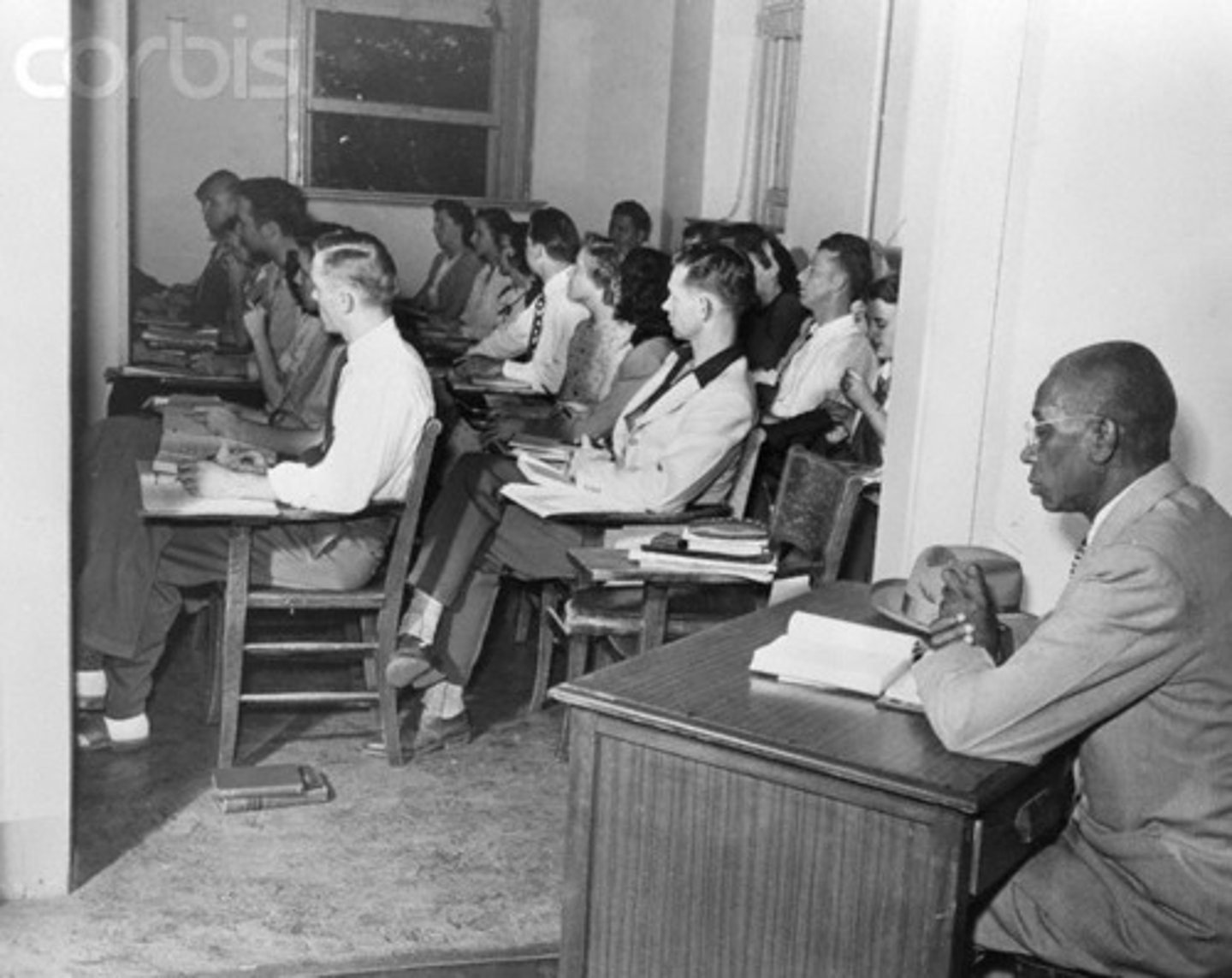
Sweatt v. Painter
Supreme Court case that ended the University of Texas Law School's prohibition against admitting African-American students
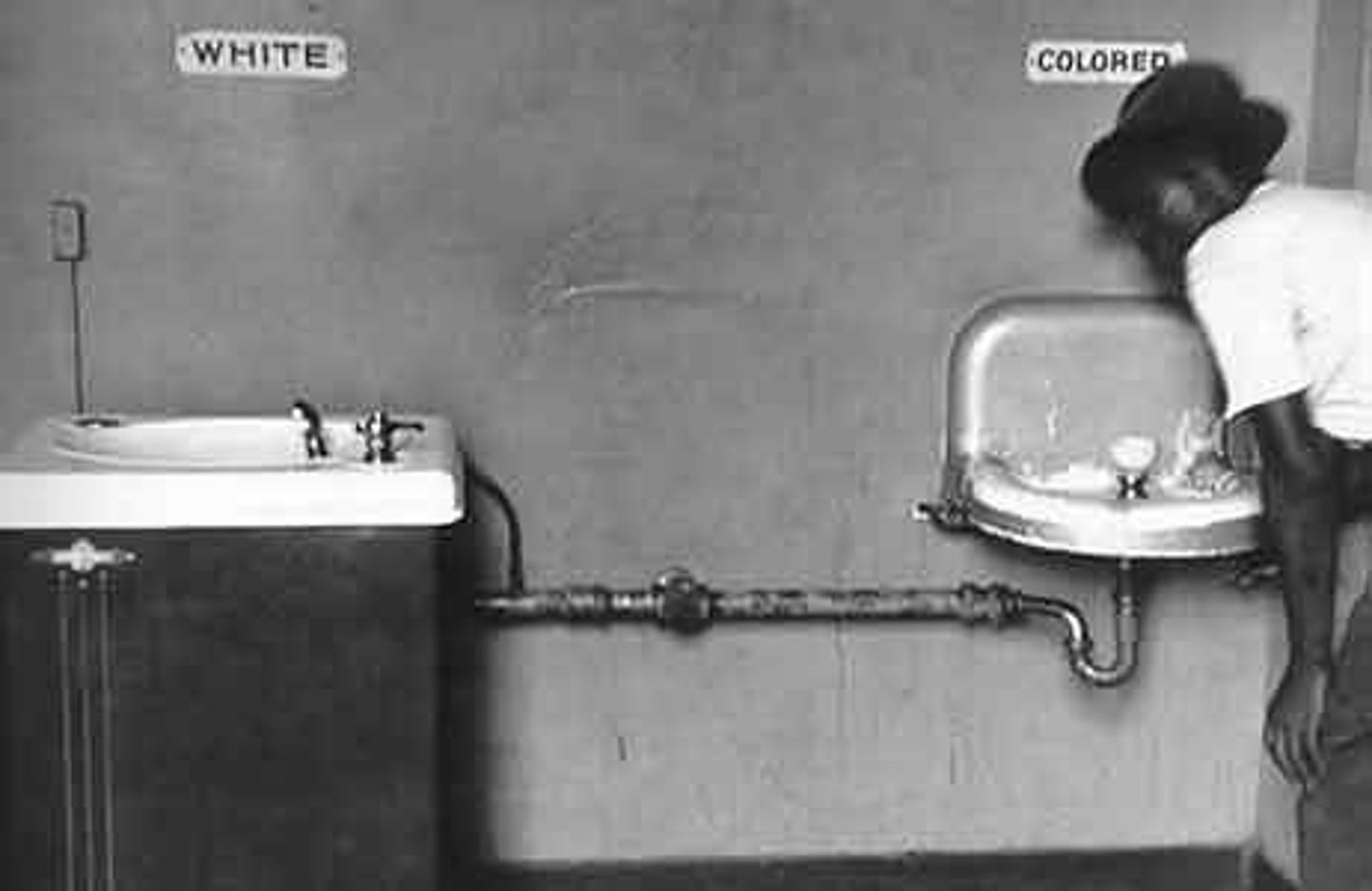
Plessy v. Ferguson
Supreme Court case that upheld the practice of separate but equal in the "Jim Crow" south
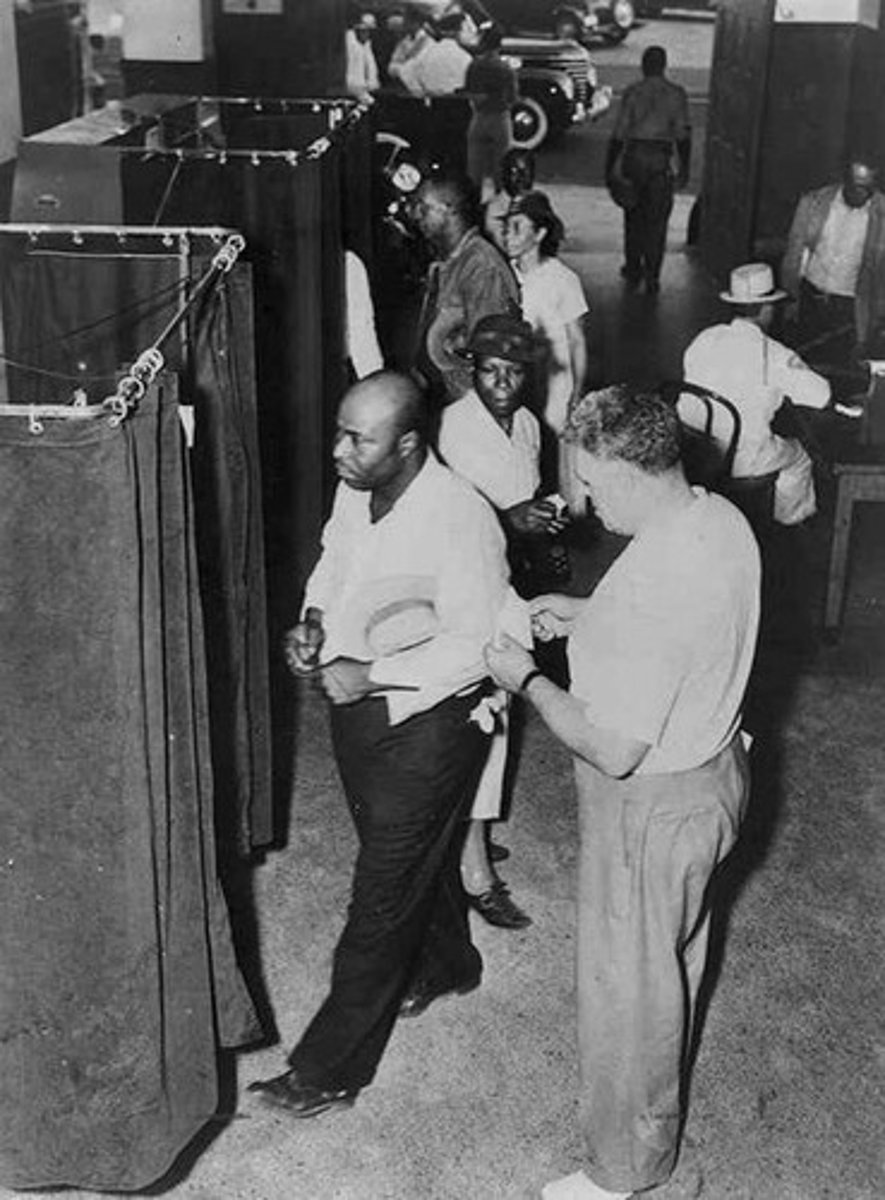
24th Amendment
prohibited states from forcing voters to pay a "poll tax" in order to vote
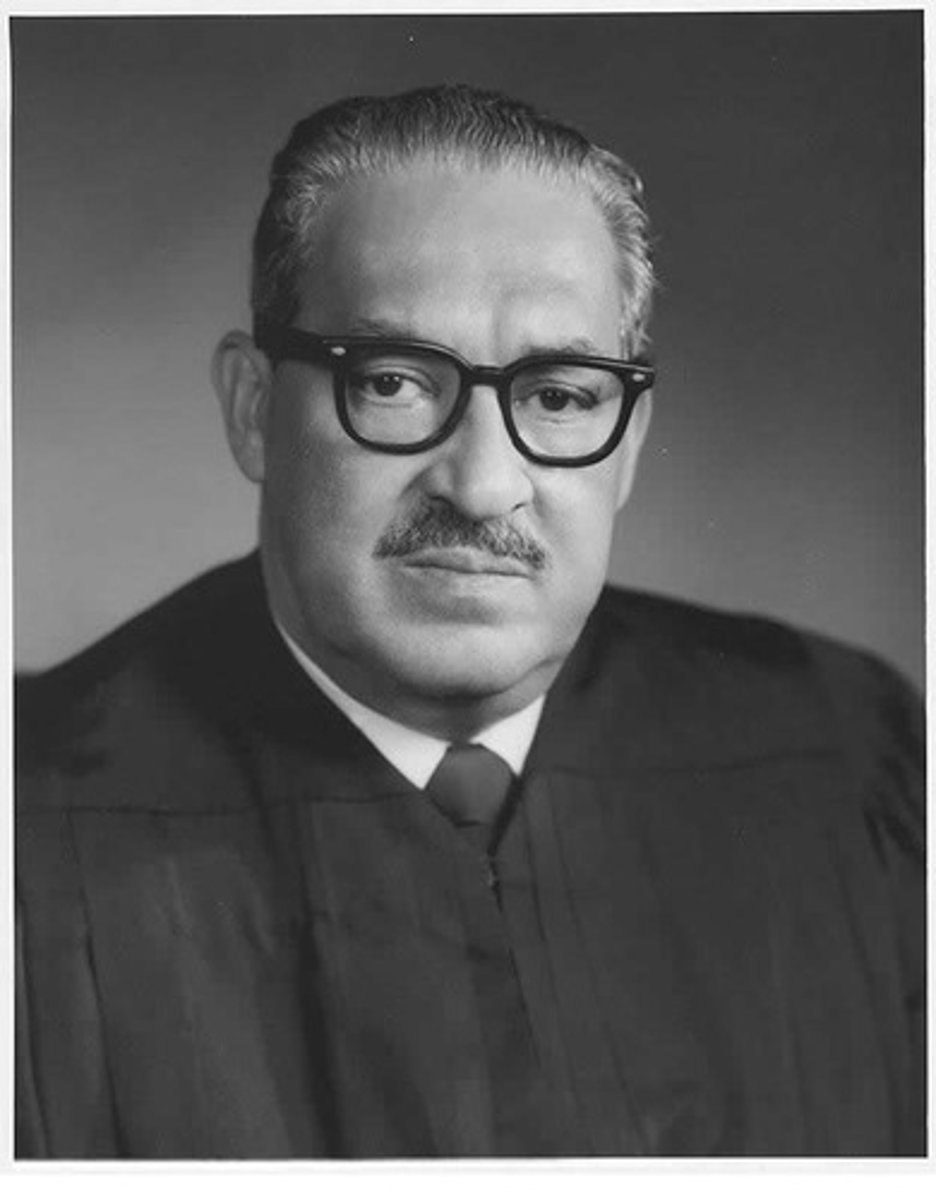
Thurgood Marshall
lawyer for the NAACP who won the Brown vs. Board of Education case in 1954, went on to become the first African-American Supreme Court Justice
Affirmative Action
policy that gives special consideration to women and minorities to make up for past discrimination
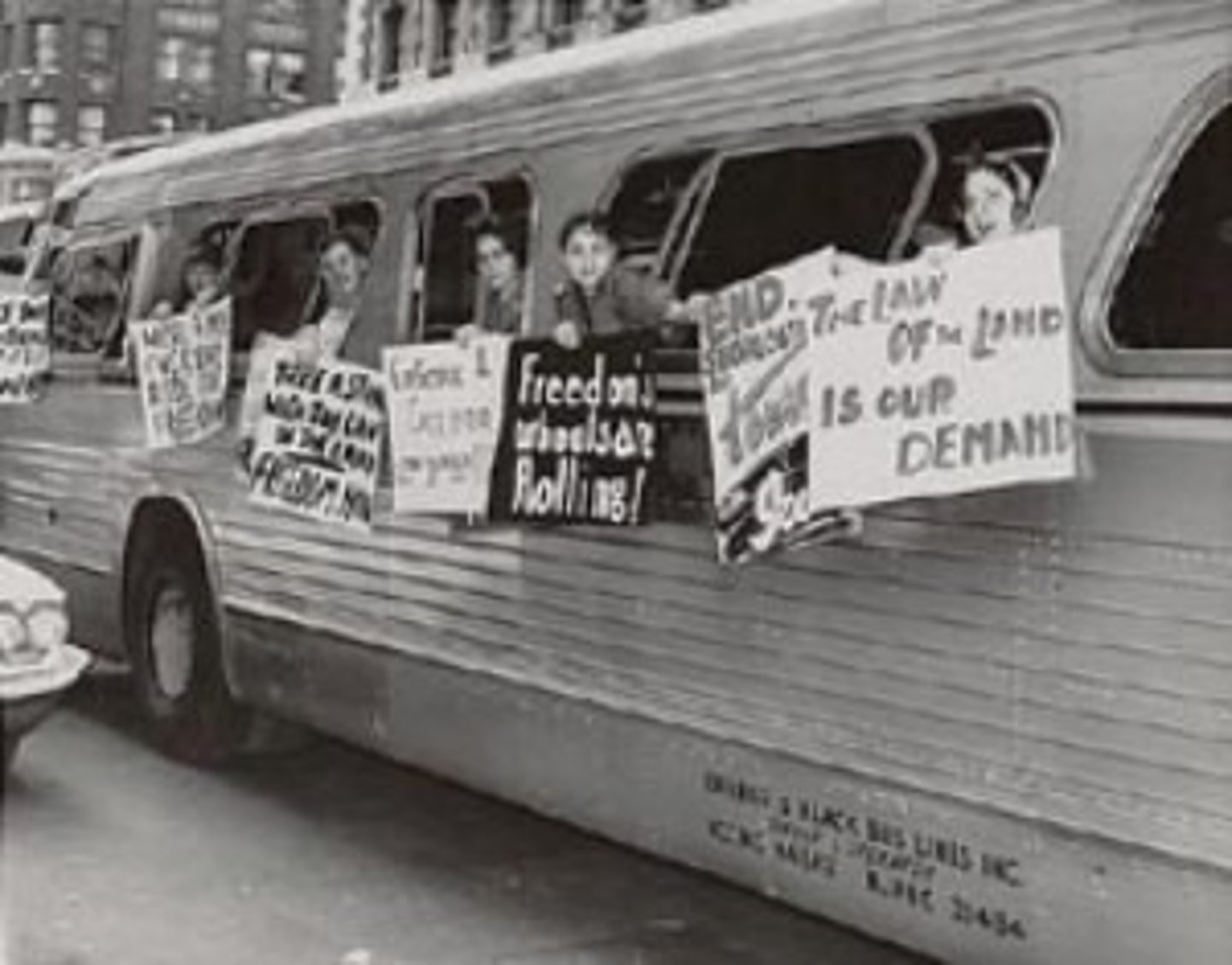
Freedom Riders
activists who rode buses through southern states to test their compliance with laws banning segregation on interstate buses
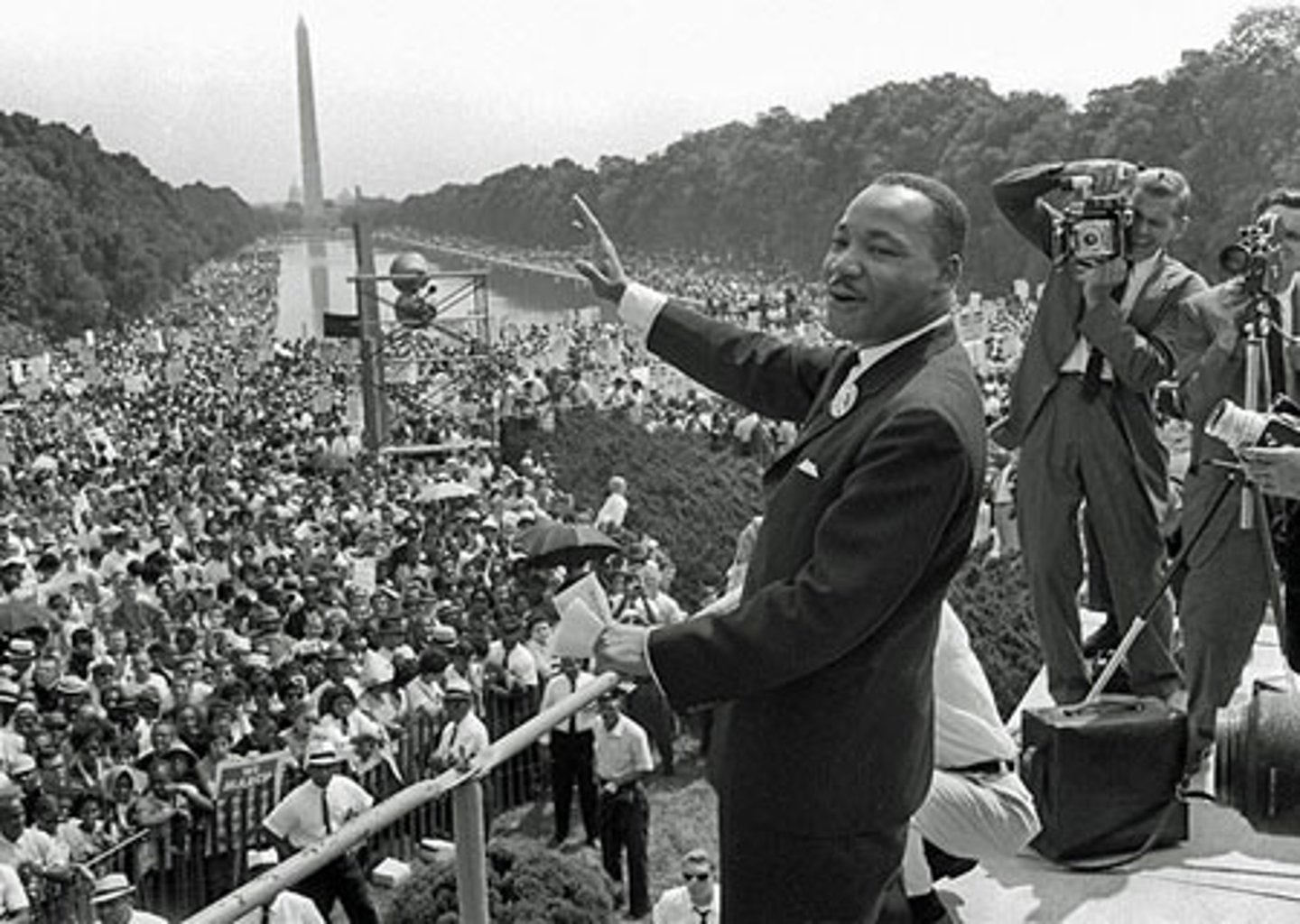
March on Washington
1963 demonstration in which more than 200,000 people rallied for economic equality and civil rights
sit-in
protests by black college students who took seats at "whites only" lunch counters and refused to leave until served
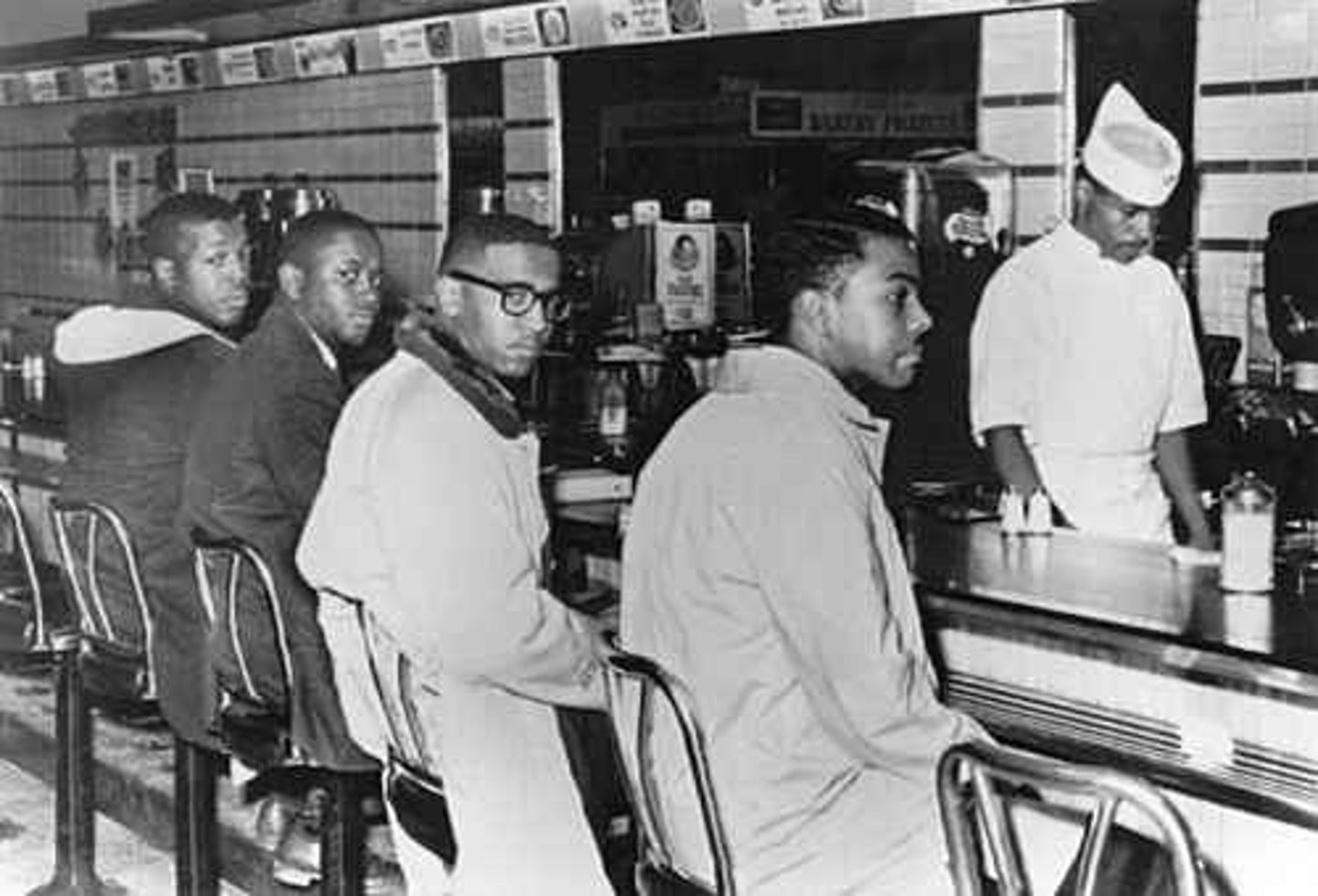
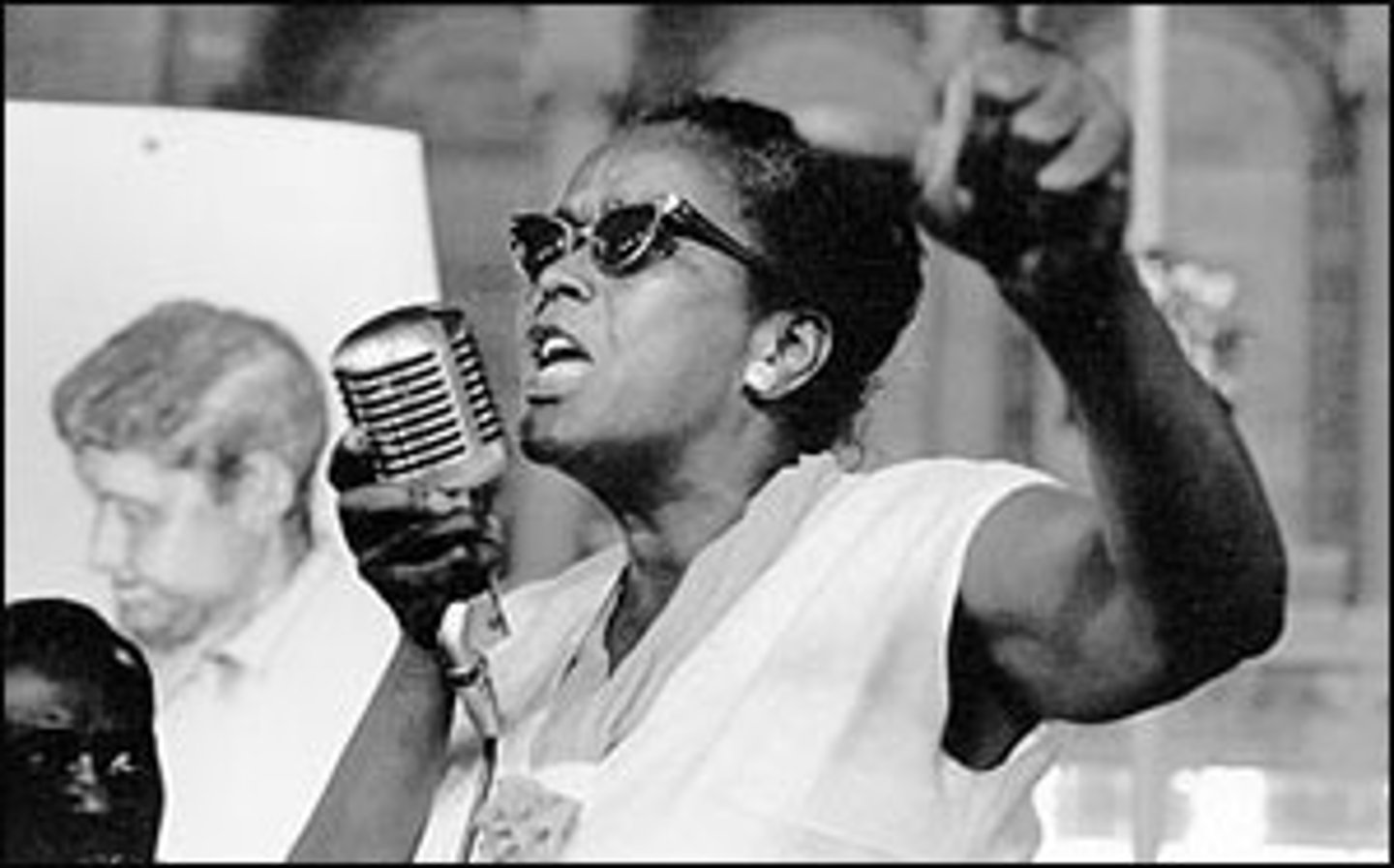
Student Non-Violent Coordinating Committee (SNCC)
group established in 1960 to promote and use non-violent means to protest racial discrimination; they were the ones primarily responsible for creating the sit-in movement
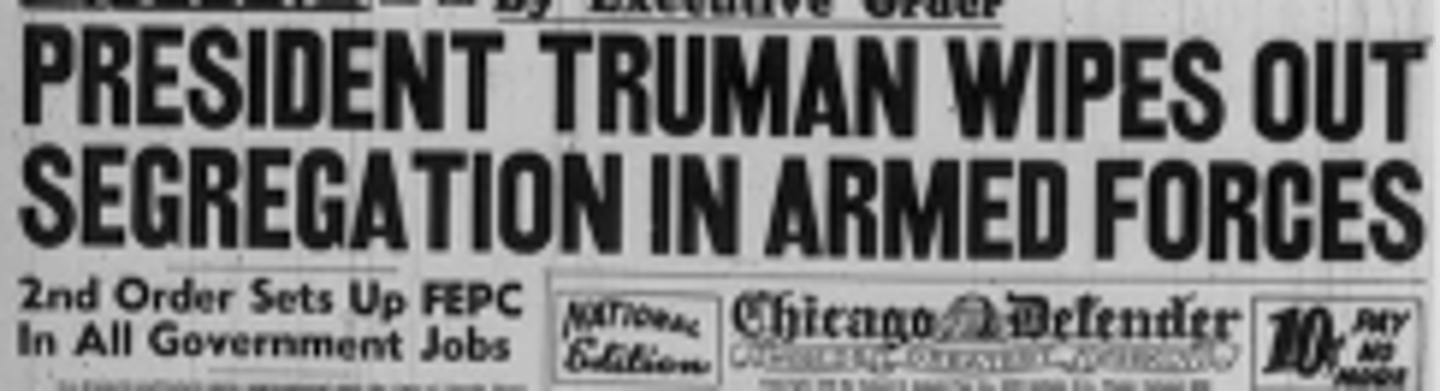
Executive Order 8802
WWII measure that assured fair hiring practices in any job funded by the government; desegregation of national defense industries
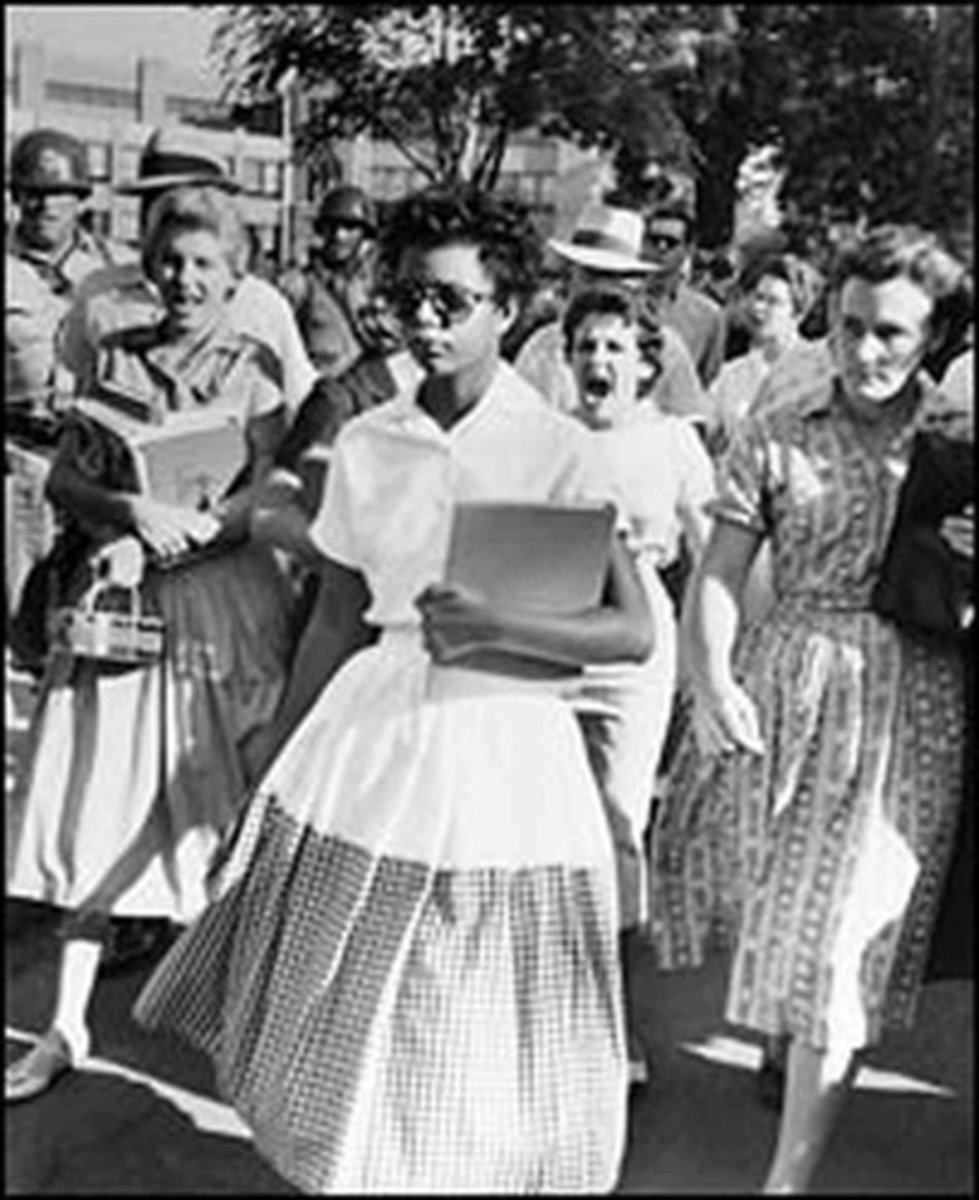
Little Rock Nine
group of African American students who integrated Central High School in the Arkansas state capital.
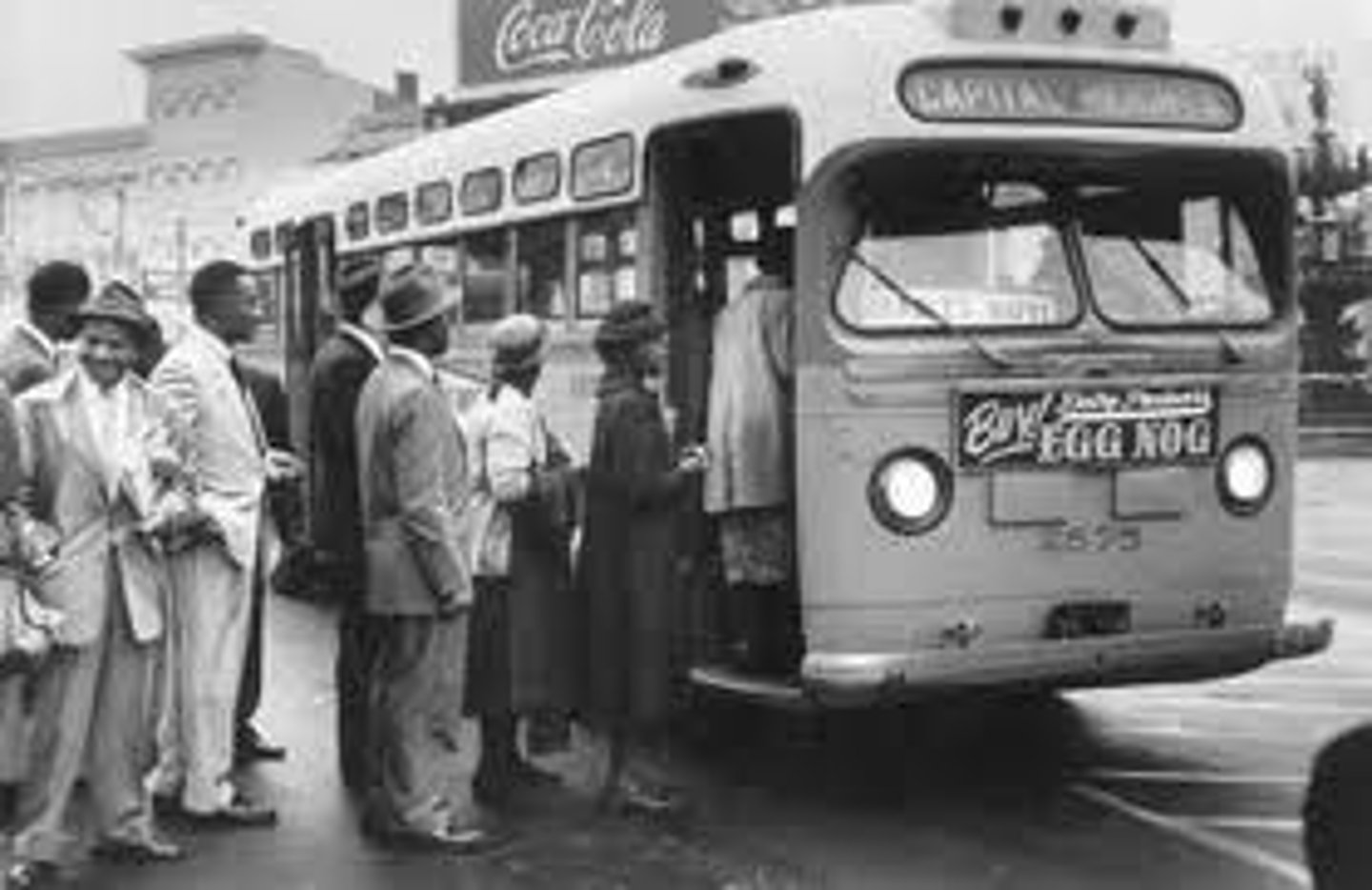
bus boycott
political and social protest campaign against the policy of racial segregation on the public transit system of Montgomery, Alabama
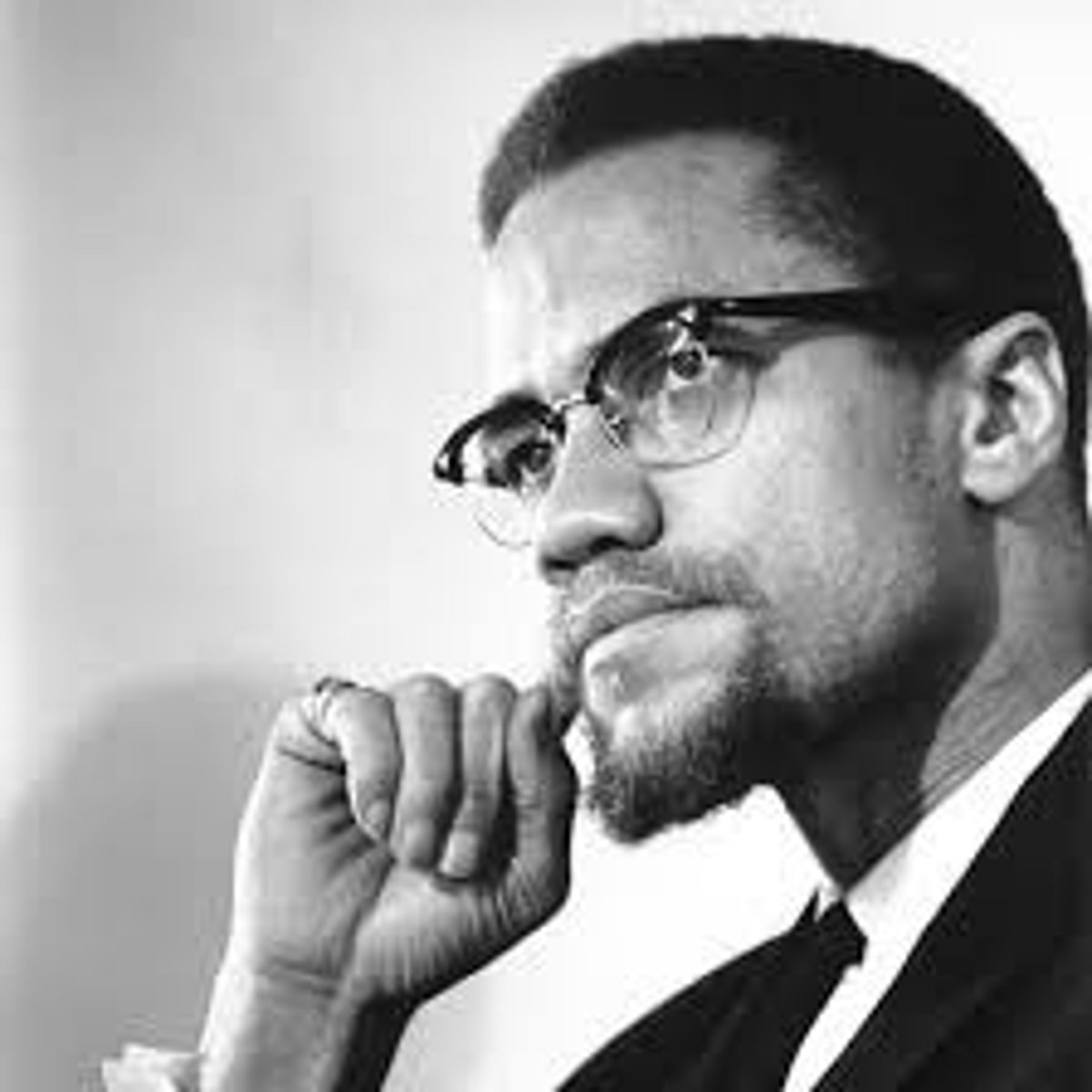
Malcolm X
a Muslim minister and a human rights activist. He declared that whites were responsible for blacks' misery and urged African Americans to fight back when attacked.
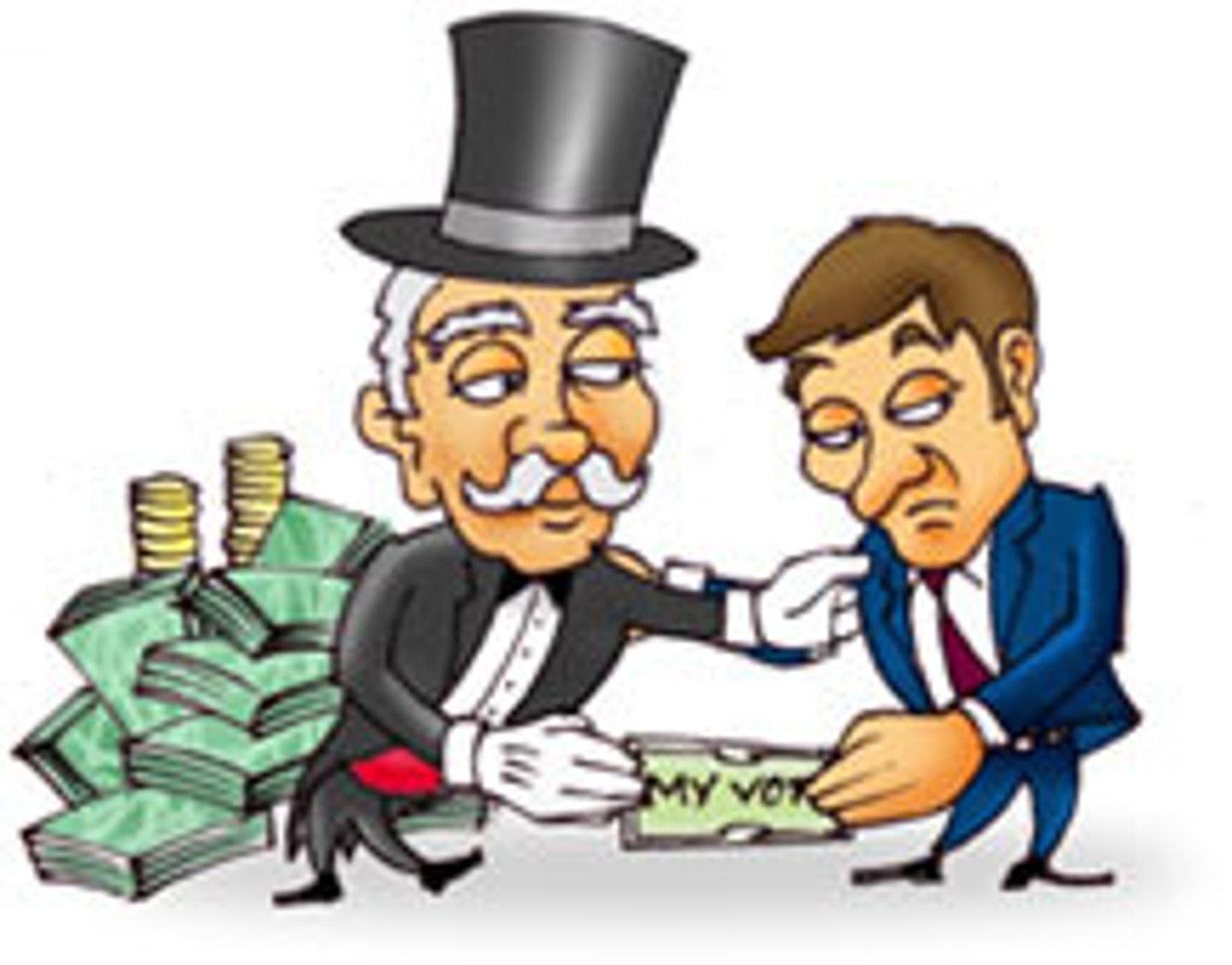
lobbying
seek to influence (a politician or public official) on an issue
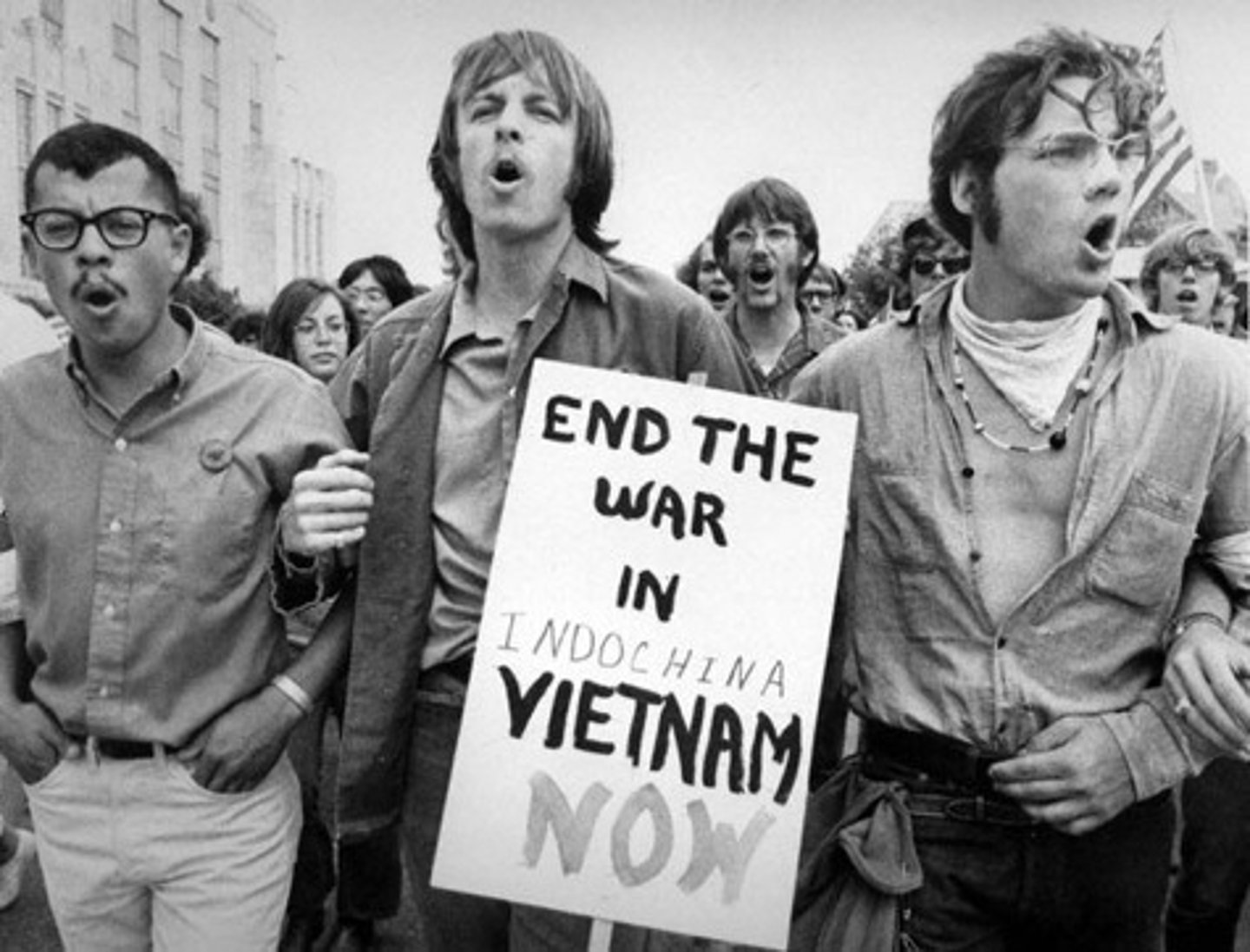
Anti-War Movement
Growing unhappiness with the U.S. involvement in Vietnam led to mass protests by young people
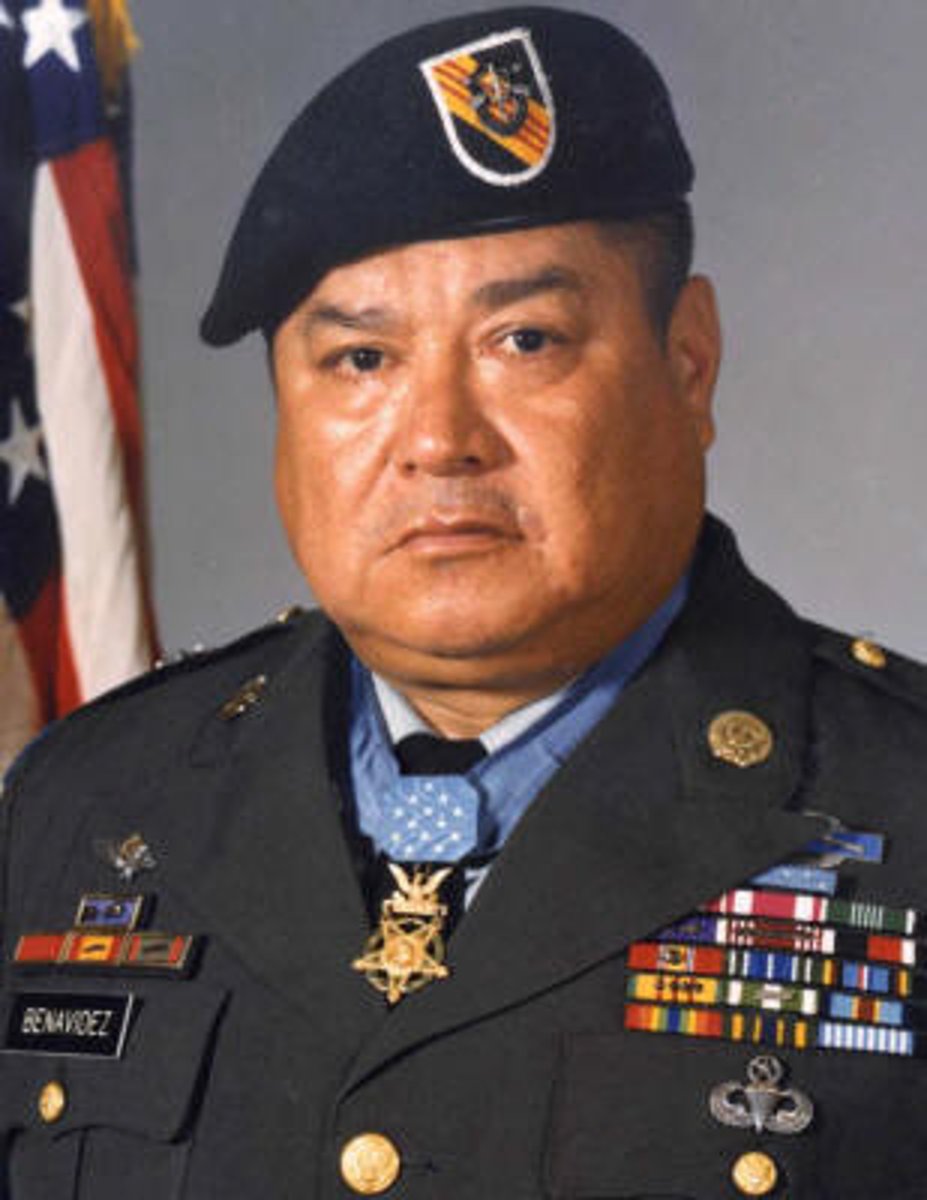
Roy Benavidez
Winner of the Congressional Medal of Honor for heroism on the battle field, which included saving many other soldiers lives during the Vietnam war
Credibility Gap
A growing feeling the American people had during the late 60s and early 70s that the government was lying to them about the war in Vietnam
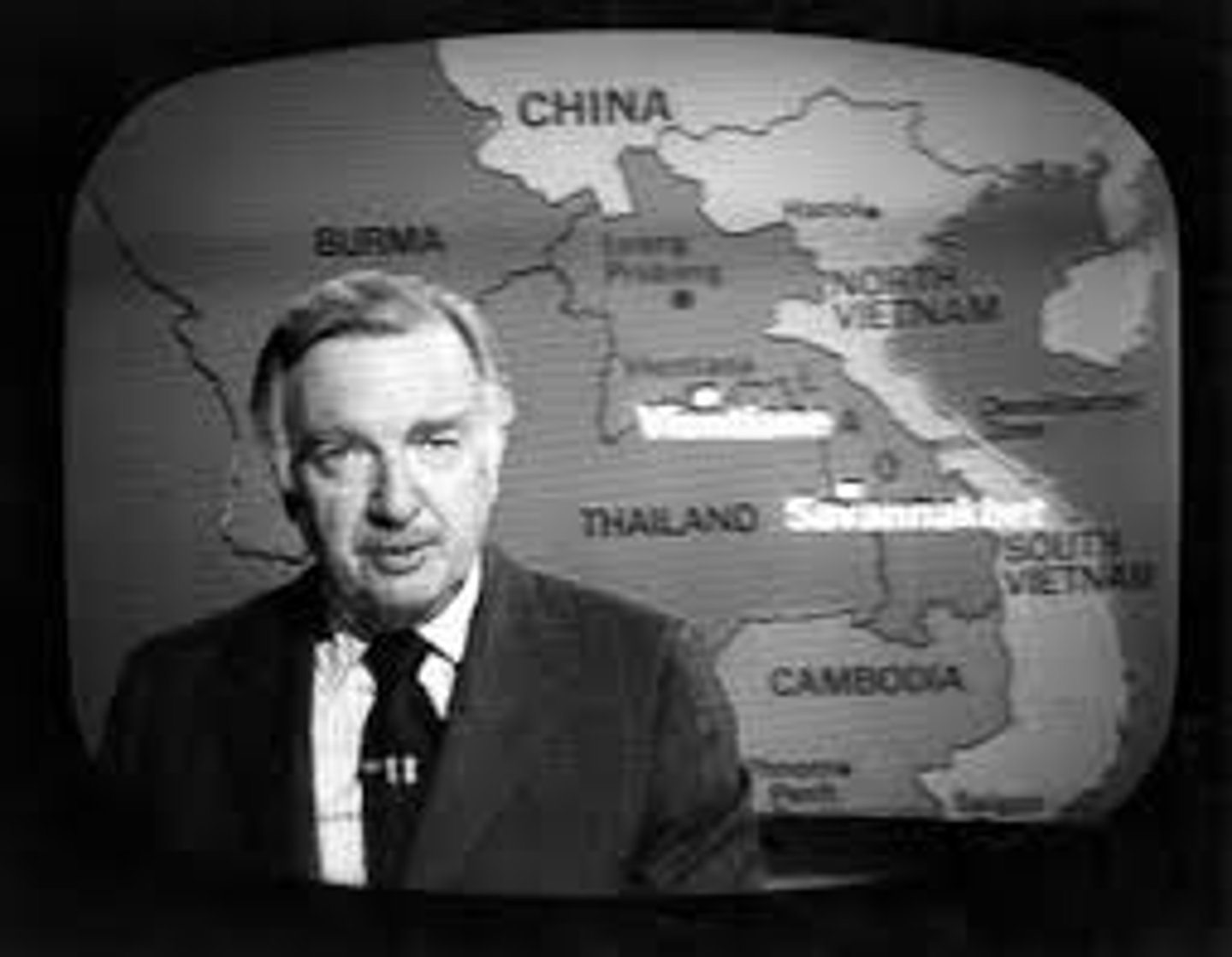
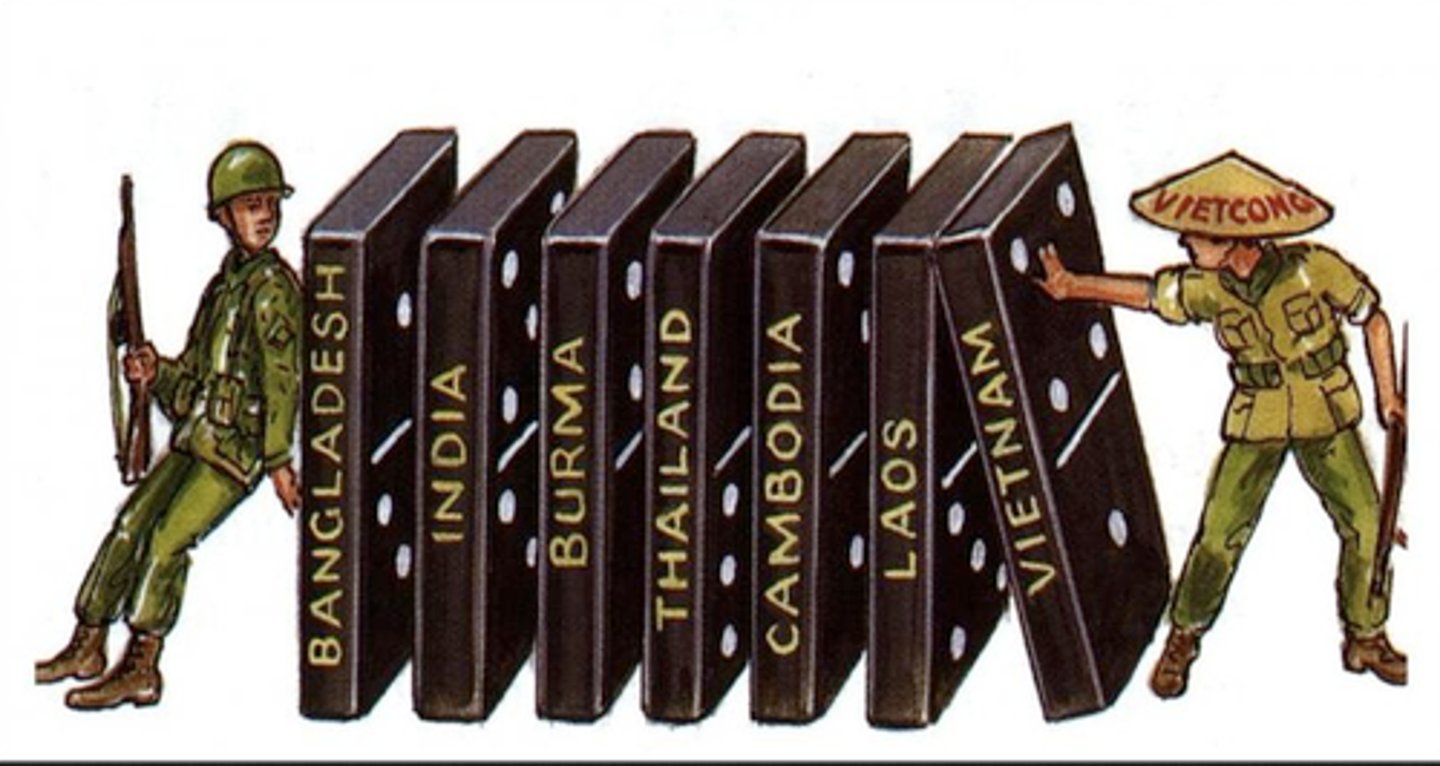
Domino Theory
The notion that if one country becomes communist, this will lead to more doing the same - this is one of the reasons behind U.S. war with Vietnam
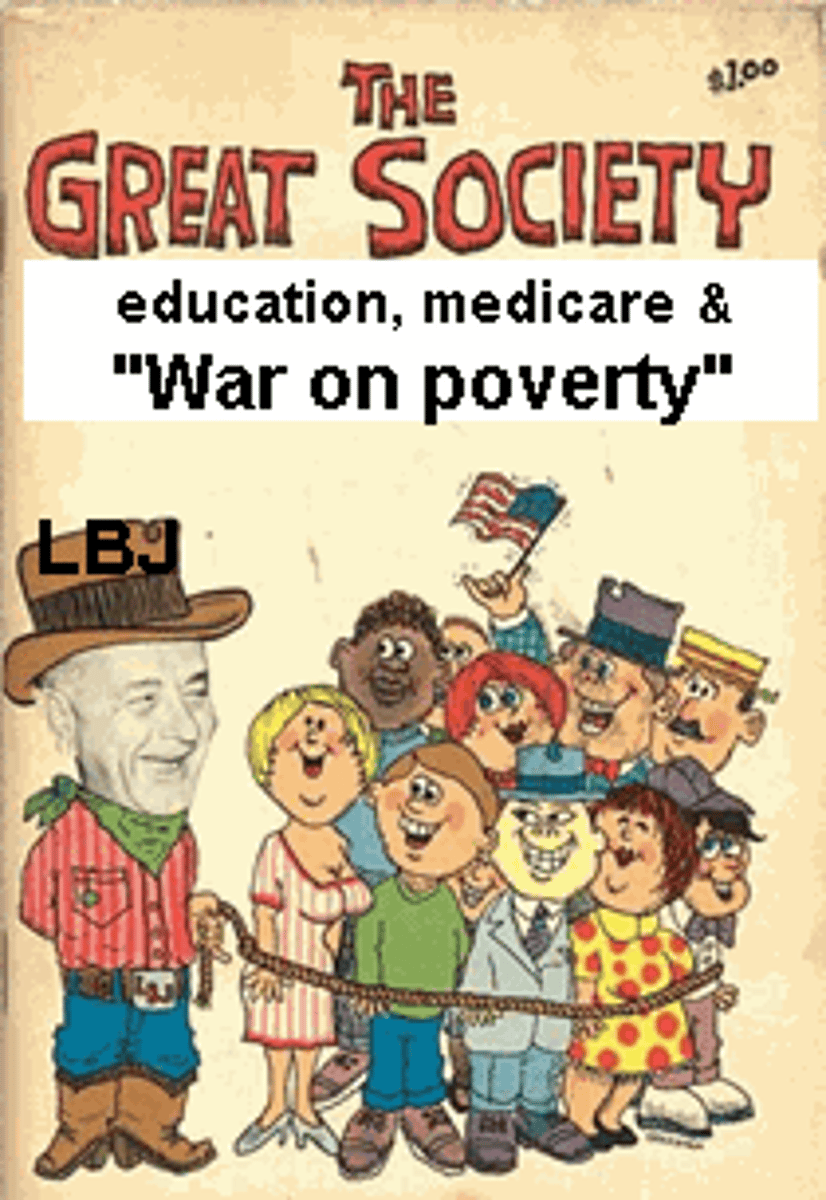
Great Society
Social programs supported by President Lyndon Johnson to deal with the issue of poverty in urban and rural America
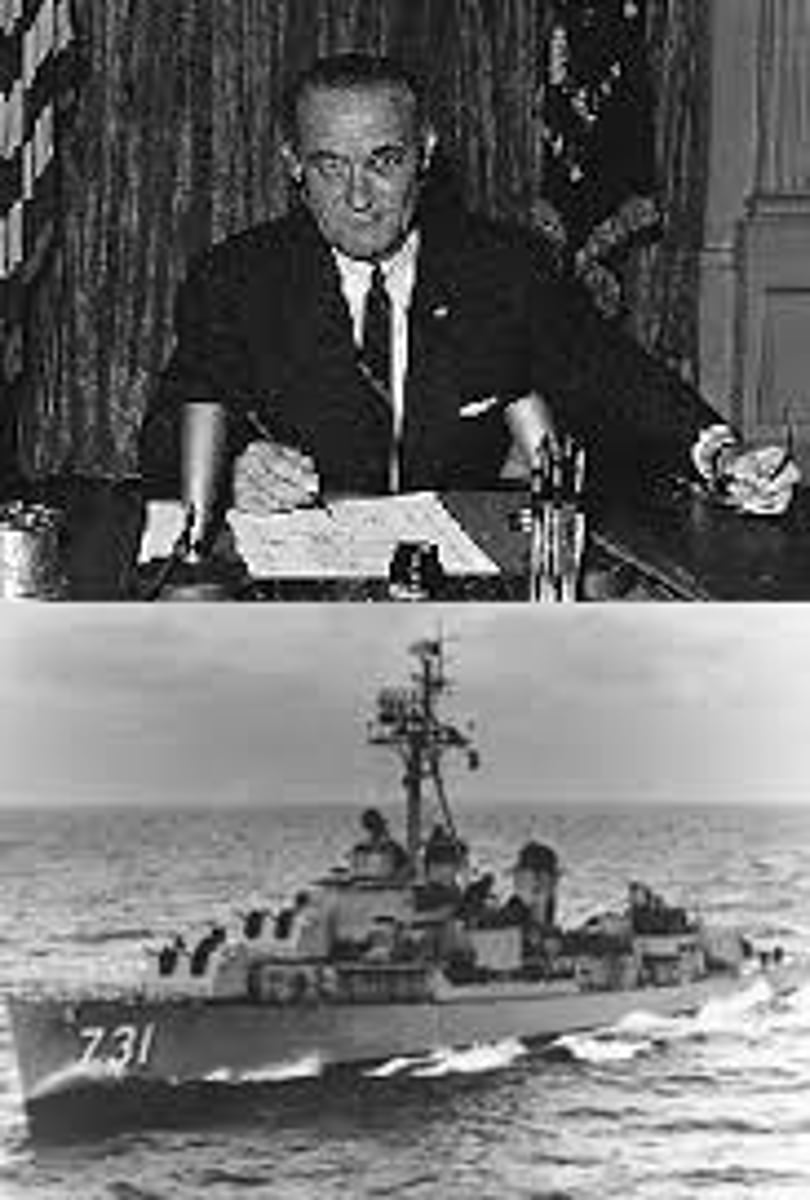
Gulf of Tonkin Resolution
Passed by Congress, following the sinking of a U.S. ship in Asia, that authorized the President to send troops into Vietnam
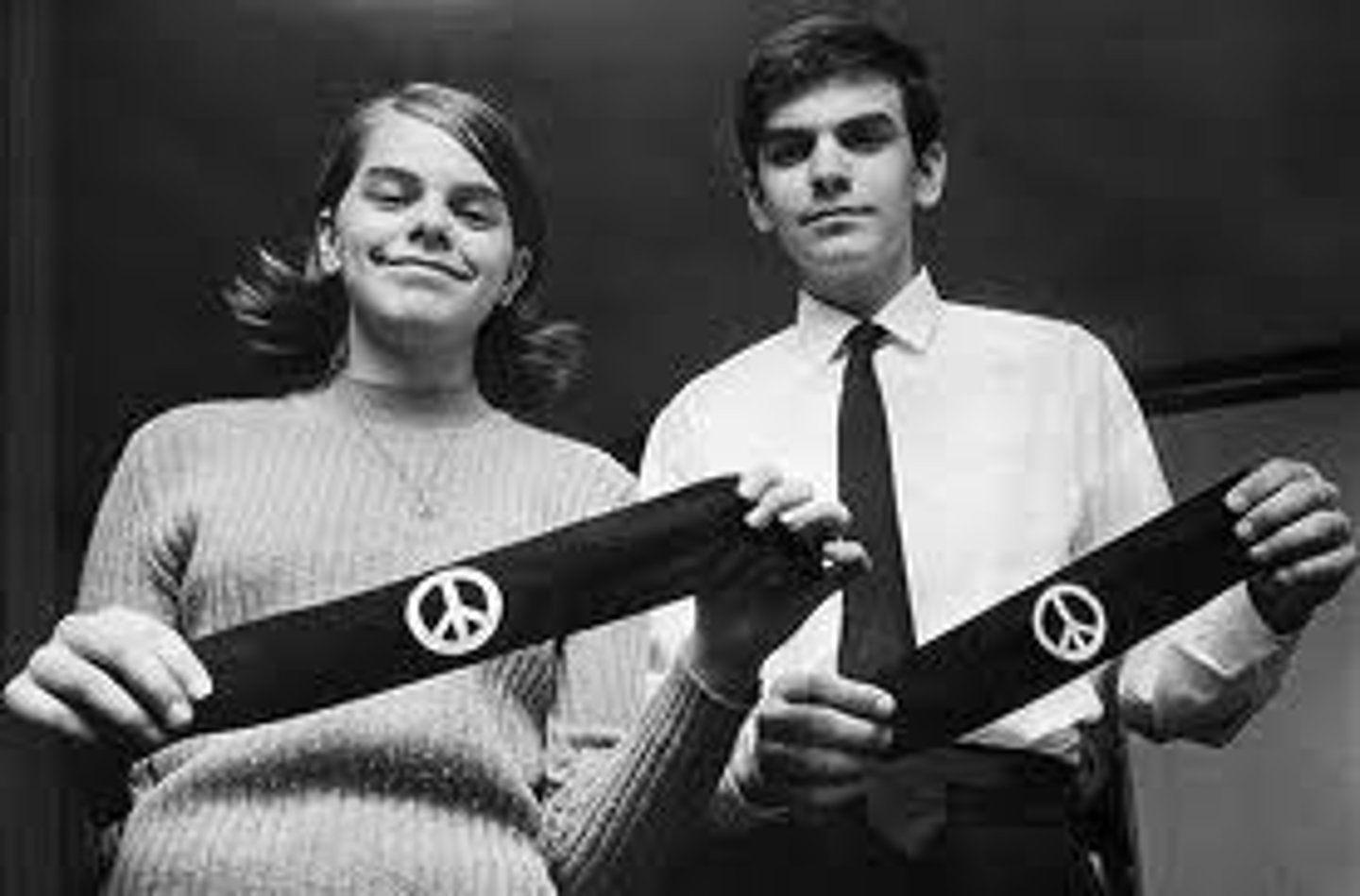
Tinker v. Des Moines
U.S. Supreme Court case that upheld a student's First Amendment right to silently protest the Vietnam war at school
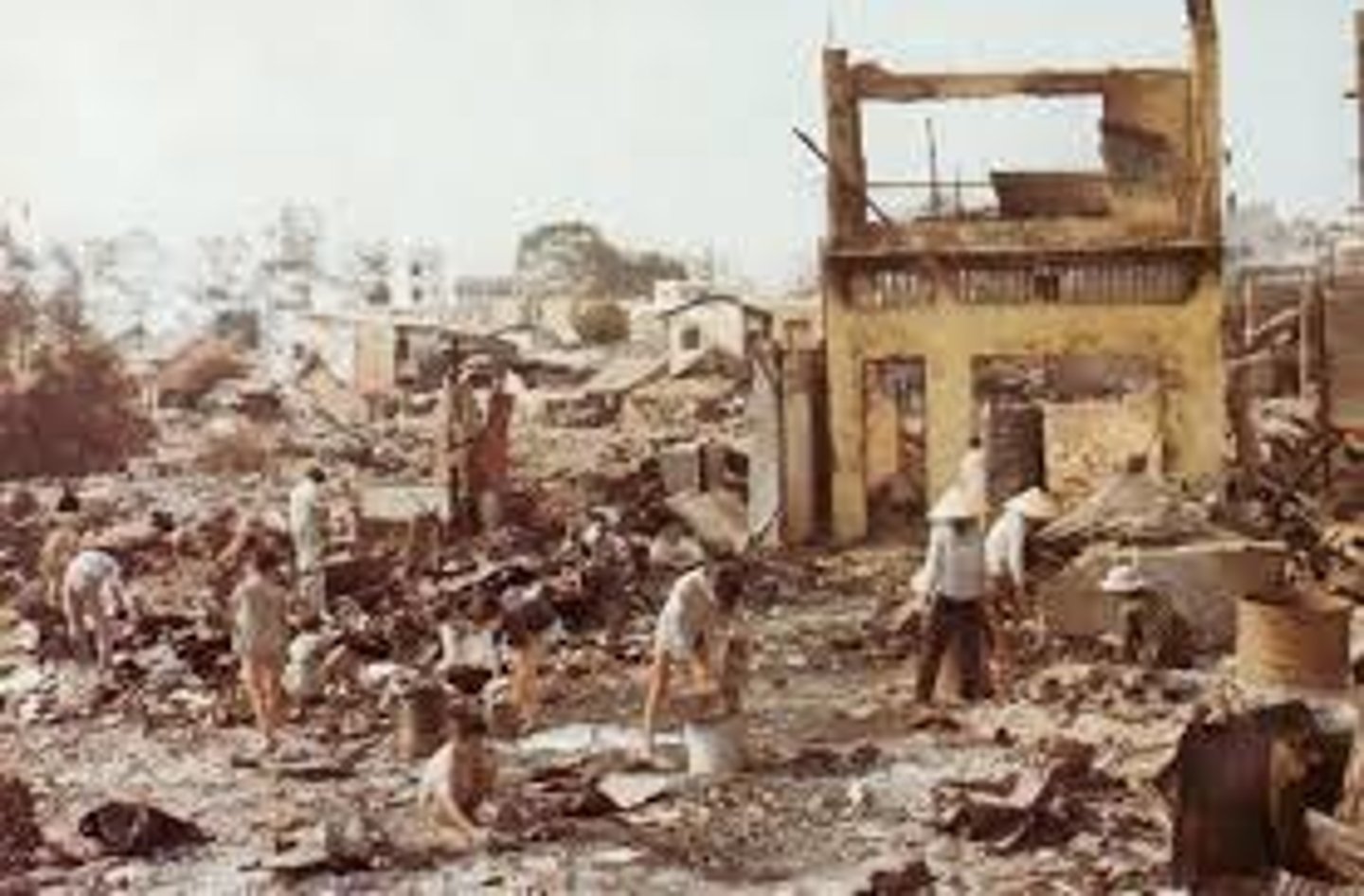
Tet Offensive
communist assault on a large number of South Vietnamese cities in early 1968
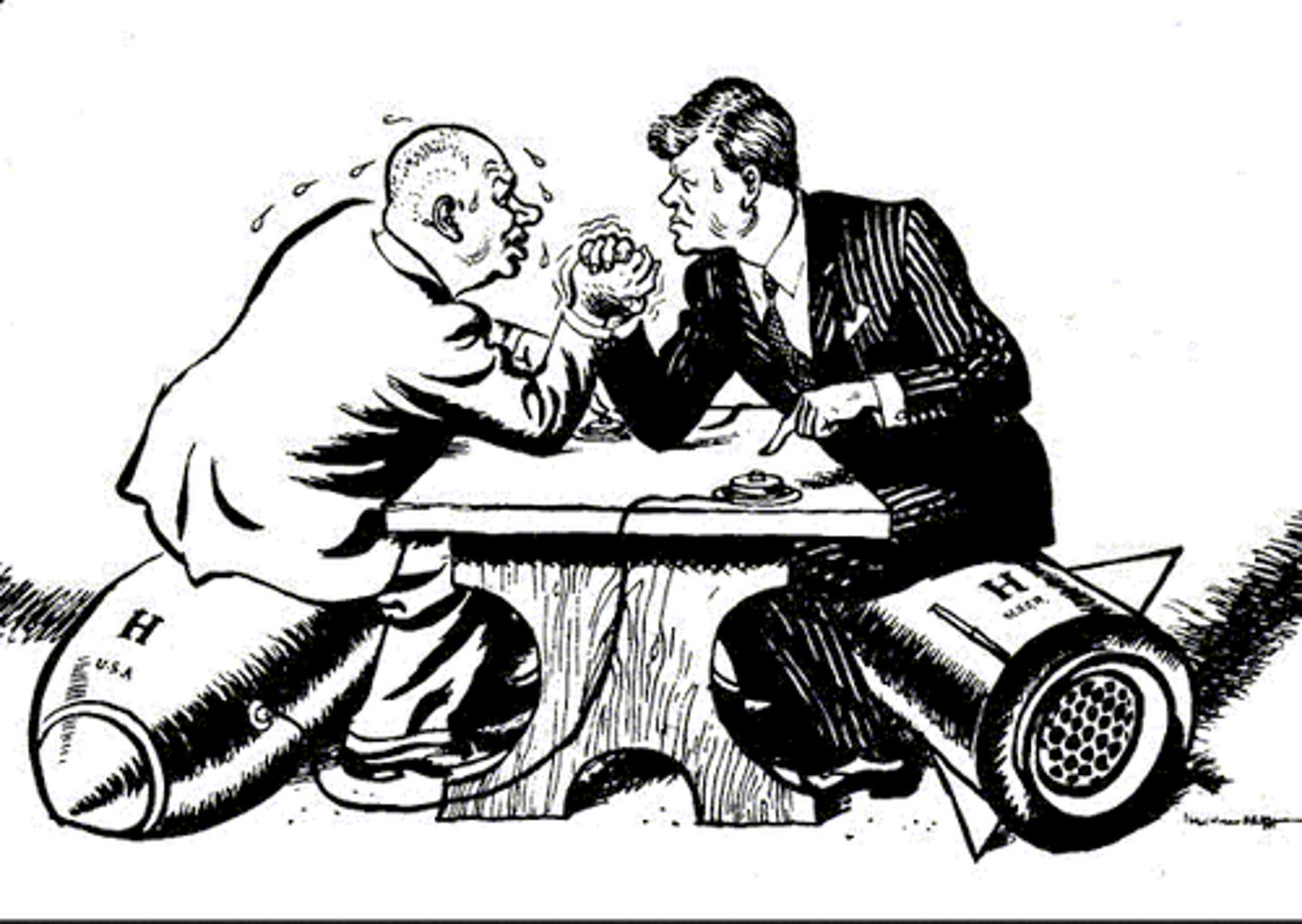
Cuban Missile Crisis
conflict between the U.S. and the Soviet Union resulting from the Soviet installation of nuclear missiles in Cuba
New Frontier
President Kennedy's plan to improve the economy, fight racial discrimination, and explore space
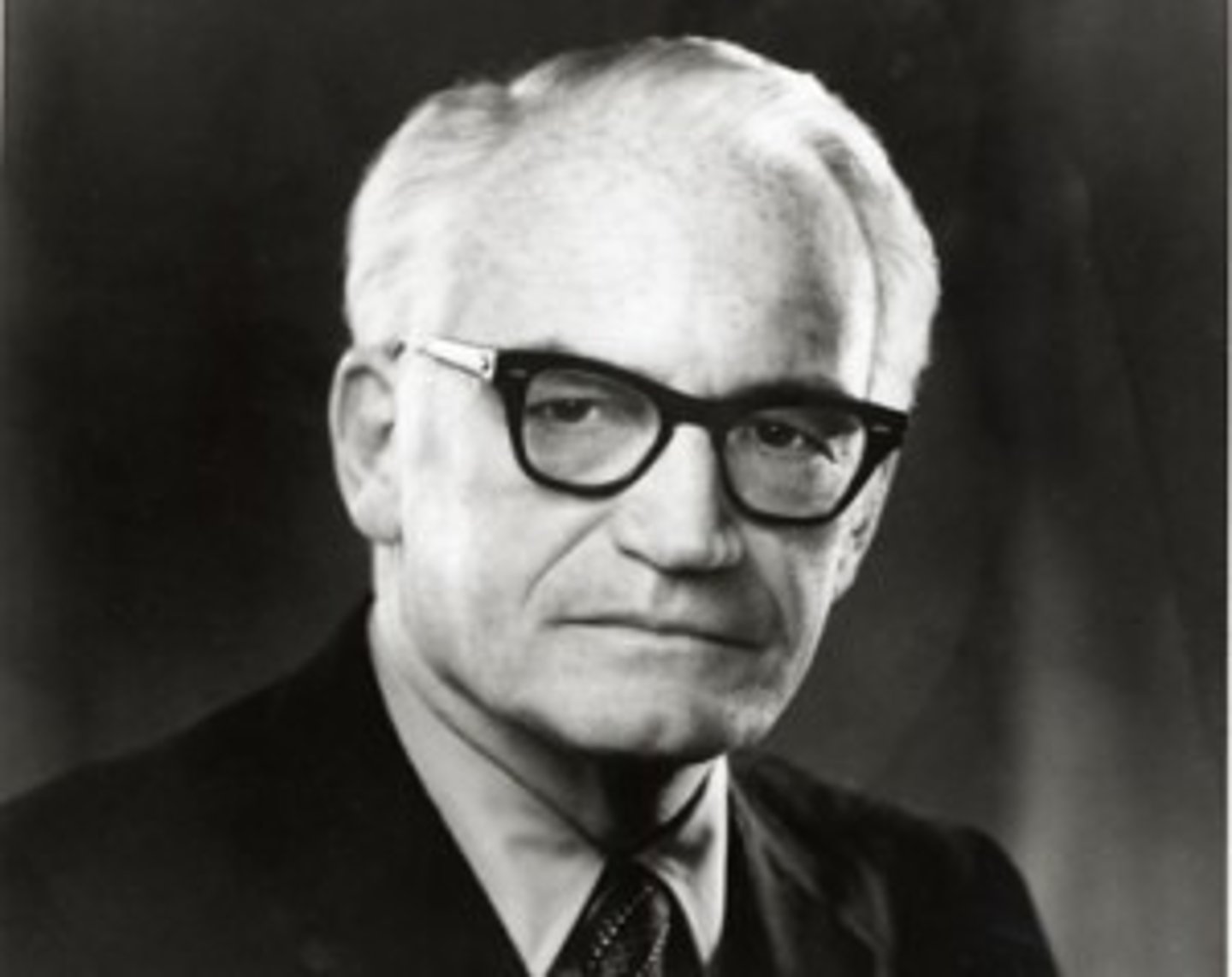
Barry Goldwater
In 1964, he ran for president and was defeated by Lyndon Johnson. In 1974, he was instrumental in persuading President Nixon to resign in the aftermath of the Watergate scandal.
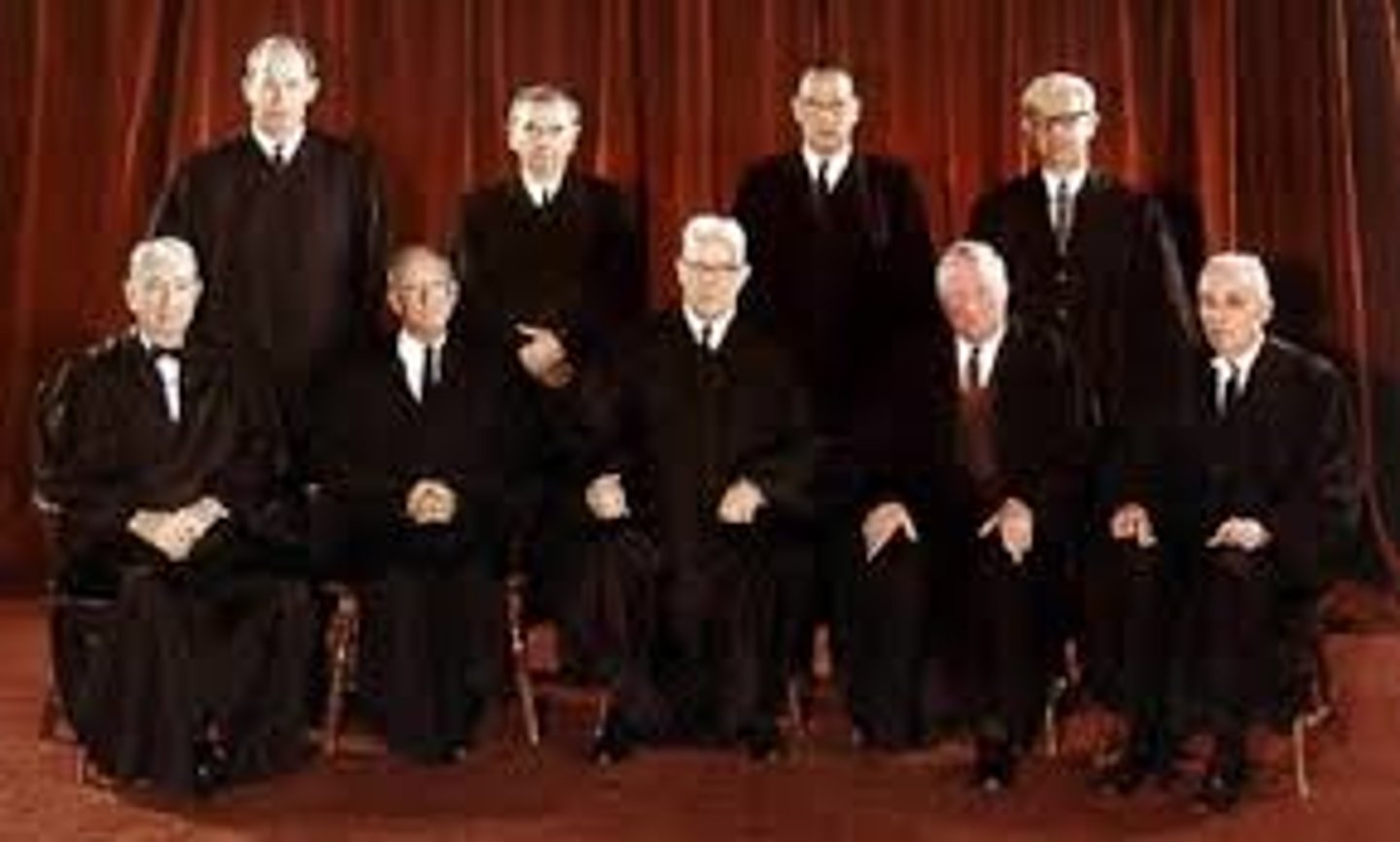
Warren Court
Supreme Court of the 1960s under Chief Justice Earl Warren, whose decisions supported civil rights