Unit 7: Economic Theory and Patterns of Development | Quizlet
 Call Kai
 Learn
Learn Practice Test
 Spaced Repetition
 Match
Match Flashcards
 Knowt Play
1/64

There's no tags or description
Looks like no tags are added yet.
Name | Mastery | Learn | Test | Matching | Spaced | Call with Kai |
|---|
No analytics yet
Send a link to your students to track their progress
65 Terms
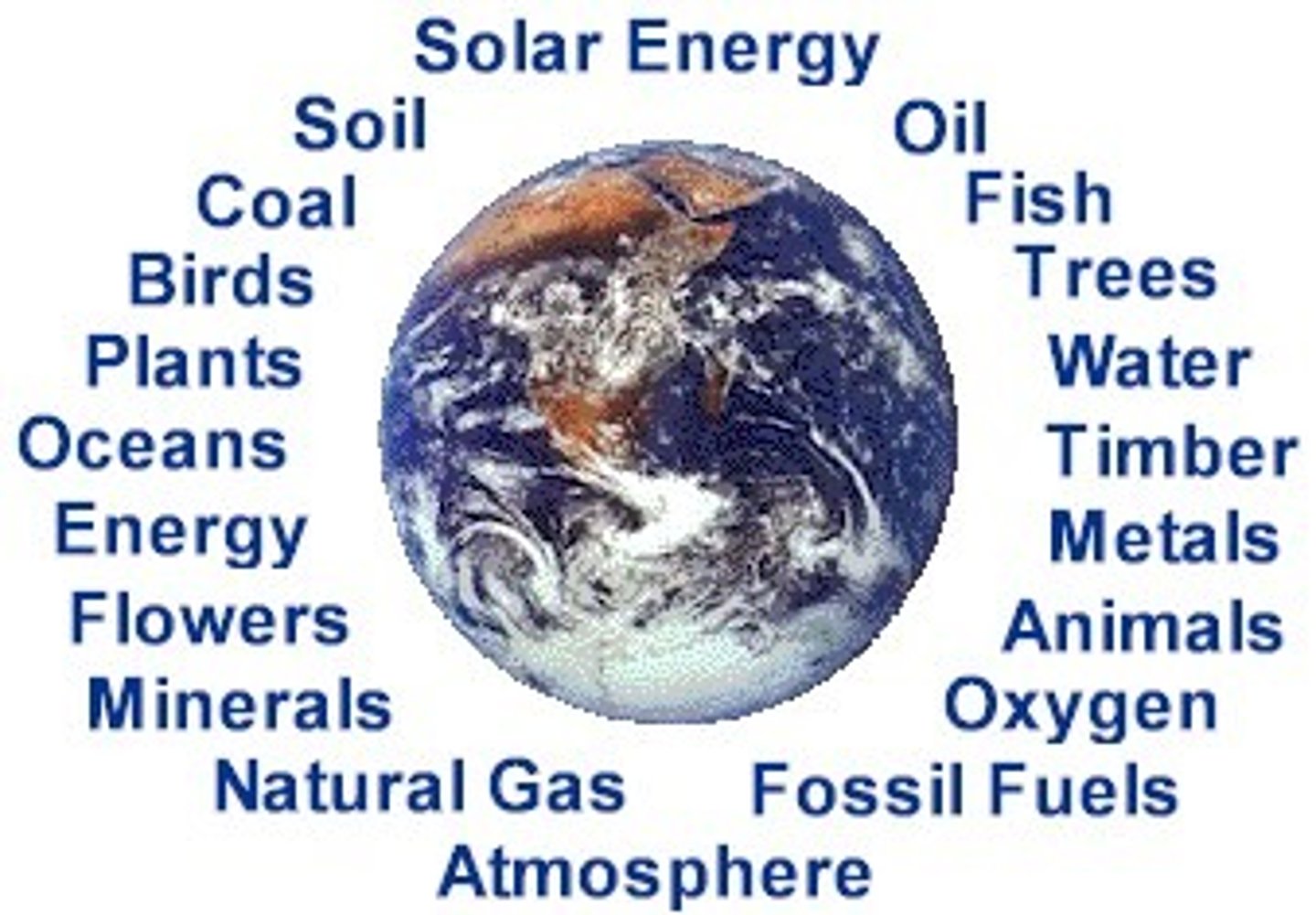
Primary Sector
The portion of the economy concerned with the direct extraction of materials from Earth's surface, generally through agriculture, mining, fishing, and forestry.
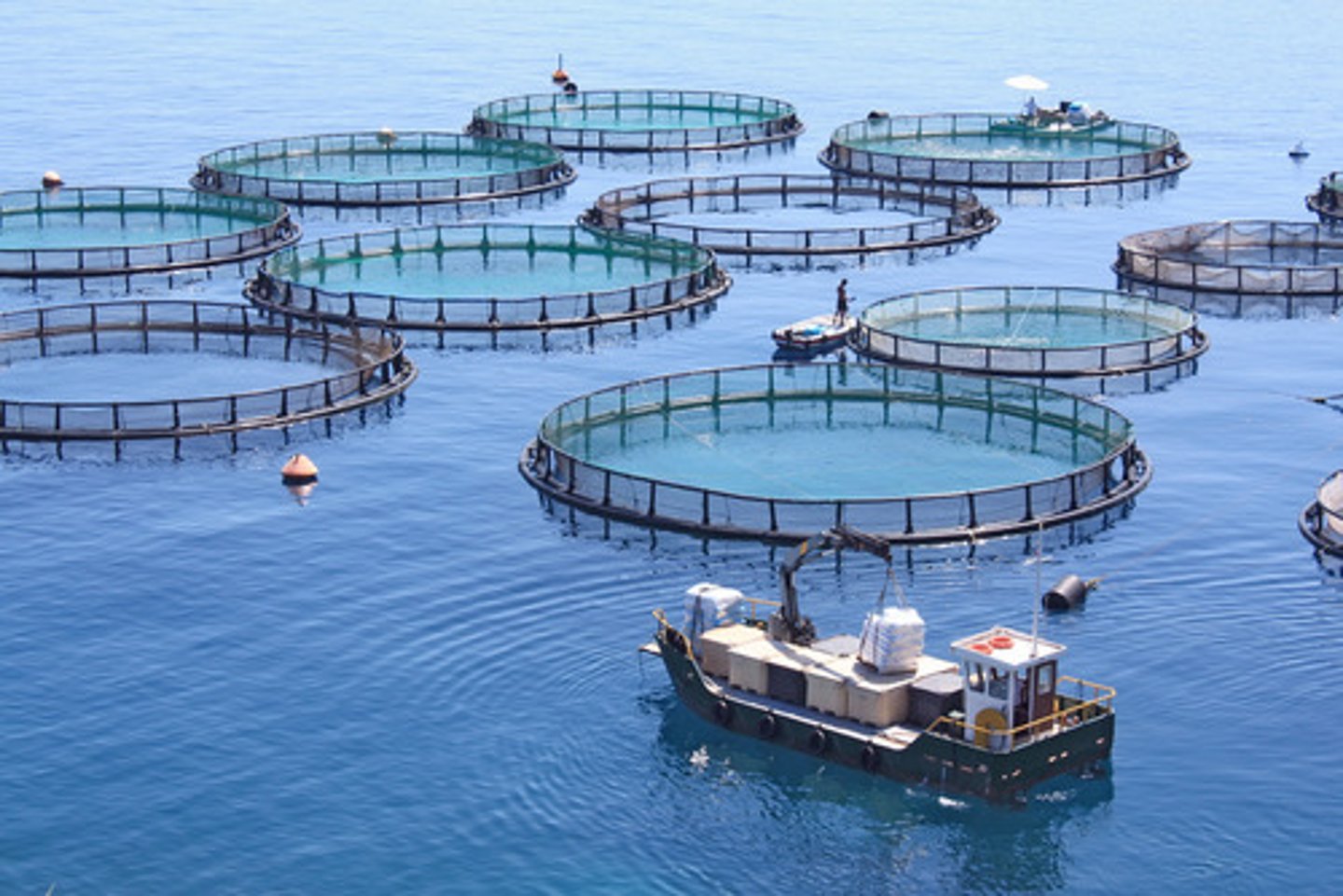
Commercial Agriculture
Term used to describe large-scale farming and ranching operations that employ vast land bases, large mechanized equipment, factory-type labor forces, and the latest technology.
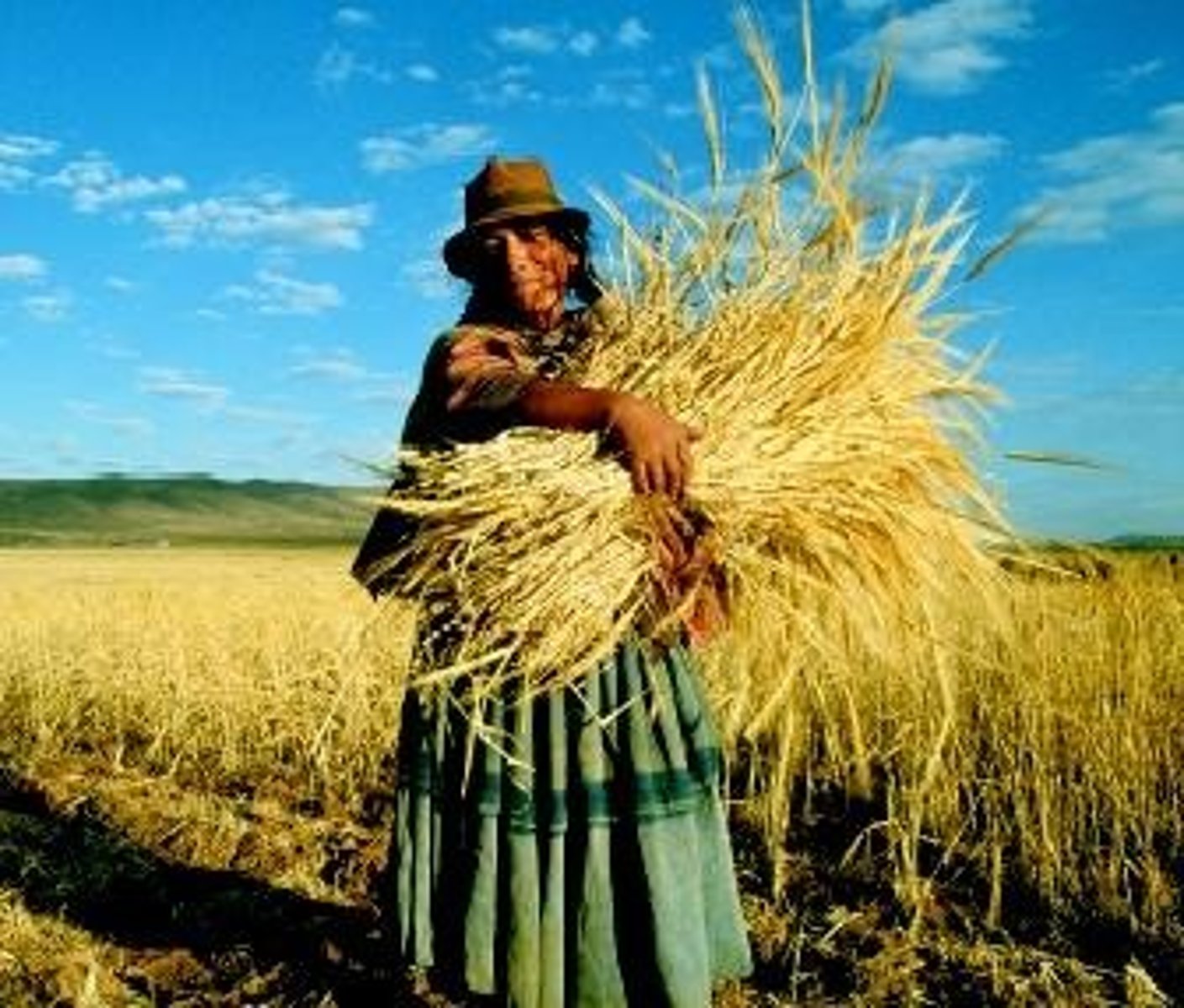
Subsistance Agriculture
Agriculture designed primarily to provide food for direct consumption by the farmer and the farmer's family.
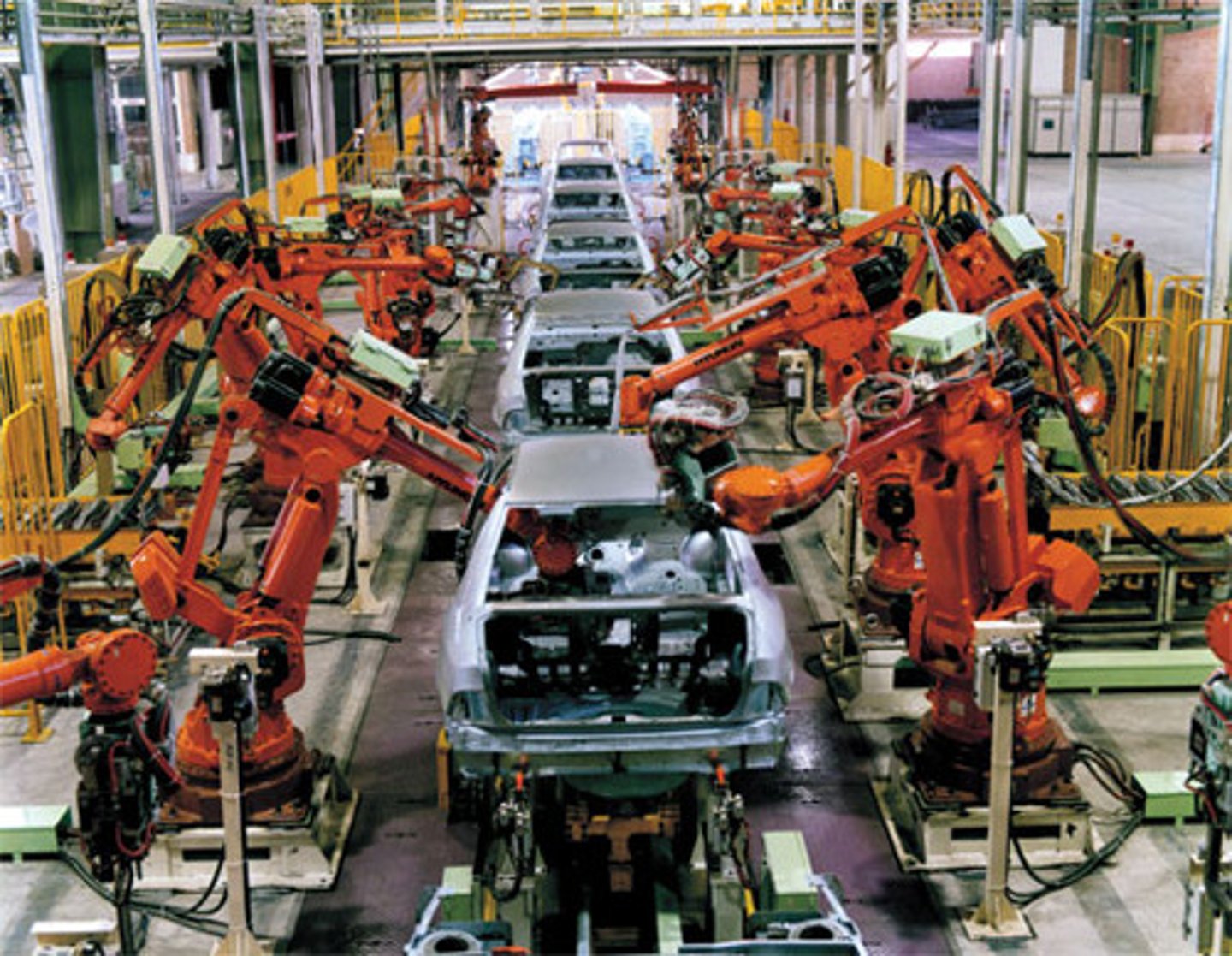
Secondary Activity
Economic activity involving the processing of raw materials and their transformation into finished industrial products; the manufacturing sector, MANUFACTURING.
Tertiary Activity
Economic activity associated with the provision of services (transportation, banking, retailing, education, routine, office-based jobs).

Quaternary Activity
Service sector industries concerned with the collection, processing, and manipulation of information and capital (finance, administration, insurance, legal services). Part of the tertiary however more specialized.

Quinary Activity
Sometimes separately recognized subsection of tertiary activity management functions involving highest-level decision making in all types of large organizations. The most advanced form of the quaternary sub-sector. CEOs, philanthropy, The President of the USA etc. Mr. Newman, your principal is in the quinary sector!

Specialization
Takes place when factors of production perform tasks that they can do relatively more efficiently than others. Countries can specialize and therefore then can rely on trade to obtain goods that would cost too much to produce.

Division of Labor
Division of work into a number of separate tasks to be performed by different workers. A motive of imperialism was the need to exploit cheap labor.
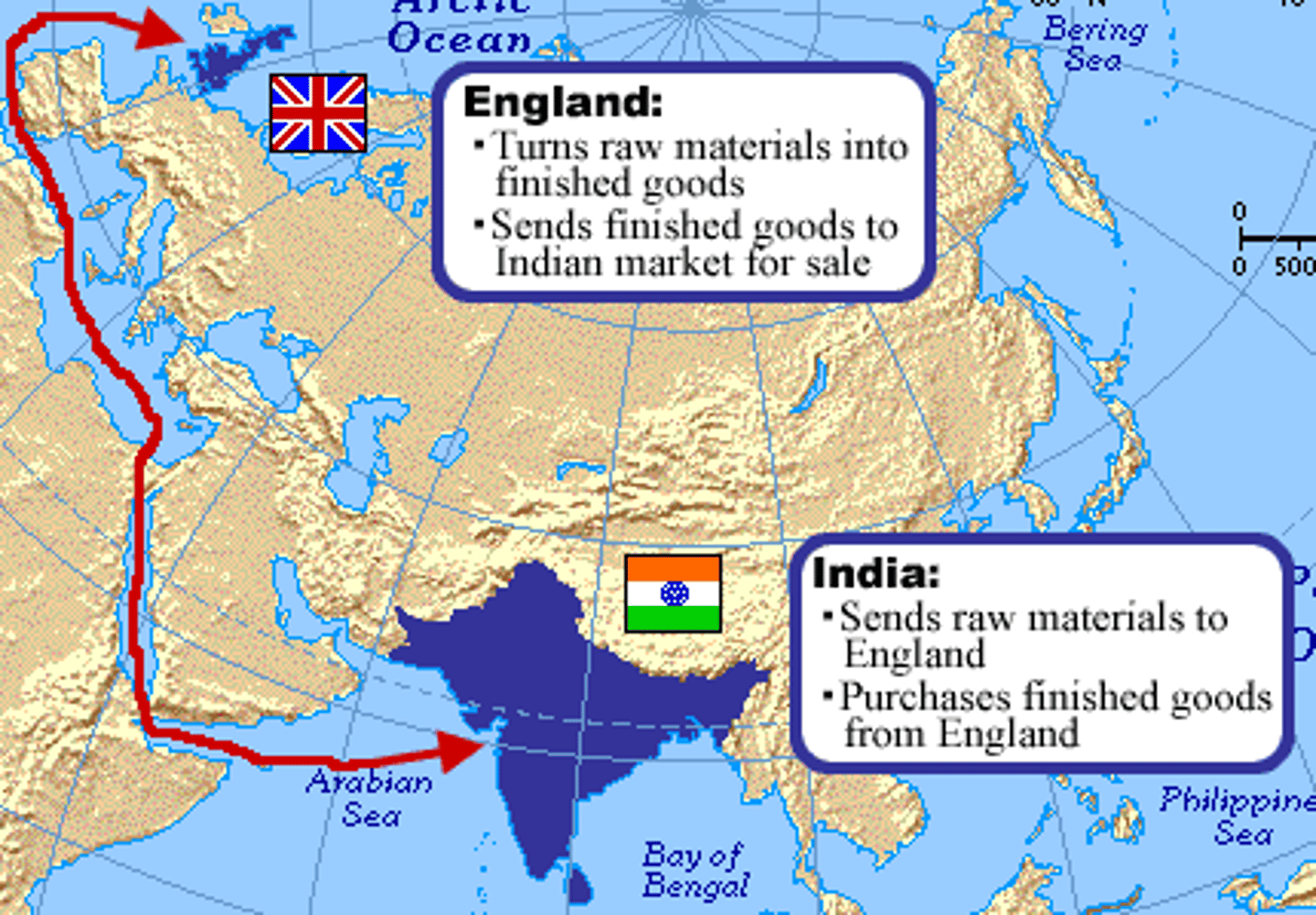
Industrial Revolution
A series of improvements in industrial technology that transformed the process of manufacturing goods. Began in England, now incorporates digital technology, GIS, High Speed Internet, AI.
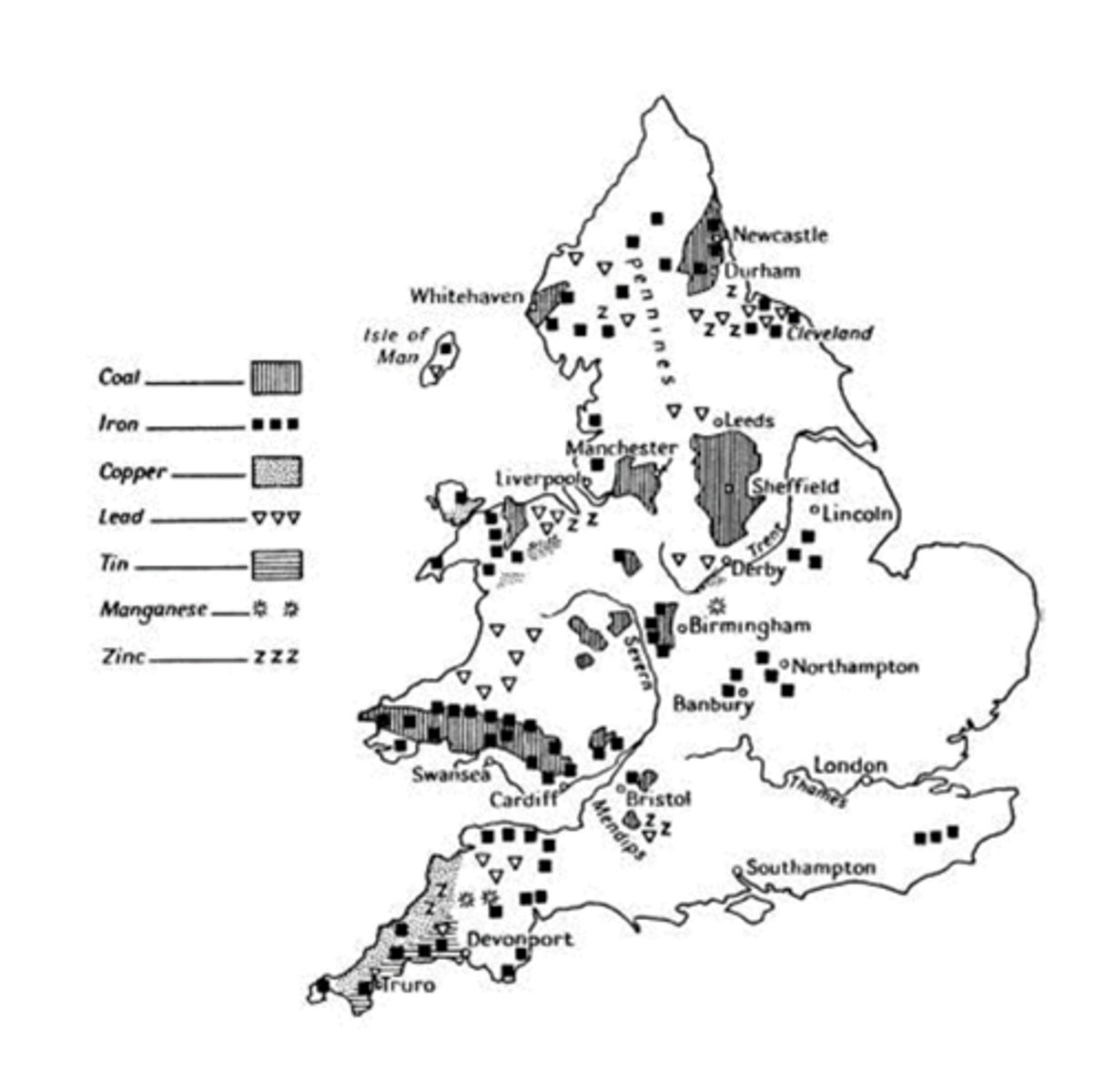
A Market
A place where products are sold and produced.
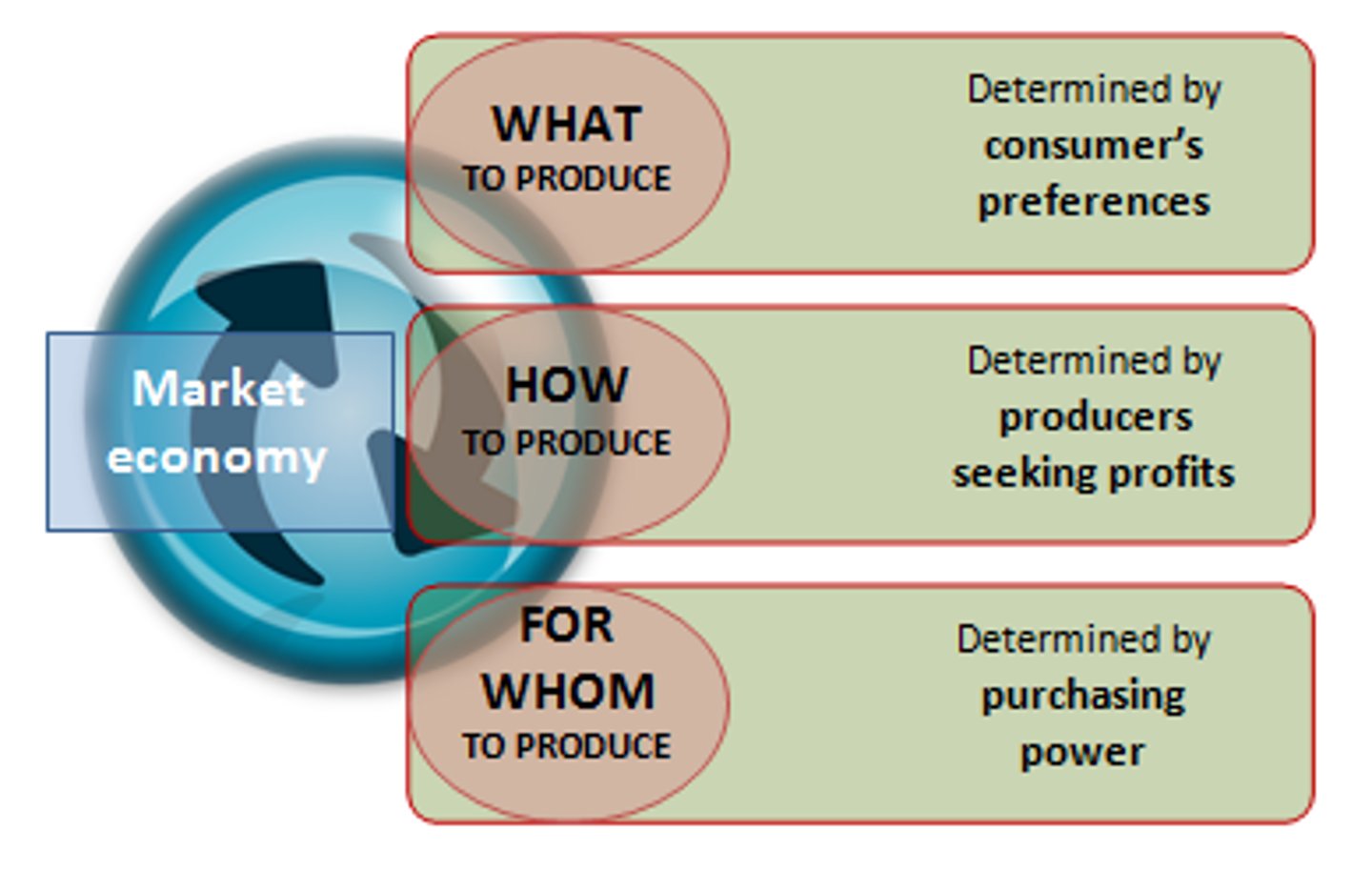
Cottage Industry
Manufacturing based in homes rather than in a factory, commonly found before the Industrial Revolution. Still typical in Stage 2 economies or certain regions of the world.
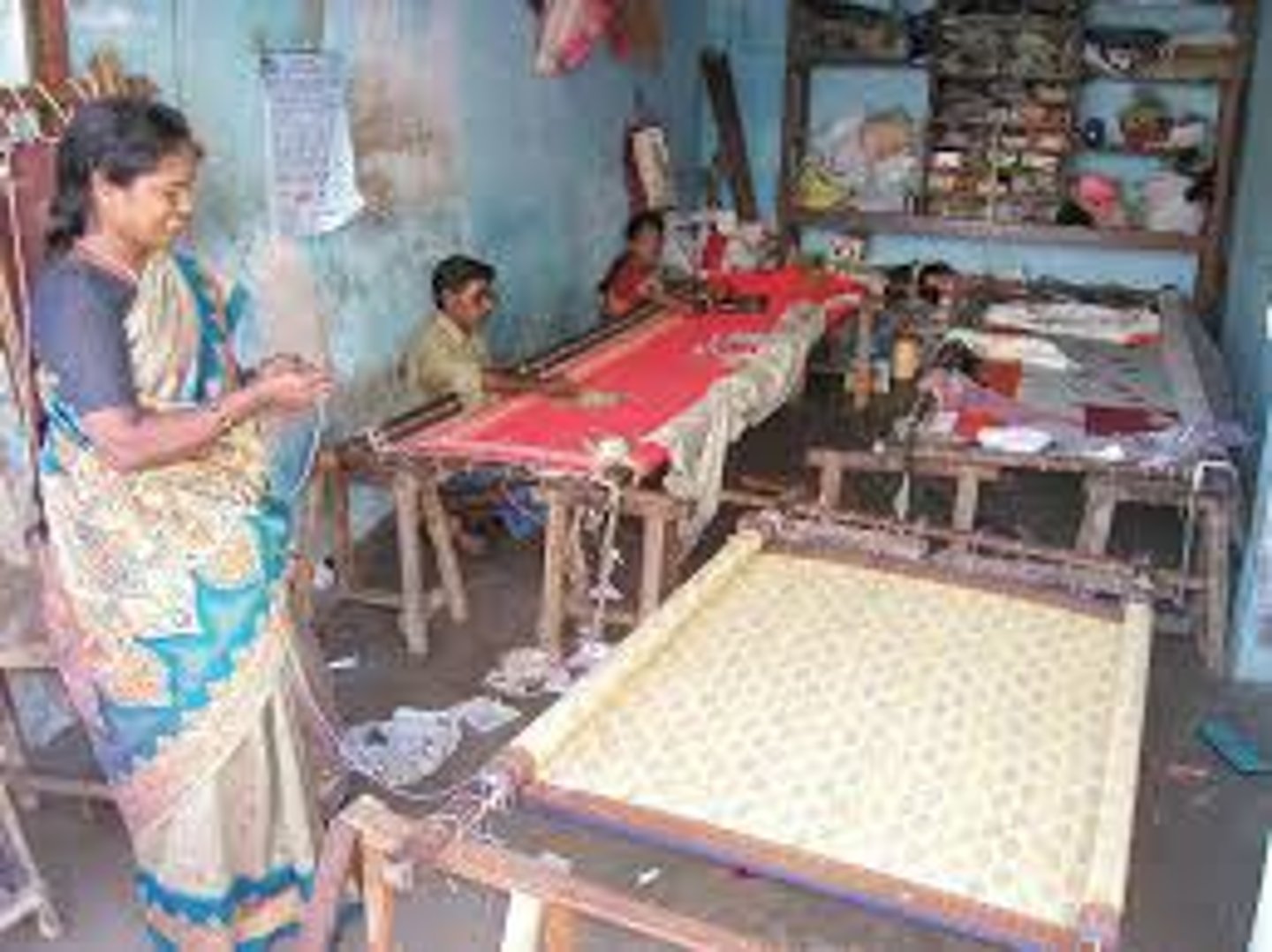
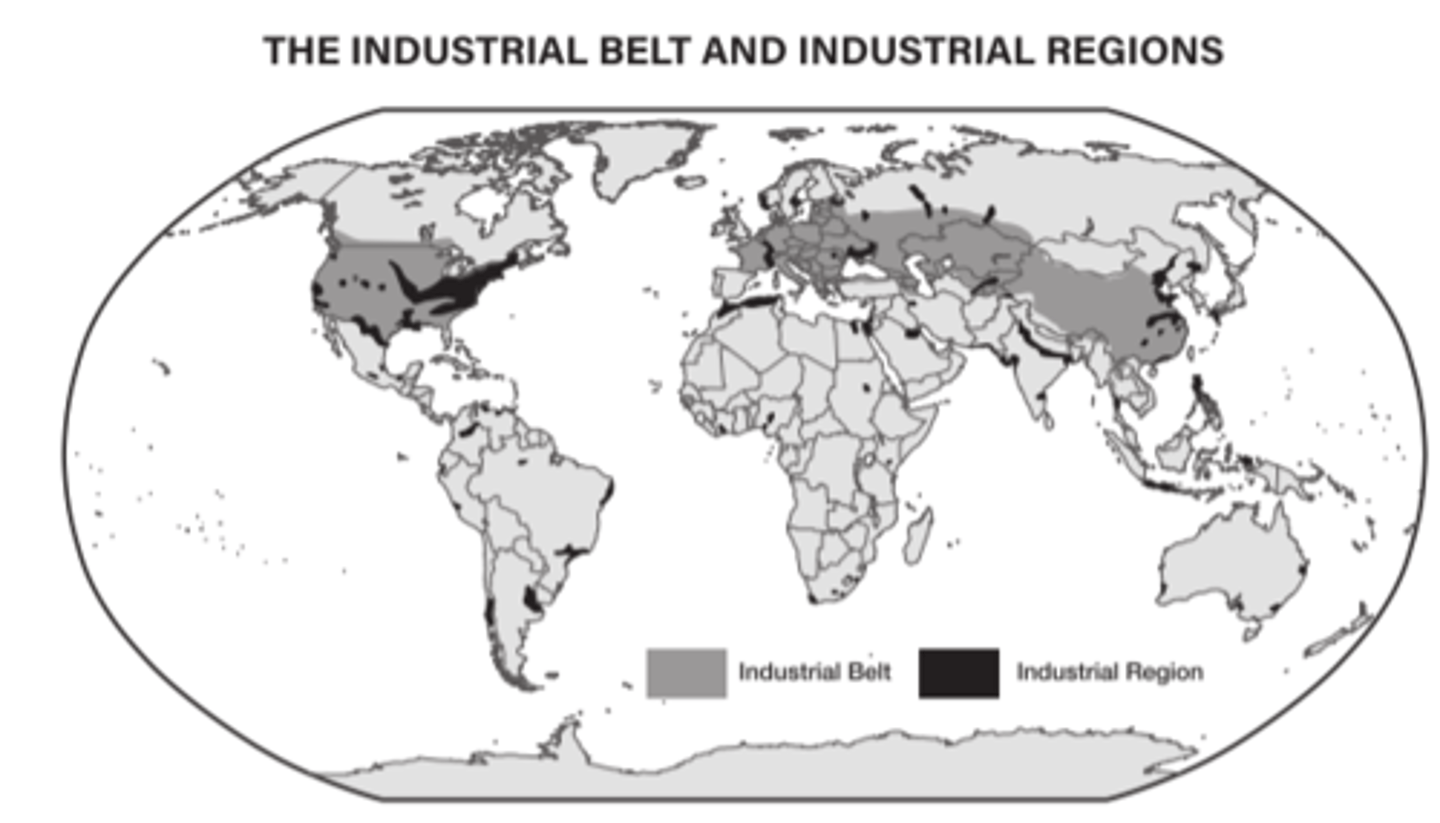
Industrial Belt
Stretched across the midlatitudes of the Northern Hemisphere. It included the northeastern and midwestern United States, much of Europe, Part of Russia, and Japan. Most industrialized regions were found in this area.
Deindustrialization
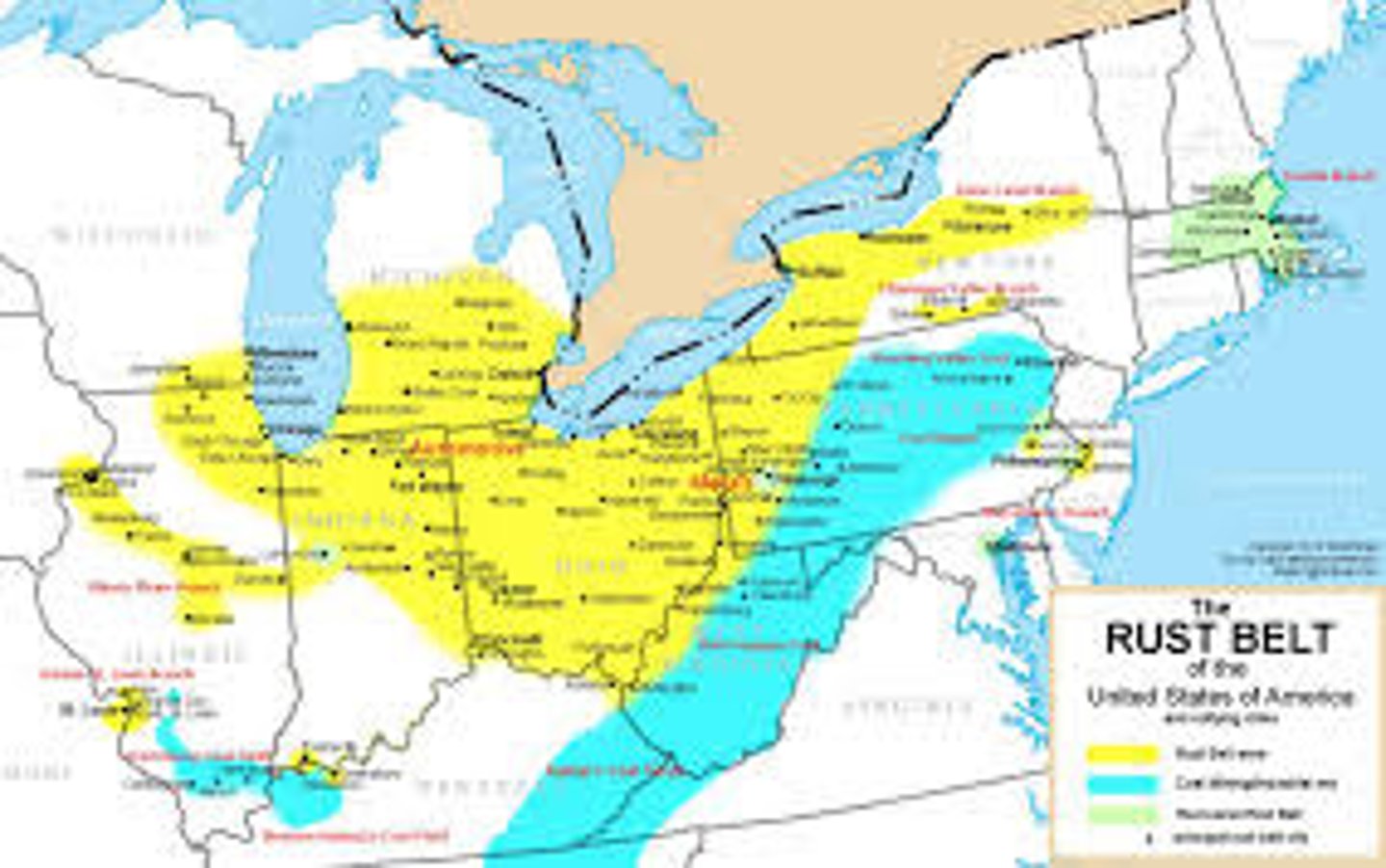
Process by which companies move industrial jobs to other regions with cheaper labor, leaving the newly deindustrialize region to switch to a service economy and to work through a period of high unemployment. Adopts outsourcing and offshoring. These areas are also referred to as Rust Belts.
Raw Materials
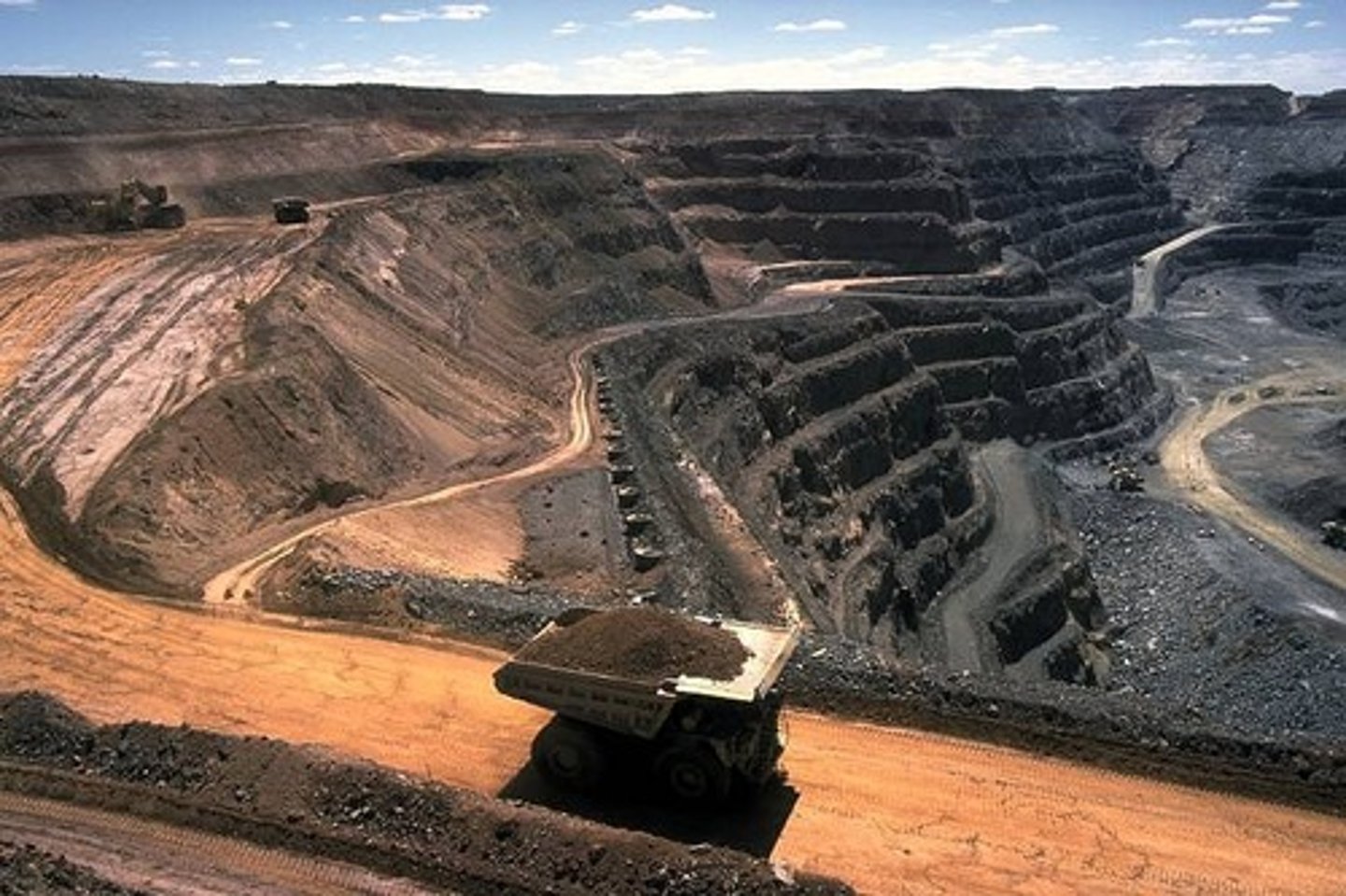
Unprocessed natural products used in production, these can be crude oil to rare trace mineral ore elements.
Multiplier Effect
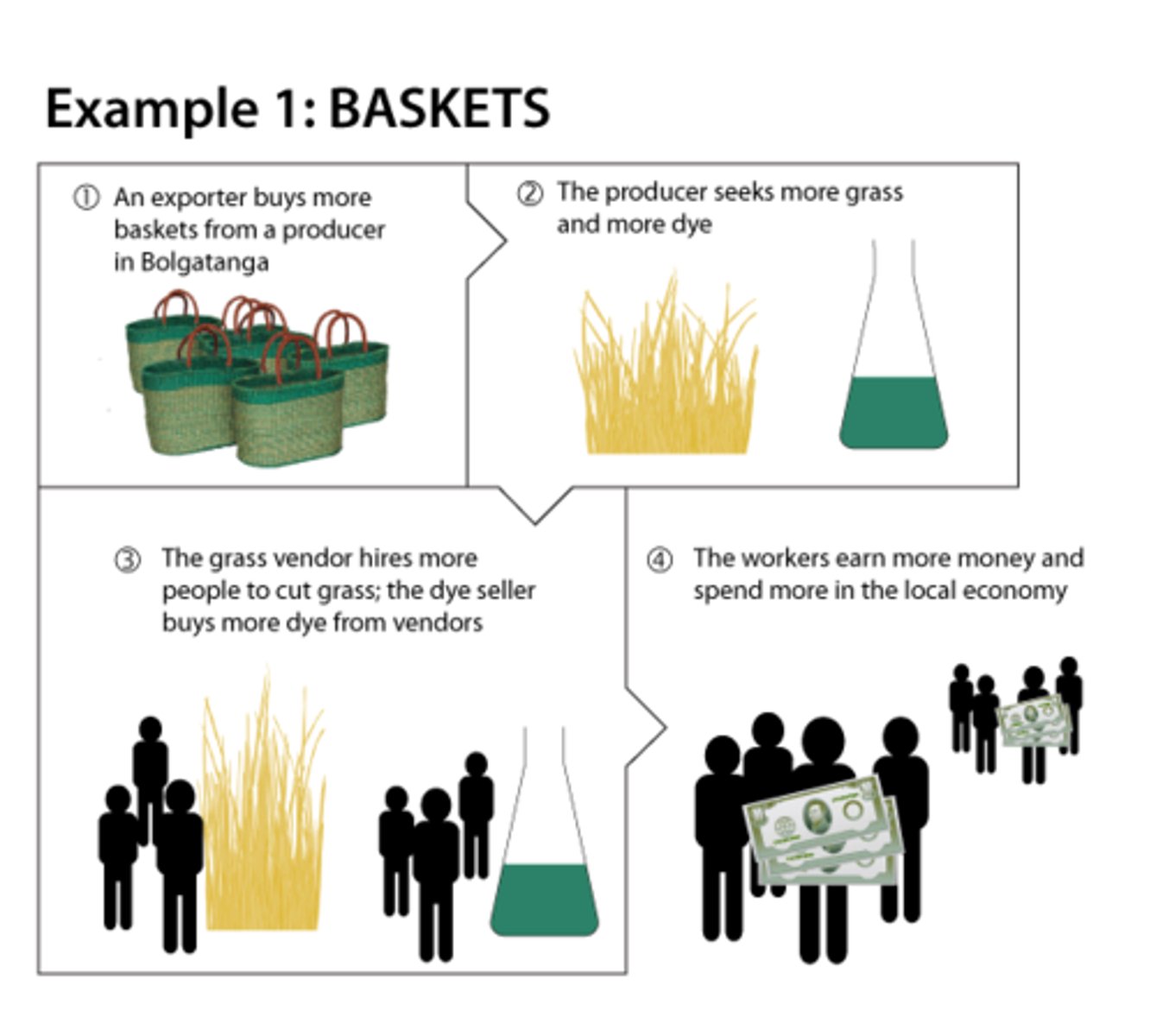
Higher wages produced in the secondary sector have a multiplier effect, this is when a job has the potential create other jobs...the tertiary sector.
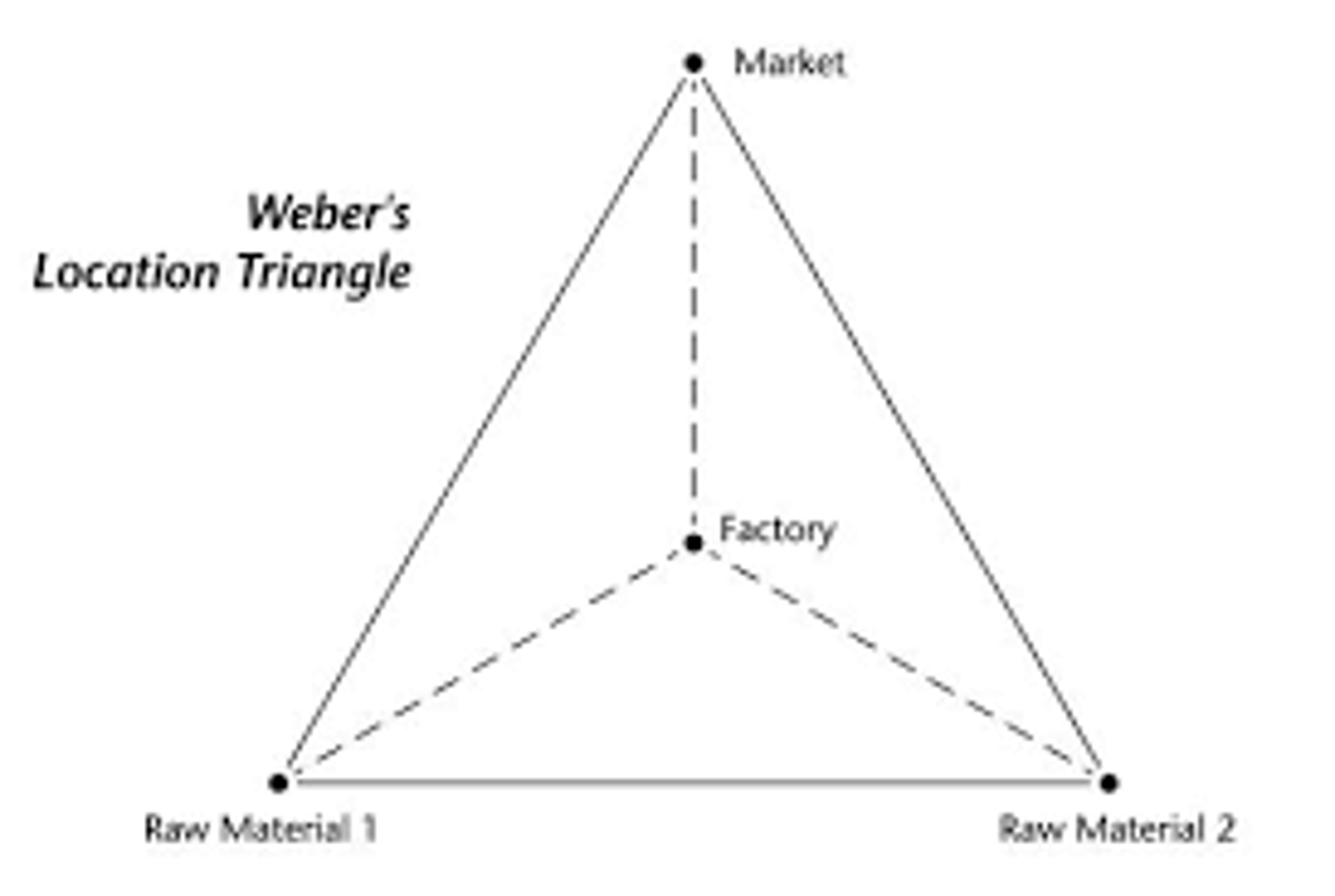
Weber's Least Cost Theory
Model developed by Alfred Weber according to which the location of manufacturing establishments is determined by the minimization of three critical expenses: labor, transportation, and agglomeration. Recall the locational Triangle, the market and the two resources.
Agglomeration Economies-Growth Poles
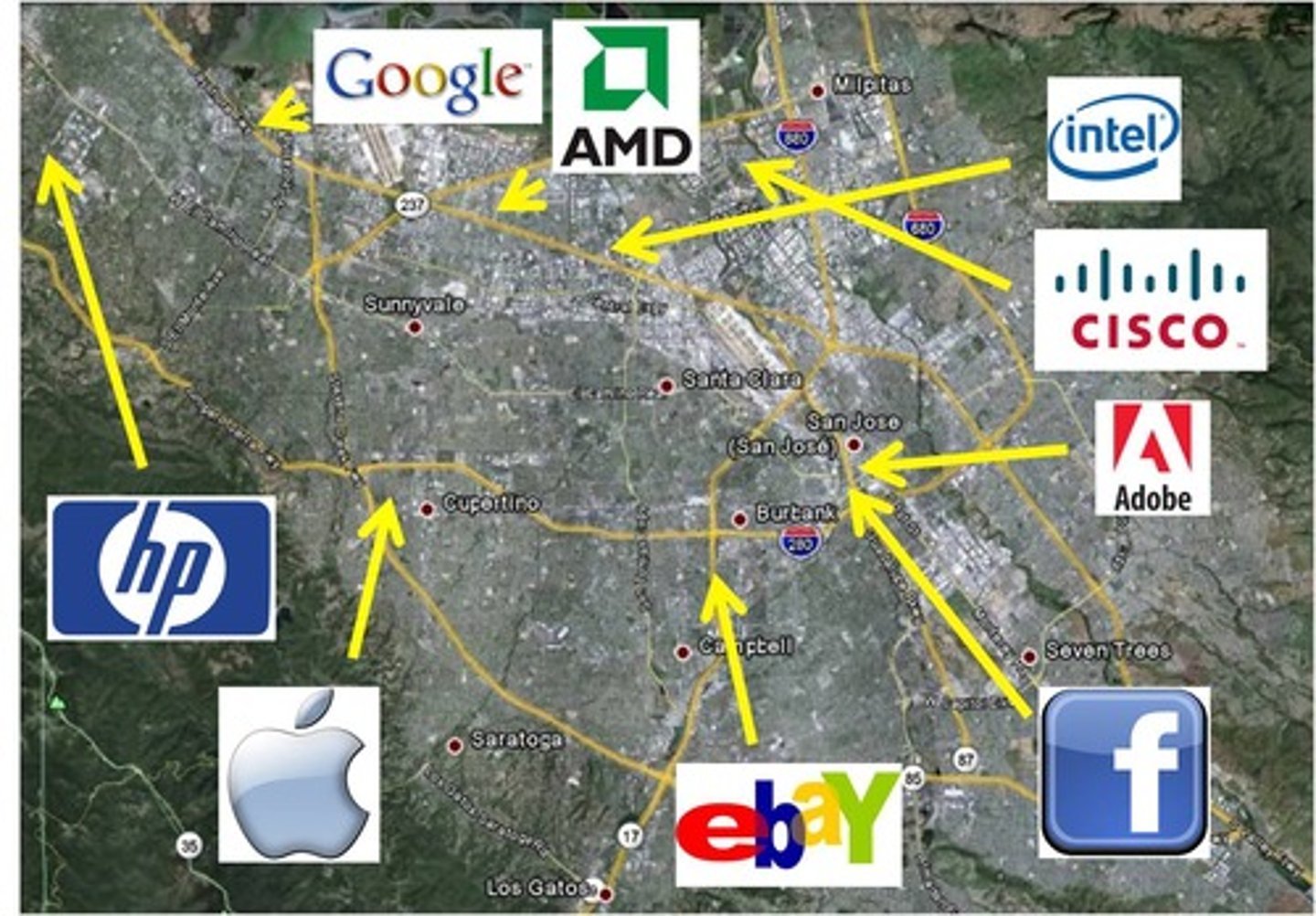
As per the least cost theory, grouping of several businesses to share costs like that of access to roads, public highways, close to certain work forces with special skills. Ex: Building federal state highway 69 to connect Mexico, USA and Canada. Ex: Software companies clustered together around silicon valley CA.
Bulk and Industrial Location
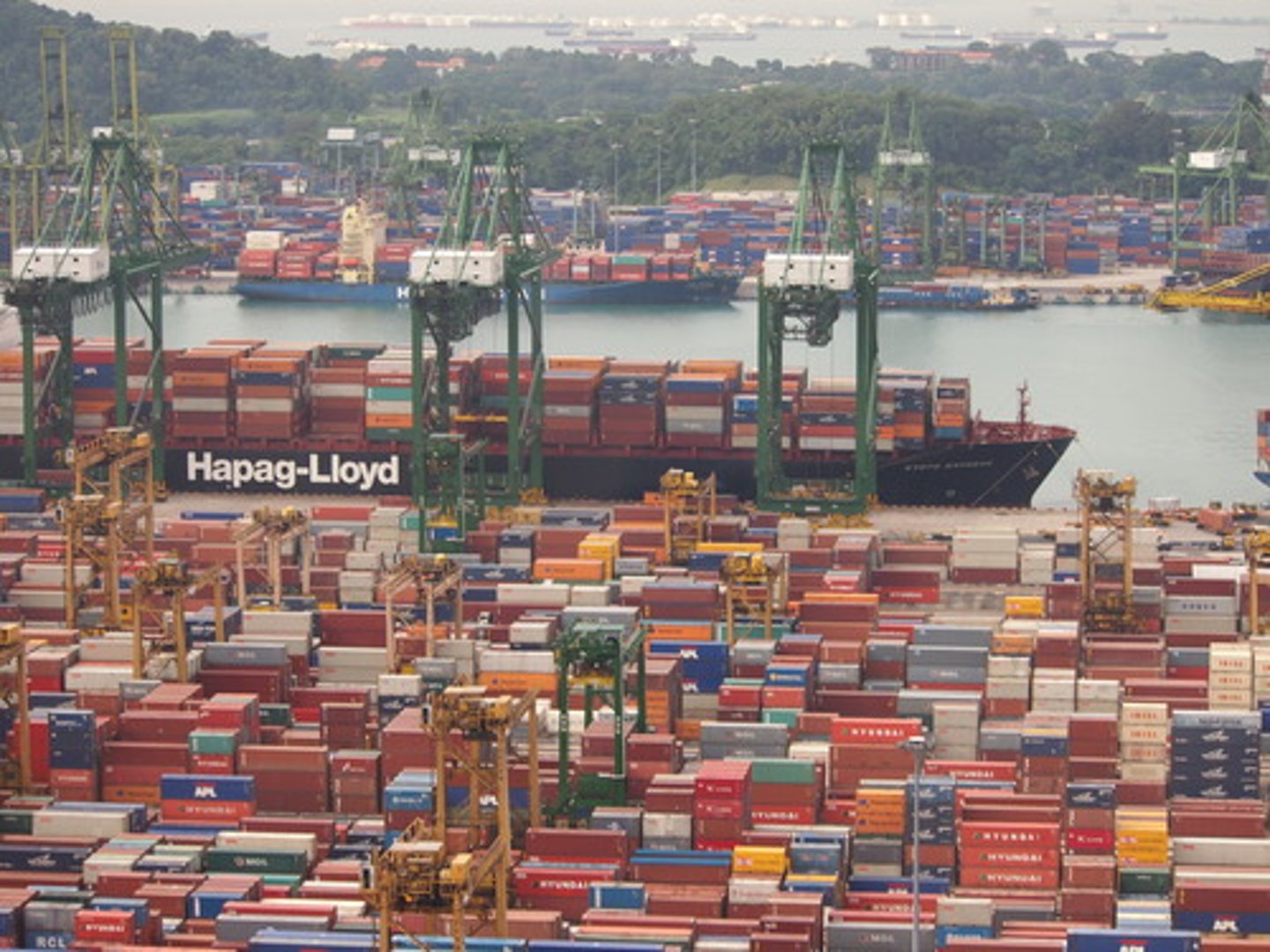
Transportation costs were often closely related to the bulk (weight and size) of the objects being transported. Locate your factory close to the raw resources required to cut down on chipping costs. However containerization as eradicated the idea of distance decay.
High Speed Internet
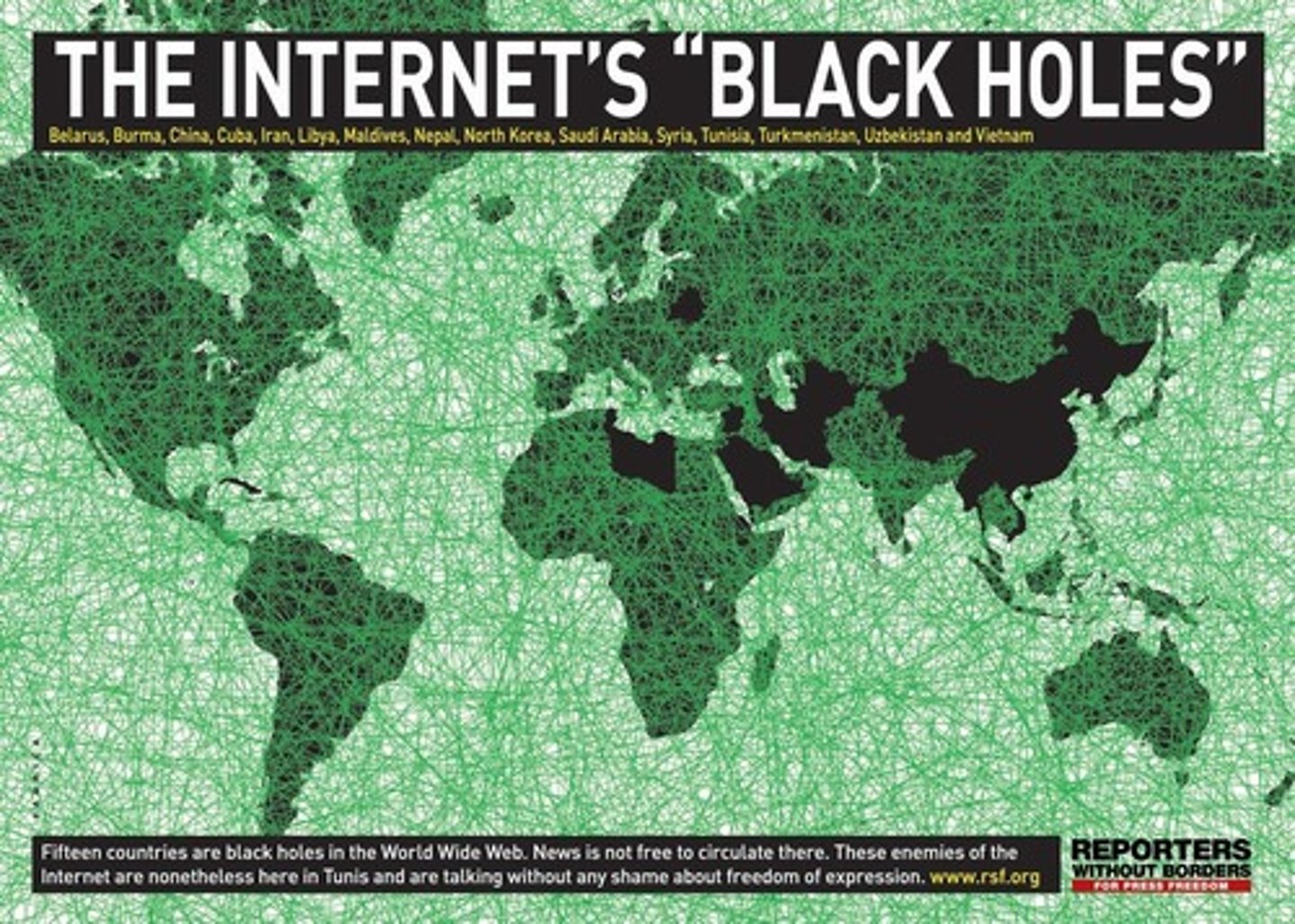
Allows for on-line business to be located anywhere, especially where cost of labour is cheap and labour is plentiful. These are FOOTLOOSE companies in that they can pick and leave and resettle anywhere.
Front Office vs. Back Office
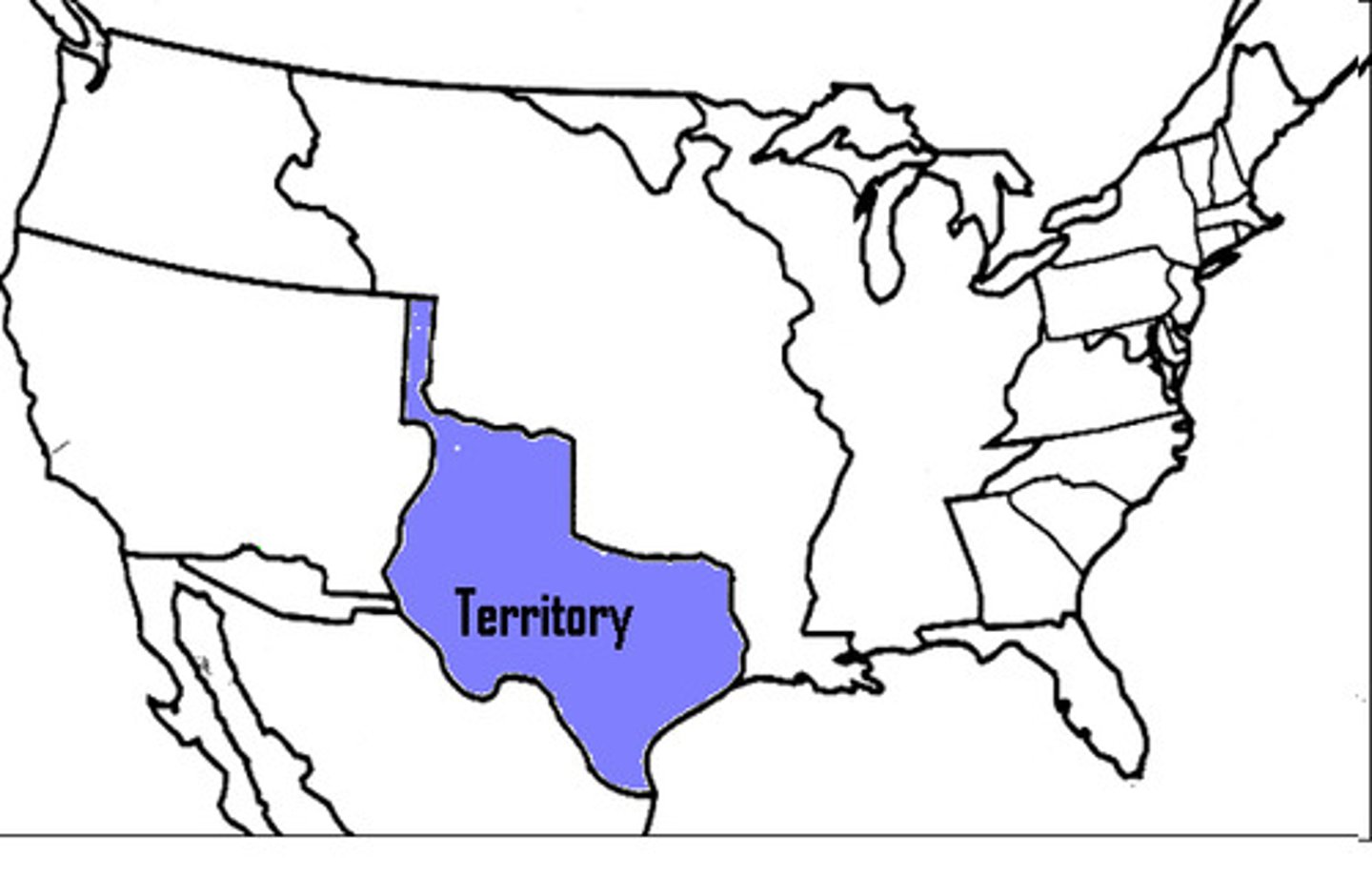
Front office, where the CEO and those of prestige are located, these offices are used to impress clients (high rise penthouse offices), however everyone else is located in less expensive office space. Companies will locate to Texas as Texas incentives with tax cuts and inexpensive property costs.
The Glass Ceiling
A metaphor alluding to the invisible barriers that prevent minorities and women from being promoted to top corporate positions.

Transnational Corporation (TNC)
A large business organization operating in at least two separate national economies; a form of multinational corporation. These are large corporations that can move goods easily.
Non-Governmental Organizations (NGOs)
Non-profit organizations that provide a very wide range of services and humanitarian functions. Activities are 1) Emergency assistance, 2) Promotion of sustainable development, 3) Protection of child health, 4) Health, 5) Provision of technical assistance.
Microloans/Microfinanace
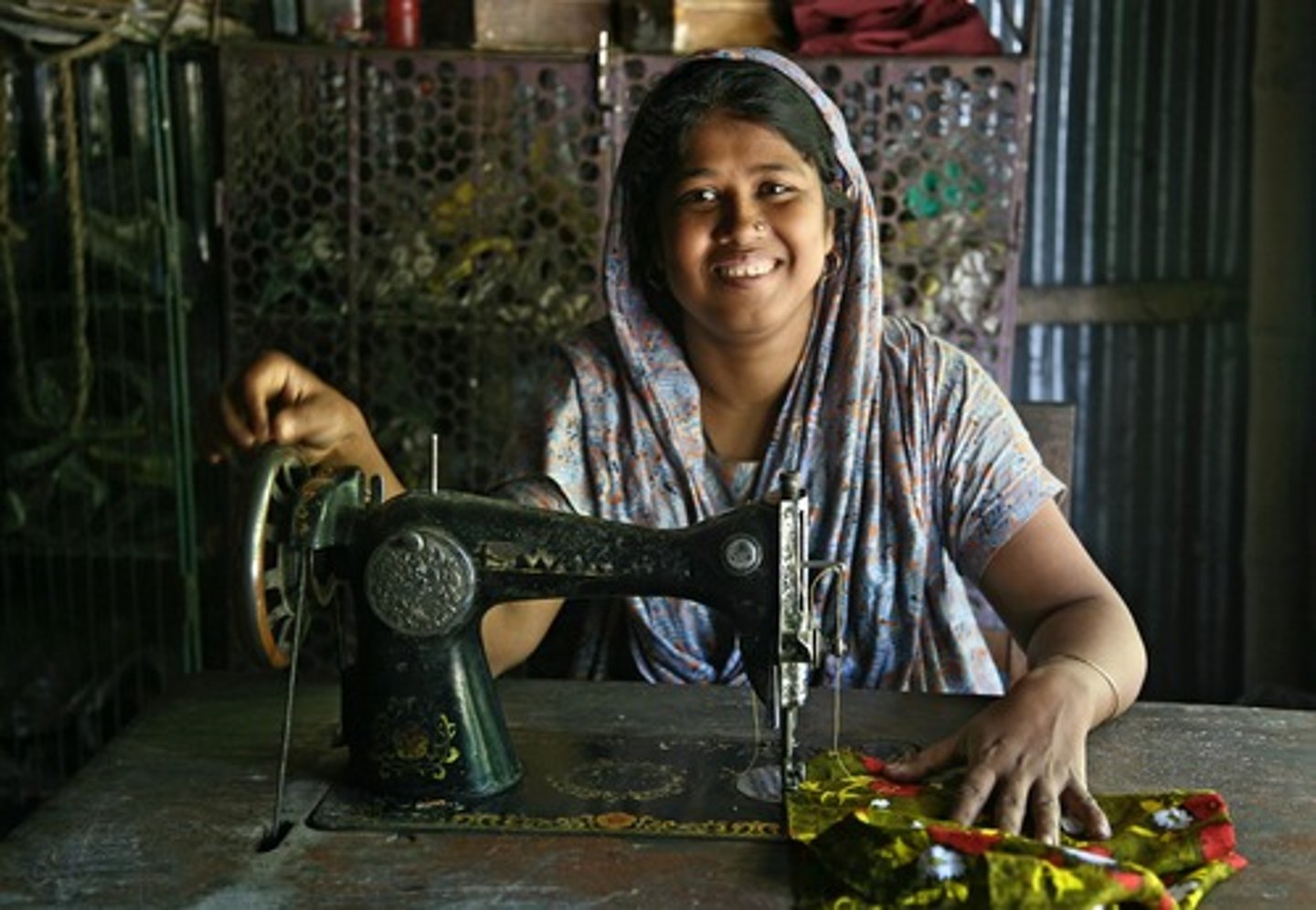
A very small, often short-term loan made to an impoverished entrepreneur, as in an underdeveloped country. Also know as micro-credits and microfinance. Very formidable during the 1980s for women as a way to drive local African/Asian. Also a solution to sustainable development goals by empowering women.
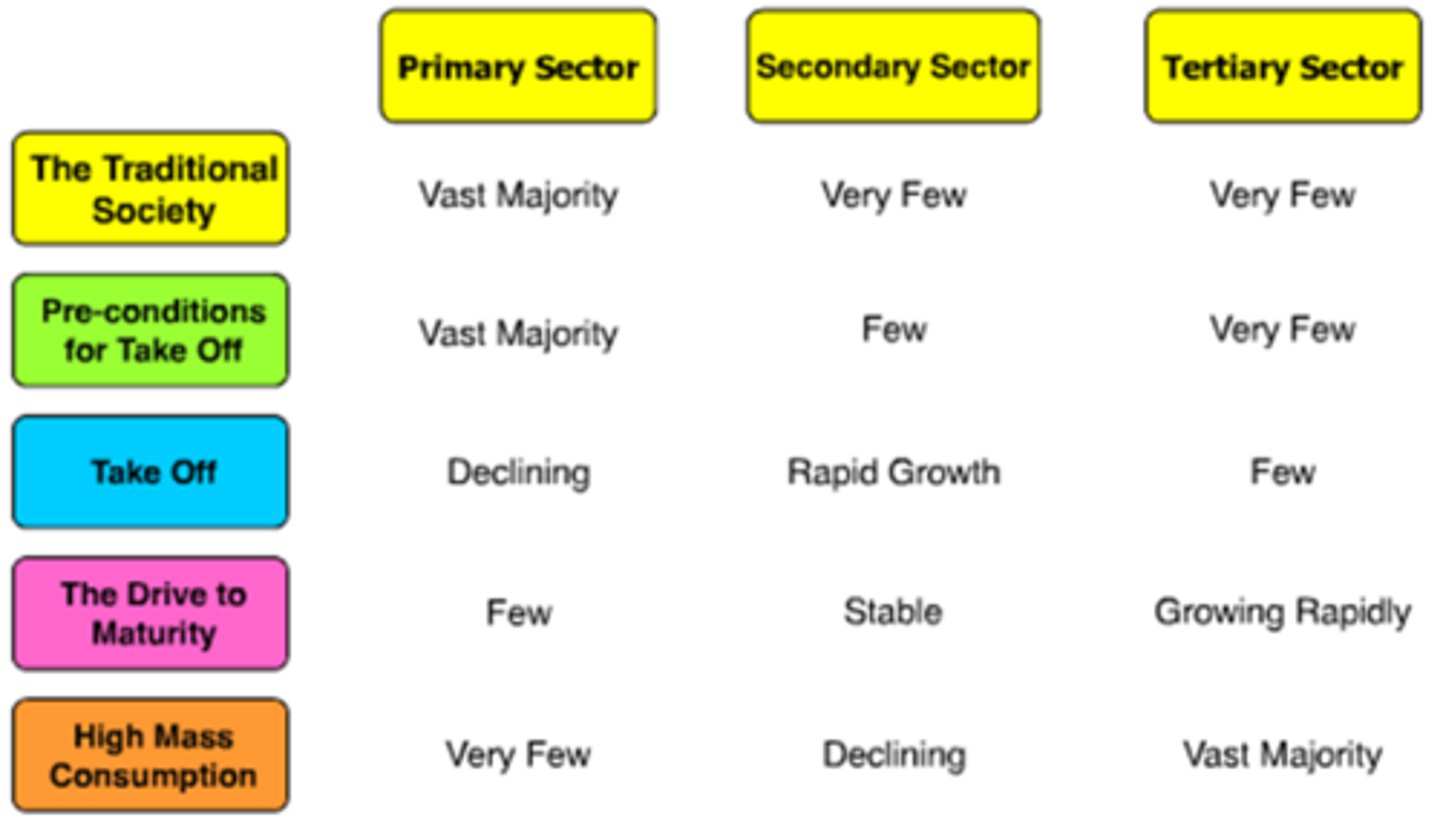
Rostow's Stages of Development
A model of economic development that describes a country's progression which occurs in five stages transforming them from least-developed to most-developed countries. 5 Stages: 1 Traditional Society, 2 Pre-Conditions for Take-Off, 3 Take-Off, Drive to Maturity, 5 High Mass Consumption.
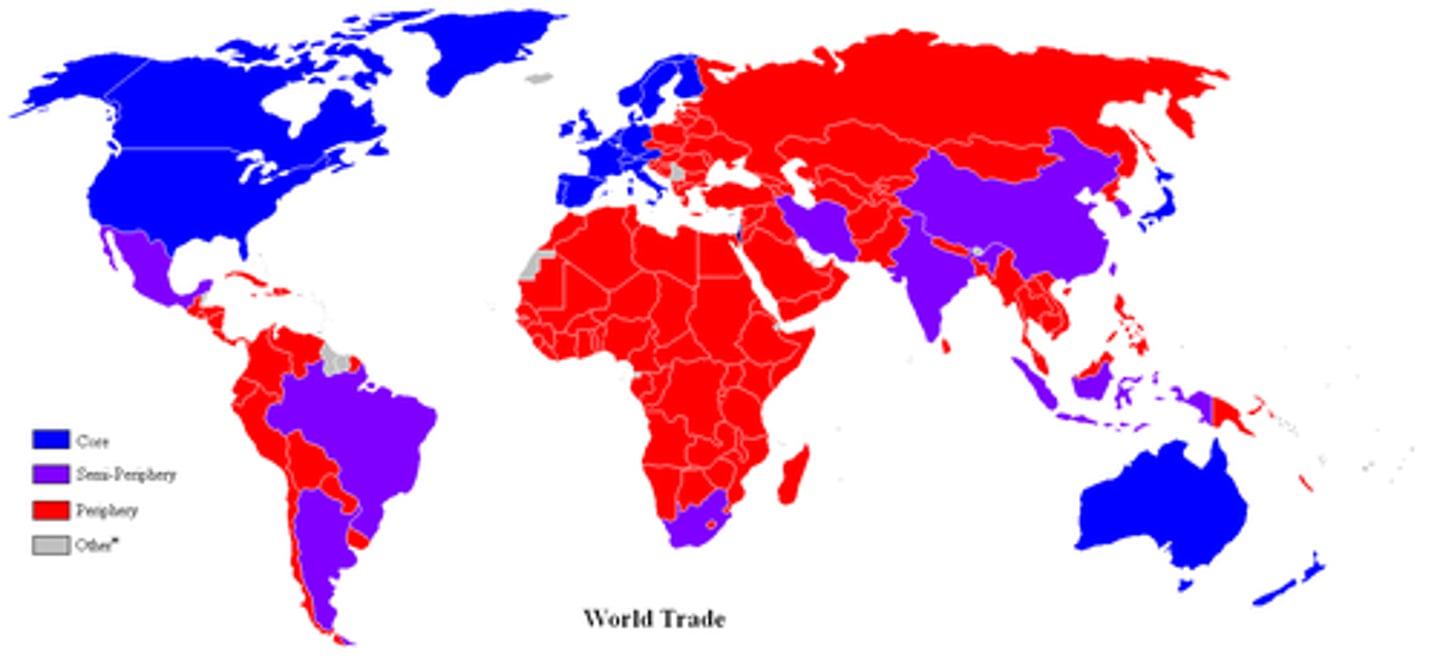
Wallerstein's World Systems Theory
1. The world economy has one market and a global division of labor.
2. Although the world has multiple states, almost everything takes place within the context of the world economy.
3. The world economy has a three-tier structure. (Peripheral, Semi-peripheral, Core).
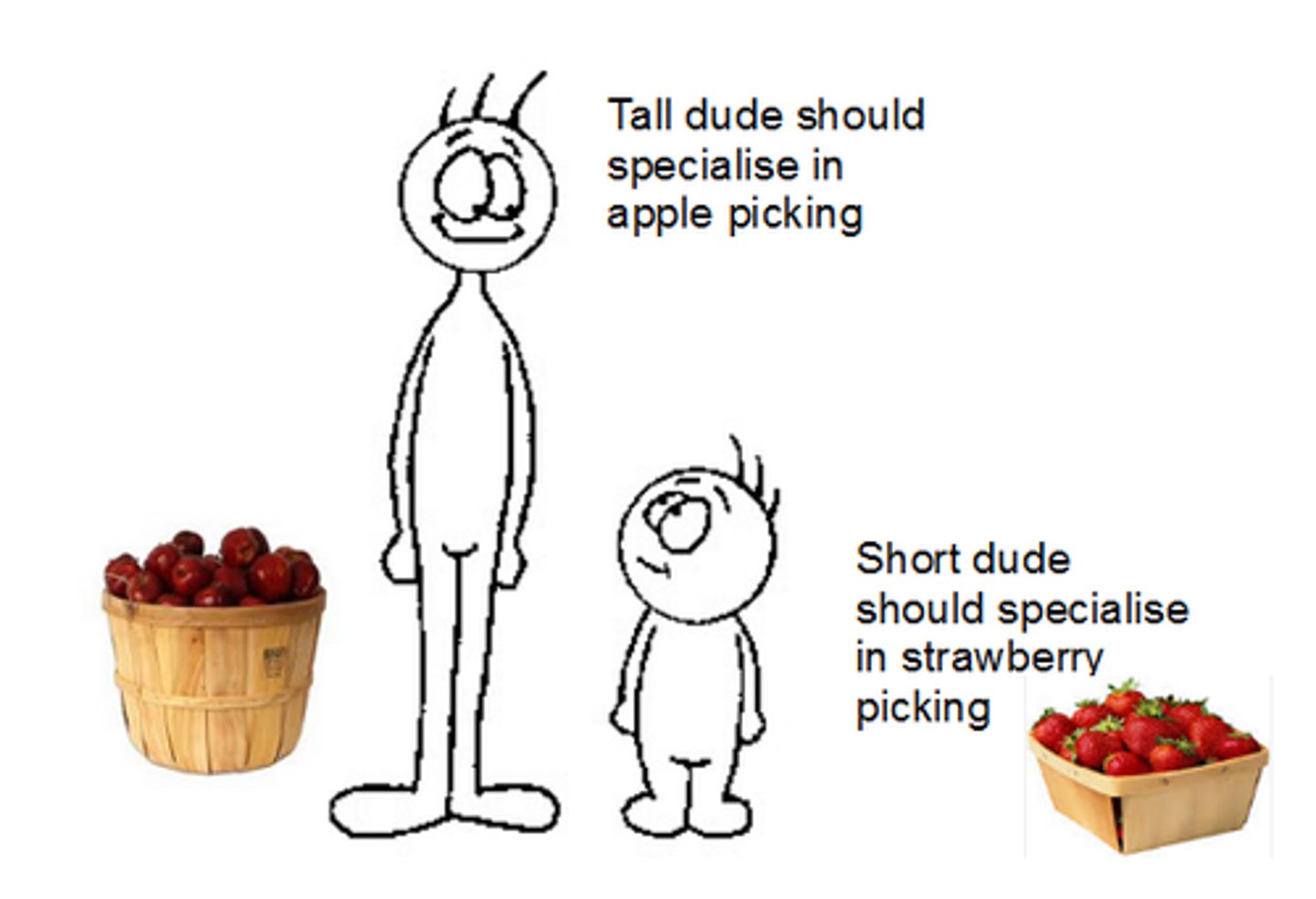
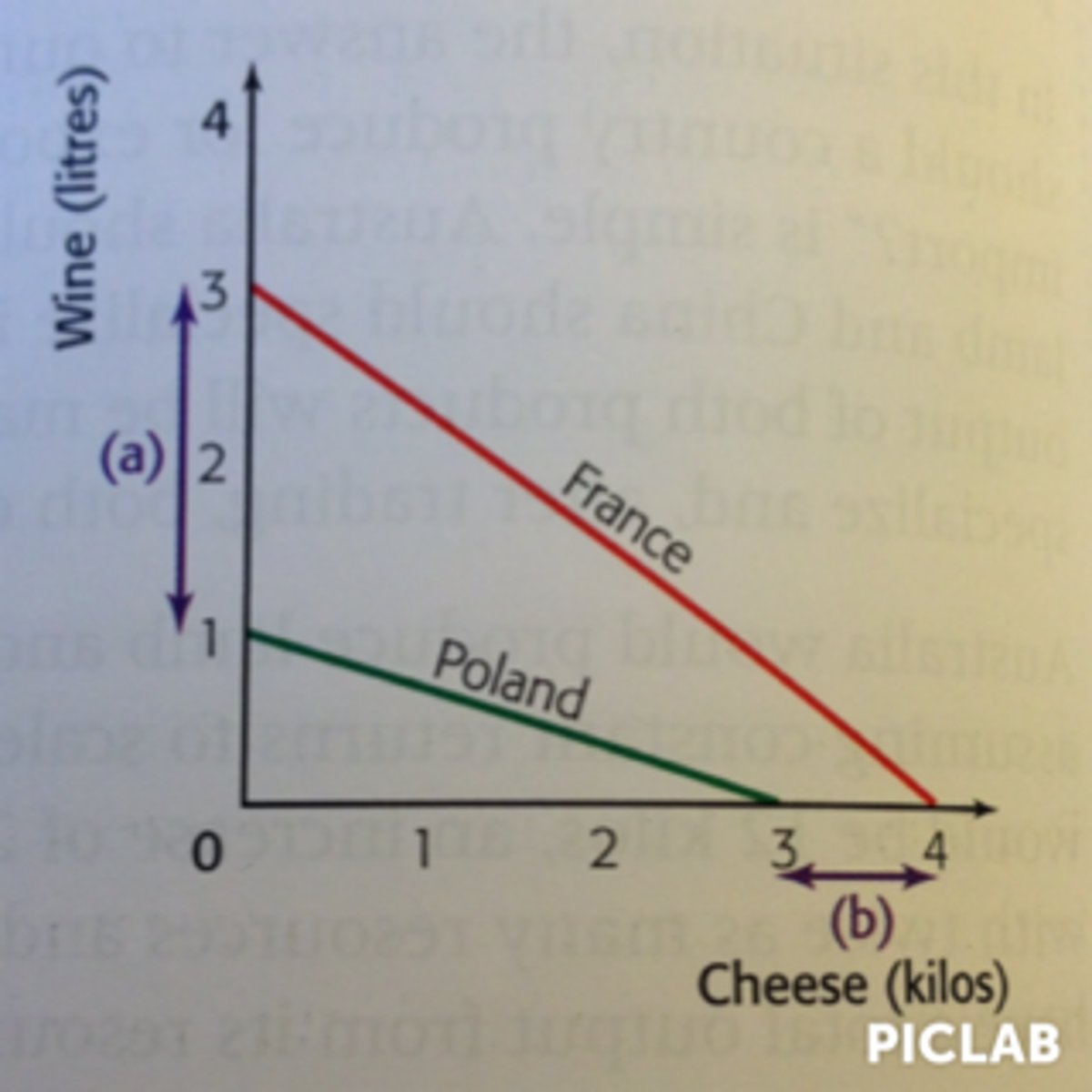
Comparative Advantage
the ability to produce a good at a lower opportunity cost than another producer.
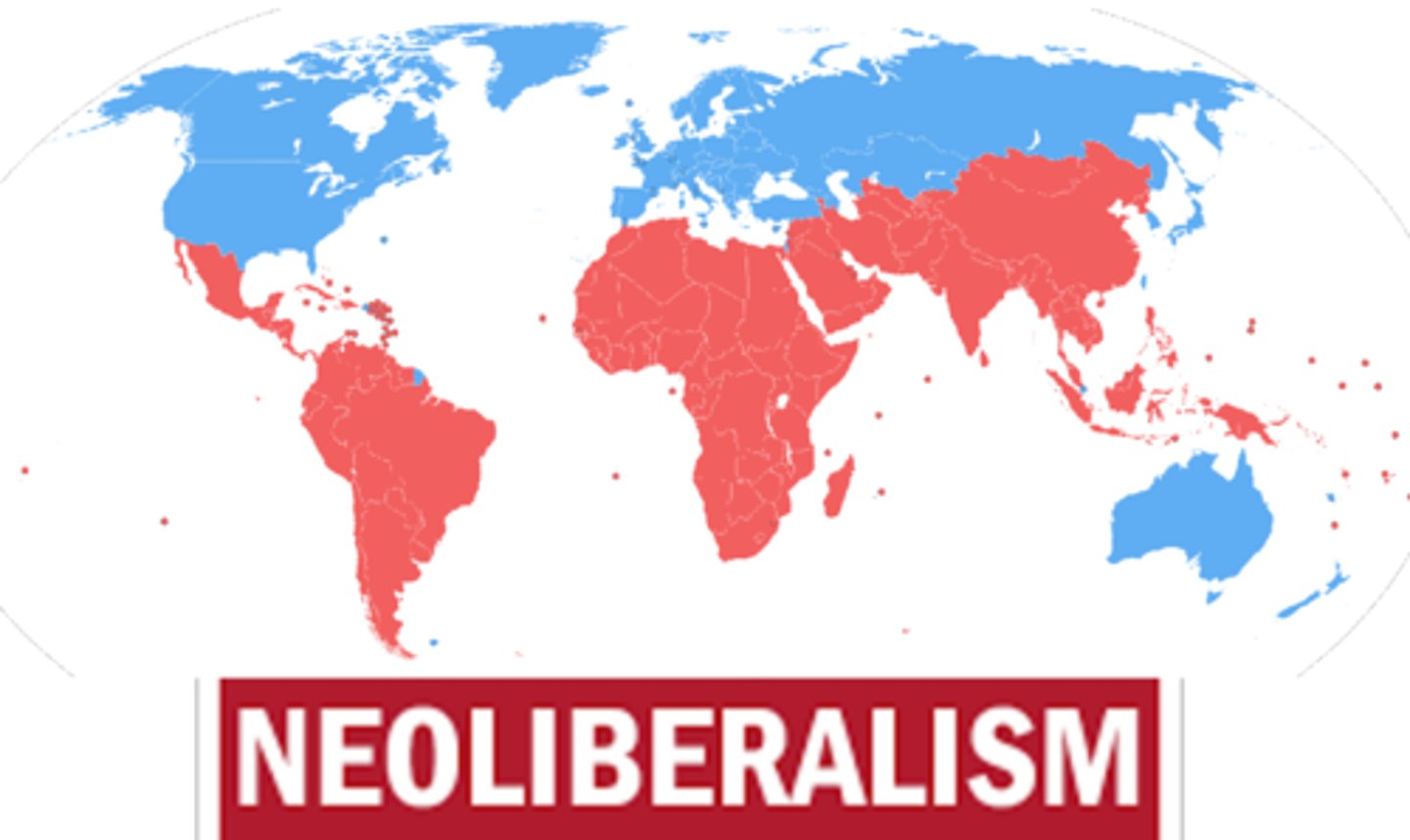
Neoliberal Economics
Reforms that focus on introducing free market reforms with few restrictions on business and property rights. Ronald Regan and Margaret Thatcher were leading advocates for Neoliberalism. It also emphasized on creating more markets in LDCs so that MDCs could continue to profit. This began with decolonization after WWII. Capitalism with very little if any regulation.
WTO (World Trade Organization)
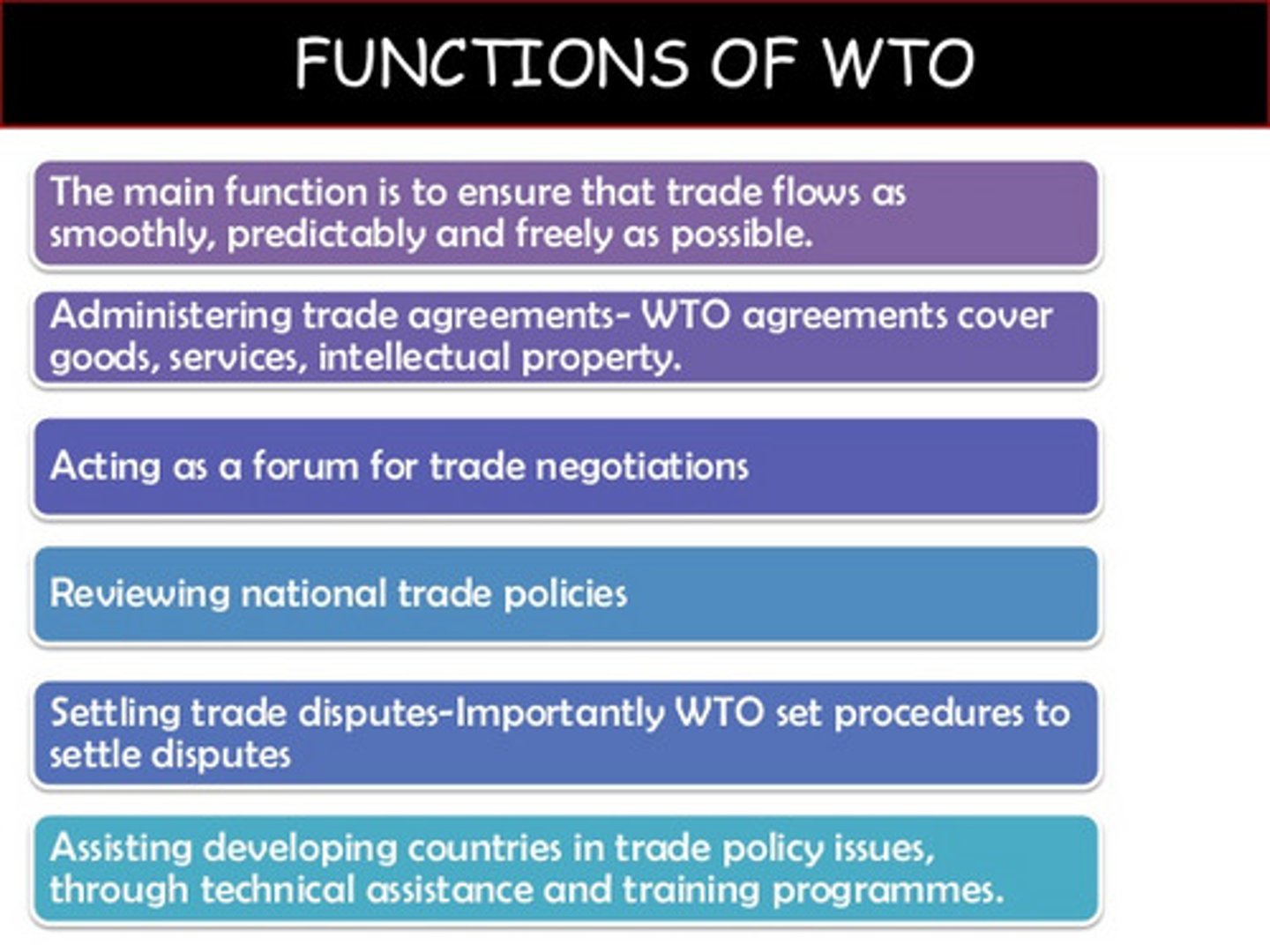
Organization through which member nations negotiate trading agreements and resolve disputes about trade policies and practices. Accounts for 98% if trade. It also supports developing countries.
IMF (International Monetary Fund)
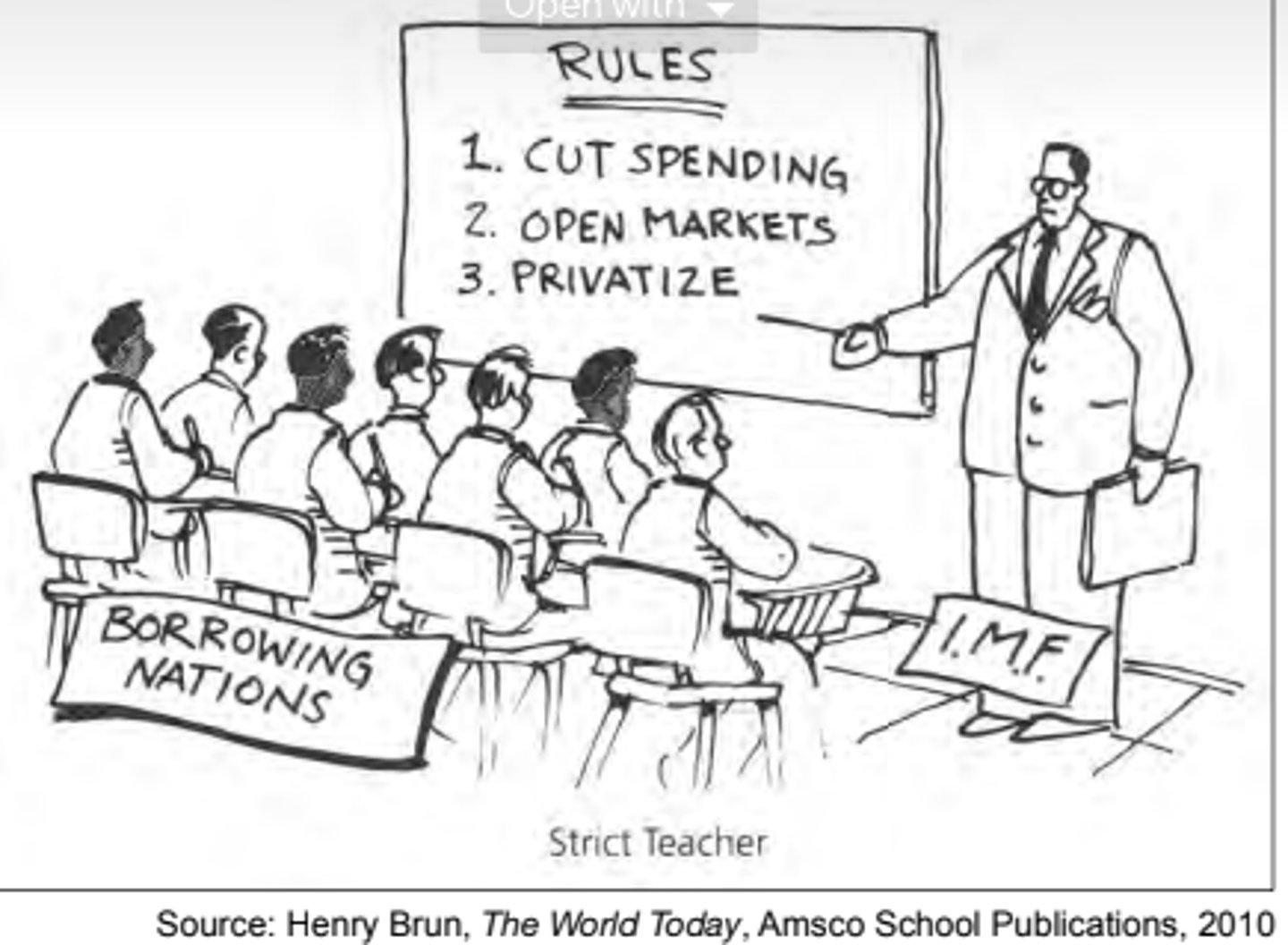
Organization which gives loans to poor countries, it comes with stipulations with regards to the development of infrastructure.
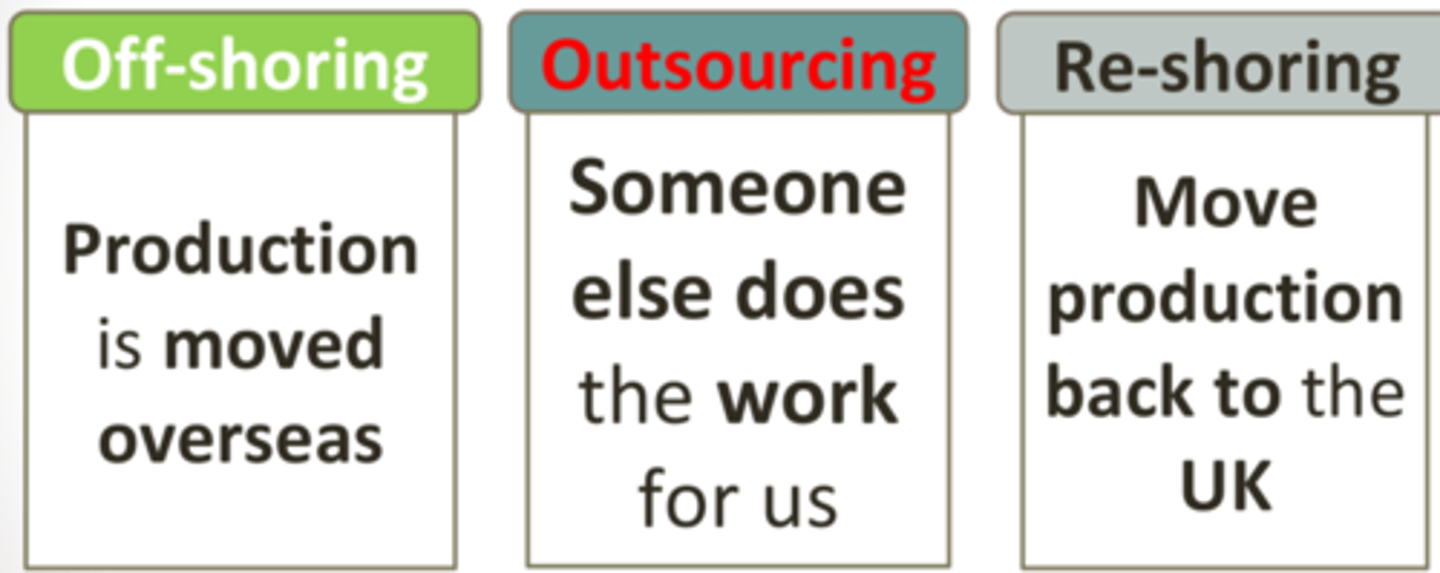
Off-shoring
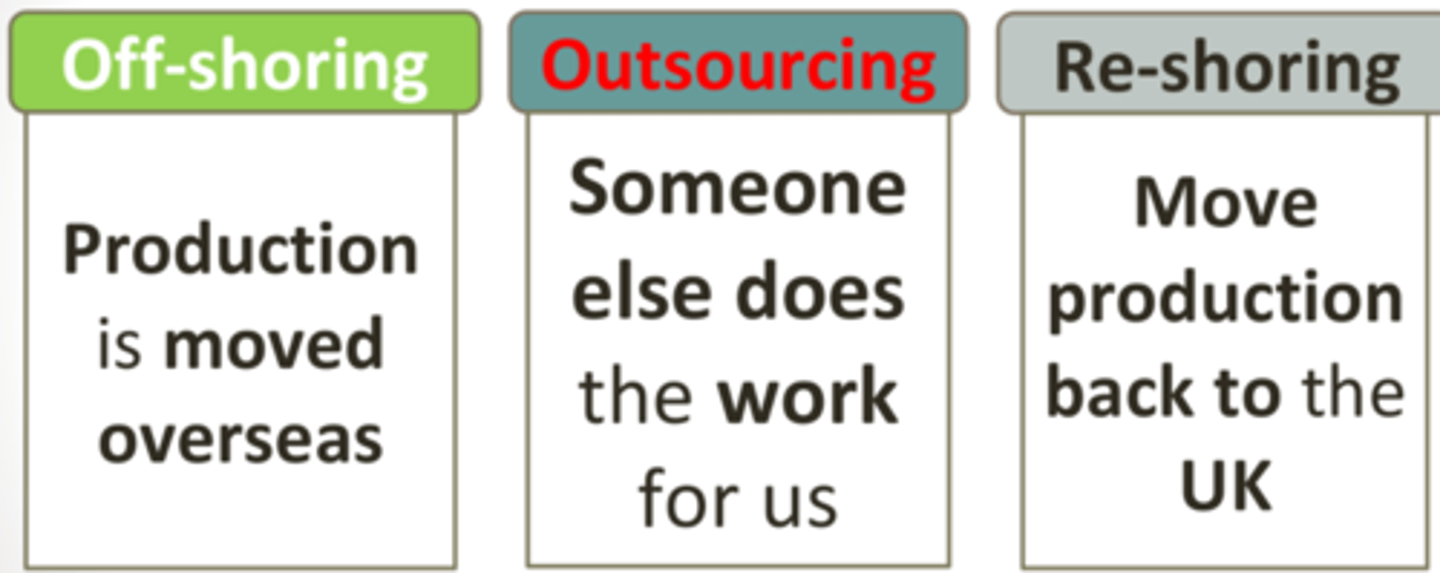
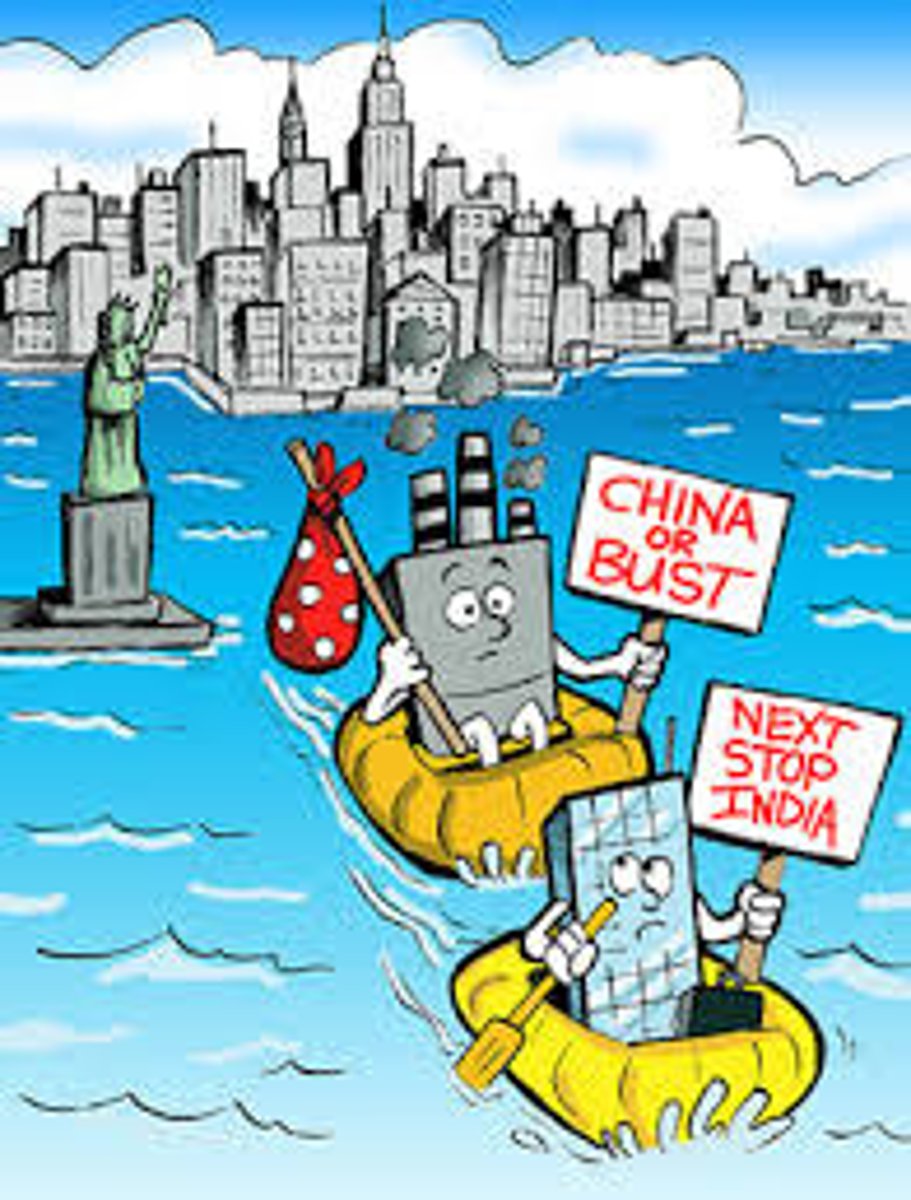
The practice of basing some of a company's processes or services overseas, so as to take advantage of lower costs. For example: Ford builds factories in Northern Mexico, they own those factories and then employ locals to work there.
Outsourcing
A decision by a corporation to turn over much of the responsibility for production to independent suppliers. For example: iPhones may be designed in CA however FOXCON or Hon Hai Precision Industry Co. produces them in China.
BRIC-S Nations
The acronym coined for an association of five major emerging national economies (Brazil, Russia, India, China and South Africa), however this has expanded considerably. It focuses on creating a multi-currency system that challenges the US dollar. and want to create a new international economic order that is not dominated by the West and the old imperializing countries. Original 4, Brazil, Russia, India and China.
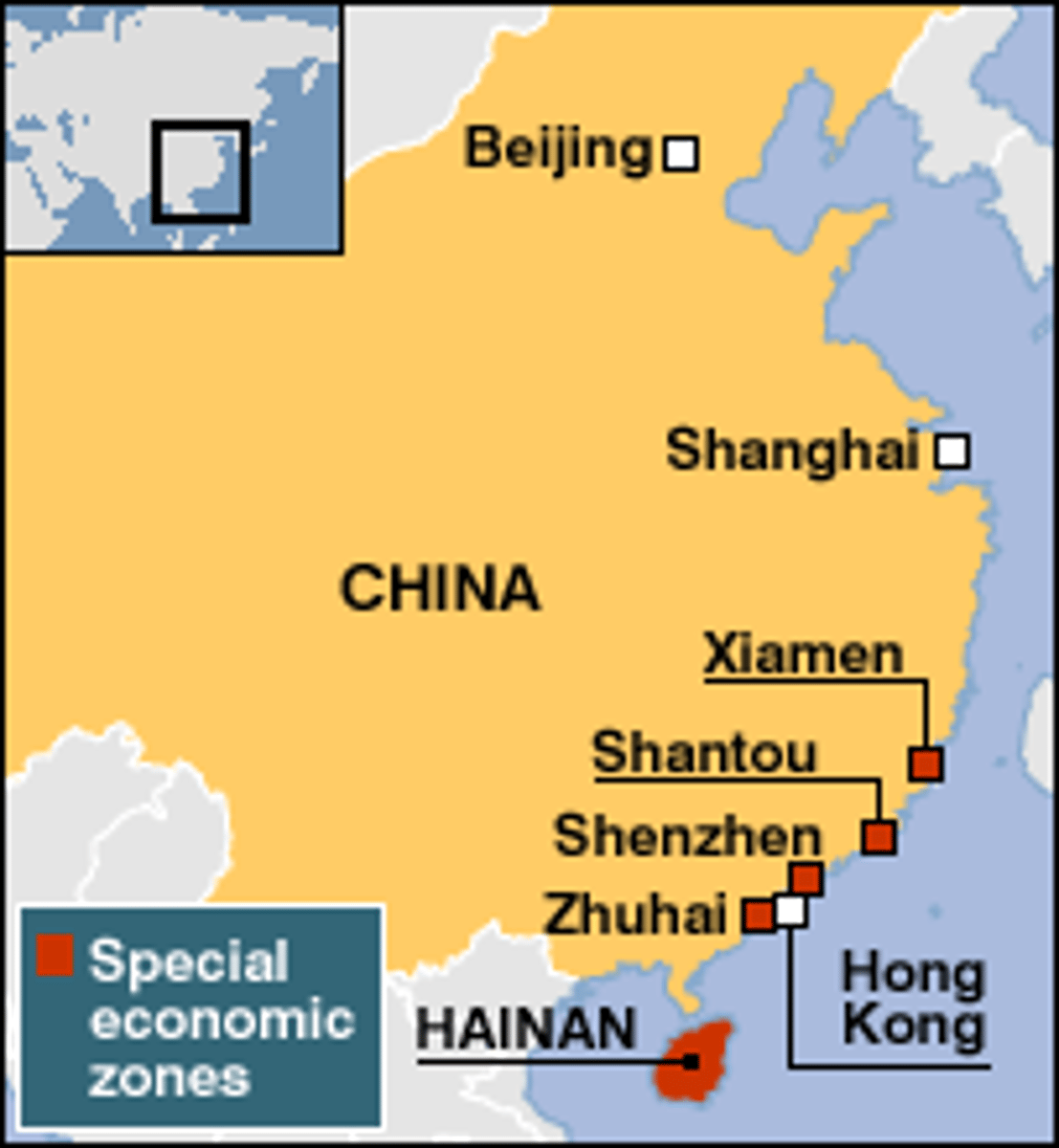
SEZ (Special Economic Zone)
A geographic region that is designed to export goods and provide employment. This area is therefore often given tax incentive, tax breaks, and special economic opportunities. Designated areas in countries that possess special economic regulations that are different from other areas in the same country, usually meaning that a company will receive tax incentives and the opportunity to pay lower tariffs.
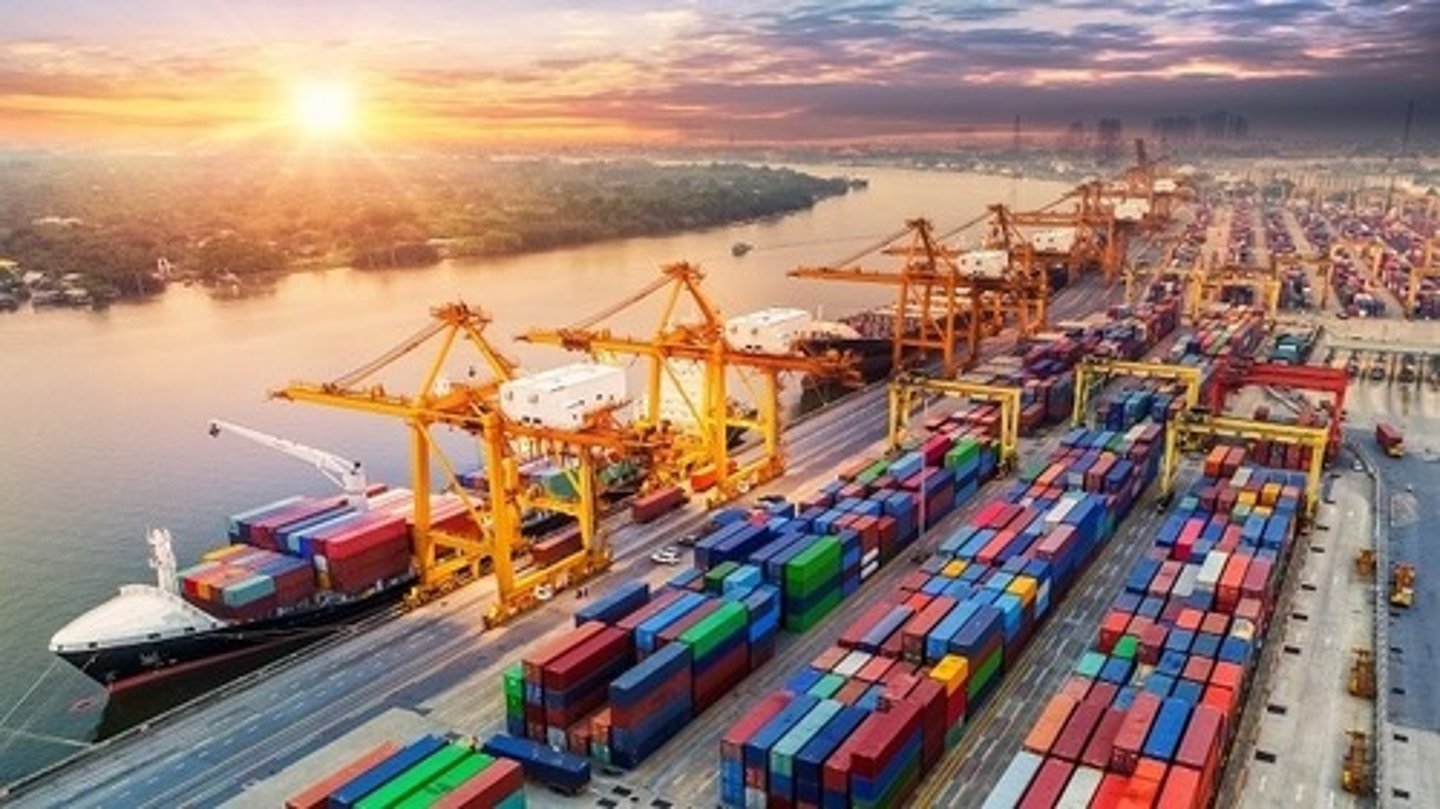
FTZ (Free Trade Zone)
Geographic area sanctioned by the government where items are not under control of customs and authorities. NAFTA/USMCA.
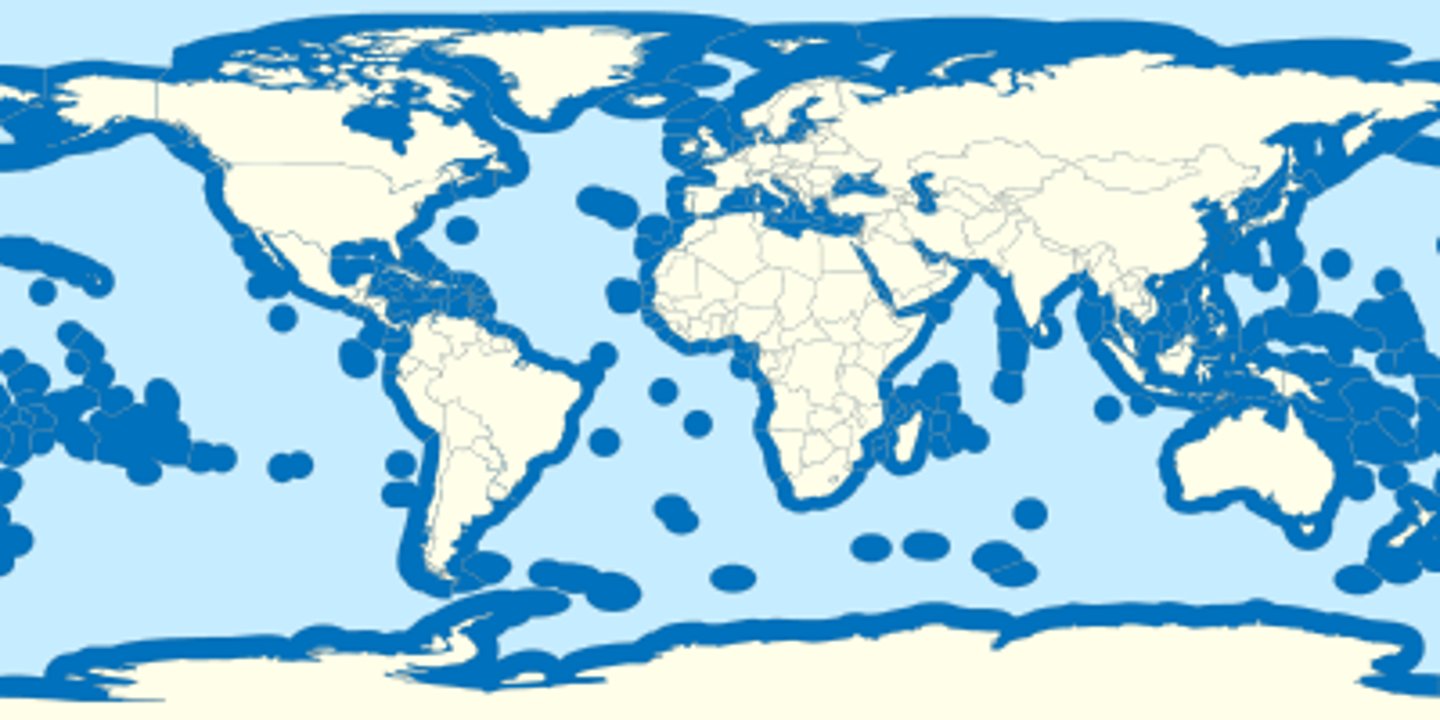
EEZ (Exclusive Economic Zone)
The 200 nautical miles from a nation's shoreline of protected resources and economic activity.
ADB
Asian Development Bank, provides loans, grants, and technical assistance to countries in Asia and the Pacific.
World Bank
A specialized agency of the United Nations that makes loans to countries for economic development, trade promotion, and debt consolidation. Its formal name is the International Bank for Reconstruction and Development. IFI, (International Financial Institutions).

Re-Shoring
The reversal of offshore outsourcing, i.e. the transfer of business operations back to its country of origin.
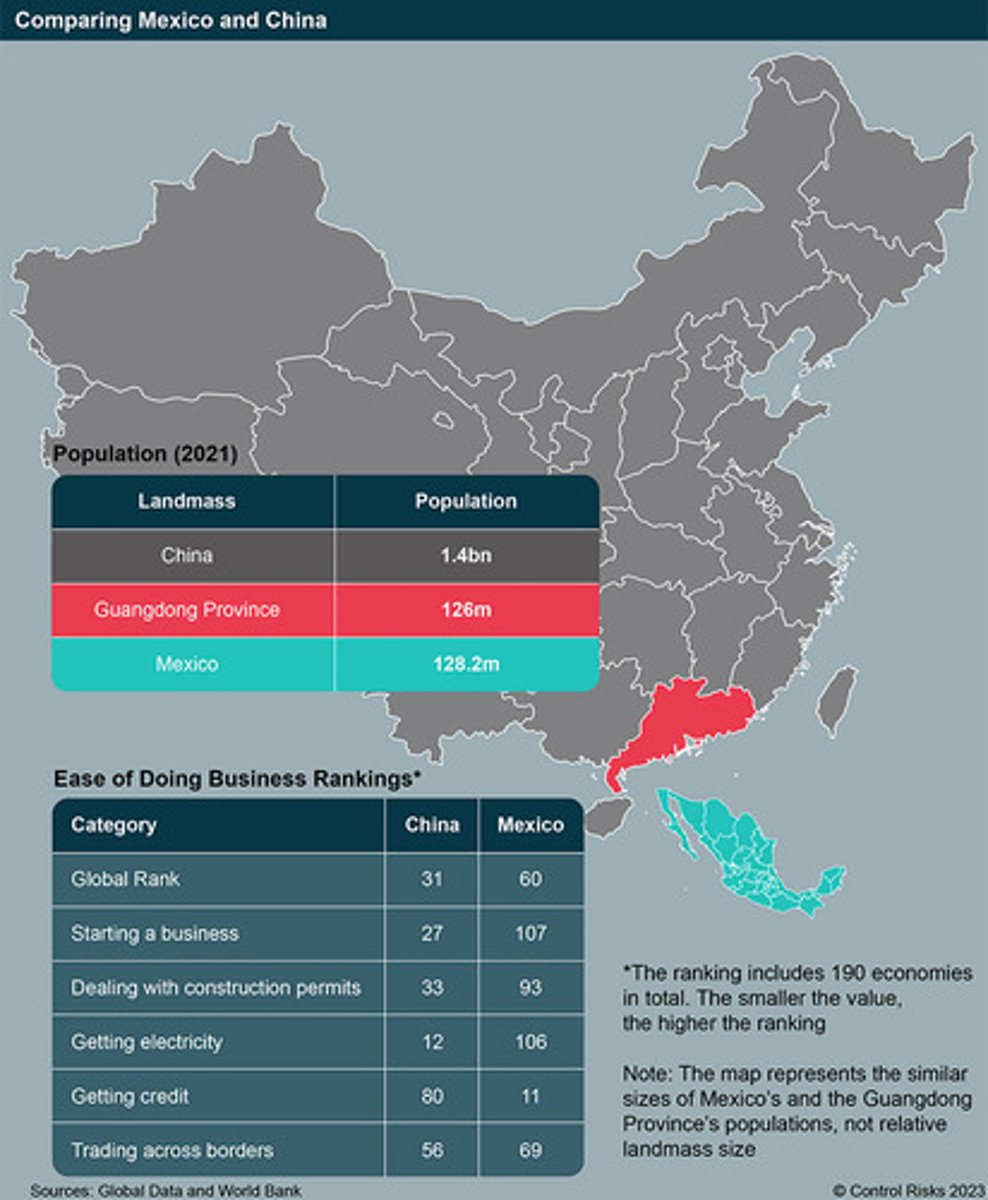
Near/Far Sourcing
Out sourcing, more detailed definition dependent upon location of services a company is seeking.
Comparative Advantage
The ability of a country/company to produce a good at a lower cost than another country can.
Barter System
Goods and services are traded directly. There is no money exchanged.

Complementarity
This is when one country has goods resources, income, services that another country wants, these 2 countries establish a relationship called complementarity. Canada has lots of maple syrup and Colombia has coffee so they may trade for these commodities.
Lead-Time
The time from initiation to completion in the completion of a product.
Policies that Increase Trade
Tax Breaks, loans, direst assistance like providing roads or a building, removing legislation that weakens unions, removing environmental legislation taffis on imports not domestically made items.
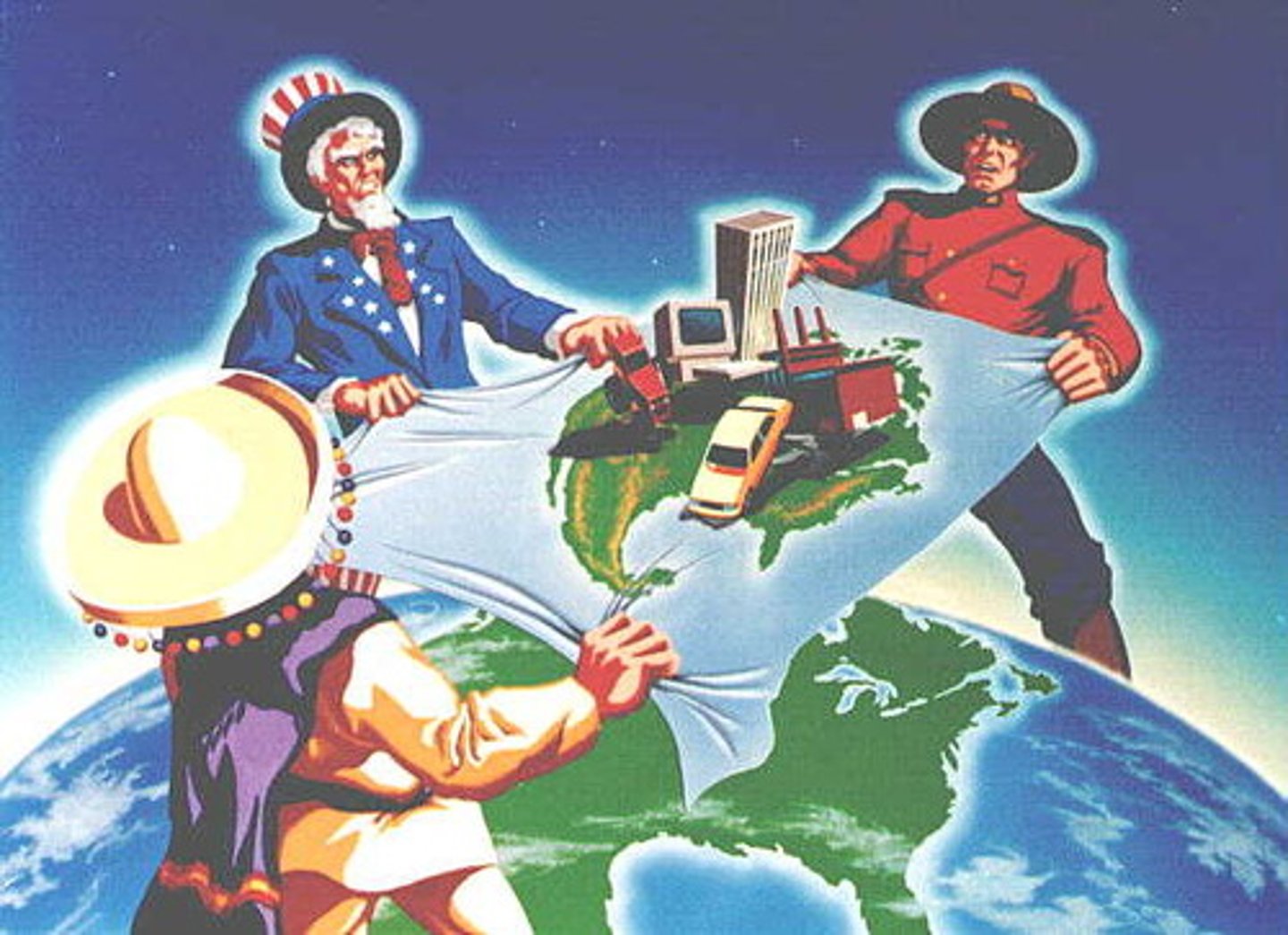
OPEC
An organization of countries formed in 1961 to agree on a common policy for the production and sale of petroleum.
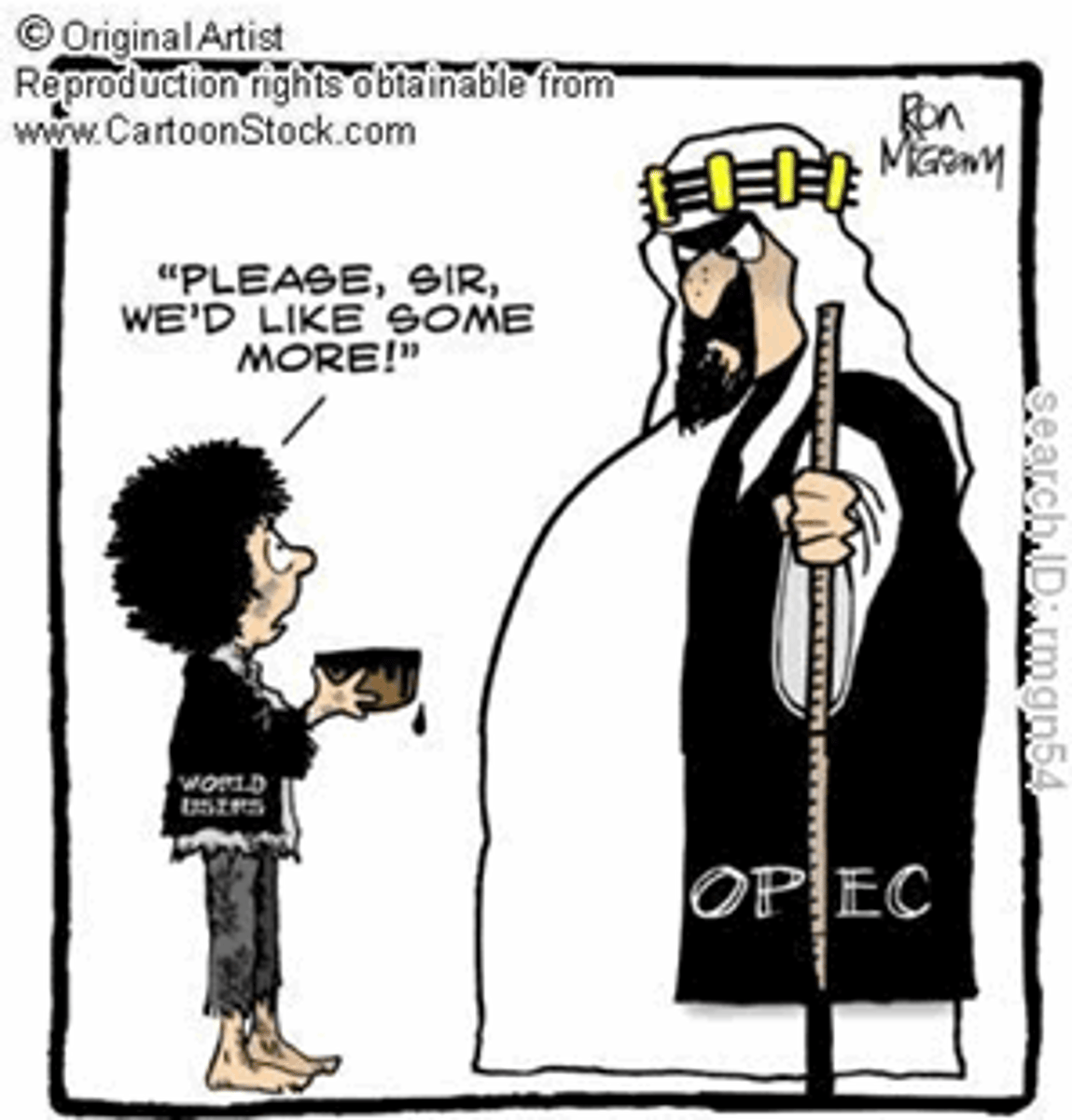
Protectionism
The theory or practice of shielding a country's domestic industries from foreign competition by taxing imports.
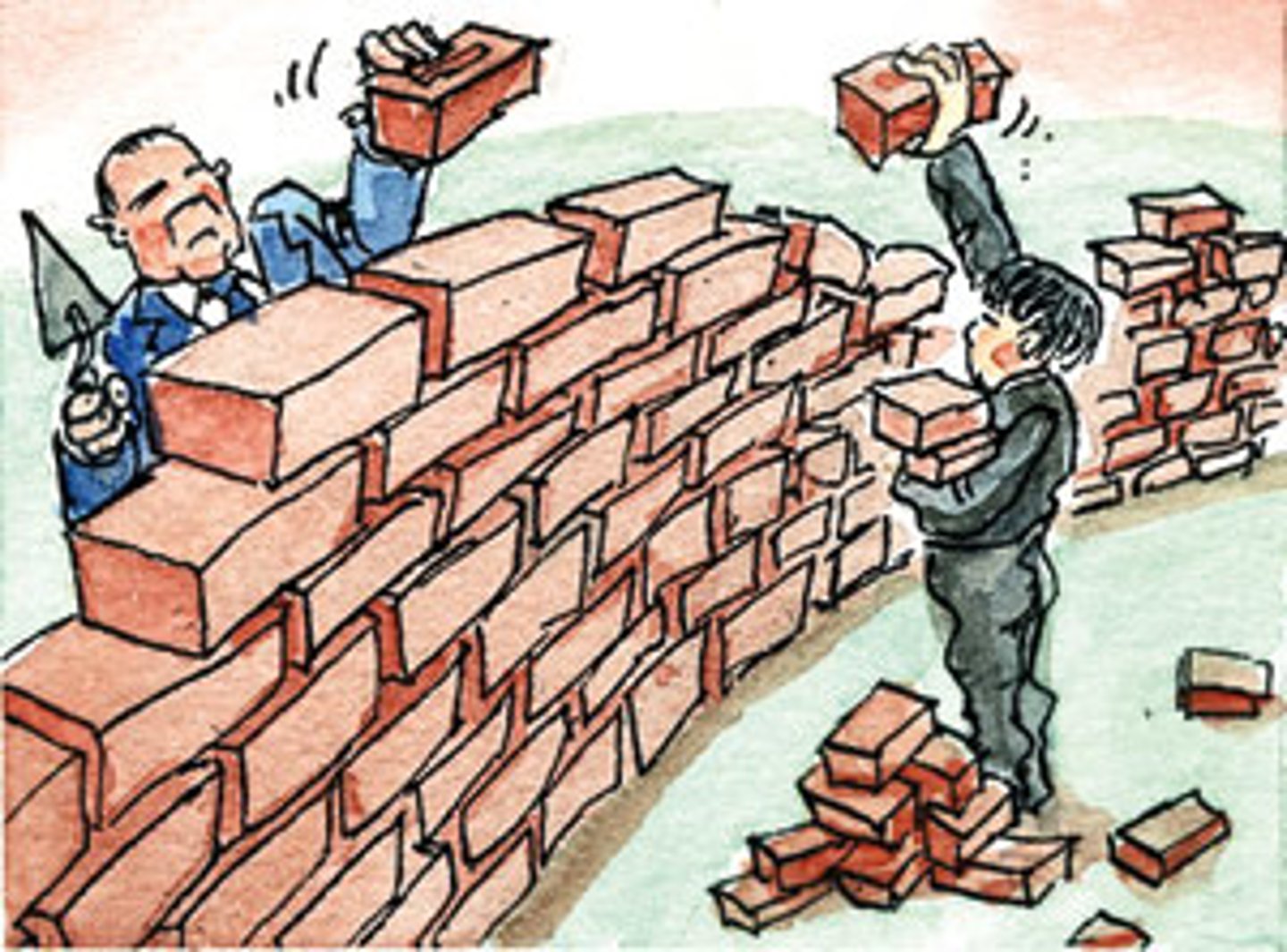
Trading Blocs or Trade Agreement
A group of countries that join together in some form of agreement in order to increase trade between them and/or to gain economic benefits from cooperation on some level.
USMCA (Canada, US, Mexico) EU (countries in Europe) ASEAN(Association of South Eastern Asian Nations) BRICs
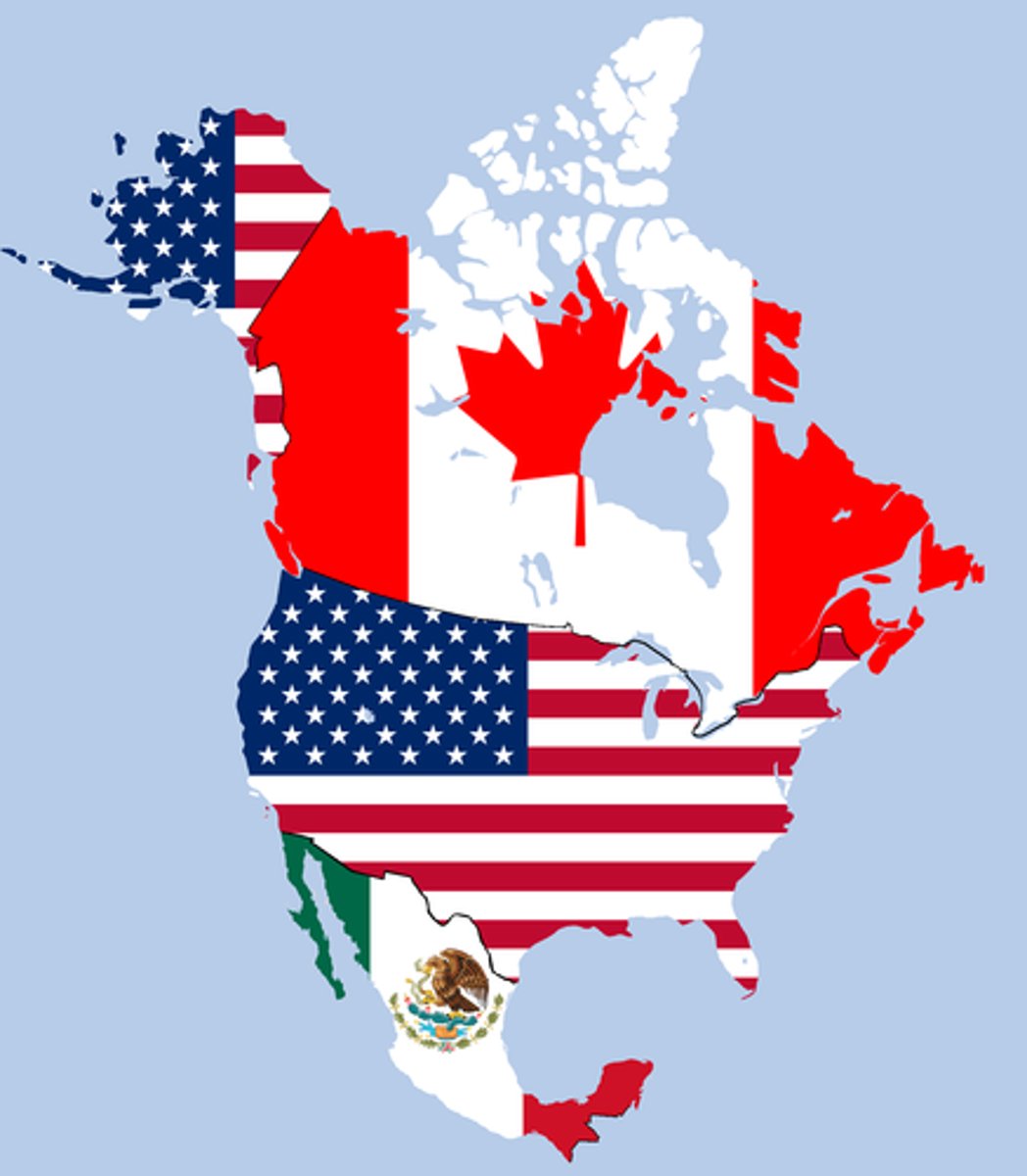
World Trade Organization (WTO)
A permanent global institution to promote international trade and to settle international trade disputes.
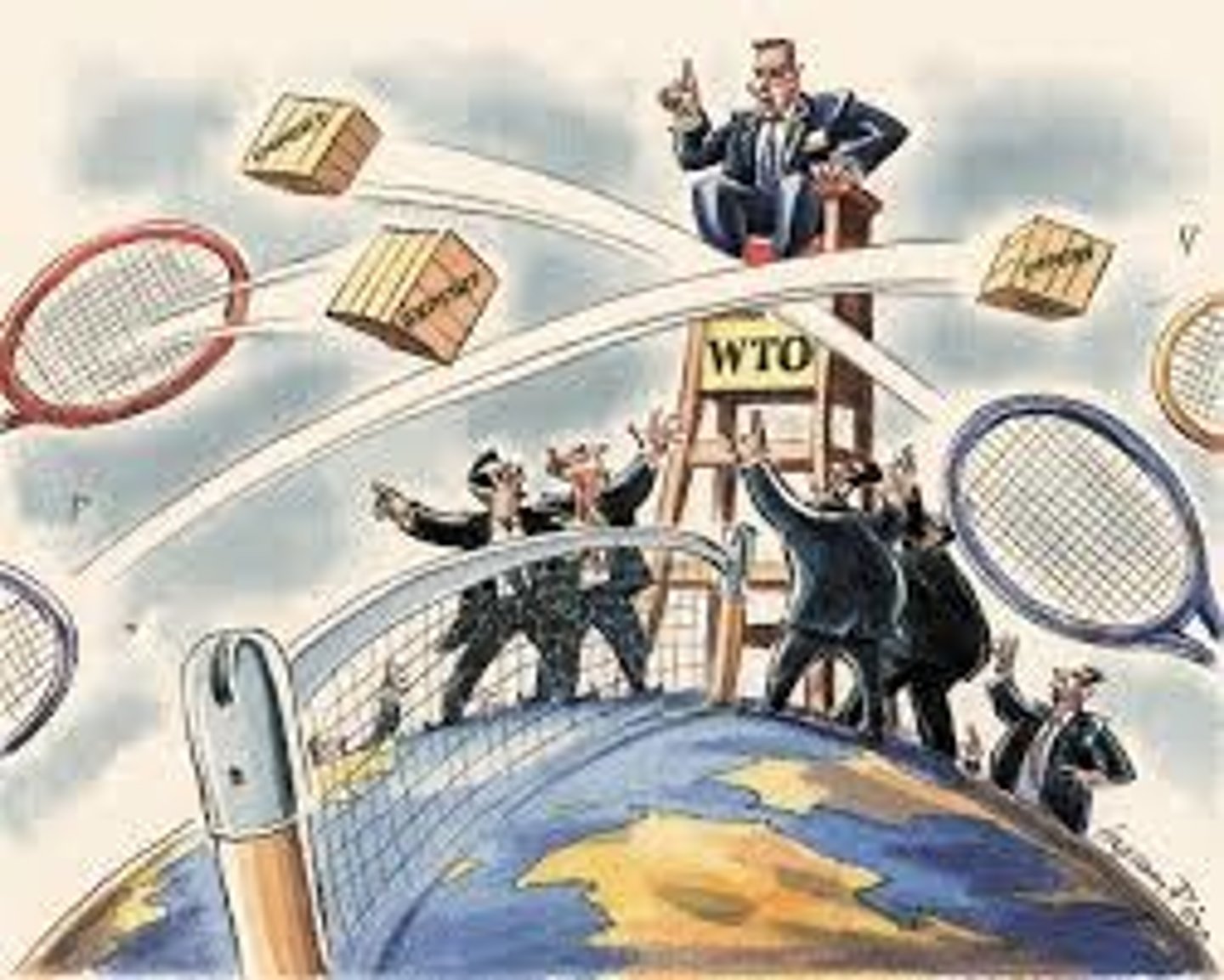
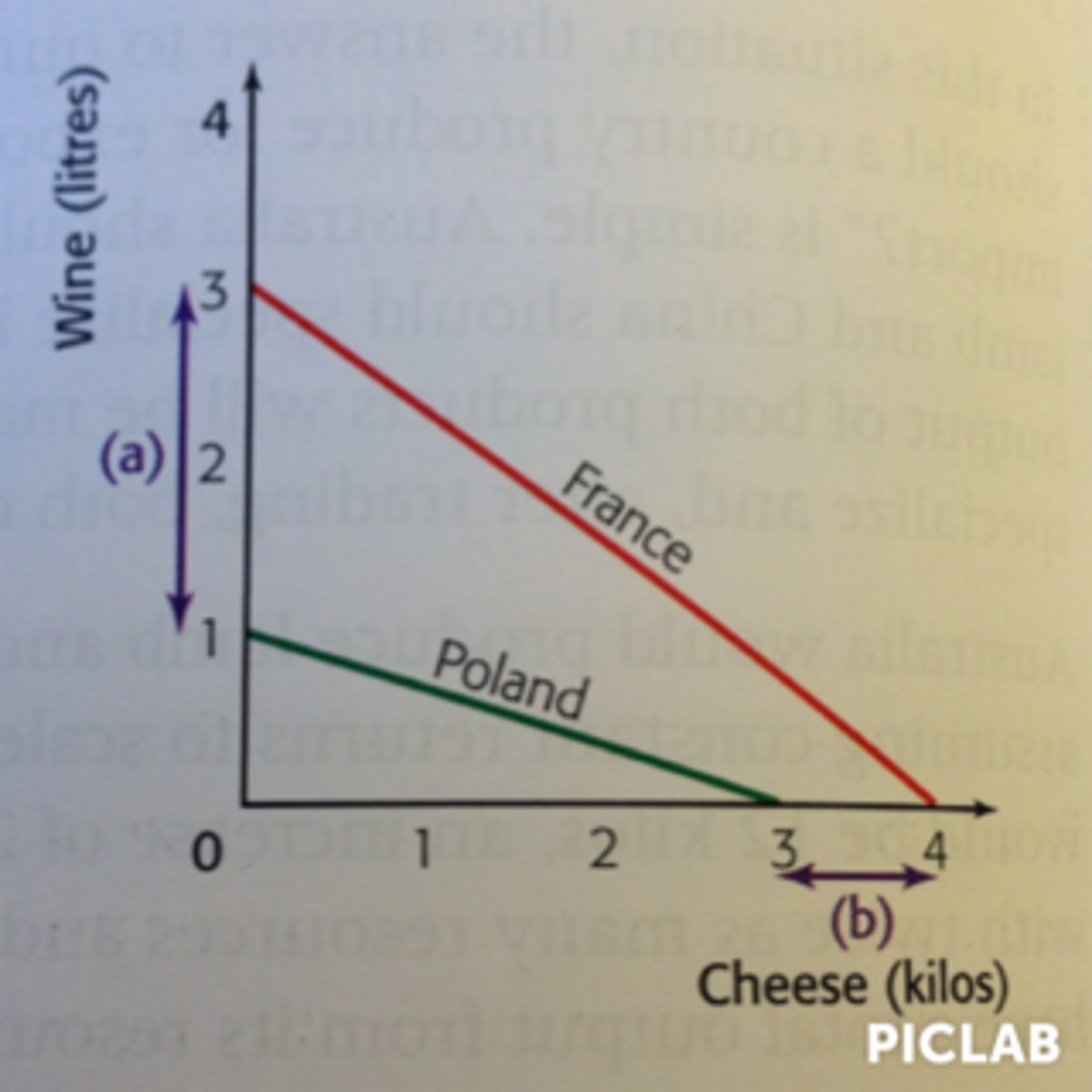
Comparative Advantage
The ability of a country/company to produce a good at a lower cost than another country can.
Complementarity
When two regions through an exchange of commodities can specifically satisfy each others demands. Canada has maple syrup however Colombia has coffee,, they can trade with one another.
Policy that promotes trade/economic growth.
Tax Breaks
Loans with low interest, partially forgivable
Direct Assistance, like making roads or providing a building
Legislation Changes, weakening unions/forget environmental law :-(
Tax imports too protect domestic goods or make them cheaper to purchase.

EPZs (Expert Processing Zones)
Like that of Maquila Zones, where trans/multi-national corporations can take advantage of labor markets and tax incentives.
Post-Fordist Production
World economic system characterized by a more flexible set of production practices in which goods are not mass produced; instead, production has been accelerated and dispersed around the globe by multinational companies that shift production, outsourcing it around the world and bringing places closer together in time and space than would have been imaginable at the beginning of the 20th century.
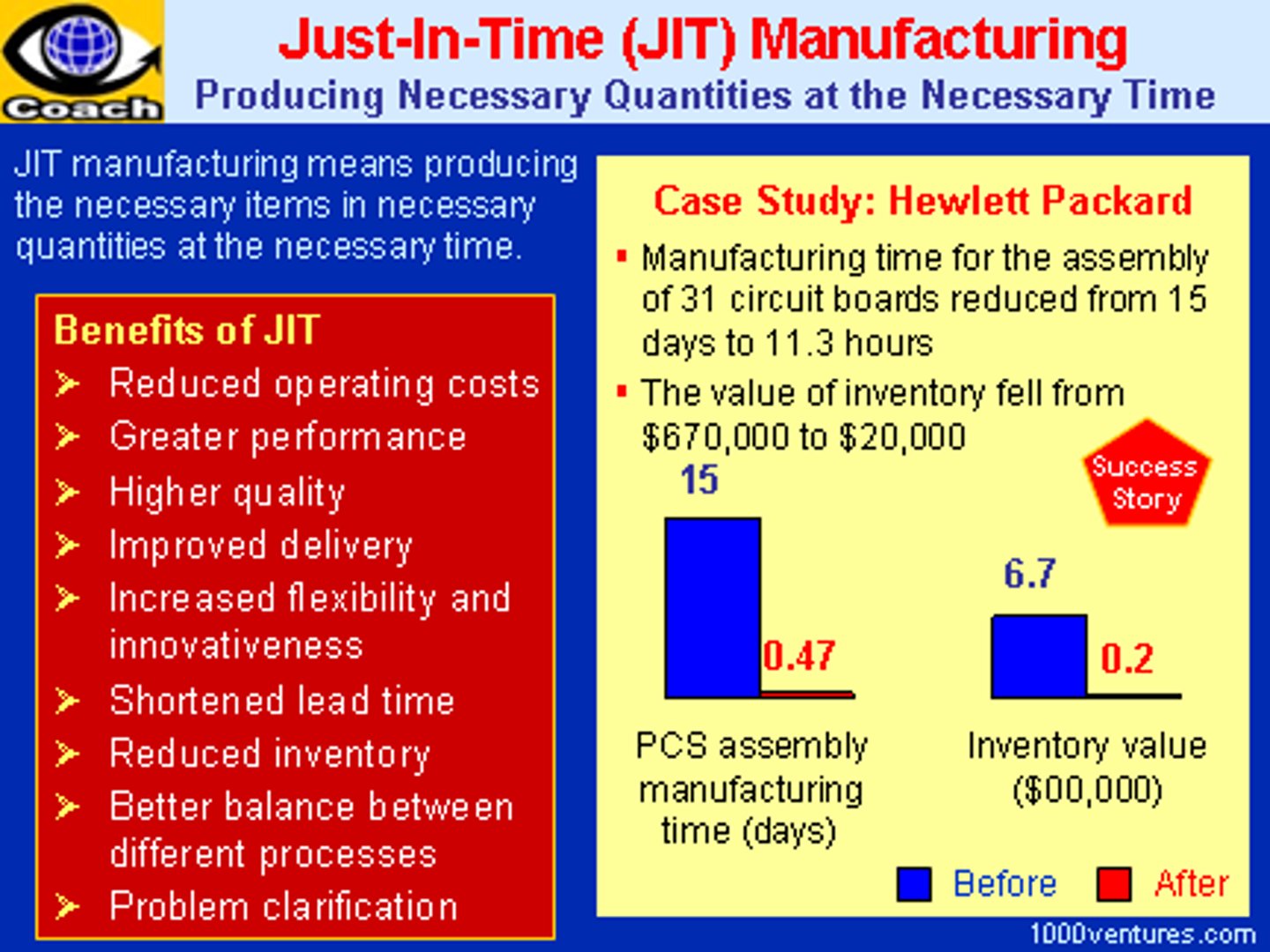
Just-in-time delivery
Shipment of parts and materials to arrive at a factory moments before they are needed.
Agglomeration Economies
The gravity model, companies gravitate to one another, factories will will be close to services they require, like transport, parts supplies, skilled/non-skilled workers.
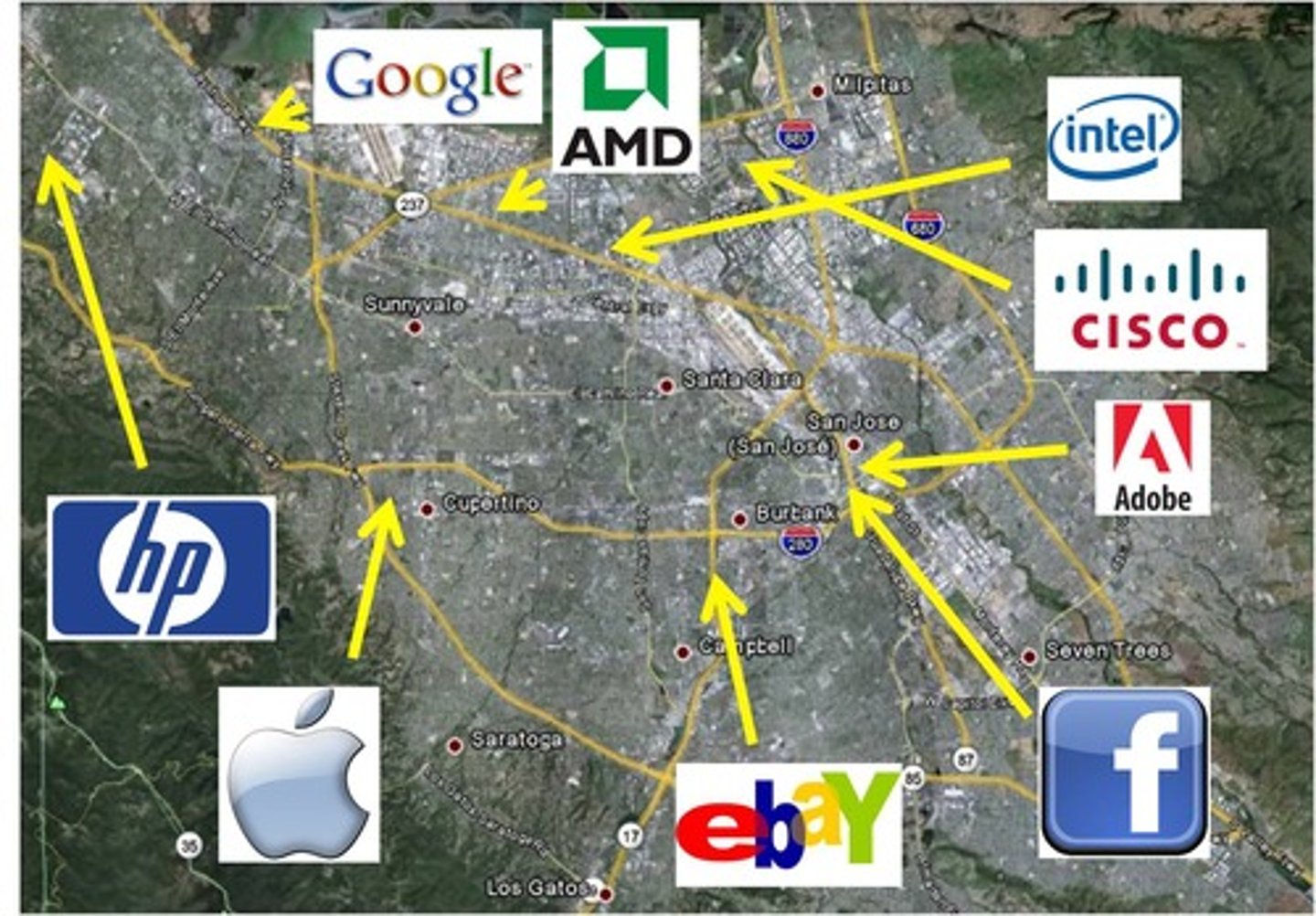
Locational Interdependence
The idea that a company will set up business where similar companies are located so that they can utilize the same local services, infrastructure and services.

Postindustrial Economy
A productive system based on service work and high technology, a. country/region moves away from secondary activities to tertiary activities.
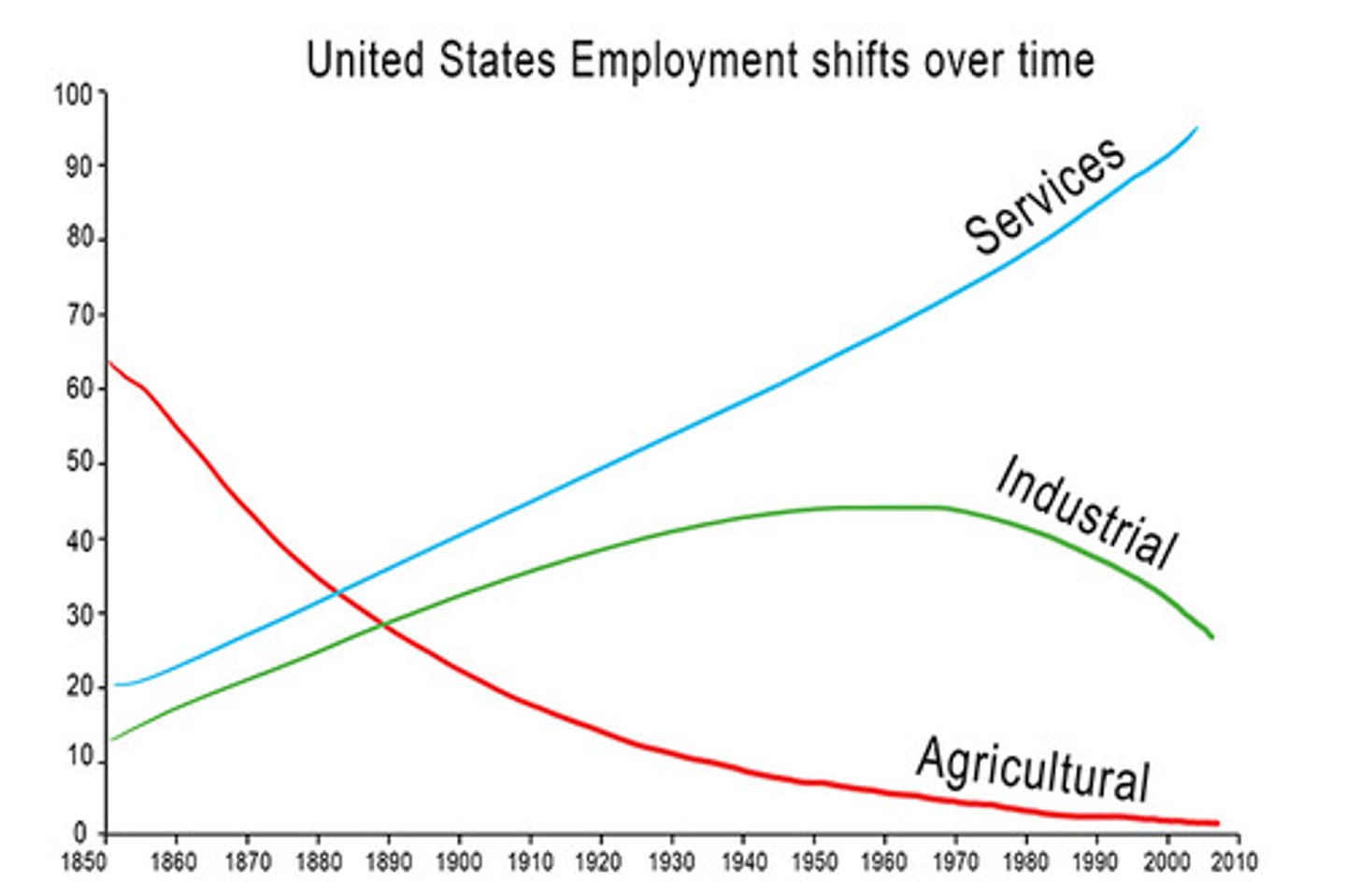
Assembly Line
In a factory, an arrangement where a product is moved from worker to worker, with each person performing a single task in the making of the product, unskilled workers.
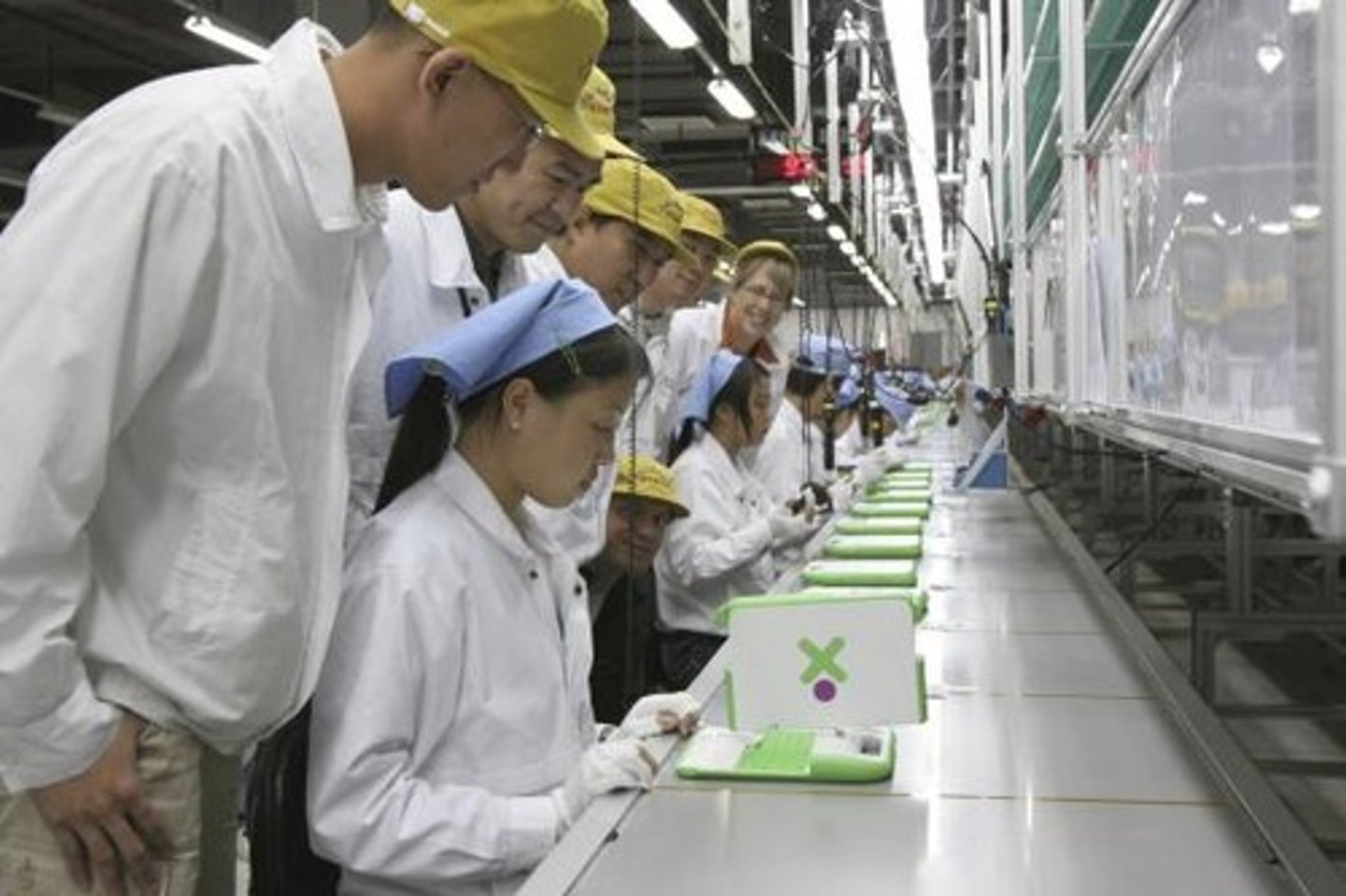
Substitution Principle
In industry, the tendency to substitute one factor of production for another in order to achieve optimum plant location. Automation replaced assembly line workers. Those workers shifted to tertiary services.
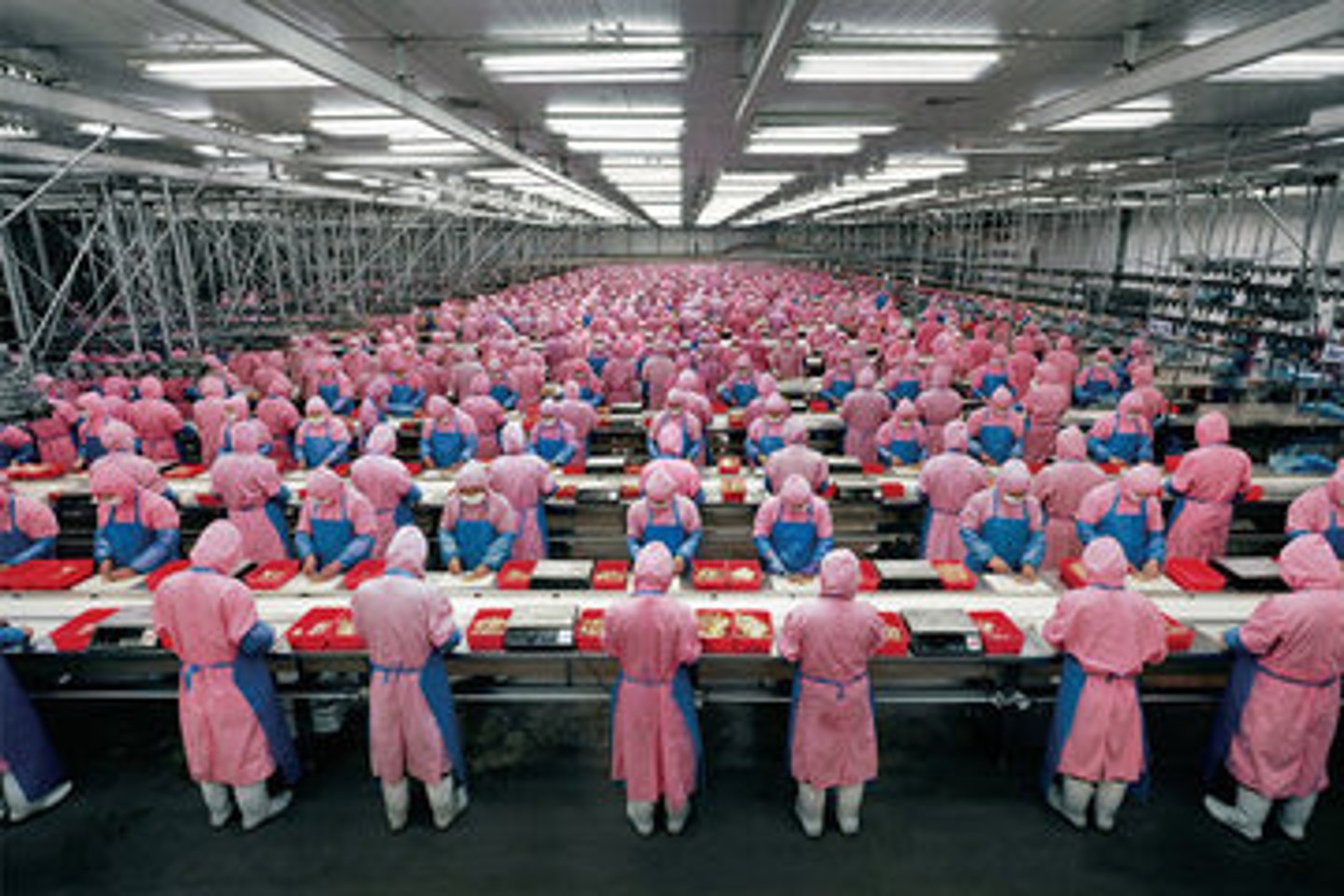
Technopole
A center of high-tech manufacturing and information-based industry. Technology companies agglomerate together. Silicon Valley of India, Bengaluru/Delhi-NCR both known for their thriving IT sectors, numerous tech parks, and a large pool of skilled tech professionals. These become growth poles/centers. Because high vakue companies are established there they attract even more economic development.

Brownfields
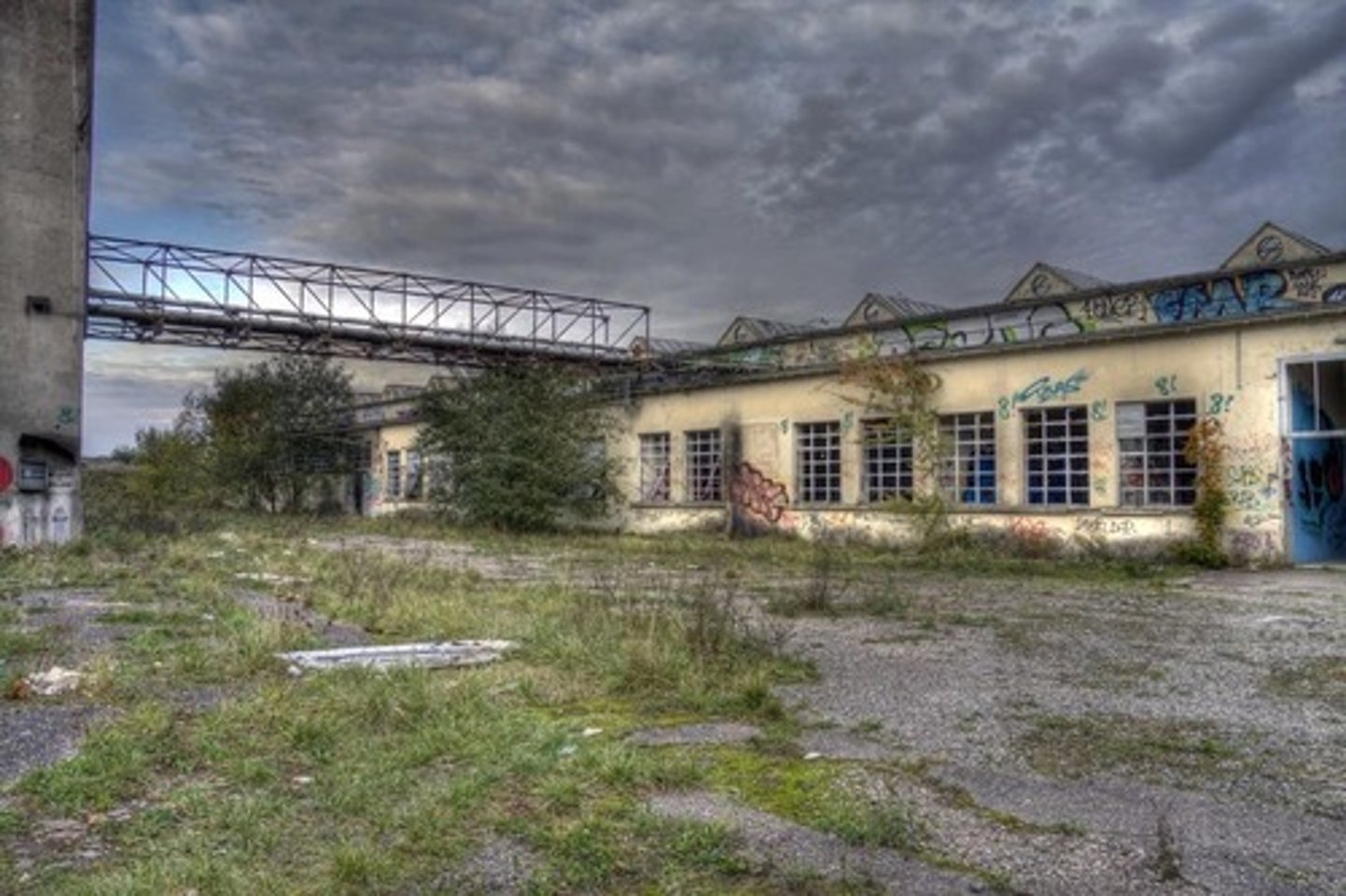
Contaminated industrial or commercial sites that may require environmental cleanup before they can be redeveloped or expanded, also sites of abandoned factories, industry ghost towns. These are hit be deindustrialization. They are a rustbelt too.
Corporate/Business Parks
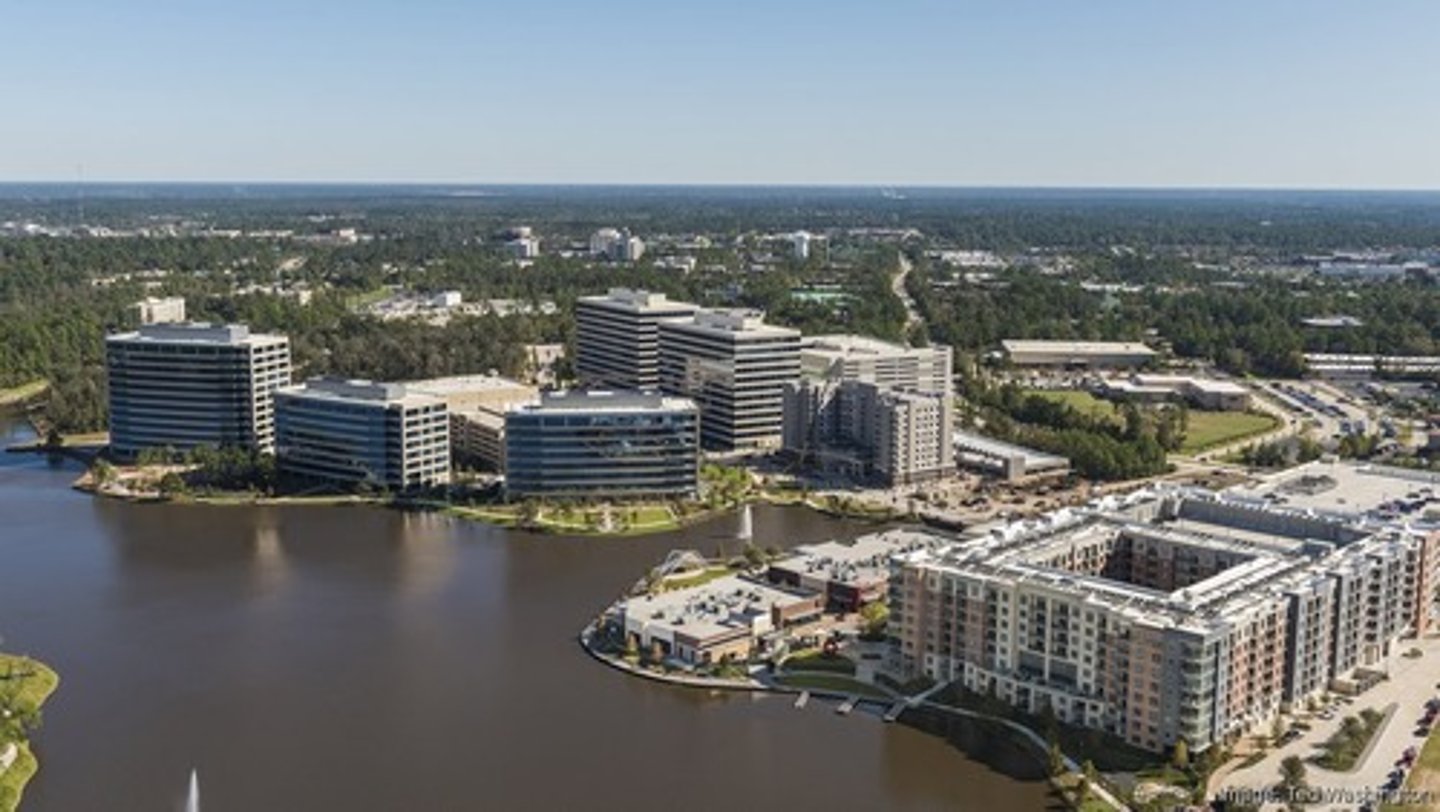
An area of land developed as a site for factories and other industrial businesses, this can also include seconadry and tertiary services. Image is Exon-Mobile Complex in the Woodlands.
Cost of Labor
Firms in countries where labor costs are low commonly have an advantage when competing globally, especially in labor intensive industries. Where minimum wages are high many TNCs outsource or offshore,