Thẻ ghi nhớ: AVCN1_Session 3 | Quizlet
 Call Kai
 Learn
Learn Practice Test
 Spaced Repetition
 Match
Match Flashcards
 Knowt Play
1/40

There's no tags or description
Looks like no tags are added yet.
Name | Mastery | Learn | Test | Matching | Spaced | Call with Kai |
|---|
No analytics yet
Send a link to your students to track their progress
41 Terms
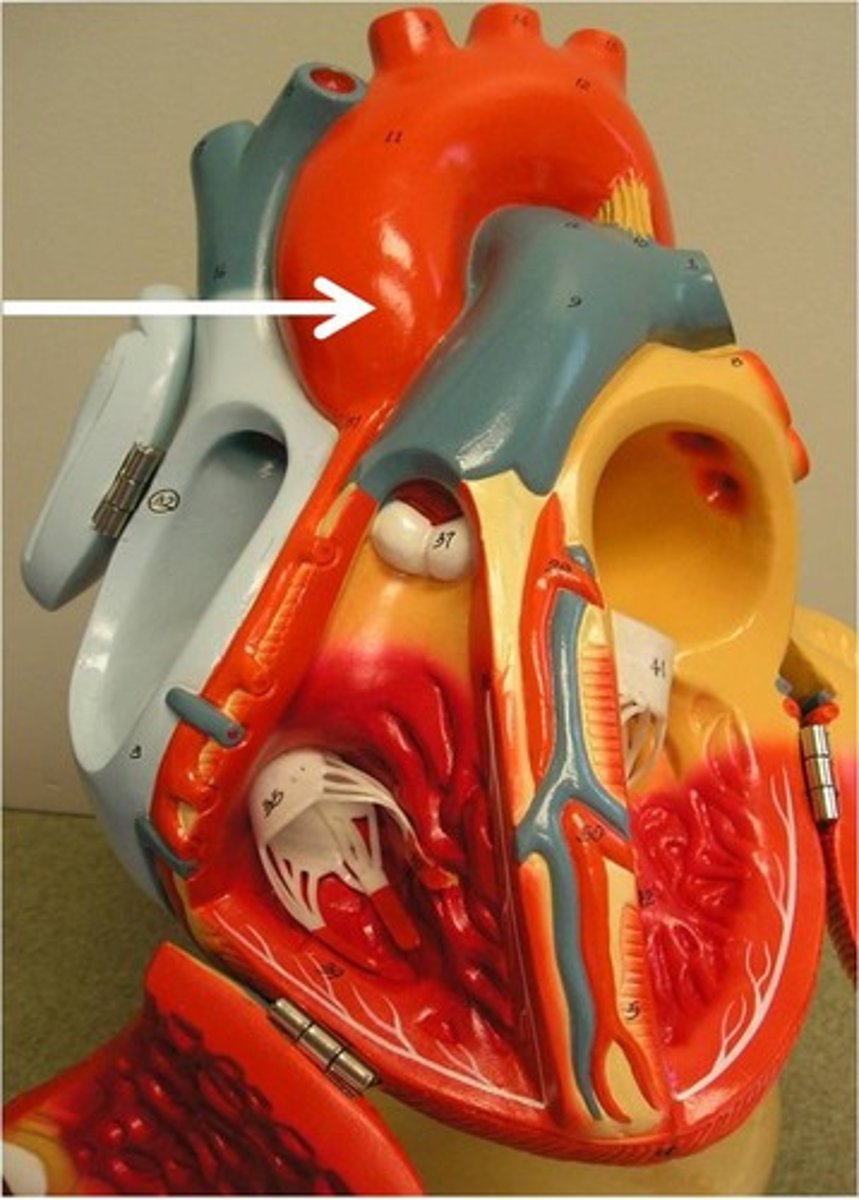
aorta
the largest artery in the body. It connects directly to the heart.
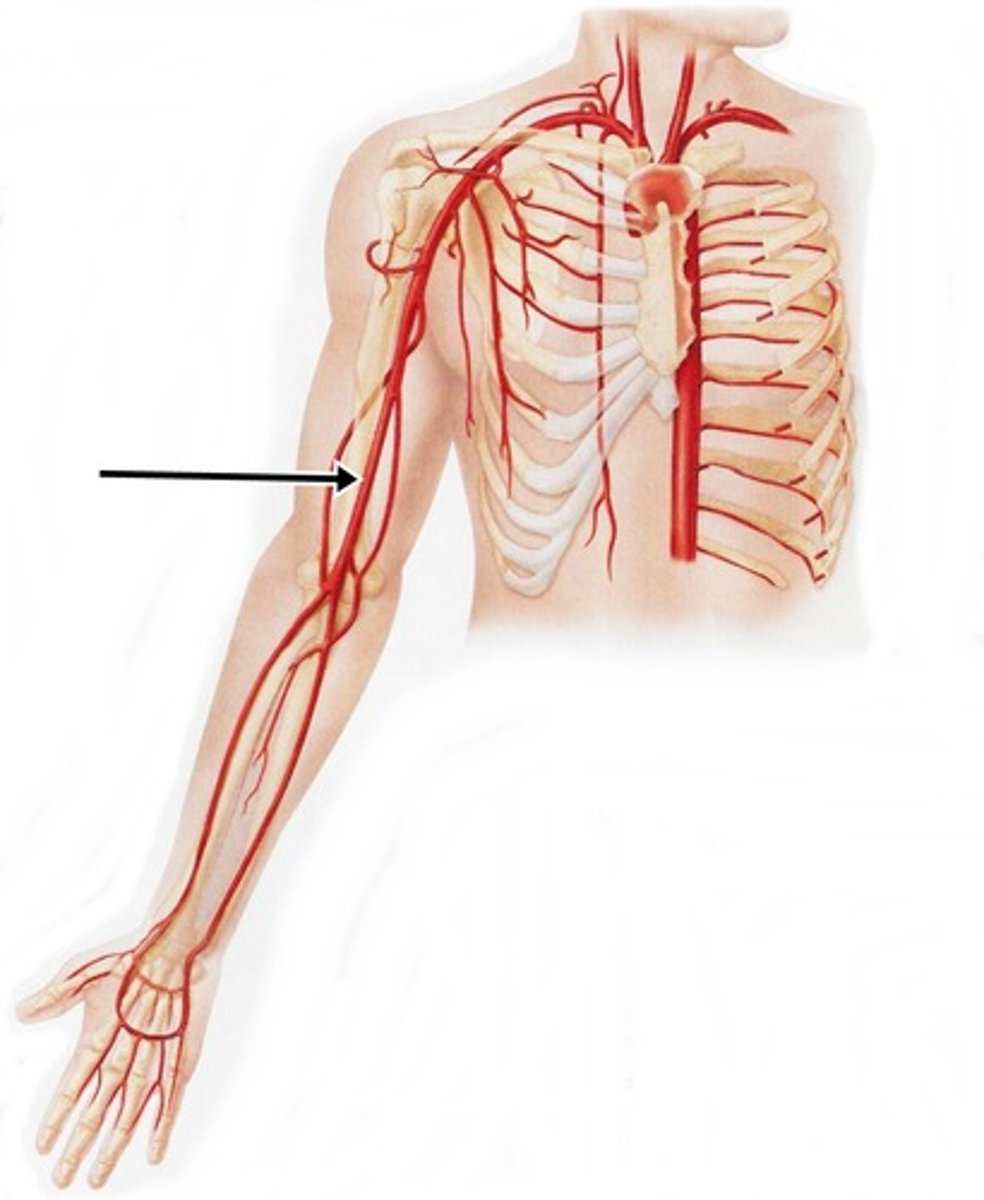
artery
a blood vessel that carries blood away from the heart.
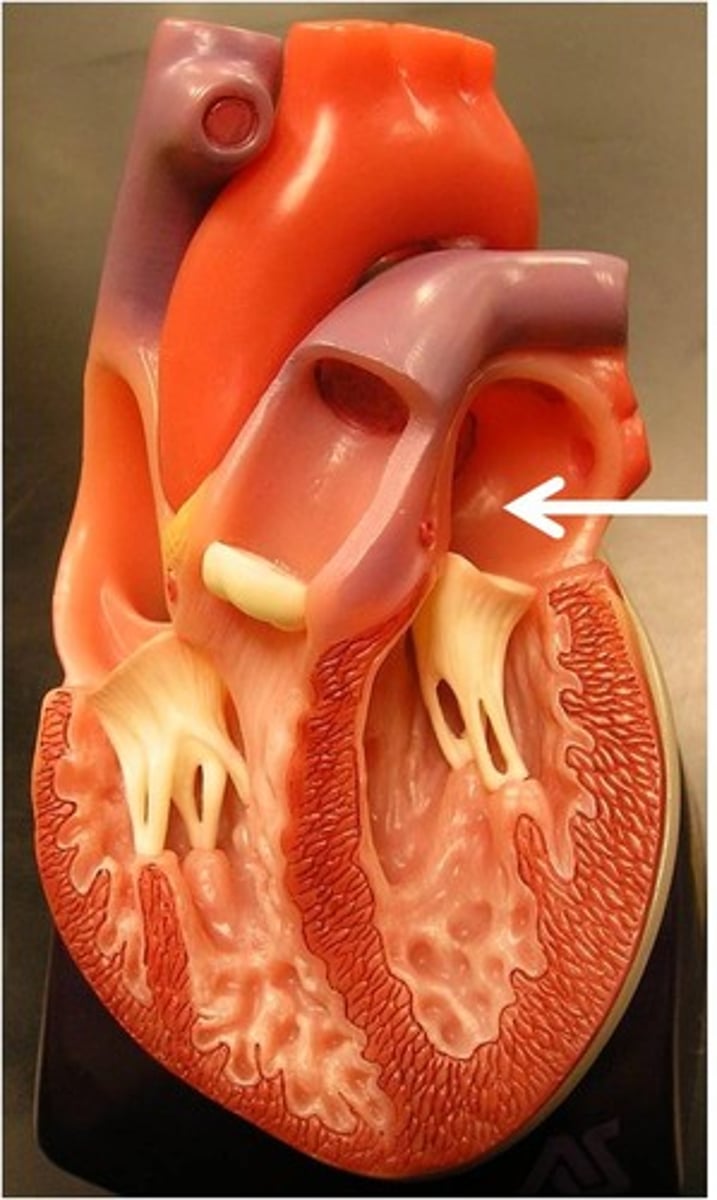
atrium
one of the two upper chambers of the heart, which receive blood from veins.
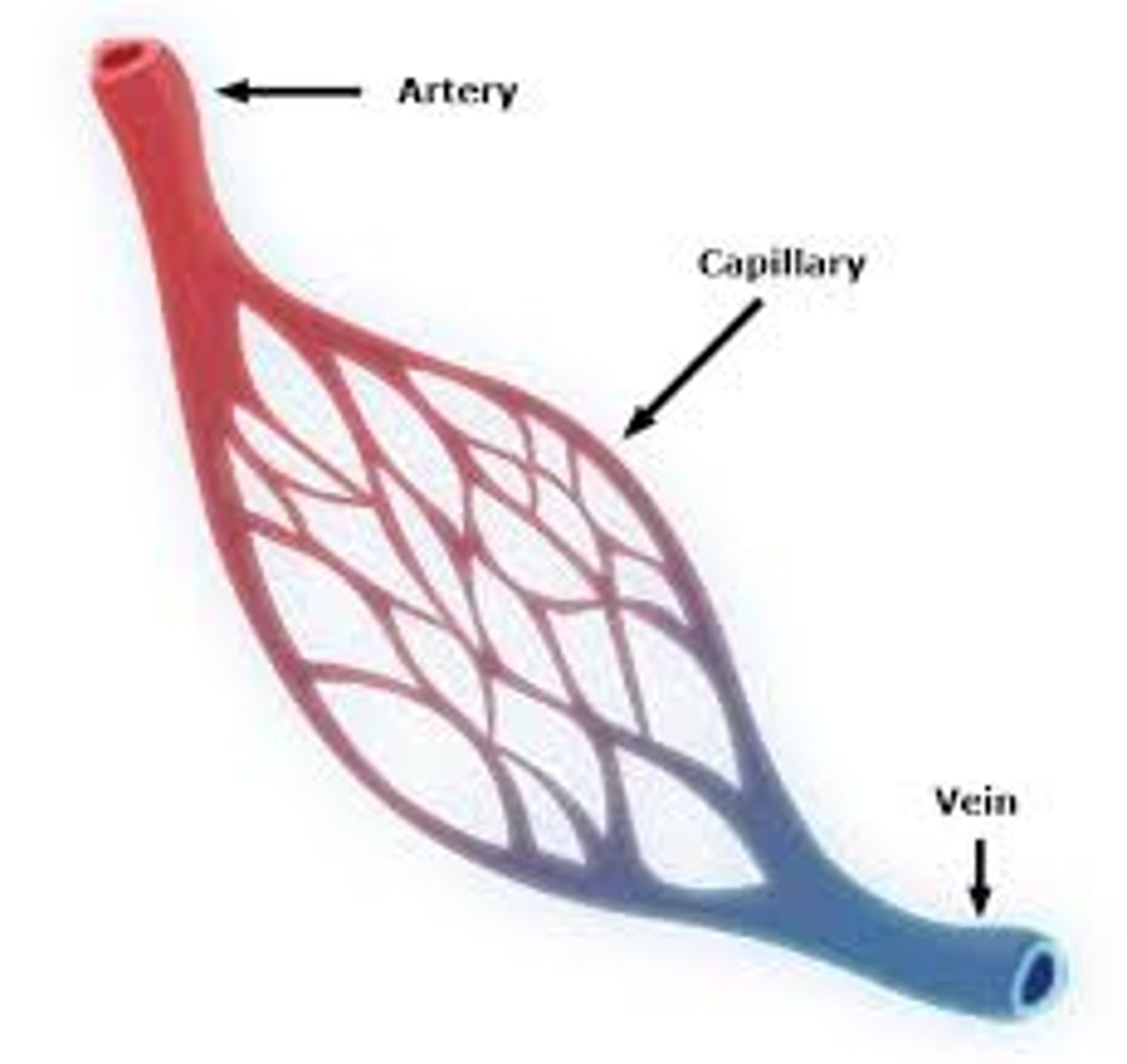
capillary
the smallest kind of blood vessel in the body, where the exchange of oxygen, water, and nutrients takes place.
circulatory system
the system responsible for carrying blood and oxygen throughout the body.
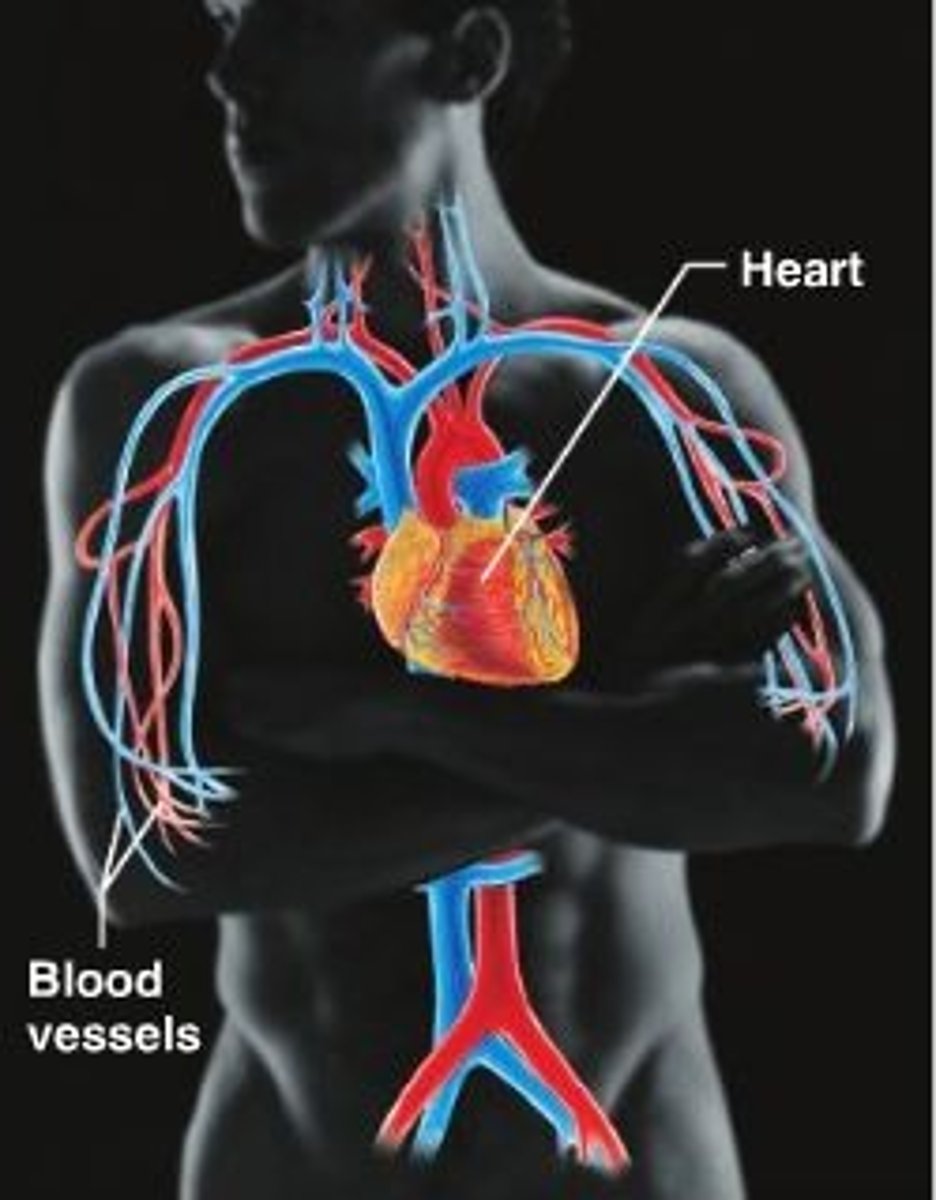
heart
the organ which pumps blood throughout the body.
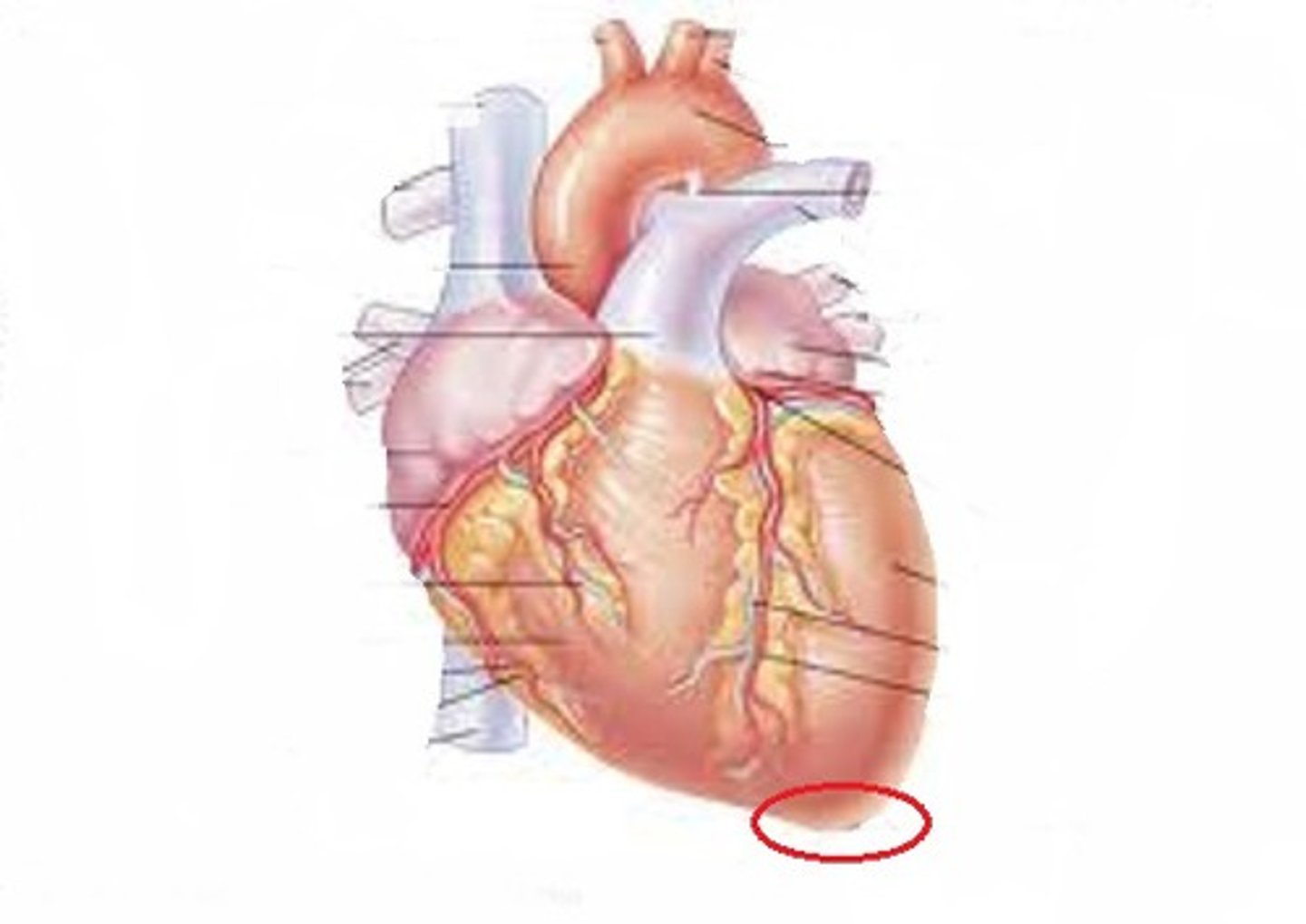
pulmonary
relating to the lungs. If something is _______, it has to do with the lungs.
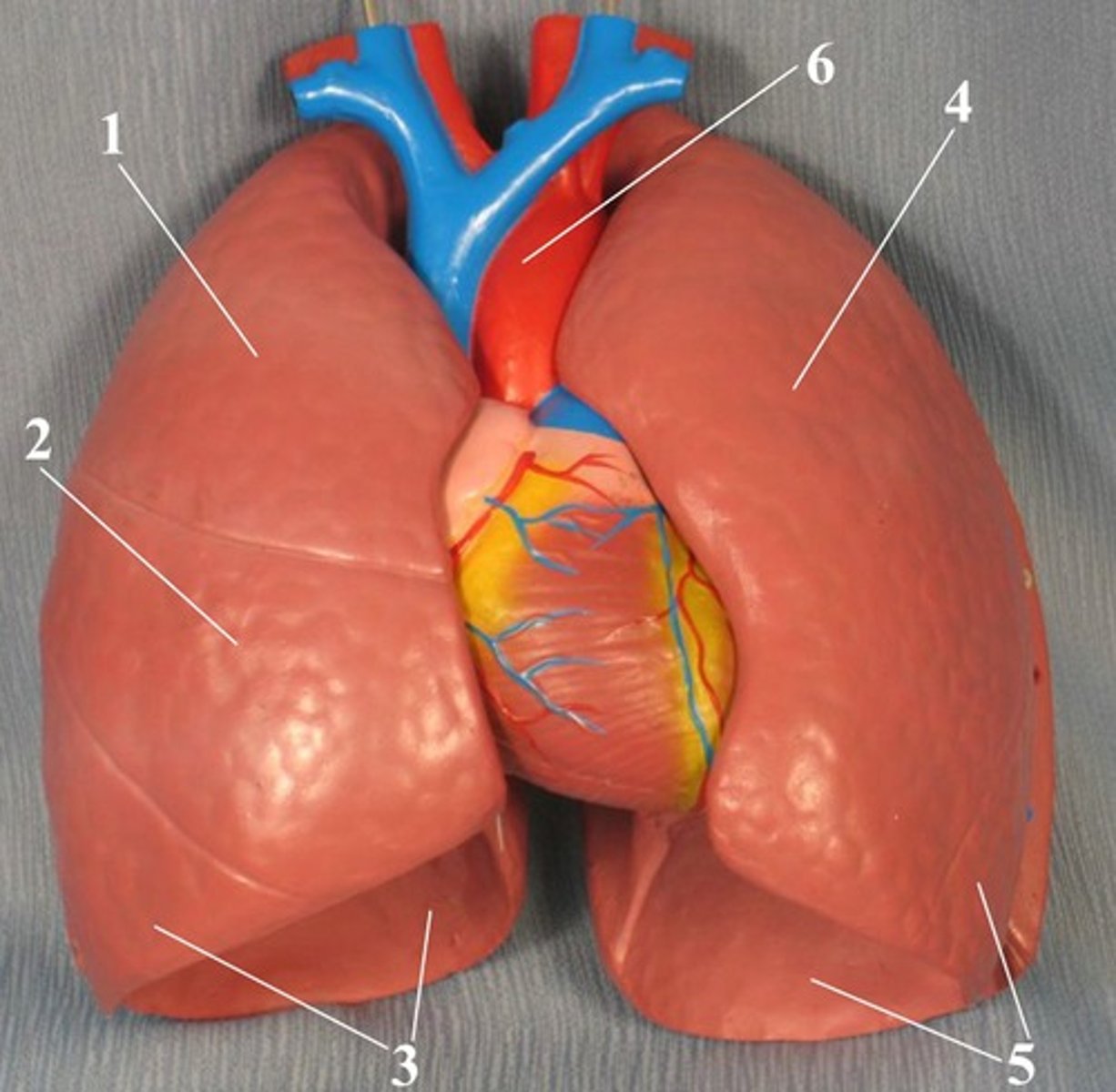
valve
a flap in a bodily system that allows passage of material in one direction but prevents passage in the other direction.
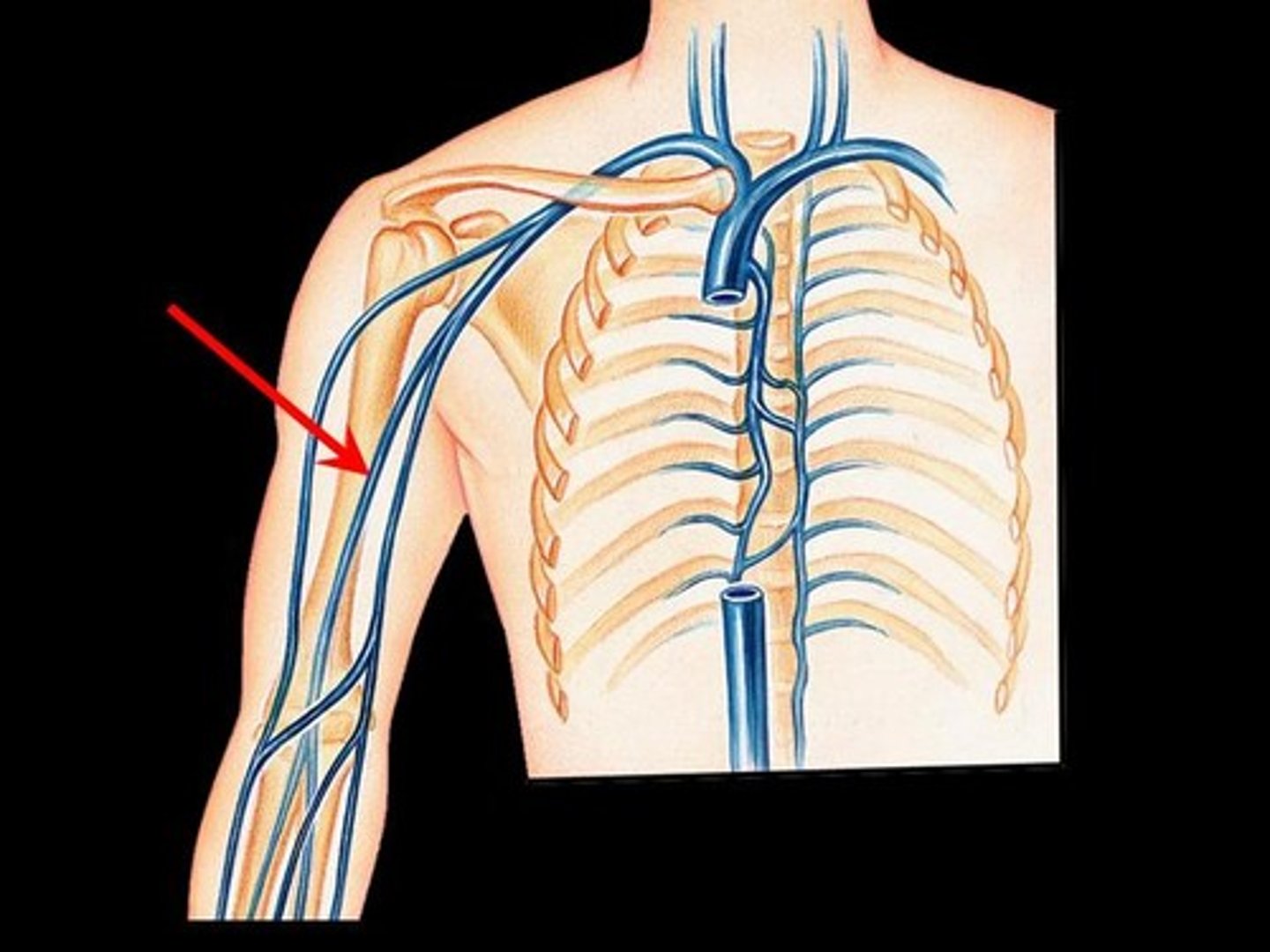
vein
a blood vessel that carries blood towards the heart.
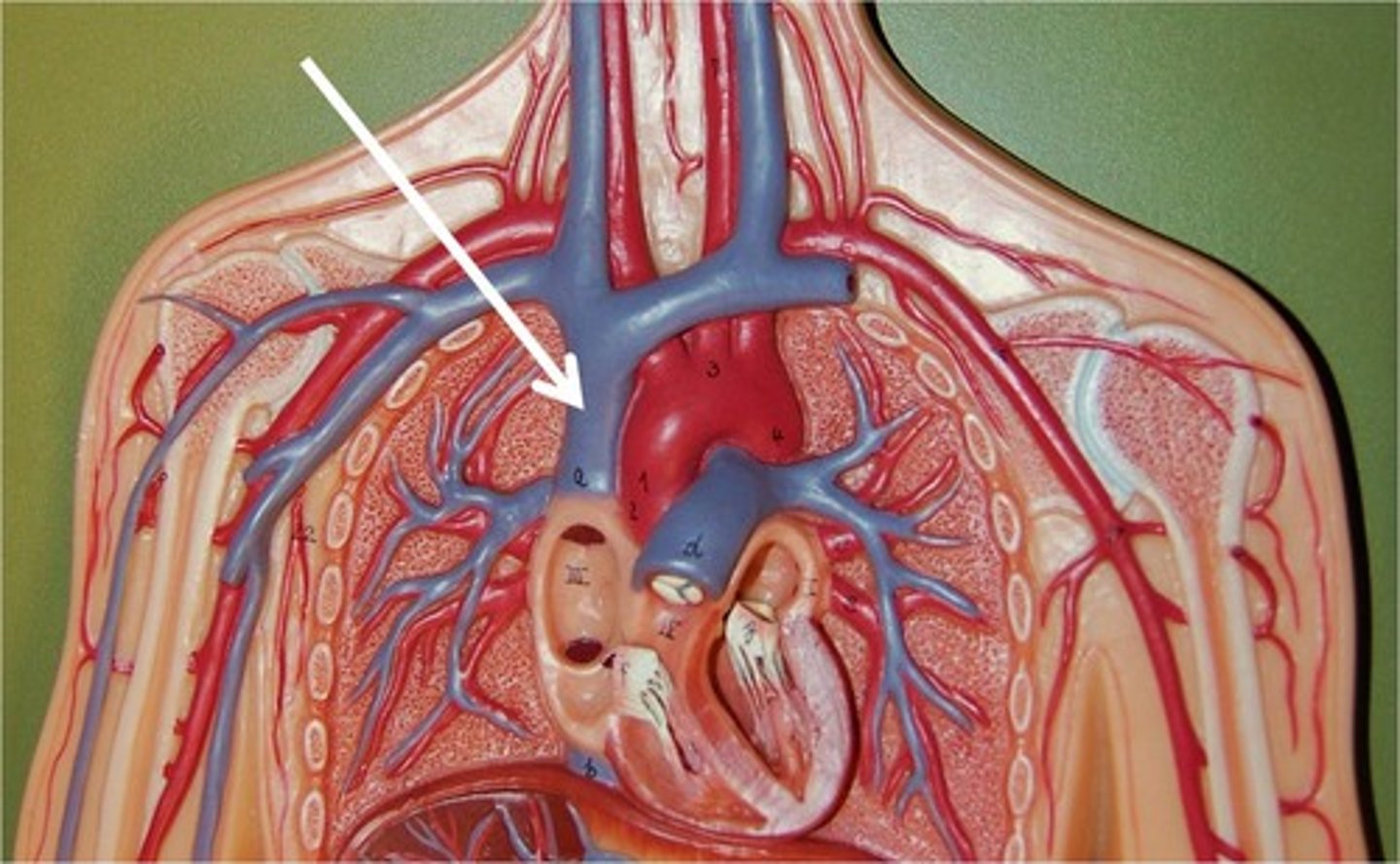
vena cava
one of the two largest veins in the body. It connects directly to the heart.
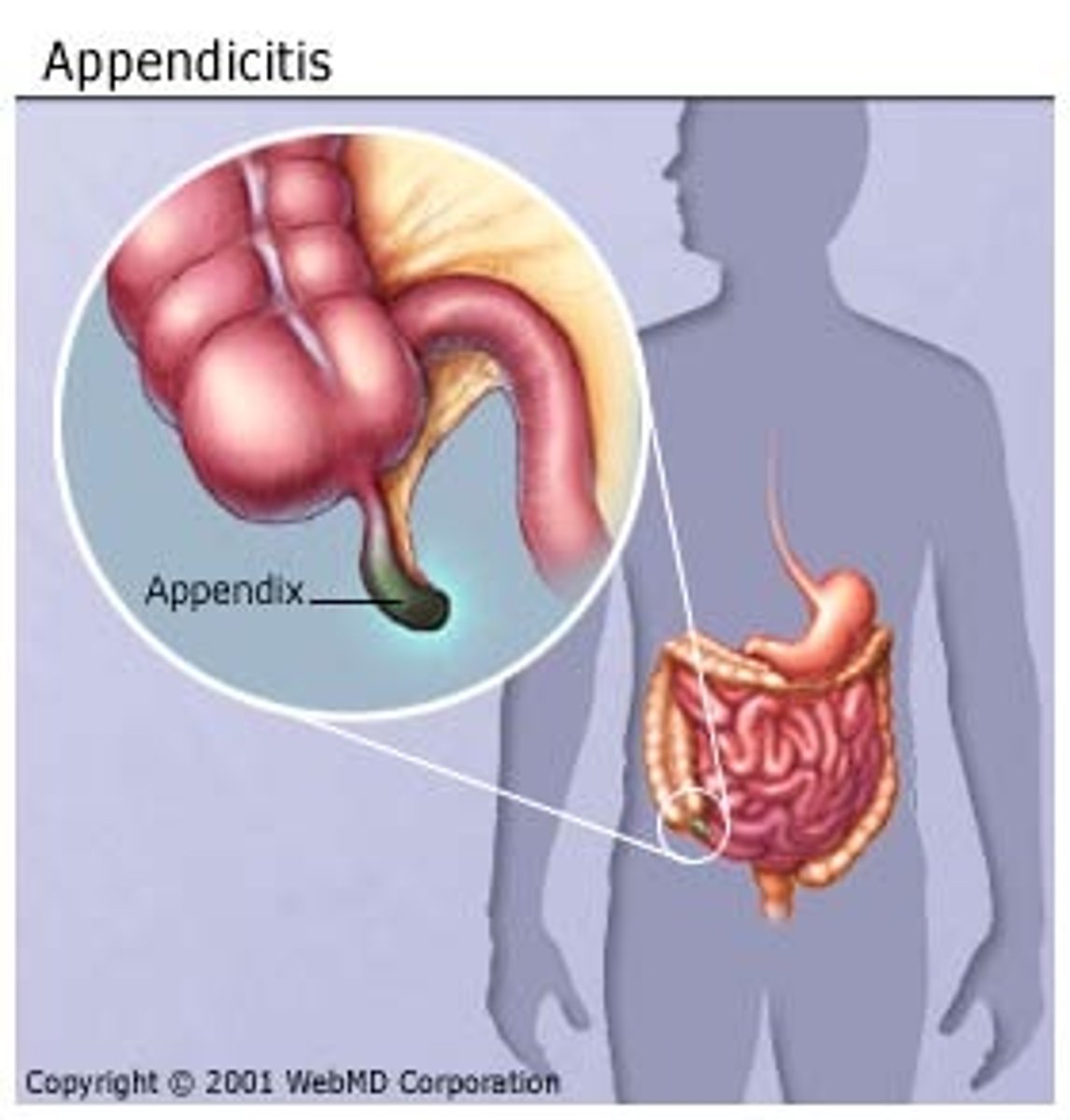
appendicitis
A condition where the appendix, a small organ which is part of the digestive system, becomes irritated and inflamed.
colon
Another name for the large intestine, but is also known as the part of the digestive system which compacts unused food into feces and stores it until it is ready to exit the body.
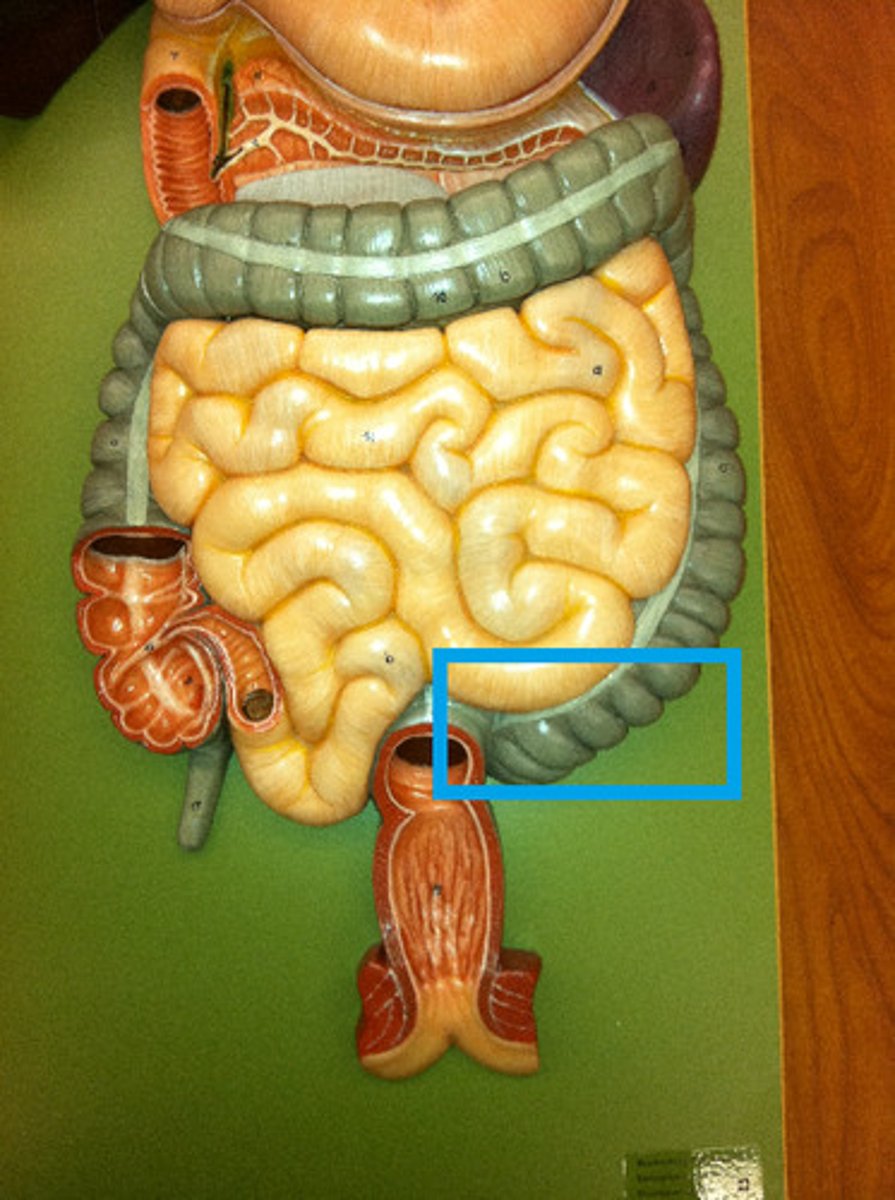
colonoscopy
A medical procedure which examines the inside of the colon.
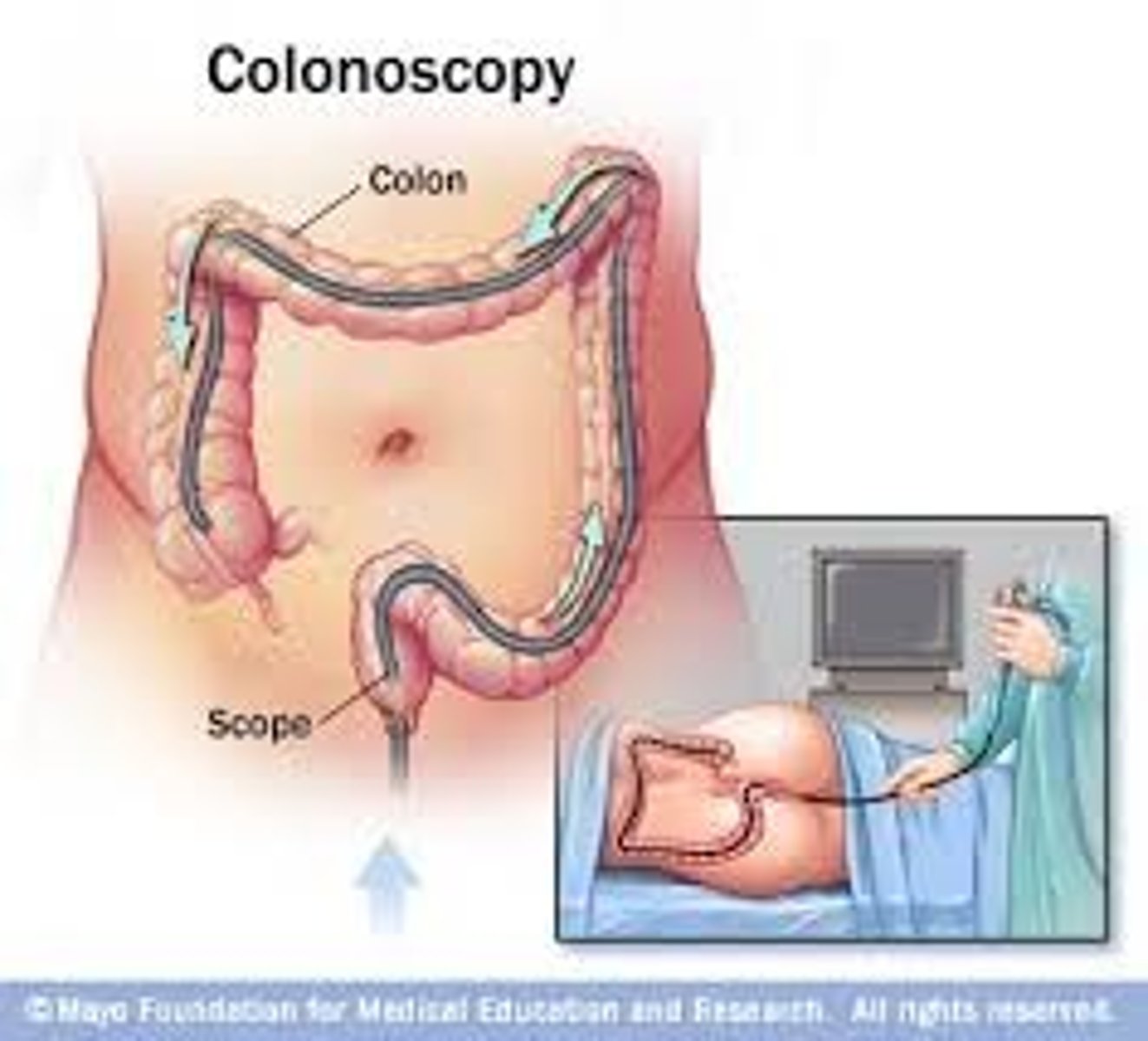
digestive system
The system of organs through which food passes, and which processes food, nutrients, and waste.
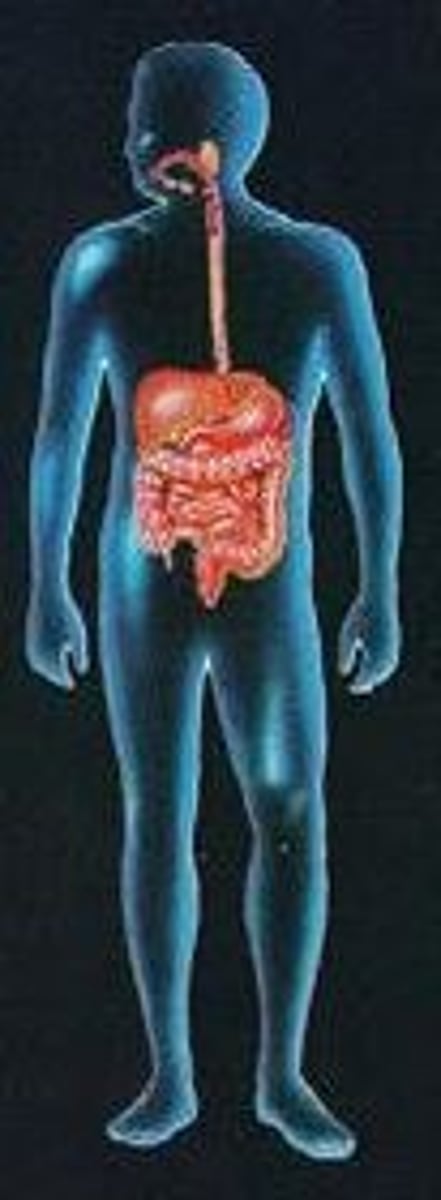
esophagus
The muscular tube connecting the mouth at the pharynx to the cardiac end of the stomach.
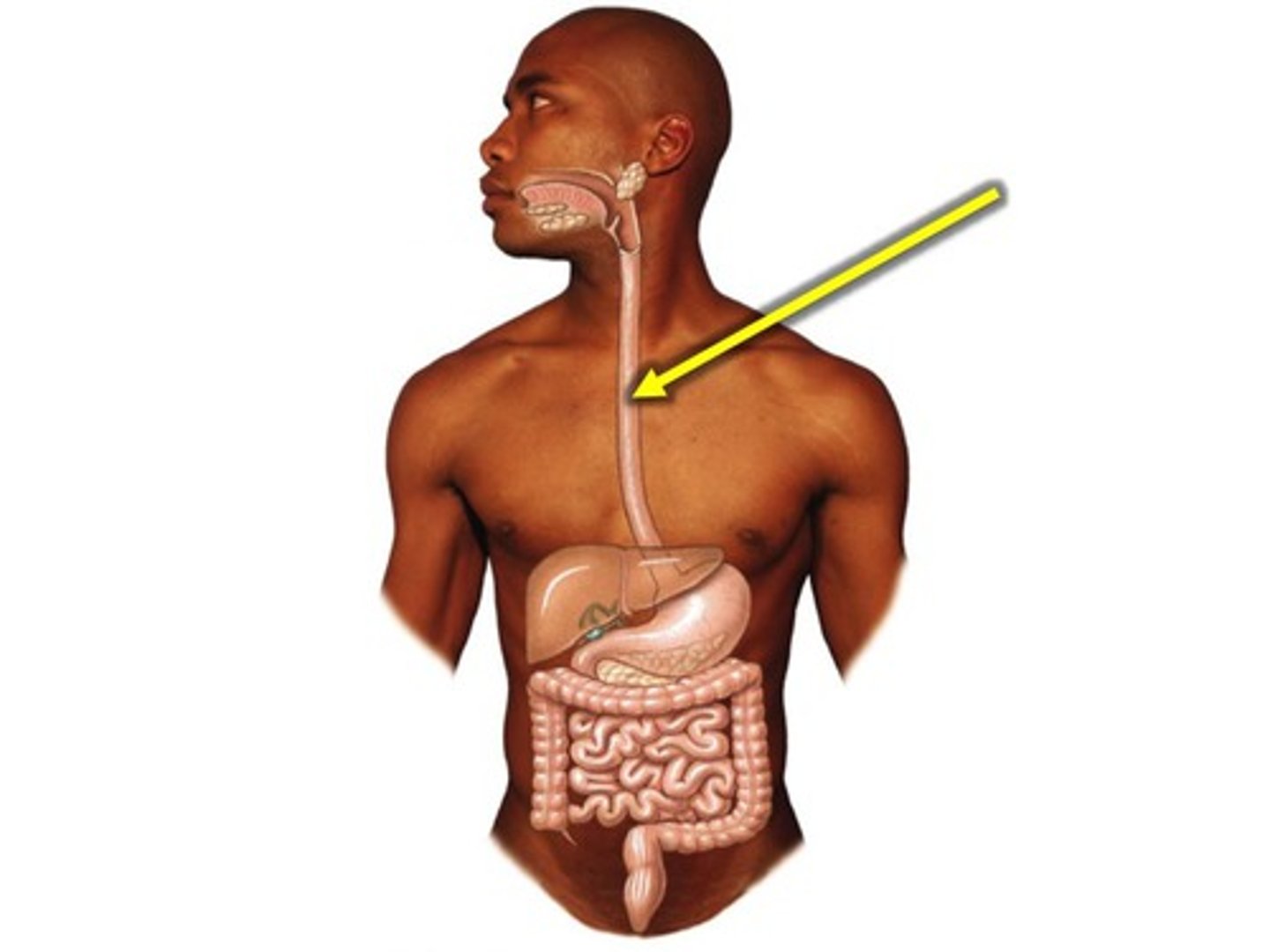
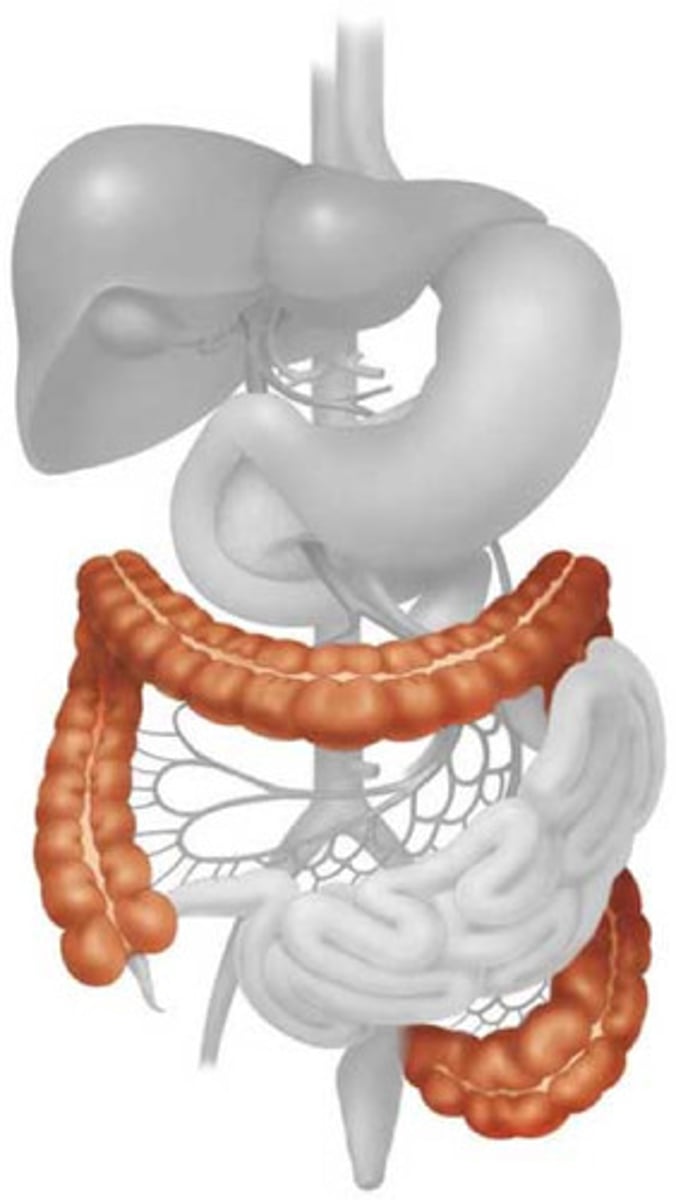
large intestine
The organ connected at the end of the small intestine and anus. The large intestine absorbs nutrients and vitamins not absorbed by the small intestine. It then compacts unused food into waste, or feces.
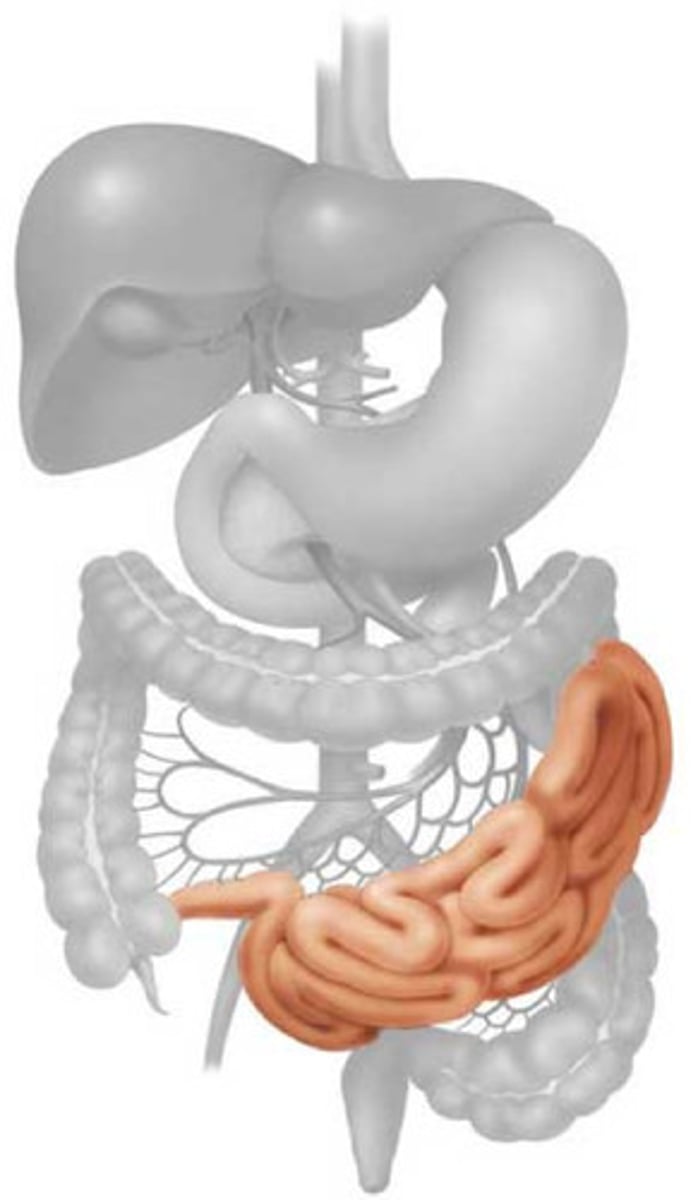
small intestine
The part of the digestive system through which food passes from the stomach and through which nutrients are absorbed into the blood.
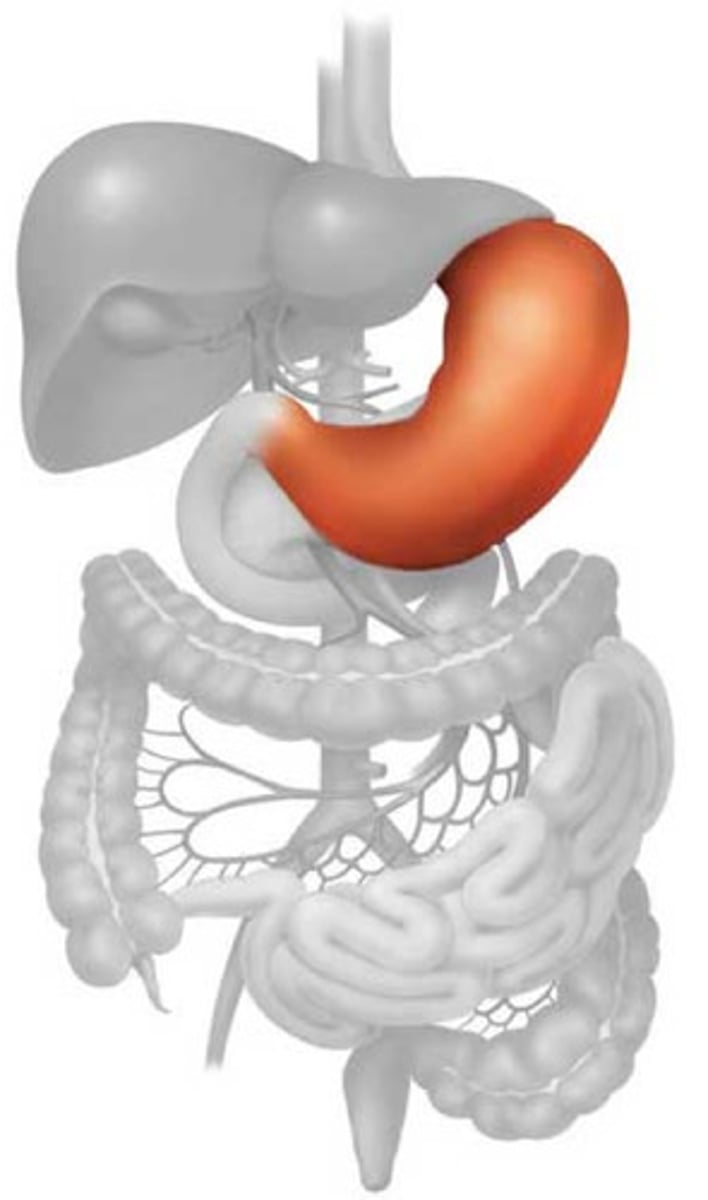
stomach
The pouch-like organ between the esophagus and small intestine. This produces acid and enzymes to break down food which enters the body.
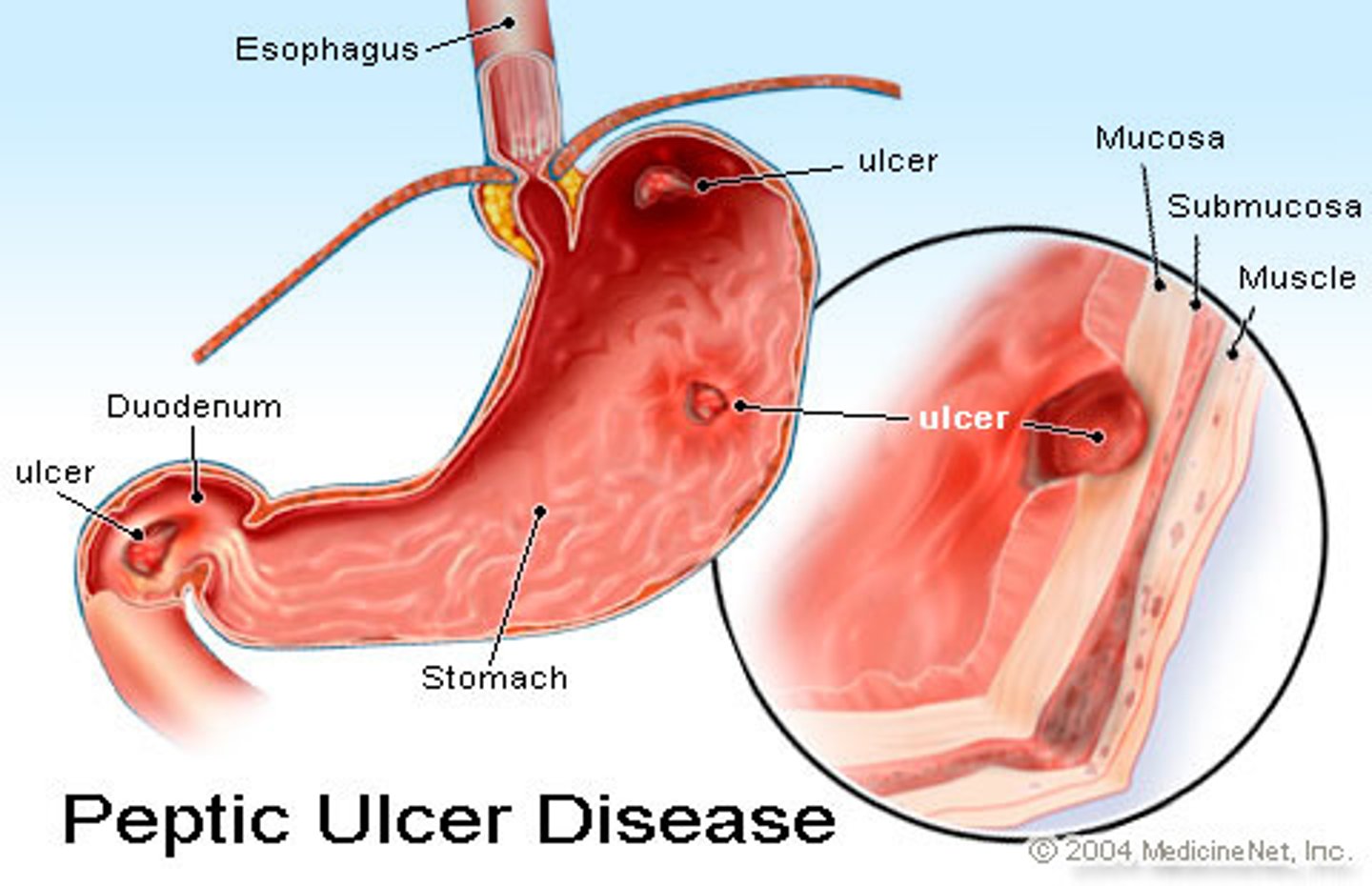
ulcer
A sore or abscess which forms in the stomach when the stomach's mucus lining is too thin to keep the stomach's acid from damaging the stomach.
assess
(đánh giá)
To evaluate something or determine the value of it

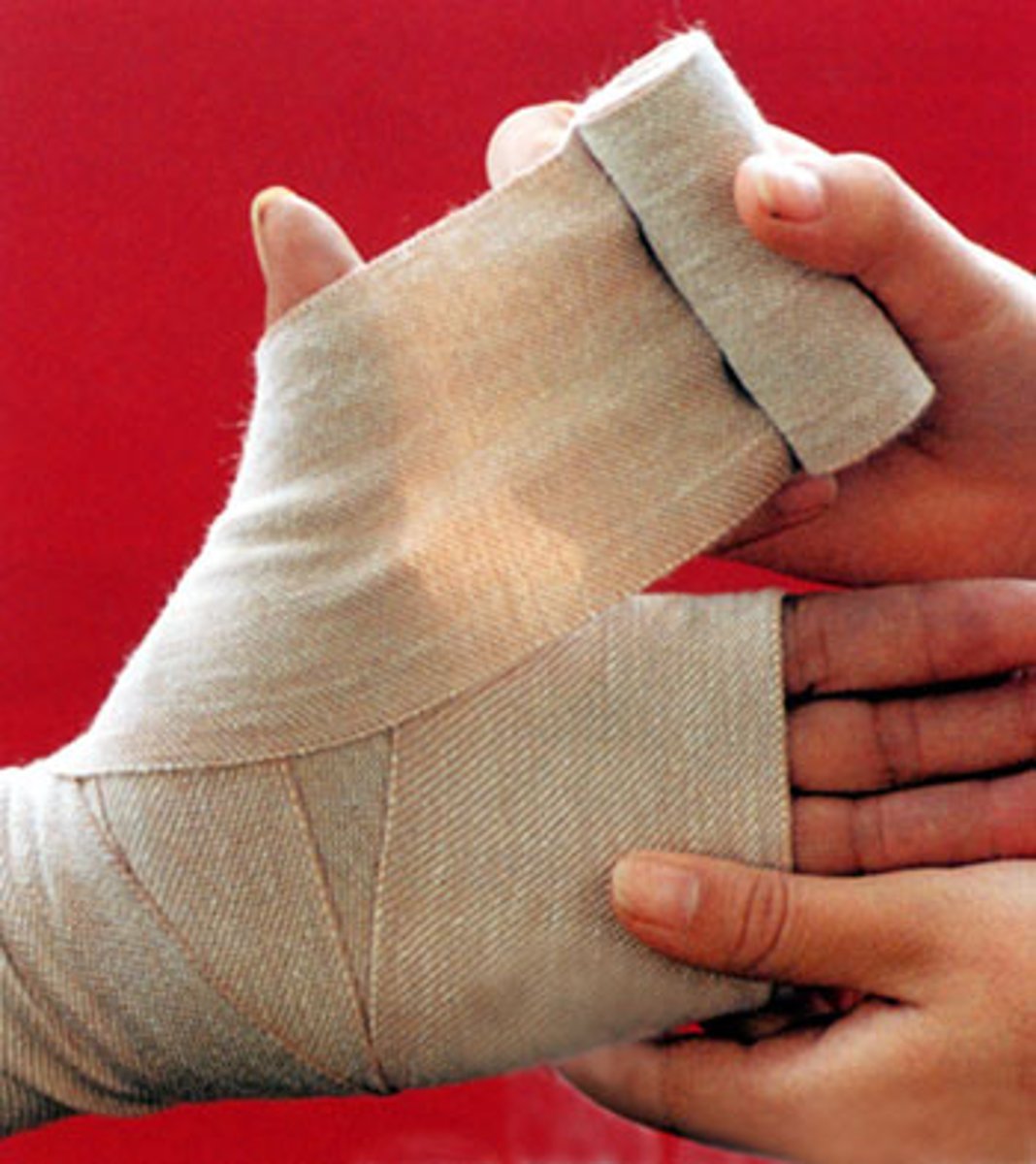
bandage
A strip of material used to protect an injury.
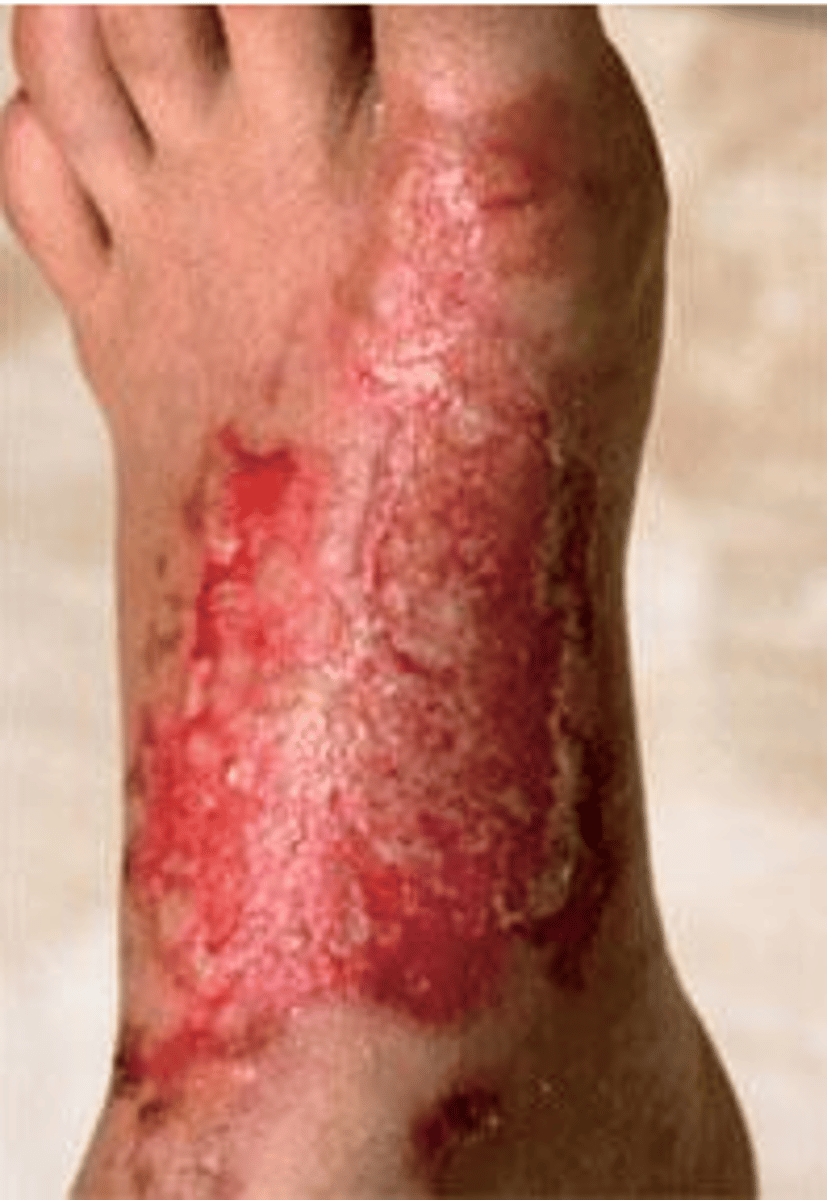
burn
A physical injury that can be caused by extreme heat, cold, electricity, or dangerous chemicals.
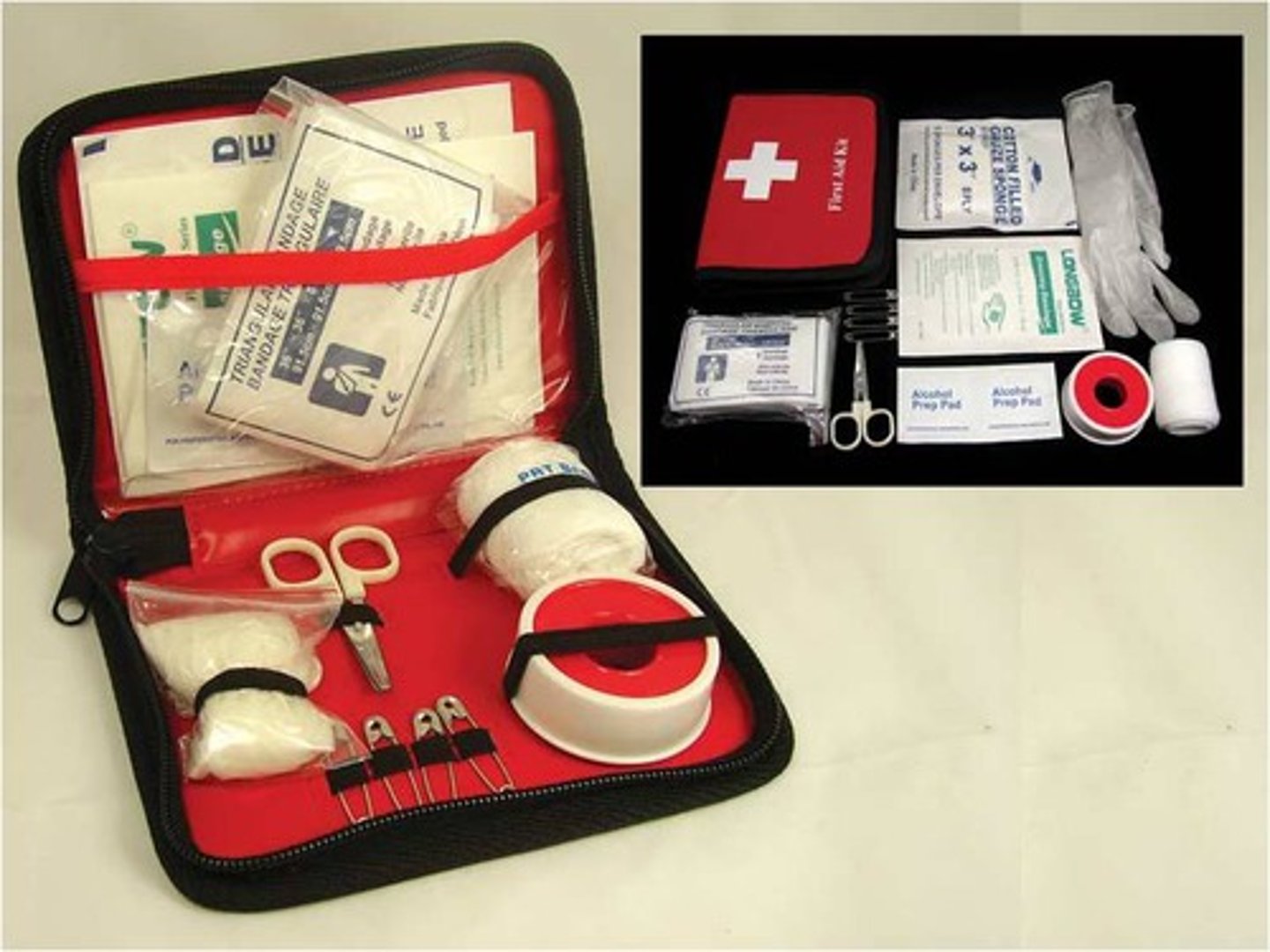
Cardiopulmonary resuscitation
(CPR) is a first aid procedure involving chest compression and artificial breathing, used when the heart has stopped beating.

first aid
Basic medical care given to an injury victim when other help is not available or necessary.
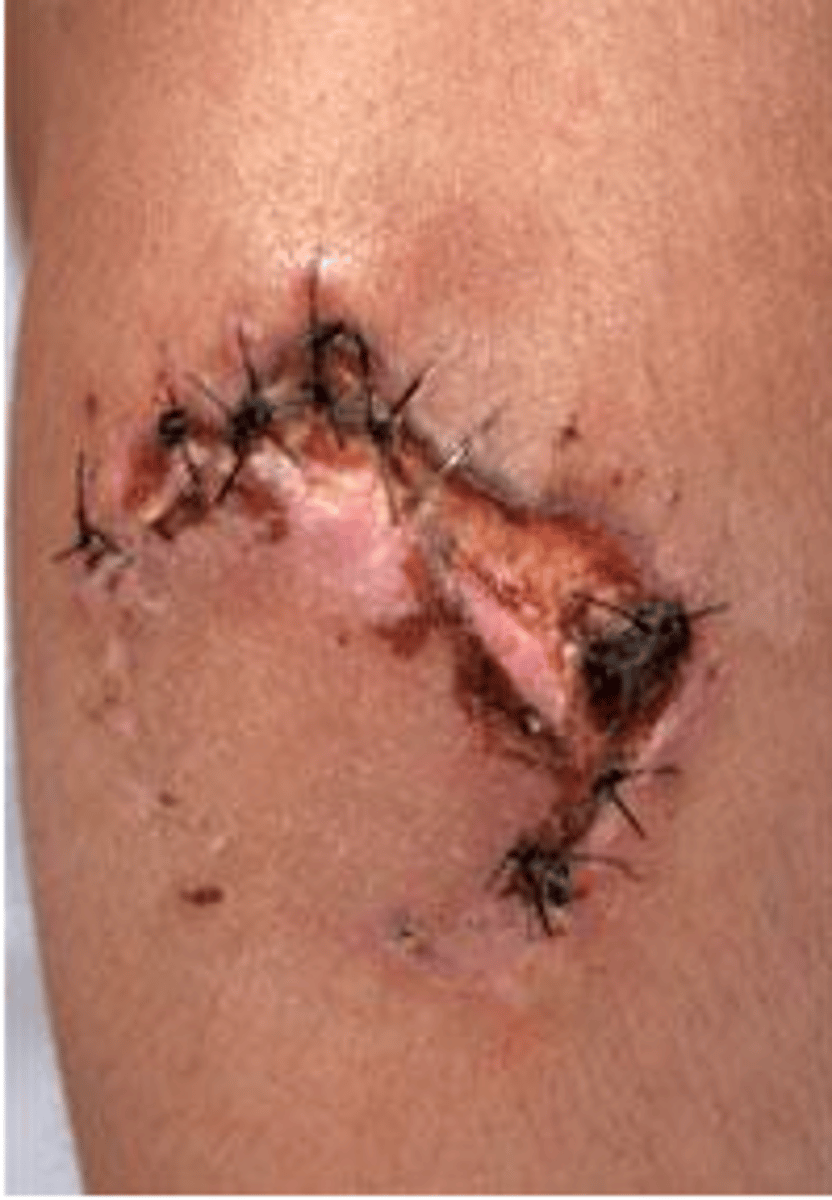
laceration
An open injury caused by a hard impact to soft body tissue.
pressure
An amount of force applied to a certain area divided by the size of the area.
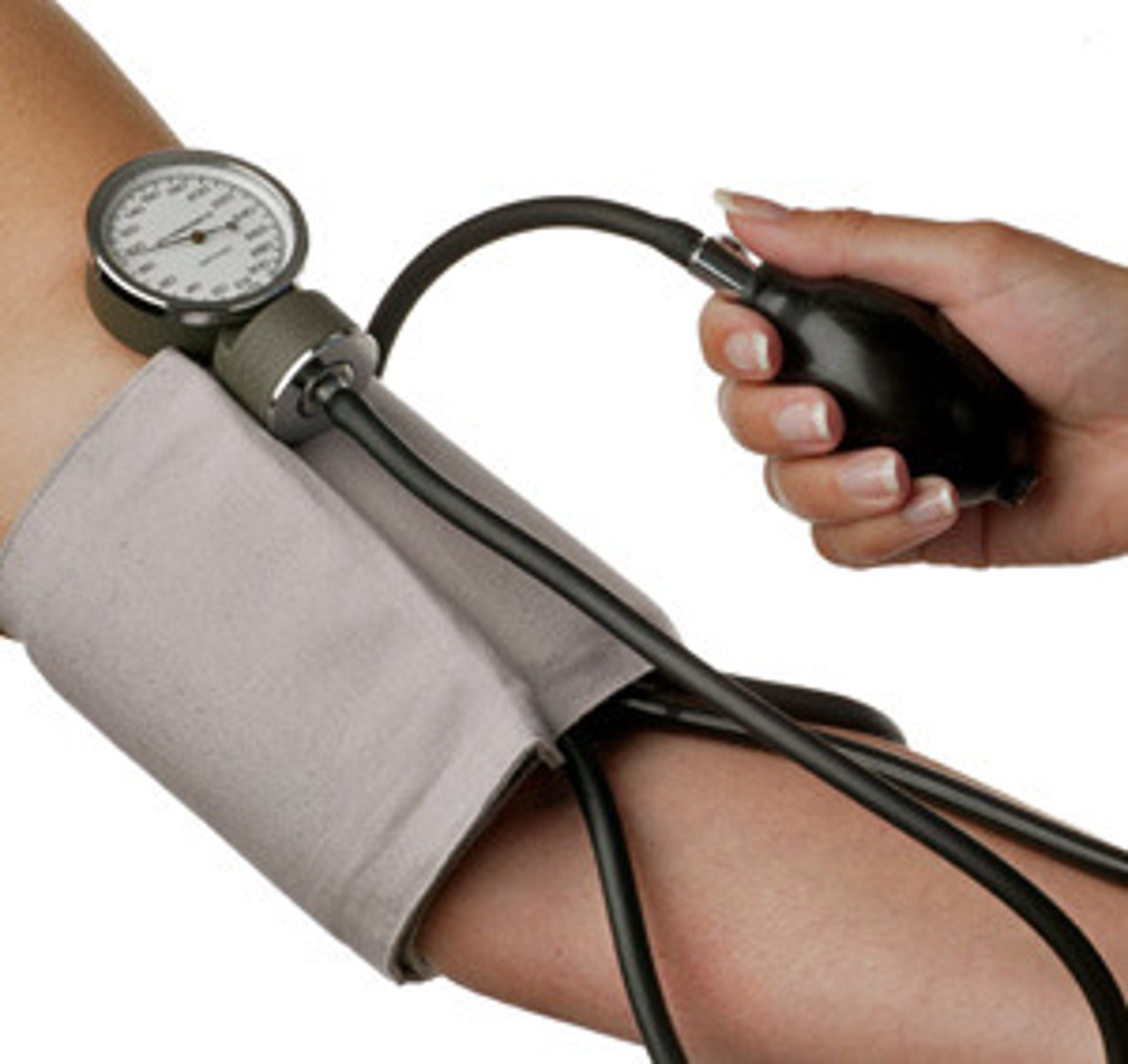
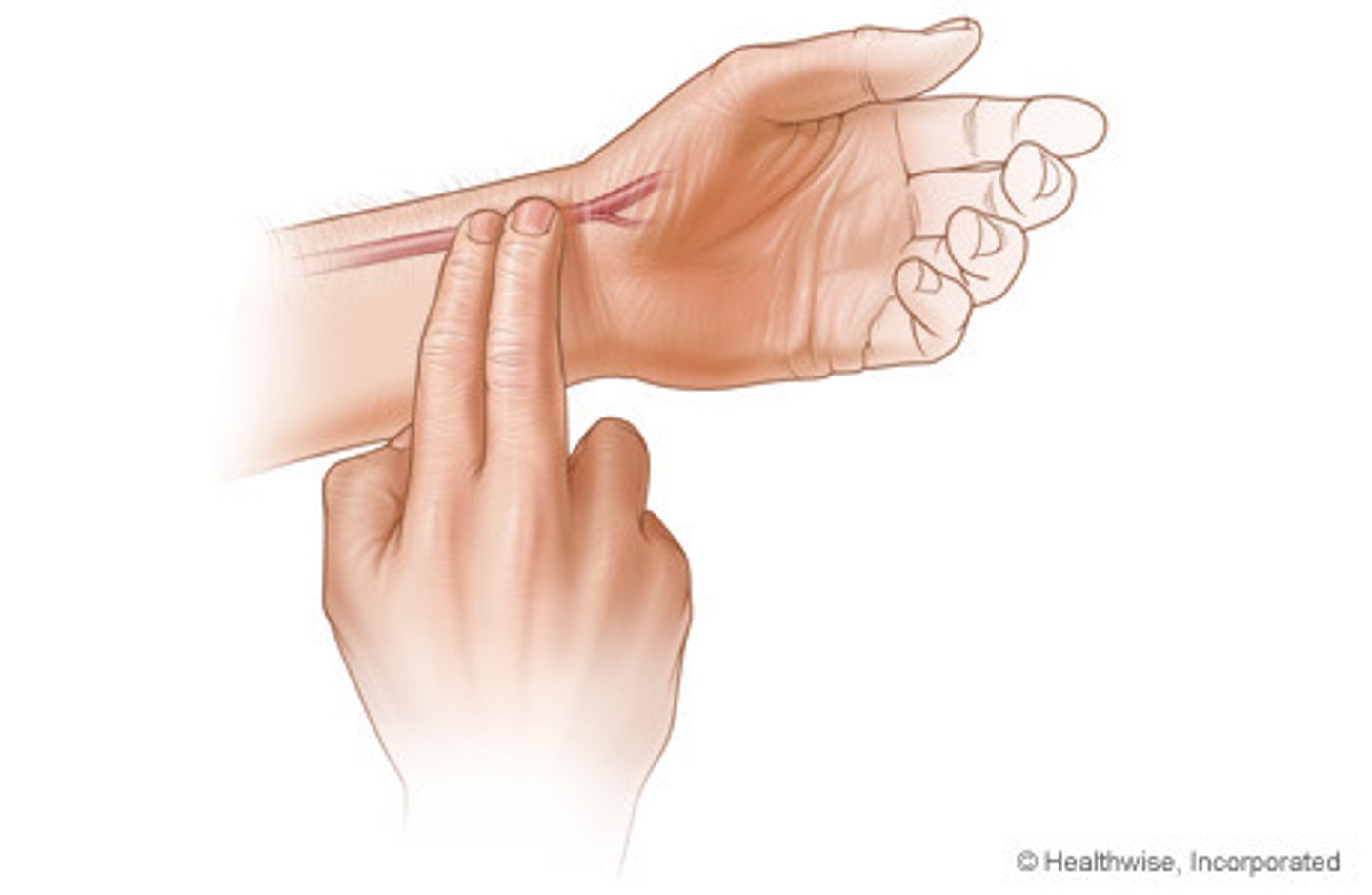
pulse
An impulse caused by a heartbeat, that can be felt when an artery is pressed.
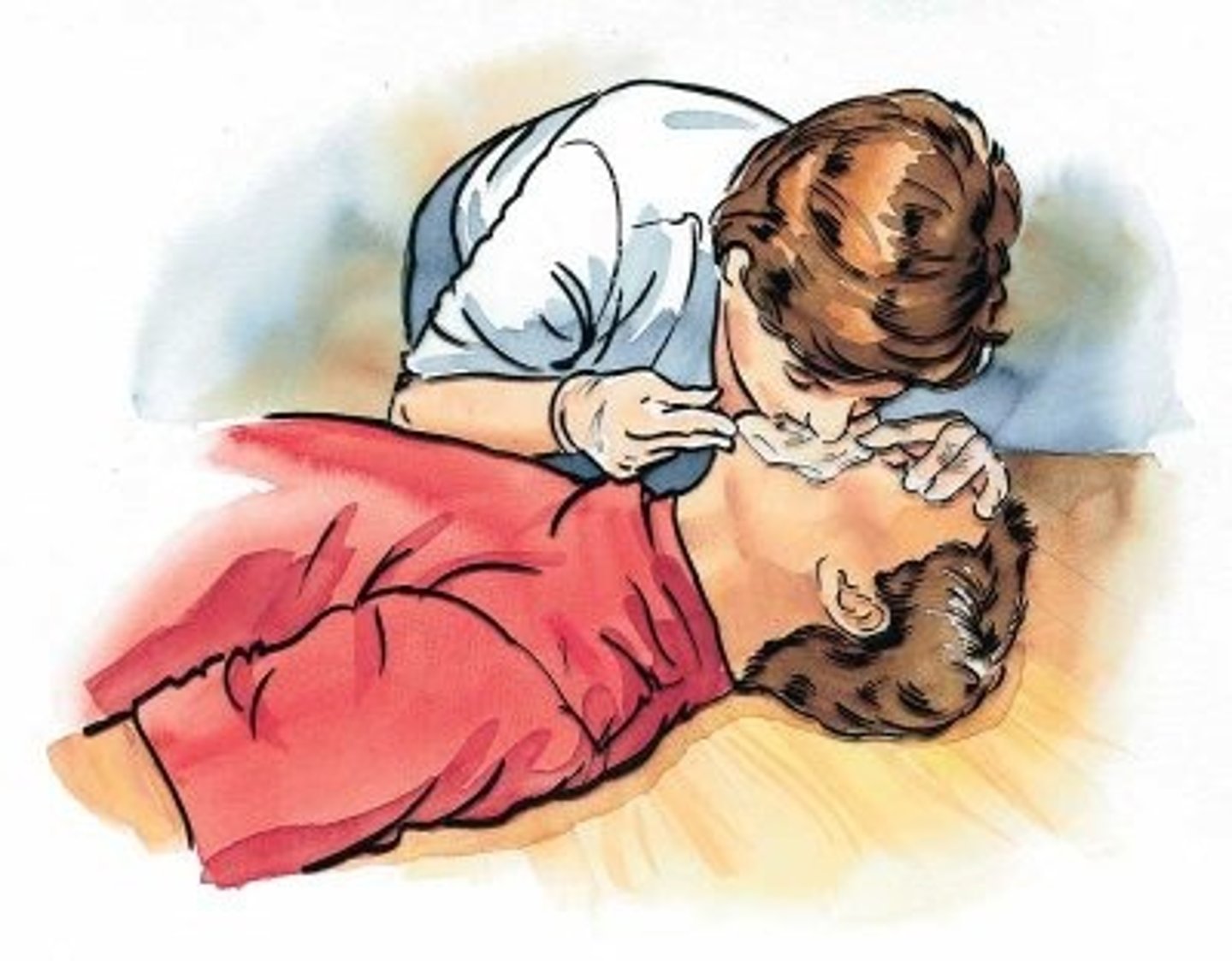
rescue breathing
A first aid procedure involving providing air for someone who has stopped breathing, but still has a heartbeat.
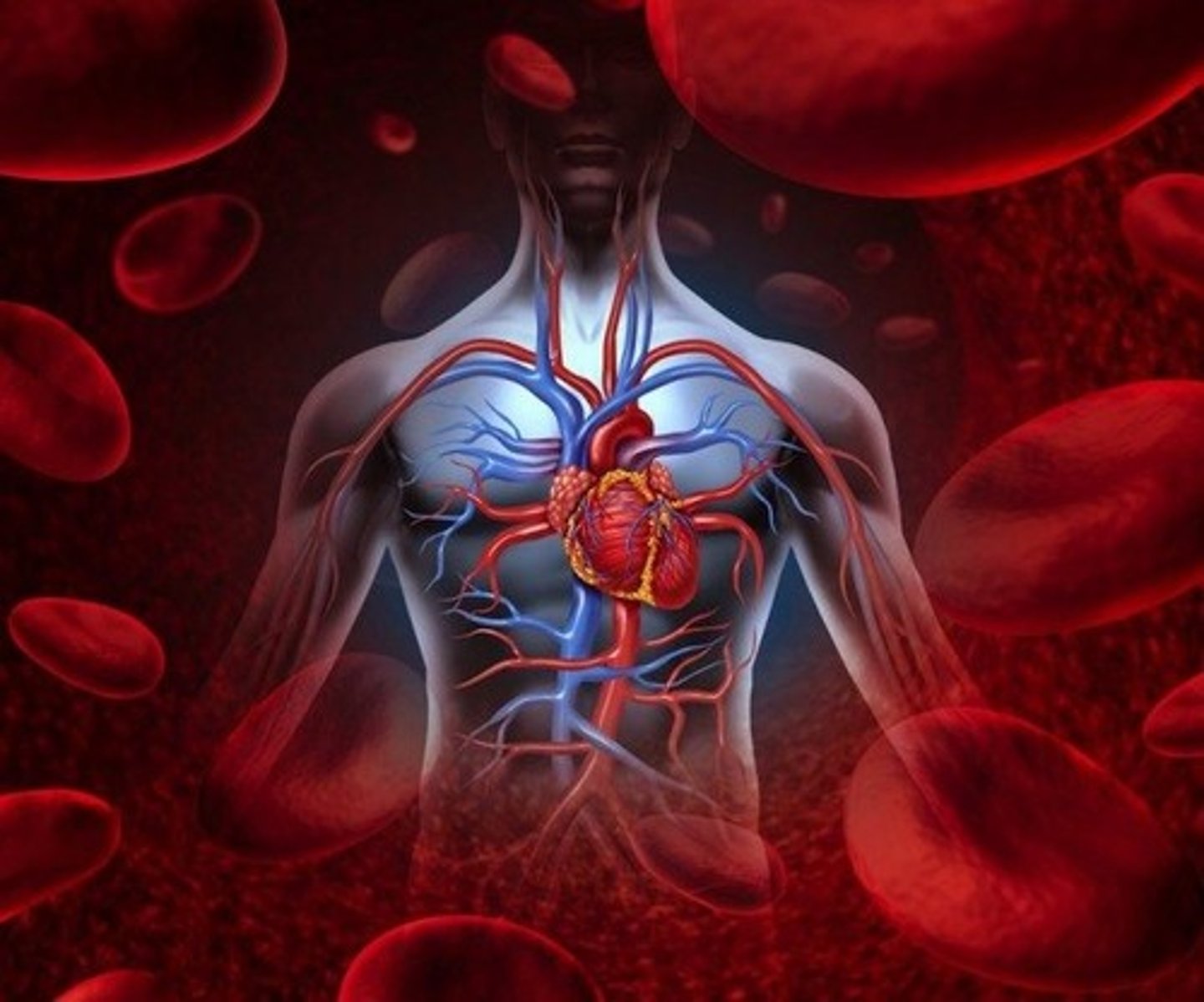
shock
A medical emergency in which the circulatory system cannot provide oxygen to the body.
wound
An injury, such as a cut or burn, usually to the external body.

antibiotic
Something used to kill or slow the growth of bacterial microorganisms in the body.

antimicrobial
Something that kills or prevents the growth of microorganisms such as bacteria and fungus.

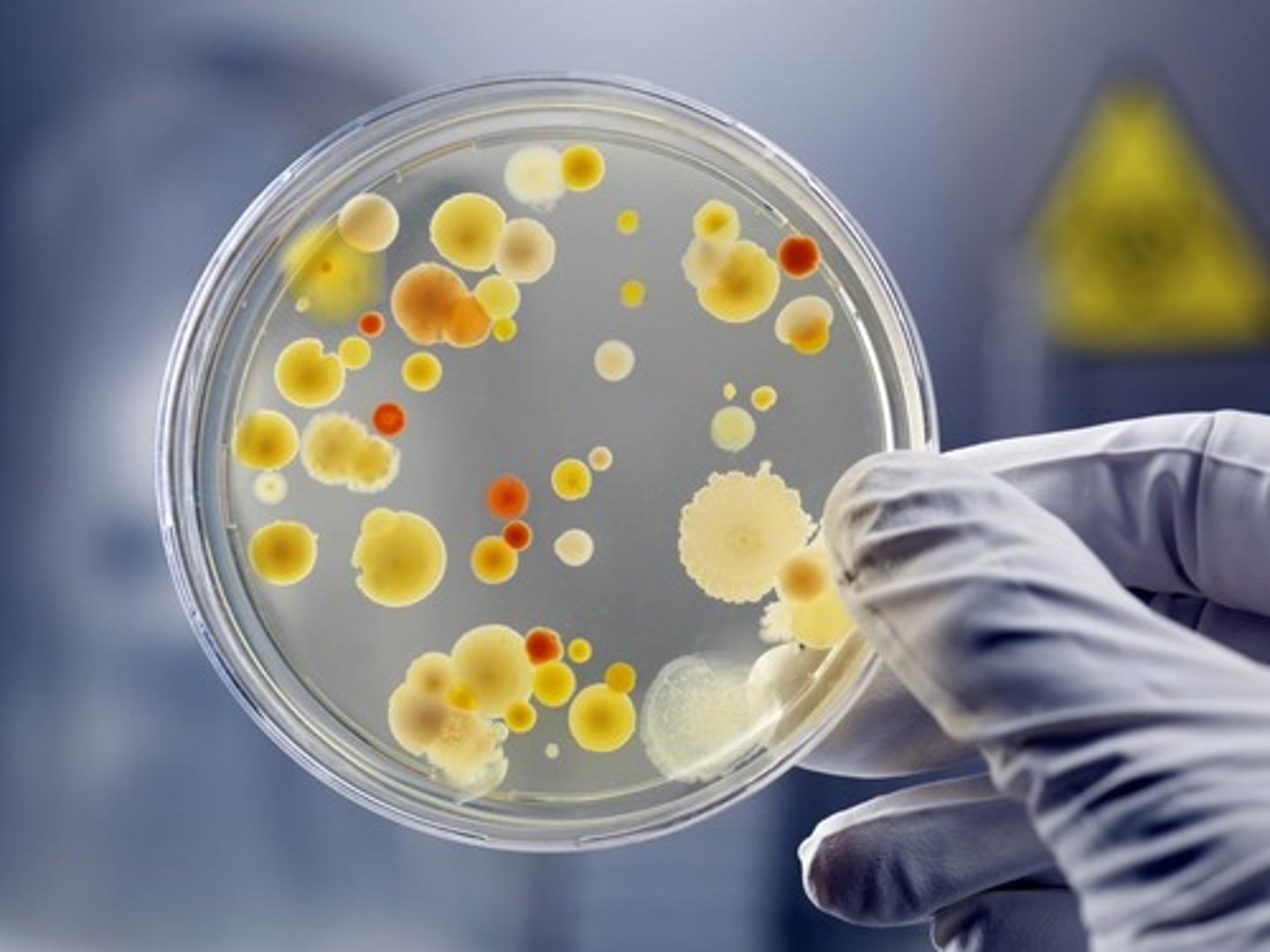
bacteria
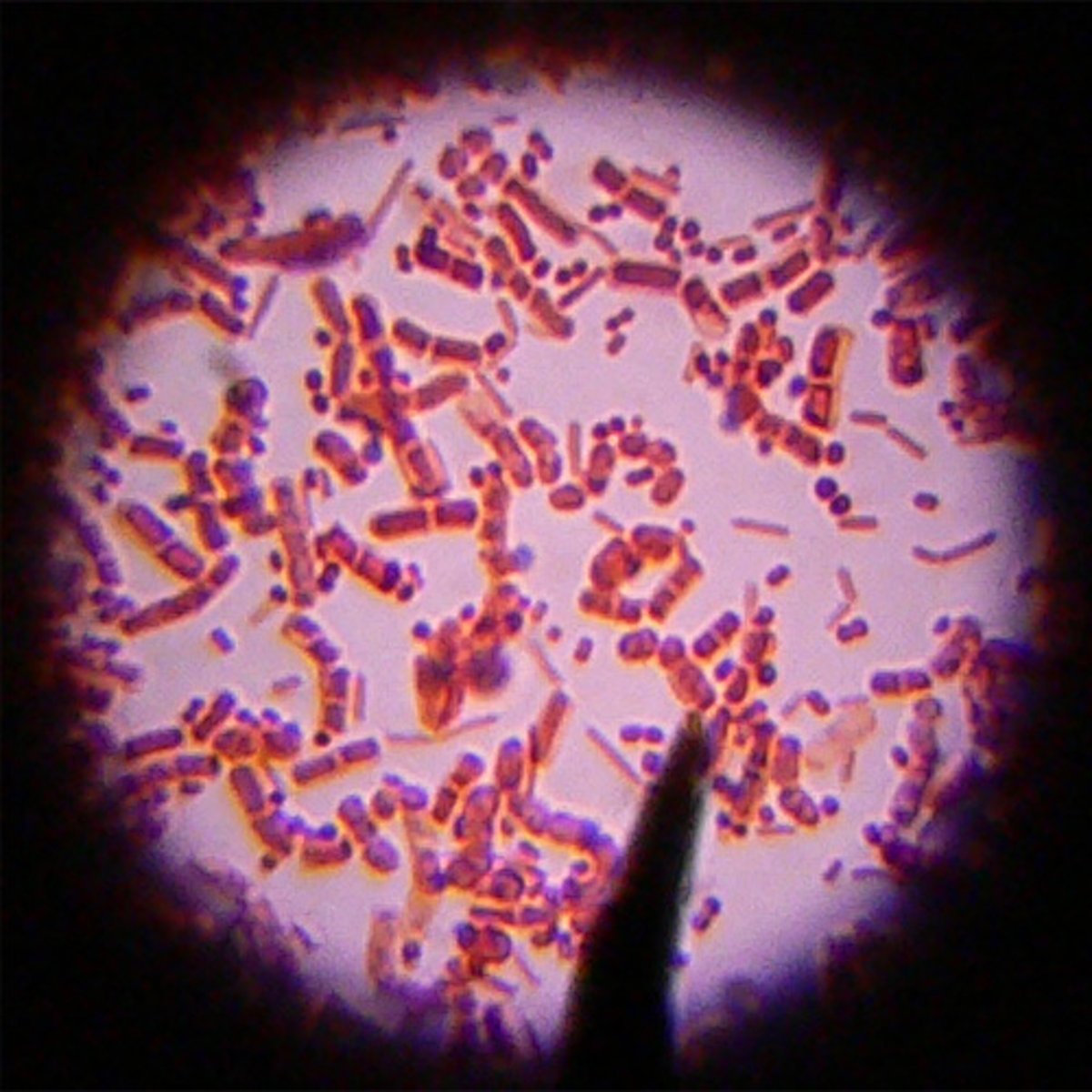
Any of a great number of single-celled microorganisms that inhabit all areas of the earth including human bodies. Many types are responsible for human ailments and diseases.
biohazard
A biological substance that is potentially harmful to humans. They can include bacteria, viruses, and biologically derived toxins.
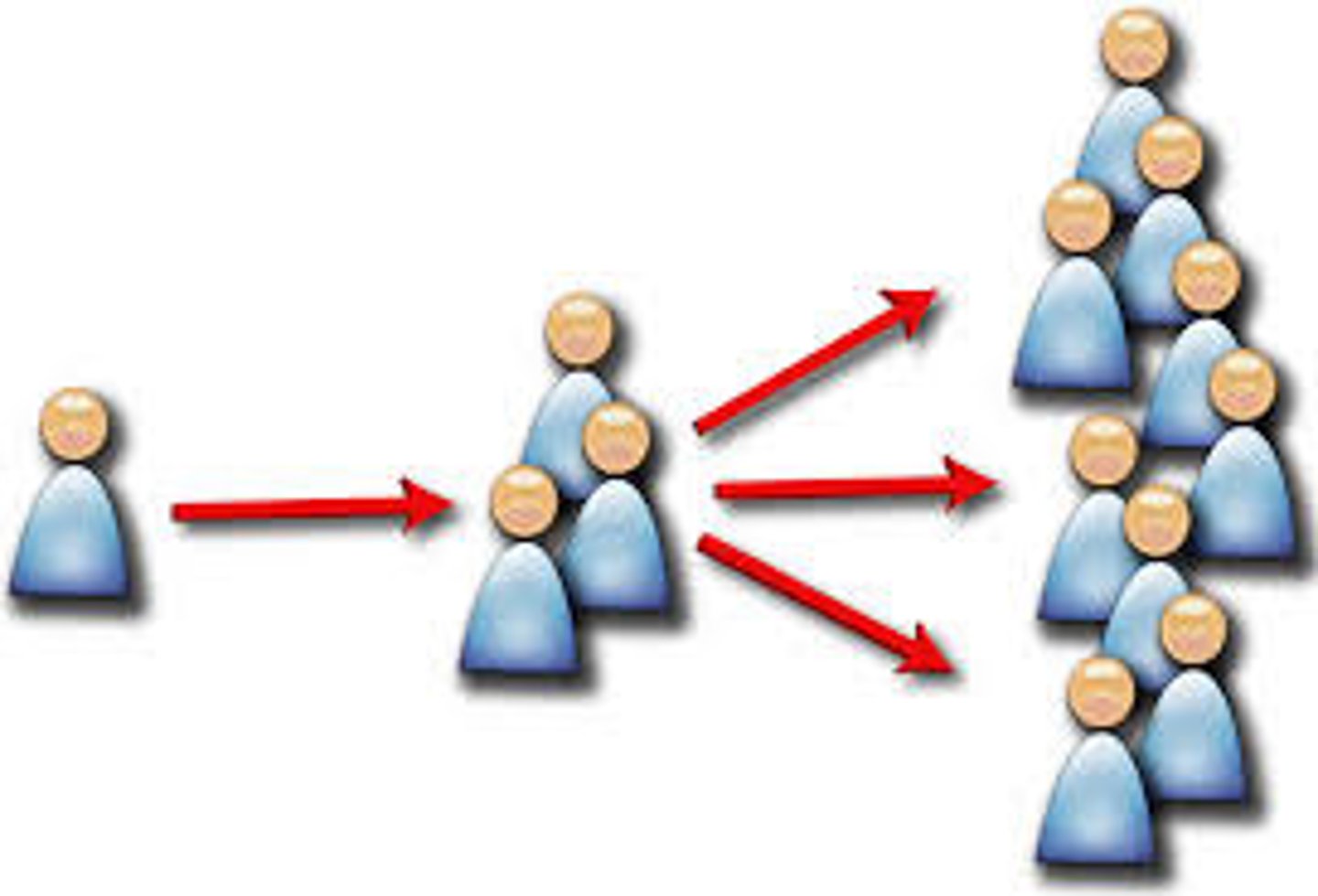
contagious
A disease that can spread easily from one person to another.
disinfectant
Something used to clean surfaces by killing bacteria and other microorganisms.

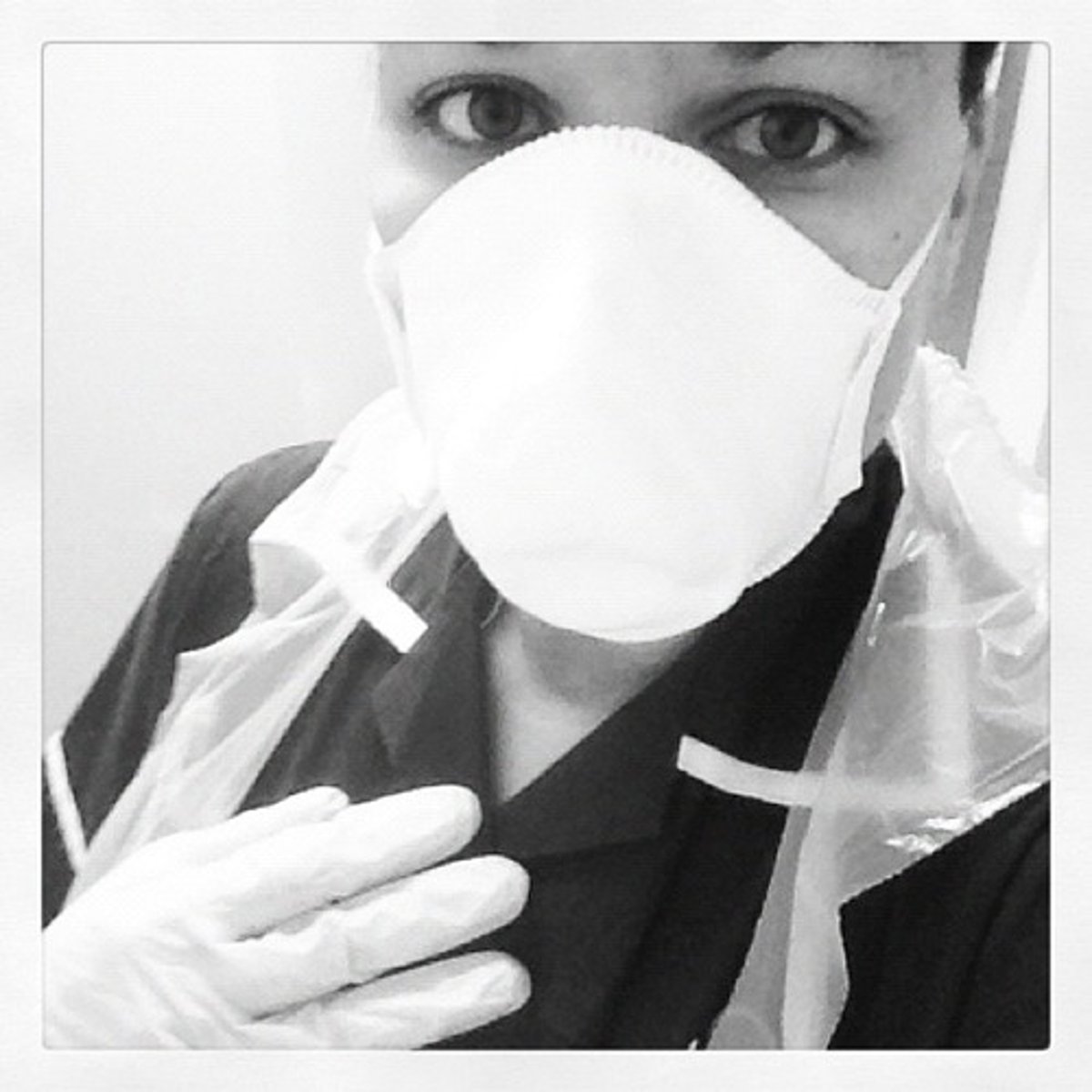
facemask
A covering of cloth or other material over the face, worn to prevent the transmission of microorganisms by way of the nose and mouth.
infection
The abnormal manifestation of parasitic microorganisms within an area of the body.
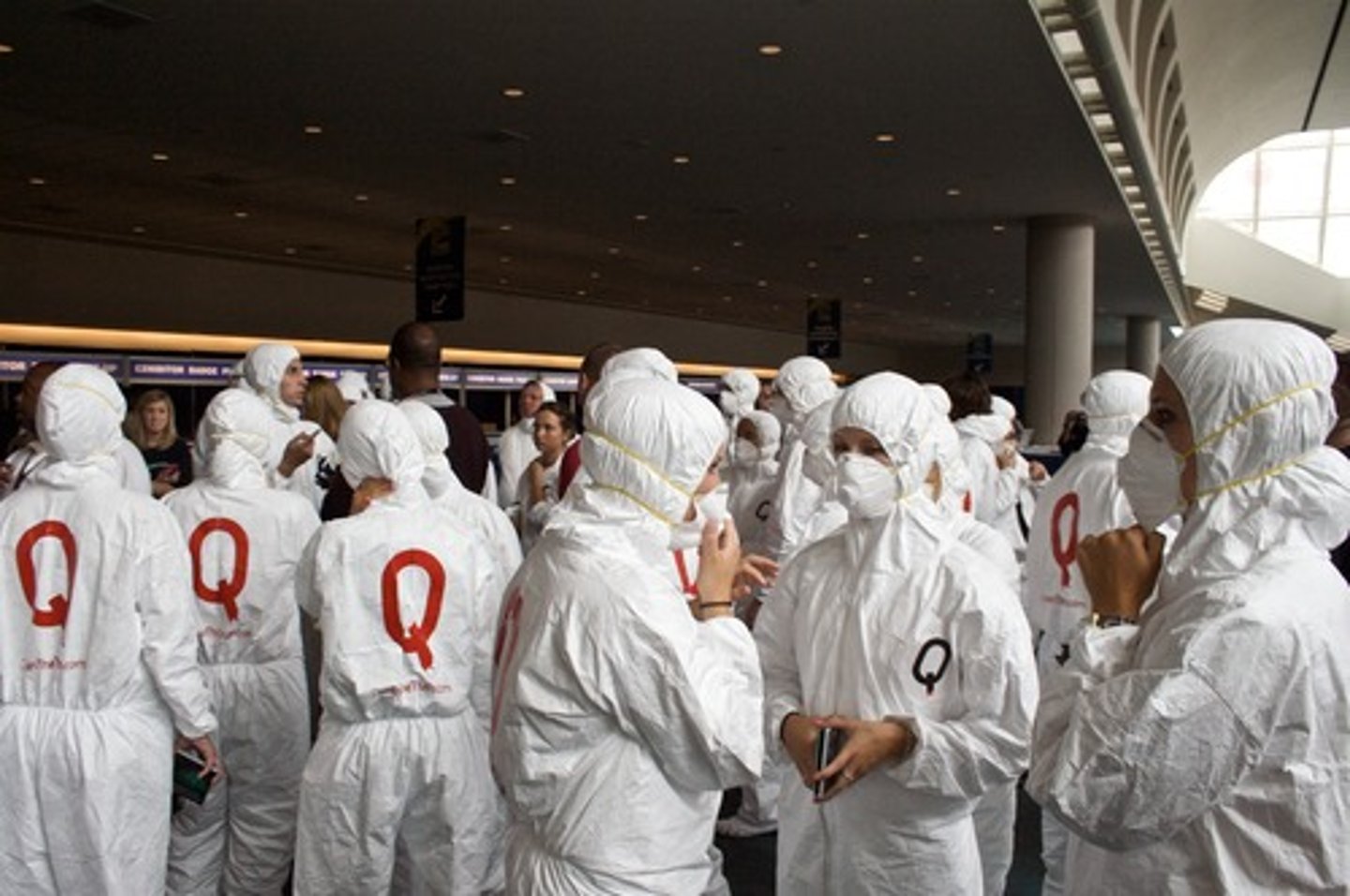
quarantine
To isolate a person from contact with others in order to prevent the transmission of contagious diseases.
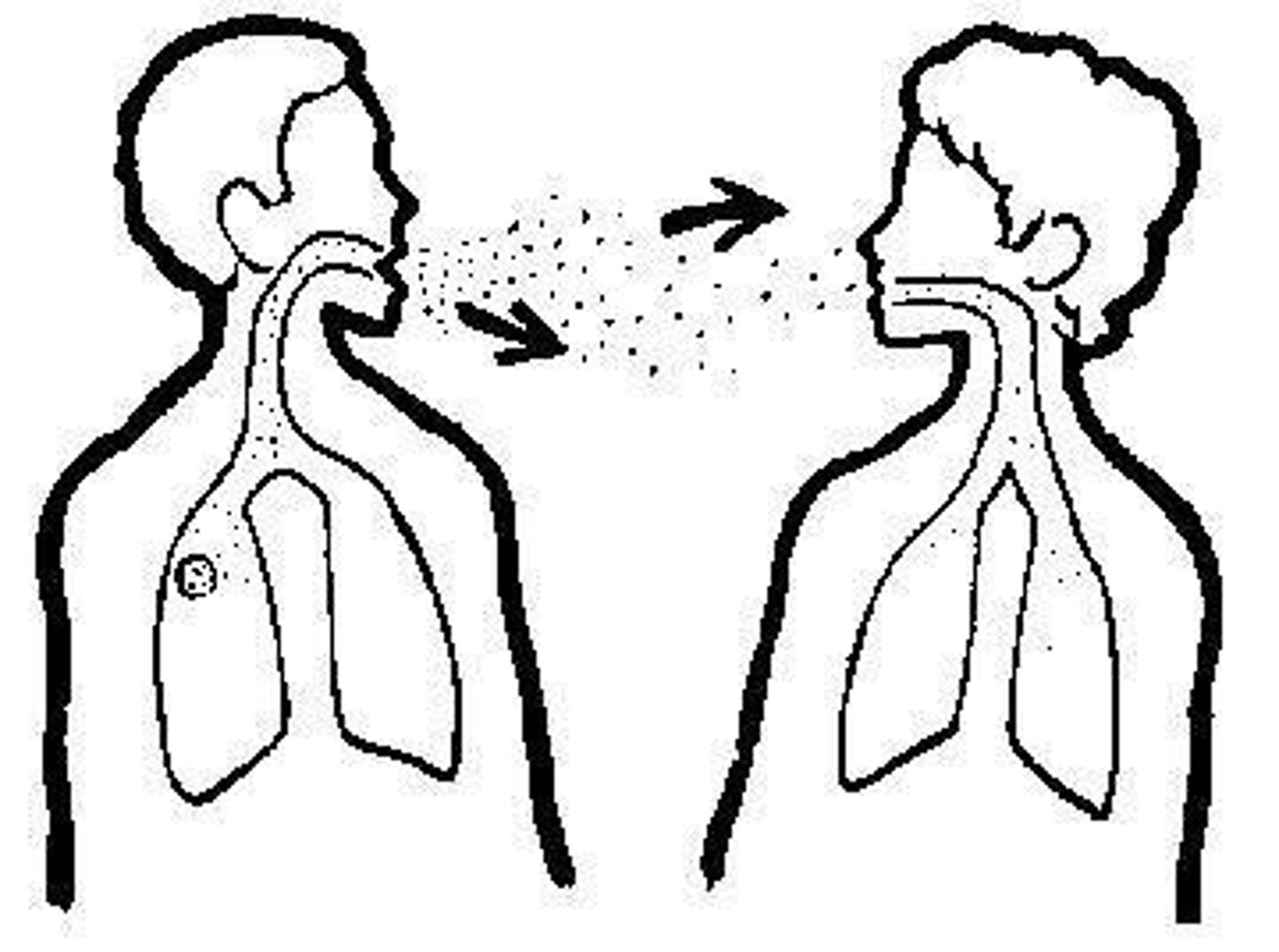
transmit
To transfer something from one place to another, such as transmitting a virus or other biohazard from one body to another.
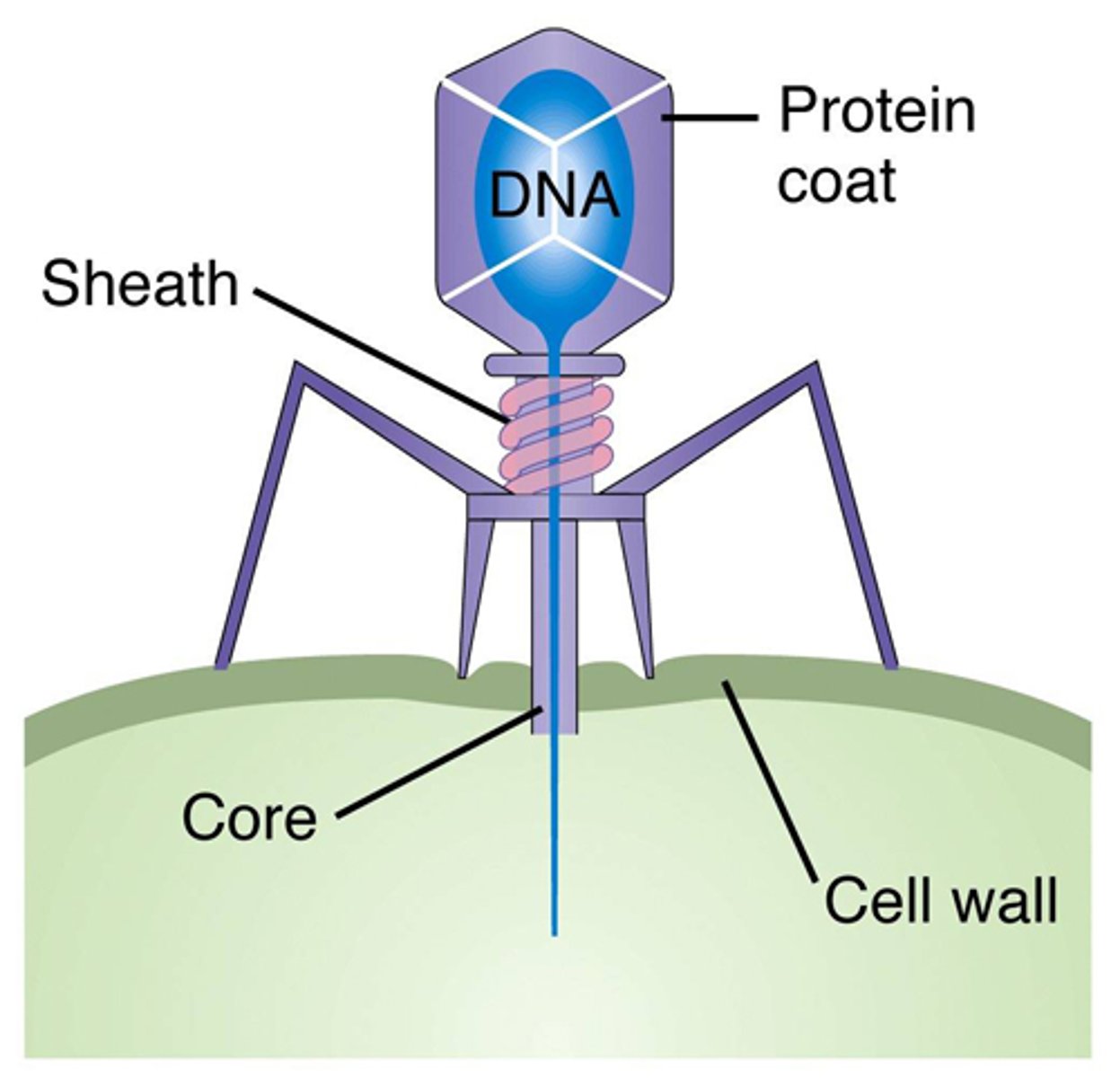
virus
A small infectious entity only capable of replicating within the cells of living organisms.