Bone markings
 Call Kai
 Learn
Learn Practice Test
 Spaced Repetition
 Match
Match Flashcards
 Knowt Play
1/20

There's no tags or description
Looks like no tags are added yet.
Name | Mastery | Learn | Test | Matching | Spaced | Call with Kai |
|---|
No analytics yet
Send a link to your students to track their progress
21 Terms
Bone markings definition
Bone markings are surface features of bones that vary depending on the bone’s function, location and the attachment of ligaments and tendons or passage of nerves and blood vessels.
Three categories of bone markings
Bone markings are classified into three categories: articulations, projections and depressions.
Articulations definition
Articulations are bone markings where two bones meet to form a joint. These surfaces often fit together such as one rounded surface fitting into a cupped surface to allow movement.
Head (bone marking)
A head is a prominent rounded bone surface that forms part of a joint. Example: head of the femur.
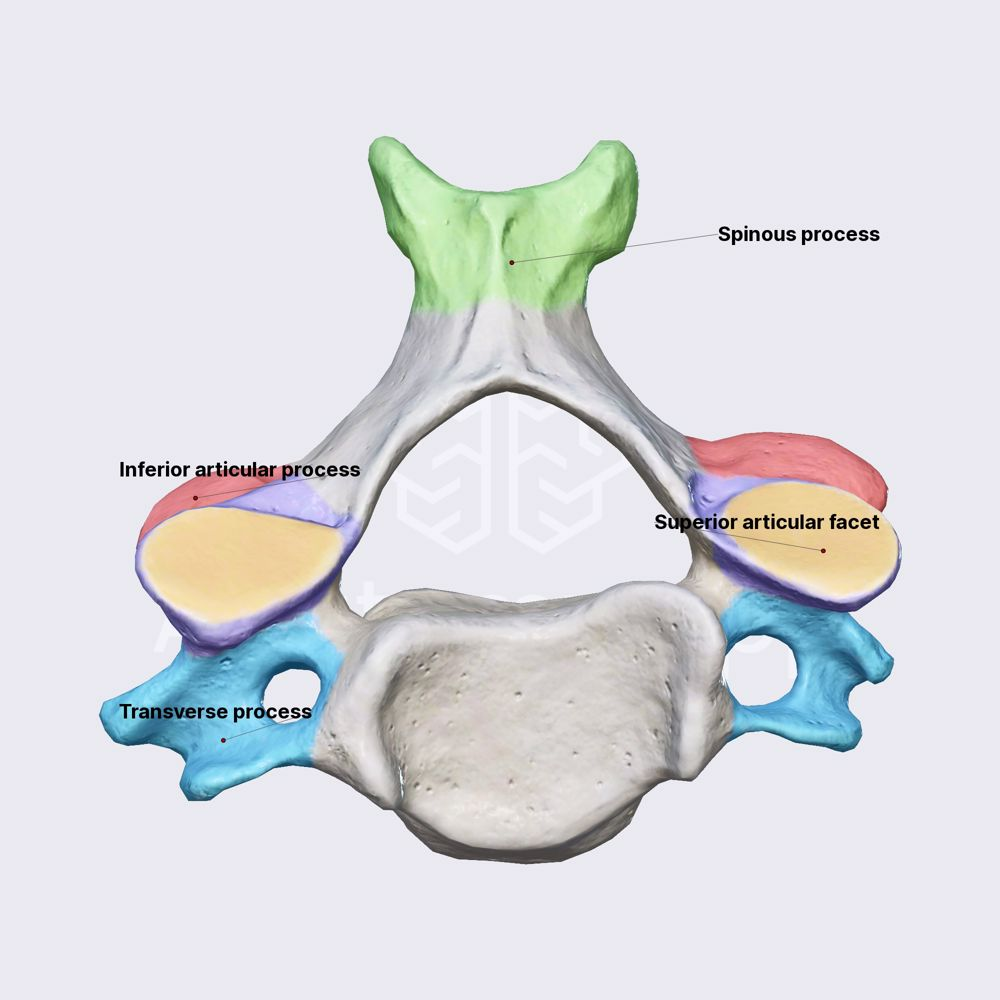
Facet (bone marking)
A facet is a small flat bone surface where two bones articulate. Example: superior and inferior articular facets of vertebrae.
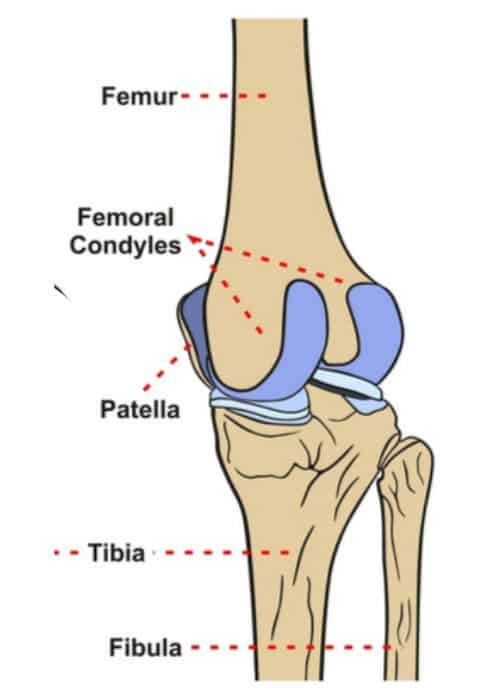
Condyle (bone marking)
A condyle is a rounded convex bone surface that forms an articulation with another bone. Example: femoral condyles.
Projections definition
Projections are raised areas of bone that extend outward from the surface and serve as attachment points for tendons and ligaments. Their size reflects the force applied by the attached structures.
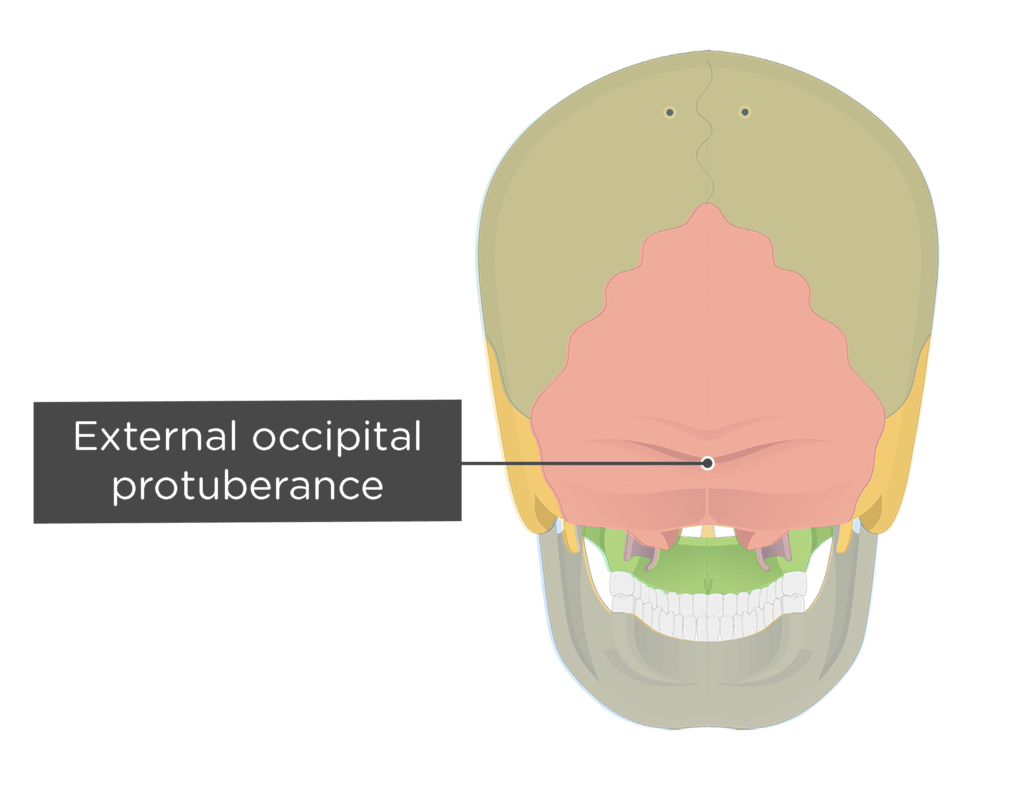
Protuberance (bone marking)
A protuberance is a roughened elevated bone area. Example: external occipital protuberance.
Process (bone marking)
A process is a prominent projection from a bone, often elongated. Example: spinous process of vertebra.
Spine (bone marking)
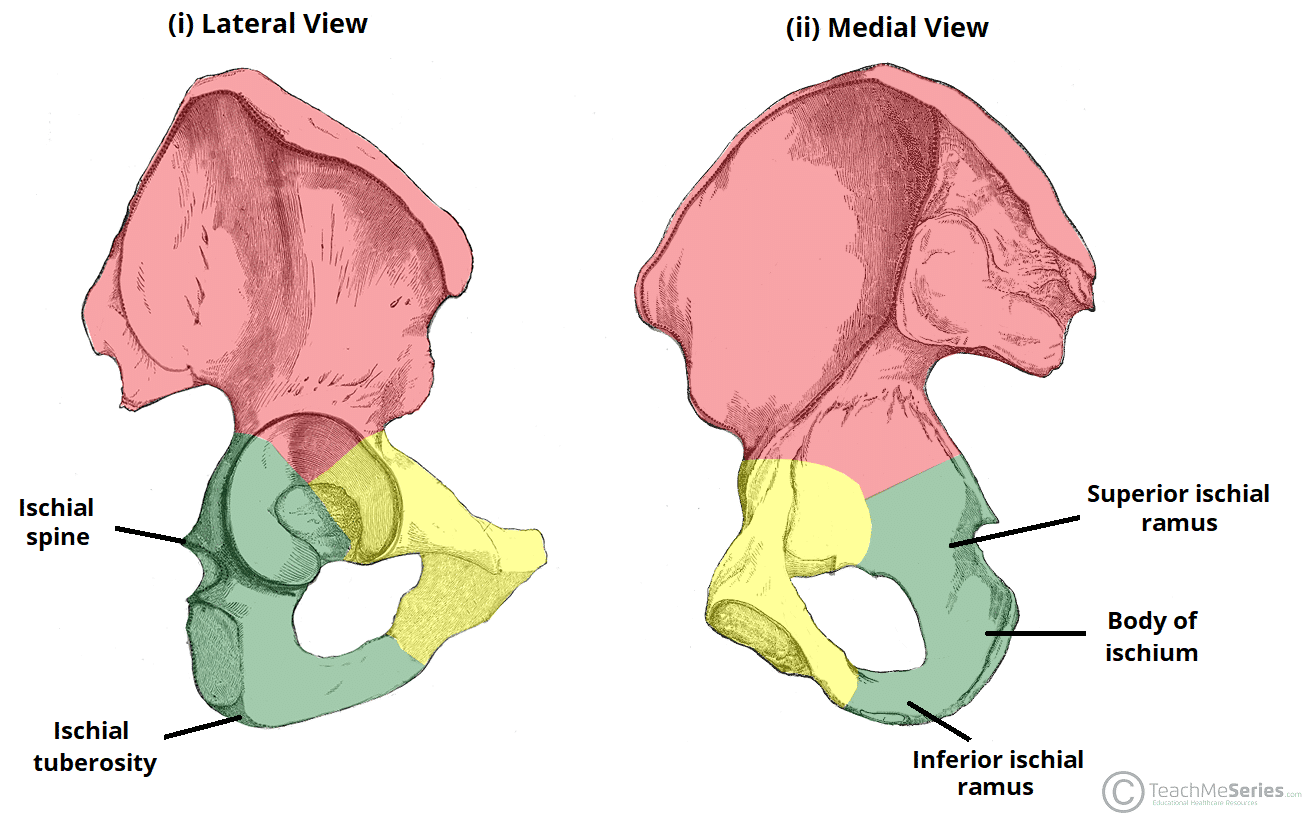
A spine is a sharp or pointed projection of bone. Example: ischial spine of the hip bone.
Tubercle (bone marking)
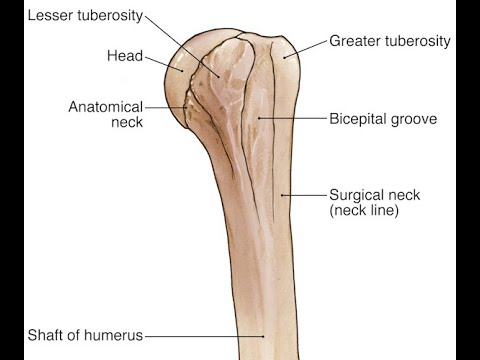
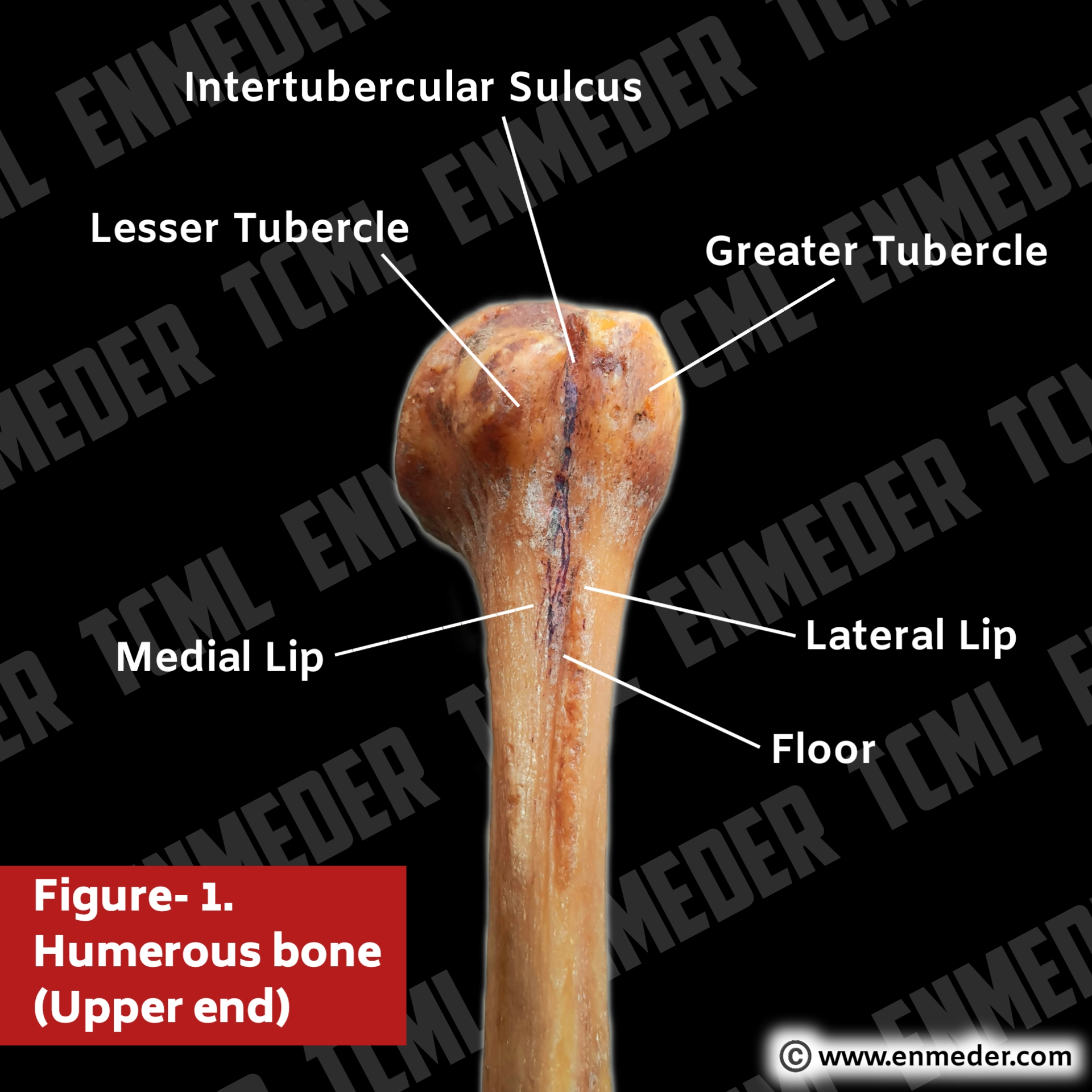
A tubercle is a small rounded projection on a bone. Example: greater and lesser tubercles of the humerus.
Tuberosity (bone marking)
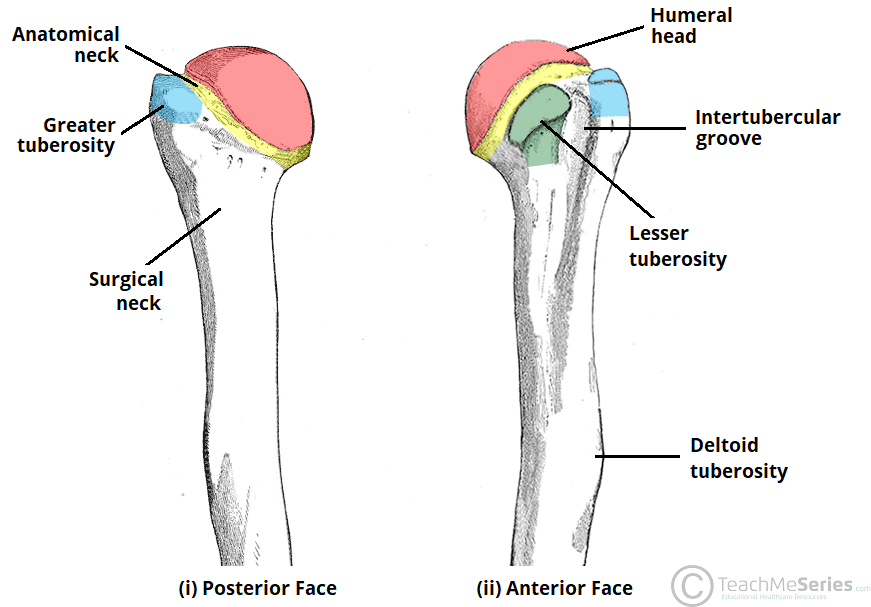
A tuberosity is a roughened surface where muscles or ligaments attach. Example: deltoid tuberosity of the humerus.
Crest (bone marking)
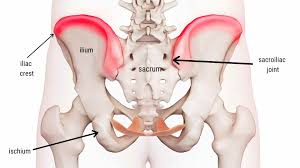
A crest is a ridge-like projection on a bone. Example: iliac crest of the hip bone.
Depressions definition
Depressions are holes, grooves or indentations in bones that allow nerves and blood vessels to pass through or around bones.
Fossa (bone marking)
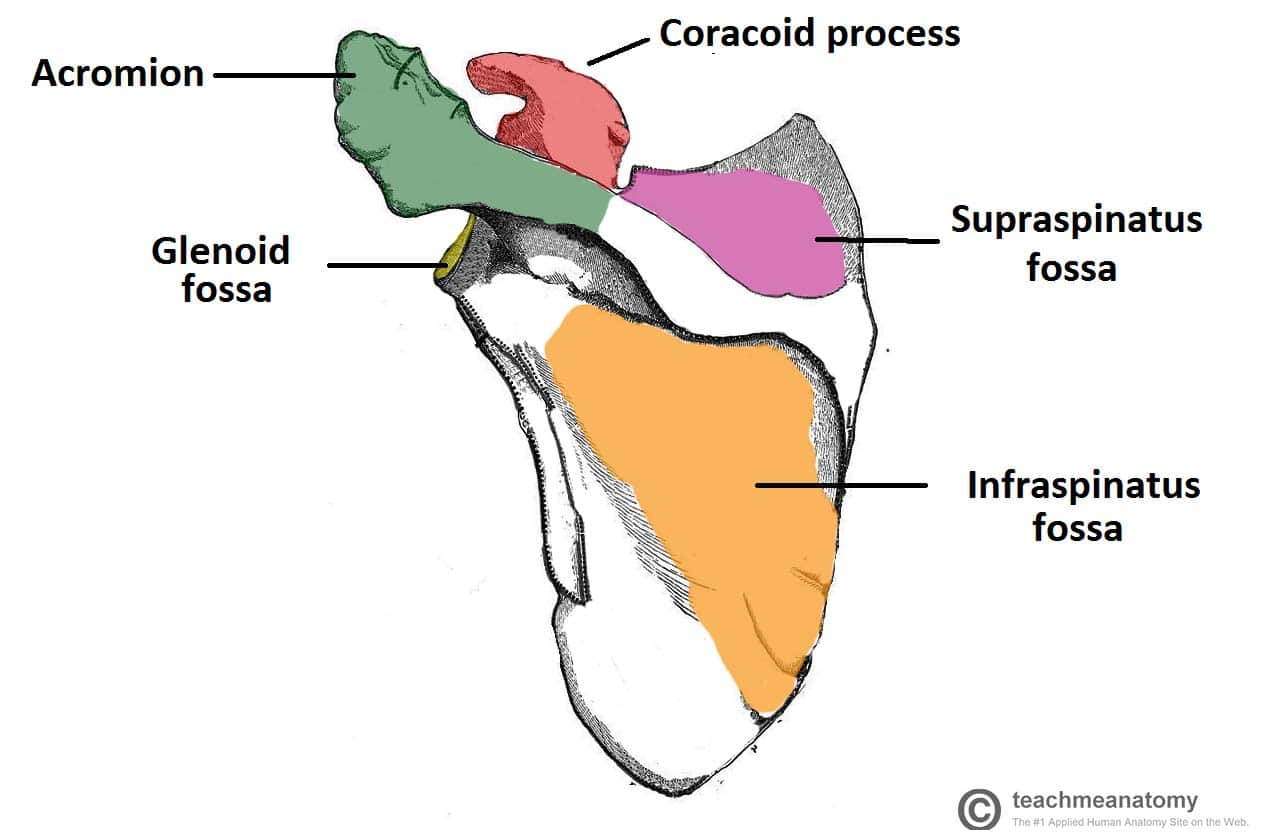
A fossa is an elongated basin-like depression in a bone. Example: glenoid fossa of the scapula.
Sulcus (bone marking)
A sulcus is a groove in a bone that accommodates a blood vessel or nerve. Example: intertubercular sulcus of the humerus.
Canal (bone marking)
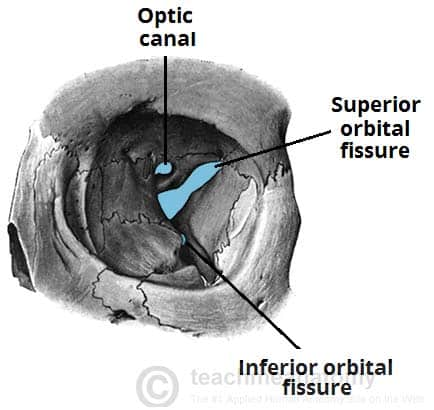
A canal is a passageway through a bone that allows nerves or vessels to pass. Example: optic canal of the frontal bone.
Fissure (bone marking)
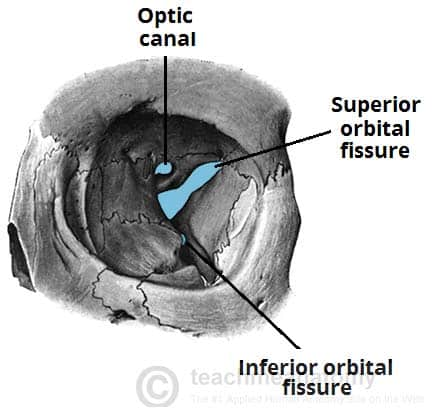
A fissure is a narrow slit through a bone. Example: superior orbital fissure.
Foramen (bone marking)
A foramen is a hole through a bone allowing nerves or blood vessels to pass. Example: foramen magnum in the occipital bone.
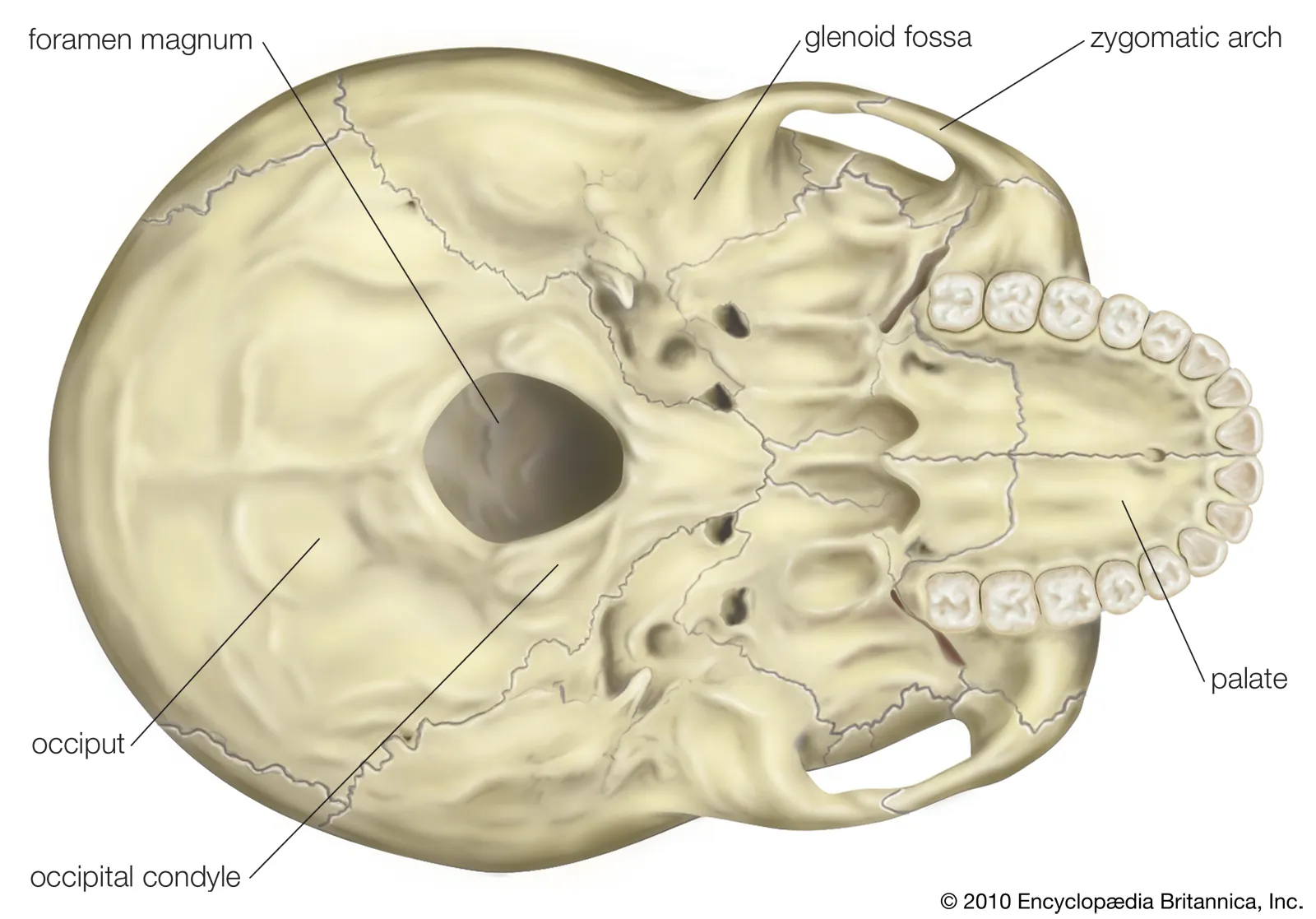
Meatus (bone marking)
A meatus is an opening leading into a canal-like passage. Example: external auditory meatus.
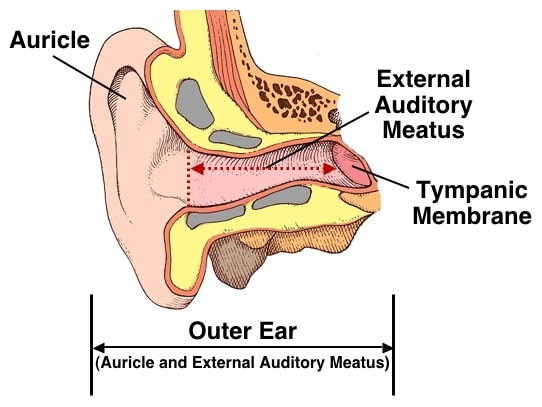
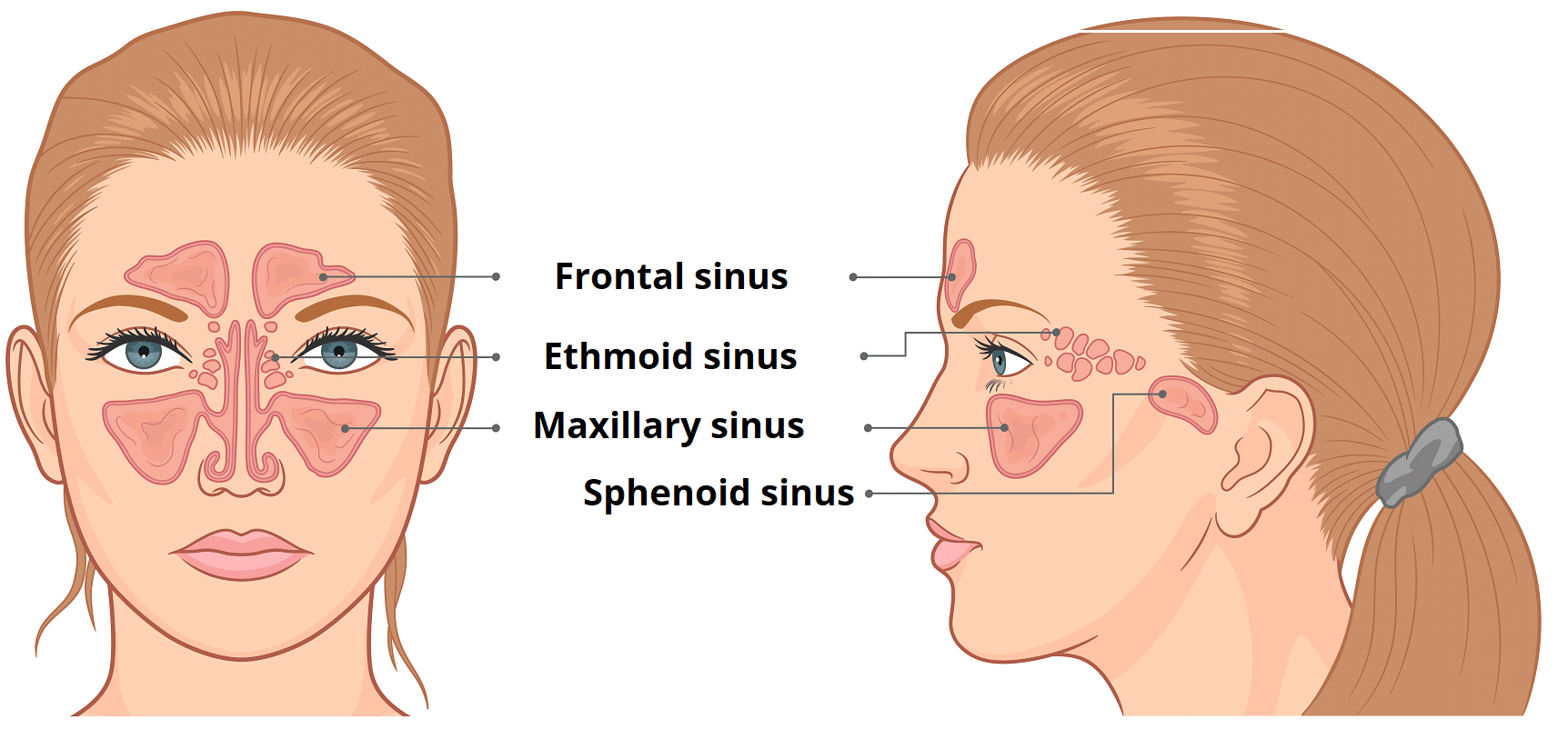
Sinus (bone marking)
A sinus is an air-filled cavity within a bone. Example: frontal sinus.