classics 36c exam 1
 Call Kai
 Learn
Learn Practice Test
 Spaced Repetition
 Match
Match Flashcards
 Knowt Play
1/123

There's no tags or description
Looks like no tags are added yet.
Name | Mastery | Learn | Test | Matching | Spaced | Call with Kai |
|---|
No analytics yet
Send a link to your students to track their progress
124 Terms
The year 698 BCE was in the
seventh century BCE
The eigth century BCE was from
799-700 BCE
The year 432 BCE would have been in what scholars call the Greek
Classical period
The Greek Dark Age is dated from
1100-750 BCE
The year 285 BCE was in the
third century BCE
The sixth century BCE was from
599-500 BCE
The correct chronological order of the following ancient Greek historical periods (from earliest on left to most recent on right) is
Late Bronze Age, Dark Age, Archaic Period, Classical Period.
The correct chronological order of the following ancient Greek historical periods (from earliest on left to most recent on right) is
Classical Period, Hellenistic Period, Imperial (Roman) Period, Byzantine Period.
The year 549 CE was in the
sixth century BCE
The Greek Hellenistic Period is dated from
323-31 BCE
Just as Athens was in the region of Attica, Plataea was in the region of
Boeotia
All the following regions are located in the northern part of mainland Greece EXCEPT
Laconia
All the following places are islands EXCEPT
Thrace
All the following places were located in central Greece EXCEPT
Miletus
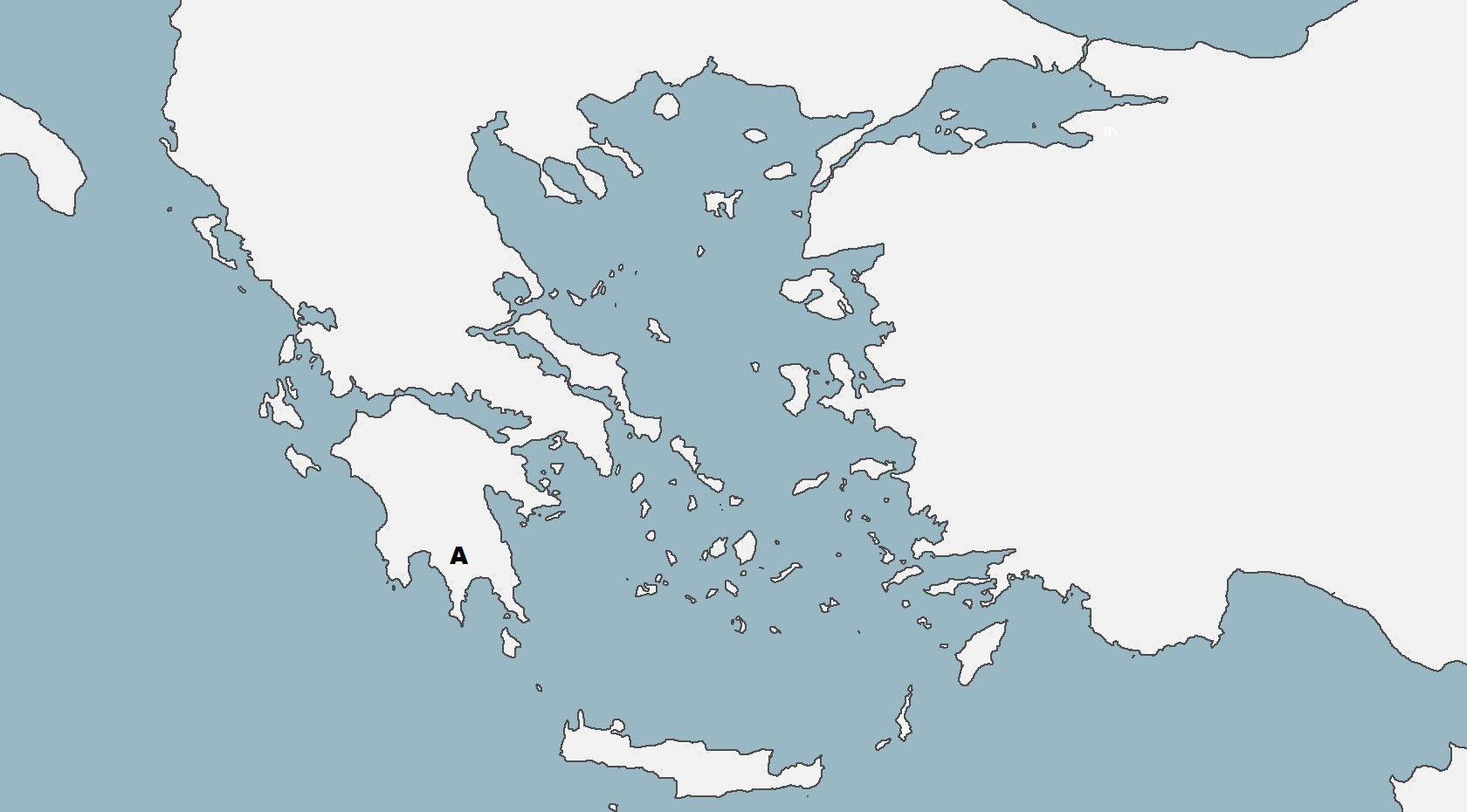
The place indicated by “A” on this map is
Sparta
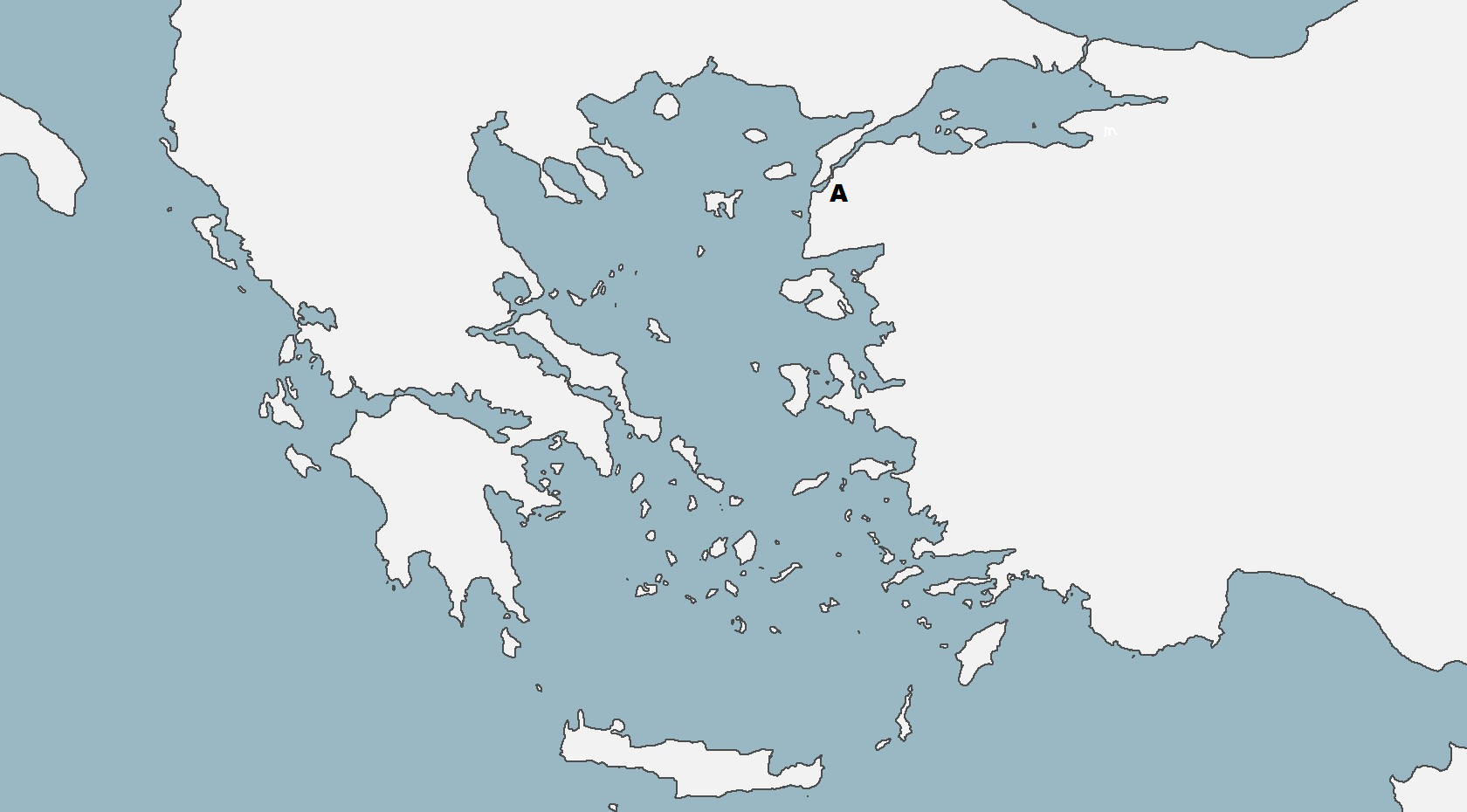
The place indicated by “A” on this map is
Troy
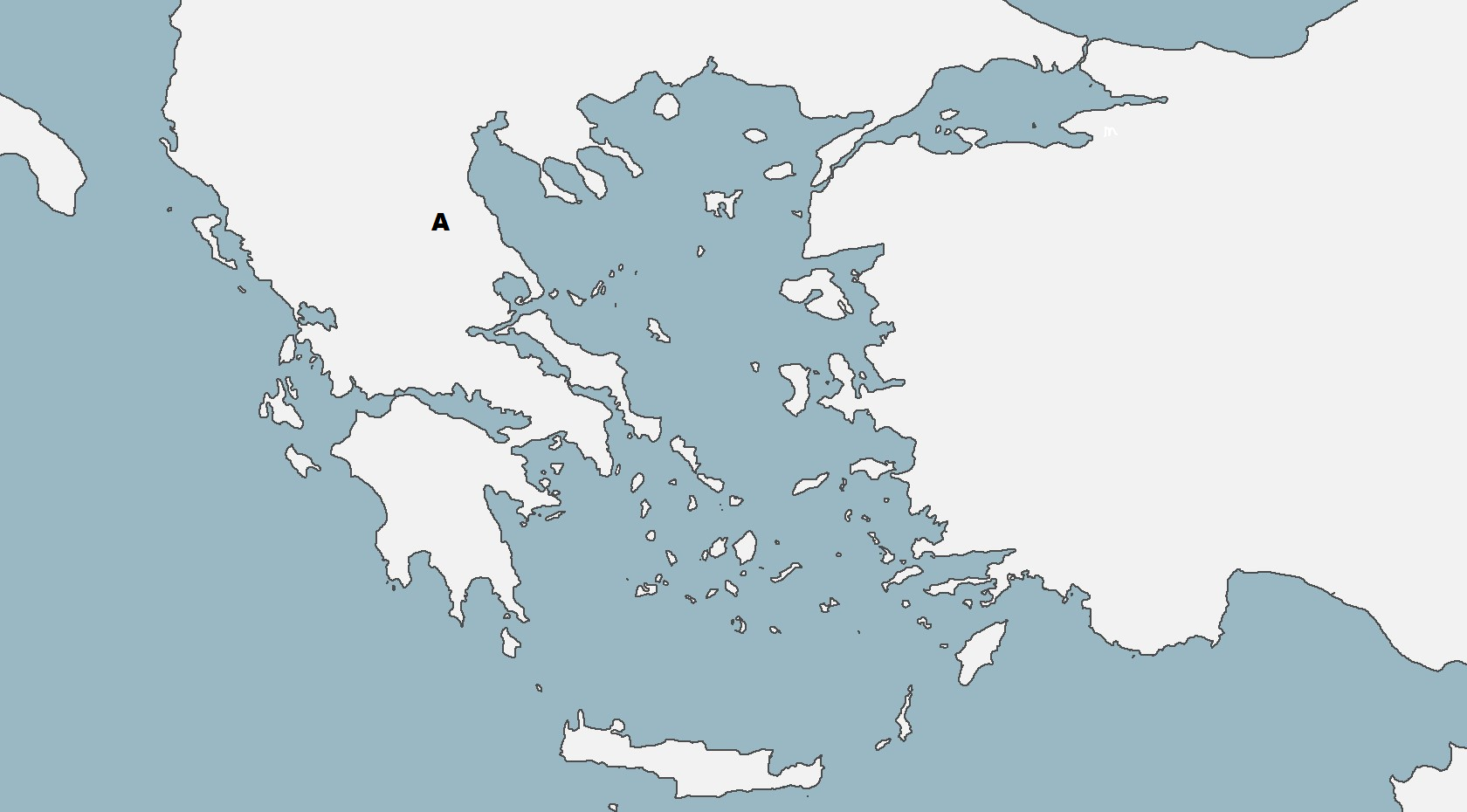
The place indicated by “A” on this map is
Thessaly
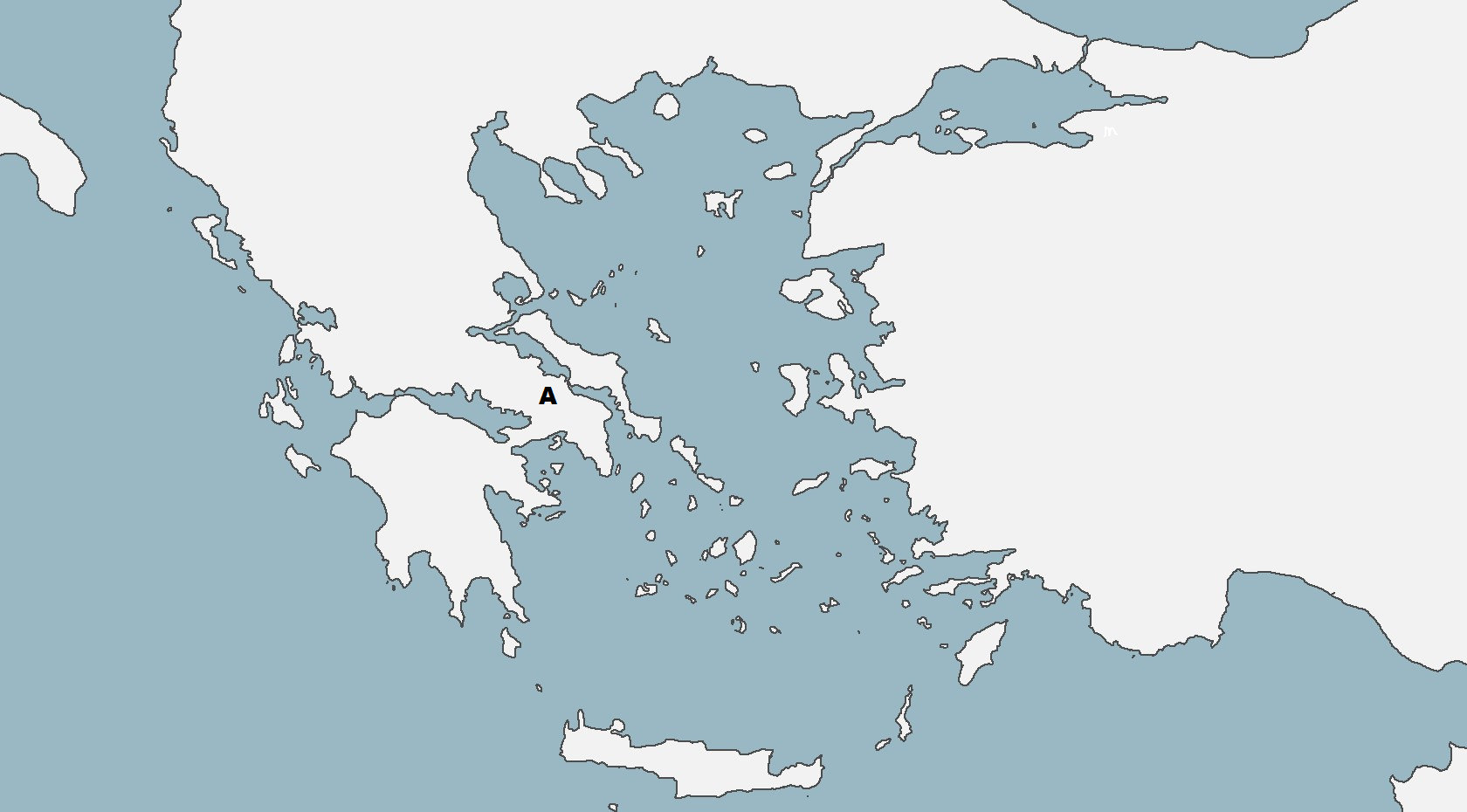
The place indicated by “A” on this map is
Thebes
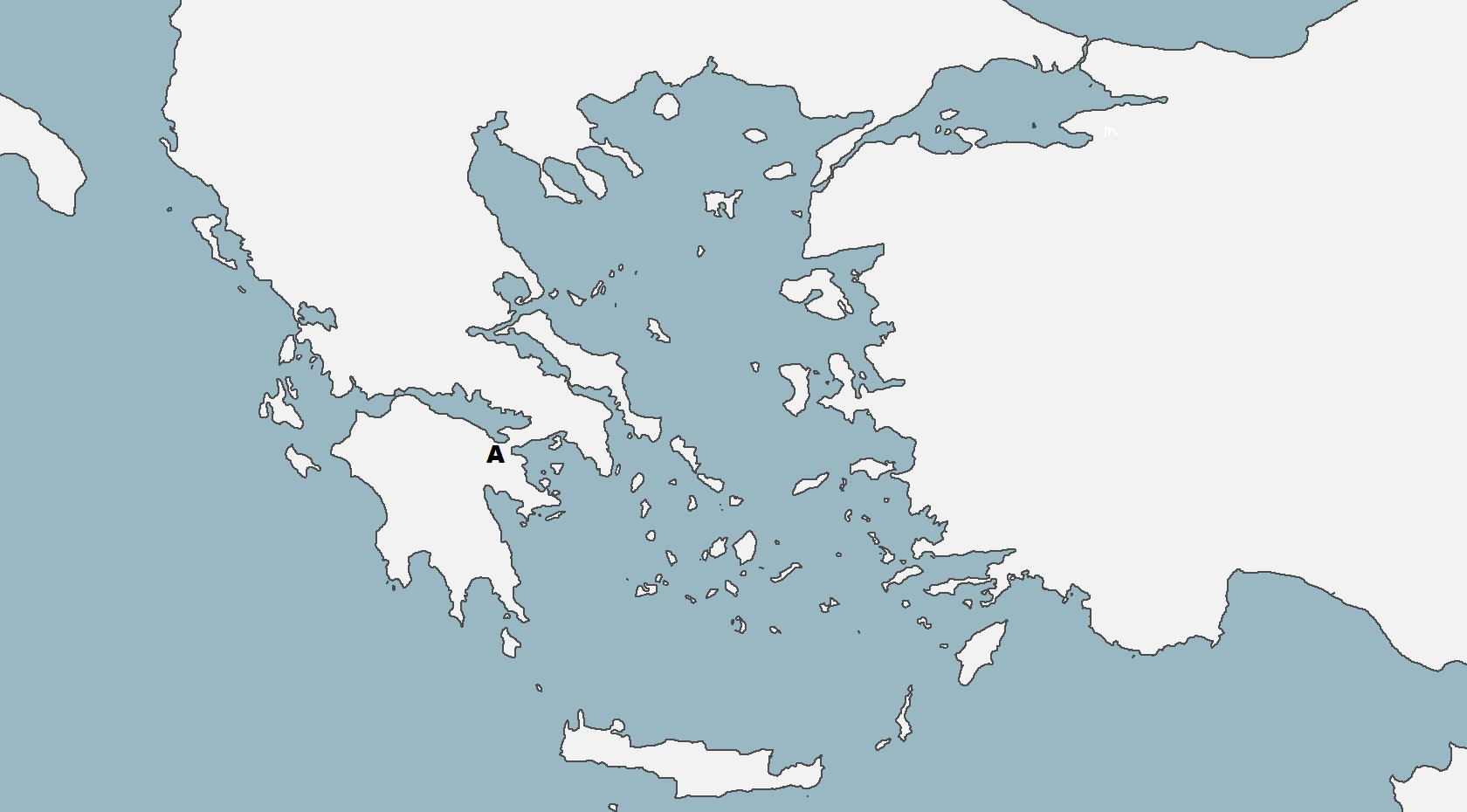
The place indicated by “A” on this map is
Corinth
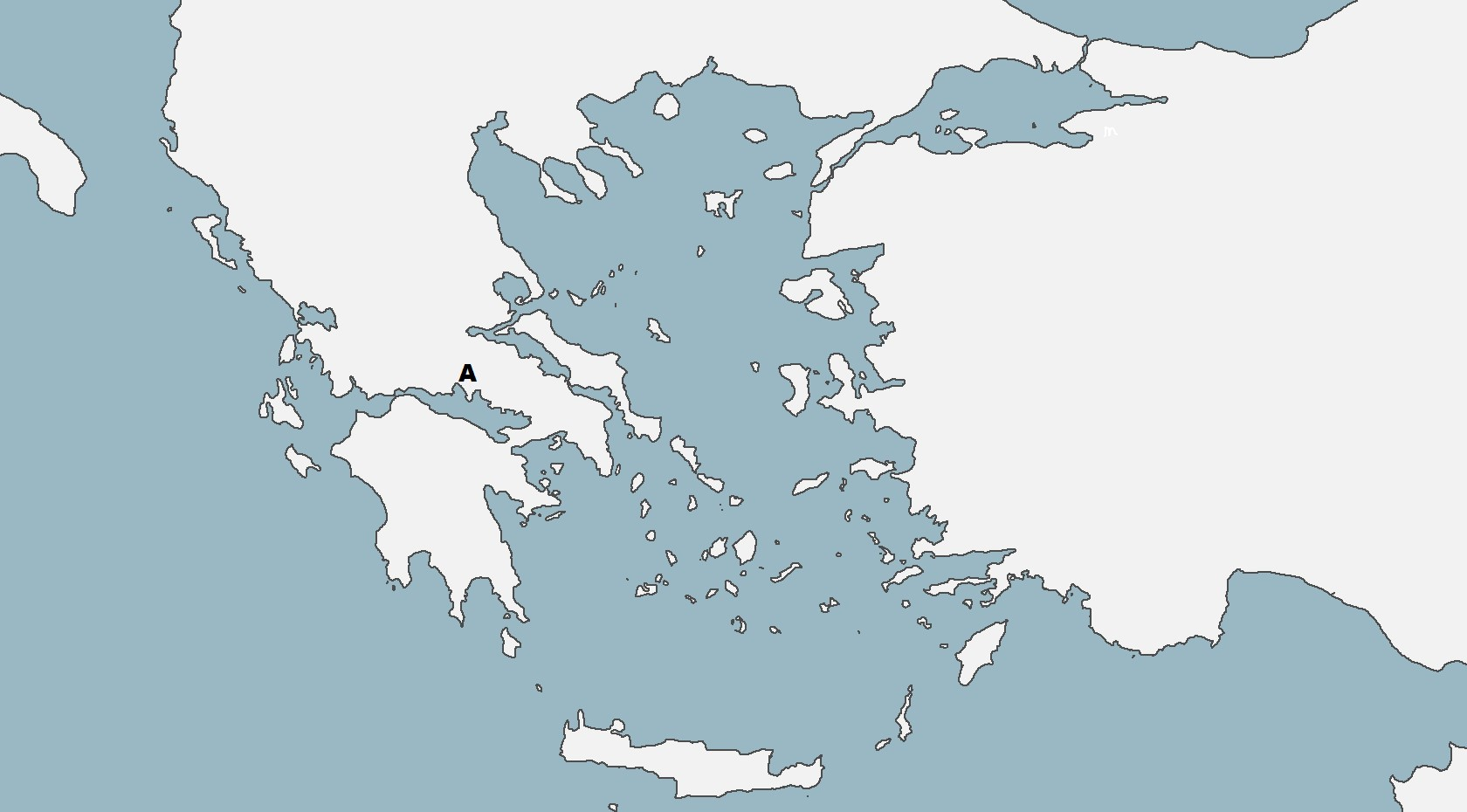
The place indicated by “A” on this map is
Delphi
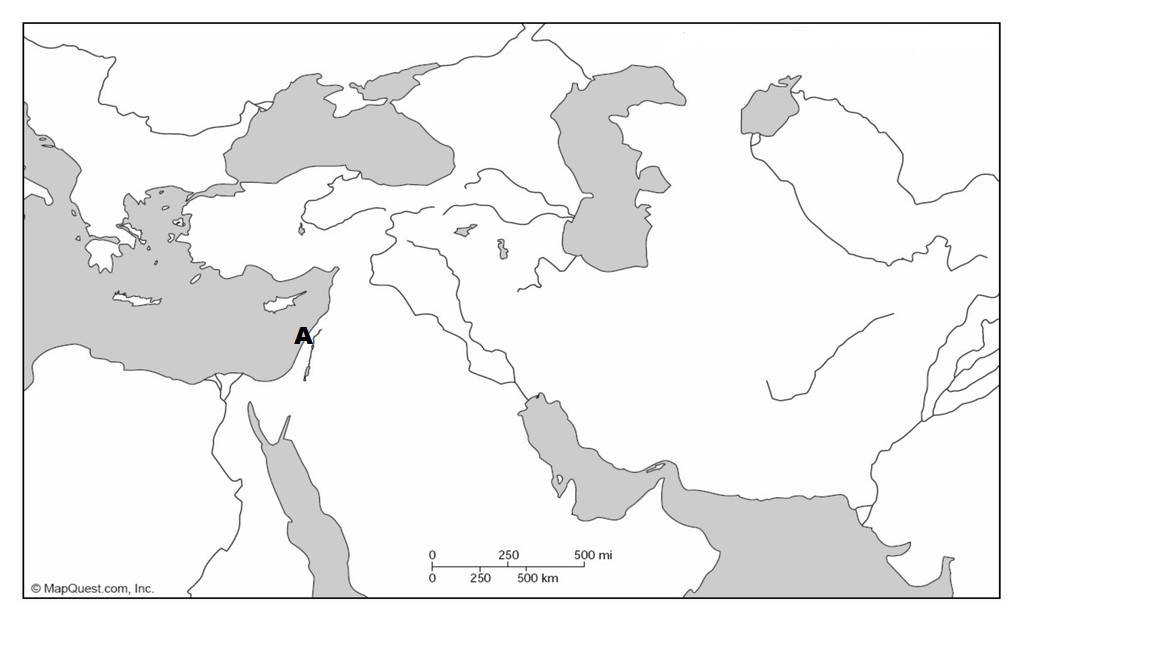
The place indicated by “A” on this map is
Tyre
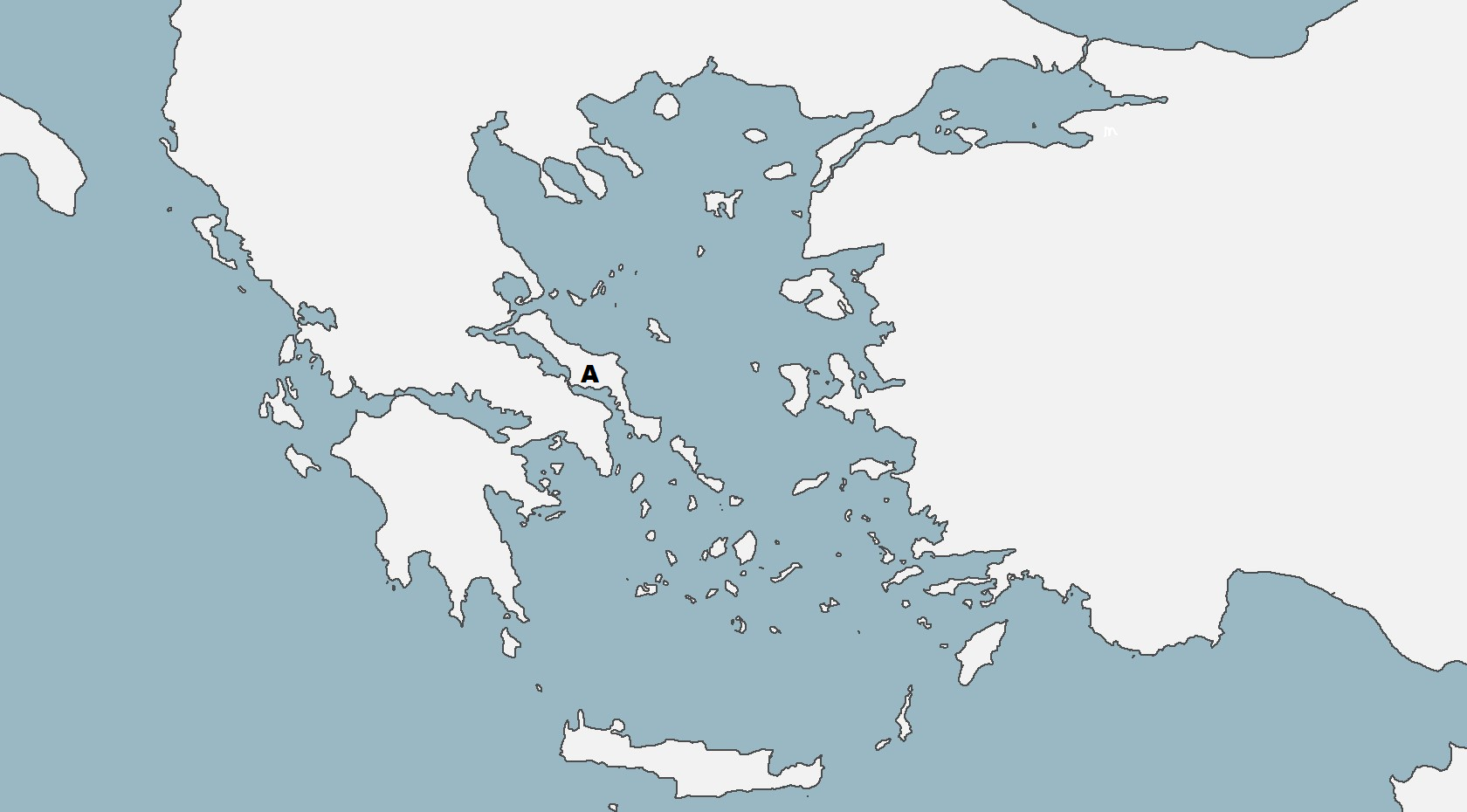
The place indicated by “A” on this map is
Eretria
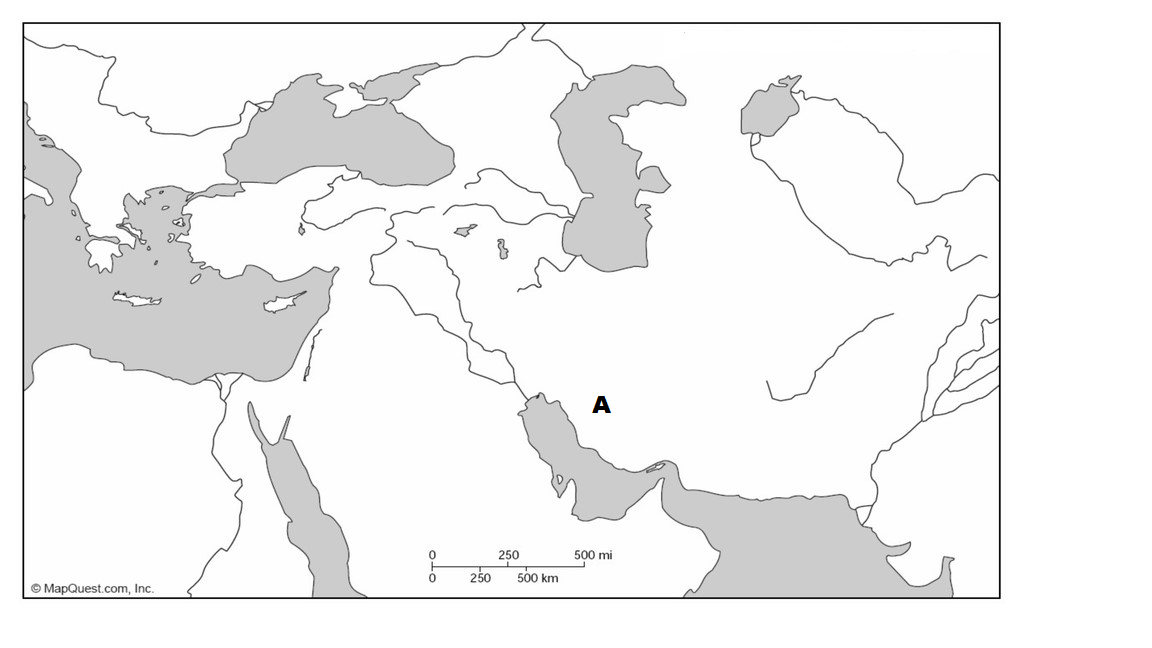
The place indicated by “A” on this map is
Persepolis
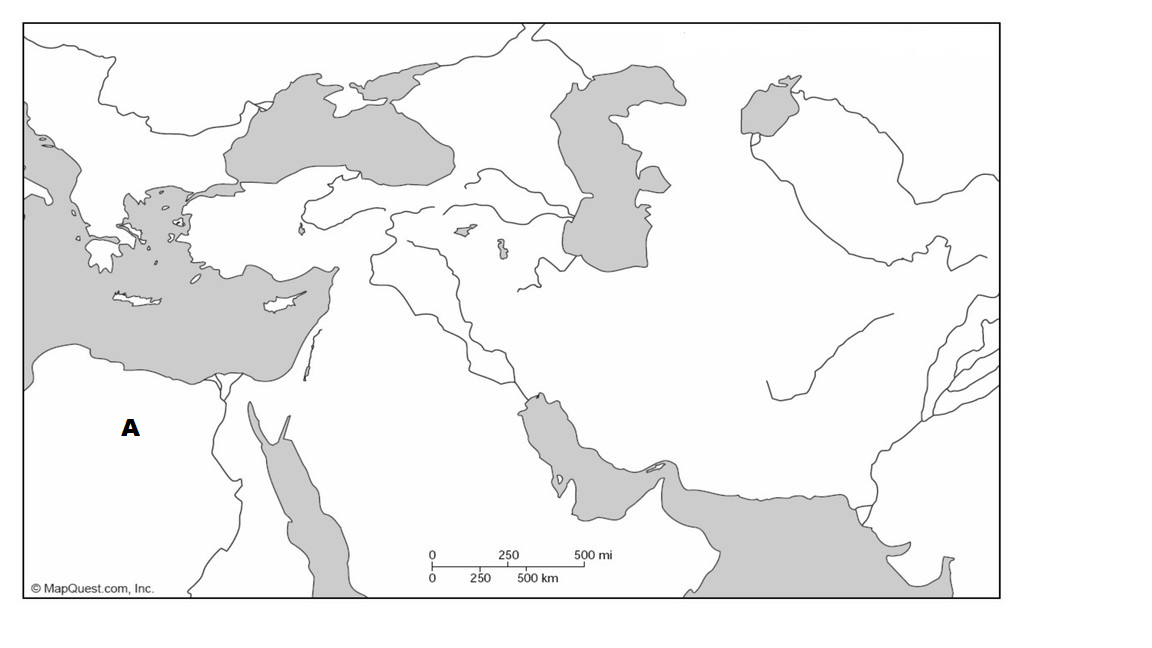
The place indicated by “A” on this map is
Siwa
The ancient Greek word for a non-Greek person was
barbaros
The cities of Tyre and Sidon were located in
Phoenicia
Alexander the Great besieged Tyre over a span of seven months in
332 BCE
According to Herodotus, Themistocles interpreted the so-called “wooden wall oracle” to be referring to
the Athenians’ ships
Scholars include all the following regions in the Ancient Near East EXCEPT
Thrace
The League of Corinth (formed by Philip II and continued by Alexander III) did NOT include
Sparta
Philip II formed the League of Corinth in
338 BCE
According to Herodotus, the ringleader or instigator of the Ionian Revolt was a ruler from Miletus named
Aristagoras
The Spartan king Leonidas died in
480 BCE
Philip II’s wife Olympias was from
Epirus
Of the following writers, the only one who both accompanied Alexander the Great on his invasion of the Persian Empire and wrote a history of this invasion was
Callisthenes
Arrian, Anabasis of Alexander 1.15
“Spithridates then raised his scimitar against Alexander from behind, but Cleitus, son of Dropides, struck Spithridates’ shoulder first, cutting off his arm . . .”
The event described here took place in
334 BCE
The Temple of Artemis at Ephesus supposedly burned down on the day that
Alexander (the Great) was born
At the Battle of Chaeronea, Alexander (the Great) was
18 years old
After the Battle of Chaeronea, Alexander was joined in delivering the ashes of the Athenian war dead to Athens by the Macedonian general
Antipater
According to Arrian, the reason that Alexander III (the Great) went beyond the river Ister (the modern Danube), when he was putting down rebellions in Thrace, was due to his “longing” always to go farther. The Greek word for this “longing” is
pothos
The Persian king Darius II
was the father of Cyrus the Younger
The Greek polis that was treated harshly (with many of its citizens sold into slavery) by both Philip II and Alexander III was
Thebes
All the following places were located in the northwest part of Anatolia/Asia Minor EXCEPT
Issus
If Persian satraps in western Anatolia had indeed followed the advice that Memnon of Rhodes gave them in 334 BCE regarding the invading army of Alexander the Great, Alexander would have probably soon been forced to
leave Anatolia and return to Macedonia.
Like the Rosetta Stone, the Bisitun inscription has inscriptions in ____ different languages
three
All the following are primary sources for the life of Alexander the Great EXCEPT
Herodotus
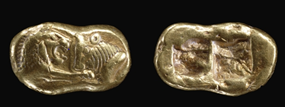
All the following statements are true about this type of coin EXCEPT
It was Greek, since Greeks invented the first coinage
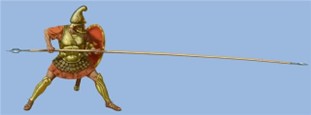
In this drawing, the Greek name for the type of spear the soldier holds was
sarissa
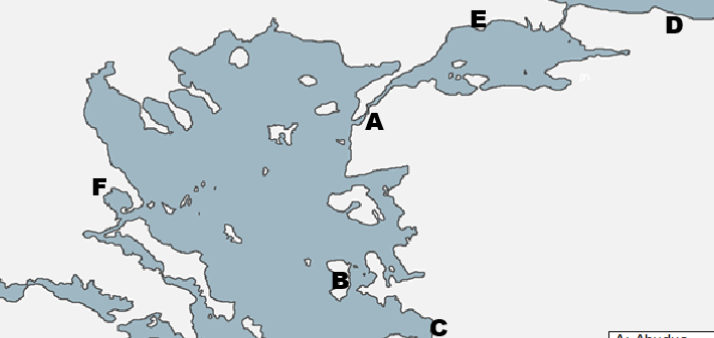
The place indicated by “A” on this map is
Abydus
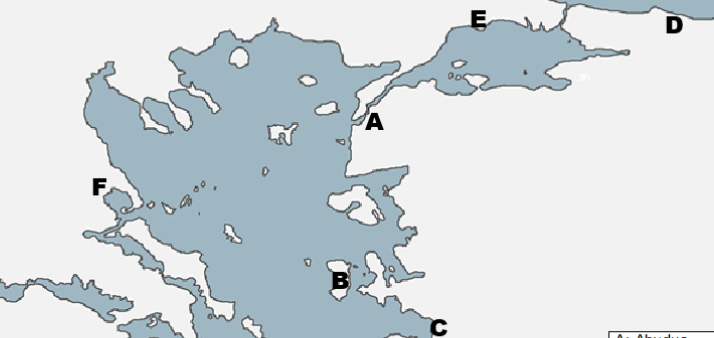
The place indicated by “B” on this map is
Chios
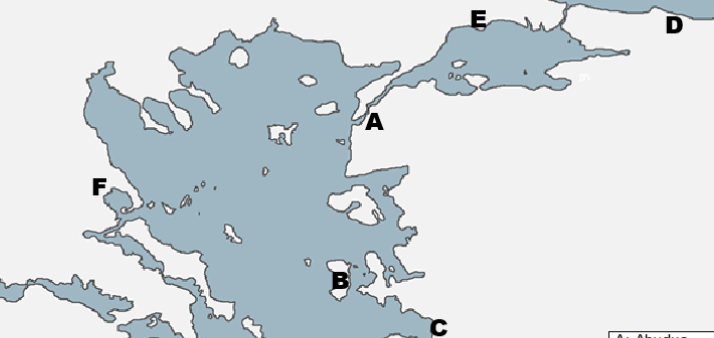
The place indicated by “C” on this map is
Ephesus
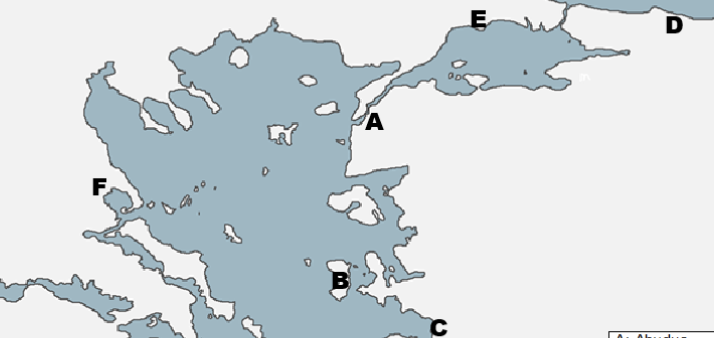
The place indicated by “D” on this map is
Granicus River
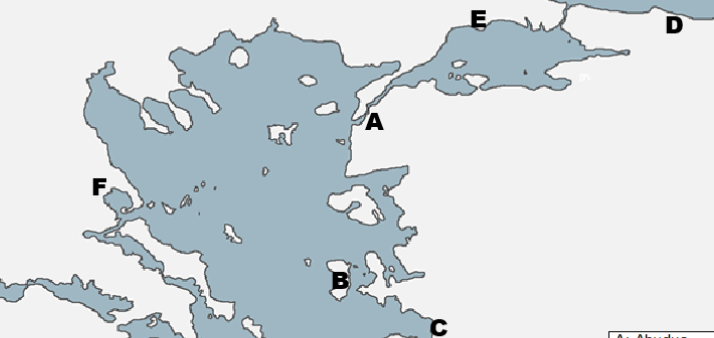
The place indicated by “E” on this map is
Perinthus
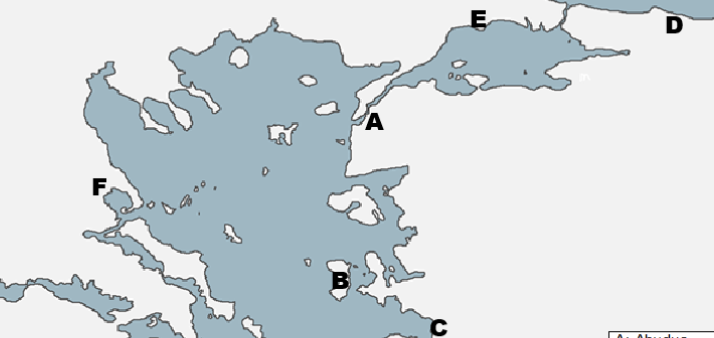
The place indicated by “F” on this map is
Pherae
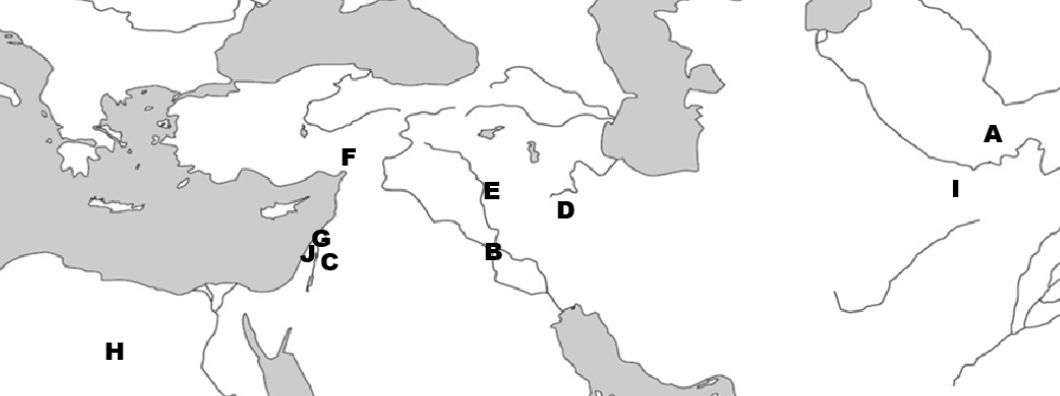
The place indicated by “A” on this map is
Bactria
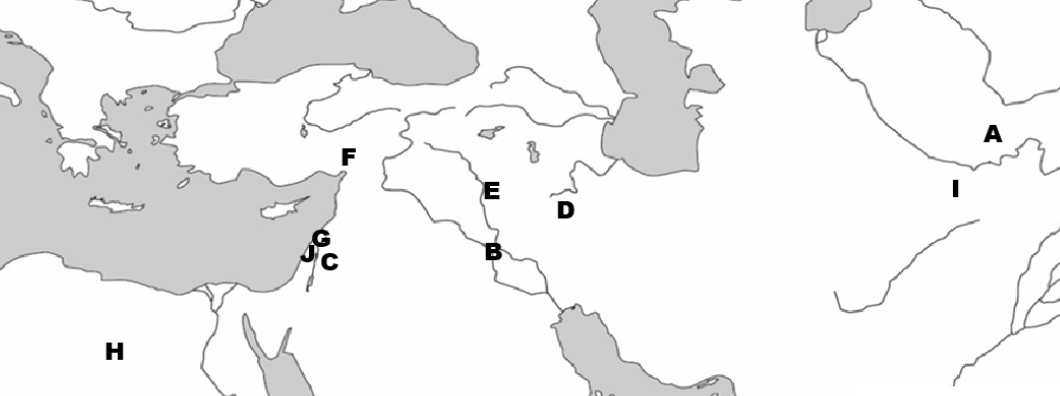
The place indicated by “B” on this map is
Cunaxa
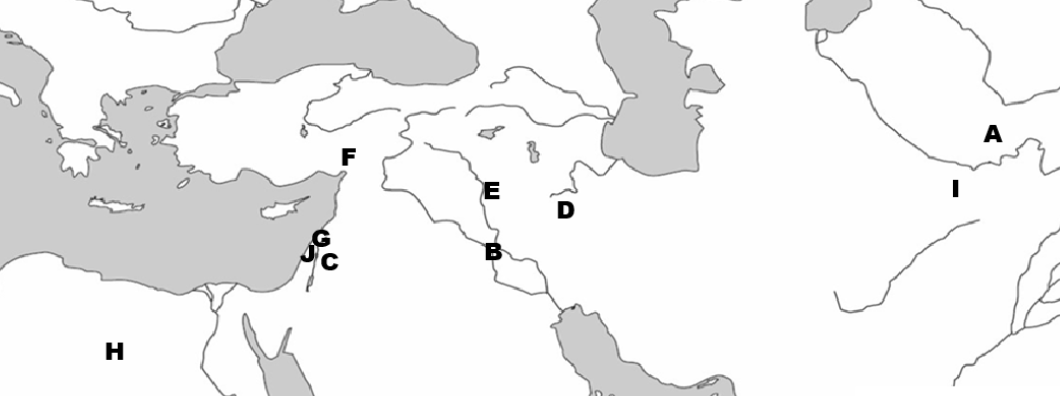
The place indicated by “C” on this map is
Damascus
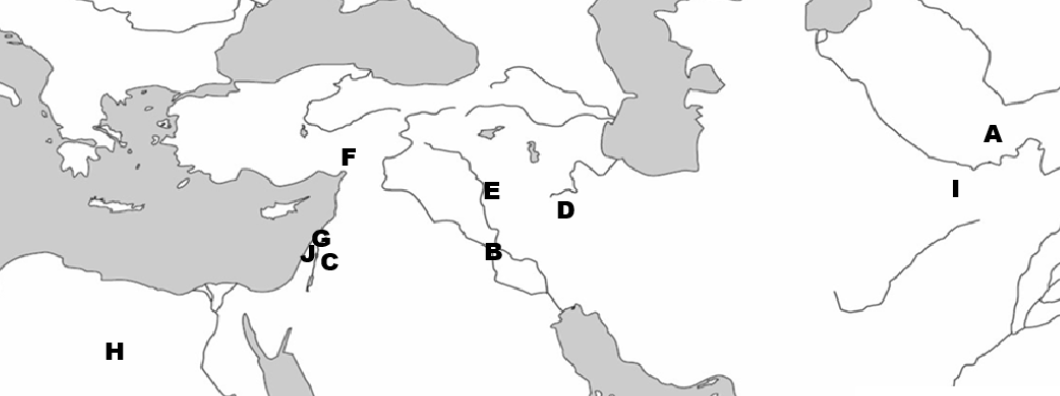
The place indicated by “D” on this map is
Ecbatana
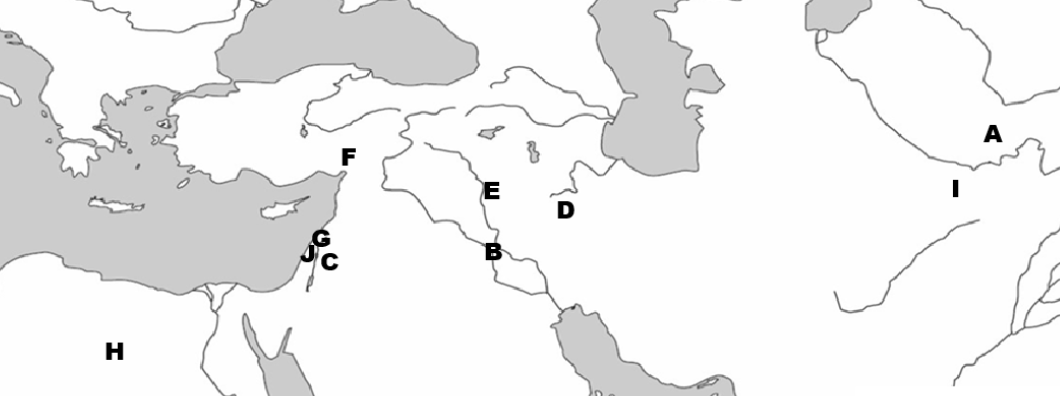
The place indicated by “E” on this map is
Gaugamela
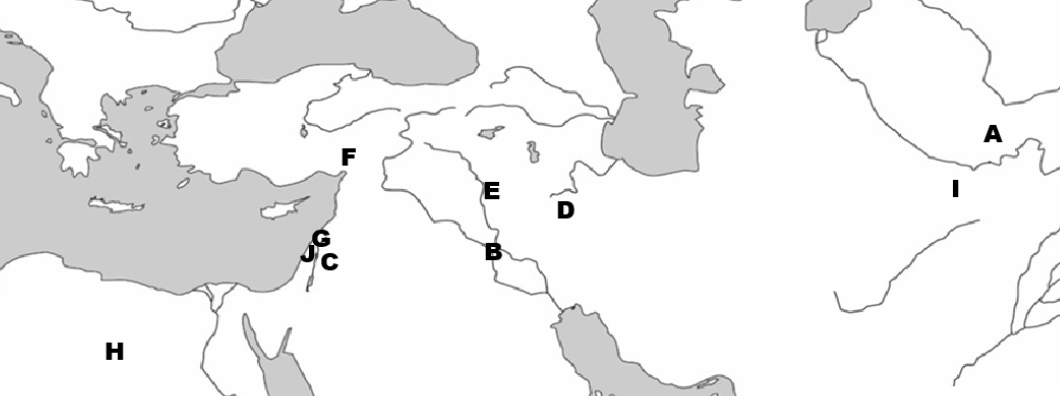
The place indicated by “F” on this map is
Issus
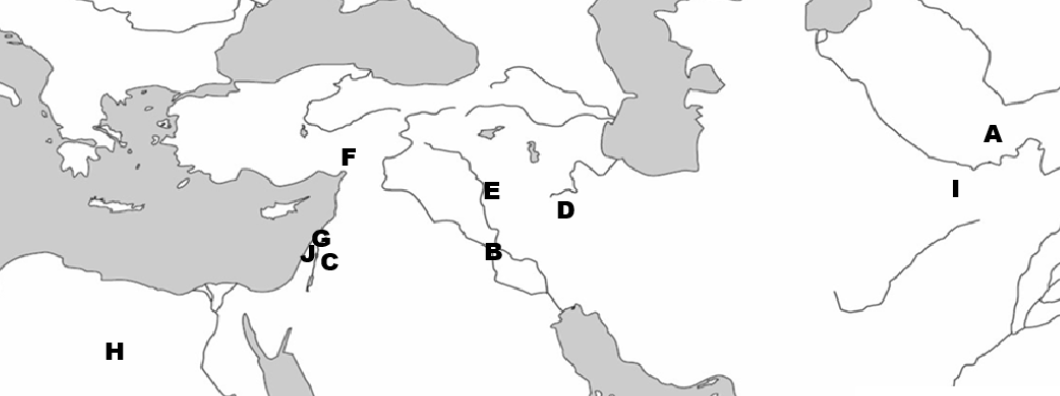
The place indicated by “G” on this map is
Sidon
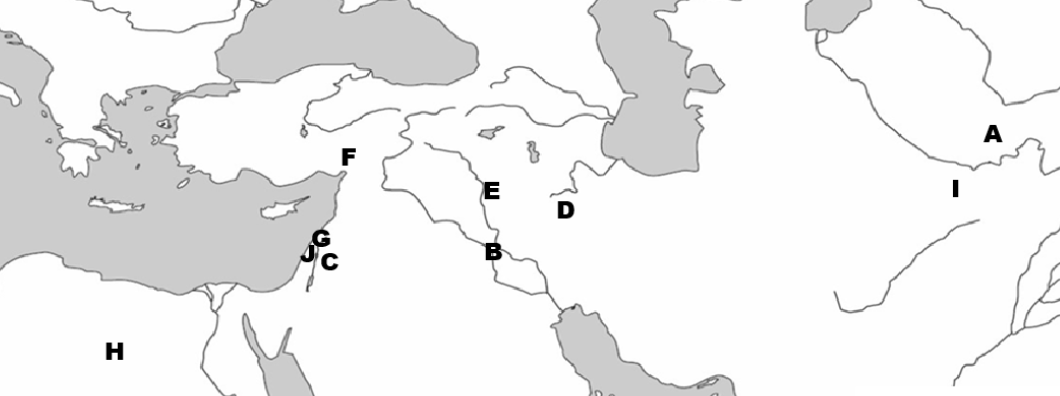
The place indicated by “H” on this map is
Siwa
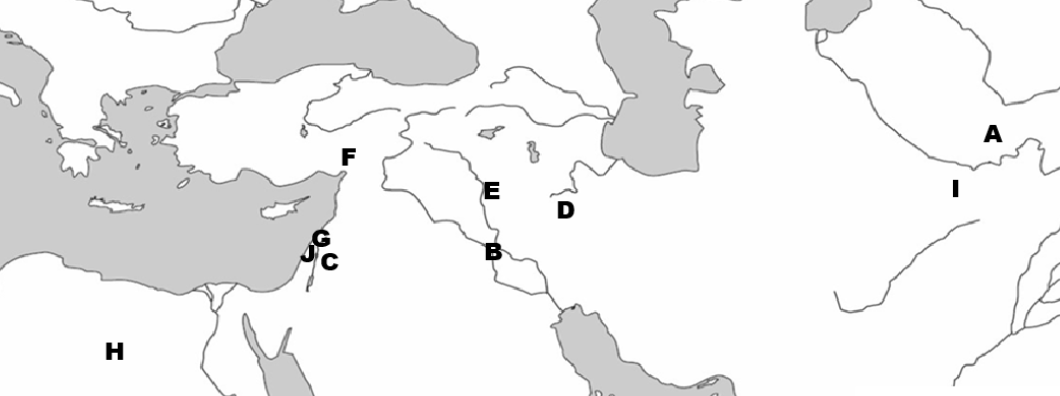
The place indicated by “I” on this map is
Sogdiana
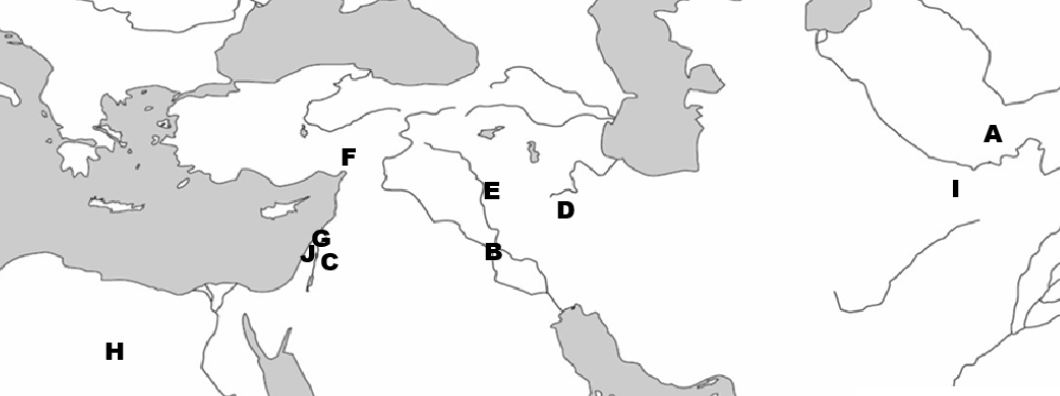
The place indicated by “J” on this map is
Tyre
In the sixth century, all of the below happened EXCEPT
Egyptians revolt
All of the below kings reigned during the fifth century BCE except
Alexander
In 494, what significant event takes place?
Darius sends forces to punish Athens/Eretria
What two battles take place on the same day in 480?
Themopylae and Artemisium
The Battle of Thermopylae was a victory for the ________
Persians
The Battle of Salamis was a decisive victory for the ______
Greeks
The Battle of Artemisium was a decisive victory for the ______
Neither, it was a tie
The Bisitun relief was carved in the
sixth century BCE
The Bisitun tablet is about
Darius I
The Bisitun tablet is inscribed in…
Elamite, Babylonian, Old Persian
The Bisitun relief _____ Darius’ actions in taking the throne
defends
We think the Bisitun relief was copied and sent all over the Persian empire, perhaps influencing…?
Herodotus
Herodotus focuses on the invasion of Greece by…
Xerxes
Herodotus tells us that the Ionian Revolt was destined to…
fail
“Tyrant” in the context of this class means…
A guy who seizes power and is not a nepo baby
In 498, ________ attack Sardis and “accidentally”? burn it
All of the above
When Darius I sends a force to punish Athens, he is guided by…
Hippias
Why was Marathon a great landing spot for the Persians?
It was flat, so there was space for the Persian cavalry
Darius I dies in _______ BCE
486
During whose reign did the Persians attempt to invade Greece?
Xerxes
Athenian envoys go to Sardis and offer ‘earth and water’ to king Darius in…
~507 BCE
Which philosopher advocated for a Panhellenic war against Persia?
Isocrates
Before Philip of Macedon, ____ of ______ wanted to unite the Greeks
Jason, Pherae/Thessaly
Philip II spent his early years in _____ as a hostage, which was the most powerful Greek city at the time
Thebes
When Philip finally moves into Greece, the Greeks [know / don’t know] he’s coming and are [prepared / not prepared]
know, not prepared
These two cities team up to fight Philip
Thebes, Athens
The battle where Greece loses its freedom until modern times is the…
Battle of Chaeronea
When Philip attacks, Greece is weakened from…
The Peloponnesian War
This orator urges Athens and Thebes to fight against Philip
Demosthenes
The Peace of Demades is negotiated between…
Philip and the Athenians
The League of Corinth is established
338 BCE
Philip’s only clash with a Persian military force was at
Perinthus
The Persian king who sends his forces against Philp to break the siege at Perinthus is…
Artaxerxes III
In 336, Philip kicks off his big Persian invasion by sending ________ with some advance forces to _________
Parmenio, Abydus
Who killed Philip?
Pausanias, ex-lover and royal bodyguard
Alexander the Great is Alexander the
third