Micro Practical 1: Staining Information
 Call Kai
 Learn
Learn Practice Test
 Spaced Repetition
 Match
Match Flashcards
 Knowt Play
1/22

Earn XP
Description and Tags
Modified version of unknown practice based on given study guide
Name | Mastery | Learn | Test | Matching | Spaced | Call with Kai |
|---|
No analytics yet
Send a link to your students to track their progress
23 Terms
What is a simple stain? What is its purpose?
Staining by use of one stain solution
Its purpose is to highlight the shape and arrangement of an organism
What is the procedure for simple staining? Include an example.
Stain utilizing an appropriate stain solution for one minute. Then rinse with tap water.
Ex. Methylene blue, malachite green, crystal violet, safranin
What is a differential stain? What is its purpose?
Staining by use of more than one stain solution
It allows us to differentiate bacteria or identify specfic structures
This refers to Gram Stain, Endospore Stain, and Acid-Fast stain
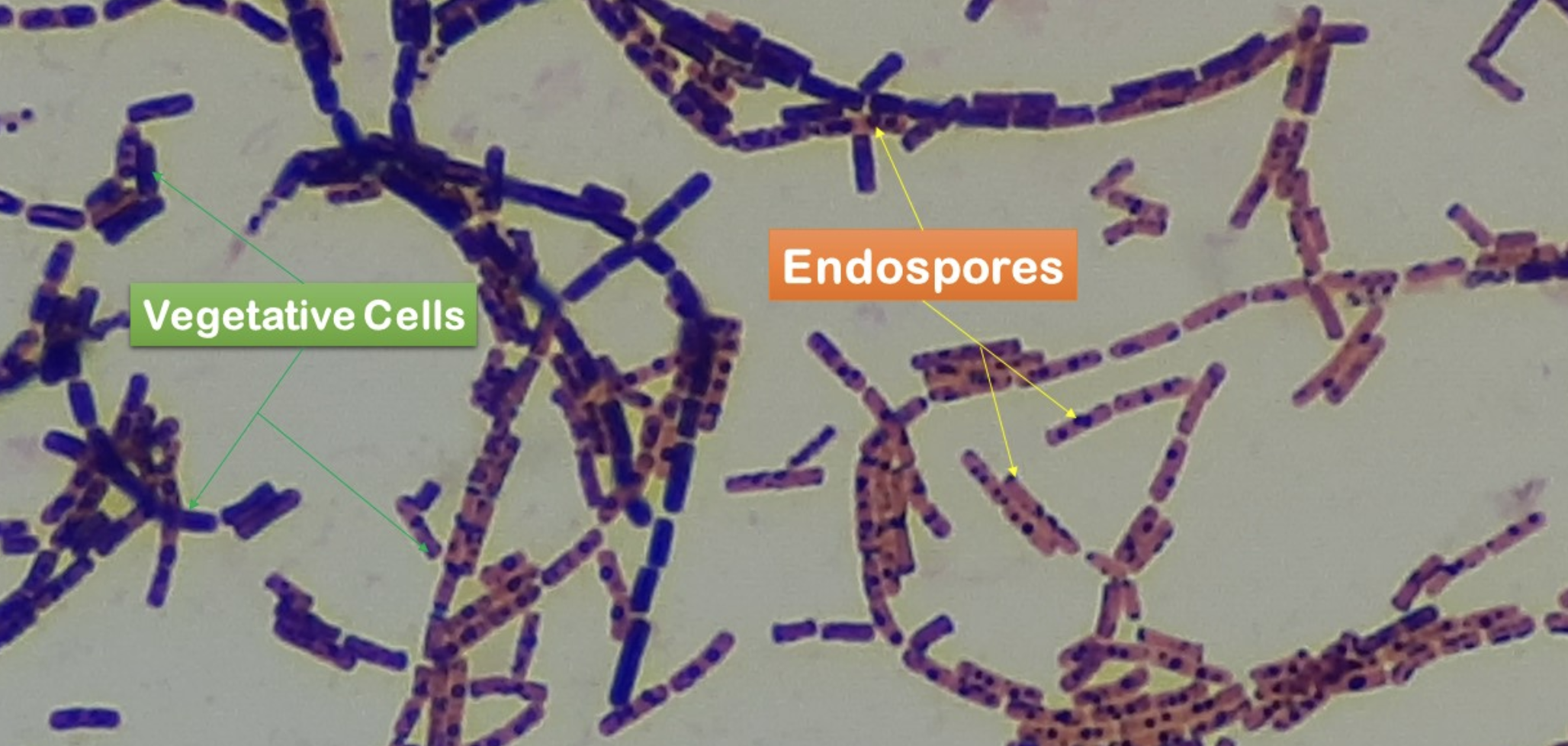
Which organism is shown in this image?
Bacillus subtilis
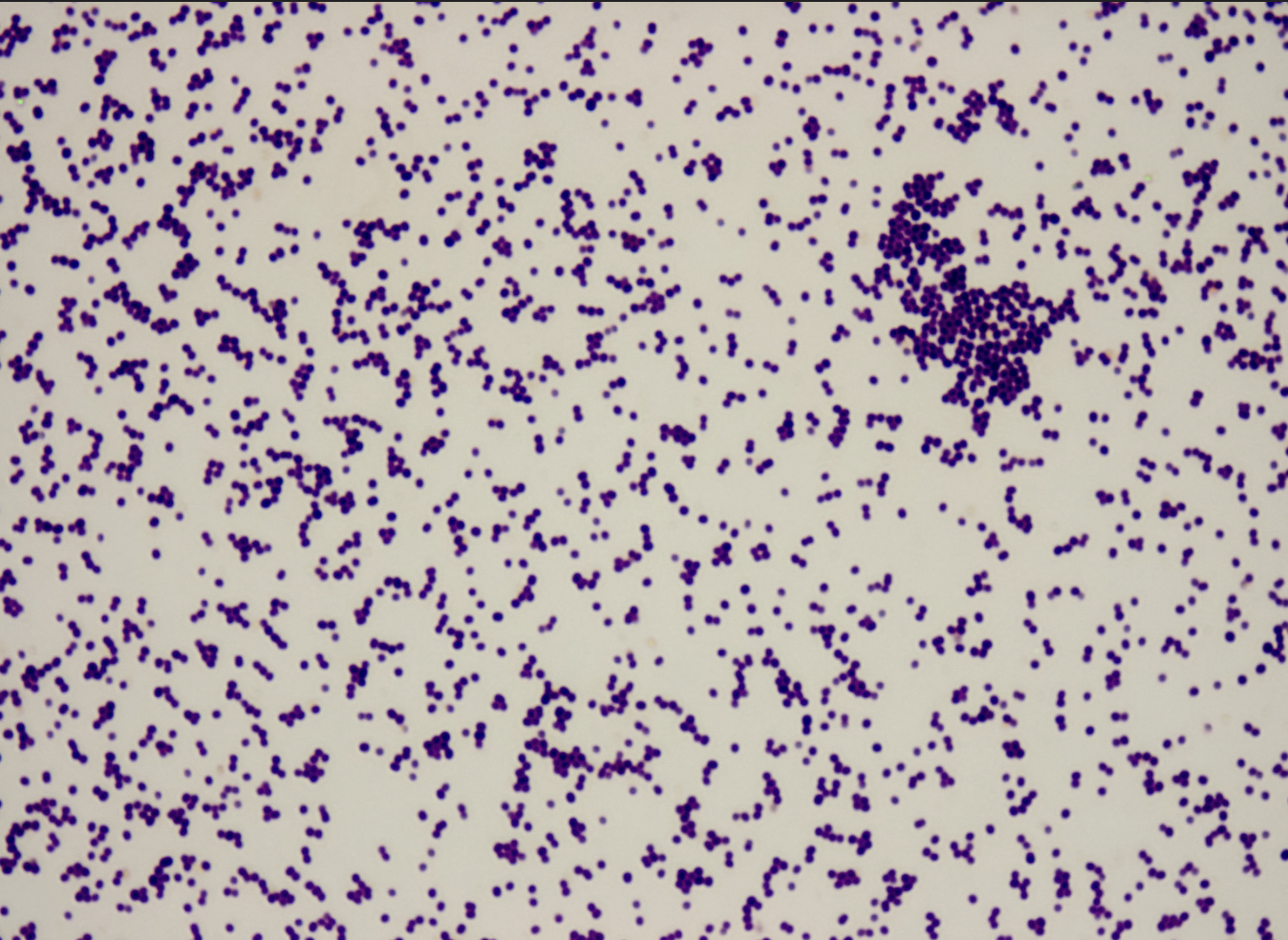
Which organism is shown in this image?
Staphylococcus epidermidis
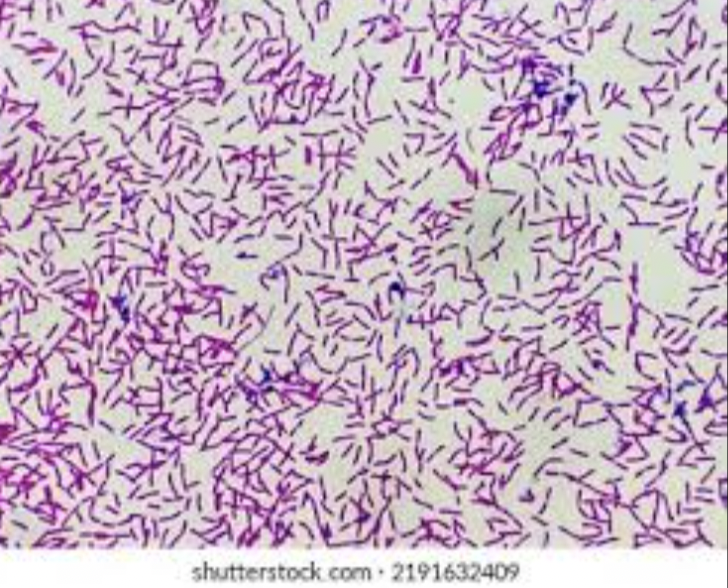
Which organism is shown in this image?
Escherichia coli
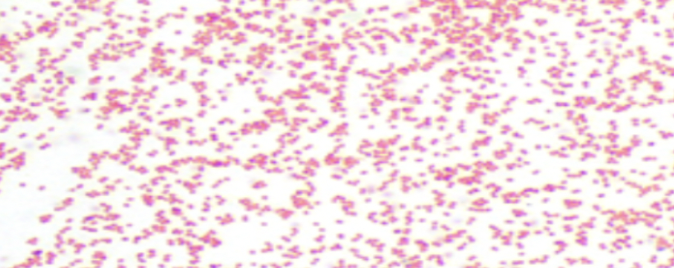
Which organism is shown in this image?
Neisseria sicca
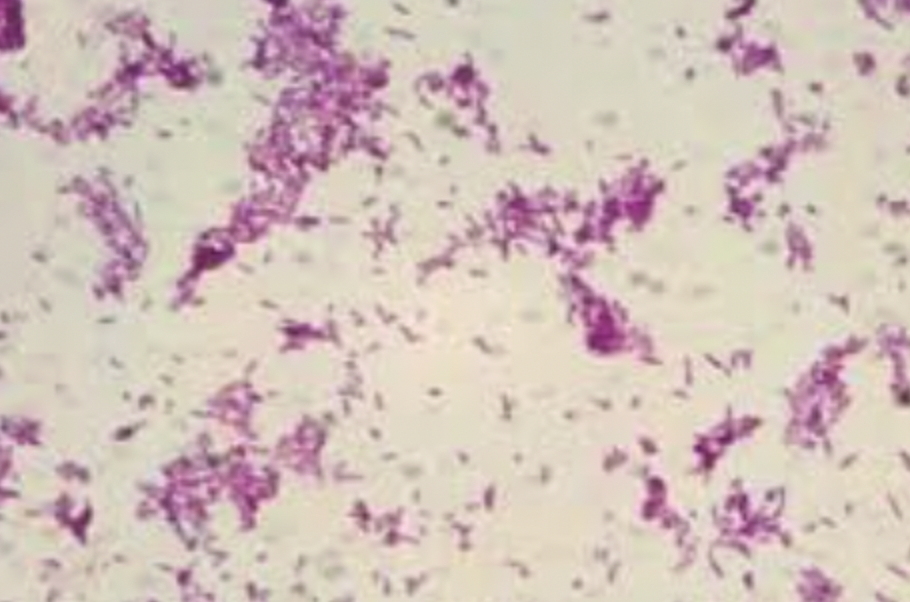
Which organism is shown in this image?
Mycobacterium smegmatis
List the characteristics of Bacillus subtilis
Gram reaction: Gram positive
Arrangement: Chain
Shape: Bacillus/rod shape
Acid fast reaction: Acid fast negative
Endospore Stain: Contains Endospores
List the characteristics of Staphylococcus epidermidis
Gram reaction: Gram positive
Arrangement: Chain/Cluster
Shape: Coccus/spherical
Acid fast reaction: Acid fast negative
Endospore stain: No endospores
List the characteristics of Escherichia coli
Gram reaction: Gram negative
Arrangement: Single
Shape: Bacillus/ rod shape
Acid fast reaction: Acid fast negative
Endospore stain: No endospores
List the characteristics of Neisseria sicca
Gram reaction: Gram negative
Arrangement: In pairs
Shape: Coccus/spherical
Acid fast reaction: Acid fast negative
Endospore Stain: No endospores
List the characteristics of Mycobacterium smegmatis
Gram reaction: Gram positive
Arrangement: Cluster
Shape: Bacillus/rod shaped
Acid fast reaction: Acid fast positive
Endospore stain: No endospores
Which organism requires a gram stain?
Each of the given organisms are to be gram stained
If you receive a bacterium with a coccus shape, no other tests are required
When should you you complete an endospore stain and a acid fast stain?
If your organism is bacillus (rod) shaped, an endospore stain should be conducted after your gram stain.
This narrows it down between Bacillus subtilis, Escherichia Coli, and Mycobacterium smegmatis
An acid fast stain should only be conducted if the result of the endospore stain leaves you unsure
This should narrow it down further, indicating either Escherichia Coli or Mycobacterium smegmatis
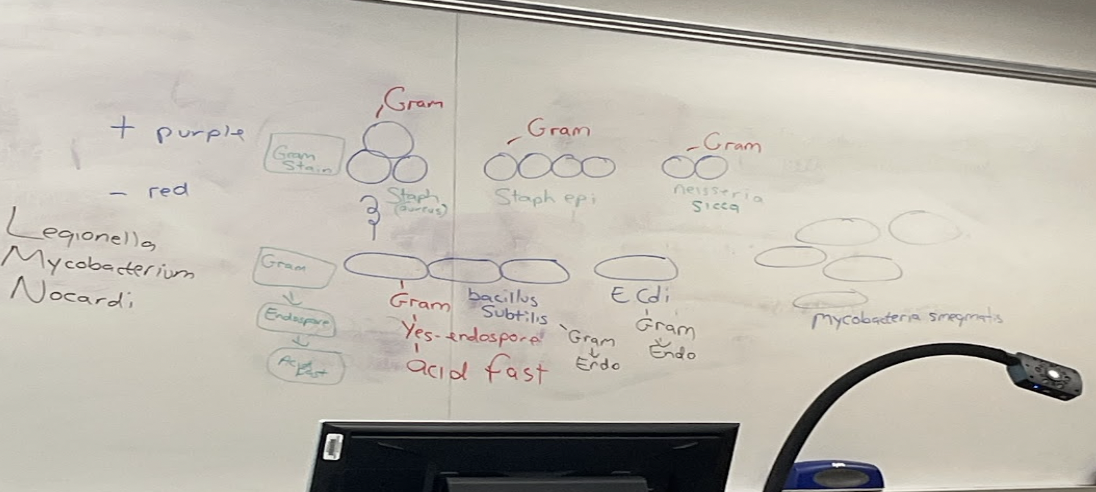
How can you remember the stains for each organism from our uknown?
For positive gram stain remember:
Buy my stuff:
Bacillus Subtilis
Mycobacterium Smegmatis
Staphylococcus
Everything else is negative for gram staining
For endospore stain remember:
Bacillus Subtilis
For acid fast staining remember:
Mycobacterium Smegmatis
List the procedures for Gram staining
Use the inoculating loop to smear the specimen and heat fix it by passing the slide 3-5 times over the burner
Flood the smear with crystal violet and leave it for 1 minute
Rinse the excess stain
Flood the smear with iodine and leave it for 1 minute
Rinse the excess stain
Tilt the slide into the basin and spray with acetone - alcohol for about 5-10 seconds
Rinse the slide
Flood the smear with safranin and leave it for 1 minute to 90 seconds
Rinse the slide
Use bibulous paper and blot the slide dry gently
Make sure the smear is not too thick, try to spread it out a bit.
What two genera are endospore producing? Give examples.
bacillus
Bacillus anthracis, the cause of anthrax
and clostridium
Clostridium tetani- causes tetanus
Clostridium botulinum- causes botulism
Clostridium perfringens, causes gas gangrene
What three genera are acid fast positive
Remember LMN
Legionella ← may or may not be on exam
Mycobacterium
Mycobacterium tuberculosis- the cause of tuberculosis
Mycobacterium leprae- the cause of leprosy
Nocardia
causes respiratory disease called nocardiosis
List the procedures for acid fast staining
Use your inoculating loop to smear the specimen onto the slide and heat fix it
Place filter paper directly onto the smear
Flood with carbolfuschin and warm over coolest part of your Bunsen burner for five minutes (don’t let it dry)
Rinse the slide and remove the filter paper and dispose it in the biohazard bin
Rinse the slide with water until the stain stops coming off
Decolorize with acid alcohol for 30 seconds
Continue to rinse with water
Counterstain with Loeffler's methylene blue for 1 minute.
Rinse with water
Blot excess moisture from the slide and air dry.
What does heat and carbol-fuchsin do to the specimen during acid fast staining?
They help to penetrate the mycolic acid layer of the bacterium.
List the procedures for endospore staining
Use your inoculating loop to smear the specimen onto the slide and heat fix it
Place filter paper directly onto the smear
Flood with Malachite green and warm over coolest part of your Bunsen burner for five minutes (don’t let it dry)
Rinse the slide and remove the filter paper and dispose it in the biohazard bin
Continue to rinse the slide with water for 30 seconds
Counterstain with safranin for 90 seconds
Rinse with water
Blot excess moisture from the slide and air dry.
Why do we heat the specimen during endospore staining?
It helps penetrate the spore-coat and the cortex containing dipicolinic acid